
IneedMyVacation.com


Europe’s trains carry more travelers than ever, and 2025 is set to break records. Fast rail lines connect iconic cities, from Paris to Prague, and tech upgrades make booking smoother but sometimes confusing. Green travel is no longer just a trend—Europe’s trains are leading by example, cutting emissions while making cross-country trips easier.

Still, a lot of myths linger about fares, comfort, and when to book. People wonder if Eurail passes pay off or if old stereotypes still apply. This guide will clear up what’s true, what’s changed, and the real value behind train tickets next year. You’ll get real tips on routes, booking strategies, and new must-knows for smooth, affordable journeys.

Ready to plan smarter? Check out https://ineedmyvacation.com/ for up-to-date deals, travel inspiration, and everything you need to make your European adventure a reality.

High-Speed Expansion and New Routes: Mapping the European Rail Renaissance

Blurred high-speed train in a sleek modern station, capturing urban commuting and motion. Photo by JÉSHOOTS

Train travel in Europe isn’t just keeping up—it’s racing forward. New high-speed lines, bold international connections, and reimagined routes are reshaping how—and how fast—you move across the continent. Gone are the days when rail journeys meant slow border checks or limited city pairs. Travelers in 2025 can expect a wave of exciting expansions, especially for those craving quick trips or long scenic hauls. Let’s look at what high-speed development and new cross-border routes actually mean for your next train adventure.

Sleeper Trains and Daytime Expresses: Revived and Redesigned Services

After years of decline, sleeper trains are making a vibrant comeback. European rail operators aren’t just reviving night travel—they’re rethinking it from the ground up. You’ll find new night routes launching, with services running between cities like Paris, Berlin, and Vienna, and extending east to Prague and Budapest. Comfort has seen a major upgrade: think en-suite compartments, quieter cabins, and gourmet meals, not just the rickety bunks of the past.

Daytime travel is faster than ever. The latest express routes—like Paris to Berlin or Milan to Munich—promise smooth rides at speeds topping 300 km/h, making epic city trips easily doable in a single day. Operators emphasize sustainability throughout; trains use renewable energy sources and modern rolling stock cuts emissions without skimping on features. In fact, taking a train can slash your carbon footprint compared to flying, helping you travel smarter and greener.

Key changes you’ll notice on these services include:

  • Quicker bookings and real-time updates thanks to better apps and automation.
  • Stylish cabins, improved Wi-Fi, and lounge access.
  • Family-friendly spaces, bike storage, and flexible ticketing.
  • Dedicated quiet cars and expanded sleeper options.

Curious about where new services run? Check out the latest Night Train Map 2025 for a bird’s-eye view of revived and brand-new night routes across Europe.

Daytime express options keep growing, as seen on networks like Spain’s AVE—still Europe’s biggest, with nearly 4,000 km of high-speed track as of 2025.

Regional Connectivity and Cross-Border Growth

Big cities aren’t the only ones reaping the benefits of rail investment. 2025 brings real progress for smaller towns and cross-border links, especially in places that once felt cut off. Rail’s new focus on regional connectivity means travelers can finally go from east to west or north to south without multiple changes or long waits.

Several major projects stand out:

  • The long-awaited Budapest-Belgrade high-speed rail corridor now connects Hungary and Serbia in around three hours. New modern trains zip along, cutting hours off previous timetables.
  • Athens-Patras finally sees rail restored along the coast, reconnecting Greece’s western cities to its capital. Seamless transfers make Greek rail more practical, especially for visitors mixing ferry and train travel.
  • The Tarvisio-Vienna route links Italy’s northeast border with Austria, offering new options for Alpine exploration or city breaks.

Other improvements:

  • Streamlined border checks make it easier to travel between more countries without delays.
  • Increased frequency on routes connecting Poland, Slovakia, and the Czech Republic.
  • Enhanced ticket integration means you can book several countries’ journeys in one go.

For a deeper look at current and expected routes, find the Eurail Map 2025, which details new services and fresh links across the continent.

If you’re planning a trip that hops borders or taps into these fresh routes, always scout for promotions and deals on I Need a Vacation Now. The site pools best-value options and up-to-the-minute schedules, making it easier to find affordable tickets for even the latest trains.

European rail in 2025 is about speed, comfort, flexibility—and choices. Whether you crave a night under the stars or a dash between capitals, the new rail renaissance puts more destinations within easy reach than ever before.

Seamless Booking and Ticketing: Is the One-Click Europe Dream Now Reality?

Travelers at ticket machines inside São Bento Railway Station, Porto. Photo by Uiliam Nörnberg

Forget paper schedules and confusing ticket windows—rail booking looks almost unrecognizable in 2025. With more people traveling by train, there’s a growing expectation: you should be able to plan, book, and manage trips across borders with a few taps, no matter where you are. But is the dream of truly unified European train booking—one click, all trains, every country—finally within reach? Let’s look at what the latest tech brings to the table, and what still stands in the way.

Behind the Scenes: Digital Innovations for Travelers

Train operators and tech firms have changed the way we plan and buy tickets. Long gone are the days when you needed physical tickets or had to wait in long lines. Now, booking a train from your phone is often as simple as booking a flight.

Here’s how booking and ticketing got more user-friendly:

  • Real-Time Information: New apps and websites give live updates on train times, platform changes, disruptions, and prices. Some, like the Eurail timetable, are improving every year, but always check local operators for the very latest info.
  • Journey Continuation Agreements: Many rail operators, especially in Western Europe, now honor each other’s tickets if you miss a connection due to delays. This gives peace of mind if you’re making tight transfers.
  • Mobile-First Booking: Apps let you compare deals, reserve seats, and store tickets, all in one place. Features like QR-code scanning and digital wallets mean no more printing or scrambling for paper stubs.
  • Ticket Flexibility: More carriers now offer flexible fares and worry-free changes. As explained in this guide on train ticket flexibility, some tickets let you change travel dates or get a refund with little hassle, even after departure.
  • New Booking Platforms: Sites pull together offers from different countries, giving you a single checkout for cross-border journeys. While no single tool covers all trains in Europe, choices are growing fast.

Big improvements for travelers:

  • No need for physical tickets
  • Instant confirmation and seat selection
  • Clear refund and change options
  • Multi-lingual support in most apps
  • Arrival and delay notifications direct to your phone

These features make train travel easier and more reliable than ever. Want to compare options or score a deal on your next trip? Check I Need a Vacation Now, which simplifies European train booking and helps travelers with up-to-date offers.

The Remaining Hurdles: System Fragmentation and Interoperability

Even with smart tech and flexible fares, the dream of booking all your trains in a single click across the continent hasn’t fully come true. What’s holding it back? The answer is complicated, and it’s not just about technology.

Main pain points that still trouble travelers:

  • Distinct National Schedules: Every country runs its own trains, with different departure times, booking rules, and definitions of “on time.”
  • Fragmented Ticketing Systems: Not all booking platforms or national rail websites talk to each other. It’s common to use two or three separate apps for a trip from Amsterdam to Zagreb.
  • Diverse Infrastructure Standards: Trains, rails, and signals work differently in each country. Sometimes even the power running through the lines isn’t the same, which means not every train can cross every border seamlessly.
  • Labor and Legal Differences: Rail staff, unions, and local laws shape everything from staffing levels to ticket refunds, making full integration tricky. Disruptions in one country might not trigger help in another.

These roadblocks mean there’s still no “one-click” Europe, no matter how slick the apps get. You’ll often see messages like “not available for your route” or “purchase at local station” when crossing certain borders. Even the best booking guides, such as the Seat61 detailed overview, suggest careful planning for multi-country trips.

Despite these hurdles, things improve every year. Major rail operators work together more, and the European Union pushes for greater integration. Travel in 2025 is smoother—just not perfectly unified.

If you want the up-to-the-minute best routes, prices, and apps—with no hidden surprises—keep checking resources like I Need a Vacation Now. They track the newest booking options, crossing borders and cutting through red tape for modern travelers.

From Greenwashing to Genuine Sustainability: Europe’s Rail as a Climate Solution

Trains have long worn the badge of “green travel,” but 2025 brings more than just eco-friendly slogans. Europe’s railways now sit at the center of real climate action—with strict rules, major cash, and bold new networks pushing sustainability past simple marketing. Step off the fast train, and you’ll find solar-powered stations, new cross-country links, and governments using policy, funding, and partnerships to create change you can actually ride. Here’s how politics, money, and regulation steer your future rail journeys.

Policy, Politics, and Funding: How Governments Shape Rail’s Future

Modern train at Rotterdam Centraal Station showcasing public transport in the Netherlands. Photo by Martijn Stoof

If you want to know why train travel in Europe keeps getting better (and greener), start with the big decisions made at the government level. Here’s what’s driving this train:

  • Major EU Investments:
    • The EU’s long-term vision hinges on the Trans-European Transport Network, or TEN-T. This huge project aims to weave together high-speed tracks, local lines, stations, and terminals to boost efficiency and sustainability.
    • Over €2.5 billion in new grants from the Connecting Europe Facility (CEF Transport) is set aside for 2025, helping upgrade tracks, trains, and border crossings for smoother travel and fewer emissions.
    • Projects like Rail Baltica, connecting the Baltics to main European routes, are pushing into new regions with backing from both the EU and local governments.
  • National Investments and Revival Programs:
    • While the EU sets the vision, individual countries make it happen. Germany, France, Spain, and Italy continue pouring billions into rolling stock, train stations, and rural links.
    • In Central and Eastern Europe, 2025 is called the “year of infrastructure investment,” with governments using EU and national funds to modernize rails, electrify lines, and rebuild tracks lost to neglect or war. Read more on big projects in the region in this article on infrastructure investment in Central and Eastern Europe.
  • Policy, Regulation, and Climate Goals:
    • Climate policy now drives rail investment. The EU’s “Fit for 55” target aims to cut carbon emissions by at least 55% by 2030, and trains are front and center.
    • New regulations push for more electrified trains, better energy efficiency, and improved standards for both passengers and freight to make European rail greener and more attractive than ever.
    • Governments are making air travel less appealing for short-haul routes, sometimes by banning flights under certain distances if a rail alternative exists.
  • Public-Private Partnerships:
    • The push for better rail doesn’t just come from governments. Public-private partnerships are delivering faster trains, renovated stations, and innovative passenger services.
    • More companies team up on both international and local lines. This brings new trains, fresh marketing, and digital booking tools—often speeding up the kind of change that used to take decades.

Here’s what this means for travelers:

The shift from greenwashing to real, measurable sustainability isn’t just a headline. It’s something travelers can now see, feel, and benefit from every time they choose the train. If you want the latest deals and updates on the smartest, greenest ways to travel, check out I Need a Vacation Now for up-to-date info, booking tips, and travel inspiration.

Passenger Experience in 2025: Comfort, Culture, and Challenges

An adult man reading a book while sitting on a train in Portugal, providing a relaxed travel moment. Photo by Kampus Production

From quiet carriage nooks to lively international snack bars, train journeys in Europe now offer an unmatched mix of comfort and culture. Fast Wi-Fi, clean cabins, friendly staff, and fresh food options stand side-by-side with classic travel gripes—missed connections and the occasional delay still pop up. If you’re picturing a smooth ride from Paris to Prague, most days that’s the case. Still, 2025 train travel comes with fresh wins and a few stubborn headaches, depending on the route and the rail company.

Traveler Insights: What Real Journeys Look Like Now

What does a modern European train journey really feel like? For most, it’s a huge step up from the past few decades. Travelers rave about quieter cabins, reliable connections between cities, and extra details that make longer rides enjoyable.

A recent passenger-focused review on what’s changing in 2025 highlights how onboard comfort continues to climb with perks like:

  • Roomier seats—especially in second-class on popular routes.
  • Adjustable lighting and temperature controls in new carriages.
  • Onboard entertainment portals, with movies and destination guides available at your seat.
  • Food carts serving local specialties, and even vegan and gluten-free choices.
  • USB charging and free, fast Wi-Fi now the norm, not a dream.

You don’t have to take the industry’s word for it. A family’s cross-Europe rail trip shared on Euronews paints a vivid picture: “My kids were happy streaming their shows on the train Wi-Fi, and we had real meals in the restaurant car—no more scrambling for baguettes at every station.” For parents, these touches make hours on the rails something to look forward to, not dread.

Many routes, especially new or refurbished lines, run on time more often and minimize hassle at borders thanks to unified ticketing and smart ID checks. That’s a huge leap, as The Guardian recently pointed out, for families and solo travelers who want a predictable ride.

Still, not every trip is smooth. Delays from ongoing construction, older trains on secondary routes, or strikes in specific countries mean that frustrations linger:

  • “Our overnight train was canceled last-second in Berlin, and rebooking was a nightmare,” reported one traveler on their spring 2025 tour.
  • Transfers at smaller stations sometimes lack clear signs or easy luggage transfers.
  • Border checks, while faster for most, can still slow things down if new rail rules or tech hiccups hit.

Many surveys now show that while 78% of riders in Western Europe call train travel their “top choice” for comfort and eco-friendliness, over a third wish for better real-time updates and more help during unexpected disruptions. Passengers want the security of real people—onboard staff, working helpdesks, and responsive social channels—not just chatbots or email-only support.

If you crave even more insight, a briefing from RailNation’s future-facing conference reveals how rail companies now track passenger mood and ideas in real time using social media and feedback tech (source). But even the best tech can’t always fix an old track or make a missed connection painless.

Key takeaways from travelers in 2025:

  • Comfort and speed on main routes often match or beat flying—minus the airport headache.
  • “Connection stress” is real, especially on multi-transfer journeys.
  • Food, Wi-Fi, and quieter cars matter more than most realize—and are now widely available.
  • Local culture still shines through: conductors share tips, menus highlight regional cuisine, and stations are full of lively scenes.

Train journeys in 2025 can be a highlight of your European adventure. Plan well, choose smart routes, and keep up with the freshest passenger tips and booking deals on I Need a Vacation Now to make the most of Europe’s upgraded rail experience.

Planning Your Own Train Adventure: Practical Tips for 2025 and Beyond

Dreaming about your own train journey across Europe in 2025? You’re not alone—rail travel is expected to hit new highs with more routes, better apps, and even more flexible options for explorers. Careful planning makes the difference between an easy tour and a logistical headache. These practical tips will help you get the most out of every ride, from booking to enjoying the scenery.

Start With the Right Sources and Inspiration

A vintage train at a classic Bristol railway station, showcasing urban transportation charm. Photo by Jack Winbow

Begin your plans with sources that keep up with constant changes. Train timetables and ticket systems update every year. In 2025, speed and reliability matter just as much as adventure.

Trusted guides like the Seat61 beginner’s guide for Europe break down how to read schedules, find family-friendly routes, and spot new sleeper or regional connections. Interactive maps such as the Eurail Map 2025 are invaluable for understanding major connections and planning creative detours.

If you’re after scenic or unique routes, browse inspiration lists such as 25 scenic train routes to try in 2025 to find journeys that fit your vibe, from Alpine loops to ocean-side tracks.

Booking and Ticketing Strategies for Every Traveler

As booking gets more digital, your choices multiply—but so do the decisions you have to make upfront. Popular journeys fill early, discounts appear and vanish, and you’ll find new ticket types depending on where you go.

Here’s how to stay on track in 2025:

  • Compare tickets on trusted platforms: Use sites that pool national and cross-border offers, such as Rail Europe’s booking portal. They let you compare times, prices, and even seat classes in one place.
  • Go mobile for simplicity: Download free apps like the Eurail Rail Planner; they keep your itinerary handy and bring offline access.
  • Reserve early for best value: High-speed and night routes often sell out fast, especially on weekends and holidays. Book as soon as your dates are set—some tickets land big early-bird savings.
  • Know your pass options: Eurail and Interrail passes unlock multi-country flexibility but may require extra reservations on premium trains. Always check if a pass suits your chosen route and dates. For travelers focusing on one or two countries, single-country passes or point-to-point tickets may cost less.
  • Use flexible fares if plans might change: Some networks let you refund or change tickets for a small fee—use this if you want wiggle room.
  • Save passes and tickets digitally for easier boarding. Most operators now accept QR codes or mobile tickets; only a few rural lines or extra-specialty trains may ask for physical paper stubs.

Planning Multi-Country and Scenic Routes

Traveling across several countries in 2025 has never been easier, but each border often brings different rules. Avoid surprises by planning the important bits ahead:

  • Check for required seat reservations: Not all routes need them, but many high-speed, night, and cross-border trains do.
  • Understand national quirks: Some countries, like Italy or Spain, still use mandatory reservations, while others let you hop on most trains at any time.
  • Mix and match scenic with speedy: Pair a classic high-speed hop (like Paris to Frankfurt) with at least one slow, panoramic journey (think Milan to Sicily or the Scottish Highlands). The New York Times recently highlighted 5 favorite European rail routes for 2025, perfect for nature lovers and slow travelers alike.
  • Be border-aware: While most Schengen Zone borders are now quick and easy, always have ID or passport handy, and watch for any seasonal checks.

Packing Tips and Station Hacks

Smarter packing can make or break a long train journey. Rail stations are busy, and space on board is limited—pack like a pro for comfort and peace of mind.

  • Pack light but layered: Smaller suitcases and backpacks are easier to handle and fit in luggage racks without hassle.
  • Keep snacks and water close: While trains offer food on most long-haul routes, delays or supply issues happen. Bring a few basics just in case.
  • Charge devices: Wi-Fi is reliable on many newer trains, but bring a power bank. Outlet space can be competitive, especially during peak travel.
  • Arrive early for busy departures: This gives you time to find your platform, read signs, and navigate crowds—especially in major hubs like Paris Gare du Nord or Rome Termini.

Budgeting for Your Rail Adventure

Train travel comes in every price range—budget cabins, premium classes, or full sleeper suites. Small fees (like seat reservations or onboard upgrades) can sneak up on you.

Tips to keep costs under control:

  • Set your priorities: Decide if you’d rather splurge on a panoramic route or save by taking slower locals.
  • Hunt for deals and youth/senior discounts. Check sites like I Need a Vacation Now for flash sales and seasonal promos bundled with tours, hotel stays, or ferry discounts.
  • Track currency and payment options: Most booking apps accept multiple currencies and cards, but double-check fees for cross-border purchases.

Staying Flexible and Informed

Train travel feels more spontaneous in 2025, but last-minute changes can still happen. Strikes, track work, and weather all play a role. Always have a backup plan and know how to access help if needed.

  • Bookmark help lines and station info desks.
  • Subscribe to delay notifications from your booking app—they often send alerts faster than platform announcements.
  • Follow official rail and station social media accounts for live updates, especially in big cities or during high season.

Above all, enjoy the journey. European trains blend speed and style with memorable scenery and experiences. Smart planning is simple with digital tools, trusted guides, and a dash of flexibility.

Want more up-to-date rail hacks, fare alerts, and the cheapest ways to cross Europe by train? Visit I Need a Vacation Now for everything new in European rail, plus expert help and all-in-one booking tools.

Conclusion

Train travel across Europe in 2025 stands as proof that progress and tradition can work side by side. Record numbers of travelers are choosing rails that are faster, greener, and more comfortable than ever before—while still offering the charm and local flavors many seek in European adventures. New high-speed routes, night trains, and smarter booking tools keep expanding your options, making it easier to visit more places without flying.

Travelers benefit from the resilience of the rail network, ongoing investment, and real action toward climate goals. There are still some snags—cross-border quirks and busy routes need extra planning—but the rewards far outweigh the effort. Taking the train now means less stress, real scenery, and a smaller carbon footprint.

For anyone aiming to explore the heart of Europe, start where you can get honest advice and the broadest range of travel solutions. Check out I Need a Vacation Now for the latest tips, best fares, and everything you need to build your trip from start to finish. Your next great journey is waiting—make it smart, enjoyable, and unforgettable.

 

Long flights, crying babies, and engine hum can turn travel into a tiring experience. That constant noise makes it tough to sleep, read, or just zone out. Noise-canceling headphones solve this challenge by blocking out disruptive sounds, letting you settle into your own peaceful bubble wherever your journey takes you.

There’s a pair out there for almost every budget, whether you want premium features or just the basics. Picking the right headphones pays off immediately, improving your comfort and helping you focus or relax on crowded planes, trains, and buses. If you want to make every trip smoother and more enjoyable, keep reading to find the best options that fit your needs and your wallet.

Ready to upgrade your travel routine? Visit I Need a Vacation Now for more tips, deals, and travel gear to make your next getaway even better.

Budget-Friendly Noise-Canceling Headphones (Under $50)

When you’re watching your wallet, finding noise-canceling headphones that work well for travel can be tricky but not impossible. There are reliable, budget-friendly models that help tune out unwanted sounds on your next flight or train ride. These picks may not have luxury finishes or elite features, but they deliver what matters most—peace and focus—at a wallet-friendly price. Let’s break down some of the top models under $50 and what you can honestly expect from these affordable options.

Noteworthy Models for Budget Travelers

Bearded man smiling with headphones and smartphone indoors, enjoying music.Photo by Ono Kosuki

Some budget headphones stand out with active noise cancellation, solid sound, and enough comfort for long travel days. Here are a few models worth your attention:

  • Soundcore by Anker Life Q20
    The Q20 has earned its reputation among travelers on a budget. You’ll get hybrid active noise canceling (ANC), impressive battery life (up to 40 hours with ANC), and deep bass. This model is praised for soft, cozy earcups that don’t pinch. You can often find them just under $50 when on sale at major retailers.
  • Srhythm NC25
    Lightweight and compact, the NC25 folds up for easy packing. Users like the ANC for flights and commutes, and the battery lasts up to 50 hours in standard mode. The build quality is decent for the price range, making it a popular pick among budget travelers.
  • Koss Porta Pro
    Not strictly ANC, but the design and foam earpads block out surprising amounts of outside noise. These are legendary for comfort and portability and are a favorite among frequent travelers on a tight budget (source).
  • Zihnic Bluetooth Headphones
    These headphones aren’t top-tier for noise cancellation, but you get wireless convenience, decent sound, and a soft fit—all for usually under $40.

For more shopping options and user reviews, check out this roundup of noise-canceling headphones under $50.

Pros and Cons of Low-Cost Options

Affordable headphones can surprise you with their value, but every budget pick comes with a trade-off. Here’s what you’re likely to encounter:

Pros:

  • Saves you money – A small investment makes travel quieter and more comfortable.
  • Lightweight and portable – Most sub-$50 models are easy to pack and carry.
  • Decent battery life – Many offer 30+ hours between charges, which easily covers long flights.
  • Simple controls – No complicated apps or menus, just plug in or pair and play.

Cons:

  • Noise cancellation is limited – Budget ANC often blocks steady sounds (like engines) but struggles with voices and sudden noises (read more).
  • Sound quality is basic – Don’t expect studio-level clarity or booming bass. Music and movies will still come through clear enough to enjoy.
  • Build durability varies – Materials are usually plastic, and hinges can feel flimsy. Some sets may not last more than a couple of trips if handled roughly.
  • Comfort can vary – Earcups may be smaller, and headbands might feel tight if you’re wearing them for several hours. Comfort is subjective, so check user reviews if you have sensitive ears.
  • Inputs and features are basic – You’ll likely get a simple 3.5mm jack, micro-USB charging, and modest add-ons.

You can also compare detailed breakdowns of noise cancellation advantages and trade-offs at this active noise-cancelling headphones guide for a balanced perspective.

Traveling on a budget doesn’t have to mean sacrificing all comfort. With the right research and realistic expectations, you can land headphones that keep noise down and stress levels low—leaving more money (and energy) for your adventures. For more smart travel gear and the latest deals, make sure to visit I Need a Vacation Now.

Best Mid-Range Headphones for Travelers ($50 – $150)

There’s a sweet spot between budget picks and the pricey, high-end models—a zone where quality, features, and value come together. If you’re willing to spend between $50 and $150, you can enjoy noise-canceling headphones that feel premium, block out plane and train noise, and offer enough bells and whistles to make travel comfortable and fun. Here’s what stands out in this mid-range crowd for travelers.

Top Choices and Standout Features

Young woman with headphones lying on bed, packing suitcase for travel.Photo by Timur Weber

The mid-range market is packed with strong contenders, each with their own special features. For travelers, certain models consistently win praise:

  • Sony WH-CH720N
    Often found under $130 during sales, these headphones boast customizable noise cancellation, great sound, and feather-light comfort (see current deals on CNET). The multipoint Bluetooth lets you switch between devices—a lifesaver if you’re toggling between phone and laptop in an airport.
  • Soundcore by Anker Life Q30/Q35
    These are frequent favorites for travelers who want strong active noise canceling without paying top dollar (see reviews on RTINGS). The Q35 ups the game with better call quality and a more premium carry case. Both offer three ANC modes (Transport, Outdoor, and Indoor), letting you adapt to wherever your trip takes you.
  • JBL Live 770NC
    JBL’s travel-friendly model is known for plush earcups, long-lasting battery, and a useful companion app for tweaking EQ and ANC settings (read more on CNET). Multipoint connectivity and Google Fast Pair support add even more convenience when you’re on the move.
  • Soundcore Space One
    At around $100, the Space One punches above its price with adaptive ANC and a companion app for custom sound profiles. It’s been highly recommended for travel by experts (see Wirecutter’s top picks).
  • Sennheiser HD 450BT
    Sennheiser’s model brings crisp sound, solid ANC, and a reliable build. The app lets you fine-tune EQ for punchier bass or a more balanced profile, depending on your listening style.

Key features you should expect in this range:

You can explore more models and the latest travel features with this 2025 travel headphone roundup.

Performance, Battery Life, and Comfort

When you’re on the road (or in the air), comfort, battery life, and real noise reduction are everything. Here’s what you can expect from today’s best mid-range headphones.

Noise Cancellation That Works

Mid-range models don’t just pay lip service to ANC—they actually mute engine drones, AC, and chatter. Most models in this bracket block out the low, rumbling sounds of planes and trains. You can even adjust ANC strength with companion apps or onboard controls depending on your environment.

Battery Life for Long Journeys

Need headphones that can last a full round-trip flight? Many mid-range sets offer 40-65 hours of playback on a single charge with ANC off, and 25-40 hours with ANC on. Models like the JBL Live 770NC and Soundcore Life Q30 consistently top lists for long battery life (see battery life ratings here).

Fit and All-Day Comfort

Travel headphones need to feel good for hours. Padding, lightweight builds, and flexible headbands matter:

  • Soft memory foam earcups: Cushion your ears through long flights.
  • Swivel/foldable hinges: Hug your head snugly or pack away easily.
  • Lightweight frames: Reduce neck strain and pressure during marathon listening sessions.

Many travelers highlight comfort as a top reason they choose certain models (detailed ratings here). If you’re sensitive to ear fatigue, look for reviews that mention fit and pressure points. Trying a pair on before a trip can make a big difference.

Everyday Use Beyond Travel

Good mid-range headphones pull double duty once your trip ends. They’re great for work calls, movie nights, or blocking out the neighborhood noise. Features like transparency mode let you hear announcements or conversations without removing your headphones—a handy touch in airports and cafes.

Before you head out on your next adventure, make sure to check out more headphone tips and travel gear recommendations at I Need a Vacation Now. Get the most out of your journey and upgrade your travel days with comfort and quiet.

Premium Picks for Audiophile Travelers (Over $150)

If you’re willing to splurge, you get more than just good sound—you step into a world of peace and clarity. Premium noise-canceling headphones deliver features that border on luxury: smarter technology, plush comfort, superior noise control, and craftsmanship that lasts. These are the models you’ll find on top business travelers and serious music lovers alike. They take the travel experience to another level.

Flagship Models and Innovative Tech

A businessman enjoys music on headphones while relaxing in a private jet. Luxurious travel concept.Photo by cottonbro studio

Flagship ANC headphones have set the bar high. The industry’s best models, like the Sony WH-1000XM5, Bose QuietComfort Ultra, Apple AirPods Max, and Sennheiser Momentum 4, bring a level of silence and immersion that’s hard to find anywhere else.

Here’s what sets them apart:

Industry-Leading ANC
Top-tier active noise cancellation (ANC) blocks jet engine rumble, chatty neighbors, and unpredictable airport sounds. These headphones often use advanced microphones and onboard processors to measure noise in real time, adjusting their defenses twice per second to keep unwanted sound out. That’s how headphones like the Bose QuietComfort Ultra and Sony WH-1000XM5 consistently top rankings (see expert picks on PCMag).

Adaptive Sound and Customization
Premium models don’t just cancel noise—they learn your preferences. Many offer “adaptive sound” or “aware” modes that automatically adjust based on where you are: airport, train, or hotel room. Through a phone app, you can:

  • Set your ideal ANC level
  • Change EQ for podcasts, movies, or music
  • Enable transparency mode to hear announcements
  • Track listening health or manage multi-device pairing

Explore current software features in the latest CNET guide to noise-canceling headphones.

Build Quality and Materials
Traveling a lot? Premium headphones use metal, plush memory foam, and durable plastics. They’re built to survive bumpy trains and tight overhead bins. Over-ear models wrap your ears with soft, pillowy pads. Earbuds like the AirPods Pro 2 and Bose QuietComfort Ultra Earbuds tuck in and stay put for hours without ear pain (see user-tested winners on Wirecutter).

Over-Ear vs. Earbud Options
For those who want true comfort during long flights, over-ear models shine:

  • Larger drivers deliver richer, spacious sound
  • Cushioned pads block noise naturally
  • Longer battery life (often 20-40 hours with ANC)

Earbuds have their place too:

Both formats now support smart features like voice assistants, touch controls, and automatic pause when you remove them. Pick the style that matches your travel habits.

Is Premium Worth It?

Shelling out $150 or more is a big move, especially if you’re a casual flyer. What do you actually get for that investment? These headphones are more than a status symbol; they make travel less stressful, more comfortable, and sometimes even enjoyable.

Travel Value and Unique Benefits

  • Deep, lasting silence: Premium ANC headphones can turn screaming kids, cabin chatter, and engine drone into near silence. For frequent flyers, they’re almost like a first-class upgrade for your ears.
  • Consistent clarity: High-end drivers keep vocals sharp and bass deep, even during windy taxi rides or busy terminals. You get the full range of music without needing to turn up the volume.
  • Easy controls: Most flagships offer customizable buttons, touch panels, and voice commands. No more fumbling for tiny switches mid-flight.

Long-Term Comfort

Airports and flights can be tiring enough. Headphones that pinch, heat up, or fall out only add to the misery. The best premium models focus on day-long comfort:

  • Earpads that stay cool and soft, even after hours of use
  • Lightweight designs that don’t press on the crown of your head
  • Flexible bands and rotating cups for the perfect, pressure-free fit

Earbud fans get ergonomic shapes and a selection of tips to find the right seal for passive noise isolation and great comfort.

Durability and Peace of Mind
With better materials and robust hinges, premium headphones handle years of travel, jostles, and cabin pressure changes without a hitch. Expect a solid carry case and, often, solid manufacturer warranties.

Technology that Keeps Up With You

  • Connect to multiple devices and switch instantly (laptop, phone, tablet)
  • Fast-charging and long battery life so you’re never caught quiet mid-journey
  • App integration that updates features and improves performance over time

If you want a detailed look at how premium headphones stand out, check expert comparisons at RTINGS: Best Noise Cancelling Headphones Under $200.

Ultimately, if travel is part of your life, premium noise-canceling headphones repay you with better rest, happier flights, and fewer headaches. Explore the premium picks trusted by seasoned travelers and audiophiles alike—and treat yourself to a travel upgrade.

Ready for a quieter, easier journey? Find more essential gear and travel upgrades at I Need a Vacation Now.

Tips for Choosing the Right Noise-Canceling Headphones for Travel

A young man with headphones and a drink stands casually at a train station platform.Photo by Andrea Piacquadio

Picking the perfect noise-canceling headphones for travel can feel like finding the right pair of shoes—you want the best fit, especially for long journeys. When you’re comparing models, price only tells part of the story. The right set blocks out noise, feels comfy during long flights, and slides easily into your backpack. Let’s explore what really matters, so you can tune out distractions and focus on your travel experience.

Comfort is King

If your headphones pinch, ache, or overheat your ears after a few hours, the noise cancellation won’t matter much. Great travel headphones feel light, secure, and gentle—no pressure points or sore spots after a layover.

Look for:

  • Well-padded ear cups made from memory foam or plush fabric.
  • Adjustable headbands for a snug, pain-free fit.
  • Lightweight frames that won’t strain your neck.
  • Try them on if possible, or check reviews that mention comfort during extended use. Frequent travelers often say this is more important than any tech spec.

Battery Life That Matches Your Journey

Nothing kills the vibe more than losing power halfway over the ocean. Good noise-canceling headphones last at least 20 hours on a charge (with ANC turned on), and many newer models stretch past 30-40 hours. Earbuds offer less, but newer designs improve every year.

Consider:

  • Battery life with noise cancellation activated.
  • Quick charge features—a short charge can grant hours of listening in a pinch.
  • Removable batteries are rare, so pick a model with power to spare for your longest travel days.

Strong, Effective Noise Cancellation

Travelers face more than one kind of noise—engine drones, loud talkers, overhead announcements. Not all ANC is created equal. The best models block low, steady rumbles (planes, trains) and also help tone down voices and random clatters.

Tips for checking ANC quality:

  • Read reviews and test results focused on travel settings, not just office use.
  • Look for features allowing you to adjust ANC levels or switch to “ambient” mode.
  • If you’re sensitive to the sensation of pressure from ANC, try before buying or choose one with adaptable noise control.

For a deep dive into top performers, see Wirecutter’s recommendations for the best noise-canceling headphones for 2025.

Portability: Easy to Pack and Carry

Big, bulky headphones may sound amazing, but if they hog all the space in your carry-on, you might start leaving them at home. Good travel headphones pack down quickly and take a beating in your backpack.

Look for:

Controls and User-Friendly Features

Travel is unpredictable, so easy controls save a lot of fuss. Fumbling with tiny buttons or confusing touch panels isn’t much fun at 30,000 feet.

Helpful features include:

  • Physical buttons or clear touch controls for play/pause, volume, and ANC.
  • Voice assistants (like Google Assistant or Siri) for hands-free help.
  • Auto pause when headphones are removed—great when you need to catch an announcement.

Find more must-have features in this travel headphone roundup.

Size and Weight: Finding Your Sweet Spot

Over-ear headphones dominate for comfort and sound, but in-ear options work if you pack light or want to sleep easily. Consider your travel style:

  • Over-ear models: Best for long haul, superior comfort, but bigger.
  • In-ear/earbuds: Small, easy to pack, often with decent ANC, but not always as comfy for hours.

Personal preference rules here—try both and decide what feels better.

Connectivity and Compatibility

Airplanes, buses, and hotel rooms rarely offer steady Bluetooth. Make sure your headphones can connect through a cable when you need them. Many travelers also want multipoint Bluetooth to switch between laptop, phone, or tablet without repairing.

Quick checklist:

  • Wired option (3.5mm jack or USB-C).
  • Multipoint Bluetooth support.
  • App controls for fine-tuning sound and updates.

Price vs. Value: Don’t Overspend on Features You Won’t Use

Some headphones pile on smart features you may never use—heart rate sensors, tracking, or gaming modes. Focus instead on:

  • Consistent noise cancellation
  • Long-lasting comfort
  • Good sound and reliable battery life

Reading traveler reviews on dedicated forums, like this lively discussion on Reddit’s HeadphoneAdvice, can help cut through the hype.

Whether you spend $50 or $500, the best travel headphones are the ones you’ll reach for on every trip. Take your time, set your priorities, and remember—how you experience sound on the move is just as important as your destination.

Looking for more ways to make your travels stress-free? Visit I Need a Vacation Now for smart tips, travel gear reviews, and top destinations.

Conclusion

There’s never been a better time to find the right noise-canceling headphones for travel—no matter your budget. Affordable models under $50 deliver basic noise reduction and comfort for light packers. Step up to the $50–$150 range and you get stronger ANC, better sound, and extras like multipoint pairing—a sweet spot for most travelers. Premium options bring best-in-class silence, audio clarity, and tailored features to make every journey feel smoother.

Your ideal pair depends on how and where you travel, but matching your needs to your budget lets you enjoy peace and focus on every trip. Don’t settle for excess—or less than you deserve.

Start planning your next getaway with more confidence and comfort. Head over to I Need a Vacation Now for expert tips, gear guides, and deals that can help make every journey more enjoyable. Thanks for reading—share your favorite travel headphones or tips in the comments below!


Long travel days and red-eye flights call for more than the typical airport coffee chain. Travelers today want cups that pack a punch—smooth, bold, and crafted by real baristas using top-quality beans. It’s not just about caffeine; it’s about starting your journey with something that actually tastes good.

Major U.S. airports have caught on, swapping out bland brews for specialty, local options that wake you up and taste worth every penny. Instead of settling for what’s closest to your gate, you can now find everything from famous regional roasters to indie cafés brewing strong, unforgettable coffee.

This guide shows you where to find the best and strongest cups at the busiest U.S. airports, so you won’t lose energy no matter how long your layover is. Looking for more ways to make your travels smoother? Visit ineedmyvacation.com for smart tips and inspiration.

Why Airport Coffee Is Getting Stronger and Better

Busy travelers expect more from their airport coffee than a bland, watery pick-me-up. In 2025, U.S. airport coffee is getting bolder and tastier thanks to a mix of rising traveler expectations and airport upgrades. Today, you’re just as likely to find a crafted pour-over or a double ristretto at a terminal café as you are a basic cup of joe. Let’s look at why airport coffee keeps getting stronger—and why your next layover might just deliver your favorite caffeine fix.

A disposable coffee cup next to a laptop and phone in a modern airport setting. Photo by Daniel Andraski

Travelers Expect Quality Now

People are tired of weak, stale airport coffee. Many airports have seen a jump in business travelers and coffee enthusiasts who want quality and strength. Just like you wouldn’t settle for soggy airport pizza, you shouldn’t have to accept bitter diner-style brews.

What’s changed?

  • Passengers are looking for taste and energy, not just caffeine.
  • Travelers know and recognize premium brands and methods—think cold brew, nitro, and espresso shots.
  • A regular cup doesn’t cut it, especially before long flights or after long delays.

This demand has pushed airport vendors to upgrade their offerings. According to a recent Food & Wine report, stronger, better coffee is part of larger improvements across airport dining, as travelers demand more local, specialty options than ever before (source).

Competition From Local Roasters and Specialty Cafés

Big airport chains like Starbucks still serve a lot of cups, but now they have to compete with indie coffee shops and well-known local roasters. These shops focus on strong, high-quality brews and unique blends.

Airports have added:

This competition raises the bar for everyone, including national chains. It’s no surprise you’ll now find strong, carefully brewed coffee even in busy terminals where lines move quickly (see how Starbucks is responding).

Advances in Brewing Equipment and Methods

Modern coffee shops use powerful brewers, espresso machines, and grinders designed for speed and consistency. Airport cafés now install this gear to turn out bold shots and fresh-brewed coffee in record time without losing quality.

New trends include:

  • High-volume espresso machines for perfectly extracted shots
  • On-demand grinders for maximum bean freshness
  • Cold brew taps and nitro coffee for an energizing chill option

Upgraded equipment means even a quick cup at your gate tastes like something from your favorite neighborhood shop.

Focus on the “Passenger Experience”

Airport managers now treat coffee as a key part of the traveler experience. They know that a strong cup can turn a long wait or an early morning into something enjoyable.

This shift in focus includes:

  • Carefully chosen café locations for convenience
  • Menus with bold options, crafted for all-day energy
  • Loyalty programs or app-based ordering for quick service

The move reflects a bigger trend in airports: aiming to build comfort and add value for customers at every step of the journey. According to travel analysts, major hubs are making food and beverage upgrades part of broader plans to improve the passenger experience and create airport “destinations” (explore more on airport transformation trends).

Specialty Coffee Goes Mainstream

Specialty coffee shops are no longer rare finds behind security. You’ll now see them upfront in main hallways or right by your departure gate. That’s because both passengers and airport operators agree: everyone benefits from stronger, better coffee in the terminal.

What does this mean for your next trip?

  • More choices for dark roasts, single-origin espresso, and extra-strong cold brew
  • Baristas skilled in making everything from cortados to classic Americanos
  • Freshly ground beans, bold flavors, and quick service even at the busiest times

Airports want you to leave with a great taste in your mouth—and maybe some extra pep in your step.

Ready to discover your next favorite airport coffee stop? Keep reading for the top picks, and don’t forget to visit ineedmyvacation.com for more expert travel advice and helpful tips.

Top U.S. Airports for the Boldest Coffee Brews

Finding a strong cup of coffee in a major airport isn’t just about staying awake—it’s about enjoying a genuine café experience while on the go. From local favorites to third-wave roasters, these U.S. airport spots prove you don’t have to settle for faded drip in a paper cup. Below are some standout coffee shops known for their high-caffeine, robust drinks and memorable flavors.

Chicago O’Hare International Airport: Metropolis Coffee and Intelligentsia

Chicago O’Hare offers travelers more than just convenience; it serves up some of the city’s best, boldest coffee. Metropolis Coffee can be found at The Goddess and Grocer in Terminal 5. This local roaster is famous for rich, full-bodied espresso pulls and thick, dark drip options. Their signature Redline Espresso will jolt you awake with its smoky notes and creamy finish. If you have extra time, grab a made-to-order pour-over for the freshest cup.

Intelligentsia—a giant in the Chicago coffee scene—appears in select airport kiosks and bring-it-with-you blends. Known for their direct trade beans and “Black Cat Espresso,” Intelligentsia is celebrated for balanced strength and deep chocolate undertones. The coffee here stands out due to a combination of high-impact roasting techniques and specialty-grade beans.

For a local’s perspective on these stops, check out the helpful O’Hare Airport coffee guide.

San Francisco International Airport: Ritual Coffee and Green Beans Coffee

San Francisco International Airport (SFO) sets the bar with premium, organic choices that pack both flavor and punch.

Ritual Coffee, a celebrated Bay Area roaster, offers its popular blends and single-origin options in the International Terminal. Ritual’s West Coast approach brings you bright acidity and a clean finish, but don’t let that fool you—their Gibraltar (a short, bold espresso drink) is packed with flavor and caffeine.

Green Beans Coffee has carved out a spot for travelers who want strong, honest brews paired with ethical sourcing. Located by Terminal 3, they prioritize farm-to-flight beans, offering everything from robust dark roasts to French press and nitro cold brew on tap. If you’re rushing, grab their signature “Jet Fuel” blend—a favorite among late-night fliers for its serious kick.

If you’re planning a stop at SFO, this round-up of top SFO coffee shops will help you zero in on the best options before you board.

Nashville International Airport: 8th & Roast and Bongo Java

Nashville International brings Southern hospitality to its coffee scene with two standout, locally-owned options.

8th & Roast boasts beans roasted daily and a strong menu of cold brews, bold espresso, and rich Americanos. The “Roasted Rocket” is their highest-caffeine blend—thick, dark, and smooth enough to enjoy straight.

Bongo Java is a music city staple with a location in the airport serving their signature “Hair of the Dog” blend. This coffee is roasted to a deep finish and served hot or iced for strong, clean flavor without burnt bitterness. Regulars swear by the Ananda Chai Latte for when you want caffeine with a spicy twist, but their classic black coffee remains the top choice for those craving pure strength.

You’ll notice both shops highlight community and sustainability, with every cup delivering comfort as well as caffeine.

Seattle-Tacoma International Airport: Caffe Vita and Floret by Stumptown

Seattle’s reputation as a coffee destination holds up at Sea-Tac, where two specialty roasters compete for your attention.

Caffe Vita, located in Central Terminal, serves up seriously strong espresso and slow-brewed coffee made from beans roasted in small batches for intensity. Their French Press and signature dark roast pour-over draw raves for big flavor and even bigger energy.

Floret by Stumptown, found in the North Satellite, is a partnership with celebrated Stumptown Coffee Roasters. Try their “Hair Bender” espresso or cold brew on tap for a jolt that rivals anything downtown. Floret’s baristas know how to coax peak strength and rich, chocolatey flavor from each pull, making it a go-to for those needing a heavy hit of caffeine before a Pacific Northwest flight.

Next time you’re running through a busy terminal and need a caffeine fix that’s strong and satisfying, try one of these airport gems. Want more travel upgrades and insider tips? Go to ineedmyvacation.com and plan your best trip yet.

How to Identify and Order the Strongest Coffee at an Airport

Travelers crave coffee that not only wakes them up, but actually tastes fresh and powerful. With plenty of choices at most major U.S. airports, finding the strongest cup comes down to knowing where to look, what to order, and how to talk with the staff. Here’s how you can zero in on the boldest brew before your next flight takes off.

Look for Local Roasters and Specialty Cafés: Why They Brew Stronger, Fresher Coffee

Skip the big chains near the security line when your goal is top-tier strength and flavor. Local roasters and independent specialty cafés, now common in airport terminals, put real craft into every cup. They use fresh beans, roast in smaller batches, and make drinks to order rather than relying on large pots that sit for hours. This attention to quality means their coffee has bolder taste and often higher caffeine content, especially when it comes from trusted regional names.

Local coffee spots in airports often source unique blends and serve robust options not found at national chains. Many have a roaring reputation in the city thanks to rich espresso, thick cold brews, and dark-roasted drip that won’t water down your morning.

Want examples of strong café picks by location? See this overview of standout airport coffee shops from The Points Guy: TPG’s guide to the best airport coffee in the country.

Know Your Caffeine Options: Espresso, Cold Brew, and Beyond

If maximizing caffeine is your goal, your order matters as much as the café you pick. Styles like drip and latte aren’t your only options—there are drinks that deliver more punch per ounce.

Here are the top choices for strong airport coffee:

  • Espresso (single or double shot): Small but mighty, espresso delivers concentrated caffeine fast. Order it “doppio” for double strength.
  • Cold Brew: Made by steeping coffee grounds in cold water for hours, cold brew offers a smooth flavor with a hefty caffeine kick per ounce.
  • Nitro Cold Brew: Served on tap like beer, this cold brew is infused with nitrogen for a creamy mouthfeel and even more potent flavor.
  • Red Eye/Black Eye: A regular drip coffee with one or two shots of espresso added. This hack ramps up both strength and caffeine.
  • Dark Roasts with Robusta Beans: Ask if the café offers blends with Robusta beans, which naturally have higher caffeine than typical Arabica beans (learn which blends have the most caffeine).

For a quick overview of caffeine levels by drink, see this coffee caffeine content guide.

Interact with Baristas for Recommendations

Don’t hesitate to talk with the barista at your terminal’s café. Staff at quality coffee spots are trained to answer questions and help you customize your order for the strength you want. If you walk up and simply ask, “What’s your strongest drink?” you’ll get an honest answer and maybe some new ideas.

Ask for:

  • The café’s most popular high-caffeine drinks
  • Limited edition or seasonal bold blends
  • Suggestions for extra shots or drinks with max caffeine

Baristas can point out local specialties and even let you know if any batch is particularly strong that day. They’re usually coffee fans themselves and happy to help you find a drink that does the job.

You might discover off-menu options—like a double shot on cold brew or a “black eye”—just by asking. For more insider tips on finding coffee gems beyond Starbucks, check out this article on exploring airport coffee gems.


Want more tips for a smoother travel day? Visit ineedmyvacation.com for expert advice and inspiration.

Conclusion

Strong coffee is now easy to find at major U.S. airports, thanks to top local roasters and specialty cafés taking center stage. Places like Metropolis at Chicago O’Hare, Ritual at SFO, 8th & Roast in Nashville, and Floret by Stumptown in Seattle offer bold drinks that go way beyond the usual chain fare. These spots know how to wake you up and deliver real flavor, even when you’re rushing between gates.

Don’t settle for weak coffee when your travels deserve better. Use your next layover as an excuse to try a cup worth remembering. For even more travel hacks and ways to upgrade your trip, check out ineedmyvacation.com. Enjoy the journey—starting with the right caffeine fix.


Visa-Free Destinations for Last-Minute Trips in 2025 [Updated]

Ever decide to take off on a whim, only to be stopped by the mess of visa paperwork? Good news—travelers with a valid passport can unlock trips to dozens, even hundreds, of incredible places with no advance planning. Visa-free travel makes it easy to say yes to last-minute adventures, leaving you more time for packing and far less time buried in forms.

You’re about to find out how easy it really is to visit gorgeous beaches, buzzing cities, or peaceful retreats without red tape in your way. Explore a growing list of destinations where hassle-free entry means you can turn travel dreams into reality—no waiting, no stress. Visa-free access opens the door to spontaneous global escapes, perfect for those moments when adventure calls and you just can’t wait.

Understanding Visa-Free and Instant Entry Options

There’s nothing quite like the freedom of packing your bag and choosing a destination where paperwork isn’t in your way. Understanding the difference between visa-free, visa-on-arrival, and eTA options helps you grab those last-minute deals without the fear of being denied at the airport. Each type offers its own perks and some important quirks, especially when time is tight.

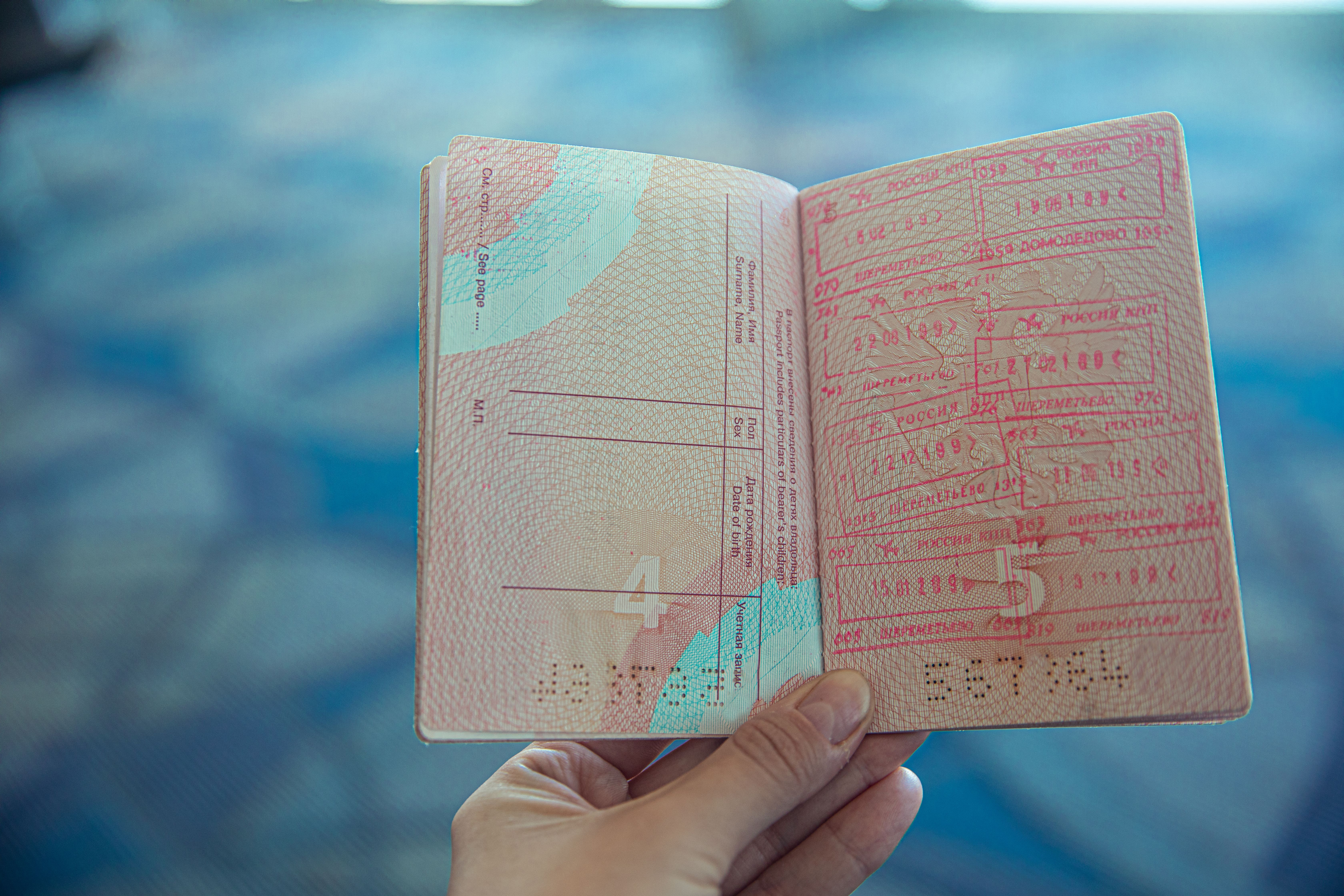
Close-up view of an open passport displaying various travel stamps in an airport setting.Photo by Jan van der Wolf

Visa-Free Travel—Pure Spontaneity

Visa-free travel is as easy as travel gets. You simply show up with a valid passport, and you’re allowed in—no forms, fees, or bureaucracy at the border. Most countries set a maximum stay (usually from 14 to 90 days), but for spontaneous trips, it doesn’t get any simpler.

Visa-free agreements are based on mutual trust between countries and foster tourism. For example, travelers from many European nations and the U.S. enjoy visa-free access to destinations like Japan, Singapore, and much of Latin America. For a complete explanation and updates, see this guide on what visa-free travel means and how to use it.

Visa-on-Arrival—Still Flexible, With a Quick Stop

Visa-on-arrival means you don’t need to plan far ahead, but you will do some paperwork after landing. At the border, you fill out a simple form, pay a fee, and get a visa stamp right there. It usually takes a few minutes to an hour—sometimes less time than it takes for your checked bag to appear.

Key points for visa-on-arrival:

  • Apply and pay at the destination airport or border
  • Bring cash (sometimes only local currency is accepted)
  • Requirements may include a photo or onward travel proof

Visa-on-arrival is a popular option in countries from Thailand to Tanzania. With tools like the Passport Index, you can check which destinations offer this instant access.

eTA (Electronic Travel Authorization)—Online, Fast, but Not Quite Visa-Free

An eTA is not a traditional visa, but it’s not quite visa-free either. Electronic Travel Authorizations are simple online approvals required by some countries—think of them as a fast security check before arrival. You fill out a short form, pay a small fee online, and get your clearance, often by email, in hours or less.

eTA highlights:

  • Apply quickly from your phone or laptop
  • Approval is usually instant or within 24 hours
  • Needed before boarding your flight

Countries like Canada and Australia use eTAs to pre-screen visitors before they check in for their flight. For travelers in a hurry, it’s just a quick step added to the booking process. To see a breakdown of how eTA and e-Visas compare, check out this explanation of the difference between e-visas and ETAs.

How These Options Affect Last-Minute Trips

When every minute counts, the difference between visa types really matters. Here’s how they stack up for impromptu travel:

  • Visa-free: Instant go—just book and fly.
  • Visa-on-arrival: No pre-trip stress, just minor border delays.
  • eTA: Needs quick online action, but rarely slows plans down.

Visa-free countries are best for pure last-minute escapes, while visa-on-arrival and eTA options are nearly as convenient once you know what to expect. For a clear comparison and practical travel tips, check out this summary of visa-free vs. visas-on-arrival.

Top Visa-Free Destinations for Spontaneous Travelers in 2025

Dreaming of dropping everything and leaving town on a whim? In 2025, more countries than ever roll out the red carpet for last-minute jet-setters—no visa required. Whether you crave cobblestone streets, skyscrapers, rainforests, or reefs, these regions hand you entry with just a valid passport and a dash of curiosity. Here’s where you can travel visa-free for spontaneous fun and zero stress.

Europe: Easy Entry and Upcoming Changes with ETIAS

Man in a brown coat using a ticket barrier at an urban train station.Photo by Alex P

Europe remains a sweet spot for last-second plans. American passport holders, Canadians, Brits, Aussies, and many others skip the paperwork for up to 90 days in most of the Schengen Zone. This means beloved destinations like:

Heads up: not all of Europe is Schengen. Romania, Bulgaria, and Croatia have also eased short-term entry, and the Balkans (like Montenegro and Serbia) let you in without hassle.

Looking ahead, the European Union plans to start the ETIAS system by late 2026, a quick online pre-screening step (not quite a visa, but similar to the U.S. ESTA). If you’re planning for 2025, you’re still in the clear for visa-free trips, but get ready for minor changes just after that. For the latest details, see the official ETIAS updates and revised timeline.

  • What to do now: Save your passport info in a handy place, bookmark Europe destination guides, and keep up to date on ETIAS so you’re never caught off guard.

Asia: Highly Accessible Countries and Entry Perks

Asia grows even more welcoming in 2025, especially for travelers eager to land in big cities or peaceful escapes with little notice. Some highlights:

  • Japan: Visa-free for up to 90 days for most Western travelers. Explore Tokyo’s neon night scenes, Kyoto temples, and cherry blossoms.
  • South Korea: 90-day visa-free stays let you wander Seoul’s pop culture playgrounds and Jeju Island’s natural wonders. For some nationalities, new entry perks boost flexibility.
  • Singapore: One of the world’s easiest entries for short stays, perfect for city-weekends, hawker markets, and innovative parks.
  • Malaysia: Stunning beaches, national parks, and buzzing Kuala Lumpur are all open visa-free for up to 90 days, depending on your passport.

Health tip: Asian travel may require you to check vaccination or health certificate rules. Pack lightweight, breathable clothes for hot, humid climates, especially in Southeast Asia.

  • Popular Asia cities for spur-of-the-moment trips:
    • Tokyo, Seoul, Kuala Lumpur, Singapore, Penang, and Osaka.
  • Top cultural highlights: Food streets, historic temples, street markets, and vibrant festivals.

For those adding China to the bucket list, check if new regional China visa-free travel policies for 2025 apply to your nationality. Before booking, browse Asia travel inspiration for updated advice and city guides.

Latin America & Caribbean: Tropical Retreats for US Passport Holders

If you want sun, surf, and salsa at a moment’s notice, Latin America and the Caribbean are your best friends in 2025. U.S. passport holders especially benefit from easy access to dozens of beautiful destinations:

  • Brazil: No need for a visa—just bring your passport to explore Rio’s energy, Amazon adventures, or beach hideaways.
  • Argentina: Indulge in steak, Malbec, and tango in Buenos Aires, all with simple entry.
  • Costa Rica: Lush rainforests, wildlife, volcanoes, and endless beaches are open with no pre-approval.
  • Dominican Republic & Caribbean: Step from your flight straight to the sand—no forms, no fuss. Caribbean islands like Jamaica, Barbados, and Saint Lucia welcome you visa-free.

Why travelers love it: Varied climates mean year-round escapes, from tropical coasts to Patagonian peaks.

Looking for updated tips or steady last-minute deals? The Spontaneous Trips section on I Need A Vacation Now offers curated ideas for quick getaways in this region.

Africa and Oceania: Warm Welcomes and Unique Experiences

Africa and Oceania offer visa-free surprises for last-minute adventurers, mixing wildlife, culture, and unmatched natural wonders.

  • South Africa: U.S. passport holders enjoy 90 days visa-free—discover Cape Town’s Table Mountain and famous wine forests.
  • Morocco & Tunisia: Unearth ancient medinas, lively souks, and Atlantic shores with simple, passport-only entry for many Western visitors.
  • Fiji: Unlimited blue lagoons, warm smiles, and easy entry make these islands ideal for unplanned romantic breaks.
  • Samoa: Step into island life and tropical bliss with visa-waiver access for most western travelers.

Seasonal tips:

  • Southern Africa: Visit October–April for the best beaches and safaris.
  • Mediterranean North Africa: Spring and fall have mild temps—perfect for exploring.

Unique experiences include desert camping in Morocco, snorkeling reefs in Fiji, and savoring village feasts in Samoa. For a full list of visa policies, check out visa-free African countries worth visiting.

Need last-minute inspiration? The Africa and Oceania travel guides highlight new, spontaneous trips where adventure and relaxation go hand in hand.

Tips for Last-Minute Planning: Making the Most of Visa-Free Travel

Visa-free travel gives you the freedom to grab your passport and go. But even with the open door, those final 48 hours before departure can get hectic. Smart last-minute planning makes the difference between a frazzled start and a smooth, spontaneous escape. Here are practical ways to get your plans together quickly, score great deals, and keep surprises to a minimum on your next short-notice getaway.

Flexibility Is Your Superpower

Openness is everything when you’re booking at the last minute. If you’re less focused on a specific spot and more on a great experience, you’ll have more flight and hotel options and save money, too.

  • Choose your destination based on available flights and affordable stays. Let go of rigid plans and see what’s open right now.
  • Travel on off-peak days. Tuesdays, Wednesdays, and Saturdays often have the best rates and availability.
  • Be open to alternative airports. You might find cheaper or more direct options just outside the city center.

Remember, visa-free travel means less paperwork, so you can focus time and energy on grabbing deals and getting ready to go.

Find more proven strategies in this guide to last-minute travel tips.

Snag the Best Last-Minute Flight and Accommodation Deals

Don’t stare at dozens of open tabs—use technology to do the hard work. The right sites and apps can help you find hidden bargains fast.

To find cheap flights:

To book accommodation quickly:

  • Browse aggregator sites like Booking.com or Hotels.com. Sort results by “Tonight’s Deals” or “Last-Minute.”
  • Consider vacation rentals (Airbnb, Vrbo) or even hostels if regular hotels are full.
  • Sign up for hotel loyalty apps; members sometimes get extra discounts last minute.

For even more hacks, go through these last-minute travel planning hacks that help you think outside the usual travel booking routine.

Double-Check Entry Rules and Travel Requirements

Even with visa-free access, rules can change with little notice. Keep your trip stress-free by confirming:

  • Passport validity: Some destinations require six months left on your passport.
  • Proof of onward travel: Certain countries want to see your exit flight or transport ticket.
  • Travel insurance: It’s often not mandatory, but highly recommended for medical and trip hiccups.
  • Recent entry changes: Health forms or arrival registrations can pop up—they usually only take a few minutes online.

Bookmark your government’s travel advisory page and check entry rules directly with your airline or host country’s embassy.

Use Digital Tools to Stay Organized

Managing last-minute travel details gets easier when you lean on smart travel tools. Organize all your plans in one place so nothing gets lost in the rush.

  • TripIt and Google Trips: Automatically organize bookings and send reminders.
  • Currency apps: XE or Revolut help monitor exchange rates and access global currencies.
  • Language apps: Duolingo or Google Translate can help if you’re headed somewhere unfamiliar.

Keep PDFs of your important documents (passport, bookings, insurance) saved offline for easy access, just in case there’s no WiFi at the airport.

Find a helpful checklist for easy, stress-free travel in this concise rundown of how to use visa-free travel to your advantage.

Arrange Travel Insurance at the Last Minute

Don’t risk costly surprises, even if you’re booking in a hurry. Many insurers offer instant coverage online, and you can compare plans and buy on your phone while waiting for your airport ride.

Quick tips for last-minute travel insurance:

  • Pick a plan with medical and cancellation coverage as a minimum.
  • Use review sites like Squaremouth or InsureMyTrip for trusted providers.
  • Store policy numbers and contacts in your phone and in the cloud.

Stay Informed and Ready for Surprises

Last-minute travel is all about quick thinking and adaptability. Keep these habits in your toolkit:

  • Check recent travel news and entry updates before leaving.
  • Register with your embassy if the country offers services for travelers abroad.
  • Set email or social alerts from your airline and accommodation for last-second changes.

Making the most of visa-free travel means being ready to go with confidence and a plan—even if you put that plan together just a day before your flight. With the right mindset and digital tools, a spontaneous trip can run just as smoothly as one booked months in advance.

Conclusion

Visa-free travel keeps spontaneous trips within easy reach, letting you say yes to adventure without the paperwork. From quick getaways in Asia to sun-soaked days in the Caribbean or cultural runs through Europe, more places than ever welcome travelers last minute and hassle-free. Always check your passport, the latest entry rules, and pack a flexible attitude to make the most of these open doors.

Take advantage of this freedom and start planning that impulse trip, knowing that the world is more accessible than it’s ever been. Explore more up-to-date resources and guides at I Need A Vacation Now for fresh inspiration and savvy tips.

Thanks for reading—and don’t forget to share your own last-minute travel wins or tips in the comments below. Happy travels!

Carry-On Packing Tricks Frequent Flyers Swear By [2025 Update]

Rolling suitcases glide through crowded terminals as if on invisible tracks. Seasoned travelers slip past long lines, bags in hand, faces calm and focused. They know every inch of their carry-on is packed with purpose.

It’s 2025, and frequent flyers have taken the art of packing to the next level by streamlining what they bring and how they organize it. There’s no wasted space, no frantic digging for lost items at security. With a few smart tweaks, anyone can skip the chaos and stay relaxed—even when airports are buzzing.

This post pulls back the curtain on travel habits trusted by those who’ve spent hundreds of nights away from home. You’ll find tips that help you pack lighter, save space, and breeze through every airport on your path.

Choose the Right Carry-On: Suitcase, Smart Luggage, and Packing Essentials

The right carry-on turns a hectic trip into a smooth journey. It acts like a trusted sidekick—reliable, organized, and ready for anything the terminal throws your way. In 2025, travelers have more choices and smarter bags than ever. Lightweight frames, durable shells, built-in scales, precise zipper pockets, and connected gadgets are now part of the arsenal. Here’s how to make sure your carry-on gets you to your gate quickly and keeps you comfortable in the air.

Airline Size and Weight Rules in 2025: Break Down New Standards

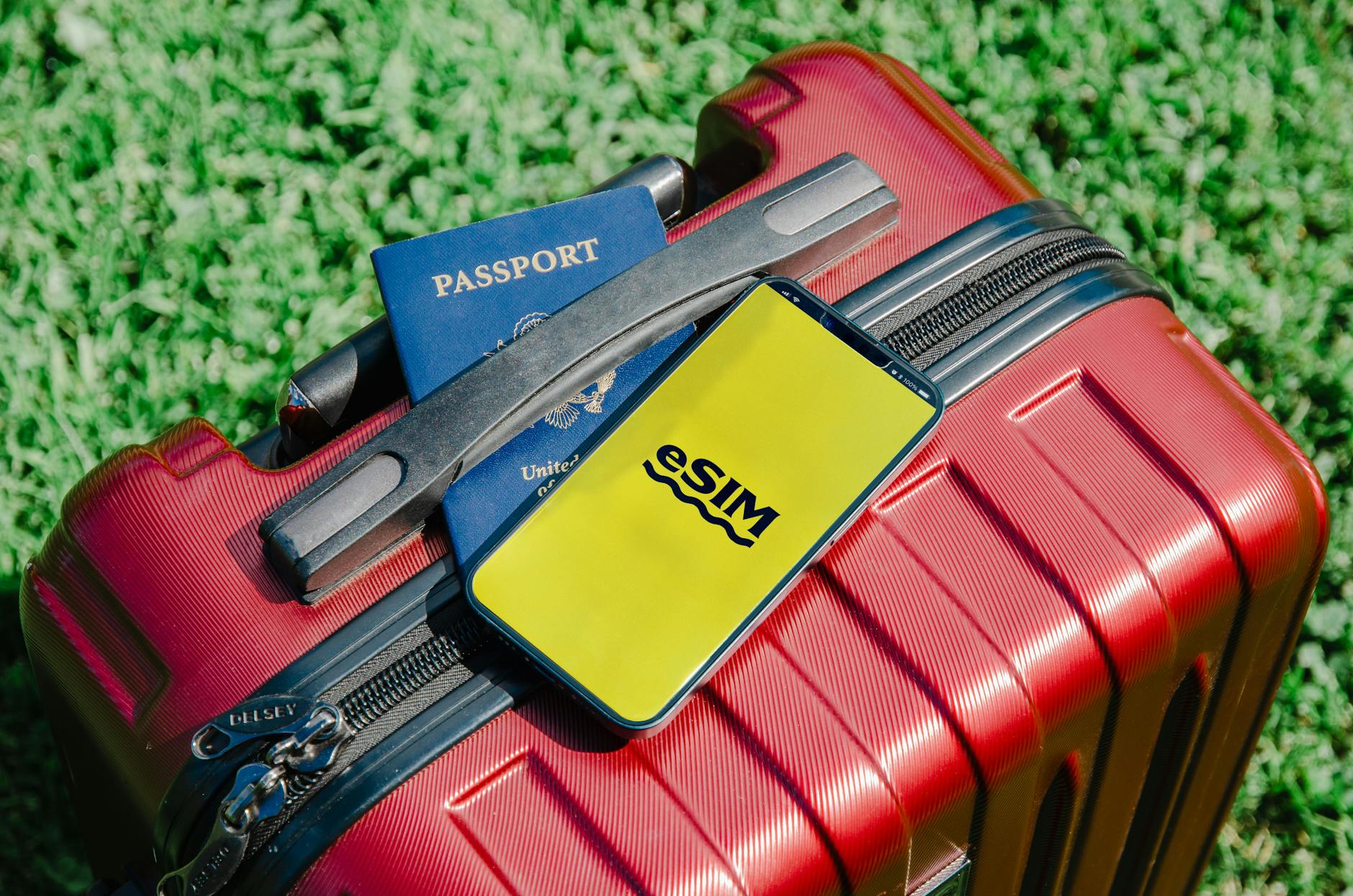
Close-up of a red suitcase with a smartphone displaying eSIM and a passport, symbolizing travel readiness.
Photo by Jacob

Airlines keep tightening the reins. This year, most U.S. carriers stick to strict guidelines: 22 x 14 x 9 inches for carry-ons, including wheels and handles. Airlines are also keeping a sharp eye on personal items, now often limited to 18 x 14 x 8 inches. Go even a half-inch over, and you’ll almost certainly get flagged at the gate, which means waiting at baggage claim and risking extra fees. Some international carriers have even introduced maximum weight limits—often 15 to 18 pounds—so travelers need to weigh bags before reaching security.

To save yourself the headache, double-check your airline’s official site or reliable aggregated lists ahead of every trip. Cross-reference your bag’s dimensions at home with a tape measure or use built-in scales in new bags for a quick weight check. These habits help you dodge the grief that comes with last-minute checks and unexpected charges at the gate. For a clear and current list of airline rules, check out this simple carry-on luggage size and weight guide.

Top-Selling Carry-On Bags and Smart Luggage: Trusted Favorites

Frequent flyers invest in the best because failure isn’t an option mid-trip. Lightweight hard-shell spinners (especially those with magnesium alloy frames) dominate the carousel in 2025. The Travelpro Platinum Elite and sleek offerings from Samsonite get repeat praise for their blend of durability and smooth wheels. Travelers love bags with wide handles that don’t eat into packing space and reinforced corners that absorb impacts from rough handling.

Smart luggage adds serious value, especially for tech-oriented travelers. Leading brands like Away and July build carry-ons with:

  • Bluetooth trackers integrated within the bag, so you always know where your belongings are.
  • USB-C charging docks for quick device top-ups in lounges and on the move.
  • TSA-approved digital locks that pair with your phone for peace of mind.
  • Expandable compartments to snugly fit those last-minute souvenirs or jackets.

Many bags now feature built-in scales, helping you monitor weight and dodge staff with keen eyes at the check-in line. Need inspiration for your next investment? Explore this tested review of the best luggage of 2025, or browse standout smart luggage pieces and brands noted for tech, durability, and expandable storage.

Must-Have Security Accessories and Travel Tech

Distraction happens fast, but smart gear can spare you the heartache of lost valuables or data. The best travelers never skip these essentials:

  • Apple AirTags or equivalent Bluetooth trackers: Drop one in your suitcase and another in your daypack. If your bag takes an unexpected trip, you’ll know where it lands.
  • TSA-approved locks: Many now open with a phone tap or digital code—no more hunting for tiny keys.
  • RFID-blocking wallets and organizers: Shields your credit cards and passport from electronic pickpocketing.
  • Compact USB-C or international plug chargers: Power up phones, laptops, and tablets anywhere, no matter the outlet.
  • Multi-use tech kits: Tiny screwdrivers, extra SIM slots, and fold-out chargers all fit in a mini pouch.

These gadgets pack a punch for both ease and safety. For the modern road warrior, thoughtful security accessories mean more than just comfort—they keep your trip on track and your nerves intact. Curious what frequent travelers are snapping up? Check out this practical rundown of the best travel accessories for 2025.

Maximize Space: Compression, Packing Cubes, and Smart Folding

Packing a carry-on isn’t just about what you take—it’s about how you fit it all in. Frequent flyers treat their clothes and travel gear like a puzzle, each piece clicking into place for maximum efficiency. The right tools and techniques let you bring more without feeling weighed down.

Compression Tools and Packing Cubes for Organization

Woman with tattoos packing clothes into a suitcase for travel.
Photo by Vlada Karpovich

Travelers know packing cubes and compression tools are secret weapons. These aren’t just about squeezing in extra shirts; they’re about transforming chaos into order.

Compression cubes use zippers or elastic to shrink bulky items, making room for more without wrinkling everything. Vacuum bags take it a step further—just zip, squeeze the air out, and watch your pile shrink.

Mesh organizers add another layer of order. No more digging through tangled socks or lost chargers. Open your bag, and everything is visible and easy to grab. Want proof that these work? The best packing cubes of 2025 are tested by travel pros to make sure they survive being stuffed, tossed, and zipped hundreds of times.

Compression cubes are a favorite among those who travel for both business and play. If you want to research options or see how well they perform, browse the top-rated compression cubes for travel recently tested by experts.

Rolling, Folding, and Outfit Planning

Not all clothes should be rolled, nor should everything be folded flat. Seasoned travelers pick the best method for each item to save every inch.

  • Roll it: T-shirts, knitwear, leggings, and soft pajamas stay smooth and save space when rolled tight.
  • Fold it: Dress shirts, blouses, structured pants, and linen hold their shape better when folded. Stack these at the top or along the sides for easy access.
  • Bundle: Layer larger pieces around smaller ones in the center—like a travel burrito—if you want fewer wrinkles in dress clothes.

Packing by outfit, day, or activity speeds up your morning routine and keeps your bag organized. Group everything you need for one day—shirt, pants, underwear—stacked or packed in a cube, and getting dressed on the go feels effortless.

Quick tips for easy outfit planning:

  1. Sort by day: Create mini “day packs” so you don’t waste time figuring out what to wear.
  2. Pack multi-purpose pieces: Choose items that mix and match easily.
  3. Lay out shoes and accessories: Build around what you wear most to avoid bulky extras.

Still unsure about which packing technique fits your trip? See this side-by-side look at rolling vs. folding to help decide what works for you.

Choosing Versatile Clothing and Layering Pieces

The smartest travelers pack clothes that go the distance. Space is at a premium, so every item should work hard. Lightweight stretch knits, wrinkle-resistant synthetics, and natural fibers like merino wool are top choices—they breathe, dry fast, and look good even after hours in a bag.

  • Layering is your best friend: Pack a sleek base, a midweight sweater, and a rain shell that won’t take up much room. You’ll be ready for a chilly cabin, a sunny walk, or an unexpected downpour.
  • Neutral colors stretch your wardrobe: Black, navy, gray, and ivory mix easily. Throw in one patterned scarf or statement shirt to keep things fresh.
  • Key pieces for any trip:
    • Modular outerwear: Jackets with zip-off sleeves or hidden hoods adapt from city streets to trails.
    • Multi-purpose dresses and trousers: Styles that shift from day meeting to night out.
    • Water-resistant shells: Protect against sudden weather changes without bulk.

Before your next trip, jot down outfits before packing. It saves space, reduces stress, and means you’ll never forget a key piece. A lean, well-planned carry-on is the cornerstone of stress-free travel.

Pack Light, Live Easy: Multi-Use Items and Minimalist Toiletries

Packing light isn’t just a choice for frequent flyers—it’s the key to enjoying travel without stress. When every item in your bag earns its spot by being useful in more than one way, you unlock true freedom on the road. Less baggage means less waiting, less worry, and more room for new experiences. Here’s how expert travelers pack smarter with gear that works overtime and toiletries designed for speed and ease.

Multi-Functional Items Frequent Flyers Love: Slip Dresses, Travel Ponchos, and Gear for Every Occasion

A stylish flat lay of travel essentials including a camera, notebook, and smartphone.
Photo by Khunkorn Laowisit

Ask any seasoned flyer and they’ll point to a handful of miracle workers in their bag. The right multi-functional pieces can turn a carry-on into a mobile wardrobe and save precious space.

  • Slip Dresses: Few pieces can match the versatility of a well-chosen slip dress. It moves from flight to brunch, acts as a tunic over leggings, or layers under a sweater for chillier nights. With a quick twist, it even doubles as a chic beach cover-up.
  • Travel Ponchos and Scarves: A lightweight, elegant poncho wears as a warm layer during drafty flights, a wrap for breezy evenings, or even a blanket on chilly airport benches. Oversized scarves or sarongs serve the same triple duty.
  • Athletic Wear: Neutral leggings, joggers, or moisture-wicking tops go from long-haul flights to a morning city run or casual sightseeing trips. Look for styles that resist wrinkles and sweat.
  • Dual-Use Shoes: Bulky shoes hog space. Slip-on sneakers with tread pass as gym shoes or city-appropriate support, while flat leather sandals work for both the pool and upscale dinners.
  • Convertible Bags and Jackets: Think crossbody bags that expand into totes, or jackets with zip-off sleeves that become vests.

Frequent travelers love gear that adapts. If you want more ideas, check out the best packing and travel essentials for 2025 for inspiration on items that earn their keep.

Minimalist Toiletries for TSA Compliance

Sailing through TSA starts with packing sharp. Frequent flyers cut bulk by opting for streamlined, travel-ready toiletries that clear security with zero drama.

  • Solid Skincare and Toiletries: Shampoo bars, solid deodorant, and even solid toothpaste tabs mean no spills and almost no chance of going over the 3.4-ounce limit. These solid options are often eco-friendly and last longer than liquids.
  • Refillable Travel Bottles: Fill silicone bottles with your own trusted products at home. Look for designs that are easy to clean and label, so there’s no confusion at security. Make sure each is within the TSA’s 100 ml (3.4 oz) rule.
  • Multi-Use Products: Why pack three bottles when one will do the trick? Choose 3-in-1 soap for body, face, and hair, or a moisturizing balm that works for lips, cuticles, and dry patches. Makeup fans can swap to dual-ended crayons or palettes with everything in a single compact.
  • Reusable TSA-Approved Bags: Ditch the disposable plastic. Invest in sturdy, transparent bags or pouches designed for quick TSA checks, helping you glide through security with confidence.

Keeping your kit simple means cutting wait times and the chance of leaks. About to pack for your next flight? Review the official TSA liquids rule for smooth passage, and discover the best toiletry bags tested for 2025 if you’re upgrading for the year.

In-Flight Comfort Made Easy

A little comfort goes a long way at 30,000 feet. Frequent flyers swear by a handful of compact items that make a coach seat feel like a haven.

  • Compact Pillows: Gone are the days of bulky neck pillows. Choose inflatable styles that pack flat, or memory foam versions that squish into a tiny ball.
  • Collapsible Water Bottles: Reusable bottles that flatten when empty save space and keep you hydrated through long flights. Some even come with built-in filters if you fill up at airports.
  • Eye Masks: A soft, blackout eye mask blocks the cabin lights and signals to your body that it’s time to rest.
  • Simple Rest Kits: Keep earplugs, a set of headphones, and a travel-sized face mist in a single pouch. It’s everything you need to create your own restful space, wherever you’re seated.

When the goal is to travel light and stay refreshed, each of these tools has a clear, proven purpose. Want more smart ideas for a smooth trip? See this trusted list of ingenious travel products for 2025 for products that go the extra mile.

Keep It Safe: Security, Tracking, and Important Docs

Smart travelers protect what matters most. Even if your bag never leaves your side, lost or stolen items can turn a journey upside down. Building safe packing habits and using tech to track your bag and documents transforms worry into calm. Keep every trip smooth with the right mix of organization and backup.

Protect Valuables With Smarter Packing

Three gold combination padlocks with colorful tags, symbolizing security and travel.
Photo by Laura Gigch

Small things can be big targets. Phones, jewelry, and cash need extra protection on the road. Don’t let valuables float loose in your carry-on. Place them in hidden inner pockets, zippered mesh pouches, or slim organizers that tuck into the lining of your bag.

Consider splitting up your valuables. Keep some in your main backpack, others in a belt bag or a pouch that never leaves your person. If possible, use combination locks or keyless anti-theft clips for every zippered compartment. Fasten two zippers together to make grab-and-run theft harder—a simple anti-pickpocketing clip or a small padlock works wonders.

Laptops and tablets should slide into padded sleeves. Choose cases that fit snugly in your bag’s interior pocket, then place clothing around them for added cushion. If your item is fragile or precious, avoid exterior pockets where bumps and airport handling can do the most damage. See a rundown of the best gear for 2025 and which organizers made the cut in Wirecutter’s gear guide.

Track, Label, and Document Everything

When it comes to keeping your things safe, a few modern tricks go a long way.

Once you form these habits, you’ll never go back. Little steps like taking a few pre-trip photos or using an organizer with tested material can mean the difference between a lost week and a quick recovery.

Travel Insurance and Emergency Backups

Lost luggage, stolen wallets, sudden illness—none of it is fun to think about, but it’s far worse if you’re not ready. A little planning keeps small mishaps from turning into trip-ruining disasters.

  • Travel insurance: Choose a plan that covers lost bags and theft, not just medical emergencies. Many top insurers let you file a claim right from your phone, often with uploaded photos or digital receipts—another reason to keep good records.
  • Copies of documents: Snap clear pictures or scan every travel ID, passport, vaccine certificate, and important visa. Email them to yourself or upload to a secure cloud account. Carry a paper copy in a separate bag just in case.
  • Emergency contact list: Save key numbers on your phone and keep a written card tucked into your wallet. Include embassy contacts, emergency health numbers, and your travel insurer’s hotline.
  • Cash stash: Hide a small stack of emergency cash in a deep pocket, money belt, or shoe—somewhere separate from your main wallet. This way, even if you lose your bag, you’ll never be stranded.

Review helpful security accessories that experts actually use in this BuzzFeed guide to safe travel in 2025. A bit of preparation feels invisible in your daily routine, but if trouble strikes, you’ll be glad for every backup.

Layer these security tricks with confidence, and your carry-on can take you across the globe—secure, organized, and disaster-resistant.

Expert Secret Hacks for Stress-Free Carry-On Travel

Getting from home to the plane with just a carry-on is the traveler’s version of moving through life with a well-packed parachute. Stress doesn’t stand a chance when you’ve learned the rituals, strategies, and backup moves seasoned flyers use to glide past slowdowns and surprises. Everything you bring has its place, and every routine is designed to keep you calm—no matter how busy the airport gets.

Frequent Flyer Packing Rituals and Checklists

Open suitcase neatly packed with colorful clothes and travel essentials.
Photo by Kindel Media

Frequent flyers swear by a simple truth: consistency beats chaos. Before every trip, they follow a ritual that turns packing into an exact science. It’s not just about what you bring, but how you bring it—all with checklists that never fail.

  • Start a master checklist on your phone or print one for your suitcase pocket. Review and update before each trip.
  • Check weather and trip plans, then adjust your list: Will you need a blazer for meetings or extra layers for cool evenings?
  • Follow the “Three-Shoe Rule”: Bring only what works for every setting—think sneakers, flats, and one dressy option.
  • Pack next-day clothes and key toiletries at the top. If your flight changes, you’ll have what matters most within reach.
  • Snap soft copies of travel docs, booking confirmations, and IDs. Store these in a secure, cloud-based folder.

Tiny routines make a big difference. Leave space for souvenirs; seasoned pros never fill their carry-on to the brim. As one popular guide put it, “making all documents soft copies and following a tight packing list keep stress to a bare minimum.” Explore more tips in this list of travel packing secrets every frequent flyer knows, or check out the ultimate travel packing checklist for all-inclusive trips.

How to Handle Surprises and Last-Minute Changes

Travel plans rarely play out exactly as you expect. Last-minute gate changes, weather delays, or unexpected layovers can rattle anyone’s nerves. The most experienced travelers treat flexibility as a skill, not just luck.

  • Always pack with a “what if” mindset—one extra pair of socks, a snack bar, and a power bank keep you going during hiccups.
  • Keep key chargers and a change of underwear in your personal item; if a flight gets canceled, you’re covered for the night.
  • Have a go-to folder with both printed and digital boarding passes, confirmations, and emergency contacts. This is your anchor when plans shift.
  • Download your airline’s app and turn on alerts for real-time updates on gates, delays, and rebooking options.
  • If your plans change, stay polite with staff and ask for help early. Kindness often opens doors to upgrades or better rerouting.

The best way to beat surprise is to expect it. Veteran flyers develop routines for handling change—making them calm even when others are panicking. For more ways to stay prepared, read through this honest take on how to handle a sudden change of travel plans, or see what business travelers do to handle last-minute trips like a pro.

Time-Saving Airport Routines and Boarding Strategies

Speed and order matter most when you’re moving through airports. Veteran travelers follow smart routines to make every step—from check-in to boarding—a bit easier and a lot faster.

  • Arrive early, even if you have TSA PreCheck or Global Entry. Use the extra time to stay relaxed and organized.
  • Keep your liquids and electronics in easy-reach pouches. Right before security, slide them out so you aren’t fumbling.
  • Wear slip-on shoes and pack belts and metal accessories in your bag. Fewer items on your person means less time at the scanner.
  • Have a boarding gate routine: Find a seat facing the departure screens and keep your bag close. Charge your devices while you wait.
  • Watch the boarding process—standby for your zone, but avoid crowding the gate. Step up only when your group is called for smooth entry.

Even unexpected changes, like a last-minute gate switch or earlier boarding, won’t rattle you if your carry-on is already packed for instant access. Staying organized means you can move quickly if your flight gets called ahead of schedule or if you need to rebook after a delay.

For more detailed strategies, check out this roundup of airport guidelines for travel in 2025 or browse expert rules for flying in 2025. These tips aren’t just about moving fast—they’re about staying cool when others are scrambling, making carry-on travel feel lighter than ever.

Conclusion

Less is more, and seasoned travelers know this better than anyone. Packing light isn’t just about saving space—it’s about moving through airports with calm, skipping the lines, and always having what you need at hand. When your carry-on is organized, secure, and filled with only the essentials, travel feels simple and even a little magical.

Try these packing tricks on your next journey and see the difference for yourself. Instead of feeling weighed down, you’ll walk with confidence—ready for whatever the trip brings. The freedom and peace of mind that smart packing delivers turn any flight into time well spent.

Thank you for reading. If you have a personal carry-on tip or a go-to travel accessory, share it below—help the next traveler pack smarter, too.

Pin It on Pinterest