...

IneedMyVacation.com


Italy Is the World’s Best Food Destination in 2026

Why is Italy the world’s best food destination? Italy dominates 2026 with regional diversity, fresh seasonal ingredients, and authentic traditions. From Venice’s seafood to Bologna’s pasta, Rome’s carbonara to Naples’ pizza, each city delivers unforgettable flavors at reasonable prices.

Italy didn’t win the title of the world’s best food destination by accident, and if you care about where to eat well on a trip, that matters. In 2026, the country is getting fresh attention for the right reasons: regional food, seasonal ingredients, and local traditions that still shape what lands on the table.

The draw isn’t one single style of Italian cooking, either. Recent travel buzz points to Venice, Bologna, Rome, Naples, and the Amalfi Coast, but the real appeal is how different each stop feels, from pasta-heavy inland cities to seafood on the coast and mountain dishes in the north.

🍝 Ready to Plan Your Italian Food Adventure?

Book flights, find hotels near top restaurants, and secure food tours before peak season fills up.

If you want a bigger picture of why Italy keeps beating flashier names, start with these countries with the best food in the world, then come back and compare Italy’s edge.

This guide keeps things practical, so you can figure out where to eat, what each city does best, and how to plan a trip that actually lives up to the hype. If you’re timing the trip around meals, the best time to visit Italy matters just as much as the restaurant list.

Why Italy Keeps Beating Every Other Food Destination

Italy keeps winning because it doesn’t sell you one version of itself. It gives you a different meal almost every time you change towns, provinces, or even the next block. That kind of range matters if you want a trip that feels fresh, not repetitive.

It also helps that the food is easy to plan around. You can build a whole itinerary around what you want to eat, then let the destinations follow the menu.

How Does Regional Cooking Give Every Trip a Different Flavor?

Tuscany brings ribollita, bistecca alla fiorentina, and olive oil that tastes like it was made for bread and nothing else. Emilia-Romagna is the pasta heartland, with tortellini, tagliatelle al ragù, Parmigiano Reggiano, and balsamic vinegar that turns a simple plate into something worth remembering.

Campania gives you Naples, which means pizza, but that’s only part of it. You also get fried street food, bright tomato sauces, buffalo mozzarella, and seafood along the coast.

Lazio keeps Rome grounded in classics like cacio e pepe, carbonara, and amatriciana. Sicily adds another layer with arancini, seafood, citrus, pistachios, and desserts that feel like a reward after a hot afternoon.

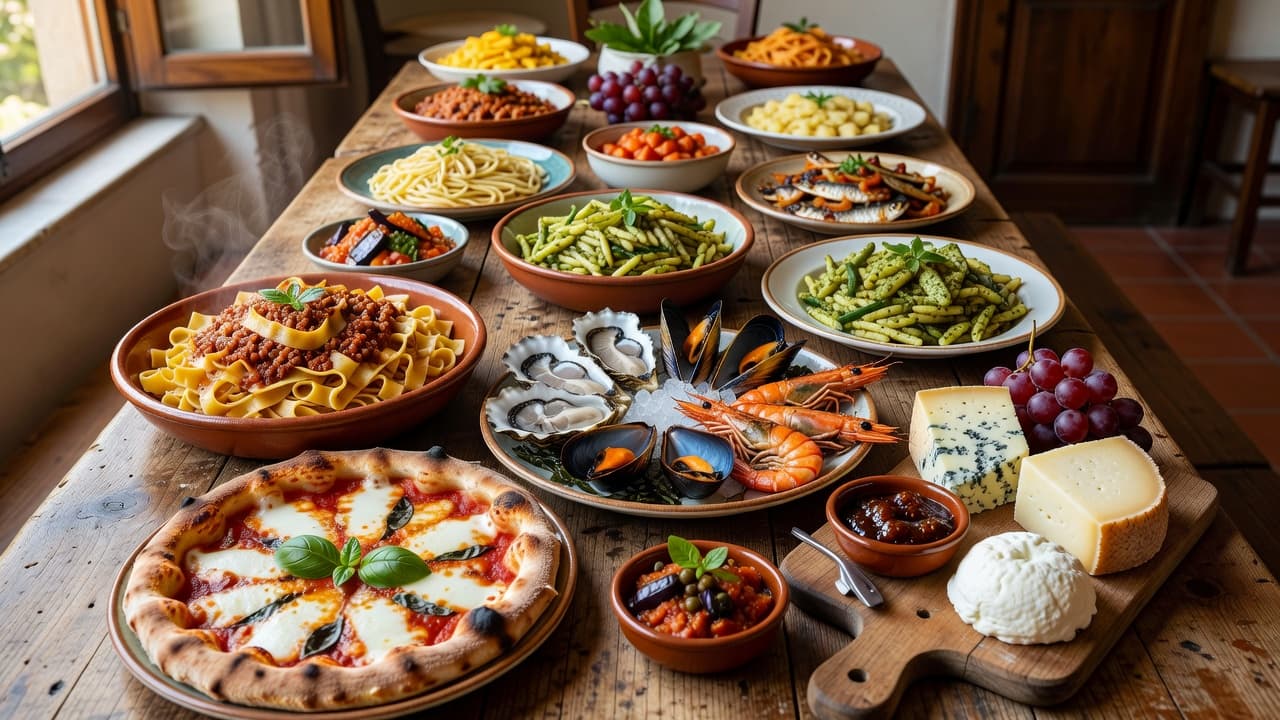
A rustic wooden table overflows with authentic Italian dishes including hearty pasta bowls, wood-fired pizza, fresh Mediterranean seafood, and wedges of local cheese with bright natural light highlighting vibrant food textures.

That’s why Italy works so well for repeat travelers. You can come back with a new focus each time: pasta in Emilia-Romagna, seafood in Sicily, Roman classics in Lazio, or a Tuscan countryside route built around wine and olive oil.

Italy doesn’t repeat itself. The next region usually feels like a new country for your plate.

Why Do Fresh Ingredients and Simple Recipes Make the Food Memorable?

Italian food often looks plain on paper, then hits hard on the table. A good tomato, a sharp piece of cheese, strong olive oil, handmade pasta, just-caught seafood, and bread baked the same day do most of the heavy lifting.

That is the secret. The recipes stay simple because the ingredients are strong, and the best kitchens know when to stop. A plate of spaghetti al pomodoro can beat a more complicated dish if the tomatoes are sweet, the olive oil is peppery, and the basil is fresh.

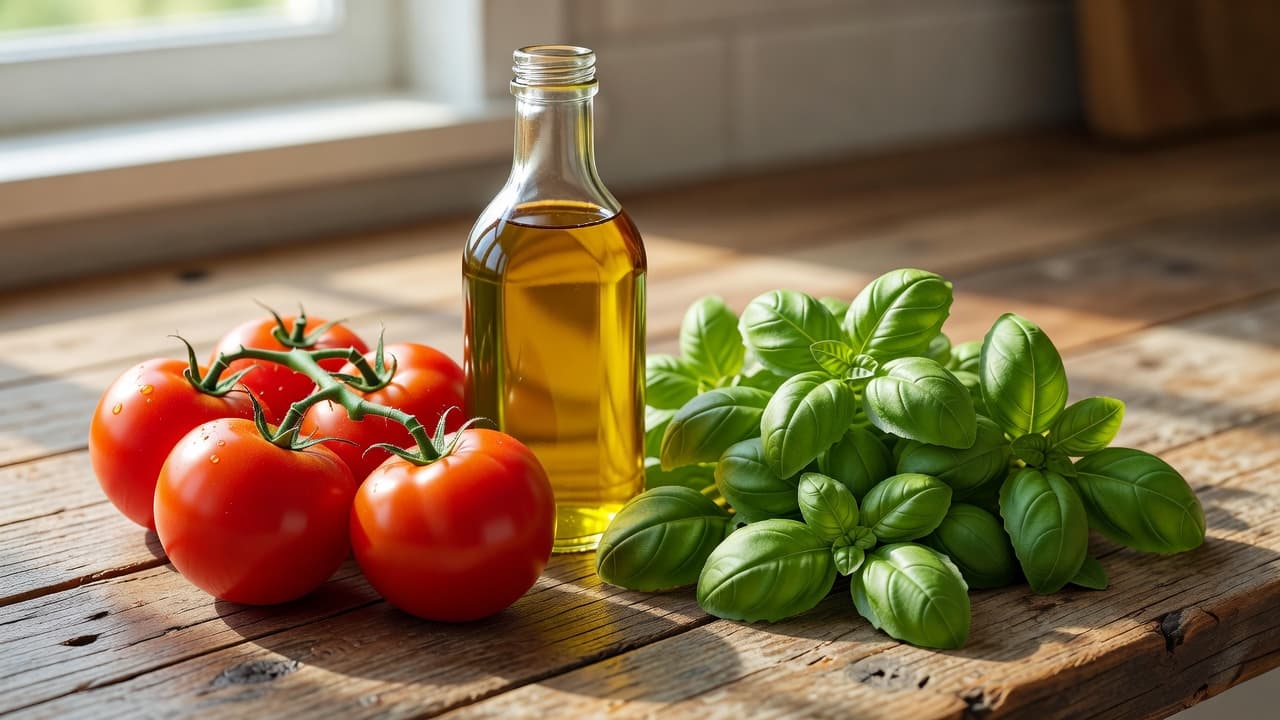
Vibrant red tomatoes grouped near a glass bottle of golden olive oil and sprigs of fresh green basil on a textured rustic wooden kitchen surface illuminated by warm sunlight.

Seasonal produce matters too. In Italy, spring artichokes, summer tomatoes, autumn mushrooms, and winter citrus show up where they should, and that keeps meals tied to the moment instead of frozen in one fixed idea of “Italian food.”

How Is Food Culture Part of Daily Life, Not Just Tourism?

The best meals in Italy often happen in the places locals use every day. Neighborhood trattorias, standing bars for espresso and a quick bite, bakeries at breakfast, and markets stacked with cheese, fruit, fish, and cured meat all give you a better feel for the country than a polished tourist strip ever could.

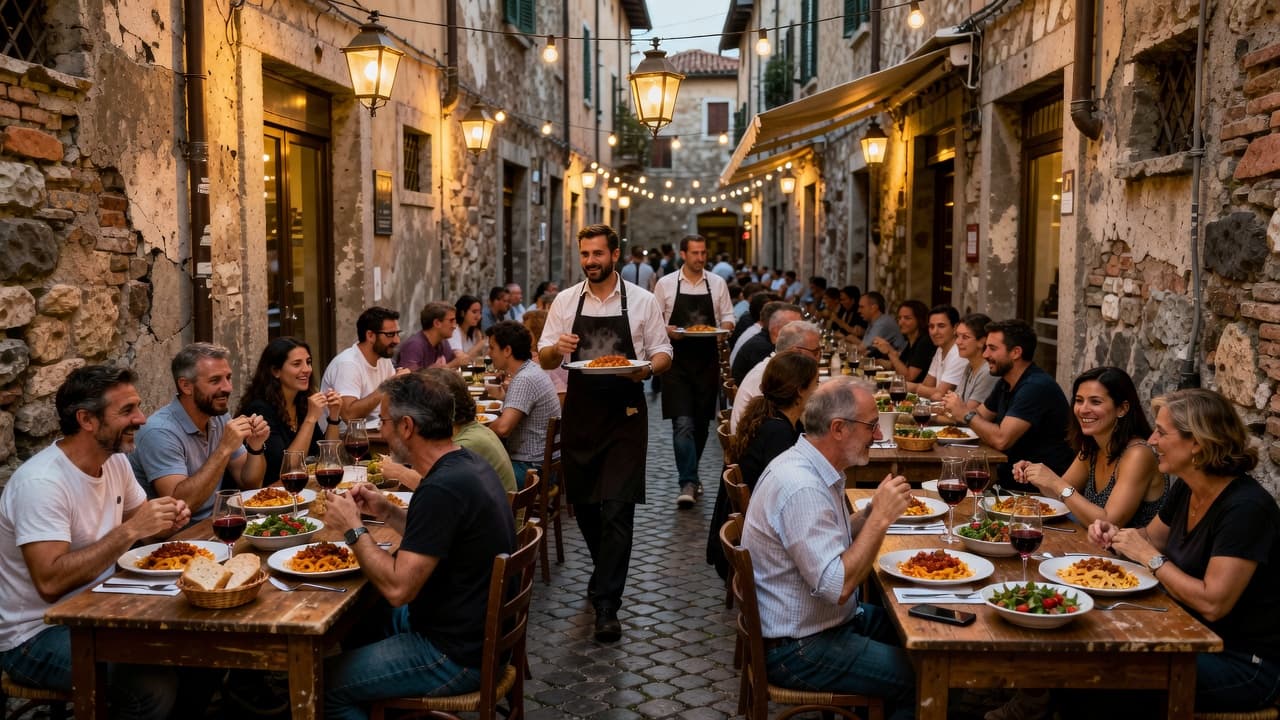
Patrons enjoy dinner at small tables outside a rustic stone building as dusk settles with golden string lights illuminating the alleyway and casting a warm glow over diners sharing authentic Italian meals.

Meals are social here. People linger, talk, argue about recipes, and defend their hometown dishes like they’re family members. That local pride gives the dining scene real energy, and it’s a big reason Italy keeps pulling people back for another round.

The Italian Cities Travelers Are Talking About Right Now

If you want the cities getting the most food buzz in 2026, the short list is clear: Venice, Bologna, Rome, Naples, and Florence. Each one gives you a different reason to book the trip, and that matters if you care more about meals than museum lines.

The smartest way to plan Italy right now is by appetite. Venice is getting a fresh wave of attention, Bologna still owns comfort food, and Rome, Naples, and Florence each deliver one dish profile that is hard to beat. For a broader look at how these cities stack up, this expert roundup of Italy’s best food cities lines up well with what travelers are talking about now.

Why Is Venice the Current Standout for Food Travelers?

Venice is getting more attention in 2026 because it feels different from the usual Italy food stop. The city’s cooking is tied to the lagoon, so seafood leads the menu, and that gives you a lighter, fresher change of pace from the heavy pasta cities.

This is the place for cicchetti bars, baccalà mantecato, sarde in saor, and seafood risotto. Around the Rialto area and the canal-side bacari, you can still eat well without turning the trip into a formal tasting menu.

🍷 Cantina Do Mori (Est. 1462)

Venice’s oldest bacari • Traditional cicchetti • Canal views • Standing room only
$3-$7 per cicchetti
Nearby Hotels: Hotel Ai Reali ($180-280/night), Ca’ Nigra lagoon Resort ($320-450/night)

🦐 Osteria Alle Testiere

Intimate seafood • 22 seats only • Fresh daily catch • Reservations essential
$35-$55 per person
Nearby Hotels: Hotel Metropole ($280-420/night), Palazzo Venart ($380-550/night)

🍝 Antiche Carampane

Hidden gem • Traditional Venetian • No tourist menus • Fresh seafood pasta
$30-$50 per person
Nearby Hotels: Hotel Ai Reali ($180-280/night), Palazzo Barocci ($220-340/night)

Expect small plates around $3 to $7 each, while a nicer seafood dinner often lands in the $25 to $45 range before wine.

Venice is strongest for travelers who like tasting their way through a city instead of sitting down for one long, heavy meal.

Why Does Bologna Remain the Heart of Italian Comfort Food?

Bologna still feels like the country’s comfort-food anchor. The city is built for travelers who want rich pasta, cured meat, and the kind of dishes that taste like they have been perfected over generations.

Here, the classics matter. Think tagliatelle al ragù, tortellini in brodo, mortadella, and big slabs of Parmigiano Reggiano nearby in Emilia-Romagna. At a good trattoria, pasta plates usually run $11 to $19, and a full meal with wine is often still reasonable compared with the flashier cities.

🍝 Trattoria Anna Maria

Family-run since 1958 • Handmade pasta • No reservations • Cash only
$12-$18 per pasta dish
Nearby Hotels: Hotel Metropolitan ($140-220/night), Art Hotel Commercianti ($160-250/night)

🥟 Tamburini

Historic deli • Fresh pasta to-go • Gourmet ingredients • Quick lunch spot
$8-$15 per dish
Nearby Hotels: Hotel Porta San Mamolo ($130-200/night), I Portici Hotel ($200-320/night)

🍖 Osteria del Sole

Bring your own food • Buy wine there • Historic tavern • Local favorite
$5-$8 per glass of wine
Nearby Hotels: Hotel Novecento ($150-240/night), Grand Hotel Majestic ($220-350/night)

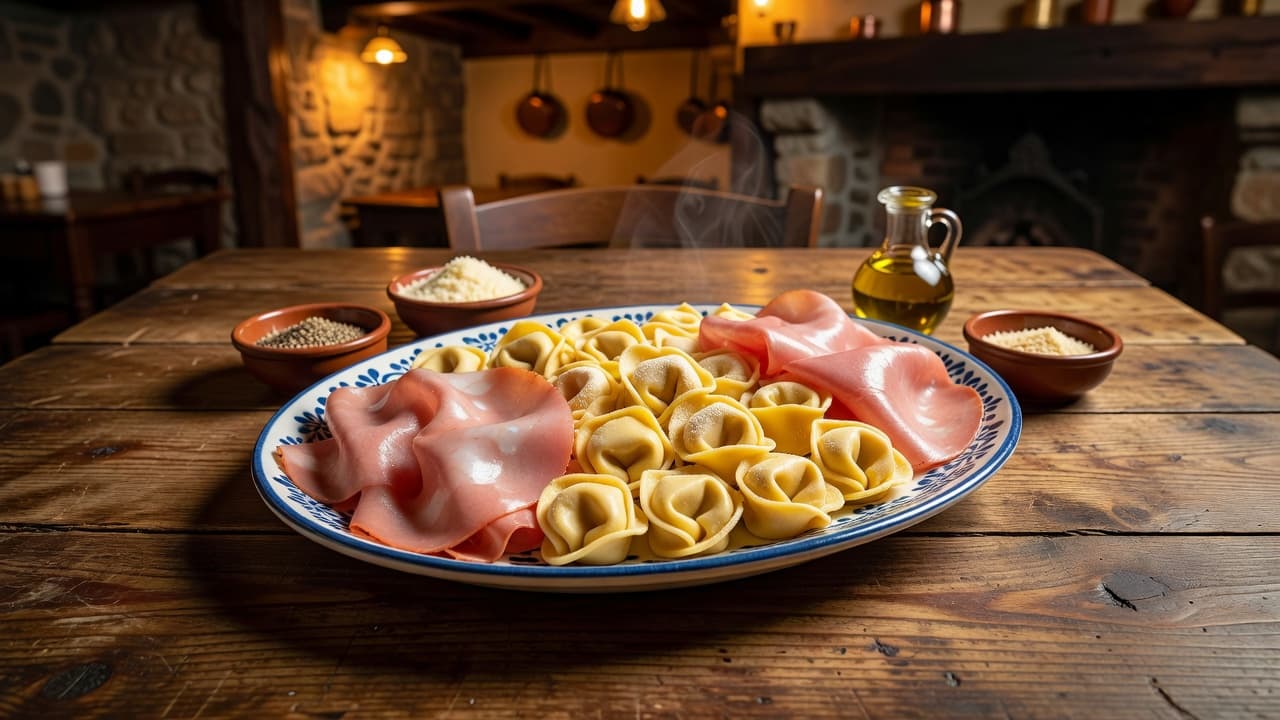
A rustic wooden table displays a large ceramic platter filled with handmade tortellini pasta and delicate ribbons of mortadella with warm inviting indoor lighting highlighting authentic textures.

Bologna is the city for serious food lovers. You go there for depth, not novelty. If your idea of a great trip includes long lunches, pasta made by hand, and a city that treats ingredients with respect, Bologna should be near the top of your list.

How Do Rome, Naples, and Florence Each Bring a Signature Dish Experience?

Rome is where you go for the pasta everyone knows by name, and the city delivers it well. Carbonara, cacio e pepe, and amatriciana are the dishes to order, and the best versions are simple, salty, and sharp. Add a supplì stop if you want a quick snack between meals. Expect casual trattoria mains around $13 to $21.

🍝 Flavio al Velavevodetto

Testaccio favorite • Perfect carbonara • Outdoor seating • Local crowd
$14-$20 per pasta
Nearby Hotels: Hotel Testaccio ($120-190/night), Mercure Roma Centro Colosseo ($160-250/night)

🧀 Roscioli

Gourmet deli & restaurant • Cheese & wine • Reservations essential • Central location
$18-$28 per dish
Nearby Hotels: Hotel Campo de’ Fiori ($180-280/night), Hotel Navona ($200-320/night)

Naples is all about pizza, and you should lean into that completely. A proper pizza Margherita or pizza marinara is the move, and the city still does some of the best inexpensive eating in Italy. You can often get a great pizza for $5 to $11, with sweet pastries like sfogliatella adding a cheap second round.

🍕 L’Antica Pizzeria da Michele

Legendary since 1870 • Only 2 pizzas • Long lines • Cash only
$6-$10 per pizza
Nearby Hotels: Hotel Piazza Bellini ($100-170/night), Romeo Hotel ($220-350/night)

🍕 Sorbillo

Third-generation pizzaiolo • Creative toppings • Historic center • Expect queues
$7-$12 per pizza
Nearby Hotels: Hotel Toledo ($110-180/night), Palazzo Caracciolo ($140-220/night)

🥐 Pintauro

Famous sfogliatella • Since 1785 • Quick pastry stop • Takeaway available
$3-$5 per pastry
Nearby Hotels: Hotel Piazza Bellini ($100-170/night), Grand Hotel Vesuvio ($280-420/night)

Florence takes a different path. It is the city for bistecca alla fiorentina, ribollita, and other Tuscan meat-and-bread dishes that feel sturdy and local. If you want something lighter, lunch spots also serve pappa al pomodoro and lampredotto, which is a classic Florence street-food bite. A steak dinner will cost more, often $43 or more for one cut, but it is the kind of meal people plan around.

🥩 Trattoria Mario

No-frills Tuscan • Shared tables • Cash only • Lunch only
$15-$25 per main
Nearby Hotels: Hotel Davanzati ($140-220/night), Plus Florence ($80-150/night)

All’Antico Vinaio

Famous sandwiches • Long lines • Huge portions • Multiple locations
$7-$12 per sandwich
Nearby Hotels: Hotel Pendini ($120-190/night), Hotel Brunelleschi ($220-350/night)

🍷 Osteria Santo Spirito

Oltrarno neighborhood • Wine bar • Small plates • Local vibe
$12-$22 per dish
Nearby Hotels: Hotel Continentale ($280-420/night), Palazzo Vecchietti ($200-320/night)

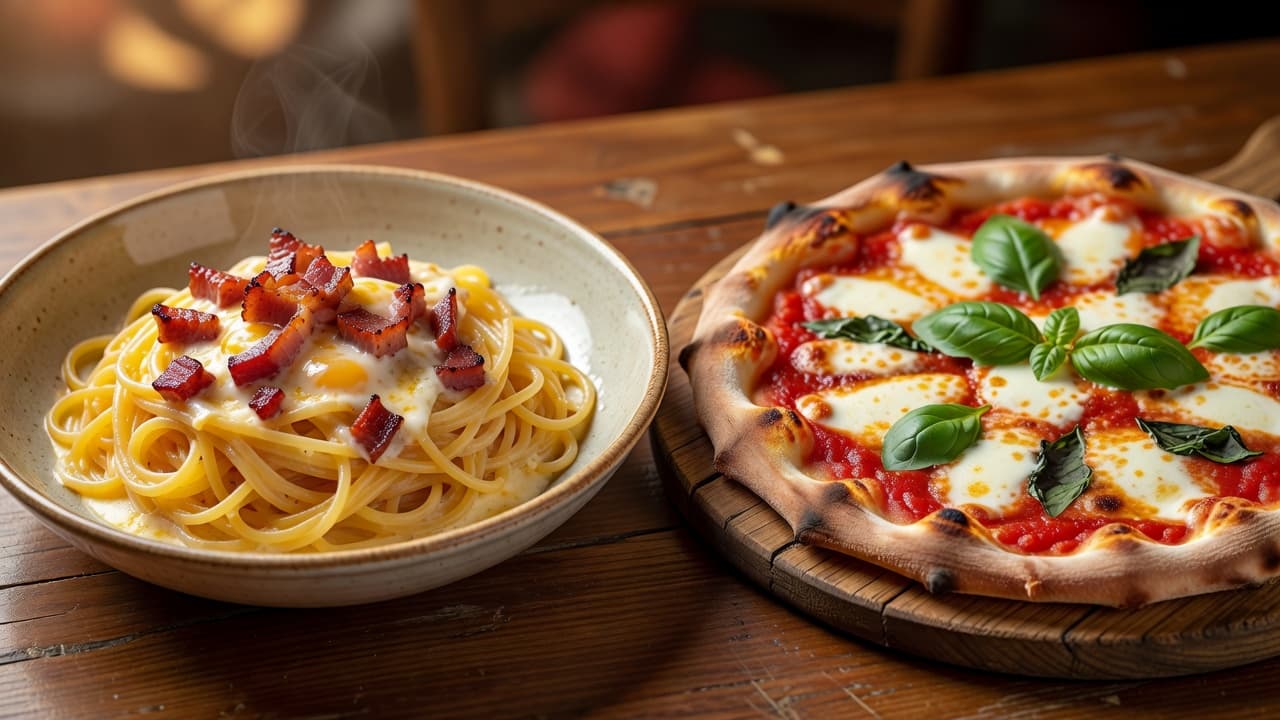
A rustic ceramic bowl filled with creamy Roman carbonara sits beside a freshly baked Neapolitan pizza with warm wooden table textures providing a backdrop for these traditional culinary staples from Italy.

If you like to eat by city identity, this trio is easy to read. Rome is for pasta, Naples is for pizza, and Florence is for Tuscan meat dishes that stick with you long after the trip ends.

Which Pick Depends on How You Like to Eat?

Some travelers want variety on every block. Others want one unforgettable dish done right. Italy gives you both, but these cities help narrow the choice fast.

✅ Choose Your City by Food Style:
Choose Venice if you want seafood, cicchetti, and polished dining with a lagoon setting
Choose Bologna if you want pasta, cured meats, and rich comfort food
Choose Rome if classic pasta is the main event
Choose Naples if pizza is the whole point
Choose Florence if you want bold Tuscan meat dishes and hearty regional cooking

A fourth image naturally belongs in the Amalfi part of the larger article, where seafood, lemons, and cliffside restaurants fit the mood. For now, these are the cities travelers keep bringing up for one simple reason: they each give you a clear eating plan before you even land.

Where Should You Stay Close to the Food?

If you want to keep meal planning simple, book a base that puts you near the main food districts. In Venice, that means staying close to San Polo or Cannaregio for easy access to bacari. In Bologna, look near the historic center so you can walk to trattorias instead of relying on taxis.

For flexible hotel options, compare refundable stays in Venice on Booking.com and central hotels in Bologna on Agoda. If you are building a bigger Italy route, it also helps to check Italy vacation stays on Trip.com so you can keep the trip close to the food neighborhoods that matter most.

What to Eat in Italy If You Want the Full Experience

If you want Italy to feel like Italy, start with the dishes people actually grow up eating. The famous plates are famous for a reason, but the real trick is knowing which ones are worth chasing in each city and which ones are best eaten as a quick snack between meals.

Order the classics first, then follow the region. That’s how you get the full picture, not just a tourist checklist.

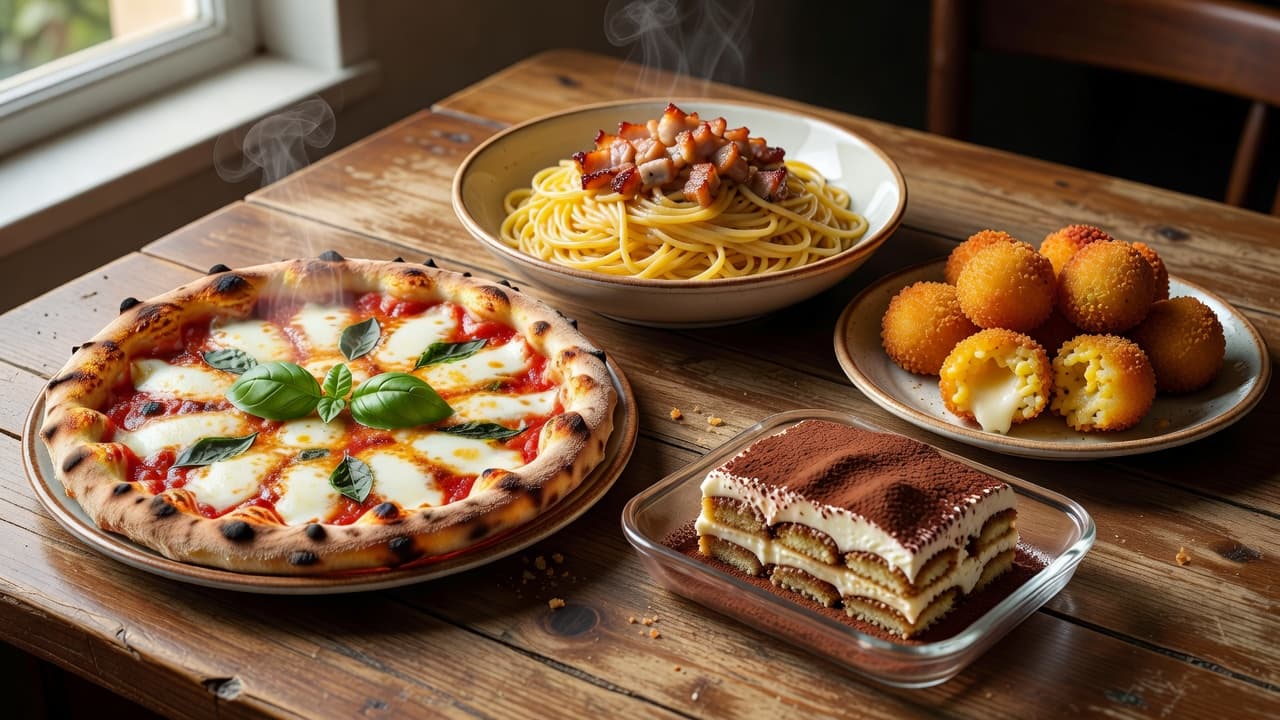
A rustic wooden table displays a steaming margherita pizza, a bowl of carbonara, golden fried supplì, and creamy tiramisu with warm sunlight illuminating the varied textures of these classic Italian dishes.

What Are the Must-Try Dishes Most Visitors Should Not Skip?

Start with the dishes that show up on almost every first-time Italy food list, then keep going once you know what you like. Pizza Margherita is the cleanest test of a pizzeria, with tomato, mozzarella, and basil doing all the talking. In Naples, the Neapolitan pizza version is the one you want, soft in the middle, blistered at the edges, and gone too fast.

For pasta, go straight to carbonara, cacio e pepe, and amatriciana. Carbonara is rich and salty, cacio e pepe is simple but sharp, and amatriciana brings tomato and guanciale into the mix. If you’re in Bologna, order tagliatelle al ragù and skip the jarred-sauce version of Italian food you may already know.

Street food matters too. Supplì is the Roman answer to a quick snack, while arancini or arancine bring that same fried, cheesy comfort to Sicily. Then finish with the sweet side of Italy: tiramisu, cannoli, and gelato. One is creamy and coffee-heavy, one is crisp and ricotta-rich, and one is the easy daily stop that seems to fit every hour of the day.

Where Does Each Famous Dish Taste Best?

The dish matters, but the place matters just as much. Pizza belongs in Naples, where the local style still feels like the standard everyone else is chasing. If you want to understand Roman pasta, eat it in Rome, where carbonara, cacio e pepe, and amatriciana are part of everyday life, not just restaurant theater.

For ragù, head to Bologna. The city is built around slow-cooked comfort, and that’s exactly why tagliatelle al ragù hits harder there than it does anywhere else. For dessert lovers, Sicily is the obvious stop, since cannoli and arancini are part of the island’s daily rhythm, not just a tourist menu.

If you want a sweet finish in a city setting, Venice is where to go for tiramisu. And if you’re planning a coastal stretch, pair the trip with seafood and lemon-forward dishes along the Amalfi side of the trip, where meals feel lighter and brighter. For a deeper look at that part of the coast, the Amalfi Coast travel guide fits neatly into a food-first itinerary.

Eat the signature dish in its home city whenever you can. That’s where the recipe feels most alive.

How Do You Spot the Best Local Places to Eat?

The best spots rarely look polished from the outside. In fact, that’s often a good sign. A place packed with locals, a short menu, and a handwritten board outside usually beats a restaurant trying too hard to impress tourists.

Look for trattorias with a handful of house specialties instead of a giant laminated menu. Good pizza al taglio shops sell slices fast, keep the counter busy, and don’t need fancy names to pull a line. Bakeries should smell like fresh dough and butter first thing in the morning, while a solid bar will serve espresso, pastries, and maybe a quick tramezzino without making it a production.

Markets are just as useful. If you see seasonal produce, local cheese, cured meats, and a lunch counter with people standing shoulder to shoulder, you’re in the right place. The easiest rule is simple: eat where the menu changes with the season, because that usually means the kitchen still cares about what’s fresh.

💡 Signs of a Good Local Place:
Short menus with regional dishes, not everything under the sun
Local customers who look like they came for lunch, not photos
Seasonal specials written on a board or recited by the server
House wine by the glass, which usually says a lot without saying much

If the room feels busy in the middle of the day and the dishes look modest but well made, keep walking in. That’s usually where the real meal is hiding.

How Much Does a Food Trip to Italy Really Cost?

Italy can be affordable, but only if you eat like you belong there. Stick to the right places and the bill stays sane. Chase tourist menus and Aperol-heavy terraces, and the total climbs fast.

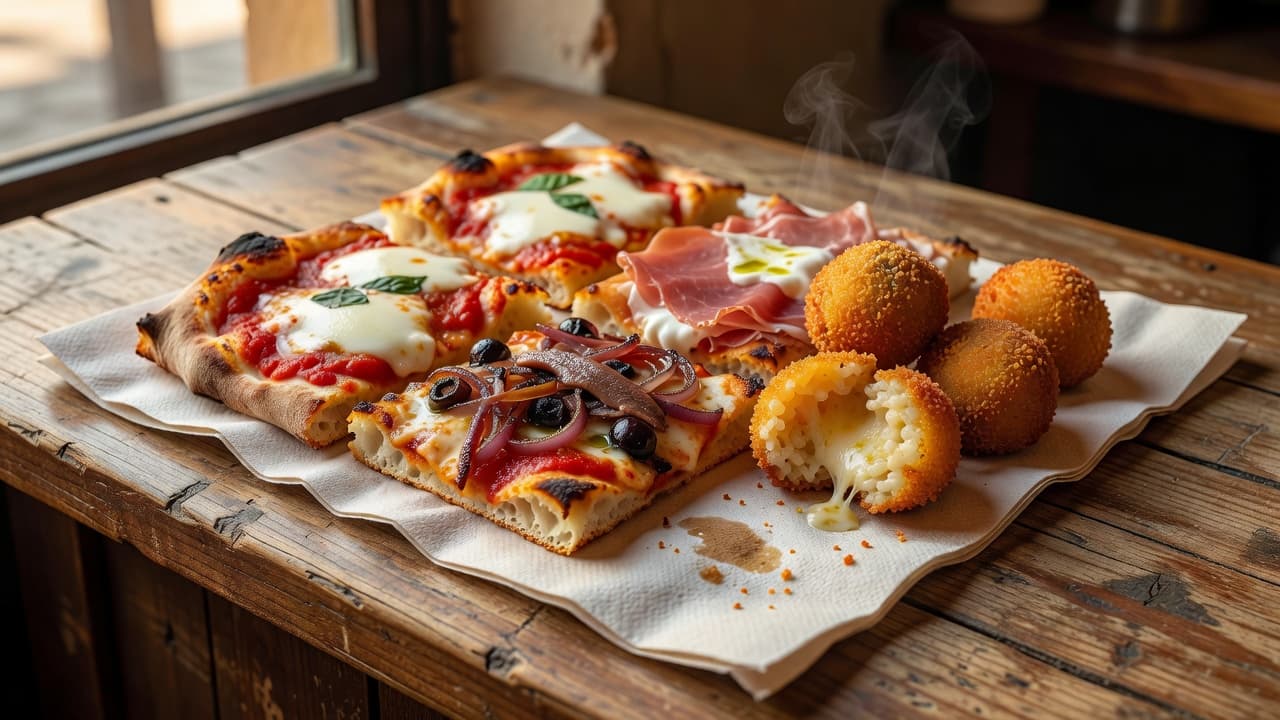
Crispy pizza al taglio slices and golden fried supplì sit on a rustic paper napkin atop a weathered wooden counter with warm light highlighting the textured dough and melted cheese topping.

What Are Typical Menu Prices Travelers Can Expect in 2026?

These are the easy-to-compare prices most travelers will actually run into in Italy. City center spots, waterfront tables, and famous tourist districts can run higher, while neighborhood places often stay closer to the lower end.

ItemTypical Price Range (USD)
Pizza Margherita$5 to $9
Pizza al taglio$2 to $4 per slice
Carbonara$11 to $16
Cacio e pepe$11 to $15
Amatriciana$11 to $15
Tagliatelle al ragù$11 to $16
Supplì$2 to $3 each
Arancini$3 to $4 each
Tiramisu$5 to $8
Cannoli$3 to $5 each
Gelato$3 to $4
Espresso$1 to $2
Aperol Spritz$7 to $11

The cheap wins in Italy are real. Espresso, pizza al taglio, supplì, and gelato can keep a day of eating surprisingly manageable.

If you want one benchmark, think like this: a pasta lunch, a snack, and coffee can still cost less than one polished dinner in a major U.S. city. For a quick outside reference on casual restaurant pricing, this guide to Italy restaurant prices lines up with the same basic pattern.

What Are the Best Ways to Eat Well on a Budget?

The smartest move is simple: eat where locals eat lunch. A good trattoria usually has a short menu, a few daily specials, and prices that make sense before the wine even shows up. If the room is full at 1 p.m., that usually tells you more than a polished sign ever will.

Breakfast bars are another easy save. In Italy, a standing espresso and pastry at the counter is cheap, fast, and normal. Sit down at a table in a tourist zone, and the same order can cost a lot more.

Street food helps too. Grab pizza al taglio, supplì, or arancini when you want a cheap gap-filler between bigger meals. It keeps the day moving, and it keeps you out of overpriced restaurants that exist mostly for visitors with no backup plan.

⚠️ Budget-Saving Rules:
Choose trattorias over tourist restaurants when the menu looks regional, not generic
Eat your biggest meal at lunch when fixed-price specials are more common
Use bars for breakfast and coffee instead of full-service cafes
Skip dining right on the main square unless you are paying for the view too
Watch the aperitivo markup in busy nightlife areas, especially around famous canals and piazzas

If Milan is on your route, these budget dining tips for Milan are useful because the city can swing from reasonable to pricey fast.

What Does a Realistic Daily Food Budget Look Like?

A food trip to Italy does not need to be a splurge every day. Your budget depends on how often you sit down for full meals, how much wine you drink, and whether you treat snacks like small meals or add-ons.

Here is the simplest way to plan it:

💰 Budget Traveler: $27-$49 per day
Espresso at the bar, a bakery breakfast, pizza al taglio or a cheap lunch, and one modest dinner. This works best if you keep snacks simple and avoid long aperitivo nights.

💰 Mid-Range Traveler: $54-$97 per day
Coffee and pastry in the morning, a proper trattoria lunch, gelato or dessert, and a nicer dinner with a glass of wine. This is the sweet spot for most food-focused trips.

💰 Higher-End Traveler: $108-$194+ per day
Multiple sit-down meals, better wine, seafood, famous restaurants, and cocktails in high-demand areas. Add a waterfront table or a well-known tasting menu, and the total climbs quickly.

The value is still strong even at the top end. Italy gives you real regional food, not just expensive plates dressed up for tourists. That is why the trip feels worth it, even when the bill is a little higher than expected.

For travelers comparing food-first stays and trip planning, it helps to book a base that keeps you close to the right neighborhoods. A central hotel often saves more on taxis and wasted time than you think, especially when your best meals are a few blocks away instead of across town.

Conclusion: Build Your Italy Food Route Today

Italy takes the crown because it doesn’t offer one food story, it offers a dozen. Venice, Bologna, Rome, Naples, and Florence each give travelers a different reason to eat well, and that variety is what makes the country hard to beat.

The real strength is simple: quality backed by tradition. You can plan a trip around pizza in Naples, pasta in Rome, rich comfort food in Bologna, seafood in Venice, or Tuscan dishes in Florence, and every stop still feels like a proper food trip.

If you want Italy at its best, don’t lock yourself into one city. Build a food-first route, mix two or three stops, and let each region show you why Italy keeps landing at the top.

🚀 Ready to Book Your Italian Food Adventure?

Start with flights, compare hotels near top restaurants, and book food tours before they sell out.

People Also Ask: Italy Food Travel FAQ

What is the best time to visit Italy for food?

April-May and September-October are ideal for food travel. Spring brings fresh artichokes, asparagus, and strawberries, while fall offers truffles, mushrooms, and grape harvests. These shoulder seasons also mean fewer crowds and better prices at restaurants. Summer (June-August) is peak tourist season with higher prices, while many authentic restaurants close in August for vacation.

How much should I budget for food in Italy per day?

Budget travelers: $27-$49/day (espresso, pizza al taglio, one trattoria meal). Mid-range: $54-$97/day (proper lunches, gelato, nice dinners with wine). Higher-end: $108-$194+/day (multiple sit-down meals, fine dining, premium wine). Most travelers find the mid-range sweet spot offers the best balance of quality and value.

Do I need reservations for restaurants in Italy?

Yes, for popular restaurants, absolutely. Book 2-4 weeks ahead for well-known trattorias and osterias, especially in Rome, Florence, and Venice. For Michelin-starred or famous spots, reserve 1-3 months ahead. Casual pizza places and street food don’t need reservations, but expect lines at popular spots like Da Michele in Naples.

🎒 Pack Smart for Your Italy Food Tour

Get comfortable walking shoes, a portable phone charger for food photos, reusable water bottle, and other Italy travel essentials delivered fast.

🛒 Shop Travel Essentials

© 2026 I Need My Vacation. All rights reserved.



Ksamil, Albania in Summer 2026: What to Expect

Is Ksamil Albania worth visiting in Summer 2026? Yes, it offers stunning turquoise waters and sandy beaches at a fraction of Greek or Italian prices. Expect peak crowds in July-August with resorts from $80-$250/night. Visit June or September for better value and fewer tourists.

One scroll through summer travel videos and Ksamil keeps popping up. The water looks unreal, the sand looks soft, and the price tag still looks lighter than what you’d face in Mykonos, Capri, or much of the French Riviera.

That doesn’t mean it’s secret or quiet. Ksamil is popular because it’s easy to love, and in peak season it can feel packed. If you’re thinking about summer 2026, this is the honest version: what makes it worth it, who it’s best for, and what can annoy you if you book with postcard expectations.

Ksamil works best for couples, friend groups, and families who want beach-first days with simple pleasures. If that sounds like your trip, here’s where the hype holds up, and where it doesn’t.

🎯 Quick Answer: Ksamil is one of Europe’s strongest value beach picks for summer 2026. The big draw is clear, shallow turquoise water and easy beach days. July and August bring the best buzz and biggest crowds. Book early for walkable stays near main beaches, or go in June/September for a calmer experience.

Affiliate Disclosure: This article contains affiliate links. If you book through these links, I Need My Vacation may earn a commission at no extra cost to you. We only recommend services we trust and use ourselves.

Table of Contents

What Makes Ksamil Feel Like the Perfect Summer Escape?

Ksamil doesn’t win people over with one huge landmark. It wins with color, temperature, and ease. You walk down to the shore, step into water that stays shallow for a while, and suddenly the whole place makes sense.

That look is a big reason Albania keeps climbing onto lists of best travel destinations to book for 2026. Ksamil feels like a beach fantasy without the usual Western Mediterranean bill.

Why Are Ksamil’s Beaches So Famous?

The beach setup is simple, and that’s the point. Soft, pale sand. Bright blue-green water. Small islands sitting just offshore like somebody placed them there for the camera.

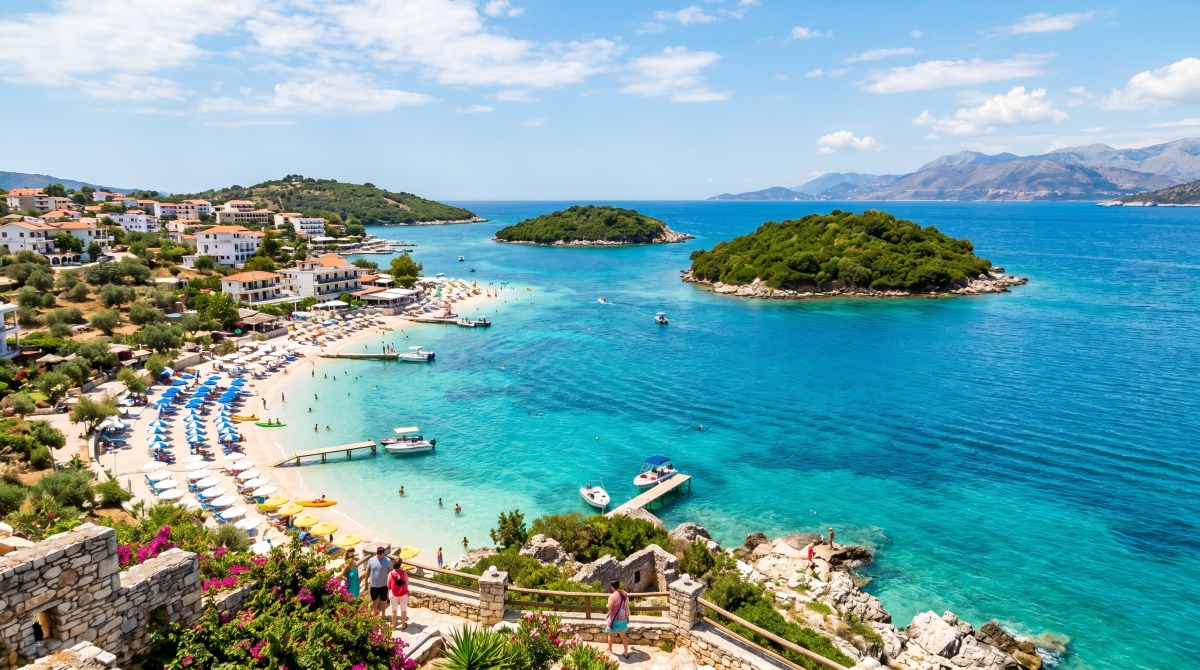
Crystal clear turquoise waters lap against pristine white sand beaches in Ksamil Albania with small green islands visible offshore under bright blue summer sky.

Much of the coastline is split between public sections and organized beach clubs, so expect rows of loungers in the busiest spots. Still, the water is the star. It’s calm on good days, shallow in many areas, and friendly for long swims or families with kids who don’t want rough surf.

Ksamil is built for phone screens. The water photographs well, the beaches look expensive, and short travel clips make it look almost tropical. People keep calling it the “Maldives of Europe.” That’s silly, but the water explains why the label sticks.

As of June 2026, the online buzz is still pushing demand. Travelers want a Mediterranean-style beach trip that looks high-end without a high-end price, and Ksamil fits that search perfectly.

💡 Pro Tip: The catch is obvious—that same viral look pulls in more people every summer. Manage expectations and you’ll love it. Expect it to be empty and you won’t.

What Should I Expect From Prices, Crowds, and Timing?

Ksamil is affordable, but it isn’t cheap in the way old blog posts sometimes promise. The better way to think about it is value. You can still spend less here than in many headline-grabbing beach towns across southern Europe, but peak summer prices rise fast.

PeriodWhat It Feels LikePrice PressureBest For
JuneWarm, lively, easier to manageModerateCouples & flexible travelers
July – AugustHottest, busiest, most socialHighestBeach lovers who book early
SeptemberWarm water, calmer moodModerate to LowerTravelers who want space

June and September usually give the best balance. July and August give the fullest summer energy, but you pay for it.

How Do Summer Prices Change in Peak Season?

Hotels and apartments move first. A room that feels like a deal in early June can look a lot less charming by late July if the nightly rate jumps. Beachfront properties and places with parking go fastest, because they remove two of Ksamil’s biggest stress points.

Food can still be reasonable, especially if you mix casual meals with one nicer seafood dinner. Beach services are where people feel the squeeze. Front-row loungers, umbrellas, and club-style setups cost more in peak weeks.

When Is Ksamil Busiest and How Do I Avoid It?

The tightest stretch is usually mid-July through late August. That’s when beaches fill early, parking gets irritating, and dinner waits start creeping up. Weekends often feel busier than weekdays, especially when regional travelers pile in.

You don’t need a complicated strategy. Go to the beach early, eat lunch a little before peak time, and save your most popular beach day for a weekday. Ksamil is still pretty when it’s busy. It just isn’t peaceful.

What Are the Best Ksamil Resorts for Summer 2026?

Accommodation in Ksamil ranges from budget apartments to luxury beachfront hotels. As of June 2026, here are the top-rated options with current pricing for peak summer dates:

🏖️ Hotel Iliria

Beachfront location • Private beach access • Pool • Breakfast included
$180 – $280 / night

🌊 Brilant Apartments

5-min walk to beach • Kitchenette • Sea view balconies • Family-friendly
$85 – $140 / night

✨ Vila Ammos

Luxury boutique • Rooftop pool • Spa • Direct beach path
$220 – $350 / night

🏠 Ksamil Bay Apartments

Budget-friendly • Full kitchen • Parking • 10-min walk to beach
$55 – $95 / night

⚠️ Booking Alert for Summer 2026:
• Beachfront properties sell out 3-4 months in advance for July/August
• Prices shown are estimates for peak season (July 15 – Aug 15)
• June and September rates are typically 30-40% lower
• Always verify current availability and exact pricing before booking

🏨 Compare All Ksamil Hotels & Apartments

Check real-time availability, read verified reviews, and lock in free cancellation options before prices rise further.

🔍 Search Ksamil Stays Now

What Are the Best Things to Do Beyond the Beach?

A better Ksamil trip mixes lazy hours with short outings. That keeps the town from feeling one-note, and it gives you options if the main beaches feel too full.

Should I Visit Butrint for a Culture Break?

Butrint is the obvious day trip, and for good reason. It’s a UNESCO World Heritage site with ancient ruins, stone walls, and a setting that feels greener and quieter than the beach strip. After a couple of sun-heavy days, it resets the mood.

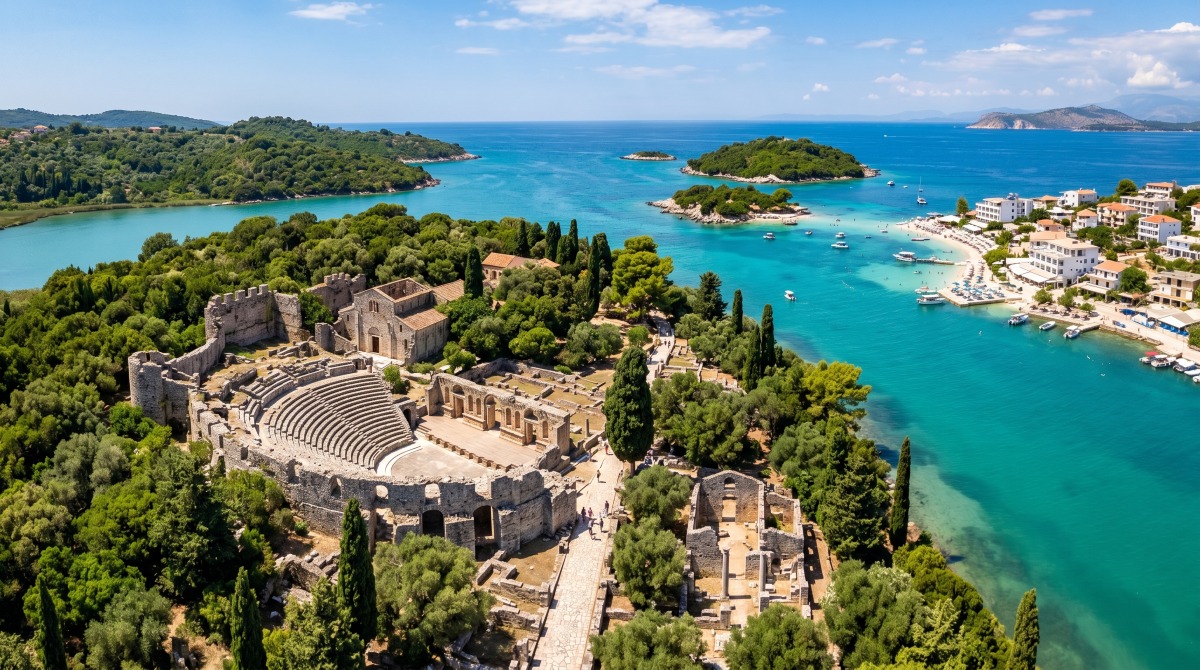
Ancient stone ruins of Butrint National Park surrounded by lush green vegetation and archaeological excavations under bright Mediterranean sunlight.

If you like a trip with some variety, add it. Half a day is enough for most people. If you’d rather line things up before you land, you can browse Albania tours and day trips. For a wider coast-to-coast picture, this Albania vacation guide for 2026 is useful too.

🗺️ Browse Albania Tours & Day Trips

Book guided tours to Butrint, Blue Eye Spring, and other Albanian Riviera highlights with hotel pickup included.

🎫 View Available Tours

How Can Boat Trips and Beach Hopping Improve My Trip?

You don’t need a yacht to improve your Ksamil trip. A small boat ride, a simple rental, or a short hop to a quieter stretch of coast can completely change the day. The views back toward shore are part of the fun.

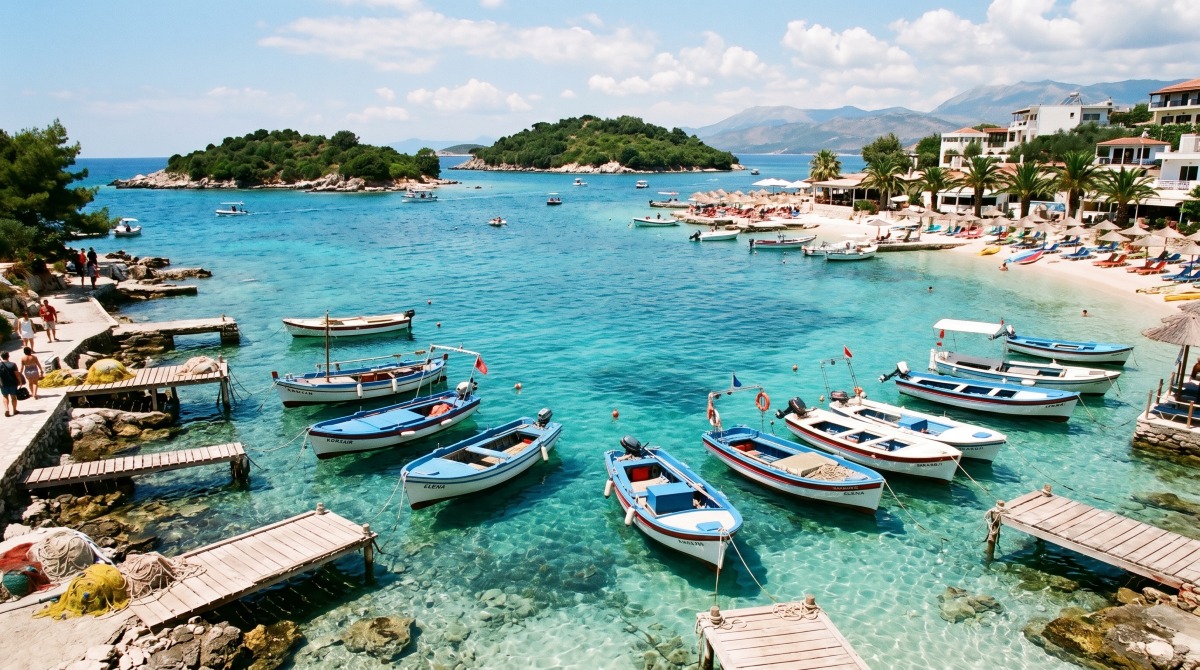
Small wooden boats anchored in crystal clear turquoise bay waters near Ksamil Albania with rocky coastline and pine trees in background.

Beach hopping also helps you escape the crowd rhythm. If one main beach feels jammed by 11 a.m., move. Ksamil is better when you treat it like an area to explore, not one patch of sand to defend all day.

Where Should I Eat and Enjoy the Summer Vibe?

Evenings in Ksamil are relaxed, not stuffy. You’ll find seafood, grilled fish, calamari, fresh salads, pasta, and plenty of outdoor tables. Mussels from the nearby lagoon are one of the more local things to look for.

The mood is easy. People come back from the beach, shower off the salt, and drift into dinner. That’s a big part of the appeal. Ksamil isn’t trying to impress you with formality. It wants you sun-tired, hungry, and happy with a sea view.

How Do I Plan a Better Ksamil Trip in 2026?

This is where a good idea becomes a good booking. Ksamil rewards simple planning. Pick the right location, know how you’ll arrive, and don’t pack like you’re headed to a quiet hidden cove.

Where Should I Stay for Easy Beach Access?

If easy beach days are your top goal, stay within walking distance of the main shore. It saves time, cuts out parking stress, and makes it easier to go back for a break when the sun gets brutal. The tradeoff is noise, tighter rooms, and higher rates.

If you stay a little farther out, or slightly uphill, you can often get better value and a calmer night. Apartments are common and can be a smart play for families or longer stays. For July and August, compare options early and look for refundable choices.

How Do I Get There and Move Around Without Stress?

Most travelers reach Ksamil through Tirana or Corfu, then continue toward Saranda and down the coast. What matters most is total travel time, not just the cheapest flight on paper. A good fare can turn into a tiring arrival day if your connection plan is messy.

✈️ Search Flexible Flights to Albania

Compare prices across multiple dates and nearby airports (Tirana, Corfu) to find the best route to Ksamil.

🔍 Search Flights Now

Once you’re there, getting around is usually straightforward with taxis, local transport, or a rental car if you’re building a longer Riviera trip. Inside Ksamil itself, walking works well near the center. Driving works less well at peak beach hours.

What Should I Pack for Hot, Crowded Beach Days?

Pack for heat, glare, and long hours outside. Light clothes, solid sun protection, a reusable water bottle, and a dry bag all earn their place. Water shoes can help on rocky entries outside the softest sand zones.

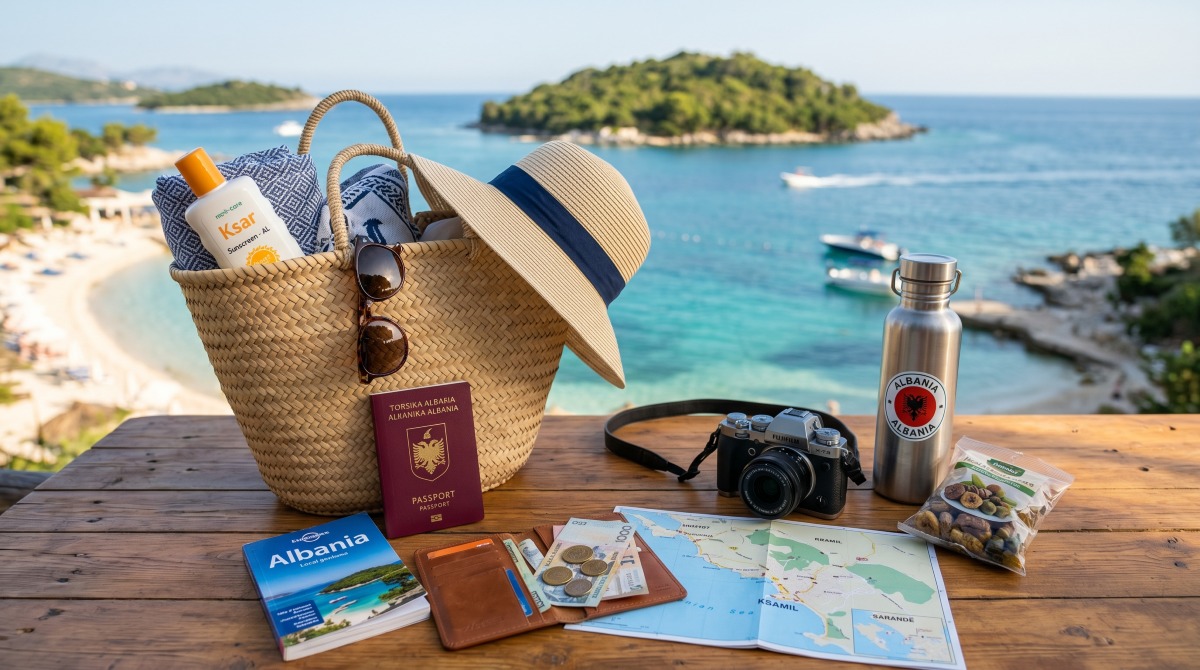
Travel essentials laid out including sunscreen bottles sunglasses hat reusable water bottle and dry bag on white sandy beach background.

Phone data matters more than people expect, especially for directions, messaging, and last-minute reservations. If you don’t want to land and start hunting for Wi-Fi, set up an eSIM for Albania before your flight.

Final Thoughts on Ksamil for Summer 2026

Ksamil is a strong pick if you want beautiful water, easy beach days, and a lively summer mood without paying famous-island prices. That’s the real selling point. Not perfection, not secrecy, just strong value in a place that looks great and feels easy to enjoy.

The smart move is to book it with clear eyes. Expect crowds in peak weeks, expect better prices outside the hottest dates, and expect the beach to be the main event.

If that trade sounds fair, Ksamil still looks like one of Europe’s best summer value plays for 2026.

🚀 Ready to Book Your Ksamil Summer Escape?

Start with flights, compare hotels, and unlock package savings before peak season prices climb higher.

People Also Ask: Ksamil Summer 2026 FAQ

Is Ksamil Albania crowded in July and August 2026?

Yes, significantly. Mid-July through late August is peak season when beaches fill by 10 AM, parking becomes challenging, and restaurants have wait times. For a similar experience with fewer crowds, visit in June or September when weather remains warm but tourist density drops 40-50%.

What are the best resorts in Ksamil for Summer 2026?

Top picks include Hotel Iliria ($180-$280/night) for beachfront luxury with private beach access, Vila Ammos ($220-$350/night) for boutique spa experiences, and Brilant Apartments ($85-$140/night) for budget-friendly family stays. Book 3-4 months ahead for July/August dates as beachfront properties sell out fastest.

How much does a week in Ksamil cost in Summer 2026?

Budget travelers can expect $600-$900/week staying in apartments with self-catering. Mid-range stays run $1,200-$2,000/week at 3-star hotels with some meals out. Luxury beachfront experiences cost $2,500-$4,000+/week. These estimates exclude flights and assume July/August pricing; June and September are typically 30-40% cheaper.

Can I visit Ksamil as a day trip from Corfu?

Yes, it’s very popular. Ferry from Corfu to Saranda takes 30 minutes, then it’s a 20-minute drive/taxi to Ksamil. Many visitors do this as a day trip, though staying overnight allows you to experience Ksamil’s evening atmosphere and avoid rush-hour ferry returns. Budget €25-35 per person round-trip for ferry plus €15-25 for ground transport.

© 2026 I Need My Vacation. All rights reserved.



How to Find Cheap Flights to Europe This Summer

How can I find cheap flights to Europe this summer? Book 60-90 days ahead, fly midweek (Tuesday/Wednesday), target budget-friendly cities like Dublin or Porto, use flexible date searches, and set price alerts. Current summer 2026 fares range $400-$700 for deals, with typical prices $600-$900+.

Summer flights to Europe can feel like a bad joke. You open a search tab, type in Paris or Rome, and suddenly a round-trip ticket costs as much as part of your hotel.

The good news is you don’t need to spend all day hunting for a deal. The cheapest fares usually show up when you aim for smaller cities, leave midweek, and search with flexible dates instead of locking yourself into one perfect itinerary.

🎯 Quick Answer: A strong summer Europe fare from the U.S. in June 2026 is usually $400 to $700 round trip. Big-name cities often cost more, while Dublin, Porto, Stockholm, Krakow, and Budapest can come in lower. Wednesday departures, nearby airports, and fare alerts still do the heavy lifting.

Affiliate Disclosure: This article contains affiliate links. If you book through these links, I Need My Vacation may earn a commission at no extra cost to you. We only recommend services we trust and use ourselves.

Table of Contents

What Do Cheap Europe Flights Look Like Right Now?

As of June 2026, a good summer fare from the U.S. to Europe usually means about $400 to $700 round trip. Most travelers, though, are seeing a more typical range of $600 to $800+, and peak July routes can easily hit $900 to $1,000 or more.

📊 Current Summer 2026 Flight Prices (as of June 14, 2026)

Great Deal
$400-$700
Best-value cities (Dublin, Porto, Krakow)
Average Price
$600-$800
Mid-priced gateways (Stockholm, Venice)
Peak Summer
$900-$1,200+
Major cities in July (Paris, Rome, London)

Which Are the Best Value Cities to Target First?

If you search only Paris, London, Rome, and Barcelona, you’re shopping in the busiest aisle of the store. Fares stay high because everyone wants those routes, especially nonstop flights.

✅ Best Budget-Friendly European Cities for Summer 2026:
Dublin, Ireland – Gateway to Europe with frequent sales
Porto, Portugal – Often $100-200 cheaper than Lisbon
Krakow, Poland – Eastern Europe’s hidden gem
Budapest, Hungary – Stunning city with low airfare
Stockholm, Sweden – Scandinavian beauty at better prices
Venice, Italy – Often cheaper than Rome/Milan
Nice, France – French Riviera without Paris prices
Seville, Spain – Andalusian charm at lower fares

Why Do Peak Summer Routes Cost So Much More?

Summer is simple math. Schools are out, vacation calendars line up, and airlines know nonstop seats to famous cities will sell.

That’s why flexibility matters. A July nonstop to Rome from a smaller U.S. airport can cost far more than a one-stop ticket into Dublin or Porto. Same continent, same season, wildly different price.

✈️ Search Flexible-Date Europe Fares Now

Compare prices across multiple dates and nearby airports to find the cheapest way to reach Europe this summer.

🔍 Search Flights Now

When Should You Book Cheap Flights to Europe This Summer?

For summer Europe trips, the sweet spot is often 60 to 90 days out, though popular July dates can reward even earlier booking. Waiting for a last-minute miracle in summer is like waiting for beach parking at noon—sometimes you get lucky, usually you don’t.

A traveler sits at a wooden cafe table focused on their laptop screen to research flight deals with a steaming ceramic coffee mug nearby in soft natural morning sunlight.

What Are the Cheapest Days and Times to Fly?

In many searches, Wednesday is still the friendliest departure day. Tuesday can be solid too. Friday and Sunday usually cost more because that’s when most people want to leave or come home.

Morning flights can also come in lower than evening departures. If you’re choosing between two similar itineraries, the less convenient one often carries the better price.

💡 Best Days to Fly for Lower Fares:
Best: Tuesday & Wednesday departures
Good: Monday & Thursday
Avoid: Friday & Sunday (most expensive)
Time: Early morning flights often cheaper than evening

How Far Ahead Should You Start Checking Fares?

Start checking several months before your trip, not the week you’re ready to book. Set alerts, watch the trend, and get a feel for what “normal” looks like for your route.

If you’re still shaping your dates, start watching early. This guide on the best time to book flights to Europe lines up with what travelers are seeing on long-haul summer routes right now.

How Can You Search Smarter So the Fare Drops Faster?

Most people don’t have a flight problem. They have a search problem. They look up one city, one airport, one weekend, then wonder why the number looks brutal.

How Do You Use Flexible Dates and Nearby Airports?

A one-day shift can cut a fare by $100 or more. That’s not theory. It’s common on summer transatlantic routes.

Check a flexible-date calendar first. Then compare nearby departure airports and nearby arrival airports. Flying out of JFK instead of a smaller regional airport, or into Dublin instead of London, can change the math fast.

How Can You Let Price Alerts Do the Work for You?

Don’t babysit airfare. Set alerts and let the dips come to you.

The smart move is broad at first. Track several cities at once, maybe Dublin, Porto, Krakow, and Budapest, then narrow later. That gives you options when one route drops and another doesn’t.

A person holds a smartphone in their hands displaying a travel booking interface against a softly blurred city street with warm golden hour light enhancing the scene.

Why Should You Consider a Cheaper Gateway City First?

This is where the biggest savings often hide. Say Rome is expensive, but Dublin is hundreds less. You fly into Dublin, spend a night if you want, then take a budget flight or train onward.

An open-jaw trip means you fly into one city and home from another. A multi-city itinerary means you build both flights together instead of forcing a round trip. Both can save money and time if you’re not circling back to your arrival city.

🚂 Compare Train & Onward Travel Options

Find the cheapest way to continue your journey from your gateway city to your final destination across Europe.

🚆 Search Train Tickets

What Booking Tricks Can Shave More Off the Total Cost?

Finding a decent fare is step one. Keeping it cheap is step two.

Why Should You Watch the Real Total, Not Just the Ticket Price?

A cheap headline fare can get ugly fast once bags, seats, and airport transfers pile on. Compare the full trip cost, not the first number you see.

A $499 ticket with $150 in extras isn’t cheaper than a $589 fare that includes a carry-on and better airport timing.

This is also where one-way tickets can surprise you. Sometimes mixing two airlines beats the round-trip price. Sometimes it doesn’t. Check both before you pay.

How Do You Know When a Deal Is Actually Good?

If you’ve been tracking fares for a week or two, you’ll start seeing the range. Once a fare drops clearly below that range, don’t overthink it.

A summer round trip to Dublin, Porto, or Krakow that lands well below the average is usually worth grabbing. If you’re chasing those rare ultra-low fares, these strategies for scoring affordable flights to Europe can help set expectations.

⚠️ Important Booking Tips:
• If you build separate tickets or a self-transfer, be extra careful with tight connections
• If a major delay or cancellation wrecks your summer route, check compensation eligibility
• Always book refundable fares when possible for summer travel
• Consider travel insurance for peak season bookings

What Is the Fastest Way to Book Before Prices Rise Again?

Once you know what a good fare looks like, the process gets a lot less messy. Don’t keep reinventing the search.

✅ 5-Step Booking Strategy:
1. Pick flexible date ranges, not one fixed departure
2. Compare at least 3 arrival cities, not only your dream city
3. Check nearby airports on both ends
4. Set alerts and watch for fares below the usual range
5. Book when the price is clearly low, not when it feels perfect

A close up view shows a paper boarding pass resting on a rustic wooden table beside a closed passport with warm morning light spilling across the textured surface.

The travelers who save the most usually aren’t doing magic. They’re flying midweek, searching wider, and saying yes to a cheaper entry point into Europe.

🚀 Ready to Book Your Europe Summer Trip?

Start with flights, compare hotels, and unlock package savings before prices climb higher.

Conclusion: Your Path to Cheap Europe Flights

Summer Europe flights are expensive, but they’re not hopeless. Flexibility is still the thing that moves the needle most—more than any hack, rumor, or perfect booking day.

If you want the short version, aim for cheaper cities first, leave midweek, search nearby airports, and book in that 60 to 90 day window when the fare drops below the norm.

Start searching now, while you still have room to move.

People Also Ask: Cheap Europe Flights FAQ

What is a good price for a summer flight to Europe in 2026?

From the U.S., $400 to $700 round trip is a strong deal in summer. Once you get into peak July travel, many routes sit closer to $600 to $800 or more. Major cities like Paris, London, and Rome typically cost $900-$1,200+ in peak season, while budget-friendly gateways like Dublin, Porto, and Krakow often have fares in the $400-$600 range.

Is Wednesday still the cheapest day to fly to Europe?

Often, yes. Wednesday and Tuesday departures tend to price better than Friday or Sunday, especially on routes with heavy vacation demand. Midweek flights can save you $100-$300 compared to weekend departures. Early morning flights are also typically cheaper than evening departures.

Should I book round trip or two one-way flights to Europe?

Check both options. Round trip is often cheaper, but mixing one-way tickets on different airlines can win when one leg is overpriced. Sometimes booking two one-ways on different carriers (like flying out on one airline and returning on another) can save $100-$200. Always compare the total cost before booking.

Which European cities are usually cheapest to fly into in summer?

Dublin, Porto, Stockholm, Krakow, and Budapest often show better fares than Paris, London, or Rome. These cities are also solid gateway cities for trains or short onward flights. Other budget-friendly options include Venice, Nice, Seville, and Warsaw. Flying into a cheaper city and taking a budget airline or train to your final destination can save hundreds.

How far in advance should I book summer flights to Europe?

Book 60 to 90 days in advance for the best prices on summer Europe flights. For peak July travel, consider booking 3-4 months ahead. Last-minute deals in summer are rare and risky. Set price alerts as soon as you know your travel dates, and book when you see a fare 20-30% below the average you’ve been tracking.

🎒 Don’t Forget to Pack Smart!

Get travel essentials, packing cubes, adapters, and more delivered fast before your trip.

🛒 Shop Travel Essentials

© 2026 I Need My Vacation. All rights reserved.


Where to Stay in Athens for Under $50 a Night in 2026 (My Top Picks)

Athens can feel cheap right up until I book the wrong neighborhood. One block puts me near postcard views, the next cuts my nightly cost in half. If I want an apartment rental under $50 a night in 2026, the area I choose matters as much as the listing itself.

For me, the best-value stay comes down to five things: walkability, safety, food costs, transit, and how hard it is to reach the Acropolis without wasting time or money. Prices also shift fast by season, so booking early gives me the best shot at rates under budget.

🎯 Quick Answer: Best Budget Neighborhoods

Koukaki = Best overall for first-timers
Exarchia = Cheapest option (gritty but real)
Thiseio = Perfect central balance
Neos Kosmos = Smartest backup plan
Galatsi/Sepolia = Best for extended stays

🔥 Check Current Athens Deals Under $50

Planning a March trip? Check out my guide to warm Europe cities in March if you’re still deciding between destinations!

Affiliate Disclosure: This article contains affiliate links. If you book through these links, I Need My Vacation may earn a small commission at no extra cost to you. We only recommend services we genuinely trust and use ourselves. Thank you for supporting independent travel content!

📍 Best-Value Neighborhoods in Athens for Under $50 (2026 Edition)

When I compare apartment rental prices across platforms, I don’t just chase the lowest number. I check the final total, metro proximity, neighborhood safety at night, and local food costs. I also always prefer refundable stays because Athens rates can swing dramatically week to week.

That matters because citywide averages often look much higher than budget travelers want. Still, broad search pages like Expedia’s Athens listings show there are still lower-cost studios and private stays if I stay selective. Plaka and Monastiraki are lovely, but they usually eat up too much of a sub-$50 budget, especially in spring and early fall.

🥇 Koukaki: My #1 Pick for Walkability & Value

Why I love it: Koukaki sits close enough to the Acropolis that I can walk there in 5-10 minutes, yet it still feels like a real residential district. That mix is hard to beat.

The deal: Simple apartments can land near the top of my budget here, but I still see under-$50 options when I book early, travel midweek, or accept a smaller studio. Food helps the math too—I can grab coffee, bakery breakfasts, and solid tavern meals without paying tourist-core prices.

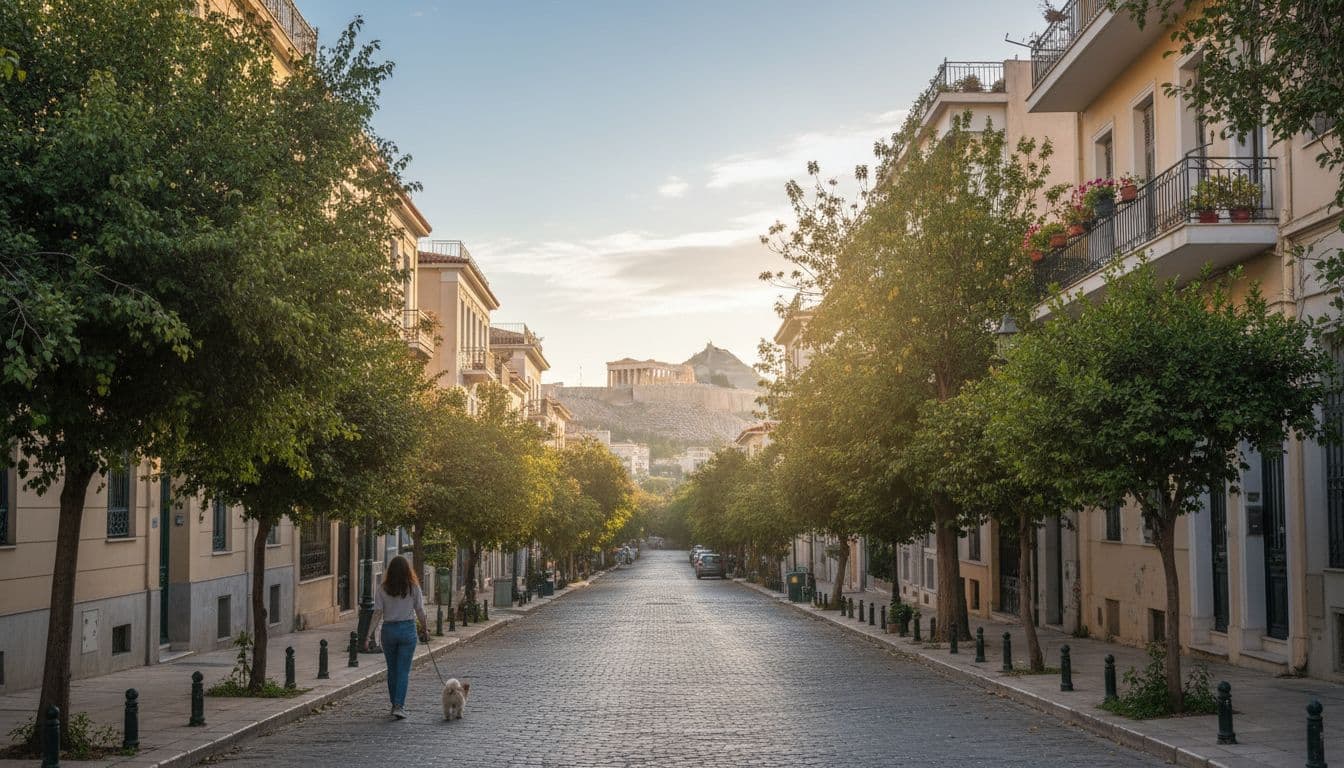
Quiet residential street in Athens' Koukaki neighborhood with Acropolis view

Best for: First-time visitors, couples, solo travelers who want to walk everywhere

Typical price: $40-50/night

My tip: Search Agoda for Koukaki deals—they often have exclusive discounts

💰 Exarchia: The Cheapest Option (If You Don’t Mind Edge)

Why it’s cheap: This is often where the cheapest private stays show up, sometimes around €18-30 for basic rooms, with simple apartments climbing toward €50. It has a student and arts scene, plus cheap meals, cheap drinks, and way more personality than polished tourist zones.

The reality check: Exarchia isn’t for everyone. It’s gritty, sometimes noisy, and rough around the edges. I stay aware at night, stick to well-lit streets, and read recent reviews closely. For travelers comfortable in lively urban areas, it can be an incredible deal.

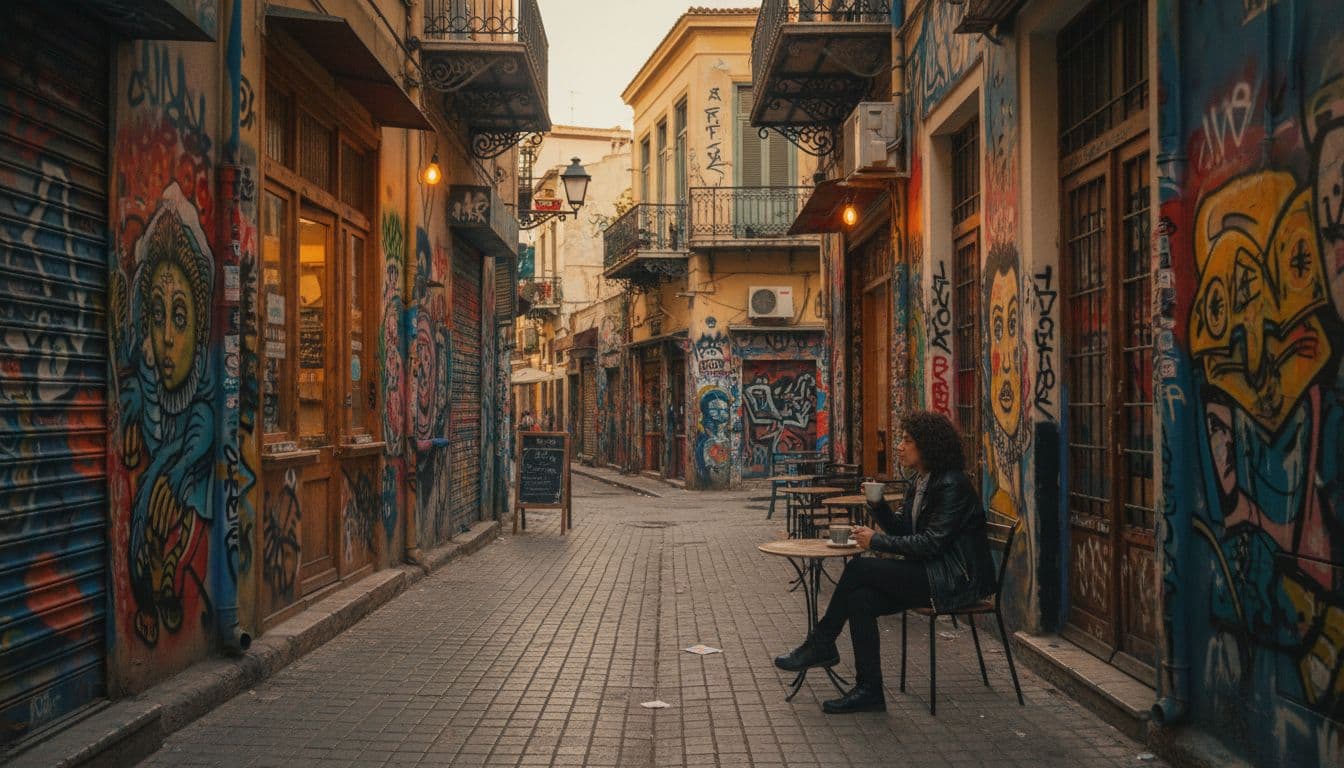
Vibrant street in Exarchia, Athens with murals and cafes

Best for: Budget backpackers, solo travelers, digital nomads, anyone who wants authentic Athens

Typical price: $25-45/night

My tip: Filter Booking.com for “Superhosts” in Exarchia for safer bets

🏛️ Thiseio: The Sweet Spot for Central Charm

Why it works: Thiseio gives me that rare middle ground. I get pretty lanes, easy walks to the Ancient Agora and Acropolis, and a calmer feel than Plaka. It still feels central, but not constantly swarmed.

The catch: Basic apartments can stay under budget if I book early and keep expectations simple. Inventory is smaller here, though, so deals disappear fast. Weekends can also bring more noise near busy café strips.

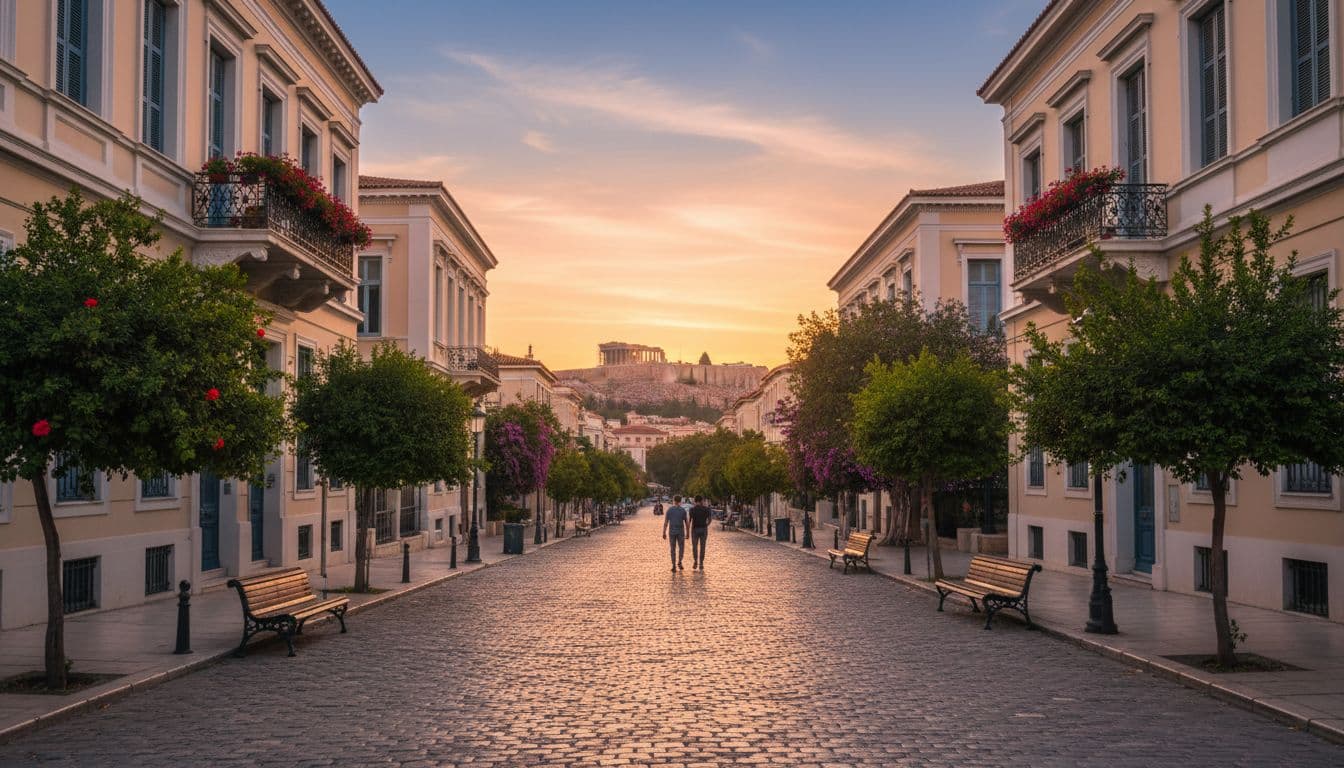
Pedestrian street in Thiseio with Acropolis view at dusk

Best for: Couples, photographers, travelers who want charm without Plaka prices

Typical price: $42-50/night

My tip: Check Trip.com for Thiseio last-minute deals

🔄 Smart Backup Areas When Top Neighborhoods Sell Out

Once Koukaki, Exarchia, and Thiseio tighten up, I stop chasing the center and start looking for smarter value. A short metro or tram ride can save a lot, especially on high-demand dates.

🚇 Neos Kosmos: Better Prices with Quick Transit

Why it’s smart: I often find stays around €35-50 here, and the transport links make the trade-off easy to accept. The neighborhood feels local, useful, and much less inflated than the old tourist core.

The trade-off: It’s not as charming as Koukaki or Thiseio. Still, for couples and solo travelers who care more about price than ambiance, Neos Kosmos is often the smarter deal.

🏘️ Galatsi or Sepolia: Lowest Rates for Long Stays

The savings: Budget-first listings often land around €30-45, which helps a lot on week-long stays. These areas suit remote workers, repeat visitors, and anyone who doesn’t need to walk everywhere.

The reality: I spend more time on buses or the metro, and I get fewer tourist services nearby. Even so, the savings can be real. Broad comparison pages such as Expedia’s Athens overview are useful for spotting how far rates drop outside the center.

📊 Quick Comparison: Athens Budget Neighborhoods

NeighborhoodPrice RangeBest ForWatch Out For
Koukaki$40-50First-timers, walkabilityDeals vanish fast
Exarchia$25-45Lowest prices, local vibeNoise, gritty feel
Thiseio$42-50Central charm, viewsLimited inventory
Neos Kosmos$30-50Backup value, longer staysLess charm, transit needed

🎯 How I Choose: Match the Neighborhood to YOUR Trip

✅ Choose Koukaki or Thiseio if:

  • You want to walk to the Acropolis, museums, and evening viewpoints
  • This is your first time in Athens
  • You value convenience over saving every dollar
  • You’re staying 3-5 nights and want to maximize sightseeing

My move: I pay near the top of my budget and target these areas. That extra few dollars saves metro rides, taxi temptation, and a lot of backtracking.

✅ Choose Exarchia, Neos Kosmos, or Outer Districts if:

  • Your budget is tight and every dollar counts
  • You’re staying a week or longer
  • You’re comfortable with urban grit and local neighborhoods
  • You want to save money for food, tours, or island hopping

My move: I shift outward and keep more money for experiences. Metro fares are still low by big-city standards, so a longer ride is worth it if the apartment is clean and well-reviewed.

💡 My Booking Strategy: How to Actually Score Under $50

Central Athens prices have been rising, so flexibility matters more in 2026 than it did a few years ago.

1. Book Early, Stay Flexible

I get the best deals in shoulder season (March-May, September-November), on midweek stays, and on bookings of several nights instead of one or two. A listing that looks cheap can jump fast once cleaning fees land.

⚠️ Reality Check: A $39 nightly rate can turn into a $58 stay after fees and extras. Always check the final price!

2. Compare Total Price, Not Just Nightly Rate

Before I confirm anything, I check:

  • ✅ Cleaning fees and service charges
  • ✅ Stair access (many Athens apartments have no elevator)
  • ✅ Self check-in availability
  • ✅ Cancellation terms (always prefer free cancellation)
  • ✅ Distance to nearest metro stop
  • ✅ Air conditioning (Athens heat is no joke)
  • ✅ Recent reviews for safety and cleanliness

3. Bundle Your Booking for Better Deals

I check flights at the same time because better dates often unlock cheaper apartments too.

🔥 My Money-Saving Booking Stack:

Step 1: Search flexible flights on Aviasales → Find cheapest dates

Step 2: Compare refundable stays on Booking.com → Filter for whole apartment, recent reviews, AC, free cancellation

Step 3: Cross-check on Agoda → Sometimes they have exclusive discounts

Step 4: Final check on Trip.com → Look for last-minute deals or package discounts

Bonus: If landing late or hauling luggage, book airport transfer through Expedia to keep the first night simple

4. Avoid These Budget-Killing Mistakes

  • ❌ Booking too close to the Acropolis on peak dates (unless the price is unusually good)
  • ❌ Staying on nightlife-heavy streets if you need sleep
  • ❌ Ignoring recent reviews about safety, cleanliness, and AC
  • ❌ Not checking if there’s an elevator (Athens buildings are OLD)
  • ❌ Booking non-refundable rates unless you’re 100% certain

🎒 Don’t Forget: Pack Smart for Athens

Before you go, make sure you have the right gear. I always grab these essential travel items from Amazon before my Athens trips—comfortable walking shoes, a good daypack, and portable charger are non-negotiables.

❓ Athens Budget Stay FAQ (2026)

Is Athens safe for budget travelers staying in apartment rentals?

Yes, in general. I stay alert for pickpockets, use main streets at night, and read recent reviews. Koukaki and Thiseio feel calmer; Exarchia feels rougher but is usually fine with normal city awareness. Book with verified hosts for extra peace of mind.

Can I really find a private apartment in Athens for under $50 a night?

Absolutely. Especially in shoulder season, with early booking and simpler units. I usually have better luck just outside the most tourist-heavy core. Rates can change fast, so set price alerts on Agoda to catch deals.

Which area is best for first-time visitors on a tight budget?

I point most first-time visitors to Koukaki. Thiseio comes next if I find an early deal. Exarchia is cheaper, but it suits travelers who don’t mind a louder, grittier setting.

What should I check before booking an Athens apartment?

I check the final price with fees, recent reviews, self check-in, air conditioning, Wi-Fi, stairs/elevator, metro distance, and cancellation rules. Those details matter more than a pretty cover photo.

When is the cheapest time to visit Athens?

Late fall (November) and late winter (February-March) offer the best deals. March in Athens is particularly sweet—mild weather, fewer crowds, and prices haven’t peaked yet.

🎯 Bottom Line: Your Athens Budget Game Plan

Athens doesn’t have to wreck my budget. Here’s my simple formula:

🏆 Best overall value: Koukaki ($40-50)

💵 Lowest prices: Exarchia ($25-45)

⚖️ Central balance: Thiseio ($42-50)

🔄 Smart backup: Neos Kosmos ($30-50)

The best deals don’t sit around long, especially the clean, well-reviewed apartments under budget. I compare early, save a few refundable options, and book fast when one checks the right boxes.

© 2026 I Need My Vacation. All rights reserved.
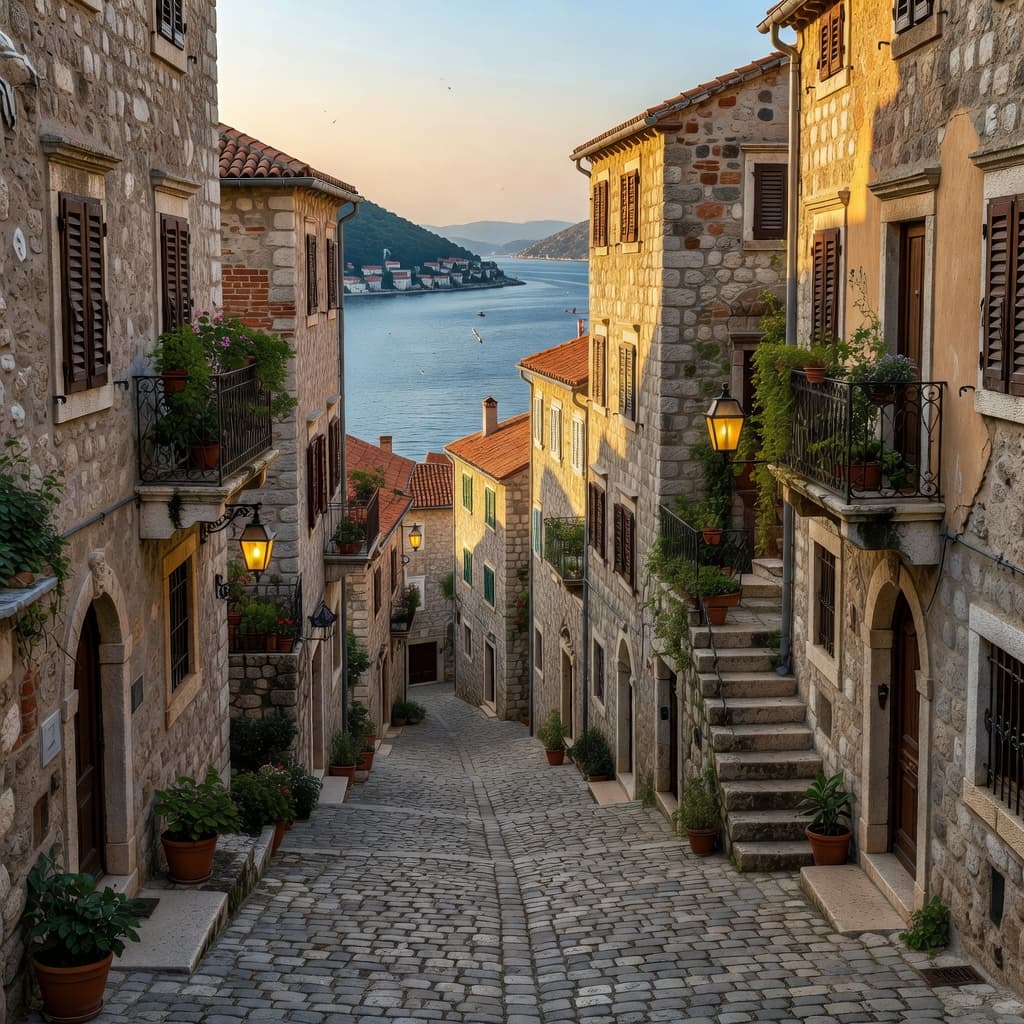

🏰 Dubrovnik Set-Jetting Guide: Experience King’s Landing BEFORE the Crowds Descend

Picture this: It’s 6:47 AM. The sun hasn’t fully risen over the Adriatic. Dubrovnik’s ancient stone streets are yours alone. No selfie sticks. No tour groups. Just you, the sea breeze, and the haunting beauty of King’s Landing in its purest form.

This is the Dubrovnik most travelers never see.

While thousands wait in 2-hour lines during summer, smart travelers are discovering the March-April 2026 sweet spot—when the city feels like a private film set, prices drop by 40%, and you can actually breathe while walking the walls.

🎯 YOUR QUICK WIN PLAN:

⚡ Affiliate Transparency: This guide contains carefully selected affiliate links. When you book through them, I Need My Vacation earns a small commission at zero extra cost to you. I only recommend services I’d use myself. Your support keeps these detailed guides free! 🙏


Why Early March 2026 is Your SECRET WEAPON for King’s Landing

Let’s be brutally honest: Summer Dubrovnik is a different planet. Cruise ships dump 8,000+ passengers daily. The walls become a human conveyor belt. That magical King’s Landing feeling? Gone.

But March-April 2026? That’s when the city reveals its soul.

📊 The Numbers Don’t Lie:

  • 54-59°F (12-15°C) = Perfect walking weather (no heat exhaustion on the walls)
  • 40-60% fewer tourists than peak season
  • 30-50% cheaper hotels than July/August
  • Cruise ship traffic at its annual low

🌤️ Want warmer March weather? Dubrovnik in early spring is crisp and atmospheric—but if you’re dreaming of sunshine and café terraces, check out our guide to the warmest Europe cities to visit in March. Perfect for pairing with your set-jetting plans or swapping destinations entirely.

💡 PRO TIP: Cruise schedules for 2026 aren’t fully published yet. That’s actually GOOD news—it means fewer people are planning March trips. You’ll have first-mover advantage. Book flexible flights now while prices are low, then adjust if needed.


🗺️ My EXACT Self-Guided King’s Landing Route (Beat the Crowds)

Goal: Hit the iconic spots while they’re still empty. This route is battle-tested for maximum photos, minimum people.

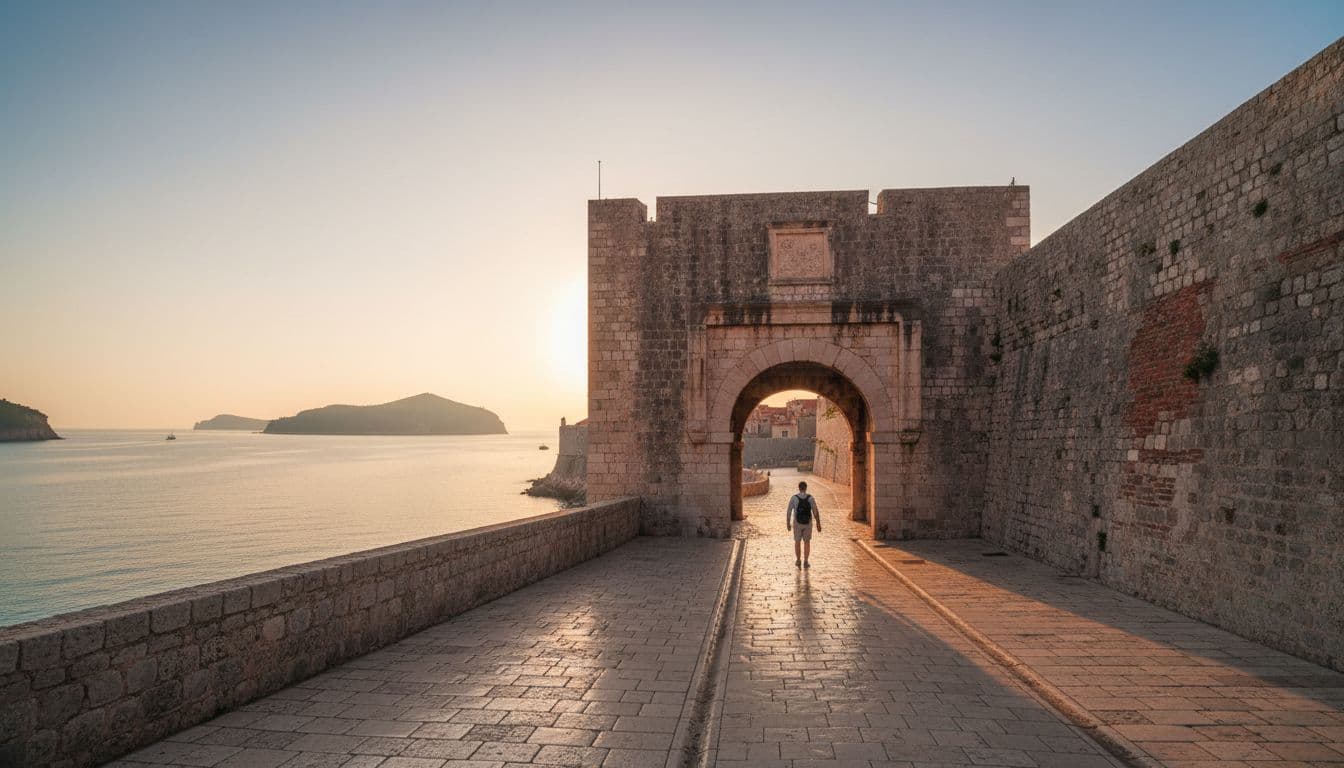
⏰ 7:00 AM – Pile Gate (Your Gateway to Westeros)

Early morning view of Pile Gate in Dubrovnik, with a quiet empty street leading into the old town, soft dawn light on ancient walls and sea in the background, one person walking alone.

Why start here: This is where 99% of tourists eventually enter. Be there BEFORE them. You’ll get that perfect “empty medieval city” shot with zero competition for photos.

⏰ 7:30 AM – Fort Lovrijenac (The REAL Red Keep)

This fortress is Dubrovnik’s best-kept secret. While tour groups sleep in, you’re standing where Joffrey watched the Battle of Blackwater.

Insider move: Buy your Dubrovnik City Walls pass here—it includes Fort Lovrijenac AND the walls. You’ll save money and time.

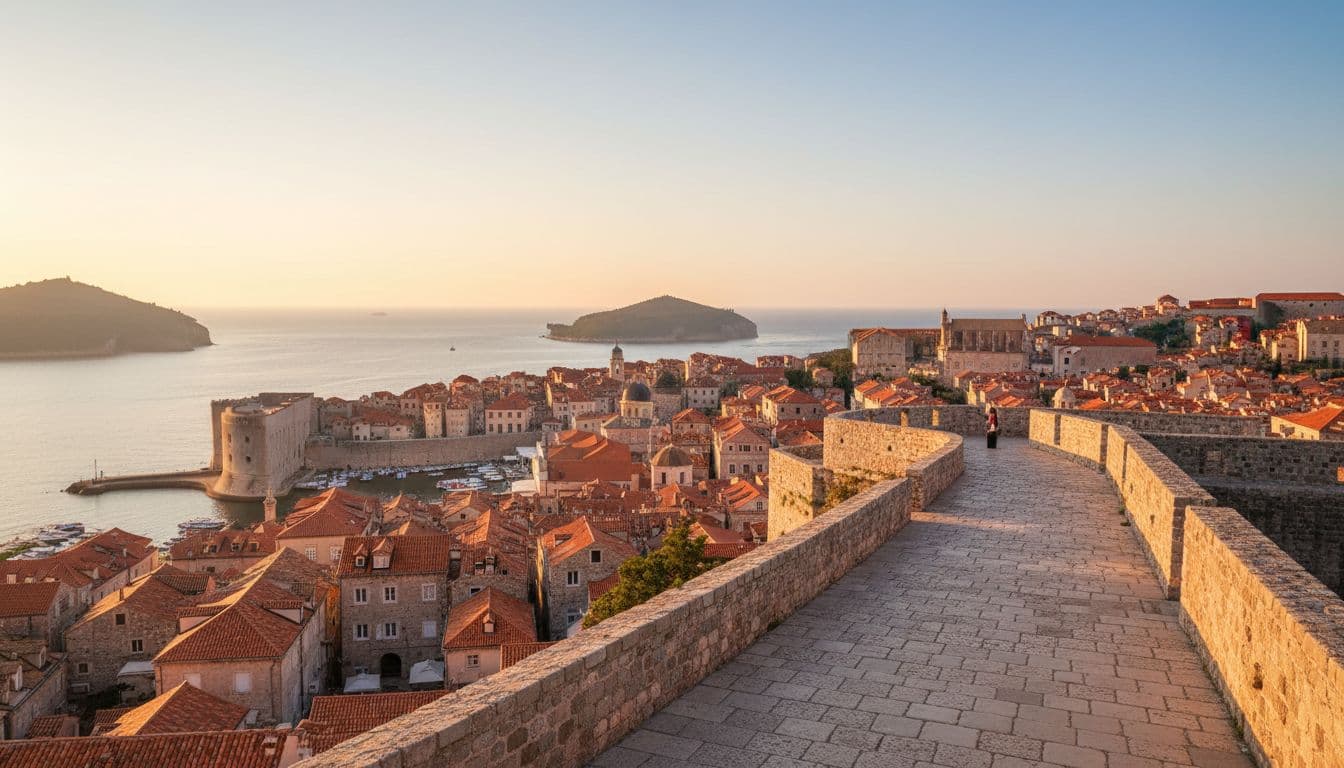
⏰ 8:30 AM – The City Walls (Crown Jewel Moment)

Serene view from Dubrovnik city walls overlooking the old town and Adriatic Sea at dawn, with soft light illuminating the empty stone walkway and Minčeta Tower, no people present.

This is why you came. 2 kilometers of pure magic. By 10 AM, there will be lines. By 8:30 AM? It’s yours.


🏨 Where to Stay: Strategic Base Camps for Set-Jetters

🥇 OPTION 1: Old Town (For Sunrise Warriors)

My pick: Search Old Town hotels with FREE cancellation — You can be outside your door at 6:45 AM while everyone else is commuting.

🥈 OPTION 2: Lapad (For Value Seekers)

My pick: Compare Lapad deals on Agoda — 15-minute bus ride to Old Town, but you’ll save hundreds.


✈️ How to Book Without Overpaying (My Exact System)

🔍 SEARCH FLEXIBLE DATES ON AVIASALES

🏨 FIND FREE CANCELLATION HOTELS


🎯 Your Action Plan (Don’t Skip This)

🚀 BOOK YOUR KING’S LANDING ADVENTURE NOW:

  1. Check flights: Aviasales (flexible dates)
  2. Compare hotels: Booking.com OR Agoda
  3. Get your city pass: Dubrovnik Card
  4. Grab gear: Portable charger on Amazon

🏁 Final Thoughts

Dubrovnik in early spring isn’t just a trip. It’s a strategic advantage. The window is open. March-April 2026 won’t last forever.

Next steps: Start with flexible flights, lock in a refundable hotel, and if you’re still exploring March destinations, see our warm Europe cities guide for more inspiration.


© 2026 I Need My Vacation. All rights reserved. | Plan Your Trip
Pin It on Pinterest

Seraphinite AcceleratorOptimized by Seraphinite Accelerator
Turns on site high speed to be attractive for people and search engines.