 Skip to content

💧 Caribbean Tap Water Safety: Where Can You Drink From the Tap?
You can safely drink tap water in parts of the Caribbean, such as Barbados and most of Jamaica, but there is no region-wide guarantee. Always use factory-sealed bottled water or a certified travel purifier when the local supply, resort plumbing, or ice source is uncertain.
🏨 Book Stays With Reliable Water Amenities
Compare resorts that offer in-room refrigerators, kitchenettes, or complimentary bottled water to keep your family safely hydrated without overspending at the minibar.
💡 When the hotel page opens: Type your destination (e.g., “Bridgetown” or “Ocho Rios”), select your dates, and strictly filter by “Kitchenette” or “Refrigerator” to store your own sealed water safely.
🎯 Key Takeaways Before You Drink
- 🇧🇧 Barbados’ public water supply is considered potable, while Jamaica’s guidance includes exceptions for some rural areas and intermittent supply.
- 🚰 A hotel’s designated drinking-water dispenser and its bathroom faucet may have entirely different supplies. Treat them separately.
- 🧊 Choose unopened, factory-sealed bottles whenever you don’t have a clearly identified potable source, including for ice and brushing teeth.
- 🦠 Many portable water filters don’t remove viruses. A basic taste filter is not a medical-grade travel purifier.
- 🌪️ Hurricanes, power outages, and plumbing problems can instantly change the safety situation, even where public water is normally drinkable.
📍 Jump to the Right Answer
🗺️ Where Is Caribbean Tap Water Generally Drinkable?
Some islands have established, highly regulated public drinking-water systems. That helps immensely, but an island’s general reputation doesn’t describe every remote rental kitchen, private villa cistern, or aging plumbing system.
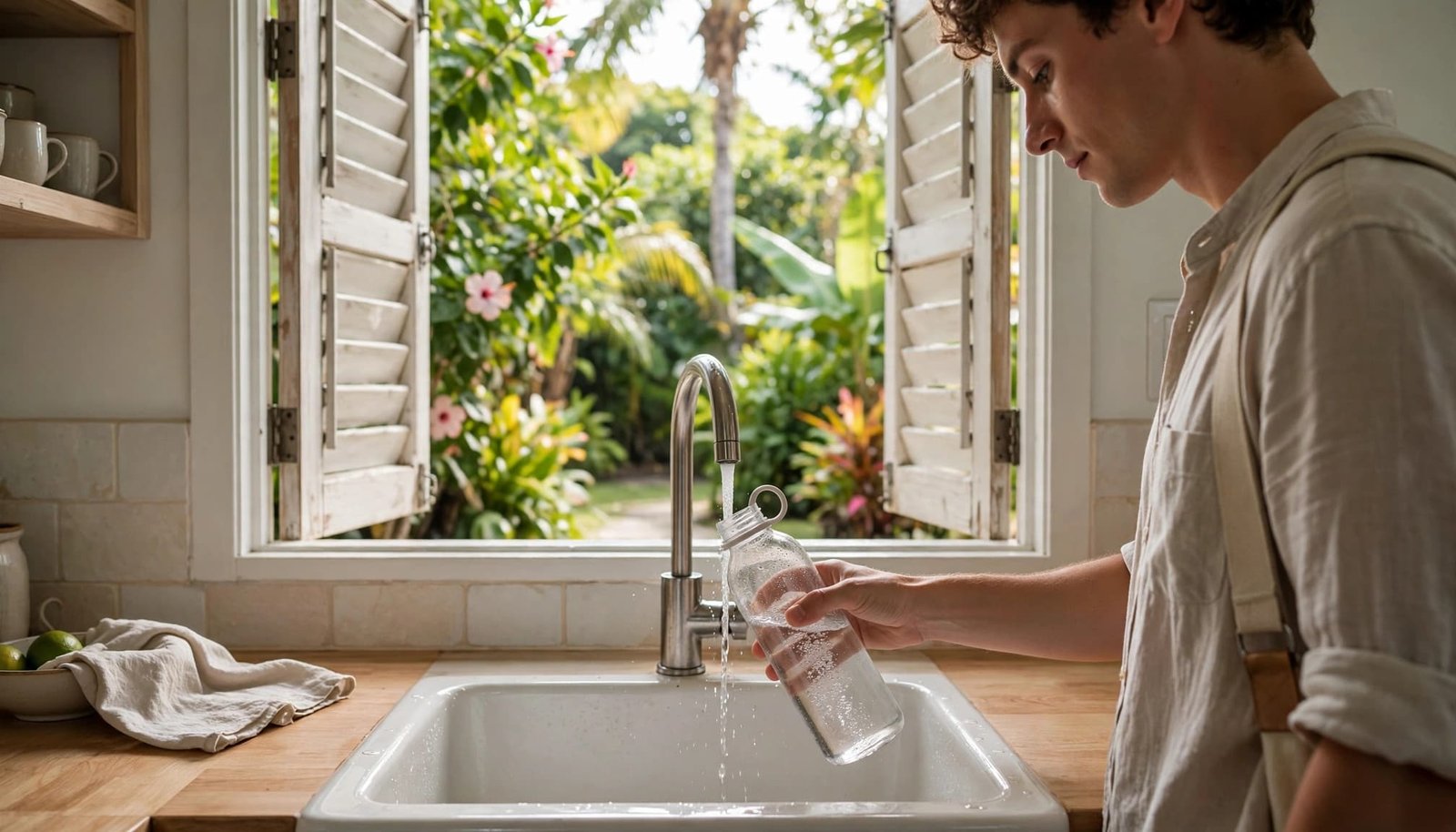
🇧🇧 Can you drink tap water in Barbados?
Yes, under normal conditions. Barbados’ Environmental Protection Department stated in May 2026 that potable water supplied by the Barbados Water Authority is safe for human consumption. The authority, health ministry, and environmental department actively monitor the public system. For travelers using that municipal supply, tap water can be a practical, affordable choice, and a reusable bottle will save you from repeated bottled-water purchases.
🇯🇲 Is tap water safe in Jamaica?
The U.S. State Department describes Jamaica’s tap water as generally safe for drinking and cooking in urban and resort areas, with strict exceptions in some remote rural areas. Furthermore, municipal water isn’t available every single day in some locations, meaning properties rely on stored cistern water. A luxury resort stay and a rural road trip involve vastly different water arrangements. Always choose sealed water when the immediate source isn’t explicitly clear.
🇻🇮 What about St. Croix and the U.S. Virgin Islands?
St. Croix demonstrates why an old headline shouldn’t become a permanent rule for an entire destination. The EPA’s February 2026 update noted elevated lead and copper found at 36 locations during late 2023 sampling, though the associated “do not consume” advisory was lifted after public education measures were implemented. For travelers, the crucial distinction is public supply versus premises plumbing. Information about a water utility doesn’t automatically settle questions about an older building’s specific pipes. If your accommodation’s drinking-water supply isn’t clearly identified, sealed bottles are the safest short-stay option. Remember: boiling water does not remove lead or copper contamination.
🏨 Does a Luxury Resort Make Every Bathroom Tap Safe?
A high nightly room rate buys immense comfort, but it doesn’t tell you which specific water source reaches the bathroom faucet versus the kitchenette dispenser.
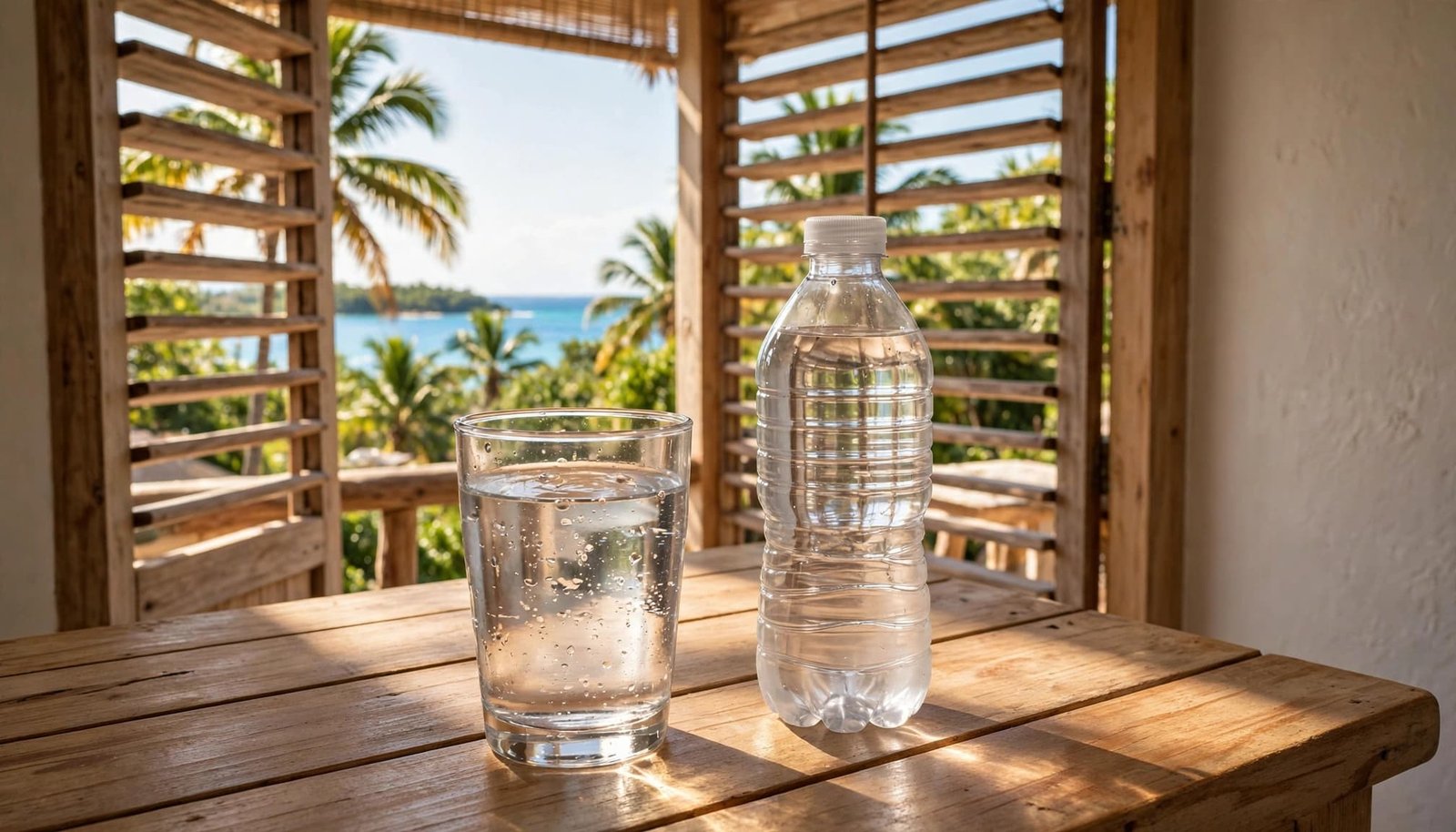
🚰 Which resort water sources should you actually drink?
Only use water explicitly supplied for drinking, whether that’s sealed bottles, a designated potable refill station in the lobby, or a dedicated drinking-water dispenser in your suite. A resort may provide heavily treated drinking water separately from the general washing taps. We favor the simplest arrangement: an identified drinking-water source that’s easy to reach throughout the day. Read our family-friendly Caribbean resort guide to find properties that prioritize everyday hydration convenience.
💰 Which accommodation features save money on bottled water?
Included daily drinking water, accessible lobby refill stations, and an in-room refrigerator make daily hydration vastly easier and cheaper. Families benefit immensely from keeping safe water available after the resort restaurants close. Treat minibar water separately; its presence in the fridge doesn’t automatically mean it’s included in your all-inclusive room rate. When comparing accommodation, weigh those practical features alongside the nightly price.
🧊 Which Drinking-Water Option Fits Your Specific Trip?
Choose your hydration strategy according to the specific water problem you’re trying to solve on your itinerary.
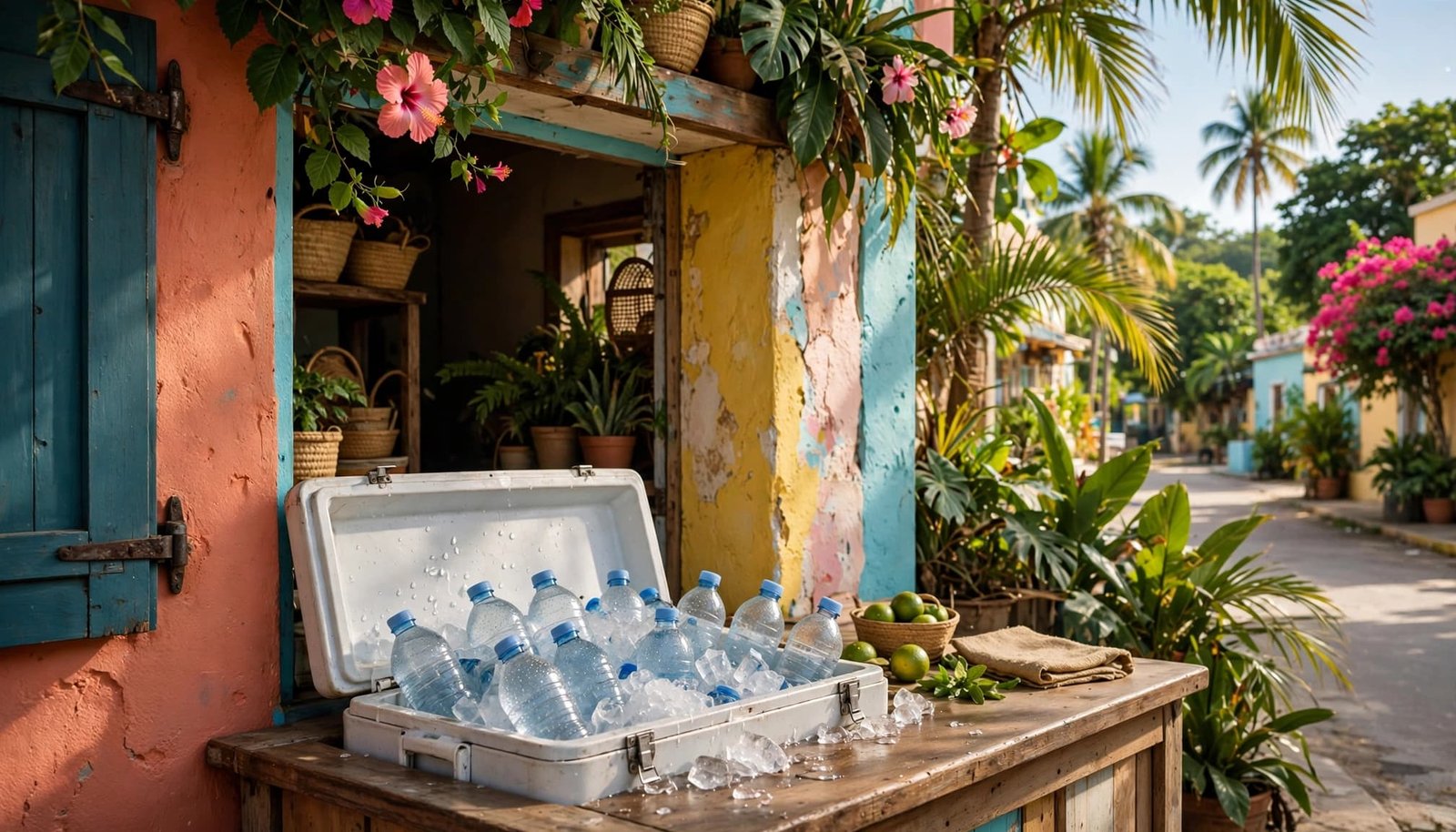
🧊 Can You Safely Use Ice and Brush Your Teeth?
When your drinking-water source is uncertain, you must carry the exact same precautions into small, easily forgotten daily habits.
🍹 Is ice safe in Caribbean cocktails and drinks?
Ice is only as safe as the water used to manufacture it. A cold drink doesn’t disinfect contaminated ice, and the alcohol in a rum cocktail doesn’t make unsafe ice harmless. The CDC advises avoiding ice where access to clean water is limited. Choose ice made with identified safe water (usually commercially bagged ice at reputable resorts); otherwise, order your drink without it. The exact same rule applies to blended frozen drinks and fresh juices diluted with tap water.
🪥 What about brushing teeth, washing produce, and drinking coffee?
Use safe, sealed water for brushing teeth when the tap supply is uncertain. It’s a small amount, but oral exposure still counts. Wash raw produce with safe water, or strictly choose fruit you can peel yourself (like bananas and oranges). Raw salads can involve water you never see. Furthermore, coffee and tea need water that has been brought to a full, rolling boil; a drink that’s merely warm from a buffet carafe doesn’t establish that the water was properly disinfected.
🌪️ What Happens to Water Safety After a Hurricane or Outage?
A normally reliable municipal supply can become a vastly different decision after severe flooding, infrastructure damage, or a sudden power interruption. The Barbados Water Authority’s hurricane guidance explicitly warns that household water may become contaminated during or after a major storm. During a standard boil-water advisory, use sealed water or the prescribed boiling treatment for drinking and food preparation. However, a “do not consume” notice is entirely different and may involve chemical contamination or heavy metals that boiling will not fix. Keep a sealed-water reserve at your accommodation when severe weather threatens.
⚠️ Hidden Trap Warning: Boiling water can kill many disease-causing biological organisms, but it absolutely does not make chemically contaminated water safe, nor does it remove lead or copper. Never rely on a kettle to solve a chemical “do not consume” advisory.
🧪 Should You Pack a Water Filter or a Travel Purifier?
Buy treatment gear for its explicitly stated laboratory capabilities, not the vague marketing promise of “cleaner tasting water.”
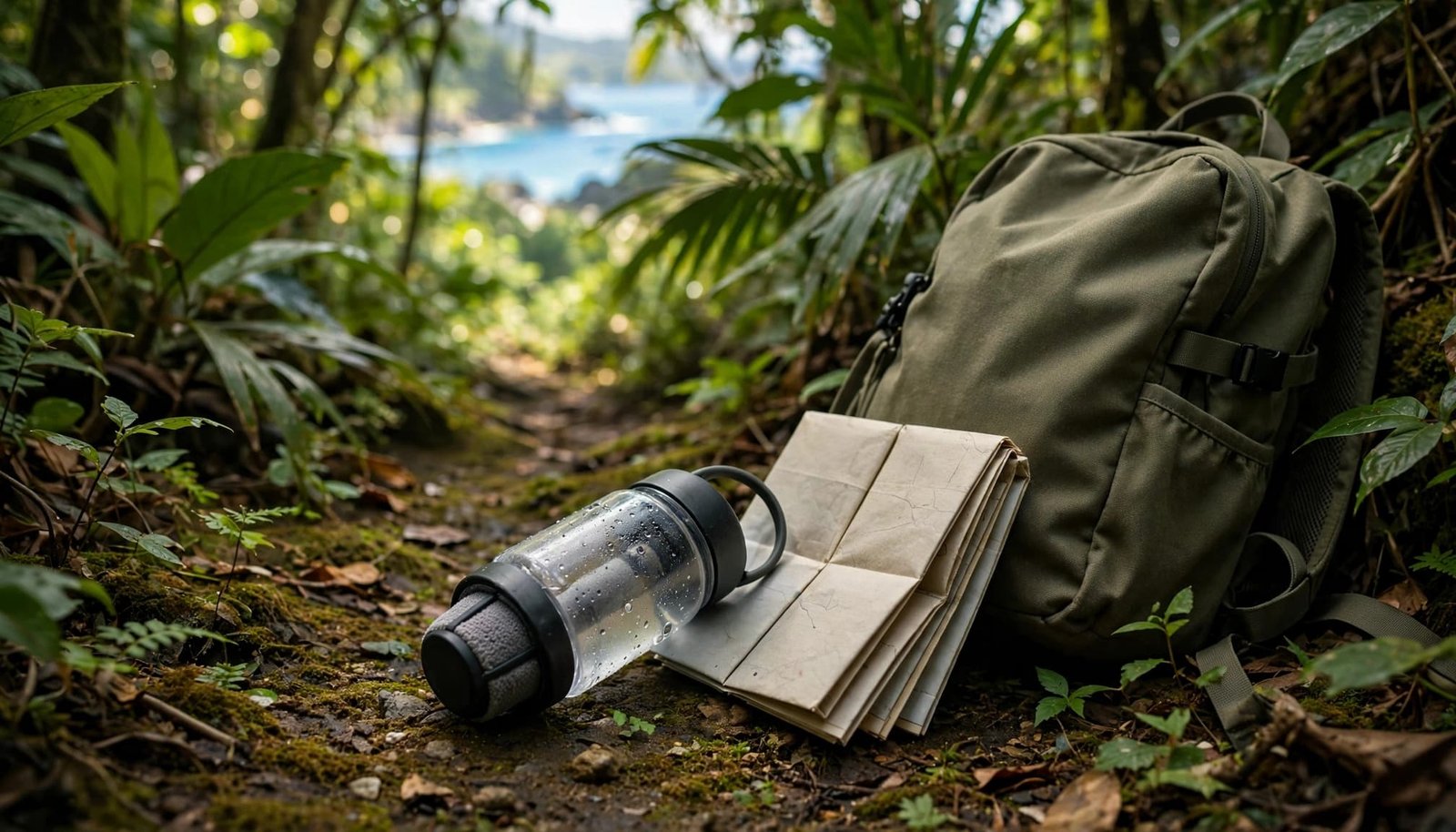
🦠 Does every portable water filter remove viruses?
No. Many standard portable water filters remove certain bacteria and parasites but completely fail to remove viruses, which are much smaller. Taste-focused carbon filters offer even less biological protection. A true travel purifier (using UV light, chemical treatment, or ultrafiltration) addresses a broader range of microorganisms. For a standard resort stay with safe lobby refills, an ordinary reusable bottle is the better-value purchase. For remote jungle outings, choose treatment that matches the expected source. Read our Caribbean hiking guide for destinations where carrying enough water deserves serious space in your day-trip planning.
🎒 What Belongs in Your Ultimate Caribbean Hydration Kit?
Start small. A highly effective hydration kit shouldn’t take over your entire carry-on bag.
- Pack a leak-resistant reusable bottle (750ml to 1L) that’s comfortable to carry when completely full.
- Bring oral rehydration salts (ORS) to treat severe fluid loss from traveler’s diarrhea or vomiting.
- Add a dedicated bottle-cleaning brush if you’ll reuse the same bottle throughout a longer two-week stay.
- Carry treatment equipment (purifiers/UV pens) only when your specific route and water sources actually justify the weight.
✅ Quick Win for Families: Give each family member an identifiable, distinctly colored bottle. You’ll spend vastly less time sorting out whose drink is whose at the beach, and it prevents accidental cross-contamination of mouthpieces. Mix oral rehydration salts with safe water using the packet’s exact volume; a stronger mixture is not a shortcut.
❓ People Also Ask: Caribbean Water Safety FAQ
1. Is Caribbean tap water safe for sensitive stomachs?
There’s no single answer across the entire region. Always choose an identified potable supply or factory-sealed water. Remember that stomach illness can also come from contaminated food, unwashed hands, or shared buffet surfaces. Avoiding tap water alone doesn’t remove every biological risk.
2. Do you need a water purifier for an all-inclusive resort stay?
Usually, a purifier isn’t necessary when the property provides a dependable, treated drinking-water source. A high-quality reusable bottle is much more useful for routine lobby refills. Buy treatment gear when your itinerary involves remote, uncertain sources, rather than just because the destination is tropical.
3. Can cruise passengers refill bottles before shore excursions?
Yes. Fill a clean bottle using the ship’s designated drinking-water facilities and follow its specific refill procedures to avoid contaminating the nozzle. Carry enough for the entire outing. A short port visit doesn’t make an unidentified shore-side public faucet a suitable drinking-water source.
4. What should you do if you accidentally swallow questionable tap water?
An accidental swallow while showering doesn’t guarantee illness. Watch for symptoms rather than assuming the worst. Seek immediate medical care for bloody diarrhea, high fever, persistent vomiting, or severe dehydration. Secure comprehensive medical coverage via VisitorsCoverage before departure.
Support the Blog
If you love our travel guides and vacation tips, consider buying us a coffee to fuel the next adventure!
Buy Me a Coffee🌅 Keep Your Water Plan Simple and Safe
Caribbean tap water can be a highly practical choice where the municipal supply is potable and conditions are normal. When the source is uncertain, sealed or adequately treated water gives you a straightforward, stress-free alternative. Spend money on the protection your specific trip actually needs. A clean reusable bottle, a dependable resort refill source, and enough sealed water for your arrival day matter far more than an expensive, unused gadget.
🌴 Book a Resort With Safe Hydration Amenities
Choose your drinking-water plan before departure, then enjoy the beach without turning every refill into another stressful decision.
💡 When the page opens: Read the “Property Policies” or amenity list to verify if they provide complimentary daily bottled water or filtered lobby refill stations.
© 2026 I Need My Vacation. All rights reserved.
