
🧳 Caribbean Customs Guide: What Souvenirs Can You Actually Bring Home?
Most returning U.S. residents qualify for an $800 duty-free exemption on Caribbean souvenirs, including jewelry, approved packaged foods, and limited alcohol. However, customs rules strictly regulate agricultural products, wildlife items, Cuban goods, and cash exceeding $10,000, requiring accurate declaration regardless of purchase price.
🛍️ Drop Your Bags & Shop Hands-Free
Don’t drag your heavy suitcases through local artisan markets. Store your luggage securely near the port or airport while you hunt for the perfect souvenirs.
📍 Find Radical Storage Locations💡 When the page opens: Enter your current Caribbean port city or downtown shopping district, and book a flat-rate daily bag drop to secure your existing luggage while you shop.
🎯 Key Takeaways Before You Shop
- 💵 Most returning U.S. residents get an $800 exemption; qualifying U.S. Virgin Islands returns get $1,600.
- 🍾 The standard alcohol allowance is one liter for travelers 21 or older, with special Caribbean Basin provisions.
- 🍎 Declare all food, agricultural products, and wildlife items, even when no financial duty is owed.
- 💰 Report combined currency and covered monetary instruments exceeding US$10,000 on FinCEN Form 105.
- 🧾 Keep receipts for rum, cigars, jewelry, and gifts. A missing receipt doesn’t remove the legal declaration requirement.
📍 Jump to the Right Answer
🛂 How Much Is the U.S. Duty-Free Exemption for Caribbean Souvenirs?
Your exemption depends entirely on your route and eligibility, not simply on whether your retail receipt says “duty-free.” Most returning residents can bring back US$800 in eligible purchases without paying duty. Goods must be for personal, household, or gift use, not for commercial resale. The ordinary exemption generally requires at least 48 hours abroad and is available once every 31 days. Clothing, jewelry, electronics, and gifts count toward the total, while your own personal belongings taken out of the country aren’t counted as new purchases. Eligible family members who live together and return together can generally combine their exemptions, though children don’t receive an alcohol allowance.
🏝️ What changes after visiting the U.S. Virgin Islands?
Qualifying returns from the U.S. Virgin Islands (USVI) can receive a massive US$1,600 exemption, and the usual 48-hour minimum absence requirement doesn’t apply. However, that higher amount doesn’t automatically cover every purchase from another island on a mixed Caribbean itinerary. Customs and Border Protection (CBP) applies separate provisions to goods acquired outside the U.S. insular possessions. Keep your purchases grouped by island so their origin and value are easy to explain to the inspecting officer.
🍾 How Much Alcohol and Tobacco Can You Bring Back?
🥃 Is one liter of rum the strict limit?
The standard duty-free allowance is one liter of alcohol per traveler aged 21 or older, and its purchase price also counts toward your overall dollar exemption. However, qualifying Caribbean Basin returns can include two liters within the $800 exemption when at least one liter was produced in an eligible participating country. USVI returns have additional special provisions. Extra booze can incur duty and federal excise tax, even when your total spending is well below $800. State alcohol restrictions also apply upon landing.
🚬 How many cigarettes or cigars are included?
The standard allowance includes 200 cigarettes and 100 cigars, subject to eligibility and restrictions. Cuba requires strictly separate treatment. Effective September 24, 2020, travelers may no longer return with alcohol or tobacco acquired in Cuba as accompanied baggage for personal use. A cigar’s small size or fancy gift packaging doesn’t create an exception to this embargo restriction.
🍯 Which Caribbean Foods Can You Legally Bring Home?
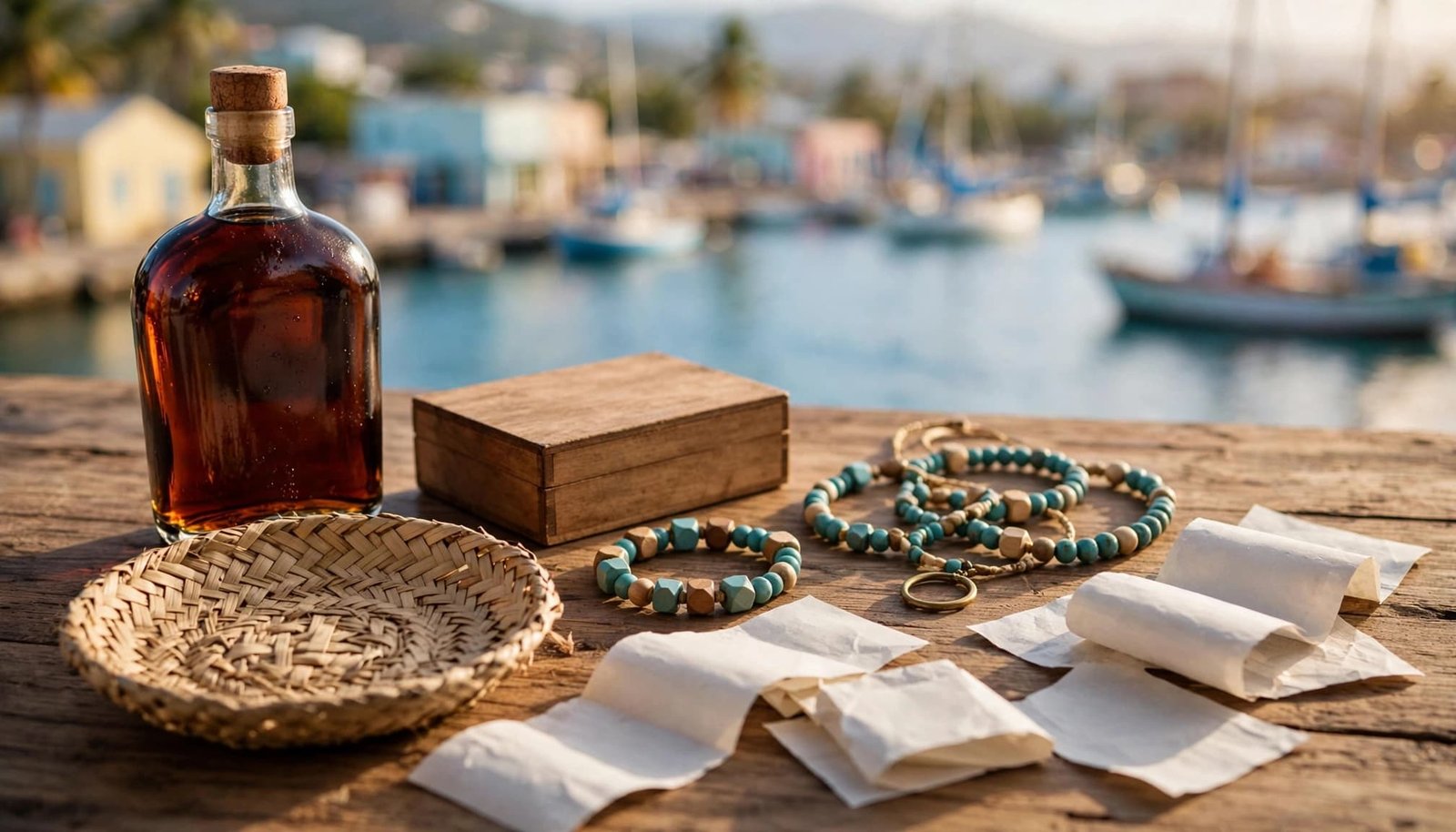
You must declare all food, including snacks, spices, sweets, and airport purchases. Packaging helps officers identify ingredients, but it doesn’t guarantee admission. Roasted coffee, plain chocolate, and commercially packaged cookies are often simpler choices than fresh produce or meat. Hot sauce can be a practical souvenir, but ingredients still matter; a sealed jar containing meat isn’t automatically acceptable just because it came from a tourist shop. Keep food accessible in your carry-on rather than burying it beneath clothing in your checked bags.
🚫 What agricultural items should stay out of your suitcase?
Fresh fruit, vegetables, meat, plants, seeds, and soil can carry devastating agricultural pests or diseases. Restrictions depend heavily on the specific product and its country of origin. Frozen meat isn’t unrestricted just because it’s frozen, and the same applies to vacuum-sealed sausage or a homemade meal in a cooler. Trips to Puerto Rico and the USVI can involve strict USDA agricultural inspections, even without a foreign immigration crossing; domestic flight status doesn’t remove agricultural controls.
🐢 Which Island Souvenirs Can Be Seized at the Border?
Some island bargains create massive legal problems that simply paying duty won’t solve. Sea-turtle jewelry, certain coral, protected shells, and other wildlife products can be strictly prohibited or require extensive CITES documentation. A seller calling something “natural” or “locally made” isn’t legal proof that you can import it. Choose souvenirs whose materials are abundantly clear; printed artwork, ordinary textiles, and metal jewelry generally create fewer wildlife questions than unidentified animal products. Furthermore, counterfeit branded goods and pirated media can be seized and carry severe federal penalties. A customs exemption reduces eligible duty, but it absolutely doesn’t make a prohibited souvenir legal.
⚠️ Hidden Trap Warning: Don’t budget on travel insurance covering a customs fine. Travel insurance isn’t a substitute for complying with federal import requirements. Declaring goods accurately is the only practical way to avoid turning a souvenir purchase into a penalty problem. Review VisitorsCoverage policies to understand what medical and trip disruptions are actually covered.
🌍 How Do UK, Canadian, and EU Allowances Compare?
Traveling with friends who live elsewhere? Their limits don’t transfer to your U.S. arrival. These allowances apply strictly to eligible personal imports under each home country’s specific entry rules. The biggest distinction is Canada’s either/or alcohol allowance; don’t add all three quantities together. Under Great Britain’s personal-use allowances, exceeding a category allowance means tax and duty on that category’s full value.
🚢 What Changes for Cruise and Island-Hopping Travelers?
Your ship’s baggage policy and a country’s import rules are entirely separate. A bottle accepted aboard by the cruise line can still be taxable when you return home. Cruise lines may hold alcohol purchased ashore until the end of the sailing, but collecting it before disembarkation doesn’t change your federal customs allowance. Furthermore, a cruise sea pass isn’t a passport or a substitute for required immigration documents. Read our Caribbean travel-document guide to understand why qualifying closed-loop cruise documents don’t necessarily work for international flights. Ferry passengers face the same basic distinction: a short crossing can still be an international arrival requiring full declaration.
💰 Do Cash, Gifts, and Duty-Free Purchases Need Declaring?
Duty-free doesn’t mean declaration-free. Gifts, purchases, and goods acquired aboard the ship must still be reported to the officer, even if you owe absolutely zero dollars in tax. Jewelry deserves extra care; wearing a newly purchased necklace home doesn’t remove its value from your total purchases. Cash operates under a completely different rule. You may legally carry more than US$10,000, but combined currency and covered monetary instruments exceeding US$10,000 strictly require reporting on FinCEN Form 105. Count foreign currency equivalents and the aggregate amount carried by family members traveling together; splitting money among different bags doesn’t avoid the reporting requirement. This threshold is a federal reporting requirement, not a tax on your vacation cash.
🛃 What Exactly Happens When You Declare at the Border?
Prepare before you reach the customs officer. You don’t need a rehearsed speech, just an accurate financial total and clear answers. Arrival procedures differ heavily between airports and cruise terminals. A paper customs form isn’t used in every setting anymore, so follow the actual digital or verbal process presented at your arrival point. Accurate reporting helps avoid preventable enforcement problems. Properly declared goods above your exemption can be assessed at applicable flat rates, while failing to declare can lead to seizure, massive penalties, or severe travel delays. For cruise passengers, our disembarkation and customs guide explains the exact sequence between leaving the cabin, collecting luggage, and reaching the inspection line.
- Total all purchases in U.S. dollars, including gifts and shipboard shopping, while retaining the original-currency receipts.
- Identify food, plants, seeds, animal products, and wildlife souvenirs separately from standard merchandise.
- Record exact alcohol and tobacco quantities, noting exactly where they were purchased or produced.
- Complete the digital or paper declaration process presented at your specific arrival point and report currency when required.
- Answer customs officers’ questions plainly, present items requested for physical inspection, and pay any assessed duty.
Support the Blog
If you love our travel guides and vacation tips, consider buying us a coffee to fuel the next adventure!
Buy Me a Coffee❓ People Also Ask: Caribbean Customs FAQ
1. Do Caribbean customs rules require declaring goods under $800?
Yes. The $800 exemption determines eligible duty treatment, not whether goods disappear from the declaration process. You must report purchases and gifts accurately. Food, agriculture, and wildlife items strictly need declaration regardless of their financial price.
2. Can I bring two bottles of rum home from the Caribbean?
Bottle count alone doesn’t answer the question because sizes vary. Add the liters, then apply your eligible allowance. The standard allowance is one liter, while qualifying Caribbean Basin provisions can allow two liters. Additional alcohol can create duty and federal excise-tax charges.
3. Is airport duty-free shopping outside my customs allowance?
No. Airport and shipboard duty-free purchases absolutely count toward your home-country allowance. The shop’s tax treatment at the point of purchase doesn’t override U.S. import rules, strict alcohol limits, or agricultural restrictions.
4. Can I bring homemade Caribbean food home in a cooler?
It depends heavily on the ingredients and origin. Meat and fresh produce are frequent problems, while labeling and preparation also matter. Always declare homemade food rather than treating a small portion as exempt. A cooler or frozen package doesn’t remove agricultural restrictions.
🌅 Bring Home the Memories Without the Customs Surprise
Your strongest shopping strategy is simple: know your eligible allowance, keep receipts organized, and declare accurately. Spending below $800 doesn’t remove food restrictions or make every bottle duty-free. Before closing your suitcase, separate anything an officer may need to physically inspect. A few minutes of preparation protects the vacation budget you’ve already worked hard to stretch.
🏨 Plan Your Next Caribbean Getaway
Start researching your next island escape and compare resort proximity to local artisan markets and duty-free ports.
🏨 Compare Stays on Booking.com💡 When the page opens: Filter by “Downtown” or “Port Area” to find accommodations within walking distance of the best local shopping districts.
© 2026 I Need My Vacation. All rights reserved.