

✈️ Caribbean Departure Taxes: Do You Need to Pay Cash at the Airport?
Caribbean departure taxes are almost always included in your commercial airline ticket price, meaning most travelers do not pay again at the airport. For example, the Dominican Republic’s US$20 departure tax is strictly bundled into airfare, eliminating the need for separate cash payments.
✈️ Compare Final Fares Including All Taxes
Don’t budget for the same tax twice. Compare the final fare, including government taxes, airport fees, and baggage allowances.
💡 When the search page opens: Enter your departure city, select your Caribbean destination (e.g., “SDQ” or “MBJ”), and strictly filter by “Baggage Included” to see the true final fare with all taxes baked in.
🎯 Key Takeaways Before You Fly
- 🎟️ Most scheduled-airline passengers pay departure charges through the ticket price, rather than at a separate airport desk.
- 🇩🇴 The Dominican Republic’s US$20 departure tax is already included in the commercial airline ticket.
- 🇯🇲 Jamaica’s US$35 and Sint Maarten’s US$44.35 breakdowns are older reference figures, not complete November 2026 airport cash bills.
- 🇧🇸 The Bahamas’ official US$29 guidance applies strictly to private aviation. Don’t automatically apply it to every commercial flight.
- 🚢 Cruise port taxes and flight departure taxes belong to entirely different bookings and budgets.
📍 Jump to the Right Answer
🏝️ What Are the Caribbean Departure Taxes by Island?
These amounts have vastly different scopes and collection methods. All figures below are in US dollars, and historical figures are labeled accordingly. The clearest visitor rule comes from the Dominican Republic’s official tourism guidance: its US$20 charge is strictly included in your ticket. Other islands, like St. Kitts and Nevis, also provide for collection through the carrier issuing the ticket. A passenger departure tax doesn’t automatically mean you need airport cash; the collection method matters just as much as the amount.
🇯🇲 What does the Jamaica US$35 departure tax actually mean?
The familiar Jamaica figure is a US$35 airport charge, usually collected in advance through the airline ticket. It describes one tax component, not necessarily every government and airport charge attached to a flight. That distinction matters at Montego Bay’s Sangster International Airport (MBJ). Furthermore, Jamaica introduced a US$20 visitor arrival tax for air passengers in 2012, which is also bundled into the ticket price. Keep the arrival and departure tax components separate when reading a receipt; adding them together explains historical components but doesn’t produce a guaranteed current cash requirement.
🇧🇸 Why does the Bahamas US$29 figure need context?
The Bahamas’ official private-aviation guidance lists a US$29 departure tax for passengers aged six and older. That guidance strictly concerns private aircraft and shouldn’t be treated as a universal commercial-airline payment instruction. Older accounts describing customs officials collecting that amount in cash describe a specific collection method for private flights, not an automatic extra charge on top of prepaid airline taxes. Commercial departures are generally handled through carrier collection.
🇸🇽 Is the Sint Maarten departure charge US$30 or US$44.35?
Older Princess Juliana International Airport (SXM) references list a US$30 departure fee, a US$9.35 screening fee, and a US$5 airport improvement fee, totaling US$44.35. Calling the entire amount “departure tax” hides the difference between the underlying charges. These are historical reference amounts, not a verified November 2026 PJIA fee schedule. Major-airline tickets generally collect applicable government and airport charges during booking. For island-hopping journeys, keep Princess Juliana (SXM) separate from Grand Case on the French side, as different airports mean different passenger charges.
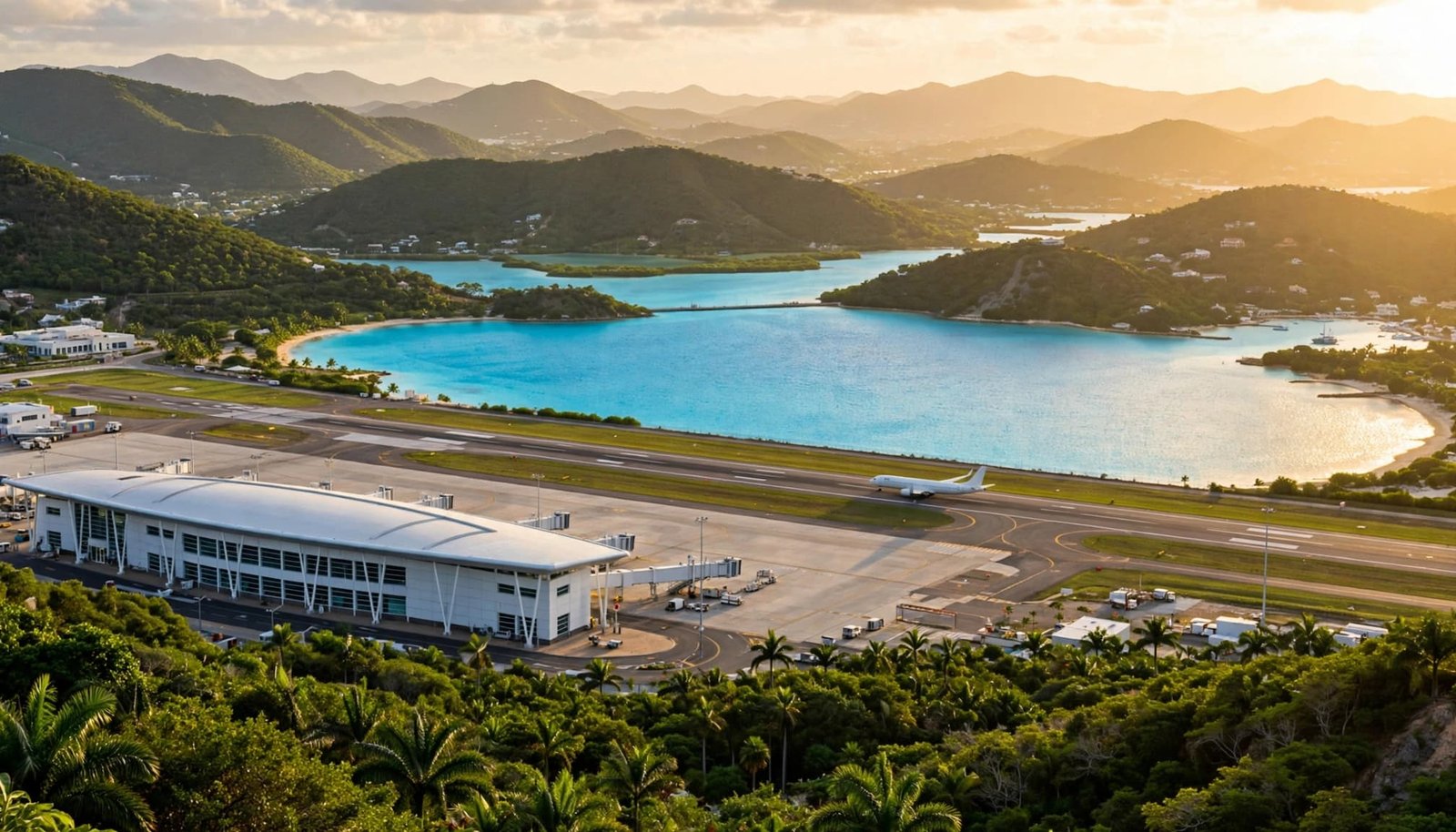
🧾 What Is the Difference Between Taxes, Airport Fees, and Airline Surcharges?
A government departure tax is a statutory charge connected with leaving a destination. An airport departure fee can fund terminal operations, facilities, or other airport services. Screening and security fees support another category of activity; Antigua and Barbuda’s Inland Revenue Department, for example, identifies a distinct passenger facility charge. An airline-added fuel surcharge is different again—it belongs to the carrier’s pricing, even when it appears beside government taxes. For budgeting, separate mandatory passenger charges, airline surcharges, and optional purchases. Checked baggage and seat selection shouldn’t be confused with a government’s departure tax.
A quoted charge and a complete ticket-tax total aren’t interchangeable. Comparing them can make a normal fare breakdown look like an unexpected airport cash bill.
🎫 How Can You Tell Whether Your Ticket Already Includes the Tax?
📄 Where does the charge appear on your receipt?
Use the issued e-ticket receipt, rather than a flight-search headline or a bank transaction. The receipt normally separates the base fare from government taxes, fees, and carrier charges. A package confirmation may show only one combined holiday price, so the flight receipt provides a more useful record of what was collected for air travel. A tax doesn’t need its own airport receipt if the airline already collected it. Keep a downloaded copy accessible without mobile data.
🛩️ What changes with regional flights and separate tickets?
A short flight can still carry government and airport charges; distance alone doesn’t determine whether tax applies. With separately purchased flights, each ticket has its own fare construction. The international ticket doesn’t automatically settle charges connected with another airline’s regional booking. Read our guide to Caribbean inter-island flights to understand the separate-ticket and baggage issues that can change the real cost.
💵 How Do You Pay a Separate Airport Departure Charge?
If your booking documents identify a charge payable locally, treat it as a separate travel expense. Don’t pay an unofficial intermediary just because someone says every visitor owes cash. Cash and card acceptance depend entirely on the collection point. There’s no reliable Caribbean-wide rule that every departure desk accepts cards, or that every traveler needs US dollars. Keep the currency visible in your budget, as a bare “$” can mean US dollars, Bahamian dollars, or another local currency.
- Identify the charge: Note the exact amount, currency, and named collection point in your booking documents.
- Pay through the designated channel: Use the official airport, customs, immigration, or operator collection desk.
- Keep the receipt: Store it with your boarding documents until the journey is completely finished.
🇺🇸 Which U.S. Charges Can Appear on Caribbean Tickets?
U.S. charges can appear beside island charges on the exact same receipt, but they aren’t additional Caribbean departure taxes. For 2026, the U.S. international air transportation tax is a federal excise tax set at US$23.40 per taxable international arrival or departure. Additionally, the September 11th Security Fee is US$5.60 per person each way for qualifying travel originating at a U.S. airport, capped at US$11.20 per round trip. These amounts are normally collected through ticketing and aren’t instructions to bring that cash to an island airport. Avoid applying a blanket U.S. domestic percentage tax to every Caribbean itinerary, as domestic and international air transportation don’t receive identical tax treatment.
🚢 Do Cruise Passengers Pay Departure Tax Separately?
Cruise passengers generally pay applicable port taxes and departure-related passenger charges through the cruise booking or its taxes-and-fees total. An island’s airport aviation charge doesn’t automatically apply to cruise passengers leaving by ship; maritime passenger charges follow separate rules. A fly-cruise holiday involves two bookings: the cruise fare contains cruise-related charges, while the flight ticket contains aviation charges. For ordinary port calls, you generally won’t hand over cash each time the ship sails away. Keep gratuities separate too—a ship’s daily service charge isn’t a government passenger charge. For budgeting, compare the cruise’s complete payable total, then add flights without counting port taxes twice. Read our Caribbean vacation cost guide to master these distinctions.

⚖️ How Do You Compare the Real Vacation Price?
Our rule is simple: compare complete totals for the same trip. With fares subject to change, compare the final ticket total for the same dates, travelers, and baggage needs. Add seats you plan to purchase, airport transportation, and any documented local payment. Then compare accommodation separately. Government lodging taxes, resort service charges, and refundable deposits don’t belong in the airport-tax column. Our guide to Caribbean resort fees explains those vital distinctions.
✅ Quick Win: For families, small per-person extras add up quickly. For couples and solo travelers, a cheaper ticket can lose its advantage if it requires another connection or transfer that incurs extra regional taxes.
❓ People Also Ask: Caribbean Departure Tax FAQ
1. Do you have to pay US$20 in cash to leave the Dominican Republic?
No. The US$20 charge is strictly included in the commercial airline ticket price, so you generally don’t pay it again at the airport. However, stays exceeding 30 days can create a separate, length-based extended-stay departure fee that must be paid locally.
2. Are Caribbean departure taxes charged per person?
Yes, many passenger taxes apply per traveler, but age exemptions and conditions vary by island. Some airline charges apply per flight segment. One family’s total depends on passenger eligibility and the specific itinerary, rather than one universal regional rate.
3. Does booking an award ticket avoid departure taxes?
No. Booking with points or miles doesn’t automatically remove government taxes or airport charges. The cash amount collected with an award booking will still include those mandatory costs, even when the base fare is entirely covered by rewards.
4. Is a package holiday exempt from departure tax?
No. A package simply includes the flight’s applicable taxes in its overall price. “Included” means collected as part of the initial booking, not exempt. Always keep the flight receipt with your package documents for your records.
Support the Blog
If you love our travel guides and vacation tips, consider buying us a coffee to fuel the next adventure!
Buy Me a Coffee🌅 Keep Your Departure Budget Simple
Most travelers pay Caribbean departure charges seamlessly through their tickets. The biggest budgeting mistake is adding an old airport-tax figure to a fare that already includes it. Keep prepaid charges separate from local payments. That leaves a much clearer budget for the parts of your vacation you actually want to enjoy.
✈️ Finalize Your Flight Itinerary
Compare Caribbean flight options using the full ticket total, rather than the misleading headline fare.
🌴 Compare Flights on Trip.com💡 When the page opens: Input your exact travel dates and strictly review the “Fare Details” dropdown to verify that all government taxes and airport fees are included in the final checkout price.
© 2026 I Need My Vacation. All rights reserved.