
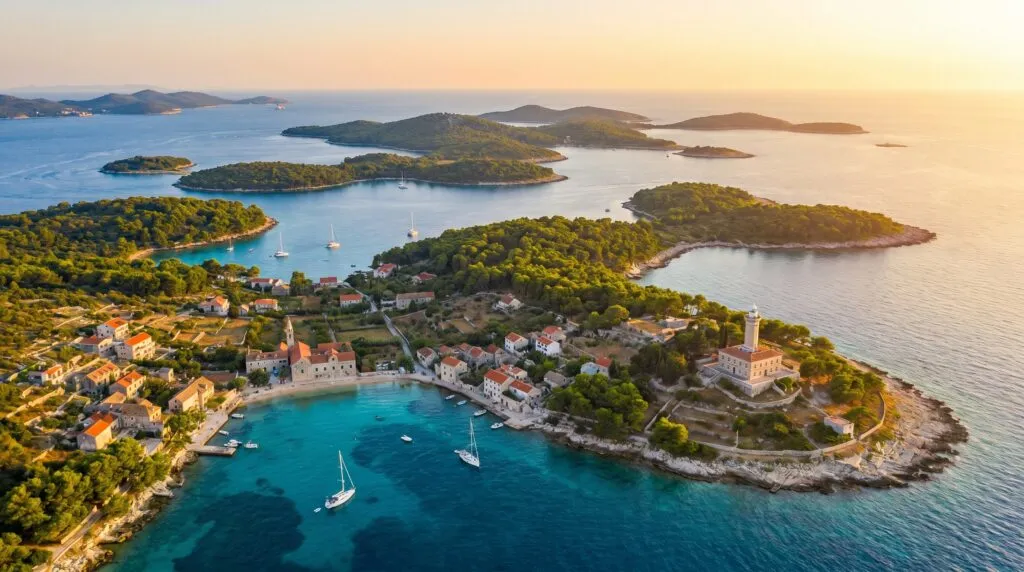
Croatian Islands: Best Months for Hvar, Brač, Korčula & Vis
When is the best time to visit Croatian islands? June and September offer the perfect balance of warm weather, swimmable seas, and fewer crowds. July and August bring peak heat and crowds, while early October works for relaxed sightseeing with cooler temperatures.
When should you visit Croatia’s most popular islands if you want warm weather, swimmable water, and fewer crowds? For Hvar, Brač, Korčula, and Vis, the sweet spot is usually June and September, with early October still working for some travelers who don’t mind a slower pace.
That timing gives you the best balance: sunny days without the crush of peak summer, plus a better shot at enjoying beaches, old towns, quiet nature, or a livelier scene on your own terms. If you’re trying to pick the right island for your style, this guide keeps it simple and helps you match each stop to the month that fits it best, so you can plan a Croatia trip that feels worth the time and money.
🏝️ Ready to Book Your Croatian Island Adventure?
Lock in the best rates on flights, ferries, and highly-rated island accommodations before peak season fills up.
Affiliate Disclosure: This article contains affiliate links. If you book through these links, I Need My Vacation may earn a commission at no extra cost to you. We only recommend services we trust and use ourselves.
If you’re trying to pick the right island for your style, this guide keeps it simple and helps you match each stop to the month that fits it best, so you can plan a Croatia trip that feels worth the time and money.
Why the Timing of Your Island Trip Matters in Croatia
Croatia’s islands can feel like two different trips depending on the month. In the right window, you get warm weather, swimmable water, and enough calm to actually enjoy the place instead of just moving through crowds.
Get the timing wrong, and the whole trip changes. Ferries thin out, beach days get less reliable, and some towns start shifting into low-season mode fast. If you want that easy island rhythm, the calendar matters just as much as the island itself.
What Can You Expect from June Through October?
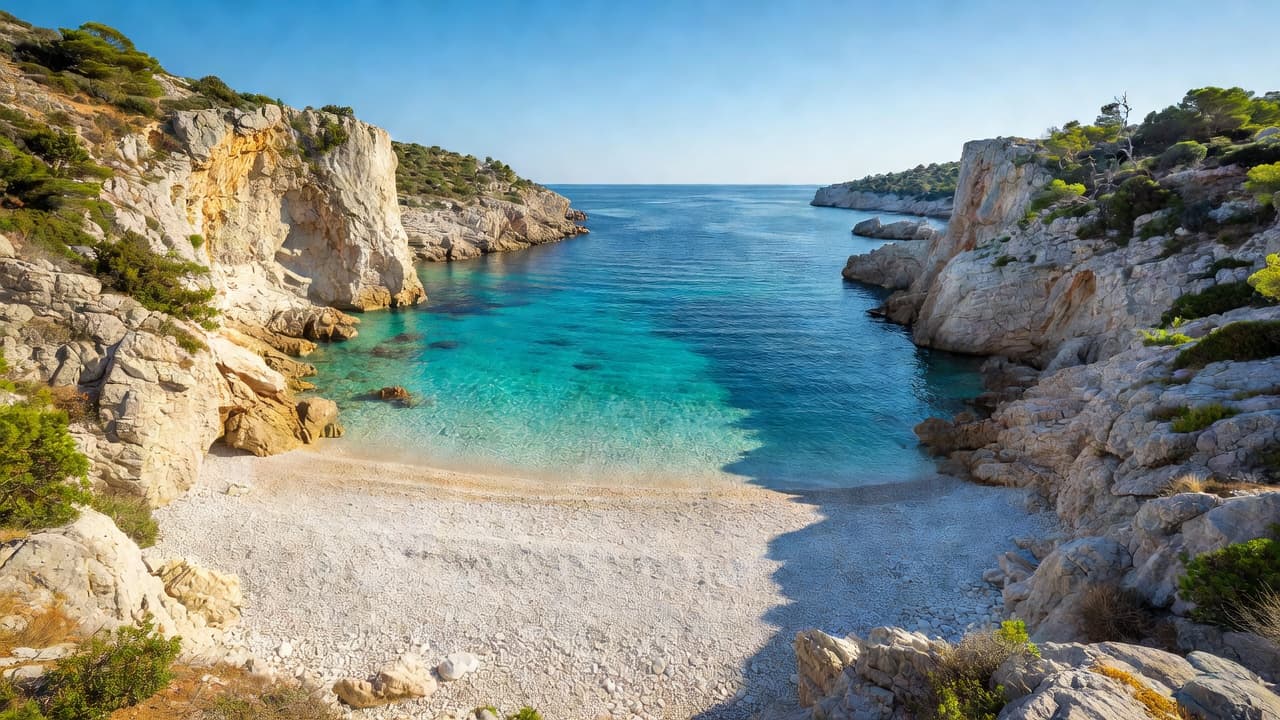
June through October is the main stretch for Croatian island travel, but each month has its own mood. June is usually pleasant, with warm days, good swimming conditions, and lighter crowds than peak summer. September often hits the sweet spot, since the sea is still warm and the pace is easier.
Early October can still be a strong choice on some islands, especially if you care more about quiet beaches and relaxed sightseeing than nonstop beach weather. If you want a broad planning view, Croatia’s month-by-month weather patterns line up with that same general rhythm. For a smoother trip, it helps to book early and keep your dates flexible, especially if you’re comparing summer travel booking tips for Croatia before prices climb.
💡 Quick Seasonal Guide:
• June: Feels fresh, sunny, and easy
• September: Often the best balance of warmth and space
• Early October: Can still work well, but gets less predictable
When Should You Skip the Islands If You Want Easy Beach Days?
If beach time is the goal, November through March is usually the wrong window for most visitors. The weather is cooler, winds are stronger, and the islands feel much quieter than they do in season.
That also means fewer ferries, shorter opening hours, and seasonal closures in some places. You can still visit, but it won’t feel like a simple sun-and-swim trip. For easy beach days, this is the stretch to avoid unless you’re chasing empty streets and don’t mind planning around the off-season pace.
⚠️ Off-Season Trade-offs:
• Cooler temperatures make swimming less appealing
• Windier conditions can affect ferry comfort and sea days
• Fewer services mean less flexibility once you arrive
• Seasonal closures can limit restaurants, tours, and hotel options
If you’re planning a summer trip, it pays to lock in the dates before the best ferry connections and stays start disappearing. Checking when to book flights for Croatia can save you from overpaying just to get the timing right.
Hvar: Best in June or September for Sun Without Peak-Season Stress
Hvar gives you a lot in one place, and that’s why it draws such a wide range of travelers. You can spend the morning at the beach, wander stone streets after lunch, eat well into the evening, and still have the option of a late night out if that’s your style.
The island works best when you pick your month with care. June and September keep the weather on your side while trimming back the crush of high summer, which makes the whole trip feel easier.
What Makes Hvar a Strong All-Around Pick?
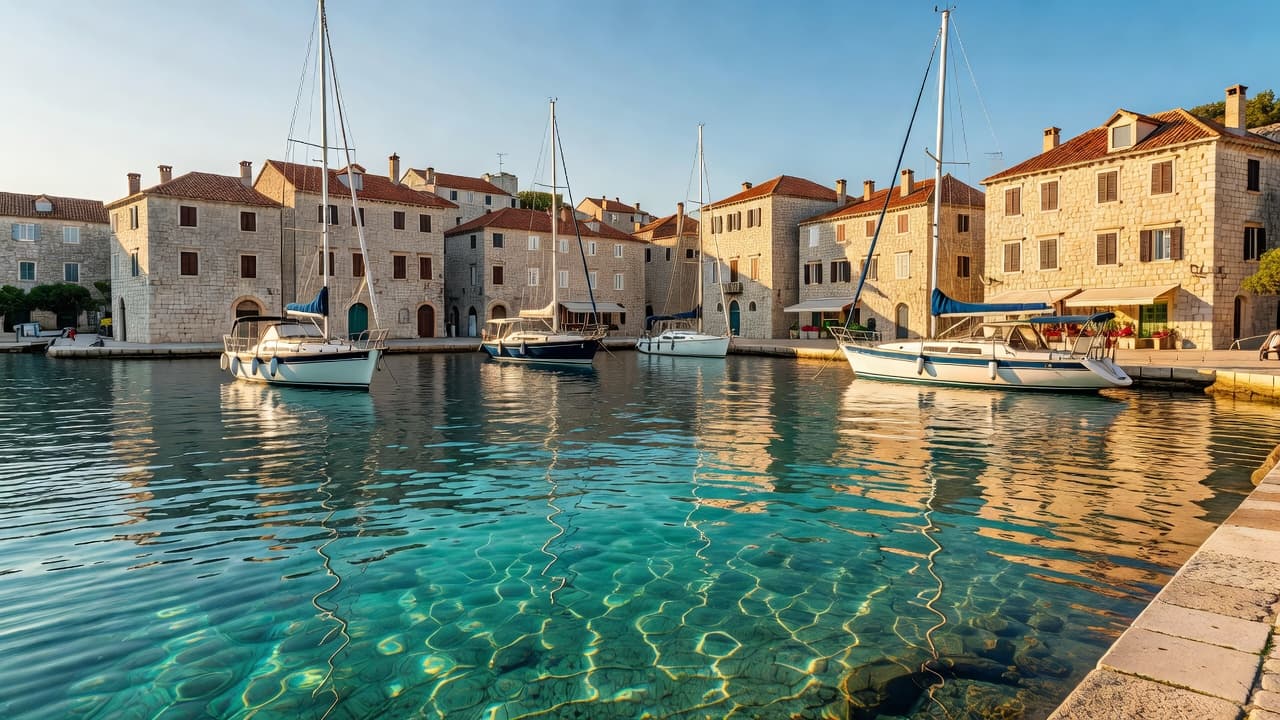
Hvar is not just a party stop, even if the nightlife gets most of the attention. The island has walkable towns, clear water, small coves for swimming, and enough good restaurants to keep a food-focused traveler happy.
You can spend a full day without a car and still not feel stuck. Hvar Town is easy to explore on foot, and the pace changes fast once you leave the main waterfront.
✅ Why Hvar Wins:
• Beach time is simple: Get to good swimming spots without turning the day into a mission
• The towns are easy to walk: Matters when you want a relaxed trip, not a logistics puzzle
• Food is part of the draw: Seafood, olive oil, wine, and Dalmatian cooking all fit naturally here
• Nightlife exists, but it’s not the whole story: You can skip the clubs and still have a great trip
If you want a broader sense of how Hvar fits into Croatia’s summer window, this month-by-month Hvar guide lines up with what many travelers notice on the ground. Hvar rewards people who want options, not just a single type of vacation.
Top Places to Stay on Hvar (2026 Prices)
🏖️ Lesic Dimitri Palace
🏨 Amfora Hvar Grand Beach Resort
🏡 Villa Maria Apartments
Which Month Choice for Hvar Depends on Your Crowd Tolerance?
June, July, August, and September all bring sunshine, but they don’t feel the same once you’re actually there. That difference matters more than most people expect.
June is warm, bright, and lively without feeling fully packed. July and August are the hottest and busiest months, which sounds fun until you’re trying to find a table, a beach spot, or a calm ferry day. September is the sweet spot for most travelers, because the sea stays warm, the heat eases up, and the island finally has room to breathe.
| Month | Crowd Level | Heat | Best Fit |
|---|---|---|---|
| June | Moderate | Warm, comfortable | Beach days, town walks, first summer trip |
| July | High | Hot | Lively nightlife, peak beach energy |
| August | Very high | Hottest | Travelers who don’t mind the crush |
| September | Lower | Warm, softer heat | Most people, especially for balance |
If you want the best mix of sun, swimming, and sanity, September usually wins. June is a strong second choice if you want summer energy before the island gets crowded, but September is the month that feels easiest to enjoy without working around the crowd.
For a simple rule, think of Hvar like this: June starts the season, July and August test your patience, and September gives you the same island with less noise.
Brač: Classic Beach Time and Easier Shoulder-Season Trips
Brač is the island you pick when the beach matters most. It doesn’t try too hard, and that is part of the appeal. The pace is slower, the coastline does the talking, and the best trip here is the one where you build your days around swimming, sun, and a long lunch near the water.
That also means timing matters more than it does on some other Croatian islands. If you want comfortable sea temperatures and a beach scene that still feels relaxed, June and September are the months to pay attention to.
Why Brač Works Well for Beach Lovers
Brač is a good fit if you want your island time to feel simple. You come for the water, the pebbly coves, and the easy rhythm of a place that doesn’t demand a packed itinerary.
The island has a laid-back feel that suits travelers who would rather stay put than hop around. Beach days are the main draw, so the calendar shapes the trip more than anything else. In peak summer, the water is inviting, but the beaches can get crowded fast. In the shoulder season, the same coastline feels more open, and that changes the whole experience.
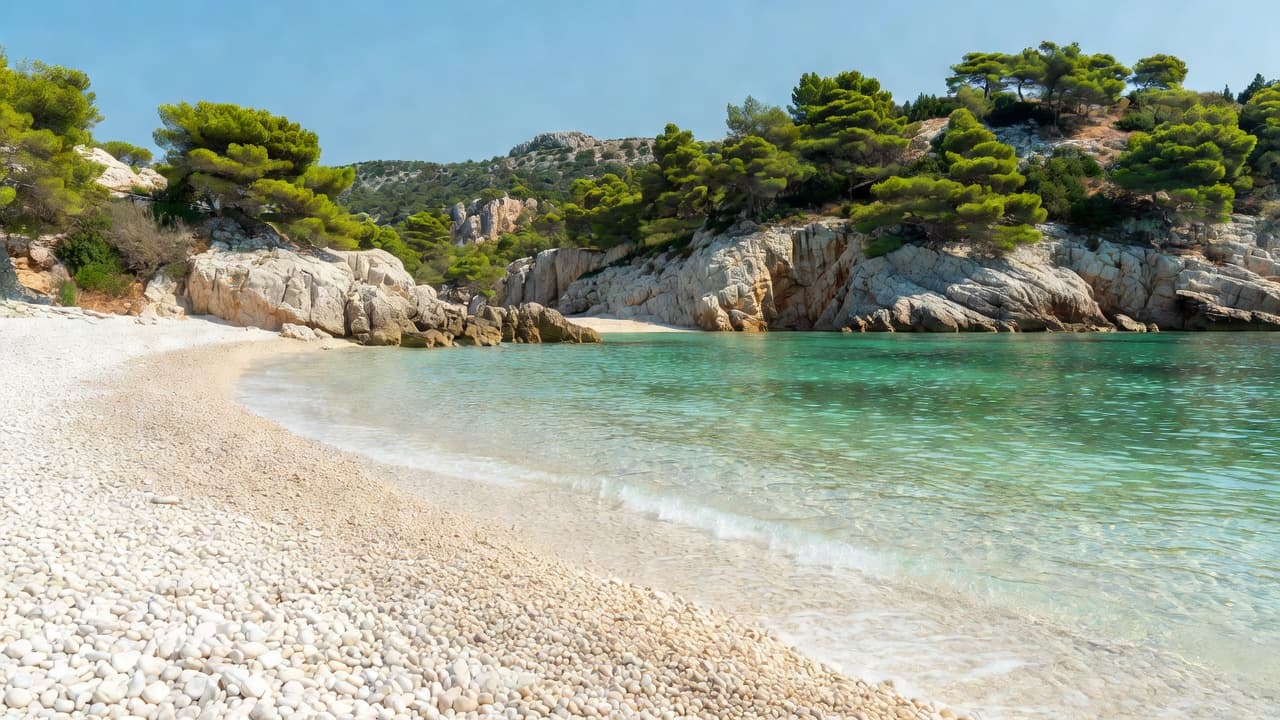
If you want a quick reality check on Brač’s beach season, this Brač weather guide lines up with the main travel window well. It helps explain why late spring through early fall gets the most attention from beach-focused travelers.
💡 Brač Beach Essentials:
• Fewer distractions mean more time in the water
• Shorter travel days work well when your goal is rest, not sightseeing marathons
• A slower island pace makes it easier to settle in and stay there
If you want Brač at its best, plan around the beach first and everything else second.
Top Places to Stay on Brač (2026 Prices)
🏖️ Hotel Vidaković
🏡 Apartments Villa Nika
🏨 Hotel Supetar
How Do June and September Change the Brač Experience?
June and September both work well, but they feel different once you’re on the island. June is warmer, brighter, and busier. September is still very swim-friendly, but the heat softens a little and the crowds ease back.
June is a strong choice if you want longer beach days and that first real summer feeling. The sea is comfortable enough for swimming, and the island has more energy without feeling fully packed. September is the calmer pick. The water is still warm, the weather usually holds up well, and getting around feels less rushed.
For beach travelers, that difference matters. You may not care much about the exact temperature until you are standing on the shore deciding whether to jump in. On Brač, both months make that an easy yes, but September often gives you a better mix of comfort and space. For more context on how the season shifts across Croatia, Croatia’s best time to visit follows the same pattern.
| Month | Weather Feel | Sea Conditions | Crowd Level | Best For |
|---|---|---|---|---|
| June | Warm and sunny | Good for swimming | Moderate to busy | Long beach days, early summer trips |
| September | Warm with softer heat | Still very swim-friendly | Calmer | Easier travel, quieter beaches |
If you want the short answer, June gives you more summer energy and September gives you more breathing room. That is why both are strong picks, but September usually feels easier overall.
For travelers who want to fine-tune the trip, September is the safer bet. June is better if you want warmer beach days and don’t mind sharing the island a little more.
Korčula: Best Fit for Travelers Who Want Old Towns and Easier Sightseeing
Korčula is the island to choose when you want the look and feel of a real old town without turning every day into a logistics exercise. The main attraction is simple: stone lanes, compact sights, waterfront walks, and a pace that gives you time to notice the place instead of rushing through it.
If Hvar can feel busy and Brač can feel beach-first, Korčula feels more like a slow stroll with good views. That makes it a strong match for travelers who want charm, not chaos.
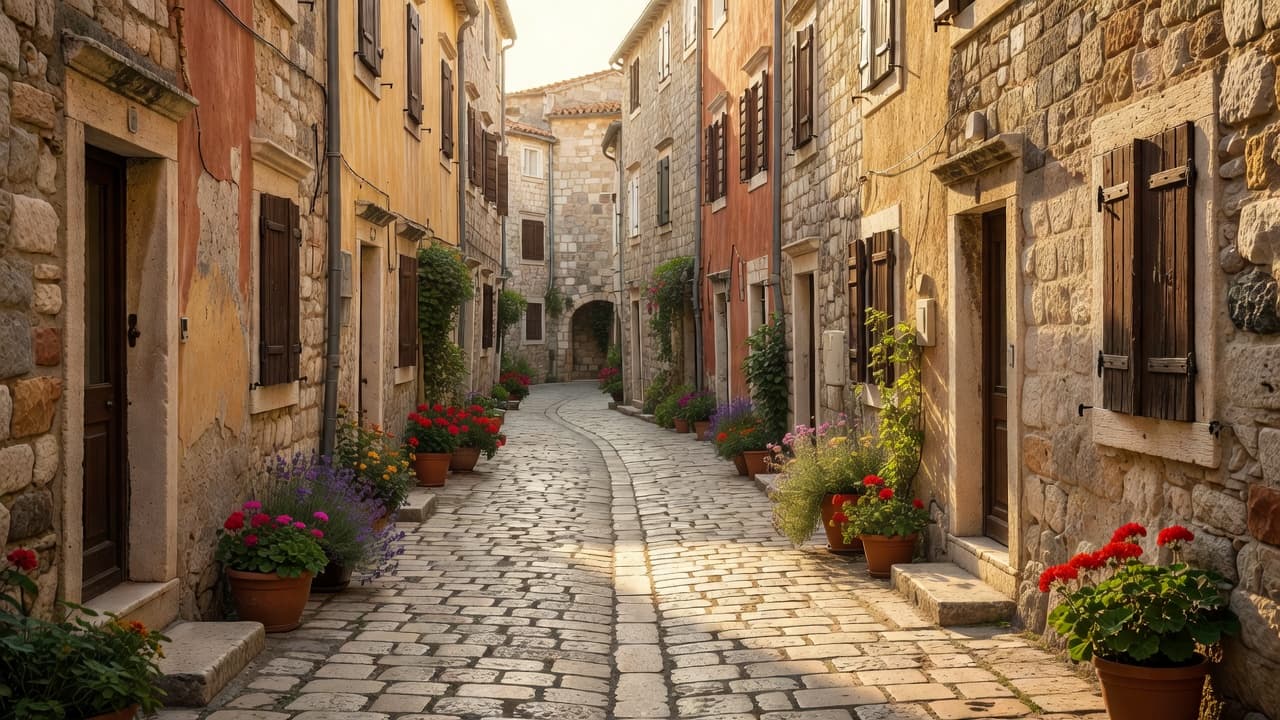
Why Does Korčula Feel Different from the Busier Islands?
Korčula has the kind of old-town setting people picture when they think about the Adriatic: stone walls, narrow alleys, shuttered windows, and a waterfront that invites you to slow down. It feels lived-in rather than staged, which is part of its charm.
The island also has a more local, less flashy character. You can wander for a while without needing a plan, and that is the point. If you want a place where the streets do half the work for you, Korčula makes sightseeing feel easy.
✅ Korčula’s Standout Features:
• The old town is compact: You don’t need a full day to get your bearings
• Walkability is a plus: Most of the main experience happens on foot
• The mood stays relaxed: It feels calmer than the island names that get all the headlines
Korčula is also a smart pick if you want fewer crowds. It is generally regarded as quieter than Hvar, and that matters when your idea of a good trip includes a bench, a harbor view, and no line for lunch. For a broader look at how that old-town feel compares with Croatia’s other historic stops, this Dubrovnik walking guide gives a good sense of the appeal of slow, scenic sightseeing.
Top Places to Stay on Korčula (2026 Prices)
🏨 Hotel Korčula
🏡 Apartments Villa Moretti
🏖️ Lesic Dimitri Palace Korčula
What Is the Best Time to Explore Korčula on Foot?
Korčula works best in the shoulder season, when the weather still feels warm enough for long walks and outdoor meals, but the island is not packed wall to wall. That is when the old streets are easiest to enjoy. You can move at your own pace, stop for coffee, and spend more time outside without sweating through the day.
This is also when dining feels better. Tables spill onto terraces, the evenings stay pleasant, and sightseeing doesn’t feel like a race against the heat. If you want the sweet spot, June and September are the most reliable choices for a balanced trip.
Early October can also work if you want warm days and fewer people. It is a useful option for travelers who care more about atmosphere than guaranteed beach weather. According to Adventurous Kate’s Korčula travel guide, September is often the standout month, and that lines up with how the island feels on the ground.
💡 Korčula Timing Guide:
1. June: Long daylight and a lively but manageable pace
2. September: Keeps the sea warm and the streets easier to enjoy
3. Early October: Can still feel pleasant, especially for sightseeing-first trips
If your trip is built around old towns, short walks, and outdoor dinners, Korčula is one of the easiest islands to get right.
For travelers who want the trip to feel simple, that is the main selling point. You don’t need a packed schedule here. You just need good shoes, a little time, and a reason to wander.
Vis: Best from Mid-June to Mid-September for Clear Water and a Quieter Feel
Vis is the island to pick when you want the Adriatic without the hard sell. It has the kind of calm that comes from distance, smaller towns, and less development, but it still gives you warm sea days and enough life in town to feel like you went somewhere, not nowhere.
The sweet spot is mid-June to mid-September. That window gives you the best mix of clear water, open services, and a slower rhythm that feels easy the moment you step off the ferry.
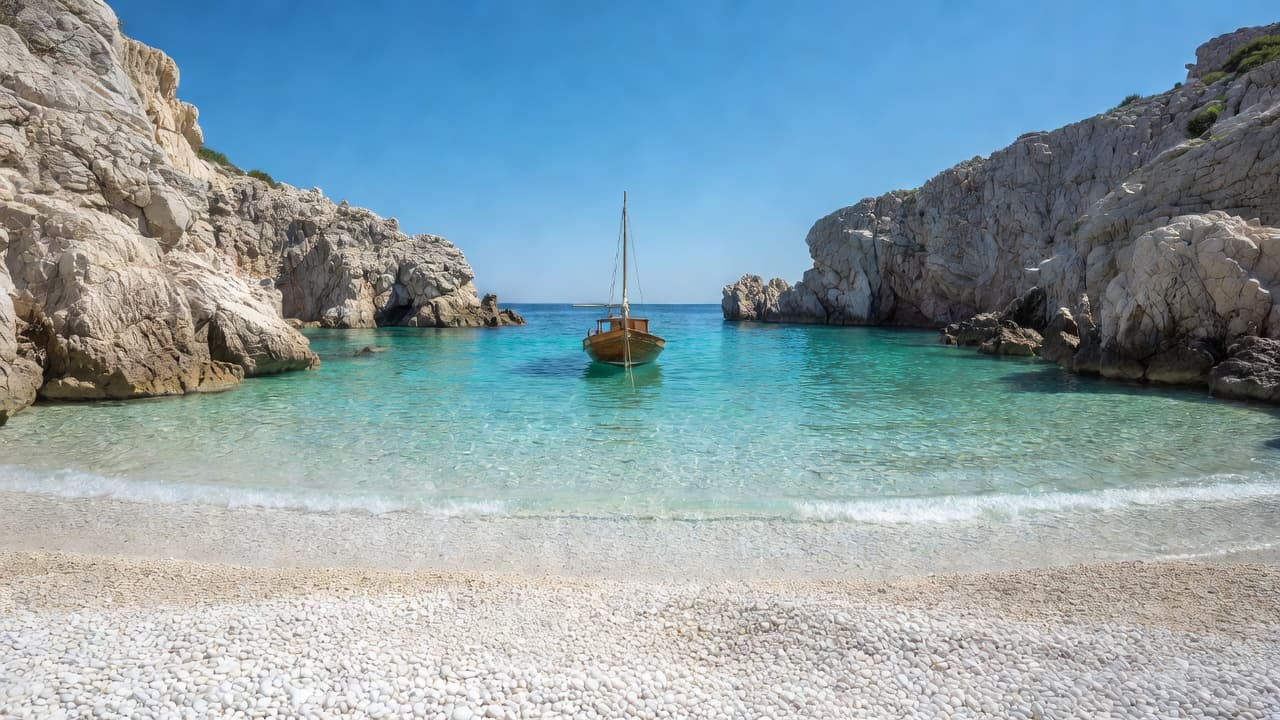
What Makes Vis the Quietest of the Top Four?
Vis has a different feel from Hvar, Brač, and Korčula. It is farther out, less built up, and more relaxed by default. You notice it in the way the island moves, with fewer crowds, fewer hard edges, and more space to just sit still.
That slower pace is the real draw. You get small harbors, clear coves, and a sense that the island is on its own clock. If you want beaches, walks, seafood, and sleep that isn’t broken by late-night noise, Vis makes a strong case for itself.
✅ Vis Standout Qualities:
• Less day-trip traffic means fewer people passing through
• Small-town energy keeps the island grounded and low-key
• Natural beauty comes first, especially around the water and coastline
• The mood stays calm even when summer is in full swing
Vis is not about cramming your day. It is about having room in it.
That is why it appeals to travelers who want a peaceful stay without giving up summer weather. The island feels simple in the best way, like the clutter has already been edited out.
For a broader look at the island’s seasonal rhythm, this Vis travel guide lines up with the same main travel window and confirms why late spring through early fall is the practical choice.
Top Places to Stay on Vis (2026 Prices)
🏨 Hotel Biševo
🏡 Apartments Villa Kaliopa
🏖️ Hotel Issa
Why Does Ferry Access Matter So Much for Vis?
Vis is quiet partly because it is less convenient than the bigger names. That extra distance is part of the charm, but it also means planning matters more here than on islands that sit closer to the mainland.
Mid-June to mid-September is the easiest window because ferry service is at its most useful then. You have more choices, more flexibility, and a much better chance of matching your arrival and departure with the rest of your Croatia itinerary.
That matters in real trip planning. If you want a relaxed island stay, you don’t want to build it around awkward ferry timing or a narrow schedule that forces you into a rushed overnight stop.
⛴️ Check Croatia Ferry Schedules & Book Ahead
Compare ferry times, prices, and routes between Split, Hvar, Korčula, and Vis. Book early for best availability in peak season.
This is where the season helps:
- More frequent sailings make it easier to connect Vis with Split and other stops.
- Better weather keeps the crossing and arrival day less stressful.
- More open accommodations give you room to choose instead of settling.
- Stronger overall travel flow makes the island feel easier to fit into a larger trip.
If you’re comparing islands and trying to avoid wasted transit time, Omio’s Croatia ferry options are a practical place to check schedules before you commit to dates. For Vis, that little bit of planning goes a long way.
The short version is simple: Vis feels best when it is easy to reach and easy to leave room for. Mid-June to mid-September gives you that balance, without the off-season drag that can make island travel feel like work.
Why Does the Water Look So Good in This Window?
Vis has a reputation for clear water, and the timing helps. By mid-June, the sea has usually settled into summer shape, and by September it is still warm enough to swim without hesitation. That makes the water look and feel better, which is half the reason people come here in the first place.
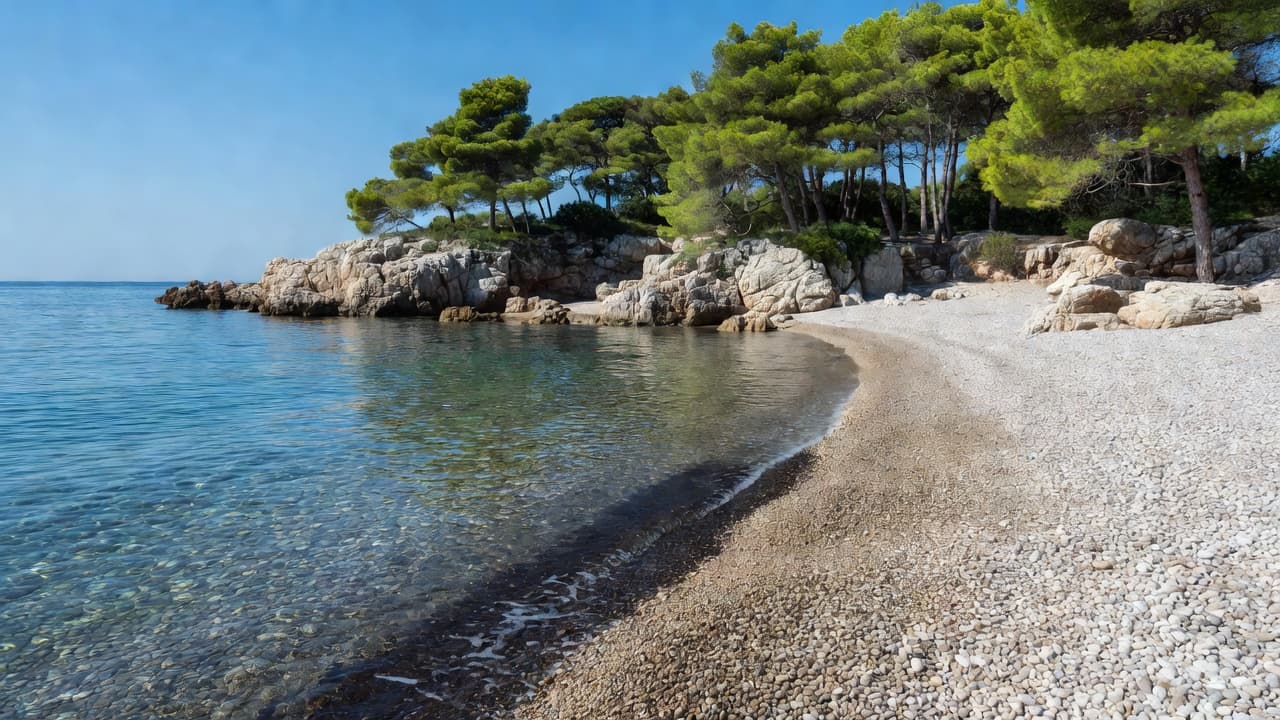
The island’s coves and pebble beaches also help. They don’t stir up the sea the way some sand-heavy beaches do, so the water often stays transparent and bright. On a sunny day, it can look almost unreal, like a glass bowl set in stone.
For travelers who care about swimming more than sightseeing, this is the month range that matters. You can float, snorkel, jump off rocks, or spend the afternoon moving from one quiet bay to another.
| Period | Water Feel | Crowd Level | Best For |
|---|---|---|---|
| Mid-June | Clear and warming | Moderate | First good swims, quieter beaches |
| July to August | Warmest | Highest | Peak summer energy, busier coves |
| September | Still warm, very clear | Lower | Peaceful swims, easier access |
If you want the island at its most balanced, September is usually the strongest month. Mid-June is the runner-up because it gives you good water and fewer people before peak season fully settles in.
Vis doesn’t need a big pitch. The place speaks for itself, especially when the sea is bright, the ferries are running well, and the beaches are not packed shoulder to shoulder. That is the window where the island feels exactly like it should.
A Simple Month-by-Month Guide to Picking the Right Island
If you’re trying to choose between Hvar, Brač, Korčula, and Vis, the month matters as much as the island. The same coastline can feel lively, calm, hot, or half-asleep depending on when you go.
The easiest way to plan is to match your month to your travel style. Want warm weather and fewer people? Go shoulder season. Want peak beach heat and don’t mind bigger crowds? Summer still has its place.
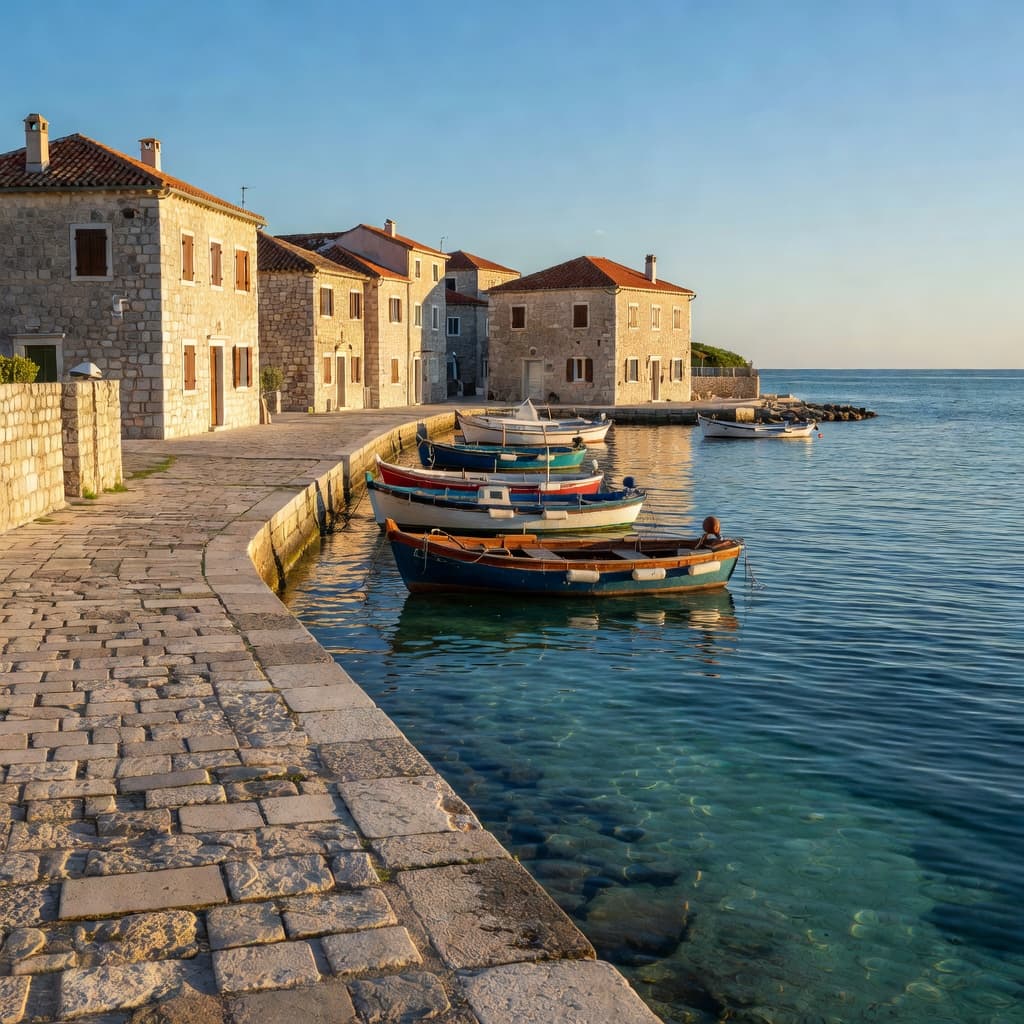
Should You Choose June If You Want Warm Weather and Room to Breathe?
June is one of the smartest months for a Croatian island trip. The weather is usually warm, the sea is swimmable, and the islands have not fully tipped into peak-season crowds yet.
That makes June a strong fit if you want beach time without the constant squeeze of July and August. You still get long days, open ferries, and plenty of energy in the towns, but the pace stays easier.
On Hvar, June gives you sun and nightlife without the full summer crush. On Brač, it is ideal for long beach days. Korčula feels especially pleasant for wandering old streets, and Vis still has that calm, off-the-main-road feel.
💡 June Advantages:
• Good swimming conditions without the hottest weather
• Lighter crowds in towns, coves, and ferry lines
• More choice for hotels, restaurants, and boat trips
June is the month that feels like summer before summer gets loud.
For most travelers, that is the real appeal. You get a proper island trip without spending half your time working around other people.
Should You Choose September If You Want the Best Balance Overall?
September is the top pick for most readers. It usually gives you the best mix of warm seas, softer heat, and fewer crowds, which makes island hopping feel smooth instead of rushed.
The sea stays warm enough for swimming, but the air is easier to handle. Ferry days feel less frantic, beach clubs lose some of their pressure, and dinner reservations are easier to manage. If you want the islands to feel relaxed, September is the month that usually gets there fastest.
This is where all four islands shine in a different way. Hvar is still lively, but less intense. Brač is calm and beach-friendly. Korčula is made for slow evenings and waterfront walks. Vis feels almost tailor-made for travelers who want space and quiet.
✅ September Perks:
1. Warm water keeps beach days easy
2. Lower crowds make each island feel more personal
3. Better balance helps if you are visiting more than one island on the same trip
For many travelers, this is the month that avoids the biggest trade-offs. It has the summer feel you want, but without the same level of heat, noise, or price pressure. If you’re building a trip around traveling between Croatian islands, September is usually the easiest month to make it all work.
Should You Choose July or August Only If Heat and Crowds Are Not a Problem?
July and August are still good months, but they are the busiest and most expensive part of the season. If you want the hottest beach weather and the fullest summer atmosphere, they deliver. If you want space, quiet, and lower prices, they are not the best fit.
These months work best for travelers who care more about peak summer energy than convenience. Expect fuller ferries, packed waterfronts, and more competition for the best spots on the beach. You can absolutely have a great trip, but it takes more patience.
Here is the trade-off in plain terms:
| Month | Main Upside | Main Downside | Best For |
|---|---|---|---|
| July | Hottest weather | Biggest crowds | Nightlife, peak beach season |
| August | Warmest sea | Highest prices | Travelers who want full summer mode |
If you’re set on these months, book early and keep your plans flexible. The islands are still beautiful, but the experience is less relaxed than in June or September. For travelers who want the easiest version of Croatia’s island season, these months are usually the last choice, not the first.
Conclusion: Pick the Right Month and the Whole Trip Gets Easier
If you remember one thing, make it this: September is the safest all-around month for Hvar, Brač, Korčula, and Vis. It keeps the water warm, the weather pleasant, and the crowds far more manageable than peak summer.
June is the other strong choice, especially if you want full summer energy without the July and August squeeze. Hvar is best for lively beaches, Brač for classic beach days, Korčula for history and charm, and Vis for quiet nature and clear water.
Pick the right month, and the whole trip gets easier. You spend less, move around with less friction, and enjoy each island for what it does best.
🚀 Ready to Book Your Croatian Island Adventure?
Start with flights, compare hotels, check ferry schedules, and unlock package savings before peak season fills up.
People Also Ask: Croatian Islands FAQ
Which Croatian island is best for first-time visitors?
Hvar is the best choice for first-time visitors because it offers the most variety: beautiful beaches, historic old town, excellent restaurants, and vibrant nightlife. It’s well-connected by ferries and has plenty of accommodation options for all budgets. If you prefer a quieter introduction, Korčula offers similar charm with fewer crowds.
How many days do I need to visit Croatian islands?
Plan 3-4 days per island for a relaxed experience. A typical island-hopping itinerary includes 7-14 days total, allowing you to visit 2-4 islands comfortably. June and September are ideal for island hopping as ferry schedules are frequent but crowds are manageable. Avoid trying to visit more than one island every 2-3 days, as travel time adds up.
Do I need a car on Croatian islands?
It depends on the island. Hvar Town and Korčula Town are very walkable with good bus connections. Brač and Vis benefit from having a car if you want to explore remote beaches and villages. However, scooters, bikes, and local buses work well for most travelers. If staying in one base town, you likely won’t need a car.
What should I pack for Croatian island hopping?
Pack light and smart: comfortable walking shoes for cobblestone streets, swimwear, sun protection (hat, sunglasses, reef-safe sunscreen), a light jacket for evening breezes, and a reusable water bottle. Water shoes are helpful for pebble beaches. A small daypack is essential for island-hopping days. Don’t overpack—laundry services are widely available.
🎒 Pack Smart for Your Croatian Island Adventure
Get comfortable walking shoes, swimwear, sun protection, daypacks, and other island-hopping essentials delivered fast before your trip.
© 2026 I Need My Vacation. All rights reserved.