
...

IneedMyVacation.com


Croatian Islands: Best Months for Hvar, Brač, Korčula & Vis

When is the best time to visit Croatian islands? June and September offer the perfect balance of warm weather, swimmable seas, and fewer crowds. July and August bring peak heat and crowds, while early October works for relaxed sightseeing with cooler temperatures.

When should you visit Croatia’s most popular islands if you want warm weather, swimmable water, and fewer crowds? For Hvar, Brač, Korčula, and Vis, the sweet spot is usually June and September, with early October still working for some travelers who don’t mind a slower pace.

That timing gives you the best balance: sunny days without the crush of peak summer, plus a better shot at enjoying beaches, old towns, quiet nature, or a livelier scene on your own terms. If you’re trying to pick the right island for your style, this guide keeps it simple and helps you match each stop to the month that fits it best, so you can plan a Croatia trip that feels worth the time and money.

🏝️ Ready to Book Your Croatian Island Adventure?

Lock in the best rates on flights, ferries, and highly-rated island accommodations before peak season fills up.

If you’re trying to pick the right island for your style, this guide keeps it simple and helps you match each stop to the month that fits it best, so you can plan a Croatia trip that feels worth the time and money.

Why the Timing of Your Island Trip Matters in Croatia

Croatia’s islands can feel like two different trips depending on the month. In the right window, you get warm weather, swimmable water, and enough calm to actually enjoy the place instead of just moving through crowds.

Get the timing wrong, and the whole trip changes. Ferries thin out, beach days get less reliable, and some towns start shifting into low-season mode fast. If you want that easy island rhythm, the calendar matters just as much as the island itself.

Sunlight illuminates a pristine white pebble beach nestled between jagged limestone cliffs with crystal clear turquoise waters shimmering under a bright summer sky.

What Can You Expect from June Through October?

June through October is the main stretch for Croatian island travel, but each month has its own mood. June is usually pleasant, with warm days, good swimming conditions, and lighter crowds than peak summer. September often hits the sweet spot, since the sea is still warm and the pace is easier.

Early October can still be a strong choice on some islands, especially if you care more about quiet beaches and relaxed sightseeing than nonstop beach weather. If you want a broad planning view, Croatia’s month-by-month weather patterns line up with that same general rhythm. For a smoother trip, it helps to book early and keep your dates flexible, especially if you’re comparing summer travel booking tips for Croatia before prices climb.

💡 Quick Seasonal Guide:
June: Feels fresh, sunny, and easy
September: Often the best balance of warmth and space
Early October: Can still work well, but gets less predictable

When Should You Skip the Islands If You Want Easy Beach Days?

If beach time is the goal, November through March is usually the wrong window for most visitors. The weather is cooler, winds are stronger, and the islands feel much quieter than they do in season.

That also means fewer ferries, shorter opening hours, and seasonal closures in some places. You can still visit, but it won’t feel like a simple sun-and-swim trip. For easy beach days, this is the stretch to avoid unless you’re chasing empty streets and don’t mind planning around the off-season pace.

⚠️ Off-Season Trade-offs:
Cooler temperatures make swimming less appealing
Windier conditions can affect ferry comfort and sea days
Fewer services mean less flexibility once you arrive
Seasonal closures can limit restaurants, tours, and hotel options

If you’re planning a summer trip, it pays to lock in the dates before the best ferry connections and stays start disappearing. Checking when to book flights for Croatia can save you from overpaying just to get the timing right.

Hvar: Best in June or September for Sun Without Peak-Season Stress

Hvar gives you a lot in one place, and that’s why it draws such a wide range of travelers. You can spend the morning at the beach, wander stone streets after lunch, eat well into the evening, and still have the option of a late night out if that’s your style.

The island works best when you pick your month with care. June and September keep the weather on your side while trimming back the crush of high summer, which makes the whole trip feel easier.

What Makes Hvar a Strong All-Around Pick?

Hvar is not just a party stop, even if the nightlife gets most of the attention. The island has walkable towns, clear water, small coves for swimming, and enough good restaurants to keep a food-focused traveler happy.

You can spend a full day without a car and still not feel stuck. Hvar Town is easy to explore on foot, and the pace changes fast once you leave the main waterfront.

Vibrant turquoise water fills the harbor where white sailboats are moored near ancient limestone buildings with warm afternoon sunlight illuminating Mediterranean architecture.

✅ Why Hvar Wins:
Beach time is simple: Get to good swimming spots without turning the day into a mission
The towns are easy to walk: Matters when you want a relaxed trip, not a logistics puzzle
Food is part of the draw: Seafood, olive oil, wine, and Dalmatian cooking all fit naturally here
Nightlife exists, but it’s not the whole story: You can skip the clubs and still have a great trip

If you want a broader sense of how Hvar fits into Croatia’s summer window, this month-by-month Hvar guide lines up with what many travelers notice on the ground. Hvar rewards people who want options, not just a single type of vacation.

Top Places to Stay on Hvar (2026 Prices)

🏖️ Lesic Dimitri Palace

Luxury boutique hotel • Panoramic sea views • Spa & infinity pool • Hvar Town center
€280 – €450 / night

🏨 Amfora Hvar Grand Beach Resort

Beachfront location • Multiple pools • Family-friendly • Private beach access
€180 – €320 / night

🏡 Villa Maria Apartments

Budget-friendly • Sea view balconies • Walking distance to town • Kitchenette
€95 – €165 / night

Which Month Choice for Hvar Depends on Your Crowd Tolerance?

June, July, August, and September all bring sunshine, but they don’t feel the same once you’re actually there. That difference matters more than most people expect.

June is warm, bright, and lively without feeling fully packed. July and August are the hottest and busiest months, which sounds fun until you’re trying to find a table, a beach spot, or a calm ferry day. September is the sweet spot for most travelers, because the sea stays warm, the heat eases up, and the island finally has room to breathe.

A quiet pebble cove on Hvar with clear blue Adriatic water, limestone rocks, and pine trees lining the shore in a serene shoulder-season setting.

MonthCrowd LevelHeatBest Fit
JuneModerateWarm, comfortableBeach days, town walks, first summer trip
JulyHighHotLively nightlife, peak beach energy
AugustVery highHottestTravelers who don’t mind the crush
SeptemberLowerWarm, softer heatMost people, especially for balance

If you want the best mix of sun, swimming, and sanity, September usually wins. June is a strong second choice if you want summer energy before the island gets crowded, but September is the month that feels easiest to enjoy without working around the crowd.

For a simple rule, think of Hvar like this: June starts the season, July and August test your patience, and September gives you the same island with less noise.

Brač: Classic Beach Time and Easier Shoulder-Season Trips

Brač is the island you pick when the beach matters most. It doesn’t try too hard, and that is part of the appeal. The pace is slower, the coastline does the talking, and the best trip here is the one where you build your days around swimming, sun, and a long lunch near the water.

That also means timing matters more than it does on some other Croatian islands. If you want comfortable sea temperatures and a beach scene that still feels relaxed, June and September are the months to pay attention to.

Why Brač Works Well for Beach Lovers

Brač is a good fit if you want your island time to feel simple. You come for the water, the pebbly coves, and the easy rhythm of a place that doesn’t demand a packed itinerary.

The island has a laid-back feel that suits travelers who would rather stay put than hop around. Beach days are the main draw, so the calendar shapes the trip more than anything else. In peak summer, the water is inviting, but the beaches can get crowded fast. In the shoulder season, the same coastline feels more open, and that changes the whole experience.

Sun-drenched white stones rest along the shoreline where turquoise waves gently arrive with lush green pine trees standing before rugged limestone cliffs.

If you want a quick reality check on Brač’s beach season, this Brač weather guide lines up with the main travel window well. It helps explain why late spring through early fall gets the most attention from beach-focused travelers.

💡 Brač Beach Essentials:
Fewer distractions mean more time in the water
Shorter travel days work well when your goal is rest, not sightseeing marathons
A slower island pace makes it easier to settle in and stay there

If you want Brač at its best, plan around the beach first and everything else second.

Top Places to Stay on Brač (2026 Prices)

🏖️ Hotel Vidaković

Beachfront in Bol • Near Zlatni Rat • Pool & spa • Family-run hospitality
€145 – €245 / night

🏡 Apartments Villa Nika

Bol center location • Sea view terraces • Kitchen facilities • Walking distance to beaches
€85 – €155 / night

🏨 Hotel Supetar

Supetar town • Ferry port proximity • Modern rooms • Restaurant & bar
€95 – €175 / night

How Do June and September Change the Brač Experience?

June and September both work well, but they feel different once you’re on the island. June is warmer, brighter, and busier. September is still very swim-friendly, but the heat softens a little and the crowds ease back.

June is a strong choice if you want longer beach days and that first real summer feeling. The sea is comfortable enough for swimming, and the island has more energy without feeling fully packed. September is the calmer pick. The water is still warm, the weather usually holds up well, and getting around feels less rushed.

For beach travelers, that difference matters. You may not care much about the exact temperature until you are standing on the shore deciding whether to jump in. On Brač, both months make that an easy yes, but September often gives you a better mix of comfort and space. For more context on how the season shifts across Croatia, Croatia’s best time to visit follows the same pattern.

MonthWeather FeelSea ConditionsCrowd LevelBest For
JuneWarm and sunnyGood for swimmingModerate to busyLong beach days, early summer trips
SeptemberWarm with softer heatStill very swim-friendlyCalmerEasier travel, quieter beaches

If you want the short answer, June gives you more summer energy and September gives you more breathing room. That is why both are strong picks, but September usually feels easier overall.

For travelers who want to fine-tune the trip, September is the safer bet. June is better if you want warmer beach days and don’t mind sharing the island a little more.

Korčula: Best Fit for Travelers Who Want Old Towns and Easier Sightseeing

Korčula is the island to choose when you want the look and feel of a real old town without turning every day into a logistics exercise. The main attraction is simple: stone lanes, compact sights, waterfront walks, and a pace that gives you time to notice the place instead of rushing through it.

If Hvar can feel busy and Brač can feel beach-first, Korčula feels more like a slow stroll with good views. That makes it a strong match for travelers who want charm, not chaos.

Vibrant pink flowers spill from terracotta pots along a narrow cobblestone path with sunlight illuminating rustic stone facades and weathered wooden shutters.

Why Does Korčula Feel Different from the Busier Islands?

Korčula has the kind of old-town setting people picture when they think about the Adriatic: stone walls, narrow alleys, shuttered windows, and a waterfront that invites you to slow down. It feels lived-in rather than staged, which is part of its charm.

The island also has a more local, less flashy character. You can wander for a while without needing a plan, and that is the point. If you want a place where the streets do half the work for you, Korčula makes sightseeing feel easy.

✅ Korčula’s Standout Features:
The old town is compact: You don’t need a full day to get your bearings
Walkability is a plus: Most of the main experience happens on foot
The mood stays relaxed: It feels calmer than the island names that get all the headlines

Korčula is also a smart pick if you want fewer crowds. It is generally regarded as quieter than Hvar, and that matters when your idea of a good trip includes a bench, a harbor view, and no line for lunch. For a broader look at how that old-town feel compares with Croatia’s other historic stops, this Dubrovnik walking guide gives a good sense of the appeal of slow, scenic sightseeing.

Top Places to Stay on Korčula (2026 Prices)

🏨 Hotel Korčula

Historic Korčula Town • Seafront location • Traditional architecture • Restaurant & terrace
€135 – €225 / night

🏡 Apartments Villa Moretti

Old Town location • Stone architecture • Kitchen facilities • Rooftop terrace
€90 – €160 / night

🏖️ Lesic Dimitri Palace Korčula

Luxury boutique • Panoramic views • Spa & pool • Wine cellar
€245 – €395 / night

What Is the Best Time to Explore Korčula on Foot?

Korčula works best in the shoulder season, when the weather still feels warm enough for long walks and outdoor meals, but the island is not packed wall to wall. That is when the old streets are easiest to enjoy. You can move at your own pace, stop for coffee, and spend more time outside without sweating through the day.

This is also when dining feels better. Tables spill onto terraces, the evenings stay pleasant, and sightseeing doesn’t feel like a race against the heat. If you want the sweet spot, June and September are the most reliable choices for a balanced trip.

Early October can also work if you want warm days and fewer people. It is a useful option for travelers who care more about atmosphere than guaranteed beach weather. According to Adventurous Kate’s Korčula travel guide, September is often the standout month, and that lines up with how the island feels on the ground.

💡 Korčula Timing Guide:
1. June: Long daylight and a lively but manageable pace
2. September: Keeps the sea warm and the streets easier to enjoy
3. Early October: Can still feel pleasant, especially for sightseeing-first trips

If your trip is built around old towns, short walks, and outdoor dinners, Korčula is one of the easiest islands to get right.

For travelers who want the trip to feel simple, that is the main selling point. You don’t need a packed schedule here. You just need good shoes, a little time, and a reason to wander.

Vis: Best from Mid-June to Mid-September for Clear Water and a Quieter Feel

Vis is the island to pick when you want the Adriatic without the hard sell. It has the kind of calm that comes from distance, smaller towns, and less development, but it still gives you warm sea days and enough life in town to feel like you went somewhere, not nowhere.

The sweet spot is mid-June to mid-September. That window gives you the best mix of clear water, open services, and a slower rhythm that feels easy the moment you step off the ferry.

A single weathered wooden boat floats in a serene turquoise bay sheltered by dramatic limestone cliffs with white pebble shores and crystal clear Mediterranean waters.

What Makes Vis the Quietest of the Top Four?

Vis has a different feel from Hvar, Brač, and Korčula. It is farther out, less built up, and more relaxed by default. You notice it in the way the island moves, with fewer crowds, fewer hard edges, and more space to just sit still.

That slower pace is the real draw. You get small harbors, clear coves, and a sense that the island is on its own clock. If you want beaches, walks, seafood, and sleep that isn’t broken by late-night noise, Vis makes a strong case for itself.

✅ Vis Standout Qualities:
Less day-trip traffic means fewer people passing through
Small-town energy keeps the island grounded and low-key
Natural beauty comes first, especially around the water and coastline
The mood stays calm even when summer is in full swing

Vis is not about cramming your day. It is about having room in it.

That is why it appeals to travelers who want a peaceful stay without giving up summer weather. The island feels simple in the best way, like the clutter has already been edited out.

For a broader look at the island’s seasonal rhythm, this Vis travel guide lines up with the same main travel window and confirms why late spring through early fall is the practical choice.

Top Places to Stay on Vis (2026 Prices)

🏨 Hotel Biševo

Vis Town waterfront • Traditional Dalmatian style • Restaurant & bar • Ferry proximity
€125 – €215 / night

🏡 Apartments Villa Kaliopa

Quiet location • Sea views • Kitchen facilities • Garden terrace • Parking
€95 – €165 / night

🏖️ Hotel Issa

Vis Town center • Modern rooms • Rooftop terrace • Walking distance to beaches
€145 – €245 / night

Why Does Ferry Access Matter So Much for Vis?

Vis is quiet partly because it is less convenient than the bigger names. That extra distance is part of the charm, but it also means planning matters more here than on islands that sit closer to the mainland.

Mid-June to mid-September is the easiest window because ferry service is at its most useful then. You have more choices, more flexibility, and a much better chance of matching your arrival and departure with the rest of your Croatia itinerary.

That matters in real trip planning. If you want a relaxed island stay, you don’t want to build it around awkward ferry timing or a narrow schedule that forces you into a rushed overnight stop.

⛴️ Check Croatia Ferry Schedules & Book Ahead

Compare ferry times, prices, and routes between Split, Hvar, Korčula, and Vis. Book early for best availability in peak season.

️ View Ferry Options

This is where the season helps:

  1. More frequent sailings make it easier to connect Vis with Split and other stops.
  2. Better weather keeps the crossing and arrival day less stressful.
  3. More open accommodations give you room to choose instead of settling.
  4. Stronger overall travel flow makes the island feel easier to fit into a larger trip.

If you’re comparing islands and trying to avoid wasted transit time, Omio’s Croatia ferry options are a practical place to check schedules before you commit to dates. For Vis, that little bit of planning goes a long way.

The short version is simple: Vis feels best when it is easy to reach and easy to leave room for. Mid-June to mid-September gives you that balance, without the off-season drag that can make island travel feel like work.

Why Does the Water Look So Good in This Window?

Vis has a reputation for clear water, and the timing helps. By mid-June, the sea has usually settled into summer shape, and by September it is still warm enough to swim without hesitation. That makes the water look and feel better, which is half the reason people come here in the first place.

The island’s coves and pebble beaches also help. They don’t stir up the sea the way some sand-heavy beaches do, so the water often stays transparent and bright. On a sunny day, it can look almost unreal, like a glass bowl set in stone.

For travelers who care about swimming more than sightseeing, this is the month range that matters. You can float, snorkel, jump off rocks, or spend the afternoon moving from one quiet bay to another.

PeriodWater FeelCrowd LevelBest For
Mid-JuneClear and warmingModerateFirst good swims, quieter beaches
July to AugustWarmestHighestPeak summer energy, busier coves
SeptemberStill warm, very clearLowerPeaceful swims, easier access

If you want the island at its most balanced, September is usually the strongest month. Mid-June is the runner-up because it gives you good water and fewer people before peak season fully settles in.

Vis doesn’t need a big pitch. The place speaks for itself, especially when the sea is bright, the ferries are running well, and the beaches are not packed shoulder to shoulder. That is the window where the island feels exactly like it should.

A Simple Month-by-Month Guide to Picking the Right Island

If you’re trying to choose between Hvar, Brač, Korčula, and Vis, the month matters as much as the island. The same coastline can feel lively, calm, hot, or half-asleep depending on when you go.

The easiest way to plan is to match your month to your travel style. Want warm weather and fewer people? Go shoulder season. Want peak beach heat and don’t mind bigger crowds? Summer still has its place.

Ancient stone buildings line the edge of a crystal clear harbor filled with small wooden fishing boats with warm golden afternoon sunlight reflecting off calm blue Adriatic water.

Should You Choose June If You Want Warm Weather and Room to Breathe?

June is one of the smartest months for a Croatian island trip. The weather is usually warm, the sea is swimmable, and the islands have not fully tipped into peak-season crowds yet.

That makes June a strong fit if you want beach time without the constant squeeze of July and August. You still get long days, open ferries, and plenty of energy in the towns, but the pace stays easier.

On Hvar, June gives you sun and nightlife without the full summer crush. On Brač, it is ideal for long beach days. Korčula feels especially pleasant for wandering old streets, and Vis still has that calm, off-the-main-road feel.

💡 June Advantages:
Good swimming conditions without the hottest weather
Lighter crowds in towns, coves, and ferry lines
More choice for hotels, restaurants, and boat trips

June is the month that feels like summer before summer gets loud.

For most travelers, that is the real appeal. You get a proper island trip without spending half your time working around other people.

Should You Choose September If You Want the Best Balance Overall?

September is the top pick for most readers. It usually gives you the best mix of warm seas, softer heat, and fewer crowds, which makes island hopping feel smooth instead of rushed.

The sea stays warm enough for swimming, but the air is easier to handle. Ferry days feel less frantic, beach clubs lose some of their pressure, and dinner reservations are easier to manage. If you want the islands to feel relaxed, September is the month that usually gets there fastest.

This is where all four islands shine in a different way. Hvar is still lively, but less intense. Brač is calm and beach-friendly. Korčula is made for slow evenings and waterfront walks. Vis feels almost tailor-made for travelers who want space and quiet.

✅ September Perks:
1. Warm water keeps beach days easy
2. Lower crowds make each island feel more personal
3. Better balance helps if you are visiting more than one island on the same trip

For many travelers, this is the month that avoids the biggest trade-offs. It has the summer feel you want, but without the same level of heat, noise, or price pressure. If you’re building a trip around traveling between Croatian islands, September is usually the easiest month to make it all work.

Should You Choose July or August Only If Heat and Crowds Are Not a Problem?

July and August are still good months, but they are the busiest and most expensive part of the season. If you want the hottest beach weather and the fullest summer atmosphere, they deliver. If you want space, quiet, and lower prices, they are not the best fit.

These months work best for travelers who care more about peak summer energy than convenience. Expect fuller ferries, packed waterfronts, and more competition for the best spots on the beach. You can absolutely have a great trip, but it takes more patience.

Here is the trade-off in plain terms:

MonthMain UpsideMain DownsideBest For
JulyHottest weatherBiggest crowdsNightlife, peak beach season
AugustWarmest seaHighest pricesTravelers who want full summer mode

If you’re set on these months, book early and keep your plans flexible. The islands are still beautiful, but the experience is less relaxed than in June or September. For travelers who want the easiest version of Croatia’s island season, these months are usually the last choice, not the first.

Conclusion: Pick the Right Month and the Whole Trip Gets Easier

If you remember one thing, make it this: September is the safest all-around month for Hvar, Brač, Korčula, and Vis. It keeps the water warm, the weather pleasant, and the crowds far more manageable than peak summer.

June is the other strong choice, especially if you want full summer energy without the July and August squeeze. Hvar is best for lively beaches, Brač for classic beach days, Korčula for history and charm, and Vis for quiet nature and clear water.

Pick the right month, and the whole trip gets easier. You spend less, move around with less friction, and enjoy each island for what it does best.

🚀 Ready to Book Your Croatian Island Adventure?

Start with flights, compare hotels, check ferry schedules, and unlock package savings before peak season fills up.

People Also Ask: Croatian Islands FAQ

Which Croatian island is best for first-time visitors?

Hvar is the best choice for first-time visitors because it offers the most variety: beautiful beaches, historic old town, excellent restaurants, and vibrant nightlife. It’s well-connected by ferries and has plenty of accommodation options for all budgets. If you prefer a quieter introduction, Korčula offers similar charm with fewer crowds.

How many days do I need to visit Croatian islands?

Plan 3-4 days per island for a relaxed experience. A typical island-hopping itinerary includes 7-14 days total, allowing you to visit 2-4 islands comfortably. June and September are ideal for island hopping as ferry schedules are frequent but crowds are manageable. Avoid trying to visit more than one island every 2-3 days, as travel time adds up.

Do I need a car on Croatian islands?

It depends on the island. Hvar Town and Korčula Town are very walkable with good bus connections. Brač and Vis benefit from having a car if you want to explore remote beaches and villages. However, scooters, bikes, and local buses work well for most travelers. If staying in one base town, you likely won’t need a car.

What should I pack for Croatian island hopping?

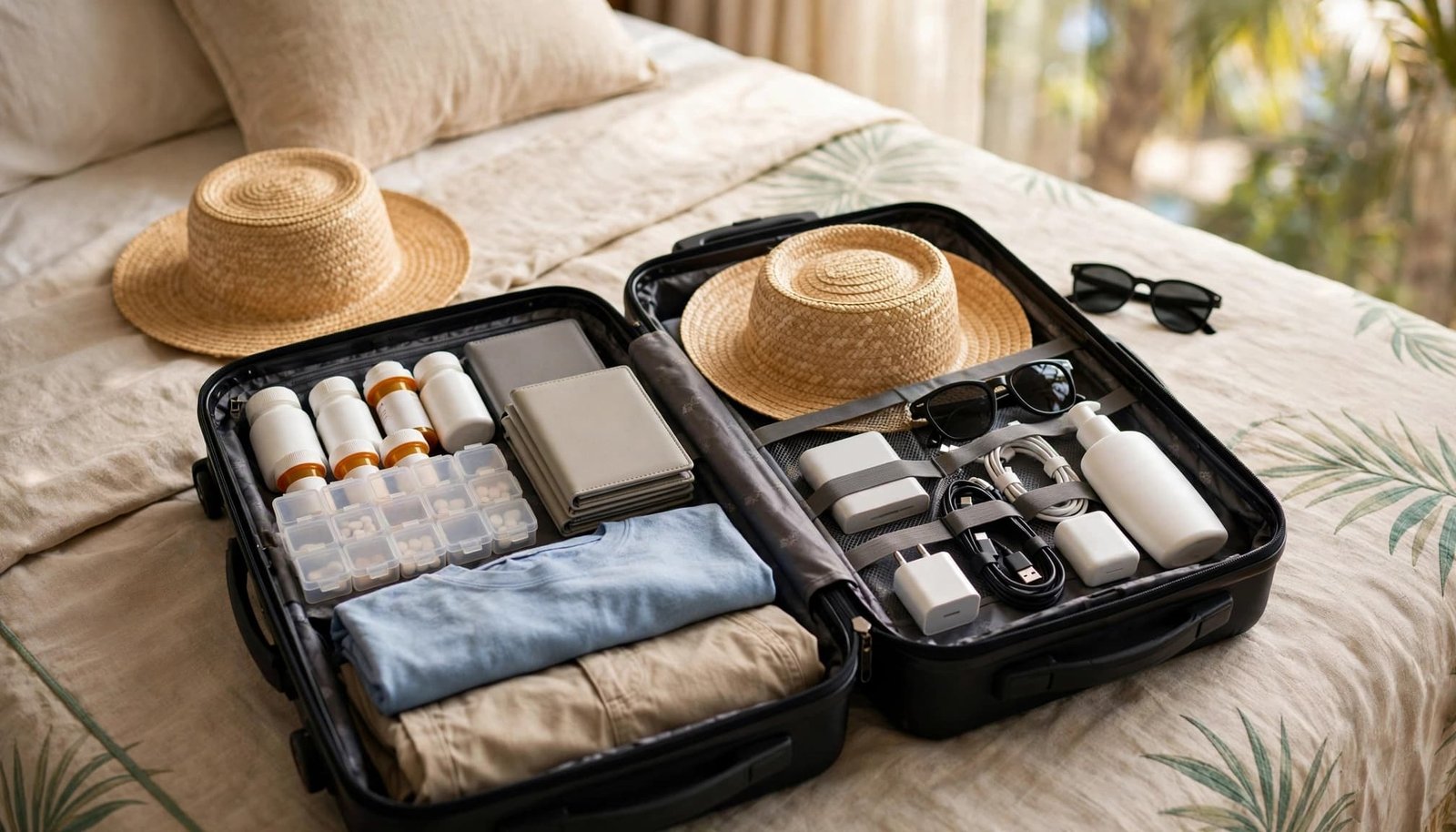
Pack light and smart: comfortable walking shoes for cobblestone streets, swimwear, sun protection (hat, sunglasses, reef-safe sunscreen), a light jacket for evening breezes, and a reusable water bottle. Water shoes are helpful for pebble beaches. A small daypack is essential for island-hopping days. Don’t overpack—laundry services are widely available.

🎒 Pack Smart for Your Croatian Island Adventure

Get comfortable walking shoes, swimwear, sun protection, daypacks, and other island-hopping essentials delivered fast before your trip.

🛒 Shop Travel Essentials

© 2026 I Need My Vacation. All rights reserved.



Top 10 Family-Friendly Caribbean Resorts for 2026

What are the best family-friendly Caribbean resorts for 2026? Top picks include Atlantis Bahamas for water parks, Beaches Turks & Caicos for all-inclusive luxury, and Moon Palace Jamaica for teens. Choose based on kids’ ages, beach quality, room space, and all-inclusive convenience for stress-free family vacations.

The Caribbean is one of the easiest places to plan a family vacation, because the best resorts handle the hard parts for you and leave the fun on autopilot. When you’re traveling with kids, that matters, and it’s why the right family-friendly Caribbean resorts can make the difference between a smooth trip and a stressful one.

This roundup is built for parents who want a beach trip that works in real life, not just on a brochure. The picks below focus on kid-friendly amenities, strong beach quality, room setups that give everyone space, dining that keeps meals simple, and the kind of resort layout that doesn’t wear families out by day two.

You’ll see a mix of luxury stays and more flexible all-inclusive options, so there’s something here for different budgets and travel styles. If you’re trying to choose a place where kids stay busy, adults can relax, and nobody spends the week figuring out where to eat next, this list will get you there.

🎯 Quick Answer: The best family-friendly Caribbean resorts for 2026 include Atlantis Bahamas for water parks, Beaches Turks & Caicos for all-inclusive luxury, and Moon Palace Jamaica for teens. Choose based on your kids’ ages, beach quality, room space, and whether you prefer all-inclusive convenience or flexible dining options.

Affiliate Disclosure: This article contains affiliate links. If you book through these links, I Need My Vacation may earn a commission at no extra cost to you. We only recommend services we trust and use ourselves.

Table of Contents

How Were These Caribbean Resorts Chosen for Families?

These picks are built around how families actually travel, not how a resort looks in a glossy ad. That means space that doesn’t feel cramped, beaches that are easy to manage with kids, food that doesn’t turn every meal into a project, and activities that give parents a break without leaving anyone bored.

A happy family of four lounges on comfortable beach chairs under swaying palm trees with sparkling blue Caribbean ocean in the background.

The goal is simple: find resorts that lower stress the moment you arrive. If a property works for toddlers, school-age kids, and teens without forcing everyone into the same schedule, it makes the cut.

The best family resort is not always the fanciest one. It’s the one that keeps the week easy.

What Do Families Need Most on a Caribbean Trip?

A good Caribbean resort for families has to cover the basics first. If the rooms are too tight, the beach is rough, or meals take too long, the vacation starts feeling like work.

The biggest must-haves are pretty clear:

✅ Family Resort Must-Haves:
Room space: suites, connecting rooms, or villas that give everyone breathing room
Safe water access: calm beaches, shallow swim areas, and pools that feel manageable
Kid-friendly activities: clubs, splash zones, games, and things to do after breakfast
Easy meals: buffets, snack spots, kid menus, and restaurants with flexible hours
Simple resort layout: short walks, easy transfers, and a setup that doesn’t wear kids out

A resort can have a beautiful lobby and still fail families if the practical pieces are missing. That’s why the best choices here favor convenience as much as style.

Why Do All-Inclusive Resorts Often Work Best for Parents?

All-inclusive resorts take a lot of guesswork out of the trip. You know what you’re paying ahead of time, which helps when you’re budgeting for flights, excursions, airport transfers, and all the random extras that show up with kids.

They also make meal planning much easier. When one child wants pizza, another wants fruit, and a parent just wants coffee before the beach, an all-inclusive setup feels like a pressure valve. You don’t have to hunt for a restaurant every time someone gets hungry.

That said, all-inclusive is not mandatory for every family. Some travelers prefer a smaller boutique stay or a villa with a kitchen. Still, for families with different ages and different appetites, a strong all-inclusive resort usually cuts down on stress in a big way.

💡 All-Inclusive Benefits:
1. Predictable costs make the trip easier to manage
2. Built-in dining keeps mealtimes from becoming a daily headache
3. On-site entertainment gives parents actual downtime
4. Flexible options help when you’re traveling with kids at different stages

When a resort handles food, fun, and most of the day-to-day logistics, parents get more time to enjoy the beach instead of managing the schedule.

🏨 Compare Family-Friendly Caribbean Resorts

Check real-time availability, read verified reviews, and lock in free cancellation options before prices rise.

🔍 Search Resorts Now

What Are the Top 10 Family-Friendly Caribbean Resorts Worth Booking?

The best family resorts in the Caribbean do one thing well—they make vacation life easier. That means better pools, smarter room layouts, kid-friendly dining, and enough on-site fun that you are not stuck planning every hour of the day.

This list leans into the resorts that actually help parents relax. Some are high-energy and packed with action, others are calmer and more spacious, but all of them work for real family travel.

1. The Royal at Atlantis, Bahamas 🏰

The Royal at Atlantis is built for families that want a lot going on without leaving the resort. The pool and waterpark setup is huge, and the whole property feels like a kid-powered amusement zone with a beach attached.

An aerial view showcases a sprawling water park with tiered pools and swirling slides nestled among palm trees with a lazy river winding through landscaped grounds.

Best For: Older kids and teens who want nonstop action

Why Families Love It: Between the slides, marine experiences, pools, and entertainment options, this is the kind of place where boredom has a hard time showing up.

The Vibe: Less about quiet lounging and more about keeping everyone busy in the best way.

2. El Conquistador Resort, Puerto Rico 🇵🇷

El Conquistador Resort is a strong pick for families who want Caribbean comfort with easier access for U.S. travelers. Since Puerto Rico does not require a passport for U.S. citizens, the trip feels simpler from the start.

Best For: Families wanting convenience without paperwork

Why Families Love It: You still get the beach vacation feel, but with less friction at the airport and easier logistics.

The Vibe: Comfortable base with nearby beach access—perfect for resort-first stays.

3. Hotel Indigo Grand Cayman, Grand Cayman 🏝️

Hotel Indigo Grand Cayman stands out for families who want something stylish without turning the trip into a production. It has a more easygoing feel than many larger Caribbean resorts, which makes it useful when you just want good rooms, a solid location, and no drama.

Best For: Families wanting calm beaches and low-stress travel

Why Families Love It: Grand Cayman’s calm beaches and low-stress pace make beach days easier, especially with younger kids.

The Vibe: Comfort and convenience over over-the-top extras—simple and practical.

4. Rosewood Little Dix Bay, British Virgin Islands 🌺

Rosewood Little Dix Bay is for families who want a quieter, upscale stay with room to breathe. The setting is relaxed, the water is calm, and the whole experience feels slower in a good way.

Best For: Families wanting space, privacy, and peaceful Caribbean vibes

Why Families Love It: Villa-style stays and roomy accommodations make it easier to spread out and keep the trip from feeling cramped.

The Vibe: Not the loudest or flashiest—better for those who value peace and privacy.

5. Jumby Bay Island, Antigua 🏝️

Jumby Bay Island has a private-island feel that many parents will love right away. The environment is contained, which makes it easier to keep track of kids and easier to settle into a routine.

Best For: Parents with small kids wanting contained, calm spaces

Why Families Love It: Suites and villas give families more flexibility, especially when younger children need naps, snacks, or earlier bedtimes.

The Vibe: Not managing a giant, chaotic resort—working with a calm, easy-to-handle space.

6. Rosewood Le Guanahani, St. Barth 💎

St. Barth is not the first place most people think of for kids, which is exactly why Rosewood Le Guanahani stands out. It gives families rare kid-friendly strengths on an island known more for style than for family amenities.

Best For: Families wanting elegance that still works with children

Why Families Love It: The kids’ club is a major plus, and multi-bedroom family setups make longer stays less stressful.

The Vibe: Convenience without giving up polish—elegant but practical.

7. Akumal Bay Beach and Wellness Resort, Riviera Maya 🏖️

Akumal Bay Beach and Wellness Resort is all about the beach. If your family wants to swim, float, and settle into easy days by the water, this resort makes a strong case.

Best For: Families prioritizing sand and swimming over packed agendas

Why Families Love It: The all-inclusive format handles meals, drinks, and daily basics, keeping the focus on beach time instead of logistics.

The Vibe: Straightforward, relaxed, and easy to enjoy.

8. Dreams Playa Esmeralda Resort & Spa, Punta Cana 🌴

Dreams Playa Esmeralda Resort & Spa is a newer family-friendly all-inclusive that should appeal to parents who want modern amenities without overcomplicating the trip. It is the kind of resort that makes vacation planning feel lighter.

Best For: Families wanting contemporary setup with broad appeal

Why Families Love It: Simple planning, easy dining, and a resort that feels current without being fussy.

The Vibe: Modern, family-friendly, and hassle-free.

9. Meliá Casa Maya Cancun, Cancun 🌊

Cancun remains one of the easiest family destinations in the Caribbean because it gives you convenience, strong beach access, and lots of resort choice in one place. For many families, that combination is hard to beat.

Best For: Families wanting lively but manageable atmosphere

Why Families Love It: Enough energy to keep things interesting and enough structure to keep the trip from feeling chaotic.

The Vibe: Practical pick with convenience and strong beach access.

10. Paraiso de la Bonita, Riviera Maya ✨

Paraiso de la Bonita is the premium play on this list for families who want a more refined stay. It is not trying to be the loudest resort in Riviera Maya, and that is part of the appeal.

Best For: Families wanting upscale without stuffy territory

Why Families Love It: Comfort, style, and a calmer pace without losing the practical side of a good vacation.

The Vibe: Polished experience that makes family travel feel smooth instead of stiff.

📦 Save 15-20% on Flight + Hotel Packages

Bundle your Caribbean family vacation and unlock exclusive deals you won’t find booking separately.

💰 View Package Deals

Which Resort Fits My Family Travel Style Best?

The best Caribbean resort for your family is not the one with the biggest lobby or the prettiest brochure shot. It is the one that matches how your crew actually travels, how much energy your kids have, and how much structure you want on vacation.

A calm beach and a kids’ club are perfect for one family. Another family needs slides, sports, and enough action to burn off breakfast by 10 a.m. If you travel with grandparents, the priorities shift again, because space, quiet corners, and easy dining start to matter just as much as the beach itself.

A shallow zero-entry pool for toddlers with vibrant lounge chairs nearby, tall palm trees framing the turquoise ocean view beyond resort grounds.

Use that simple lens while you compare resorts. Once you know your family style, the right choice gets much easier.

What Are the Best Picks for Toddlers and Younger Kids?

If you’re traveling with toddlers, keep the trip low-friction. Look for calm beaches, shallow pool entries, and rooms that are close to the action without being noisy. A resort that makes stroller walks short and snack runs easy can save your whole week.

Family suites and connecting rooms matter here too. So does a kids’ club with supervised activities that are simple and age-appropriate, like crafts, beach play, or short games. The goal is not constant entertainment—it’s an easy rhythm that works around naps and early bedtimes.

💡 Toddler-Friendly Features to Look For:
• Calm beaches with shallow water
• Zero-entry or shallow pools
• Rooms close to amenities (but not noisy)
• Family suites or connecting rooms
• Kids’ club with age-appropriate activities
• Easy stroller access throughout resort
• Quick snack options available

For this age group, the best resort feels more like a well-run home base than a giant entertainment complex. If you want a quick filter for this style, start with properties that highlight toddler-friendly pools, babysitting options, and relaxed beach access.

What Are the Best Picks for Teens and Active Families?

Teens need more than a nice beach. They want choice, motion, and a little freedom, which is why water parks, sports, and active excursions matter so much. A resort with tennis, kayaking, volleyball, snorkeling, or teen lounges usually lands better than one built only around quiet lounging.

This is where bigger resorts often win. They give older kids room to roam, and they give parents a chance to stop hearing “I’m bored” before lunch. If your family runs on energy, a place like top Cancun family resorts with water parks can be a smart fit, especially when slides and pool zones are part of the main draw.

✅ Teen-Friendly Features:
• Water parks and slides
• Sports facilities (tennis, volleyball, basketball)
• Water sports (kayaking, snorkeling, paddleboarding)
• Teen lounges or game rooms
• Active excursions and adventures
• Freedom to explore safely

The best teen-friendly resort feels active without feeling childish. That balance is the sweet spot.

What Are the Best Picks for Grandparents or Multi-Generational Trips?

Multi-generational trips work best when the resort keeps everyone comfortable without forcing the same pace. Space matters here, along with flexible room layouts, quieter areas, and dining that doesn’t turn every meal into a logistics meeting.

Look for resorts with easy transport around the property, accessible paths, and enough restaurant variety that no one has to compromise on every meal. Grandparents usually appreciate calm mornings and straightforward service, while parents value a setup that makes it easy to move between beach time, pool time, and rest time.

💡 Multi-Generational Must-Haves:
• Spacious room layouts (suites or villas)
• Quiet areas for rest
• Easy transportation around property
• Accessible paths and facilities
• Diverse dining options
• Flexible activity levels for different ages

A good multi-generational resort should feel roomy, not crowded. When the layout is simple and the dining is easy, the trip stays pleasant for every age in the group.

The right resort is the one that fits your daily rhythm, not just your destination pin.

Once you match the resort to your travel style, the shortlist gets a lot shorter. That is the real trick, because the best Caribbean family vacation starts with the right pace.

How Do I Book a Caribbean Family Resort Without Overspending?

Booking a Caribbean family resort on a budget is mostly about timing, sorting the fine print, and not paying for things you won’t use. If you get those three pieces right, you can cut the price without cutting the fun.

Two parents and two children sit around a wooden kitchen table, smiling at a laptop screen with warm sunlight illuminating the cozy room as they browse travel deals.

A smart booking starts before you ever open a resort page. It helps to have a rough spending cap in mind first, so you know when a “great deal” is actually a good deal for your family.

When Should I Book for the Best Family Rates?

Early booking usually wins for peak school holiday dates. Spring break, summer break, and winter holidays fill up fast, and the best family suites disappear long before the rates drop. If you need a specific room setup, booking early is the safest move.

Shoulder season can save a lot when your dates are flexible. April, May, and October often give you a better mix of lower prices and decent weather, while September usually brings the lowest rates but the highest storm risk. The best Caribbean value often comes from choosing a calmer month instead of chasing the busiest travel window.

✅ Best Booking Windows:
Peak holiday dates: Book as early as possible for room choice and better inventory
Shoulder season: Look for April, May, and October for better pricing
Low-demand months: Check September and early June if you can handle more weather risk

If your family needs one exact room type, early booking matters more than hunting for a last-minute bargain.

What Should I Check Before I Reserve?

A low nightly rate can hide a higher final bill. Before you book, look at room size first, because a cramped room can turn a cheap trip into a miserable one. Families usually do better with suites, connecting rooms, or at least a layout that gives kids and parents separate space.

Child age policies can also change the price fast. Some resorts charge for kids earlier than others, and meal or activity fees may start sooner than you expect. Beach conditions matter too, since a pretty shoreline is not much help if the water is rough or the swim area feels tricky for younger children.

What to VerifyWhy It Matters
Room size and layoutPrevents overcrowding and extra stress
Child age rulesHelps avoid surprise charges
Beach conditionsMakes sure the water fits your kids’ ages
Meal plansShows whether food is a real deal or just bundled noise
Airport distanceKeeps transfer time and cost under control
Resort fees and taxesReveals the real total before checkout

Airport distance deserves more attention than most people give it. A cheaper resort that sits far from the airport can erase your savings once you add transfers, especially with kids in tow. The same goes for hidden fees, which can sneak in through resort charges, premium dining, or paid activities.

What Are Ways to Keep the Trip Simple from the Start?

The easiest trips usually start with fewer moving parts. Nonstop flights are worth a close look when the fare gap is reasonable, because one less connection means fewer delays, fewer meltdowns, and less time spent hauling bags through airports. For families, that convenience often pays for itself.

Pre-booking transfers is another easy win. A reserved car or shuttle gets you from the airport to the resort without the scramble, and it helps you avoid overpaying the moment you land.

✈️ Search Flexible-Date Flights

Compare prices across multiple dates to find the cheapest way to reach your Caribbean destination.

🔍 Search Flights Now

It also helps to confirm resort activities before arrival. If your kids want the club, the splash area, or a certain excursion, check the schedule in advance so nobody is disappointed on day one. A little prep keeps the trip feeling organized instead of improvised, and that is where the savings really show up—in fewer surprises and fewer expensive fixes.

🎫 Book Tours & Activities in Advance

Enhance your family vacation with guided tours, water sports, and cultural experiences at the best prices.

🗺️ Browse Activities

Conclusion: Which Resort Is Right for Your Family?

The best family-friendly Caribbean resort depends on how your family actually travels. Younger kids usually need calm beaches, easy pools, and short walks. Older kids and teens usually want more action, more space, and more built-in entertainment.

That is the real thread running through this list. The right resort keeps kids busy and parents relaxed, without turning the whole trip into a schedule.

If you want the easiest fit, compare the top picks by age group, beach style, and how much structure you want on-site. The best choice is the one that matches your family travel style, not just the prettiest photo.

Once you narrow it down that way, booking gets a lot easier, and the vacation feels like vacation from day one.

🚀 Ready to Book Your Perfect Family Caribbean Escape?

Start with flights, compare hotels, and unlock package savings—all in one place.

People Also Ask: Family Resort FAQ

What is the best Caribbean island for families with young children?

Turks and Caicos and Punta Cana are excellent for young children because they offer calm, shallow beaches, numerous all-inclusive resorts with kids’ clubs, and easy resort layouts. The gentle waters and family-focused amenities make stress-free vacations with toddlers and preschoolers.

Are all-inclusive resorts worth it for families?

Yes, all-inclusive resorts are often worth it for families because they provide predictable costs, built-in dining options for picky eaters, on-site entertainment that gives parents downtime, and flexible meal times that work around kids’ schedules. The convenience factor alone often justifies the cost.

What is the cheapest time to book a Caribbean family vacation?

September and early October offer the lowest rates but come with higher hurricane risk. April, May, and early June provide the best balance of lower prices and decent weather. For peak holidays like spring break or Christmas, book 6-12 months in advance for the best rates and room selection.

Which Caribbean resort has the best kids’ club?

Beaches Turks & Caicos and Atlantis Bahamas are consistently rated as having the best kids’ clubs in the Caribbean. Beaches offers extensive supervised programs with Sesame Street characters, while Atlantis features marine experiences, water parks, and age-specific activities that keep kids engaged for hours.

How much should I budget for a family Caribbean vacation?

Budget $3,000-$8,000+ for a week-long family Caribbean vacation depending on resort choice, family size, and travel dates. All-inclusive resorts typically range $200-$600+ per night for a family of four. Factor in flights ($200-$800 per person), transfers ($50-$150), and activities. Use a vacation budget calculator to get accurate estimates for your specific trip.

🎒 Pack Smart for Your Caribbean Family Trip

Get reef-safe sunscreen, beach essentials, kids’ gear, and travel must-haves delivered fast.

🛒 Shop Amazon Essentials

© 2026 I Need My Vacation. All rights reserved.

Curaçao Is the Top Caribbean Island to Visit in 2026

Why is Curaçao the top Caribbean island for 2026? Curaçao offers stunning beaches, colorful Willemstad architecture, world-class snorkeling, rich culture, and easy island exploration. With more flight options, diverse activities from beaches to hiking, and a perfect mix of relaxation and adventure, it’s ideal for couples, families, and solo travelers seeking an authentic Caribbean experience.

Curaçao is getting a lot of attention for 2026, and it makes sense. It gives you beach time, culture, easy island exploring, and more flight options than a lot of travelers expect.

If you’re trying to decide whether it’s the top Caribbean island for your next trip, this guide keeps it simple. You’ll see what Curaçao does best, who it’s best for, and why it’s showing up on more shortlists for couples, families, and solo travelers.

It’s not about chasing hype—it’s about picking an island that feels worth the money and the flight. Here’s what makes Curaçao stand out now.

🎯 Quick Answer: Curaçao is the top Caribbean island for 2026 because it combines pristine beaches, UNESCO-listed Willemstad, excellent snorkeling/diving, rich Dutch-Caribbean culture, and easy accessibility. Perfect for travelers wanting variety—beach relaxation, cultural exploration, and outdoor adventure—all in one destination.

Affiliate Disclosure: This article contains affiliate links. If you book through these links, I Need My Vacation may earn a commission at no extra cost to you. We only recommend services we trust and use ourselves.

Table of Contents

What Makes Curaçao Different From Other Caribbean Islands?

Curaçao has the same postcard appeal people want from the Caribbean, but it does more than sit there and look pretty. You get beaches, yes, but you also get a real city to explore, a strong cultural mix, and an island layout that makes it easy to do more than one kind of trip in a single stay.

That mix is what sets it apart. Some islands lean almost entirely on resorts, while others feel remote and quiet in a way that limits your options. Curaçao gives you both, without making you choose too early.

🏨 Compare Curaçao Hotels & Resorts

Check real-time availability, read verified reviews, and lock in free cancellation options before prices rise.

🔍 Search Hotels Now

What Makes the Beaches, Blue Water, and Calm Coves Special?

Curaçao still has the classic Caribbean beach look people picture first: bright blue water, soft sand, and that easy, slow rhythm that makes you want to stay a little longer. The difference is the variety. You can spend one day at a lively beach with food, music, and activity, then switch to a quiet cove the next morning.

That matters if you want options without extra planning. Some beaches are made for a full beach day, while others feel better for reading, swimming, or just floating in clear water with almost nobody around. In Curaçao, the beach scene feels more flexible than fixed.

A serene coastal cove in Curaçao featuring calm turquoise waters, rocky shores, and lush green vegetation under a clear blue sky.

✅ Top Curaçao Beaches:
Cas Abao: Lively beach with facilities and activities
Playa PortoMari: Family-friendly with calm waters
Mambo Beach: Popular spot with restaurants and amenities
Grote Knip: Secluded cove perfect for quiet relaxation
Playa Piskado: Best for sea turtle snorkeling

How Does Willemstad Add Color, History, and Walkable Charm?

Willemstad gives Curaçao a different kind of depth. Its UNESCO World Heritage feel comes through in the Dutch-Caribbean architecture, the waterfront setting, and the way the old streets still feel alive instead of frozen in time. It looks like a European harbor town that got a Caribbean color palette and a lot more sun.

You can walk through the historic center, stop for shopping, grab dinner, and take in street art and painted facades along the way. That makes the island feel more layered than a beach-only destination. The trip does not end at the shoreline, which is part of the appeal.

Vibrant yellow, pink, and blue Dutch colonial buildings lining the waterfront in Willemstad, Curaçao, reflecting in the harbor water.

💡 Willemstad Must-Sees:
• Queen Emma Bridge (Floating Bridge)
• Handelskade waterfront (iconic colorful buildings)
• Floating Market
• Mikvé Israel-Emanuel Synagogue (oldest in Americas)
• Street art and murals throughout Pietermaai district

Why Is It Easy to Pair Relaxation with Adventure?

Curaçao works well when you want a lazy trip that still leaves room for a little action. Snorkeling, diving, hiking, and sunset cruises all fit naturally into the same vacation, and none of them feel hard to add.

That balance is rare. You can keep your days slow and still fill them with a few good experiences, which is exactly why Curaçao feels so easy to book and so easy to enjoy.

If you want a Caribbean island that gives you beaches, culture, and activities without forcing you to pick just one, Curaçao gets the mix right.

📦 Save 15-20% on Flight + Hotel Packages

Bundle your Curaçao vacation and unlock exclusive deals you won’t find booking separately.

💰 View Package Deals

What Are the Best Things to Do in Curaçao in 2026?

Curaçao is easy to enjoy because the trip can be as slow or as active as you want. One day can be all sand and sea, the next can be caves, hills, and a dinner table in Willemstad. That mix is a big reason the island keeps landing on more 2026 travel lists.

If you want the biggest payoff, focus on the things Curaçao does best: beaches, snorkeling, nature, and a night out that still feels relaxed. You do not need to cram the island. Just pick a few strong experiences and let the rest of the trip breathe.

How Do I Spend a Day at the Island’s Best Beaches?

Curaçao’s beaches are not one-note. Cas Abao, Playa PortoMari, Mambo Beach, and Grote Knip each give you a different kind of day, so you can match the beach to your mood. Some are better for families because the water stays calm and the setup is easy. Others feel better for couples or solo travelers who want more quiet.

If snorkeling is on your list, look for beaches with clear water and reef access close to shore. Playa Piskado is a favorite for spotting sea turtles, while other coves are great for a slow swim and a long float.

The best beach days here are simple. Bring reef-safe sunscreen, water shoes, and a plan to stay longer than you think. Curaçao makes that easy.

A pristine tropical beach in Curaçao with bright sunlight illuminating calm, shallow turquoise water washing over clean white sand.

✅ Beach Day Essentials:
• Reef-safe sunscreen (required to protect coral)
• Water shoes for rocky entry points
• Snorkel gear (or rent at popular beaches)
• Cash for beach bars and food vendors
• Towel and shade (some beaches have limited facilities)

How Do I Explore Underwater Life with Snorkeling or Diving?

Curaçao is a strong pick for water lovers because the conditions are usually clear and the reefs are close enough to reach without a complicated setup. That matters whether you are trying snorkeling for the first time or you already know your way around a dive mask. The underwater scenery does a lot of the work for you.

Expect colorful coral, good visibility, and plenty of spots where the sea life shows up fast. If you want an easy way to book a guided outing, see Curaçao tours and snorkeling trips on GetYourGuide. Guided options help if you want a boat, gear, or a local who knows where the current stays calm.

Diving also fits Curaçao well because the island has a strong reputation for shore dives and reef access. That makes it a good match for travelers who want more than a pretty surface. You can stay near the shore and still feel like you got a full ocean day.

A vibrant underwater coral reef in the Caribbean with colorful fish swimming among textured polyps under shimmering sunlight.

If you only do one water activity, make it snorkeling first. It gives you a quick read on how much more time you want in the water.

🎫 Book Curaçao Tours & Activities

Enhance your trip with guided snorkeling, boat tours, and cultural experiences at the best prices.

🗺️ Browse Activities

How Do I Add Hiking, Nature, and Sunset Views to the Trip?

If you want Curaçao to feel balanced, add some inland time. Christoffel Park is the big one for hikers, and it gives the island a different pace. The views feel earned, which is a nice change after a few beach-heavy days.

You can also look for scenic overlooks, wild coastline, and stops like Shete Boka National Park if you want crashing waves and open views. These places give the island some edge. They also stop the trip from feeling too polished or too predictable.

The best part is how well these spots fit into a relaxed itinerary. A morning hike, a lazy lunch, and a sunset drive can make the whole day feel full without being busy. That is the sweet spot for a lot of Curaçao trips.

A winding dirt hiking trail traversing grassy hills overlooking the expansive blue ocean and distant island peaks in Curaçao.

💡 Top Nature Spots:
Christoffel National Park: Hike to highest point (372m) for panoramic views
Shete Boka National Park: Dramatic coastal blowholes and crashing waves
Hato Caves: Underground limestone caves with ancient Arawak drawings
Westpunt: Scenic peninsula with multiple viewpoints and beaches

How Do I Try Local Food and Evening Spots in Willemstad?

Willemstad gives you a solid evening plan without turning the trip into a nightlife marathon. You can start with local food, move to a relaxed cafe, and end the night with a walk by the water. The energy stays lively, but it does not get loud for the sake of being loud.

Look for places serving fresh seafood, local dishes, and island drinks, then save time for a stroll through the colorful center. The Floating Market and nearby streets are also worth a look if you want a quick taste of daily life before dinner. Willemstad feels best when you let it unfold slowly.

If you like a city break inside your beach trip, this is where Curaçao pulls it off. You get dinner, music, and people watching, but you still sleep like you’re on vacation. That’s a good balance, and it works well for couples, friends, and solo travelers alike.

Vibrant colonial buildings with glowing windows lining a dark canal in Willemstad at night, casting colorful reflections on the water.

✅ Must-Try Curaçao Foods:
Keshi Yena: Stuffed cheese (national dish)
Stoba: Goat or beef stew
Pastechi: Fried dough pockets with fish or cheese
Blue Curaçao liqueur: Famous citrus liqueur
• Fresh seafood at waterfront restaurants

How Do I Plan a Smooth Curaçao Vacation?

A smooth Curaçao trip comes down to a few smart choices made early. Pick the right base, book the pieces that sell fast, and keep transportation simple. Do that, and the island feels easy instead of scrambled.

How Do I Choose the Best Area to Stay for My Travel Style?

Where you stay shapes the whole trip. If you want long beach days and a resort feel, look at Jan Thiel, Mambo Beach, or Blue Bay. These areas fit travelers who want easy sand access, pool time, and a simple, low-effort schedule.

If you like having restaurants, museums, and colorful streets close by, Willemstad is the better fit. It works well for couples, solo travelers, and anyone who wants to walk out for dinner without planning a full drive. For a calmer stay, the west side and quieter resort zones give you more space and less noise.

A quick way to decide is to match the area to your trip style:

Stay AreaBest ForWhy It Works
Beach zones
(Jan Thiel, Mambo, Blue Bay)
Beach lovers, families, resort travelersEasy water access and a relaxed pace
Willemstad
(Historic center)
City walkers, food lovers, short staysRestaurants, shopping, and sightseeing close together
Quiet resort areas
(West side, Santa Barbara)
Couples, low-key travelersLess traffic, more space, slower mornings

If you want hotel options that match your pace, compare Curaçao stays on Booking.com and filter for free cancellation. That keeps your plans flexible if you want to shift dates later.

What Should I Book Early for 2026?

Flights and well-located hotels are the first things to lock in. Curaçao gets more attention every year, and the best room types, beach-facing stays, and convenient flight times can disappear before peak travel dates even arrive.

Tours are worth booking early too, especially boat trips, snorkeling outings, and guided experiences with smaller group sizes. Those are the kind of plans that fill up when the island gets busy. If you wait too long, you may still find something, but it will cost more and leave you with fewer choices.

Book the non-negotiables first, then build around them. A simple order works best:

✅ Booking Priority Order:
1. Flights with the best schedule and price
2. Hotel or villa in the right area
3. Popular tours and day trips (snorkeling, boat trips)
4. Car rental or airport transfer, if needed
5. Restaurant reservations for popular spots (optional)

How Do I Make Island Travel Easier with a Car or Transfer?

Curaçao is easier when you treat it like an island that rewards movement. Beaches, restaurants, and viewpoints are spread out, so a rental car usually saves the most time. It also gives you more freedom to change plans when the weather shifts or a beach feels too busy.

That said, not every traveler needs to drive every day. If you are staying mostly in Willemstad or only need airport pickup and a few rides, a pre-booked transfer can be the calmer choice. It cuts out the back-and-forth and gets you to your hotel without hunting for a taxi.

If you want to see more than one beach or town, a car is usually the easier move.

For most visitors, the sweet spot is simple: rent a car for the island, use a transfer for arrival, and walk when you are already in town. If you want to keep the process simple, book a car rental for Curaçao ahead of time so you are not stuck comparing options after you land.

🚗 Book Car Rental for Curaçao

Compare rental car prices and reserve your vehicle in advance for the best rates and availability.

🚙 Reserve Car Now

How Do I Pack for Sun, Wind, and Active Days?

Curaçao does not need an overstuffed suitcase, but it does reward smart packing. Bring reef-safe sunscreen, swimwear, light clothes, water shoes, and a day bag. Those basics cover beach time, short hikes, and the kind of day where you go from sand to lunch to sunset without changing much.

A few extras also help:

  • Sunglasses and a hat for strong sun
  • Refillable water bottle for beach and road days
  • Light cover-up or shirt for wind and sun protection
  • Dry pouch or small tote for phone, cash, and keys
  • Snorkel gear (or rent at beaches)

If you want to keep packing simple, grab a few basics before you go. Shop compact travel essentials on Amazon so you are not scrambling in the airport shop.

🎒 Shop Travel Packing Essentials

Get reef-safe sunscreen, water shoes, dry bags, and other Curaçao travel must-haves delivered fast.

🛒 Shop Amazon Now

Is Curaçao the Right Caribbean Island for My Next Trip?

Curaçao is a strong fit if you want a Caribbean trip with more than one mood. It gives you beaches, culture, easy exploring, and a city that actually feels worth your time. If you want a resort-only escape, there may be better fits. If you want a trip that feels balanced, Curaçao is hard to beat.

The island also has momentum in 2026. Curaçao has more attention, more flight interest, and a stronger travel profile than it did a few years ago, which helps if you want a destination that feels current without feeling crowded.

Why Does Curaçao Work Best for Travelers Who Want Variety?

Curaçao is a good match if you like beach time but don’t want the whole trip to revolve around the beach. You can swim in the morning, eat in Willemstad at lunch, and end the day at a cliffside viewpoint or a quiet cove. That kind of mix is the island’s biggest strength.

It also suits travelers who like a little structure without a rigid itinerary. The island is easy to manage, especially if you rent a car, but it still feels relaxed. You get enough to do without feeling rushed from one attraction to the next.

✅ Curaçao Is Perfect For:
• Couples wanting beach + culture mix
• Families seeking variety and kid-friendly beaches
• Solo travelers who want independence and exploration
• Snorkelers and divers (world-class reefs)
• Food lovers interested in Dutch-Caribbean fusion
• Active travelers who enjoy hiking and outdoor activities

When May Curaçao Not Be the Best Pick for Pure Resort Ease?

If your idea of a Caribbean vacation is checking into a large all-inclusive and never thinking about logistics again, Curaçao may feel a little more hands-on. The island has resorts, but it doesn’t revolve around them the way some destinations do. That is a plus for some travelers and a drawback for others.

The same goes for nightlife. Curaçao has good restaurants and pleasant evenings out, but it is not trying to be a nonstop party island. If you want loud clubs and late-night energy every night, you may prefer somewhere else.

⚠️ Curaçao May NOT Be Ideal If You:
• Want an all-inclusive-only experience
• Prefer nonstop nightlife and party atmosphere
• Don’t want to rent a car or navigate the island
• Seek only beach time with no cultural exploration
• Want a completely secluded, remote island experience

What’s a Quick Way to Decide?

If you are still on the fence, this simple comparison helps. Think of Curaçao as the island you book when you want your trip to feel full, not forced.

If You Want This…Curaçao Is a Fit?Why
Beaches and snorkeling✅ YesClear water, easy access, strong shoreline variety
Culture and city time✅ YesWillemstad adds color, food, and history
A mostly quiet trip✅ YesEasy to keep the pace slow
Big all-inclusive convenience⚠️ SometimesPossible, but not the island’s main draw
Loud nightlife❌ Not reallyThe vibe is more relaxed than wild

The short answer is simple: if you want one Caribbean island that gives you beach time, culture, and flexibility, Curaçao is a very smart choice. If you want only one note for the whole trip, it may not be the best match.

Conclusion: Why Curaçao Deserves the Top Spot in 2026

Curaçao deserves the attention it’s getting for 2026 because it gives travelers the right mix of beaches, culture, adventure, and easier access. You can spend the morning in clear water, the afternoon in Willemstad, and still feel like the day had room to breathe.

That balance is the real reason it stands out. If you want a Caribbean trip that feels full without feeling overdone, Curaçao is a smart pick.

Plan early so you get better prices, better flights, and more choice on where to stay.

🚀 Ready to Book Your Perfect Curaçao Escape?

Start with flights, compare hotels, and unlock package savings—all in one place.

People Also Ask: Curaçao Travel FAQ

Is Curaçao safe for tourists?

Yes, Curaçao is generally safe for tourists. The island has a low crime rate against visitors, and most areas are safe to explore. Standard precautions apply: don’t leave valuables in cars, avoid isolated areas at night, and use common sense. Willemstad and resort areas are particularly safe and well-patrolled.

Do I need a visa to visit Curaçao?

It depends on your nationality. U.S., Canadian, and EU citizens can visit Curaçao visa-free for up to 90 days. You’ll need a valid passport (valid for at least 6 months beyond your stay) and proof of onward travel. Check current entry requirements based on your citizenship before booking.

What is the best time to visit Curaçao?

December through April is peak season with the best weather (dry, 80-85°F). May-June and November offer good value with fewer crowds. July-October is hurricane season, but Curaçao sits outside the main hurricane belt, making it safer than many Caribbean islands. Prices are lowest in fall.

Is Curaçao better than Aruba?

Both are excellent, but they offer different experiences. Curaçao has more cultural depth (UNESCO Willemstad), better hiking, and more diverse beaches. Aruba has more resorts, drier weather year-round, and a more developed tourism infrastructure. Choose Curaçao for variety and culture; Aruba for resort ease and guaranteed sunshine.

Can you drink the tap water in Curaçao?

Yes, the tap water is safe to drink. Curaçao has a desalination plant that produces high-quality drinking water. Most locals and visitors drink tap water without issues. However, if you have a sensitive stomach, bottled water is widely available.

© 2026 I Need My Vacation. All rights reserved.


Best Summer 2026 Adventures by Budget

What are the best summer 2026 destinations by budget? Low-budget travelers should choose Vietnam, Laos, Albania, or Oaxaca for daily costs under $50. Mid-budget sweet spots include Georgia, Colombia, and Egypt at $75-125 daily. Higher-budget travelers get maximum comfort in Portugal, Spain’s Canary Islands, Madeira, or Japan with superior infrastructure and ease.

🎯 Quick Answer: Best budget picks: Vietnam, Laos, Albania, Oaxaca under $50/day. Best mid-value: Georgia, Colombia, Egypt at $75-125/day. Best comfort: Portugal, Canary Islands, Madeira, Japan for easy logistics and premium experiences. Book early for best prices before summer 2026 demand spikes.

Affiliate Disclosure: This article contains affiliate links. If you book through these links, I Need My Vacation may earn a commission at no extra cost to you. We only recommend services we trust and use ourselves.

Table of Contents

How Do I Choose the Right Summer Trip Before Prices Rise?

Summer 2026 travel follows a simple pattern: shorter trips are popular, quieter beach towns are trending, and peak-week prices still hit hard. Flights matter, but they aren’t the whole story. Lodging, local transport, food, and crowds in July and August can change your total by hundreds of dollars.

A person looks at a digital map on a smartphone inside a sunlit coffee shop.

✈️ Find Cheap Summer Flights Now

Compare flexible dates and secondary airports to save hundreds on summer 2026 airfare

🔍 Search Aviasales Flights →

What’s the Best Way to Budget for a Summer Trip?

Think in buckets. A smart starting split: flights at 35-45%, accommodations at 25-35%, food at 15-20%, and activities with whatever remains.

This changes how you compare trips. A $450 flight to Vietnam can beat a $220 flight to Portugal if your hotel, meals, and transport cost half as much once you land. Same $1,800 budget, completely different outcome.

💡 Pro Tip: Use our vacation budget calculator to estimate your total trip cost before booking flights or hotels.

What Are the Cheapest Summer 2026 Destinations?

If your goal is simple—spend as little as possible without having a boring trip—these are the heavy hitters. They work because daily costs stay low after arrival. That’s the part many travelers miss.

A sunlit market stall displays colorful fresh fruits and local goods under warm daylight.

🏆 Top Low-Budget Picks Under $60/Day

  • Vietnam: Street food $2-5, guesthouses $10-25/night, temples & beaches included
  • Laos: River towns, nature treks, slow travel vibe, minimal tourist markup
  • Chiang Mai (Thailand): Cheap guesthouses, amazing food, digital nomad friendly
  • Albania: Mediterranean beaches at Balkan prices, fresh seafood, hidden gem status
  • Oaxaca (Mexico): World-class food culture, markets, day trips, authentic experiences

Why these stand out: Daily costs stay under $60 even in peak summer. You get authentic experiences, rich culture, and stunning scenery without the Western Europe price tag. Perfect for backpackers, solo travelers, and culture seekers.

🏨 Book Low-Cost Stays with Free Cancellation

Compare guesthouses, hostels, and budget hotels before summer prices jump

🔥 Check Booking.com Deals →

Which Mid-Budget Destinations Give the Best Value?

This is the sweet spot for many travelers. You want better rooms, better meals, and more than one paid activity, but you still don’t want the trip eating your savings.

A quaint mountain village features vibrant houses lining narrow streets surrounded by lush green slopes.

🌟 Top Mid-Budget Picks $75-125/Day

  • Georgia: Old towns, Caucasus mountains, wine country, incredible food at low prices
  • Colombia: Cities + coast options, vibrant culture, growing tourism infrastructure
  • Egypt: Pyramids, Luxor, Nile cruises at a fraction of European historical site costs
  • Reno (USA): Easy US access, Lake Tahoe outdoors, no international hassle
  • Croatia (off-peak): Adriatic beauty without Dubrovnik peak prices, explore lesser-known towns

Why these deliver value: You get comfortable accommodations ($40-70/night), great meals ($15-25/day), and room for paid experiences. These destinations feel generous without breaking the bank—smarter than a cheap flight to an expensive place.

🎫 Reserve Tours & Skip the Lines

Book activities in advance to lock in prices and avoid summer crowds

🎟️ Browse GetYourGuide Tours →

What Higher-Budget Destinations Are Worth the Cost?

Sometimes paying more buys peace. Easier transport, cleaner logistics, better beach infrastructure, more reliable service, fewer annoying surprises. That’s not wasteful if comfort matters to you.

A tranquil golden beach meets turquoise ocean waters under a clear sunset sky.

✨ Top Comfort Picks for Easy Travel

  • Portugal (Algarve): Stunning beaches, great food, English-friendly, excellent value for Western Europe
  • Spain (Valencia/Canary Islands): City + beach balance, reliable weather, easy transit, family-friendly
  • Madeira: One-base perfection, hiking, coastal drives, safe, compact, incredibly scenic
  • Japan: Unmatched efficiency, cleanliness, convenience, unique culture, organized travel rhythm

Why these are worth it: You gain time, comfort, and fewer planning headaches. Perfect for families, couples celebrating milestones, or travelers who value seamless logistics over rock-bottom prices.

📦 Save 15-20% on Flight + Hotel Bundles

Bundle your summer trip for package deals that beat booking separately

💰 View Expedia Packages →

Which Destination Fits My Travel Style Best?

A cheap trip that doesn’t match your style won’t feel cheap—it’ll feel annoying. This quick guide makes the shortlist easier.

A couple enjoys a quiet evening meal at an outdoor table overlooking a historic city square.

What’s the Best Destination for My Travel Style?

🎯 Quick Match Guide

  • Cheap Beach: Albania • Lower-cost Mediterranean feel, clear water, fresh seafood
  • Food & Culture: Oaxaca • Great meals, markets, day trips, authentic experiences
  • Adventure: Laos or Vietnam • Nature, movement, low daily spend, off-the-beaten-path
  • Easy Beach Comfort: Algarve or Valencia • Smooth planning, solid infrastructure, reliable weather
  • Family-Friendly: Madeira or Reno • Simple logistics, safe, varied activities, no language barrier
  • Solo Travel: Chiang Mai or Georgia • Easy transport, social hostels, plenty to do alone

If you want one answer in ten seconds: Albania is the beach pick, Oaxaca is the culture pick, and Laos or Vietnam is the adventure pick.

🚗 Need wheels? Compare car rental prices for summer road trips on AutoEurope.

🚀 Ready to Book Your Summer 2026 Adventure?

Start your search now with the best tools for flights, hotels, and tours

People Also Ask: Summer Travel FAQ

When should I book summer 2026 travel?

For most summer trips, earlier is better—especially for August dates and popular beach areas. Start comparing flights and hotels now, then lock in when the total trip price (not only the flight) looks right. For international trips, book 3-6 months ahead. For domestic or nearby destinations, 1-3 months works.

What’s the cheapest kind of summer trip in 2026?

Trips with low on-the-ground costs usually win. Southeast Asia (Vietnam, Laos, Thailand), parts of the Balkans (Albania, Bosnia), and culture-focused Mexico trips (Oaxaca, Mérida) often beat “cheap flight, expensive destination” math. Aim for destinations where you can eat well for under $15/day and find lodging under $30/night.

Is Albania cheaper than Croatia in summer?

In most cases, yes. Albania usually gives budget travelers a better shot at lower room rates ($25-40 vs $60-100 in Croatia’s hotspots) and cheaper meals ($10-15 vs $20-30). This is especially true if you’re comparing Albania to Croatia’s better-known coastal spots like Dubrovnik or Split in peak season.

✨ Your Perfect Summer 2026 Awaits

Pick your budget tier, compare dates, and book before prices climb. Your adventure starts now.

🔥 Start Searching Flights Now →

© 2026 I Need My Vacation. All rights reserved.

Digital Nomad Visas in Southeast Asia, 2026 Compared

What is the best digital nomad visa in Southeast Asia for 2026? Thailand’s DTV offers the most flexibility with 5-year validity and 180-day entries. Malaysia’s DE Rantau provides structured remote work clarity. Indonesia and Vietnam suit budget nomads but lack formal long-stay programs. Choose based on your income, stay length, and legal risk tolerance.

🎯 Quick Answer: Thailand wins for flexibility. Malaysia balances structure and accessibility. Indonesia and Vietnam work for budget testing phases. The Philippines requires reciprocity eligibility. Always verify official rules before applying.

Affiliate Disclosure: This article contains affiliate links. If you book or purchase through these links, I Need My Vacation may earn a small commission at no extra cost to you. We only recommend services we genuinely trust and use ourselves to help you plan the perfect trip. Thank you for your support!

Table of Contents

Which Southeast Asia Visa Fits My Remote Work Plan in 2026?

If I want the fast answer, I start with fit, not paperwork. As of May 2026, Thailand and Malaysia are the cleanest choices for people who want a visa that openly matches remote work. Indonesia and Vietnam still attract budget nomads, but they lean harder on short-stay logic or workaround behavior. The Philippines sits in the middle, with one extra hurdle that can rule people out. For a wider regional snapshot, I like this 2026 Southeast Asia visa comparison.

Which Visa Gives Me the Most Flexibility?

Thailand wins here for me. The DTV is active, it lasts five years, and each entry allows up to 180 days. That setup matters if I want to test Bangkok, Chiang Mai, and the islands without rebuilding my whole visa plan every few months.

Malaysia is the runner-up. DE Rantau is more formal, but the structure is clear, and that alone saves headaches. If I move around often, flexibility isn’t just about length. It’s about how predictable the system feels.

Person at cafe table using laptop with coffee cup and tropical plant in Southeast Asian city.

💡 Pro Tip: Planning your move? Use our vacation budget calculator to factor in visa fees, insurance, and monthly living costs before you commit.

Which Visa Works Best on a Tighter Budget?

Indonesia and Vietnam still pull in budget-minded nomads for a reason. Day-to-day life can be cheaper, and the entry cost is often lower than a premium long-stay program.

But I never judge this by visa fee alone. A cheap visa that forces constant extensions, border timing, or gray-area workarounds can cost more in the end. Bali and Vietnam can still make sense if I want to stay mobile and keep my monthly burn low, but I treat them as lighter-commitment options, not my most stable base.

Which Visa Suits Higher Remote Earners?

Higher earners usually get more value from stricter programs. Thailand is the big example. Its LTR route asks for stronger proof and is built for people who want a more secure, longer-term setup. I trade more documents for better legal clarity.

Malaysia also works well if my income fits the program range and I want something formal without going all the way to Thailand’s premium tier. If my income is strong and predictable, I stop optimizing for the cheapest visa and start optimizing for the least stress.

🚀 Ready to Plan Your Move?

Find flights, accommodations, and essential services for your Southeast Asia remote work adventure

How Do the Main Visa Options Compare Side by Side?

This is the quick comparison I use when I want the facts in one place.

CountryMain RouteTypical Stay SetupBest For
🇹🇭 ThailandDTV5 years, 180 days per entryFlexible long stays
🇮🇩 IndonesiaB211AShort stay, extension-basedBudget nomads in Bali
🇲🇾 MalaysiaDE Rantau12 monthsStructured remote work
🇵🇭 PhilippinesDNV12 months, renewable onceMid-term stays, if eligible
🇻🇳 VietnamE-visa approachShort-term, often 90 daysLow-cost testing phase

The takeaway is simple. Only Thailand, Malaysia, and the Philippines feel purpose-built enough for remote workers right now.

How Does Thailand’s DTV and LTR Work?

Thailand’s DTV is the option I would check first. As of May 2026, it’s active, costs about 10,000 THB, and asks for remote-work proof, outside income, bank funds, and health insurance. For many nomads, that’s the sweet spot between flexibility and legality.

LTR is a different animal. It’s for higher earners who want a cleaner long-term setup and can handle more paperwork. If I want a plain-English outside view of how Thailand stacks up, this ranked 2026 nomad visa guide is a useful second read.

Is Indonesia’s B211A Good for Bali Nomads?

Indonesia is still the classic Bali move, but I wouldn’t call B211A a true digital nomad visa. It’s better to think of it as a temporary path that remote workers use because Bali is attractive and the visa is familiar.

That tradeoff matters. It can be affordable and common, but common doesn’t always mean clean. If I depend on stable legality for client work, payroll, or repeated renewals, I treat Indonesia as the less secure choice.

Why Is Malaysia’s DE Rantau a Strong Choice?

Malaysia gets a lot right. DE Rantau is active, built for remote workers, and tied to a clear online process. The 12-month stay is long enough to settle in, and it’s one of the better fits for freelancers, contractors, and remote employees who want rules that make sense.

I also like Malaysia because it feels like a middle lane. It’s more formal than Indonesia or Vietnam, but less intimidating than a premium high-income visa. That balance is why many nomads keep coming back to it in regional visa roundups like this one.

Do the Philippines and Vietnam Offer Viable Options?

The Philippines now has an active digital nomad visa, with a 12-month stay and one renewal. Multiple entries help, but there is a catch: my home country needs to offer a similar visa to Filipinos. That reciprocity rule can shut the door fast.

Vietnam still doesn’t have a national digital nomad visa in force as of May 2026. That’s the key point. I can still use a short-term visitor path, often the e-visa, but I don’t treat Vietnam as my stable long-stay legal answer.

What Do I Need to Qualify Before I Apply?

Most applications fail for boring reasons: messy files, missing insurance, weak proof, or tax questions nobody asked early enough.

What Income Proof and Documents Do I Need?

I assume I’ll need clean proof of how I earn. That can mean an employment letter, freelance contracts, invoices, client agreements, recent bank statements, or proof that my income comes from outside the host country.

The exact threshold changes by country. Thailand’s DTV now expects both income and bank evidence. Malaysia has its own income range. My rule is simple: I prepare more proof than I think I need, and I make it easy to read in one glance.

What About Passport, Insurance, and Background Checks?

A passport with plenty of validity left is the first thing I check. Six months is the bare minimum I want, and more is better. I also keep digital copies of everything because consulates love simple PDFs.

Insurance is often the part people leave too late. If I need a policy that fits visa requirements, I compare options like:

💡 Pro Tip: Set up your eSIM before arrival so you can receive banking codes and immigration emails without hunting for a SIM card at the airport.

🌐 Explore Your New Home

Once settled, discover hidden gems and connect with local communities

🎯 Book Local Experiences →

What Tax Questions Should I Ask Before Moving?

“A visa approval is not the same thing as a tax-free life.”

If I stay long enough, I may trigger tax residency. I check how many days matter, whether foreign income is treated differently, and whether my home country still taxes me while I’m abroad. This 2026 remote-work visa guide is useful for comparison, but I still confirm tax details with official rules before I move money or sign a lease.

How Do I Choose the Right Country for My Work Style?

The right answer depends on how I actually live, not on which visa looks best in a headline.

Which Country Offers the Easiest Long Stay with Least Hassle?

Thailand is still my strongest pick. Malaysia is close behind. Both give me a more predictable path, and that matters once the fun part wears off and admin starts eating my week.

If I know I’ll stay put for a while, I don’t mind a more formal application. Less uncertainty later is worth more than a cheap shortcut now.

Which Country Works Best for Low-Cost Mobile Living?

Indonesia and Vietnam make the most sense here. They’re good for testing cities, keeping rent lower, and avoiding a big upfront commitment.

When I’m in that phase, I usually book a refundable first stay through:

🏨 Agoda: Flexible Southeast Asia Stays

Then compare dates and transport with my own summer 2026 travel booking guide. That’s a smarter move than locking into six months before I know the neighborhood, Wi-Fi, or noise level.

Which Country Is Safest for Full-Time Remote Work?

Malaysia and Thailand are the safest answers for most people. The Philippines can also work if I clear the reciprocity rule. Those are the options I trust more if I have clients, employer compliance checks, or zero patience for visa gray zones.

If remote work pays my bills, legal clarity matters. Fast internet is great. Cheap rent is great. Neither helps much if my visa setup falls apart.

🎯 Book Your Southeast Asia Remote Work Setup

Secure flights, accommodations, insurance, and connectivity for your digital nomad journey

Conclusion: Match Your Visa to Your Remote Work Reality

There isn’t one best digital nomad visa in Southeast Asia for everyone. Thailand is my top flexibility pick, Malaysia is my favorite middle-ground choice, Indonesia and Vietnam are cheaper but less clean, and the Philippines works for the right passport holder.

The best move is to match the visa to my budget, income, stay length, and tolerance for legal risk. Then I check the official rules one more time before I apply, because this region changes fast and yesterday’s workaround can become today’s bad idea.

💳 Earn Rewards on Your Move: Learn how to earn travel rewards on Southeast Asia bookings and turn your digital nomad journey into points for future adventures.

People Also Ask: Digital Nomad Visas in Southeast Asia FAQ

Is Thailand the best digital nomad visa in Southeast Asia right now?

For most people, yes. If I want flexibility, longer validity, and a visa built with remote workers in mind, Thailand’s DTV is hard to beat in 2026. Always verify current requirements on official government sites before applying.

Is Bali still worth it without a true digital nomad visa?

It can be, especially on a tighter budget. I just go in knowing the B211A visa route is more temporary and less clear than Thailand or Malaysia. Perfect for testing the waters before committing long-term.

Can I work remotely in Vietnam on an e-visa?

People do it, but I don’t treat that as a true remote-work visa. Vietnam’s e-visa is better for a shorter test stay than a legally stable long base. Always confirm current regulations with official sources.

🌏 Ready to Launch Your Southeast Asia Remote Work Journey?

Start planning your legal, connected, and affordable digital nomad life today with trusted booking partners.

🔥 Start Planning Now →

© 2026 I Need My Vacation. All rights reserved.


How to Use AirHelp to Get Paid for Your Delayed Spring Break Flight (Passenger Rights Deep Dive)

Spring break travel has a special talent for falling apart at the gate. One minute I’m scanning the departure board, the next I’m watching my flight bounce from Gate B12 to C4, then back again. The line at customer service curls around a kiosk like a theme park ride, and my “quick connection” turns into a missed one.

Here’s the calm truth: cash compensation isn’t based on how miserable the delay feels. It depends on where you flew, which airline you flew, and why the delay happened.

In this guide, I’ll share my simple plan to check if getting paid is realistic (especially for EU and UK protected routes), what proof I save, and how I use AirHelp when the airline won’t play nice.

📋 TL;DR

  • Who can get paid: Many EU and UK protected flights arriving 3+ hours late (when the airline is at fault).
  • What to save: Boarding pass, booking email, screenshots, and receipts for meals or hotels.
  • What AirHelp does: Checks eligibility, files the claim, follows up, and may escalate legally.
  • Typical timeline: Often 3 to 4+ months, sometimes longer if the airline fights back.
Affiliate Disclosure: This article contains affiliate links. If you book or purchase through these links, I Need My Vacation may earn a small commission at no extra cost to you. We only recommend services we genuinely trust and use ourselves to help you plan the perfect trip. Thank you for your support!

A traveler sits at an airport gate with a laptop open on their lap, reviewing flight details. They hold a boarding pass, in casual clothes with a relaxed pose, against a blurred airport background with tarmac view.
I treat the gate like a paperwork moment, because details disappear fast, created with AI.

When a Delayed Flight Turns Into Real Cash: Passenger Rights in Plain English

I think of flight compensation like a lock with three tumblers. Route, arrival delay, and cause all have to click into place.

In the US, most delays don’t trigger automatic cash compensation. You may get rebooked, refunded (in some cases), or offered meals and hotels depending on the situation, but “cash for a delay” usually isn’t a built-in rule.

However, EU and UK rules can still apply even for spring break trips that start in the US. For example, if I fly into the EU or UK on an EU or UK airline, those protections may follow me across the Atlantic. AirHelp’s overview of EU and UK passenger rights rules is a helpful reference when I’m sorting out which law might apply.

Here’s the simple version of the EU261 and UK261 delay setup many travelers run into:

Rule (EU261/UK261)TriggerAirline fault required?Typical payout range (per person)
Arrival delay compensation3+ hours late at final destinationYesAbout £220 to £520, based on distance and delay

AirHelp commonly focuses on flights from the past 3 years for its eligibility tools and claim handling, which is why I don’t wait until the memory fades.

If the delay reason lives outside the airline’s control, the cash claim usually dies there, even if the delay wrecked my whole trip.

“Extraordinary circumstances” usually means things like severe weather, air traffic control restrictions, or airport closures. On the other hand, crew scheduling, many technical problems, and maintenance or operational issues often sit on the airline’s side of the fence.

While I’m planning trips, I also try to reduce the odds of a missed connection by picking routes with fewer moving parts. If you want ideas for easier itineraries, I keep a running list of cheap quiet spring break trips that tend to be simpler to reach.

What I save the moment a delay starts

  • Boarding pass (or a screenshot of it)
  • Booking confirmation email
  • Screenshots of the delay and new departure time
  • Receipts for meals, hotels, and transport
A busy airport terminal during spring break season shows a family of four in vacation clothes looking frustrated at a 4-hour flight delay to Cancun on a digital screen. Crowded background with travelers sitting on the floor amid luggage and coffee cups, planes visible through windows.
The spring break version of “hurry up and wait,” created with AI.

How I Use AirHelp to File a Claim, Step by Step

When I’m tired, traveling with family, or dealing with a complicated reroute, I don’t want a second job arguing with an airline. That’s when I use AirHelp. It’s a service that checks eligibility and handles the back-and-forth, and if needed, it can push the claim further.

To sanity-check the rules before I submit anything, I’ll often read AirHelp’s own explainer on flight delay compensation eligibility. Then I file.

Here’s my process, kept simple:

  1. Run the free eligibility check and confirm the route and date.
  2. Enter flight details (airline, flight number, and final destination).
  3. Upload documents (boarding pass, booking email, and any reroute info).
  4. Describe what happened in plain language (when the delay started, what I was told).
  5. Add expenses if I paid out of pocket for food or lodging.
  6. Track status while AirHelp contacts the airline.
  7. Get paid if you win, usually by bank transfer or another payout method.

Timelines vary, but in real life I expect 3 to 4+ months. Some airlines respond quickly. Others stretch it out, then suddenly fold when pressure rises.

AirHelp’s fee model is typically no win, no fee, and the cut can be roughly 25 to 50 percent depending on the case and whether legal action becomes necessary. I’m fine with that trade when the alternative is me giving up halfway through.

When I skip AirHelp

Sometimes I keep it direct:

  • US domestic delays where EU and UK rules don’t apply
  • Situations where the airline already offers fair cash or an easy resolution
  • Times I only need a fast refund, not a compensation fight

Then I shift into prevention mode for the next trip. For spring break, I look for flexible dates, nonstop options, and longer connection buffers.


🔍 Search flexible flights on Aviasales

Close-up of a relaxed hand holding a smartphone displaying an abstract flight claim form app interface, resting on a boarding pass and passport next to a coffee cup on an airport tray table with blurred lounge background.
I file while the details are fresh, before the airline story changes, created with AI.

Common Spring Break Claim Mistakes That Cost You Money

Spring break delays feel chaotic, so it’s easy to make small choices that later cost real cash. These are the mistakes I watch for:

  • Taking a voucher without reading terms: Some offers can affect what you can claim later.
  • Not tracking arrival time: Compensation often depends on arrival at the gate, not takeoff.
  • Tossing the boarding pass: I keep paper or screenshots until the whole trip is settled.
  • Not asking for the delay reason in writing: Even a short message from staff helps.
  • Mixing up delay vs cancellation rights: The rules and remedies can differ.
  • Filing when weather caused it: If it’s truly extraordinary circumstances, the claim may fail.
  • Missing time limits: Don’t wait until you can’t prove anything.
  • Skipping receipts: Meals, hotels, and transport can matter for reimbursements.
  • Filing twice in conflicting ways: Airline claim plus a claim company can create a mess.

A smart move for protecting the rest of the trip is booking stays that won’t punish you for a late arrival. I lean toward refundable options when spring break flights are packed.


🏨 Compare refundable stays on Booking.com

FAQ: AirHelp and Flight Delay Compensation

Do I qualify if I missed a connection?

Sometimes, yes. I focus on the final arrival delay at my last destination. If that’s 3+ hours late and the airline caused it, I may still qualify.

What if the airline says “weather”?

I don’t accept that line automatically. I ask what the specific issue was, and I keep screenshots and messages. If it’s truly weather or air traffic control, cash compensation often won’t apply.

Can I claim for a family of four?

Yes, compensation is usually per passenger, not per booking. I keep every boarding pass and attach proof for each traveler.

How far back can I claim?

It depends on which rules apply, but AirHelp commonly focuses on flights from the past 3 years for its standard tools. I submit sooner because evidence gets harder with time.

How long does payout take?

I plan for months, not weeks. Many claims resolve around 3 to 4+ months, and harder cases can run longer.

Do I still get meals and hotel help at the airport?

Often, yes, especially during long waits or overnight delays. I ask at the desk and keep receipts either way.

Wrap-Up: Get Your Claim Started and Book Smarter for Next Time

When a spring break flight goes sideways, I stick to one flow: check eligibility, gather proof, submit the claim, then wait. That’s it. The hardest part is starting while the details are still clear, so I don’t lose track of times, receipts, and what the airline actually said.

If your delay hit that 3-hour mark and the cause smells like an airline problem, run the AirHelp check today and decide if it’s worth pursuing.

Then I protect the landing, too. A late arrival feels even worse when I’m hunting for a ride at midnight.


🚗 Pre-book airport pickup with Welcome Pickups

© 2026 I Need My Vacation. All rights reserved.

 

My Guide to Affordable Family Spring Break Destinations 2026

Picture this: the children building sandcastles, you sipping iced coffee, and your wallet still smiling. Affordable family spring break destinations 2026 can look exactly like that for a cheap spring break, with warm beaches, bright city walks, and easy day trips that do not drain your savings. I’ve planned budget spring breaks for years, and as a travel expert at IneedMyVacation.com, I know how to stretch a dollar without cutting the fun.

This guide rounds up 12 to 15 U.S. spots that keep a group of four under $2,500 total for March and April 2026, even without opting for all inclusive packages. That includes flights, lodging, and activities, with typical roundtrip flights often under $300 per person when booked early. Think sandy shores in Myrtle Beach and St. Augustine, child-pleasing thrills in Orlando and Pigeon Forge, and walkable history in Savannah and Charleston. Add the mountain charm of Asheville and Gatlinburg, the riverfront energy of San Antonio, and showtime fun in Branson. Every pick balances low costs, simple logistics, and child-friendly joy.

Spring 2026 hits the sweet spot of shoulder season in many places, which means 20 to 40 percent off summer rates, fewer lines, and milder weather that is perfect for parents and children. That price dip frees up cash for a park day, a zoo visit, or an ice cream crawl. If you like to pack your days, Orlando and San Antonio pack in lots of value with free walks and affordable attractions. If you crave sand and surf, Myrtle Beach and the South Carolina coast bring wide beaches, free playtime, and clean hotels at fair prices.

I built this list with groups like mine in mind. Short flights, easy airports, and stays near the action. Free or low-cost highlights include beach days, scenic hikes, river walks, and city squares that invite picnics. Paid fun stays reasonable too, with classic parks, dinner shows, and museums that offer bundle deals in spring. I will point out smart ways to book, simple packing wins, and where to find the best value rooms.

The trend is clear. Parents want to save without giving up the good stuff. The Travel Association reports about 70 percent of households now prioritize budget options, and 2026 is lining up to follow that path. That is great news for planners. Lock in shoulder-season deals, aim for midweek flights, and watch the savings stack up.

Ready to plan your 2026 spring break the smart way? I’ll show you how to pick, price, and book the right spot for your crew, from beach bliss to city breaks, all without overspending. Compare live deals now on Expedia.

This post contains affiliate links. If you make a purchase through these links, we may earn a commission at no extra cost to you.

Top 12 Affordable Family Spring Break Destinations for 2026

Spring should feel easy, sunny, and affordable in warm weather. These affordable family spring break destinations 2026 keep costs reasonable, crowds lighter, and plans stress-free. I stack each pick with free fun, low-cost highlights, and a clear ballpark total for a group of four. Prices reflect typical spring shoulder-season deals when you book early and stay flexible.

Family building sandcastles on a sunny Myrtle Beach day, a classic budget-friendly spring break momentImage created with AI. Caption: Family building sandcastles on a sunny Myrtle Beach day, a classic budget-friendly spring break moment.

Myrtle Beach, SC: Beach Bliss on a Budget

Free beaches and walkable boardwalk time make Myrtle Beach one of the easiest wins for groups. The coastal strip delivers simple days: sandcastle contests, sunrise walks, and mini-golf galore. Family Kingdom Amusement Park typically runs about $25 to $40 per person for ride time, which stretches the fun without wrecking the budget.

  • Hotels and resorts: roughly $100 to $150 per night for clean, group-friendly stays
  • Kid-pleasers: indoor and outdoor water parks, classic mini-golf courses, easy ocean play
  • Estimated total for a group of four: about $1,500

Want more spring ideas for beach towns and road trips? Check out this roundup of spring break destinations for families in the U.S. at Spring Break Destinations for Families in the United States.

Orlando, FL: Theme Park Deals Without the Crowds

Orlando in Florida during spring rewards smart timing. Shoulder-season windows often bring shorter lines and bundle savings. Expect Disney and Universal tickets around $100 to $200 per person. Stay off-site for reliable value and free parking.

  • Hotels: about $80 to $150 per night outside the resort zone
  • Strategy: arrive early, plan rest afternoons at hotel pools, skip paid add-ons
  • Estimated total for a group of four: about $2,000

San Antonio, TX: River Walk Adventures for All Ages in Texas

San Antonio’s River Walk is free, scenic, and easy with strollers. Add the Alamo for a bite-size history lesson, usually $12 per adult. Six Flags Fiesta Texas often runs $50 to $70 per ticket in spring, so one park day fits most budgets.

  • Hotels: roughly $90 to $140 per night, many with breakfast included
  • Free time: River Walk strolls, public art, plazas, and photo stops
  • Estimated total for a group of four: about $1,800

Asheville, NC: Nature and Blooms on a Dime

Asheville shines in spring with mountain air and budding trails. Hiking is free and plentiful, and Blue Ridge Parkway pull-offs make perfect picnics. The Biltmore Estate is a splurge at about $70 to $100 per ticket, but the gardens in bloom are memorable.

  • Hotels: about $100 to $160 per night
  • Eco angle: choose short trail loops, reusable water bottles, and farm-to-table spots that welcome kids
  • Estimated total for a group of four: about $1,900

Gatlinburg, TN: Mountain Fun with Dollywood Deals

Gatlinburg sits by Great Smoky Mountains National Park, where epic views cost nothing. Dollywood spring packages often start around $99 per person, which keeps the park day manageable. You can split time between woodsy hikes and one thrill day.

  • Cabins: about $120 to $180 per night for roomy group stays
  • Free time: scenic drives, creekside walks, elk-spotting if you head toward Cataloochee
  • Estimated total for a group of four: about $2,100

Charleston, SC: History and Beaches for Budget Groups

Blend history and beach time without overspending. Historic walking tours typically run $20 to $40, while nearby beaches are free and group-friendly. Plantations and carriage rides add flavor if you have a little wiggle room.

  • Hotels: roughly $110 to $170 per night, look north of downtown for better rates
  • Tip: plan one historic day, one beach day, then a picnic in a waterfront park
  • Estimated total for a group of four: about $2,000

Pigeon Forge, TN: Shows and Wonders Under $2,000

Pigeon Forge is a crowd-pleaser with big-value entertainment. Dinner shows generally run $30 to $60 per person and pack in laughs along with the meal. WonderWorks tends to be $25 to $35 per person, and it is packed with hands-on science fun.

  • Cabins: about $100 to $150 per night, often with kitchen space to cut food costs
  • Balance: one paid show, one museum day, one free hiking day
  • Estimated total for a group of four: about $1,700

If you prefer spots that dodge heavy crowds, this list of uncrowded spring break destinations for families is a handy resource: 17 Uncrowded Spring Break Destinations For Families.

St. Augustine, FL: Oldest City Charm in Spring in Florida

History meets laid-back beach days. Trolley or walking tours usually run $15 to $25 per person, and the coast offers free and wide sandy stretches. Spring brings small festivals and outdoor music that do not cost a lot.

  • Hotels: about $90 to $140 per night
  • Easy wins: Castillo views at sunset, ice cream on St. George Street, a half-day at the beach
  • Estimated total for a group of four: about $1,600

Branson, MO: Entertainment and Lakes on a Budget

Branson is a hidden gem for spring 2026. Silver Dollar City tickets are often about $80 each and worth a full day. Add lakeside time at Table Rock Lake and smooth hikes in the Ozarks for a balanced trip.

  • Hotels: roughly $70 to $120 per night
  • Shows: many group shows range from $30 to $50 per ticket
  • Estimated total for a group of four: about $1,800

Insider note: Branson pairs big thrill rides, peaceful lake views, and live music without big-city stress, which is perfect for groups who want variety without high prices.

Savannah, GA: Southern Charm and Free Parks

Savannah gives you shady squares, graceful streets, and budget-friendly joy. Walking tours can be free or donation-based. Forsyth Park offers green space, playground time, and easy picnic setups.

  • Hotels: about $100 to $160 per night
  • Spring perks: warm weather, garden colors, and light festival calendars
  • Estimated total for a group of four: about $1,900

Pensacola Beach, FL: White Sands for Group Relaxation

Soft white sand and calmer beach zones make Pensacola a favorite. The National Naval Aviation Museum offers free admission, and lighthouse climbs add a little adventure. Booking a small vacation home helps trim food costs.

  • Lodging: vacation homes and condos priced for groups
  • Less crowded: pockets of quiet shoreline and easy parking
  • Estimated total for a group of four: about $1,500

Panama City Beach, FL: Emerald Waters Without Breaking the Bank

PCB delivers calm Gulf waters, wide beaches, and budget eats. Pick group-focused areas away from party zones for a relaxed stay. Many beachfront hotels offer seasonal rates that undercut summer by a wide margin.

  • Hotels: low-cost options in spring, with pools and easy beach access
  • Food: fresh seafood baskets, taco shacks, and kid-approved menus
  • Estimated total for a group of four: about $1,600

Family splashing in the waves at Panama City Beach during sunset, affordable spring break fun

Smart Strategies for Planning Your Family Spring Break 2026

I like to plan spring break like a simple recipe. Mix early booking, flexible dates, and a clear budget, then season with free fun and smart food choices. That combo keeps family spring break 2026 affordable and within reach, even for a group of four. Use these strategies to save money, avoid stress, and give your kids a trip they will remember.

Group planning a budget-friendly spring break 2026 at the kitchen table, laptop open with travel ideasImage created with AI. Caption: A group mapping out their affordable spring break destinations 2026 with a laptop, maps, and big smiles.

Book Early, Then Stay Flexible

Airfare and hotel rates climb as spring gets closer. I set fare alerts and lock in flexible bookings 3 to 6 months ahead. That window hits the sweet spot for choice and price.

  • Aim for departures on Tuesdays or Wednesdays for lower fares.
  • Fly into secondary airports if they save time and cash.
  • Pick refundable or “free change” options when possible, then recheck prices weekly.

Helpful planning read: the guide on timing and savings in Stress-Free School Break Vacation Planning (2025–2026).

Choose the Right Week

Not all spring weeks cost the same. The first and last weeks of major school breaks often carry fewer crowds and softer prices.

  • Avoid peak weekends in March if your school schedule allows.
  • If you must travel at peak, shift check-in to midweek to cut hotel costs.
  • Track local event calendars so you do not collide with big festivals or sports tournaments.

For a quick pulse on 2026 timing, skim Your Ultimate Spring Break USA 2026 Guide to sense when demand spikes.

Build a Real Budget That Matches Your Trip Style

A strong vacation plan starts with real numbers. I break costs into four simple buckets and cap the total.

  1. Flights: set a target, like under $300 roundtrip per person.
  2. Lodging: cap nightly rates before you shop, based on your destination.
  3. Food: plan two budget meals per day and one treat meal.
  4. Activities: select one or two paid highlights, then fill the rest with free fun.

Tip: Use a quick per-day rule of thumb. For affordable spring break destinations 2026, I often aim for $250 to $300 per day for a group of four, then plug in flights.

Cut Food Costs Without Cutting Joy

Food snowballs fast. I trim the fluff and keep the treats.

  • Book a place with breakfast included, or choose a suite with a mini kitchen.
  • Pack snacks, refill water bottles, and picnic at a park or beach.
  • Pick one special meal per day, like a seafood spot or local pizza place.

Smart saver move: pack a leakproof water bottle and compact first-aid kit. It pays off on beach days and long drives.

Plan Free Time First, Paid Time Second

Start with the free wins. Beaches, parks, greenways, riverside walks, and playgrounds fill days without draining the budget. Then add your one or two big-ticket hits.

  • Myrtle Beach: free sand time, low-cost mini-golf, one theme park day.
  • San Antonio: free River Walk, budget Alamo visit, one park day at Six Flags.
  • Asheville: free hikes, scenic drives, one Biltmore gardens day if it fits.

This “free first” plan keeps your days full and your costs predictable.

Pack Light and Bring the Right Gear

Baggage fees and last-minute buys kill a budget. Pack a lean kit that fits your trip.

A small packing list saves time and cash. You can always grab a local souvenir if you need an extra layer.

Use Simple Tech To Save More

A few apps and alerts do the heavy lifting.

  • Flight alerts: track price drops and book when your target hits on Expedia.
  • Maps with offline features: save routes to trails, parks, and beaches.
  • Notes app: keep confirmation numbers, parking tips, and snack lists in one spot.

I also keep a one-screen day plan with driving times, meal breaks, and nap windows. It keeps everyone happy and on track.

Balance Your Days To Prevent Meltdowns

Tight schedules cause stress. I create a rhythm that fits kids and parents.

  • Morning: one main activity when energy is high.
  • Midday: lunch, pool time, or a rest hour.
  • Afternoon: a simple park stop, beach walk, or ice cream break.
  • Evening: early dinner and a calm wind-down stroll.

This pattern works in beach towns, mountain hubs, and city breaks. It lets the trip breathe while keeping costs stable.

Lock In Your Must-Do Moments

Pick the one or two memories you want most. A sunrise beach walk. A riverboat ride. A garden in bloom. Put those first. Then let the rest flex around your budget and your pace. That is how affordable spring break destinations 2026 stay on budget and still feel special.

Optional reading for more budget moves: these practical tips on saving while you travel with kids in budget-friendly vacation tips.

Creating Lasting Family Memories on a Budget Spring Break

Group laughing on the beach, building sandcastles during spring break, capturing affordable momentsImage created with AI. Caption: A simple sandcastle session at sunset can set the tone for memories that last long after spring break ends.

Memories stick when the moments feel close, calm, and a little bit unexpected. I plan spring breaks around shared rituals instead of pricey attractions, so we leave with stories, not receipts. With the right rhythm, any of the affordable spring break destinations 2026 can deliver those “remember when” highlights without heavy spend.

Plan Memorable Moments, Not Expensive Days

I start by choosing one daily highlight and building everything else around it. The highlight does not need to cost much, it just needs to feel special and focused on together time.

  • Sunrise or sunset ritual: Pick one beach or overlook and return each day. Familiar spots become anchors for the trip.
  • One daily “wow”: A free park, a scenic boardwalk, a museum with discount hours, or a trolley ride.
  • Simple anchors: Ice cream after dinner, a nightly card game, or a photo at the same spot each day.

If you want extra guidance on staging easy, low-stress days, this child-centered planning walkthrough is a handy reference: Stress-Free School Break Vacation Planning (2025–2026).

Low-Cost Activities That Feel Big

Big feelings do not require big purchases. Mix these budget-friendly ideas into your schedule at beach towns, mountain hubs, or city breaks.

  • DIY scavenger hunt: Handwrite simple prompts for the kids. “Find a pink shell,” “count three dogs,” “spot a street musician,” “name a bird.”
  • Picnic with a view: Grocery-store picnic, free playground, and a long chat. It beats a rushed restaurant meal.
  • Nature bingo: Trees, birds, clouds, and footprints in the sand or mud. Make it a friendly competition.
  • Mini challenges: Best sandcastle, best street sketch, best photo of the day.
  • Free first, paid second: Fill mornings with free beaches, trails, and parks. Save paid stops for one or two dates.

For more wallet-friendly inspiration that still packs fun, skim this roundup of budget-friendly ideas: Cheap Spring Break Trips for Families.

Capture and Keep the Memories

Small habits help the trip live on. I keep it simple, playful, and kid-led.

  • Daily “rose and thorn”: At dinner, everyone shares a best moment and a hard moment. Quick and honest.
  • One-minute video diary: Rotate who films. Ask, “What made you smile today?”
  • Ticket stubs and tiny finds: Save shells, leaves, map snippets, or show tickets in a zip bag.
  • Kids Travel Journal: Short prompts like “today I tried,” “I saw,” “I heard.” Keep it fast and fun.

A joyful group shares quality time by a serene lakeside, creating precious memoriesPhoto by Sanjana’s MagicPixCaption: Quiet moments by the water create space for connection without spending a lot.

Budget Traditions Kids Will Ask For Next Year

Traditions turn a trip into “our thing.” They also help you avoid decision fatigue and impulse spend.

  • First-day ritual: Walk the boardwalk, find your “lucky bench,” and split one treat.
  • Souvenir rule: One under-$10 item per kid, or a set like a pressed penny or postcard they add to each trip.
  • Signature meal: DIY taco night, beach picnic, or pancakes for dinner. Kids remember the routine.
  • Signature photo: Same pose in a new place, like “jump shot at sunrise” or “group high-five by a landmark.”

Sample $75 Day Plan

Use this as a template you can run in any of the affordable spring break destinations 2026.

  • Morning: Free beach or park time. Bring a ball, sand toys, and snacks.
  • Lunch: Picnic from a grocery run, about $25 for four.
  • Afternoon: Low-cost museum or mini-golf, $20 to $30 total with coupons or weekday pricing.
  • Treat: Ice cream or lemonade, about $10 to $15.
  • Evening: Sunset walk and a simple card game back at the hotel.

Result: A full, joyful day capped under $75 for activities and food outside of groceries.

Stretch Every Dollar Without Stress

A few simple choices make your budget go further while keeping spirits high.

  • Stay walkable: Pick lodging near a beach, park, or trolley stop to cut transit costs.
  • Mix and match meals: Free hotel breakfast, picnic lunch, one local dinner.
  • Use free calendars: Local parks, libraries, and visitor centers often list free story times, concerts, and markets.
  • One paid highlight per trip: Choose the thing your kids will talk about, then reduce the rest to free fun.

If you want more big-picture ideas for making meaningful trips without overspending, skim new options for multi-gen and budget-friendly plans here: planning kid-friendly vacations on a budget.

Bring It Back to What Matters

The best souvenir is the story you tell later. Whether you are tossing a frisbee in Myrtle Beach, spotting street art in San Antonio, or sharing cocoa after a misty Asheville hike, the goal is the same. Keep your plan light, set one or two memory anchors, and let the rest be simple. That is how affordable spring break destinations 2026 turn into a highlight reel your kids will replay for years.

FAQs About Affordable Family Spring Break Destinations 2026

Planning the right trip in 2026 comes down to timing, smart budgeting, and picking family-friendly places that pack in free fun. I pulled together the answers I get asked the most so you can move from “where should we go?” to “we are booked” with confidence.

Family planning their affordable family spring break destinations 2026 with a simple, clear FAQ as a guideImage created with AI. Caption: Family planning their affordable family spring break destinations 2026 with a simple, clear FAQ as a guide.

What are the cheapest family spring break destinations for affordable trips in 2026?

For 2026, I keep seeing strong value in Myrtle Beach, Branson, St. Augustine, and Pensacola Beach. These spots offer free or low-cost daily activities, along with hotel rates that sit well below summer highs. Myrtle Beach and Pensacola win with free beaches and family hotels in the $100 to $150 range most spring weeks. For alternative beach vibes, consider Puerto Rico for its cultural charm or South Padre Island for relaxed Texas shores. Branson balances theme park thrills at Silver Dollar City with budget shows and lakeside time. If you want more low-crowd ideas, this list of uncrowded spring break destinations for families is a helpful scan for quieter picks.

When should I book to lock in the best prices?

I aim for 3 to 6 months ahead, which lines up well with March and early April travel. Set fare alerts, target midweek flights, and hold flexible hotel reservations so you can re-check rates and rebook if prices drop. This simple move often saves 10 to 20 percent without extra hassle.

What total budget should I plan for a family of four?

For most affordable family spring break destinations 2026, I plan $1,500 to $2,500 total. That usually covers flights under $300 per person, hotels around $100 to $160 per night, and a mix of free days with one or two paid highlights. A clean planning rule: cap daily spend at $250 to $300 for a family of four, then fit flights into the total.

Can we do theme parks without blowing the budget?

Yes, with boundaries. In Florida’s Orlando area, aim for one park day and fill the rest with hotel pool time, Disney Springs strolls, or free playgrounds. Spring bundle deals can bring tickets into the $100 to $200 range per person. In the Smokies, Dollywood spring packages often start near $99 per person. Set expectations early, skip paid add-ons, and arrive at opening to stretch every hour.

What destinations work best with toddlers and strollers?

Myrtle Beach, St. Augustine, San Diego, and San Antonio are easy wins. You get flat walks, free beaches or river strolls, and short, flexible activities so nap windows stay intact. Myrtle Beach and Pensacola Beach offer wide, calm shorelines. San Diego’s easy logistics include boardwalk paths and zoo options that fit young kids well. San Antonio’s River Walk is stroller-friendly and pairs well with quick-bite meals. For more kid-forward ideas across the U.S., skim these family-tested spring break destinations for families.

We want non-beach options. Where should we look?

Try Asheville, Gatlinburg, Pigeon Forge, Branson, Washington DC, and Boston. Smoky Mountains hikes are free, and short loops deliver big views for small legs. Asheville adds scenic drives and spring blooms for low-cost days. Washington DC and Boston shine for history or city breaks with free museums and walks. For desert warm weather trips, Scottsdale Arizona and Phoenix AZ bring mild temps and family hikes without the sand. Branson mixes shows, lake time, and theme park fun with family-friendly pricing.

How do we avoid big crowds during spring break 2026?

Travel Tuesday to Tuesday if you can, book outside the exact peak week for your district, and arrive at major attractions at opening. Pick lodging within walking distance of your main activities so you can sidestep parking stress. If crowds are a top concern, choose shoulder destinations like Savannah or St. Augustine, where mornings and evenings stay calmer.

What should I pack to save money on the trip?

Bring refillable water bottles, a soft cooler, basic beach or hike gear, and a lightweight rain jacket. Choose a place with free breakfast or a mini kitchen so you can manage snacks and simple meals. Pack a small first aid kit and sunscreen to avoid markups at tourist shops. A little prep keeps your budget tight and your days easy.

What weather should we expect in March and early April?

Expect mild to warm weather across the Southeast and Gulf, with cooler mornings in the mountains. Beach towns like Myrtle Beach and Pensacola often sit in the 60s to 70s, perfect for long walks and sand play. Mountain hubs like Asheville and Gatlinburg can see crisp starts and sunny afternoons, which is ideal for family-friendly trail days.

Quick wins to keep costs low without losing the fun?

  • Book early, then watch for price dips and rebook if flexible.
  • Plan one paid highlight per trip, not per day.
  • Make lunch a grocery picnic and pick one special dinner.
  • Start with free time first, then add ticketed activities.

Father and daughter strolling along a quiet beach, light breeze and soft waves during springPhoto by Twelfth NightCaption: A simple beach walk keeps costs low and spirits high on a budget-friendly spring break.

Conclusion

I set out to prove that affordable family spring break destinations 2026 can be sunny, easy, and well within a $1,500 to $2,500 total for a family of four. From Myrtle Beach and Pensacola Beach with free shore time, to Orlando and Pigeon Forge with smart single-park days, to San Antonio’s River Walk and Asheville’s free hikes, the formula holds. Shoulder season rates, sensible lodging in the $100 to $160 range, and flights that stay near $300 per person keep the numbers friendly without shrinking the fun.

Planning stays simple when I use the IneedMyVacation.com tools. I set my total in the vacation budget calculator, compare flights and stays, then drop in one or two paid highlights. The rest is free beaches, parks, and scenic walks. That mix creates space for connection, not stress.

Ready to turn ideas into a real trip? Pick your week, lock flexible bookings, and let my tips guide your daily rhythm. I am here to help you price it out and book the best fit for your crew. Secure your family spring break vacation now and give your kids a story they will tell all year. Compare deals and book with confidence on Expedia.

Thanks for reading and for trusting me with your family travel plans. What destination is calling your name first?

AI Generated© 2026 IneedMyVacation.com. All rights reserved.

 

My Guide to Booking Cheap Flights to Costa Rica 2025

Craving Costa Rica’s beaches but worried flights will drain your budget? Here’s the good news: booking cheap flights to Costa Rica 2025 is real, and I’ve scored round-trips under $300 more than once. As a travel expert who hunts deals for IneedMyVacation.com, I’ve learned how timing, airport choice, and a few simple tricks can cut hundreds from your fare.

Here’s the fast plan. Time it right, then choose the airport that fits your route. Book 2 to 8 months ahead for international routes, aim for off-peak windows like May to June and September to October, and avoid December to early January. Use price alerts, keep dates flexible, and do not fear a smart layover, it often saves 20 to 30 percent.

Airports matter. San José (SJO) is best for central hubs like La Fortuna and the cloud forests. Liberia (LIR) puts you closer to Guanacaste’s beaches and surf towns. In 2025, more value routes are showing up from key U.S. hubs, and UK flyers can find solid options into SJO with a single connection. I’ll show you which routes hit the lowest averages and when to pounce.

Trends for 2025 favor eco-tourism and off-peak travel, which lines up with lower fares and lighter crowds. That means greener tours, carry-on travel, and shoulder-season dates that keep prices down. In this guide, I’ll map out the best months, highlight direct flights from the U.S. and UK, and share the exact tools I use to spot sub-$300 round-trips before they vanish. For more on traveling light and smart, see my guide to travel packing cubes that save space in 2025.

You’ll also get an interactive map of US and UK routes to SJO and LIR, plus a clean infographic that breaks down average prices by month and airport. Want to jump ahead and start searching? Compare live deals now on Expedia.

Search flights now and lock the fare while seats are wide open. I’ll keep it clear, fast, and focused on savings so you can touch down, breathe the warm tropical air, and spend your cash on volcano hikes and Pacific sunsets, not on airfare.

This post contains affiliate links. If you make a purchase through these links, we may earn a commission at no extra cost to you.

Timing Is Everything: How Far in Advance to Book Flights to Costa Rica

2025 travel calendar showing low and high fare periods to help with booking cheap flights to Costa Rica 2025Image created with AI: a 2025 travel calendar showing low and high fare periods to help with booking cheap flights to Costa Rica 2025.

Timing sets the floor for your fare. When I plan trips for 2025, I use a simple rule: book international flights to Costa Rica 2 to 8 months ahead, then aim for shoulder or low season dates to unlock the biggest savings. September and October often deliver the lowest round-trip fares, and May to June is another sweet spot. For holidays or peak dry season, I move earlier, closer to the 6 to 8 month mark. If you want data-driven confidence, this matches current fare guidance for international bookings and what I am seeing on live trackers for 2025 trends.

I keep this part simple: pick your travel month, set alerts, and watch the fare for two weeks. When it dips, buy. If the dip does not come by the 60 to 90 day mark, I lock the best available price.

Prime booking window by season

  • High season (mid December to April): book 6 to 8 months ahead for the best shot at value seats.
  • Shoulder season (late April to June, late November to early December): book 2 to 4 months ahead.
  • Low season (September to October): book 1.5 to 3 months ahead, and be flexible by a few days.

I avoid buying too early for low season because airlines often release promos closer in, and competition between routes intensifies.

Cheapest months at a glance

  • Best months for savings: September and October, with consistent drops thanks to the green season.
  • Also strong: May and early June, plus late November before holiday spikes.
  • Most expensive: the holiday stretch from mid December to New Year’s, plus spring break weeks.

If your goal is booking cheap flights to Costa Rica 2025 without stressing your budget, September and October are your power months.

Quick timing cheat sheet

Travel month goalWhen I bookWhy it works
January to March6–8 months aheadPeak demand and strong leisure travel
April to June2–4 months aheadShoulder savings and better seat choice
September to October1.5–3 months aheadLowest demand and promo fare windows
Late November2–4 months aheadPre-holiday lull with solid inventory
December holidays6–8 months aheadPrices climb fast near Christmas and NYE

Day-of-week and departure city tactics

I see steadier dips on midweek departures, especially Tuesday and Wednesday. If you can shift by one day, you often shave a double-digit percentage off the fare. Departing from a competitive hub also helps. If your home airport is pricey, compare fares from nearby hubs like Miami, Atlanta, or New York, then weigh the drive or a short positioning flight.

When to book holiday and spring break trips

Holiday and spring break flights have a short fuse. I start tracking 8 months out, set alerts in multiple tools, then buy the first solid drop I see. Waiting until 45 days before these periods often results in a jump. For family travel or limited school windows, lock early and protect your schedule.

Smart tools to hit the right window

  • Set and forget alerts. Track prices on Expedia, then validate dips with a second source.
  • Use flexible date grids. A 3-day shift can save 20 percent or more, especially outside holidays.
  • Watch for promo cycles. Airlines push sales midweek and after new schedules load, so check often on Tuesdays and Wednesdays.

Bottom line, if you target shoulder or low season and buy 2 to 8 months out, you will put yourself in the best spot for value. Stack that with midweek departures and flexible dates, and you are on track for the kind of sub-$300 round-trips I highlight throughout this guide.

SJO or LIR? Decoding Costa Rica’s Gateways for Direct Flights

Side-by-side view of SJO and LIR airports with mountains and palm-lined tarmac, ideal for planning direct routes to Costa RicaImage created with AI: a realistic comparison of SJO and LIR to visualize flight options for booking cheap flights to Costa Rica 2025.

Choosing between San José’s SJO and Liberia’s LIR sets the tone for your trip and your fare. SJO handles more long-haul and East Coast traffic, which often means better schedules and occasional fare dips. LIR is smaller and closer to Guanacaste’s beaches, ideal if Tamarindo, Papagayo, or Nosara is your plan. For booking cheap flights to Costa Rica 2025, I match the airport to my itinerary first, then pick the nonstop that keeps my ground transfer short.

Direct Routes from Major Hubs

Here are the nonstop routes I track most for low stress arrivals and solid off-peak pricing. Off-peak round-trips often average about $360 to $470 when you buy in the sweet spot and fly midweek.

  1. Delta, Atlanta (ATL) to San José (SJO)
    • Reliable daily schedules and smooth connections if you position via ATL.
    • I watch this route for steady pricing outside holidays.
  2. Spirit and American, Miami (MIA) to San José (SJO)
    • Frequent nonstops with sharp deals in May to June and September to October.
    • MIA also serves Liberia on select days with American, useful for Guanacaste plans.
  3. United, Los Angeles (LAX) to San José (SJO)
    • Strong West Coast option that avoids red-eye layovers.
    • Prices swing more around holidays; off-peak weeks deliver the best value.
  4. JetBlue, New York (JFK) to San José (SJO)
    • Competitive fares and solid onboard experience.
    • Midweek departures often price best; I shift one day when I can.
  5. UK to Costa Rica, one-stop options
    • London Gatwick (LGW) to SJO via British Airways partner options or seasonal schedules.
    • London Heathrow (LHR) to SJO often routes via Madrid with partners like Iberia.
    • Some UK itineraries also price to Liberia; American lists options that can surface on certain dates.

Example strategy I use: if my trip is beach-first, I price MIA to LIR and compare the ground transfer from SJO. When the nonstop to SJO is cheaper by more than the shuttle cost, I fly SJO and ride up to Guanacaste. If my route is volcano and cloud forest, I land SJO and keep transit short.

Key takeaways I stick to:

  • SJO wins for frequency, wider nonstop choices, and consistent pricing.
  • LIR wins for beach access and time savings on the ground.
  • Off-peak months, flexible days, and early alerts keep these nonstops in the $360 to $470 range.

Pro Tips to Slash Your Costa Rica Fare in 2025

Traveler at a beachside cafe in Costa Rica checking flight deals on a laptop, palm trees and blue water in the backgroundImage created with AI: traveler tracking fares for booking cheap flights to Costa Rica 2025.

Finding real savings on booking cheap flights to Costa Rica 2025 comes down to working with the calendar, not fighting it. I time my search around demand swings, track prices for two weeks, then pounce when the fare dips. Peak dates inflate costs, while the green season opens wide for eco-travel and price drops. Here is the context you need before you start setting alerts.

Why Flights to Costa Rica Feel Expensive

  • Peak season pressure: Mid December through April is dry season and prime vacation time. Holiday weeks and spring breaks pull prices up fast. Flights on Saturdays tend to price higher, while midweek often dips. Recent snapshots show round-trip prices swinging from sub-$200 sales to four figures during heavy demand.
  • Fuel and operational costs: When jet fuel rises, base fares and surcharges follow. Limited aircraft availability on key days adds another squeeze, especially around holidays and school breaks.
  • Route structure and UK constraints: From the UK, nonstop options to San José are limited or seasonal, and many itineraries route via Madrid or U.S. hubs. Fewer directs mean less competition and higher averages on peak dates.
  • Volatility is real: Live pricing has ranged from budget-friendly promos to last-minute spikes that triple the fare. I plan early for peak months, then rely on alerts for off-peak steals.
  • Green season advantage: From May through November, Costa Rica’s landscapes turn lush, wildlife activity pops, and crowd levels drop. That drop often extends to airfare. The rainy pattern usually brings sun in the morning and showers in the afternoon, so you still get full adventure days.
  • Macro price pressure: Broader travel costs in 2025 have felt higher due to currency shifts and inflation, which carries over to trip budgets and demand pacing.

What I do in practice:

  • I avoid buying during the mid December to early January rush unless I am locked into those dates, then I book 6 to 8 months ahead.
  • I target May to June and September to October for the best blend of weather, availability, and price drops.
  • I keep UK itineraries flexible with one-stop routes and compare SJO against LIR, since availability can shift by week.
  • I choose Tuesday or Wednesday departures when I can, then hold my nerve while tracking for a two-week window. If a solid dip shows up, I grab it.

Commercial airplane ascending with stormy clouds in Río Segundo, Costa RicaPhoto by Gustavo Salazar

From Airport to Adventure: Next Steps After Booking

Traveler arriving at San José airport, moving quickly to ground transport for Costa Rica adventureImage created with AI: landing at SJO and moving from airport to adventure fast.

You scored the fare. Now it is all about smooth moves from arrivals to your first beach sunset. Here is how I turn a confirmed ticket into a stress-free start, whether I land at SJO for volcano country or LIR for Guanacaste’s coast. Use this checklist right after booking cheap flights to Costa Rica 2025 to stay on budget and on time.

Lock Your Ground Transfer Before You Fly

  • SJO to La Fortuna: shared shuttle about $54 to $55 per person, 3.5 to 4 hours. Public bus is $5 to $7 from downtown San José, slower but cheap. Private shuttle runs $180 to $233 per vehicle.
  • SJO to Guanacaste: renting a car often wins for time and flexibility. Roads are paved and simple once you clear the metro area.
  • LIR to Tamarindo or Papagayo: shared shuttles and taxis are easy, but I still book ahead in peak months.

Typical Transfer Choices from SJO

RouteBest Value OptionTypical CostDurationGood For
SJO to La FortunaShared shuttle$54–$55 pp3.5–4 hEasy door-to-door
SJO to La FortunaPublic bus$5–$7 pp3.5–4 hRock-bottom price
SJO to La FortunaPrivate shuttle$180–$233 per group~3 hFamilies or gear-heavy
SJO to GuanacasteRental carVaries3–4 hFlexibility and stops

Prices reflect current 2025 averages and shift a bit by provider and season.

Pick the Right First-Night Base

  • Landing SJO for the rainforest: overnight near Alajuela, then roll out early to La Fortuna or Monteverde.
  • Landing LIR for beaches: stay in Liberia if you arrive after dark, or go straight to Tamarindo, Playa Hermosa, or Papagayo if landing mid-afternoon.

Pro tip: if the nonstop into SJO is much cheaper than LIR, I fly SJO and spend the savings on a comfortable shuttle north.

Money, Mobile, and Must-Do Logistics

  • Immigration and forms: keep your return ticket and hotel details handy. Border officers may ask for proof of exit.
  • Cash and cards: colones are helpful, but cards work widely. I pull a small ATM amount on arrival for tips and small shops.
  • Mobile buy an eSIM before you land or use airport Wi-Fi to load rides and maps.
  • Luggage plan: if you booked Basic Economy to save, confirm carry-on rules and weight. That avoids a surprise fee at the gate. Pack smart with packable puffer jackets and lightweight stroller travel bags to stay under limits.

Time Your Arrival and Connections

  • Midday arrivals reduce traffic and help you reach the coast before dark.
  • Leave buffer time if you are catching a shared shuttle. They often run at fixed hours, like 8 a.m. or 2 p.m. If your flight misses that window, switch to a private ride or an airport hotel.
  • For early tours the next morning, pick a hotel close to your pickup zone.

Plan Easy, Eco-Friendly Day One Activities

  • San José area: coffee farm tastings, Poás Volcano viewpoints, artisan markets.
  • Guanacaste: sunset on the beach, gentle surf lesson, catamaran sail.
  • La Fortuna: soak in hot springs, short hanging bridge walks, chocolate tours.

Quick Gear and Safety Checks

  • Leakproof water bottles for hydration and compact first-aid kits for peace of mind.
  • Waterproof phone pouch and a portable power bank for maps and photos.
  • Light rain jacket—Costa Rica’s green season means afternoon showers.
  • Offline maps for your road segment, plus saved WhatsApp contacts for your shuttle.
  • Copy of your passport stored in your bag and in the cloud.

Tie It Back to Your Flight Savings

Every choice after landing should keep your budget gains intact. Booking cheap flights to Costa Rica 2025 set the tone. Pre-book your transfer, choose the right first-night stop, and plan gentle day-one activities. You will arrive calm, on time, and ready for that first warm breeze on the Pacific.

FAQs: Booking Cheap Flights to Costa Rica

Airplane preparing for takeoff at Alajuela Airport with a dramatic sunset backdrop
Photo by Gustavo Salazar

I grouped the most common questions I get about booking cheap flights to Costa Rica 2025 into quick, practical answers. Use this as your cheat sheet when you set fare alerts, pick your airport, and time your purchase.

How far in advance should I book to get the lowest fare?

I see the best sweet spot 2 to 8 months before departure for international routes. For peak holiday weeks, go earlier. For shoulder or low season, buy closer in if you can wait for a dip. To compare live prices while you track, I like the fare snapshots on Expedia.

Which airport is better for price, SJO or LIR?

  • SJO (San José) usually has more flights and sharper pricing thanks to higher frequency.
  • LIR (Liberia) is closer to the Guanacaste beaches, which can save ground time.

What months are usually the cheapest to fly?

September and October often deliver the lowest round-trip prices. May and early June also price well. Avoid mid December through early January if you want to keep costs down. Flexibility helps, so aim midweek and avoid holiday weekends.

Are midweek flights to Costa Rica really cheaper?

Often, yes. Tuesday and Wednesday flights have fewer leisure travelers, so fares dip more often. I also shift by one day if possible. A one-day move can cut double-digit percentages off the final price during shoulder and low season.

Is a layover worth it to save money?

If saving is the goal, a smart layover can reduce the fare by 20 to 30 percent compared to some nonstops. Keep total travel time and connection quality in mind. I choose longer layovers only when the savings are strong and the connection is reliable.

How can I avoid surprise fees on low-cost fares?

  • Confirm carry-on allowance and size.
  • Factor bag fees into the total trip cost.
  • Bring a compact personal item to keep essentials handy.

What tools should I use to track and score deals?

  • Use price alerts on Expedia.
  • Keep travel days flexible by 1 to 3 days for the best results.

Do hurricanes or weather affect prices to Costa Rica?

Storm season in the wider region can impact demand and schedules, which sometimes nudges prices lower in the green season. Costa Rica is outside the main hurricane belt, but weather patterns still influence traveler behavior. The result is more deals in September and October, plus steady shoulder-season value in May and early June.

What are quick ways to cut my fare without changing dates?

  • Fly into SJO instead of LIR, then shuttle to the coast if the fare gap is large.
  • Try nearby departure airports within a few hours’ drive.
  • Book a one-stop itinerary if the nonstop is pricey.
  • Pack light to avoid bag fees that erase savings. My go-to is the TSA-approved liquid travel bottle set and family-size portable charger to stay organized and under weight.

Smartphone showing airline fare calendar with September and October highlighted as cheapest months for Costa Rica flightsImage created with AI: a visual reminder that September and October often unlock the best deals when booking cheap flights to Costa Rica 2025.

Conclusion

I kept this guide focused on booking cheap flights to Costa Rica 2025 by timing the purchase window, picking the right airport, and using flexible tools that actually move the needle. The playbook is simple. Aim for May to June or September to October, watch fares 2 to 8 months ahead, choose midweek flights, and compare SJO against LIR based on your route. Add a smart layover when it saves 20 to 30 percent, and lock the fare when your alerts flag a real dip.

That approach keeps more cash for hot springs, surf lessons, and cloud forest mornings. It also lines up with lighter crowds and greener landscapes, which means better photos and easier travel days. You now have the pieces to fly for less and land calm, so the adventure can start the minute you step out of arrivals.

Ready to turn your Costa Rica dream into reality—without overspending? I’ve helped thousands of travelers find sub-$300 round-trips by using the exact strategies in this guide. For more smart travel planning, including family travel guides, romantic getaways, and seasonal deals, visit IneedMyVacation.com. Then book your flight with confidence on Expedia and keep the savings for volcano hikes, beach days, and sunset toasts.

© 2025 IneedMyVacation.com. All rights reserved.


India Cultural Travel 2025: Where Festivals, Heritage, and Ideas Unite

Plan your India Cultural Travel 2025 adventure: the sun glints off ancient fortress walls, the smoky aroma of street-side tandoor mingles with the sweetness of chai, and the buzz of marketplaces weaves between modern skyscrapers and thousand-year-old temples. This is a country where past and future walk shoulder to shoulder, offering a cultural travel experience unlike any other—where hand-painted traditions blend with bold new expressions of art, food, and culture. Travelers seeking authenticity find here more than just photographs—they discover deep connections, sensory adventures, and genuine stories.

Moreover, more Indian travellers than ever are seeking out India’s vibrant festivals, heritage cities, and off-the-beaten-path villages, craving immersive cultural experiences that go beyond sightseeing. Whether it’s joining locals during Durga Puja in Kolkata, wandering the ghats of Varanasi, or sampling ancient recipes on a culinary trail, this is the year for culture-curious visitors to explore India’s richest cultural destinations.

Some of the links and recommendations in this guide are affiliate links. If you book or purchase through them, I may earn a small commission at no extra cost to you. These help keep the site running and allow me to share more tips and inspiration. Thank you for your support.

This guide will give you practical tips, inspiration, and the freshest insights for planning a journey centered on cultural discovery in India. If you’re ready to experience traditions, try dynamic local tours, and find the best places to stay for a culture-first trip, I’ll help you map the unforgettable. For stress-free planning, you can always book flights and hotels worldwide with trusted partners.

Picture this for your research and planning:

  • The colors of Lathmar Holi, splashing joy across Barsana.
  • A serene boat ride at sunrise on the Ganges in Varanasi.
  • Raj-era arches and bustling street life in Jaipur’s old city, one of India’s treasured heritage cities.
  • Heaping thalis in a bustling Delhi market, where every bite tells a story.

Ready to plan your own culture-immersive trip? Start by exploring exclusive deals, updates, and smart travel tools at I Need My Vacation.

The Heart of Indian Culture: Festivals, Heritage, and Living Traditions

India’s soul pulses with celebration, history, and age-old customs that shape every corner of daily life. Traveling here isn’t just about visiting monuments or ticking off famous places. Instead, it invites you into the ongoing story of a country where joy roars in colorful crowds and tradition glimmers in every ritual-laden alleyway. If you’re ready to delve deeper into India, step into the vibrant cultural events, historic cities, and homes where traditions aren’t frozen in time—they’re part of life itself.

Crowd celebrating Ratha Yatra festival with colorful chariot in Kolkata for India Cultural Travel 2025
Photo by Dibakar Roy

Exploring Vibrant Festivals

In India, no two months look or sound quite the same. Furthermore, the calendar is dense with vivid cultural events that each bring a city or region alive with celebration. From Holi’s wild splashes of color to the hypnotic drumbeats of Durga Puja, these gatherings offer a playful, moving look at community, devotion, and creativity. Meanwhile, across the plains and valleys, festival rituals bring all ages outdoors. Lanterns, music, prayers, and dancing—every celebration has its own palette. For example, Holi feels like stepping into a moving artwork, where color and laughter dominate the air. Additionally, Diwali, the festival of lights, turns cities and villages into a world of flickering lamps, fireworks, and home-cooked sweets shared around family tables.

For anyone hunting for the most immersive experiences, plan your travels around a major event. You’ll not only see temples and processions—you’ll feel the thump of live music, taste handmade confections inspired by Indian cuisine, and join crowds swaying to local rhythms. For more on the best celebrations to fit into your travels, check out Pettitts’ guide to India’s top 17 festivals.

Discovering Living Heritage

India’s rich cultural heritage isn’t locked away in museums. However, it’s part of daily life, woven into the old city lanes, hill forts, and riverside ghats. Stand in the pink streets of Jaipur or the ghats of Varanasi at sunrise, and you feel the stories humming in the walls and stones. In Varanasi, the spiritual journey along the banks of the Ganges offers a profound glimpse into India’s ancient beliefs and rituals. Moreover, ancient temples and grand palaces aren’t just photo stops—they host daily prayers, music rituals, and community gatherings. Even small towns in Rajasthan surprise with architectural marvels, bustling craft markets, and family-run guest houses that whisper the legacy of generations.

If you want to dig into India’s living cultural heritage, head to places where locals invite you to join their world. It might be watching artisans weave silk saris, learning temple etiquette from a priest, or sharing a thali in a heritage home. Traveling this way flips the script: history stops feeling like the distant past and becomes a living, breathing part of your trip. To discover more about how to experience these vibrant cultural destinations, visit Travel and Tour World’s article on India’s cultural renaissance.

Embracing Living Traditions

What makes India so magnetic is that local traditions aren’t relics—they’re alive in kitchens, markets, and morning routines. Watch a street food vendor prepare crispy dosas, or see a potter shape a diya for Diwali, and you witness skills handed down over centuries. Additionally, even modern cities like Mumbai and Bengaluru brim with rituals, whether it’s a festival pop-up, a community cricket match, or an open-air artisan market buzzing at dusk. If you’re open to it, small gestures bring you closer to real India. Join a family for tea, learn a folk dance, or watch the village blacksmith craft tools the way his ancestors did. These living traditions are the heartbeats that keep culture alive for generation after generation.

The best way to honor and experience them? Wander slowly, say yes to local invitations, and let your curiosity lead you. For more ideas and a taste of India’s rich cultural heritage in action, I recommend this visual journey: Agoda’s guide to India’s vibrant festivals.

Major Indian Festivals and What Makes Them Unique

Here’s a snapshot of a few must-see celebrations and their signatures:

FestivalRegion / DateHighlights
HoliAll over Northern India / MarchColorful powder, music, street food, dancing in the open
DiwaliNationwide / October–NovemberLamps and fireworks, homemade sweets, family gatherings, prayers for prosperity
Durga PujaKolkata / September–OctoberGiant goddess idols, night-long pandal hopping, drumming, and community feasts
Pushkar FairRajasthan / NovemberCamel and cattle trading, spiritual ceremonies at the lake, carnival rides, crafts
Hornbill FestivalNagaland / DecemberTribal dance performances, traditional games, music, local food and handmade crafts

For a deeper dive into planning trips around these moments, I found India Someday’s festival travel guide helpful.

Travel Essentials: Packing for India’s Culture & Festivals

Immersive cultural tourism in India means being ready for surprises—a sudden rain dance at a festival, temple visits, a sunrise boat ride, or a street parade. I always suggest you pack a lightweight scarf (great for temples and celebrations), comfy walking shoes, and a roomy daypack. Need a new backpack for your travels? These top-rated travel backpacks on Amazon make packing easy, and many come with anti-theft features and expandable storage for all your festival finds. If you love staying organized, these packing organizers help keep your clothes fresh in India’s mixed climates.

With each celebration, historic lane, and fragrant kitchen, Indian culture invites you in—not as a spectator but as a guest. Indian travellers eager to explore vibrant events and cultural destinations will find their journey here feels like a true celebration.

Hidden Gems and True Immersion: Beyond the Tourist Trail

India’s true richness doesn’t just sparkle in palaces or pulse at big-city festivals. It hides in quiet alleys, on humming riverbanks, and within the rhythm of local routines where few foreigners venture. The most meaningful moments often sneak up when you step off the well-trodden path, slow down, and let everyday India’s authenticity reveal itself. Here’s how I find the soul of the country—one secret, street, and shared meal at a time.

Safdarjung Tomb in New Delhi with lush gardens, a heritage site for India Cultural Travel 2025
Photo by Igor Ovsyannykov

Offbeat Markets: Where Stories Live

Skip the famous shopping streets. In the narrow market lanes tucked behind ancient temples or along sleepy canals, I experience India’s real color and lively conversation. Here, vendors remember regulars, and the goods are as much about tradition as transaction. The scent of frying samosas blends with fresh jasmine garlands. Everyone seems to have time for a story, especially over a paper cup of chai.

What starts as an ordinary errand often turns into an invitation—to a wedding next week, to sample a homemade pickle, or to hear how the monsoon is shaping this year’s spice mix. Neighborhood markets perfectly showcase India’s cultural diversity and are the country’s best storytellers. For a deeper look at markets across India and the value of wandering beyond the map, this feature on India’s secret wonders highlights the rewards of stepping off the tourist trail.

Village Homestays: Life at a Human Pace

Some of my fondest travel memories come from village guesthouses far from bustling cities. Here, I’m not a customer but a true guest. Days start with the smell of wood smoke and the laughter of roosters. Whether helping gather vegetables from the garden or learning to grind fresh spices, every task is a warm invitation to join in, ask questions, and listen.

Village hosts cherish sharing their world: the story of a family shrine, the way each festival is celebrated uniquely, and the recipe for a special chutney grown only in this soil. These moments offer an intimate connection to local traditions, making each stay deeply authentic. Plan for at least two nights, and you’ll be remembered on your next visit as family, not a stranger. Discover more about these meaningful cultural experiences in this guide to off-the-beaten-path tours in India.

Home Kitchens: Where the Heart of India Beats

No restaurant can match the warmth of an Indian kitchen. Sharing a meal in someone’s home is a genuine step into the heart of Indian cuisine. Here, I watch elders carefully stir chutneys while children roll fresh rotis. Dinner isn’t rushed—it’s a time to talk, laugh, and swap stories across the table.

You’ll discover that mustard oil isn’t just for cooking in Bengal but also features in family rituals; furthermore, a South Indian breakfast is an artful spread of coconut, curry leaves, and spice. Cooking classes hosted in local homes offer a gentle bridge into India’s deep culinary traditions. If you hunger for authentic culinary adventures, this guide to unique experiences in India recommends joining lessons or meals led by home cooks.

To bring a bit of that kitchen magic home, I love these traditional Indian spice boxes or handmade copper serving sets. Using these transports me right back to lively evenings around an Indian table.

Living Crafts: Handmade and Personal

India’s living arts flourish at the grassroots—from block printers in Rajasthan to weavers in Kutch. Instead of hunting for souvenirs in tourist shops near popular sites or UNESCO World Heritage Sites, join a local crafts workshop. The rhythm of the loom, the painter’s brush, and the potter’s wheel invite you to watch, learn, and try your hand.

Spending a few hours with an artisan connects me directly to generations of skilled hands and their stories. Even if my pottery turns out wobbly, it carries a real story home. To explore artisan trails or find workshops welcoming travelers, this collection of offbeat adventure destinations in India is a helpful starting point.

Vibrant Indian festival scene with colorful decorations for India Cultural Travel 2025 celebrations
Photo by Quang Nguyen Vinh

Nature’s Quiet Corners and Sacred Spaces

Some whispers of India hide in its quietest places. Imagine crossing a river at dawn, mist rising, temple bells ringing softly, and the gentle splash of oars. Or perhaps a slow hike through forested hills where only birdsong and the soft call of a temple priest break the silence. These peaceful spots offer a profound spiritual journey—a chance to reflect and soak in beauty far from the crowds.

Seek small temples, riverside aartis, or forest walks where nature and spirit blend seamlessly. These corners show another side of India’s welcoming heart—a reminder that not every treasure sparkles with tourists. Millennials and Gen Z travelers, drawn to meaningful cultural experiences and offbeat adventures, will find these places especially rewarding.

Sacred riverside temple at dawn in India for spiritual India Cultural Travel 2025 experiences
Photo by Sudipta Mondal

Immersive Ways to Experience India Like a Local

Experience TypeWhat Makes It MemorableSample Activity
Offbeat MarketLocal conversation, surprise bitesFresh juice in a riverfront market
Village HomestaySlow routines, stories, laughterMorning farm chores with hosts
Home KitchenReal recipes, family warmthLearning to roll roti together
Artisan WorkshopHands-on connection, take-home artWeaving or pottery class
Sacred/Nature SpotMindful quiet, spiritual historyDawn riverside walk

The true heart of India is not just seen but felt—in the rhythm of daily life and the warmth of its people. When you wander off the main road, set aside the checklist, and open yourself to these quieter chapters, every moment becomes a lasting memory. For a curated list of places and personal stories from explorers, discover more hidden wonders of India.

Modern Travel in India: Planning, Safety, and Digital Convenience

India’s streets have always crackled with energy, but now the travel scene is leaner, smarter, and more connected than ever. While the country’s soul stays true to its traditions, the ways in which travelers prepare, move, and protect their well-being are evolving fast. New digital tools blend with the wisdom of age-old advice, making it possible to plot easy routes through crowded bazaars or check a festival schedule with a tap. If you’re mapping a journey here, you’ll find a balance of excitement and assurance in every step. Let’s break down how to plan wisely, stay secure, and use technology for smoother, stress-free travel.

Travel essentials like passport, map, and health app for planning India Cultural Travel 2025
Photo by Leeloo The First

Planning Your Trip: Choices and Flexibility

The best Indian journeys start long before your flight touches down. Furthermore, with all-in-one comparison sites and curated guides, trip planning is far less daunting and more flexible. Instead of sticking to fixed routes, you can layer in detours for new discoveries or switch plans on a whim without hassle. Most travelers start with these essentials:

  • Smart scheduling: I find it helpful to draft a loose plan with “must-sees,” then list a handful of flexible, weather-friendly options. Major holidays or festivals can shape your daily movement, so check dates carefully.
  • Transport tools: From high-speed trains like Vande Bharat to budget domestic flights, choices have expanded. Ride-hailing apps (like Ola and Uber) help Indian travellers avoid price haggling and make impromptu day trips much easier.
  • Easy payment: Digital wallets, UPI, and international credit cards are now accepted widely, even at most hotels, tour agencies, and local shops.

Consequently, for a simpler start, you can find great deals on flights and hotels in India, saving both money and planning time.

Staying Secure: Updated Strategies for 2025

Feeling confident in a country as complex as India starts with smart routines and a pinch of street sense. Moreover, today’s traveler isn’t just worried about pickpockets on a crowded train—there are health updates, local reviews, and even weather alerts right on your phone to keep your well-being front and center.

Some key security habits I follow now:

  • Stay connected: A local SIM card or eSIM means you can always call for help or check real-time maps. Apps like WhatsApp are lifelines for both navigation and social advice.
  • Health and wellness: After recent global events, India doubled down on cleanliness in airports, hotels, and major attractions. Carry hand sanitizer and masks, but know that major brands and pharmacies are everywhere to support your wellness on the road.
  • Trusted accommodations: Ratings, reviews, and videos now bring a level of transparency to picking homestays, hostels, and guesthouses anywhere from Goa to Sikkim.
  • Emergency info: Keep embassy contacts and travel insurance details in both print and digital forms. I always bookmark the number for local tourism police.

However, if travel insurance feels confusing, Forbes’ guide to travel insurance covers what’s needed for India, from lost bags to unexpected medical emergencies.

Digital Convenience: Your Secret Weapon in India

Today, traveling India with a smartphone is like having a local friend in your pocket. Additionally, large and small innovations are making life easier for everyone who visits, especially for Indian travellers, whether you’re wandering by foot, train, or tuk-tuk.

I rely on these digital tools every time I’m in India:

  • Language helpers: Google Translate and camera-based translation apps turn signs and menus into plain English. Many urban vendors use WhatsApp for order updates and pickup reminders.
  • Navigation and local guides: Google Maps is surprisingly accurate for cities and most towns. Apps like Rome2Rio offer clarity on intercity options, while Zomato helps pick reliable food spots.
  • Event and activity booking: Digital ticketing means you can skip long lines at famous monuments or book a local food tour in minutes. Apps like BookMyShow let you snag tickets to concerts, sports, or theater.

Meanwhile, for travelers wanting to plan everything in one place, platforms like I Need My Vacation’s travel deals aggregator are a smart first stop, letting you compare options and grab flash promos in real-time.

Top Digital Essentials for India 2025

Here’s a clean, easy-to-read table of essential travel apps and services for India in 2025. Keep this handy for stress-free planning and smooth travel:

Tool/ServiceWhat It SolvesRecommended Apps/Platforms
Maps & TransportNavigation, trip planningGoogle Maps, Rome2Rio, Ola, Uber
LanguageTranslation, local phrasesGoogle Translate, HiNative
PaymentsCashless purchasesPaytm, PhonePe, Google Pay
Food & EventsRatings, bookingsZomato, BookMyShow
ConnectivityCheap calls, dataAirtel, Jio, eSIM options
Travel BundlesBest deals, price compareI Need My Vacation’s travel deals aggregator

Each tool here can help you avoid stress, save money, and get the most out of your trip. Download a few before you go, and you’ll be ready for anything.

Packing for Modern India: Security and Tech on the Go

Blending practical gear with smart tech is the way to roll now. Furthermore, I never leave home without:

  • A universal adapter and compact power bank for trains and street cafes.
  • A foldable reusable bottle and filter for safe hydration.
  • Digital lock, RFID-protected wallet, and a secure day bag for busy city travel.
  • Lightweight, quick-dry clothing for quick changes between climate zones.

Consequently, to keep your tech charged and organized, browse the latest portable power banks on Amazon, great for on-the-go needs from Delhi’s metro to Himalayan villages.

Modern travel in India rewards both careful prep and the ability to adapt using the newest digital conveniences. By weaving together smart planning, sensible security habits, and thoughtful use of tech, any traveler can experience the best of old and new—without stress weighing them down.

Connecting Through Food, Art, and Spirituality

India thrives on connection. While languages, faiths, and customs differ wildly from state to state, I notice that everywhere I go, people gather meaningfully: around a table, before a painting or sacred mural, or on temple steps with folded hands and gentle smiles. Each of these expressions is a powerful thread binding not only families or towns but the whole sprawling story of India’s rich cultural diversity. The conversations don’t pause for a meal, a song, or a ritual—they grow deeper, more vivid. This is where real understanding is born, and for travelers, it’s the golden key to feeling part of something timeless.

The Spirit of Sharing: Food as a Bridge

One of the fastest ways to connect in India is by sharing food. Not just eating, but truly participating—accepting a steaming dosa handed over a counter, dipping fresh chapati into fragrant dal at a family table, or taking part in a temple lunch where hundreds are fed side by side. Indian cuisine is never just fuel. It’s a ceremony, a story, and a sign of trust.

Every region celebrates its specialties, but look beyond the plates and you’ll see that food also holds deep spiritual and wellness significance. Offerings in temples, massive community feasts at Gurdwaras, or simple homemade sweets during cultural events—what matters most is the kindness behind the meal. It’s common for people to invite strangers to eat, as if to remind visitors that in India, no one truly eats alone.

For those as curious as I am about the centuries-old ties between food, faith, Ayurveda, and daily rituals, Shoba Narayan’s exploration of India’s spiritual food traditions brings fresh light to each humble bowl and grand celebration. If you want to understand why thali platters are organized in a certain order or how wellness principles influence cooking, this resource is a journey in itself.

Traditional Indian thali with festive dishes for culinary India Cultural Travel 2025 experience
Photo by Leeloo The First

Art in Everyday Life: Colors, Walls, and Stories

Art in India isn’t locked away in museums. It dances in wedding henna, explodes across festival banners, flickers from painted trucks, and covers city buildings and temple walls. Whether I’m in Rajasthan wandering through blue-washed streets or watching tribal painters in Odisha, I find that artistic expression, deeply rooted in cultural heritage, is built into the fabric of everyday existence. Children draw rangoli on doorsteps in the morning, and artisans carve sacred statues from local stone, their hands repeating steps learned long ago from local traditions.

The link between art and spirituality is impossible to miss. Temples come alive with detailed carvings and glowing frescos; furthermore, festivals unveil giant effigies and woven flower garlands. Even a tiny village shrine may be painted with wild, joyful colors to honor a local deity. The result is a landscape that feels alive, reflecting the moods and beliefs of the people who care for it.

What I love most is how art in India invites participation. Travelers can try their hand at block printing in Jaipur or paint a diya lamp during Diwali. These moments aren’t just crafts—they’re language without words, letting us listen, share, and understand.

Women farmers using traditional tools in rural India for authentic India Cultural Travel 2025
Photo by Sudipta Mondal

Seeking the Sacred: India’s Spiritual Ties

Across the subcontinent, spirituality gives rhythm to the day and color to the calendar. This is clear in the morning calls of prayer echoing through cities, the smell of incense curling up from small altars, and the peaceful chaos of a riverbank aarti at dusk. What surprises me over and over is how open this spiritual world is—most temples, mosques, and churches welcome anyone who enters with sincere respect.

In India, people practice spirituality together and alone; through music, cooking, art, yoga, and silence. Pilgrims walk hundreds of miles to reach holy cities like Varanasi, while locals pause to light lamps or tie threads at roadside trees. The everyday and the eternal meet, and a simple moment—sharing water, accepting a blessing—can be as meaningful as visiting a famous shrine. This spiritual journey offers not only connection but insight into how wellness and mindfulness are woven into daily life.

Experience is the real teacher here. Whether you’re swept up in song at a Sikh langar in Amritsar or savoring the hush after sunrise on the ghats of Varanasi, the connection is felt most strongly by joining in. To see how food and faith intertwine at every level, Thrive360’s guide to Indian food and spirituality gives practical and fascinating context.

Everyday Connections in Food, Art, and Spirituality

Below is a quick look at how these three pillars shape unique moments across India:

ExperienceWhat to JoinMeaningful Moment
Temple MealShare prasad or community lunchBreaking barriers, belonging
Festival Art WorkshopRangoli, henna, diya paintingSharing joy, learning together
Morning RitualsRiver aarti, incense ceremonyReflecting on gratitude, calm
Home-Cooked DinnerFamily invites for regional dishesBuilding trust, new friendships

Bringing the Connection Home

Travel in India doesn’t pause when you leave the country. I often bring back a taste of the experience by cooking new recipes or displaying folk art collected in local markets. Even small gestures—like serving chai in earthen cups or using a traditional spice box—bring back the memory of being welcomed, seen, and fed through local traditions.

If you want your own souvenir that connects food, art, and the sacred, check out an Indian spice box or pick up a stadium-quality Bluetooth speaker to play temple bells and festival music at home. These small reminders keep India’s sense of community and celebration alive, wherever you are.

Connecting through food, art, and spirituality turns travel into something deeper than just movement. For me, it shapes India not only as a destination but as a living invitation to join in, to listen, and to share the vibrant cultural heritage and ongoing cultural events that define this incredible country.

Conclusion

India is alive with dazzling color, flavors, rhythms, and warm welcomes. This is a land where the old and the new mix every day, offering cultural experiences that stir the senses and spark genuine connection. Imagine yourself swept up in the joy of Holi, savoring a slow meal cooked over a family stove in Kerala, or admiring iconic sites like the Taj Mahal—each moment enriched by the scent of spices carried on a gentle evening breeze.

Now is the time to seize the dream—book your cultural tourism trip, plan for nights under palace arches and sunrises over sacred rivers, and prepare to fill your camera roll with vivid memories at UNESCO World Heritage Sites. Let your curiosity guide you off the main road into kitchens, festivals, hidden villages, and into the heart of wildlife safaris, including the renowned Ranthambore National Park. These cultural destinations promise not only breathtaking sights but real stories and friendships you can carry home.

As you pack for your journey, bring smart travel gear that makes every step easy. I always recommend using these travel organizers from Amazon to keep your clothes crisp and your electronics safe. This small investment means less stress and more energy for discovery.

Thank you for sharing your time and spirit of adventure. If this post inspired new dreams or sparked a memory, leave a comment or share your own wish-list trip below. For unbeatable deals on India flights, hotels, and immersive tours, start your journey at I Need My Vacation.

Ready to make your India adventure a reality? Book your flights and hotels now and start planning your unforgettable cultural journey today!

© 2025 IneedMyVacation.com. All rights reserved.

 

Picture the pulse of a packed stadium in 2025 with flags waving and fans from every corner of the world roaring together. This year brims with once-in-a-lifetime major sporting events 2025, perfect for sports tourism enthusiasts: from the Ryder Cup on iconic golf courses to the Women’s Rugby World Cup showcasing national pride, and thrilling international soccer clashes like the FIFA Club World Cup. Racing fans can also dive into the excitement of the Grand Prix calendar, including the iconic Monaco Grand Prix and key Formula 1 events around the globe. More travelers are embracing event-based travel 2025, crafting entire vacations around the unique energy found only at world-class sporting events.

Begin your journey with the official sports calendar. Select your must-see matchups, then build a dream itinerary with local flavor: savoring street food in Osaka, hiking between historic venues, or finding a family-friendly escape close to the big game. There’s something magnetic about being where legends are made, surrounded by cheering crowds and culture. For more planning tips, visit our travel tips section.

Explore a guide beyond chasing wins. Year 2025 combines the best of sports vacation planning with bucket-list moments away from the stadium. Whether you’re angling for Ryder Cup travel packages or eyeing FIFA Club World Cup trips, every major sporting event can launch an entirely new travel story.

Want to add some adventure to your downtime? Don’t miss these unique road trip ideas and explore our best family escapes. Imagine legendary games by day and scenic getaways each night. Book your 2025 adventure on IneedMyVacation.com today!

Curious how serious fans put it all together? Check out this YouTube video for more inspiration: How Do Stadium Enthusiasts Plan Trips Around Major Sporting Events? | Where the Fans Roar

Packages and Logistics: Booking Your Sports Getaway

Planning a sports getaway means balancing energy, timing, and all the details that put you right where the action happens. Sticking with authorized sellers ensures safety for tickets. Year 2025 offers a range of options from securing official tickets for major events like the Formula 1 Grand Prix or the FIFA Club World Cup to deciding whether to go for DIY bookings or all-inclusive sports travel packages 2025. Additionally, the right logistics set the stage for thrilling game days and comfortable downtime. Let’s break down each step to help you get the best value with the least stress.

Finding Official Tickets for Sports Vacation Planning 2025

Tickets for big sporting events can feel like a treasure hunt. The safest approach is sticking with authorized sellers. Events such as the FIFA Club World Cup and Formula 1 release official tickets through primary channels—usually the event’s official website or trusted partners. Here’s how to keep it straightforward and secure:

  • Buy from Official Sources: Only purchase tickets via the event’s official website or well-known, reputable ticket platforms. For instance, check out details and packages for the FIFA Club World Cup directly through official providers.
  • Set Up Alerts: Enable notifications for ticket releases—early bird sales or last-minute drops happen and can offer access to face-value seats.
  • Verify Sellers: Avoid deals that seem too good on resale sites or social media. Always use reputable platforms with clear policies, buyer guarantees, and solid reviews.
  • Look for Group Discounts: Many organizers provide family and group rates, which not only cut costs but also help keep large parties seated together.
  • Check for Hospitality Upgrades: Premium travel packages often include luxury sports travel 2025 experiences such as hospitality lounges, exclusive viewing areas, and fan experiences—perfect for groups or special occasions.

Booking Flights and Accommodations in Event Cities

Getting to major events isn’t just about the ticket—where you stay shapes your trip. Here are top tips to simplify sports vacation planning 2025.

Booking Flights Strategically

Airfares and hotels spike during Grand Prix weekends and other major sports events. Use fare tracking tools to monitor changes. Lock in a good rate early to save money. Furthermore, bundles for multi-city tournaments like the FIFA Club World Cup help manage logistics smoothly.

Selecting Accommodations

Balance proximity to the stadium with local culture, especially around events like the Miami Grand Prix or Las Vegas Grand Prix. Consider beachside rentals or cozy retreats to unwind after the race. Explore our vacation rentals guide for options. Additionally, split stays—close to the stadium before the event, then a quieter spot afterward—offer a mix of excitement and relaxation.

Choosing the Right Travel Package: Pros and Cons

Should you go all-in with sports travel packages 2025 or DIY your bookings? Both routes have standout benefits and challenges.

All-In-One Travel Packages

  • Pros
    • One-stop convenience—tickets, hotels, some meals, and potentially local tours included.
    • Reduced stress around transfers and stadium entry.
    • Transparent costs upfront with fewer last-minute surprises.
    • Extras like on-site guides, live updates, and exclusive VIP fan experiences.
  • Cons
    • Generally higher per-person cost, especially when opting for luxury sports travel 2025 add-ons.
    • Less flexibility in hotel choices, flights, and event scheduling—you follow the package itinerary.
    • Top packages for sought-after events may sell out quickly, limiting late-booking options.

DIY Booking

  • Pros
    • Full control: pick your own flights, hotels, seat locations, and tailor your trip.
    • More flexibility and ability to stick to your budget.
    • Opportunity to extend your stay before or after the main events.
  • Cons
    • Increased planning complexity, especially when events span multiple cities.
    • Greater risk of last-minute schedule shifts or cancellations.
    • May miss out on bundled deals or exclusive perks.

A solid rule of thumb for sports vacation planning 2025: if you want a seamless, secure experience and don’t mind paying a little extra, travel packages are often the way to go. However, if flexibility and self-curated adventures excite you, DIY bookings deliver the best freedom.

For last-minute departures or spontaneous plans, consider these all-inclusive resort deals that frequently cater to sports fans eager to grab last-minute offers.

Smart Packing for Sports Trips

Prepare for a smooth trip with savvy packing. Sports fans need more than the usual weather clothes. Here’s a practical checklist to ensure an enjoyable sports getaway:

  • Tickets, Travel Docs, and Chargers: Digital and paper copies of tickets, IDs or passports, event apps preloaded, and all device chargers.
  • Team Gear: Jerseys, hats, scarves—anything to boost your team spirit at a Formula 1 race or World Cup match.
  • Comfort and Stadium Essentials:
    • Portable binoculars (Amazon Affiliate Link: Binoculars) make distant seats feel close.
    • Power bank, sunscreen, and a foldable, waterproof jacket.
    • Small stadium-approved bag for easy entry.
  • Snacks and Water Bottle: Stadium pricing can be steep and lines long; bringing your own (as allowed) saves time and money.
  • Personal Essentials: Medications, reusable earplugs, and a travel-size first-aid kit.

Discover additional packing tips with the in-depth Ultimate Summer Travel Checklist for a perfectly organized getaway. Therefore, staying prepared—whether for a single game or a full Grand Prix weekend—means more time to cheer and less worry about forgotten essentials.


Top travel providers recognized by the SportsTravel Awards consistently offer outstanding experiences, so looking for their endorsed packages can be a great way to ensure quality and peace of mind when booking your next sports adventure.

Event Hubs: Top Cities and What to See Beyond the Stadium

Fans planning travel around major sporting events in 2025 can gain much more than just watching the big game. The best event hubs invite you to experience thrilling sporting events alongside local culture, outdoor adventures, and unique cuisine. From Japan’s lively Osaka to Pittsburgh’s classic American sports scene, each city transforms sporting events into a full-fledged travel experience. Whether you’re there for football, tennis, or even a marathon, these destinations offer something memorable off the field too. Here’s what you shouldn’t miss before, after, or between the excitement of stadium action.

Osaka: Japan’s New Sporting Capital

Osaka continues to impress with clean, modern arenas, electric crowds, and easy city navigation. Heading to a marquee game or a Grand Prix race nearby? Be sure to visit these top sports venues:

  • Yanmar Stadium Nagai: Hosting top soccer matches, Olympic-level competitions, and tennis events, this stadium immerses you in Japan’s sporting surge (explore stadiums).
  • Osaka City Shinkin Bank Stadium: Nestled on Maishima Island, it’s a classic spot for baseball traditions and a welcoming place to meet local fans (stadium info).
  • Osakajo Hall: A versatile venue for international events — from major sporting competitions to cultural showcases, this hall keeps the city buzzing.

Don’t rush away once the game or the Grand Prix action ends. Half the charm of Osaka lies beyond the ticket gates. Take time to:

  • Savor Local Street Food: Dive into takoyaki (octopus balls) or kushikatsu (fried skewers) in bustling Dotonbori — its energy rivals any home game crowd.
  • Explore Osaka Castle: Enjoy a quiet stroll through historic grounds as a refreshing break.
  • Visit Kuromon Ichiba Market: Hunt for fresh seafood, quirky snacks, and lively local scenes.

For a change of pace, hop on Osaka’s speedy trains for day trips to:

  • Nara: Famous for free-roaming deer and ancient temples.
  • Kyoto: Home to serene Zen gardens, shrines, and tranquil walking trails.
  • Kobe: Renowned for world-famous Kobe beef and stunning harborside views.

In Osaka, every moment blends sports, sightseeing, and snacking into a trip you won’t forget.

Sports vacation planning 2025 Osaka stadiums and lively streets experience.Osaka’s stadiums and lively streets make every game part of a bigger experience.

Pittsburgh: America’s Hidden Sports Gem

Pittsburgh stands out as a true sports city, combining its steel-town grit with a welcoming downtown atmosphere. If football, hockey, or baseball fill your sports passions, this city delivers with style. Here’s where to channel your sporting energy:

  • Catch a Game: Home to three pro teams — the Pirates (MLB), Steelers (NFL football), and Penguins (NHL) — Pittsburgh boasts gorgeous downtown stadiums overlooking rivers and bridges. The spirit here stays alive all year.
  • Explore Sports History: Take the “Steel City Sports Legacy Tour” to walk through legendary stadiums, Hall of Fame exhibits, and neighborhoods that cultivated championship dynasties.
  • Eat Like a Local: Post-game dining is a must. Try a Primanti Brothers sandwich, famously topped with fries inside, or enjoy Eastern European favorites in the bustling Strip District.

For families or longer stays, consider these family-friendly vacation rentals for 2025, which keep you close to both stadiums and leafy city parks, offering a stress-free travel experience.

Pittsburgh’s rich sporting events calendar even includes major marathon races and regional golf outings, making it a diverse hub for sports lovers. For additional ideas, explore the city’s best sports itineraries and upcoming events at SportsPITTSBURGH, a city honored multiple times by the SportsTravel Awards for excellence in hosting unforgettable sports experiences.

Sports vacation planning 2025 Pittsburgh skyline with iconic bridges over the Allegheny River.The city’s stadiums rise alongside rivers and bridges—pure Pittsburgh energy.

Making the Most of Your Event Destination

The secret to great event-based travel 2025 lies in letting the game anchor your trip. Uncover the full story on and off the field by blending sports travel with local flavor—the real trophy. Here’s how to maximize both worlds.

Enhancing Your Trip with Local Activities

Join a food or walking tour between matches or a round of golf. These immersive experiences fit any schedule and reveal hidden gems. Furthermore, choose a city park adventure with hikes or riverside strolls. Many event hubs offer escapes near stadiums hosting the US Open Golf or marathons. Meanwhile, sync with local festivals if your visit overlaps—their energy matches the stands.

Choosing the Right Stay

Selecting accommodations makes a difference in sports vacation planning 2025. Consider these options:

Stay Type | Pros | Ideal For
Hotel | Onsite dining and standard comfort | Solo travelers, short trips
Vacation Rental | Space, full kitchens, living areas | Families, friend groups, longer stays
Guesthouse/BnB | Local hosts, cozy atmosphere | Couples, smaller groups

Opt for a vacation rental near the stadium and local highlights. This saves time and offers room to unwind. It keeps everyone together and often costs less than hotels. Being close provides flexibility—catch the event, walk to dinner, or hike at sunrise. Explore our vacation rentals guide for options.

Luxury sports travel fans will appreciate how thrilling stadium moments and memorable adventures transform a trip into a story worth retelling. Whether chasing the Singapore Grand Prix excitement or scouting post-Grand Prix adventures in Europe, local culture adds richness. Learn about luxury travel tips on our luxury travel page.

For more creative sports trip ideas, check out these epic East Coast road trips that turn side adventures essential.

Sports vacation planning 2025 exciting soccer match with enthusiastic fans in a packed stadium under bright lights.Mix sports with food tours or city strolls for the ultimate travel combo.

Sports vacation planning 2025 Vilmaris Luxury Hotel in Calangute near stadiumsVacation rentals near stadiums offer comfort, easy access, and space for everyone.

Sports Event Travel 2025: Frequently Asked Questions

Planning a trip around major sporting events can be thrilling yet overwhelming with many details to consider. Whether heading to the Ryder Cup, the FIFA Club World Cup, or a Grand Prix like the Italian or Singapore Grand Prix, fans, families, and first-timers share similar questions. Here, I’ll tackle those pressing FAQs, clear up misconceptions, and share expert tips to organize an unforgettable event-based travel 2025 vacation.

When Should I Book My Trip for Major Sporting Events?

Timing is crucial for all major sporting events 2025, from the Masters and Kentucky Derby to tennis tournaments like Wimbledon and the US Open Tennis. Bookings pick up rapidly starting early to mid-2024. Mark your calendar for ticket release windows—especially for headline events like the Kentucky Derby or the Italian Grand Prix.

  • For premier events such as the Masters, Monaco Grand Prix, or NFL games, plan to book flights and accommodations 9 to 12 months in advance.
  • For smaller matches or less critical rounds, such as early rounds of tennis or regular NFL games, 6 months ahead usually suffices.
  • Keep an eye on official websites and trusted travel packages offering bundles for events like the Ryder Cup or the Las Vegas Grand Prix.

While last-minute deals may appear, advance booking remains the best strategy—particularly for group travel or multi-event trips involving the Miami Grand Prix or Abu Dhabi Grand Prix.

What’s the Difference Between a DIY Trip and Sports Travel Packages?

Travelers often wonder whether to create their own itinerary or opt for pre-packaged sports travel deals. The choice hinges on flexibility versus convenience:

  • DIY Booking: Customize your flights, lodging, and event tickets independently. It’s ideal for those wanting flexibility, extra days for sightseeing, or deals around events like the World Cup or the US Open Tennis.
  • Sports Travel Packages: These bundles include event tickets, premium accommodations, transfers, and sometimes exclusive fan experiences. Popular packages for the Kentucky Derby, Formula 1 Grand Prix travel 2025 events such as the Miami or Abu Dhabi Grand Prix, and NFL games simplify logistics.

For newcomers to sports vacation planning 2025 or those attending international tournaments and grand prix travel 2025 races, packages offer peace of mind. The SportsTravel Awards highlight top providers specializing in seamless sports travel packages 2025.

How Do I Pick Safe and Legal Sports Event Tickets?

Ticket scams proliferate during high-demand years. To avoid pitfalls, purchase tickets from:

  • Official event websites or authorized partners
  • Well-reviewed tour operators recognized by the SportsTravel Awards with clear refund and transfer policies
  • Trusted travel package providers offering guarantees

Avoid private resellers on social media or classifieds, particularly for sought-after events like Wimbledon, the NFL season, or the Kentucky Derby.

What Extra Costs Should I Budget for on a Sports Vacation?

Beyond airfare and tickets, allocate funds for:

  • Local transportation (metros, taxis, or rideshares), especially for events like the Las Vegas Grand Prix or football matches
  • Dining near stadiums or circuits, where food prices rise during the Masters, Grand Prix weekends, or tennis championships
  • Fan merchandise like jerseys, hats, and scarves
  • Unexpected fees, including booking changes, baggage charges, or event surcharges

Consider trip insurance to protect against delays or lost luggage. For guidance, see 2025 travel insurance tips.

What’s the Best Way to Balance Game Days with Sightseeing?

The ideal event-based travel 2025 trip blends live action with cultural exploration. Here’s how to find balance:

  • Build rest days or flexible time slots into your itinerary, especially during back-to-back Grand Prix travel 2025 weekends in Monaco and Singapore.
  • Identify local attractions—museums, markets, parks—near the stadium or circuit.
  • Stay in areas central to events and vibrant neighborhoods, enabling access to the US Grand Prix or Wimbledon while enjoying local flavor.

If you prefer fewer crowds, check out 2025 destination dupes—perfect for escaping the NFL or Formula 1’s Miami Grand Prix bustle.

Can I Plan More Than One Event in a Single Trip?

Absolutely. Multi-event trips are feasible with smart planning, especially when events are close or connected by efficient transport. Europe’s summer sports lineup, including Wimbledon and the Italian Grand Prix, offers opportunities. Meanwhile, Japan’s high-speed trains link sporting cities smoothly. Check our multi-event travel guide for details.

Quick tips include:

  1. Allow travel time and recovery between events like the US Open Tennis and Kentucky Derby.
  2. Bundle tickets and accommodations in nearby cities hosting the NFL, Formula 1’s Abu Dhabi Grand Prix, or the Ryder Cup.
  3. Seek sports travel packages 2025 for consecutive event attendance.

Strategic booking can transform your trip into a personal sports festival through sports vacation planning 2025 and ahead to 2026 highlights.

Quick Reference Table: Sports Event Travel Essentials

FAQ Topic | Quick Tip/Hack | When to Book? | 6–12 months ahead for premier events like the Masters or Grand Prix
Package vs. DIY? | Packages offer ease; DIY offers flexibility for football, tennis trips
Safe Tickets? | Buy from official vendors and SportsTravel Awards-recognized operators
Hidden Costs? | Account for insurance, local transport, meals, and souvenirs
Mixing Games & Tours? | Schedule downtime, explore neighborhoods around the Monaco Grand Prix
Multi-Event Trips? | Combine events in nearby cities; consider travel packages for bundles

Have more questions about your next sports-focused trip? With exciting major sporting events 2025—from the Kentucky Derby to the NFL and Grand Prix travel 2025 races—the memories last beyond the final whistle.

Conclusion

Transform the best sports vacations beyond the final score. Energy fills the stadium with joy from new places, foods, and memories. Stadium moments blend with local culture for a richer adventure. Smart sports vacation planning 2025 sets the stage, whether crafting your itinerary or grabbing a sports travel package 2025. Start prep early and use trusted resources. Ensure a seamless experience with our trip planning tools.

Explore more event-based travel 2025 ideas and family escapes on IneedMyVacation.com for inspiration and support. Are you ready? Now’s the time to plan your sports vacation planning 2025 trip—and look ahead to 2026 for unforgettable games and destinations.

© 2025 IneedMyVacation.com. All rights reserved.

Pin It on Pinterest

Seraphinite AcceleratorOptimized by Seraphinite Accelerator
Turns on site high speed to be attractive for people and search engines.