
...

IneedMyVacation.com


Croatian Islands: Best Months for Hvar, Brač, Korčula & Vis

When is the best time to visit Croatian islands? June and September offer the perfect balance of warm weather, swimmable seas, and fewer crowds. July and August bring peak heat and crowds, while early October works for relaxed sightseeing with cooler temperatures.

When should you visit Croatia’s most popular islands if you want warm weather, swimmable water, and fewer crowds? For Hvar, Brač, Korčula, and Vis, the sweet spot is usually June and September, with early October still working for some travelers who don’t mind a slower pace.

That timing gives you the best balance: sunny days without the crush of peak summer, plus a better shot at enjoying beaches, old towns, quiet nature, or a livelier scene on your own terms. If you’re trying to pick the right island for your style, this guide keeps it simple and helps you match each stop to the month that fits it best, so you can plan a Croatia trip that feels worth the time and money.

🏝️ Ready to Book Your Croatian Island Adventure?

Lock in the best rates on flights, ferries, and highly-rated island accommodations before peak season fills up.

If you’re trying to pick the right island for your style, this guide keeps it simple and helps you match each stop to the month that fits it best, so you can plan a Croatia trip that feels worth the time and money.

Why the Timing of Your Island Trip Matters in Croatia

Croatia’s islands can feel like two different trips depending on the month. In the right window, you get warm weather, swimmable water, and enough calm to actually enjoy the place instead of just moving through crowds.

Get the timing wrong, and the whole trip changes. Ferries thin out, beach days get less reliable, and some towns start shifting into low-season mode fast. If you want that easy island rhythm, the calendar matters just as much as the island itself.

Sunlight illuminates a pristine white pebble beach nestled between jagged limestone cliffs with crystal clear turquoise waters shimmering under a bright summer sky.

What Can You Expect from June Through October?

June through October is the main stretch for Croatian island travel, but each month has its own mood. June is usually pleasant, with warm days, good swimming conditions, and lighter crowds than peak summer. September often hits the sweet spot, since the sea is still warm and the pace is easier.

Early October can still be a strong choice on some islands, especially if you care more about quiet beaches and relaxed sightseeing than nonstop beach weather. If you want a broad planning view, Croatia’s month-by-month weather patterns line up with that same general rhythm. For a smoother trip, it helps to book early and keep your dates flexible, especially if you’re comparing summer travel booking tips for Croatia before prices climb.

💡 Quick Seasonal Guide:
June: Feels fresh, sunny, and easy
September: Often the best balance of warmth and space
Early October: Can still work well, but gets less predictable

When Should You Skip the Islands If You Want Easy Beach Days?

If beach time is the goal, November through March is usually the wrong window for most visitors. The weather is cooler, winds are stronger, and the islands feel much quieter than they do in season.

That also means fewer ferries, shorter opening hours, and seasonal closures in some places. You can still visit, but it won’t feel like a simple sun-and-swim trip. For easy beach days, this is the stretch to avoid unless you’re chasing empty streets and don’t mind planning around the off-season pace.

⚠️ Off-Season Trade-offs:
Cooler temperatures make swimming less appealing
Windier conditions can affect ferry comfort and sea days
Fewer services mean less flexibility once you arrive
Seasonal closures can limit restaurants, tours, and hotel options

If you’re planning a summer trip, it pays to lock in the dates before the best ferry connections and stays start disappearing. Checking when to book flights for Croatia can save you from overpaying just to get the timing right.

Hvar: Best in June or September for Sun Without Peak-Season Stress

Hvar gives you a lot in one place, and that’s why it draws such a wide range of travelers. You can spend the morning at the beach, wander stone streets after lunch, eat well into the evening, and still have the option of a late night out if that’s your style.

The island works best when you pick your month with care. June and September keep the weather on your side while trimming back the crush of high summer, which makes the whole trip feel easier.

What Makes Hvar a Strong All-Around Pick?

Hvar is not just a party stop, even if the nightlife gets most of the attention. The island has walkable towns, clear water, small coves for swimming, and enough good restaurants to keep a food-focused traveler happy.

You can spend a full day without a car and still not feel stuck. Hvar Town is easy to explore on foot, and the pace changes fast once you leave the main waterfront.

Vibrant turquoise water fills the harbor where white sailboats are moored near ancient limestone buildings with warm afternoon sunlight illuminating Mediterranean architecture.

✅ Why Hvar Wins:
Beach time is simple: Get to good swimming spots without turning the day into a mission
The towns are easy to walk: Matters when you want a relaxed trip, not a logistics puzzle
Food is part of the draw: Seafood, olive oil, wine, and Dalmatian cooking all fit naturally here
Nightlife exists, but it’s not the whole story: You can skip the clubs and still have a great trip

If you want a broader sense of how Hvar fits into Croatia’s summer window, this month-by-month Hvar guide lines up with what many travelers notice on the ground. Hvar rewards people who want options, not just a single type of vacation.

Top Places to Stay on Hvar (2026 Prices)

🏖️ Lesic Dimitri Palace

Luxury boutique hotel • Panoramic sea views • Spa & infinity pool • Hvar Town center
€280 – €450 / night

🏨 Amfora Hvar Grand Beach Resort

Beachfront location • Multiple pools • Family-friendly • Private beach access
€180 – €320 / night

🏡 Villa Maria Apartments

Budget-friendly • Sea view balconies • Walking distance to town • Kitchenette
€95 – €165 / night

Which Month Choice for Hvar Depends on Your Crowd Tolerance?

June, July, August, and September all bring sunshine, but they don’t feel the same once you’re actually there. That difference matters more than most people expect.

June is warm, bright, and lively without feeling fully packed. July and August are the hottest and busiest months, which sounds fun until you’re trying to find a table, a beach spot, or a calm ferry day. September is the sweet spot for most travelers, because the sea stays warm, the heat eases up, and the island finally has room to breathe.

A quiet pebble cove on Hvar with clear blue Adriatic water, limestone rocks, and pine trees lining the shore in a serene shoulder-season setting.

MonthCrowd LevelHeatBest Fit
JuneModerateWarm, comfortableBeach days, town walks, first summer trip
JulyHighHotLively nightlife, peak beach energy
AugustVery highHottestTravelers who don’t mind the crush
SeptemberLowerWarm, softer heatMost people, especially for balance

If you want the best mix of sun, swimming, and sanity, September usually wins. June is a strong second choice if you want summer energy before the island gets crowded, but September is the month that feels easiest to enjoy without working around the crowd.

For a simple rule, think of Hvar like this: June starts the season, July and August test your patience, and September gives you the same island with less noise.

Brač: Classic Beach Time and Easier Shoulder-Season Trips

Brač is the island you pick when the beach matters most. It doesn’t try too hard, and that is part of the appeal. The pace is slower, the coastline does the talking, and the best trip here is the one where you build your days around swimming, sun, and a long lunch near the water.

That also means timing matters more than it does on some other Croatian islands. If you want comfortable sea temperatures and a beach scene that still feels relaxed, June and September are the months to pay attention to.

Why Brač Works Well for Beach Lovers

Brač is a good fit if you want your island time to feel simple. You come for the water, the pebbly coves, and the easy rhythm of a place that doesn’t demand a packed itinerary.

The island has a laid-back feel that suits travelers who would rather stay put than hop around. Beach days are the main draw, so the calendar shapes the trip more than anything else. In peak summer, the water is inviting, but the beaches can get crowded fast. In the shoulder season, the same coastline feels more open, and that changes the whole experience.

Sun-drenched white stones rest along the shoreline where turquoise waves gently arrive with lush green pine trees standing before rugged limestone cliffs.

If you want a quick reality check on Brač’s beach season, this Brač weather guide lines up with the main travel window well. It helps explain why late spring through early fall gets the most attention from beach-focused travelers.

💡 Brač Beach Essentials:
Fewer distractions mean more time in the water
Shorter travel days work well when your goal is rest, not sightseeing marathons
A slower island pace makes it easier to settle in and stay there

If you want Brač at its best, plan around the beach first and everything else second.

Top Places to Stay on Brač (2026 Prices)

🏖️ Hotel Vidaković

Beachfront in Bol • Near Zlatni Rat • Pool & spa • Family-run hospitality
€145 – €245 / night

🏡 Apartments Villa Nika

Bol center location • Sea view terraces • Kitchen facilities • Walking distance to beaches
€85 – €155 / night

🏨 Hotel Supetar

Supetar town • Ferry port proximity • Modern rooms • Restaurant & bar
€95 – €175 / night

How Do June and September Change the Brač Experience?

June and September both work well, but they feel different once you’re on the island. June is warmer, brighter, and busier. September is still very swim-friendly, but the heat softens a little and the crowds ease back.

June is a strong choice if you want longer beach days and that first real summer feeling. The sea is comfortable enough for swimming, and the island has more energy without feeling fully packed. September is the calmer pick. The water is still warm, the weather usually holds up well, and getting around feels less rushed.

For beach travelers, that difference matters. You may not care much about the exact temperature until you are standing on the shore deciding whether to jump in. On Brač, both months make that an easy yes, but September often gives you a better mix of comfort and space. For more context on how the season shifts across Croatia, Croatia’s best time to visit follows the same pattern.

MonthWeather FeelSea ConditionsCrowd LevelBest For
JuneWarm and sunnyGood for swimmingModerate to busyLong beach days, early summer trips
SeptemberWarm with softer heatStill very swim-friendlyCalmerEasier travel, quieter beaches

If you want the short answer, June gives you more summer energy and September gives you more breathing room. That is why both are strong picks, but September usually feels easier overall.

For travelers who want to fine-tune the trip, September is the safer bet. June is better if you want warmer beach days and don’t mind sharing the island a little more.

Korčula: Best Fit for Travelers Who Want Old Towns and Easier Sightseeing

Korčula is the island to choose when you want the look and feel of a real old town without turning every day into a logistics exercise. The main attraction is simple: stone lanes, compact sights, waterfront walks, and a pace that gives you time to notice the place instead of rushing through it.

If Hvar can feel busy and Brač can feel beach-first, Korčula feels more like a slow stroll with good views. That makes it a strong match for travelers who want charm, not chaos.

Vibrant pink flowers spill from terracotta pots along a narrow cobblestone path with sunlight illuminating rustic stone facades and weathered wooden shutters.

Why Does Korčula Feel Different from the Busier Islands?

Korčula has the kind of old-town setting people picture when they think about the Adriatic: stone walls, narrow alleys, shuttered windows, and a waterfront that invites you to slow down. It feels lived-in rather than staged, which is part of its charm.

The island also has a more local, less flashy character. You can wander for a while without needing a plan, and that is the point. If you want a place where the streets do half the work for you, Korčula makes sightseeing feel easy.

✅ Korčula’s Standout Features:
The old town is compact: You don’t need a full day to get your bearings
Walkability is a plus: Most of the main experience happens on foot
The mood stays relaxed: It feels calmer than the island names that get all the headlines

Korčula is also a smart pick if you want fewer crowds. It is generally regarded as quieter than Hvar, and that matters when your idea of a good trip includes a bench, a harbor view, and no line for lunch. For a broader look at how that old-town feel compares with Croatia’s other historic stops, this Dubrovnik walking guide gives a good sense of the appeal of slow, scenic sightseeing.

Top Places to Stay on Korčula (2026 Prices)

🏨 Hotel Korčula

Historic Korčula Town • Seafront location • Traditional architecture • Restaurant & terrace
€135 – €225 / night

🏡 Apartments Villa Moretti

Old Town location • Stone architecture • Kitchen facilities • Rooftop terrace
€90 – €160 / night

🏖️ Lesic Dimitri Palace Korčula

Luxury boutique • Panoramic views • Spa & pool • Wine cellar
€245 – €395 / night

What Is the Best Time to Explore Korčula on Foot?

Korčula works best in the shoulder season, when the weather still feels warm enough for long walks and outdoor meals, but the island is not packed wall to wall. That is when the old streets are easiest to enjoy. You can move at your own pace, stop for coffee, and spend more time outside without sweating through the day.

This is also when dining feels better. Tables spill onto terraces, the evenings stay pleasant, and sightseeing doesn’t feel like a race against the heat. If you want the sweet spot, June and September are the most reliable choices for a balanced trip.

Early October can also work if you want warm days and fewer people. It is a useful option for travelers who care more about atmosphere than guaranteed beach weather. According to Adventurous Kate’s Korčula travel guide, September is often the standout month, and that lines up with how the island feels on the ground.

💡 Korčula Timing Guide:
1. June: Long daylight and a lively but manageable pace
2. September: Keeps the sea warm and the streets easier to enjoy
3. Early October: Can still feel pleasant, especially for sightseeing-first trips

If your trip is built around old towns, short walks, and outdoor dinners, Korčula is one of the easiest islands to get right.

For travelers who want the trip to feel simple, that is the main selling point. You don’t need a packed schedule here. You just need good shoes, a little time, and a reason to wander.

Vis: Best from Mid-June to Mid-September for Clear Water and a Quieter Feel

Vis is the island to pick when you want the Adriatic without the hard sell. It has the kind of calm that comes from distance, smaller towns, and less development, but it still gives you warm sea days and enough life in town to feel like you went somewhere, not nowhere.

The sweet spot is mid-June to mid-September. That window gives you the best mix of clear water, open services, and a slower rhythm that feels easy the moment you step off the ferry.

A single weathered wooden boat floats in a serene turquoise bay sheltered by dramatic limestone cliffs with white pebble shores and crystal clear Mediterranean waters.

What Makes Vis the Quietest of the Top Four?

Vis has a different feel from Hvar, Brač, and Korčula. It is farther out, less built up, and more relaxed by default. You notice it in the way the island moves, with fewer crowds, fewer hard edges, and more space to just sit still.

That slower pace is the real draw. You get small harbors, clear coves, and a sense that the island is on its own clock. If you want beaches, walks, seafood, and sleep that isn’t broken by late-night noise, Vis makes a strong case for itself.

✅ Vis Standout Qualities:
Less day-trip traffic means fewer people passing through
Small-town energy keeps the island grounded and low-key
Natural beauty comes first, especially around the water and coastline
The mood stays calm even when summer is in full swing

Vis is not about cramming your day. It is about having room in it.

That is why it appeals to travelers who want a peaceful stay without giving up summer weather. The island feels simple in the best way, like the clutter has already been edited out.

For a broader look at the island’s seasonal rhythm, this Vis travel guide lines up with the same main travel window and confirms why late spring through early fall is the practical choice.

Top Places to Stay on Vis (2026 Prices)

🏨 Hotel Biševo

Vis Town waterfront • Traditional Dalmatian style • Restaurant & bar • Ferry proximity
€125 – €215 / night

🏡 Apartments Villa Kaliopa

Quiet location • Sea views • Kitchen facilities • Garden terrace • Parking
€95 – €165 / night

🏖️ Hotel Issa

Vis Town center • Modern rooms • Rooftop terrace • Walking distance to beaches
€145 – €245 / night

Why Does Ferry Access Matter So Much for Vis?

Vis is quiet partly because it is less convenient than the bigger names. That extra distance is part of the charm, but it also means planning matters more here than on islands that sit closer to the mainland.

Mid-June to mid-September is the easiest window because ferry service is at its most useful then. You have more choices, more flexibility, and a much better chance of matching your arrival and departure with the rest of your Croatia itinerary.

That matters in real trip planning. If you want a relaxed island stay, you don’t want to build it around awkward ferry timing or a narrow schedule that forces you into a rushed overnight stop.

⛴️ Check Croatia Ferry Schedules & Book Ahead

Compare ferry times, prices, and routes between Split, Hvar, Korčula, and Vis. Book early for best availability in peak season.

️ View Ferry Options

This is where the season helps:

  1. More frequent sailings make it easier to connect Vis with Split and other stops.
  2. Better weather keeps the crossing and arrival day less stressful.
  3. More open accommodations give you room to choose instead of settling.
  4. Stronger overall travel flow makes the island feel easier to fit into a larger trip.

If you’re comparing islands and trying to avoid wasted transit time, Omio’s Croatia ferry options are a practical place to check schedules before you commit to dates. For Vis, that little bit of planning goes a long way.

The short version is simple: Vis feels best when it is easy to reach and easy to leave room for. Mid-June to mid-September gives you that balance, without the off-season drag that can make island travel feel like work.

Why Does the Water Look So Good in This Window?

Vis has a reputation for clear water, and the timing helps. By mid-June, the sea has usually settled into summer shape, and by September it is still warm enough to swim without hesitation. That makes the water look and feel better, which is half the reason people come here in the first place.

The island’s coves and pebble beaches also help. They don’t stir up the sea the way some sand-heavy beaches do, so the water often stays transparent and bright. On a sunny day, it can look almost unreal, like a glass bowl set in stone.

For travelers who care about swimming more than sightseeing, this is the month range that matters. You can float, snorkel, jump off rocks, or spend the afternoon moving from one quiet bay to another.

PeriodWater FeelCrowd LevelBest For
Mid-JuneClear and warmingModerateFirst good swims, quieter beaches
July to AugustWarmestHighestPeak summer energy, busier coves
SeptemberStill warm, very clearLowerPeaceful swims, easier access

If you want the island at its most balanced, September is usually the strongest month. Mid-June is the runner-up because it gives you good water and fewer people before peak season fully settles in.

Vis doesn’t need a big pitch. The place speaks for itself, especially when the sea is bright, the ferries are running well, and the beaches are not packed shoulder to shoulder. That is the window where the island feels exactly like it should.

A Simple Month-by-Month Guide to Picking the Right Island

If you’re trying to choose between Hvar, Brač, Korčula, and Vis, the month matters as much as the island. The same coastline can feel lively, calm, hot, or half-asleep depending on when you go.

The easiest way to plan is to match your month to your travel style. Want warm weather and fewer people? Go shoulder season. Want peak beach heat and don’t mind bigger crowds? Summer still has its place.

Ancient stone buildings line the edge of a crystal clear harbor filled with small wooden fishing boats with warm golden afternoon sunlight reflecting off calm blue Adriatic water.

Should You Choose June If You Want Warm Weather and Room to Breathe?

June is one of the smartest months for a Croatian island trip. The weather is usually warm, the sea is swimmable, and the islands have not fully tipped into peak-season crowds yet.

That makes June a strong fit if you want beach time without the constant squeeze of July and August. You still get long days, open ferries, and plenty of energy in the towns, but the pace stays easier.

On Hvar, June gives you sun and nightlife without the full summer crush. On Brač, it is ideal for long beach days. Korčula feels especially pleasant for wandering old streets, and Vis still has that calm, off-the-main-road feel.

💡 June Advantages:
Good swimming conditions without the hottest weather
Lighter crowds in towns, coves, and ferry lines
More choice for hotels, restaurants, and boat trips

June is the month that feels like summer before summer gets loud.

For most travelers, that is the real appeal. You get a proper island trip without spending half your time working around other people.

Should You Choose September If You Want the Best Balance Overall?

September is the top pick for most readers. It usually gives you the best mix of warm seas, softer heat, and fewer crowds, which makes island hopping feel smooth instead of rushed.

The sea stays warm enough for swimming, but the air is easier to handle. Ferry days feel less frantic, beach clubs lose some of their pressure, and dinner reservations are easier to manage. If you want the islands to feel relaxed, September is the month that usually gets there fastest.

This is where all four islands shine in a different way. Hvar is still lively, but less intense. Brač is calm and beach-friendly. Korčula is made for slow evenings and waterfront walks. Vis feels almost tailor-made for travelers who want space and quiet.

✅ September Perks:
1. Warm water keeps beach days easy
2. Lower crowds make each island feel more personal
3. Better balance helps if you are visiting more than one island on the same trip

For many travelers, this is the month that avoids the biggest trade-offs. It has the summer feel you want, but without the same level of heat, noise, or price pressure. If you’re building a trip around traveling between Croatian islands, September is usually the easiest month to make it all work.

Should You Choose July or August Only If Heat and Crowds Are Not a Problem?

July and August are still good months, but they are the busiest and most expensive part of the season. If you want the hottest beach weather and the fullest summer atmosphere, they deliver. If you want space, quiet, and lower prices, they are not the best fit.

These months work best for travelers who care more about peak summer energy than convenience. Expect fuller ferries, packed waterfronts, and more competition for the best spots on the beach. You can absolutely have a great trip, but it takes more patience.

Here is the trade-off in plain terms:

MonthMain UpsideMain DownsideBest For
JulyHottest weatherBiggest crowdsNightlife, peak beach season
AugustWarmest seaHighest pricesTravelers who want full summer mode

If you’re set on these months, book early and keep your plans flexible. The islands are still beautiful, but the experience is less relaxed than in June or September. For travelers who want the easiest version of Croatia’s island season, these months are usually the last choice, not the first.

Conclusion: Pick the Right Month and the Whole Trip Gets Easier

If you remember one thing, make it this: September is the safest all-around month for Hvar, Brač, Korčula, and Vis. It keeps the water warm, the weather pleasant, and the crowds far more manageable than peak summer.

June is the other strong choice, especially if you want full summer energy without the July and August squeeze. Hvar is best for lively beaches, Brač for classic beach days, Korčula for history and charm, and Vis for quiet nature and clear water.

Pick the right month, and the whole trip gets easier. You spend less, move around with less friction, and enjoy each island for what it does best.

🚀 Ready to Book Your Croatian Island Adventure?

Start with flights, compare hotels, check ferry schedules, and unlock package savings before peak season fills up.

People Also Ask: Croatian Islands FAQ

Which Croatian island is best for first-time visitors?

Hvar is the best choice for first-time visitors because it offers the most variety: beautiful beaches, historic old town, excellent restaurants, and vibrant nightlife. It’s well-connected by ferries and has plenty of accommodation options for all budgets. If you prefer a quieter introduction, Korčula offers similar charm with fewer crowds.

How many days do I need to visit Croatian islands?

Plan 3-4 days per island for a relaxed experience. A typical island-hopping itinerary includes 7-14 days total, allowing you to visit 2-4 islands comfortably. June and September are ideal for island hopping as ferry schedules are frequent but crowds are manageable. Avoid trying to visit more than one island every 2-3 days, as travel time adds up.

Do I need a car on Croatian islands?

It depends on the island. Hvar Town and Korčula Town are very walkable with good bus connections. Brač and Vis benefit from having a car if you want to explore remote beaches and villages. However, scooters, bikes, and local buses work well for most travelers. If staying in one base town, you likely won’t need a car.

What should I pack for Croatian island hopping?

Pack light and smart: comfortable walking shoes for cobblestone streets, swimwear, sun protection (hat, sunglasses, reef-safe sunscreen), a light jacket for evening breezes, and a reusable water bottle. Water shoes are helpful for pebble beaches. A small daypack is essential for island-hopping days. Don’t overpack—laundry services are widely available.

🎒 Pack Smart for Your Croatian Island Adventure

Get comfortable walking shoes, swimwear, sun protection, daypacks, and other island-hopping essentials delivered fast before your trip.

🛒 Shop Travel Essentials

© 2026 I Need My Vacation. All rights reserved.


Curaçao Is the Top Caribbean Island to Visit in 2026

Why is Curaçao the top Caribbean island for 2026? Curaçao offers stunning beaches, colorful Willemstad architecture, world-class snorkeling, rich culture, and easy island exploration. With more flight options, diverse activities from beaches to hiking, and a perfect mix of relaxation and adventure, it’s ideal for couples, families, and solo travelers seeking an authentic Caribbean experience.

Curaçao is getting a lot of attention for 2026, and it makes sense. It gives you beach time, culture, easy island exploring, and more flight options than a lot of travelers expect.

If you’re trying to decide whether it’s the top Caribbean island for your next trip, this guide keeps it simple. You’ll see what Curaçao does best, who it’s best for, and why it’s showing up on more shortlists for couples, families, and solo travelers.

It’s not about chasing hype—it’s about picking an island that feels worth the money and the flight. Here’s what makes Curaçao stand out now.

🎯 Quick Answer: Curaçao is the top Caribbean island for 2026 because it combines pristine beaches, UNESCO-listed Willemstad, excellent snorkeling/diving, rich Dutch-Caribbean culture, and easy accessibility. Perfect for travelers wanting variety—beach relaxation, cultural exploration, and outdoor adventure—all in one destination.

Affiliate Disclosure: This article contains affiliate links. If you book through these links, I Need My Vacation may earn a commission at no extra cost to you. We only recommend services we trust and use ourselves.

Table of Contents

What Makes Curaçao Different From Other Caribbean Islands?

Curaçao has the same postcard appeal people want from the Caribbean, but it does more than sit there and look pretty. You get beaches, yes, but you also get a real city to explore, a strong cultural mix, and an island layout that makes it easy to do more than one kind of trip in a single stay.

That mix is what sets it apart. Some islands lean almost entirely on resorts, while others feel remote and quiet in a way that limits your options. Curaçao gives you both, without making you choose too early.

🏨 Compare Curaçao Hotels & Resorts

Check real-time availability, read verified reviews, and lock in free cancellation options before prices rise.

🔍 Search Hotels Now

What Makes the Beaches, Blue Water, and Calm Coves Special?

Curaçao still has the classic Caribbean beach look people picture first: bright blue water, soft sand, and that easy, slow rhythm that makes you want to stay a little longer. The difference is the variety. You can spend one day at a lively beach with food, music, and activity, then switch to a quiet cove the next morning.

That matters if you want options without extra planning. Some beaches are made for a full beach day, while others feel better for reading, swimming, or just floating in clear water with almost nobody around. In Curaçao, the beach scene feels more flexible than fixed.

A serene coastal cove in Curaçao featuring calm turquoise waters, rocky shores, and lush green vegetation under a clear blue sky.

✅ Top Curaçao Beaches:
Cas Abao: Lively beach with facilities and activities
Playa PortoMari: Family-friendly with calm waters
Mambo Beach: Popular spot with restaurants and amenities
Grote Knip: Secluded cove perfect for quiet relaxation
Playa Piskado: Best for sea turtle snorkeling

How Does Willemstad Add Color, History, and Walkable Charm?

Willemstad gives Curaçao a different kind of depth. Its UNESCO World Heritage feel comes through in the Dutch-Caribbean architecture, the waterfront setting, and the way the old streets still feel alive instead of frozen in time. It looks like a European harbor town that got a Caribbean color palette and a lot more sun.

You can walk through the historic center, stop for shopping, grab dinner, and take in street art and painted facades along the way. That makes the island feel more layered than a beach-only destination. The trip does not end at the shoreline, which is part of the appeal.

Vibrant yellow, pink, and blue Dutch colonial buildings lining the waterfront in Willemstad, Curaçao, reflecting in the harbor water.

💡 Willemstad Must-Sees:
• Queen Emma Bridge (Floating Bridge)
• Handelskade waterfront (iconic colorful buildings)
• Floating Market
• Mikvé Israel-Emanuel Synagogue (oldest in Americas)
• Street art and murals throughout Pietermaai district

Why Is It Easy to Pair Relaxation with Adventure?

Curaçao works well when you want a lazy trip that still leaves room for a little action. Snorkeling, diving, hiking, and sunset cruises all fit naturally into the same vacation, and none of them feel hard to add.

That balance is rare. You can keep your days slow and still fill them with a few good experiences, which is exactly why Curaçao feels so easy to book and so easy to enjoy.

If you want a Caribbean island that gives you beaches, culture, and activities without forcing you to pick just one, Curaçao gets the mix right.

📦 Save 15-20% on Flight + Hotel Packages

Bundle your Curaçao vacation and unlock exclusive deals you won’t find booking separately.

💰 View Package Deals

What Are the Best Things to Do in Curaçao in 2026?

Curaçao is easy to enjoy because the trip can be as slow or as active as you want. One day can be all sand and sea, the next can be caves, hills, and a dinner table in Willemstad. That mix is a big reason the island keeps landing on more 2026 travel lists.

If you want the biggest payoff, focus on the things Curaçao does best: beaches, snorkeling, nature, and a night out that still feels relaxed. You do not need to cram the island. Just pick a few strong experiences and let the rest of the trip breathe.

How Do I Spend a Day at the Island’s Best Beaches?

Curaçao’s beaches are not one-note. Cas Abao, Playa PortoMari, Mambo Beach, and Grote Knip each give you a different kind of day, so you can match the beach to your mood. Some are better for families because the water stays calm and the setup is easy. Others feel better for couples or solo travelers who want more quiet.

If snorkeling is on your list, look for beaches with clear water and reef access close to shore. Playa Piskado is a favorite for spotting sea turtles, while other coves are great for a slow swim and a long float.

The best beach days here are simple. Bring reef-safe sunscreen, water shoes, and a plan to stay longer than you think. Curaçao makes that easy.

A pristine tropical beach in Curaçao with bright sunlight illuminating calm, shallow turquoise water washing over clean white sand.

✅ Beach Day Essentials:
• Reef-safe sunscreen (required to protect coral)
• Water shoes for rocky entry points
• Snorkel gear (or rent at popular beaches)
• Cash for beach bars and food vendors
• Towel and shade (some beaches have limited facilities)

How Do I Explore Underwater Life with Snorkeling or Diving?

Curaçao is a strong pick for water lovers because the conditions are usually clear and the reefs are close enough to reach without a complicated setup. That matters whether you are trying snorkeling for the first time or you already know your way around a dive mask. The underwater scenery does a lot of the work for you.

Expect colorful coral, good visibility, and plenty of spots where the sea life shows up fast. If you want an easy way to book a guided outing, see Curaçao tours and snorkeling trips on GetYourGuide. Guided options help if you want a boat, gear, or a local who knows where the current stays calm.

Diving also fits Curaçao well because the island has a strong reputation for shore dives and reef access. That makes it a good match for travelers who want more than a pretty surface. You can stay near the shore and still feel like you got a full ocean day.

A vibrant underwater coral reef in the Caribbean with colorful fish swimming among textured polyps under shimmering sunlight.

If you only do one water activity, make it snorkeling first. It gives you a quick read on how much more time you want in the water.

🎫 Book Curaçao Tours & Activities

Enhance your trip with guided snorkeling, boat tours, and cultural experiences at the best prices.

🗺️ Browse Activities

How Do I Add Hiking, Nature, and Sunset Views to the Trip?

If you want Curaçao to feel balanced, add some inland time. Christoffel Park is the big one for hikers, and it gives the island a different pace. The views feel earned, which is a nice change after a few beach-heavy days.

You can also look for scenic overlooks, wild coastline, and stops like Shete Boka National Park if you want crashing waves and open views. These places give the island some edge. They also stop the trip from feeling too polished or too predictable.

The best part is how well these spots fit into a relaxed itinerary. A morning hike, a lazy lunch, and a sunset drive can make the whole day feel full without being busy. That is the sweet spot for a lot of Curaçao trips.

A winding dirt hiking trail traversing grassy hills overlooking the expansive blue ocean and distant island peaks in Curaçao.

💡 Top Nature Spots:
Christoffel National Park: Hike to highest point (372m) for panoramic views
Shete Boka National Park: Dramatic coastal blowholes and crashing waves
Hato Caves: Underground limestone caves with ancient Arawak drawings
Westpunt: Scenic peninsula with multiple viewpoints and beaches

How Do I Try Local Food and Evening Spots in Willemstad?

Willemstad gives you a solid evening plan without turning the trip into a nightlife marathon. You can start with local food, move to a relaxed cafe, and end the night with a walk by the water. The energy stays lively, but it does not get loud for the sake of being loud.

Look for places serving fresh seafood, local dishes, and island drinks, then save time for a stroll through the colorful center. The Floating Market and nearby streets are also worth a look if you want a quick taste of daily life before dinner. Willemstad feels best when you let it unfold slowly.

If you like a city break inside your beach trip, this is where Curaçao pulls it off. You get dinner, music, and people watching, but you still sleep like you’re on vacation. That’s a good balance, and it works well for couples, friends, and solo travelers alike.

Vibrant colonial buildings with glowing windows lining a dark canal in Willemstad at night, casting colorful reflections on the water.

✅ Must-Try Curaçao Foods:
Keshi Yena: Stuffed cheese (national dish)
Stoba: Goat or beef stew
Pastechi: Fried dough pockets with fish or cheese
Blue Curaçao liqueur: Famous citrus liqueur
• Fresh seafood at waterfront restaurants

How Do I Plan a Smooth Curaçao Vacation?

A smooth Curaçao trip comes down to a few smart choices made early. Pick the right base, book the pieces that sell fast, and keep transportation simple. Do that, and the island feels easy instead of scrambled.

How Do I Choose the Best Area to Stay for My Travel Style?

Where you stay shapes the whole trip. If you want long beach days and a resort feel, look at Jan Thiel, Mambo Beach, or Blue Bay. These areas fit travelers who want easy sand access, pool time, and a simple, low-effort schedule.

If you like having restaurants, museums, and colorful streets close by, Willemstad is the better fit. It works well for couples, solo travelers, and anyone who wants to walk out for dinner without planning a full drive. For a calmer stay, the west side and quieter resort zones give you more space and less noise.

A quick way to decide is to match the area to your trip style:

Stay AreaBest ForWhy It Works
Beach zones
(Jan Thiel, Mambo, Blue Bay)
Beach lovers, families, resort travelersEasy water access and a relaxed pace
Willemstad
(Historic center)
City walkers, food lovers, short staysRestaurants, shopping, and sightseeing close together
Quiet resort areas
(West side, Santa Barbara)
Couples, low-key travelersLess traffic, more space, slower mornings

If you want hotel options that match your pace, compare Curaçao stays on Booking.com and filter for free cancellation. That keeps your plans flexible if you want to shift dates later.

What Should I Book Early for 2026?

Flights and well-located hotels are the first things to lock in. Curaçao gets more attention every year, and the best room types, beach-facing stays, and convenient flight times can disappear before peak travel dates even arrive.

Tours are worth booking early too, especially boat trips, snorkeling outings, and guided experiences with smaller group sizes. Those are the kind of plans that fill up when the island gets busy. If you wait too long, you may still find something, but it will cost more and leave you with fewer choices.

Book the non-negotiables first, then build around them. A simple order works best:

✅ Booking Priority Order:
1. Flights with the best schedule and price
2. Hotel or villa in the right area
3. Popular tours and day trips (snorkeling, boat trips)
4. Car rental or airport transfer, if needed
5. Restaurant reservations for popular spots (optional)

How Do I Make Island Travel Easier with a Car or Transfer?

Curaçao is easier when you treat it like an island that rewards movement. Beaches, restaurants, and viewpoints are spread out, so a rental car usually saves the most time. It also gives you more freedom to change plans when the weather shifts or a beach feels too busy.

That said, not every traveler needs to drive every day. If you are staying mostly in Willemstad or only need airport pickup and a few rides, a pre-booked transfer can be the calmer choice. It cuts out the back-and-forth and gets you to your hotel without hunting for a taxi.

If you want to see more than one beach or town, a car is usually the easier move.

For most visitors, the sweet spot is simple: rent a car for the island, use a transfer for arrival, and walk when you are already in town. If you want to keep the process simple, book a car rental for Curaçao ahead of time so you are not stuck comparing options after you land.

🚗 Book Car Rental for Curaçao

Compare rental car prices and reserve your vehicle in advance for the best rates and availability.

🚙 Reserve Car Now

How Do I Pack for Sun, Wind, and Active Days?

Curaçao does not need an overstuffed suitcase, but it does reward smart packing. Bring reef-safe sunscreen, swimwear, light clothes, water shoes, and a day bag. Those basics cover beach time, short hikes, and the kind of day where you go from sand to lunch to sunset without changing much.

A few extras also help:

  • Sunglasses and a hat for strong sun
  • Refillable water bottle for beach and road days
  • Light cover-up or shirt for wind and sun protection
  • Dry pouch or small tote for phone, cash, and keys
  • Snorkel gear (or rent at beaches)

If you want to keep packing simple, grab a few basics before you go. Shop compact travel essentials on Amazon so you are not scrambling in the airport shop.

🎒 Shop Travel Packing Essentials

Get reef-safe sunscreen, water shoes, dry bags, and other Curaçao travel must-haves delivered fast.

🛒 Shop Amazon Now

Is Curaçao the Right Caribbean Island for My Next Trip?

Curaçao is a strong fit if you want a Caribbean trip with more than one mood. It gives you beaches, culture, easy exploring, and a city that actually feels worth your time. If you want a resort-only escape, there may be better fits. If you want a trip that feels balanced, Curaçao is hard to beat.

The island also has momentum in 2026. Curaçao has more attention, more flight interest, and a stronger travel profile than it did a few years ago, which helps if you want a destination that feels current without feeling crowded.

Why Does Curaçao Work Best for Travelers Who Want Variety?

Curaçao is a good match if you like beach time but don’t want the whole trip to revolve around the beach. You can swim in the morning, eat in Willemstad at lunch, and end the day at a cliffside viewpoint or a quiet cove. That kind of mix is the island’s biggest strength.

It also suits travelers who like a little structure without a rigid itinerary. The island is easy to manage, especially if you rent a car, but it still feels relaxed. You get enough to do without feeling rushed from one attraction to the next.

✅ Curaçao Is Perfect For:
• Couples wanting beach + culture mix
• Families seeking variety and kid-friendly beaches
• Solo travelers who want independence and exploration
• Snorkelers and divers (world-class reefs)
• Food lovers interested in Dutch-Caribbean fusion
• Active travelers who enjoy hiking and outdoor activities

When May Curaçao Not Be the Best Pick for Pure Resort Ease?

If your idea of a Caribbean vacation is checking into a large all-inclusive and never thinking about logistics again, Curaçao may feel a little more hands-on. The island has resorts, but it doesn’t revolve around them the way some destinations do. That is a plus for some travelers and a drawback for others.

The same goes for nightlife. Curaçao has good restaurants and pleasant evenings out, but it is not trying to be a nonstop party island. If you want loud clubs and late-night energy every night, you may prefer somewhere else.

⚠️ Curaçao May NOT Be Ideal If You:
• Want an all-inclusive-only experience
• Prefer nonstop nightlife and party atmosphere
• Don’t want to rent a car or navigate the island
• Seek only beach time with no cultural exploration
• Want a completely secluded, remote island experience

What’s a Quick Way to Decide?

If you are still on the fence, this simple comparison helps. Think of Curaçao as the island you book when you want your trip to feel full, not forced.

If You Want This…Curaçao Is a Fit?Why
Beaches and snorkeling✅ YesClear water, easy access, strong shoreline variety
Culture and city time✅ YesWillemstad adds color, food, and history
A mostly quiet trip✅ YesEasy to keep the pace slow
Big all-inclusive convenience⚠️ SometimesPossible, but not the island’s main draw
Loud nightlife❌ Not reallyThe vibe is more relaxed than wild

The short answer is simple: if you want one Caribbean island that gives you beach time, culture, and flexibility, Curaçao is a very smart choice. If you want only one note for the whole trip, it may not be the best match.

Conclusion: Why Curaçao Deserves the Top Spot in 2026

Curaçao deserves the attention it’s getting for 2026 because it gives travelers the right mix of beaches, culture, adventure, and easier access. You can spend the morning in clear water, the afternoon in Willemstad, and still feel like the day had room to breathe.

That balance is the real reason it stands out. If you want a Caribbean trip that feels full without feeling overdone, Curaçao is a smart pick.

Plan early so you get better prices, better flights, and more choice on where to stay.

🚀 Ready to Book Your Perfect Curaçao Escape?

Start with flights, compare hotels, and unlock package savings—all in one place.

People Also Ask: Curaçao Travel FAQ

Is Curaçao safe for tourists?

Yes, Curaçao is generally safe for tourists. The island has a low crime rate against visitors, and most areas are safe to explore. Standard precautions apply: don’t leave valuables in cars, avoid isolated areas at night, and use common sense. Willemstad and resort areas are particularly safe and well-patrolled.

Do I need a visa to visit Curaçao?

It depends on your nationality. U.S., Canadian, and EU citizens can visit Curaçao visa-free for up to 90 days. You’ll need a valid passport (valid for at least 6 months beyond your stay) and proof of onward travel. Check current entry requirements based on your citizenship before booking.

What is the best time to visit Curaçao?

December through April is peak season with the best weather (dry, 80-85°F). May-June and November offer good value with fewer crowds. July-October is hurricane season, but Curaçao sits outside the main hurricane belt, making it safer than many Caribbean islands. Prices are lowest in fall.

Is Curaçao better than Aruba?

Both are excellent, but they offer different experiences. Curaçao has more cultural depth (UNESCO Willemstad), better hiking, and more diverse beaches. Aruba has more resorts, drier weather year-round, and a more developed tourism infrastructure. Choose Curaçao for variety and culture; Aruba for resort ease and guaranteed sunshine.

Can you drink the tap water in Curaçao?

Yes, the tap water is safe to drink. Curaçao has a desalination plant that produces high-quality drinking water. Most locals and visitors drink tap water without issues. However, if you have a sensitive stomach, bottled water is widely available.

© 2026 I Need My Vacation. All rights reserved.


ASEAN Island Hopping in 2026: The New Mediterranean

What is the best alternative to Mediterranean island hopping in 2026? ASEAN island hopping offers warmer waters, lower costs, and more variety than Greece or Croatia. With dramatic limestone cliffs, world-class reefs, and easy ferry routes across Thailand, Philippines, and Indonesia, Southeast Asia delivers Mediterranean romance without the summer crowds or sticker shock.

🎯 Quick Answer: If I want Mediterranean-style island hopping with better value and more variety, ASEAN is where I’d book first in 2026. Start with Thailand for ease, Philippines for drama, or Indonesia for adventure.

Affiliate Disclosure: This article contains affiliate links. If you book or purchase through these links, I Need My Vacation may earn a small commission at no extra cost to you. We only recommend services we genuinely trust and use ourselves to help you plan the perfect trip. Thank you for your support!

Table of Contents

What Makes ASEAN Island Hopping So Compelling Right Now?

The simple answer is this: I get the romance of island hopping, but with fewer trade-offs. The water is warmer, the landscapes are wilder, and the daily spend is usually easier to control. I can go from a mellow beach stay to a snorkeling day, a jungle hike, or a surf break without turning the trip into a luxury project.

The region also feels fresher than Europe’s most overloaded summer islands. Popular stops are still popular, sure, but there are more off-ramps. One or two hops beyond the obvious names, and the trip changes fast. ASEAN Tourism’s island-hopping overview captures that mix well, especially across Thailand, Malaysia, and Vietnam.

How Does ASEAN Compare to Mediterranean Islands?

This is where the comparison gets real.

What I Care AboutMediterranean IslandsASEAN Islands
Daily BudgetSummer prices rise fastGuesthouses, ferries, and local food cost less
Crowd LevelFamous ports feel packedEasier to find quieter islands nearby
Scenery StyleCliffs, marinas, stone townsLagoons, reefs, white sand, jungle
Trip VarietyOften one-country focusedEasy mix of diving, surfing, beaches, nature

For me, that last line matters most. The Mediterranean is gorgeous, but ASEAN gives me more contrast in less time. A trip can feel cinematic one day and simple the next.

💡 Pro Tip: Want to estimate your total trip cost before booking? Use our ASEAN trip budget calculator to factor in flights, ferries, and daily spend.

Traditional outrigger boat in turquoise lagoon surrounded by limestone cliffs and lush greenery.

Why Is 2026 the Right Year to Visit ASEAN Islands?

2026 lines up well for island travel in Southeast Asia. Demand is leaning toward value, warm weather, and “soft adventure,” not just nightlife or all-out luxury. At the same time, the best routes are easier to build than they were a few years ago, thanks to stronger domestic links and busy ferry corridors on the most bookable islands.

Dry season is still the sweet spot, especially from late fall into spring in much of the region, so the best dates will move early. That’s part of the opportunity too. If I book before the busiest windows tighten, I can still get the version of ASEAN that feels open, not overrun.

✈️ Flying Long-Haul? Break up your journey with an affordable layover. Check our guide to best affordable stopover cities for long-haul flights to add extra value to your trip.

🚀 Ready to Start Planning?

Find the best flights and accommodations for your ASEAN island adventure

Which ASEAN Islands Should I Visit in 2026?

If I were trimming this down to the places most worth booking, I’d focus on islands that balance beauty with easy routing. A good 2026 island-hopping shortlist should do both.

Which Philippines Islands Are Best for Island Hopping?

If I want the most dramatic island-hopping scenery, I start here. El Nido and Coron are the headline route for a reason: limestone cliffs, hidden lagoons, bright water, and boat days that barely need editing. Siargao adds surf culture and a more laid-back rhythm. Boracay gives me a polished beach stop when I want easier comfort.

The Philippines also wins on sheer scale. There are so many islands that the trip never has to feel repetitive. For boat days and snorkeling plans, I usually compare island tours on Klook.

What Makes Thailand Easy for First-Time Island Hoppers?

Thailand is the easiest first island-hopping trip in ASEAN, and that matters. Phuket, Koh Phi Phi, Koh Lanta, Koh Samui, Koh Phangan, Koh Tao, and Koh Lipe all sit inside route patterns that are simple to understand and easy to book.

I like Thailand when I want choice without friction. I can do diving on Koh Tao, nightlife on Koh Phangan, beach downtime on Koh Lanta, or a smoother resort stay around Samui. Ferries do a lot of the work, and the trip can be social, quiet, or somewhere in the middle.

Ferry boat crosses between tropical islands with white sand beaches, clear blue water, and distant limestone karsts.

How Can I Explore Indonesia Beyond Bali?

Bali is still the easiest base, but I wouldn’t stop there. The Gili Islands, Lombok, and Komodo are where the trip gets more interesting. The beaches feel quieter, the water stays tempting, and the scenery gets rougher in a good way.

Indonesia is the best balance of comfort and edge. I can keep a few easy days in Bali, then move into car-free Gili life, quieter Lombok shores, or Komodo for pink sand and a more rugged look.

Pink sand beach with turquoise waves lapping shore, distant volcanic hills, and dry savanna under clear sky.

Which Malaysia and Vietnam Islands Offer Best Value?

Malaysia and Vietnam round out the region nicely. The Perhentian Islands, Redang, and Tioman are strong picks when I want fewer crowds and solid value. In Vietnam, Phu Quoc works for a beach-focused trip, while Ha Long Bay adds a different style of island scenery: more moody, more dramatic, less classic resort postcard.

These aren’t always the loudest names, and that’s the point. They suit travelers who want a slower pace and less competition for every ferry seat. Looking for eco-friendly stays? Check our guide to hidden eco-resorts in Southeast Asia for sustainable island accommodations that protect the nature you came to enjoy.

How Do I Plan a Smart ASEAN Island-Hopping Trip?

My rule is simple: fewer islands, better days.

📅 Recommended Trip Lengths:

  • 7 days: 1 hub, 2 islands, 1 buffer day
  • 10 days: 1 hub, 3 islands, 1 buffer day
  • 14 days: 2 linked regions, or 4 islands max

What Is the Best Route Formula for Island Hopping?

The best routes are boring on paper and great in real life. I pick one hub, add two or three islands, and protect one day for weather, delays, or a slow morning. That keeps the trip fun instead of turning it into a ferry marathon.

Thailand’s Andaman side is a good example: Phuket, Koh Phi Phi, Koh Lanta. In the Philippines, I like a Palawan flow such as El Nido and Coron. In Indonesia, Bali to Gili to Lombok is clean and easy. I also keep weather in mind, because seasons don’t line up the same across the region. This dry-season breakdown by country is a useful reminder.

“Too many islands looks smart in a spreadsheet and feels terrible in real life.”

What Should I Book First to Avoid Overpaying?

I book long-haul or hub flights first. After that, I lock island transport, then stays. Popular dry-season routes fill faster than most people expect, especially ferries and smaller hotels near the port.

I also stay flexible on the exact order of islands. Sometimes reversing a route saves money or cuts a wasted transfer. For hotels, I compare island stays on Agoda, especially in Southeast Asia where coverage is usually strong. Then I look at ferry timing before I commit to every room night.

🎯 Book Your ASEAN Island Adventure

Compare the best deals on accommodations, tours, and connectivity

What Should I Know Before Island Hopping in Southeast Asia?

This is the part that saves hassle.

When Is the Best Time to Visit ASEAN Islands?

There isn’t one perfect month for every ASEAN island. Thailand’s Andaman coast is usually best from about November to April. The Philippines is strongest from roughly December to May. Bali, the Gilis, Lombok, and Komodo are usually best from May to October. A route and season guide for Asia islands helps when I need to line that up fast.

What Should I Pack for ASEAN Island Hopping?

I pack light clothing, reef-safe sunscreen, water shoes, and a dry bag. I also sort data before I leave. An Airalo eSIM is one of the easiest upgrades I can buy for ferry schedules, hotel chats, and map checks. Visa rules vary by country, so I always confirm entry rules before I book anything nonrefundable.

How Can I Keep Costs Down Without Sacrificing Quality?

I don’t add flights when a ferry will do the job well. I stay near ports when I have an early departure. I mix mostly mid-range stays with one nicer night, usually on the best beach of the trip. That gives me the “wow” without blowing up the budget.

Refundable bookings help when weather shifts. Local tour operators can help too, especially on smaller islands where the best boat day isn’t always the one with the biggest ad spend.

Conclusion: Why ASEAN Beats the Mediterranean in 2026

If I want beauty, variety, and solid value, ASEAN now gives me the island-hopping feel many travelers used to chase in the Mediterranean. The difference is that I can still shape the trip around my budget, my pace, and the kind of water days I actually want.

The smart move is to pick one route, match it to the right season, and book before the best islands get busier. If I were starting today, I’d begin with flexible-date flights for Southeast Asia on Aviasales, then build the island hops around that first win.

💳 Want to Earn Rewards? Learn how to earn travel rewards on Southeast Asia bookings and turn your island adventure into points for your next getaway.

People Also Ask: ASEAN Island Hopping FAQ

Which ASEAN country is easiest for first-time island hopping?

Thailand is the easiest choice. The ferry links are simple, the island mix is broad, and it’s easy to build a route without wasting days in transit. Start with Phuket or Koh Samui for the smoothest experience.

What’s the best 10-day island-hopping route in ASEAN?

I recommend 1 hub and 3 islands. Phuket, Koh Phi Phi, and Koh Lanta works well in Thailand. In the Philippines, El Nido with Coron in Palawan is unbeatable. Both routes balance variety with manageable travel time.

Do I need to book ferries early in 2026?

Yes, especially for dry-season dates and popular routes. Flights get attention first, but ferry seats and small island hotels disappear faster than many travelers expect. Book at least 2-3 months ahead for peak season.

🏝️ Ready to Explore ASEAN Islands?

Start planning your perfect island-hopping adventure today with the best deals on flights, hotels, and experiences.

🔥 Start Planning Now →

© 2026 I Need My Vacation. All rights reserved.


13 Best Things to Do in Sardinia Italy for 2026: Hidden Beaches, Ancient Nuraghe & Coastal Hikes

The first time I stood above a secret Sardinian cove in late spring, the air smelled of wild thyme and sea salt. The water below was a sheet of liquid emerald, curled between pale cliffs. The only sounds were waves against rock and bees in the maquis. Moments like that are why I keep coming back to this island as a Sardinia cove‑hunter and nuraghe explorer writing for IneedMyVacation.com.

In 2026, the best things to do in Sardinia Italy 2026 line up perfectly with what many travelers crave now: slow Mediterranean escapes, eco-friendly trips that respect fragile coasts, quiet beaches you actually share with gulls, not crowds, and ancient stone towers that outdate Rome by more than a thousand years. New direct routes, including a headline New York to Olbia flight, make the island easier to reach, yet much of Sardinia still feels wild and local.

On one side there are Sardinia hidden beaches, from Costa Smeralda coves with water that looks edited, to UNESCO-protected bays you reach after a steady hike. On the other side, there are Bronze Age nuraghe, ghostlike mountain villages, deep canyons, and soft evenings in towns painted every shade of sunset. Across these 13 experiences you will find hidden coves, coastal hikes, caves, colorful villages, flamingos, and those strange stone towers scattered across the hills.

Every activity here sits in the same friendly price band, roughly 0 to 120 dollars. You can hike gorges and explore medieval streets for free, then splurge on one boat day or a guided archaeological walk without blowing your budget. For a bigger picture that ties routes and regions together, I keep an updated overview at my full Sardinia 2026 guide, blending my own trips with trusted sources like Lonely Planet’s Sardinia guide and official Italian tourism updates.

Book your 2026 Sardinia escape on Trip.com! Start now

Some links in this guide may earn a small commission at no extra cost to you. I only point to services I would use myself.


Why Sardinia Is 2026’s Hottest Mediterranean Secret

Hidden Sardinian cove with turquoise water under golden light
Hidden cove on the Sardinian coast in late spring, water glowing turquoise under soft light. Image created with AI.


When I look at travel trends for 2026, Sardinia keeps shining brighter. Searches are climbing, yet the island still feels calmer than many famous Mediterranean spots. That balance of rising access and low-key atmosphere is rare.

Slow travel fits Sardinia like a glove. Roads curl between cork forests and sheep fields, not mega-resorts. Many coastal towns are still small fishing places at heart. You can spend your morning at a turquoise bay, then eat ravioli filled with potato and mint in a village that shuts for a quiet siesta. Articles like this spring Sardinia guide keep pointing to the same thing: wildflowers, local festivals, and gentle walks beat nightclub noise for most visitors now.

When people ask me about the best things to do in Sardinia Italy 2026, I picture a map full of contrasts. There are the famous strips of Costa Smeralda, but step away and you find tiny coves where only goat bells break the silence. There are deep green valleys and cliffs over the sea, then a sudden Bronze Age stone tower like Su Nuraxi rising from the plain. Sardinia suits hikers, food lovers, families, and couples all at once.

Eco-tourism is picking up too. Travel writers and local hotels talk about hidden bays and quiet coastlines that reward patience, such as the lesser-known spots listed in this guide to Sardinia’s secret beaches. Terms like Sardinia hidden beaches 2026 are not just keywords. They describe a real shift, where visitors spread out across the island and choose shoulder season for space and softer light.

For hikers, the island is a playground of coastal trails, gorges like Gorropu, and mountain paths to ancient sites such as Tiscali Village. Many of these walks cost nothing more than a parking fee. History lovers can build whole days around nuraghe routes, helped by resources like this overview of nuraghi itineraries. Families and couples can enjoy easy beach days, kid-friendly snorkeling, and gentle town walks that end in gelato and sunset views.

Budget also stays realistic. A lot of top experiences, from hiking to wandering medieval streets, sit at 0 to 20 dollars per person. Even guided days, boat trips, and canyon hikes usually stay under 120 dollars if you share costs.

For readers who want exact numbers, I break this down in more detail in how to visit Sardinia on a 2026 budget.

For trip planning I still like to carry a physical guide, especially for mapped walks and small-town tips. A solid choice is a detailed Sardinia travel guidebook, which I use to sketch loop routes and find small, family-run places.

If you are ready to lock in your flights, you can find flights to Sardinia for 2026 and start piecing together your own island circuit.


Interactive Map of Sardinia’s Top 13 Places to Visit in 2026

Before we dive into each spot, I like to see the island at a glance. In my Sardinia 2026 map, I pin all 13 highlights from this guide, spread between the north, center, and south. You will spot Costa Smeralda coves, Cala Goloritzé on the east coast, Su Nuraxi di Barumini in the middle, and Alghero’s walled old town in the northwest.

The idea is simple. Zoom in, then group nearby pins for a smooth, eco-friendly road trip instead of zig-zagging the island. For example, you can cluster La Maddalena and Costa Smeralda in one base, then Dorgali, Cala Goloritzé, and Gorropu in another.

For popular tours and caves that often sell out in peak 2026 weeks, you can browse Sardinia tickets for 2026 and keep your main days locked in.


Best Hidden Beaches and Coastal Hikes in Sardinia for 2026

Hiker on a rugged coastal trail above turquoise water in Sardinia
Hiker following a rocky coastal trail that curves toward a hidden Sardinian beach. Image created with AI.


The coast is the pulse of any Sardinia trip for me. In 2026 I focus less on crowded beach clubs and more on quiet coves, where the loudest thing is cicadas in the scrub. Most of the places below are free to visit, with only small fees for parking or park access.

For these spots, I always pack light gear: reef-safe sunscreen, a compact towel, and more water than I think I need. A bottle with a simple portable water filter helps on hot hikes where fountains are rare.

Costa Smeralda’s Secret Coves and Emerald Water

On Costa Smeralda, I skip the headline beaches and slip down side paths instead. Spots like Spiaggia del Principe or tiny unnamed inlets near Romazzino feel like private pools at the right hour. In 2026 you can expect crystal water, pale sand, and some higher prices for parking and beach bars near the main roads, yet many small coves still feel raw if you go in May, June, September, or October.

The coves themselves are free. What you may pay for are boat shuttles or private parking, usually still under 20 dollars per day. I like to arrive before 10 a.m. or after 4 p.m. to skip crowds, and I swap bulky beach gear for a light quick-dry towel that barely takes space in my daypack.

Cala Goloritzé: Iconic Hike to a UNESCO-Protected Beach

Cala Goloritzé shows up on almost every list of the best things to do in Sardinia Italy 2026, and for good reason. The hike drops from the Golgo plateau through scrub and stone to a tiny cove under a sharp rock pinnacle, with water that looks unreal in midday light.

Access numbers stay controlled to protect the bay, and there is usually a small entry or park fee under 20 dollars. The path is rocky but clear; you need sturdy shoes, not flip flops. I start early to avoid full heat, move slowly on the way back uphill, and carry a bottle with a basic portable water filter for peace of mind on very hot days.

Open in Google Maps

Capo Testa’s Boulder Beaches and Lighthouse Views

Capo Testa, near Santa Teresa Gallura, feels like a natural playground of granite. Huge wind-shaped boulders lie scattered along the coast, form tiny sandy pockets and clear pools between them. I wander the informal paths, hop across smooth rocks, then head toward the lighthouse for a sunset that turns the whole headland gold.

Exploring Capo Testa is free and works well as a half-day walk. The terrain can be rough, so I treat it like a short hike and wear steady shoes. Strong sun bounces off the pale rock, so I keep a mineral-based reef-safe sunscreen in my pack to protect both my skin and the small coves where fish dart just a few meters from shore.

Open in Google Maps

Villasimius Marine Reserve Snorkeling and Easy Beach Days

Villasimius, on the south coast, is where I go when I want an easy beach day that still feels special. Shallow bays like Simius and Punta Molentis sit inside a protected marine reserve, with clear water, soft sand, and gentle entry that suits kids and tired legs.

Access is usually free, apart from parking fees or limited entry at Punta Molentis in peak season. Simple snorkel tours or boat trips stay under about 100 dollars per person in 2026. I like to visit in May, June, September, or early October, when the sea is warm but the sand is not packed. A basic mask-and-snorkel kit and that same quick-dry towel let me jump between beaches without filling the trunk.

Open in Google Maps


Ancient Nuraghe and Mysterious Mountain Villages

Ancient Nuraghe tower at dusk surrounded by ruins and wildflowers
Nuraghe stone tower in the Sardinian countryside at golden hour, with village ruins and wildflowers. Image created with AI.


Sardinia is not only about the coast. Long before Roman roads and medieval towers, the island was full of nuraghe, Bronze Age stone towers and villages built from huge blocks of rock. They rise from fields and ridges like giant beehives, some still partly buried, others carefully restored.

Walking into a nuraghe near sunset feels like stepping sideways in time. Light drops through narrow passages, stones hold old heat, and suddenly those shapes on the hillside become homes, storage rooms, and watchtowers in your mind. For 2026 travelers who want culture with their coastline, these are essential stops.

Most sites cost under 20 dollars, often including a short guided tour. Many sit close to small towns, making them easy day trips by rental car and ideal to mix with local lunches.

Two places stand out if you are short on days.

Su Nuraxi di Barumini: Sardinia’s UNESCO Stone Fortress

Su Nuraxi, a UNESCO site near Barumini, is the star of Sardinia’s nuragic story. From the outside it looks like a stone hill, but once you pass inside, a central tower and a ring of smaller towers appear, tied together with thick walls and passages.

On my last visit, a guided tour (included in a ticket under 20 dollars) lasted about an hour. We walked through tiny doorways, climbed safe internal stairs, and stood inside dim rooms while the guide explained daily life here 3,000 years ago. Kids loved the tunnels more than the theory. Nearby farm stays and small inns turn this into a perfect pause on a cross-island road trip, with local cheese and honey to taste once you leave the stones.

Open in Google Maps

Tiscali Village: Hidden Ruins Inside a Mountain Crater

Tiscali Village hides inside a huge limestone sinkhole in the Supramonte, reachable only by a moderate hike. The path crosses rocky slopes and holm oak woods, with views over canyons and distant peaks. When I stepped through the gap in the cliff for the first time, the world suddenly dropped away into a hollow chamber, with old stone hut walls clinging under a high rock arch.

This is not a flip-flop walk. Reasonable fitness, strong shoes, and steady steps are needed, especially for the last rocky sections. Entry fees and guided hikes stay under about 80 dollars per person. I found a light pair of hiking poles helpful on loose gravel, both uphill and downhill.

Open in Google Maps


Coastal Adventures, Caves, and Gorges You Will Never Forget

Sardinia’s wild side really shows when you trade the towel for a day pack and a sense of curiosity. This is where deep blue channels, secret caves, and silent gorges enter the picture. It is also where I recommend building in a few guided days, both for safety and for the stories you get from local skippers and mountain guides.

Most of these adventures sit in the 40 to 120 dollar range per person in 2026, depending on season and group size. Some, like Gorropu Gorge, can be free or low cost if you walk in on your own. Others, like Neptune’s Grotto in strong wind or the Maddalena islands in high summer, depend on sea conditions and need flexible timing. I always tell readers to double-check opening details and sea forecasts before setting plans.

La Maddalena Archipelago Boat Days and Island Hikes

A day out in the La Maddalena Archipelago feels like hopping through an open-air pool. Boats weave between low islands, the sea shifts from turquoise to milk-glass blue, and small beaches appear where rock meets sand.

My ideal day includes three parts: swimming stops in quiet coves, lunch on board or at a small port, and a short afternoon hike on La Maddalena or Caprera. Simple tours start around 50 dollars per person in 2026, rising to about 120 dollars for smaller groups or more special food and routes. Once you step onto the islands, the trails themselves are free, with views back toward the Sardinian mainland that look painted.

Open in Google Maps

Neptune’s Grotto: Dramatic Sea Cave Near Alghero

Neptune’s Grotto, near Alghero, is part cave tour, part dramatic viewpoint. I have visited both ways. By boat, you glide along the cliffs and slip into a sea-level opening, then follow a guided route through chambers filled with stalactites. On foot, you start at Capo Caccia and take a long staircase carved into the cliff, with dizzying sea views and many, many steps.

In both cases, there is a cave ticket cost that usually stays under 30 dollars. I always check sea forecasts and updated times before going, since waves can close the boat route. Pairing Neptune’s Grotto with an evening in Alghero old town turns it into a full and satisfying day.

Open in Google Maps

Gorropu Gorge: One of Europe’s Deepest Canyons

Gorropu (sometimes confused online as “Gorgonzola” gorge) is a great cleft in the Supramonte that swallows you between high white limestone walls. Once you drop from the trailhead into the canyon, noise falls away. Underfoot you find a dry riverbed of rounded stones, small pools after rain, and boulders that feel made for quiet picnics.

There are easier and harder ways in. In 2026 more guided options exist for different levels, often under 100 dollars with transport from nearby towns like Dorgali. Self-guided walkers usually pay a small access fee at the canyon entrance. This is a full-day outing. You need sturdy shoes, plenty of water, and patience on the climb back. I like to carry that same portable water filter so I can refill where safe and keep weight lower.

Open in Google Maps

Hiker enjoying a rocky Sardinian beach at sunset
A hiker resting on a rocky Sardinian beach at sunset after a day of walking the coast. Photo by Laura Mor


Colorful Towns, Sunsets, and Flamingos: Sardinia’s Softer Side

Colorful hilltop village with medieval castle and sea view
Pastel houses climbing to a medieval castle in a Sardinian hilltop town at sunset. Image created with AI.


After long days on trails and in coves, I love Sardinia’s slower evenings even more. This is when towns light up, locals stroll, and sea walls fill with people looking toward the horizon. Glasses of Malvasia glow on tables, and kids play in narrow alleys while older neighbors talk on doorsteps.

Most of these town-based experiences are either free or low cost. You might pay a few euros for a castle entry, a small museum ticket, or a wine tasting under 40 dollars. Everything else, from watching street life to the sky changing color over the sea, costs nothing.

Alghero Old Town and Golden-Hour Sea Walls

Evenings in Alghero feel like a movie I never get tired of. I start in the old town, drifting between Catalan-style facades and small boutiques, then reward myself with gelato in a shady square. As the sun drops, I walk the sea walls, where fishermen lean on rails and couples sit on the stone, faces turned to the west.

The best parts of Alghero cost nothing: the light, the breeze, and the steady roll of waves against the walls. Extras, like a short harbor cruise or a drink at a rooftop bar, add a bit of sparkle without pushing the day over budget. Neptune’s Grotto fits perfectly as the daytime half of this same chapter.

Open in Google Maps

Castelsardo’s Hilltop Castle and Sea Views

Driving toward Castelsardo on the north coast, I always look for the moment when the hilltop appears. Houses in soft colors climb up toward a fortress, with the sea stretched out behind. Inside the village, lanes twist uphill past small churches and craft shops that sell woven baskets and ceramics.

A visit here can be as easy or as detailed as you like. Castle entry is low cost and comes with views across the sea and toward Asinara island on clear days. Browsing the shops and leaning on the walls is free. This is one of my favorite “rest days” between long hikes, because it still feels rich without working your legs too hard.

Open in Google Maps

Bosa’s Rainbow Houses and Malvasia Wine Tasting

Bosa sits on the Temo River, with pastel houses stacked against the hill and a castle watching from above. I like to wander the riverside first, then climb toward the castle for wide views over roofs and vineyards. On the way down, narrow lanes reveal doorways painted bright blue or pink, with tiny balconies spilling geraniums.

Malvasia wine is part of Bosa’s character. It tastes gently sweet, with notes of honey and dried fruit that pair well with local desserts or simple cheese plates. Several small producers offer short tastings at fair prices, often under 20 dollars. Bosa works either as a day trip from the west coast or as an overnight pause on a longer coastal drive.

Open in Google Maps

Cagliari’s Historic Streets and Pink Flamingos

Cagliari feels like a natural first or last stop on many Sardinia trips. The Castello quarter climbs above the harbor, packed with churches, lanes, and viewpoints. In the early evening, locals join the passeggiata, drifting between bars and squares while the heat lifts.

What I love most is how easy it is to add nature to a city day. The Molentargius salt ponds sit just outside town, with paths and lookouts where pink flamingos often feed, especially in spring and fall. City walks are free, and a simple tram ticket or bike rental to the flamingo reserve stays low cost. I often spend my final Sardinia day here, letting the rhythm of the city ease me out of island time.

Open in Google Maps


Insider Sardinia Tips to Make 2026 Travel Easier

Planning Sardinia for 2026 can feel smoother if you think like a slow traveler from the start. The island is large, with winding roads and plenty of choices, so I like to keep both my packing and my route simple.

A few ideas save money and stress:

  • Travel in May, June, September, or early October for lower prices and lighter crowds.
  • Mix free or low-cost hikes with one or two paid boat days or guided tours.
  • Stay 3 to 4 nights in each base instead of changing hotels every day. This supports small guesthouses and cuts driving time.
  • Prebook only the things that really sell out, such as special caves or key nuraghe tours.

For deals and packages that bundle stays without locking you into rigid tours, I keep a short list at my favorite Trip.com hotel and package deals for Sardinia 2026, which I update as new offers appear.

Smart Packing List for Sardinia 2026

I try to travel with one checked bag at most, sometimes just a carry-on. For Sardinia, these items earn their place every time:

  • Light layers: T-shirts, a linen shirt, and a thin sweater for windy evenings.
  • Comfortable shoes: One pair for hikes, one for towns.
  • Reef-safe sunscreen: I like a mineral option such as this reef-safe sunscreen.
  • Compact towel: A small quick-dry towel that works for both beaches and gorges.
  • Portable filter bottle: A simple portable water filter keeps plastic waste down on long hikes.

Getting Around Without Losing Time

Driving opens the island in a way buses cannot match, especially in shoulder season. Still, you can mix modes.

Simple tips:

  • Fly into Olbia or Cagliari, then pick one or two bases north and south.
  • Use local buses and trains for big town hops, like Cagliari to Oristano.
  • Rent a car for 3 to 7 days in the middle of your trip for hidden beaches, nuraghe, and hikes.
  • Avoid packing your schedule with too many hotel changes; this eats days fast.

For key archaeological entries that you know you want, it is wise to reserve Su Nuraxi tickets early, especially on weekends or in school holiday periods.


When to Visit Sardinia in 2026 and Seasonal Highlights

Choosing when to visit Sardinia shifts the whole feel of your trip. The island has clear seasons, each with its own rhythm. For most travelers focused on the best things to do in Sardinia Italy 2026, shoulder periods offer the sweetest balance of weather, price, and calm.

Late April to June brings wildflowers, cooler hiking temperatures, and early swims. Paths to Cala Goloritzé or Tiscali feel fresh and green, and inland nuraghe sit under bright yet gentle light. Some smaller seaside services may not be in full swing in April, but by late May most cafes and beach bars are open.

July and August are hot, busy, and more expensive. These months suit visitors who want lively nights in places like San Teodoro or Villasimius, and long beach days with plenty of buzz. Hidden coves are still possible if you start early, but parking fills fast and some famous spots now cap entries. Many locals and repeat travelers avoid long mountain hikes at midday in this period.

September and October might be my favorite stretch. The sea is warm, grape harvests and small festivals dot the countryside, and crowds thin out. Parking at quiet bays gets easier, and conversations with locals feel less rushed. This is also a great time for longer loops that mix coast and inland, since temperatures drop just enough for comfortable walking.

Winter has its own charm for slow travelers and digital workers. Many coastal services reduce hours, yet towns and cities keep their everyday life. Flights and stays can drop in price, though you trade beach days for local food, museums, and moody coastal walks.

If you can be flexible with dates, play with a few options to compare Sardinia hotel deals by season. Shifting arrival or departure by a few days often makes a real difference.

For most first-time visitors planning the best things to do in Sardinia Italy 2026, I suggest May, June, September, or early October. Those weeks give soft light, good sea temperatures, friendlier prices, and more room at the hidden spots that make the island special.


Sardinia 2026 FAQ

How many days do I need in Sardinia for a first trip in 2026?

For a first trip, I like 5 to 7 days as a minimum. That gives you time for two main areas, such as a few nights near Olbia for Costa Smeralda and La Maddalena, then a block in Alghero or Cagliari. With 10 to 14 days, you can slow down, add nuraghe sites like Su Nuraxi, and fit in mountain hikes to Gorropu or Tiscali. A simple structure is two or three bases with day trips around each.

Do I need a car to see Sardinia’s hidden beaches and nuraghe?

A car helps a lot if you want secret coves, Gorropu, Su Nuraxi, and Tiscali. Buses cover some routes, but schedules can be thin outside peak season, especially for rural stops and mountain trailheads. Some travelers use public transport for big town hops, then rent a car for a shorter window focused on remote beaches and archaeological sites.

Is Sardinia expensive in 2026?

Sardinia can feel pricey in July and August, when hotel prices jump and some boat tours rise with demand. In May, June, September, and October, costs drop and many of the best experiences, like hikes, village walks, and sea-wall sunsets, are free. Most activities in this guide sit between 0 and 120 dollars per person. Booking flights and key stays early, then mixing free days with one or two “big” experiences, keeps budgets comfortable.

What is the best base to explore Sardinia’s top sights?

I usually suggest two or three bases. For the north and Costa Smeralda hidden beaches, Olbia or nearby towns work well. For hikes and Cala Goloritzé, Dorgali or Cala Gonone make sense. Alghero is a great base for Neptune’s Grotto and west coast drives to Bosa or Castelsardo. In the south, Cagliari or Villasimius cover both city life and the marine reserve. Keeping each base for at least three nights cuts travel stress.

Is Sardinia safe for solo or family travel?

Sardinia feels generally safe, both for solo travelers and families. Violent crime is rare, and most issues are small things like sunburn, heat, or the odd pickpocket in busy markets. I use common sense: watch valuables in crowds, keep an eye on the car in beach parking lots, carry enough water and a hat on hikes, and follow local signs about currents or jellyfish at beaches. With those basics, trips run smoothly.


Conclusion

I still think about that first hidden cove, the herb-scented air, and the way the sea below looked painted. Even after many trips, Sardinia keeps surprising me with new corners: a quiet Costa Smeralda inlet at sunrise, a nuraghe I had not seen before, a village festival where everyone seems to know each other.

In this guide I pulled together 13 of the best things to do in Sardinia Italy 2026, grouped into four moods: hidden beaches and coastal hikes, nuraghe and mountain villages, boat and cave adventures, and soft evenings in colorful towns with good wine and easy walks. Think of this list as a flexible toolkit, not a strict checklist. You can pick the pieces that fit your pace and build your own slow Mediterranean escape.

To start planning, book your 2026 Sardinia escape on Trip.com and let the hidden coves, nuraghe, and flamingos wait for you. plan your Sardinia 2026 package


© 2026 IneedMyVacation.com. All rights reserved.


14 Best Things to Do in Okinawa Japan for 2026: Snorkel Bays, Island Hop & Hidden Ryukyu Ruins

The first time I slid off a boat into Kerama Blue, I remember the exact feeling. Mask fogging slightly, breath echoing in my ears, and a whole garden of coral opening below me in turquoise water so clear it felt like flying. If you are looking for the best things to do in Okinawa Japan 2026, that is the moment I want you to remember when you land.

As an Okinawa reef chaser and Ryukyu castle hunter for IneedMyVacation.com, I have spent years island hopping this southern chain. I keep coming back for the same mix that keeps travelers hooked in 2026: bright coral bays, sleepy islands, and weathered stone walls from the old Ryukyu Kingdom that once traded with China and Southeast Asia. Here, Japan feels tropical and relaxed, with palm trees, taco rice, and sanshin music instead of neon and subway rush.

Okinawa sits far south of Tokyo, closer to Taiwan than to Hokkaido. The vibe is softer and slower. People linger at family restaurants. Kids play on coral sand beaches. In 2026, the island chain is extra special. The rebuilt Shurijo Castle is rising after the 2019 fire, marine protection is tightening around places like the Kerama and Yaeyama Islands, and more travelers are choosing remote island escapes and wellness focused trips instead of crowded city breaks.

In this guide I am sharing 14 hand picked experiences that I actually do, over and over. Every one fits in the 0 to 150 dollar range, from zero cost sunsets to snorkel tours and glass bottom boats. I will point you to a simple custom map, budget friendly ideas, and easy planning tips so you can mix reefs, ruins, good food, and quiet moments that let Okinawa’s Ryukyu soul sink in.

Book your 2026 Okinawa escape on Trip.com!

Start now

This post contains affiliate links. If you make a purchase through these links, we may earn a commission at no extra cost to you.


Okinawa’s Turquoise Reefs & Ryukyu Soul in 2026

Snorkeler in turquoise Kerama waters with sea turtles
Snorkeling over “Kerama Blue” reefs in Okinawa’s outer islands. Image created with AI.

Okinawa feels like Japan’s tropical secret. Palm trees line the streets, hibiscus flowers lean over low stone walls, and the water glows in layers of blue and green. If you have only seen Tokyo or Osaka, arriving in Naha can feel like crossing into a calmer, saltier version of the country.

Life moves slower here. Locals catch up over bowls of Okinawa soba. Kids jump from small harbor piers. At night, someone almost always has a sanshin (three stringed lute) in a bar on Kokusai Dori, singing in a mix of Japanese and old Ryukyu words.

2026 is a turning point year. Shurijo Castle, once the proud red palace of the Ryukyu kings, is returning after the fire in 2019. New sections open as work continues, so you see both bright new lacquer and old stone. In the water, protected zones around the Kerama Islands and the far flung Yaeyama Islands are getting more attention, with guides focusing more on reef safety and respectful encounters with sea turtles and big fish.

Travelers are catching on. More people are adding Okinawa to multi city Japan routes, mixing Tokyo food crawls with three to seven days of island time. Official travel pages like Travel Japan’s Okinawa guide highlight the chain as a subtropical break with its own history, music, and food. Tour companies are also seeing rising demand for Okinawa add ons in 2025 and 2026, with routes that include both city stops and days by the sea, as shown in packages on sites like All Japan Tours.

A few reasons I like Okinawa for 2026:

  • Warm water much of the year, with good snorkeling from around April into November.
  • Frequent domestic flights from Tokyo, Osaka, Fukuoka, and beyond.
  • Plenty of free or low cost sights: beaches, viewpoints, ruins, and coastal walks.
  • A broad mix of moods, from bustling Naha to quiet capes and far off islands.

I also love how easy it is to keep things gentle on the reefs. I always pack reef safe sunscreen, a rash guard, and a simple mask and snorkel. I never stand on coral, and if a turtle swims close, I let it pass without reaching out. Many local guides now talk about coral health and ask guests to float calmly above the reef.

If you want more structured days, land tours around Okinawa’s main island and outer isles are easy to find. Operators like those featured on Okinawa land tours pages mix history, food, and coastal scenery in one day, which works well if you are short on time.

For flights, I like keeping it simple. Find Okinawa flights on Expedia.com

here

In the next sections I will share a custom map, then go straight into the 14 best things to do in Okinawa Japan 2026 so you can blend reefs, ruins, and rest in a way that fits your style.

Why Okinawa Feels Different From Mainland Japan

Okinawa once formed the Ryukyu Kingdom, a separate state that traded with Japan, China, and Southeast Asia. That past still shapes daily life. You hear different words, see different roof tiles, and taste completely different dishes.

The local food is hearty and homey. I always look for:

  • Goya champuru, a stir fry with bitter melon, tofu, and pork or spam.
  • Taco rice, a post war comfort dish with seasoned ground meat, lettuce, tomato, and cheese over rice.
  • Awamori, Okinawa’s strong spirit, often sipped with water and ice.

The climate is subtropical. Winters are mild, more like cool spring days in Tokyo. In summer, humidity wraps around you as soon as you step outside. It feels a bit like a smaller, Japanese flavored Hawaii, with beaches never far from daily life.

Compared with cities like Tokyo or Osaka, where trains hum and lights flash late into the night, Okinawa’s pace is softer. You can wake up, have an easy breakfast, float in the sea, then visit a castle ruin and still have time for an early dinner. That mix of culture and beach time in one trip is what makes Okinawa so strong for 2026.

2026 Travel Trends: Reefs, Remote Islands, and Wellness

By 2026, many travelers are done with crowded city trips. More people want space, nature, salt water, and simple food. Okinawa fits this shift in a few key ways.

  • Sustainable coral tourism: Guided snorkel tours now focus on not touching coral, keeping fins up, and using eco friendly sunscreen.
  • Remote island escapes: Islands like Zamami, Tokashiki, Miyako, and Ishigaki offer digital detox energy, with patchy signal in some spots and long, quiet beaches.
  • Wellness centered travel: It is very easy to build days around sunrise swims, slow drives to capes, hot baths, and early nights.

I like to think of Okinawa as a reset button. After a few days of early swims, simple meals, and soft sunsets, most people feel lighter. That is exactly the mood many travelers are chasing in 2026.

Practical Reasons to Add Okinawa to Your Japan Trip

Here are simple, skimmable reasons Okinawa fits into a broader Japan plan:

  • Frequent domestic flights from major cities.
  • No extra visa step if you already enter Japan normally.
  • Many beaches, viewpoints, and ruins are free or very cheap.
  • Mild winters, good for hikes and views even if you skip swimming.
  • Family friendly picks like Okinawa Churaumi Aquarium and shallow beaches.

If you like to read ahead, I often toss a small guidebook into my bag. One I like is this Okinawa travel guide:

Buy on Amazon


Your Custom Okinawa Island Map

In the full guide, I include a custom Google My Map with 14 pins, one for each experience I share below. I group them into simple clusters so planning routes is easier: southern main island (Naha, Shurijo, Sefa Utaki, Peace Memorial Park), central (Yomitan, Nakagusuku), northern (Cape Manzamo, Churaumi, Cape Hedo), and outer islands (Kerama Islands, Zamami, Ishigaki, Kabira Bay, Miyako).

Save the map on your phone and download it offline if you can. Then you can build a 3, 5, or 7 day route by drawing little loops around the pins, fitting two or three close by sights into one easy day.

Book Okinawa hotels on Trip.com

here


Top 14 Okinawa Experiences for 2026: Reefs, Islands, and Ryukyu Ruins

Rebuilt Shurijo Castle overlooking Naha city
Reborn Shurijo Castle glowing above Naha in 2026. Image created with AI.

Here is my personal list of the 14 best things to do in Okinawa Japan 2026, all tested over years of reef swims and castle walks. Every item includes a quick feel, rough cost, and best timing.

1. Snorkel Kerama Blue in the Kerama Islands

Snorkeling the Kerama Islands is pure Okinawa snorkeling 2026 magic. You ride a ferry or speedboat from Naha to islands like Zamami or Tokashiki, then drop into clear, bright water. Coral heads rise like underwater bouquets, and sea turtles glide through beams of sunlight.

  • Rough cost: 60 to 120 dollars for a day tour with gear.
  • Best time: Around April to October, with calmer seas in late spring and early autumn.

Always use reef safe sunscreen, follow your guide, and keep your fins off the coral. Beginners can join guided tours, wear life vests, and simply float across the reef.

Open in Google Maps

2. Visit Reborn Shurijo Castle and Its Ryukyu Past

Shurijo Castle is the red heart of the old Ryukyu Kingdom. After the 2019 fire, seeing it in 2026 feels emotional. You walk through gates, pass stone guardian lions, and look out across Naha from a high hill. Some parts are freshly rebuilt, others are still under careful work, so you sense both loss and renewal.

Plan time to explore the courtyards, small museums, and stone walls. Stand at the top and picture the days when this was a busy hub between Japan, China, and Southeast Asia.

Open in Google Maps

3. Drift With Giants at Okinawa Churaumi Aquarium

Okinawa Churaumi Aquarium is a must for ocean lovers and families. The Kuroshio Sea tank is huge, with whale sharks and manta rays looping in deep blue water. You can watch them from a wide viewing window and from a café space that feels like a quiet theater.

  • Rough cost: around 20 to 25 dollars per adult.
  • Best time: year round, but mornings or late afternoons are calmer than midday bus hours.

Pair your visit with nearby beaches or a stop at Cape Manzamo. Outside, open air pools and tanks let you see dolphins and sea turtles, and the displays connect back to the wider Okinawa reef system.

Open in Google Maps

4. Catch a Golden Cape Manzamo Sunset

Cape Manzamo is one of those simple stops that sticks with you. A short coastal path takes you to viewpoints over steep cliffs and the famous rock that looks like an elephant trunk. At sunset the light drops into the East China Sea and paints the water gold.

This stop is cheap, easy, and works for almost any traveler. Come a little early to find a good photo spot, then watch the sky change. Earlier in the day, you can swim at nearby beaches or visit Churaumi Aquarium.

Open in Google Maps

5. Island Hop Around Ishigaki and the Yaeyama Islands

Ishigaki is my favorite base for exploring the Yaeyama Islands. Ferries fan out from the main port to spots like Taketomi, with its sandy lanes and water buffalo carts, and Iriomote, with dense jungle and mangrove rivers.

In 2026, more travelers are choosing longer stays here so they can slow down. I suggest at least two full days: one for island hopping, another for snorkeling or a short hike. Bays are calm, the water glows turquoise, and cafés keep you fueled between ferry runs.

Open in Google Maps

6. Glide Over Kabira Bay on a Glass Bottom Boat

Glass bottom boat gliding over turquoise bay
Boat passing above a sunken wreck in clear Okinawa water. Photo by 沖縄ダイビングスクール ワールドダイビング

Kabira Bay on Ishigaki is famous for its layered shades of blue and green. You cannot swim here, which surprises some people, but you can still enjoy the underwater life from a glass bottom boat.

Tours are short and simple, usually under an hour, and cost stays well under 50 dollars. Midday sun lights up the sand and coral below, so the view through the glass feels like watching a live reef movie. This is perfect if you are not ready to snorkel, or if you travel with small kids or older parents.

Open in Google Maps

7. Climb Through Nakagusuku Castle Ruins

Nakagusuku Castle is one of my top Ryukyu ruins for quiet walks. Curved stone walls hug a hillside, and you can look out over the sea and cities below. Compared with Shurijo, this site feels calm, with far fewer crowds.

There is a small entrance fee, and you will either drive or take a bus then walk. Late afternoon is lovely, when the sun softens and shadows slide across the walls. Bring water, good shoes, and time to just sit on the stone and breathe.

Open in Google Maps

8. Shop, Snack, and Sip Awamori on Kokusai Dori

Kokusai Dori, or International Street, is Naha’s lively spine at night. Neon signs flash, awamori bottles line bar shelves, and you can find everything from simple snack stalls to live music venues.

I like to wander, grab small plates like sata andagi (Okinawan donuts) or taco rice, then stop in a bar with live sanshin. Awamori tastings are common, but keep an eye on your budget by sharing drinks and dishes with friends. If you rent a car, never drink and drive, use taxis or walk instead.

Open in Google Maps

9. Join a Whale or Big Fish Snorkel Trip From Zamami Island

Zamami Island offers some of the boldest boat trips within my 0 to 150 dollar range. In winter months, tours focus on whale watching, while in warmer seasons they may target big fish snorkel spots around offshore reefs. Rules change over time, so always check current guidelines and pick licensed operators.

Sea conditions can get choppy, so bring motion sickness pills if you are prone to it. Listen closely to your guides about how close you can get to animals and how to move in the water. Respect keeps both you and the wildlife safe.

Open in Google Maps

10. Explore Yomitan’s Pottery Village and Coastal Cliffs

Yomitan balances art and sea views in one easy half day. The pottery village holds small studios where you can browse plates, mugs, and bowls, many in soft ocean inspired glazes. Some places offer short workshops if you want to try the wheel.

Afterward, I like to drive out to the nearby coast, where cliffs drop into blue water and small beaches hide between headlands. It is a gentle shift from reef days, and you go home with something useful instead of a plastic keychain.

Open in Google Maps

11. Feel the Sacred Calm at Sefa Utaki

Sefa Utaki is one of the most sacred sites in the Ryukyu tradition. Paths wind through leafy forest and rock formations, and certain points look out over the sea in a way that feels like standing inside a natural chapel.

Dress modestly, speak softly, and follow signs. This is still a place of deep meaning for many locals. The walk is not long, but the air feels thick and still, a strong balance to the more touristy side of Okinawa.

Open in Google Maps

12. Swim and Relax on Miyako Island’s White Sand Beaches

Miyako Island holds some of the most photogenic beaches in all of Japan. Yonaha Maehama stretches in a long sweep of white sand, while Sunayama has a rock arch that frames the sea like a painting.

Days here slide into a gentle rhythm: morning swims, café lunches, sunset drives to bridges and viewpoints. The water is usually calm, but always watch for currents and wear reef friendly footwear if you walk near rocks. Late spring to late autumn is best for clear water, with winter still mild but cooler for swimming.

Open in Google Maps

13. Stand at Japan’s Edge at Cape Hedo

Driving north through Yanbaru forest to Cape Hedo feels like crossing into wild country. The road twists through deep green hills, then ends at rugged cliffs where the East China Sea and Pacific Ocean meet.

The viewpoint has railings and clear paths, but the wind can be strong, so bring a light layer and secure your hat. Photographers love this stop, and you can pair it with small hikes or café breaks in Yanbaru on the way back.

Open in Google Maps

14. Reflect at Okinawa Peace Memorial Park

Okinawa Peace Memorial Park sits on a bluff above the sea, full of stone walls, quiet paths, and engraved names of those who died in the Battle of Okinawa. The museum explains the brutal fighting and the long impact on local life.

I always walk here slowly, read some plaques, and sit for a while facing the water. It is heavy, but I think it is important to pair beach days with one visit that connects you to Okinawa’s war history and the strong wish for peace that runs through local culture now.

Open in Google Maps

Use a Quick Comparison Table to Plan Your 14 Experiences

Okinawa sunset coastline paradise

To help you match your budget and travel month to the right mix of activities, here is a simple comparison table. On a phone, you can scroll it sideways. Use it to pick a couple of reef days, a ruin day, and some softer scenic stops that all fit your time and budget.

RankActivityCost (approx.)Best TimeMap
1Snorkel Kerama Blue$60–$120Apr–OctOpen
2Shurijo Castle$5–$10Year roundOpen
3Okinawa Churaumi Aquarium$20–$25Year roundOpen
4Cape Manzamo Sunset$0–$5Year roundOpen
5Ishigaki & Yaeyama Island Hopping$40–$120Apr–NovOpen
6Kabira Bay Glass Bottom Boat$15–$30Apr–NovOpen
7Nakagusuku Castle Ruins$3–$6Year roundOpen
8Kokusai Dori Night Walk$0–$40Year roundOpen
9Zamami Whale / Big Fish Trip$80–$150Dec–Mar (whales), Apr–Oct (snorkel)Open
10Yomitan Pottery & Coast$0–$50Year roundOpen
11Sefa Utaki$3–$6Year roundOpen
12Miyako Island Beaches$0–$20Apr–NovOpen
13Cape Hedo$0–$5Year roundOpen
14Okinawa Peace Memorial Park$0–$10Year roundOpen

For gear, I like packing my own sun friendly basics, including reef safe sunscreen:

Buy on Amazon


Insider Tips to Explore Okinawa Like a Local in 2026

Okinawa rewards slow, simple planning. Here are the habits I use to keep costs down, crowds low, and reef time high.

1. Plan Your Okinawa Seasons Around Reefs and Typhoons

Seasons shape your days a lot.

  • Late spring (around May) and early autumn (late September to early November) give warm water, clear air, and fewer typhoons.
  • Peak summer is hot and humid, with stronger sun but also more local festivals and school holidays.
  • Winter is mild, fine for capes and ruins rather than long swims, though whale watching shines from around December to March.

If your dates are fixed, do not stress. You can still find good water windows on most trips by watching local forecasts and staying flexible.

2. Rent a Car and Use Ferries for Island Freedom

On the main island, renting a car makes your life much easier. Buses exist, but they can be slow for beach hopping and remote ruins. In Okinawa you drive on the left side, and roads are usually forgiving once you get out of central Naha.

Ferries connect you to side trips: Tokashiki or Zamami for Kerama Blue, Ishigaki for Yaeyama, Miyako for quiet beach days. In busy months or holidays, book boats in advance. I always pick one or two clusters instead of trying to see every island in one short visit.

To keep my phone safe on boats and beaches, I like using a waterproof phone case:

Buy on Amazon

3. Pack Light but Smart for Snorkel and Island Days

Okinawa feels better when you are not dragging heavy bags. For water days I always pack:

  • Rash guard or long sleeve swim top for sun protection.
  • Reef safe sunscreen and lip balm.
  • Quick dry towel.
  • Water shoes or simple reef safe sandals.
  • Mask and snorkel if you like your own fit.

A compact snorkel set pays off fast if you swim often:

Buy on Amazon

4. Respect Local Culture, Nature, and Sacred Sites

Okinawa’s charm depends on both coral health and cultural respect. Simple habits help:

  • Stay on marked paths at ruins and sacred sites.
  • Keep voices low at Sefa Utaki and in smaller village temples.
  • Do not touch coral, sea turtles, or other wildlife, even if they swim close.
  • Take your trash with you, especially from beaches and capes.
  • Support small local places when you buy snacks, crafts, and drinks.

These small choices add up and keep Okinawa feeling special for future travelers.

5. Balance Your Days: Mix Reefs, Ruins, and Rest

It is easy to over plan in Okinawa. I like a soft rhythm.

Pair a heavy snorkel day with a calmer one visiting a castle ruin and a café. After an island hopping run, schedule a slow morning or a picnic at a quiet beach. Leave at least one flexible block in your trip for weather, since wind or storms can shift boat schedules.

A light travel towel also helps when you move from reef to ruin:

Buy on Amazon

Smart pacing lets you enjoy more of the best things to do in Okinawa Japan 2026 without feeling like you are racing the clock.


FAQs About Visiting Okinawa Japan in 2026

Quick Answers to Your Top Okinawa 2026 Questions

What are the best months for snorkeling and calm seas in Okinawa?
The sweetest windows are late spring and early autumn, roughly May and late September to early November. Water is warm, visibility is good, and typhoon risk is a bit lower than peak summer. From April to November you can usually find decent snorkeling somewhere, as long as you watch local forecasts.

How long should I stay to enjoy several of the 14 activities?
If you want a good sample, aim for at least four to five full days. That gives you time for one Kerama Blue snorkel, one Ishigaki or Miyako side trip, a castle or ruin, and a sunset cape. With a full week, you can add more islands and still keep days relaxed.

Do I need to speak Japanese to travel around Okinawa?
You can visit with basic English and a translation app. In tourist areas, many signs appear in English and staff know simple phrases. Learning a few greetings and thank you in Japanese is always kind and opens more smiles.

Is Okinawa family friendly?
Yes, very. Shallow beaches, Okinawa Churaumi Aquarium, glass bottom boats, and easy food all help families travel smoothly. Just watch sun and heat for young kids, and plan some indoor options for midday in summer.

What daily budget should I plan for food and basic transport?
For simple meals and local transport, many travelers do fine on 40 to 70 dollars per day, not counting hotels or long ferries. You can eat cheaper with convenience store lunches and casual diners, or spend more in resort areas and izakaya streets.

Can I visit Okinawa without renting a car?
Yes, especially if you stay in Naha or central resort zones and book tours with pickup. Buses connect main towns and some sights, and taxis fill gaps. For more remote capes and hidden beaches, a rental car still makes life easier.

How safe is Okinawa for solo travelers?
Okinawa feels safe for most solo travelers, including women. Normal city common sense still applies, like watching drinks and staying aware in busy nightlife areas. Outside the city, beaches, islands, and small towns feel calm and friendly.


Okinawa’s Magic in 2026: Reefs, Culture, and Quiet Space

Okinawa Yaeyama Islands sunset beach

Okinawa in 2026 feels like a rare mix of color and calm. Coral gardens shine beneath the surface, Shurijo Castle rises again over Naha, and capes like Manzamo and Hedo give wide open views that stretch your lungs and your mind.

Conservation work is still a work in progress, yet you can see real care in protected zones and tour briefings. Year round, water hovers around pleasant swimming temperatures, with many days near or above 24 degrees Celsius, especially from late spring into autumn. Outside peak holidays, beaches and islands still feel spacious compared with many tropical rivals.

Perks I keep coming back for:

  • Warm water much of the year and soft winter air.
  • A living Ryukyu culture, from music and food to sacred sites.
  • Enough space to actually hear the waves on many days.

For flights into and within Japan, it stays simple for me to find Okinawa flights on Expedia.com again when dates change.

Fly into OKA on Expedia.com here


Conclusion: Build Your Own Okinawa Story for 2026

When I think about the best things to do in Okinawa Japan 2026, these 14 experiences always rise to the top. Snorkeling Kerama Blue, drifting past coral that looks like stained glass. Island hopping around Ishigaki and Miyako, where each ferry ride feels like a reset. Standing by the new red halls of Shurijo Castle and the old walls of Nakagusuku, watching the light shift across centuries.

I always remember sunsets at Cape Manzamo, wind at Cape Hedo, and the deep quiet at Sefa Utaki and Okinawa Peace Memorial Park. Those moments mix into one story, a place where reefs, ruins, and everyday life still sit close together.

Use the map, the comparison table, and these insider tips to sketch your own route, whether you add three soft days to a busy Japan trip or spend a full week weaving across islands. Start with what you love most, then leave space for at least one surprise bay or side road.

If you are ready to turn turquoise daydreams into a real 2026 trip, book on Trip.com. Your mask, your towel, and your Ryukyu story will be waiting.

© 2026 IneedMyVacation.com. All rights reserved.
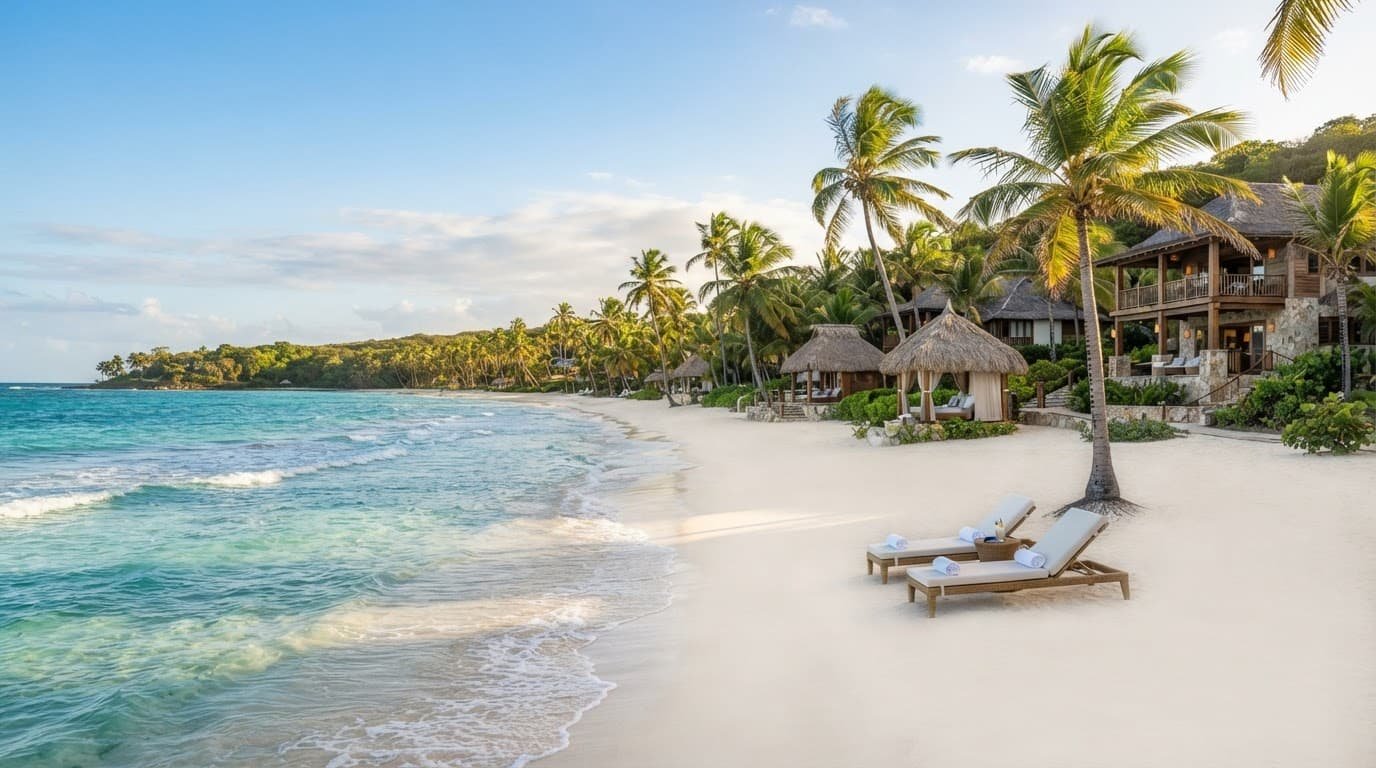

Pin It on Pinterest

Seraphinite AcceleratorOptimized by Seraphinite Accelerator
Turns on site high speed to be attractive for people and search engines.