
IneedMyVacation.com


13 Best Things to Do in Sardinia Italy for 2026: Hidden Beaches, Ancient Nuraghe & Coastal Hikes

The first time I stood above a secret Sardinian cove in late spring, the air smelled of wild thyme and sea salt. The water below was a sheet of liquid emerald, curled between pale cliffs. The only sounds were waves against rock and bees in the maquis. Moments like that are why I keep coming back to this island as a Sardinia cove‑hunter and nuraghe explorer writing for IneedMyVacation.com.

In 2026, the best things to do in Sardinia Italy 2026 line up perfectly with what many travelers crave now: slow Mediterranean escapes, eco-friendly trips that respect fragile coasts, quiet beaches you actually share with gulls, not crowds, and ancient stone towers that outdate Rome by more than a thousand years. New direct routes, including a headline New York to Olbia flight, make the island easier to reach, yet much of Sardinia still feels wild and local.

On one side there are Sardinia hidden beaches, from Costa Smeralda coves with water that looks edited, to UNESCO-protected bays you reach after a steady hike. On the other side, there are Bronze Age nuraghe, ghostlike mountain villages, deep canyons, and soft evenings in towns painted every shade of sunset. Across these 13 experiences you will find hidden coves, coastal hikes, caves, colorful villages, flamingos, and those strange stone towers scattered across the hills.

Every activity here sits in the same friendly price band, roughly 0 to 120 dollars. You can hike gorges and explore medieval streets for free, then splurge on one boat day or a guided archaeological walk without blowing your budget. For a bigger picture that ties routes and regions together, I keep an updated overview at my full Sardinia 2026 guide, blending my own trips with trusted sources like Lonely Planet’s Sardinia guide and official Italian tourism updates.

Book your 2026 Sardinia escape on Trip.com! Start now

Some links in this guide may earn a small commission at no extra cost to you. I only point to services I would use myself.


Why Sardinia Is 2026’s Hottest Mediterranean Secret
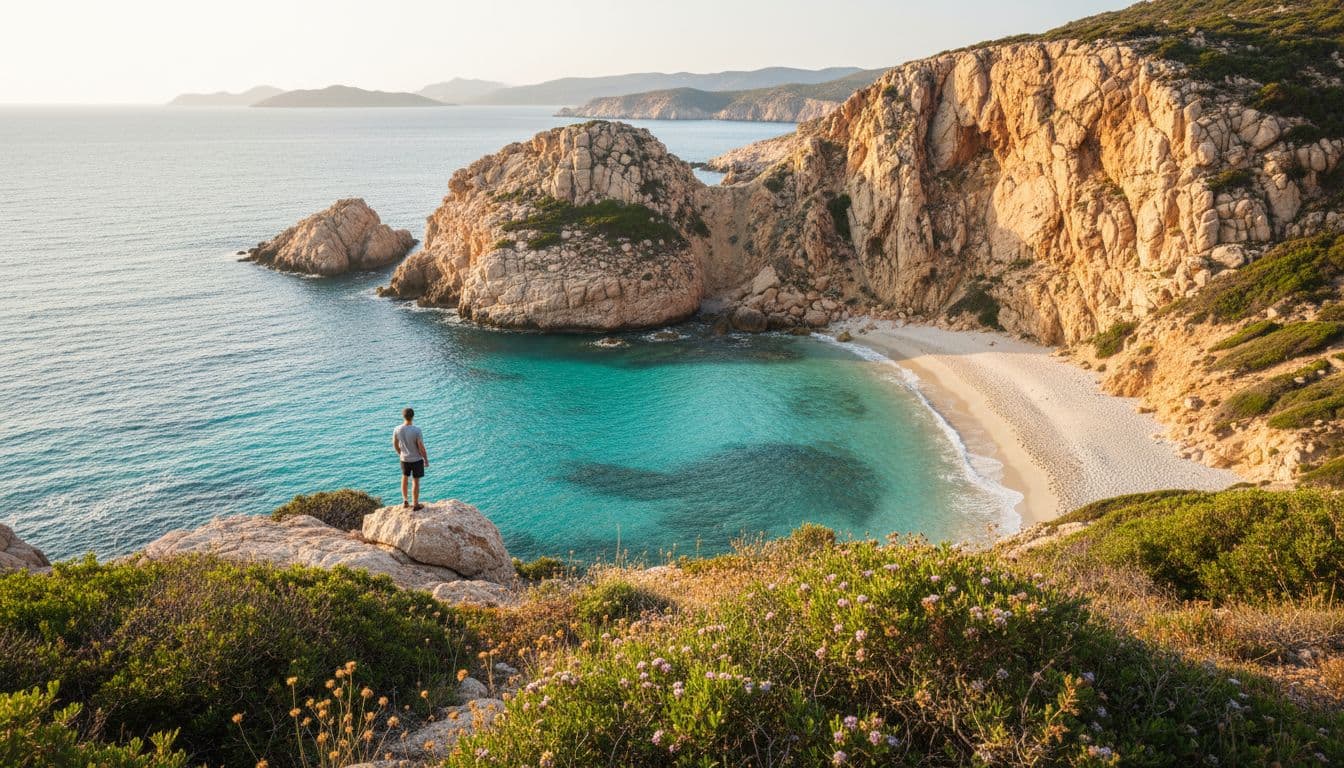
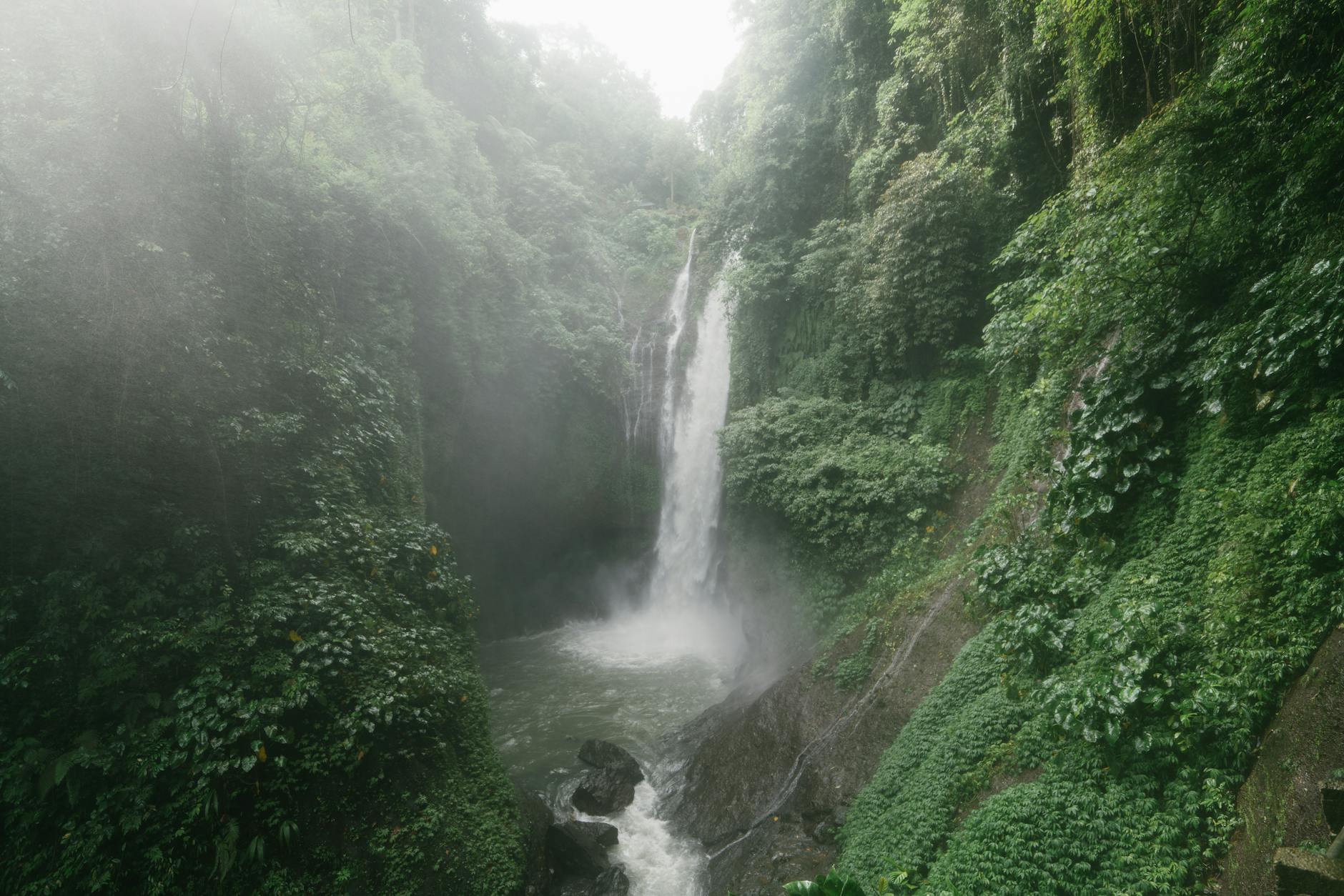
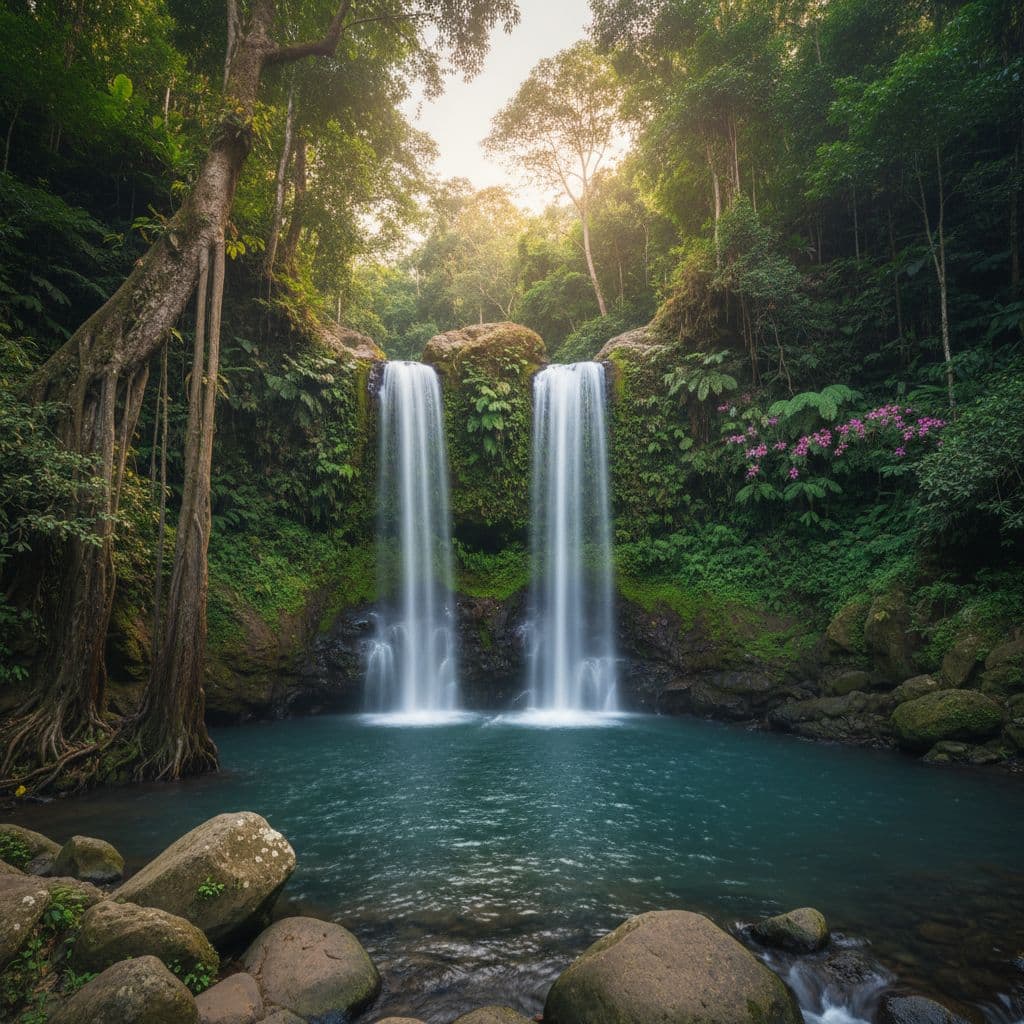
Hidden Sardinian cove with turquoise water under golden light
Hidden cove on the Sardinian coast in late spring, water glowing turquoise under soft light. Image created with AI.


When I look at travel trends for 2026, Sardinia keeps shining brighter. Searches are climbing, yet the island still feels calmer than many famous Mediterranean spots. That balance of rising access and low-key atmosphere is rare.

Slow travel fits Sardinia like a glove. Roads curl between cork forests and sheep fields, not mega-resorts. Many coastal towns are still small fishing places at heart. You can spend your morning at a turquoise bay, then eat ravioli filled with potato and mint in a village that shuts for a quiet siesta. Articles like this spring Sardinia guide keep pointing to the same thing: wildflowers, local festivals, and gentle walks beat nightclub noise for most visitors now.

When people ask me about the best things to do in Sardinia Italy 2026, I picture a map full of contrasts. There are the famous strips of Costa Smeralda, but step away and you find tiny coves where only goat bells break the silence. There are deep green valleys and cliffs over the sea, then a sudden Bronze Age stone tower like Su Nuraxi rising from the plain. Sardinia suits hikers, food lovers, families, and couples all at once.

Eco-tourism is picking up too. Travel writers and local hotels talk about hidden bays and quiet coastlines that reward patience, such as the lesser-known spots listed in this guide to Sardinia’s secret beaches. Terms like Sardinia hidden beaches 2026 are not just keywords. They describe a real shift, where visitors spread out across the island and choose shoulder season for space and softer light.

For hikers, the island is a playground of coastal trails, gorges like Gorropu, and mountain paths to ancient sites such as Tiscali Village. Many of these walks cost nothing more than a parking fee. History lovers can build whole days around nuraghe routes, helped by resources like this overview of nuraghi itineraries. Families and couples can enjoy easy beach days, kid-friendly snorkeling, and gentle town walks that end in gelato and sunset views.

Budget also stays realistic. A lot of top experiences, from hiking to wandering medieval streets, sit at 0 to 20 dollars per person. Even guided days, boat trips, and canyon hikes usually stay under 120 dollars if you share costs.

For readers who want exact numbers, I break this down in more detail in how to visit Sardinia on a 2026 budget.

For trip planning I still like to carry a physical guide, especially for mapped walks and small-town tips. A solid choice is a detailed Sardinia travel guidebook, which I use to sketch loop routes and find small, family-run places.

If you are ready to lock in your flights, you can find flights to Sardinia for 2026 and start piecing together your own island circuit.


Interactive Map of Sardinia’s Top 13 Places to Visit in 2026

Before we dive into each spot, I like to see the island at a glance. In my Sardinia 2026 map, I pin all 13 highlights from this guide, spread between the north, center, and south. You will spot Costa Smeralda coves, Cala Goloritzé on the east coast, Su Nuraxi di Barumini in the middle, and Alghero’s walled old town in the northwest.

The idea is simple. Zoom in, then group nearby pins for a smooth, eco-friendly road trip instead of zig-zagging the island. For example, you can cluster La Maddalena and Costa Smeralda in one base, then Dorgali, Cala Goloritzé, and Gorropu in another.

For popular tours and caves that often sell out in peak 2026 weeks, you can browse Sardinia tickets for 2026 and keep your main days locked in.


Best Hidden Beaches and Coastal Hikes in Sardinia for 2026
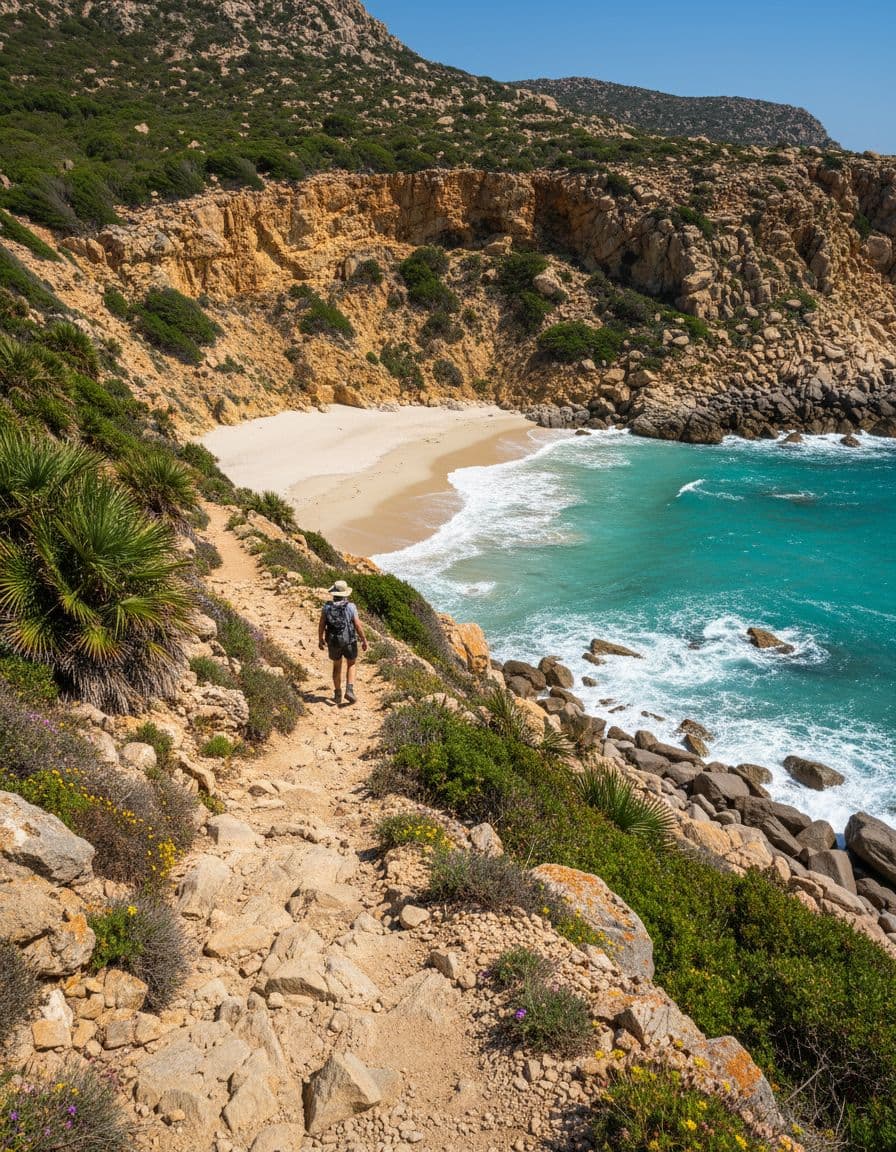
Hiker on a rugged coastal trail above turquoise water in Sardinia
Hiker following a rocky coastal trail that curves toward a hidden Sardinian beach. Image created with AI.


The coast is the pulse of any Sardinia trip for me. In 2026 I focus less on crowded beach clubs and more on quiet coves, where the loudest thing is cicadas in the scrub. Most of the places below are free to visit, with only small fees for parking or park access.

For these spots, I always pack light gear: reef-safe sunscreen, a compact towel, and more water than I think I need. A bottle with a simple portable water filter helps on hot hikes where fountains are rare.

Costa Smeralda’s Secret Coves and Emerald Water

On Costa Smeralda, I skip the headline beaches and slip down side paths instead. Spots like Spiaggia del Principe or tiny unnamed inlets near Romazzino feel like private pools at the right hour. In 2026 you can expect crystal water, pale sand, and some higher prices for parking and beach bars near the main roads, yet many small coves still feel raw if you go in May, June, September, or October.

The coves themselves are free. What you may pay for are boat shuttles or private parking, usually still under 20 dollars per day. I like to arrive before 10 a.m. or after 4 p.m. to skip crowds, and I swap bulky beach gear for a light quick-dry towel that barely takes space in my daypack.

Cala Goloritzé: Iconic Hike to a UNESCO-Protected Beach

Cala Goloritzé shows up on almost every list of the best things to do in Sardinia Italy 2026, and for good reason. The hike drops from the Golgo plateau through scrub and stone to a tiny cove under a sharp rock pinnacle, with water that looks unreal in midday light.

Access numbers stay controlled to protect the bay, and there is usually a small entry or park fee under 20 dollars. The path is rocky but clear; you need sturdy shoes, not flip flops. I start early to avoid full heat, move slowly on the way back uphill, and carry a bottle with a basic portable water filter for peace of mind on very hot days.

Open in Google Maps

Capo Testa’s Boulder Beaches and Lighthouse Views

Capo Testa, near Santa Teresa Gallura, feels like a natural playground of granite. Huge wind-shaped boulders lie scattered along the coast, form tiny sandy pockets and clear pools between them. I wander the informal paths, hop across smooth rocks, then head toward the lighthouse for a sunset that turns the whole headland gold.

Exploring Capo Testa is free and works well as a half-day walk. The terrain can be rough, so I treat it like a short hike and wear steady shoes. Strong sun bounces off the pale rock, so I keep a mineral-based reef-safe sunscreen in my pack to protect both my skin and the small coves where fish dart just a few meters from shore.

Open in Google Maps

Villasimius Marine Reserve Snorkeling and Easy Beach Days

Villasimius, on the south coast, is where I go when I want an easy beach day that still feels special. Shallow bays like Simius and Punta Molentis sit inside a protected marine reserve, with clear water, soft sand, and gentle entry that suits kids and tired legs.

Access is usually free, apart from parking fees or limited entry at Punta Molentis in peak season. Simple snorkel tours or boat trips stay under about 100 dollars per person in 2026. I like to visit in May, June, September, or early October, when the sea is warm but the sand is not packed. A basic mask-and-snorkel kit and that same quick-dry towel let me jump between beaches without filling the trunk.

Open in Google Maps


Ancient Nuraghe and Mysterious Mountain Villages
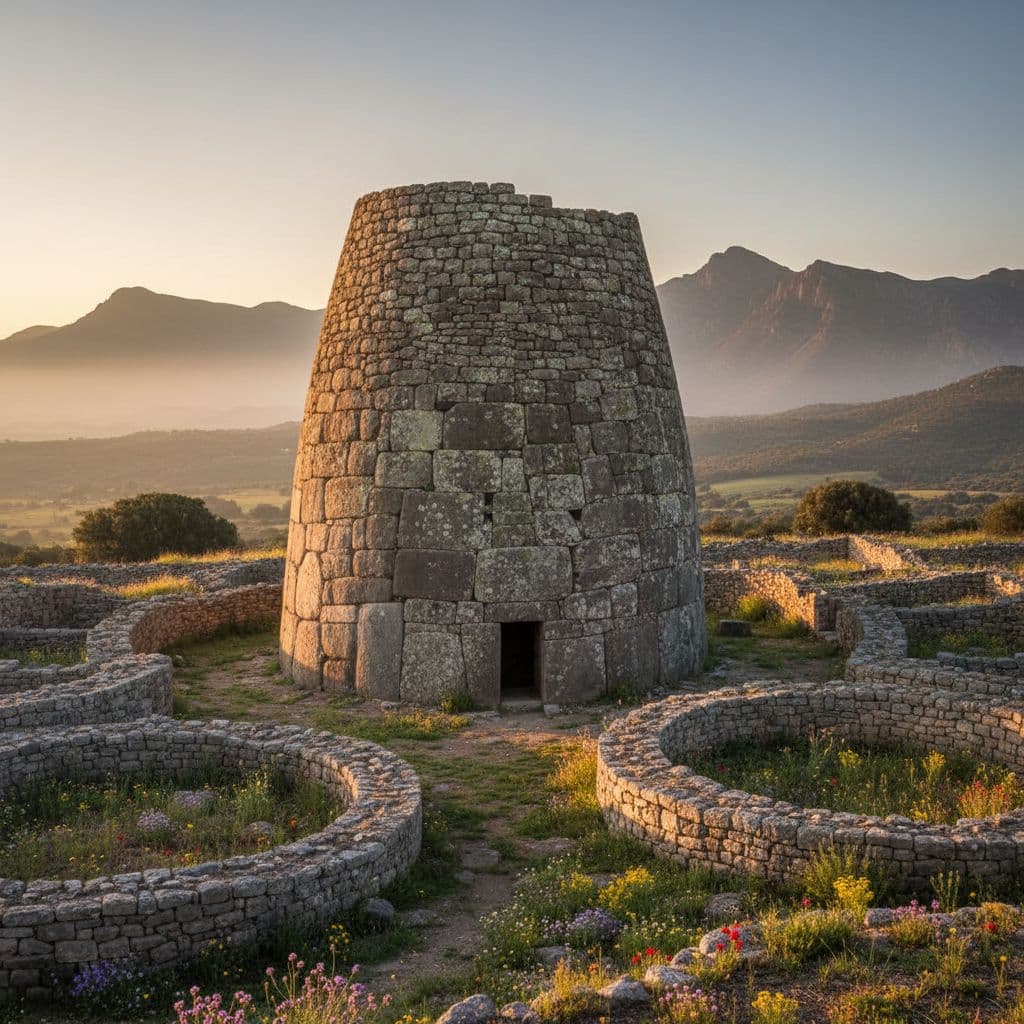
Ancient Nuraghe tower at dusk surrounded by ruins and wildflowers
Nuraghe stone tower in the Sardinian countryside at golden hour, with village ruins and wildflowers. Image created with AI.


Sardinia is not only about the coast. Long before Roman roads and medieval towers, the island was full of nuraghe, Bronze Age stone towers and villages built from huge blocks of rock. They rise from fields and ridges like giant beehives, some still partly buried, others carefully restored.

Walking into a nuraghe near sunset feels like stepping sideways in time. Light drops through narrow passages, stones hold old heat, and suddenly those shapes on the hillside become homes, storage rooms, and watchtowers in your mind. For 2026 travelers who want culture with their coastline, these are essential stops.

Most sites cost under 20 dollars, often including a short guided tour. Many sit close to small towns, making them easy day trips by rental car and ideal to mix with local lunches.

Two places stand out if you are short on days.

Su Nuraxi di Barumini: Sardinia’s UNESCO Stone Fortress

Su Nuraxi, a UNESCO site near Barumini, is the star of Sardinia’s nuragic story. From the outside it looks like a stone hill, but once you pass inside, a central tower and a ring of smaller towers appear, tied together with thick walls and passages.

On my last visit, a guided tour (included in a ticket under 20 dollars) lasted about an hour. We walked through tiny doorways, climbed safe internal stairs, and stood inside dim rooms while the guide explained daily life here 3,000 years ago. Kids loved the tunnels more than the theory. Nearby farm stays and small inns turn this into a perfect pause on a cross-island road trip, with local cheese and honey to taste once you leave the stones.

Open in Google Maps

Tiscali Village: Hidden Ruins Inside a Mountain Crater

Tiscali Village hides inside a huge limestone sinkhole in the Supramonte, reachable only by a moderate hike. The path crosses rocky slopes and holm oak woods, with views over canyons and distant peaks. When I stepped through the gap in the cliff for the first time, the world suddenly dropped away into a hollow chamber, with old stone hut walls clinging under a high rock arch.

This is not a flip-flop walk. Reasonable fitness, strong shoes, and steady steps are needed, especially for the last rocky sections. Entry fees and guided hikes stay under about 80 dollars per person. I found a light pair of hiking poles helpful on loose gravel, both uphill and downhill.

Open in Google Maps


Coastal Adventures, Caves, and Gorges You Will Never Forget

Sardinia’s wild side really shows when you trade the towel for a day pack and a sense of curiosity. This is where deep blue channels, secret caves, and silent gorges enter the picture. It is also where I recommend building in a few guided days, both for safety and for the stories you get from local skippers and mountain guides.

Most of these adventures sit in the 40 to 120 dollar range per person in 2026, depending on season and group size. Some, like Gorropu Gorge, can be free or low cost if you walk in on your own. Others, like Neptune’s Grotto in strong wind or the Maddalena islands in high summer, depend on sea conditions and need flexible timing. I always tell readers to double-check opening details and sea forecasts before setting plans.

La Maddalena Archipelago Boat Days and Island Hikes

A day out in the La Maddalena Archipelago feels like hopping through an open-air pool. Boats weave between low islands, the sea shifts from turquoise to milk-glass blue, and small beaches appear where rock meets sand.

My ideal day includes three parts: swimming stops in quiet coves, lunch on board or at a small port, and a short afternoon hike on La Maddalena or Caprera. Simple tours start around 50 dollars per person in 2026, rising to about 120 dollars for smaller groups or more special food and routes. Once you step onto the islands, the trails themselves are free, with views back toward the Sardinian mainland that look painted.

Open in Google Maps

Neptune’s Grotto: Dramatic Sea Cave Near Alghero

Neptune’s Grotto, near Alghero, is part cave tour, part dramatic viewpoint. I have visited both ways. By boat, you glide along the cliffs and slip into a sea-level opening, then follow a guided route through chambers filled with stalactites. On foot, you start at Capo Caccia and take a long staircase carved into the cliff, with dizzying sea views and many, many steps.

In both cases, there is a cave ticket cost that usually stays under 30 dollars. I always check sea forecasts and updated times before going, since waves can close the boat route. Pairing Neptune’s Grotto with an evening in Alghero old town turns it into a full and satisfying day.

Open in Google Maps

Gorropu Gorge: One of Europe’s Deepest Canyons

Gorropu (sometimes confused online as “Gorgonzola” gorge) is a great cleft in the Supramonte that swallows you between high white limestone walls. Once you drop from the trailhead into the canyon, noise falls away. Underfoot you find a dry riverbed of rounded stones, small pools after rain, and boulders that feel made for quiet picnics.

There are easier and harder ways in. In 2026 more guided options exist for different levels, often under 100 dollars with transport from nearby towns like Dorgali. Self-guided walkers usually pay a small access fee at the canyon entrance. This is a full-day outing. You need sturdy shoes, plenty of water, and patience on the climb back. I like to carry that same portable water filter so I can refill where safe and keep weight lower.
Open in Google Maps

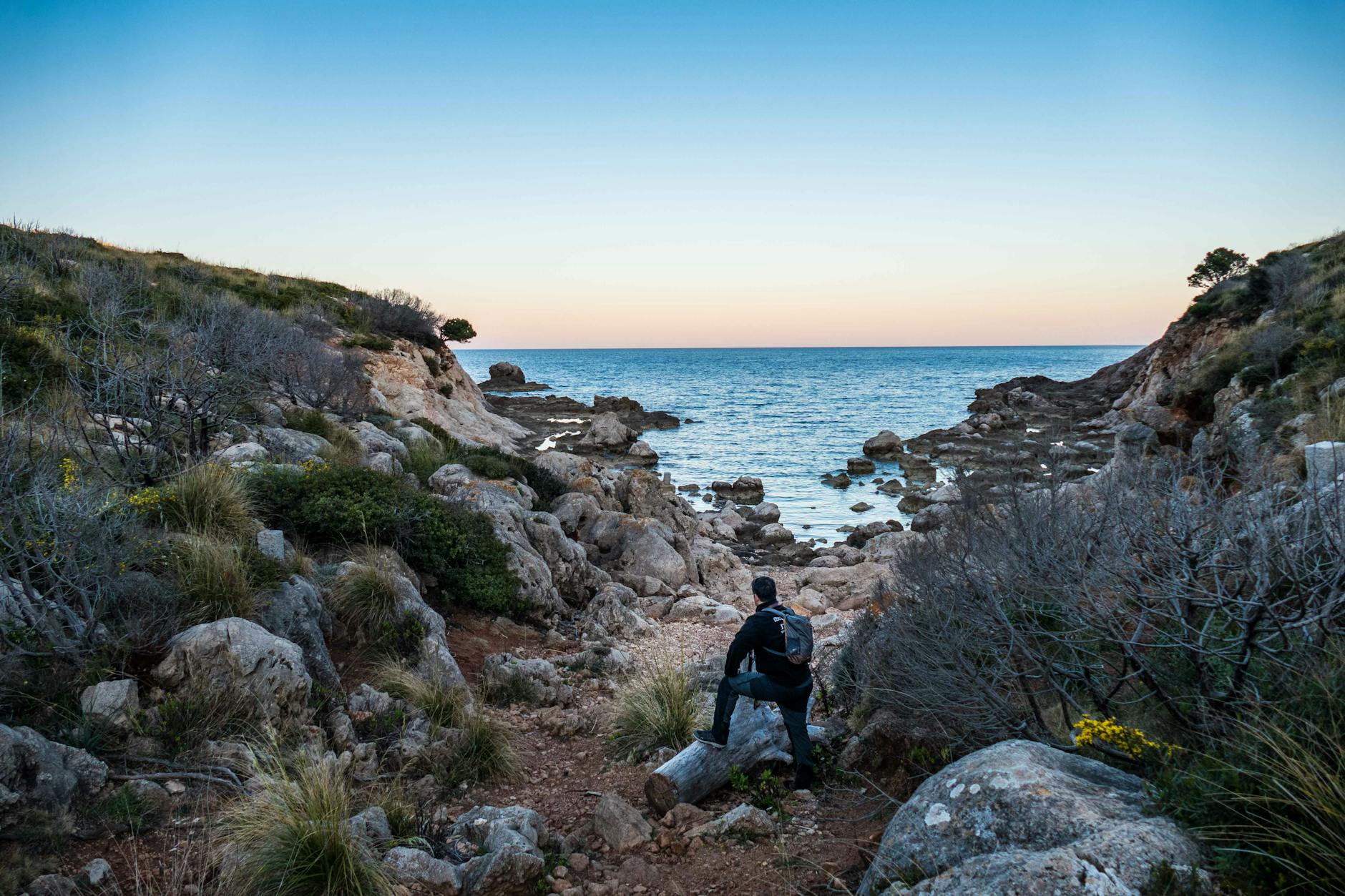
Hiker enjoying a rocky Sardinian beach at sunset
A hiker resting on a rocky Sardinian beach at sunset after a day of walking the coast. Photo by Laura Mor


Colorful Towns, Sunsets, and Flamingos: Sardinia’s Softer Side

Colorful hilltop village with medieval castle and sea view
Pastel houses climbing to a medieval castle in a Sardinian hilltop town at sunset. Image created with AI.


After long days on trails and in coves, I love Sardinia’s slower evenings even more. This is when towns light up, locals stroll, and sea walls fill with people looking toward the horizon. Glasses of Malvasia glow on tables, and kids play in narrow alleys while older neighbors talk on doorsteps.

Most of these town-based experiences are either free or low cost. You might pay a few euros for a castle entry, a small museum ticket, or a wine tasting under 40 dollars. Everything else, from watching street life to the sky changing color over the sea, costs nothing.

Alghero Old Town and Golden-Hour Sea Walls

Evenings in Alghero feel like a movie I never get tired of. I start in the old town, drifting between Catalan-style facades and small boutiques, then reward myself with gelato in a shady square. As the sun drops, I walk the sea walls, where fishermen lean on rails and couples sit on the stone, faces turned to the west.

The best parts of Alghero cost nothing: the light, the breeze, and the steady roll of waves against the walls. Extras, like a short harbor cruise or a drink at a rooftop bar, add a bit of sparkle without pushing the day over budget. Neptune’s Grotto fits perfectly as the daytime half of this same chapter.

Open in Google Maps

Castelsardo’s Hilltop Castle and Sea Views

Driving toward Castelsardo on the north coast, I always look for the moment when the hilltop appears. Houses in soft colors climb up toward a fortress, with the sea stretched out behind. Inside the village, lanes twist uphill past small churches and craft shops that sell woven baskets and ceramics.

A visit here can be as easy or as detailed as you like. Castle entry is low cost and comes with views across the sea and toward Asinara island on clear days. Browsing the shops and leaning on the walls is free. This is one of my favorite “rest days” between long hikes, because it still feels rich without working your legs too hard.

Open in Google Maps

Bosa’s Rainbow Houses and Malvasia Wine Tasting

Bosa sits on the Temo River, with pastel houses stacked against the hill and a castle watching from above. I like to wander the riverside first, then climb toward the castle for wide views over roofs and vineyards. On the way down, narrow lanes reveal doorways painted bright blue or pink, with tiny balconies spilling geraniums.

Malvasia wine is part of Bosa’s character. It tastes gently sweet, with notes of honey and dried fruit that pair well with local desserts or simple cheese plates. Several small producers offer short tastings at fair prices, often under 20 dollars. Bosa works either as a day trip from the west coast or as an overnight pause on a longer coastal drive.

Open in Google Maps

Cagliari’s Historic Streets and Pink Flamingos

Cagliari feels like a natural first or last stop on many Sardinia trips. The Castello quarter climbs above the harbor, packed with churches, lanes, and viewpoints. In the early evening, locals join the passeggiata, drifting between bars and squares while the heat lifts.

What I love most is how easy it is to add nature to a city day. The Molentargius salt ponds sit just outside town, with paths and lookouts where pink flamingos often feed, especially in spring and fall. City walks are free, and a simple tram ticket or bike rental to the flamingo reserve stays low cost. I often spend my final Sardinia day here, letting the rhythm of the city ease me out of island time.

Open in Google Maps


Insider Sardinia Tips to Make 2026 Travel Easier

Planning Sardinia for 2026 can feel smoother if you think like a slow traveler from the start. The island is large, with winding roads and plenty of choices, so I like to keep both my packing and my route simple.

A few ideas save money and stress:

  • Travel in May, June, September, or early October for lower prices and lighter crowds.
  • Mix free or low-cost hikes with one or two paid boat days or guided tours.
  • Stay 3 to 4 nights in each base instead of changing hotels every day. This supports small guesthouses and cuts driving time.
  • Prebook only the things that really sell out, such as special caves or key nuraghe tours.

For deals and packages that bundle stays without locking you into rigid tours, I keep a short list at my favorite Trip.com hotel and package deals for Sardinia 2026, which I update as new offers appear.

Smart Packing List for Sardinia 2026

I try to travel with one checked bag at most, sometimes just a carry-on. For Sardinia, these items earn their place every time:

  • Light layers: T-shirts, a linen shirt, and a thin sweater for windy evenings.
  • Comfortable shoes: One pair for hikes, one for towns.
  • Reef-safe sunscreen: I like a mineral option such as this reef-safe sunscreen.
  • Compact towel: A small quick-dry towel that works for both beaches and gorges.
  • Portable filter bottle: A simple portable water filter keeps plastic waste down on long hikes.

Getting Around Without Losing Time

Driving opens the island in a way buses cannot match, especially in shoulder season. Still, you can mix modes.

Simple tips:

  • Fly into Olbia or Cagliari, then pick one or two bases north and south.
  • Use local buses and trains for big town hops, like Cagliari to Oristano.
  • Rent a car for 3 to 7 days in the middle of your trip for hidden beaches, nuraghe, and hikes.
  • Avoid packing your schedule with too many hotel changes; this eats days fast.

For key archaeological entries that you know you want, it is wise to reserve Su Nuraxi tickets early, especially on weekends or in school holiday periods.


When to Visit Sardinia in 2026 and Seasonal Highlights

Choosing when to visit Sardinia shifts the whole feel of your trip. The island has clear seasons, each with its own rhythm. For most travelers focused on the best things to do in Sardinia Italy 2026, shoulder periods offer the sweetest balance of weather, price, and calm.

Late April to June brings wildflowers, cooler hiking temperatures, and early swims. Paths to Cala Goloritzé or Tiscali feel fresh and green, and inland nuraghe sit under bright yet gentle light. Some smaller seaside services may not be in full swing in April, but by late May most cafes and beach bars are open.

July and August are hot, busy, and more expensive. These months suit visitors who want lively nights in places like San Teodoro or Villasimius, and long beach days with plenty of buzz. Hidden coves are still possible if you start early, but parking fills fast and some famous spots now cap entries. Many locals and repeat travelers avoid long mountain hikes at midday in this period.

September and October might be my favorite stretch. The sea is warm, grape harvests and small festivals dot the countryside, and crowds thin out. Parking at quiet bays gets easier, and conversations with locals feel less rushed. This is also a great time for longer loops that mix coast and inland, since temperatures drop just enough for comfortable walking.

Winter has its own charm for slow travelers and digital workers. Many coastal services reduce hours, yet towns and cities keep their everyday life. Flights and stays can drop in price, though you trade beach days for local food, museums, and moody coastal walks.

If you can be flexible with dates, play with a few options to compare Sardinia hotel deals by season. Shifting arrival or departure by a few days often makes a real difference.

For most first-time visitors planning the best things to do in Sardinia Italy 2026, I suggest May, June, September, or early October. Those weeks give soft light, good sea temperatures, friendlier prices, and more room at the hidden spots that make the island special.


Sardinia 2026 FAQ

How many days do I need in Sardinia for a first trip in 2026?

For a first trip, I like 5 to 7 days as a minimum. That gives you time for two main areas, such as a few nights near Olbia for Costa Smeralda and La Maddalena, then a block in Alghero or Cagliari. With 10 to 14 days, you can slow down, add nuraghe sites like Su Nuraxi, and fit in mountain hikes to Gorropu or Tiscali. A simple structure is two or three bases with day trips around each.

Do I need a car to see Sardinia’s hidden beaches and nuraghe?

A car helps a lot if you want secret coves, Gorropu, Su Nuraxi, and Tiscali. Buses cover some routes, but schedules can be thin outside peak season, especially for rural stops and mountain trailheads. Some travelers use public transport for big town hops, then rent a car for a shorter window focused on remote beaches and archaeological sites.

Is Sardinia expensive in 2026?

Sardinia can feel pricey in July and August, when hotel prices jump and some boat tours rise with demand. In May, June, September, and October, costs drop and many of the best experiences, like hikes, village walks, and sea-wall sunsets, are free. Most activities in this guide sit between 0 and 120 dollars per person. Booking flights and key stays early, then mixing free days with one or two “big” experiences, keeps budgets comfortable.

What is the best base to explore Sardinia’s top sights?

I usually suggest two or three bases. For the north and Costa Smeralda hidden beaches, Olbia or nearby towns work well. For hikes and Cala Goloritzé, Dorgali or Cala Gonone make sense. Alghero is a great base for Neptune’s Grotto and west coast drives to Bosa or Castelsardo. In the south, Cagliari or Villasimius cover both city life and the marine reserve. Keeping each base for at least three nights cuts travel stress.

Is Sardinia safe for solo or family travel?

Sardinia feels generally safe, both for solo travelers and families. Violent crime is rare, and most issues are small things like sunburn, heat, or the odd pickpocket in busy markets. I use common sense: watch valuables in crowds, keep an eye on the car in beach parking lots, carry enough water and a hat on hikes, and follow local signs about currents or jellyfish at beaches. With those basics, trips run smoothly.


Conclusion

I still think about that first hidden cove, the herb-scented air, and the way the sea below looked painted. Even after many trips, Sardinia keeps surprising me with new corners: a quiet Costa Smeralda inlet at sunrise, a nuraghe I had not seen before, a village festival where everyone seems to know each other.

In this guide I pulled together 13 of the best things to do in Sardinia Italy 2026, grouped into four moods: hidden beaches and coastal hikes, nuraghe and mountain villages, boat and cave adventures, and soft evenings in colorful towns with good wine and easy walks. Think of this list as a flexible toolkit, not a strict checklist. You can pick the pieces that fit your pace and build your own slow Mediterranean escape.

To start planning, book your 2026 Sardinia escape on Trip.com and let the hidden coves, nuraghe, and flamingos wait for you. plan your Sardinia 2026 package


© 2026 IneedMyVacation.com. All rights reserved.


14 Best Things to Do in Okinawa Japan for 2026: Snorkel Bays, Island Hop & Hidden Ryukyu Ruins


14 Best Things to Do in Okinawa Japan for 2026: Snorkel Bays, Island Hop & Hidden Ryukyu Ruins

The first time I slid off a boat into Kerama Blue, I remember the exact feeling. Mask fogging slightly, breath echoing in my ears, and a whole garden of coral opening below me in turquoise water so clear it felt like flying. If you are looking for the best things to do in Okinawa Japan 2026, that is the moment I want you to remember when you land.

As an Okinawa reef chaser and Ryukyu castle hunter for IneedMyVacation.com, I have spent years island hopping this southern chain. I keep coming back for the same mix that keeps travelers hooked in 2026: bright coral bays, sleepy islands, and weathered stone walls from the old Ryukyu Kingdom that once traded with China and Southeast Asia. Here, Japan feels tropical and relaxed, with palm trees, taco rice, and sanshin music instead of neon and subway rush.

Okinawa sits far south of Tokyo, closer to Taiwan than to Hokkaido. The vibe is softer and slower. People linger at family restaurants. Kids play on coral sand beaches. In 2026, the island chain is extra special. The rebuilt Shurijo Castle is rising after the 2019 fire, marine protection is tightening around places like the Kerama and Yaeyama Islands, and more travelers are choosing remote island escapes and wellness focused trips instead of crowded city breaks.

In this guide I am sharing 14 hand picked experiences that I actually do, over and over. Every one fits in the 0 to 150 dollar range, from zero cost sunsets to snorkel tours and glass bottom boats. I will point you to a simple custom map, budget friendly ideas, and easy planning tips so you can mix reefs, ruins, good food, and quiet moments that let Okinawa’s Ryukyu soul sink in.

Book your 2026 Okinawa escape on Trip.com!

Start now

This post contains affiliate links. If you make a purchase through these links, we may earn a commission at no extra cost to you.


Okinawa’s Turquoise Reefs & Ryukyu Soul in 2026

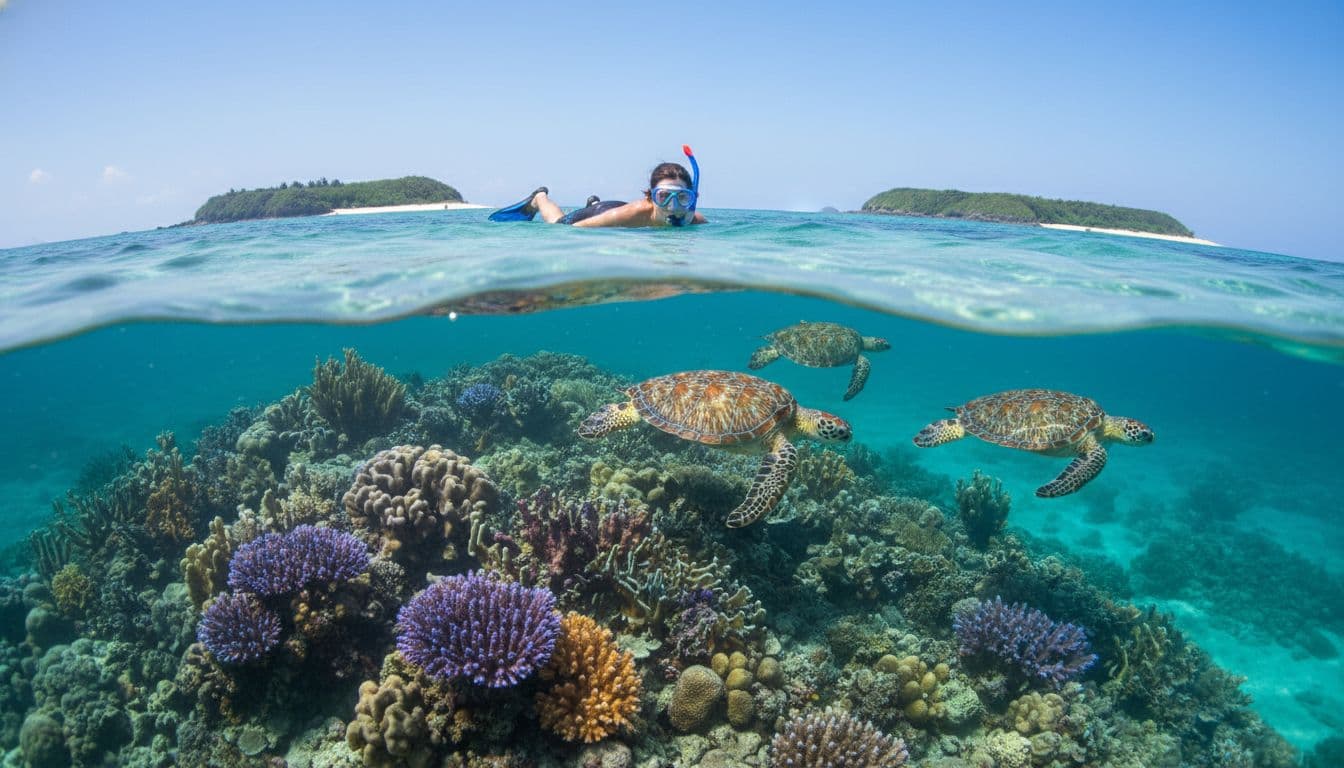
Snorkeler in turquoise Kerama waters with sea turtles
Snorkeling over “Kerama Blue” reefs in Okinawa’s outer islands. Image created with AI.

Okinawa feels like Japan’s tropical secret. Palm trees line the streets, hibiscus flowers lean over low stone walls, and the water glows in layers of blue and green. If you have only seen Tokyo or Osaka, arriving in Naha can feel like crossing into a calmer, saltier version of the country.

Life moves slower here. Locals catch up over bowls of Okinawa soba. Kids jump from small harbor piers. At night, someone almost always has a sanshin (three stringed lute) in a bar on Kokusai Dori, singing in a mix of Japanese and old Ryukyu words.

2026 is a turning point year. Shurijo Castle, once the proud red palace of the Ryukyu kings, is returning after the fire in 2019. New sections open as work continues, so you see both bright new lacquer and old stone. In the water, protected zones around the Kerama Islands and the far flung Yaeyama Islands are getting more attention, with guides focusing more on reef safety and respectful encounters with sea turtles and big fish.

Travelers are catching on. More people are adding Okinawa to multi city Japan routes, mixing Tokyo food crawls with three to seven days of island time. Official travel pages like Travel Japan’s Okinawa guide highlight the chain as a subtropical break with its own history, music, and food. Tour companies are also seeing rising demand for Okinawa add ons in 2025 and 2026, with routes that include both city stops and days by the sea, as shown in packages on sites like All Japan Tours.

A few reasons I like Okinawa for 2026:

  • Warm water much of the year, with good snorkeling from around April into November.
  • Frequent domestic flights from Tokyo, Osaka, Fukuoka, and beyond.
  • Plenty of free or low cost sights: beaches, viewpoints, ruins, and coastal walks.
  • A broad mix of moods, from bustling Naha to quiet capes and far off islands.

I also love how easy it is to keep things gentle on the reefs. I always pack reef safe sunscreen, a rash guard, and a simple mask and snorkel. I never stand on coral, and if a turtle swims close, I let it pass without reaching out. Many local guides now talk about coral health and ask guests to float calmly above the reef.

If you want more structured days, land tours around Okinawa’s main island and outer isles are easy to find. Operators like those featured on Okinawa land tours pages mix history, food, and coastal scenery in one day, which works well if you are short on time.

For flights, I like keeping it simple. Find Okinawa flights on Expedia.com

here

In the next sections I will share a custom map, then go straight into the 14 best things to do in Okinawa Japan 2026 so you can blend reefs, ruins, and rest in a way that fits your style.

Why Okinawa Feels Different From Mainland Japan

Okinawa once formed the Ryukyu Kingdom, a separate state that traded with Japan, China, and Southeast Asia. That past still shapes daily life. You hear different words, see different roof tiles, and taste completely different dishes.

The local food is hearty and homey. I always look for:

  • Goya champuru, a stir fry with bitter melon, tofu, and pork or spam.
  • Taco rice, a post war comfort dish with seasoned ground meat, lettuce, tomato, and cheese over rice.
  • Awamori, Okinawa’s strong spirit, often sipped with water and ice.

The climate is subtropical. Winters are mild, more like cool spring days in Tokyo. In summer, humidity wraps around you as soon as you step outside. It feels a bit like a smaller, Japanese flavored Hawaii, with beaches never far from daily life.

Compared with cities like Tokyo or Osaka, where trains hum and lights flash late into the night, Okinawa’s pace is softer. You can wake up, have an easy breakfast, float in the sea, then visit a castle ruin and still have time for an early dinner. That mix of culture and beach time in one trip is what makes Okinawa so strong for 2026.

2026 Travel Trends: Reefs, Remote Islands, and Wellness

By 2026, many travelers are done with crowded city trips. More people want space, nature, salt water, and simple food. Okinawa fits this shift in a few key ways.

  • Sustainable coral tourism: Guided snorkel tours now focus on not touching coral, keeping fins up, and using eco friendly sunscreen.
  • Remote island escapes: Islands like Zamami, Tokashiki, Miyako, and Ishigaki offer digital detox energy, with patchy signal in some spots and long, quiet beaches.
  • Wellness centered travel: It is very easy to build days around sunrise swims, slow drives to capes, hot baths, and early nights.

I like to think of Okinawa as a reset button. After a few days of early swims, simple meals, and soft sunsets, most people feel lighter. That is exactly the mood many travelers are chasing in 2026.

Practical Reasons to Add Okinawa to Your Japan Trip

Here are simple, skimmable reasons Okinawa fits into a broader Japan plan:

  • Frequent domestic flights from major cities.
  • No extra visa step if you already enter Japan normally.
  • Many beaches, viewpoints, and ruins are free or very cheap.
  • Mild winters, good for hikes and views even if you skip swimming.
  • Family friendly picks like Okinawa Churaumi Aquarium and shallow beaches.

If you like to read ahead, I often toss a small guidebook into my bag. One I like is this Okinawa travel guide:

Buy on Amazon


Your Custom Okinawa Island Map

In the full guide, I include a custom Google My Map with 14 pins, one for each experience I share below. I group them into simple clusters so planning routes is easier: southern main island (Naha, Shurijo, Sefa Utaki, Peace Memorial Park), central (Yomitan, Nakagusuku), northern (Cape Manzamo, Churaumi, Cape Hedo), and outer islands (Kerama Islands, Zamami, Ishigaki, Kabira Bay, Miyako).

Save the map on your phone and download it offline if you can. Then you can build a 3, 5, or 7 day route by drawing little loops around the pins, fitting two or three close by sights into one easy day.

Book Okinawa hotels on Trip.com

here


Top 14 Okinawa Experiences for 2026: Reefs, Islands, and Ryukyu Ruins

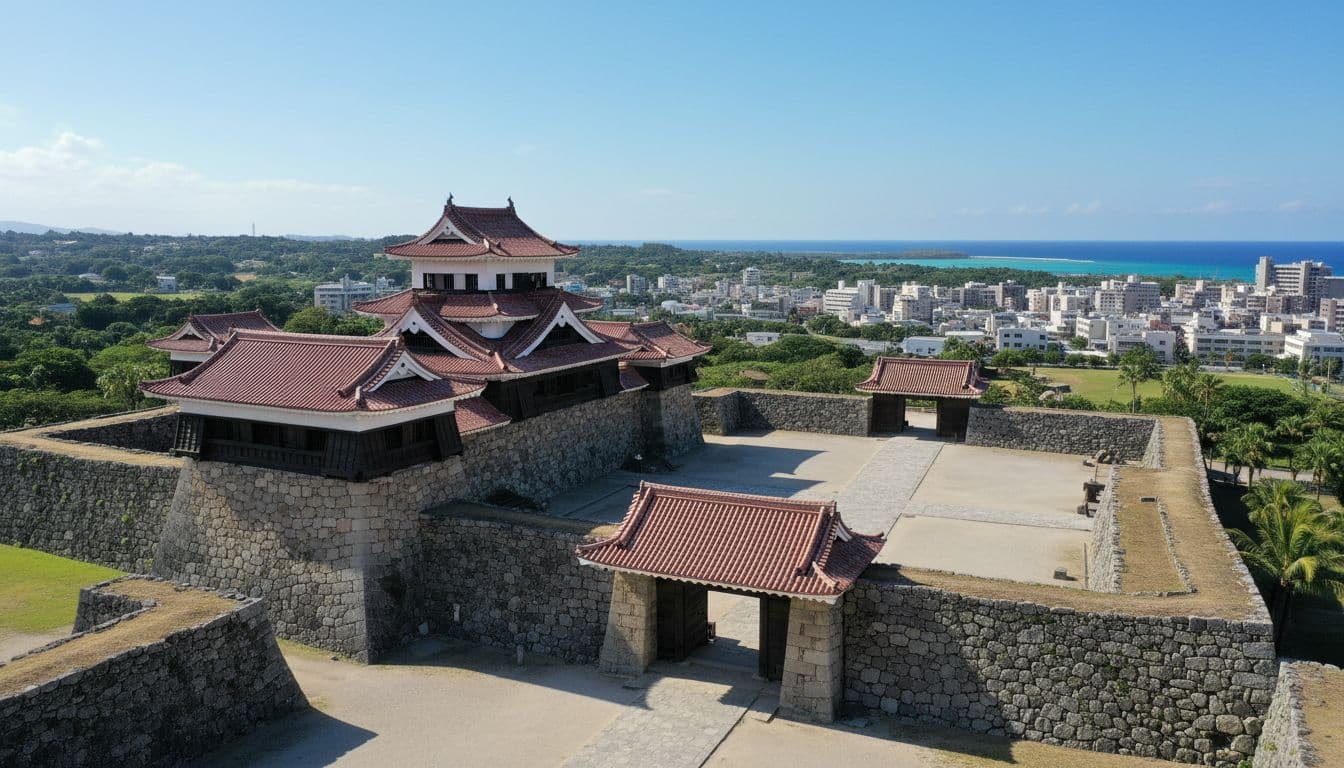
Rebuilt Shurijo Castle overlooking Naha city
Reborn Shurijo Castle glowing above Naha in 2026. Image created with AI.

Here is my personal list of the 14 best things to do in Okinawa Japan 2026, all tested over years of reef swims and castle walks. Every item includes a quick feel, rough cost, and best timing.

1. Snorkel Kerama Blue in the Kerama Islands

Snorkeling the Kerama Islands is pure Okinawa snorkeling 2026 magic. You ride a ferry or speedboat from Naha to islands like Zamami or Tokashiki, then drop into clear, bright water. Coral heads rise like underwater bouquets, and sea turtles glide through beams of sunlight.

  • Rough cost: 60 to 120 dollars for a day tour with gear.
  • Best time: Around April to October, with calmer seas in late spring and early autumn.

Always use reef safe sunscreen, follow your guide, and keep your fins off the coral. Beginners can join guided tours, wear life vests, and simply float across the reef.

Open in Google Maps

2. Visit Reborn Shurijo Castle and Its Ryukyu Past

Shurijo Castle is the red heart of the old Ryukyu Kingdom. After the 2019 fire, seeing it in 2026 feels emotional. You walk through gates, pass stone guardian lions, and look out across Naha from a high hill. Some parts are freshly rebuilt, others are still under careful work, so you sense both loss and renewal.

Plan time to explore the courtyards, small museums, and stone walls. Stand at the top and picture the days when this was a busy hub between Japan, China, and Southeast Asia.

Open in Google Maps

3. Drift With Giants at Okinawa Churaumi Aquarium

Okinawa Churaumi Aquarium is a must for ocean lovers and families. The Kuroshio Sea tank is huge, with whale sharks and manta rays looping in deep blue water. You can watch them from a wide viewing window and from a café space that feels like a quiet theater.

  • Rough cost: around 20 to 25 dollars per adult.
  • Best time: year round, but mornings or late afternoons are calmer than midday bus hours.

Pair your visit with nearby beaches or a stop at Cape Manzamo. Outside, open air pools and tanks let you see dolphins and sea turtles, and the displays connect back to the wider Okinawa reef system.

Open in Google Maps

4. Catch a Golden Cape Manzamo Sunset

Cape Manzamo is one of those simple stops that sticks with you. A short coastal path takes you to viewpoints over steep cliffs and the famous rock that looks like an elephant trunk. At sunset the light drops into the East China Sea and paints the water gold.

This stop is cheap, easy, and works for almost any traveler. Come a little early to find a good photo spot, then watch the sky change. Earlier in the day, you can swim at nearby beaches or visit Churaumi Aquarium.

Open in Google Maps

5. Island Hop Around Ishigaki and the Yaeyama Islands

Ishigaki is my favorite base for exploring the Yaeyama Islands. Ferries fan out from the main port to spots like Taketomi, with its sandy lanes and water buffalo carts, and Iriomote, with dense jungle and mangrove rivers.

In 2026, more travelers are choosing longer stays here so they can slow down. I suggest at least two full days: one for island hopping, another for snorkeling or a short hike. Bays are calm, the water glows turquoise, and cafés keep you fueled between ferry runs.

Open in Google Maps

6. Glide Over Kabira Bay on a Glass Bottom Boat

Glass bottom boat gliding over turquoise bay
Boat passing above a sunken wreck in clear Okinawa water. Photo by 沖縄ダイビングスクール ワールドダイビング

Kabira Bay on Ishigaki is famous for its layered shades of blue and green. You cannot swim here, which surprises some people, but you can still enjoy the underwater life from a glass bottom boat.

Tours are short and simple, usually under an hour, and cost stays well under 50 dollars. Midday sun lights up the sand and coral below, so the view through the glass feels like watching a live reef movie. This is perfect if you are not ready to snorkel, or if you travel with small kids or older parents.

Open in Google Maps

7. Climb Through Nakagusuku Castle Ruins

Nakagusuku Castle is one of my top Ryukyu ruins for quiet walks. Curved stone walls hug a hillside, and you can look out over the sea and cities below. Compared with Shurijo, this site feels calm, with far fewer crowds.

There is a small entrance fee, and you will either drive or take a bus then walk. Late afternoon is lovely, when the sun softens and shadows slide across the walls. Bring water, good shoes, and time to just sit on the stone and breathe.

Open in Google Maps

8. Shop, Snack, and Sip Awamori on Kokusai Dori

Kokusai Dori, or International Street, is Naha’s lively spine at night. Neon signs flash, awamori bottles line bar shelves, and you can find everything from simple snack stalls to live music venues.

I like to wander, grab small plates like sata andagi (Okinawan donuts) or taco rice, then stop in a bar with live sanshin. Awamori tastings are common, but keep an eye on your budget by sharing drinks and dishes with friends. If you rent a car, never drink and drive, use taxis or walk instead.

Open in Google Maps

9. Join a Whale or Big Fish Snorkel Trip From Zamami Island

Zamami Island offers some of the boldest boat trips within my 0 to 150 dollar range. In winter months, tours focus on whale watching, while in warmer seasons they may target big fish snorkel spots around offshore reefs. Rules change over time, so always check current guidelines and pick licensed operators.

Sea conditions can get choppy, so bring motion sickness pills if you are prone to it. Listen closely to your guides about how close you can get to animals and how to move in the water. Respect keeps both you and the wildlife safe.

Open in Google Maps

10. Explore Yomitan’s Pottery Village and Coastal Cliffs

Yomitan balances art and sea views in one easy half day. The pottery village holds small studios where you can browse plates, mugs, and bowls, many in soft ocean inspired glazes. Some places offer short workshops if you want to try the wheel.

Afterward, I like to drive out to the nearby coast, where cliffs drop into blue water and small beaches hide between headlands. It is a gentle shift from reef days, and you go home with something useful instead of a plastic keychain.

Open in Google Maps

11. Feel the Sacred Calm at Sefa Utaki

Sefa Utaki is one of the most sacred sites in the Ryukyu tradition. Paths wind through leafy forest and rock formations, and certain points look out over the sea in a way that feels like standing inside a natural chapel.

Dress modestly, speak softly, and follow signs. This is still a place of deep meaning for many locals. The walk is not long, but the air feels thick and still, a strong balance to the more touristy side of Okinawa.

Open in Google Maps

12. Swim and Relax on Miyako Island’s White Sand Beaches

Miyako Island holds some of the most photogenic beaches in all of Japan. Yonaha Maehama stretches in a long sweep of white sand, while Sunayama has a rock arch that frames the sea like a painting.

Days here slide into a gentle rhythm: morning swims, café lunches, sunset drives to bridges and viewpoints. The water is usually calm, but always watch for currents and wear reef friendly footwear if you walk near rocks. Late spring to late autumn is best for clear water, with winter still mild but cooler for swimming.

Open in Google Maps

13. Stand at Japan’s Edge at Cape Hedo

Driving north through Yanbaru forest to Cape Hedo feels like crossing into wild country. The road twists through deep green hills, then ends at rugged cliffs where the East China Sea and Pacific Ocean meet.

The viewpoint has railings and clear paths, but the wind can be strong, so bring a light layer and secure your hat. Photographers love this stop, and you can pair it with small hikes or café breaks in Yanbaru on the way back.

Open in Google Maps

14. Reflect at Okinawa Peace Memorial Park

Okinawa Peace Memorial Park sits on a bluff above the sea, full of stone walls, quiet paths, and engraved names of those who died in the Battle of Okinawa. The museum explains the brutal fighting and the long impact on local life.

I always walk here slowly, read some plaques, and sit for a while facing the water. It is heavy, but I think it is important to pair beach days with one visit that connects you to Okinawa’s war history and the strong wish for peace that runs through local culture now.

Open in Google Maps

Use a Quick Comparison Table to Plan Your 14 Experiences

Okinawa sunset coastline paradise

To help you match your budget and travel month to the right mix of activities, here is a simple comparison table. On a phone, you can scroll it sideways. Use it to pick a couple of reef days, a ruin day, and some softer scenic stops that all fit your time and budget.

RankActivityCost (approx.)Best TimeMap
1Snorkel Kerama Blue$60–$120Apr–OctOpen
2Shurijo Castle$5–$10Year roundOpen
3Okinawa Churaumi Aquarium$20–$25Year roundOpen
4Cape Manzamo Sunset$0–$5Year roundOpen
5Ishigaki & Yaeyama Island Hopping$40–$120Apr–NovOpen
6Kabira Bay Glass Bottom Boat$15–$30Apr–NovOpen
7Nakagusuku Castle Ruins$3–$6Year roundOpen
8Kokusai Dori Night Walk$0–$40Year roundOpen
9Zamami Whale / Big Fish Trip$80–$150Dec–Mar (whales), Apr–Oct (snorkel)Open
10Yomitan Pottery & Coast$0–$50Year roundOpen
11Sefa Utaki$3–$6Year roundOpen
12Miyako Island Beaches$0–$20Apr–NovOpen
13Cape Hedo$0–$5Year roundOpen
14Okinawa Peace Memorial Park$0–$10Year roundOpen

For gear, I like packing my own sun friendly basics, including reef safe sunscreen:

Buy on Amazon


Insider Tips to Explore Okinawa Like a Local in 2026

Okinawa rewards slow, simple planning. Here are the habits I use to keep costs down, crowds low, and reef time high.

1. Plan Your Okinawa Seasons Around Reefs and Typhoons

Seasons shape your days a lot.

  • Late spring (around May) and early autumn (late September to early November) give warm water, clear air, and fewer typhoons.
  • Peak summer is hot and humid, with stronger sun but also more local festivals and school holidays.
  • Winter is mild, fine for capes and ruins rather than long swims, though whale watching shines from around December to March.

If your dates are fixed, do not stress. You can still find good water windows on most trips by watching local forecasts and staying flexible.

2. Rent a Car and Use Ferries for Island Freedom

On the main island, renting a car makes your life much easier. Buses exist, but they can be slow for beach hopping and remote ruins. In Okinawa you drive on the left side, and roads are usually forgiving once you get out of central Naha.

Ferries connect you to side trips: Tokashiki or Zamami for Kerama Blue, Ishigaki for Yaeyama, Miyako for quiet beach days. In busy months or holidays, book boats in advance. I always pick one or two clusters instead of trying to see every island in one short visit.

To keep my phone safe on boats and beaches, I like using a waterproof phone case:

Buy on Amazon

3. Pack Light but Smart for Snorkel and Island Days

Okinawa feels better when you are not dragging heavy bags. For water days I always pack:

  • Rash guard or long sleeve swim top for sun protection.
  • Reef safe sunscreen and lip balm.
  • Quick dry towel.
  • Water shoes or simple reef safe sandals.
  • Mask and snorkel if you like your own fit.

A compact snorkel set pays off fast if you swim often:

Buy on Amazon

4. Respect Local Culture, Nature, and Sacred Sites

Okinawa’s charm depends on both coral health and cultural respect. Simple habits help:

  • Stay on marked paths at ruins and sacred sites.
  • Keep voices low at Sefa Utaki and in smaller village temples.
  • Do not touch coral, sea turtles, or other wildlife, even if they swim close.
  • Take your trash with you, especially from beaches and capes.
  • Support small local places when you buy snacks, crafts, and drinks.

These small choices add up and keep Okinawa feeling special for future travelers.

5. Balance Your Days: Mix Reefs, Ruins, and Rest

It is easy to over plan in Okinawa. I like a soft rhythm.

Pair a heavy snorkel day with a calmer one visiting a castle ruin and a café. After an island hopping run, schedule a slow morning or a picnic at a quiet beach. Leave at least one flexible block in your trip for weather, since wind or storms can shift boat schedules.

A light travel towel also helps when you move from reef to ruin:

Buy on Amazon

Smart pacing lets you enjoy more of the best things to do in Okinawa Japan 2026 without feeling like you are racing the clock.


FAQs About Visiting Okinawa Japan in 2026

Quick Answers to Your Top Okinawa 2026 Questions

What are the best months for snorkeling and calm seas in Okinawa?
The sweetest windows are late spring and early autumn, roughly May and late September to early November. Water is warm, visibility is good, and typhoon risk is a bit lower than peak summer. From April to November you can usually find decent snorkeling somewhere, as long as you watch local forecasts.

How long should I stay to enjoy several of the 14 activities?
If you want a good sample, aim for at least four to five full days. That gives you time for one Kerama Blue snorkel, one Ishigaki or Miyako side trip, a castle or ruin, and a sunset cape. With a full week, you can add more islands and still keep days relaxed.

Do I need to speak Japanese to travel around Okinawa?
You can visit with basic English and a translation app. In tourist areas, many signs appear in English and staff know simple phrases. Learning a few greetings and thank you in Japanese is always kind and opens more smiles.

Is Okinawa family friendly?
Yes, very. Shallow beaches, Okinawa Churaumi Aquarium, glass bottom boats, and easy food all help families travel smoothly. Just watch sun and heat for young kids, and plan some indoor options for midday in summer.

What daily budget should I plan for food and basic transport?
For simple meals and local transport, many travelers do fine on 40 to 70 dollars per day, not counting hotels or long ferries. You can eat cheaper with convenience store lunches and casual diners, or spend more in resort areas and izakaya streets.

Can I visit Okinawa without renting a car?
Yes, especially if you stay in Naha or central resort zones and book tours with pickup. Buses connect main towns and some sights, and taxis fill gaps. For more remote capes and hidden beaches, a rental car still makes life easier.

How safe is Okinawa for solo travelers?
Okinawa feels safe for most solo travelers, including women. Normal city common sense still applies, like watching drinks and staying aware in busy nightlife areas. Outside the city, beaches, islands, and small towns feel calm and friendly.


Okinawa’s Magic in 2026: Reefs, Culture, and Quiet Space

Okinawa Yaeyama Islands sunset beach

Okinawa in 2026 feels like a rare mix of color and calm. Coral gardens shine beneath the surface, Shurijo Castle rises again over Naha, and capes like Manzamo and Hedo give wide open views that stretch your lungs and your mind.

Conservation work is still a work in progress, yet you can see real care in protected zones and tour briefings. Year round, water hovers around pleasant swimming temperatures, with many days near or above 24 degrees Celsius, especially from late spring into autumn. Outside peak holidays, beaches and islands still feel spacious compared with many tropical rivals.

Perks I keep coming back for:

  • Warm water much of the year and soft winter air.
  • A living Ryukyu culture, from music and food to sacred sites.
  • Enough space to actually hear the waves on many days.

For flights into and within Japan, it stays simple for me to find Okinawa flights on Expedia.com again when dates change.

Fly into OKA on Expedia.com here


Conclusion: Build Your Own Okinawa Story for 2026

When I think about the best things to do in Okinawa Japan 2026, these 14 experiences always rise to the top. Snorkeling Kerama Blue, drifting past coral that looks like stained glass. Island hopping around Ishigaki and Miyako, where each ferry ride feels like a reset. Standing by the new red halls of Shurijo Castle and the old walls of Nakagusuku, watching the light shift across centuries.

I always remember sunsets at Cape Manzamo, wind at Cape Hedo, and the deep quiet at Sefa Utaki and Okinawa Peace Memorial Park. Those moments mix into one story, a place where reefs, ruins, and everyday life still sit close together.

Use the map, the comparison table, and these insider tips to sketch your own route, whether you add three soft days to a busy Japan trip or spend a full week weaving across islands. Start with what you love most, then leave space for at least one surprise bay or side road.

If you are ready to turn turquoise daydreams into a real 2026 trip, book on Trip.com. Your mask, your towel, and your Ryukyu story will be waiting.

© 2026 IneedMyVacation.com. All rights reserved.


12 Best Things to Do in Kochi Kerala for 2026: Fort Cochin Walks, Backwater Cruises & Spice Souks

Best things to do in Kochi Kerala 2026 are easiest to feel at sunrise, when the sky turns soft pink above the Chinese fishing nets and the air smells of cardamom, the sea, and wood smoke. By sunset, the same nets stand in silhouette, kids lick ice cream along the promenade, and the backwaters glow like warm glass. As a Kochi heritage wanderer chasing monsoon sunsets for IneedMyVacation.com, I go back year after year because this coastal city never loses its slow, soulful rhythm.

Kochi sits on the Arabian Sea in central Kerala, a short hop from the lush hills and famous backwaters that many first hear about when they plan a South India trip. For 2026 travelers who want slow travel, culture, and value, Kochi is the perfect starting point. You can walk centuries of history in Fort Cochin, drift through palm-framed canals on backwater cruises, and breathe in the spice souks that once drew traders from across the world.

Most of the best things to do in Kochi Kerala 2026 cost between 0 and 80 dollars, so couples, friends, and families can enjoy rich experiences without blowing their budget. In this guide, I focus on Fort Cochin walks, backwater cruises, and spice souks, then add nine more handpicked ideas that I personally love. You will get a clear sense of costs, best times to go, local tips, and how to fit everything into a 2 to 4 day stay.

Travel sites already call Kochi one of the must-visit cities for 2026, and recent features highlight its mix of heritage, art, and backwaters, from Kochi’s global “must-visit” lists to traveler-favorite guides such as Expedia’s top Kochi attractions. Here, you will also find a ranked list of 12 experiences, an interactive map with all locations, and simple planning tips for 2026.

Having savored Kochi’s fish curries and sea breezes for years, I built this guide so you can move slowly, spend wisely, and still feel the full flavor of the city.

Book your 2026 Kochi adventure on Trip.com! Start now:
Book Kochi trips on Trip.com

This post contains affiliate links. If you make a purchase through these links, we may earn a commission at no extra cost to you.


Kochi’s Colonial Charm and Backwater Bliss in 2026

Best things to do in Kochi Kerala 2026 with Chinese fishing nets at sunset
Chinese fishing nets at sunset in Fort Kochi, a classic view for the best things to do in Kochi Kerala 2026. Image created with AI.


Kochi is Kerala’s cultural gateway, a small coastal city where history still sits in plain sight. You feel the mix of Portuguese, Dutch, British, Arab, and Jewish stories in the tiled churches, crumbling spice godowns, and blue-and-white synagogue tucked into a quiet lane. This layering is what makes the best things to do in Kochi Kerala 2026 feel rich without feeling rushed.

In Fort Cochin, everything happens at walking speed. The streets are shaded by big old trees, cafés and homestays fill historic houses, and the sea sits only a few steps away. For 2026, many travelers want Fort Cochin walks 2026 that combine history, food, and sea breeze in one easy loop. You can walk from St. Francis Church to Vasco da Gama Square, past colorful murals and tiny shops, then end by the Chinese fishing nets.

Here are a few clear reasons Kochi belongs on your 2026 list:

  • Walkable charm: Most classic sights in Fort Cochin sit within a few compact streets. You can explore churches, palaces, art spaces, and cafés on foot, with plenty of places to rest in the shade.
  • Friendly daily budget: Street snacks, simple veg thali, and fresh fish meals cost less than a fast-food combo in many cities. Many of the top sights are free or under 2 dollars.
  • Strong food culture: Think fish curry, appam, puttu, fresh prawns, and Kerala-style beef fry in local joints. Guides like Along Dusty Roads’ Kochi food tips show how deep this food story runs.
  • Backwaters within reach: Alleppey (Alappuzha) is only about one and a half hours away, so famous backwater cruises sit well within a day trip from Kochi.

Travel trends for 2026 show more people choosing slow travel, sustainable stays, and local culture over quick, rushed checklists. Kochi fits this shift in a very natural way. Many houseboats in the region now promote eco-friendly practices, such as cleaner fuel and better waste handling, and some focus on supporting village life along the canals. In Fort Cochin, plastic reduction efforts and support for local artisans are growing, from fair-price spice shops to small galleries that host Kerala artists.

If you like to read while you travel, a small guidebook helps you connect stories with what you see. A simple option is this Kerala Travel Guide:
Kerala Travel Guide Buy on Amazon

Find Kochi flights on Expedia.com here:
Search flights to Kochi on Expedia

Why Kochi Belongs on Your 2026 Kerala Itinerary

Kochi works very well as both a base and a short break. You can spend three or four days here and still feel you left plenty for next time. Or you can start in Kochi, then move on to Munnar’s tea hills, Thekkady’s wildlife, or longer backwater stays.

In a long weekend, you can mix Fort Cochin walks, spice souks, and backwater cruises into a relaxed rhythm:

  • Day 1: Fort Cochin heritage walk, churches, Chinese fishing nets.
  • Day 2: Mattancherry spice market, Jew Town, synagogue, palace murals.
  • Day 3: Day trip to Alleppey for a houseboat or canoe through the backwaters.

Kochi has a wide range of stays, from budget guesthouses to small boutique hotels in old heritage homes. Transport links are simple: the airport sits about an hour from Fort Cochin, there are regular trains to other Kerala hubs, and ferries link the islands across the harbor.

Most of the 12 activities in this guide are free or under 10 dollars. The big “splurge” is the houseboat cruise, which usually runs 60 to 80 dollars for a shared or simple private day trip. This is why Kochi feels friendly for solo travelers, students, and families who watch their spending but still want rich days.

Best Time to Visit Kochi in 2026 for Culture and Comfort

Kochi has three main travel moods across the year.

  • Peak season (December to March): Dry, sunny, and pleasant, with cooler evenings. This is perfect for Fort Cochin walks, outdoor cafés, and harbor sunsets, but hotels cost more.
  • Shoulder months (October, November, April): Warm and slightly humid, with fewer crowds. Great for backwater cruises and spice souks if you plan walks in the morning or late afternoon.
  • Monsoon (June to September): Heavy rain, lush scenery, and lower prices. Streets can flood for short periods, but museums, cafés, and heritage stays feel extra cozy.

The famous Kochi-Muziris Biennale runs in multi-month cycles and is expected around the 2026 season too, which brings more art lovers and can push up hotel rates near Fort Cochin. Guides like Kerala Tourism’s Biennale updates help you track exact dates.


Interactive Kochi Map for the 12 Best Experiences

Peaceful Kerala backwaters sunrise for best things to do in Kochi Kerala 2026
Peaceful backwaters near Kochi at sunrise, perfect for houseboat and canoe trips. Image created with AI.


You will find all 12 of the best things to do in Kochi Kerala 2026 pinned on the interactive map below. It includes Fort Cochin lanes, Alleppey backwaters, spice markets, beaches, malls, and green spaces. Use it to plan walking loops, sunset spots, and easy day trips from your stay.

Pins cover heritage sites, museums, churches, beaches, and shopping areas. Save this map to your phone before you travel so you can open it offline when signal drops.

Book Kochi hotels on Trip.com here:
Find Kochi hotels on Trip.com


Top 12 Kochi Experiences for 2026: From Fort Cochin Walks to Spice Souks

Traditional Chinese fishing nets over calm Kerala backwaters near Kochi
Traditional Chinese fishing nets over calm Kerala backwaters near Kochi, a classic view for the best things to do in Kochi Kerala 2026.
Photo by Soumith Soman


The best things to do in Kochi Kerala 2026 cover sea views, sacred spaces, slow canals, and modern comforts. Here is a ranked, easy-to-scan list with real costs and local tips.

1. Fort Cochin Heritage Walk and Chinese Fishing Nets

This is the heart of Fort Cochin walks 2026 and my personal favorite. Start at St. Francis Church, follow the road to Vasco da Gama Square, then drift along the promenade toward the Chinese fishing nets. Side streets hold murals, small cafés, and heritage homes.

The walk itself is free, and you will only pay for snacks or museum stops. Go at sunrise or golden hour for soft light and cooler air. The fishing nets came with traders from China centuries ago, and local families still work them by hand.

Open in Google Maps

2. Alleppey Backwater Houseboat Cruise from Kochi

Alleppey, also called Alappuzha, sits about one and a half hours from Kochi by road. This is the classic spot for backwater cruises Kochi 2026, where you can spend a day or night on a slow-moving houseboat. You glide past palm trees, tiny village jetties, and green paddy fields while bird calls echo across the water.

A shared day cruise usually costs around 60 dollars, while private or overnight boats cost more. Start late morning so you can enjoy lunch on board and sunset on the canals. Look for operators who talk about waste handling and local staff jobs, since those choices support sustainable tourism.

Open in Google Maps

3. Mattancherry Spice Market and Jew Town Antiques

Mattancherry is Kochi’s classic entry to spice souks Kerala 2026, and the smell hits you long before you see the signs. Narrow lanes are lined with sacks of cardamom, pepper, cloves, and cinnamon, while nearby Jew Town holds antique shops and quirky art spaces.

Walking and browsing are free, and you only pay for what you buy. Visit in the morning or late afternoon to skip the harsh midday sun. Check spice freshness by smell and color, and bargain with a smile and a calm tone. This stop pairs well with synagogue and palace visits.

Open in Google Maps

4. Jewish Synagogue and Mattancherry Palace Murals

The Paradesi Synagogue in Jew Town is one of the oldest active synagogues in the region. Inside, blue-and-white Chinese tiles cover the floor, and glass lanterns hang from the ceiling. A small entry fee in rupees applies, and modest clothing is expected.

Nearby Mattancherry Palace, also called Dutch Palace, holds detailed murals of Hindu myths and scenes from royal life. Entry costs are modest, and both sites can fit into a calm half-day. Keep your voice low and follow any photography rules posted at the entrance.

Open in Google Maps

5. Kerala Kathakali Center Evening Performance

Kathakali is a classical dance drama famous for bold makeup, costumes, and intense eye movements. At the Kerala Kathakali Center in Fort Kochi, you can watch the makeup process, then see a performance that brings stories from old epics to life.

Tickets usually cost 300 to 500 rupees. Shows start in the evening, so arrive early to get a middle seat with a clear view of the stage. This is a great way to add depth to Fort Cochin walks 2026, since you see culture and history move in front of you.

Open in Google Maps

6. Cherai Beach Sunset and Surf

Cherai Beach lies on Vypin Island, north of Kochi city. It stretches for several kilometers, with gentle waves, local fishing boats, and simple snack stalls selling chai and fried snacks. The view at sunset can be stunning, with the sky turning orange and pink over the water.

There is no entry fee, so this experience can be fully free. Go in late afternoon and stay until the sun drops below the horizon. Swim only in safe zones, watch the lifeguard flags, and keep an eye on kids near the water.

Open in Google Maps

7. Marine Drive Promenade and Harbor Views

Marine Drive is a wide waterfront walkway in central Kochi, popular with locals every evening. You can stroll, eat street snacks, watch the lights on the water, or join a short boat ride on the lake or harbor.

Walking is free, and boat trips are usually cheap, with a range of simple sightseeing routes. Go at sunset or just after, when the air is cooler and the city glows a little. Families, couples, and solo travelers all mix here, and it feels relaxed and safe.

Open in Google Maps

8. Hill Palace Museum and Royal Kerala History

Hill Palace in Tripunithura was once a royal residence, now turned into a large museum. Rooms display royal furniture, weapons, paintings, and other artifacts, and the grounds have green lawns and large trees that give you shade and quiet.

Entry fees are modest, with daytime opening hours. Plan one and a half to two hours to wander through the complex and take a short rest on the lawns. Some rooms do not allow photography, so check signs inside.

Open in Google Maps

9. Santa Cruz Basilica and Fort Cochin Churches

Santa Cruz Basilica is one of the most famous churches in Fort Cochin, with bright stained glass and colorful ceilings. It sits close to St. Francis Church and other heritage spots, so you can add it to your Fort Cochin walks 2026 loop.

Entry is free, but visitors should dress modestly and keep voices low, especially during services. Visit in the morning for softer light and smaller crowds, and take a moment to sit quietly in a pew before you move on.

Open in Google Maps

10. Mangalavanam Bird Sanctuary Green Escape

Mangalavanam Bird Sanctuary sits near the city center and is often called Kochi’s green lung. It is a small mangrove forest with a central lake, simple walking paths, and a watchtower.

Entry is usually free or very low cost. Go early in the morning or before sunset for better bird sightings, such as herons, egrets, and other waterbirds. Keep your voice low, do not play loud music, and give wildlife plenty of space.

Open in Google Maps

11. Kerala Folklore Museum’s Arts and Antiques

The Kerala Folklore Museum is a three-story building filled with traditional art, masks, wooden carvings, costumes, and older household objects. The structure itself is built in a classic Kerala style, with intricate woodwork and a cozy feel.

Entry costs around 200 rupees, and you can spend one to two hours exploring the floors. This makes a great rainy day activity, and photography fans will enjoy the textures and warm light. Buying a small souvenir here helps support local craftspeople.

Open in Google Maps

12. LuLu Mall Kochi for Shopping, Food, and AC Comfort

LuLu Mall is one of India’s largest shopping centers and offers a full modern contrast to Fort Cochin’s old streets. Inside, you will find Indian and global brands, a big food court, cinema screens, and indoor fun zones for kids.

Entry is free, so you only pay for food, shopping, or activities. This is the perfect spot to cool off in strong heat or heavy rain, and to pick up last-minute gifts or travel gear before your next stop.

Open in Google Maps

Quick Comparison Table: Kochi’s Top 12 Experiences

RankActivityApprox. CostBest TimeMap
1Fort Cochin Heritage WalkFreeSunrise / SunsetOpen
2Alleppey Backwater Houseboat~$60 day cruiseLate Morning to SunsetOpen
3Mattancherry Spice MarketFree entryMorning / Late AfternoonOpen
4Jewish Synagogue & Dutch Palace₹5–₹50MorningOpen
5Kathakali Center Show₹300–₹500EveningOpen
6Cherai BeachFreeLate Afternoon / SunsetOpen
7Marine Drive PromenadeFreeSunset / EveningOpen
8Hill Palace Museum~₹50MorningOpen
9Santa Cruz BasilicaFreeMorningOpen
10Mangalavanam Bird SanctuaryFree / Low feeEarly Morning / EveningOpen
11Kerala Folklore Museum~₹200Anytime (Day)Open
12LuLu Mall KochiFree entryAfternoon / EveningOpen

Spice lovers often enjoy bringing flavors home too. A compact Spice Box Set keeps the taste of Kochi in your kitchen:
Spice Box Set Buy on Amazon

Book your Kochi flights on Expedia.com here:
Book flights to Kochi on Expedia


Insider Tips to Enjoy Kochi Like a Local in 2026

Kochi rewards those who move slowly and pay attention to small details. These tips will help you enjoy the best things to do in Kochi Kerala 2026 with less stress and more flavor.

  1. Use local ferries often
    Short ferries across the harbor are cheap and give you great water views. They also help you avoid traffic between Fort Cochin and the mainland.
  2. Start early, rest at midday
    Plan Fort Cochin walks 2026 in the early morning or late afternoon. Use the hottest hours for a nap, a café break, or indoor visits like Hill Palace or the Folklore Museum.
  3. Dress light, carry shade
    Wear light cotton clothes and sandals that you can slip off at religious sites. A compact travel umbrella helps during both monsoon showers and bright sun.
    Travel Umbrella Buy on Amazon
  4. Trust prepaid taxis and ride apps
    At the airport and main junctions, prepaid taxis and ride-hailing apps keep pricing clear. For short hops within Fort Cochin, autos are fun and cheap.
  5. Eat where families eat
    Look for small, busy, family-run eateries with simple menus and quick turnover. These often serve fresh, tasty meals at very fair prices.
  6. Carry small cash for markets
    Many spice shops and street vendors still prefer cash for small amounts. Keep a mix of small notes so you can pay easily at the spice souks and juice stalls.
  7. Respect sacred spaces
    At churches, mosques, and the synagogue, keep your voice low, ask before taking photos, and follow dress rules. Your respect helps keep these doors open to visitors.
  8. Stay hydrated and protect from bugs
    Kochi’s climate can be humid, so sip clean water often and refill at trusted spots. Near backwaters and gardens, use mosquito repellent, especially around sunset.
    Mosquito Repellent Buy on Amazon
  9. Try a gentle Ayurvedic touch
    If you are curious about wellness, look for licensed centers with clear information and simple treatments like head or foot massage.
    Ayurvedic Oil Buy on Amazon
Panoramic view of Chinese fishing nets in Kochi at golden hour

Why Kochi Stays Magical for Travelers in 2026

Kochi has a way of sitting between past and present that feels very human. You can watch a Kathakali performer paint his face in a tiny theater, then walk to a seaside café where teens scroll on their phones under fairy lights. This mix is what keeps the best things to do in Kochi Kerala 2026 feeling fresh, even as the city grows.

Together, the 12 experiences in this guide touch almost every side of travel joy. Fort Cochin walks 2026 show you colonial facades, old churches, and quiet side streets. Backwater cruises bring still water, rice fields, and kingfishers to your window. Spice markets and markets like Mattancherry echo with global trade stories, while places like LuLu Mall show how locals shop and relax today.

Kochi is also leaning into slow and sustainable travel in many small ways. Backwater operators talk more about clean canals and village jobs. Heritage homestays highlight local food and crafts. Cultural spots such as the Biennale and small galleries give space to Kerala artists.

At some point during your visit, sit by the sea at Fort Cochin, let the humid breeze touch your skin, and listen to the soft creak of the Chinese fishing nets as they rise and fall. That quiet, in-between moment is where Kochi’s magic really lives.


FAQs About Kochi, Kerala in 2026

Q1. What is the best month to visit Kochi in 2026?
The most comfortable months run from December to March, when the weather is dry and pleasant. October and November are also good for Fort Cochin walks and backwater day trips with fewer crowds.

Q2. How many days do I need for the 12 best things to do in Kochi Kerala 2026?
Plan at least three full days if you want to cover most of the list at a relaxed pace. Four days give you more time for cafés, extra sunsets, and a slower Alleppey backwater cruise.

Q3. What is a typical daily budget in Kochi?
A budget traveler can manage on 25 to 35 dollars a day, including simple stays and local meals. Mid-range travelers may spend 50 to 80 dollars for boutique rooms and more paid activities.

Q4. Is Kochi safe for solo travelers and families?
Kochi is generally considered safe, especially in busy areas like Fort Cochin and Marine Drive. Use normal city common sense at night and keep valuables secure in crowded, crowded markets and buses.

Q5. What should I wear at temples, churches, and the synagogue?
Wear clothes that cover shoulders and knees, and choose light fabrics for comfort in the heat. Carry a light scarf or shawl in case you need extra coverage inside.

Q6. How can I fit in backwater cruises Kochi 2026 if I have only 2–3 days?
Use one full day for Fort Cochin walks and nearby sights. Dedicate another full day for an Alleppey houseboat or canoe tour, then keep your last half day for Marine Drive or LuLu Mall.

Q7. Do I need a car to get around Kochi?
No, you can get around using ferries, autos, taxis, and ride apps. Walking works very well inside Fort Cochin and parts of Mattancherry.

Q8. Where can I learn more about what to do in Kochi?
Travel guides, blogs, and sites like Trip.com’s Kochi page share fresh reviews and ideas that match current seasons and prices.


Conclusion: Let Kochi’s Sea Breeze and Spice Trails Shape Your 2026 Trip

As a repeat visitor, I still find new corners of Kochi every year. These 12 best things to do in Kochi Kerala 2026 wrap together the city’s strongest sides: heritage streets, Chinese fishing nets, Alleppey houseboats, spice markets, churches, synagogues, beaches, green sanctuaries, museums, and a huge modern mall for comfort days.

Use the interactive map and ranked list to shape a stay of two to four days, then let your mood guide the order. Maybe you begin with Fort Cochin walks and a Kathakali show, then add backwater cruises and spice souks later. Or you keep your days very light, with only one main plan and plenty of free time for chai and sea breeze.

Pack light, stay curious, and let the mix of salt air, soft light, and cardamom scent lead you home each evening.

Savor 12 Kochi gems in 2026 on Trip.com! Book now.

© 2026 IneedMyVacation.com. All rights reserved.


15 Epic Things to Do in Big Sky Montana for 2026: Ski Slopes, Hidden Hot Springs & Wildlife Safaris


As a Big Sky backcountry chaser exploring off-piste gems for IneedMyVacation.com, I can say this straight: the best things to do in Big Sky Montana 2026 hit different. The snow stacks deep on Lone Peak, hot springs steam under the stars, and elk bugle in quiet drainages while most people are still asleep.

Big Sky is exploding in 2026. Expedia reports a huge jump in search interest for the area, and a recent trend report called it one of the top travel hotspots for the year. Visit Big Sky even highlighted how the town is now a top trending travel destination for 2026 with world-class skiing, mellow hikes, and fast access to Yellowstone. You can see that for yourself in their feature on Big Sky as a top trending travel destination.

What I love is that Big Sky soaks up people like powder in the trees. The terrain is massive, so even on a “busy” Saturday it still feels quiet compared to other big-name resorts. In 2026, new upgrades like accessible lifts and better summit access keep growing the resort, while the town leans into sustainable tourism, smarter trail care, and wildlife protection.

In this guide, I am walking through 15 epic things to do in Big Sky Montana 2026, split into three big buckets:

  • Ski slopes and snow adventures
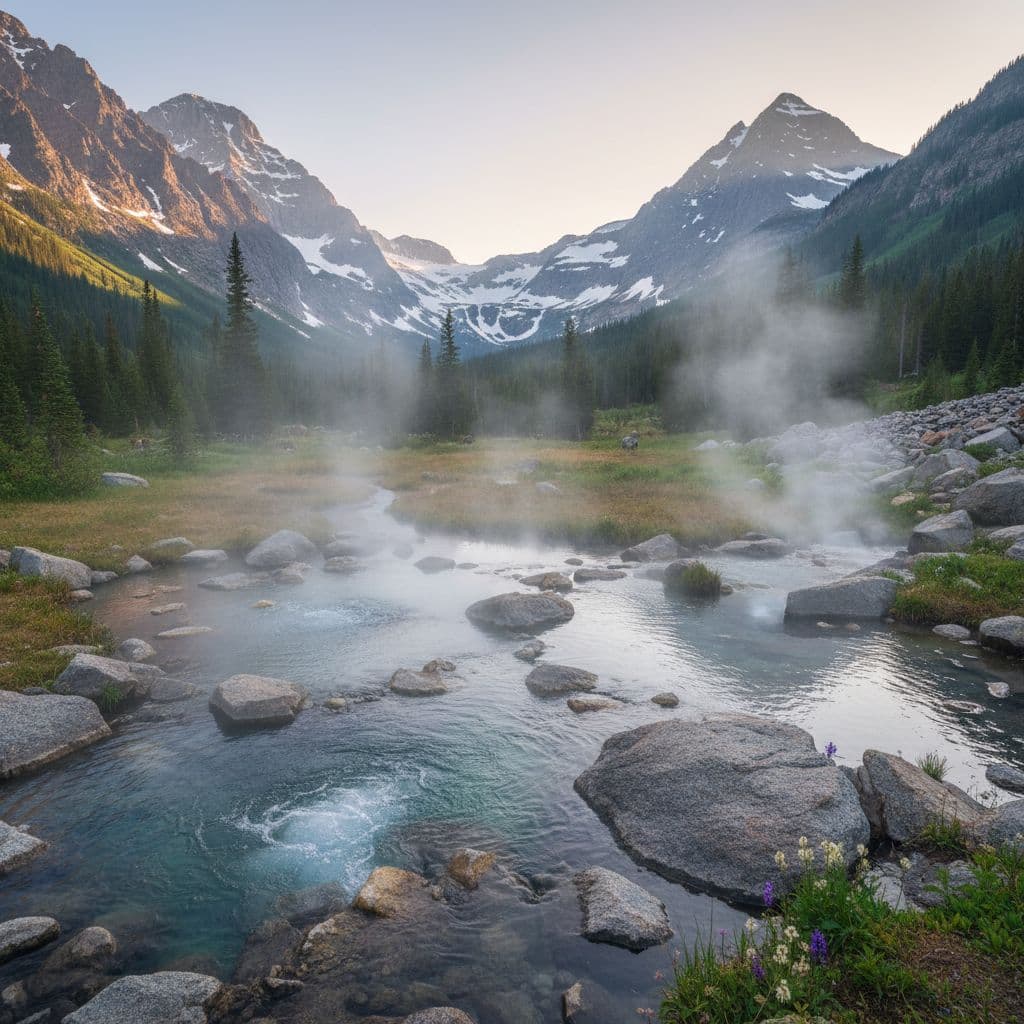
  • Big Sky hidden hot springs 2026 and steamy soaks
  • Wildlife safaris Montana and stargazing nights

I will share clear cost ranges (usually 10 to 150 dollars), the best seasons, simple gear tips, and a handy “Open in Google Maps” link for every activity. I will also point you to an interactive map with all 15 pins, a mobile-friendly comparison table, and a down-to-earth gear section so you can pack for ski slopes, Big Sky hidden hot springs 2026, and wildlife safaris Montana in one carry-on.

This guide is built for both first-timers and returning riders who already know where the best tree stashes hide. If you love steep bowls, quiet forests, and the idea of soaking under cold stars after skiing, you are in the right place.

Book your 2026 Big Sky adventure on Trip.com! Start now

This post contains affiliate links. If you make a purchase through these links, we may earn a commission at no extra cost to you.


Epic things to do Big Sky Montana 2026 ski lift view
High winter chairlift rising into Lone Peak terrain, perfect for epic things to do Big Sky Montana 2026. Image created with AI.

Big Sky’s Year-Round Epic Terrain for 2026

Ski lift ascending snow-covered mountains in Big Sky, Montana
A ski lift glides over deep snow in Big Sky, Montana, capturing the heart of epic things to do Big Sky Montana 2026. Photo by Alex Moliski


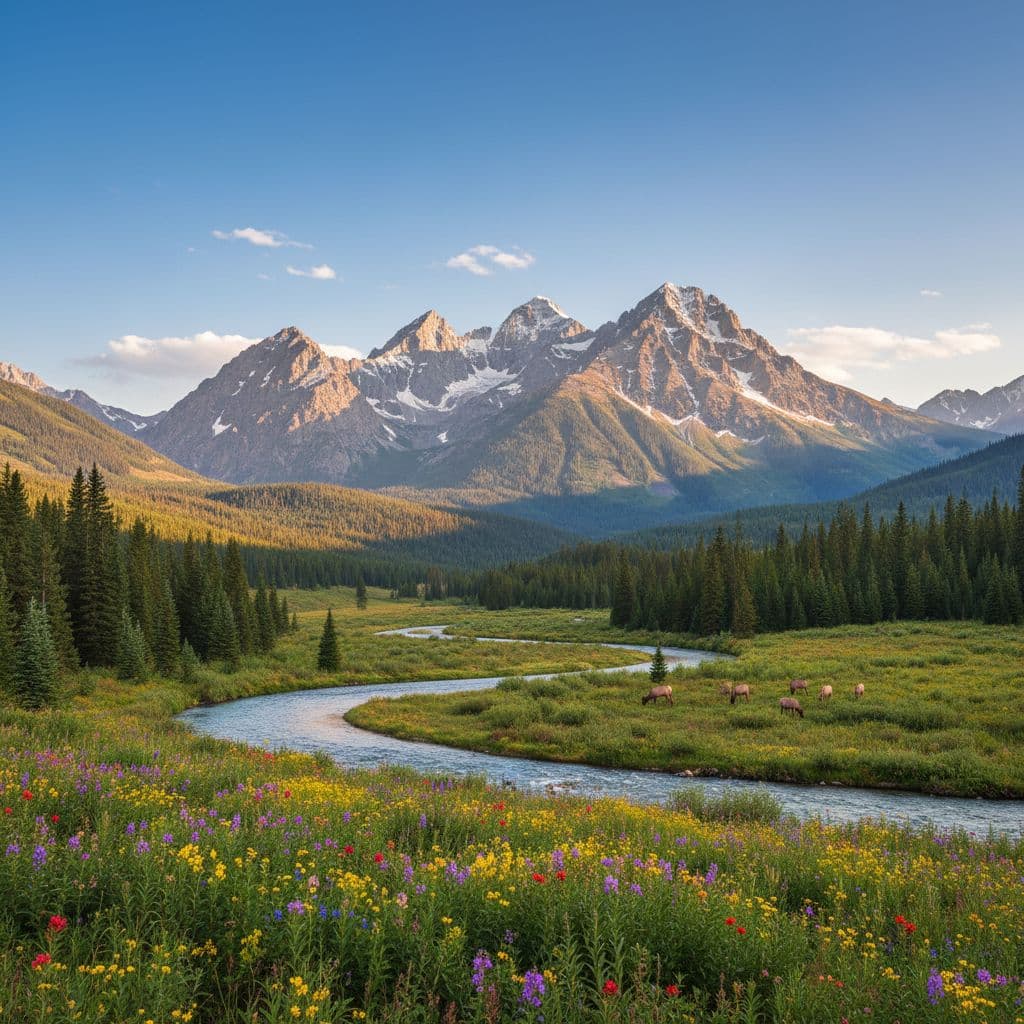
Big Sky is not just a winter playground. It is a full-year mountain hub where ski slopes, rivers, and wildlife share the same wide valley. That is why epic things to do in Big Sky Montana 2026 run from January powder laps to October larch hikes.

Winter: Ski Slopes Big Sky 2026

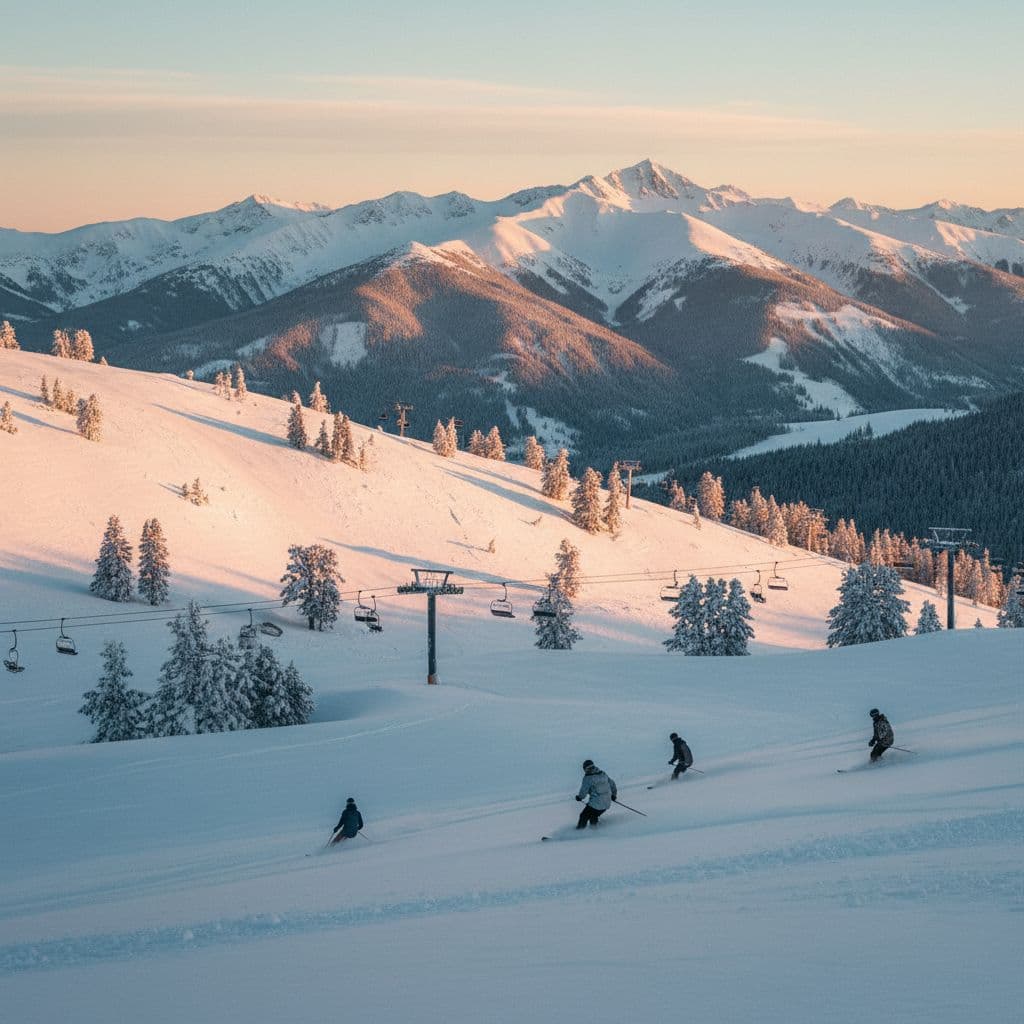
In winter, Big Sky Resort is the anchor. With nearly 6,000 skiable acres and huge vertical, it ranks as one of the largest ski areas in the United States. The Lone Peak Tram takes you up to over 11,000 feet, where you can look across the Madison and Gallatin ranges, all the way toward Yellowstone. Newer lift projects and accessibility upgrades make it easier for more people to reach high alpine views without needing expert skills.

The best part for me is how spread out it feels. Even with the 2026 surge in visitors, the snowfield is so big that lines stay short and you can still find quiet pockets. Compared to many famous resorts, Big Sky is the place I recommend when someone wants big terrain with less chaos. Sites like Expedia’s Big Sky activities list also echo this mix of scale and calm.

Big Sky Resort ski slopes at dawn

Summer: Trails, Basins, and Waterfalls

When the snow melts, the resort transforms into a hiking and biking launch pad. Trails like Beehive Basin and Ousel Falls are two of the epic things to do Big Sky Montana 2026 for summer visitors. Beehive Basin gives you open meadows, wildflowers from June through mid-July, and a glacial basin ringed by peaks. Ousel Falls is more mellow, with smooth trail and a powerful waterfall that feels icy and refreshing on hot days.

Down in the canyon, the Gallatin River turns into a playground. You can raft whitewater, float gentler sections, or just sit on the bank and watch the water slide past. This mix of high alpine and river time is why Big Sky has become a bucket-list stop on many western road trips. Guides like the team behind this Big Sky bucket list keep pointing out how many four-season activities fit in one valley.

Shoulder Seasons and Quiet Trailheads

Spring and fall can be pure gold. You get fewer people, cheaper stays, and more wildlife sightings. Late September brings golden aspens and crisp air. Some snow sits high, but low trails stay clear and empty. Many of the epic things to do in Big Sky Montana 2026 cost nothing more than gas and snacks during these quieter windows.

Here are a few big reasons Big Sky stands out in 2026:

  • Huge terrain: Massive ski slopes, bowls, and tree runs with room to roam.
  • Sustainable tourism efforts: Local groups support trail work and wildlife projects.
  • Easy access: Bozeman airport to Big Sky in about an hour of stunning canyon driving.
  • Strong wildlife viewing: Elk, moose, and sometimes bears near town, plus Yellowstone next door.

If you want to dig deeper into local hikes, a Montana Adventure Guide is handy to have in your pack: Buy on Amazon.

Find Big Sky flights on Expedia.com here.


Why Big Sky Is a 2026 Powder Magnet

When I stand on top of Lone Peak on a stormy day, it feels like the whole world is white and wide open. This is the core of the best things to do in Big Sky Montana 2026 for snow lovers.

Big Sky Resort pulls in deep snow from November through April. The ski slopes Big Sky 2026 lineup includes mellow groomers for families, natural gullies for playful riders, and steep faces for those who want to push harder. The Lone Peak Tram is the crown. At the summit, you can see ridges rolling off in every direction, with the Yellowstone Plateau on the horizon.

New and updated lifts for the 2025 to 2026 season are focused on smoother access and better flow. That means less time in line and more time in powder. The resort’s massive layout spreads people across many pods, so you can ski bell to bell and still find quiet chairs.

If you are building your own list of epic things to do in Big Sky Montana 2026, start with:

  • A tram ride to the summit of Lone Peak on a clear day
  • A lap on a favorite groomer from top to bottom
  • A soft tree run late in the afternoon when the light goes pink

Many visitors begin with the popular highlights you see in articles like this guide to Big Sky’s best activities and restaurants, then layer in backcountry or guided days once they get a feel for the snow.


Summer Trails, Rivers, and Hidden Corners

Summer is where Big Sky shows its softer side. The epic things to do Big Sky Montana 2026 from June to September focus on open views, wildflowers, and river spray.

  • Beehive Basin: A classic high-alpine hike with a basin, wildflowers, and open views. Early to mid-summer is prime for color, while late season often brings a dusting of new snow on the ridges.
  • Ousel Falls: A perfect warm-up hike. Smooth trail, big waterfall, and benches along the way. Families love it and the parking is usually simple if you go earlier in the day.
  • Gallatin River rafting: By July, many rafting companies run full days and half days on the Gallatin. You get splashy waves, pine forests, and good chances to see osprey or eagles overhead.

On early morning hikes, I often spot elk grazing or hear them moving in the timber. These casual sightings are an easy form of wildlife safaris Montana style adventure without even booking a tour.


Big Sky’s Sustainable Adventure Scene in 2026

In 2026, Big Sky is paying closer attention to how it grows. The community is working on smart visitor numbers, better trail care, and wildlife safety. Big new projects, like luxury lodges and lifts, come with more talk about how to keep the place wild.

That is why some of the best things to do in Big Sky Montana 2026 now include:

  • Booking guided wildlife safaris with local naturalists
  • Joining trail cleanup days or donating to trail groups
  • Riding shuttles where possible instead of stacking rental cars in small lots

Simple ways to travel lighter here:

  • Carry a refillable bottle and skip single-use plastic.
  • Stay on marked trails to protect plants and avoid disturbing wildlife.
  • Choose outfitters who give back to local conservation or education projects.
  • Travel off-peak when you can, like midweek or shoulder seasons.

All of this adds to the sense that you are part of Big Sky’s future, not just a visitor passing through.

Spanish Peaks alpine landscape near Big Sky, Montana

Your Custom Big Sky Epic Map for 2026

To make this guide easy to use on the road, I built an interactive Google Map that pins all 15 epic things to do in Big Sky Montana 2026. You can zoom in on trailheads, parking lots, ski lifts, hot springs, and wildlife spots from your phone or laptop.

Tap each pin to see quick notes and drop your own driving directions.

Book Big Sky tours on Expedia.com here.


Top 15 Big Sky Adventures for 2026: Ski Slopes, Hot Springs, and Wildlife

Before we unpack the 15 activities by theme, here is the full epic things to do in Big Sky Montana 2026 list with costs, seasons, and a simple Google Maps link for each. All prices are rough 2026 ranges in USD.

High-Alpine Ski and Snow Adventures

  1. Big Sky Resort Skiing & Riding
    • I spend most of my winter days here. Huge terrain, fast lifts, and pockets of powder days after a storm.
    • Cost: About 130 dollars for a full-day lift ticket.
    • Best time: January to early March for deep snow and colder temps.
    • Gear tip: Bring quality goggles or grab Ski Goggles Buy on Amazon for flat light days.
    • Open in Google Maps: Big Sky Resort
  2. Lone Peak Tram Summit Laps
    • Riding the tram is one of the purest epic things to do in Big Sky Montana 2026. From the top, the whole region feels like a frozen ocean of peaks.
    • Cost: Around 50 dollars for a tram access ticket or add-on.
    • Best time: Clear winter days, and select summer days for sightseeing.
    • Gear tip: Pack a warm mid-layer, the summit is much colder and windy.
    • Open in Google Maps: Lone Peak
  3. Moonlight Basin Backcountry Tour (Guided)
    • With a local guide, the Moonlight Basin side becomes a snow playground of glades and bowls. Safety first, big smiles second.
    • Cost: Roughly 100 dollars for a group half-day tour.
    • Best time: Mid-winter when snowpack is deeper and more stable.
    • Gear tip: Avalanche gear and training are key if you go outside the ropes.
    • Open in Google Maps: Moonlight Basin
  4. Andesite Mountain Snowshoe Loops
    • When I want quiet, I grab snowshoes and cruise the tree-lined trails on Andesite. You still see ski slopes Big Sky 2026 from different angles, but with soft silence.
    • Cost: About 45 dollars if you rent snowshoes and poles.
    • Best time: December to March on calm, cold days.
    • Gear tip: Light touring Snowshoes Buy on Amazon make it more fun than heavy rentals.
    • Open in Google Maps: Andesite Mountain
  5. Gallatin River Winter Walks
    • Even in winter, the Gallatin River canyon feels alive. I like short walks along plowed pullouts, with steam rising from open water and snow on the cliffs.
    • Cost: Free, aside from gas and snacks.
    • Best time: Sunny winter afternoons when temps climb a bit.
    • Gear tip: Wear microspikes for icy spots near the river.
    • Open in Google Maps: Gallatin River

Hidden Hot Springs and Steamy Soaks near Big Sky

  1. Bozeman Hot Springs
    • After a storm day, soaking here feels like a reward. Pools of different temps, some outdoors, steam lifting into the night sky. This is one of the classic Big Sky hidden hot springs stops on the drive to town.
    • Cost: Around 15 dollars for a soak.
    • Best time: Winter nights or shoulder seasons when air temps are cool.
    • Gear tip: Bring a compact Insulated Flask Buy on Amazon for hot tea or water.
    • Open in Google Maps: Bozeman Hot Springs
  2. Chico Hot Springs
    • Chico sits closer to Yellowstone and feels like stepping back in time, with big outdoor pools and a cozy lodge vibe. It pairs perfectly with wildlife safaris Montana style days in the park.
    • Cost: Around 12 dollars for a day soak.
    • Best time: Fall and winter for crisp air and fewer people.
    • Gear tip: Pack sandals so you are not walking barefoot on cold concrete.
    • Open in Google Maps: Chico Hot Springs
  3. Guided “Big Sky Hidden Hot Springs 2026” Mission
    • Some smaller springs and pools sit on private land or in sensitive areas, so I always go with local guidance. A good guide keeps you on legal, safe ground.
    • Cost: Often 60 to 100 dollars per person for a small group outing.
    • Best time: Winter and early spring when snowbanks frame the pools.
    • Gear tip: Keep voices low and pack out everything, including glass or trash.
    • Open in Google Maps: Big Sky, Montana

Wildlife Safaris and Big Sky Stargazing Nights

  1. Yellowstone Safari Tour (Grizzlies & Wolves)
    • A guided day in Yellowstone is one of my favorite wildlife safaris Montana 2026 options. Local guides know where to look for wolves, bison, and sometimes grizzlies.
    • Cost: Around 120 dollars per person.
    • Best time: Late spring and fall, or winter for dramatic snow scenes.
    • Gear tip: Bring binoculars and stay in the vehicle near big animals.
    • Open in Google Maps: Yellowstone National Park
  2. Grizzly & Wolf Discovery Center, West Yellowstone
    • This center lets you see bears and wolves up close in a safe, educational setting. It is great for families or storm days.
    • Cost: Around 15 dollars per ticket.
    • Best time: Year-round, especially on bad-weather days when outdoor time is harder.
    • Gear tip: Plan 2 to 3 hours and bring a light jacket even in summer.
    • Open in Google Maps: Grizzly & Wolf Discovery Center
  3. Porcupine Game Trail (Elk & Deer Viewing)
    • This mellow trail near Big Sky can be a quiet elk corridor early or late in the day. It is one of those free epic things to do Big Sky Montana 2026 when you want wildlife without long drives.
    • Cost: Free.
    • Best time: Dawn and dusk, especially in fall.
    • Gear tip: Carry Bear Spray Buy on Amazon and give animals plenty of space.
    • Open in Google Maps: Porcupine Creek Trailhead
  4. Big Sky Stargazing Tour
    • Big Sky got its name for a reason. On clear nights, the Milky Way drapes over the valley. Guided stargazing trips add stories, telescopes, and warm drinks.
    • Cost: About 75 dollars per person.
    • Best time: Clear, dark nights in summer or cold winter evenings.
    • Gear tip: Wear more layers than you think you need, you will be standing still.
    • Open in Google Maps: Big Sky Town Center

Trail Days: Hikes, Waterfalls, and River Runs

  1. Beehive Basin Hike
    • If I could pick one summer hike to show a friend, this would be it. Alpine basin, small lake, wildflowers, and Lone Peak towering above.
    • Cost: Free.
    • Best time: June to September, with peak flowers in early to mid-summer.
    • Gear tip: Pack a light shell and snack for weather swings up high.
    • Open in Google Maps: Beehive Basin Trailhead
  2. Ousel Falls Trail
    • Short, sweet, and perfect for rest days. Bridges, forest, and a roaring waterfall make this a must on any list of best things to do in Big Sky Montana 2026.
    • Cost: Free.
    • Best time: May to October, watch for some snow or ice in shoulder seasons.
    • Gear tip: Wear light hiking shoes, the trail is well built but can be damp.
    • Open in Google Maps: Ousel Falls Trailhead
  3. Gallatin River Rafting, Madison River Fishing & Hyalite Ice Climbing
    • This final slot is a triple play of river and ice: Gallatin rafting (around 80 dollars), Madison River fly fishing (about 150 dollars with a guide), and Hyalite Canyon ice climbing (close to 120 dollars for an intro day). They fill out any adventure week.
    • Cost: 80 to 150 dollars depending on the activity.
    • Best time:
      • Rafting: June to August
      • Fishing: Late spring through fall
      • Ice climbing: Mid-winter into early spring
    • Gear tip: Guides provide technical gear, but warm layers and gloves matter.
    • Open in Google Maps: Hyalite Canyon

To compare these 15 adventures side by side, use the table below. On mobile, you can swipe sideways to see all columns.

RankActivityCostSeasonMap
1Big Sky Resort Skiing & Riding$130WinterOpen
2Lone Peak Tram$50Winter/SummerOpen
3Moonlight Basin Backcountry Tour$100WinterOpen
4Andesite Mountain Snowshoe$45WinterOpen
5Gallatin River Winter WalksFreeWinterOpen
6Bozeman Hot Springs$15Year-RoundOpen
7Chico Hot Springs$12Year-RoundOpen
8Guided Hidden Hot Springs Trip$60–$100Winter/SpringOpen
9Yellowstone Safari Tour$120Year-RoundOpen
10Grizzly & Wolf Discovery Center$15Year-RoundOpen
11Porcupine Game TrailFreeYear-RoundOpen
12Big Sky Stargazing Tour$75Year-RoundOpen
13Beehive Basin HikeFreeSummer/FallOpen
14Ousel Falls TrailFreeSpring–FallOpen
15Gallatin Rafting / Madison Fishing / Hyalite Ice$80–$150SeasonalOpen

Book Big Sky hotels on Trip.com here.


Gear Up for Big Sky Epic: Simple Tips for 2026

Big Sky is friendly, but it is still big country. Having the right gear makes a huge difference when you chase the epic things to do in Big Sky Montana 2026 across seasons.

Here is how I keep it simple and light.

  1. Layer like a localThe weather swings fast. I always pack a base layer, mid-layer, and shell. That way I can ski in a storm, then sit in a hot springs parking lot as the sky clears without freezing.
  2. Rent heavy gear in townInstead of flying with skis, boards, or giant boots, I rent in Big Sky or Bozeman. Local shops stock gear tuned for local snow, and it keeps airport stress low.
  3. Pick the right pass or ticketFor three or more ski days, I often compare day tickets against multi-day or partner passes. Free days add real value.
  4. Plan for altitude and sunBig Sky sits high. I drink lots of water, go easy on day one, and use sunscreen even in winter. A wide-brim hat for summer hikes helps too.
  5. Pack for all three modes: ski slopes, Big Sky hidden hot springs 2026, and wildlife safaris MontanaOne kit can cover all three. Swimsuit, warm hat, gloves, light hiking shoes, and a solid puffy jacket. That combo works in lift lines, hot pools, and early morning safari vans.
  6. Carry safety basicsBear country rules apply even near town. I carry Bear Spray Buy on Amazon on hikes, check avalanche advisories for off-piste ideas, and give wildlife space.
  7. Use one small “adventure kit” bagI keep headlamp, small first-aid kit, map, and snacks in one small bag that moves from ski pack to hiking pack. Less thinking, more moving.

Book your Big Sky flights on Expedia.com here.


Packing Lite for Ski Slopes, Hot Springs, and Safaris

To hit ski slopes Big Sky 2026, Big Sky hidden hot springs 2026, and wildlife safaris Montana in one trip, I build a tight kit.

  • Mid-layer that does it all: A warm fleece or light puffy works under a shell on the tram, under a casual jacket in town, and over a base layer during cold stargazing.
  • One pair of hybrid shoes: I pick shoes that can hike Beehive Basin, wander town in the evening, and step into hot springs decks without slipping.
  • Compact Insulated Flask: I like an Insulated Flask Buy on Amazon for hot tea at trailheads and in safari vans.
  • Swimsuit and quick-dry towel: These weigh almost nothing and unlock half the Big Sky hidden hot springs fun.
  • Soft stuff sack: I use one sack for gloves, hat, neck tube, and socks, so nothing gets lost under car seats.

Staying Safe in Big Sky’s Big Country

Big Sky feels welcoming, but it is still wild. I keep my safety plan simple and steady, so I can enjoy the best things to do in Big Sky Montana 2026 with a clear head.

  • Watch winter storms: Before skiing or driving the canyon, I check forecast and road reports. If winds crank on Lone Peak, I stay on lower terrain.
  • Respect avalanche terrain: For backcountry or sidecountry, I either go with a guide or bring full gear and training. If I do not know, I do not go.
  • Carry bear spray and know how to use it: Bear Spray Buy on Amazon stays on my hip, not buried in a pack.
  • Keep wildlife wild: On wildlife safaris Montana style trips, I stay in vehicles when guides say to, and never feed animals.
  • Use local guides and outfitters: They read the snowpack, know the rivers, and understand where elk, bears, and wolves move. This makes trips safer and more interesting.

With those basics, I feel calm and ready, even when the peaks look huge and the nights go dark and starry.


Why Big Sky Rules in 2026 for Wild, Quiet Adventure

Big Sky hits a rare balance. It offers giant ski slopes, access to Big Sky hidden hot springs 2026, routes into Yellowstone for wildlife safaris Montana, and a town that still feels relaxed.

Expedia data shows a big jump in interest for places like this, where people can step into open air instead of crowded cities. Big Sky fits that trend perfectly. It has luxury options and simple motels, refined dining and pizza joints, and a strong local community that watches how growth unfolds.

Some of my favorite perks of Big Sky in 2026:

  • Fewer crowds than many big western resorts, thanks to huge terrain.
  • Big sky views in every direction, from Lone Peak to the Spanish Peaks.
  • True dark skies that make stargazing tours worth every minute.
  • Strong local pride that shows up in events, trail days, and small businesses.

If you like stretching your dollar, many of the epic things to do in Big Sky Montana 2026 are free or low cost. Hikes, river walks, winter viewpoints, and casual wildlife sightings do not require a ticket. For more statewide context, a simple Montana Adventure Guide Buy on Amazon pairs nicely with this local-focused list.

Travelers who pick midweek dates or shoulder seasons help take pressure off the busiest weekends, and often get better prices too.

For those who want to blend hot springs, safaris, and other tours around Big Sky and Yellowstone, Add safaris on Expedia.com here.

Big Sky Montana hot springs at sunset

Solitude, Sustainability, and the Big Sky Vibe

New lodging, updated lifts, and community planning all aim at the same goal: enjoy the mountains without losing what makes them special. When I ride a tram car packed with excited skiers, then step into quiet woods ten minutes later, I can feel how Big Sky still guards its calm.

Travelers fit into that story by picking eco-minded outfitters, using shuttles when possible, and staying on mapped routes. Joining guided wildlife safaris Montana style trips that support education or habitat work is another easy win.

For me, the epic things to do in Big Sky Montana 2026 are not just about steeps or hot pools. They are about the feeling of space, the soft sound of snow in the trees, and the sense that both locals and visitors want the place to stay wild.


Stretching Your Big Sky Budget Without Killing the Fun

You do not have to spend like a luxury guest to enjoy Big Sky. Some of the biggest moments are free.

Here is how I keep costs under control:

  • Ride weekdays when possible: Lift tickets can be cheaper and lines shorter.
  • Stack free or low-cost days: Ousel Falls, Porcupine Game Trail, and Gallatin River viewpoints cost nothing.
  • Use shuttles instead of renting a car the whole time, especially if you stay in or near Town Center.
  • Look for simple stays: Basic condos or motels free up cash for a Lone Peak Tram ticket or guided day.
  • Check package deals: Many travelers use hotel bundles and even package deals through partners like Trip.com, or grab flight savings through providers such as Expedia. That leaves more budget for guided ice climbing or safaris.

Remember, some of the most epic things to do Big Sky Montana 2026 are just you, a friend, and a trailhead at sunrise.


FAQs About Big Sky Montana 2026

Q1: What is the best month for powder days in Big Sky in 2026?
A: In most years, January through early March bring the most consistent cold and deep snow. That window lines up best with the best things to do in Big Sky Montana 2026 on the ski slopes, including Lone Peak Tram laps and tree skiing.

Q2: When is the best time to see wildlife around Big Sky and Yellowstone?
A: Spring and fall are top picks for wildlife safaris Montana style trips, with animals more active and often closer to lower valleys. Winter is also strong for spotting wolves and bison in Yellowstone against snowy backdrops.

Q3: How many days should I plan for Big Sky in 2026?
A: I like 5 to 7 days. That gives you time for 3 or 4 ski or snow days, one hot springs night, and at least one Yellowstone or wildlife day, plus a buffer for weather.

Q4: Is Big Sky good for families in 2026?
A: Yes. Ski school, mellow groomers, Ousel Falls Trail, the Grizzly & Wolf Discovery Center, and simple hot springs soaks all work well for families. Many families also build in one guided day like a Yellowstone safari.

Q5: How do I get from Bozeman airport to Big Sky?
A: Most people either book a shuttle or rent a car, then follow Highway 191 through the Gallatin Canyon. The drive takes about an hour to ninety minutes depending on weather.

Q6: Can I combine ski slopes, Big Sky hidden hot springs 2026, and wildlife safaris in one trip?
A: Yes, and that is my favorite way to plan a week. I usually ski or ride for two days, then take a hot springs night, then a safari or Yellowstone day, then repeat. The interactive map in this guide helps lay that out.

Q7: What kind of daily budget should I expect?
A: It varies a lot, but a mid-range traveler might plan 150 to 300 dollars per day, including lodging, food, and one activity. Many people trim that by cooking some meals and focusing on free hikes and viewpoints. Some travelers book hotels through providers like Trip.com or compare flight prices with sites such as Expedia to keep totals down.

Q8: Are these epic things to do in Big Sky Montana 2026 still okay for beginners?
A: Many are. Ousel Falls, Beehive Basin (with enough time), hot springs, winter river walks, and the Grizzly & Wolf Discovery Center all work for new visitors. For skiing or snowboarding, lessons at Big Sky Resort help beginners feel safe on the slopes.


Conclusion

Standing on Lone Peak at sunrise, soaking in steaming hot springs under cold stars, and watching wolves move across a snowy hillside in Yellowstone, all of these moments fit together into one simple story. The best things to do in Big Sky Montana 2026 connect ski slopes, Big Sky hidden hot springs 2026, and wildlife safaris Montana into a single, smooth trip.

You can use the interactive map, the comparison table, and the gear tips here as a planning toolkit. When it is time to book, keep this page open, pull up your calendar, and sketch out which of the 15 epic days you want first.

In the end, Big Sky rewards people who love open space and calm, whether they are dropping big lines or wandering quiet trails. Pick a week, pack your layers, and let this guide lead you from summit snow to starry hot springs.

Chase 15 Big Sky epics in 2026 on Trip.com! Book your trip now

© 2026 IneedMyVacation.com. All rights reserved.
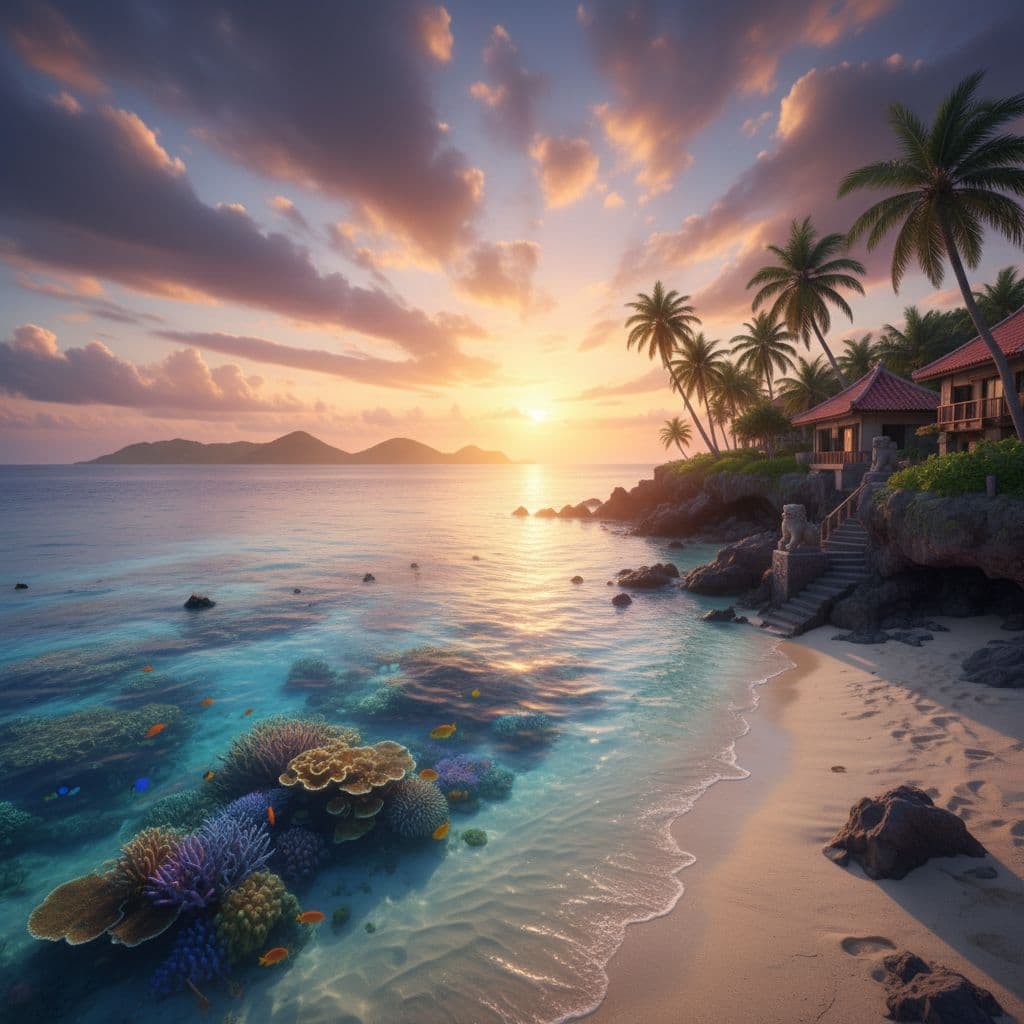


10 Best Solo Travel Destinations in Jaipur for 2026: Hidden Forts, Street Food Safaris & Safe Wanderlust


10 Best Solo Travel Destinations in Jaipur for 2026: Hidden Forts, Street Food Safaris & Safe Wanderlust

Solo travel destinations in Jaipur 2026 greet me the second I roll into the Pink City. The Aravalli hills frame the skyline, and the city’s rose-toned facades catch the early light like a promise. After years of solo trips in Jaipur for IneedMyVacation.com, I’ve road-tested every fort viewpoint, street food alley, and museum courtyard in this guide. I checked for safety, low entry fees, and easy access so you can land confident, curious, and ready.

I keep this guide rooted in current facts. Typical monument entries hover around 1 to 7 dollars, which fits most budgets and makes quick stops easy. Bazaars are best by daylight, when lanes are busy and well-signed. Street food bites run 1 to 3 dollars if you know where to stand and what to order. The city’s popularity with solo travelers keeps rising, especially for women, a trend echoed across India travel roundups in 2025. Jaipur also shows up in mainstream solo lists as an affordable, approachable stop in North India, with seasonal mentions of safe daytime markets and low-cost activities that match what I see on ground. For broader context on low-cost solo picks in India, the Economic Times listed Jaipur among accessible options that fit budget-friendly itineraries in 2025, which still tracks for 2026. See their list for a sense of cost-friendly planning across cities: 7 easy and affordable places for solo travelers in March.

I build sensible loops for first-timers, plus I compare prices and time-of-day routes to keep walking short and photo stops easy. In this guide, I share the top places, an interactive map, and key safety cues that matter when you are on your own.

You’ll get:

  • A smart, interactive map with 10 pins and two routing loops
  • A bulletproof top 10 with one-click Google Maps links
  • Practical safety tips and money pointers
  • A quick-compare table
  • FAQs and a clean prep list

Book your 2026 Jaipur solo trip on Trip.com! Start now

This post contains affiliate links. If you make a purchase through these links, we may earn a commission at no extra cost to you.

Solo traveler at Amber Fort Jaipur 2026 sunrise with Aravalli hills glowing in background
Image created with AI: A solo traveler takes in Amber Fort at sunrise, with the Aravalli hills glowing behind the Pink City.

Jaipur’s Safe, Vibrant Solo Appeal in 2026

Solo traveler exploring Hawa Mahal Jaipur 2026 during safe daytime hours with vibrant street energy

Street food energy in the Pink City fuels day-friendly exploring for solo travelers. Image created with AI-like style for editorial context. Photo by Aarti Krishnan

I trust Jaipur with my time and my camera. The old city is compact, streets are busy by day, and vendors are used to solo visitors. Pricing at major monuments is posted, and clear signboards help you move fast between gates and courtyards.

Transport is simple:

  • Auto rickshaws for short hops
  • App-based cabs for cross-town rides and nights
  • Metro for key stops around the core
  • Walking the Pink City grid by daylight

Women-friendly cues stand out. Main avenues in the walled city are well-lit, and the day markets stay lively with families and shopkeepers. City highlights like Amber Fort, Hawa Mahal, and Jantar Mantar are predictable, popular, and easy to reach. Guided group walks and food tours make evenings more social, a trend supported by 2026 solo travel demand for authentic, safe city experiences.

For a broad look at women-friendly India itineraries and solo-ready circuits that include Jaipur, this tour overview offers added context: India Solo & Women Travel 2025/2026.

Why I trust Jaipur for safe solo wanderlust 2026

  • Day-friendly bazaars with steady foot traffic
  • Clear signboards and posted ticket windows at major sites
  • Heritage walks that explain routes and stories
  • Abundant cafés for short breaks between stops
  • Easy to join small-group tours when you want company

Dress modestly, greet with a smile, and you will feel friction drop.

Solo Travel Guide India Buy on Amazon.

Find Jaipur flights on Expedia.com here.

Money, access, and transit that help solo travelers

Expect 2026 price ranges like this:

  • Monument entries: mostly 1 to 7 dollars
  • Street food bites: usually 1 to 3 dollars
  • Guided market food tours: starting around 10 dollars
  • Boat rides near water-facing monuments: about 5 dollars

Use UPI for cashless where possible, keep small bills for rickshaws, and haggle politely by asking the price before you ride. E-rickshaws feel calmer in crowded lanes. By day, you can walk a compact loop that links Hawa Mahal, City Palace, and Jantar Mantar in under an hour of strolling.

Respectful habits and safety cues locals appreciate

  • Wear modest clothing that covers shoulders and knees
  • Avoid closed or empty alleys at night
  • Keep valuables in a cross-body bag
  • Share live location with a friend
  • Choose busy tea stalls for breaks
  • Ask women vendors for directions if you feel unsure
  • For evenings, join a small-group tour or a heritage walk

Map and Top 10 Solo Travel Destinations in Jaipur 2026

When I plan solo travel destinations in Jaipur 2026, I map everything first. It helps you stack golden hours, snack stops, and ride times without wasting minutes.

Your custom Jaipur solo map

This guide includes key destinations with verified Google Maps links. I’ve added a one-day and a two-day loop so you can pick your pace. Zoom in around Johari and Chandpole to see food stall clusters and tea corners.

Book Jaipur tours on Tiqets.com here.

Hidden forts and viewpoints for golden hours

  • Nahargarh Fort: The ridge-line terrace watches over the Pink City, and crowds thin at sunset. Entry is about 2 dollars. Safety tip: bring a headlamp if you linger. Open in Google Maps
  • Amber Fort: Grand courtyards and fresco frames reward early arrivals. Entry about 6 dollars. Safety tip: skip animal rides, walk or take the shared jeep. Open in Google Maps
  • Panna Meena Stepwell: A geometric beauty with calm corners near Amber. Entry about 1 dollar. Safety tip: visit mid-morning for the best light on the stairs. Open in Google Maps
  • Jal Mahal: The water palace glows at sunrise and again before dusk. Viewing is free, and boats run about 5 dollars. Safety tip: stick to the promenade edge. Open in Google Maps
  • Kanak Vrindavan Gardens: Shade, birdsong, and Aravalli backdrops for slow mornings. Entry about 2 dollars. Safety tip: go early for the quietest paths. Open in Google Maps

Bazaars, palaces, and street food safaris

  • Johari Bazaar: Jewelry lanes with snacks at almost every turn, best by day. Try samosas and sweet lassi, and keep small change ready. Safety tip: hold your phone with a wrist strap. Open in Google Maps
  • Chandpole Bazaar (street food safari): Guided tastings run from about 10 dollars. Start before sunset and choose busy, clean vendors. Safety tip: watch oil freshness and turnover. Open in Google Maps
  • Hawa Mahal: Iconic lattice windows, with a compact museum and rooftop views nearby. Entry about 1 dollar. Safety tip: arrive early to avoid tight crowding. Open in Google Maps
  • City Palace: Museum galleries and royal courtyards give shelter from the heat. Entry about 7 dollars. Safety tip: keep your ticket handy for checks. Open in Google Maps
  • Jantar Mantar: Open-air astronomical instruments with clear plaques. Entry about 2 dollars. Safety tip: use a hat and water for midday visits. Open in Google Maps

Use long daylight periods to chase hidden forts Jaipur solo 2026 and stack snacks into street food safaris Jaipur 2026 with fair prices. For a light primer on what first-timers often include in their Jaipur list, this concise guide echoes many of the same stops and costs: Jaipur best places to visit for Solo Travelers 2025.

Solo traveler at Johari Bazaar Jaipur 2026 at dusk with vibrant market colors and safe daytime energy

Johari and Chandpole draw solo travelers for snacks, color, and safe daytime wandering. Image created with AI-like style for editorial context. Photo by Aarti Krishnan

Compare your solo plan at a glance

Primary keyphrase in action: I rank these solo travel destinations in Jaipur 2026 so you can match them to your timing and budget.

RankDestinationCostSafety TipMapHotelsToursFlights
1Nahargarh Fort$2Bring headlamp after sunsetViewBookBookFlights
2Amber Fort$6Skip animal ridesViewBookBookFlights
3Panna Meena Stepwell$1Visit mid-morningViewBookBookFlights
4Jal MahalFreeStay on promenadeViewBookBookFlights
5Kanak Vrindavan Gardens$2Go early for quietViewBookBookFlights
6Johari BazaarFreeUse phone strapViewBookBookFlights
7Chandpole Bazaar$10+Clean, busy stallsViewBookBookFlights
8Hawa Mahal$1Arrive earlyViewBookBookFlights
9City Palace$7Keep ticket handyViewBookBookFlights
10Jantar Mantar$2Hat + waterViewBookBookFlights

Book Jaipur hotels on Trip.com here.

Solo Travel Essentials in Jaipur

Smooth solo days come from simple habits. I keep my routes tight, carry small cash, and time markets for daylight. For clean street food wins and fair deals, I rely on a few core checks.

Five safety and booking tips that work in 2026

  1. Shop and snack in daytime bazaars.
  2. Use app cabs at night for door-to-door moves.
  3. Share live location with a trusted contact.
  4. Carry a filtered water bottle and refill often.
  5. Buy monument combo tickets when offered to save time.

Book your Jaipur flights on Expedia.com here.

Solo Safety Whistle Buy on Amazon.

I keep these steps tight for safe solo wanderlust Jaipur 2026 that feels confident and calm.

Street food confidence and clean water habits

Pick busy stalls, watch turnover, and order fresh-fried items. Avoid ice if you are unsure, use hand sanitizer, and try one new dish at a time.

Street Food Guide India Buy on Amazon.

Sustainable moves and quiet corners I love

Use walking loops and the metro for short hops. Choose e-rickshaws instead of long solo walks at night. Early mornings at Kanak Vrindavan or the Jal Mahal promenade reset the pace. For deal timing that keeps plans flexible, scan Trip.com Jaipur Deals 2026 before you lock in dates.

Jaipur’s Solo Magic, FAQs, and Final Prep

Why Jaipur grows my independence

  • Flexible timing, with photo stops whenever the light turns gold
  • Simple routes between monuments, with clear ticket counters
  • Street food without pressure, one stall at a time
  • Safe day markets, calm edges near key gates
  • Short jumps by app cab when you need a breather
  • Plenty of shared tours to join for evening slots
  • Rich storytelling at forts and observatories
  • Daily wins that build safe solo wanderlust Jaipur 2026

FAQs about solo travel destinations in Jaipur 2026

Q: What is the safest day bazaar for solo travelers?
A: Johari Bazaar. It is busy, straightforward, and great for daytime snacks.

Q: Best sunrise or sunset views in the city?
A: Nahargarh for sunset and the Jal Mahal promenade for sunrise. Both are reliable and scenic.

Q: Where should I book hotels and packages?
A: Trip.com is my pick for Jaipur stays and deal-stacking.

Q: How do I find good tours and activities in Jaipur?
A: I use Tiqets.com for verified tickets and guided options.

Q: Where do I book flights into Jaipur?
A: Expedia.com. It is quick to compare pricing across dates.

Q: What should I wear as a solo woman?
A: Modest clothing that covers shoulders and knees. Comfortable, closed shoes help on stone steps.

Q: What daily budget should I expect?
A: If you keep to the basics, 25 to 45 dollars covers entries, street food, and short rides.

Q: Are app cabs fine for solo women at night?
A: Yes, with common-sense checks. Share your ride and sit in the back.

Jaipur Travel Journal Buy on Amazon.

Conclusion

I built this list to help you move with confidence. These 10 solo travel destinations in Jaipur 2026 cover golden-hour fort views, fair-priced museums, and lively day markets. Use the live map, then pick two spots for your first afternoon, like Hawa Mahal and City Palace, and two for sunrise the next day, such as Jal Mahal and Panna Meena Stepwell.

I want you to feel the same steady rhythm: short rides, safe stops, and spicy snacks under bright pink facades. That is the magic of solo in Jaipur: freedom with a plan, and a city that meets you halfway with smiles and signboards. If you are ready, line up your dates, lock in your first night, and let the map do the rest. The best solo travel is simple, not complicated. Discover 10 solo Jaipur spots in 2026 on Trip.com! Book your trip now.

Solo traveler at Amber Fort Jaipur 2026 golden hour sunset with panoramic Pink City views
Amber Fort at golden hour is a consistent solo favorite that feels both grand and manageable. Image created with AI.

© 2026 IneedMyVacation.com. All rights reserved.
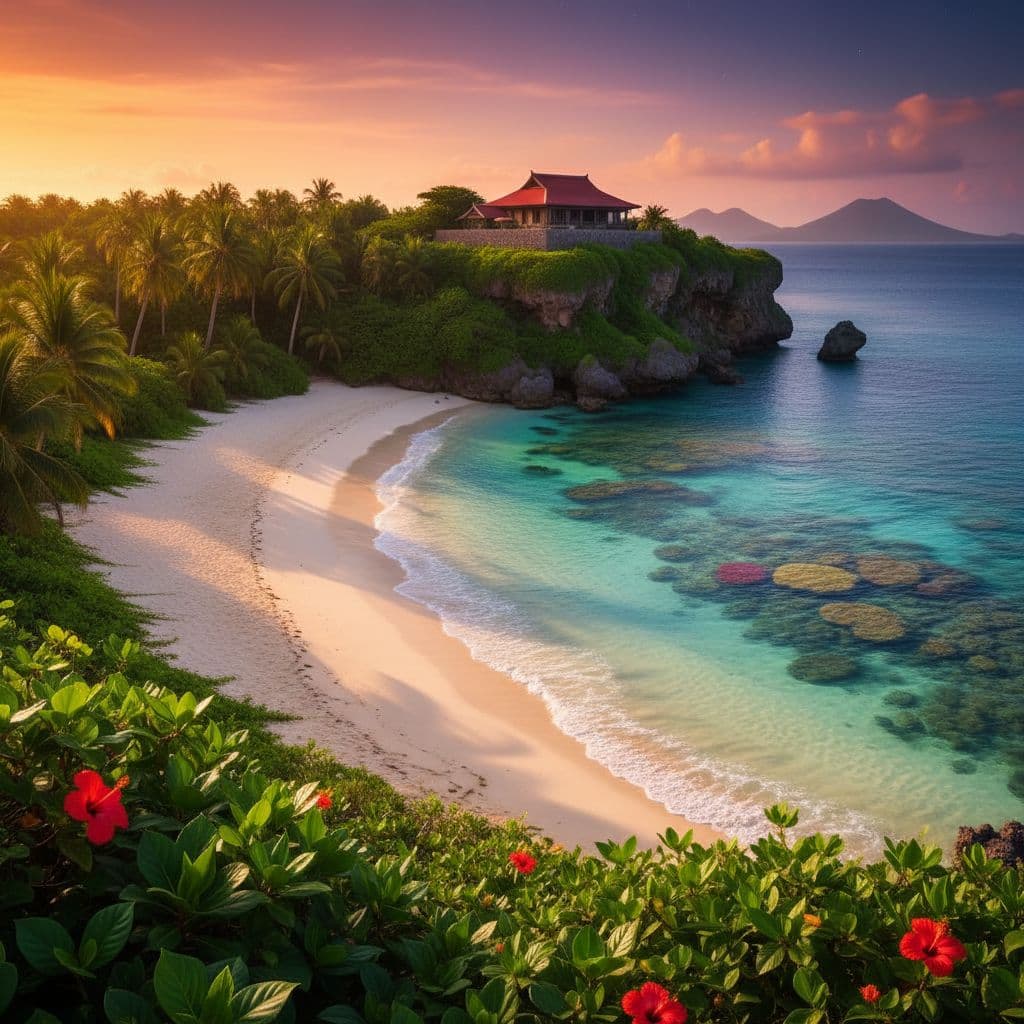


10 Best Luxury Travel Packages for Couples in Italy 2026: Romantic Villas, Wine Tours & Private Escapes

Luxury travel packages for couples in Italy 2026 call to me like a whispered promise at sunset. As a romantic travel curator designing Italy escapes for IneedMyVacation.com, I pair private villas and vineyard dinners with the hush of ancient towns and the shimmer of quiet seas. In this guide, I share the 10 best packages I recommend for couples in 2026, each crafted around romance, wine, art, and private escapes, with a focus on sustainability and personal touches you can feel.

Picture this: a stone villa in Chianti with a chef cooking local truffles for two. A private gondola sliding through Venice at golden hour. A yacht day on the Amalfi Coast, then dinner on a terrace perfumed by lemon groves. The trend is clear. Couples want intimacy, quiet luxury, and simple logistics. Recent insights point to private villas with chefs, vineyard dinners that go past sunset, quiet regions like Umbria and Puglia, and custom itineraries that swap crowds for connection. Personalized luxury has surged in popularity. Over half of luxury travelers now choose private, seamless services like chefs, chauffeurs, and yacht excursions, and this demand grows as we move into 2026. In 2025, reports showed about 70 percent of travelers sought personalized luxury, and I am watching that appetite deepen this year.

Here is what you will find below:

  • A live map with 10 romantic pins across Italy.
  • A ranked list of 10 packages, with costs and highlights.
  • A compact comparison table for quick planning.
  • Booking tips to save money and stress.
  • A concise FAQ with schema for easy reference.

Ready to plan your story? Book your 2026 Italy romance on Trip.com!

This post contains affiliate links. If you make a purchase through these links, we may earn a commission at no extra cost to you.

Romantic couple on a terrace at a Tuscan villa overlooking vineyards in Chianti, Italy
Image created with AI: Tuscany villa daytime with vineyard views and a couple on the terrace.

Italy’s Timeless Romance for Couples in 2026

Italy is bliss for two. The food, the light, the art, the wine. Every day feels designed for closeness and beauty. In 2026, Italy romantic packages 2026 lean into privacy, simple travel, and quiet places where love can breathe.

Couples get what they crave. Villas with private terraces. Vineyard dinners with the sun slipping behind olive trees. Private drivers for smooth days. Quiet towns like Pienza, Ostuni, and Orta San Giulio where time slows. Coastal sunsets that paint the sea like molten glass.

Trends I lean into for 2026:

  • Romantic villas in Tuscany and Lake Como for space and calm.
  • Private boat or yacht days on the Amalfi Coast and Sardinia.
  • Sunset gondolas in Venice with a bottle of Franciacorta.
  • Off-the-beaten-path escapes in Umbria and Puglia for quiet charm.
  • Sustainable choices like eco-villas, local food, and community support.
  • Personalized itineraries that match your rhythm, not the crowd’s.

There is strong value when you plan smart. Yes, luxury can be gentle on the wallet. I often build 7 to 10 days under 5,000 dollars for two, especially in shoulder months.

Key benefits couples love:

  • Real privacy in villas and boutique stays
  • Wine experiences with local experts
  • Private tours that skip crowds
  • Sustainable choices that feel good and taste better
  • Easy train links between major cities and regions

Search Italy packages on Trip.com

For planning deeper, I like this Italy Honeymoon Guide for inspiration and checklists.

Amalfi Coast at sunset with colorful villages and boats on calm water
Image created with AI: The Amalfi coastline glowing at sunset, boats drifting on a calm sea.

Top 10 Romantic Italy Packages for 2026

I curated these for privacy, wine, art, and coastlines. Costs run about 1,500 to 5,000 dollars for two for 5 to 10 days, depending on timing and style. These luxury travel packages for couples in Italy 2026 focus on intimacy and ease.

Your Custom Italy Romance Map

Here are the 10 most romantic destinations for couples in Italy 2026—each ideal for private villas, wine, and coastal magic:

  • 📍 Positano – Amalfi Coast: Cliffside villas & private boat days
  • 📍 Chianti – Tuscany: Vineyard villas & truffle-hunting dinners
  • 📍 Venice – Lagoon: Sunset gondolas & cicchetti crawls
  • 📍 Bellagio – Lake Como: Lakefront villas & private aperitivo cruises
  • 📍 Rome – Eternal City: Colosseum at dusk & Trastevere feasts
  • 📍 Taormina – Sicily: Etna views & Greek theater picnics
  • 📍 Florence – Renaissance Heart: Private Uffizi access & artisan workshops
  • 📍 Costa Smeralda – Sardinia: Emerald coves & yacht charters
  • 📍 Alberobello – Puglia: Trulli stays & olive oil tastings
  • 📍 Vernazza – Cinque Terre: Sea-view terraces & pesto-making classes

Open full route planner in Google Maps

Book activities on Tiqets.com

Venetian gondola passing under Rialto Bridge in daylight
Image created with AI: A gondola gliding through daylight near the Rialto, soft ripples on the water.

#1 Amalfi Coast Honeymoon, Positano Villa + Private Boat

About 2,500 dollars, 7 days for two. A Positano villa with sea views sets the tone. Enjoy a private boat day, a lemon grove picnic, and a sunset dinner on the cliffs. Book the villa via Trip.com to lock in a prime location. Add a private boat or coastal cruise via Tiqets.com for a perfect day on the water. Choose sustainable plates with local seafood and family-run villas.

#2 Tuscany Wine Romance, Chianti Villa + Brunello Tasting

About 3,000 dollars, 10 days for two. Stay in a stone villa in Chianti. Tour Brunello near Montalcino, hunt truffles, and master pasta with a chef. Book the villa on Trip.com to combine value and views. Add a guided wine tour on Tiqets.com for expert-led tastings. Use trains between Florence and Siena to cut emissions.

Candlelit dinner for two in a Chianti vineyard at dusk
Image created with AI: Candlelit table in a Chianti vineyard at dusk, rustic linens and local reds.

#3 Venice Gondola & Lagoon Escape

About 1,800 dollars, 5 days for two. Stay in a boutique hotel near the Rialto. Take a private gondola at sunset, try a Murano glass session, and enjoy a cicchetti crawl. Book the hotel on Trip.com for central comfort. Add the gondola and island experience via Tiqets.com to keep lines away from your moments.

#4 Lake Como Private Villa, Bellagio Bliss

About 4,000 dollars, 7 days for two. A Bellagio villa brings lake light into every morning. Cruise the lake by private boat, sip aperitivo by the water, and day trip to Milan for design shopping. Book your villa on Trip.com to secure peak-season dates. Choose a lake cruise experience via Tiqets.com for a polished day on the water.

#5 Rome Eternal Romance, Private Tours at Dusk

About 2,200 dollars, 7 days for two. Base in a central boutique hotel. Enjoy a Colosseum private tour, a Vatican evening entry, and a Trastevere foodie walk. Book the hotel on Trip.com for easy transfers. Book private tours via Tiqets.com to move past lines. Evening entries are calmer and feel intimate.

#6 Sicily Baroque Bliss, Taormina to Syracuse

About 3,500 dollars, 10 days for two. Stay in a Taormina villa with Etna views. Hike Mount Etna, explore Greek theaters in Syracuse, and share a seaside vineyard lunch. Book stays on Trip.com to mix villas and design hotels. Choose Etna and ruins experiences via Tiqets.com to get expert context. Try Etna rosso and local seafood.

#7 Florence Renaissance Retreat

About 2,800 dollars, 8 days for two. Choose a boutique hotel steps from the Duomo. Secure a private Uffizi viewing, a Tuscan wine day trip, and visits to artisan workshops. Book the hotel on Trip.com for strong value in the center. Book museum and wine activities via Tiqets.com for smooth entry and guides who bring the art alive.

#8 Sardinia Coastal Luxury, Costa Smeralda

About 4,500 dollars, 7 days for two. Stay in a chic villa beside emerald water. Enjoy a yacht charter day, soft beach picnics, and simple seafood cooked perfectly. Book the villa on Trip.com to land the right cove. Book yacht days and cultural entries via Tiqets.com with flexible times. Visit in shoulder season for calm, clear coves.

#9 Puglia Trulli Romance, Alberobello Magic

About 1,600 dollars, 6 days for two. Sleep in a historic trulli house. Taste new olive oils, take a Bari cooking class, and dip into Polignano a Mare for sea views. Book trulli stays on Trip.com to mix design and history. Book tastings and classes via Tiqets.com for curated local hosts. Expect farm-to-table menus and warm welcomes.

#10 Cinque Terre Private Escape, Vernazza Views

About 3,200 dollars, 9 days for two. Settle in a Vernazza villa with sweeping sea views. Take a private boat to Portofino, hike cliff paths, and master pesto in a local kitchen. Book the villa on Trip.com for the right terrace. Book the boat trip and entry passes via Tiqets.com to save time. Use trains between villages for ease.

Comparison Table: 10 Best Packages

Quickly compare durations, costs, and booking options. All links go to curated Italy offers on trusted platforms.

RankPackageDurationCost (2 people)Trip.com LinkTiqets.com Link
1Amalfi Coast Honeymoon, Positano Villa7 days$2,500See packagesSee activities
2Tuscany Wine Romance, Chianti Villa10 days$3,000See packagesSee activities
3Venice Gondola & Lagoon Escape5 days$1,800See packagesSee activities
4Lake Como Private Villa, Bellagio Bliss7 days$4,000See packagesSee activities
5Rome Eternal Romance, Private Tours7 days$2,200See packagesSee activities
6Sicily Baroque Bliss, Taormina to Syracuse10 days$3,500See packagesSee activities
7Florence Renaissance Retreat8 days$2,800See packagesSee activities
8Sardinia Coastal Luxury, Costa Smeralda7 days$4,500See packagesSee activities
9Puglia Trulli Romance, Alberobello Magic6 days$1,600See packagesSee activities
10Cinque Terre Private Escape, Vernazza Views9 days$3,200See packagesSee activities

Book your Italy package on Trip.com

Plan Your 2026 Italy Escape: Save More, Stress Less

I plan luxury with a calm hand. Keep travel light, build in rest, and choose moments that feel like you. Aim for two regions in 7 to 10 days. Prioritize villas or boutique hotels that center your days.

  • Set a simple budget. Split into lodging, transit, food, experiences, and a buffer. Decide your splurge day.
  • Pick at most two regions. For example, Venice plus Tuscany, or Amalfi plus Rome.
  • Use trains for speed and space. First class seats are quiet and worth it.
  • Plan rest days after big transfers. Order dinner in and watch the sky change.
  • Pack light. One carry-on each keeps you free on stairs and cobbles.

Five core tips:

  1. Travel in shoulder months for rates and privacy.
  2. Bundle hotel and flight on Trip.com to save.
  3. Use fast trains for speed and comfort.
  4. Pre-book skip-the-line entries on Tiqets.com to avoid crowds.
  5. Add one splurge day, like a private chef dinner or yacht.

Helpful gear for couples:

  • Wine Tasting Kit for a pre-trip tasting night: Buy on Amazon
  • Travel Adapter that handles Italian sockets: Buy on Amazon
  • Couples Travel Journal to capture vows, views, and vintages: Buy on Amazon
  • Portable Wine Opener for spontaneous terrace tastings: Buy on Amazon

Secure your tours on Tiqets.com

I also weave in long-tail preferences for couples who want specifics. I can build romantic villas Tuscany 2026 stays paired with slow wine dinners. I can also shape private wine tours Amalfi 2026 days with a skipper and a quiet cove for a swim. For me, luxury is simple, personal, and kind to the land.

FAQs and Next Steps

Q: What is the best time to visit for romance and value in 2026?
A: Choose April to early June, or September to October. The weather is soft, and the crowds thin.

Q: What is the average cost for 7 to 10 days for two?
A: Expect 1,500 to 5,000 dollars, depending on region and season. Villas and trains help balance comfort and cost.

Q: How should we balance cities and countryside?
A: Pair one city with one rural base. For example, Florence plus Chianti, or Rome plus Umbria.

Q: Where can we book packages and hotels?
A: Use Trip.com for packages, hotels, and flight bundles. Flexible dates often reduce costs.

Q: Where do we find private tours, gondolas, and wine tastings?
A: Use Tiqets.com for activities and skip-the-line entries. It keeps your days smooth.

Q: What should we pack to keep it light but luxe?
A: Choose layers, neutral outfits, and comfortable shoes. Add a dress-up piece for dinners with views.

Q: What sustainable choices make a real impact?
A: Pick eco-conscious villas and local food. Use trains between major stops and support family businesses.

Q: Are Italy romantic packages 2026 good for last-minute planners?
A: Yes, with flexible dates and a focus on shoulder months. Book key tours in advance to lock in times.

Conclusion

The 10 best luxury travel packages for couples in Italy 2026 create space for intimacy, wine, art, and sea views. The live map helps you see your route at a glance. The comparison table makes budgets and durations simple to scan. Personalization is everything, and sustainable choices elevate the taste and the trip.

Secure the big pieces, then tailor the rest. Let quiet luxury guide you. Your story should feel soft at the edges, bright at the center, and full of shared details that last.

Complete your dream Italy romance in 2026 on Trip.com!

Serene scene of Lake Como with a wooden rowboat and pastel skies
Image created with AI: Lake Como mid-day with a small boat and pastel skies.

© 2026 IneedMyVacation.com. All rights reserved.
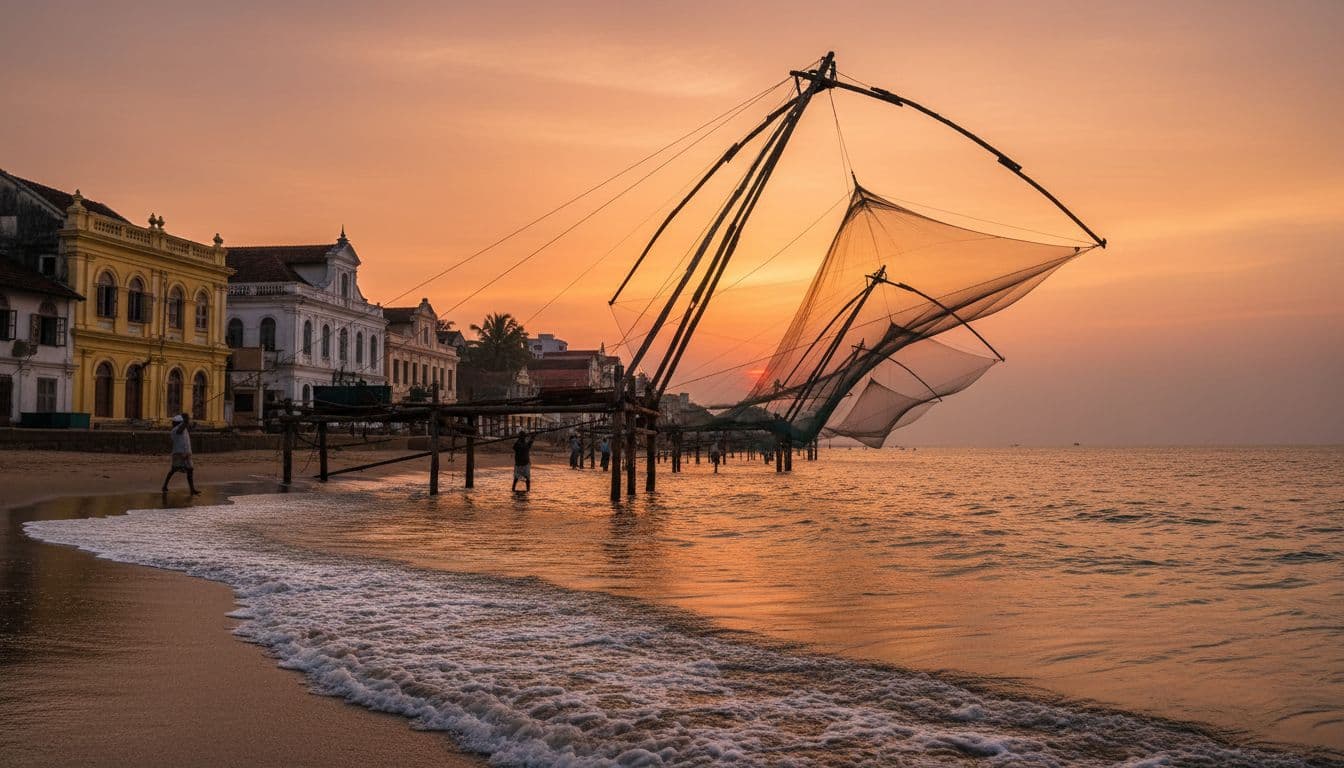


7 North Bali Hidden Waterfalls for 2026: Off-Grid Hikes & Swim Spots

Hidden waterfalls North Bali 2026. If the phrase makes your shoulders drop and your breathing slow, you’re my kind of traveler. As a Bali waterfall chaser for IneedMyVacation.com, I’ve hiked these trails for years, chasing emerald pools, misty canyons, and the hush you only hear when jungle air feels like a whisper. In this guide I share seven quiet swim spots for 2026, the hikes to reach them, and how to plan a safe, sustainable day out.

I ranked these falls by seclusion, swim quality, hike time, and safety. Inside, you’ll get a live map with all seven pins, a ranked comparison table, entry fees in IDR with simple USD notes, and the best time to visit each one. The 2026 vibe favors eco-conscious trips, wellness hikes, and nature escapes, and North Bali fits that shift perfectly. I lace up early, carry small cash for ticket huts, pack light, and follow local etiquette: greet the keeper, tread gently, leave no trace.

Gear I trust: grippy shoes, a quick-dry towel, and a small first aid kit. Safety I live by: start early, keep an eye on rain, and never jump without a guide. Photo idea for your first stop: Banyumala Twin at sunrise, still pools and soft gold light. Alt text: Hidden waterfalls North Bali 2026, Banyumala Twin at sunrise.

Plan your 2026 North Bali escape On Trip.com here.

This post contains affiliate links. If you make a purchase through these links, we may earn a commission at no extra cost to you.

Off-Grid Paradise: Hidden Waterfalls North Bali 2026

Off-grid hikes North Bali 2026, jungle path to hidden waterfall

Image created with AI: Sunrise glow on a jungle path leading to a hidden pool, perfect for North Bali off-grid hikes 2026.

Hidden waterfalls North Bali 2026 are not the loud, signposted stops where vans pile in. “Hidden” here means whispers of birdsong, local ticket huts, clear pools with only a few swimmers, and trails that wake up with the morning light. North Bali off-grid hikes 2026 reward early starts. At dawn, you’ll find cool air, fewer people, and that rare feeling that the jungle took a deep breath, just for you.

What makes these spots special in 2026:

  • Swim spots with fewer people
  • Short to moderate jungle trails
  • Clean water pools
  • Birdsong and cool jungle air
  • Budget entry fees

Logistics are simple. Ride a scooter or car to the trailhead, pay a small fee at the local hut, and walk in. Bring cash for entry, usually 10,000 to 20,000 IDR (about 1 to 2 USD). Some falls have optional guide services, especially where jumps or river crossings are involved.

One gear tip: wear non-slip hiking shoes that grip wet rock. One safety tip: if rain is in the forecast, go early, move carefully on steps, and skip risky crossings. For deeper planning and route ideas I like to keep handy, the Bali Waterfall Guide Buy on Amazon is a solid pocket resource.

Off-grid hikes North Bali 2026, jungle path to hidden waterfall

Image created by AI. Off-grid hikes North Bali 2026, jungle path to hidden waterfall.

Your Custom Waterfall Map and Quick Plan

Use this interactive map to explore North Bali and locate each waterfall. Search for “Banyumala Twin Waterfall”, “Sekumpul Waterfall”, or any name from this guide to get directions and trailhead info.

Search each waterfall name in the map to get directions! Open Full Map

Find hotels near these waterfalls On Trip.com here.

Top 7 Off-Grid Waterfalls for 2026

Hidden waterfalls North Bali 2026, Sekumpul mist from trail
Photo by ArtHouse Studio
Caption: Wonderful Aling Aling Waterfall among lush greenery, a classic stop on North Bali off-grid hikes 2026. Photo from Pexels.

I ranked these by seclusion, swim quality, hike time, and overall safety. Read each H3 for fee notes in IDR with simple USD, round-trip hike times where helpful, and swim potential. If a spot involves jumps or slick boulders, I call it out. I’ve marked 2026 updates where trails, kiosks, or guide rules matter.

Pro tip: pack Waterproof Hiking Shoes Buy on Amazon for traction on wet stone and roots. It keeps your day smooth and your focus on the water.

Keyphrases you’ll see sprinkled through this section are intentional to help you plan: hidden waterfalls North Bali 2026, North Bali off-grid hikes 2026, and best swim spots North Bali waterfalls 2026.

Banyumala Twin Waterfall: Emerald Pools and a Quiet Jungle Bowl

Banyumala feels like a hush in green. Twin curtains fall into a clear, wide pool that invites a slow float. Arrive early for first light on the surface and an almost private swim.

  • Fee: ~20,000 IDR (about 1 to 2 USD)
  • Hike: about 1 to 1.5 hours round trip, moderate, with steep steps and some roots
  • Swim: calm and photogenic, a favorite for a peaceful dip
  • 2026 note: trails remain in good shape, watch for slick spots after rain
  • Safety: water shoes help on slick rocks

If you’re looking for the best swim spots North Bali waterfalls 2026, this pool belongs at the top.

Photo created by AI: Banyumala Twin Waterfall pool, hidden waterfalls North Bali 2026.

Photo created by AI: Banyumala Twin Waterfall pool, hidden waterfalls North Bali 2026.

Sekumpul Waterfall: Misty 7-Tier Cascade

Sekumpul is a dramatic cluster of seven waterfalls with misty spray and a powerful flow. The 1-2 hour hike descends through lush jungle—rewarding but demanding.

  • Fee: ~20,000 IDR (about 1 to 2 USD)
  • Hike: 1–2 hrs round trip, moderate-strenuous
  • Swim: Yes, strong spray—invigorating but not calm
  • 2026 note: Local guides recommended for safest route

Aling-Aling Area: Slides & Jumps with Guide

Famous for natural slides and cliff jumps (3m-15m). Viewing is free; swimming/jumping requires a guide for safety.

  • Fee: 15,000–20,000 IDR + guide fee
  • Hike: 15–30 mins
  • Swim: Yes, with guide only

Nungnung Waterfall: Powerful Drop, Strong Current

A towering 50m fall with a deep pool. Steep 500+ steps down (and back up).

  • Fee: ~20,000 IDR
  • Hike: 20–30 mins RT (steep)
  • Swim: Yes, strong current—caution advised

Leke Leke Waterfall: Quick Soak in a Canyon

Smaller but scenic, with a bamboo bridge and shallow pool.

  • Fee: ~15,000 IDR
  • Hike: 20–30 mins
  • Swim: Quick soak

Gitgit Waterfall: Easiest Access, Family-Friendly

Short, paved path—ideal for kids or quick visits.

  • Fee: ~20,000 IDR
  • Hike: 10–15 mins
  • Swim: Short dip

Sumampan Waterfall: Calm Soak Near Ubud

Quiet, easy access, and a peaceful pool.

  • Fee: ~15,000 IDR
  • Hike: <15 mins
  • Swim: Calm soak

Ranked Comparison Table and How to Use It

Use this table to compare hike times and swim potential at a glance. Fees are subject to change, so bring small cash and a friendly smile.

RankWaterfallHike TimeSwim?Hotel Link
1Banyumala Twin1–1.5 hrs RTYes, wide calm poolSee nearby stays
2Sekumpul1–2 hrsYes, strong spraySee nearby stays
3Aling-Aling Area15–30 minsYes, with guideSee nearby stays
4Nungnung20–30 mins RTYes, strong currentSee nearby stays
5Leke Leke20–30 minsQuick soakSee nearby stays
6Gitgit10–15 minsShort dipSee nearby stays
7Sumampan<15 minsCalm soakSee nearby stays

When to Visit, Swim, and Save in 2026

North Bali off-grid hikes 2026 feel best when trails are quiet and pools are clear. Plan with weather, light, and budget in mind. Here is how I time trips, book smart, and keep my pack light.

  • Start early, usually before 8 a.m., for cool air and softer light.
  • Carry small cash for tickets and snacks.
  • Pack snacks, water, a quick-dry towel, and a small kit.

Booking tip: stash a Quick-Dry Towel Buy on Amazon in your daypack. It weighs almost nothing and makes one-stop swim days easy.

Seasonal Guide: Dry vs. Rainy Months

  • Dry season (July to October): clearer trails, easier swims, cooler mornings.
  • Shoulder months (April to June, November): green views and light showers.
  • Rainy season (December to March): stronger flows and muddy paths; start early, bring a poncho.

Water levels rise after heavy rain. Skip swimming if the current looks strong or the water is opaque. Early morning visits give you the softest light and the least traffic. I carry reef-safe sunscreen and an Insect Repellent Buy on Amazon for shaded trails.

Bundle flight + hotel on Trip.com for savings.

Trip.com Booking Tips: Save on Flights and Stays

  1. Book DPS flights 6 to 8 weeks out for better fares.
  2. Fly midweek to dodge price spikes and airport queues.
  3. Stay near Munduk if you want early trail access to Banyumala, Gitgit, and Aling-Aling.
  4. Bundle hotel and transfer if you plan a late arrival, it removes pickup stress.
  5. Use free cancellation for weather shifts, then adjust your waterfall order.

Ballpark fares from Southeast Asia can be friendly if you avoid holidays. Early mornings help beat heat and crowds at popular falls like Sekumpul. Keep a Quick-Dry Towel Buy on Amazon in your day bag so you can swim twice and still be dry for lunch.

Search flights to Bali On Trip.com here.

Safety, Etiquette, and Sustainability

  • Stay on marked paths and respect local signs.
  • No glass by pools, pack out all trash.
  • Keep noise low so others can enjoy the calm.
  • Support local warungs and ticket huts.
  • Do not jump without a guide, especially at Aling-Aling.
  • Basic first aid: bandages, antiseptic wipes, and a small wrap for sprains.
  • Check rain forecasts and be ready to reroute.

FAQs About North Bali’s Hidden Waterfalls 2026

Q: What is the easiest hike for families?
A: Gitgit is the simplest, with a 10 to 15 minute walk on a clear path. Banyumala is moderate but manageable, with steps and roots. If you want a quick win day, plan Gitgit first, then a slow lunch, then Sumampan closer to Ubud. For stays, browse options on Trip.com while you map your loop.

Q: Where is the best early swim?
A: Banyumala’s wide pool is calm and clear if you arrive before 8 a.m. Leke Leke is also a peaceful soak, though shallow. If you like cooler water, Sekumpul will wake you up with mist. Pack a Snorkel Mask Buy on Amazon if you want to float and look down at rocks and leaves.

Q: Do I need a guide at Aling-Aling?
A: For viewing only, no. For any swimming, slides, or jumps at Aling-Aling, Kroya, or Kembar, go with a local guide. It keeps you safe and protects the site. It also helps routes adjust if water levels rise.

Q: What are typical entry fees in 2026?
A: Most are 10,000 to 20,000 IDR, roughly 1 to 2 USD. Bring small cash for tickets and snacks. Some sites add a guide fee if you choose that option. Prices can change slightly by season or local updates.

Q: Are these falls safe for kids?
A: Choose easy paths like Gitgit or Sumampan, and bring grippy shoes. Keep a close eye near wet rocks, and set a no-jumping rule. Early starts help you avoid slick crowds on steps. A towel and snacks make breaks easier.

Q: Best base towns to stay?
A: Munduk for Banyumala, Gitgit, and Aling-Aling access. Bedugul works if you want a cooler base near lakes and early starts. Ubud is a good add for Sumampan and Leke Leke day trips. Trip.com has a range of stays across these areas.

Q: Can I reach trailheads by scooter?
A: Yes, most trailheads are scooter-friendly in good weather. Park in marked areas and bring a rain layer in wet months. If you prefer a car, local drivers know the roads well, especially around Munduk and Sekumpul.

Conclusion

Seven quiet jungle bowls, seven different moods. From the wide calm of Banyumala to the mist of Sekumpul, the joy here is simple: cool water, clean air, and time to breathe. Use the live map to plan a smart route, then skim the ranked table to set your swim priorities. Pack light, go early, and keep your footprint small. When you think about hidden waterfalls North Bali 2026, picture yourself ankle-deep at sunrise, listening to a green world wake up.

Chase 7 North Bali hidden waterfalls in 2026! Book now.

Image created with AI: Hidden waterfalls North Bali 2026, aerial of Banyumala Twin.

Image created with AI: Hidden waterfalls North Bali 2026, aerial of Banyumala Twin.

© 2026 IneedMyVacation.com. All rights reserved.
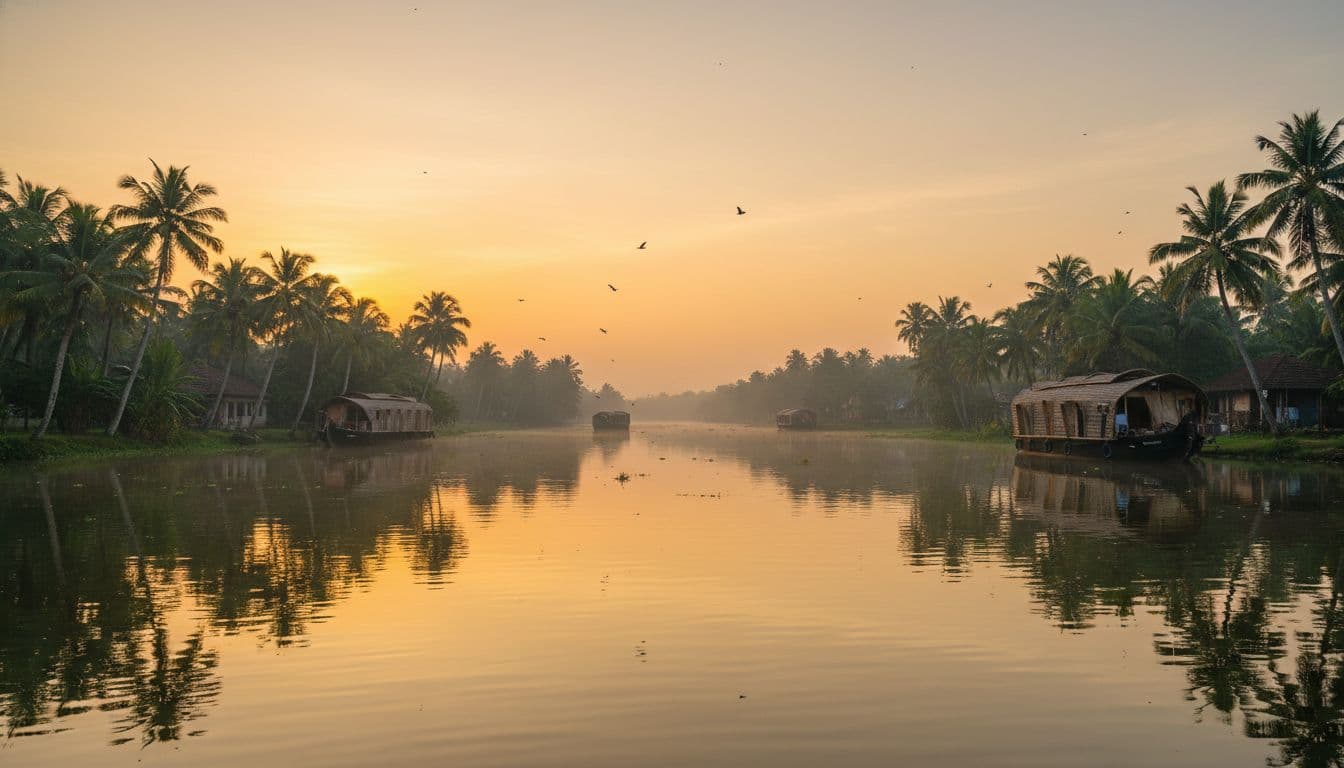


The 15 Best Tourist Sites in St. Lucia 2026 (+ Live Interactive Map!)

The 15 best tourist sites in St. Lucia 2026 are calling, from volcanic peaks to turquoise coves. As a St. Lucia island-hopper curating top attractions for IneedMyVacation.com, I have tested these spots on foot, by boat, and by Jeep. I ranked the best tourist sites in St. Lucia 2026 by popularity, uniqueness, and how easy they are to reach.

You will get a simple plan for 2026: a ranked list of 15 must-see sites, a live interactive map, clear costs from $0 to $100, best times to go, and insider tips. Eco-luxury and wellness lead the way in 2026, and demand keeps rising. Travelers are booking more eco trips and sustainable stays, which fits St. Lucia’s style.

For deep planning, start with the island’s essentials in Trip.com St. Lucia Travel Guide. Scan rates and lock in flexible options using Trip.com St. Lucia Hotels.

Want a handy read for the plane? Grab the St. Lucia Travel Guide.

Best tourist sites in St. Lucia 2026 Pitons sunrise

Caption: Sunrise over the Pitons, a must for the best tourist sites in St. Lucia 2026. Image created with AI.

Book your 2026 St. Lucia escape! Start now

This post contains affiliate links. If you make a purchase through these links, we may earn a commission at no extra cost to you.

Top Things to Do in St. Lucia in 2026

St. Lucia’s Unmatched Beauty and 2026 Travel Snapshot

St. Lucia is the Caribbean’s crown jewel. Her skyline is a pair of green fangs, the Pitons, rising from neon-blue water. Trails drop into rainforest, then spill out to beaches with powder-soft sand.

In 2026, travelers want three things. Nature and adventure. Beaches and relaxation. Culture and history. St. Lucia delivers all three with style.

  • Free Castries Market, meet makers and try spices, cocoa tea, and hot sauce.
  • Diamond Falls, a low-cost color show, entry about $5 to $10.
  • Premium eco-luxury views at Jade Mountain, open-air sanctuaries and solar power.
  • The Pitons for iconic photos, Gros Piton for a rewarding, guided climb.
  • Sulphur Springs, a drive-in volcano with muddy, skin-friendly pools.
  • Pigeon Island’s fort ruins, trails, and calm cove beach.
  • Reduit Beach, long golden sand with water sports and family space.

St. Lucia is serious about sustainability. Coral protection at Anse Chastanet keeps reefs vibrant for snorkeling and diving. Jade Mountain uses green building ideas and a low-impact design. Pigeon Island holds protected park status, which secures its trails and ruins for future generations.

Sulphur Springs drive-in volcano

The famous drive-in volcano at Sulphur Springs. Image generated by AI.

Live Interactive Map and Simple Planning

I built a live Google Map with all 15 sites pinned. It is color-coded by category: Nature and Adventure, Beaches and Relaxation, Culture and History. Zoom, tap markers, and read descriptions for each stop.

Click pins for directions, photos & tips! Open Full Map

Follow this simple flow:

  • Day 1, north island: Pigeon Island and Reduit Beach.
  • Day 2, central coast: Marigot Bay views and an afternoon boat.
  • Day 3, south island: the Pitons region, Sulphur Springs, and Diamond Falls.
  • Extend to 5 days by adding Tet Paul, Anse Chastanet, and Sugar Beach.

Find activities and guided tours: Trip.com St. Lucia Activities.

Before you start, protect your phone for boat days: Waterproof Phone Pouch.

Top 15 St. Lucia Attractions You Can’t Miss in 2026

Marigot Bay tropical vista

Marigot Bay’s calm waters and hillside palms. Image created with AI.

1) The Pitons

Two volcanic peaks frame the island’s soul. Gros Piton is a guided hike with steady climbs and huge payoffs.

  • Entry: free access to the area, Gros Piton guide about $25 to $35.
  • Best time: December to April, start early.
  • Sustainability: trail work supports local guides and conservation.
  • Tip: bring water and wear grippy shoes.

2) Pigeon Island National Landmark

Fort ruins, ocean views, and a tranquil beach make this a perfect half day. History lovers and families both win here.

  • Entry: about $8 to $10.
  • Best time: dry season, cool mornings.
  • Sustainability: protected historic and natural site.
  • Tip: climb to the fort for panoramic photos, then swim.

3) Sulphur Springs

The famous drive-in volcano has steamy vents and warm mud baths. It is oddly soothing and very photogenic.

  • Entry: about $5 to $10.
  • Best time: mornings to avoid lines.
  • Sustainability: geothermal site with eco-safe practices.
  • Tip: wear dark swimwear and rinse well afterward.

4) Diamond Falls Botanical Gardens

Waterfall hues shift with minerals, and the gardens feel lush and calm. A quick, colorful escape close to Soufrière.

  • Entry: about $5 to $10.
  • Best time: early morning or late afternoon light.
  • Sustainability: botanical conservation projects.
  • Tip: bring a light rain jacket for mist.

5) Marigot Bay

A gorgeous harbor with hillside palms, marinas, and boat access. Sit with a view or book a short cruise.

  • Entry: free to visit, activities vary.
  • Best time: December to April, late afternoon light.
  • Sustainability: marine preservation efforts.
  • Tip: grab a hillside vantage point for photos.

6) Anse Chastanet Beach

Expect calm water, healthy reef, and an easy snorkel entry. Divers love the nearby drop-offs.

  • Entry: free beach access, paid diving.
  • Best time: morning for clear water.
  • Sustainability: reef protection and responsible diving.
  • Tip: pack a snorkel set and swim shoes. Grab the Snorkel Set.

7) Castries Market

Fresh fruit, spices, baskets, and hot sauces. It is lively and a perfect taste of local life.

  • Entry: free.
  • Best time: weekday mornings, avoid cruise rush.
  • Sustainability: supports local artisans and farmers.
  • Tip: carry small bills and try cocoa tea.

8) Morne Coubaril Estate

A working plantation with tours and light adventure. Some packages include zip-lines and cultural demos.

  • Entry: about $25 for tours, extras for zip-line.
  • Best time: mid-morning after dew dries.
  • Sustainability: traditional farming and agri-tourism.
  • Tip: pair with Tet Paul if timing fits.

9) Jade Mountain Resort

This is the island’s signature eco-luxury view. Three-walled sanctuaries open to the Pitons and sea.

  • Entry: resort-access experiences only.
  • Best time: sunset for the Pitons glow.
  • Sustainability: green building and solar use.
  • Tip: dine with a reservation if not staying. Rooms often price at $1,000+.

10) Reduit Beach

Long shoreline, great for kids, with water sports and casual food. The water stays calm most days.

  • Entry: free.
  • Best time: late morning to mid-afternoon.
  • Sustainability: beach clean-ups and local stewardship.
  • Tip: try paddleboarding and bring shade.

11) Tet Paul Nature Trail

A short, easy walk to a big view of the Pitons. It is a high-reward, low-sweat path.

  • Entry: about $10.
  • Best time: mornings for clear skies.
  • Sustainability: local guides and trail maintenance.
  • Tip: great for families and photographers.

12) Fond Doux Cocoa Plantation

Taste organic chocolate and learn the bean-to-bar process. A sweet stop that also supports local jobs.

  • Entry: about $20.
  • Best time: late morning, pair with Diamond Falls.
  • Sustainability: organic farming and community work.
  • Tip: bring cash for chocolate.

13) Enbas Saut Waterfalls

A rainforest trail to a refreshing cascade. Less crowded, more wild.

  • Entry: often free or a small park fee.
  • Best time: year-round, skip heavy rain windows.
  • Sustainability: protected natural area.
  • Tip: wear sturdy shoes and pack bug spray.

14) Sugar Beach

Between the Pitons, white sand meets clear blue water. Resort service sets a high bar.

  • Entry: resort access for full amenities, public shoreline access exists.
  • Best time: late morning for sun on sand.
  • Sustainability: eco-minded operations.
  • Tip: arrange a shuttle and respect resort rules.

15) Rodney Bay

Nightlife, dining, and a scenic marina walk. It is great after a beach day at Reduit.

  • Entry: free.
  • Best time: evenings for live music and food.
  • Sustainability: local business support and tourism education.
  • Tip: pair with Pigeon Island for a full day.

Comparison Table: Rank, Cost, Category

RankSiteEntry CostCategory
1The PitonsFree area, $25–$35 hikeNature and Adventure
2Pigeon Island$8–$10Culture and History
3Sulphur Springs$5–$10Nature and Adventure
4Diamond Falls$5–$10Culture and History
5Marigot BayFreeBeaches and Relaxation
6Anse Chastanet BeachFreeBeaches and Relaxation
7Castries MarketFreeCulture and History
8Morne Coubaril Estate~$25Culture and History
9Jade Mountain ResortResort accessBeaches and Relaxation
10Reduit BeachFreeBeaches and Relaxation
11Tet Paul Nature Trail~$10Nature and Adventure
12Fond Doux Plantation~$20Culture and History
13Enbas Saut WaterfallsSmall park fee or freeNature and Adventure
14Sugar BeachResort accessBeaches and Relaxation
15Rodney BayFreeCulture and History

When to Visit and How to Save

St. Lucia is a year-round escape, but timing helps you save and see more.

  • Dry season, December to April: best for the Pitons hikes and clear snorkel days.
  • Shoulder months, May to June and November: better prices and fewer crowds.
  • Summer greens, July to October: lush waterfalls and quieter beaches.
  • Watch the hurricane window. Keep plans flexible and monitor forecasts.

Flights are easiest to compare here: Trip.com Flights to St. Lucia.

Pack smart and reef-friendly:

FAQs About St. Lucia’s Top Tourist Sites 2026

Q: What is the cheapest top site in 2026?
A: Castries Market is free and full of flavor.

Q: What is the best easy hike?
A: Tet Paul Nature Trail offers huge views with a short, simple path. Ideal for beginners and families.

Q: When is the best time to hike Gros Piton?
A: Dry mornings from December to April are best. Start early and bring water.

Q: Where should I stay for the Pitons?
A: Base in Soufrière for quick access.

Q: Which beaches are best for calm water?
A: Sugar Beach and Anse Chastanet tend to be calm.

Q: How do I find good flight deals?
A: Use flexible dates and compare airports. Check Trip.com routes like Miami to St. Lucia.

Q: Where do I book tours and transfers?
A: Trip.com St. Lucia Activities lists vetted options for 2026, including hiking, snorkeling, and guides.

Conclusion

I mapped, ranked, and priced the 15 best tourist sites in St. Lucia 2026. You have a live map, clear costs, and practical tips to plan with confidence. Use the route notes, pack reef-safe, and add your own twist. Explore the 15 best St. Lucia sites in 2026. Book now!

Aerial of the Pitons

Aerial of the Pitons and sapphire bays. Image generated by AI.

© 2026 IneedMyVacation.com. All rights reserved.


The 15 Best Tourist Sites in Spokane, WA 2026 (+ Map)

Discover the best tourist sites in Spokane WA 2026. As a Spokane explorer curating top attractions for IneedMyVacation.com, I zero in on river views, free parks, and walkable downtown stays. Inside this guide, I rank the top 15 sites, share a map with all pins, outline prices from $0 to $25, and suggest the best times to visit. I also highlight Expedia hotel, flight, and package deals that put you steps from Riverfront Park and Manito’s gardens.

Riverfront Park is free to enter, the SkyRide has a small fee, and spring brings peak flows at Spokane Falls. I track 2026 trends like river-city getaways, outdoor micro-adventures, and family-friendly city breaks. Expedia Spokane attraction deals 2026 make it easy to stay near the riverfront, galleries, and the carousel without spending a fortune.

Having biked Spokane’s trails and crossed its bridges for years, I keep things simple and practical. You’ll see what’s free, what’s worth a small ticket, and how to move between the falls, gardens, museums, and kid-favorite stops in one neat loop. The best tourist sites in Spokane WA 2026 reward you with big scenery and small prices. Expedia Spokane attraction deals 2026 bundle hotels and flights in one place so you can focus on the fun.

Book your 2026 Spokane adventure on Expedia with IneedMyVacation.com! Start now.

This post contains affiliate links. If you make a purchase through these links, we may earn a commission at no extra cost to you.

Best tourist sites in Spokane WA 2026 Expedia

Image created with AI, Spokane Falls in early spring, Best tourist sites in Spokane WA 2026 Expedia.

Top Things to Do in Spokane WA in 2026

Spokane’s Riverfront Renaissance: Why the Best Tourist Sites in Spokane WA 2026 Shine

Spokane Riverfront Park summer river scene

Image created by AI

I love how Spokane puts the river at the center of your trip. I can walk the Centennial Trail, pop into the Looff Carrousel for a spin, then wander to the falls in minutes. Hotels near Riverfront Park sit close to galleries, museums, and the splashy Rotary Fountain. It is the kind of city where you can park once, then roam on foot or by bike.

Free access wins. Riverfront Park, the Centennial Trail, and Huntington Park do not charge admission, which makes a big difference for families and groups. Paid rides like the SkyRide and Looff Carrousel sit under typical city attraction prices, often under 15 dollars, with quick lines outside peak times. I ride the SkyRide in spring to watch the river swell, then grab a bench and listen to the whitewater roar.

  • Free access wins: Riverfront Park, Centennial Trail, and Huntington Park are free, with paid rides like SkyRide under $15.
  • Walkable downtown: Hotels near Riverfront Park place you minutes from the falls, museums, and the carousel.
  • Family-friendly: Mobius Discovery Center, Looff Carrousel, and the Numerica Skate Ribbon are easy hits for kids.
  • Culture that pops: MAC + Campbell House for history, First Friday Art Walk for local art energy.
  • Best times: Spring for the roaring falls, summer for gardens and festivals, winter for the skate ribbon.

I bring first-time visitors to Manito Park and they are stunned that it is free. The Rose Hill glows in June and July, while the Japanese Garden and Duncan Garden feel calm even on busy days. Centennial Trail spans the riverfront with pavement that suits strollers and casual bike rides. These are the best tourist sites in Spokane WA 2026 if you want value, easy access, and fresh air.

I also like how Spokane keeps prices sensible. Museums and galleries usually sit in the $10 to $15 range, with discounts for kids and seniors. The MAC and Campbell House pair well, and you can fill a half day without paying more than parking and a coffee. When the forecast looks bright, I catch the First Friday Art Walk to see murals and meet local artists.

I use this Spokane Travel Guide Buy on Amazon for easy planning.

Search Spokane hotels on Expedia here.

Your Custom Spokane Map

I built a custom Google Map with all 15 pins so planning takes minutes. Most pins cluster along the river. That saves time because you can walk from Riverfront Park to views of Spokane Falls, then to galleries, in a single loop.

Use zoom controls to focus on each site. Full-screen mode helps on mobile.

Click pins for directions, photos & tips! Open Full Map

See hotels near the pins on Expedia now.

Top 15 Spokane Attractions You Can’t Miss in 2026

Here is how I rank the best tourist sites in Spokane WA 2026, weighted by popularity, uniqueness, and accessibility. I favor river views, free parks, and family-friendly stops, with quick tips to keep your day smooth. Expedia Spokane attraction deals 2026 make these easy to pair with central hotels.

Pack light with a Travel Daypack Buy on Amazon.

1) Riverfront Park (Parks & Nature)

The heart of Spokane’s riverfront. Free entry, with summer cool-down at Rotary Fountain and classic rides at the Looff Carrousel. The SkyRide is a paid extra that pairs well with spring’s roaring falls.

  • Entry: $0
  • Best time: spring for the falls, summer for events and shade
  • Tip: book a downtown hotel and walk everywhere

Stay near Riverfront Park on Expedia see options.

2) Spokane Falls SkyRide and Viewpoints (Parks & Nature)

Glide past the cascades by gondola, then hit pedestrian bridges for wide-open waterfall views.

  • Entry: viewpoints are free, SkyRide is a small fee under $15
  • Best time: May for peak flows
  • Tip: arrive early on weekends to skip lines

Stay near Spokane Falls on Expedia check rates.

3) Manito Park & Botanical Gardens (Parks & Nature)

Rose Hill, Japanese Garden, and formal Duncan Garden make a perfect trio.

  • Entry: free
  • Best time: late spring through early fall for blooms
  • Tip: morning light is best for photos and cooler temperatures

Hotels close to Manito Park on Expedia view deals.

4) Centennial Trail (Parks & Nature)

Forty miles of paved path with river views and city access.

  • Entry: free
  • Best time: spring through fall
  • Tip: rent a bike downtown and pedal east toward Gonzaga for easy miles

Stay along the trail on Expedia browse stays.

5) Huntington Park (Parks & Nature)

Small park, big views. Quiet seating faces the falls, with mist in spring.

  • Entry: free
  • Best time: year-round, pairs with Riverfront Park
  • Tip: wear shoes with grip in spring when paths get slick

Find hotels near Huntington Park on Expedia book now.

6) Northwest Museum of Arts & Culture (History & Culture)

A Smithsonian-affiliated gem with regional art and Indigenous history.

  • Entry: about $10 to $12 for adults, with discounts
  • Best time: year-round, check rotating exhibits
  • Tip: combine with the Campbell House next door for a two-for-one cultural day

Stay near the MAC on Expedia see nearby hotels.

7) Campbell House (History & Culture)

Step into a turn-of-the-century mansion that pairs with MAC admission.

  • Entry: often included with MAC ticket
  • Best time: year-round tours
  • Tip: reserve a time slot on busy weekends

Hotels close to Campbell House on Expedia check availability.

8) Spokane Art Walk (First Friday) (History & Culture)

Downtown comes alive with open galleries, murals, and live music.

  • Entry: free at most galleries
  • Best time: first Friday evenings
  • Tip: start near the historic Davenport area to see more in less time

Stay downtown for Art Walk nights on Expedia find a room.

9) Patsy Clark Mansion (History & Culture)

An ornate mansion in Browne’s Addition with Gilded Age charm.

  • Entry: free to admire from outside, dining costs vary when events run
  • Best time: evenings for lit-up photos
  • Tip: take photos from the sidewalk to frame the full facade

Hotels near Browne’s Addition on Expedia compare stays.

10) Martin Woldson Theater at The Fox (History & Culture)

Art Deco elegance and home stage for the Spokane Symphony.

  • Entry: ticketed events, balcony deals often under $25
  • Best time: concert nights
  • Tip: weekday shows are easier on both crowds and price

Walk to The Fox from your hotel booked on Expedia see options.

11) Mobius Discovery Center (Family & Fun)

Hands-on science and play, ideal for kids who like to tinker.

  • Entry: about $10 per person
  • Best time: weekday mornings for more space to explore
  • Tip: pair with the nearby carousel for a half-day that flies by

Stay near Mobius on Expedia book family-friendly stays.

12) Looff Carrousel (Family & Fun)

A lovingly restored 1909 classic inside Riverfront Park.

  • Entry: a few dollars per ride
  • Best time: summer weekends for energy and street performers
  • Tip: bring cash or card for quick ticket purchases

Hotels by the carousel on Expedia see deals.

13) Numerica Skate Ribbon (Family & Fun)

A curving outdoor ribbon for winter ice, then a summer stroll.

  • Entry: skating fees in winter, free to walk in summer
  • Best time: December to February for ice
  • Tip: rent skates on-site to save time

Book a winter stay near the ribbon on Expedia check winter rates.

14) Spokane Public Market (Family & Fun)

Local makers, seasonal bites, and easy weekend vibes.

  • Entry: free
  • Best time: weekends for more vendors
  • Tip: check current hours, then loop the riverfront afterward

Stay near downtown markets on Expedia view hotels.

15) John A. Finch Arboretum (Parks & Nature)

A peaceful tree-filled oasis with paths and birdlife.

  • Entry: free
  • Best time: spring blooms and fall color
  • Tip: quiet mornings are best for photos and birding

Hotels near Finch Arboretum on Expedia find nearby stays.

Fast Compare: Spokane’s Top 15

RankSiteEntry CostCategoryExpedia Hotel Link
1Riverfront Park$0Parks & NatureSee nearby stays
2Spokane Falls SkyRide & Viewpoints$0–$15Parks & NatureSee nearby stays
3Manito Park & Botanical Gardens$0Parks & NatureSee nearby stays
4Centennial Trail$0Parks & NatureSee nearby stays
5Huntington Park$0Parks & NatureSee nearby stays
6Northwest Museum of Arts & Culture~$12History & CultureSee nearby stays
7Campbell Houseincl./$12History & CultureSee nearby stays
8Spokane Art Walk (First Friday)$0History & CultureSee nearby stays
9Patsy Clark Mansion$0History & CultureSee nearby stays
10Martin Woldson Theater at The Fox<$25History & CultureSee nearby stays
11Mobius Discovery Center~$10Family & FunSee nearby stays
12Looff Carrousel$3–$5Family & FunSee nearby stays
13Numerica Skate Ribbon$0–$15Family & FunSee nearby stays
14Spokane Public Market$0Family & FunSee nearby stays
15John A. Finch Arboretum$0Parks & NatureSee nearby stays

Book your Spokane stay on Expedia here.

Plan Smart: When to Visit and How to Save in Spokane

Downtown Spokane Riverfront Park vista

Image created with AI, seasonal planning reference, Best tourist sites in Spokane WA 2026 Expedia seasons guide.

Expedia Booking Tips That Cut Spokane Costs

I keep bookings flexible and pick walkable stays near the river. Expedia Spokane attraction deals 2026 often highlight hotels by the park, which trims rideshare costs.

  1. Book downtown hotels on weekdays for lower rates. I often find better prices midweek on Expedia Spokane Hotels.
  2. Fly into GEG with flexible dates. Start with Flights to Spokane search flights.
  3. Bundle hotel and car in one Expedia package to cut total cost. See Expedia Spokane Packages.
  4. Compare SEA, PDX, and DEN fares into Spokane. Try Seattle to Spokane SEA to GEG, Portland to Spokane PDX to GEG, and Denver to Spokane DEN to GEG.
  5. Add free cancellation filters, especially for hotels near Riverfront Park. Then slot in activities with things to do.

Carry a Reusable Water Bottle Buy on Amazon.

Find Spokane flights on Expedia here.

Seasonal Guide: When Each Site Shines

I plan Spokane like a four-act play. Spring wakes the falls, summer blooms, fall paints the trees, and winter brings skates and cozy shows. Expedia Spokane attraction deals 2026 often feature spring shoulder-season rates and winter packages.

  • Spring: Spokane Falls and SkyRide are electric in May when the river runs high. Riverfront Park and Huntington Park feel fresh and green, with lighter crowds on weekdays.
  • Summer: Manito Park is peak roses, and Rotary Fountain is a free splash hit for kids. Centennial Trail rides are breezy, and galleries open late on warm evenings.
  • Fall: Finch Arboretum glows yellow and red, and Centennial Trail frames great leaf-peeping. Cooler temps make market browsing and museum days comfortable.
  • Winter: The Numerica Skate Ribbon shines under lights, and The Fox hosts symphony and shows. Downtown hotels keep you close so you can walk to dinner.

Keep a Portable Charger Buy on Amazon.

Bundle flight + hotel on Expedia for savings.

Spokane downtown riverfront cityscape

FAQs About Spokane’s Top Tourist Sites 2026

Q: What are the cheapest sites in Spokane for 2026?
A: Riverfront Park, Centennial Trail, Huntington Park, and Finch Arboretum are free. Book a central stay on Expedia Spokane Hotels to walk to many of them.

Q: What is the best month to see Spokane Falls?
A: May is usually peak flow. Pair it with a SkyRide ticket and search stays near the river on the Expedia Spokane Travel Guide.

Q: Where should I book Spokane hotels and flights?
A: Expedia is my go-to for Spokane 2026. Compare hotels, flights, packages, and activities in one place with strong filters and deals.

Q: Do I need a car in Spokane?
A: Not if you stay downtown. Most top sites loop along the river. If you want to explore wider, compare bundles in Expedia Spokane Packages.

Q: What are kid-friendly picks?
A: Mobius Discovery Center, Looff Carrousel, and the Numerica Skate Ribbon. Find family rooms near the park on Expedia Spokane Hotels.

Q: Are there good options under $25?
A: Yes, the MAC is about $10–$12, and the SkyRide often runs under $15. The rest of your day can be free with parks and paths.

Q: What 2026 trends help Spokane travelers?
A: River-city getaways and outdoor micro-adventures keep demand high. Expedia Spokane attraction deals 2026 put you close to the river without big-city prices.

See Spokane packages on Expedia compare now.

Conclusion

Spokane rewards curious travelers with roaring water, shady gardens, and a compact downtown that is easy to explore. The best tourist sites in Spokane WA 2026 deliver free paths, low-cost museums, and family-friendly fun that fits any weekend. Use the interactive map to plan your loop, then grab hotels, flights, and packages with Expedia Spokane attraction deals 2026 to save time and money. IneedMyVacation.com is here to help you plan, save, and travel with confidence across the top things to do in Spokane.

I track trip memories in a Travel Journal Buy on Amazon.

Explore the 15 best Spokane sites in 2026 with IneedMyVacation.com on Expedia! Book now.

© 2026 IneedMyVacation.com. All rights reserved.
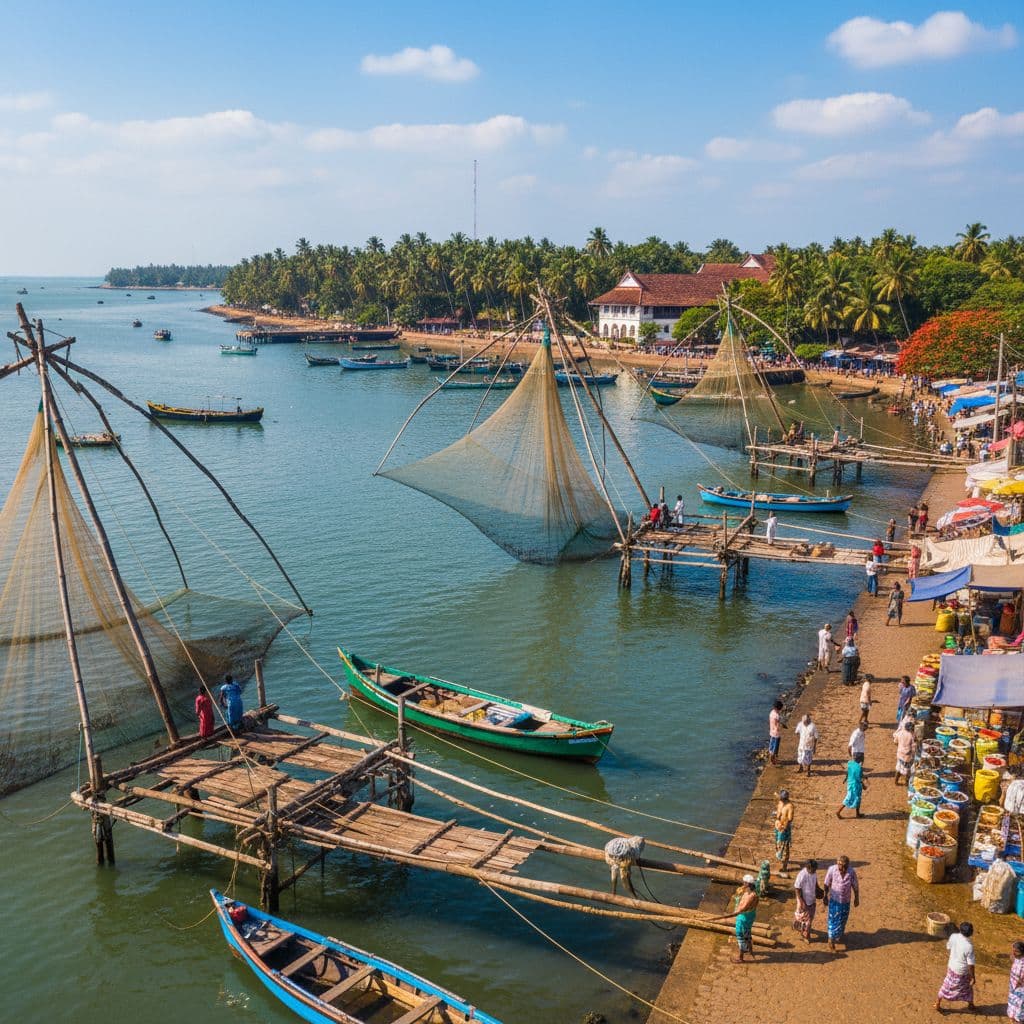


The 15 Best Tourist Sites in Madison, WI 2026 (+ Map & Hidden Gems)


The 15 Best Tourist Sites in Madison, WI 2026 (+ Map & Hidden Gems)

Explore the 15 best tourist sites in Madison WI 2026 with me, from Capitol domes to lakeside sunsets and sweet ice cream on the Terrace. I ranked these picks by popularity, uniqueness, and accessibility, and I grouped them into three easy buckets: Lakes and Outdoors, History and Culture, and Food and Fun. I also built a simple map with 15 pins you can use for planning and quick directions. I’ll call out free spots, low-cost gems, and where Expedia makes it easy to stay near the action.

As a Madison local curating top attractions for IneedMyVacation.com, I’ve walked this isthmus for years. I know where the light hits Lake Monona at dusk, when the Capitol is quiet for photos, and which trails give you prairie blooms without the crowds. I also keep tabs on new spots and travel trends. With college-town culture in demand heading into 2026 and strong lakefront leisure interest, travelers want value, walkable neighborhoods, and authentic experiences. Expedia’s trend notes point to travelers choosing low-stress city breaks with outdoor time, campus art, and food markets that feel local. Madison fits that perfectly, from the free Wisconsin State Capitol to the colorful chairs at Memorial Union Terrace.

If you’re building a weekend plan, start with my custom list below and the map. Then tap Expedia to compare hotels on the isthmus, flights into MSN, and packages that fold it all together.

Book your 2026 Madison trip on Expedia with IneedMyVacation.com! Start now

This post contains affiliate links. If you make a purchase through these links, we may earn a commission at no extra cost to you.

Best tourist sites in Madison WI 2026 via Expedia. Wisconsin State Capitol at sunset with lakes in the background.

Image created with AI

Top Things to Do in Madison WI in 2026

Madison’s Lakes, Culture, and Charm: Why Visit in 2026

Explore the stunning baroque architecture of Madison's iconic Wisconsin State Capitol dome interior.
Photo by Quang Vuong

Madison sits on an isthmus between Lake Mendota and Lake Monona, so the city feels like one big waterside promenade. On foot or by bike, the skyline opens and closes as you cross the ridge. Even better, the best tourist sites in Madison WI 2026 are either free or affordable, and most sit within a quick stroll or ride from each other. This makes planning easy for families and friend groups.

I love how approachable this city is in 2026. Travelers want campus culture, walkable neighborhoods, and lake-time without stress. Free galleries on campus and calm trails in the Arboretum check those boxes. You can watch a Memorial Union Terrace sunset one night, then wake up to the Dane County Farmers’ Market on the Square. Expedia’s value focus and flexible options make it simple to keep costs down and still stay close to the highlights.

  • Free Capitol tours with great history and architecture
  • Memorial Union Terrace sunsets, live music, and easy lake breezes
  • Bike-friendly routes, lake loops, and eco-minded paths
  • Campus art and museums at no cost, perfect for rainy days
  • Great food and markets around Capitol Square, from brats to cheese flights

In short, the best tourist sites in Madison WI 2026 line up with what travelers want this year: a blend of outdoor time, culture, and local flavor at fair prices.

Madison Travel Guide Buy on Amazon

Search Madison hotels on Expedia here

Your Custom Madison Map: See All 15 Best Tourist Sites in One Place

Use this interactive map to see every lakefront overlook, museum, and food stop at a glance. Zoom in to read pin notes and grab directions, and save it for on-the-go planning. I’ve labeled extras for the Madison hidden gems 2026 map so it is easy to spot quick photo ops and snack stops.

Click pins for directions, photos & tips! Open Full Map

Browse Madison activities on Expedia here

Top 15 Madison Attractions You Can’t Miss in 2026

I ranked these spots by popularity, uniqueness, and how easy they are to reach. I also grouped them by Lakes and Outdoors, History and Culture, and Food and Fun, so you can build a balanced day without hopping all over town.

Before diving in, here is a quick-scanning table with ranks, categories, and a hotel link for each.

RankSiteEntry CostCategoryExpedia Hotel Link
1Wisconsin State Capitol$0History & CultureHotels near Capitol
2Olbrich Botanical Gardens$0–$8Lakes & OutdoorsHotels near Olbrich
3Henry Vilas Zoo$0 donationFamily & FunHotels near Zoo
4Memorial Union Terrace$0Lakes & OutdoorsHotels near Terrace
5Monona Terrace$0–$5 tourHistory & CultureHotels near Monona Terrace
6UW–Madison Arboretum$0Lakes & OutdoorsHotels near Arboretum
7State St. & Capitol Square$0 to strollFood & FunHotels near State Street
8Chazen Museum of Art$0History & CultureHotels near Chazen
9Dane County Farmers’ Market$0 to browseFood & FunHotels near Market
10Allen Centennial Garden$0Lakes & OutdoorsHotels near Allen Garden
11Lake Mendota Kayaking~$20/hrLakes & OutdoorsHotels near Mendota
12Wisconsin Historical Museum$0–donationHistory & CultureHotels near Historical Museum
13Fromagination~$10 tastingFood & FunHotels near Fromagination
14Picnic Point$0Lakes & OutdoorsHotels near Picnic Point
15The Edgewater Pier$0Lakes & OutdoorsHotels near Edgewater

Travel Daypack Buy on Amazon

1) Wisconsin State Capitol (History & Culture)

The marble, murals, and that glowing granite dome are the city’s crown. Tours are free and friendly, and weekdays are quiet.

  • Entry: $0
  • Best time: weekday mornings
  • Tip: elevators help with access, observation deck offers skyline views

Stay near the Capitol on Expedia from $99.

2) Olbrich Botanical Gardens (Lakes & Outdoors)

Olbrich feels like a living postcard, with the Thai Pavilion and blooming borders. The Bolz Conservatory has tropical warmth all year.

  • Entry: outdoors free or low cost, conservatory about $8
  • Best time: spring blooms or summer evenings
  • Tip: shoot photos at golden hour and use shaded benches for breaks

Stay near Olbrich on Expedia from $99.

3) Henry Vilas Zoo (Family & Fun)

A community favorite with kid-friendly paths and playful exhibits.

  • Entry: free with optional donation
  • Best time: mild afternoons
  • Tip: catch keeper talks, bring a stroller, pair with lake walk after

Stay near Henry Vilas Zoo on Expedia from $99.

4) Memorial Union Terrace (Lakes & Outdoors)

Colorful chairs, live music, and Babcock ice cream create the perfect Madison night.

  • Entry: $0 to visit
  • Best time: summer evenings
  • Tip: pack a light layer and check the music calendar early

Stay near the Terrace on Expedia from $99.

5) Monona Terrace (History & Culture)

Frank Lloyd Wright’s vision sits right on Lake Monona, with rooftop views that glow at sunset.

  • Entry: outside free, tours often around $5
  • Best time: sunset
  • Tip: elevators and ramps make access smooth

Stay near Monona Terrace on Expedia from $99.

6) UW–Madison Arboretum (Lakes & Outdoors)

Prairie paths, hardwoods, and easy birding fill an afternoon fast.

  • Entry: $0
  • Best time: September to October for color, spring for blooms
  • Tip: stick to marked trails, bring water, leave no trace

Stay near the Arboretum on Expedia from $99.

7) State Street and Capitol Square (Food & Fun)

A pedestrian-friendly run from campus to the Capitol.

  • Entry: $0 to stroll
  • Best time: evenings or market mornings
  • Tip: use bike share, look for budget bites on side streets

Stay along State Street on Expedia from $99.

8) Chazen Museum of Art (History & Culture)

Light-filled galleries with changing exhibits and calm spaces to wander.

  • Entry: $0
  • Best time: weekday afternoons
  • Tip: check rotating exhibits and nearby sculpture garden

Stay near Chazen on Expedia from $99.

9) Dane County Farmers’ Market (Food & Fun)

The country’s largest producer-only market rings the Capitol, April to November.

  • Entry: $0 to browse
  • Best time: get there early for the best picks
  • Tip: bring a tote for curds and flowers, cash and cards work

Stay near the Market on Expedia from $99.

10) Allen Centennial Garden (Lakes & Outdoors)

A pocket of peace with themed beds near campus.

  • Entry: $0
  • Best time: summer afternoons
  • Tip: quiet photo spot with benches, small events pop up

Stay near Allen Garden on Expedia from $99.

11) Lake Mendota Kayaking (Lakes & Outdoors)

Rentals are easy and the skyline views are classic Madison.

  • Entry: about $20 per hour for rentals
  • Best time: calm mornings in summer
  • Tip: wear a life jacket, watch wind, stash snacks

Stay near Lake Mendota on Expedia from $99.

12) Wisconsin Historical Museum (History & Culture)

Hands-on displays and friendly docents keep families engaged.

  • Entry: often free or donation-based
  • Best time: weekdays
  • Tip: allow 60–90 minutes, check accessibility

Stay near the Historical Museum on Expedia from $99.

13) Fromagination (Food & Fun)

Taste flights, ask about pairings, and ship gifts home.

  • Entry: around $10 for tastings
  • Best time: midafternoon
  • Tip: ask about seasonal cheeses, bring small cooler for picnic

Stay near Fromagination on Expedia from $99.

14) Picnic Point (Lakes & Outdoors)

A breezy walk through woods to a peninsula with skyline views.

  • Entry: $0
  • Best time: sunset walks
  • Tip: stay on paths, bring small light for late returns

Stay near Picnic Point on Expedia from $99.

15) The Edgewater Pier (Lakes & Outdoors)

A short pier with photo-friendly angles of the lake and skyline.

  • Entry: $0
  • Best time: warm evenings for soft light
  • Tip: it can be breezy, bring a layer

Stay near The Edgewater Pier on Expedia from $99.

Book your Madison stay on Expedia here

Plan Your 2026 Trip: Savings, Seasons, and FAQs

Expedia Booking Tips for Madison

I like to keep planning simple, and Expedia does the heavy lifting with filters, bundles, and flexible dates. These five tips help you lock in value without losing time.

  1. Use bundles for quick savings — Bundling hotel and flight often beats booking separate. Check filters for pools, lake views, and walk scores. Flexible by one day? Rates can dip. Expedia Madison attraction deals 2026 can stack with bundles.
  2. Fly smart into MSN — Smaller airport, shorter lines. Nonstop from ORD, MSP, MKE. Chicago to Madison, Minneapolis to Madison, Milwaukee to Madison. Broader search: Find Madison flights.
  3. Stay central for car-free days — Downtown hotels keep you near the Capitol, Terrace, and State Street. Saves rideshares and parking. Look for free breakfast or credits.
  4. Plan around market mornings and sunsets — Saturdays on the Square and summer sunsets fill up rooms. Lock in refundable rates.
  5. Bring simple gear — Reusable water bottle cuts costs. Buy on Amazon.

Save with packages on Expedia compare here

When to Visit Each Site by Season

Madison changes with the light. The lake breeze in July feels different from the crisp air in October. Use these quick seasonal picks to time your trip right.

  • Summer
    • Memorial Union Terrace for live music and lake sunsets
    • Lake Mendota kayaking on calm mornings
    • The Edgewater Pier for golden-hour photos
    • State Street evenings for easy eats and people-watching
  • Fall
    • UW–Madison Arboretum for color tours and prairie glow
    • Picnic Point sunset walks with a light jacket
    • Olbrich Botanical Gardens for late-bloom borders
    • Chazen Museum of Art as a peaceful midday break
  • Winter
    • Wisconsin State Capitol and free tours, warm and historic
    • Wisconsin Historical Museum for easy family time
    • State Street cocoa runs and cozy downtown dining
    • Monona Terrace for rooftop views on clear days
  • Spring
    • Dane County Farmers’ Market reopens with flowers and greens
    • Allen Centennial Garden for first blooms
    • Olbrich Conservatory for tropical warmth
    • Fromagination for cheese and picnic supplies

Portable Charger Buy on Amazon

Bundle flight + hotel on Expedia for savings

FAQs About Madison’s Top Tourist Sites 2026

Q: What are the best tourist sites in Madison WI 2026 for first-time visitors?
A: Start with the Wisconsin State Capitol, Memorial Union Terrace, and the Dane County Farmers’ Market. Add Olbrich Botanical Gardens and State Street. Expedia helps you stay near all five.

Q: Which Madison attractions are free or donation-based?
A: The Capitol, Chazen Museum of Art, UW–Madison Arboretum, Allen Centennial Garden, and Henry Vilas Zoo are free, with the zoo suggesting a donation. Use Expedia to filter central, walkable hotels.

Q: Where should I stay to walk to most sites?
A: Downtown near Capitol Square puts you close to the Terrace, State Street, and the market. Compare central hotels and packages on Expedia for easy car-free days.

Q: Is there an interactive map for Madison hidden gems 2026?
A: Yes, the map in this guide includes 15 pins with notes, directions, and quick tips. Pair it with Expedia Madison attraction deals 2026 for seasonal savings.

Q: What is the best time to visit Madison?
A: Late spring through early fall offers the most outdoor options. Summer brings Terrace sunsets and kayaking. Winter is great for museum days and cozy dining.

Q: How can I save on my Madison trip?
A: Use Expedia bundles, flexible dates, and central hotels to cut rideshare costs. Search for Expedia Madison attraction deals 2026 before big weekends.

Q: Which family-friendly attraction should I prioritize?
A: Henry Vilas Zoo is free, stroller-friendly, and close to lake paths. Book a nearby hotel on Expedia to keep nap breaks easy.

Q: Where can I book everything in one place?
A: Expedia is the best all-in-one hub for Madison in 2026, with hotels, flights, and activities on one page.

Plan with Expedia start here

Conclusion

I put this list together to give you the best tourist sites in Madison WI 2026 in one clean plan. From the free Capitol to lakefront sunsets at the Terrace, you can build easy days that flow from breakfast at the market to golden-hour photos on the pier. Use the interactive map to visualize the route, then compare stays and flights in one place.

I plan my own city breaks with simple tools and a notebook. If you like to do the same, bring a Travel Journal Buy on Amazon. For booking, Expedia keeps it fast and flexible. That way, you can focus on the fun and not the forms. See you on the isthmus.

Explore the 15 best Madison sites in 2026 with IneedMyVacation.com on Expedia! Book now

© 2026 IneedMyVacation.com. All rights reserved.
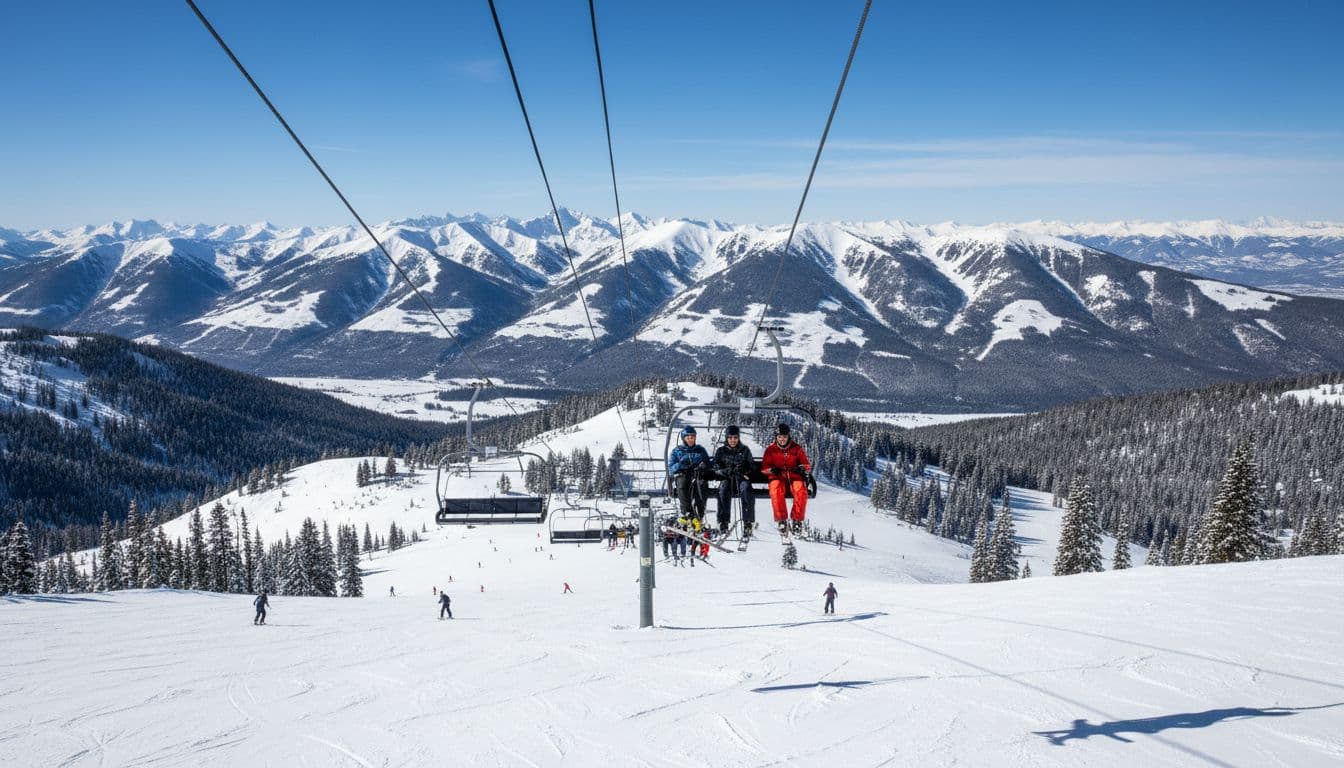

Pin It on Pinterest