How to Use AirHelp to Get Paid for Your Delayed Spring Break Flight (Passenger Rights Deep Dive)
Spring break travel has a special talent for falling apart at the gate. One minute I’m scanning the departure board, the next I’m watching my flight bounce from Gate B12 to C4, then back again. The line at customer service curls around a kiosk like a theme park ride, and my “quick connection” turns into a missed one.
Here’s the calm truth: cash compensation isn’t based on how miserable the delay feels. It depends on where you flew, which airline you flew, and why the delay happened.
In this guide, I’ll share my simple plan to check if getting paid is realistic (especially for EU and UK protected routes), what proof I save, and how I use AirHelp when the airline won’t play nice.
📋 TL;DR
Who can get paid: Many EU and UK protected flights arriving 3+ hours late (when the airline is at fault).
What to save: Boarding pass, booking email, screenshots, and receipts for meals or hotels.
What AirHelp does: Checks eligibility, files the claim, follows up, and may escalate legally.
Typical timeline: Often 3 to 4+ months, sometimes longer if the airline fights back.
Affiliate Disclosure: This article contains affiliate links. If you book or purchase through these links, I Need My Vacation may earn a small commission at no extra cost to you. We only recommend services we genuinely trust and use ourselves to help you plan the perfect trip. Thank you for your support!
I treat the gate like a paperwork moment, because details disappear fast, created with AI.
When a Delayed Flight Turns Into Real Cash: Passenger Rights in Plain English
I think of flight compensation like a lock with three tumblers. Route, arrival delay, and cause all have to click into place.
In the US, most delays don’t trigger automatic cash compensation. You may get rebooked, refunded (in some cases), or offered meals and hotels depending on the situation, but “cash for a delay” usually isn’t a built-in rule.
However, EU and UK rules can still apply even for spring break trips that start in the US. For example, if I fly into the EU or UK on an EU or UK airline, those protections may follow me across the Atlantic. AirHelp’s overview of EU and UK passenger rights rules is a helpful reference when I’m sorting out which law might apply.
Here’s the simple version of the EU261 and UK261 delay setup many travelers run into:
Rule (EU261/UK261)
Trigger
Airline fault required?
Typical payout range (per person)
Arrival delay compensation
3+ hours late at final destination
Yes
About £220 to £520, based on distance and delay
AirHelp commonly focuses on flights from the past 3 years for its eligibility tools and claim handling, which is why I don’t wait until the memory fades.
If the delay reason lives outside the airline’s control, the cash claim usually dies there, even if the delay wrecked my whole trip.
“Extraordinary circumstances” usually means things like severe weather, air traffic control restrictions, or airport closures. On the other hand, crew scheduling, many technical problems, and maintenance or operational issues often sit on the airline’s side of the fence.
While I’m planning trips, I also try to reduce the odds of a missed connection by picking routes with fewer moving parts. If you want ideas for easier itineraries, I keep a running list of cheap quiet spring break trips that tend to be simpler to reach.
What I save the moment a delay starts
Boarding pass (or a screenshot of it)
Booking confirmation email
Screenshots of the delay and new departure time
Receipts for meals, hotels, and transport
The spring break version of “hurry up and wait,” created with AI.
How I Use AirHelp to File a Claim, Step by Step
When I’m tired, traveling with family, or dealing with a complicated reroute, I don’t want a second job arguing with an airline. That’s when I use AirHelp. It’s a service that checks eligibility and handles the back-and-forth, and if needed, it can push the claim further.
Run the free eligibility check and confirm the route and date.
Enter flight details (airline, flight number, and final destination).
Upload documents (boarding pass, booking email, and any reroute info).
Describe what happened in plain language (when the delay started, what I was told).
Add expenses if I paid out of pocket for food or lodging.
Track status while AirHelp contacts the airline.
Get paid if you win, usually by bank transfer or another payout method.
Timelines vary, but in real life I expect 3 to 4+ months. Some airlines respond quickly. Others stretch it out, then suddenly fold when pressure rises.
AirHelp’s fee model is typically no win, no fee, and the cut can be roughly 25 to 50 percent depending on the case and whether legal action becomes necessary. I’m fine with that trade when the alternative is me giving up halfway through.
When I skip AirHelp
Sometimes I keep it direct:
US domestic delays where EU and UK rules don’t apply
Situations where the airline already offers fair cash or an easy resolution
Times I only need a fast refund, not a compensation fight
Then I shift into prevention mode for the next trip. For spring break, I look for flexible dates, nonstop options, and longer connection buffers.
I file while the details are fresh, before the airline story changes, created with AI.
Common Spring Break Claim Mistakes That Cost You Money
Spring break delays feel chaotic, so it’s easy to make small choices that later cost real cash. These are the mistakes I watch for:
Taking a voucher without reading terms: Some offers can affect what you can claim later.
Not tracking arrival time: Compensation often depends on arrival at the gate, not takeoff.
Tossing the boarding pass: I keep paper or screenshots until the whole trip is settled.
Not asking for the delay reason in writing: Even a short message from staff helps.
Mixing up delay vs cancellation rights: The rules and remedies can differ.
Filing when weather caused it: If it’s truly extraordinary circumstances, the claim may fail.
Missing time limits: Don’t wait until you can’t prove anything.
Skipping receipts: Meals, hotels, and transport can matter for reimbursements.
Filing twice in conflicting ways: Airline claim plus a claim company can create a mess.
A smart move for protecting the rest of the trip is booking stays that won’t punish you for a late arrival. I lean toward refundable options when spring break flights are packed.
Sometimes, yes. I focus on the final arrival delay at my last destination. If that’s 3+ hours late and the airline caused it, I may still qualify.
What if the airline says “weather”?
I don’t accept that line automatically. I ask what the specific issue was, and I keep screenshots and messages. If it’s truly weather or air traffic control, cash compensation often won’t apply.
Can I claim for a family of four?
Yes, compensation is usually per passenger, not per booking. I keep every boarding pass and attach proof for each traveler.
How far back can I claim?
It depends on which rules apply, but AirHelp commonly focuses on flights from the past 3 years for its standard tools. I submit sooner because evidence gets harder with time.
How long does payout take?
I plan for months, not weeks. Many claims resolve around 3 to 4+ months, and harder cases can run longer.
Do I still get meals and hotel help at the airport?
Often, yes, especially during long waits or overnight delays. I ask at the desk and keep receipts either way.
Wrap-Up: Get Your Claim Started and Book Smarter for Next Time
When a spring break flight goes sideways, I stick to one flow: check eligibility, gather proof, submit the claim, then wait. That’s it. The hardest part is starting while the details are still clear, so I don’t lose track of times, receipts, and what the airline actually said.
If your delay hit that 3-hour mark and the cause smells like an airline problem, run the AirHelp check today and decide if it’s worth pursuing.
Then I protect the landing, too. A late arrival feels even worse when I’m hunting for a ride at midnight.
Spring Break Survival Gear for Flying With Kids: 5 Amazon Essentials for a Stress-free Flight
The gate just changed. Again. My youngest is suddenly starving, even though we ate 12 minutes ago. Meanwhile, the iPad is at 4 percent and the charging cable is buried somewhere deep in a backpack cave.
Spring break flights with kids can feel like juggling wet soap in a crowded hallway. So I keep it simple. Below is my short, tested set of Spring Break survival gear that earns its spot in my carry-on, because each item fixes one specific problem fast.
Affiliate Disclosure: This article contains affiliate links. If you book or purchase through these links, I Need My Vacation may earn a small commission at no extra cost to you. We only recommend services we genuinely trust and use ourselves. Thank you for your support!
My 5 Amazon Essentials for a Stress-Free Flight with Kids
I don’t pack for the fantasy flight where everyone naps. I pack for the real one, where the seat feels smaller than it should, the air is dry, and a 40-minute delay hits right when your kid’s patience runs out.
These five are my “fix it now” tools. I buy them on Amazon because I can replace lost pieces quickly before spring break week. (If you want a broader gear rabbit hole, this kids travel essentials roundup matches a lot of what works for real families.)
Here’s My Packing List
1. Volume-Limited Kids Noise-Canceling Headphones
What it fixes: Loud terminals, engine roar, and “turn it down” fights
Best for: Preschool and big kids (parents benefit too)
How I use it: Headphones go on during boarding, before the seatbelt sign even clicks
Buy this if: Your child melts down when things feel too loud
What it fixes: Dead tablets, dead phones, and desperate gate-floor charging
Best for: Everyone, especially if you use screens for sanity
How I use it: It stays in my personal item pocket, cable already attached
Buy this if: You’ve ever rationed battery like it’s water in a desert
3. Shockproof Tablet Case with Stand
What it fixes: Drops, sticky fingers, and the “hold it for me” trap
Best for: Toddlers through big kids
How I use it: Stand on the tray table, screen angled slightly down, hands free
Buy this if: Your kid treats gravity like a science experiment
4. Toddler Harness Backpack
What it fixes: Sprinting in terminals and sudden “independent explorer” energy
Best for: Toddlers and young preschoolers
How I use it: I clip it on before we enter the airport, not after the first escape attempt
Buy this if: Your child can run fast and listen slow
5. Mess-Free Snack Packs
What it fixes: Hunger mood swings, boredom eating, and overpriced airport snacks
Best for: All ages, including parents who forget to eat
How I use it: I portion before we leave, then I hand them out on a schedule
Buy this if: Your child’s mood has a snack-shaped key
The five items laid out for an easy grab-and-pack routine
What I Pack for the Plane Seat, Not the Whole Trip
My filter is strict because airplane space is cruel. If it can’t work in a cramped seat, I don’t bring it. If it can’t survive a drop, I don’t trust it. If my kid can’t use it without me becoming tech support, it stays home.
Most importantly, every item must solve one clear problem: noise, boredom, hunger, safety, or dead batteries. That’s it. Anything that tries to solve everything usually solves nothing.
Small Habits That Make These Items Work Harder
I download shows and games at home on Wi-Fi, because airport Wi-Fi always has a personality.
I keep a small cable pouch, so I’m not digging under granola dust for the right cord.
I pick snacks that don’t crumble, because crumbs turn a seat into a tiny sandbox.
For product research, I like scanning guides that explain why certain travel gear lasts longer, like Wirecutter’s best travel gear recommendations. I don’t copy lists blindly, but I do steal durability ideas.
My rule is simple: If I can’t grab it with one hand while holding a boarding pass, it’s not “plane gear.”
How I Use This Gear from Curb to Cruising Altitude
Spring break 2026 travel has a “keep it simple” feel. I see more families choosing nature-forward trips and multi-generational travel. That’s great, but it also means airports still spike with families moving in clusters. So I treat travel day like a timeline, not a vague hope.
Before we even leave home, I do three things that reduce surprises: I check flexible flight options, I compare refundable stays, and I pre-book transfers when we land late. I want fewer decisions when everyone’s tired.
My Travel Day Rhythm
Curb to check-in: Harness backpack is already on my toddler. No negotiations.
Security line: Snacks stay in the bag until we clear, because sticky hands slow everything.
Post-security reset: Bathroom, water, then headphones come out so the gate noise fades.
Boarding: Tablet in the shockproof stand case, power bank accessible, cords ready.
Taxi and takeoff: I save one snack for the moment the plane turns into a waiting room.
For carry-on rules, I keep it conservative. I pack lithium battery power banks in my carry-on, and I double-check size limits before we fly. If you want a current, plain-English overview, this list of TSA-compliant portable chargers is a helpful starting point.
A calmer airport moment with the gear doing its job
At the Airport: Keeping Kids Close, Fed, and Calm
Crowds change kids. A calm child can turn jittery when the terminal feels like a mall on Black Friday. That’s why I set the rules early, while everyone still has a full battery and a decent mood.
First, the harness backpack is about safety, not control. I frame it like a job: “You’re my helper, and this keeps us together.” Next, I use snacks like punctuation. I don’t hand them out constantly, because then they lose their power.
My Snack Timing Strategy
One small snack right after we clear security
One at the gate when boarding is delayed
One on the plane after takeoff
That spacing keeps hunger from stacking on top of noise and impatience.
I also set a headphone rule: headphones stay around the neck until we’re seated, then they go on. That prevents the “where are my headphones” panic at the exact wrong moment.
My Quick Gate-Change Drill (30 Seconds, No Drama)
I put boarding passes in the same pocket every time.
I move the kids first, then the bags.
I promise the next snack only after we’re at the new gate.
Once we hit the aisle, I switch into “small moves” mode. Big lectures don’t work in row 22. So I run a routine that feels like a bedtime pattern, just louder and with snack wrappers.
Phase-by-Phase Breakdown
During Boarding
Headphones go on, and the tablet stays put in the stand case. I don’t start the show yet. I let boarding finish first, because pauses and announcements can trigger instant frustration.
After Takeoff
I start the downloaded show, then I wait five minutes before snacks. That short gap keeps snacks from becoming the opening act every time.
Mid-Flight
The power bank stays reachable, not buried. If turbulence hits or the cart blocks the aisle, I can still plug in fast. I also keep wipes handy, because tray tables collect mystery smudges.
Before Landing
I save one small snack or a simple game for descent. Ear pressure can bother kids, so I offer sips of water and something to chew. Swallowing helps many children feel better, and it gives them a “job” during that weird, floaty part of landing.
A simple in-seat setup that protects the tablet and your nerves
Book the Trip Around the Flight
The gear helps, but the booking choices do heavy lifting. I plan spring break trips around the flight experience first, because a late arrival with overtired kids can wreck night one.
I’m also seeing more families favor simpler, outdoor-focused plans in 2026, which I love. That style works best when the travel day doesn’t steal all your energy upfront.
To keep my arrival calm, I do three things early: I shop flights with flexible views, I pick refundable lodging when the calendar is tight, and I line up ground transportation if we land late. Even my packing choices follow that logic. If I’m stuck in a curb line at 11 pm, I want fewer problems to solve.
Use flexible dates even when I think I can’t budge. Sometimes one day changes the price a lot.
Avoid tight connections, because sprinting through airports with kids is a special kind of misery.
Aim for arrival times that match naps, or at least don’t collide with bedtime.
Check layover airports. Some hubs turn a simple connection into a two-hour line for food and bathrooms.
Finding Refundable Family Stays
Refundable rates matter more during spring break, because weather, school stuff, and packed flights can force changes. I also prioritize places with breakfast included, because mornings are already a lot. Laundry access helps too, even if it’s just a shared machine.
Location is the quiet money saver. If I’m close to what we’ll do each day, I spend less on rides and stress.
Pre-Booking Rides for Late Landings
Late landings feel longer with kids. The lights are harsh, the baggage carousel crawls, and everyone wants to be anywhere else. Pre-booking a transfer helps me skip decision fatigue. It also gives me a clear plan when my brain is tired.
FAQ: Quick Answers About Flying with Kids During Spring Break
What age should kids start using headphones on flights?
I start as soon as my child can keep them on comfortably, often around preschool age. For younger kids, I keep expectations low and practice at home first.
Are power banks allowed in carry-ons?
I pack them in my carry-on and avoid putting them in checked baggage. Rules can vary by airline and battery capacity, so I confirm current limits before travel day.
How many snacks should I pack for a flight with kids?
I plan for one snack per hour of total travel time, plus two extras for delays. I also pack a “gate snack” that I don’t touch until something goes wrong.
What do I do during a long delay at the gate?
I rotate in this order: bathroom, water, a short walk, then a snack, then screens. That sequence keeps kids from hitting peak frustration all at once.
Are toddler harness backpacks allowed at airports?
Yes, I use them in terminals all the time. I take it off for security screening if asked, then clip it back on right after.
How do I keep tablets charged and clean on a plane?
I keep the power bank and cable in the same pocket every time, so I can plug in fast. For cleaning, I use a wipe before we start and after snacks, because sticky screens cause extra drama.
Wrap-Up: Calm Travel Is Built from Small Saves
I can’t control gate changes or spring break crowds. I can control what’s in my bag. These five essentials reduce the five biggest flight stressors: noise, boredom, hunger, safety worries, and dead batteries.
If you want one next step, pick your dates and build the trip around the flight plan you can actually live with. Then pack like your seat is a tiny stage, and your gear is the backstage crew.
Best Affordable Stopover Cities for Long Flights (Turn Layovers Into Mini-Vacations Without Extra Stress)
On my last long flight, I did that familiar airport shuffle—stiff legs, dry eyes, and a sad snack that cost more than it should’ve. I remember thinking, “I’m already here, in a major hub city… why does this feel like wasted time?”
That’s when stopovers started to make sense. A stopover is a planned break in your trip, often anywhere from about 24 hours up to several days (sometimes longer), that can add little to no extra airfare on certain airlines and routes. A layover is just the connection time between flights, usually a few hours, and it’s not always designed for leaving the airport.
This guide is my low-stress shortlist of affordable stopover cities for 2026 that are easy to exit, easy to enjoy, and actually worth the effort. I’ll share quick picks, simple booking steps, and budget-friendly mini-itineraries, so your “dead time” turns into a small trip you’ll remember.
TL;DR: My top 5 affordable stopover picks for 2026
Reykjavik: Icelandair stopover often costs no extra airfare—you just cover lodging.
Panama City: Copa Stopover can add days in Panama without changing the fare much.
Helsinki: Finnair routes make it a clean, calm “reset” city between continents.
Istanbul: Big sights on a budget, and Turkish Airlines can be stopover-friendly (rules vary).
Abu Dhabi: Etihad sometimes runs stopover promos—watch for hotel deals (confirm at booking).
Not sure where to start? Search flexible multi-city flights to any of these cities—you’ll often find stopover-friendly fares with free cancellation.
Affiliate Disclosure: This article contains affiliate links. If you book or purchase through these links, I Need My Vacation may earn a small commission at no extra cost to you. We only recommend services we genuinely trust and use ourselves to help you plan the perfect trip. Thank you for your support!
Why Stopovers Beat Airport Waiting (And Save You Money)
A good stopover city does two things well: it saves you money (or at least doesn’t inflate your fare), and it saves your sanity (simple transit, easy sightseeing, not a complicated puzzle).
Before you choose, remember this: stopover rules can change by fare type, travel dates, and route, and some perks only show up during booking. If you want a broader directory to compare programs, I keep a tab open with resources like this airline stopover program guide by Andrew Kunesh, Jessica Merritt, and Keri Stooksbury while I shop.
Once you’ve picked a city, always compare refundable hotel options near the city center—many offer free cancellation and late check-in, which is essential for short stopovers.
Top 8 Affordable Stopover Cities for 2026
Use this quick-reference table to compare stopover cities by time and budget. For route details, airline tips, and mini-itineraries, see the city guides below.
When I plan a stopover, I’m not trying to “do a destination.” I’m trying to feel human again while still making my main trip.
First, I pick the length. My two sweet spots are 18 to 36 hours (one proper sleep) or 2 to 3 nights (enough to explore without rushing). If possible, I arrive in the morning or early afternoon. Landing late makes everything harder—food choices shrink, transit slows, and the bed becomes the only plan.
My baggage strategy is blunt: carry-on only when possible. If I must check a bag, I verify whether it will be tagged to my final destination. For short stopovers, luggage storage is worth the small fee to keep hands free.
I always verify visa and entry rules using official government sources for my passport, and I view travel insurance as “missed connection protection,” not just medical coverage. Then I map the airport-to-city transfer before booking the hotel. A hotel near a central transit hub with breakfast included and flexible cancellation lowers stress fast.
My Stopover Booking Checklist (Copy-Paste Ready)
Confirm airline’s stopover rules for my specific route and fare type
Add stopover using “multi-city” search (not round-trip)
Choose hotel with late check-in and free cancellation policy
Map airport transfer time + backup option (ride app, taxi, transit)
Confirm luggage plan (through-check, storage, or carry-on only)
Screenshot all confirmations and save offline
Set two alarms for return to airport (with buffer time)
Check entry requirements for my passport nationality
Red flags I never ignore:
Tight connections on return leg (under 3 hours)
Split tickets without protection
Last flight of the night
Peak immigration times at arrival
Peak season pricing that kills affordability
Landing after midnight with no transit plan
Packing Essentials That Make Stopovers Easier (and Cheaper)
Stopovers feel cheap when I don’t re-buy basics at airport prices. These go-to items reduce friction fast without taking much space. And don’t forget to confirm your hotel’s luggage storage policy—many offer free storage even before check-in, so you can explore hands-free.
All Amazon links below use my affiliate tag so I earn commissions on qualifying purchases:
What I skip for stopovers: Too many outfits, heavy shoes, and “just in case” items that turn my bag into a brick. If it doesn’t support sleep, walking, or charging my phone, it stays home.
Why Stopovers Are the Smart Traveler’s Secret Weapon in 2026
Stopovers solve three major travel pain points simultaneously: they reduce jet lag by breaking up long flights, maximize vacation value without extra airfare, and transform stressful connection time into meaningful experiences. With rising flight costs in 2026, airlines like Icelandair, Copa, and Qatar Airways continue to offer structured stopover programs because travelers increasingly value experiences over speed. The key is selecting cities with efficient airport-to-city transit, manageable entry requirements, and concentrated attractions near accommodation—exactly what this guide delivers.
Turn Your Next Long Flight Into a Mini-Vacation
My decision rule stays simple: route first, then the stopover program perk, then my stress level. When I follow that order, I stop forcing airport hours to “count,” and I start treating them like a real travel bonus.
You don’t need a fancy plan to win a stopover. You need one good night of sleep, one walkable neighborhood, and one small list of sights that feel like a postcard.
Stopover vs layover: what’s the difference for booking?
A layover is your connection time between flights (usually hours). A stopover is a planned break (24+ hours to several days) that may cost little/no extra airfare on certain airlines when booked correctly. To access stopover pricing, use multi-city search and confirm rules during checkout.
How do I book a stopover without paying extra airfare?
Start with airlines that fly through your desired hub city. Book as multi-city (not round-trip) and compare prices. Programs like Icelandair Stopover often add no extra airfare—just hotel costs. Always verify during booking as rules vary by route, date, and fare class.
Do I need a visa to leave the airport on a stopover?
It depends on your passport nationality and destination country. Many stopover cities offer visa-free entry for short stays (e.g., Qatar for 96 hours, Turkey for certain passports). Always check official government immigration websites before booking non-refundable hotels. When in doubt, choose a stopover city with visa-free entry for your passport.
Are stopover cities safe for solo travelers?
Most featured cities rank high for traveler safety. Reduce risk by: arriving in daylight when possible, staying near central transit hubs, using official taxis/ride apps, avoiding isolated areas late at night, and sharing your itinerary with someone. Cities like Reykjavik, Helsinki, and Doha are particularly solo-traveler friendly.
Do airlines really give free hotel nights on long layovers?
Some airlines (like Qatar Airways, Turkish Airlines, Emirates) occasionally offer free hotel stays for long connections on eligible tickets, but availability is limited and rules change frequently. Never book based on outdated blog posts. Always verify current policies during booking or contact the airline directly. Treat any free hotel as a bonus, not a guarantee.
What’s the best stopover length for a long flight?
For most travelers: 18–36 hours (one good sleep + half-day exploration) or 2–3 nights (enough to explore without rushing). Less than 12 hours only works if the airport is very close to the city center with efficient transit and quick immigration. When unsure, choose the shorter option and keep plans simple.
Best Time to Book Last-Minute Flights 2026 (Price Patterns, Day-by-Day Checklist, and When to Stop Waiting)
Last-minute trips never start calmly. For me, it’s usually one of three moments: a wedding invite that lands late, a burnout week where I can’t stare at one more email, or a surprise stretch of time off that feels like a lifeline. That’s when the flight search begins, chasing last-minute deals, and the numbers on the screen can feel like they’re taunting me.
Here’s the hard truth about last-minute flights in 2026: airlines don’t price like they used to. Fares move faster, “empty seats” don’t automatically mean “cheap,” and waiting can cost real money. Still, I’ve learned there’s a way to play this with flexible travel without panic-buying at the worst moment.
In this guide, I’m sharing the real price patterns I see most often, a simple day-by-day checklist for the booking window of the final 30 days, and the rule I use to decide when to stop waiting and book.
Affiliate Disclosure: This article contains affiliate links to Booking.com, Trip.com, Expedia.com, aviasales.com, and Amazon. If you book or purchase through these links, I Need My Vacation may earn a small commission at no extra cost to you. We only recommend services we genuinely trust and use ourselves to help you plan the perfect trip. Thank you for your support!
The truth about last-minute flight prices in 2026 (and why the old myths don’t work)
People still repeat the same old line: “Airlines will drop prices if the plane isn’t full.” I wish that were reliable. In 2026, it’s not. Airlines price for what they think you’ll pay, not for what they wish they could sell.
When I say “last-minute,” I mean inside 21 days of departure. That’s the zone where fares can jump overnight, sometimes even in the same day. Airlines now react quickly to demand signals: search volume, booking pace, seasonality, and how many seats are left in each fare bucket, especially for domestic flights and international flights. If a flight looks half-empty, it might still be priced high because the airline expects late-booking business travelers, event travelers, or people with no flexibility.
That’s why the “clear your cookies” myth doesn’t help much. The bigger drivers are inventory and demand, plus dynamic pricing that updates constantly. Recent coverage of Google Flights airfare insights (summarized in this report) backs up what I see in real searches: booking windows still matter, especially for domestic trips, and close-in booking usually costs more (Google Flights timing summary).
If you’re shopping last-minute, you’re not trying to find the mythical secret day when flights become cheap. You’re trying to avoid the moments when prices usually step up hard, and you’re trying to keep your options open long enough to catch a fair fare.
If you want a fast reality check, compare prices right now on Expedia.com and Trip.com, then decide your next move:
If you also want one place to bundle options quickly (flight plus hotel), I use this page for Last‑minute flight deals 2026 when I’m trying to move from “browsing” to “booking.”
The three price cliffs that hit fast, 21 days, 14 days, and 7 days
An at-a-glance timeline of the common 21-day, 14-day, and 7-day price cliffs (created with AI).
Over and over, I see the same pattern: the 21-day Goldilocks Window is safer than 14, and 14 is safer than 7. It’s not magic, it’s how airlines manage remaining seats. As the departure date gets close, cheap fare classes sell out, and what’s left is priced for urgency.
Here’s what I do at each cliff:
At 21 days out: I decide if this trip is “must happen” or “nice if cheap,” then I set my max price.
At 14 days out: I widen the search (nearby airports, one-stops) and I prepare to book quickly if I see a fair fare.
At 7 days out: I stop expecting a deal, I focus on reducing damage (timing, fees, baggage, and total trip cost).
When last-minute deals still happen (and when they almost never do)
Deals can still happen, but they’re picky. Off-peak travel, less popular routes, and flights at odd hours have the best chance. On the other hand, peak travel weeks punish procrastination. Spring break, major holidays, and summer weekends are the classic traps where waiting often means paying more and flying worse.
I keep this mini checklist in my head:
Waiting can pay off when: it’s an off-peak week, I can fly Tuesday or Wednesday, I’m open to a one-stop, and I have 2 or 3 alternate airports.
Red flags that prices will jump: holiday weeks, big events in the destination, only a few nonstop flights per day, and tight seating (few options left at decent times).
If you need a season-by-season view of how far ahead people are booking in 2026, this breakdown is useful for context, even if you’re already inside the window (2026 booking timing guide).
Best time to book a last-minute flight: the simple timing rules I use
I don’t try to outsmart every price move. I follow a few timing rules that keep me calm and keep my wallet from taking the biggest hit.
First, the context: for many trips, “best time to book” isn’t last-minute at all. Data-based reporting keeps pointing back to a similar range: domestic flights often price best about 1 to 3 months out, and international flights often do better around 2 to 8 months out (with a common sweet spot around 3 to 5 months). Once I’m inside 21 days, the booking window is a gamble and I focus on controlling what I can.
The biggest lever is flexibility, particularly in shoulder season versus peak times. If I can adjust even one thing (departure day, nearby airport, time of day, one-stop vs nonstop), I usually find a better option than someone locked into Friday at 5:00 pm.
Also, I stay honest about day-of-week patterns. Midweek travel often costs less, and it’s been widely reported for 2026, but it’s not a law of nature. Sometimes the cheapest flight is the weird one at 6:10 am, and sometimes Sunday night drops because demand shifts. This overview is a helpful reminder that day-of-week savings exist, but they vary route to route (cheapest days to fly in 2026).
When I’m ready to move from “watching” to “winning,” I check hotel and flight bundles on Booking.com to lock the whole trip.
If I’m 30 to 21 days out, here’s the sweet spot that still gives me options
This is when I still have leverage. I can watch prices without feeling trapped.
What I do fast:
Set 2 price alerts (one for my ideal flight, one for a “good enough” backup).
Test alternative airports (even 60 to 90 minutes away can change fares).
Compare one-stop vs nonstop because last-minute nonstop prices can turn ridiculous.
Check a date grid for cheaper travel dates, then decide if shifting one day is worth it.
If I’m inside 14 days, my goal changes from “deal hunting” to “damage control”
Inside two weeks, I stop chasing perfection. I start protecting the trip. I widen airports, accept early departures, and I consider split tickets if it’s meaningfully cheaper (but only if layovers are safe and bags won’t be a mess).
This is also when I watch add-ons like a hawk. A “cheap” base fare can lose its charm fast once you add a carry-on, a checked bag, and seat selection. I compare total trip cost, not just the headline price.
My day-by-day checklist for the final 30 days (so I don’t panic-buy at the worst moment)
A simple countdown routine for the final month before departure (created with AI).
I like a plan that feels like brushing my teeth. Small, consistent checks beat one giant spiral at midnight when chasing last-minute deals. Here’s the routine I use, grouped by time windows so it stays doable.
30 to 22 days: Track prices daily with a price monitoring tool, but don’t obsess. Identify your top two itineraries, then set your budget ceiling.
21 to 15 days: This is the decision zone. Set flight alerts for your travel dates. If the fare is fair for your route and season, take it. If not, widen airports and flight times.
14 to 8 days: Reduce risk. Start prioritizing total cost (bags, seats, and change fees). Consider one-stops or one-way tickets.
7 to 3 days: Sprint mode. Short daily checks only. Grab “good enough” before options collapse.
48 hours to day of: I only wait this long if I truly don’t care where or when I fly, or I’m willing to cancel the trip.
Here’s the compact version I keep on one screen for flexible travel:
Window
What I do
What I avoid
“Book now” trigger
30 to 22 days
Price alerts, compare airports, set budget
Refreshing all day
Price is under my ceiling
21 to 15 days
Narrow to 2 options, watch totals
Betting on a huge drop
Any “fair” fare appears
14 to 8 days
Expand times, accept one-stop
Ignoring bag fees
Nonstop jumps, one-stop still fair
7 to 3 days
20-minute daily check
Panic-buying at night
Only bad times left
48 hours to day of
Buy only if necessary
Hoping for empty-seat deals
Price rises twice in 24 hours
When I’m in that final-month window, I compare side-by-side on Expedia.com and Trip.com, then I book the option that fits my ceiling.
The “7-day squeeze” feeling is real, which is why I rely on rules instead of vibes (created with AI).
The 21-day decision, the moment I either book, or I choose a different plan
At 21 days, I treat it like a fork in the road. If I’m still waiting, it’s a choice, not a habit.
My quick “if this, then that” rules:
If it’s a must-attend trip, then I book when the fare is reasonable, not perfect.
If prices are high and schedules are shrinking, then I switch airports or add a one-stop.
If the destination is flexible, then I price-check a second city and compare total trip cost.
If nothing looks good, then I shorten the trip by a day or shift to midweek.
The 7-day sprint, what I check every morning until I hit ‘purchase’
When I’m inside a week, I keep it simple and I keep it short. I check once in the morning, set a 20-minute timer, and stop when it rings.
My routine:
Check a price calendar for cheaper day pairs.
Check nearby airports (both ends).
Check one-stop options with sane layovers.
Confirm baggage and seat fees, then compare totals.
Re-confirm my max price, and buy if it’s met.
The timer matters. It prevents the late-night doom scroll that leads to bad decisions.
When to stop waiting and book (even if it doesn’t feel perfect)
A “book now” moment, when the numbers finally match the plan (created with AI).
Waiting feels productive because it’s a decision you don’t have to make yet. But last-minute flight shopping has a hidden cost: once the good departure times disappear, you don’t just lose access to cheap airfare, you pay more and also lose comfort.
These are my “book now” triggers:
Seats are clearly thinning (choices drop, prices rise).
The fare hits my ceiling (including bags and seat selection).
It’s a peak travel week (holiday travel, spring break, summer vacation).
Only terrible flight times remain (overnights, brutal layovers).
Hotel prices are rising too, and the whole trip is getting expensive.
I’m traveling with kids or anyone who needs predictability.
It’s an important event, and showing up matters more than saving $40.
Here’s the simple trade-off I remind myself of:
Choice
Pros
Cons
Waiting
Chance of a small dip
Higher risk, fewer good round-trip flights
Booking today
Certainty, better schedules
Might miss a minor drop
If you want more big-picture context on 2026 pricing trends, including how fares have been moving overall, this reporting is a useful reference point (when to book flights in 2026).
When my triggers hit, I lock it in on Booking.com or cross-check quickly on Expedia.com, then I stop shopping. If cash prices are too high, I check award space using points and miles from airline loyalty programs as a backup strategy.
The budget line rule, I pick my number, and I don’t second-guess it
I set one ceiling price for the whole ticket, not just the base fare. That means bags, seats, and any add-ons I know I’ll pay. If the fare comes in at or under that number, I buy and I move on. Peace of mind has value, and I treat it like part of the deal.
The peak date rule, if it’s a holiday week, I stop waiting sooner
Peak dates are ruthless because demand is baked in. For holiday weeks, I aim to book before 21 days when I can, and I rarely wait past 14 days. Inside two weeks on a peak route, the odds shift hard against you.
Conclusion
Mastering the Best Time to Book Last-Minute Flights 2026 doesn’t reward wishful thinking, it rewards timing and flexibility. I watch the three cliffs (21 days, 14 days, 7 days), I use a calm 30-day routine so I don’t panic-buy at midnight, and I follow clear “stop waiting” triggers when the trip matters.
If you’re close to departure, don’t aim for perfect. Aim for booked within the optimal booking window to snag last-minute deals. Lock in your trip now on Booking.com while you still have decent flight times and choices. Then cross-check quickly on Trip.com and Expedia.com to confirm you’re not missing a better routing. Finally, secure travel insurance to protect your high-cost last-minute booking.
FAQ
What’s considered a last-minute flight in 2026?
For my planning, “last-minute” means within 21 days of departure for domestic flights and international flights. That’s when price jumps become more common and good flight times disappear fast.
Is it cheaper to book flights at the last minute in 2026?
Sometimes, but it’s not the norm, especially during peak travel. Last-minute deals on domestic flights are most likely on off-peak routes with extra empty seats, not on holiday weeks or high-demand cities.
Should I book at 21 days out or wait longer?
If the price is within your budget and the schedule works, the 21-day mark is the Goldilocks Window to book. If you wait and hit 14 days, your options usually shrink and prices often rise.
What’s the best site to book last-minute cheap airfare for round-trip flights and hotels together?
When I want to lock the whole trip quickly, I start with Booking.com for trip planning and compare round-trip flight options across platforms. If you’re ready, book now.
What should I do if I’m booking within 7 days?
Switch from “deal hunting” to “damage control.” For flexible travel, expand airports, accept one-stops, set up flight alerts, and compare total costs with bags and seats included, then check options on Expedia.com.
Do flights get cheaper at midnight or on a specific weekday?
There’s no reliable “magic hour.” Midweek travel can be cheaper on many routes, but prices move based on demand and inventory, so check price history on Google Flights for your travel dates, set a budget ceiling for your travel dates, and book when it’s met.
All-Inclusive Japan Winter Vacation 2026: Snow Temples, Onsens, and Ryokan Packages That Feel Like a Warm Exhale
Snow changes Japan’s sound. Streets get quieter, temple roofs look softer, and even busy stations feel a bit calmer when flakes start sticking. My favorite winter moment is simple: I’m outside in hot water, shoulders loose, watching steam curl into cold air while lantern light warms the snow.
That’s the promise of an all-inclusive japan winter vacation 2026 when it’s done right: less logistics, fewer “did we book that?” stress spirals, and more time for the good parts, ryokan dinners, temple walks, and soaking until your hands prune.
This style of trip is for:
Couples who want romance without planning fatigue
First-timers who want help with trains, transfers, and pacing
Families who need meals handled and nights predictable
Solo travelers who want support, but still want freedom
Snowy temple roofs and a steaming outdoor onsen near a cozy ryokan, created with AI.
Affiliate Disclosure: This article contains affiliate links to Booking.com, Trip.com, Expedia.com, and Amazon. If you book or purchase through these links, I Need My Vacation may earn a small commission at no extra cost to you. We only recommend services we genuinely trust and use ourselves to help you plan the perfect trip. Thank you for your support!
What “All-Inclusive” Really Means in Japan (and what it usually doesn’t)
In Japan, “all-inclusive” can mean a few different things. Some packages feel truly handled end-to-end, and others are more like smart bundles. I treat the words like a label on a snack: helpful, but I still read the back.
Here are the most common winter package styles I see:
1) Guided all-inclusive tours (closest to true all-inclusive)
Usually includes hotels, a guide, major transport between cities, and many meals. It’s the lowest-stress option, especially in snowy regions where transfers matter. If you like having a built-in plan, browse winter departures on pages like Japan Christmas and New Year tours for 2026.
2) Ryokan half-board bundles (the classic winter upgrade)
This is my personal favorite. “Half-board” almost always means dinner and breakfast included, often a multi-course kaiseki dinner. You handle your own sightseeing, but your evenings are taken care of.
3) Ski plus onsen hotel packages
Common in mountain areas. They might bundle lift tickets, breakfast, and a shuttle. Great if you want one home base and easy snow days.
4) Flight plus hotel “package deals”
These can be cheaper than booking separately, but they’re not usually meal-inclusive. Think of them as a price play, not a fully hosted experience.
What’s often not included (even when the listing sounds generous):
Alcohol at dinner
Local buses and short-hop transit
Temple and museum entry fees
Ski rentals and lesson costs
Private onsen fees (some ryokan charge for reservable baths)
Luggage forwarding (takkyubin) between hotels
Local accommodation taxes and onsen bathing fees
Before I pay, I do one thing: I open the “What’s included” section and look for line items, not vibes. Winter storms happen, so I also aim for flexible cancellation whenever possible.
My quick booking checklist for winter ryokan and onsen packages
Dinner and breakfast included (look for kaiseki, half-board, or “2 meals”)
Tattoo rules (policies vary, even within the same town)
Room type (futon on tatami vs Western beds)
Station pickup (some ryokan offer a timed shuttle, which helps in snow)
Snow gear rental (rare at ryokan, common at ski hotels)
Kid policies (meal portions, age cutoffs, and bathing rules)
Cancellation terms (watch the penalty window in winter)
Taxes and onsen fees included (or collected at check-in)
Best time to go in winter 2026 (snow quality, festivals, and prices)
Late December: Pretty lights, holiday energy, higher prices, and fuller trains. January: Deep winter mood with calmer crowds after New Year, strong snow in the north. Early February: Prime time for festival travel, including the Sapporo Snow Festival (Feb 4 to Feb 11, 2026), and prices jump fast. Late February: Still snowy in many regions, a touch milder, sometimes better value.
If you want festival week, I’d book earlier than you think you need to. Rooms disappear first, then airfare follows.
The best places for snow temples, onsens, and ryokan stays in winter 2026
I plan winter Japan by feeling, not checklists. Do you want bright city lights with snow festivals, or a quiet street where your footsteps squeak? Here are four regions that consistently deliver the winter version of Japan people daydream about, plus what an “all-inclusive style” stay looks like in each.
Hokkaido for peak snow, hot springs, and the Sapporo Snow Festival
Photo created with AI.
Hokkaido feels like Japan turned the snow dial up. The air is crisp, the sidewalks sparkle, and the food feels built for winter (ramen, seafood, warm pastries you eat outside without even noticing your gloves got messy).
Best for: festival chasers, skiers, first-timers who want reliable snow.
What an all-inclusive style stay looks like: a city hotel in Sapporo plus a 1 to 2-night onsen town add-on (places like Noboribetsu or Jozankei are popular), with transfers handled so you’re not wrestling luggage on icy platforms.
Mini-itinerary idea (2 to 3 days):
Day 1: Arrive Sapporo, night stroll near Odori Park
Day 2: Snow Festival venues (Odori, Susukino, Tsudome)
Day 3: Onsen night outside the city, soak and sleep early
The festival itself is a real magnet, and those dates matter when you price things out. If you’re comparing flight plus hotel bundles, I like having a second tab open here: [Compare winter Japan stays and bundles on Trip.com]
If you’re curious about packaged winter tours that mix cities and snowy highlights, pages like Japan Winter Tours 2025-2026-2027 can help you see what “included” often looks like.
Nagano for snow monkeys, mountain onsens, and cozy ryokan towns
Photo created with AI.
Nagano is my go-to when I want that classic scene: snow on pine branches, a small town with wooden inns, and hot water so warm it makes your cheeks pink. It’s also where many travelers pair ryokan life with the famous snow monkey area (often tied to Jigokudani visits in winter itineraries, like this Onsens and snow monkeys tour overview).
Best for: couples, nature lovers, travelers who want a ryokan night without flying north.
What an all-inclusive style stay looks like: Tokyo base plus a pre-arranged transfer to an onsen town, one ryokan night with half-board, then an easy return. When the ryokan includes station pickup, it’s a big stress reducer.
Mini-itinerary idea (2 to 3 days):
Day 1: Train from Tokyo to Nagano area, check in to ryokan, kaiseki dinner
Day 2: Early visit to the monkey area (morning light is the best), onsen round two
Day 3: Slow breakfast, return to Tokyo
Good to know:
Footwear: bring traction or soles with grip, side streets get slick.
Early mornings: cold, yes, but calmer and more photogenic.
Onsen manners: rinse first, go slow, and keep towels out of the bath.
Kyoto and nearby for winter temples with fewer crowds (plus a warm onsen escape)
Photo created with AI.
Kyoto in winter feels like a quieter museum. Snow isn’t guaranteed, so I don’t plan a “snow temple” trip around Kyoto alone. But I do plan for calmer pathways, colder air that makes incense smell sharper, and gardens that look more sculpted in winter light.
Best for: first-timers who want Kyoto’s icons, repeat visitors who want a calmer pace.
What an all-inclusive style stay looks like: a well-located Kyoto hotel with breakfast included, plus a one-night onsen town escape nearby (think the vibe of an onsen village stay, without needing to cram too many stops into one day).
Mini-itinerary idea (2 to 3 days):
Day 1: Kyoto temple morning, warm café break, evening stroll
Day 2: Day trip pace, then check into an onsen inn for dinner
Tohoku for deep snow culture and quiet, local ryokan nights
Photo created with AI.
Tohoku is the part of Japan I pick when I want fewer crowds and more hush. Winter towns here can feel like a snow globe, with small stations, steamy streets, and ryokan dinners that stretch time.
Best for: repeat Japan travelers, slow travelers, anyone craving calm.
What an all-inclusive style stay looks like: fewer hotel changes, more transfer support. In storms, transport can slow down, so having transfers bundled (or staying put longer) is the whole win.
Mini-itinerary idea (2 to 3 days):
Day 1: Train into the region, check into a ryokan before dark
Day 2: Local strolls, long onsen session, early dinner
Day 3: Late breakfast, travel onward when roads are clearer
High-intent booking plan: how I’d build an all-inclusive Japan winter vacation 2026 (without overpaying)
Winter Japan is one of those trips where “last minute” often means “last choice.” My strategy is simple: I book what sells out first, then I shop for upgrades.
Festival week hotels (especially Sapporo Feb 4 to Feb 11, 2026)
Key transfers (airport, onsen shuttle, or regional connections)
Tours only if they solve a real problem (snow day logistics, language support)
Then I price-check bundles. Sometimes a flight plus hotel deal is cheaper than piecing it together. Other times, separate bookings win because you can change plans.
Booking.com Best for: Ryokan, onsen hotels, flexible cancellation Why I use it: I can filter by breakfast, guest reviews, and cancellation fast [Link]
Trip.com Best for: Flight plus hotel bundles, quick comparisons Why I use it: Handy for bundling and scanning options by dates [Link]
Expedia.com Best for: Flexible date hotel shopping Why I use it: Easy to browse price swings across nearby dates [Link]
When I’m ready to commit, I do one last check for value: does the price difference cover meals and transfers? If yes, I book the bundle and stop thinking about it.
Day 1: Arrive Tokyo, easy hotel night (airport transfer upgrade helps)
Day 2: Tokyo day trip (guided tour upgrade helps when it’s cold)
Day 3: Train to Nagano area, check into ryokan (half-board is the payoff)
Day 4: Snow day activity (monkey area or mountain views), second ryokan night
Day 5: Back to Tokyo, or fly/train onward depending on your region pick
Day 6: Optional snow add-on (Hokkaido festival day or a ski area day)
Day 7: Buffer day for weather, shopping, and a slow final dinner
Day 8: Fly home
Where all-inclusive upgrades matter most: airport transfers, daily breakfast, bundled trains, and one guided snow day so you’re not problem-solving in freezing wind.
Packing essentials I never skip for Japan in winter (Amazon picks)
A good winter trip to Japan doesn’t feel rushed. It feels like quiet snow on a temple path, the soft clack of wooden sandals, the first bite of a hot ryokan dinner, and waking up to fresh white outside your window. That’s the kind of all-inclusive japan winter vacation 2026 I’d build again and again.
If you want the big winter moments, choose Hokkaido for festivals and deep snow, Nagano for onsens and the snow monkey route, Kyoto for calm temples with an onsen escape, and Tohoku for quiet towns that feel personal. The next step is simple: lock in your best stay before the best rooms disappear.
Is an all-inclusive Japan winter vacation 2026 actually worth it?
If you’re booking ryokan nights, festival dates, or snowy transfers, it’s often worth it because it reduces mistakes and time spent coordinating. I pay extra when it includes meals and reliable transport help.
What’s usually included in a ryokan package in winter?
Most ryokan packages are half-board, meaning dinner and breakfast. Drinks, private bath reservations, and local taxes or onsen fees may be extra, so I confirm those before booking.
Where should I book ryokan and onsen stays for winter 2026 deals?
For hotel-heavy planning, I start with Booking.com because it’s fast to compare cancellation terms and meal plans. Then I price-check bundle options if flights are part of the decision.
When should I book Sapporo Snow Festival 2026 hotels?
As early as you can if you want location and value. The festival runs Feb 4 to Feb 11, 2026, and that week tends to sell out quickly, so I compare bundles on Trip.com and lock a cancellable hotel right away.
Can families do an all-inclusive winter Japan trip with kids?
Yes, but I look closely at kid meal policies, room layouts, and bathing rules. A normal hotel base with breakfast, plus one ryokan night, is often the sweet spot for families.
What if a winter storm disrupts trains or flights?
This is where flexible cancellation pays for itself. I build a buffer day, avoid too many one-night hops, and book refundable options when possible, especially through Expedia.com for date flexibility.
Best Places to Travel in 2026: Top Destinations to Book Now for Unforgettable Getaways
You know that feeling when your brain is still at your desk, but your heart is already on a beach somewhere? I’ve been there—staring at spreadsheets while dreaming of temple gates in Kyoto or the silence of Patagonia. If 2025 has stretched you thin, I truly believe 2026 can be your reset button. A fresh passport stamp, a warm sunrise, and a calendar full of new memories instead of back-to-back meetings—that’s the energy I’m chasing, and I know you are too.
After diving deep into the latest 2026 trend reports from Trafalgar, Airbnb, and the BBC, I’m convinced this is the year to go bold—but smart. The good news? Planning a best places to travel in 2026 trip has never been easier. With trusted platforms like Booking.com, Trip.com, and Expedia.com, you can compare all-inclusive vacation packages in minutes. The real challenge isn’t how to book—it’s where to go and when to lock in deals before everyone else catches on.
I’ve spent weeks analyzing expert picks, new cultural openings, and rising traveler behavior. In this guide, I’ll walk you through the destinations I’m most excited about for 2026—the ones I’m seriously considering for my own trip—and share exactly how to book them smarter, faster, and with more confidence. Because let’s be real: you don’t just want a vacation. You want a story you’ll tell for years.
Affiliate Disclosure: This article contains affiliate links. If you book through our recommended platforms, I Need My Vacation may earn a small commission at no extra cost to you. I only promote services I trust and would use myself. Thank you for supporting the site!
How I’m Using This 2026 Travel Guide to Plan My Own Trip
I’ll be honest—I used to spend weeks lost in research, comparing prices across 10 tabs, only to feel more confused. This year, I’m doing it differently. I turned to verified 2026 trend reports from Trafalgar’s travel editor Alex Allen, Airbnb’s 2026 predictions, and the BBC’s curated list. These aren’t just guesses—they’re based on real booking data, new infrastructure, and cultural moments like Egypt’s Grand Museum opening or the FIFA World Cup.
What stood out to me? Travelers in 2026 are seeking “quiet magic”—less crowds, more meaning. Winter in Japan. Late-season Greece. The wild hush of Patagonia. Or combining big events (like the World Cup) with national park escapes after the crowds leave. I’ve selected destinations that offer both wonder and practicality: good value, reliable infrastructure, and that “I can’t believe I’m here” feeling.
If you’re like me and ready to move from dreaming to doing, start by comparing all-inclusive 2026 deals now. Inventory is already tightening for top properties. [BOOKING.COM ALL-INCLUSIVE]
The Best Places I’m Booking for 2026 (And Why)
1. Japan in Winter: Snow Shrines, Onsens & Quiet Temples
Photo: Trafalgar
I’ve visited Japan in spring, but after reading Alex Allen’s take, I’m now planning a December trip. Why? Winter offers the Japan few see: snow-dusted shrines, mountain villages glowing with paper lanterns, and steaming onsens that feel even more magical in the cold. As Alex puts it, “The further you go from the big cities, the more Japan opens up in surprising ways.” I’m especially drawn to alpine craft towns and local sake breweries—experiences that feel deeply personal, not performative.
If you’re considering Japan too, I highly recommend bundling flights, ryokan stays, and transport into one all-inclusive package to simplify logistics. [EXPEDIA.COM JAPAN ALL-INCLUSIVE]
2. Egypt: The Grand Museum & Nile in One Trip
Photo: Trafalgar / GEM
2026 is Egypt’s year. The long-awaited Grand Egyptian Museum (GEM) is finally open—with the complete Tutankhamun collection in one place for the first time ever. I can’t imagine a more powerful cultural moment. Pair that with newly opened tombs, revitalized temples, and a sunrise Nile cruise past date palm groves? It’s the kind of trip that changes you. I’m targeting September to May, when the desert heat is manageable and the light is golden.
3. Chilean Patagonia: Wild, Untouched & Perfect for “JOMO”
Photo: Trafalgar
I’ve always wanted to disconnect completely—and Patagonia delivers. According to Trafalgar, “Patagonia still feels wild in the best way.” Guanacos graze beside empty roads, condors loop across the sky, and the air has that crisp, alpine bite. With the “JOMO” (Joy of Missing Out) trend rising, I’m leaning into remote, screen-free adventures. October to March is ideal for hiking and glacier views.
4. Sardinia, Italy: Clear Water & Villages “Frozen in Time”
Photo: Trafalgar
After my last overcrowded Mediterranean trip, I’m craving space. Alex Allen spent time in Sardinia and called it “the perfect reset”—quiet beaches with “crazy clear water,” then 10-minute drives to villages that feel “frozen in time.” That’s exactly what I need: beauty without the bustle. May–June or September offers warm seas and half the crowds.
5. USA & Canada: World Cup + National Parks
Photo: FIFA / Trafalgar
I’m a huge football fan, so the 2026 FIFA World Cup across 16 cities in the USA, Canada, and Mexico is a dream. But here’s my plan: catch one match, then escape to a national park. Airbnb reports a 135% surge in solo traveler interest for the Great Smoky Mountains, Yosemite, and Shenandoah as the U.S. celebrates its 250th anniversary. Imagine watching a game in Miami, then hiking in the Everglades the next day. June–July is peak, so I’m booking now.
6. Albania: Europe’s Last Affordable Riviera
Photo: Trafalgar
I’ve done Croatia and Montenegro—but Albania? It’s the hidden gem. The Albanian Riviera rivals the Amalfi Coast, but at half the price. Inland, the “Accursed Mountains” hide centuries-old villages. As Alex says, “You get the mountains, the beaches, and the history all to yourself.” I’m eyeing June–August for perfect beach weather.
Portugal – Douro Valley vineyards, Lisbon charm, and Algarve cliffs (ideal: Oct–Dec)
Vietnam – Hoi An lanterns, Ha Long Bay, booming post-pandemic energy
Greece – Late-season island magic (Sept–Oct) with warm seas and half the crowds
Morocco – Marrakech medinas, Atlas Mountains, and mint tea sunsets
How I’m Choosing My 2026 Destination (Budget, Time & Energy)
I used to pick trips based on Instagram alone. Now, I match destinations to three things: my budget, available time off, and emotional energy. Are you looking to recharge? Explore? Celebrate? That changes everything.
Destination
Cost Level
Ideal Trip Length
Best For
Japan (Winter)
Mid to higher
10–14 days
Culture, food, onsens
Egypt
Mid-range
8–12 days
History, luxury Nile cruise
Chile (Patagonia)
Mid to higher
7–10 days
Hiking, nature, solitude
Sardinia
Mid-range
7–10 days
Beaches, couples, road trips
USA/Canada
Varies
5–14 days
World Cup + national parks
Albania
Budget-friendly
7–10 days
Beaches, mountains, value
My Quick Match Guide: Which 2026 Trip Fits You Best?
If you want history + luxury → Egypt
If you crave silence + wild nature → Chile or USA National Parks
If you love food + culture → Japan, Portugal, or Vietnam
If you want affordable Mediterranean beauty → Sardinia or Albania
If you’re combining sports + adventure → USA & Canada 2026 World Cup
My Booking Strategy for 2026: Timing, Platforms & Savings
I’ve learned that when you book matters as much as where. For peak seasons (Japan winter, Patagonia summer, World Cup cities), I aim to book key stays 6–9 months ahead. For shoulder seasons (Sardinia in May, Greece in October), 3–6 months still works.
I always compare the same dates across all-inclusive platforms. Here’s how I see them:
Booking.com: best for flexible cancellation & diverse lodging
Trip.com: strong for Asia itineraries and bundled pricing
Expedia.com: top for flight + hotel packages with loyalty perks
I’ve been where you are—scrolling, dreaming, hesitating. But 2026 won’t wait. Whether it’s exploring Egypt’s new Grand Museum, hiking Patagonia, or catching a World Cup match before escaping to Yosemite, the window to book at the best rates is now.
I’ve already opened a tab to check availability. I encourage you to do the same. Top properties are filling fast for 2026. Lock in your dates with a trusted all-inclusive package today. [BOOKING.COM ALL-INCLUSIVE] [EXPEDIA.COM ALL-INCLUSIVE]
FAQ: Your Top 2026 Travel Questions—Answered
When should I book flights and hotels for the best places to travel in 2026?
For long-haul trips and peak seasons like Japan in winter or Patagonia in summer, I recommend booking flights and hotels 6 to 9 months in advance. For shoulder seasons and shorter routes, 3 to 6 months usually gives you solid options and fair prices. I always check real-time availability on all-inclusive platforms now to see which months are filling up fastest.
Which booking site is best for 2026 trips: Booking.com, Trip.com, or Expedia.com?
From my experience, each has strengths. Booking.com excels in flexible cancellation and a wide range of unique stays. Trip.com often wins on bundled Asia pricing and flight-hotel combos. Expedia.com shines with loyalty perks and package discounts, especially for U.S. and Europe. I compare the same dates across all three to find the best total value—including breakfast, free cancellation, and location.
What is the cheapest month to travel in 2026 to places like Japan or Portugal?
Cheaper months usually sit just outside peak seasons. For Japan, I’d look at November after fall crowds or late February. For Portugal, October or April offer mild weather and lower prices. Use the flexible date tools on all-inclusive platforms to test different weeks—you’ll often find surprising deals midweek or during school term time.
Is it safe to book non-refundable hotel deals for 2026?
Non-refundable rates save money, but they lock you in. If your time off, flights, and plans are 100% confirmed, they can be smart. But for big, faraway 2026 trips, I personally prefer free-cancellation or flexible rates until everything else is locked in. Peace of mind is worth a little extra cost.
How can I save money on a 2026 family vacation without losing comfort?
I’ve done this with my own family! Travel in shoulder season, choose apartments or family rooms, and pick hotels with free breakfast. Mixing a few splurge nights like a luxury Nile cruise in Egypt with simpler stays like a cozy Sardinian agriturismo keeps the budget balanced but the experience rich. Always filter by “family-friendly” and “high review score” on all-inclusive platforms to ensure comfort and reliability.
Cheap Family Weekend Getaways Near NYC 2025: Top Budget Escapes for Families
Picture your kids laughing as they race along a sandy Hudson Valley beach, or soaking in fresh mountain air on a free family trail. That’s the spirit behind cheap family weekend getaways near NYC 2025. As a family travel expert for IneedMyVacation.com, I’ve scouted the best spots that let city families escape for memory-making fun—without blowing the budget.This year, families are looking for wallet-friendly adventures more than ever. According to the Family Travel Association, nearly 70% of parents now choose affordable options and flexible booking to keep costs in check. Budget outdoor fun and eco-friendly escapes are topping wish lists for 2025, so expect a mix of mountain hikes, easy-access beaches, farm visits, and memorable state parks on the list.After years of planning hundreds of romantic romantic escapes, I know what works for busy parents: affordable lodging, meals you remember, and simple joy in nature. That’s why every getaway here—whether it’s the colorful trails of the Catskills, the splash-ready shores of Cape May, or theme park thrills in Bucks County—keeps your total under $500 for a family of four. I’m talking about 12 to 15 options within a 2 to 5 hour drive or train ride from NYC, from all-inclusive stays to budget motels and unique rentals.
You’ll find quick escapes to places like Lake George for lakeside sun, the classic boardwalks of Asbury Park, or autumn harvest outings upstate. Locals know these spots for their affordable fun and family-friendly activities, like mirror-clear lakes, riverside walks, or cozy small town festivals that stretch your travel dollars further. I’ll break down costs, tips, and perks for every trip so you can find your perfect fit—no stress, just real family adventure.
Family vacations really can be affordable and fresh. If you’re dreaming of NYC family day trips or budget family trips near NYC, I’ll show you how to make it happen, step by step. Take a look, plan your NYC escape on IneedMyVacation.com, and give your family the getaway you all deserve.
This post contains affiliate links. If you make a purchase through these links, we may earn a commission at no extra cost to you.
Suggested image: Family at Hudson Valley beach, alt: Cheap family weekend getaways near NYC 2025.
Affordable Escapes Close to Home
Image created with AI
Getting away with the family used to mean weeks of planning, high costs, and a car packed with stuff for every possible scenario. However, cheap family weekend getaways near NYC 2025 flip that script. The magic is in their simplicity—quick trips, easy access, and gentle prices that actually let everyone relax. Seasoned New Yorkers know there’s no better way to break out of the weekday routine than to pack the kids and go somewhere new just for a few days. You don’t have to fly somewhere far to find that spark. Family memories are waiting just outside city limits.
Why Local Getaways Shine for Families
Staying close to NYC has so many upsides for families. The difference starts before you even leave home—gone is the stress of long travel days or airports. Within two hours, you could be hiking in the Hudson Valley, dipping your toes at a Jersey Shore beach, or wandering through a kid-friendly farm market upstate.
The Perks of Local, Budget-Friendly Escapes
Short trips don’t just minimize costs; they maximize joy. Because these destinations are close, families spend less on gas, tolls, and accommodations—and more time doing things together. Activities usually cost a fraction of what you’d pay in the city. Think of this as turning “staycation” into “playcation.”
Here are a few benefits that make cheap weekend getaways NYC families 2025 truly stand out:
Lower travel costs: Gas and train tickets stay affordable since you’re not trekking too far.
Flexible schedules: You can squeeze in a trip after school Friday and be home for Sunday dinner.
Better for all ages: Little ones who can’t handle long rides love these quick adventures.
Spontaneity: Last-minute changes? No problem. Most low-cost spots don’t require heavy advance booking.
Free or nearly free activities: State parks, easy hiking trails, and public beaches add up to big fun with zero pressure.
Easy to plan around weather: Bad forecast? No sweat—you can reschedule or pivot to a nearby indoor activity.
Quick List: Why Families Love Staying Nearby
Play in state parks for free or a small fee
Spend on local eats rather than fancy resort meals
Discover affordable motels, B&Bs, and unique rentals under $150 a night
Reconnect through nature—whether it’s farm visits, hikes, or a splash in the lake
One beauty of cheap family weekend getaways near NYC 2025 is the variety. You can soak in autumn color along the Hudson, go pumpkin picking on a real working farm, hunt fossils in Rockland County, or let the kids roar on a boardwalk coaster in Asbury Park. There are sweet spots for thrill-seeking tweens, curious toddlers, and everyone in between. Even a short drive feels like a world away.
Some family-favorite activities that won’t blow your budget include:
Apple picking and hayrides ($10–$20 per person)
Splashing at public lakes and riverside beaches (often free)
Leaf peeping along tree-lined trails in September and October
Exploring quirky, artsy towns within easy reach of NYC
Biking, fishing, or just enjoying sunset by the water
Looking for a bigger overview of what’s possible? The Affordable Getaways in New York State guide is full of under-the-radar finds and wallet-friendly surprises.
Stress-Free Planning and Real Savings
The fewer moving parts, the more you can enjoy travel as a family. Instead of juggling reservations across flights, hotels, and tours, these nearby escapes focus on simple places with genuine charm and value. I love how these trips spark real connection—where the day’s highlight might be a shared ice cream on a historic main street or the sudden magic of fireflies by a campfire.
Affordable NYC weekend escapes 2025 mean you don’t have to wait for a special occasion. You can make any weekend feel special and give your family a taste of adventure just a short ride from home.
If you’re mapping out your first trip, a comprehensive Family Travel Guidebook can be a real game-changer—full of tips, packing lists, and checklists to keep it all easy.
Key takeaway: Cheap family weekend getaways near NYC 2025 create opportunities for fun, growth, and relaxation, no matter your family’s size or vibe. By staying close, you unlock a world of adventure and savings that feels just right for busy city families.
The Best Budget Spots Near NYC for 2025
Finding the best cheap family weekend getaways near NYC 2025 isn’t just about saving a few bucks—it’s about discovering places where fun is simple and shared. I’ve gathered my favorite quick escapes that offer big family value close to home. Pack small, leave the hustle of the city behind, and watch your kids light up at a change of scenery.
Here are five handpicked destinations, each perfect for families wanting a memorable weekend that won’t empty the wallet. I’ll break down costs, activities, and where to stay, so your next trip is easy from the start.
Hudson Valley: Nature and Farms
Image created with AI
The Hudson Valley belongs on every list of cheap family weekend getaways near NYC 2025. It’s only a 1.5 to 2 hour drive, but feels like worlds away. You can hike stunning free trails at Minnewaska State Park, roam blueberry barrens, and spot waterfalls with no ticket required. My kids always vote for apple or pumpkin picking; most farms charge just $10–$20 a person, and often include wagon rides or small animal petting.
Parents looking for a full worry-free stay love all-inclusive spots like Rocking Horse Ranch, averaging $150–$250 per night with meals, horseback rides, indoor pools, and live shows included. On many weekends, you can catch family river cruises from Beacon or Kingston for wildlife spotting and Hudson River views that make smartphones come out quick.
If you want an eco-friendly vibe, local farms often run solar or organic operations—you can even book a farm stay, letting your family help collect eggs or feed goats at dawn. These real farm days deliver memories that city life can’t match.
U-pick apple orchards: $10–$20/person, bring your own bag
All-inclusive ranch: $150–$250/night, usually all meals included
Hudson River family cruises: $15–$25/adult, kids often discounted or free
Bucks County PA: Theme Park Thrills
Image created with AI
Just under two hours from NYC, Bucks County dishes out family fun with a creative twist. Sesame Place is the main showstopper: tickets run $50–$80 each, and kids get enough thrills for a whole weekend. Rides, water attractions, parades, and character meet-and-greets make sure everyone from toddlers to parents has something to smile about. (Book Sesame Place tickets here.)
Beyond the park, the canal-side bike paths are an easy win at only $20 per rental/day, perfect for families burning off funnel-cake energy. For a value stay that never feels cheap, the Lambertville Station Hotel (right by the river) usually falls in the $100–$200/night range.
Packing snacks and stopping at the region’s many scenic picnic spots brings more value. Spread a blanket, watch the ducks, and save on lunch while your kids run across the grass.
What Bucks County offers:
Sesame Place tickets: $50–$80, must-buy for preschoolers
Bike paths: $20/day rentals, kid bikes and trailers available
Hotel: $100–$200/night near all the sights
River picnic spots: free, perfect for packed meals
Cape May is a beach town classic for cheap family weekend getaways near NYC 2025. It’s about three hours by car, but the historic streets and breezy beaches reset the mood instantly. Spend your Saturday on the public sands (free; some weekend metered parking is $5). Take long walks along the waterline while kids build castles or collect shells.
For a break from the sun, Victorian house tours let families peek inside gingerbread-trimmed mansions for $10–$15 per ticket. My pick for families is Congress Hall: this hotel starts at $150–$250 for a family room and sparkles with a sprawling pool, family movie nights, and an unbeatable front porch for sunset.
Philadelphia is my go-to pick when the kids need city energy but not NYC prices. In just two hours you’ll be at the Benjamin Franklin Parkway, ready for hands-on science at the Franklin Institute ($20 each). My crew loves roaming Reading Terminal Market, where everyone gets to choose something for lunch—most meals run $10–$15 and the people-watching is priceless.
Sleep in comfort at Tru by Hilton, usually $100–$180 a night for a family room, and walk to museums or the Liberty Bell. The mix of history and interactive museums makes Philly a city adventure that even little kids can handle.
Philadelphia’s affordable highlights:
The Franklin Institute: $20/ticket, special kid exhibits
Reading Terminal Market eats: $10–$15/meal
Tru by Hilton: $100–$180/night, right downtown
Philly makes a great weekend changeup for families who crave something urban without spending Manhattan money.
Catskills and New Paltz: Outdoor Escapes
Image created with AI
Sometimes you just want mountains and space. The Catskills and New Paltz, only 1.5 hours away, offer some of the cheapest outdoor magic for families near NYC. State park hikes are usually free—bring a sturdy stroller for rocky paths. The local Opus 40 sculpture park costs $5–$10 to enter, and wandering among the giant stone artwork keeps kids moving for hours.
Motels in the area range from $80–$150 per night, some with rustic cabins for more privacy. If you add in nearby Woodstock, the whole crew can enjoy free nature walks, tiny town bookstores, and live music in the park for loose change.
Catskills savings checklist:
State park hikes: free parking or low fee
Opus 40 sculpture garden: $5–$10 entry
Local motels: $80–$150/night
Woodstock visit: nature walks, quirky shops, lots of free fun
Each of these cheap family weekend getaways near NYC 2025 offers a fresh way to laugh and explore together, without the big cost of a far-flung destination. From farms to theme parks and beaches to mountain trails, there’s a spot for every style—and every season.
Tips for Planning Your Cheap Family Weekend Getaway
Getting out of the city for a quick, affordable adventure sounds magical, but a little prep makes all the difference. Thanks to years of budget trips and family escapes, I’ve learned how to cut costs, dodge travel drama, and make every minute count. Furthermore, for those looking at cheap family weekend getaways near NYC 2025, smart planning is your golden ticket to a stress-free, wallet-friendly break. Here’s how I make the most of every dollar and energy before we hit the road.
Strategic Booking for Best Deals
If you want the best deals without headaches, booking ahead pays off big time. Cheap family weekend getaways near NYC 2025 fill up fast, especially the charming motels and farm stays that bring the most value. Additionally, locking in your spot early ensures better rates and more choices.
Compare prices: Check a few dates and locations on booking sites for the most competitive rate.
Look for family packages: Bundles often include breakfast, pool time, or attraction tickets.
Stay flexible: Shifting your date by even a week can save you a bundle.
You don’t need to bring the kitchen sink, but thoughtful packing really stretches the budget. I never hit the road without snacks, refillable water bottles, and fun travel games for kids. Moreover, bringing a cooler bag and a reusable picnic set means we skip pricey restaurants and enjoy park lunches—less stress, more play.
Your own picnic and snacks: check out this reusable picnic set for easy, eco lunches
Optimal Timing for Travel
It pays to be strategic about when you travel. Friday afternoons and Sunday evenings see the most traffic, and accommodations are priciest during peak summer and holiday weekends. However, heading out early on a Saturday or coming back before the dinner rush saves time and hassle.
Off-peak wins: Visit in the shoulder seasons—think early spring or late fall for quieter parks and better deals.
Leave early, return early: You’ll feel relaxed, even if you only have 24 hours for your whole escape.
Some of the best cheap family weekend getaways near NYC 2025 revolve around local parks, free festivals, and self-guided hikes. Ask about free kids’ activities at local visitor centers, look for community events, or plan your trip around a small-town market or parade. Furthermore, these options keep costs low while boosting fun.
State parks and public trails: Often just a nominal parking fee for all-day adventure
Local events: Free concerts, movies, or crafts for kids
Scenic drives: The journey is part of the fun—bring a playlist and take the scenic route
Plans fall apart sometimes, but that’s often where memories are made. Keep your itinerary loose—if the weather is iffy, check out nearby museums or quirky antique shops. Meanwhile, letting kids help pick activities gives them ownership, keeps them engaged, and often brings unexpected delight.
Therefore, a cheap family weekend getaway near NYC 2025 isn’t just a break—it’s a builder of memories, the source of “remember when?” stories, and the backdrop for the best days you’ll talk about for years.
Family Fun Without the Fuss
Sometimes, the cheapest trips are the ones your kids talk about the longest. I’ve seen it firsthand, over and over—these budget-friendly weekends near NYC create the kind of moments that families remember for years. What’s the magic ingredient? It’s not fancy resorts or expensive tickets. Furthermore, it’s the shared adventures, new sights, and unexpected laughter that turn a quick escape into everlasting stories.
The Power of Simple Connections
Image created with AI
Cheap family weekend getaways near NYC 2025 work because they simplify everything. When you’re only a short drive away, there’s no pressure to plan every minute. Additionally, you can spend the afternoon watching your kids balance on a log at a Hudson Valley stream or swap ghost stories as twilight falls in the Catskills. You laugh at muddy shoes, you cheer each other on up a hillside, and therefore, the little hassles of city life fade into the background.
These escapes aren’t about perfection; they’re about presence. With fewer distractions, my family naturally connects—sharing hot waffles on a motel patio, skipping rocks at the lakeshore, or marveling at the autumn color together. Meanwhile, the fresh air and open space inspire real conversations and simple silliness. That’s the stuff that sticks.
Affordable Thrills That Bring Joy
What makes these affordable NYC weekend escapes in 2025 so powerful? It’s the honest, hands-on fun. Firstly, nature is the main attraction—whether we’re hiking a leafy trail, spotting frogs in a pond, or searching for seashells at Cape May, everyone is entertained and totally engaged. Furthermore, these moments remind us that wonder doesn’t come with a price tag.
Unscripted adventures follow next—kids become explorers, collecting pinecones or planning the next stop. Parents see new sides of their children, away from screens and schedules. Additionally, unfiltered family time provides space to talk, tease, and dream together, whether your clan is building a sandcastle or playing cards at the picnic table. Lastly, teachable moments arise from local history tours in Bucks County to interactive science museums in Philadelphia, letting kids discover new worlds.
Creating Lasting Memories on a Budget
One of my favorite parts of planning cheap family vacations near New York is how the simple routines take on a special shine. Turning a road trip playlist into a family singing contest, or letting the kids pick the day’s adventure, is what keeps memories alive long after your bags are unpacked. Moreover, here are the real perks that set these trips apart:
Affordable thrills for kids: No need for fancy theme parks every weekend. Local hikes, mini golf, and community festivals bring everyone together.
Little surprises add up: Catch a free festival, watch fireflies at a rustic inn, or spot a deer just outside your window.
Freedom to be spontaneous: You can wake up and choose a new adventure, without stress or guilt about the budget.
Growth Through Family Getaways
Travel, even just a few hours from home, lets everyone stretch in new ways. It teaches kids to adapt, cooperate, and appreciate nature. However, parents rediscover the joy of play and the relief of slowing down. Therefore, these quick escapes become an emotional time capsule—every picnic, disappointment, and big surprise adding a layer to your family’s shared story.
If you’re eager to build this kind of memory bank, plan your getaway with us! You’ll find guides for every style, every season, and all the ingredients you need for bonding and adventure without the fuss.
A cheap family weekend getaway near NYC 2025 isn’t just a break—it’s a builder of memories, the source of “remember when?” stories, and the backdrop for the best days you’ll talk about for years.
FAQs About Cheap Family Weekend Getaways Near NYC
Sometimes, figuring out the details of cheap family weekend getaways near NYC 2025 can feel just as important as the destination itself. Families always have questions—about safety, cost, family-friendliness, and getting the most out of each quick escape. I’ve compiled the most common questions and shared honest, helpful answers, just as if I were chatting with you over morning coffee.
What’s the most affordable family getaway near NYC in 2025?
For 2025, the Hudson Valley leads the pack for budget family fun. Most trail hikes at places like Minnewaska State Park are free except for small parking fees, and apple picking at local farms is accessible at $10–$20 per person. With careful spending, you can plan a whole weekend here for under $200. Local motels and B&Bs make it possible to keep lodging under $100–$150 a night. Find more hidden gems in this Affordable Getaways in New York State guide.
Are these weekend trips really kid-friendly?
Yes, every destination mentioned is chosen for its child-friendly atmosphere and activities. From theme parks like Sesame Place in Bucks County to public beaches in Cape May, the focus is on fun that truly fits families. Parks and trails, interactive museums, and hands-on farms all put kids at the heart of the action. For even more family-tested options, I recommend Family Day Trips and Weekend Getaways for NYC Kids.
How much should I budget for a weekend away?
Most featured getaways fit comfortably into the $200–$500 range for a family of four. I usually break it down like this:
Lodging: $100–$200 per night (motels, family B&Bs, or package deals)
Activities: Many are free (parks, hiking), others are low-cost ($10–$20 per person for farms or museums)
Meals: Packing a cooler or picnic saves money, with one or two budget-friendly local meals splurged on fun
Small costs like parking or festival entry may pop up, so I add a little extra for treats.
Can we get there without a car?
Many cheap family weekend getaways near NYC 2025 are accessible by public transit. Metro-North trains reach the Hudson Valley and Catskills, while bus lines go to Bucks County and Philadelphia. Cape May and Lake George might need a rental car, but plenty of closer trips are perfect for car-free families. Amtrak, NJ Transit, and coach buses all offer wallet-friendly routes—plan ahead for weekend schedules.
How can I keep costs low on the road?
Keeping costs down is all about planning and flexibility:
Pack snacks and reusable water bottles (I always recommend a sturdy family cooler—my favorite here)
Choose free or low-cost outdoor activities like hiking, nature walks, and community festivals
Book lodging with breakfasts or kitchens for easy meal prep
Travel off-peak and check for local coupons or package deals
Rain or chilly weather doesn’t have to derail your weekend. Each destination usually offers indoor alternatives—museums, historic tours, and cozy cafes. For example, if Cape May’s beaches are out, Victorian house tours or nature centers are great back-ups. Philadelphia has hands-on science museums and bustling food markets. Packing rain gear and having a “rainy day” plan makes all the difference.
Are these weekend escapes good for families with toddlers or teens?
Absolutely! I’ve found that toddlers enjoy petting zoos, gentle hikes, and splash parks, while teens can get excited about biking, history tours, and boardwalk fun. Look for options like family suites or rooms with two queen beds for more comfort. Destinations like Sesame Place and Cape May check every box for young children, while Lake George and Woodstock keep tweens and teens interested.
Where can I find even more trip ideas?
There’s no limit to the creative, affordable escapes around NYC. For deep dives into the best spots and seasonal inspiration, bookmark these guides:
Cheap family weekend getaways near NYC 2025 open doors to adventure and togetherness without draining savings. My favorite trips—Hudson Valley hikes, Bucks County bike rides, or Cape May beaches—show that joy comes from shared moments, not high costs. Moreover, these escapes offer fresh experiences just beyond the city.
Connecting Through Budget Travel
Each destination brings affordability and new perspectives. Activities like spontaneous apple picking or riverside picnics let families connect and slow down. Additionally, these trips prove budget travel can be full of surprises and bonding opportunities.
Taking the Next Step
If you’re ready for a family getaway, plan now. Book on IneedMyVacation.com to start your next story. Meanwhile, your adventure awaits closer than you think.
Minimalist Solo-Female Packing List 2025: Travel Light, Confident, and Free
Picture yourself boarding a flight to Paris with just a carry-on, confidently packed for a solo female travel adventure. The feeling is light and exhilarating—no heavy bags to slow you down, just pure freedom to pack light and explore. As a solo traveler curating packing tips for IneedMyVacation.com, I know how much it matters to travel smarter, lighter, and with more confidence than ever. Minimalist travel for female travelers isn’t just a trend in 2025. It’s a movement built around empowerment, safety, and the joy of traveling unburdened.
Having crossed borders in more than 20 countries, I’ve seen how packing less transforms solo travel. Minimalism isn’t about sacrifice—it’s about gaining mobility, reducing stress, and saving on airline fees, all while staying stylish and safe. Research from Skift shows nearly 70% of female travelers today are women, and more women than ever are choosing eco-friendly, minimalist travel options that fit changing global norms.
This article contains affiliate links, which may earn us a commission at no extra cost to you.
A minimalist solo female packing list is essential for modern travelers who want to move freely and sustainably, without sacrificing security or comfort. This packing list for women is carefully crafted to help you travel light, cut costs, and keep your footprint small. Expect practical packing tips you can trust, all tested on the road—plus affordable travel gear suggestions (most under $100–$300) and key safety must-haves that work from Paris and Tokyo to remote beaches in Southeast Asia.
Ready to reclaim your independence, save money, and glide effortlessly through busy airports? Plan your solo travel adventure with IneedMyVacation.com!
The Power of Packing Light in 2025
Learning to pack light in 2025 is more than just a strategy to save time at the airport—it transforms how you travel, stay secure, and connect with your destination. Adopting a minimalist packing list brings freedom and peace of mind, especially for solo female travel. Whether you’re exploring the cobblestone streets of Lisbon, hopping on a tuk-tuk in Vietnam, or breezing through a busy airport, minimalist travel is one of the best decisions you can make for a stress-free adventure.
Packing light ensures you keep travel essentials close and your hands free. From my experience, the smaller your bag, the more energy you have to enjoy each moment. Carrying only what you truly need means moving with purpose while always feeling prepared. If you prioritize sustainable travel in 2025, traveling light also helps reduce your environmental footprint and aligns with eco-friendly values.
Solo female traveler walking light in a European city, ready for adventure. Image created with AI.
Why Packing Light Is a Superpower for Solo Female Travelers
The benefits of minimalist travel in 2025 are undeniable. For female travelers venturing solo, packing light means control, flexibility, and confidence. Here are some compelling reasons why packing light feels like a superpower:
Skip baggage fees and save money by traveling carry-on only. Airlines often charge $50–$100 per trip for checked bags. Sticking to a minimalist packing list 2025 helps you avoid these extra costs.
Move effortlessly through airports and transport hubs without the hassle of dragging heavy luggage, making those rushed connections smoother.
Feel more secure and less vulnerable. Carrying less reduces your risk of theft, and you can always keep your belongings in sight.
Adapt quickly to changing environments, from bustling European cities to remote Southeast Asian villages, with ease.
Travel sustainably. Lighter bags result in fewer carbon emissions, supporting eco-conscious travel in 2025.
Experience greater freedom and confidence. Letting go of unnecessary items allows you to focus fully on the journey.
The Minimalist Traveler’s Mindset
Packing light goes beyond just reducing the number of items; it involves embracing a new mindset. Instead of stressing over “what if” scenarios, you trust your instincts and experience. The idea of a capsule wardrobe for long-term travel helps simplify choices, letting you mix and match versatile pieces. By selecting gear that serves multiple purposes—like a scarf that doubles as a wrap or beach cover-up—you cut clutter and increase flexibility.
Travel blogs such as The Blonde Abroad have inspired many to embrace minimalist travel. Experts at Nomadic Matt emphasize how minimalist packing tips not only save money but also enhance safety, especially when traveling solo.
Real-World Advantages: Savings, Safety, and Sustainability
When you pack light, the benefits become clear quickly:
Lower travel expenses: Ultra-light travel means no checked baggage fees and often cheaper transport options since you can walk or use public transit more easily.
Less anxiety: With your belongings always at hand, there’s no fear of lost luggage.
Better choices: Carrying less encourages mindful purchases. For example, using a reusable water bottle helps keep you hydrated while reducing plastic waste.
Increased peace of mind: Compact safety items—like door stop alarms or personal safety apps—fit into your daypack, giving you confidence wherever you rest.
Recent trends show more female travelers choosing this minimalist approach. According to Skift, about 70% of solo travelers are now women, many adopting eco-friendly habits that reflect their values. Packing light has evolved into a form of self-care and empowerment, rather than a mere sacrifice.
For those planning a solo trip, a Minimalist Travel Guidebook offers practical advice on how to streamline your packing list and travel smarter in today’s world.
Packing Light for Every Destination
The right minimalist gear is versatile enough for nearly any environment. A minimalist backpack fits just as well in a chic Parisian hotel as in a rustic Balinese homestay. Choose items that cover all your travel needs—urban or rural, warm or cool.
If you’re crafting your own packing list 2025, be sure to explore community resources like REI’s travel tips and guidance on sustainable travel gear to stay agile and safe.
Ready to pack light and travel farther?Explore our solo travel guide for more minimalist packing tips and resources designed specifically for you.
Your Essential Minimalist Solo Female Packing List for 2025
Image created with AI: Solo female traveler ready to take on the world with a single carry-on and smart packing.
Creating your minimalist solo female packing list for 2025 is not just about what to pack—it’s the key to simple, safe, and confident travel. Every piece of travel gear is selected for versatility, durability, and sustainability. Whether you’re planning a summer in the Caribbean or a temple tour through India, packing light means packing smart. Here’s how your carry-on luggage transforms from “just enough” to “absolutely right.”
Travel Clothing: Versatile and Lightweight Essentials
Image created with AI: Capsule wardrobe for stress-free, sustainable travel.
A capsule wardrobe is the backbone of any minimalist solo female packing list, providing the perfect foundation for seamless mixing and layering. These women’s packing essentials help you adapt to various climates and occasions. Start with these travel clothing basics for week-to-month-long trips:
5–7 mix-and-match tops: Opt for neutral tones with 1–2 pops of color. Prioritize wrinkle-resistant, quick-dry fabrics like merino, bamboo, or synthetic blends.
2–3 bottoms: Include comfy pants or jeans, a lightweight skirt, and breathable shorts or leggings.
1–2 versatile dresses/skirts: Dress up for city dinners or down for beach strolls.
Sleepwear: Choose one soft, lightweight set, or use athletic shorts and a tee doubling as sleepwear and daywear.
7–8 pairs of underwear and 2–3 bras: Choose moisture-wicking styles for easy sink-washing and quick drying.
1–2 pairs of shoes: Pack a pair of stylish yet walkable sneakers or flats and a compact sandal or flip-flop. Shoes should support long walks—no compromises.
Layering pieces: Include a packable jacket, cardigan, or hoodie for cool airports and evenings. A scarf can double as a wrap or impromptu blanket.
Swimsuit: Essential if your itinerary includes pools, beaches, or spas.
Your layers do the heavy lifting as the climate changes. For colder spots, add a packable synthetic jacket or thermal base layer. In tropical climates, swap heavier pants for an extra breezy dress.
Packing Tips:
Roll, don’t fold: Rolling minimizes wrinkles and maximizes space in your carry-on luggage.
Use packing cubes: These keep outfits organized and compress your clothes, perfect for compact packing.
Choose eco-conscious materials: Sustainable brands offering recycled or organic fabrics benefit both the planet and your conscience.
For more on mastering your capsule wardrobe and minimal packing techniques, see our guide to minimalist travel tips for solo explorers.
Toiletries and Personal Care: Compact and Sustainable
Image created with AI: Eco-friendly toiletries for plastic-free, minimalist packing.
When it comes to toiletries, minimizing bulk and waste while smoothing airport security checks is key. Prioritize solid and powder-based products—they save space, are spill-proof, and TSA-friendly:
Shampoo and conditioner bars: Long-lasting, plastic-free, and efficient.
Solid or stick sunscreen: Easy to apply and leak-proof.
Solid deodorant and bar soap: Travel-tested and compact.
Refillable mini containers: Perfect for moisturizer or face serum.
Toothbrush, toothpaste, dental floss: Bamboo or zero-waste options like toothpaste tablets are ideal.
Reusable razor: Lightweight safety or cartridge razors work best.
Menstrual cup or reusable pads: Sustainable choices for convenience and environmental care.
Compact first aid kit: A palm-sized pack with bandages, pain relievers, blister pads, and tweezers.
Airport security tip: Keep wet and dry toiletries separate in clear zipper bags.
100ml/3.4oz liquid limit: Follow TSA rules to avoid delays.
Pack only daily essentials. Consider a mini brush, travel-size makeup with only a few key items, and any prescription medicine spares.
Sustainable solo travel means choosing plastic-free, refillable, or biodegradable products. Carry less and waste less to respect local environments.
Safety and Tech Essentials: Must-Have Travel Accessories
Image created with AI: Must-have safety and tech gear for peace of mind on solo adventures.
No minimalist solo female packing list is complete without essential travel gear focused on safety and convenience. Female travelers especially benefit from lightweight, practical travel accessories that reduce stress and boost confidence. Experts from Nomadic Matt, The Blonde Abroad, and Travel + Leisure recommend the following core travel essentials:
Personal safety alarm: A Door Stop Alarm ($20–$30) offers hotel and hostel security in a compact device.
Anti-theft crossbody bag: Features slash-proof lining, locking zippers, and RFID protection for peace of mind sightseeing.
RFID-blocking wallet: Shields your cards and passports from digital theft.
Luggage lock: Secures belongings on trains, shared dorms, or buses.
Universal adapter/charger: Keeps all devices powered anywhere in the world.
Supportive daypack: Lightweight, snug, and spacious enough for snacks, a scarf, and valuables.
Many female travelers prefer minimal tech—just a smartphone, charger, power bank, and a small digital notebook or phone app for journaling. This pared-down approach lightens your load and reduces risks during transit. Skip bulky laptops unless absolutely necessary.
Why each item matters:
Door stop alarms and RFID wallets enhance your security in any accommodation.
Power banks and universal adapters eliminate the stress of dead batteries abroad.
Reusable bottles save money, reduce plastic waste, and keep you refreshed everywhere.
This curated list ensures you carry smart, practical travel gear and safety devices designed for solo female travelers.
This capsule approach to your minimalist solo female packing list keeps you agile, safe, and organized. Ready for your next adventure? Keep reading for more pro packing tips to lighten your carry-on luggage without sacrificing comfort or style.
Packing light is essential for solo female travel, allowing you the freedom to move confidently, adapt on the fly, and keep your essentials close. In 2025, adopting a minimalist solo female packing list is more than just a trend—it’s a smart lifestyle choice embraced by growing numbers of adventurous women, as shown by Skift’s solo travel research. By prioritizing the right items, using clever strategies, and thinking like a minimalist, you can transform every solo trip into a smoother, safer journey.
Mastering a minimalist solo female packing list for 2025 means less stress, lower costs, and total flexibility—the ultimate formula for solo trip success. Having traveled alone across continents myself, I can attest that being intentional with your packing makes every part of your adventure lighter and more empowering. Here’s how you can pack light and smart, too.
Step 1: Start with Your Versatile Capsule Wardrobe
Forget packing “just in case” items and instead focus on a capsule wardrobe filled with travel clothing that works in multiple ways. Opt for mix-and-match pieces, neutral colors, and layers that suit everything from city strolls to plane rides and evenings out.
Choose wrinkle-resistant, quick-dry fabrics to simplify washing and re-wearing on the go.
Bring 5–7 tops and 2–3 bottoms you love and feel comfortable in.
Limit your shoes to two pairs—one versatile pair and one for downtime or dressier occasions.
Accessorize smartly: a scarf or sarong can double as a cover-up, blanket, or even an improvised bag.
Lay your outfits out before packing, then remove duplicates. If a piece won’t work in at least three different scenarios, it’s best to leave it behind.
### Step 2: Go Minimal with Toiletries
Streamline your toiletries to reduce weight and avoid spills. Solid toiletries are your best allies—think shampoo bars, solid soap, and refillable mini containers rather than bulky bottles.
Use a clear, compact toiletry bag that meets airport TSA requirements.
Choose multi-use items, like a tinted sunscreen that serves as both moisturizer and sun protection.
Try a menstrual cup or reusable pads for an eco-friendly, lightweight option.
For more eco-friendly toiletries advice, visit the solo travel guides at REI.
### Step 3: Choose the Right Bag and Packing Tools
Your bag size sets your packing limits—opt for a 40L carry-on backpack which strikes a perfect balance between roominess and being carry-on only compliant.
Packing cubes are key to organizing outfits neatly while compressing clothing to save space.
Stuff smaller items like socks and underwear into shoes or corners to maximize every inch.
Limit tech to essentials: phone, charger, and maybe an e-reader for light entertainment.
A quality carry-on backpack serves as both your packing tool and on-the-go closet. Find top travel gear options and accessories on Amazon here.
### Step 4: Prioritize Lightweight Safety and Tech Accessories
Your peace of mind is paramount. Avoid overpacking gadgets—instead, select high-impact, lightweight travel accessories that support both your safety and convenience.
Door stop alarm for hostel or hotel room security (available on Amazon here).
Reusable water bottle to save money and reduce environmental impact (buy on Amazon).
Travel + Leisure’s solo adventure guides emphasize keeping tech simple and focusing on tools that keep you safe and connected. For more smart ideas, check out the latest solo trip packing guide.
### Step 5: Use Packing Strategies from the Pros
Packing like a minimalist pro means being intentional and resourceful. Here are expert techniques to fine-tune your approach:
Lay everything out and halve it. You rarely miss what you leave behind.
Pack by outfit, not item. Ensure every piece complements multiple looks.
Embrace the “laundry rule.” Plan to re-wear and wash clothes, bringing only a week’s worth max.
Weigh your bag. Keep it under 20 lbs for comfort and mobility.
Keep Your Packing List Sustainable and Budget-Friendly
Minimalist travel packing in 2025 benefits both your budget and the planet. Use eco-friendly toiletries, a reusable bottle, and versatile travel clothing to reduce waste and save money.
With these travel-tested minimalist packing tips, your solo female packing list for 2025 won’t just fit into a carry-on backpack—it will power your next adventure with freedom and confidence.
Why Minimalism Enhances Your Solo Travel Experience
Letting go of extra baggage is one of the greatest gifts you can give yourself on a solo adventure. Embracing minimalist travel means packing so light that you barely notice your luggage, gaining mobility, confidence, and the freedom to tailor your trip exactly as you wish. This approach isn’t about missing out—it’s about waking each morning ready to say “yes” to whatever inspires you next. That’s the true magic behind a carefully chosen packing list: real experiences, not just neatly folded shirts.
Image created with AI: Confident solo female traveler in Europe with only the essentials for minimalist solo-female packing list 2025.
True Freedom to Roam
Packing the essentials frees you to explore without restriction—key to any rewarding solo female travel experience. When your belongings fit in a carry-on, moving through airports, bustling city streets, or quiet rural backroads becomes effortless. Choosing to pack light doesn’t just reduce your physical load; it instills a mindset that enhances every moment. Whether detouring for a sunrise by the lake or squeezing into a crowded train, your experiences become richer when you’re not tethered to excess baggage.
Safety also improves with less to manage. A single bag stays close, lowering the risk of loss or theft compared to juggling multiple suitcases. Travel experts consistently observe that female travelers who pack light feel more confident and adaptable on the road (The Blonde Abroad).
Less Stress, More Living
A thoughtfully pared-down packing list does more than lighten your load. It cuts the stress of overpacking:
No more fretting over lost luggage or long waits at baggage claims.
Fewer wardrobe decisions each morning thanks to a versatile capsule wardrobe.
Less clutter in your accommodations for quicker, more comfortable settling-in.
Room in your bag for that unique market find rather than unnecessary “just in case” items.
This ease creates space for savoring moments—whether sipping coffee at a Parisian café, meandering forest trails, or chatting with fellow travelers. When you’re not guarding belongings, you’re fully present.
Savings that Add Up
Traveling with less means spending less, an especially important factor for long-term travel. Airlines in the US commonly charge $50–$100 for checked bags on round-trip flights, but sticking to carry-on only keeps you within limits and avoids these fees. You also save on extra cab fares and porter tips since your bag stays with you, light on your shoulder or back.
Choosing lightweight, multi-purpose items reduces the need to buy essentials on the road. That scarf pulls double duty as a wrap and pillow. A sturdy pair of walking shoes handles both urban exploration and day hikes. Avoiding last-minute toiletries or clothing purchases means your budget stretches further, letting you invest in memorable experiences instead.
Traveling light is a subtle way to care for the places you visit. Less baggage means a smaller carbon footprint—lighter bags require less fuel during transport. Choosing reusable bottles, solid toiletries, and eco-conscious gear further reduces waste. These small choices add up, especially as more female travelers champion sustainability in 2025 (Skift).
A streamlined bag also frees you to support local businesses spontaneously, exploring markets and off-the-beaten-path adventures without being weighed down.
You Say Yes to More
Minimalist solo travel clears your personal runway for adventure. You can say yes to an extra city, an unusual route, or that cozy café tucked away on a quiet lane. When you pack light, your trip pivots effortlessly: hop a ferry, book a last-minute tour, or wander beyond tourist paths without hesitation. This approach is about expanding possibilities, not imposing limitations.
Key benefits at a glance:
Everything fits in a single carry-on only bag
Save $50–$100 per trip by avoiding checked bag fees
Increased safety and flexibility with fewer valuables to track
Hassle-free packing and repacking—never dread your next move
Sustainable travel made easy with less waste and lighter baggage
If you’re ready to make minimalist travel your superpower, plan your minimalist solo trip with us and discover a lighter, brighter world on your own terms! For more packing wisdom, check out this helpful minimalist travel packing list and learn how to perfect your essentials for every solo journey.
FAQs About Minimalist Solo-Female Packing in 2025
Packing light sparks plenty of curiosity, especially for solo female travel enthusiasts embracing minimalism. In 2025, questions range from what size travel backpack to choose to how to fit in must-have safety gear, sustainable products, and travel essentials. It’s no wonder—packing smart means you set yourself up for freedom, comfort, and peace of mind wherever you roam. Here are the most common (and important) questions women ask about building their minimalist packing list.
What’s the ideal backpack size for minimalist solo-female travel and packing list 2025? What should a packing list for women include?
Most experts, including those at The Blonde Abroad, recommend a 40L travel backpack as ideal. This size fits 5–7 mix-and-match outfits, shoes, toiletries, tech, and a few extras—yet stays within strict airline limits for carry-on luggage. It’s a reliable choice blending comfort, structure, and security, often found in the $80–$150 range. For a specific minimalist-friendly travel backpack, check out the Carry-On Backpack.
Can I bring everything I need for a month in one bag? What to pack to travel light?
Absolutely. The minimalist travel approach and packing list 2025 are designed for versatility. You’ll layer clothing, rewash essentials, and rely on multi-use products. Lists from Nomadic Matt and Travel + Leisure agree: quality, not quantity, matters. Using packing cubes can help you organize efficiently. You’ll save money, stress, and space, especially if you plan to do laundry on the road or pick up small extras locally.
What are the smartest safety tools and travel essentials for solo women packing light?
Focus on compact, lightweight items that protect you and your valuables:
Door stop alarm ($20–$30, see this model) for hostels or hotels.
RFID-blocking wallet to guard against electronic pickpocketing.
Portable charger (this one is great and $20–$50) so your phone is always powered for maps, rideshares, translations, and emergencies.
Travel guides from Nomadic Matt emphasize that peace of mind comes from simple safety gear, not heavy luggage.
What are the best strategies for packing toiletries and skincare as a minimalist? What women’s packing essentials should I bring?
Choose solid, bar, or stick versions of your favorites—bar shampoo, soap, and solid sunscreen save space and are TSA-friendly. Use refillable mini bottles for creams or serums. Limit items to what you use daily; sample packs and compact kits go far. Minimizing toiletries like this means lower waste and a lighter load, supporting sustainable solo travel in 2025. Brands highlighted by REI offer eco-friendly toiletry sets worth considering.
How do I keep my clothing versatile enough for all climates? What does a women’s packing list look like?
Build your travel clothing wardrobe around layers. A women’s packing list for minimalist solo-female travel typically includes:
5–7 quick-dry tops in neutral and accent colors
2–3 bottoms that pair with all tops
1–2 dresses or one-piece outfits
A packable light jacket or cardigan
A scarf that doubles as a wrap, blanket, or head covering
Capsule wardrobes are covered in-depth by Travel Off Script, demonstrating that layering keeps you ready for sun, rain, or a surprise chill.
Can I still look stylish and feel confident with so few items?
Definitely. Minimalist packing means every piece is a favorite—no “just in case” clothes you never wear. Industry experts at The Blonde Abroad encourage focusing on colors and accessories you love. Scarves, jewelry, and a bold lipstick transform repeated basics into fresh looks.
How do I pack for tech without my bag getting heavy? Any minimalist packing tips for digital nomads?
Stick to essentials: smartphone, a lightweight charger, and an e-reader if you read a lot. Leave heavy laptops unless essential. According to VegOutMag, digital nomads thrive with carefully chosen tech items and cable organizers that help reduce clutter and weight.
Is it really possible to avoid checked bag fees every time? How can carry-on only travel work?
With smart packing and the tips above, yes. US airlines are strict, but a well-packed 40L carry-on bag typically fits overhead bins and meets weight limits. Most travelers in 2025 save $50–$100 per flight by going carry-on only, as explained in Nomadic Matt’s recommendations. Using packing cubes and an efficient packing system makes all the difference.
Conclusion
Choosing the minimalist solo female packing list in 2025 means more than just saving space in your bag. It’s your ticket to empowered travel, lower costs, and eco-friendly adventures. You keep stress at bay, move with ease, and stay prepared for every twist your journey brings.
Packing light gives you the chance to focus on what matters: authentic experiences and peace of mind, wherever you explore. Trust your travel essentials, and enjoy the freedom that comes with every step.
Ready for a minimalist solo adventure? Plan with IneedMyVacation.com! Every resource you need for solo female travel, packing tips, and packing lists is waiting for you.
India Cultural Travel 2025: Where Festivals, Heritage, and Ideas Unite
Plan your India Cultural Travel 2025 adventure: the sun glints off ancient fortress walls, the smoky aroma of street-side tandoor mingles with the sweetness of chai, and the buzz of marketplaces weaves between modern skyscrapers and thousand-year-old temples. This is a country where past and future walk shoulder to shoulder, offering a cultural travel experience unlike any other—where hand-painted traditions blend with bold new expressions of art, food, and culture. Travelers seeking authenticity find here more than just photographs—they discover deep connections, sensory adventures, and genuine stories.
Moreover, more Indian travellers than ever are seeking out India’s vibrant festivals, heritage cities, and off-the-beaten-path villages, craving immersive cultural experiences that go beyond sightseeing. Whether it’s joining locals during Durga Puja in Kolkata, wandering the ghats of Varanasi, or sampling ancient recipes on a culinary trail, this is the year for culture-curious visitors to explore India’s richest cultural destinations.
Some of the links and recommendations in this guide are affiliate links. If you book or purchase through them, I may earn a small commission at no extra cost to you. These help keep the site running and allow me to share more tips and inspiration. Thank you for your support.
This guide will give you practical tips, inspiration, and the freshest insights for planning a journey centered on cultural discovery in India. If you’re ready to experience traditions, try dynamic local tours, and find the best places to stay for a culture-first trip, I’ll help you map the unforgettable. For stress-free planning, you can always book flights and hotels worldwide with trusted partners.
Picture this for your research and planning:
The colors of Lathmar Holi, splashing joy across Barsana.
A serene boat ride at sunrise on the Ganges in Varanasi.
Raj-era arches and bustling street life in Jaipur’s old city, one of India’s treasured heritage cities.
Heaping thalis in a bustling Delhi market, where every bite tells a story.
Ready to plan your own culture-immersive trip? Start by exploring exclusive deals, updates, and smart travel tools at I Need My Vacation.
The Heart of Indian Culture: Festivals, Heritage, and Living Traditions
India’s soul pulses with celebration, history, and age-old customs that shape every corner of daily life. Traveling here isn’t just about visiting monuments or ticking off famous places. Instead, it invites you into the ongoing story of a country where joy roars in colorful crowds and tradition glimmers in every ritual-laden alleyway. If you’re ready to delve deeper into India, step into the vibrant cultural events, historic cities, and homes where traditions aren’t frozen in time—they’re part of life itself.
In India, no two months look or sound quite the same. Furthermore, the calendar is dense with vivid cultural events that each bring a city or region alive with celebration. From Holi’s wild splashes of color to the hypnotic drumbeats of Durga Puja, these gatherings offer a playful, moving look at community, devotion, and creativity. Meanwhile, across the plains and valleys, festival rituals bring all ages outdoors. Lanterns, music, prayers, and dancing—every celebration has its own palette. For example, Holi feels like stepping into a moving artwork, where color and laughter dominate the air. Additionally, Diwali, the festival of lights, turns cities and villages into a world of flickering lamps, fireworks, and home-cooked sweets shared around family tables.
For anyone hunting for the most immersive experiences, plan your travels around a major event. You’ll not only see temples and processions—you’ll feel the thump of live music, taste handmade confections inspired by Indian cuisine, and join crowds swaying to local rhythms. For more on the best celebrations to fit into your travels, check out Pettitts’ guide to India’s top 17 festivals.
Discovering Living Heritage
India’s rich cultural heritage isn’t locked away in museums. However, it’s part of daily life, woven into the old city lanes, hill forts, and riverside ghats. Stand in the pink streets of Jaipur or the ghats of Varanasi at sunrise, and you feel the stories humming in the walls and stones. In Varanasi, the spiritual journey along the banks of the Ganges offers a profound glimpse into India’s ancient beliefs and rituals. Moreover, ancient temples and grand palaces aren’t just photo stops—they host daily prayers, music rituals, and community gatherings. Even small towns in Rajasthan surprise with architectural marvels, bustling craft markets, and family-run guest houses that whisper the legacy of generations.
If you want to dig into India’s living cultural heritage, head to places where locals invite you to join their world. It might be watching artisans weave silk saris, learning temple etiquette from a priest, or sharing a thali in a heritage home. Traveling this way flips the script: history stops feeling like the distant past and becomes a living, breathing part of your trip. To discover more about how to experience these vibrant cultural destinations, visit Travel and Tour World’s article on India’s cultural renaissance.
Embracing Living Traditions
What makes India so magnetic is that local traditions aren’t relics—they’re alive in kitchens, markets, and morning routines. Watch a street food vendor prepare crispy dosas, or see a potter shape a diya for Diwali, and you witness skills handed down over centuries. Additionally, even modern cities like Mumbai and Bengaluru brim with rituals, whether it’s a festival pop-up, a community cricket match, or an open-air artisan market buzzing at dusk. If you’re open to it, small gestures bring you closer to real India. Join a family for tea, learn a folk dance, or watch the village blacksmith craft tools the way his ancestors did. These living traditions are the heartbeats that keep culture alive for generation after generation.
The best way to honor and experience them? Wander slowly, say yes to local invitations, and let your curiosity lead you. For more ideas and a taste of India’s rich cultural heritage in action, I recommend this visual journey: Agoda’s guide to India’s vibrant festivals.
Major Indian Festivals and What Makes Them Unique
Here’s a snapshot of a few must-see celebrations and their signatures:
Festival
Region / Date
Highlights
Holi
All over Northern India / March
Colorful powder, music, street food, dancing in the open
Diwali
Nationwide / October–November
Lamps and fireworks, homemade sweets, family gatherings, prayers for prosperity
Durga Puja
Kolkata / September–October
Giant goddess idols, night-long pandal hopping, drumming, and community feasts
Pushkar Fair
Rajasthan / November
Camel and cattle trading, spiritual ceremonies at the lake, carnival rides, crafts
Hornbill Festival
Nagaland / December
Tribal dance performances, traditional games, music, local food and handmade crafts
Travel Essentials: Packing for India’s Culture & Festivals
Immersive cultural tourism in India means being ready for surprises—a sudden rain dance at a festival, temple visits, a sunrise boat ride, or a street parade. I always suggest you pack a lightweight scarf (great for temples and celebrations), comfy walking shoes, and a roomy daypack. Need a new backpack for your travels? These top-rated travel backpacks on Amazon make packing easy, and many come with anti-theft features and expandable storage for all your festival finds. If you love staying organized, these packing organizers help keep your clothes fresh in India’s mixed climates.
With each celebration, historic lane, and fragrant kitchen, Indian culture invites you in—not as a spectator but as a guest. Indian travellers eager to explore vibrant events and cultural destinations will find their journey here feels like a true celebration.
Hidden Gems and True Immersion: Beyond the Tourist Trail
India’s true richness doesn’t just sparkle in palaces or pulse at big-city festivals. It hides in quiet alleys, on humming riverbanks, and within the rhythm of local routines where few foreigners venture. The most meaningful moments often sneak up when you step off the well-trodden path, slow down, and let everyday India’s authenticity reveal itself. Here’s how I find the soul of the country—one secret, street, and shared meal at a time.
Skip the famous shopping streets. In the narrow market lanes tucked behind ancient temples or along sleepy canals, I experience India’s real color and lively conversation. Here, vendors remember regulars, and the goods are as much about tradition as transaction. The scent of frying samosas blends with fresh jasmine garlands. Everyone seems to have time for a story, especially over a paper cup of chai.
What starts as an ordinary errand often turns into an invitation—to a wedding next week, to sample a homemade pickle, or to hear how the monsoon is shaping this year’s spice mix. Neighborhood markets perfectly showcase India’s cultural diversity and are the country’s best storytellers. For a deeper look at markets across India and the value of wandering beyond the map, this feature on India’s secret wonders highlights the rewards of stepping off the tourist trail.
Village Homestays: Life at a Human Pace
Some of my fondest travel memories come from village guesthouses far from bustling cities. Here, I’m not a customer but a true guest. Days start with the smell of wood smoke and the laughter of roosters. Whether helping gather vegetables from the garden or learning to grind fresh spices, every task is a warm invitation to join in, ask questions, and listen.
Village hosts cherish sharing their world: the story of a family shrine, the way each festival is celebrated uniquely, and the recipe for a special chutney grown only in this soil. These moments offer an intimate connection to local traditions, making each stay deeply authentic. Plan for at least two nights, and you’ll be remembered on your next visit as family, not a stranger. Discover more about these meaningful cultural experiences in this guide to off-the-beaten-path tours in India.
Home Kitchens: Where the Heart of India Beats
No restaurant can match the warmth of an Indian kitchen. Sharing a meal in someone’s home is a genuine step into the heart of Indian cuisine. Here, I watch elders carefully stir chutneys while children roll fresh rotis. Dinner isn’t rushed—it’s a time to talk, laugh, and swap stories across the table.
You’ll discover that mustard oil isn’t just for cooking in Bengal but also features in family rituals; furthermore, a South Indian breakfast is an artful spread of coconut, curry leaves, and spice. Cooking classes hosted in local homes offer a gentle bridge into India’s deep culinary traditions. If you hunger for authentic culinary adventures, this guide to unique experiences in India recommends joining lessons or meals led by home cooks.
India’s living arts flourish at the grassroots—from block printers in Rajasthan to weavers in Kutch. Instead of hunting for souvenirs in tourist shops near popular sites or UNESCO World Heritage Sites, join a local crafts workshop. The rhythm of the loom, the painter’s brush, and the potter’s wheel invite you to watch, learn, and try your hand.
Spending a few hours with an artisan connects me directly to generations of skilled hands and their stories. Even if my pottery turns out wobbly, it carries a real story home. To explore artisan trails or find workshops welcoming travelers, this collection of offbeat adventure destinations in India is a helpful starting point.
Some whispers of India hide in its quietest places. Imagine crossing a river at dawn, mist rising, temple bells ringing softly, and the gentle splash of oars. Or perhaps a slow hike through forested hills where only birdsong and the soft call of a temple priest break the silence. These peaceful spots offer a profound spiritual journey—a chance to reflect and soak in beauty far from the crowds.
Seek small temples, riverside aartis, or forest walks where nature and spirit blend seamlessly. These corners show another side of India’s welcoming heart—a reminder that not every treasure sparkles with tourists. Millennials and Gen Z travelers, drawn to meaningful cultural experiences and offbeat adventures, will find these places especially rewarding.
The true heart of India is not just seen but felt—in the rhythm of daily life and the warmth of its people. When you wander off the main road, set aside the checklist, and open yourself to these quieter chapters, every moment becomes a lasting memory. For a curated list of places and personal stories from explorers, discover more hidden wonders of India.
Modern Travel in India: Planning, Safety, and Digital Convenience
India’s streets have always crackled with energy, but now the travel scene is leaner, smarter, and more connected than ever. While the country’s soul stays true to its traditions, the ways in which travelers prepare, move, and protect their well-being are evolving fast. New digital tools blend with the wisdom of age-old advice, making it possible to plot easy routes through crowded bazaars or check a festival schedule with a tap. If you’re mapping a journey here, you’ll find a balance of excitement and assurance in every step. Let’s break down how to plan wisely, stay secure, and use technology for smoother, stress-free travel.
The best Indian journeys start long before your flight touches down. Furthermore, with all-in-one comparison sites and curated guides, trip planning is far less daunting and more flexible. Instead of sticking to fixed routes, you can layer in detours for new discoveries or switch plans on a whim without hassle. Most travelers start with these essentials:
Smart scheduling: I find it helpful to draft a loose plan with “must-sees,” then list a handful of flexible, weather-friendly options. Major holidays or festivals can shape your daily movement, so check dates carefully.
Transport tools: From high-speed trains like Vande Bharat to budget domestic flights, choices have expanded. Ride-hailing apps (like Ola and Uber) help Indian travellers avoid price haggling and make impromptu day trips much easier.
Easy payment: Digital wallets, UPI, and international credit cards are now accepted widely, even at most hotels, tour agencies, and local shops.
Feeling confident in a country as complex as India starts with smart routines and a pinch of street sense. Moreover, today’s traveler isn’t just worried about pickpockets on a crowded train—there are health updates, local reviews, and even weather alerts right on your phone to keep your well-being front and center.
Some key security habits I follow now:
Stay connected: A local SIM card or eSIM means you can always call for help or check real-time maps. Apps like WhatsApp are lifelines for both navigation and social advice.
Health and wellness: After recent global events, India doubled down on cleanliness in airports, hotels, and major attractions. Carry hand sanitizer and masks, but know that major brands and pharmacies are everywhere to support your wellness on the road.
Trusted accommodations: Ratings, reviews, and videos now bring a level of transparency to picking homestays, hostels, and guesthouses anywhere from Goa to Sikkim.
Emergency info: Keep embassy contacts and travel insurance details in both print and digital forms. I always bookmark the number for local tourism police.
However, if travel insurance feels confusing, Forbes’ guide to travel insurance covers what’s needed for India, from lost bags to unexpected medical emergencies.
Digital Convenience: Your Secret Weapon in India
Today, traveling India with a smartphone is like having a local friend in your pocket. Additionally, large and small innovations are making life easier for everyone who visits, especially for Indian travellers, whether you’re wandering by foot, train, or tuk-tuk.
I rely on these digital tools every time I’m in India:
Language helpers: Google Translate and camera-based translation apps turn signs and menus into plain English. Many urban vendors use WhatsApp for order updates and pickup reminders.
Navigation and local guides: Google Maps is surprisingly accurate for cities and most towns. Apps like Rome2Rio offer clarity on intercity options, while Zomato helps pick reliable food spots.
Event and activity booking: Digital ticketing means you can skip long lines at famous monuments or book a local food tour in minutes. Apps like BookMyShow let you snag tickets to concerts, sports, or theater.
Meanwhile, for travelers wanting to plan everything in one place, platforms like I Need My Vacation’s travel deals aggregator are a smart first stop, letting you compare options and grab flash promos in real-time.
Top Digital Essentials for India 2025
Here’s a clean, easy-to-read table of essential travel apps and services for India in 2025. Keep this handy for stress-free planning and smooth travel:
Each tool here can help you avoid stress, save money, and get the most out of your trip. Download a few before you go, and you’ll be ready for anything.
Packing for Modern India: Security and Tech on the Go
Blending practical gear with smart tech is the way to roll now. Furthermore, I never leave home without:
A universal adapter and compact power bank for trains and street cafes.
A foldable reusable bottle and filter for safe hydration.
Digital lock, RFID-protected wallet, and a secure day bag for busy city travel.
Lightweight, quick-dry clothing for quick changes between climate zones.
Consequently, to keep your tech charged and organized, browse the latest portable power banks on Amazon, great for on-the-go needs from Delhi’s metro to Himalayan villages.
Modern travel in India rewards both careful prep and the ability to adapt using the newest digital conveniences. By weaving together smart planning, sensible security habits, and thoughtful use of tech, any traveler can experience the best of old and new—without stress weighing them down.
Connecting Through Food, Art, and Spirituality
India thrives on connection. While languages, faiths, and customs differ wildly from state to state, I notice that everywhere I go, people gather meaningfully: around a table, before a painting or sacred mural, or on temple steps with folded hands and gentle smiles. Each of these expressions is a powerful thread binding not only families or towns but the whole sprawling story of India’s rich cultural diversity. The conversations don’t pause for a meal, a song, or a ritual—they grow deeper, more vivid. This is where real understanding is born, and for travelers, it’s the golden key to feeling part of something timeless.
The Spirit of Sharing: Food as a Bridge
One of the fastest ways to connect in India is by sharing food. Not just eating, but truly participating—accepting a steaming dosa handed over a counter, dipping fresh chapati into fragrant dal at a family table, or taking part in a temple lunch where hundreds are fed side by side. Indian cuisine is never just fuel. It’s a ceremony, a story, and a sign of trust.
Every region celebrates its specialties, but look beyond the plates and you’ll see that food also holds deep spiritual and wellness significance. Offerings in temples, massive community feasts at Gurdwaras, or simple homemade sweets during cultural events—what matters most is the kindness behind the meal. It’s common for people to invite strangers to eat, as if to remind visitors that in India, no one truly eats alone.
For those as curious as I am about the centuries-old ties between food, faith, Ayurveda, and daily rituals, Shoba Narayan’s exploration of India’s spiritual food traditions brings fresh light to each humble bowl and grand celebration. If you want to understand why thali platters are organized in a certain order or how wellness principles influence cooking, this resource is a journey in itself.
Art in India isn’t locked away in museums. It dances in wedding henna, explodes across festival banners, flickers from painted trucks, and covers city buildings and temple walls. Whether I’m in Rajasthan wandering through blue-washed streets or watching tribal painters in Odisha, I find that artistic expression, deeply rooted in cultural heritage, is built into the fabric of everyday existence. Children draw rangoli on doorsteps in the morning, and artisans carve sacred statues from local stone, their hands repeating steps learned long ago from local traditions.
The link between art and spirituality is impossible to miss. Temples come alive with detailed carvings and glowing frescos; furthermore, festivals unveil giant effigies and woven flower garlands. Even a tiny village shrine may be painted with wild, joyful colors to honor a local deity. The result is a landscape that feels alive, reflecting the moods and beliefs of the people who care for it.
What I love most is how art in India invites participation. Travelers can try their hand at block printing in Jaipur or paint a diya lamp during Diwali. These moments aren’t just crafts—they’re language without words, letting us listen, share, and understand.
Across the subcontinent, spirituality gives rhythm to the day and color to the calendar. This is clear in the morning calls of prayer echoing through cities, the smell of incense curling up from small altars, and the peaceful chaos of a riverbank aarti at dusk. What surprises me over and over is how open this spiritual world is—most temples, mosques, and churches welcome anyone who enters with sincere respect.
In India, people practice spirituality together and alone; through music, cooking, art, yoga, and silence. Pilgrims walk hundreds of miles to reach holy cities like Varanasi, while locals pause to light lamps or tie threads at roadside trees. The everyday and the eternal meet, and a simple moment—sharing water, accepting a blessing—can be as meaningful as visiting a famous shrine. This spiritual journey offers not only connection but insight into how wellness and mindfulness are woven into daily life.
Experience is the real teacher here. Whether you’re swept up in song at a Sikh langar in Amritsar or savoring the hush after sunrise on the ghats of Varanasi, the connection is felt most strongly by joining in. To see how food and faith intertwine at every level, Thrive360’s guide to Indian food and spirituality gives practical and fascinating context.
Everyday Connections in Food, Art, and Spirituality
Below is a quick look at how these three pillars shape unique moments across India:
Experience
What to Join
Meaningful Moment
Temple Meal
Share prasad or community lunch
Breaking barriers, belonging
Festival Art Workshop
Rangoli, henna, diya painting
Sharing joy, learning together
Morning Rituals
River aarti, incense ceremony
Reflecting on gratitude, calm
Home-Cooked Dinner
Family invites for regional dishes
Building trust, new friendships
Bringing the Connection Home
Travel in India doesn’t pause when you leave the country. I often bring back a taste of the experience by cooking new recipes or displaying folk art collected in local markets. Even small gestures—like serving chai in earthen cups or using a traditional spice box—bring back the memory of being welcomed, seen, and fed through local traditions.
If you want your own souvenir that connects food, art, and the sacred, check out an Indian spice box or pick up a stadium-quality Bluetooth speaker to play temple bells and festival music at home. These small reminders keep India’s sense of community and celebration alive, wherever you are.
Connecting through food, art, and spirituality turns travel into something deeper than just movement. For me, it shapes India not only as a destination but as a living invitation to join in, to listen, and to share the vibrant cultural heritage and ongoing cultural events that define this incredible country.
Conclusion
India is alive with dazzling color, flavors, rhythms, and warm welcomes. This is a land where the old and the new mix every day, offering cultural experiences that stir the senses and spark genuine connection. Imagine yourself swept up in the joy of Holi, savoring a slow meal cooked over a family stove in Kerala, or admiring iconic sites like the Taj Mahal—each moment enriched by the scent of spices carried on a gentle evening breeze.
Now is the time to seize the dream—book your cultural tourism trip, plan for nights under palace arches and sunrises over sacred rivers, and prepare to fill your camera roll with vivid memories at UNESCO World Heritage Sites. Let your curiosity guide you off the main road into kitchens, festivals, hidden villages, and into the heart of wildlife safaris, including the renowned Ranthambore National Park. These cultural destinations promise not only breathtaking sights but real stories and friendships you can carry home.
As you pack for your journey, bring smart travel gear that makes every step easy. I always recommend using these travel organizers from Amazon to keep your clothes crisp and your electronics safe. This small investment means less stress and more energy for discovery.
Thank you for sharing your time and spirit of adventure. If this post inspired new dreams or sparked a memory, leave a comment or share your own wish-list trip below. For unbeatable deals on India flights, hotels, and immersive tours, start your journey at I Need My Vacation.
Ready to make your India adventure a reality? Book your flights and hotels now and start planning your unforgettable cultural journey today!
AirAsia Philippines Stands Firm: Strict No Vaping or Smoking Policy Enforced Onboard
Why This Policy Matters
Imagine boarding your dream AirAsia Philippines flight, eager to start a long-planned vacation, only to face the embarrassment of alarms blaring and crew rushing toward you—all because of a single puff of vapor. That reckless moment could lead to a ₱5,000 fine, a lifetime ban, and a ruined travel record. In 2025, this isn’t just a distant threat—it’s a reality for 10 passengers caught vaping on AirAsia flights in the first eight months alone. Furthermore, the AirAsia Philippines no vaping policy ensures safety and comfort for everyone onboard, making it a cornerstone of the airline’s reputation.
As a travel expert with 10 years of experience booking safe, affordable trips through IneedMyVacation.com, I’ve witnessed how well-enforced safety rules protect travelers and prevent chaos. AirAsia Philippines’ no vaping and smoking policy isn’t just another regulation—it’s a clear promise to keep every flight secure, comfortable, and on schedule. Additionally, it reflects the airline’s dedication to passenger well-being and operational efficiency.
Travel trends in 2025 show that 37% of flyers now prefer budget carriers, seeking affordable fares without compromising safety or comfort. Therefore, airlines like AirAsia Philippines are drawing a firm line, ensuring cabins remain free of disruptive smoke, vapor, or the risk of inflight fires. This commitment provides travelers with peace of mind, knowing their journey is protected.
This comprehensive article explores why the AirAsia Philippines no vaping policy is essential, how penalties are enforced, and why these rules benefit everyone. You’ll discover real-life stories from 2025, detailed safety tips, and practical advice for a smooth, worry-free trip. Moreover, we’ll delve into the airline’s efforts to maintain a safe environment and support eco-friendly goals.
Book your safe AirAsia flight on IneedMyVacation.com and fly with confidence.
Clear Rules and Legal Backing
The rules are straightforward: No smoking or vaping—anywhere, anytime onboard. This policy begins at check-in with reminders on boarding passes, continues through safety briefings, and is reinforced by vigilant crew members patrolling the aisles. However, these aren’t just company guidelines—they are backed by strict national laws.
AirAsia Philippines’ safety measures align with two key pieces of legislation: Republic Act No. 9211 (Tobacco Regulation Act) and Republic Act No. 11900 (Vape Regulation Act). These laws prohibit smoking or vaping on any public transport, including commercial aircraft, to protect public health and safety. Furthermore, they empower airlines to enforce zero-tolerance policies.
Why is this enforcement so critical? A single misused vape device can trigger smoke detectors, causing panic, delaying flights, or even risking fires in an enclosed cabin at 20,000 feet. Additionally, vaping in aircraft restrooms has repeatedly set off alarms, leading to confusion, crew interventions, and occasional diversions. Therefore, these strict measures are essential to maintain order and safety.
Key Regulations & Banned Actions
No smoking of any kind, anywhere on the aircraft.
No vaping in lavatories, seats, aisles, or any cabin area.
Do not tamper with or disable cabin smoke detectors.
Vape devices must be powered off and stored in carry-on luggage.
Follow all signs, announcements, and crew instructions without exception.
The consequences are severe. According to the Civil Aviation Authority of the Philippines (CAAP), noncompliance can create safety hazards, endangering every passenger and crew member. Moreover, these rules are designed to prevent incidents that could disrupt travel plans.
From January to August 2025, AirAsia Philippines documented 10 in-flight vaping incidents, each highlighting the policy’s importance. One notable case involved a passenger attempting to vape discreetly in the lavatory, only to trigger a smoke detector and cause a 30-minute delay. Another incident saw a traveler vaping in their seat, assuming it would go unnoticed, but the cabin crew acted swiftly, resulting in a fine and a lifetime ban.
These stories underscore the risks involved. For instance, a flight from Manila to Cebu was diverted after a passenger tampered with a smoke detector, forcing an emergency landing and police involvement. Furthermore, such actions not only endanger lives but also disrupt schedules for hundreds of travelers. Therefore, AirAsia’s zero-tolerance approach is a necessary deterrent.
Legal Penalties and Enforcement
Penalties for Violators
Philippine law takes airline safety seriously, enforcing strict outcomes under RA 9211 and RA 11900. Violators face immediate consequences, including:
Referral to airport police upon landing
Written incident report (blotter entry) for legal records
These penalties serve as a strong warning to travelers. Additionally, the fines help fund safety training and equipment upgrades. Stay informed with our 2025 Travel Safety Guide.
How Rules Are Enforced
AirAsia’s crew is trained to maintain compliance with advanced tools and vigilance. Key measures include:
Tamper-proof smoke detectors in every lavatory
Frequent cabin checks by alert staff
Pre-flight reminders via loudspeakers and boarding passes
Prominent warning signs at entrances and restrooms
This zero-tolerance approach ensures swift action, whether it’s a single puff or detector tampering. Moreover, the airline invests in regular crew training to handle such incidents effectively.
AirAsia Philippines prioritizes safety with state-of-the-art tools and comprehensive training. Every lavatory is equipped with tamper-proof smoke detectors designed to detect even the slightest vapor. Furthermore, crew members undergo monthly safety drills to identify and stop prohibited activities quickly. This proactive approach minimizes risks and ensures a secure environment.
Communication starts before boarding, with clear warnings printed on tickets, announcements in waiting areas, and signage throughout the aircraft. Additionally, the airline collaborates with the CAAP to stay updated on safety regulations, enhancing its protocols regularly. Therefore, passengers can trust that every flight is well-protected.
Actionable Tips for Travelers
Five Essential Tips for AirAsia Flights:
Keep your vape or e-cigarette powered off and packed in your carry-on, never in checked luggage, to comply with safety rules.
Avoid using vaping or smoking products onboard, even discreetly, to avoid penalties.
Review airline safety guidelines on your boarding pass and at the gate for a smooth experience.
Listen to pre-flight briefings carefully and ask the crew if you have any questions.
Respect all “No Smoking” and “No Vaping” signs and instructions—no exceptions are allowed.
Pack smart with a Luggage Lock for added security during your trip.
Bonus Tips for a Safe Journey:
Arrive early to review safety signage at the gate.
Keep electronic devices charged and accessible for emergencies.
Inform the crew of any medical needs related to air quality.
Benefits for Travelers
AirAsia Philippines’ safety policy goes beyond rules—it’s a commitment to clean air, consistent comfort, and fewer disruptions, whether you’re flying solo, with family, or on a business trip. Additionally, this strict enforcement aligns with the airline’s budget-friendly model by preventing delays and costly incidents, allowing resources to be redirected toward low fares and sustainability efforts.
One major perk is the airline’s net-zero goal by 2050, which reflects a dedication to reducing environmental impact. Furthermore, passengers enjoy punctual arrivals, reduced worry about emergencies, and a stronger safety reputation for Philippine budget airlines. Therefore, this policy benefits both travelers and the planet.
Key Traveler Perks:
Clean, breathable cabin air on every flight for a pleasant experience.
Fewer worries about emergency landings or diversions due to proactive measures.
Punctual arrivals with minimal disruptions for reliable travel plans.
Peace of mind for families, solo travelers, and crew alike.
Enhanced safety reputation that boosts trust in Philippine aviation.
Can I bring my vape device on an AirAsia flight? Yes, but it must be powered off and stored in your carry-on, never in checked luggage, to meet safety standards.
What happens if I accidentally trigger a smoke detector? Even accidental triggers lead to investigations, potential fines, and possible bans, so caution is key.
Are there designated smoking areas at airports? Most Philippine airports have zones outside terminals—check signs before your flight to plan accordingly.
Can I appeal a lifetime ban? Appeals are rare and require contacting AirAsia’s customer service with a formal request, though success is not guaranteed.
Background on AirAsia’s Safety Commitment
AirAsia Philippines has built its safety culture over years, learning from global aviation standards and local needs. The airline’s partnership with the CAAP ensures compliance with international regulations, while its focus on budget travel never compromises safety. Moreover, the introduction of tamper-proof detectors and enhanced crew training in 2024 marked a significant upgrade in its safety infrastructure.
Travelers often ask about the airline’s history with such policies. Since its inception, AirAsia has prioritized passenger safety, evolving its rules as vaping became more prevalent. Therefore, the 2025 AirAsia Philippines no vaping policy reflects both technological advancements and a response to real incidents, making it a model for other carriers.
Conclusion
AirAsia Philippines’ no vaping and smoking policy stands as a vital example of travel safety in 2025. Backed by national law and enforced with unwavering resolve, it protects every passenger, crew member, and flight from preventable risks. Don’t let a moment of temptation ruin your trip or jeopardize others’ safety. Book your worry-free adventure today at IneedMyVacation.com and soar confidently across Asia, knowing you’re in good hands.
Affiliate Disclaimer: This article contains affiliate links. If you make a purchase through these links, I may earn a small commission at no extra cost to you. This helps support the site and allows me to continue providing valuable content. Thank you for your support!



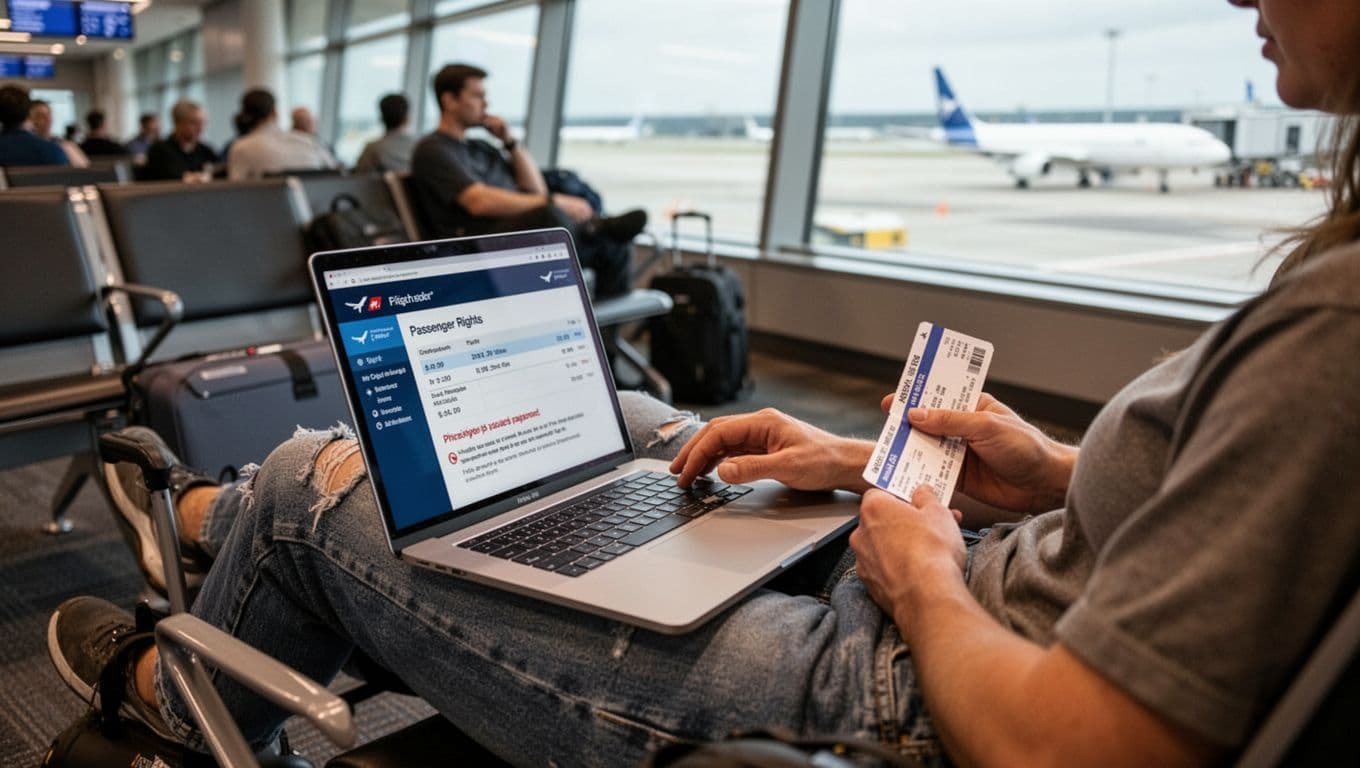

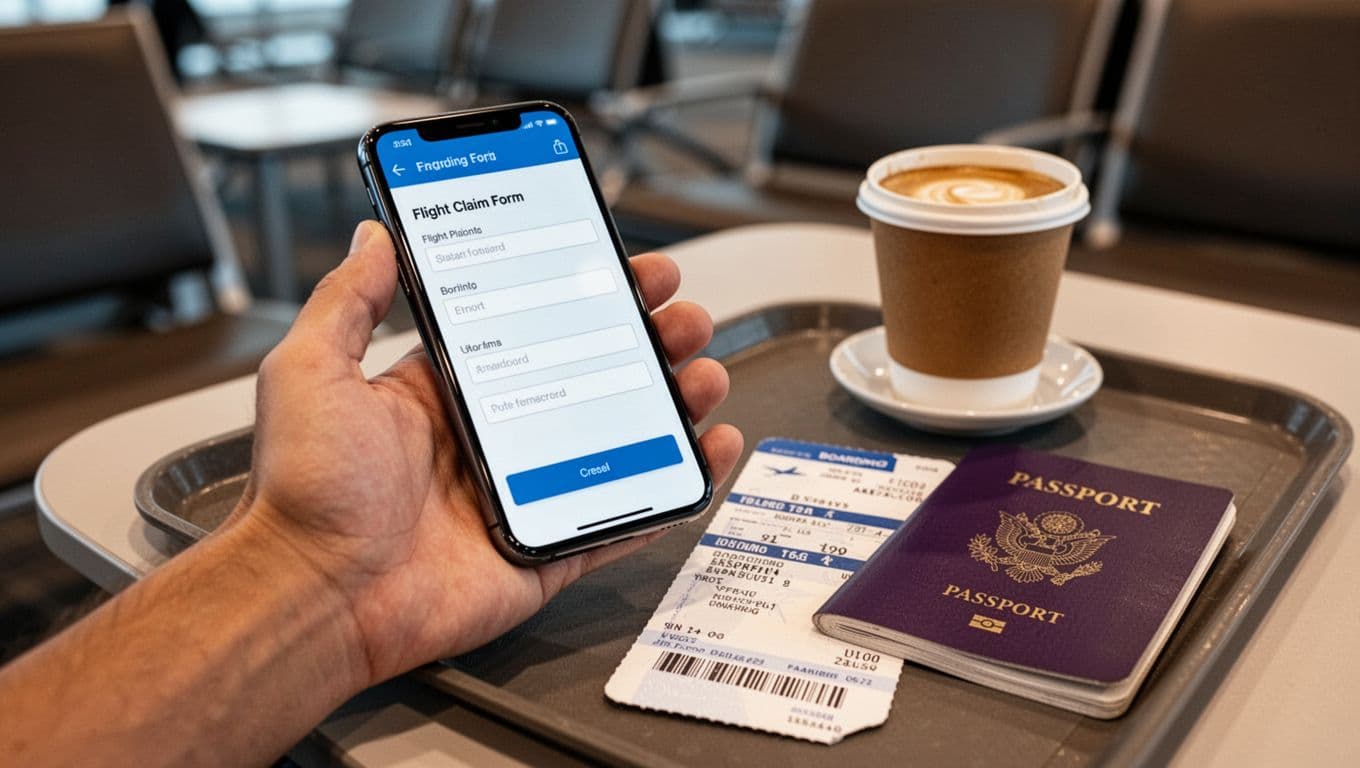

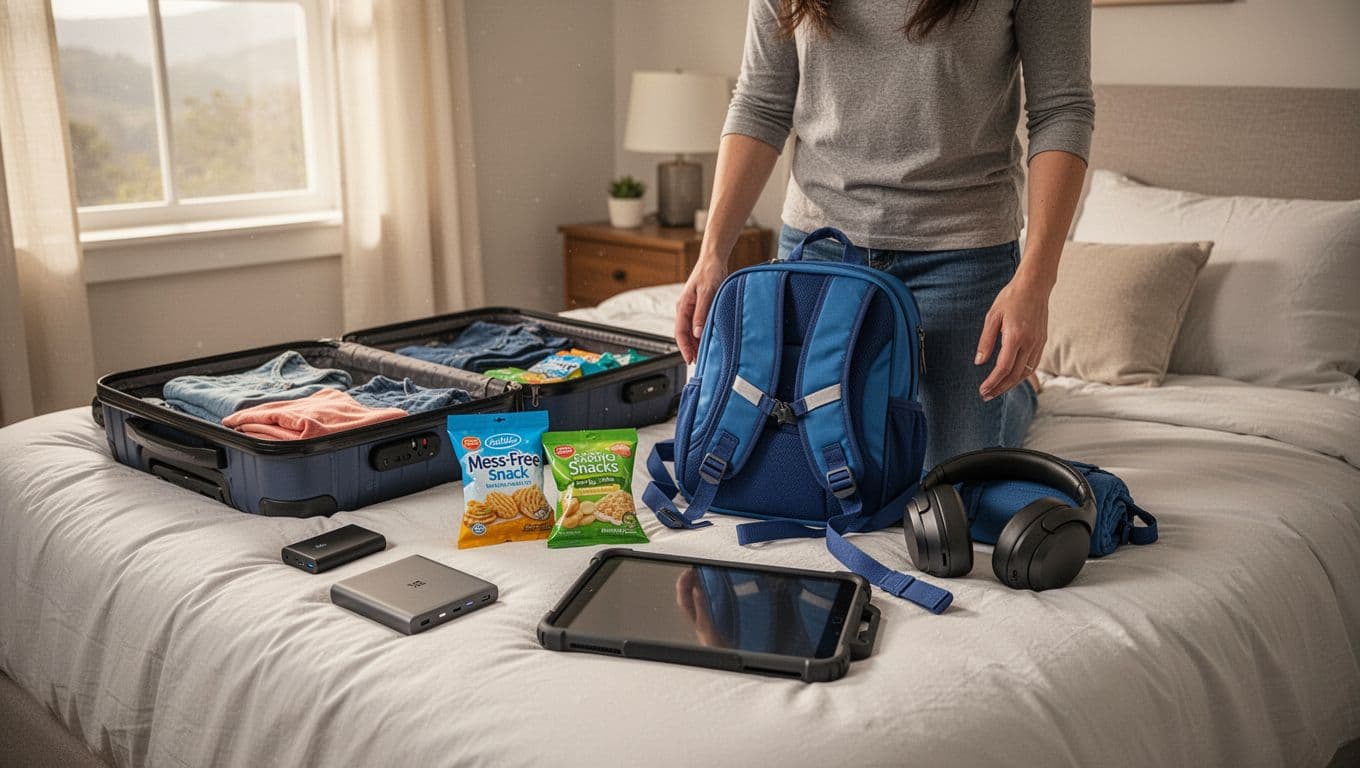







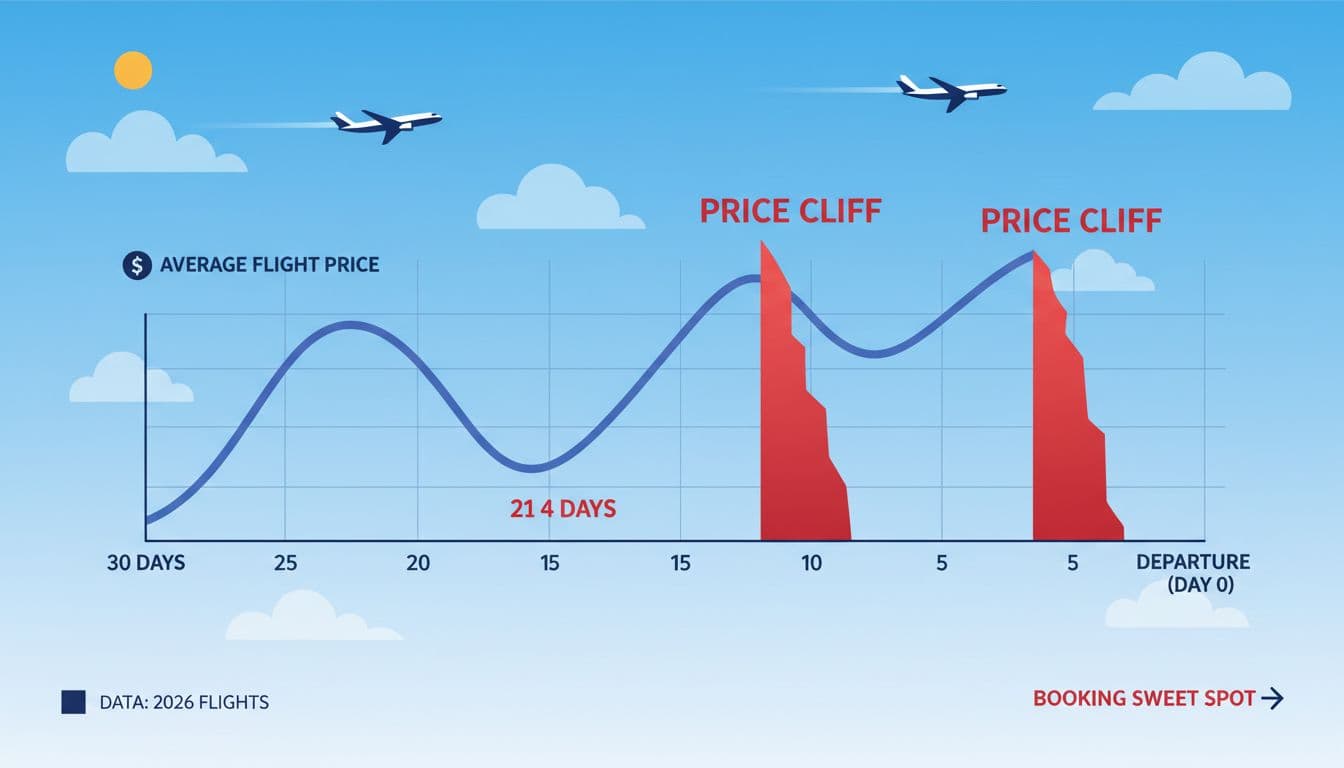














 Image created with AI
 Image created with AI
 Image created with AI
 Image created with AI
 Image created with AI
 Image created with AI
 Image created with AI
 Image created with AI
 Image created with AI
 Image created with AI
 Image created with AI

 Image created with AI: Solo female traveler ready to take on the world with a single carry-on and smart packing.
 Image created with AI: Capsule wardrobe for stress-free, sustainable travel.
 Image created with AI: Eco-friendly toiletries for plastic-free, minimalist packing.
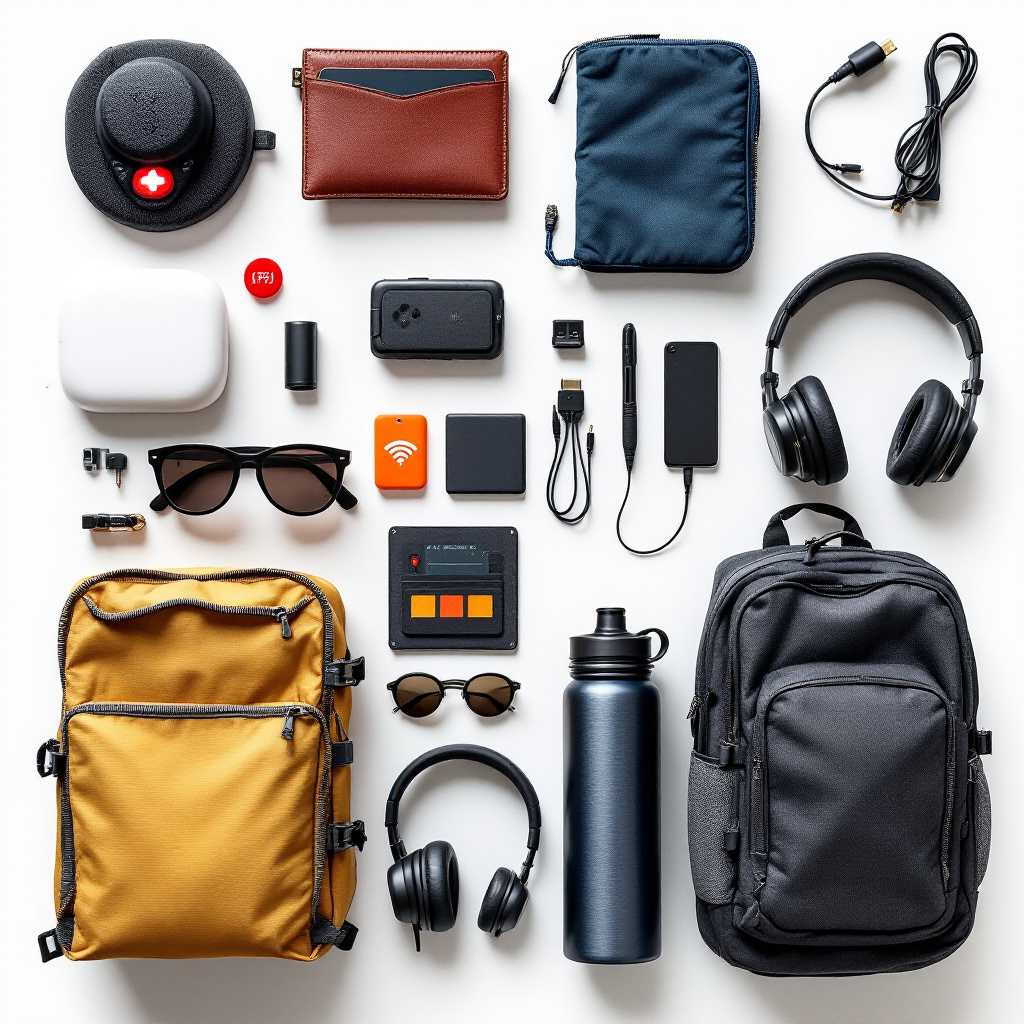 Image created with AI: Must-have safety and tech gear for peace of mind on solo adventures.
 Mastering a minimalist solo female packing list for 2025 means less stress, lower costs, and total flexibility—the ultimate formula for solo trip success. Having traveled alone across continents myself, I can attest that being intentional with your packing makes every part of your adventure lighter and more empowering. Here’s how you can pack light and smart, too.
 ### Step 2: Go Minimal with Toiletries
 ### Step 3: Choose the Right Bag and Packing Tools
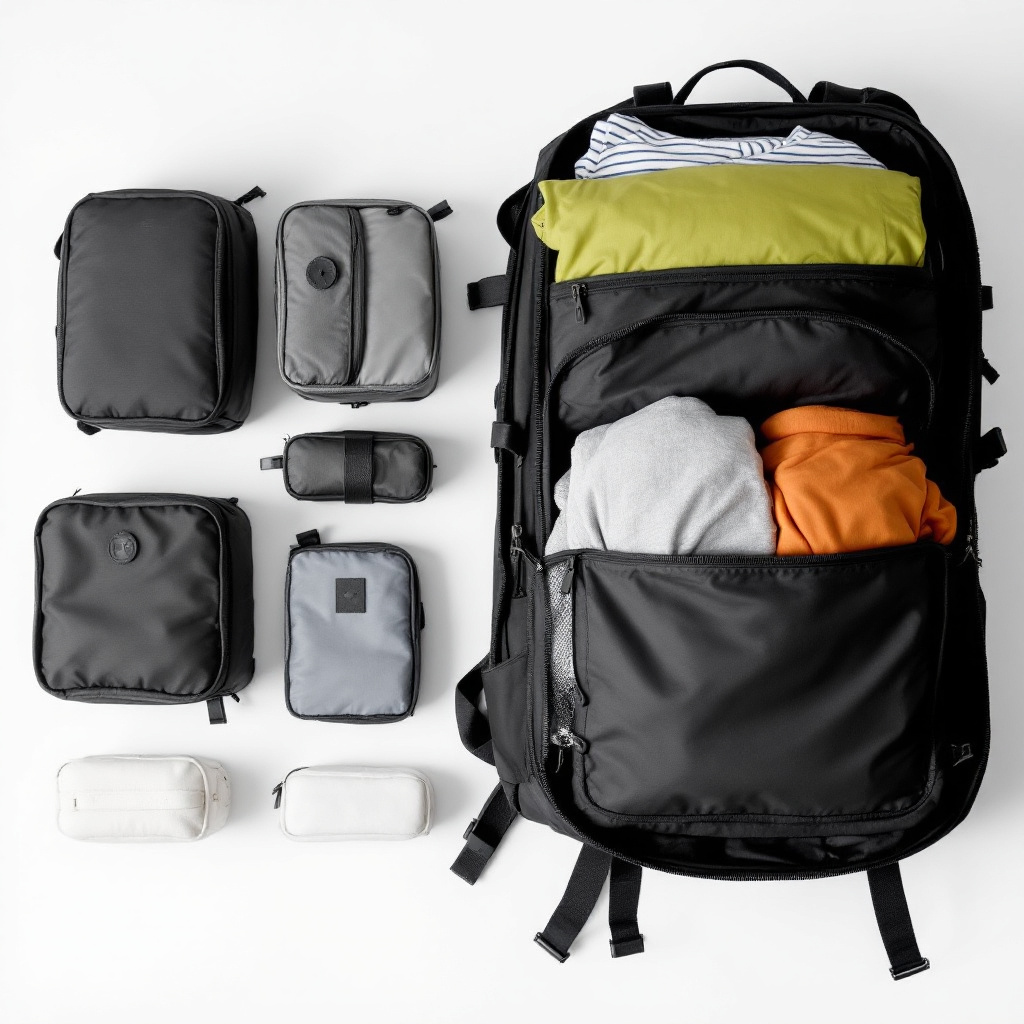 ### Step 4: Prioritize Lightweight Safety and Tech Accessories
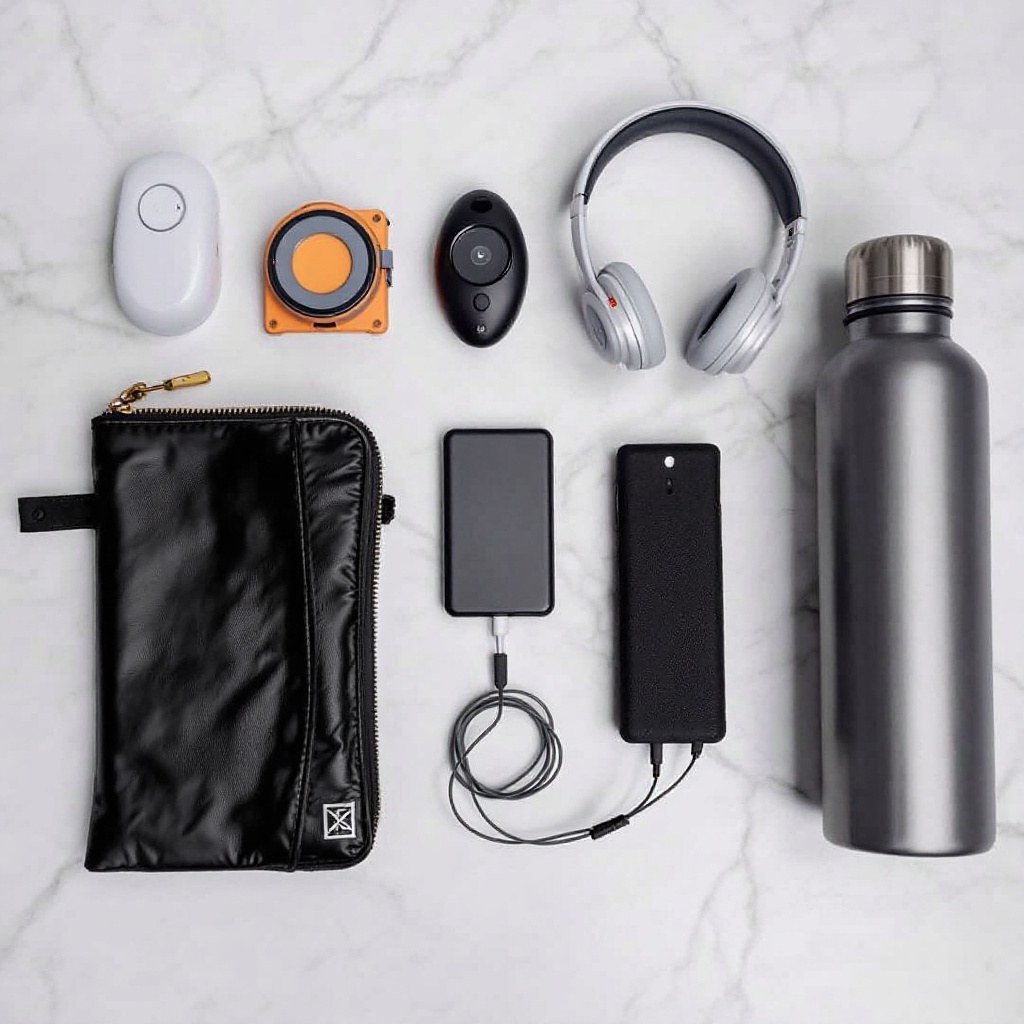 ### Step 5: Use Packing Strategies from the Pros
 Image created with AI: Confident solo female traveler in Europe with only the essentials for minimalist solo-female packing list 2025.
 © 2025 IneedMyVacation.com. All rights reserved.