...

IneedMyVacation.com

/* AFFILIATE CTA BUTTONS – HIGH CONVERTING */
.aff-cta {
display: inline-flex;
align-items: center;
gap: 8px;
background: linear-gradient(135deg, #667eea 0%, #764ba2 100%);
color: #ffffff !important;
font-weight: 700;
font-size: 1rem;
padding: 14px 28px;
border-radius: 50px;
text-decoration: none !important;
box-shadow: 0 6px 20px rgba(102,126,234,0.4);
transition: all 0.3s ease;
margin: 8px 4px;
border: 2px solid transparent;
}
.aff-cta:hover {
transform: translateY(-3px) scale(1.02);
box-shadow: 0 10px 30px rgba(102,126,234,0.6);
background: linear-gradient(135deg, #764ba2 0%, #667eea 100%);
color: #ffffff !important;
}
.aff-cta::after {
content: “→”;
font-weight: 900;
transition: transform 0.2s ease;
}
.aff-cta:hover::after {
transform: translateX(5px);
}
.aff-cta.flight { background: linear-gradient(135deg, #f093fb 0%, #f5576c 100%); box-shadow: 0 6px 20px rgba(245,87,108,0.4); }
.aff-cta.flight:hover { background: linear-gradient(135deg, #f5576c 0%, #f093fb 100%); box-shadow: 0 10px 30px rgba(245,87,108,0.6); }
.aff-cta.hotel { background: linear-gradient(135deg, #4facfe 0%, #00f2fe 100%); box-shadow: 0 6px 20px rgba(79,172,254,0.4); }
.aff-cta.hotel:hover { background: linear-gradient(135deg, #00f2fe 0%, #4facfe 100%); box-shadow: 0 10px 30px rgba(79,172,254,0.6); }
.aff-cta.tour { background: linear-gradient(135deg, #43e97b 0%, #38f9d7 100%); box-shadow: 0 6px 20px rgba(67,233,123,0.4); }
.aff-cta.tour:hover { background: linear-gradient(135deg, #38f9d7 0%, #43e97b 100%); box-shadow: 0 10px 30px rgba(67,233,123,0.6); }
.aff-cta.package { background: linear-gradient(135deg, #fa709a 0%, #fee140 100%); box-shadow: 0 6px 20px rgba(250,112,154,0.4); }
.aff-cta.package:hover { background: linear-gradient(135deg, #fee140 0%, #fa709a 100%); box-shadow: 0 10px 30px rgba(250,112,154,0.6); }
.aff-cta.transfer { background: linear-gradient(135deg, #a8edea 0%, #fed6e3 100%); color: #333 !important; box-shadow: 0 6px 20px rgba(168,237,234,0.4); }
.aff-cta.transfer:hover { background: linear-gradient(135deg, #fed6e3 0%, #a8edea 100%); box-shadow: 0 10px 30px rgba(168,237,234,0.6); }
.aff-cta.food { background: linear-gradient(135deg, #ffecd2 0%, #fcb69f 100%); color: #333 !important; box-shadow: 0 6px 20px rgba(252,182,159,0.4); }
.aff-cta.food:hover { background: linear-gradient(135deg, #fcb69f 0%, #ffecd2 100%); box-shadow: 0 10px 30px rgba(252,182,159,0.6); }

/* CTA CONTAINER */
.cta-container {
background: linear-gradient(135deg, #f5f7fa 0%, #c3cfe2 100%);
border-radius: 16px;
padding: 25px;
margin: 30px 0;
text-align: center;
box-shadow: 0 8px 25px rgba(0,0,0,0.1);
}
.cta-container h3 {
margin-top: 0;
font-size: 24px;
color: #333;
}
.cta-container p {

font-size: 16px;
color: #555;
margin-bottom: 20px;
}

/* INFO BOXES */
.info-box {
background: white;
border-left: 5px solid #667eea;
border-radius: 12px;
padding: 20px;
margin: 25px 0;
box-shadow: 0 4px 15px rgba(0,0,0,0.08);
}
.info-box.warning { border-left-color: #f5576c; background: #fff5f5; }
.info-box.success { border-left-color: #43e97b; background: #f0fff4; }
.info-box.tip { border-left-color: #4facfe; background: #f0f9ff; }

/* TABLE STYLING */
.cancun-table {
width: 100%;
border-collapse: collapse;
margin: 25px 0;
font-size: 0.95em;
box-shadow: 0 4px 15px rgba(0,0,0,0.08);
border-radius: 12px;
overflow: hidden;
}
.cancun-table th {
background: linear-gradient(135deg, #667eea 0%, #764ba2 100%);
color: white;
padding: 15px;
text-align: left;
font-weight: 600;
}
.cancun-table td {
padding: 12px 15px;
border-bottom: 1px solid #e2e8f0;
}
.cancun-table tr:nth-child(even) { background: #f8fafc; }
.cancun-table tr:hover { background: #f1f5f9; }

/* FAQ SECTION */
.faq-item {
background: white;
border-radius: 12px;
margin: 15px 0;
padding: 20px;
box-shadow: 0 3px 12px rgba(0,0,0,0.08);
}
.faq-item h3 {
color: #667eea;
margin-top: 0;
font-size: 20px;
}

/* RESPONSIVE */
@media (max-width: 768px) {
.aff-cta {
display: block;
width: 100%;
margin: 8px 0;
text-align: center;
justify-content: center;
}
.cta-container {
padding: 20px;
}
.cancun-table {
font-size: 0.85em;
}
.cancun-table th, .cancun-table td {
padding: 10px;
}
}

Cancun Travel Guide 2026: Where to Stay, Go, and Save

What is the best way to plan a Cancun trip in 2026? Stay in the Hotel Zone for beaches and convenience or Downtown for budget savings. Visit December-April for best weather, May-June or November for value. Book airport transfers ahead, use public buses locally, and mix beach days with cenotes, ruins, or Isla Mujeres day trips.

Cancun still pulls in sun-seekers fast, and in 2026 that means one thing: you need a plan before you land. The good news is that the city is open, busy, and getting better in practical ways, but smart choices matter more than ever.

This Ultimate Cancun Travel Guide 2026 is built for first-time visitors, couples, families, and budget travelers who want the beach without the guesswork. You’ll get the basics that actually matter: where to stay, when to go, how to get around, what to do, and how to avoid the mistakes that cost time and money.

If you want a trip that feels easy instead of rushed, start with the parts that shape everything else.

🎯 Quick Answer: Best area to stay: Hotel Zone for beaches, Downtown for budget. Best time to visit: Dec-Apr for weather, May-Jun/Nov for value. Book airport transfers ahead, use public buses locally, and mix beach days with cenotes or Isla Mujeres trips for the perfect Cancun experience.

Affiliate Disclosure: This article contains affiliate links. If you book through these links, I Need My Vacation may earn a commission at no extra cost to you. We only recommend services we trust and use ourselves.

Table of Contents

What Is Cancun in 2026 Really Like?

Cancun in 2026 is still the easy-button beach trip people expect, but it’s not a blank slate. It’s busy, polished in the main tourist zones, and built for visitors who want warm water, simple logistics, and a wide range of stay options without overthinking every move.

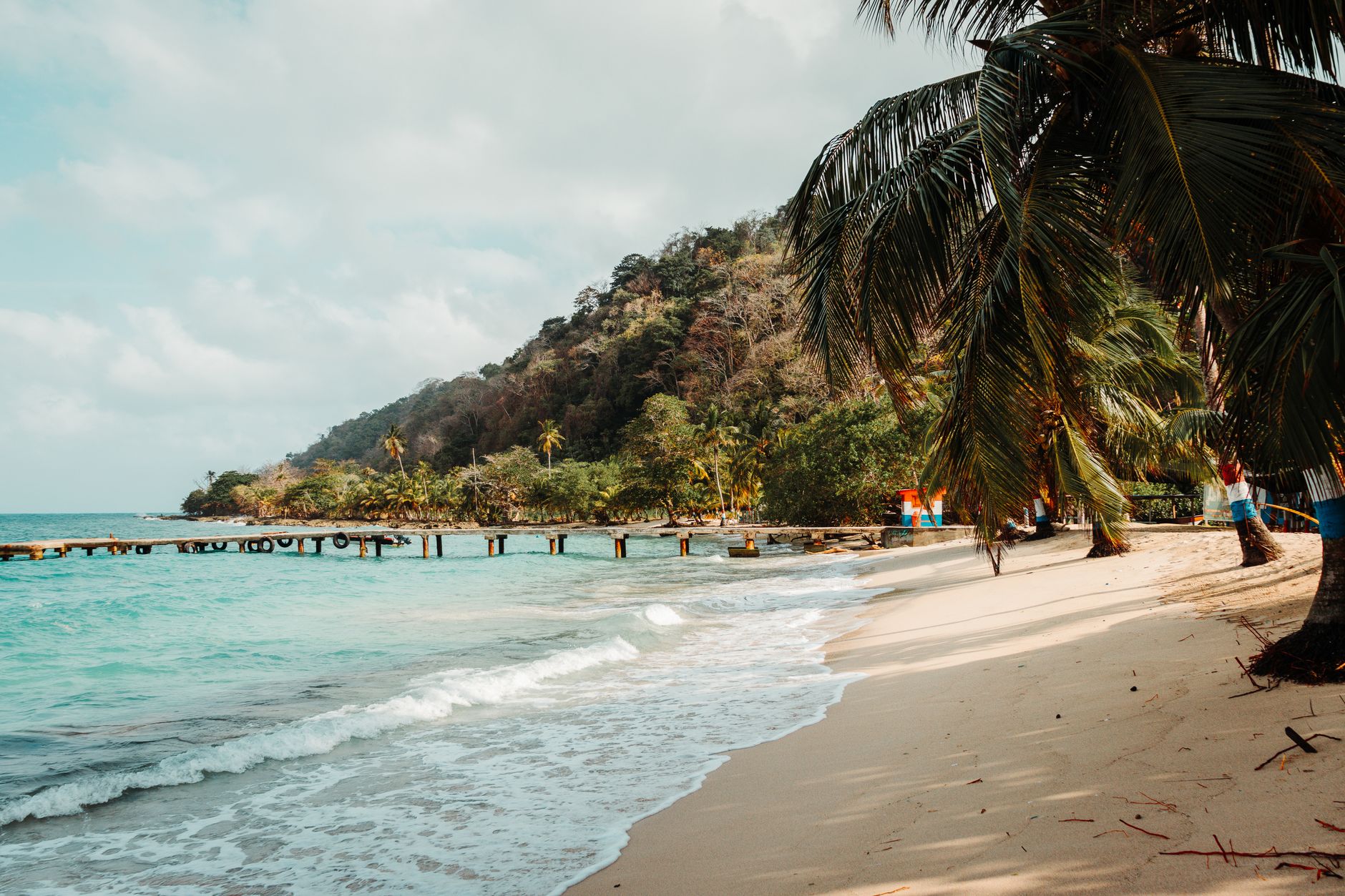
An overhead view of the turquoise Caribbean sea meeting sandy beaches and tropical resort grounds.

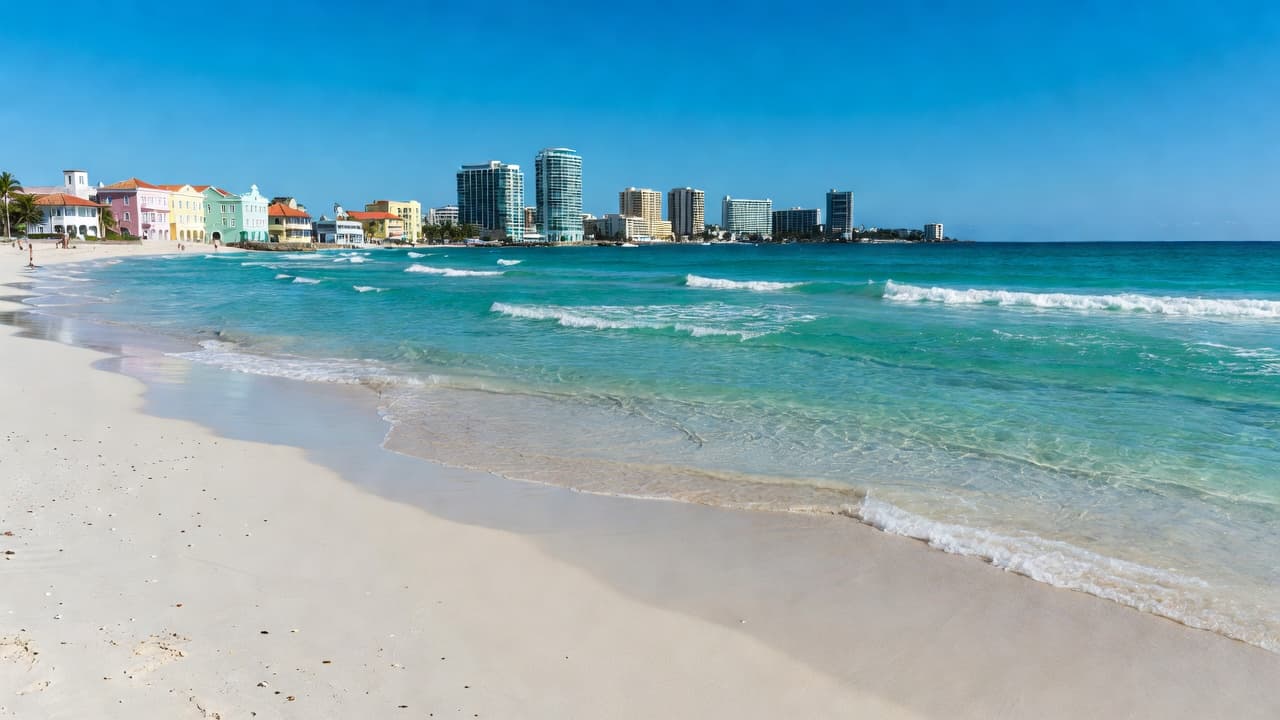
Cancun keeps winning because it makes trip planning feel less like a project and more like a shortcut. You can usually find direct flights, plenty of resort inventory, and a setup that works for short getaways or longer family trips.

The other big draw is choice. Cancun has everything from budget-friendly all-inclusives to high-end oceanfront stays, so you can match the trip to your budget instead of forcing your budget to match the trip. Warm weather helps, too, since the beach season is long and the payoff is obvious the moment you step outside.

💡 Pro Tip: Use our vacation budget calculator to estimate your total Cancun trip cost before booking.

Which Type of Traveler Gets the Most Out of Cancun?

Cancun fits best when you want convenience first and atmosphere second. If you like knowing where you’ll sleep, how you’ll get there, and what the day will cost before you leave home, this place makes sense.

👥 Best For:

  • Families: Resorts handle basics, beaches are easy, kid-friendly pools and clubs
  • Couples: Low-effort beach escapes with good dining and polished nightlife
  • First-timers: Clear layout, English-friendly, predictable logistics
  • Budget travelers: Wide range of stay options from hostels to luxury

Solo travelers can enjoy Cancun, but it works best if they stay in the main tourist areas and book transport ahead of time. Nightlife-focused visitors will find what they want fast, especially around the Hotel Zone.

Cancun is best when you want the trip to feel simple. If you want more texture and less polish, look elsewhere.

Where Should I Stay in Cancun?

Picking the right area in Cancun changes the whole trip. Stay in the wrong spot, and you spend half your time in taxis or stuck with a vibe that doesn’t match your plans.

🏨 Find Your Perfect Cancun Stay

Compare hotels, resorts, and vacation rentals with free cancellation options before prices rise.

🔍 Browse Cancun Hotels Now

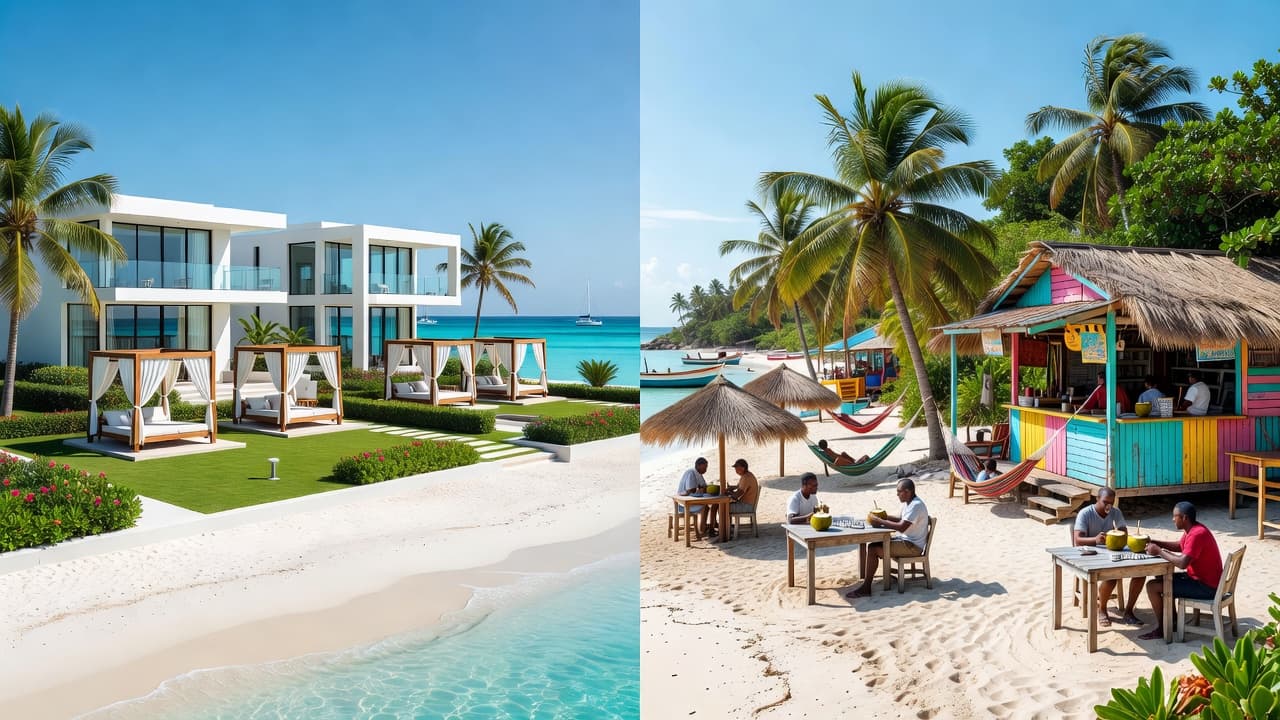
A split-screen view contrasting a serene tropical beach resort with a vibrant, bustling Mexican city street.

Is the Hotel Zone Worth It for First-Timers?

The Hotel Zone is the classic Cancun choice for a reason. You’re close to the beach, close to restaurants, close to nightlife, and usually close to the exact kind of resort setup people picture when they book Cancun in the first place.

If this is your first trip, the Hotel Zone is usually the simplest answer. You get ocean views, big pools, all-inclusive options, and a layout that makes the whole stay feel easy. You can wake up, walk to the water, grab lunch, and decide between dinner and a late drink without planning every move.

✅ Hotel Zone Pros: Beach access, resort amenities, easy navigation, nightlife, English-friendly
⚠️ Consider: Higher prices, tourist crowds, less local flavor

Should I Stay Downtown Cancun to Save Money?

Downtown Cancun is the smarter pick if you care more about price than postcard views. Hotels are usually cheaper, meals cost less, and the pace feels more like a working city than a resort strip.

This is a good base if you want to eat where locals eat, shop at markets, and use your budget on activities instead of room rates. It can also make more sense if you plan to explore beyond the beach, since you’re not paying extra just to sleep near the water every night.

⚠️ Downtown Trade-offs: No oceanfront views, rely on buses/taxis for beach access, less resort-style convenience

What’s the Best Stay Style for My Trip?

The right property style matters as much as the neighborhood. A great location with the wrong hotel type can still leave you overpaying, underfed, or stuck in a room that doesn’t fit how you travel.

Traveler Type Best Stay Style Why It Works
Couples Adults-only or upscale all-inclusive Easier for quiet time, beach days, and date nights
Families Family-friendly all-inclusive or suite hotel More space, more meals covered, fewer daily decisions
Budget travelers Downtown hotel or value stay Lower rates, cheaper food, better control over spending
Short stays Hotel Zone resort or boutique hotel Less planning, faster access to the main tourist strip

📦 Save 15-20% on Flight + Hotel Bundles

Book your Cancun trip as a package and unlock exclusive deals you won’t find booking separately.

💰 View Cancun Packages

When Is the Best Time to Visit Cancun?

Cancun is one of those places where timing changes everything. The beach can look perfect in one month and feel overpriced, packed, or sticky-hot in the next, so the best time to go depends on what you care about most.

An aerial perspective shows people relaxing on a white sandy beach with a single swimmer in turquoise water.

Is December Through April Worth the Higher Prices?

This is Cancun’s sweet spot for weather. Days are warm, skies are usually clear, and humidity is lower than it gets later in the year. It’s the easiest time for beach days, boat trips, and long outdoor lunches without feeling like the sun is following you around.

That comfort comes with a price. Hotel rates are higher, especially around Christmas, New Year’s, and spring break, and the best rooms go first. Beaches can still be beautiful, but they feel busier and more competitive for shade, chairs, and that quiet stretch of sand everyone wants.

💡 Book Early: For peak season travel, book 3-6 months ahead to secure best rates and room selection.

Are May, June, and November the Sweet Spot for Value?

These months are the smart middle ground. You can still get decent beach weather, lower hotel rates, and fewer people at the pool, which makes the whole trip feel calmer and less expensive.

May and June can be warm, but they still work well for most travelers who want sun without peak-season pricing. November is another strong pick because the weather is usually back on track after hurricane season starts to fade, and prices often stay more reasonable than in winter.

This is the window that makes Cancun feel like a deal without feeling like a compromise. You may not get perfect conditions every single day, but you still get solid beach time, good tour conditions, and much better odds of finding a room that fits your budget.

Should I Visit in September or October for the Lowest Prices?

If your priority is price, this is usually the cheapest stretch. Hotels often drop their rates, crowds thin out, and you can find strong deals if you are flexible and okay with some weather uncertainty.

⚠️ Hurricane Season Risk: September-October bring higher rain chances and tropical storm potential. Only book if you can change plans and have travel insurance.

This window makes sense if:

  • You want the lowest hotel prices possible
  • You can change plans if the forecast shifts
  • You are fine with indoor backup options and flexible bookings

How Do I Get Around Cancun Without Overpaying?

Getting around Cancun is easy once you know the local rhythm. The trick is not overpaying for convenience you don’t need, or saving a few dollars and turning a short ride into a headache.

For most travelers, the smart move is simple: pre-book your airport transfer, use the bus for short local hops, and save taxis for late nights or door-to-door trips. That gives you control over cost without making the trip feel complicated.

🚖 Book Your Airport Transfer Ahead

Skip the airport taxi line and lock in a fixed-price, meet-and-greet transfer to your hotel.

🚐 Reserve Airport Transfer Now

A bright, modern arrivals hall at Cancun airport with a lone traveler waiting for transport.

What’s the Easiest Way to Get from Cancun Airport to My Hotel?

If you want the least stressful arrival, book a transfer before you land. A pre-booked private transfer is usually the best balance of price, comfort, and peace of mind, especially if you are arriving late, traveling with kids, or carrying a lot of luggage.

Option Best For Cost Why Choose It
Pre-booked private transfer Families, couples, groups, late arrivals Higher than shuttle, but fixed Fast, direct, no haggling
Shared shuttle Solo travelers, budget-conscious Lower Cheaper, but may include stops
Airport taxi Last-minute arrivals Often expensive Convenient, but price can jump
Rental car Road trips, flexible travelers Daily rate + insurance Good if leaving Cancun often

The airport is not the place to improvise. If you already know your ride, you skip the pressure and the price games.

How Do I Get Around the Hotel Zone and Downtown?

Once you’re settled in, Cancun is cheaper and easier to move around than many first-timers expect. The public bus is the best budget option in the Hotel Zone, and it works well for beaches, malls, restaurants, and the trip into Downtown Cancun.

The buses are frequent, simple, and far cheaper than taxis. Just keep some small bills ready, since that makes the ride smoother. If you’re doing short hops along the Hotel Zone, the bus is usually all you need, especially during the day.

🚌 Local Transport Rules:
• Bus: Cheap, short daytime trips
• Walk: When distance is small and area is busy
• Taxi: When comfort, timing, or safety matters more than saving a few pesos

How Do I Avoid Transport Scams and Surprise Charges?

Cancun transport is manageable, but only if you keep it simple. The biggest mistakes happen when travelers accept rides too fast, assume the price is fixed, or trust anyone who approaches them first.

A few habits solve most problems:

  • Agree on the fare before you get in. If the price is not clear, keep walking.
  • Use trusted providers. Pre-booked transfers and official taxi services are safer than random offers.
  • Do not hail random taxis. Especially near the airport, stick to the proper pickup process.
  • Confirm pickup details. Check the company name, driver name, vehicle, and meeting point.
  • Save your confirmation. A screenshot can save time if plans shift.

What Are the Best Things to Do in Cancun?

Cancun is easy to box in as a beach-only trip, but that misses half the point. Once you get past the shoreline, you find ruins, islands, cenotes, reefs, markets, and a nightlife scene that can be as polished or as local as you want.

🎫 Book Tours & Skip the Lines

Reserve cenote tours, Chichén Itzá trips, snorkeling adventures, and more with free cancellation options.

🗺️ Browse Cancun Activities

Which Beaches Are Best for Swimming and Relaxing?

Cancun’s beaches are still worth your time, even if you are not planning to camp out all day. Playa Delfines is the famous one most travelers want to see, and it earns the attention. The view is wide open, the water is bright, and the beach feels more natural than the stretch in front of many resorts.

It is also a better fit if you like room to breathe. Waves can be strong, so it is not always the calmest swimming spot, but that same surf gives it a raw, open feel. Shade is limited, so bring sunscreen, water, and a hat if you plan to stay awhile.

🏖️ Beach Quick Guide:
• Playa Delfines: Best for views, photos, open coastline
• Resort beaches: Calmer swimming, lounge chairs, shade
• Public beaches: Good for short visits, check surf flags
• Pro tip: Shade is not guaranteed—pack your own cover

What Are the Best Day Trips from Cancun?

This is where Cancun starts to feel bigger than a resort town. Chichén Itzá is the heavyweight day trip, best for travelers who want history and do not mind an early start. It usually takes about 2.5 to 3 hours each way, so it is a long day, but the payoff is obvious.

Tulum fits travelers who want ruins plus a more laid-back coastal vibe. It is closer than Chichén Itzá, but still takes enough time that you should plan it as a full outing. If you want easy logistics and less hassle, booking ahead helps a lot, especially in busy months.

Cenotes are the best choice if you want a shorter, cooler escape. They are ideal for swimmers, families, and anyone who wants a break from saltwater and crowds. Many tours bundle cenotes with ruins or jungle stops, which makes planning easier.

Isla Mujeres is the easy day trip when you want a change of pace without a huge travel day. The ferry is short, and the island works well for couples, families, and travelers who want bikes, golf carts, beach clubs, and calmer water.

🎯 Day Trip Quick Picks:
• Chichén Itzá: For history lovers
• Tulum: Ruins + beach-town vibe
• Cenotes: Swimming + cooler reset
• Isla Mujeres: Easiest island day trip

What Active Outings Are Worth Adding?

Cancun is a much better trip when you add at least one active day. The water is the obvious place to start, and snorkeling trips to MUSA, the underwater museum, are one of the most talked-about options for a reason. The statues make it feel different from a standard reef stop, and you can snorkel or dive depending on your comfort level.

Reef trips are another strong pick if you want clear water and a half-day outing that does not eat your whole schedule. These work especially well for couples and older kids, since they mix boat time, swimming, and a little sightseeing without feeling too demanding.

Adventure parks like Xcaret, Xel-Há, and Ventura Park are better if you want variety in one place. They are popular with families because you can pack a lot into one ticket, from water activities to nature-based stops. If you are planning one of those bigger outings, book ahead, because the most popular slots can disappear quickly in high season.

What Should I Eat in Cancun?

Cancun is easy to eat well in, but the bill can climb fast if you stick to beachside restaurants and resort menus all week. The better move is to mix a few local dishes with smart ordering habits, so you get the flavor without paying vacation markup every time you sit down.

A rustic table featuring a variety of tacos, panuchos, and fresh lime wedges in bright daylight.

What Local Dishes Are Worth Trying?

If you want a real taste of the Yucatan, start with cochinita pibil. It’s slow-cooked pork with big flavor, usually served in tacos, tortas, or on its own with pickled onions. It’s one of the easiest dishes to love, even if you’re not usually a pork person.

Seafood is another Cancun staple, and it makes sense the second you’re near the water. Try ceviche for something fresh and light, or order grilled fish if you want a simple plate that feels local without being heavy. You’ll also see Yucatan-style touches everywhere, like achiote seasoning, lime, habanero salsa, and banana leaf cooking.

🌮 Must-Try Local Dishes:
• Cochinita pibil: Slow-cooked pork with pickled onions
• Panuchos & salbutes: Tortilla-based local favorites
• Tacos al pastor: Easy, cheap, reliable everywhere
• Sopa de lima: Bright lime chicken soup
• Marquesitas: Crispy street snack dessert
• Tikin xic: Yucatan-style grilled fish with achiote

🍽️ Experience Local Dining with a Local Host

Skip the tourist traps and enjoy an authentic home-cooked Yucatan meal with a local host.

👨‍🍳 Book a Local Dining Experience

How Do I Find Good Food Without Overpaying?

The cheapest good meals usually aren’t on the beach. They’re in busy local spots, small restaurants, taco stands, and markets where people actually eat on a regular basis. If the place is full of locals at lunch, that’s a strong sign you’re in the right spot.

Menu prices tell you a lot. Look before you sit down, especially in tourist-heavy areas, and don’t assume every restaurant near the Hotel Zone is priced the same. Lunch is often the best value, since many places offer menu del día specials that give you a full meal for less than dinner.

💡 Smart Dining Strategy:
1. Eat breakfast cheaply at a bakery or café
2. Make lunch your bigger meal when specials are available
3. Use dinner for something simple if you already spent on tours
4. Skip resort restaurants every night unless convenience is worth it

How Do I Stay Safe and Pack Smart?

Cancun is easy to enjoy when you keep a few basics in place. Most trips go smoothly because travelers stay in the main tourist areas, keep their valuables close, and use common sense in busy spots.

What Simple Safety Rules Should I Follow?

Stay in well-known tourist areas, especially if it’s your first visit. The Hotel Zone, resort properties, and busy commercial spots are the easiest places to relax without overthinking every step.

Keep your phone, wallet, and passport where you can feel them. A crossbody bag, zipped pocket, or money belt works better than a tote bag you toss on a chair and forget about. Crowded beaches, markets, and nightlife spots are where people get careless.

⚠️ Safety Quick Checklist:
• Use trusted transport instead of random rides
• Stay aware in crowds at beaches, malls, bars
• Avoid walking alone late at night in quiet areas
• Keep your drink in sight if you go out
• Use ATMs in secure places like hotels or banks

What Health Tips Should I Know for Sun and Heat?

The sun in Cancun is not polite. Use sunscreen early, reapply often, and bring a hat and sunglasses if you plan to be outside for more than an hour or two. Heat and humidity can wear you down fast, so drink water throughout the day, not just when you feel thirsty.

Pack bug spray too, especially if you plan to do cenotes, jungle tours, or evening outings near water. If you’re heading to the beach or reef areas, reef-safe sunscreen is the better pick. It keeps your skin covered and avoids adding extra stress to the water you came to enjoy.

A flat-lay view displays sunscreen, insect repellent, sunglasses, a passport, and a water bottle on a sandy background.

What Should I Pack for a Cancun Trip?

Packing for Cancun is easier than most beach trips, as long as you keep your bag lean. You do not need a suitcase full of outfits, you need the right clothes, sun protection, and a few small extras that solve real problems once you arrive.

🎒 Packing Essentials:
• 2-3 lightweight daytime outfits in breathable fabrics
• 2 swimsuits so one can dry while you wear the other
• 1-2 cover-ups that work at pool and resort areas
• Reef-safe sunscreen, wide-brim hat, sunglasses
• Reusable water bottle + waterproof phone pouch
• Bug spray + basic medicine (pain reliever, stomach relief)
• Comfortable walking shoes + sandals/flip-flops

What’s a Good Cancun Itinerary?

The right Cancun itinerary depends on how much time you actually have. Three days gives you the essentials, five days lets the trip breathe, and seven days gives you room to slow down without feeling like you are racing a clock.

Trip Length Best Fit What to Prioritize
3 days First-timers, short getaways Beach time, one big day trip, one relaxed evening
5 days Balanced vacation Beach, ruins or island day, local food, downtime
7 days Travelers who want more than a resort stay Multiple excursions, slower beach days, different parts of the region

What’s a Good 3-Day Cancun Itinerary?

Day 1: Arrive, check in, unpack, and spend the afternoon on the beach or by the pool. End the night with a low-key dinner in the Hotel Zone.

Day 2: Your one excursion day. Chichén Itzá is the classic choice if you want history, while a cenote stop adds the cool-down break that long tour days need.

Day 3: Sleep in, hit Playa Delfines or another easy beach spot, then leave time for shopping at La Isla or one last meal before you go.

What’s a Balanced 5-Day Cancun Plan?

Five days is the sweet spot for most travelers. You get enough time to see more than the resort strip, but you still keep the trip relaxed.

  1. Arrival and beach time
  2. Ruins or cenote day (Chichén Itzá + cenote combo)
  3. Local food and Downtown Cancun (Mercado 28, tacos, Parque Las Palapas)
  4. Isla Mujeres day trip (ferry, Playa Norte, beach clubs)
  5. Free day for rest, shopping, or a sunset dinner

If you want Cancun to feel balanced, build in one day with no real plans. That is usually the day people remember best.

People Also Ask: Cancun FAQ

Is Cancun safe for tourists in 2026?

Yes, Cancun remains one of Mexico’s safest tourist destinations. The Hotel Zone and main tourist areas are well-patrolled and designed for visitor safety. Stick to well-lit areas at night, use trusted transport, and keep valuables secure—just like you would in any popular travel destination.

Do I need to speak Spanish to visit Cancun?

No, English is widely spoken in Cancun’s tourist areas. Hotel staff, tour operators, and most restaurants in the Hotel Zone communicate easily in English. Learning a few basic Spanish phrases is appreciated by locals, especially in Downtown Cancun or markets.

Should I exchange money before arriving in Cancun?

It’s easiest to withdraw pesos from ATMs upon arrival. Most hotels, restaurants, and tours accept credit cards, but having small peso bills is helpful for tips, taxis, and local markets. Avoid exchanging large amounts at airport kiosks due to less favorable rates.

🚀 Ready to Plan Your Perfect Cancun Trip?

Start with flights, lock in your stay, and book tours—all in one place.

© 2026 I Need My Vacation. All rights reserved.

// Smooth scroll for internal links
document.querySelectorAll(‘a[href^=”#”]’).forEach(anchor => {
anchor.addEventListener(‘click’, function (e) {
e.preventDefault();
const target = document.querySelector(this.getAttribute(‘href’));
if (target) {
target.scrollIntoView({ behavior: ‘smooth’, block: ‘start’ });
}
});
});

ASEAN Island Hopping in 2026: The New Mediterranean

What is the best alternative to Mediterranean island hopping in 2026? ASEAN island hopping offers warmer waters, lower costs, and more variety than Greece or Croatia. With dramatic limestone cliffs, world-class reefs, and easy ferry routes across Thailand, Philippines, and Indonesia, Southeast Asia delivers Mediterranean romance without the summer crowds or sticker shock.

🎯 Quick Answer: If I want Mediterranean-style island hopping with better value and more variety, ASEAN is where I’d book first in 2026. Start with Thailand for ease, Philippines for drama, or Indonesia for adventure.

Affiliate Disclosure: This article contains affiliate links. If you book or purchase through these links, I Need My Vacation may earn a small commission at no extra cost to you. We only recommend services we genuinely trust and use ourselves to help you plan the perfect trip. Thank you for your support!

Table of Contents

What Makes ASEAN Island Hopping So Compelling Right Now?

The simple answer is this: I get the romance of island hopping, but with fewer trade-offs. The water is warmer, the landscapes are wilder, and the daily spend is usually easier to control. I can go from a mellow beach stay to a snorkeling day, a jungle hike, or a surf break without turning the trip into a luxury project.

The region also feels fresher than Europe’s most overloaded summer islands. Popular stops are still popular, sure, but there are more off-ramps. One or two hops beyond the obvious names, and the trip changes fast. ASEAN Tourism’s island-hopping overview captures that mix well, especially across Thailand, Malaysia, and Vietnam.

How Does ASEAN Compare to Mediterranean Islands?

This is where the comparison gets real.

What I Care About Mediterranean Islands ASEAN Islands
Daily Budget Summer prices rise fast Guesthouses, ferries, and local food cost less
Crowd Level Famous ports feel packed Easier to find quieter islands nearby
Scenery Style Cliffs, marinas, stone towns Lagoons, reefs, white sand, jungle
Trip Variety Often one-country focused Easy mix of diving, surfing, beaches, nature

For me, that last line matters most. The Mediterranean is gorgeous, but ASEAN gives me more contrast in less time. A trip can feel cinematic one day and simple the next.

💡 Pro Tip: Want to estimate your total trip cost before booking? Use our ASEAN trip budget calculator to factor in flights, ferries, and daily spend.

Traditional outrigger boat in turquoise lagoon surrounded by limestone cliffs and lush greenery.

Why Is 2026 the Right Year to Visit ASEAN Islands?

2026 lines up well for island travel in Southeast Asia. Demand is leaning toward value, warm weather, and “soft adventure,” not just nightlife or all-out luxury. At the same time, the best routes are easier to build than they were a few years ago, thanks to stronger domestic links and busy ferry corridors on the most bookable islands.

Dry season is still the sweet spot, especially from late fall into spring in much of the region, so the best dates will move early. That’s part of the opportunity too. If I book before the busiest windows tighten, I can still get the version of ASEAN that feels open, not overrun.

✈️ Flying Long-Haul? Break up your journey with an affordable layover. Check our guide to best affordable stopover cities for long-haul flights to add extra value to your trip.

🚀 Ready to Start Planning?

Find the best flights and accommodations for your ASEAN island adventure

Which ASEAN Islands Should I Visit in 2026?

If I were trimming this down to the places most worth booking, I’d focus on islands that balance beauty with easy routing. A good 2026 island-hopping shortlist should do both.

Which Philippines Islands Are Best for Island Hopping?

If I want the most dramatic island-hopping scenery, I start here. El Nido and Coron are the headline route for a reason: limestone cliffs, hidden lagoons, bright water, and boat days that barely need editing. Siargao adds surf culture and a more laid-back rhythm. Boracay gives me a polished beach stop when I want easier comfort.

The Philippines also wins on sheer scale. There are so many islands that the trip never has to feel repetitive. For boat days and snorkeling plans, I usually compare island tours on Klook.

What Makes Thailand Easy for First-Time Island Hoppers?

Thailand is the easiest first island-hopping trip in ASEAN, and that matters. Phuket, Koh Phi Phi, Koh Lanta, Koh Samui, Koh Phangan, Koh Tao, and Koh Lipe all sit inside route patterns that are simple to understand and easy to book.

I like Thailand when I want choice without friction. I can do diving on Koh Tao, nightlife on Koh Phangan, beach downtime on Koh Lanta, or a smoother resort stay around Samui. Ferries do a lot of the work, and the trip can be social, quiet, or somewhere in the middle.

Ferry boat crosses between tropical islands with white sand beaches, clear blue water, and distant limestone karsts.

How Can I Explore Indonesia Beyond Bali?

Bali is still the easiest base, but I wouldn’t stop there. The Gili Islands, Lombok, and Komodo are where the trip gets more interesting. The beaches feel quieter, the water stays tempting, and the scenery gets rougher in a good way.

Indonesia is the best balance of comfort and edge. I can keep a few easy days in Bali, then move into car-free Gili life, quieter Lombok shores, or Komodo for pink sand and a more rugged look.

Pink sand beach with turquoise waves lapping shore, distant volcanic hills, and dry savanna under clear sky.

Which Malaysia and Vietnam Islands Offer Best Value?

Malaysia and Vietnam round out the region nicely. The Perhentian Islands, Redang, and Tioman are strong picks when I want fewer crowds and solid value. In Vietnam, Phu Quoc works for a beach-focused trip, while Ha Long Bay adds a different style of island scenery: more moody, more dramatic, less classic resort postcard.

These aren’t always the loudest names, and that’s the point. They suit travelers who want a slower pace and less competition for every ferry seat. Looking for eco-friendly stays? Check our guide to hidden eco-resorts in Southeast Asia for sustainable island accommodations that protect the nature you came to enjoy.

How Do I Plan a Smart ASEAN Island-Hopping Trip?

My rule is simple: fewer islands, better days.

📅 Recommended Trip Lengths:

  • 7 days: 1 hub, 2 islands, 1 buffer day
  • 10 days: 1 hub, 3 islands, 1 buffer day
  • 14 days: 2 linked regions, or 4 islands max

What Is the Best Route Formula for Island Hopping?

The best routes are boring on paper and great in real life. I pick one hub, add two or three islands, and protect one day for weather, delays, or a slow morning. That keeps the trip fun instead of turning it into a ferry marathon.

Thailand’s Andaman side is a good example: Phuket, Koh Phi Phi, Koh Lanta. In the Philippines, I like a Palawan flow such as El Nido and Coron. In Indonesia, Bali to Gili to Lombok is clean and easy. I also keep weather in mind, because seasons don’t line up the same across the region. This dry-season breakdown by country is a useful reminder.

“Too many islands looks smart in a spreadsheet and feels terrible in real life.”

What Should I Book First to Avoid Overpaying?

I book long-haul or hub flights first. After that, I lock island transport, then stays. Popular dry-season routes fill faster than most people expect, especially ferries and smaller hotels near the port.

I also stay flexible on the exact order of islands. Sometimes reversing a route saves money or cuts a wasted transfer. For hotels, I compare island stays on Agoda, especially in Southeast Asia where coverage is usually strong. Then I look at ferry timing before I commit to every room night.

🎯 Book Your ASEAN Island Adventure

Compare the best deals on accommodations, tours, and connectivity

What Should I Know Before Island Hopping in Southeast Asia?

This is the part that saves hassle.

When Is the Best Time to Visit ASEAN Islands?

There isn’t one perfect month for every ASEAN island. Thailand’s Andaman coast is usually best from about November to April. The Philippines is strongest from roughly December to May. Bali, the Gilis, Lombok, and Komodo are usually best from May to October. A route and season guide for Asia islands helps when I need to line that up fast.

What Should I Pack for ASEAN Island Hopping?

I pack light clothing, reef-safe sunscreen, water shoes, and a dry bag. I also sort data before I leave. An Airalo eSIM is one of the easiest upgrades I can buy for ferry schedules, hotel chats, and map checks. Visa rules vary by country, so I always confirm entry rules before I book anything nonrefundable.

How Can I Keep Costs Down Without Sacrificing Quality?

I don’t add flights when a ferry will do the job well. I stay near ports when I have an early departure. I mix mostly mid-range stays with one nicer night, usually on the best beach of the trip. That gives me the “wow” without blowing up the budget.

Refundable bookings help when weather shifts. Local tour operators can help too, especially on smaller islands where the best boat day isn’t always the one with the biggest ad spend.

Conclusion: Why ASEAN Beats the Mediterranean in 2026

If I want beauty, variety, and solid value, ASEAN now gives me the island-hopping feel many travelers used to chase in the Mediterranean. The difference is that I can still shape the trip around my budget, my pace, and the kind of water days I actually want.

The smart move is to pick one route, match it to the right season, and book before the best islands get busier. If I were starting today, I’d begin with flexible-date flights for Southeast Asia on Aviasales, then build the island hops around that first win.

💳 Want to Earn Rewards? Learn how to earn travel rewards on Southeast Asia bookings and turn your island adventure into points for your next getaway.

People Also Ask: ASEAN Island Hopping FAQ

Which ASEAN country is easiest for first-time island hopping?

Thailand is the easiest choice. The ferry links are simple, the island mix is broad, and it’s easy to build a route without wasting days in transit. Start with Phuket or Koh Samui for the smoothest experience.

What’s the best 10-day island-hopping route in ASEAN?

I recommend 1 hub and 3 islands. Phuket, Koh Phi Phi, and Koh Lanta works well in Thailand. In the Philippines, El Nido with Coron in Palawan is unbeatable. Both routes balance variety with manageable travel time.

Do I need to book ferries early in 2026?

Yes, especially for dry-season dates and popular routes. Flights get attention first, but ferry seats and small island hotels disappear faster than many travelers expect. Book at least 2-3 months ahead for peak season.

🏝️ Ready to Explore ASEAN Islands?

Start planning your perfect island-hopping adventure today with the best deals on flights, hotels, and experiences.

🔥 Start Planning Now →

© 2026 I Need My Vacation. All rights reserved.

✨ Beyond Dubai: Luxury Hotspots Rising Across the Middle East (2026)

Dubai still owns a big piece of the luxury travel fantasy. I get why. It’s polished, easy, and packed with high-end hotels. But when I want a trip that feels fresher, more private, and more memorable, I don’t stop at Dubai anymore.

That’s the real problem for upscale travelers in 2026. It’s not finding luxury—it’s finding the right kind of luxury. I want scenery, quiet, strong service, and experiences that feel worth the flight. Right now, Oman, Jordan, Abu Dhabi, Qatar, and Saudi Arabia are the places I keep coming back to.

🎯 TL;DR: Your Middle East Luxury Guide

  • 🧘 Oman: Calm, scenic luxury with room to breathe
  • 🏛️ Jordan: Culture-first luxury with Petra & desert nights
  • 🏖️ Abu Dhabi: Polished UAE luxury without the rush
  • ✈️ Qatar: Smart short luxury breaks & stopovers
  • 🚀 Saudi Arabia: The boldest new luxury frontier

📺 Watch: Middle East Luxury Travel Guide

Affiliate Disclosure: This article contains affiliate links to Booking.com, Expedia, Agoda, Trip.com, Aviasales, GetYourGuide, Klook, Airalo, Economybookings, QEEQ, Compensair, and AirHelp. If you book or purchase through these links, I Need My Vacation may earn a small commission at no extra cost to you. We only recommend services we genuinely trust and use ourselves to help you plan the perfect trip. Thank you for your support!

📋 Quick Navigation

✨ Why I Look Beyond Dubai for My Next Luxury Trip

Dubai is still excellent when I want scale, nightlife, and easy big-brand luxury. But that isn’t always what I want from a premium vacation. Sometimes I want fewer crowds, slower mornings, and a hotel that feels like an escape, not a showroom.

💡 2026 Luxury Travel Trend: More demand for private pools, spa-led stays, mountain views, desert camps, and heritage experiences with real comfort. Five-star service still matters—but what matters more now is how personal the trip feels.

🌟 Why These New Hotspots Feel More Exclusive Than Dubai

Fewer people can make a place feel more expensive, even when it isn’t. A villa on Oman’s coast or a tent in Wadi Rum often gives me a stronger sense of privacy than a famous city hotel. Dubai wins on spectacle. These destinations win on space, scenery, and the feeling that my trip isn’t following the same script as everyone else.

🇴🇲 Oman: My Top Pick for Calm, Scenic Luxury

Oman is the easiest yes on this list for me. It has Muscat for polished resort stays, mountains for cooler air, desert for silence, and a coastline that feels wide open. The whole country gives luxury travelers something rare: room to breathe.

🏆 Top Oman Luxury Stays

  • The Chedi Muscat: Sleek design, quiet beach time
  • Six Senses Zighy Bay: Splurge villa stay with sea views & serious privacy
  • Shangri-La Barr Al Jissah: Family-friendly base with easy access
  • Al Bustan Palace: Classic Omani grandeur

🔍 Browse Oman Luxury Hotels →

Aerial view of single villa with infinity pool overlooking turquoise sea and rugged coast at sunset.

💑 Why Oman Works So Well for Couples and Wellness Trips

Oman is made for couples, honeymooners, and anyone who wants a trip that lowers their heart rate. Spa mornings, sunset sails, empty beaches, and desert nights do a lot of the heavy lifting. If I want luxury that feels restorative, not performative, Oman is still my strongest match.

🎯 Book Your Oman Escape:

Compare luxury options across trusted platforms:

🇯🇴 Jordan: Mixes Luxury, History, and Desert Nights

Jordan gives me something Dubai never can: ancient sites and emotional weight, without giving up comfort. I can spend the morning in Petra, float in the Dead Sea later, then sleep in the desert under a sky that looks unreal.

🏆 Top Jordan Luxury Stays

  • Four Seasons Amman / Ritz-Carlton Amman: City luxury with impeccable service
  • Kempinski Hotel Ishtar Dead Sea: Spa-heavy reset by the saltiest sea
  • Mövenpick Resort Petra: Steps from the ancient city for early access
  • Wadi Rum Luxury Camps: Glamping under unreal desert skies

🌏 Browse Jordan Resorts →

Luxury glamping tent in Wadi Rum desert at night under starry sky, cozy interior with lanterns and rugs visible through open flaps amid red dunes and rocks.

🗺️ How I’d Plan a Luxury Jordan Itinerary Without Feeling Rushed

  1. Amman (2 nights): Settle in, explore the city
  2. Petra (2 nights): Private guide + early entry before crowds
  3. Dead Sea (1-2 nights): Spa reset at Kempinski Ishtar
  4. Wadi Rum (1 night): Luxury glamping under the stars

💡 Pro Tip: Don’t go cheap on experiences here. A private Petra tour on GetYourGuide or Wadi Rum desert experience on Klook transforms the trip from sightseeing into memory.

🇦🇪 Abu Dhabi: The Polished Side of UAE Luxury

If Dubai is bright and fast, Abu Dhabi is smoother and more relaxed. I go here when I want beach clubs, museums, desert resorts, and grand hotels without the same rush. It still feels luxurious—just less crowded.

🏖️ Beach Luxury

Saadiyat Island: St. Regis, Jumeirah, Park Hyatt

White sand beaches, Louvre Abu Dhabi nearby

🏜️ Desert Escape

Qasr Al Sarab: Anantara in the Empty Quarter

True desert isolation with five-star comfort

🏛️ City Grandeur

Emirates Palace: The iconic grand-hotel experience

Palace-style afternoon tea, Corniche access

New 2026 openings like Mondrian Abu Dhabi and The Mangroves Abu Dhabi add even more range. The demand is real too, and TTN Worldwide’s Abu Dhabi luxury report points to stronger premium hotel performance through 2025.

🔥 Check Abu Dhabi Luxury Packages →

🇶🇦 Qatar: The Smart Short Luxury Break

Qatar is my pick when I want an upscale Middle East trip without a huge planning lift. Doha is compact, clean, and easy to move around. I can stay somewhere excellent, eat well, spend time by the water, and still fit in a desert outing.

🏆 Top Doha Luxury Hotels

  • Mandarin Oriental Doha: Contemporary elegance, harbor views
  • St. Regis Doha: Classic luxury with butler service
  • Four Seasons Doha: West Bay location, impeccable service
  • Rosewood Doha: Modern design, cultural access

🔍 Browse Doha Hotels →

✈️ Why Doha Works for a Long Weekend or Stopover

I like Doha because it wastes very little time. Hotels are strong, traffic is manageable by regional standards, and city sights pair well with desert add-ons. For a long weekend, that matters more than people admit.

🎯 Perfect Qatar Weekend:

  • Day 1: Arrive, settle into luxury hotel, Souq Waqif dinner
  • Day 2: Louvre-inspired Museum of Islamic Art, dhow cruise at sunset
  • Day 3: Desert dune bashing or Inland Sea excursion

🇸🇦 Saudi Arabia: The Boldest New Luxury Frontier

Saudi Arabia is where I look when I want the biggest sense of newness. It has the strongest upside, the widest landscapes, and the most obvious luxury build-out in the region right now. In 2026 alone, Saudi is adding more than 25 luxury hotels, including W Riyadh, Raffles Jeddah, Six Senses Amaala, and Miraval The Red Sea.

Aerial view of two minimalist overwater villas on secluded Red Sea island with clear lagoon, white sand beach, and palms.

🏆 Where to Go First in Saudi Arabia

🏜️

AlUla

Heritage + landscape wow factor

🏝️

Red Sea

Island luxury, diving, marine life

🏙️

Riyadh/Jeddah

Big-city comfort, Ritz-Carlton, Four Seasons

CN Traveller’s look at Red Sea hotels shows why the coast is drawing so much attention. On the wellness side, Vogue Arabia’s report on Saudi retreats lines up with what I see in AlUla and AMAALA.

🚀 Ready to Explore the Middle East’s Rising Luxury Hotspots?

These destinations are filling fast. Book early to secure the best rates and room categories!

🎯 How I’d Choose the Right Middle East Luxury Hotspot

If I had to cut through the noise, I’d match the destination to the mood of the trip. This is the fastest way I sort it out.

Destination Best For What I Get
🇴🇲 Oman Couples & wellness Villas, mountains, coast, calm
🇯🇴 Jordan Culture-first luxury Petra, Dead Sea spas, Wadi Rum
🇦🇪 Abu Dhabi Balanced UAE luxury Beaches, art, desert resorts
🇶🇦 Qatar Short upscale breaks Compact city ease + desert add-ons
🇸🇦 Saudi Arabia Newness & wow factor AlUla, Red Sea, major hotel growth

👥 Best Pick for Couples, Families, and Solo Luxury Travelers

💑 For Couples

Start with: Oman or AlUla

Privacy, scenery, romantic settings

👨‍👩‍👧‍👦 For Families

Start with: Abu Dhabi

Easy resorts, manageable pace, kid-friendly

🎒 For Solo Travelers

Start with: Doha or Amman

Comfort + culture, safe, easy navigation

🧘 Best Pick for Spa Time, Beaches, and Desert Adventures

  • 🧖 Spa Time: Oman, Dead Sea, or Saudi’s new wellness resorts
  • 🏖️ Beaches: Saadiyat (Abu Dhabi), Doha, or the Red Sea
  • 🐪 Desert Adventure: Wadi Rum (Jordan), Qasr Al Sarab (Abu Dhabi), or AlUla (Saudi)

🎁 Enhance Your Middle East Luxury Trip

Once you’ve booked your stay, don’t forget the experiences that make these destinations unforgettable:

Need connectivity in remote areas? Set up a travel eSIM with Airalo before you leave for seamless coverage across the region.

Planning a self-drive adventure in Oman or Jordan? Compare car rental rates on Economybookings or QEEQ.

✅ Conclusion: Your Next Luxury Escape Awaits

Dubai is still iconic, and I still think it does luxury well. But if I want privacy, scenery, culture, and something that feels newer, the better answer might be somewhere else.

🌟 Your Middle East Luxury Summary:

🇴🇲 Oman = Calm | 🇯🇴 Jordan = Culture | 🇦🇪 Abu Dhabi = Polished | 🇶🇦 Qatar = Easy | 🇸🇦 Saudi = Bold

The best trip here isn’t the flashiest one—it’s the one that matches how I want to travel.

❓ FAQ: Middle East Luxury Travel

Is it safe to travel to these Middle East destinations?

Yes. Oman, Jordan, UAE, Qatar, and Saudi Arabia are all considered safe for luxury travelers. I always check current travel advisories and book with reputable providers. Browse trusted hotels here.

What’s the best time to visit these destinations?

October to April offers the most comfortable weather. Summer (June-August) can be extremely hot, though luxury resorts have excellent climate control. Search flexible dates on Aviasales.

Do I need a visa for these countries?

Visa requirements vary. UAE and Qatar offer visa-free or visa-on-arrival for many passports. Saudi Arabia and Jordan require e-visas or visas on arrival. Always verify before booking. Check package deals with visa support.

What if my flight gets delayed or canceled?

If the disruption is serious and your itinerary qualifies, I look at AirHelp for flight delay claims or Compensair for eligible compensation. Long-haul luxury trips are expensive enough without eating avoidable costs.

✨ Ready to Discover the Middle East Beyond Dubai?

These rising luxury hotspots won’t stay hidden forever. Start planning your unforgettable escape today!

🔥 Book Your Luxury Escape Now →

© 2026 I Need My Vacation. All rights reserved.

Portugal’s Algarve Coast in March: Perfect Hiking Weather and Empty Beaches

I love the Algarve most when it feels half-awake. In March, I can walk a cliff path in soft spring sun, hear the Atlantic below, and then step onto a huge beach with barely anyone there. That’s the sweet spot many travelers want but often miss: Algarve beauty without summer heat, traffic, packed restaurants, or peak prices.

For me, March solves a very real travel problem. I still get mild days, usually around 18 to 19°C, plus cool evenings near 10 to 12°C—enough sun to stay outside for hours, and trails that don’t feel like a frying pan. The sea is cold, so I don’t plan my trip around swimming. I plan it around walking, long lunches, scenic drives, and quiet sand.

In this guide, I’ll cover what the weather really feels like, where I hike, which beach areas stay peaceful without feeling shut down, what I book early, and the smart March tips that make the trip easy.

🎯 Ready to Book Your March Algarve Adventure?

Spring prices are still low, but the best deals disappear fast. Here’s where I book everything:

⚡ TL;DR – Why March is My Secret Weapon:

  • March is one of my favorite times for Algarve hiking because the weather is mild and the trails are far less crowded.
  • Beaches feel open and peaceful, especially around Lagos, Tavira, and the west coast.
  • The sea is usually too cold for long swims, but beach walks are excellent.
  • I’d base myself in Lagos, Carvoeiro, or Tavira, depending on whether I want hikes, town life, or calmer sands.
  • Book 2-3 months ahead for the best rates on refundable accommodations.

Affiliate Disclosure: This article contains affiliate links. If you book or purchase through these links, I Need My Vacation may earn a small commission at no extra cost to you. We only recommend services we genuinely trust and use ourselves to help you plan the perfect trip. Thank you for your support!

Quick Navigation

🎥 Watch: Algarve in March Video Guide

What March weather on the Algarve Coast is really like for hiking and beach days

March is close to perfect for travelers like me who want to move. The air feels fresh, the hills turn greener, and spring flowers start to brighten the cliffs. Because the sun is milder, I can stay outside much longer than I would in July or August.

Mild days, cool nights, and enough sun to stay outside for hours

Most March days in the Algarve land around 18 to 19°C, while nights dip to 10 to 12°C. I think of it as light-jacket weather in the morning, T-shirt weather by lunch, then sweater weather again after sunset. That rhythm works beautifully for walking.

Sea temperatures usually sit around 15 to 17°C, so I treat the beach as a place to stroll, read, or sit in the sun. A quick brave dip is possible, but long swims aren’t what I come for. I also expect about 7 hours of sunshine on average, with a few rainy days through the month. Short showers can roll in, so I keep a packable rain shell handy.

💡 Pro Tip: For a broader seasonal view and to compare March with other months, check this comprehensive Algarve in March guide.

Why March beats summer if I want scenic walks instead of crowded sand

Summer has energy, but March has space. I get easier parking, quieter paths, and beaches that feel almost private. Just as important, exposed cliff trails are far more pleasant when the sun isn’t pounding down.

There are trade-offs, of course. Some beach bars, boat tours, and small guesthouses still keep shorter hours. Because of that, I usually stay in a larger base instead of a tiny resort strip. If I want the best mix of good weather and lower prices across Portugal, I also check a broader Portugal in March overview.

The best Algarve hikes in March for cliff views, wildflowers, and ocean air

If March is the month, hiking is the reason I go. The Algarve’s coast feels made for walking, with paths skimming cliff edges and dropping toward tucked-away coves.

Seven Hanging Valleys Trail: The classic March hike for postcard Algarve views

This is the signature Algarve walk, and for good reason. The Seven Hanging Valleys Trail packs in arches, caves, plunging cliffs, and those unreal bands of gold rock above bright blue water. It’s about 12.4 km out-and-back, moderate in effort, and takes me roughly 4 to 5 hours with photo stops.

March is ideal here because the cooler air makes the exposed sections much easier. I also get softer light, greener edges, and more breathing room on the path. I’d start early, both for easier parking and for the calm, clean morning views.

Scenic coastal cliff trail along Seven Hanging Valleys in Algarve, Portugal, with golden cliffs plunging to turquoise ocean, crashing waves, blooming spring wildflowers, and a distant hiker silhouette under soft sunny skies.

Trail of the Headlands: A shorter cliff walk near Carvoeiro with big views

When I want drama without a full-day commitment, I pick the Trail of the Headlands near Carvoeiro. It’s about 6.3 km point-to-point, moderate, and usually takes 2 to 3 hours. That makes it a strong fit for couples, casual hikers, and anyone building a relaxed March itinerary.

The scenery still feels cinematic. I get cliff overlooks, small coves, and broad sea views, but with less time pressure. It’s the kind of walk that leaves space for a lazy lunch afterward.

Person in blue jacket on cliff in Lagos, Portugal, gazing at the vast ocean.
Photo by anna-m. w.

Fishermen’s Trail sections on the western Algarve for a wilder, quieter coast

The west coast changes the mood completely. It feels rougher, windier, and more open to the Atlantic. I like sections such as Salema to Praia da Luz, or routes around Arrifana and Monte Clérigo, when I want fewer people and a stronger sense of raw coastline.

This area suits hikers who don’t need polished beach-town charm every hour of the day. The views are bigger, the cliffs feel darker, and the ocean looks stronger. Because the west is cooler and often windier than the east, I always pack layers. If I’m mapping a route, I use this helpful Fisherman’s Trail planning guide.

Dramatic black cliffs along the rugged western Algarve coast in Portugal crash against Atlantic waves, with wild ocean spray, green spring hills, and a narrow dirt trail along the edge under an overcast but bright sky.

Where to find empty beaches in the Algarve in March, without feeling stranded

March beaches are quiet for simple reasons. The water is cold, school holidays haven’t kicked in, and many sun-and-swim travelers wait for later spring. That gives me long stretches of sand that feel almost borrowed for the day.

Lagos and nearby beaches for a quiet coast with enough town life

Lagos is one of my safest March bases because it still has real life outside peak season. I can enjoy peaceful beaches and viewpoints, then come back to open restaurants, cafés, and easy day-trip options. That balance matters in March.

Nearby beaches also photograph beautifully in softer spring light. I like the area because it doesn’t feel sleepy in a bad way. It feels calm, not closed.

Wide empty golden sandy beach along Algarve coast in Portugal during spring, with gentle turquoise waves lapping the shore, distant rugged cliffs, seashells, seaweed, and footprints leading to water under soft morning light.

Tavira and the eastern Algarve for softer weather and long, peaceful sands

Tavira is where I go when I want a gentler version of the Algarve. The eastern side often feels a bit warmer and less windy, which is a real bonus for slow beach walks. The barrier-island beaches stretch wide and calm, and the whole area suits travelers who care more about silence, birdlife, and easy rhythm than nightlife.

If summer Algarve can feel like a loud song, Tavira in March feels like a low radio in another room. That’s exactly why I like it.

How I would plan an Algarve March trip, what to book early and what to pack

March is easy to plan if I keep the trip simple. I focus on one strong base, a few target hikes, and flexible time for weather.

The smartest places to stay for hiking access, open restaurants, and easy day trips

I’d choose Lagos for a lively base, Carvoeiro for central cliff-hiking access, or Tavira for calmer beach time. For a 4 to 6-day trip, one base is enough. If I have a week, I might split it between west and east.

🏨 Where I Book My Algarve Stays:

I compare prices carefully, but I also look for free cancellation because March weather can shift. Here are my go-to platforms:

  • 👉 Book.com – Best for refundable stays and last-minute deals
  • 👉 Agoda – Often has exclusive discounts and rewards
  • 👉 Trip.com – Great for package deals and Asian market prices

Flights, airport transfers, and the simple gear I always bring in March

I usually fly into Faro. From there, a rental car gives me the most freedom for trailheads and smaller beaches. Still, if I’m staying in Lagos or Carvoeiro and want a softer landing, I’ll book a transfer for the first day and drive later, or skip the car entirely.

✈️ How I Book My Flights & Transport:

  • 🔍 Aviasales – Best flight comparison tool I’ve found
  • 📦 Expedia – Great for flight + hotel bundles that save money
  • 🚗 Rental cars: Book early for better rates in March

🎒 The March Algarve Packing List That Actually Works

Here’s what I always pack for March:

🧥 Clothing

  • Light rain jacket
  • Warm layer for evenings
  • T-shirts and light sweaters
  • Comfortable walking pants
👟 Gear

  • Grippy walking shoes
  • Sunscreen (yes, even in March!)
  • Refillable water bottle
  • Daypack for hikes

🛒 Gear I Buy on Amazon: I always grab my hiking essentials from Amazon – fast shipping and reliable quality for trail shoes, rain gear, and daypacks.

Quick answers to common March Algarve travel questions

Is March warm enough for the beach in the Algarve?

Yes, for beach walks, sunbathing on good days, and lazy afternoons with a book. No, for most people planning long swims. I bring layers because the breeze can change the feel fast.

Which part of the Algarve is best in March, west or east?

I pick the west for rugged hiking, surf mood, and bigger drama. I choose the east for calmer weather, longer sands, and a quieter pace. Your style should decide the map.

Do I need a car for an Algarve hiking trip in March?

A car makes everything easier, especially for trailheads and quieter beaches. Still, I can manage without one if I stay in Lagos or Carvoeiro and use transfers, local transport, and a few guided outings.

How many days do I need for the Algarve in March?

I think 4 to 6 days is the sweet spot. That gives me time for a few coastal hikes, scenic meals, and slow beach hours without rushing. If I only have a short trip, I stay in one town.

Looking for more European spring destinations?

If you’re planning a bigger European adventure, check out my guide to Dubrovnik’s King’s Landing – another stunning coastal destination that’s perfect for spring exploration with fewer crowds.

🌟 Ready to Experience the Algarve in March?

March gives me the Algarve I want most: mild air, open trails, empty beaches, and a slower pace that’s hard to find in summer. I don’t go for warm-water swimming. I go for space, light, and the feeling that I’ve arrived just before the crowd notices.

If that sounds like your kind of trip, start planning while spring prices still feel reasonable and the best stays are still open.

© 2026 I Need My Vacation. All rights reserved.

🏰 Dubrovnik Set-Jetting Guide: Experience King’s Landing BEFORE the Crowds Descend

Picture this: It’s 6:47 AM. The sun hasn’t fully risen over the Adriatic. Dubrovnik’s ancient stone streets are yours alone. No selfie sticks. No tour groups. Just you, the sea breeze, and the haunting beauty of King’s Landing in its purest form.

This is the Dubrovnik most travelers never see.

While thousands wait in 2-hour lines during summer, smart travelers are discovering the March-April 2026 sweet spot—when the city feels like a private film set, prices drop by 40%, and you can actually breathe while walking the walls.

🎯 YOUR QUICK WIN PLAN:

⚡ Affiliate Transparency: This guide contains carefully selected affiliate links. When you book through them, I Need My Vacation earns a small commission at zero extra cost to you. I only recommend services I’d use myself. Your support keeps these detailed guides free! 🙏


Why Early March 2026 is Your SECRET WEAPON for King’s Landing

Let’s be brutally honest: Summer Dubrovnik is a different planet. Cruise ships dump 8,000+ passengers daily. The walls become a human conveyor belt. That magical King’s Landing feeling? Gone.

But March-April 2026? That’s when the city reveals its soul.

📊 The Numbers Don’t Lie:

  • 54-59°F (12-15°C) = Perfect walking weather (no heat exhaustion on the walls)
  • 40-60% fewer tourists than peak season
  • 30-50% cheaper hotels than July/August
  • Cruise ship traffic at its annual low

🌤️ Want warmer March weather? Dubrovnik in early spring is crisp and atmospheric—but if you’re dreaming of sunshine and café terraces, check out our guide to the warmest Europe cities to visit in March. Perfect for pairing with your set-jetting plans or swapping destinations entirely.

💡 PRO TIP: Cruise schedules for 2026 aren’t fully published yet. That’s actually GOOD news—it means fewer people are planning March trips. You’ll have first-mover advantage. Book flexible flights now while prices are low, then adjust if needed.


🗺️ My EXACT Self-Guided King’s Landing Route (Beat the Crowds)

Goal: Hit the iconic spots while they’re still empty. This route is battle-tested for maximum photos, minimum people.

⏰ 7:00 AM – Pile Gate (Your Gateway to Westeros)

Early morning view of Pile Gate in Dubrovnik, with a quiet empty street leading into the old town, soft dawn light on ancient walls and sea in the background, one person walking alone.

Why start here: This is where 99% of tourists eventually enter. Be there BEFORE them. You’ll get that perfect “empty medieval city” shot with zero competition for photos.

⏰ 7:30 AM – Fort Lovrijenac (The REAL Red Keep)

This fortress is Dubrovnik’s best-kept secret. While tour groups sleep in, you’re standing where Joffrey watched the Battle of Blackwater.

Insider move: Buy your Dubrovnik City Walls pass here—it includes Fort Lovrijenac AND the walls. You’ll save money and time.

⏰ 8:30 AM – The City Walls (Crown Jewel Moment)

Serene view from Dubrovnik city walls overlooking the old town and Adriatic Sea at dawn, with soft light illuminating the empty stone walkway and Minčeta Tower, no people present.

This is why you came. 2 kilometers of pure magic. By 10 AM, there will be lines. By 8:30 AM? It’s yours.


🏨 Where to Stay: Strategic Base Camps for Set-Jetters

🥇 OPTION 1: Old Town (For Sunrise Warriors)

My pick: Search Old Town hotels with FREE cancellation — You can be outside your door at 6:45 AM while everyone else is commuting.

🥈 OPTION 2: Lapad (For Value Seekers)

My pick: Compare Lapad deals on Agoda — 15-minute bus ride to Old Town, but you’ll save hundreds.


✈️ How to Book Without Overpaying (My Exact System)

🔍 SEARCH FLEXIBLE DATES ON AVIASALES

🏨 FIND FREE CANCELLATION HOTELS


🎯 Your Action Plan (Don’t Skip This)

🚀 BOOK YOUR KING’S LANDING ADVENTURE NOW:

  1. Check flights: Aviasales (flexible dates)
  2. Compare hotels: Booking.com OR Agoda
  3. Get your city pass: Dubrovnik Card
  4. Grab gear: Portable charger on Amazon

🏁 Final Thoughts

Dubrovnik in early spring isn’t just a trip. It’s a strategic advantage. The window is open. March-April 2026 won’t last forever.

Next steps: Start with flexible flights, lock in a refundable hotel, and if you’re still exploring March destinations, see our warm Europe cities guide for more inspiration.


© 2026 I Need My Vacation. All rights reserved. | Plan Your Trip

Best Affordable Stopover Cities for Long Flights (Turn Layovers Into Mini-Vacations Without Extra Stress)

On my last long flight, I did that familiar airport shuffle—stiff legs, dry eyes, and a sad snack that cost more than it should’ve. I remember thinking, “I’m already here, in a major hub city… why does this feel like wasted time?”

That’s when stopovers started to make sense. A stopover is a planned break in your trip, often anywhere from about 24 hours up to several days (sometimes longer), that can add little to no extra airfare on certain airlines and routes. A layover is just the connection time between flights, usually a few hours, and it’s not always designed for leaving the airport.

This guide is my low-stress shortlist of affordable stopover cities for 2026 that are easy to exit, easy to enjoy, and actually worth the effort. I’ll share quick picks, simple booking steps, and budget-friendly mini-itineraries, so your “dead time” turns into a small trip you’ll remember.

Peaceful airport waiting area with sunset silhouettes and quiet ambiance showing traveler relaxation

Photo by Kelly (Chattanooga, TN) on Pexels

TL;DR: My top 5 affordable stopover picks for 2026

  • Reykjavik: Icelandair stopover often costs no extra airfare—you just cover lodging.
  • Panama City: Copa Stopover can add days in Panama without changing the fare much.
  • Helsinki: Finnair routes make it a clean, calm “reset” city between continents.
  • Istanbul: Big sights on a budget, and Turkish Airlines can be stopover-friendly (rules vary).
  • Abu Dhabi: Etihad sometimes runs stopover promos—watch for hotel deals (confirm at booking).

Not sure where to start? Search flexible multi-city flights to any of these cities—you’ll often find stopover-friendly fares with free cancellation.

Affiliate Disclosure: This article contains affiliate links. If you book or purchase through these links, I Need My Vacation may earn a small commission at no extra cost to you. We only recommend services we genuinely trust and use ourselves to help you plan the perfect trip. Thank you for your support!

Why Stopovers Beat Airport Waiting (And Save You Money)

A good stopover city does two things well: it saves you money (or at least doesn’t inflate your fare), and it saves your sanity (simple transit, easy sightseeing, not a complicated puzzle).

Before you choose, remember this: stopover rules can change by fare type, travel dates, and route, and some perks only show up during booking. If you want a broader directory to compare programs, I keep a tab open with resources like this airline stopover program guide by Andrew Kunesh, Jessica Merritt, and Keri Stooksbury while I shop.

Once you’ve picked a city, always compare refundable hotel options near the city center—many offer free cancellation and late check-in, which is essential for short stopovers.

Top 8 Affordable Stopover Cities for 2026

Use this quick-reference table to compare stopover cities by time and budget. For route details, airline tips, and mini-itineraries, see the city guides below.

Stopover City Ideal Length Budget/Night Find Stopover Deal
Reykjavik 18–36h $120–180 Search Flights
Doha 18–36h $100–160 Search Flights
Istanbul 24–48h $80–140 Search Flights
Addis Ababa 12–24h $70–120 Search Flights
Panama City 2–3 nights $90–150 Search Flights
Helsinki 18–36h $130–200 Search Flights
Honolulu 2–4 nights $180–300 Search Flights
Abu Dhabi 24–48h $110–190 Search Flights

City-by-City Mini Guides with Low-Stress Itineraries

Reykjavik (Icelandair Stopover)

Traveler relaxing at Blue Lagoon geothermal spa in Reykjavik during stopover

Blue Lagoon calm on a short Iceland stopover (AI-generated)

Best for: Breaking up transatlantic flights (North America ↔ Europe) without adding airfare.

Airline program: Icelandair Stopover (up to 7 days, no extra airfare on most routes).

Budget stay area: 101 Reykjavik (walkable) or near Hlemmur for buses.

For stress-free lodging, I recommend these highly rated Reykjavik hotels with free cancellation—many include breakfast and are within walking distance of Laugavegur Street.

First half-day plan: Blue Lagoon soak + downtown soup.

Do this cheap: Hallgrimskirkja viewpoint, Laugavegur stroll, hot dog stand, Harbor walk.

Search Stopover Flights to Reykjavik

Doha (Qatar Airways Hub Stop)

Traveler walking along Doha Corniche waterfront at sunset with modern skyline

Easy first evening in Doha along the Corniche (AI-generated)

Best for: Clean, comfortable break on routes between US/Europe and Asia/Africa.

Airline program: Qatar Airways Stopover (hotel deals vary by fare).

Budget stay area: Msheireb or Souq Waqif.

Top-rated hotels: Find well-reviewed Doha hotels near the Corniche.

First half-day plan: Corniche sunset + souq snack.

Search Stopover Flights to Doha

Istanbul (Turkish Airlines Hub)

Traveler enjoying sunset view of Hagia Sophia and Bosphorus Strait in Istanbul

Golden-hour Istanbul near Hagia Sophia (AI-generated)

Best for: World-class sights on a budget on US/Europe ↔ Middle East/Asia routes.

Airline program: Turkish Airlines (free hotel sometimes offered—verify at booking).

Budget stay area: Sultanahmet or Karakoy.

To maximize your short stay, book a hotel in Sultanahmet with Bosphorus views and free cancellation—you’ll be steps from Hagia Sophia and the Blue Mosque.

First half-day plan: Hagia Sophia + Bosphorus ferry.

Search Stopover Flights to Istanbul

Addis Ababa (Ethiopian Airlines Connections)

Best for: East Africa connections where same-day transfers feel brutal.

Airline program: Ethiopian Airlines Transit (hotel not guaranteed—verify itinerary).

Budget stay area: Bole (near airport).

Top-rated hotels: See Addis Ababa hotels with airport shuttles.

First half-day plan: Coffee ceremony + city loop.

Search Stopover Flights to Addis Ababa

Panama City (Copa Stopover)

Best for: Turning Americas connections into sunny city breaks.

Airline program: Copa Stopover (add days without major fare increase).

Budget stay area: Casco Viejo or El Cangrejo.

Top-rated hotels: Book charming Casco Viejo stays with pool access.

First half-day plan: Casco Viejo stroll + rooftop drink.

2-3 day itinerary: Day 1: Casco and food | Day 2: Canal plus causeway | Day 3: Slow breakfast then fly.

Search Stopover Flights to Panama City

Helsinki (Finnair Stopover)

Best for: Calm reset between long-haul legs with clear layout and strong transit.

Airline program: Finnair Stopover (efficient for US ↔ Asia via Helsinki).

Budget stay area: Kamppi or near central station.

Top-rated hotels: Find Helsinki hotels with sauna access & city views.

First half-day plan: Harbor market + public sauna.

Smart move: Keep it light—this is “recover and wander,” not “race and check boxes.”

Search Stopover Flights to Helsinki

How I Plan a Stopover Without Extra Stress

When I plan a stopover, I’m not trying to “do a destination.” I’m trying to feel human again while still making my main trip.

First, I pick the length. My two sweet spots are 18 to 36 hours (one proper sleep) or 2 to 3 nights (enough to explore without rushing). If possible, I arrive in the morning or early afternoon. Landing late makes everything harder—food choices shrink, transit slows, and the bed becomes the only plan.

My baggage strategy is blunt: carry-on only when possible. If I must check a bag, I verify whether it will be tagged to my final destination. For short stopovers, luggage storage is worth the small fee to keep hands free.

I always verify visa and entry rules using official government sources for my passport, and I view travel insurance as “missed connection protection,” not just medical coverage. Then I map the airport-to-city transfer before booking the hotel. A hotel near a central transit hub with breakfast included and flexible cancellation lowers stress fast.

My Stopover Booking Checklist (Copy-Paste Ready)

  • Confirm airline’s stopover rules for my specific route and fare type
  • Add stopover using “multi-city” search (not round-trip)
  • Choose hotel with late check-in and free cancellation policy
  • Map airport transfer time + backup option (ride app, taxi, transit)
  • Confirm luggage plan (through-check, storage, or carry-on only)
  • Screenshot all confirmations and save offline
  • Set two alarms for return to airport (with buffer time)
  • Check entry requirements for my passport nationality

Red flags I never ignore:

  • Tight connections on return leg (under 3 hours)
  • Split tickets without protection
  • Last flight of the night
  • Peak immigration times at arrival
  • Peak season pricing that kills affordability
  • Landing after midnight with no transit plan

Packing Essentials That Make Stopovers Easier (and Cheaper)

Stopovers feel cheap when I don’t re-buy basics at airport prices. These go-to items reduce friction fast without taking much space. And don’t forget to confirm your hotel’s luggage storage policy—many offer free storage even before check-in, so you can explore hands-free.

All Amazon links below use my affiliate tag so I earn commissions on qualifying purchases:

Compressible daypack
Disappears into carry-on when not needed
Grab this lightweight pack before your trip →
Universal travel adapter
Works in 150+ countries with USB ports
Get one that works everywhere →
High-capacity power bank
Survives delays and long metro rides
Top-rated portable chargers →
Packing cubes set
Organizes without unpacking everything
Space-saving cube sets →
TSA-approved toiletry bottles
Leak-proof for seat pocket storage
Best leak-proof travel bottles →

What I skip for stopovers: Too many outfits, heavy shoes, and “just in case” items that turn my bag into a brick. If it doesn’t support sleep, walking, or charging my phone, it stays home.

Why Stopovers Are the Smart Traveler’s Secret Weapon in 2026

Stopovers solve three major travel pain points simultaneously: they reduce jet lag by breaking up long flights, maximize vacation value without extra airfare, and transform stressful connection time into meaningful experiences. With rising flight costs in 2026, airlines like Icelandair, Copa, and Qatar Airways continue to offer structured stopover programs because travelers increasingly value experiences over speed. The key is selecting cities with efficient airport-to-city transit, manageable entry requirements, and concentrated attractions near accommodation—exactly what this guide delivers.

Turn Your Next Long Flight Into a Mini-Vacation

My decision rule stays simple: route first, then the stopover program perk, then my stress level. When I follow that order, I stop forcing airport hours to “count,” and I start treating them like a real travel bonus.

You don’t need a fancy plan to win a stopover. You need one good night of sleep, one walkable neighborhood, and one small list of sights that feel like a postcard.

Search Any Stopover Route Now
Ready for more budget escapes? Explore our guide to affordable Caribbean vacations for last-minute inspiration.

Stopover FAQ (2026 Updated)

Stopover vs layover: what’s the difference for booking?

A layover is your connection time between flights (usually hours). A stopover is a planned break (24+ hours to several days) that may cost little/no extra airfare on certain airlines when booked correctly. To access stopover pricing, use multi-city search and confirm rules during checkout.

How do I book a stopover without paying extra airfare?

Start with airlines that fly through your desired hub city. Book as multi-city (not round-trip) and compare prices. Programs like Icelandair Stopover often add no extra airfare—just hotel costs. Always verify during booking as rules vary by route, date, and fare class.

Do I need a visa to leave the airport on a stopover?

It depends on your passport nationality and destination country. Many stopover cities offer visa-free entry for short stays (e.g., Qatar for 96 hours, Turkey for certain passports). Always check official government immigration websites before booking non-refundable hotels. When in doubt, choose a stopover city with visa-free entry for your passport.

Are stopover cities safe for solo travelers?

Most featured cities rank high for traveler safety. Reduce risk by: arriving in daylight when possible, staying near central transit hubs, using official taxis/ride apps, avoiding isolated areas late at night, and sharing your itinerary with someone. Cities like Reykjavik, Helsinki, and Doha are particularly solo-traveler friendly.

Do airlines really give free hotel nights on long layovers?

Some airlines (like Qatar Airways, Turkish Airlines, Emirates) occasionally offer free hotel stays for long connections on eligible tickets, but availability is limited and rules change frequently. Never book based on outdated blog posts. Always verify current policies during booking or contact the airline directly. Treat any free hotel as a bonus, not a guarantee.

What’s the best stopover length for a long flight?

For most travelers: 18–36 hours (one good sleep + half-day exploration) or 2–3 nights (enough to explore without rushing). Less than 12 hours only works if the airport is very close to the city center with efficient transit and quick immigration. When unsure, choose the shorter option and keep plans simple.

© 2026 I Need My Vacation. All rights reserved.

Pin It on Pinterest

Seraphinite AcceleratorOptimized by Seraphinite Accelerator
Turns on site high speed to be attractive for people and search engines.