
IneedMyVacation.com


Swiping through dream destinations and planning that perfect getaway has become both an art and a sweet science in 2025. Travel looks a little different this year. People want more value, deeper experiences, and the flexibility to switch plans as life shifts. Loyalty programs are rewriting the rules, giving you more ways to mix and match points for flights, unique stays, and moments you’ll talk about for years.

Prices are climbing for hotels and rentals, so every point and perk matters more than ever. The right rewards can unlock savings, let you splurge on that upgraded suite, or whisk you off to places that popular guides haven’t caught onto just yet. As travelers drift toward quieter beaches and seek longer adventures, using points wisely helps stretch budgets and keep the fun rolling.

I’ll show you how to make every point work harder for your next escape, whether you’re eyeing the soft sands of Daytona or the cool hush of mountain mornings in Georgia. Dream big as you read, and if you feel the call of salt air or mountain trails, check out https://ineedmyvacation.com/ for your next trip that feels just right.

How Travel Rewards Are Changing in 2025

If you’ve been collecting points or miles for years, you’ve probably felt the shift happening in 2025. Booking with rewards is more challenging, and the old math doesn’t add up like it used to. The good news? There are still ways to get solid value. Knowing the new rules is key whether you want a weekend by the waves or a week in the mountains. Let’s look at what’s different and how you can make smarter moves.

Why Earning Points Has Gotten Tougher

Travel credit cards and loyalty programs used to hand out points with generous sign-up bonuses. That’s rare these days. Now, many top cards have:

  • Higher annual fees: Several premium cards raised fees in 2025. The perks often don’t keep pace, eating into the value of your points.
  • Fewer freebies: Fancy perks like airport lounge access or free checked bags are harder to come by or tucked behind higher spending thresholds.
  • Stricter elite status: Earning elite perks takes more spending or flying than before. Some airlines now count only the cash you spend, not the miles you fly.

On top of this, many programs quietly trim benefits each year. According to this summary of shifts in travel rewards, flyers are seeing more unpredictable rewards and fewer seats released for point bookings. If you’re focused on maximizing, it’s more important than ever to weigh the cost of holding specific cards or chasing status.

Staying Ahead of Redemption Rate Changes

Hotels and airlines aren’t just making it harder to earn points. They’re also raising redemption rates. This move means a flight or free night costs more points than before. Here’s what’s changed:

  • Dynamic pricing: Point values now swing with demand. A flight that once cost 30,000 miles might cost double—or more—during peak season.
  • Added surcharges: Some programs tack on fuel charges or resort fees even on “free” award bookings.
  • Annual devaluations: Each year, brands quietly require more points for the same trip.

These changes often roll out without much warning. Based on this New York Times analysis of reward trends, transferable credit card points can soften the blow since you can shop between airlines and hotels for the best deals. If you spot good award space now, don’t wait—book it before another round of devaluation sneaks in.

A few quick tips:

  • Track news on your favorite reward programs monthly.
  • Book soon if you have enough points—waiting rarely gets you a better deal.
  • Consider programs that let you transfer points across brands.
  • Use tools like NerdWallet’s 2025 rewards program reviews to compare value before you redeem.

Remember, the early bird often gets the best award seats. The longer you wait, the less your points buy.

Transparency and Legislation: What It Means for Travelers

Travelers are waking up to extra fees stacked on award bookings. Resort fees, higher cleaning charges, and hidden costs can eat into what feels like a “free” trip. You might spot a great points deal, only to get slammed with:

  • Daily resort charges, even on rewards bookings
  • “Service” and “processing” fees set by some airlines or hotels
  • Steeper cancellation or change penalties for bookings with points

Lawmakers are paying attention. In 2025, there’s a growing push for clearer pricing and honest refunds. New proposals might force travel brands to show full prices (with all fees) up front and to offer cash refunds instead of vouchers for major disruptions. You can read more about regulatory changes and traveler rights here.

How can you protect yourself?

  • Always read the fine print.
  • Calculate the true cost of an award night or flight, including taxes and fees.
  • Favor programs that show full prices up front.
  • Keep all receipts and screenshots, especially for changes or cancellations.

If you’re itching for an escape that’s hassle-free and affordable, check out the well-reviewed homes at I Need A Vacay Now. They focus on straightforward pricing and real comfort, making every point or dollar count for your trip.

Stay alert, stay flexible, and make those points power your next best getaway.

The Best Rewards Programs and Credit Cards for 2025

The right rewards program or credit card in 2025 is your ticket to more trips, better seats, and upgrades you actually want. With programs shifting their value every season and new cards coming every year, knowing where to focus can save you hundreds—sometimes thousands—on travel. Here’s how to pick the right programs and cards so you’re not just earning points but using them for the best experiences possible. If you want more guidance or a hand-picked place for your next trip, don’t miss out on the properties at I Need A Vacay Now for extra inspiration.

Top Airline Loyalty Programs: Not All Miles Are Equal

All miles might look alike, but some make your vacation dreams a lot more real than others. In 2025, I focus on programs that give actual value for your time and spending.

  • Alaska Airlines Mileage Plan keeps leading for value. Their miles stretch further, especially for partner flights to Asia or quick hops along the West Coast. Flexible routing rules and stopovers on one-way tickets let you build creative, multi-city trips for fewer points. Find more about why Alaska tops the list in this airline rewards evaluation.
  • American Airlines AAdvantage offers some sweet spots if you pay attention. Their award chart isn’t as generous as it once was, but frequent flash sales and off-peak deals keep their value strong if you’re willing to be flexible. You’ll also find better partner availability on Oneworld airlines, which matters for international escapes.
  • HawaiianMiles and JetBlue TrueBlue might not get top headlines, but they give real-world value, especially for east coast flyers hungry for direct flights to the Caribbean or Pacific. JetBlue’s no blackout dates and easy-to-redeem system mean less frustration and surprises at checkout.

A key move: Track the best programs each year because the top dog can change fast. I always check lists like U.S. News & World Report’s airline loyalty ranking before shifting strategy or transferring points.

Simple ways to boost your miles this year:

  • Stick to one or two programs and build status for bigger rewards.
  • Use a transferable points card and shop between multiple programs for deals.
  • Watch for transfer bonuses, usually announced by your credit card issuer.

Hotel Points: Squeezing Extra Value From Your Stays

Hotel points can feel confusing, but I’ve found consistent value if you play it smart. Some chains deliver more free nights, room upgrades, and breakfast perks for each point you earn.

  • World of Hyatt is my top pick for free nights and outsized upgrades. Hyatt points hold up in 2025, stretching further at luxury brands that would cost much more in cash. Elite status comes a bit easier, and rewards include free breakfast, suite upgrades, and waived resort fees.
  • Marriott Bonvoy throws in added flexibility, with hundreds of brands and properties to pick from. You can use points for everything from basic rooms in the city to private luxury villas. Watch for off-peak deals or limited-time promos.
  • Hilton Honors stands out with consistent promotions—sometimes “fifth night free” offers or double point seasons. Hilton’s points don’t always have the highest sticker value, but the frequent bonus and reliable service make up for it.
  • IHG One Rewards can deliver well above average value, especially for mid-tier travelers. Their dynamic pricing sometimes means a point goes further in less popular destinations—great for travelers who prefer quiet beaches or mountain cabins.

Want to see how top hotel programs compare this year? These hotel loyalty rankings pull together the latest promos and perks. You’ll want to bookmark them before your next stay.

Tips for making your hotel points last:

  • Check for promos like “stay 3, get 1 free” or status matches to jump ahead.
  • Book directly through hotel websites for bonus credits or special member rates.
  • Transfer credit card points to your hotel account during bonus windows.

Which Credit Cards Belong in Your Wallet

Travel credit cards aren’t all about flashy ads—they can unlock real perks, smooth out your trips, and help you rack up flexible points quickly.

Top picks for 2025:

  1. Chase Sapphire Preferred: Simple, strong value with easy-to-understand rewards. Points transfer to airlines and hotels, and the welcome bonus is often generous. It’s my go-to starting card.
  2. American Express Platinum: Higher annual fee, but hefty perks for families or frequent flyers. Think lounge access, statement credits for hotels, and strong travel protections. This guide to the best travel cards highlights where Amex shines.
  3. Capital One Venture X: Great for those who like booking through a travel portal for fixed rewards but still want the option to transfer to partners. The annual travel credit and airport lounge perks compete with the top-tier luxury cards, but with a smaller annual fee.

How I make the most of travel cards:

  • Always wait for a strong welcome offer—these change, so patience pays off.
  • Pair two cards (one premium, one no-fee or low-fee) for extra points and backup when traveling.
  • Use each card for its special categories, such as groceries, travel, or dining, to boost reward rates.
  • Set reminders for annual benefits and fee renewals.

Smart cards and programs mean more nights in upgraded rooms and more flights that feel like an upgrade on their own. If you want to see what it feels like to travel with perks and comfort built in, take a peek at the relaxing vacation rentals in Daytona, New Smyrna, and North Georgia for your next escape—every point and perk makes it feel more like home.

How to Maximize Your Points for Dream Trips

Traveling with points is about more than just snapping up “free” flights or hotel nights. The real joy comes when those points put you in a plush suite, score a trip during the best time of year, or unlock journeys most people never think possible. Here’s how I make every point work overtime for a trip that feels extra special.

Timing Your Bookings for Maximum Value

A close-up of a hotel check-in process with a smartphone and card transaction at the reception desk. Photo by Mikhail Nilov

Getting the best deal with points is all about knowing when to book. I’ve seen point values swing wildly depending on the day, season, and how far you are from your travel date.

  • Last-minute bookings can offer huge savings for certain airlines and hotels. Some programs release extra award seats or rooms a week or two before travel, hoping to fill empty spots.
  • Early bird often wins, especially for peak holiday weeks or popular events. Booking far in advance lets you grab lower-priced award space before it sells out.
  • Shoulder season (the time right before or after peak travel) is a goldmine for award travelers. You skip the crowds, and your points often score premium properties for fewer miles or points.

I always use flexible date searches to stretch my points, checking a range of days to spot sweet deals. Even tweaking your trip by two or three days can mean the difference between a packed economy cabin and a roomy upgrade.

If you want more data-driven tips on the best time to book, check out this roundup from The Points Guy on best times to book flights for 2025 and the advice on booking and flight savings by day. You’ll find that Sundays and mid-week departures hold surprisingly strong value.

Leveraging Transfer Partners and Award Sweet Spots

Getting the most from your points means looking beyond your “home” airline or hotel. Many travel cards let you transfer points to a wide range of partners. That’s where the real magic happens: you can cherry-pick the best deals instead of settling for what’s easy.

Here’s how to put this into play:

  • Transferable points let you hop between programs. For example, Chase Ultimate Rewards points transfer to 14 loyalty partners at a 1:1 rate, making it easier to shop around for the cheapest award options.
  • Watch for transfer bonuses. Sometimes, points transfer 20-40% higher to select programs for a limited time, stretching your stash even further.
  • Hunt out award chart sweet spots. Some programs offer outsize value for certain routes or hotel categories, like flying business class to Asia or booking a mid-tier Caribbean resort. This AwardWallet roundup of sweet spots is a gold resource.
  • Keep an eye on programs with less dynamic pricing. Old-school “zone” award charts can quietly offer bargains, especially if you’re open to off-the-beaten-path cities or off-peak dates. This explainer on how award charts work can help you spot hidden gems.

I like to compare three or four programs before booking. Sometimes I’ll find a room at a beachfront hotel in Daytona for less than half the points one brand asks. If you’re eyeing a unique stay, properties like those at I Need A Vacay Now can be a perfect use of flexible points transferred into the right program.

Avoiding Pitfalls: Hidden Fees, Blackout Dates, and Taxes

Nothing sours a “free” trip like nasty surprises at checkout. Award travel used to be simple, but in 2025, fees and restrictions are everywhere. Over the years, I’ve learned to spot trouble early and protect my points.

Keep these tips handy to sidestep headaches:

  • Scrutinize fees. Some airlines and hotels tack on hefty surcharges, fuel fees, resort charges, or “mandatory” cleaning costs. Be sure to tally every line on the booking page—sometimes the best point option isn’t the one that looks cheapest at first glance.
  • Watch out for blackout dates and limited award space. Programs love to hide the best dates behind restrictions, especially for popular seasons or top-tier rooms. Flexible dates and looking at less obvious destinations usually open up more options.
  • Plan for taxes and local charges. Many international awards don’t include government fees, and even domestic trips can sneak in airport charges or city taxes.
  • Check cancellation and change policies. Sometimes award bookings carry steeper penalties than cash fares. Always read cancellation rules before you click “book.”

To further minimize hassle, book with brands and sites that value honesty and skip extra fees when possible. I always recommend properties with straight-up pricing like those listed at I Need A Vacay Now, where what you see is what you get—and the points go toward comfort, not hidden costs.

Making your points stretch is a mix of smart timing, creative bookings, and a little bit of scouting for the best partners. Next time you plan a getaway, take a few extra minutes to compare options and read the fine print—your points (and your mood) will thank you.

Conclusion

Traveling with points in 2025 isn’t simple, but the rewards can be unforgettable. Earning and using miles or hotel points takes more planning now, with higher prices and shifting rules, but those who keep up gain real value. Points stretch furthest when you grab transfer bonuses and book early, aiming for quieter spots or off-peak adventures.

Every trip you take with points becomes not just a getaway, but a smart move that keeps your budget happy while you enjoy those dream moments. The best breaks start with a plan, so don’t wait. Visit I Need A Vacay Now to check out ready-for-you rentals where your points can bring you closer to the coast or the mountains. Start making those plans today—your next escape is only a few clicks away.
 

Getting ready for a trip often means facing the chaos of overstuffed suitcases and clothes mixed up with toiletries and gadgets. Ever since I started using Compression Packing Cubes by BAGAIL, traveling has become easier and more organized. Whether you’re a frequent flyer or packing for a once-a-year getaway, these cubes can cut down on clutter and stress. Here’s why I never pack without them and why they’re a smart addition to any travel setup.

1. Unmatched Space Saving

I can fit more clothes in my suitcase without forcing zippers or sitting on bags. Compression technology squeezes air out, shrinking packed clothes so every inch of suitcase space gets used. It’s ideal for tight carry-ons or situations where I want to avoid checked baggage fees. Packing cubes don’t just organize—they expand my wardrobe options on the road. For a hands-on account of the space-saving benefits, check out this detailed review of BAGAIL Compression Packing Cubes.

2. Streamlined Organization

No more digging for socks at the bottom of my bag. Each cube becomes a mini-drawer, letting me sort by outfit, garment type, or even activity. It makes unpacking in hotels or hostels quick and painless. I just pull out a cube, unzip, and everything I need is at hand.

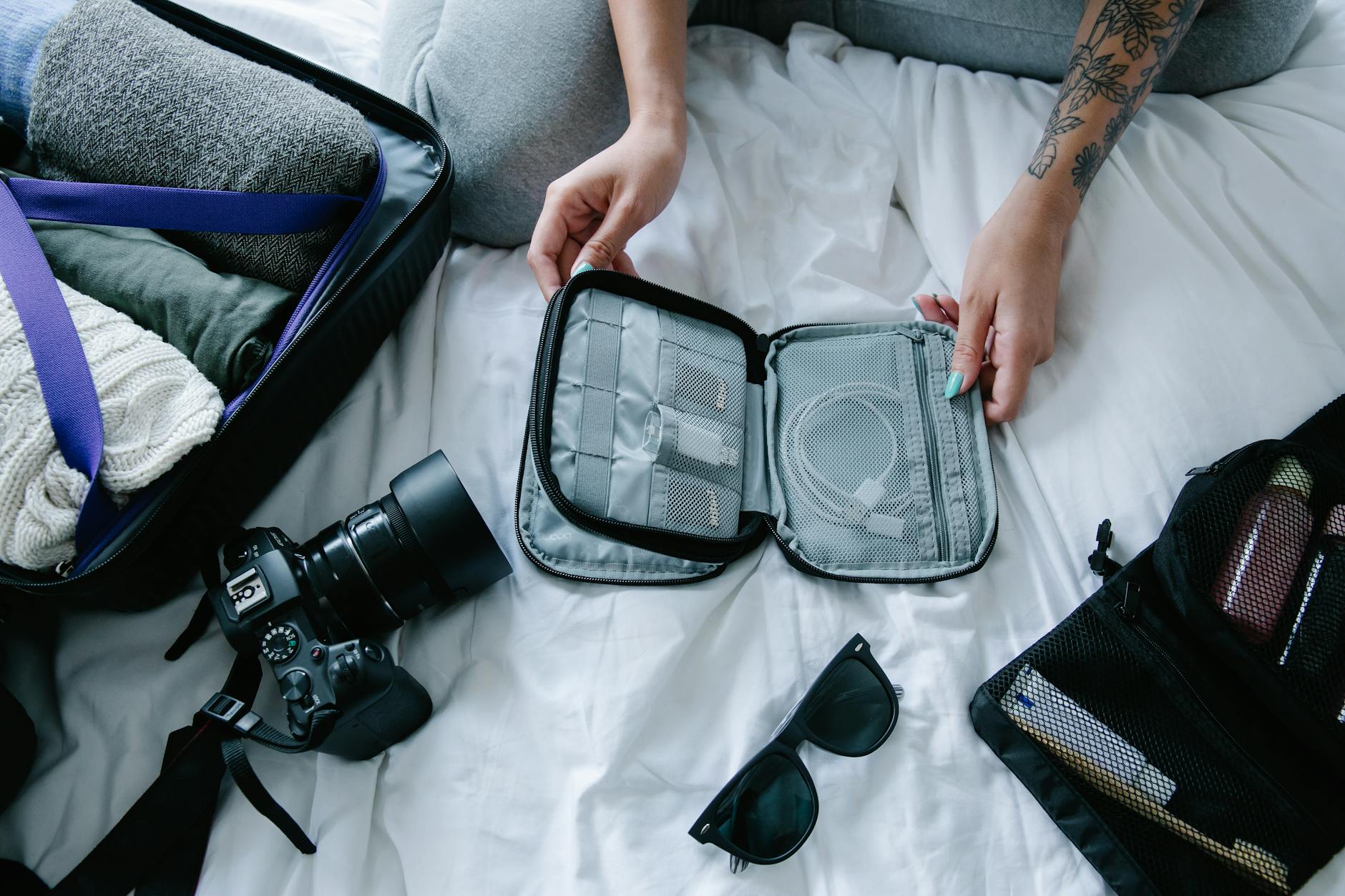
Traveler organizing essentials including a camera and packing cubes on a hotel bed.
Photo by Timur Weber

3. Feather-Light Construction

BAGAIL’s cubes are crafted from ultra-light ripstop nylon. This means my luggage doesn’t get bogged down by extra weight. Even when I pack a week’s worth of clothes, I’m not adding bulk. Lightweight gear matters when every ounce counts, especially for adventure travel or backpacking.

4. Quick Packing and Unpacking

When I check in late or have to rush to catch a flight, I just drop cubes into drawers or repack them in seconds. Living out of a suitcase can get old, but cubes turn any bag into a tidy, portable closet. It reduces the friction of travel days and lets me spend more time exploring, not sorting.

5. Clear Visibility for Easy Access

Mesh panels on most BAGAIL cubes let me see what’s where at a glance. I don’t have to unzip every cube to find something. It’s a simple touch that saves both time and patience—especially on group trips where multiple people share one suitcase.

6. Versatility for Different Travelers

Whether I’m packing athletic wear, formal clothes, or baby gear, the cubes adapt. I use small cubes for underwear or socks, and large ones for jackets or jeans. The set includes different sizes so I can customize how I pack, no matter the trip length or type of clothing. Minimalist packers and overpackers both benefit. Don’t just take my word—see how others use BAGAIL packing cubes for countless travel situations.

7. Protects Clothing from Wrinkles and Spills

By keeping items separated and tight, these packing cubes guard against shifting, wrinkling, and minor spills. My clothes look better and stay clean, even after long-haul flights or bumpy bus rides.

8. Cost-Effective Upgrade

I expected travel organization tools to be pricey, but BAGAIL offers affordable sets that last trip after trip. The value isn’t just in tidier packing; these cubes spare clothes from damage and extend the life of luggage by encouraging careful organization. Browse the latest customer feedback and pricing details on Amazon to see updated options.

9. Easy to Clean and Maintain

Travel gets messy, but BAGAIL cubes handle it. If clothes leak or shoes are muddy, I can toss the cubes in the wash. They dry fast, so I’m ready for the next trip with fresh gear every time.


Conclusion

Compression Packing Cubes by BAGAIL take the hassle out of travel prep. More than just storage, they offer smart space saving, light weight, and tailored organization in one affordable system. Packing is faster, my luggage stays neater, and I always know where everything is. For anyone ready to make packing simpler, these cubes are an investment that pays off every trip.


Summer calls for sunny adventures, last-minute getaways, and the thrill that comes with scoring a free upgrade. Nothing beats settling into a roomy flight seat or finding out your hotel room just got a plush upgrade—especially when you didn’t pay a dime extra. Small steps—like joining loyalty programs, asking at the right moment, or booking smart—can tip the odds in your favor while keeping your wallet happy.

In this guide, I’ll share the simplest tricks to help you unlock those unexpected perks, making every trip richer in comfort and experiences. If you’re ready to make lifelong memories and stretch your travel budget, you’ve landed in the right place. For handpicked vacation rentals and more inspiration for your summer, check out I Need A Vacay Now and start planning your dream escape.


Why Upgrades Matter—And When They’re Most Likely

Stretching out in a bigger seat on a plane or settling into a beautiful suite without spending extra feels like a small vacation miracle. Timing, flexibility, and understanding what airlines and hotels notice can all tip the odds in your favor. Let’s look at what really boosts your chance of an upgrade during the busy summer travel season.

Understanding Demand Peaks and Off-Peak Tricks

A Lufthansa aircraft flying at sunset against a clear sky, symbolizing modern air travel.
Photo by Niklas Jeromin

Summer flights and hotels fill up quickly, but not all days are equal. Your travel dates and times play a huge part in whether an upgrade is on the table or totally off-limits.

  • Midweek flights and stays: Tuesdays and Wednesdays are often slower. This means empty seats at the front of the plane or extra-quiet hotel floors, both prime for upgrades.
  • Late night and red-eye flights: Fewer travelers means more open business-class seats, especially on overnight routes.
  • Hotel check-in timing: Checking in late, after the afternoon rush, can help. By then, staff know who has actually shown up and what rooms are still open. According to a Tripadvisor discussion on hotel upgrades, showing up on a quiet night, like a Sunday or midweek, improves your chances.

If you have flexibility, aim for less popular travel times. This approach isn’t just about empty rooms or seats—it’s about staff having extra options to upgrade you without feeling the pinch during high demand.

Explore more tips on the best time to ask about flight upgrades.

What Airlines and Hotels Really Look For

Not all upgrade requests are treated the same. Behind the counter, staff keep a silent scorecard—and if you tick the right boxes, your odds grow.

  • Loyalty counts: Regular fliers and hotel guests (even entry-level members) are almost always considered first. Many upgrades are automatic for travelers with status, but staff will often move others up the list if they spot a clean track record.
  • Manners matter: Polite, friendly requests stand out. A smile and a simple phrase like “Are there any complimentary upgrades available?” works far better than a demand.
  • Solo travelers get lucky: If you fly or stay alone, it’s much easier for staff to find a single empty seat or room than to accommodate couples or families.
  • Special occasions flagged in your reservation: Let the front desk or gate agent know if you’re celebrating a birthday or anniversary. It won’t guarantee anything, but staff often look for easy ways to add a little sparkle for guests on special days.
  • Timing your request: For flights, gently asking at the gate just before boarding is one of your best chances. Hotel upgrades are often decided at check-in, but being flexible with your arrival time helps.

The process behind upgrades is a mix of policy and gut decision. You can learn even more by checking out how flight attendants recommend the best time to ask for a flight upgrade.

For top comfort in between your upgraded travel, take a look at family-friendly vacation rentals from I Need A Vacay Now and make your trip even more relaxing.

Proven Ways to Boost Your Upgrade Chances on Flights

Unlocking a free or nearly-free flight upgrade feels magical—like stumbling across the last open seat in first class or being ushered from the back of the plane to a cozy pod with champagne. While there’s always a bit of luck, you can tilt the odds heavily in your favor by using loyalty, timing, and social cues to stand out. Here are the best strategies that travelers (myself included) use for boosting those elusive summer travel upgrades.

Loyalty Pays: Frequent Flyer Status and Credit Card Perks

An atmospheric view of an airplane wing during takeoff on a foggy day, highlighting travel themes. Photo by Magda Ehlers

Frequent flyer programs are not just for road warriors. Even flying a handful of times on the same airline can nudge you up the internal “upgrade” list. I always enroll in a carrier’s loyalty program before I fly—it’s free and sometimes gives you priority at check-in and boarding.

What loyalty does for you:

  • Even entry-level members enjoy bonus miles, seat selection, and early notice of special upgrade sales.
  • Mid-tier or elite travelers often get complimentary upgrades, better boarding, and preferred customer support.
  • Points pile up with each trip, which you can redeem for business class seats or first class on your next flight.

Smart travelers pair these perks with top-tier travel credit cards. Many offer:

  • Automatic elite status with a partner airline
  • Miles bonuses as signup rewards
  • Annual statement credits that can cover upgrade fees or make a paid upgrade virtually free
  • Priority boarding and lounge access for a smoother trip

When I get a last-minute upgrade offer in my app or at check-in, I always check if I have enough points (or a statement credit) to cover it instead of cash. Turning those small wins into big comfort is why many travelers consider frequent flyer programs like these leading options a travel must.

Want a detailed breakdown of earning and using airline rewards? Read more in the complete 2025 guide to frequent flyer programs and learn how travel cards make upgrades easier in the new rules of airline loyalty programs.

Need a place to truly unwind after that upgraded flight? Explore comfort-driven vacation rentals at I Need A Vacay Now.

Strategic Timing and Booking for Higher Success

Pro travelers treat upgrades like a game of chance—but with a cheat sheet. The trick is knowing which flights are “upgrade rich.”

Here’s what I watch for every time I book:

  • Midweek flights: Tuesdays and Wednesdays see lighter passenger loads, and airlines are more open to moving folks up.
  • Red-eye flights or first/last flights of the day: Fewer business travelers mean more empty premium seats for operational upgrades.
  • Less popular routes: Regional or secondary airports, or flights not packed with frequent flyers, offer better upgrade chances.
  • Aircraft swaps or overbooked cabins: Flights that switch to a larger plane or are overbooked in economy often need willing travelers to move up. Booking smart and staying flexible increases your odds.

If you know your flight is on a crowded summer travel day, you can improve your odds just by changing routes or picking shoulder days. For tips that work just as well on hotels, check out this Reddit discussion on hotel upgrades and the best time to check in.

Some travelers swear by aiming for the “golden hour” at hotels—around 6 p.m.—when room upgrades become more open, as noted in this step-by-step guide to free hotel upgrades.

Polite Persistence: How and When to Ask for a Better Seat

When it comes to upgrades, the old saying holds: you get more with honey. I’ve learned that the right mix of timing, charm, and confidence can open doors that points can’t.

Follow these tips at the airport:

  • Dress neatly. A polished outfit sends the message that you’ll fit right in up front.
  • Ask at the right moment. Check-in agents can flag you for upgrades if asked early, but gate agents have last-minute authority. “Hi, are there any complimentary upgrades available today?” always works better than “Can you move me up?”
  • Refer to milestones or special occasions. “It’s my anniversary—if there are any upgrades, we’d love to celebrate.” No need for theatrics; a simple, genuine mention makes you memorable.
  • Be friendly and patient. Pushy demands land you on the “never” list, but kindness gets remembered. Smile and thank them, even when they say no.

At hotels, similar scripts work wonders:

  • “I saw you have suites available online—could you check if there’s any way I might get an upgrade today?”
  • “We’re celebrating a birthday, so if you have anything extra, it would make our trip.”

A recent post about the best time for free hotel upgrades highlights the value of timing your ask—but your manner always counts more.

Walking the fine line between confident and courteous makes you the kind of traveler staff want to help. Always thank the agent, even if nothing pans out.

Looking to turn your upgraded flight into a dream vacation? Discover your perfect summer rental at I Need A Vacay Now and keep the comfort rolling.

How to Score Free Upgrades at Hotels This Summer

Checking into a hotel is the first big moment of any summer trip. Those few seconds at the front desk? They can set the tone for your whole stay. A simple booking choice, a smile, or saying the right thing at the right time can move you from standard to suite—or at least score a better view. Here’s how I get noticed by hotel staff and land those coveted free upgrades, especially during the busy summer months.

Booking Tactics and Direct Reservations

Cozy and modern hotel bedroom interior with elegant decor and soft lighting. Photo by Pixabay

Booking directly is the hidden ace in your hand. Hotels love dealing with guests who skip the middlemen. When you reserve straight from the hotel’s website or by phone, you show loyalty—and this often gets noticed when upgrades are on the table. Hotel staff have more flexibility to reward guests who book direct, since they save on hefty booking fees from third-party sites.

Here’s why it pays to book smart:

  • Direct bookings are prioritized for upgrades and last-minute perks.
  • Calling ahead can help staff remember your name and flag your reservation for any available extras.
  • Asking for a manager when checking in (and doing so politely) puts you top-of-mind.

Travelers on Reddit share that simply calling the hotel a day before arrival, confirming your reservation, and mentioning a special event or request can swing the odds in your favor. Transactional sites can get you a bed, but a real voice on the line can get you the corner suite.

If you want to get the most out of your summer stay, choose your booking path wisely and don’t be afraid to reach out to the hotel directly.

Joining Hotel Loyalty Programs and Using the Right Credit Cards

Every major hotel brand has a loyalty program—and if you’re not signed up, you’re likely leaving upgrades behind. It takes just a minute, and your future self will thank you. These programs track your stays and reward repeat guests with free Wi-Fi, breakfast, late checkout, and complimentary upgrades.

Here’s how to get started:

  • Sign up for free on chains like Marriott Bonvoy, Hilton Honors, and IHG One Rewards.
  • Even first-timers get priority for upgrades over non-members.
  • Elite tiers, reached by a handful of paid nights or the right credit card, unlock suite upgrades and lounge access.

Summer brings out juicy perks: bonus points, double-night credits, and auto-upgrade offers. For example, Condé Nast Traveler recommends loyalty enrollment as one of its top strategies for upgrades.

Many travel-focused credit cards, like the American Express Platinum or Chase Sapphire Reserve, include automatic status in select hotel programs. This means early upgrades—without earning them the hard way.

A few benefits these cards offer:

  • Elite status right away (hello, room upgrades)
  • Annual free night certificates
  • Statement credits for hotel spends
  • Priority for late checkout and room type requests

Pairing loyalty membership with the right card makes you stand out at check-in. Sometimes, the front desk system highlights you in gold as a valued guest before you even arrive.

Timing, Special Occasions, and the Human Touch

Staff have more power than you think. Timing and attitude often mean more than how much you spent on your room. Aim to check in after 4 p.m. or in the early evening once most other guests have arrived. By then, front desk staff know which upgraded rooms haven’t been claimed. According to travel forums, evening is the golden window for room swaps.

Personal warmth goes far:

  • Smile. Greet staff by name or ask how their day is going.
  • Mention if you’re celebrating a birthday, anniversary, or honeymoon. Hotels look for these moments to delight guests.
  • Don’t be afraid to ask, “Are there any complimentary upgrades available today?”
  • If you’re traveling during a slow week, politely inquire about empty suites or rooms with a better view.

A little kindness sticks. If staff can help, they often will—especially for guests who treat them like people, not ticket machines. Tipping isn’t required, but a small thank you given up front (like a $20 bill discreetly offered with your ID) sometimes boosts your chances. Just remember, politeness is the true currency.

If you want a clear step-by-step on when and how to ask, check out these tips on upgrade timing and make your approach list-ready before your next check-in.

To round out your upgraded getaway, browse the charming, well-stocked vacation rentals from I Need A Vacay Now. They offer the kind of comfort that makes every summer trip extra special—whether you scored a high-rise suite or a cozy beach house.

Conclusion

A little effort and smart timing can turn an ordinary summer trip into something worth remembering. Simple actions—like signing up for loyalty programs, dressing well, or showing up with a smile—can move you out of the crowd and closer to a better seat or a nicer room. Every traveler has a chance, no matter how many miles or nights you’ve logged.

Summer is meant for comfort and surprise. Let these tips make your next adventure a little sweeter, whether you’re chasing waves or mountain air. The right upgrade often feels like luck, but it’s really about giving yourself every small edge.

For the kind of stay that takes your vacation from good to perfect, find a well-loved home at I Need A Vacay Now. Their team prepares each place with care, so you can just relax, settle in, and enjoy every minute.

Thank you for reading—here’s to making your travel dreams a reality, one upgrade at a time.


Every year, travel gets smarter, more connected, and more efficient. In 2025, those of us who rely on backpacks to move through airports, cities, and wild trails need more than just storage. We need a travel companion that adapts, protects, and simplifies. The Nomatic Navigator Backpack isn’t just another bag—it’s the carry-on that answers every travel need with style and rugged practicality. Here’s why I believe it’s the best carry-on backpack for 2025.


1. Sleek Design Built for Travelers

The Nomatic Navigator Backpack combines modern aesthetics with purpose. The lines are clean and understated. The all-black or dark gray exteriors project both professionalism and adventure. Designed for digital nomads, business flyers, and anyone who hates checking luggage, the backpack balances minimalist style with bold utility. The materials and layouts speak to the seasoned traveler who craves order and quick access on the go.


2. Carry-On Size Perfection

The dimensions fit airline standards for domestic and most international flights. Whether you pick the Navigator 15L or go for the 32L version, both slide easily into overhead bins or under seats. The bag expands for longer trips yet compresses for smaller loads, reducing frazzle at security lines and ensuring you never get flagged for oversized baggage.


3. Materials Engineered for Abuse

The outer shell uses water-resistant, abrasion-proof fabrics that shrug off rain, snow, or surprise spills. Premium YKK zippers and rugged hardware resist breaking after years of use. Even after airport after airport, the backpack still looks new, protecting your gear and clothes from the elements and from wear.


4. Light but Mighty

Nomatic keeps weight to a minimum with innovative panels and feather-light but strong textiles. The absence of excessive hardware and padding means less burden during long walks through airports or across city streets. I can go from flight to train to hotel without sore shoulders or back pain.


5. Organization That Makes Sense

Inside, every pocket and panel has a purpose:

  • Padded laptop sleeve (fits up to a 17” laptop)
  • Separate tablet pocket
  • Mesh zipper pockets for chargers and cables
  • Fleece-lined sunglasses pouch
  • Clothes section with compression straps
  • Side pockets for water bottles and umbrellas
  • Hidden RFID-blocking pocket for passports and cards

Everything finds its spot, so you don’t waste time rummaging.


6. Security That’s Travel-Ready

Your gear is more secure with lockable zippers and a discrete RFID-shielded pocket. Anti-theft construction keeps your valuables safe, meeting the higher security needs of 2025. No more stress about pickpockets or contactless card theft.


7. Comfortable All Day

Thick, breathable padding on the shoulder straps and back panel means all-day comfort. The ventilated back reduces sweat on hot layovers or city walks. Adjustable chest and waist straps (removable if you don’t need them) keep the load close and evenly distributed, sparing your spine from strain.


8. Built for Tech Lovers

In 2025, charging on the move is everything. The Navigator Backpack includes:

  • Internal cable routing and management
  • Easy-access USB port slot (fits power banks and cords)
  • Shock-resistant laptop compartment

Carry a laptop, tablet, chargers, and accessories without worrying about dings, drops, or tangled wires.


9. Smart Expandability and Modular Panels

The Navigator offers a standard 15L capacity, expandable up to 21L. The 32L version can carry enough for several days. Removable dividers let you convert from simple daypack to photo gear hauler or business brief. When you need more, Nomatic’s modular system adds camera cubes, tech organizers, or shoe pockets.


10. Modern Looks for Any Setting

Minimalist design and neutral tones fit working professionals, students, and adventure travelers. You’ll look sharp in a boardroom, airport lounge, or mountain village. It’s one of the few backpacks I’d pair with both a blazer and hiking boots.


An adult hiker sitting and enjoying a coffee break with backpacking gear indoors.Photo by Tima Miroshnichenko


11. Fast Access in Tight Spaces

The clamshell main opening lets you see and access everything at once. Side zippers make it easy to reach tech items without dumping the entire contents. In airport security or cramped train cars, this saves time, stress, and embarrassment.


12. Water-Resistant Inside and Out

From coated zippers to weatherproof outer material, you get protection from the elements. Electronics, passports, and clean clothes stay dry, even in sudden downpours. No ugly surprises or wrinkled documents.


13. Sustainable Choices

Nomatic’s new lines often use recycled or eco-friendly materials, supporting greener manufacturing. Check the company’s official site for the latest on recycled content and sustainability certifications.


14. Adapts to Any Trip

Day hike? Business flight? Weekend abroad? The Navigator works everywhere. I switch from gym bag to commuter pack to overnight hauler without changing luggage. It transitions seamlessly between suits and t-shirts.


15. Pack Like a Pro

Use the internal compression straps and mesh pockets to maximize space. Roll clothes tightly. Place electronics in padded zones. Use the hidden pocket for valuables. Consider the following smart tactics:

  • Tuck chargers and batteries in mesh side pockets
  • Slide thin cables in pen loops
  • Store liquids in the upright side pouch
  • Roll bulkier clothes and cinch tight

16. Ready for Airline Rules

These backpacks clear most major airlines’ carry-on restrictions, fitting overhead and under seats. For specifics, see the Navigator 32L specs. For international or budget airlines, double-check dimensions, but most users won’t face issues at the gate.


17. Stands Out from Competitors

While other packs offer one or two of these features, the Nomatic Navigator pulls them together in one sleek, high-performance design. Many packs lack the same modularity, tech readiness, or durability under heavy use.


18. Praised by Real Users

Reviewers from everyday travelers to tech pros mention reliability, versatile organization, and day-long comfort. Even with heavy use, user feedback highlights the backpack’s ability to protect expensive tech and keep everything sorted. Read in-depth impressions in this detailed review.


19. Easy Cleaning and Maintenance

Wipe clean with a damp cloth; the water-resistant exterior shrugs off dirt. Lubricate zippers annually. Air out the pack between trips. With care, the Navigator lasts for years without fraying zippers or fading fabric.


20. Value That Holds Up

While priced higher than standard packs, you get unmatched durability, modular features, and advanced security. Most models include a robust warranty and top-notch customer service. You pay once for a bag that won’t need replacing season after season.


21. Little Details That Matter

Magnetic water bottle pockets, removable waist and chest straps, and reflective trim all boost daily convenience. Safety and comfort don’t get overlooked.


22. Attaches Easily to Luggage

The integrated pass-through sleeve means you can mount the Navigator to a rolling suitcase handle in seconds. When stores are tight or you need to sprint through terminals, this setup makes travel smooth.


23. Tech Packing the Smart Way

Holds 15” and 17” laptops. Padded sleeves with shock resistance. Special pockets keep cables, chargers, AirPods, and hard drives from tangling or getting squished.


24. Nomatic: A Brand Built on Trust

Nomatic has built its name on quality, innovation, and customer support. Buying from the official site or verified resellers protects against counterfeits and ensures warranty coverage.


25. Who It’s Built For

I recommend the Navigator for digital nomads, road warriors, business flyers, students, and commuters. Anyone who demands order, comfort, and a bit of luxury from a carry-on will appreciate what this pack offers.


Key Takeaways: Why It Wins in 2025

  • Elegant, all-situation design
  • Carries up to airline standards everywhere
  • Durable materials stand up to abuse
  • Next-level organization for tech and clothes
  • Advanced security, RFID, lockable zippers
  • Featherweight comfort and ventilated back panel
  • Modular expandability shields against overpacking
  • Fits any wardrobe or travel style
  • Fast, easy access for airport screenings
  • Trusted reviews back up the hype

Where to Buy and How to Spot a Genuine Pack

For the authentic product and warranty coverage, buy directly from the Nomatic website or through reputable travel retailers. Watch for consistent branding, included warranty card, and official packaging. Avoid deals that look too cheap or come from unfamiliar sites to sidestep counterfeits.


Ready for the Trips of Tomorrow

The Nomatic Navigator Backpack isn’t just a travel tool—it’s preparation for the way we’ll move and work in 2025. With modular storage, tech-ready features, and gritty build quality, it frees travelers to move faster and smarter. This is a bag that feels like part of the journey, not just another item to lug around. If you want organization, security, and style every time you head to the airport, there’s no better carry-on to trust for the year ahead.


Travelers rarely leave home without something to keep their devices alive, and in 2025, the race for longer-lasting, faster-charging power banks hit a new stride. A good travel power bank gives you peace of mind whether you’re catching a flight, trekking in the mountains, or settling in for a beach escape. With so many new models and rapid tech leaps, it’s important to know which portable charger stands out and keeps you connected when you’re miles from an outlet.

Overview of Travel Power Banks in 2025

Travel power banks in 2025 are smarter, lighter, and tougher. Modern road warriors know that a travel power bank is more than just a battery—it’s their lifeline for staying powered in airports, cars, and places where charging outlets are scarce. The rise of smarter charging (including power delivery and quick charge support), new safety layers, and ruggedized designs reflect a reality where devices demand more, and users expect nothing less.

Battery size (measured in milliamp-hours, or mAh), weight, speed of charging, and number of ports are now standard features travelers weigh. This year, advances in battery density and new fast-charging protocols set the best models apart. Understanding the specs isn’t just for techies—it’s the difference between getting home with a dead GPS or a phone ready to snap one more sunset.

Criteria for Ranking the Top Travel Power Banks

When comparing the best of 2025, I looked at several real-world factors:

  • Battery capacity (mAh): How many times you can recharge your phone or tablet on each trip.
  • Portability: Size and weight can make or break your packing strategy.
  • Charging power and compatibility: Support for fast charging like PD (Power Delivery) or Qualcomm QC for a range of devices.
  • Port configuration: USB-A, USB-C, and wireless outputs give more options.
  • Safety: Look for protection against overheating, overvoltage, and short circuits.
  • Extra features: Some now offer digital displays, pass-through charging, and advanced power management.
  • Brand trust and warranty: It’s worth sticking to brands with a reputation for support.
  • Value: The right balance of cost, quality, and warranty.

For more details on the key specs I consider, the Best Power Banks for Backpacking of 2025 compares top models across these criteria.

Top Travel Power Banks of 2025 – Complete List

Here’s a quick-glance look at the top contenders in 2025 and how they stack up:

ModelCapacity (mAh)Output PowerPortsWeight (oz)Price
Anker 747 (PowerHouse)24,000100W PD2x USB-C, 1x USB-A22$129
Zendure SuperTank Pro26,800100W PD4x USB-C21$159
RAVPower Pioneer 2000020,00060W PD1x USB-C, 2x USB-A15$69
Nitecore NB 10000 Gen 310,00020W PD1x USB-C, 1x USB-A5.5$65
Belkin BoostCharge Pro20,00065W PD2x USB-C, 1x USB-A14$90
Aukey Sprint Go 2000020,00060W PD1x USB-C, 2x USB-A14$49
Xiaomi Power Bank 320,00050W PD2x USB-C, 2x USB-A17$69

For more info on smaller or ultralight picks, check the State of power banks in 2025 discussion.

1. Anker 747 (PowerHouse 24K): The New Standard

Battery Capacity and Power

The Anker 747 packs a massive 24,000mAh cell, letting me charge an iPhone at least five times or a MacBook Air almost to full on a single charge. Its 100W USB-C Power Delivery output juices up laptops, tablets, drones, and phones faster than ever.

Port Versatility

With 2 USB-C ports and 1 USB-A, the Anker 747 lets you charge multiple devices at once without sacrificing speed. The USB-Cs both output high power for bigger tech, while the USB-A works with legacy devices.

Build and Portability

Weighing about 22 ounces, the 747 feels solid but not bulky. Its aluminum shell handles rough bags and bumpy rides. The sleek case slips easily in my backpack or carry-on.

Charging Features

Pass-through charging means I can top up my devices while the power bank is itself plugged in. Its battery refills from empty in just under 1.5 hours with a fast charger.

Safety and Brand Trust

Short circuit protection, temperature management, and a sturdy warranty set minds at ease. Anker is known for reliable products and strong customer support, so I trust it on long trips.

User Experience

A digital display takes the guesswork out, so I always know how much juice I’ve got left. Its controls feel natural and easy to use, even when I’m half asleep on an early flight.

Price and Value

With all it offers, the Anker 747’s price is fair—especially compared to rivals. For those who want the best, I recommend grabbing it direct from Amazon right here.

2. Zendure SuperTank Pro

This model is tough to beat for high-capacity needs. It adds an extra 2,800mAh, making it ideal for powering multiple laptops, tablets, and cameras. The SuperTank Pro has four USB-C outputs—rare in portable chargers—and a bright OLED display. It’s slightly heftier and pricier than the Anker but stands out for tech-heavy travelers.

3. RAVPower Pioneer 20000

The RAVPower Pioneer 20000 puts balanced capacity and wallet-friendly pricing first. Its 60W USB-C output suits tablets, Switch consoles, and phones. The plastic case feels lighter in hand, and backup USB-A ports add flexibility for low-power gear. It’s great for budget travelers who want reliable power without unnecessary extras.

4. Nitecore NB 10000 Gen 3

For ultra-light packers, the Nitecore NB 10000 Gen 3 is a tiny titan. Only 5.5 ounces and still cranks out 20W PD charging for phones or cameras. It’s a favorite among hikers and backpackers for its minimal weight and solid safety features.

5. Belkin BoostCharge Pro

Compact and powerful, the Belkin BoostCharge Pro offers 65W PD, multiple ports, and a straightforward interface. It’s slimmer than many competitors, experienced in keeping two devices ticking all day.

How the Anker 747 Compares to Other Top Power Banks

Brand and ModelProsCons
Anker 747High capacity, 100W output, fast charge, reliableSlightly heavier than most
Zendure SuperTank ProExtra ports, OLED, ruggedMost expensive, heavy
RAVPower PioneerGood value, 60W output, lightFewer safety features
Nitecore NB 10000Ultralight, tough, waterproofLower capacity, slower output
Belkin BoostChargeSlim, 65W, user-friendlyFewer ports, midrange capacity

For an in-depth comparison, the Guardian’s best power banks roundup reviews several options across budget and performance.

Why the Anker 747 Leads the Pack in 2025

The Anker 747 mixes power and speed with all the little details modern travelers need. It’s not just the max battery or 100W output—it’s having fast USB-C ports, smart displays, pass-through charging, and a bomber aluminum build. Anker’s track record for customer service is reassuring on the road. For its price, I can’t find more value, and that’s why I reach for it before any trip. Buy it for your next escape on Amazon here.

Use Cases for Travel Power Banks

Travel power banks are a must for:

  • Charging phones, tablets, and headphones on cross-country flights.
  • Topping off cameras or GoPros during a long beach or hiking day.
  • Powering laptops in airports, trains, or cars.
  • Handling emergencies—whether that’s a blackout or getting lost in the backcountry.
  • Skipping wall chargers entirely by keeping all devices charged directly off one high-capacity pack.
  • Enjoying peace of mind on stays at rentals like those from I Need A Vacation Now where devices for the whole family stay powered up for movies, games, and navigation.

Tips for Choosing the Right Travel Power Bank

Pick a power bank that matches your gear and travel style:

  • Check your device battery sizes and choose a power bank that can recharge them at least once.
  • Airport rules allow up to 27,000mAh (100Wh) in carry-ons, but not larger, so double check before you leave.
  • Go lighter if you carry your tech everywhere, like the Nitecore, or bigger (Anker 747) for full workdays.
  • Make sure it supports fast charging for your key gadgets—look for PD (Power Delivery) or QC (Quick Charge).
  • Always choose a model with built-in safety circuits and, if possible, a rock-solid brand warranty.

Maintenance and Care for Travel Power Banks

Keep your power bank in top shape with a few simple practices:

  • Always recharge it every 3-6 months, even if you’re not traveling.
  • Store in a dry, cool place and avoid leaving it in hot cars or exposing it to direct sunlight.
  • Use padded compartments or cases for rugged trips.
  • If you notice swelling or heat after use, retire the battery and replace it with a new, safe model.

Future Trends in Travel Power Banks

I see rapid change ahead in portable charging. Newer models promise higher battery density in smaller shells—a 30,000mAh pack the size of today’s 20,000mAh. Solar panels and ambient energy charging are growing, perfect for campers and outdoor lovers. Wireless charging continues to evolve, offering cable-free power for modern phones. Some brands are developing app-based battery monitors, so you’ll soon manage your power bank from your phone with ease.

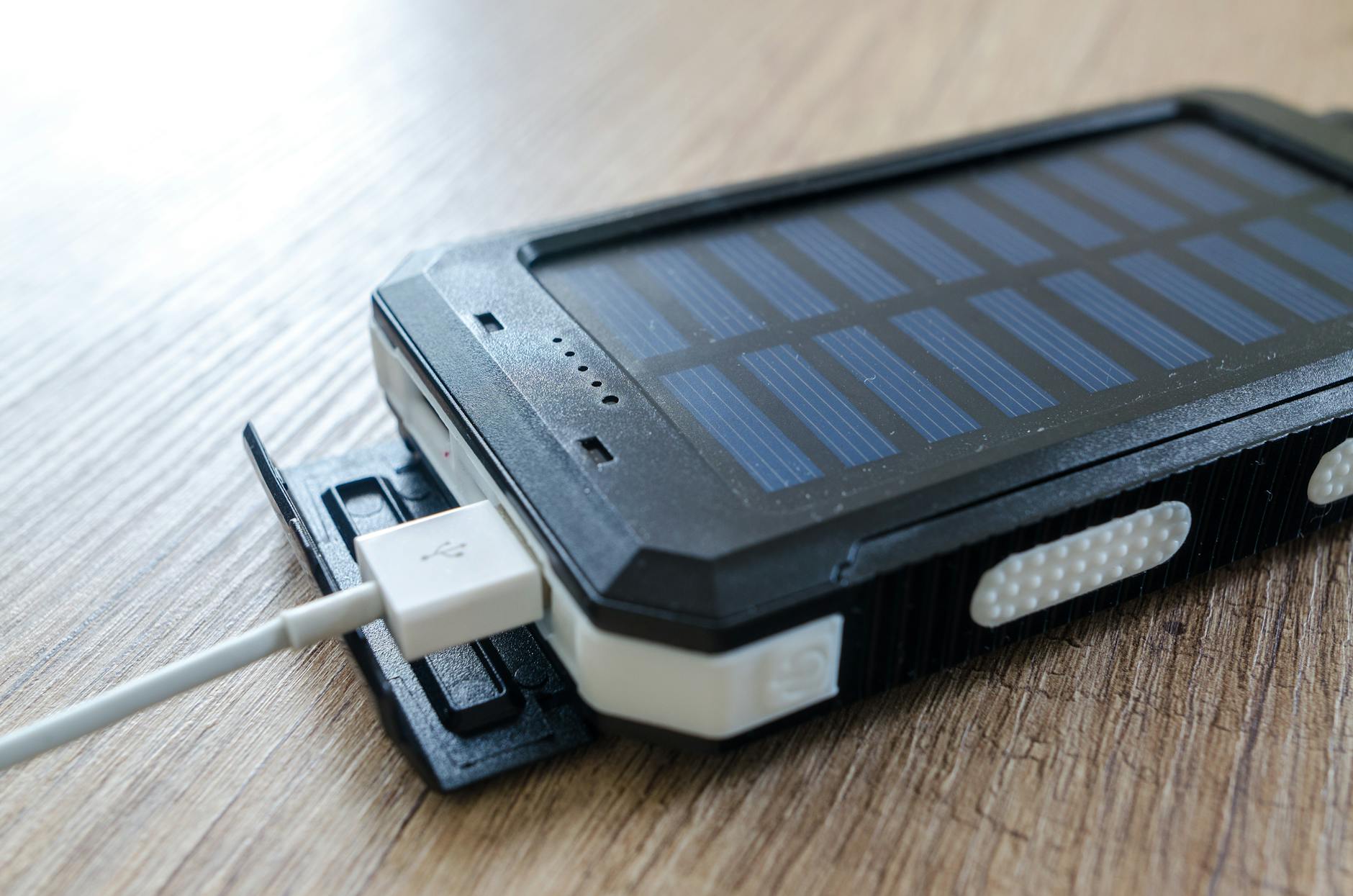
A close-up of a solar charger with a USB connection on a wooden surface, showcasing modern technology. Photo by Lukas

Glossary of Power Bank Terms

  • mAh: Milliamp hour. Battery measurement unit (bigger numbers=more charges).
  • PD (Power Delivery): Fast-charging protocol for big devices, like laptops.
  • QC (Quick Charge): Another popular fast-charging tech, mainly for phones/tablets.
  • Pass-through charging: Charging devices and the bank itself at the same time.
  • USB-C: Modern, reversible charging cable used by most new devices.
  • USB-A: The classic rectangular USB slot.

Additional Resources & Accessories

If you’re looking to make the most of your travels, consider pairing your power bank with:

  • Durable USB-C cables
  • A padded travel pouch
  • Extra wall chargers for fast refills

Manufacturers provide updated specs and warranty info on their sites. Check out Anker’s official product page or see what’s new in expert roundups like Best Power Banks for Backpacking of 2025 for current reviews.

Conclusion

Finding the right travel power bank means more freedom, less stress, and zero dead devices—whether you’re at a rental in Florida, mountain hiking in Georgia, or off to a business meeting. Among the latest models, the Anker 747 shines as the most balanced, reliable, and user-friendly companion on the market. With its beefy battery, trusted safety, and smart features, it leads the way for the modern traveler. For your next vacation, pack smart and travel relaxed by picking up the Anker 747 here. When you’re planning that next great getaway, don’t forget to check out clean, family-ready rentals from I Need A Vacation Now for the comfort you deserve.


Nothing beats that first rush of excitement when you’re packing for summer travel. I want to make every trip smoother with gear that actually works, not gadgets that end up in the bottom of my bag. Summer 2025’s top picks bring smart design and peace of mind, from power banks that last all weekend to noise-canceling earbuds that make every journey quieter. This year’s standouts are lighter, faster, safer, and built for the real needs of travelers who want comfort and confidence on the go.

I’m sharing the travel gadgets that do more than just promise—they deliver. These essentials save space, solve real problems, and upgrade every part of your trip, from staying connected to keeping your luggage safe and your tech charged. Pack smarter, travel lighter, and get the most out of every adventure with my top 10 must-haves for the summer ahead. Start planning at I Need a Vacation Now and see how travel gadgets can make all the difference.

Must-Have Power and Connectivity Gadgets for Summer Escapes

When you’re chasing sunshine and adventures, your phone, tablet, and headphones shouldn’t be begging for a recharge. Power solutions that last the day, adapters that handle foreign outlets, and nifty gadgets that connect your wireless headphones on the plane make a difference between a trip that thrills and a trip that frustrates. I’ll break down the essentials you’ll want in your bag for every trip this summer.

High-Capacity Portable Chargers That Never Leave You Stranded

Heading out all day shouldn’t mean rationing battery life or fighting over the last airport outlet. A high-capacity portable charger is my go-to, especially when maps, camera apps, or group texts eat up my phone battery faster than ever.

Top picks for this summer:

  • Anker Nano Power Bank: This palm-sized charger balances compact size with enough juice for a full phone recharge or a big top-up for earbuds and watches. USB-C fast charging means I spend less time tethered to a cord.
  • myCharge Adventure Series: Built tough, this model is water-resistant and drop-proof—a solid pick for camping trips or beach days. Some versions double as a flashlight, which is perfect after dark.
  • Belkin Boost Charge Plus 10K: With 10,000mAh, this bank charges most smartphones twice and even powers tablets in a pinch.

Features I love:

  • Multiple USB ports for charging two or three things at once.
  • A digital display so I know when it’s time to recharge.
  • Lightweight designs that actually fit in my daypack or pocket.

For even more tested recommendations, check out this rundown of the best portable chargers for travel in 2025. Real performance sets these models apart from throwaway brands.

Universal Travel Adapters That Work Almost Everywhere

A collection of various black international power plug adapters for global electronics use.Photo by Castorly Stock

Universal travel adapters are one of those unsung essentials every traveler should pack first. Whether you’re heading to Europe, Asia, or anywhere in between, you need your gear charged without risk.

Why I never leave home without one:

  • Global compatibility: Models like the Epicka Universal Adapter support over 150 countries, so I don’t have to keep track of outlet shapes.
  • Built-in surge/fuse protection: Modern adapters shield my gear from sketchy hotel wiring or sudden power surges, which gives peace of mind for laptops and pricey tech.
  • USB and USB-C ports: The latest options plug right into your phone or tablet—no extra wall chargers needed.

Ceptics and Epicka set the standard. The Ceptics GaN Universal Adapter, for example, is praised for its 70W power output, letting me charge a laptop and two other gadgets simultaneously. For a full comparison and details, see this expert-tested list of the best travel plug adapters of 2025.

Bluetooth Audio Adapters for In-Flight Wireless Listening

Outdated seatback screens and airplane headphone jacks frustrate anyone with wireless earbuds. A Bluetooth audio adapter solves that, and I never fly without one.

Standout options:

  • Twelve South AirFly Pro: This discreet adapter plugs into any standard headphone jack—plane seats, gym treadmills, or hotel TVs—then streams audio to AirPods or other Bluetooth headphones.
  • Stays paired for the whole flight; no dropouts or lag.
  • Up to 20 hours of battery life matches even long-haul itineraries.

Bluetooth adapters aren’t just for airplanes. They’re lifesavers if your hotel gym or cross-country bus still relies on wired connections. The comfort of streaming sound to your personal earbuds (instead of sharing old hotel headsets) can’t be overstated.

For more about features and user experiences, Wired has detailed insights on the latest Bluetooth audio transmitters for travel.

Curious how these power and connectivity must-haves can fit into your travel plans? Visit I Need a Vacation Now for travel gear tips and to book your next trip!

Audio and Entertainment Essentials for Every Journey

Let’s admit it: nothing sets the mood on any trip quite like the right soundtrack, some uninterrupted chapters, or your favorite podcast in your ears. Whether you’re winding along scenic rails, perched poolside, or sandwiched on a long flight, the audio gear you pack can turn a noisy commute into your own calm little world. For me, summer means building an entertainment toolkit that delivers crisp sound, vivid stories, and freedom from tangled cords or water worries. Here’s my rundown on audio and entertainment picks I’ve trusted, with a nod to the latest standouts and the features you’ll actually use.

The Right Headphones for Every Setting

The choice between over-ear noise-canceling headphones and true wireless earbuds always follows me on packing day. Both have their own kind of magic, with strengths that suit different travelers and situations.

Over-Ear Noise-Canceling Headphones

  • Block steady noise like engines, chatter, or barking dogs—ideal for flights, trains, and busy terminals.
  • Offer plush comfort for hours, with big drivers delivering bold, clear sound.
  • Long battery life means less fiddling with chargers on multi-leg journeys.

Top options like the Bose QuietComfort Ultra and Sony WH-1000XM5 stand out. Both headsets impress with top-tier noise canceling, plush earcups, and trusted reliability.

Cons:

  • Bulky in smaller bags, can heat up your ears on hot summer days.
  • Not as discrete for public strolls or workout sessions.

True Wireless Earbuds

  • Pack light—barely noticeable in your pocket, fast to stash away.
  • Perfect for wandering city streets, quick hikes, or catching podcasts while you stroll the market.
  • Top picks such as the Apple AirPods Pro (2nd Gen) and Sony WF-1000XM5 bring solid noise canceling in a tiny package.

Cons:

  • Shorter battery life, though the charging case helps extend sessions.
  • Sometimes lost more easily, which can frustrate on long trips.

For a deeper dive into this summer’s best noise-canceling headphones, I recommend CNET’s expert guide on the best noise-canceling headphones of 2025. This overview helped me find my own personal favorite.

Best E-Readers for Beach Reads and Audiobooks

Getting lost in a story by the pool or kicking back with a new thriller at the beach is one of summer’s sweetest treats. Today’s e-readers take the old Kindle magic and dial it up with features made for outdoor adventure.

A red portable speaker surrounded by mysterious smoke in Beni M Tir, Tunisia.Photo by Mahmoud Yahyaoui

Outstanding Features for Summer:

  • Color Displays: Brands like the Kobo Libra Colour add a pop of color to comics, travel magazines, and cookbooks—handy for both kids and grown-ups.
  • Waterproof Bodies: The Kindle Paperwhite and Kobo Libra 2 can handle pool splashes, a surprise rain shower, or the accidental dunk. That’s peace of mind whether you’re at the lake or on a boat.
  • Bluetooth Audio: Bluetooth support turns your e-reader into an audiobook player. Pair with wireless earbuds and soak in a story, hands-free, while walking the beach or making coffee at the Airbnb.

This year’s e-readers are thin, light, and can last weeks on a charge. For the best picks tested in 2025, have a look at PCMag’s ranking of the top waterproof e-readers.

Audiobook lovers can explore even further—the Kindle Paperwhite now supports Audible, so you can switch from reading to listening without missing a beat. Get full reviews and comparison charts at The Best E-Readers, Tested and Reviewed (2025).

Ready to upgrade your travel audio and book game? Explore more travel tips and gear at I Need a Vacation Now before you head out!

Travel Organization Tools: Clever Packing, Easy Access

A well-organized suitcase is more than just a treat for my inner perfectionist—it’s my secret weapon for smooth, stress-free travel. This summer, clever packing doesn’t just mean rolling your shirts tight. Smart gadgets and thoughtful accessories can help keep your essentials handy, protected, and within reach just when you need them. Here’s a look at the tools I lean on for peace of mind and order, from check-in to check-out.

Luggage Trackers and Smart Tags for Worry-Free Travel

Close-up of hands packing a suitcase with clothes and using a strap for organization.Photo by Timur Weber

Anyone who’s ever circled a baggage carousel knows that sinking feeling of seeing every suitcase except yours. Luggage trackers and smart tags take away that panic, letting me track my bags in real time, straight from my phone. With a tracker tucked into my checked bag, I always know exactly where it is, even if the airline can’t tell me.

Some standouts this year:

  • Apple AirTag: Easy setup, tough enough for constant bouncing around airports, and precise location pings make this a top pick. If my bag takes a detour, I get an alert the moment it lands somewhere unexpected.
  • Knog Scout Travel Smart Luggage Tag: This combines a strong, waterproof tag with GPS smarts, so even after getting tossed around, it keeps reporting its location. It even survived a New York-to-London haul with zero hiccups.
  • Ovener Silicone Luggage Tag: Simple, highly visible, and nearly indestructible. It’s not “smart” on its own, but paired with a tracker, it keeps my info handy and my bag easy to spot.

Trackers aren’t just helpful for lost luggage—they help me travel lighter, letting me check a bag without dread. During airline delays or reroutes, a glance at my phone shows my bag is safely en route, not stuck on a tarmac. For more on this year’s most reliable units, check this detailed guide to the best luggage trackers and smart tags.

RFID Passport Holders and Secure Travel Wallets

My passport and cards are the keys to my trip, so I don’t mess around when it comes to keeping them safe. RFID-blocking passport holders and wallets seal off your digital info from invisible thieves—nobody “skims” my details on my watch.

Here’s what I look for in a travel wallet:

  • RFID Shielding: Stops digital pickpockets in their tracks, so my credit cards and passport chips stay private.
  • Multiple Pockets: Room for a passport, boarding pass, extra SIM, and even a pen.
  • Snap or Zip Closures: Keeps everything together, even during airport sprints.

Top picks to consider this summer:

For the latest user reviews and more options, see the best passport holders of 2025 and a broader breakdown of top RFID travel wallets.

Backpacks and Organizers for Maximum Efficiency

A backpack stuffed with random gear is a recipe for lost chargers, wrinkled shirts, and stressful mornings. The right setup means smooth hotel checkouts and hassle-free border crossings.

How do I keep my carry-on chaos free? I rely on packable systems and organizers built for travelers:

A great travel bag works for both digital nomads and weekend wanderers. Highly rated options, like the Cotopaxi Allpa 35L and Peak Design 45L, hit the sweet spot with structure for electronics and enough give for souvenirs.

Want to streamline your own packing game or grab one of these smart accessories? Visit I Need a Vacation Now for more travel tips, gear guides, and booking deals for your next adventure.

Comfort and Health Gadgets to Keep You Energized All Summer

A summer trip is only as good as your comfort level. Long flights, bumpy bus rides, and full days on your feet can sap your energy fast if you don’t pack smart. The right travel gadgets can mean the difference between arriving fresh and ready or feeling rundown before the fun even starts. These comfort and health essentials will keep you at your best, mile after mile.

Travel Pillows and Sleep Masks for Restful Transit

Getting real rest on the go helps you hit the ground running. The new generation of travel pillows and sleep masks goes far beyond the basics, with designs made for travelers who want to sleep well anywhere.

Some of the best travel pillows right now include:

  • Travelrest Nest Ultimate Memory Foam Pillow: This is my go-to for long-haul flights. It molds to your neck and shoulders, preventing the dreaded head bob and stiff muscles. Its memory foam compresses into a tiny pouch, so it’s never a hassle to pack. See why Wirecutter calls it the best travel pillow for most people in 2025.
  • Cabeau Evolution S3: Loved for its adjustable toggle clasp and straps that attach to your seat, it keeps the pillow—and your neck—secure, even if you nod off mid-flight. Travel + Leisure raves about its clever design and support.
  • HEST Pro Travel Pillow: This one feels like your pillow from home, just smaller and more portable. The cover is washable, and the fill returns to shape after packing.

When it comes to sleep masks, contouring designs have changed the game:

  • Blissy Silk Eye Mask: Total darkness and a cloud-soft feel. Silk is gentle on your skin (no red marks), plus cooling during hot summer travel.
  • Manta Sleep PRO Sleep Mask: Features deep eye cups so you can blink freely, and it won’t smudge makeup or press on lashes. The adjustable fit means true blackout, perfect for planes, trains, hostels—anywhere you catch a nap.

For more picks and real-world comfort tests, check out this comprehensive guide to the best sleep masks of 2025. Investing in better sleep gear turns layovers and red-eyes into restful escapes.

Compression Socks and Health Accessories

Airplane cabins and all-day city treks can do a number on your circulation. I never skip compression socks, especially with today’s soft, cooling materials that actually feel good to wear.

What keeps me reaching for modern pairs:

  • Merino Wool Blends: Ultra-soft, odor-resistant, and moisture-wicking—merino blends avoid that sweaty, synthetic feel even after hours of wear.
  • Cooling Fabrics: Many new brands use special fibers that help regulate temperature and keep you dry. Look for pairs labeled as “cooling” or featuring vents for airflow.
  • Easy-On Fit: Graduated compression socks are tight but flexible, hugging calves without cutting into your skin or slowing you down during security checks.

Why bother? Compression helps reduce swelling, prevents achy legs, and can lower your risk of blood clots after long flights. Even after a day spent climbing stairs in Rome or hiking mountain trails, my legs feel less tired and more ready for the next adventure.

Other health accessories worth packing:

  • Portable massagers (like Theragun Mini): Release tightness from travel days, easy to use in a hotel room.
  • Neck fans or cooling towels: Keep your temperature down when the mercury climbs.

Socks and small wellness tools don’t weigh much, but make a huge difference in how you feel at your destination.

Collapsible Bottles and Quick-Dry Towels for Staying Fresh

When you’re on the move, there’s nothing better than gear that saves space and keeps you cool and clean.

Collapsible water bottles like the Hydaway or Nomader fold nearly flat when empty, but are tough enough for any itinerary. I fill up after airport security, skip the single-use plastics, and always have water handy. Their leak-proof seals and dishwasher-safe materials separate the great from the rest.

Quick-dry towels are another summer travel staple. Great brands use microfiber or waffle-weave fabrics that dry in minutes and fit in a small bag pocket. Whether you’re freshening up after a sticky day walking Paris or taking a dip at a lakeside spot, these towels get you dry fast—no musty smell, no extra weight.

Real-world uses for these gadgets:

  • City exploring: Mop up sweat after climbing viewpoints, pad a picnic bench, or shade your neck from the sun.
  • Hostel stays: Skip rental fees for towels and avoid communal towels’ germs.
  • Wilderness escapes: Dry off after a swim or rain, and clean gear on the go.

Choosing these health and comfort gadgets always pays off by giving me more energy for the good stuff—exploring new places, not recovering from the journey.

Looking for more ways to maximize your comfort on the road? Check out travel gear tips and smart booking at I Need a Vacation Now.

Outdoor and Adventure Tech for the Ultimate Summer Experience

When the weather heats up, I want gear that plays as hard as I do. Whether I’m splashing around with friends, heading for a long hike, or cooling off between travel stops, the right adventure tech can turn a good day outdoors into a great one. From waterproof Bluetooth speakers that bring the energy anywhere to tiny fans and sharp binoculars, smart gadgets let me savor every moment and keep cool when it matters most.

Bluetooth Speakers Built for the Elements: Why Ultimate Ears Wonderboom 3 Is a Go-To for Sound Outside

Aerial drone resting on rugged sandy ground at sunrise, capturing serene technology in nature.Photo by Nate Biddle

Music belongs outside in summer. The best Bluetooth speakers for travel are more than loud—they’re tough, ready for spills, sand, and drops. I trust models like the Ultimate Ears Wonderboom 3 for lakeside playlists and impromptu cookouts.

Here’s why these rugged speakers are a must:

  • Completely waterproof: The Wonderboom 3 floats and shrugs off submersion, so I can throw it in the pool or let it tag along to the river with zero stress.
  • Drop-proof: Accidents don’t ruin the day. With a sturdy, rubberized build, it survives falls from bags or tables.
  • Long battery life: Up to 14 hours between charges means I’ll finish the party long before the music dies.
  • Bold, clear sound: It delivers a rich 360-degree sound that rises above wind, waves, or chatter. Despite its size, the volume surprises me every time.

Ultimate Ears keeps it simple—no fussy setup, just push a button and stream. If you want more choices for rugged, outdoor-ready sound, PCMag’s guide to the best outdoor speakers for 2025 is a solid place to compare specs, battery stats, and real-life performance. I never start a summer gathering without mine.

Compact Binoculars and Personal Fans for Any Environment

Long days in the sun can take a toll. Whether spotting wildlife, catching far-off landmarks, or dancing at a festival, the right pocket gear keeps my experience sharp and comfortable.

Compact Binoculars:
A good pair brings the sights within reach. I like Athlon Optics for their balance of clarity, bright glass, and lightweight design.

Key perks I love:

  • Slip in a small backpack or jacket pocket
  • Easy focus: Catch a rare bird or soak up cityscapes in sharp detail.
  • Water-resistant: No worries about a sudden summer storm.

Athlon Optics models are clear favorites for travelers who want power without the bulk of old-school binoculars. If you want a setup tailored to your adventure, see more top picks in the best camping gadgets of 2025.

Personal Fans:
Stuck in a steamy festival crowd or waiting out a hot city bus? Mini fans rescue me every time. My pick, the Jisu Life Mini Fan, is quiet yet powerful and fits in my palm or clips to a day bag.

Top features I count on:

  • USB rechargeable with long runtimes
  • Strong airflow, even on sticky afternoons
  • Tiny and light enough to go everywhere

These fans last for hours and recharge fast. They save me on packed trains, outdoor markets, or muggy hikes. It’s a small investment for a much cooler, more enjoyable trip.

Great gadgets mean perfect summer memories, not just good ones. For more ideas on making your summer adventure seamless—plus travel bookings, flight deals, and accessories—see what’s new at I Need a Vacation Now.

Conclusion

Travel feels lighter and more joyful when I pack gear that solves real problems. This summer, every gadget on my list pulls its weight: powerful chargers, smart headphones, clever organizers, and wellness tools that let me focus on the world around me—not on travel hassles. With these picks, I turn hours on the road or in the air into smooth sailing and simple fun.

Great gadgets do more than fill space in my bag—they transform the way I see and experience new places. I hear my favorite songs in the mountains, keep my luggage close, and stay comfortable in any weather. Travel in 2025 is all about small changes that make a big difference.

If you want your next trip to feel just as easy and rewarding, visit I Need a Vacation Now to plan, book, and shop for trusted travel gear. Thanks for reading—and here’s to wherever the summer takes you. What gadget would change the way you travel this year? Share your must-haves and keep the adventure going.


Napa Valley’s Family-Owned Wineries

Imagine the sun rising over rows of green vines as the scent of ripening grapes fills the cool valley air. In Napa Valley, every drive brings a new view: rustic barns, weathered signs, and wineries that have passed through generations. Family-owned vineyards shape the valley’s character, pouring their stories and heritage into every glass.

I love stepping into these welcoming tasting rooms, where the people greeting you are often the winemakers themselves. Their passion turns a simple sip into a rich and personal experience. In this guide, I’ll share some of Napa’s most inviting family-run wineries, highlight what makes them special, and give you simple tips for planning an unforgettable trip. For everything you need to book your getaway, visit I Need a Vacation Now.

Why Family-Owned Wineries Define Napa Valley

Step into Napa Valley’s winding back roads and you’ll feel the heartbeat of a region shaped by generations. Family-owned wineries aren’t just keeping old traditions alive—they’re the reason Napa stands apart from the world’s other wine capitals. Spend a day here, and you’ll start to recognize the pride, patience, and personal touch that come from decades (sometimes centuries) of hands in the dirt and hearts invested in the land.

The Roots: Generations in the Vineyards

Napa Valley’s family-run wineries are living chapters of California’s wine story. Some properties stretch back over a hundred years, with roots planted by immigrants who dreamed big. The Charles Krug Winery, founded in 1861, is just one of many examples where family names have shaped local history. Today, their descendants still walk the rows and welcome guests, building on a proud legacy. For a deeper look at Napa’s vineyard history, visit the History of Wine in the Napa Valley.

Wooden wine barrels in a Napa, CA winery, ideal for wine production visuals. Photo by Pixabay

Commitment runs deep here. Every vine tells a story of weathering droughts and celebrating lush harvests. What makes these wineries unique is the daily involvement of families who know every inch of soil and every barrel in the cellar. It isn’t just about profit or reputation—it’s about passing wisdom and passion from parents to children, and keeping a legacy alive for future generations.

When you explore Napa, you’re tasting the dream and hard work of generations. Each glass is a window into the stories of those who shaped these hills, creating a sense of place that’s impossible to replicate.

Intimate Tasting Rooms and Personalized Tours

Visiting a family-owned Napa winery feels like being welcomed into someone’s home. Many of these small producers focus less on grand showrooms and more on personal connections. Guests often sit down for a relaxed, seated tasting, sharing the room with just a handful of people. At some spots, the person pouring your wine might be the owner or even the winemaker—a rare treat that brings the story behind each vintage to life.

  • Private Cellar Tours: Family wineries frequently invite guests behind the scenes, showing off candlelit barrel rooms and sharing their favorite bottles.
  • Personal Stories: Expect to hear about wedding toasts with their own sparkling wine, or how a family recipe found its way onto the small bites menu.
  • Welcoming Atmosphere: Everyone, from the founder’s granddaughter to the cellar dog, makes you feel at home.

If you want a taste of these special experiences, local favorites like Cakebread Cellars craft intimate tastings with food pairings, while Duckhorn Vineyards offers seated tastings and insider tours. Many wineries even offer creative events, like bottle blending camps highlighted in Unique Winery Experiences & Tours in Napa Valley.

This warmth and attention to detail stand out in Napa’s family wineries. If you want more help planning the perfect getaway—booking tastings, tours, or finding that unforgettable stay—visit I Need a Vacation Now.

Meet the Makers: Stories From Napa’s Family-Owned Wineries

There’s something deeply personal about meeting the people who put their name on every bottle. In Napa, family-run wineries aren’t just businesses—they’re homes, shared dreams, and places where the vines carry decades of stories. Getting to know the makers means stepping into a world shaped by traditions, hopes, and the pulse of each season.

Iconic Families and New Faces: Napa’s Wide Range of Family Operations

Napa’s tapestry of wine families is rich and varied. Some estates have woven their legacy over generations, weathering changes while holding true to their roots. You’ll find household names like Trefethen, a family vineyard with a story stretching back to the 1960s, creating wines that showcase the soul of their land (learn more on Trefethen Family Vineyard’s site).

Alongside these icons are rising stars—smaller boutique wineries pouring their hearts into every vintage. Think of spots like Baldacci Family Vineyards or Groth Vineyards & Winery, where the experience feels intimate, almost secret. For a guide to family wineries with deep roots and fresh vision, check out Best of: Napa Valley’s Family-Owned Wineries.

These families don’t just grow grapes. They share their table, their challenges, and their joys. You might find generations working side by side—kids running between the rows, parents welcoming guests, grandparents recalling harvests of the past. They blend stories and tradition with bold ideas, making Napa’s wine scene both classic and new.

Cute child examining large winery equipment outdoors at a vineyard during the day. Photo by Helena Jankovičová Kováčová

Behind the Bottle: Daily Life at the Winery

Every bottle begins in the dust and sun, with hands in the soil. The rhythm of a family winery follows the seasons. There’s beauty in harvest mornings when the first golden light spills across the vines and everyone—kids, cousins, neighbors—comes out early to pick the ripest grapes. Laughter mixes with the soft thump of fruit filling buckets and bins.

Winter means pruning and preparing for the next cycle, a time for patience and tough decisions. Spring brings hope, with new shoots and the promise of a rich vintage. During summer, vines need daily care—leaf thinning, checking for pests, guessing at the weather. When August turns into September, the work shifts into high gear as families race nature to bring in the grapes at just the right moment.

Production is hands-on and sometimes all-consuming. Some families use time-honored tools and long-fermentation methods passed through generations. Others mix in new techniques, blending tradition with careful science. What ties it all together is the daily sweat and satisfaction that comes from knowing every step—growing, picking, crushing, aging—carries their signature.

But it’s not just about hard work. Family wineries often face unique tests: changing weather, wildfires, market swings. Still, their resilience and unity help them keep going. Days can be long and work can be unpredictable, but the reward sits in every glass poured for visitors and friends.

If you want more insight into the creative, cheerful chaos of daily winery life—and perhaps tips for family-friendly visits—take a look at resources like the Best Kid-Friendly Wineries in Napa Valley. These stories and moments are waiting for anyone who makes time to visit.

Ready to experience the warmth and story of Napa’s family-owned wineries for yourself? Start planning at I Need a Vacation Now.

A Taste of Napa: Signature Experiences at Family-Owned Wineries

Napa Valley isn’t just scenic drives and sprawling vineyards—it’s about the memories made over shared glasses and homegrown feasts. The true flavor of the valley starts when you slow down, hop aboard a historic train, or take a seat at a family table. Here, the traditions of winemaking come alive through immersive tours and meals crafted with local love. Let’s savor what family-owned wineries offer beyond the bottle.

The Wine Train and Other Immersive Tours: Rolling Through History and Flavor

Imagine gliding past vineyards, your glass capturing glints of sunlight, as the Napa Valley Wine Train chugs along tracks that have run since the early 1900s. Onboard, the world outside rolls into view—vineyards fit for postcards and century-old wineries greet you at every stop.

These train journeys are more than transportation. They’re an event, pairing scenic travel with curated tastings and meals led by local guides who know the stories stitched into these hills. The experience might include:

  • Multi-course gourmet lunches or dinners, cooked right on the train as you glide past old barns and wide-open fields.
  • Tasting stops at historic wineries, like Grgich Hills Estate, where you’re greeted by families who’ve poured generations into their vines.
  • Conversations with local winemakers and chefs, who hop aboard to share both their expertise and their best bottles.

The Wine Train’s Legacy Experience is one of the valley’s most loved adventures, delivering endless vineyard views, world-class food, and tastings that feel like a peek into Napa’s heritage. For those craving something different, there are themed tours and unique outings—think ATV vineyard adventures or guided hikes, all covered in this helpful list of unique winery experiences & tours in Napa Valley.

Every stop is a step into Napa’s living history. These are the moments that let you see and taste the real story behind every label.

A hand pouring red wine into a glass on an outdoor table, creating a relaxed atmosphere. Photo by Pixabay

Food and Wine Pairings With a Local Touch

A meal in Napa’s family wineries is never just a meal. Here, families serve what’s fresh, local, and rooted in the valley’s seasons. Imagine sitting at a table overlooking rows of vines while sharing a dish inspired by recipes passed down—and paired perfectly with the wines grown just feet away.

Family-owned wineries set themselves apart with:

  • Locally-sourced ingredients from nearby farms, their own gardens, or artisan producers.
  • Seasonal menus that change with what’s best—ripe tomatoes in summer, foraged mushrooms in fall.
  • Meals hosted by the winemaker or even the family matriarch, who shares stories between courses.

At wineries like Trefethen Family Vineyard, the chef crafts dishes that highlight the estate’s own harvest, delivered with warmth and a personal touch (see their food and wine experiences). If you want more inspiration and a list of top spots, check out this guide to the best Napa wineries with food & wine pairings.

Evenings can mean long community tables for farm-to-table feasts or intimate winemaker dinners featuring rare vintages. Every bite, every pour, carries the region’s energy and the family’s pride.

The family-winery experience in Napa is about so much more than what’s in your glass. It connects you to stories, places, and flavors you can’t find anywhere else. If you’re ready to plan these experiences for yourself, visit I Need a Vacation Now and start building your trip.

Planning Your Visit: Tips for Exploring Napa’s Family-Owned Wineries

Visiting Napa’s family-owned wineries is about slowing down and connecting—both with passionate winemakers and the land itself. Every visit can feel special, but a little planning helps you savor each moment and avoid common missteps. Here’s how I make my trips smooth and memorable, especially when exploring the gems off Napa’s beaten path.

Navigating Reservations and Tastings: Share how to secure spots at smaller wineries and make the most of exclusive tastings.

Most family-owned wineries in Napa open their doors by appointment. These aren’t flashy tourist stops—they’re often working farms run by tight-knit crews. Because the focus is on small-batch wines and personal hospitality, spots are limited. If you want an experience that feels like a private tour, booking ahead is your golden ticket.

A serene family moment amidst palm trees and mountains in a vibrant valley. Photo by Henrik Le-Botos

Here’s what works best for me when lining up tastings at these hidden treasures:

  • Reserve early: Many small wineries take bookings several months ahead, especially in harvest season (late summer and fall). Some places fill up fast even on weekdays.
  • Check for exclusives: Some family wineries offer private barrel tastings, behind-the-scenes vineyard walks, or seated pairings. It’s worth calling or checking their websites to see what’s unique to each spot.
  • Limit your visits: Quality beats quantity. Sticking to two or three tastings per day is enough. It leaves room to enjoy the scenery, chat with hosts, and not feel rushed.
  • Follow the rules: Small producers often have strict start times to ensure each guest gets attention. Be on time, and let the winery know if you’re running late.
  • Plan for the unexpected: A few special wineries might allow walk-ins, but these are rare. I always call ahead or book online just to be sure.

For specific tips and an in-depth guide to booking your tastings, check out this Napa Valley Wine Tasting Reservations guide. You’ll find everything from etiquette to timing suggestions.

A personal tip: jot down the names of people you meet or favorite pours during your tastings. It helps if you want to reorder wines, and makes it easier to remember those magic moments long after you’ve left.

Getting Around: Touring Safely and Comfortably

Traveling between Napa Valley’s family wineries calls for a bit of strategy—after all, you’re there to relax, taste, and enjoy every mile. The valley may look small on a map, but winding roads and scattered locations mean you need a solid plan. I always put safety at the top of my list, especially when tastings are involved.

Here are the options that keep the trip carefree:

  • Private driver: Hiring a driver lets you lounge back, skip parking stress, and enjoy tastings responsibly. Many drivers know the lesser-known family estates and can customize your route for a more intimate journey. Recommended for groups or special occasions.
  • Wine Train: The Napa Valley Wine Train isn’t just about getting from A to B—it’s a rolling tasting room with classic service, views, and curated stops. Perfect if you want a blend of history and indulgence without ever getting behind the wheel.
  • Shuttles and tours: Group tours or hop-on/hop-off shuttles connect you with like-minded wine lovers. Companies often link visits to small, family-run cellars that might otherwise be hard to find.
  • Rideshares and taxis: Great for point-to-point travel, but sometimes in short supply during busy weeks. Always schedule your ride in advance for rural spots.

If you’d rather skip driving (always safest!) or want more unique ways to get around, this article on the best ways to tour Napa Valley gives a rundown of bike tours, trolleys, and more.

Traveling smart means you get to savor more and worry less. Whether I’m sipping a new release or bumping along a vineyard road with a guide, the best days come from letting someone else take the wheel—so I can soak up the sun, stories, and flavors of Napa at their best.

If you want a trusted partner to help plan your transportation, tastings, and travel needs, start your trip at I Need a Vacation Now. They make the logistics seamless so you can focus fully on the journey.

Napa’s Traditions: Events and Local Celebrations That Bring Wine to Life

Each year, Napa Valley buzzes with life as traditions, events, and local celebrations sweep through its vineyards and towns. The magic truly happens when the community comes together—everyone from growers to visitors, musicians to chefs. Experiencing the valley during festival time or a lively gathering transforms an ordinary visit into a sparkling memory. The stories, the songs, and the first taste of a new vintage all tie you closer to the valley’s roots.

Seasonal Festivals and Release Parties: Paint a picture of the vibrant atmosphere, with music, food, and fresh pours in the heart of the valley.

A colorful hot air balloon glides above a Napa Valley vineyard. Photo by Kelsey

Imagine the sun warming your shoulders while jazz floats on the breeze and friends laugh beneath string lights. That’s Napa in festival season. From spring to fall, the valley pulses with events celebrating both old favorites and the next generation of wines. Every gathering paints the landscape in new colors and flavors.

Release parties are a true highlight. As barrels are uncorked for the first time, you can taste wine that’s been years in the making. Wineries host inviting celebrations, pouring limited-edition bottles alongside farm-to-table bites. Sometimes the winemakers mingle, explaining the story behind every glass. The mood feels as joyful and neighborly as a family picnic.

The bigger festivals splash even more excitement across the valley. During annual harvest events and seasonal celebrations, you’ll find:

  • Live bands tucked into vineyard patios or playing on outdoor stages
  • Food tents and pop-ups with local favorites: wood-fired pizzas, just-picked produce, or handmade cheeses
  • Wine blending workshops, grape stomping, or vineyard tours for all ages
  • Artists painting under the oaks, with crafts and treasures for kids and adults alike

The Napa Valley Events Calendar is packed year-round with big festivals like the BottleRock music and wine weekend, the artsy Napa Truffle Festival, and winery-hosted dinners under the stars. There’s always something new bubbling up—sometimes quite literally in a sparkling wine toast.

At these gatherings, locals and visitors raise their glasses as one. It’s not just about great wine—it’s about the good company and the joy of Napa’s generous spirit.

Connecting With Local Culture: Highlight how visitors can engage with winemakers and local traditions during their trip for a fuller experience.

To truly know Napa, you need to meet its people and follow its rhythms. Local traditions go far beyond the tasting bar. When you connect with winemakers, chefs, artists, and longtime residents, you glimpse the heart behind every bottle and plate.

  • Small winery tours: Many family estates bring visitors behind the scenes. You’re likely to meet owners who share stories as you stroll through vines or sample the latest blend right from the barrel.
  • Art walks and music nights: Local galleries hang changing shows, and you might find musicians playing impromptu sets in historic squares. The region’s arts and culture scene gives you an authentic taste of creativity rooted in the valley.
  • Food fests and night markets: Live like a local at seasonal cookouts or bustling farmers markets. Taste heirloom produce, chat with growers, or join a cooking demo that weaves wine and food together.
  • Workshops and classes: Brush up on painting, learn cheese making, or try your hand at swirling like the pros at sensory seminars.

Guides like the Napa Valley Culture Guide are helpful when planning off-the-beaten-path experiences that bring you closer to the real Napa.

Connecting with local traditions can be as simple as joining a harvest lunch, sharing stories with a winemaker, or discovering new art in a side street gallery. It turns a trip into a treasure, and a simple visit into a life-long memory.

For help crafting an itinerary packed with genuine experiences and local flavor, visit I Need a Vacation Now. You’ll find everything you need to make the most of your time in Napa Valley.

Conclusion

Family-owned wineries shape the true spirit of Napa Valley. Their stories, quiet grit, and hospitality turn a simple tasting into a lasting memory. Each glass reflects not just the land, but the dreams and hands of those who tend it.

If you want a getaway that’s rich with meaning, wander off the main road and meet these makers. Taste their work, listen to their stories, and feel the connection in every pour.

The next unforgettable trip is waiting. Start planning your visit to Napa’s family-owned wineries at I Need a Vacation Now—and let these moments become part of your own story.


School’s out, the days run long, and a gentle warmth fills the air. June stirs something in all of us—a restless energy, a pull to pack a bag and chase new horizons. It’s the start of summer, when gardens are in bloom, beaches open their arms, and every city seems to buzz with possibility.

June truly stands out for travel. The weather is kind in many places, not too hot, not too chilly. Flight and hotel prices often sit lower than the hectic peak months ahead, and you’ll feel the difference as you wander through lively streets that aren’t swamped with tourists.

If you’ve been waiting for the perfect blend of comfort, value, and memorable moments, this month gives you all three. Don’t just dream about your next getaway. Visit I Need a Vacation Now and start planning your perfect June escape.


June Weather: The Sweet Spot for Travel

Step into June, and it feels like the world flings open its windows. All at once, the harsh chill of spring lets up, and the sun stretches its arms farther across the sky. For me, few things beat the anticipation of early summer mornings and the gentle promise of bright, open days. Everywhere you go, June’s weather seems tuned for comfort, making almost every kind of adventure a real possibility.

Cool Mornings and Sunlit Days

Sunrise in wildfire haze over Holly Pond. 5:54 to 6:00 am. 56° F. June 4, 2025. Photo by David Kanigan

There’s something magical about stepping out just after sunrise in June. You might feel a cool breeze, but it’s never biting. By midday, the warmth is gentle and inviting, not oppressive. Whether you find yourself wandering a bustling city, hiking mountain trails, or lounging on the coast, you don’t feel rushed out of the sun.

  • Longer daylight hours mean more time to explore. In some places, the sun barely seems to dip below the horizon—especially in northern destinations like Alaska, where the Summer Solstice can bring almost endless daylight (find out what June in Alaska looks like).
  • Mild temperatures make packing simple. You don’t have to worry about piling on heavy coats or sweating through your shirt. Light layers do the trick, allowing you to roam comfortably from breakfast cafés to sunset lookouts.
  • Perfect for outdoor adventures: June is prime for activities like cycling, kayaking, and sightseeing since heatwaves haven’t rolled in and the air feels crisp, not humid.

The combination of pleasant, manageable temperatures and abundant sunshine can make your trip feel longer and more satisfying. Every hour feels like a bonus.

Fewer Weather-Related Disruptions

With June, unpredictability takes a back seat. It’s that sweet spot where travelers escape winter’s flight delays and summer’s sticky heat. You’re also less likely to bump into monsoon rains or hurricane threats in most tourist-favorite regions, which means your beach day stays a beach day.

Why does this matter so much for your plans?

  • Fewer cancelled or delayed flights due to storms, snow, or sweltering heatwaves.
  • Smooth drives and walks in most places, since roads and trails are dry and safe.
  • Consistent sightseeing schedules: Fewer sudden closures or weather warnings make attractions more reliably open.

Experienced travelers know that temperamental weather can turn any itinerary upside down. In June, natural patterns tend to settle—so you’ll rarely scramble for Plan B. Even in areas that sometimes surprise you (like the Pacific Northwest’s notorious “Juneuary”), the days open up for at least some sun, and crowds are still manageable (locals share their June experiences here).

Reliable weather means smoother adventures—and less stress as you put each plan in motion. If you have a bucket list of outdoor sights, June is your window. Ready to map out your sunniest summer escape? Find fresh ideas and book your perfect June getaway at I Need a Vacation Now.

Travel Costs in June: Finding Sweet Deals Before the Rush

June travelers know a well-kept secret: the best deals often land just before summer’s big crush. Prices haven’t soared to their July peaks, but you still get the first batch of beautiful summer weather almost everywhere. If you love the thrill of more vacation for less money, now’s the time to start planning—and to keep an eye out for the kind of offers you’ll brag about all year.

Why June Means Lower Airfare and Hotels: Unpack industry insights showing airfare and accommodation discounts in June compared to peak summer.

Walk into almost any airport or hotel lobby this time of year and you’ll feel it. There’s a sense of calm confidence—the staff still has time for questions, the halls aren’t echoing with the hustle of families on school holiday, and most travelers seem in less of a rush. That’s not just perception. Airlines and hotels often use June to ease into peak season, encouraging early summer travelers with wallet-friendly rates.

  • Airfare: Major airlines release deals in early June to boost seat sales before demand spikes. According to The Best Places to Visit in June, flight prices in June can be up to 20-30% lower than just a few weeks later.
  • Hotels: Many hotels, especially in Europe and North America, keep mid-range rates in early summer. They know their occupancy spikes in July and August. For travelers, this is a golden window—rooms with a view, poolside suites, or even boutique gems become much more affordable.

You’ll notice real savings if you compare nightly rates and airfare from June against prices in July or August. And with less competition for bookings, there’s more room to request upgrades, late checkouts, or flexible cancellation.

Why pay peak rates for the same sunshine and celebrated destinations? Booking with a trusted source like I Need a Vacation Now makes it simple to track down the cheapest flights and best-value hotels for June.

Travel Packages and Last-Minute Offers: Highlight how June attracts special promotions, from tour bundles to rental car upgrades. Offer examples from global destinations.

Explore stunning rock formations by the Baltic Sea in Limbaži, Latvia. Ideal travel destination. Photo by Efrem Efre

Travel brands seize on June’s pre-peak energy with creative promotions and extra perks. I see it every year—tour companies bundle activities, cruise lines toss in room credits, and car rental counters offer double upgrades just to stand out.

Here’s what makes June a package-deal haven:

  • Tour builders bundle experiences: You’ll find city passes, local adventure tours, and guided excursions included at no extra cost. Many companies want to fill spots before the crush of last-minute vacationers. Vacation Package Deals combine airfare, hotel, and activities for less than the price of booking each separately.
  • Last-minute offers heat up: Major booking sites drop last-minute sales, especially for resort stays and all-inclusive trips. Last-Minute Vacation and Travel Deals feature June discounts that sometimes reach 60% off, from Mexico to the Caribbean.
  • Rental car savings: With fewer travelers, car rental companies in June are more willing to upgrade you without extra charge. Try your luck with loyalty perks or simply ask at the desk.
  • Flexibility wins: If you can travel mid-week or on non-traditional travel days, you’ll unlock even better deals. Travel sites like Expedia and Travelocity bundle flights, hotels, and sometimes even excursions.

A few standout examples from recent Junes:

  1. Spain and Portugal: June sees discounted Iberian tour packages bundled with skip-the-line museum passes and wine tastings.
  2. U.S. National Parks: Packages often include both park admission and guided walks at a reduced rate, before visitor caps arrive in peak summer.
  3. Caribbean escapes: June brings deep cuts on all-inclusive resorts, and some even toss in spa credits or a free snorkeling excursion.

If you want to stretch your budget and score upgrades or extras, this is your sweet spot. See what’s available now—and get a head start on summer savings—by visiting I Need a Vacation Now. The best deals never last long.

Uncrowded Experiences: Savoring Destinations at Their Best

Some of the best memories take shape when a destination feels wide open, like it’s just waiting for you to experience it on your terms. June has a unique quality—regions are alive with energy, yet the crowds that swallow up the world’s beauty haven’t arrived. This is the season when you can stand back, truly see, and interact with a place without feeling rushed or boxed in by lines and noise.

More Room to Explore and Enjoy

Serene view of barren desert hills and rugged mountains under a clear sky. Photo by Ezmari Nabizadeh

There’s a certain joy in arriving at a famous landmark and realizing you don’t have to squeeze your way to the front. In June, popular sites feel different. You can pause on an ancient bridge, linger in a quiet chapel, or take in sweeping views from a castle wall—all at your own pace.

What does this look like in practice?

  • You spend more time absorbing art in a museum, never dodging heads in photos.
  • You can stroll through vibrant markets, weaving between stalls with a sense of calm.
  • At natural wonders, there’s real room to breathe, take photos, and simply enjoy the space.

In cities and towns, early summer energy brings shop owners onto the sidewalks, and bakeries throw open their doors. Parks are dotted with residents, not overrun by snap-happy groups. Every block, every plaza, feels more like a living stage and less like a turnstile. There’s no invisible timer pushing you to move on.

This uncluttered feeling goes beyond convenience. It lets you tune in to the pulse of a city or the peace of a rural landscape. If you’re looking for travel spots where the crowds are always thin, check out this list of underrated vacation destinations that tend to feel uncrowded year-round.

When travel feels personal and free, you can relax and let the day surprise you.

More Meaningful Moments with Locals

It’s easy to walk the well-trodden sightseeing path, but a lighter crowd opens up real chances to connect with people who call your destination home. June’s lighter visitor load makes these experiences more authentic and inviting.

Here’s why this matters:

  • At family-run shops, the owners have time for real conversations. Ask about their favorite bread or which spice is best, and you’ll likely get a story that sticks with you.
  • With festivals popping up, you’re much more than an observer. You can join impromptu dances, taste homemade treats, and chat with neighbors over music or street art.
  • Local guides aren’t juggling back-to-back tours, so you might find your group is smaller—or even private. This means they share extra details, take your questions, and shape the day to your interests.
  • Arranging unique experiences, like a cooking lesson or a hiking trip, is easier because fewer people are competing for the best time slots.

When you travel in June, you walk into a slower tempo. People stop and chat. There’s space for a joke, a shared moment over fresh fruit, an invitation to watch a local sport or join a small celebration.

For a taste of truly surprising and personal journeys, browse sites like Atlas Obscura—they’re filled with stories and tips on places where standout experiences come from forging unexpected connections.

Uncrowded travel isn’t just easier. It’s richer. You see the world through other eyes, and sometimes, you’re welcomed as more than just a guest.

Ready to enjoy more open space and deeper encounters this June? Discover travel ideas and book your next adventure at I Need a Vacation Now. There’s a spot waiting that’s just right for you.

Nature and Wildlife: June’s Aligning Wonders

June is when nature pulls out all the stops. It’s a month of rare animal encounters, vivid landscapes, and festivals that only happen when the northern days are long and the southern wilds are just waking up. Across continents, this is when creatures emerge, flowers explode into color, and age-old traditions light up towns from dusk till dawn. There’s magic in the air that only late spring and early summer can bring.

Seasonal Highlights at Top Global Destinations: Prime Events Only June Reveals

A stunning African elephant stands in the open savanna with a classic acacia tree in the background. Photo by Marri Shyam

Some wildlife spectacles only happen when conditions align right in June. If you’re after dream photos, heart-pounding sightings, or natural displays, now’s your window.

  • The Serengeti Great Migration: June marks the start of one of the world’s greatest wildlife spectacles. Big herds of wildebeest, zebras, and antelope sweep across Tanzania, shadowed by lions and cheetahs. The savanna blooms green, and the drama feels like something out of a nature film.
  • Nesting Sea Turtles in Costa Rica: Visit Tortuguero beach to see ancient turtles heaving onto sand under the moon. This rare nesting event is a once-in-a-lifetime moment, watched over by guides who protect these gentle giants.
  • Brown Bears at Brooks Falls, Alaska: June signals the start of bear-watching season as hungry grizzlies line up to fish for salmon. Download your camera’s fastest burst mode—nature moves fast here.
  • Europe’s Butterfly Blooms: In places like East Anglia, the UK’s largest and rarest butterflies take to the air. For a glimpse of the elusive swallowtail, June is best.
  • The Midnight Sun: Far above the Arctic Circle, daylight forgets how to quit. Norway, Sweden, and Iceland stay brightly lit 24 hours a day, giving you time to hike, boat, or just soak up endless golden hours.

And it’s not just about animals. Color sweeps across the land as lavender fields in Provence and sunflowers in Tuscany turn hillsides into impressionist canvases. Savor these smells and sights—they belong to June alone.

If you crave spectacle and rare encounters, traveling now stacks the odds in your favor. See what’s blooming, migrating, or celebrating next by exploring June’s best wildlife and natural wonders.

Active Adventures Blossoming in June

June’s mild days and fresh breezes make outdoor adventures irresistible. With water warm enough for a dip and trails dry from spring’s last rain, nearly every activity is at its prime.

  • Trekking & Hiking: Mountain paths in the Rockies, Alps, and Himalayas open in June. Wildflowers blanket slopes, and snowmelt feeds clear streams. Days are long, making epic treks feel less hurried.
  • Water Sports: Lakes and coastal towns come alive with kayaks, paddleboards, and windsurfers. In places like Lake Tahoe and Hawaii, warm water and gentle sun create perfect conditions for beginners and pros alike.
  • June Festivals on Land and Sea: From the white nights of St. Petersburg (celebrated with city-wide parties) to Japan’s vibrant Sanno and Gion Matsuri festivals, June’s calendar is packed. The summer festival guide highlights some of the best celebrations worldwide.
  • Cycling Scenic Routes: Tuscany, Provence, and the Pacific Northwest roll out green hills and tree-lined roads. June means less traffic and crisp air—just right for a day in the saddle.
  • Wild Swimming: Rivers and lakes are clear, calm, and ready for a plunge.

Everyone seems to wake up with the world this month. Towns throw open their doors for outdoor concerts, farmers’ markets, and night feasts. Street corners and city plazas hum with music under lantern light. Each year I find there’s a moment—bare feet on cool grass or the crack of a bat in a local baseball game—that sums up why June travel feels so alive.

For ideas about where to find these adventures, check out inspiration from the best June destinations and scenic spots for June exploration.

Ready to experience the world’s wild side and June’s one-of-a-kind beauty? Let your next adventure begin at I Need a Vacation Now.

Smart Strategies: Planning Your June Getaway for Maximum Value

Every traveler craves that sweet spot where price, ease, and adventure all line up. June can be that golden hour—if you’re smart about how and when to book. Here’s how I approach getting the most out of my June escapes and how you can do the same for bigger value and less hassle.

Best Booking Tips for Airfare and Hotels

A woman packing her suitcase in a stylish living room, surrounded by clothes and travel accessories. Photo by Vlada Karpovich

I’ve learned from experience that timing is everything when it comes to saving on travel. Industry stats and my own trips both back this up: a few small shifts can lead to major savings.

Airfare Booking Tips and Timing

Research from leading travel sites like Travel + Leisure and The Points Guy suggests the best windows for affordable June flights:

  • Book domestic flights 2-3 months ahead.
  • For international trips, secure tickets 3-4 months in advance.
  • Flying on a Wednesday, Tuesday, or Saturday often unlocks the lowest prices.
  • Set up price alerts so you’ll catch dips in fare automatically.

I’ve snagged roundtrips to Europe for $450 and cross-country U.S. fares for under $200 by shifting plans just a day or two forward or back in June.

Hotel Booking Tactics

  • Lock in rooms early for popular destinations, but for flexible travelers, last-minute hotel rates in June can be shockingly low.
  • Bundle your hotel with airfare or car rental. Bundled deals through sites like Travelocity’s vacation packages often cut costs by 25% or more.
  • Compare prices across several websites, not just one, and check for perks like free breakfast or resort credits.

Bundle to Maximize Value

According to Booking.com’s expert tips, mixing airfare and hotel bookings in one go helps capture deals you won’t find piecemeal. I’ve seen bundles drop the total price of city breaks in June by $200 or give a free night’s stay.

Midweek Departures

It’s not a myth—leaving midweek costs less, and lines are shorter everywhere from the airport to your hotel check-in. When I traveled to the Caribbean last June, flying out on a Wednesday meant more savings and fewer crowds, setting the tone for a laid-back trip.

Quick Booking Stats:

  • Bundling can cut total trip cost by 15-25%.
  • Flying Tuesdays or Wednesdays can save up to 18% versus weekend departure.
  • Booking June hotels 1-2 months in advance beats peak-summer rates by 20-35%.

To target June deals, explore curated lists from resources like Travel Pirates’ June-specific travel calendar and Expedia’s June vacations.

How I Need a Vacation Now Simplifies June Travel

Booking a trip shouldn’t feel overwhelming. That’s why I often steer readers to I Need a Vacation Now. The site brings together nearly every service you need, making June travel feel approachable and fun.

Why I Recommend It:

  • All-in-one booking: From flights and hotels to rental cars, cruises, and guided tours, you won’t have to bounce between tabs or apps. You can even grab handy travel accessories right on the site—like durable passport holders and smart luggage tags.
  • Transparent and secure: The site uses trusted partners and clear pricing, so booking feels safe and reliable. It puts a premium on secure payments, which means no surprises at checkout.
  • Savings and convenience: Bundled offers are front and center, helping you stack up savings on airfare, hotels, and fun extras. Whether you want a resort weekend or a complex multi-city getaway, the process stays quick and simple.
  • Real travel help: Their blog goes beyond the basics, with travel tips, guides, and destination inspiration. When I want up-to-date advice, I find valuable info that keeps my planning focused and my travels smooth.

Whenever I plan a June trip, I look for resources that save me both time and money without sacrificing peace of mind. If you’re hunting for your own summer adventure with less hassle and stronger guarantees, give I Need a Vacation Now a try. Let your June getaway start with less stress and more excitement—everything’s in one place, just a few clicks away.

Conclusion

June wraps comfort, value, and memorable moments into a single month. The soft warmth and long days open up more of the world, while crowds and chaos wait in the wings. Cheaper hotels, special deals, and fewer lines mean every adventure feels wider and freer. From wildflower-covered trails to sunrise beaches, June lets each traveler breathe and soak up the real character of a place.

This is where the best vacations take root—unhurried, bright, and filled with those rare chances to see both nature and cities at their best. Start planning your own unforgettable June escape at I Need a Vacation Now and let this summer’s story begin.


The first warm days of June feel full of promise, stirring up longings to get away from it all. While famous vacation spots fill up fast, quiet escapes still dot the country if you know where to look. June is perfect for travel: the weather is mild, flowers are in bloom, and the crowds haven’t taken over yet.

There are places untouched by the summer rush—coastal towns with empty beaches, mountain communities that feel frozen in time, and small cities rich with local stories. These underrated destinations give you stunning scenery, a taste of history, and a welcome break from busy tourist spots. If you want peace, authenticity, and a bit of adventure, you’ll find June is the sweet spot.

Ready to swap the crowded paths for hidden treasures? Discover your next trip and plan every detail at I Need a Vacation Now.


The San Juan Islands, Washington

Set adrift in the cool blue waters between mainland Washington and Vancouver Island, the San Juan Islands feel like a world apart. Ferries shuttle you through emerald coves and past rocky bluffs, where forested hills roll down to sleepy harbors. June paints the islands with fresh color, from wild lupine in the meadows to the glittering swells offshore—a quiet paradise where wildlife thrives and time stretches out in the salt air.

Whale Watching and Marine Adventures

The San Juan Islands sit at the heart of one of the world’s best whale-watching routes. Here, orcas cut through the straits, trailing flicks of white water behind their black dorsal fins. June is peak season. Alongside the orcas, you’re likely to spot minke whales rising for air, harbor seals lounging on sun-baked rocks, and bald eagles perched on the firs that frame the shore.

For a front-row view, consider joining a local guided tour. These boat trips, run by seasoned spotters, almost guarantee whale sightings and bring the marine world to life with colorful stories and fascinating science. If you’re new to wildlife tours, I recommend a naturalist-led trip with a company like San Juan Safaris. They focus on ethical viewing and often reach hidden spots known only to locals.

Here’s what you might find on a guided adventure:

  • Orca pods: Spot the famous resident groups known as J, K, and L pods.
  • Harbor seals: Watch them nap on rocky outcroppings or slip into the surf.
  • Bald eagles: Scan the treetops for these iconic birds snatching fish from the water.
  • Sea lions and porpoises: Cheerful regulars in the island channels.

Many tours also focus on sustainability, teaching guests about the ecology of the islands and the steps needed to protect local wildlife. For trip options and visitor tips, browse Whale & Wildlife Watching Tours or Island Adventures.

Island Culture and Food

Exploring the San Juan Islands means tasting the coast. Local chefs work with what they pull from the sea and farms that run right up to the edge of town. Each island has its culinary gems and creative corners, catering to both food lovers and art fans.

In Friday Harbor, head down to the docks for Dungeness crab, just-caught oysters, or salmon grilled to perfection. Find lobster rolls with tangy slaw at tiny seafood shacks or settle in for sunset dinners at waterfront restaurants with menus celebrating the region. The farmers’ markets, especially the vibrant San Juan Island Farmers Market, burst with sun-sweet strawberries, small-batch cheeses, and fragrant lavender products from local growers.

Beyond food, the islands pulse with creativity. Art galleries showcase glasswork, bold paintings, and sculpture inspired by the wild landscapes. In tiny towns like Lopez Village and Eastsound on Orcas Island, artists open their studios and welcome in the curious. It’s easy to lose an afternoon moving between galleries and coffee shops, chatting with artists who call the islands home.

Some cultural experiences any visitor should consider:

  • Eating at a seaside bistro for wild-caught halibut or mussels.
  • Stocking up on handmade goods at an outdoor market.
  • Popping into art galleries featuring local ceramics, textiles, and photography.

The San Juan Islands combine natural wonder with small-town warmth, making them a standout destination for anyone hoping to see another side of Washington. For easy trip planning, hotel bookings, or to browse tours, I always check I Need a Vacation Now before I go.

Mackinac Island, Michigan

When it comes to places that feel frozen in time, Mackinac Island is hard to beat. Set between Michigan’s Upper and Lower Peninsulas, this car-free oasis hits its stride in June. Cool breezes drift in from Lake Huron, Victorian cottages glow in the golden hour, and the hum of modern life fades away. Whether you crave outdoor adventure or you want to step into small-town history, Mackinac Island’s old-fashioned magic never disappoints.

Aerial shot of Round Island Lighthouse on Mackinac Island surrounded by turquoise waters.
Photo by Jeannie Myers

Historic Charm and Outdoor Fun

Arriving on Mackinac Island feels like stepping into a living storybook. Car horns and traffic jams are replaced by the steady clip-clop of horses on cobblestone streets. Taking a horse-drawn carriage ride is both classic and practical—carriages serve as the island’s main form of taxi and offer guided tours that pass spectacular Victorian homes, the famous Grand Hotel porch, and vibrant Main Street shops. The rides are more than a novelty; they set the peaceful pace for a day here.

If you’d rather explore at your own speed, Mackinac’s flat roads make it a dream for cycling. Rent a bike and circle the island on the 8-mile shoreline path. Along the way, you’ll catch views of wildflower-dotted bluffs and the sparkling blue waters of Lake Huron—a ride that feels like a moving postcard. Bring a picnic to enjoy by British Landing, or stop at the iconic Arch Rock for photos.

Sweet smells drift from the clusters of fudge shops lining Main Street. This is where Mackinac Island earned its “Fudge Capital” nickname. Each shop has a loyal crowd debating the best flavor, so tasting your way from chocolate to maple nut is half the fun. The fudge is handmade, still poured and shaped on cool marble slabs. If you’re a fan of old-school candy making, watching an expert at work is a must.

Those drawn to the past will find no shortage of stories. Mackinac Island boasts two historic forts—Fort Mackinac and Fort Holmes. Both played key roles in colonial America and the War of 1812. The whitewashed Fort Mackinac perches high above town, its cannons still silent but its history alive with reenactments and exhibits. For deeper exploring, visit places like the Biddle House (one of the oldest structures in the Great Lakes), the American Fur Company Store, and the Benjamin Blacksmith Shop. Plan your history walk using this handy list of Mackinac Island’s historic sites and museums.

Curious about even more activities? The official island guide highlights horse-drawn tours, golf courses, fudge shops, and trails you won’t want to miss.

Where to Stay and How to Travel

Overnight stays on Mackinac Island exude charm. The island is dotted with B&Bs, lakeside inns, and grand resorts with sweeping front porches. The historic Grand Hotel is an icon—with its sprawling veranda and flower-filled gardens, it’s perfect for travelers who love classic luxury. Smaller inns, like the Main Street Inn & Suites and the Harbor View Inn, offer a cozy, personal feel and are great for couples and families.

There are no cars on Mackinac Island, so getting around is a joy in itself. Ferries run from Mackinaw City and St. Ignace, whisking you across clear blue water in under 20 minutes. Stepping off the ferry, you’ll sense a shift—bikes line the pier, and carriages pull up to greet new arrivals. Regular ferry service means you can leave and return at your own pace, making it easy to fit the island into any summer trip.

Once you arrive, cycling is the preferred way to see the sights. With wide, flat roads and stunning scenery around every bend, it’s truly a cyclist’s haven. Local bike rentals offer every style, from single-speed cruisers to tandems and trailers for kids. Horse-drawn taxis and carriages can take you to spots up the hill or simply let you tour in style.

If you’re ready for a trip that slows time to a gentle rhythm, this is the place. Check out travel options, plan your stay, or book a ferry with I Need a Vacation Now—and experience Mackinac Island before the secret gets out.

For guides and even more ways to enjoy both the island’s history and outdoor wonders, browse top things to do in Mackinac Island for history buffs.

St. Simons Island, Georgia

St. Simons Island is a place where ancient oaks reach toward the sky, and every sandy lane leads to salt air. June brings a quieter vibe here, before the summer rush, making it an ideal month to explore. Adventure seekers get their fill of outdoor fun, while anyone hungry for local stories or Southern seafood will find endless reasons to linger.

Outdoor Adventures and Nature Trails

Jet skis parked on a sandy beach with lush tropical greenery in the background.
Photo by Matias Mango

The island’s wild spirit comes alive along the water’s edge and beneath the canopy of moss-draped trees. It’s easy to start your day gliding over calm marshes or choosing a bike trail framed by live oaks.

Kayaking and paddleboarding in the Golden Isles introduce you to the tidal rhythms of the salt marsh. The creeks twist through tall grasses, alive with herons, egrets, and even the occasional dolphin. Rentals and tours make it simple for first-timers to see the island from a whole new perspective. If you prefer dry land, the St. Simons Island Trail System offers more than 30 miles of paved biking paths that wind through leafy neighborhoods and alongside the beach. Riding here, the salty breeze and filtered sunlight make every mile feel magical.

For birdwatchers, Cannon’s Point Preserve is a real gem. Early summer brings painted buntings and migratory songbirds to the island’s forests and wetlands. Quiet spots like this and East Beach are favorites for sunrise and sunset views—the kind that stop you in your tracks and stay with you long after you leave.

Here are some popular outdoor highlights:

  • Kayak or paddleboard rentals: Launch into winding rivers and spot wildlife at dawn.
  • Bike under centuries-old live oaks: The moss sways as you ride shaded trails.
  • Birdwatch sunlit salt marshes: Expect pelicans, egrets, and osprey overhead.
  • Catch a golden sunset at Gould’s Inlet: Watch as the last light paints the horizon pink.

To see a full list of activities and trail tips, visit the official things to do on St. Simons Island page.

Local Culture and Coastal Flavors

Downtown St. Simons is a blend of small-town Southern charm and laid-back coastal energy. It feels a bit like wandering through the pages of a travel magazine set in slow motion.

Seafood shacks cluster near the water, plates piled with wild Georgia shrimp, hush puppies, and the catch of the day. Some spots feel so local you’ll want to linger all afternoon—try a crab cake sandwich before you leave. Evenings are for art walks. Local galleries open their doors, often spilling out with laughter and the sound of live music drifting from patios and porches. It’s common to find pop-up art markets, especially on mild June nights.

The St. Simons Lighthouse Museum is a must. Climbing its spiral staircase rewards you with sweeping coastal views and a peek into maritime history. At the top, the breeze is salty, and the view stretches clear out over the Atlantic. Locals love to share stories about the lighthouse’s keepers and the island’s pirate past.

St. Simons holds true to its traditions. You might catch a shrimp boat blessing in the harbor or stumble upon a classic Low Country oyster roast if you time your visit right. These small moments bring color and character to the island spirit, connecting visitors to a rhythm of life that’s easy to love.

A few can’t-miss local finds:

  • Bite into fresh-caught shrimp at iconic waterside diners.
  • Join an art walk through open galleries featuring regional painters and potters.
  • Climb the historic lighthouse and learn the stories that shaped the island.
  • Watch a local festival or join a community event for real Southern hospitality.

To plan out your cultural trip, peek at this St. Simons Island guide for attractions and dining, or map out the top 10 things to do for a blend of adventure and tradition.

When you’re set to plan your visit, explore travel deals, find local tips, or book the perfect place to stay at I Need a Vacation Now.

Lake Placid and the Adirondacks, New York

The cool air of early summer hangs over Lake Placid like a gentle welcome. While many travelers overlook these wild corners for more crowded parks, June here feels intimate and alive—just the ticket if you crave mountain air, mirror-clear lakes, and the spirit of a small mountain town. The Adirondacks wrap you in a world built for adventure but also invite you to slow down, share food with friends, and soak in century-old stories. It’s a place where every visit feels like you’re in on a secret.

Breathtaking autumn landscape of Lake Placid with reflections and a sailboat.
Photo by Erica Zhao

Nature Outings and Lakeshore Leisure

If you love to get outside, the Adirondacks sweep you off your feet. Lake Placid’s calm waters invite both quiet reflection and lively play. Hiking trails unfurl in every direction, with options for families, dreamers, and bold explorers alike.

  • Hiking for all skill levels: Short hikes like the Brewster Peninsula Nature Trails feel made for families, while spots like Mount Jo or Cascade Mountain offer bigger views for those up for a challenge. The trails wind past wildflowers, whispering woods, and open up to sweeping lake and peak vistas.
  • Lakeside strolls and picnics: Walk the Mirror Lake walkway for sunrise, watch the village wake up, or pack a blanket for a laid-back lunch on the shore. Dockside benches beg you to watch the world float by.
  • Canoeing and paddling: Glide over sparkling water, drift past green islands, and spot loons and herons haunting the quiet coves. Outfitters make renting a kayak or canoe easy—bring a friend and share the adventure.
  • Picnic and swim stops: Look for sandy patches at places like Lake Colby or Wilmington Beach. These gentle waterfronts are favorites for families, safe for wading, and open to tossing a frisbee or dozing in the sun.

Locals are proud of how much there is to explore without ever feeling rushed. In June, the crowds haven’t arrived, so your group might have an entire section of trail or shoreline to themselves. For full lists of trail suggestions and water activities, peek at Outdoor Recreation in Lake Placid or get more inspiration from the best outdoor experiences.

Local Heritage and Hidden Gems

Dig just below the surface and Lake Placid reveals its Olympic soul, artisan tastes, and a quirky downtown that calls out for wandering.

  • Olympic stories come alive: The town has twice hosted the Winter Olympics, leaving behind bobsled runs, ski jumps, and local pride you can feel at every turn. Visit the Lake Placid Legacy Sites where you can ride the Cloudsplitter Gondola or try a bobsled on wheels.
  • A true taste of the Adirondacks: Saturday mornings buzz at the farmers’ markets—homemade cheese, wildflower honey, and stacks of maple treats line the tables. Give in to the aroma of fresh-baked bread and sample local jams.
  • Local brews and downtown finds: Peek into craft breweries pouring hearty stouts and crisp lagers brewed just steps from the lakeshore. Lake Placid Pub & Brewery is a standout, but the whole Main Street bubbles with friendly spots to sit, sip, and watch the world go by.
  • Quiet shops and history walks: Tucked between souvenir stores are quiet galleries, outdoor gear emporiums, and small museums. Stop into the Adirondack Experience for history that feels as wild as the scenery, or browse the historic walking tours for tales you won’t hear anywhere else.

By blending heart-pumping adventure with laid-back leisure and stories that feel both big and personal, Lake Placid stands out as a place everyone can call their own—even if just for a while. When you’re ready to trade routine for reflection and beauty, start planning your trip at I Need a Vacation Now.

Sawtooth National Recreation Area, Idaho

Sweeping views, glacial-blue lakes, and sawtooth-shaped peaks make June in the Sawtooth National Recreation Area truly unforgettable. Mountain breezes smell like pine and wildflowers. Crystal waters reflect the sky. You won’t find crowds or city noise—just crisp air and room to breathe. Every trail feels like it’s waiting just for you, and every night under the stars is pure Idaho magic.

A striking winter mountain scene with snow-covered peaks in Lowman, Idaho.
Photo by Brett Sayles

Scenic Hikes and Outdoor Escapes

The Sawtooths offer trails for every style of explorer. June is wildflower season—meadows light up with vibrant colors and trails are uncrowded. You’ll pass icy creeks, alpine meadows, and stunning lakes set against jagged granite.

For easy walks, the Fishhook Creek Trail starts near Redfish Lake and winds through forests and meadows to big views of the peaks. Families will love this mellow hike and all the wildflowers along the way.

Trail lovers ready for longer adventures will find the Alice Lake Trail unforgettable. This 12-mile round trip hike starts in pine woods, passing by waterfalls, and ends at a jewel-toned alpine lake circled by sharp summits. Don’t miss sunrise or sunset here if you’re camping. More tough, rewarding options include Saddleback Lakes and the classic Sawtooth Lake Trail—both known for panoramic views and deep blue waters.

Curious about the best paths for your next adventure? Dig into suggestions from A Beginner’s Guide to Hiking the Sawtooth Mountains or check this deep dive on the 15 best hikes in the Sawtooth National Forest. These guides cover family-friendly hikes, wildflower hotspots, and epic routes for seasoned trekkers.

Camping is woven into the Sawtooth experience. Imagine waking up to mountain silence and the sharp morning air. Favorite camping spots include Stanley Lake, known for sunrise reflections, and Redfish Lake, a hub for hiking and paddling. For those seeking solitude, find first-come, first-served campsites tucked through the woods and along rivers. The Sawtooth National Forest’s camping page lists both managed and primitive campsites—plus tips for planning ahead. Want a mix of comfort and nature? Discover stays and reviews at Best Camping in Sawtooth National Forest.

Local Flavor and Mountain Town Vibes

Stanley is the heart of the Sawtooth country. This tiny mountain town feels like a secret—just a scattering of cabins, friendly faces, and big appetites after a long hike. The air always carries the scent of barbecue or breakfast.

First stop: grab a hearty breakfast at one of the simple cafés downtown. Big mugs of hot coffee, local eggs, and bakery cinnamon rolls give you energy for the day’s journey. At dinner, plate-size burgers, smoked trout, and Idaho beef steaks draw in hikers, bikers, and river guides with tall stories and road maps spread across tables.

Music fills up the evenings here. Bars and outdoor patios host local bands, and it’s not unusual to share a fire pit with musicians after the show. Everyone feels welcome. Folks swap hiking tips or recommend the best pie in town. June nights are filled with laughter and the clink of glasses.

Driving through other small towns in the area gives you more ways to enjoy mountain food, strong coffee, and genuine hospitality. Local produce stands might have huckleberries or wildflower honey for sale in the sun. For more ideas on where to eat, shop, or listen to live music, check out a full guide to Stanley.

Craving unplugged adventure with a dash of comfort each night? The Sawtooths deliver. When you’re ready to start your mountain story, book campsites, find cozy cabins, or plan your trip at I Need a Vacation Now.

Conclusion

These underrated June getaways stand apart from crowded hotspots. Each place on this list offers room to breathe, a sense of wonder, and memories far from the ordinary. Whether I’m wandering mossy forests, circling clear lakes, cycling quiet paths, or tasting small-town flavors, I find the best adventures before the world catches on.

There’s still time to claim a peaceful escape before summer crowds settle in. Booking my trip through I Need a Vacation Now means I skip the hassle and get straight to the good part—relaxing, exploring, and soaking up every moment.

Choose one of these hidden gems for your next June trip and experience summer at a slower, sweeter pace. Ready to plan? Visit I Need a Vacation Now for simple booking and fresh travel guides. Share your story—let’s inspire each other to see the places that many miss.


Warm air on my skin, the sound of laughter, and the thrill of friends ready for adventure—summer group trips call for more joy and less hassle. Many dream of those carefree days together but find stress sneaking in when plans get messy or expectations clash. A stress-free trip isn’t just a wish; it starts with simple, smart planning and a few tools that keep everyone in sync.

That’s where I Need a Vacation Now steps in, helping make group travel both easy and affordable. With options to book flights, hotels, car rentals, and even tours all in one place, the site turns planning into the fun part. If you want your group escape to feel as easy as a breeze, visit https://ineedmyvacation.com/ and get started on the best trip of the summer.

Start with a Solid Foundation: Setting Expectations and Leadership

Getting a group of friends or family together for a summer adventure should spark excitement, not headaches. The magic lies in building a strong foundation from the start, much like laying cornerstones for a house. Good planning means fewer surprises, less stress, and a much happier group. This section covers the people you invite, the roles you assign, and how you talk through what matters most—before anyone books a flight.

A group of friends looking at a map in a sunny park, planning their adventure. Photo by Gustavo Fring

Choosing the Right Travel Companions

The people you invite make or break a group trip. Think of your crew as puzzle pieces. If the edges don’t fit—if personalities clash or interests are too different—friction is inevitable. That doesn’t mean you need clones of yourself along for the ride, but finding common ground makes a big difference.

  • Shared Interests Matter: Consider what each person enjoys. If half the group loves museums and the rest crave beach days, mix-and-match outings or split days to keep everyone happy.
  • Openness is Key: Start conversations early about travel habits and must-haves. Does someone need quiet time every afternoon? Does anyone hate early mornings? Getting real about preferences saves headaches later.
  • Tackle Concerns Early: If something might cause friction, address it kindly. For example, talk through issues like sleeping arrangements, snoring, or diet needs. Phrasing it as, “I want to make sure everyone has a great time—anything you’re worried about?” keeps the tone positive.

According to Gateway Travel’s tips for managing group travel expectations, open communication and realistic planning smooth out rough edges and keep the focus on fun. It’s always easier to have these chats before deposits are paid.

Designating a Point Person or Team

Every group trip runs smoother when someone takes the wheel. This isn’t about power—it’s about preventing chaos. Having a point person or team handles the details while everyone else soaks up the travel magic.

Assigning Specific Roles Helps:

  • Main Organizer: Manages communication, bookings, and keeps everyone in the loop.
  • Treasurer: Handles group expenses, collects payments, and tracks spending.
  • Activity Lead: Suggests or organizes daily plans, making sure everyone gets a say.

Clear roles mean less confusion and fewer last-minute freak-outs. Asana’s guide to defining roles and responsibilities says this structure keeps groups organized and accountable. Not everyone has to handle everything, and sharing the load makes the trip less stressful for all.

Divvying up jobs gives everyone ownership. When someone is excited to pick restaurants or plan hikes, you spread the excitement (and work) around.

Discussing Expectations and Trip Goals Early

A stress-free trip needs a shared vision. Starting with an honest conversation about budget, comfort, and each person’s must-do activities brings everyone together. Skipping this step often leads to awkward moments and unmet hopes.

Cover these essentials:

  • Budget: Get specific. What are folks comfortable spending on hotels, food, and extras? Knowing early prevents money problems later.
  • Travel Style: Is the vibe go-go-go or slow-and-steady? Are late-night bar crawls on the menu, or are sunrise hikes more the speed?
  • Daily Pace: Some want to pack schedules, others prefer free time. Striking a balance gives everyone something to look forward to.
  • Must-Do List: Let everyone name one thing they consider non-negotiable for the trip. Fit these activities in first when planning.

Sharing these details helps avoid disappointment and creates a team mentality. The Mountaineers’ guide to setting expectations for group trips explains this builds connection and keeps the adventure on track.

If you want a shortcut to smooth group planning, use I Need a Vacation Now for smart tools and easy booking. Setting the foundation right makes your summer trip the highlight you imagine—full of laughter, peace, and memories to tell for years.

Mastering the Money Talk and Booking Essentials

Money can be the trickiest part of group travel, yet it makes or breaks your summer trip. Nobody wants an awkward dinner bill or surprise expenses that sour the good vibes. Taking time for an upfront, organized discussion about money paves the way for harmony, not headaches. When everyone knows the budget, how expenses will be split, and when reservations are set, the trip runs smoother from check-in to final selfie.

Agreeing on a Realistic Group Budget

Group of hikers planning their route with a map during an outdoor adventure. Photo by Maël BALLAND

Every stress-free trip starts with a clear and honest conversation about money. Getting everyone on the same page early helps avoid drama later. Nobody wants sticker shock after flights are booked, so a little research up front goes a long way.

Here’s how I like to break it down:

  • Estimate the Big Stuff First: Flights, lodging, group activities, and transportation are usually your largest costs. Use average prices from a site like CNBC Select’s group trip budgeting guide to confirm realistic numbers, not wild guesses.
  • Factor in the Sneaky Extras: Meals, snacks, entrance fees, tipping, and transfers can add up fast. Remind the group about those extra coffees, excursions, or poolside cocktails.
  • Stay Flexible: If one person favors hostels and another wants a boutique hotel, meet in the middle. Use a shared Google Sheet to track estimates and let everyone see where funds are going.
  • Build a Buffer: I always add an extra 10-15% to my budget for surprises or spontaneous adventures. No one regrets having wiggle room.

For larger groups where some may join for shorter stays, a travel calculator like the one mentioned in The Cut’s guide to affordable group trips helps split costs fairly. Transparency and a little flexibility keep everyone comfortable and included.

Effortless Expense Splitting with Apps

Discussions about money can get awkward fast if you don’t have a plan. Thankfully, new technology has made splitting trip expenses almost as easy as scanning a boarding pass.

  • Splitwise: I recommend this for group travel. Everyone logs their expenses as they go, and the app keeps running totals so you know exactly who owes whom what. No more endless spreadsheets or group text confusion. Take a look at the most popular apps to split trip costs.
  • PayPal & Venmo: Use these for easy, direct paybacks. Many people already have them installed, which makes sending and receiving money a breeze.
  • Google Sheets: Still a favorite for old-school trackers who like oversight. It lets the whole group see lingering balances in real time.

Some apps like Splitwise even let you add photos of receipts. You can also get creative with categories—track “shared dinners,” “rideshares,” or who bought that next round of gelato. If you want the group harmony to last, these tools are non-negotiable.

Splitting costs with technology means more time soaking up sunsets and less time with calculators. For a crowd-tested recommendation, check the best expense splitting apps for group travel.

Booking Flights, Lodging, and Activities in Advance

Early booking isn’t just about getting better deals—it’s a sanity saver. When you book rooms and flights ahead, you unlock group rates and ensure nobody’s left couch surfing or paying premium prices.

Benefits of booking early:

Mindful Meeting Pros’ article on group air travel explains how group booking can mean lower costs and more flexibility if plans change. Also, providers often offer dedicated group liaisons to make your planning less stressful.

To book everything in one place and compare your options side by side, I use I Need a Vacation Now. It streamlines flights, hotels, rental cars, and even unique activities so your group doesn’t miss out. Reserve early, relax later—that’s my mantra for any group adventure.

Ready to eliminate stress and make your group trip shine? Start planning all your bookings at I Need a Vacation Now—you’ll thank yourself when summer arrives.

Creating an Easy, Flexible Itinerary Everyone Loves

Planning a trip for a group feels a bit like trying to herd cats. There are always strong opinions, hidden preferences, and that classic debate: museum or margarita hour? The secret to a stress-free summer adventure is building an itinerary that’s flexible, fun, and gives everyone a voice. Take the pressure off yourself by using smart voting, digital tools, and a dash of independence. You’ll find the trip runs smoother, and everyone leaves with memories they actually want to share.

Planning the Must-Do Moments

Every group trip sparks ideas for “can’t-miss” moments. Some want epic hikes, others crave street food or pool lounging. The trick isn’t to cram it all in, but to let the group shape the plan.

Picture this: You gather as a team and everyone gets to nominate their top dream experiences. Next, use a voting system—quick digital poll, raised hands around the breakfast table, or a simple upvote in a group chat. This isn’t just about democracy; it’s about energy. Everyone feels invested and excited, and you get a built-in highlight reel for the trip.

Helpful ways to make group decisions:

  • Try free resources like the Group Travel Planner with Voting Template to gather ideas and vote—no tech skills needed.
  • Rotate who suggests an activity. If you’re heading to a city, let the foodie pick a lunch spot while the nature buff picks a park.
  • Pick two or three “must-do” moments, then leave room for downtime or spontaneous fun.

Letting everyone have a say keeps the mood positive, and the scheduled fun feels less like homework. By giving people breaks to do their own thing, you strike a balance between high-energy outings and the chance to recharge.

Using Shared Digital Tools for Organization

A clear, shared itinerary keeps everyone sane—even if you’re scattered across different time zones or group chats. Gone are the days of endless text threads or someone yelling, “Where are we meeting?”

Digital trip planning tools make collaboration easy. You can set up a live itinerary, gather RSVPs, and run polls all in one spot. Platforms like Google Drive and Travefy get the job done, but there are other smart options too.

Group of adults planning a nautical adventure using maps and tools. Overhead view. Photo by cottonbro studio

Here’s how I like to keep trips organized:

  • Create a shared Google Sheet for votes, daily plans, and who’s RSVP’d for each activity.
  • Use apps like Stippl or TripIt for a central itinerary accessible on any phone.
  • Try tools with built-in polls, like the Group trip invite with poll Template by Notion, so everyone picks what excites them most.

Someone always likes seeing things sorted visually, and others just want a quick link with “where and when.” These tools help everyone get what they need and stop things slipping through the cracks.

Ready for a shortcut? I organize all my bookings, compare options, and keep things neat with I Need a Vacation Now. It’s an all-in-one spot, perfect for groups who want the trip planning to feel like part of the fun.

Encouraging Freedom Within the Group

The best group trips leave room for wandering. Not every meal, tour, or sunset needs to be a group affair. Giving people the chance to split up now and then is healthy—and actually keeps everyone happier in the long run.

You might notice tensions starting when it feels like every moment is scripted or there’s not enough space for “me time.” Instead, plan for smaller adventures or let people slip away for a solo coffee or market stroll. When the crew meets up again, you’ll find the mood lighter and the stories more interesting.

Benefits of encouraging group members to set their own pace:

  • Reduces “decision fatigue” and keeps everyone fresh for shared activities.
  • Lets introverts and extroverts recharge in their own way.
  • Creates space for surprise discoveries no group itinerary could plan.
  • Helps avoid friction and keeps connections strong, as explained in The Benefits and Challenges of Travelling with a Group.

I remind everyone: This trip is about shared memories, but it’s also about breathing room. Give folks the freedom to skip an activity without guilt, and the group harmony will last through every leg of the trip.

If you want a simple hub to book activities, keep everyone informed, and skip the headache, check out I Need a Vacation Now. Flexible planning means happier travelers—guaranteed.

Keeping the Vibe Bright: Communication, Comfort, and Connection

A group trip comes alive when everyone feels heard, respected, and included. The difference between a trip that sparks inside jokes for life and one that fizzles out in frustration often comes down to simple choices in how we talk, how we share space, and how we make memories together. It’s about a friendly buzz in the group chat, unspoken agreements in the kitchen, and those daily touchpoints that turn strangers into teammates and close friends into family.

Group Communication Tips: Share Best Practices for Quick, Inclusive Updates and Decision-Making During the Trip via Group Chats or Messaging Apps

Staying connected sinks or sails the group trip experience. Smart communication starts before you even leave, but during the adventure, it turns into your group’s lifeline.

  • Pick a Central Group Chat: Choose one platform that everyone has—WhatsApp, Messenger, or iMessage, so no one misses updates. This avoids info scattering across texts and emails.
  • Appoint a “Daily Announcer”: Each morning or night, one person recaps plans: where to meet, times, and backup options. Rotating can keep the thread fresh.
  • Use Polls and Reactions: Quick polls in the group chat help make decisions fast—breakfast spot, yes/no for the beach, or last-minute changes. Emojis and reactions give everyone a voice, even the quiet ones.
  • Pin Important Messages: Most apps let you pin key info—addresses, schedules, or booking codes—so they’re never buried.
  • Share Location Real-Time: For larger groups, sending a live location or dropping a map pin saves time and stress if anyone drifts during free time.

Keeping it short and sweet reduces overwhelm. Anyone can chime in or catch up later. For a practical guide to managing group chats on trips, see How to (Actually) Get the Group Trip Out of the Group Chat.

Shared Space Etiquette and Comfort: Suggest Ways to Divide Chores, Respect Privacy, and Ensure Everyone Feels Comfortable, Whether in a Villa, Hotel, or Rental Home

People sitting and reading on a bus, showcasing a relaxed travel experience. Photo by Rachel Claire

The vibe inside your shared villa, cozy hotel, or rental home can set the tone for the entire trip. A few thoughtful moves keep things chill and comfortable for all.

  • Divide and Rotate Chores: If you’re living together, make a list of daily basic tasks—dishes, tidying, trash runs. Rotate the duties or let everyone “own” one chore for the trip. Avoid resentment and let everyone kick back more.
  • Set Quiet Hours: Not everyone’s a night owl or an early bird. Let folks know when it’s wind-down or wake-up time so there’s no surprise noise or lights.
  • Respect Personal Space: Sometimes, travelers just need a moment alone. If someone’s reading or wears headphones, give them privacy. In tighter spaces, take solo walks or offer to run errands.
  • Split Bathrooms Fairly: Quick bathroom rotations and “mirror time” signals make mornings work for everyone.

A little conversation up front prevents the “who left dishes in the sink?” spiral. Good etiquette becomes second nature when discussed early. For more on this, see the tips from The Complete Guide to Group Travel.

Building Memories and Strengthening Bonds: Describe Fun Rituals, Photo Sharing, or Nightly Recaps That Foster Friendship and Keep the Mood Upbeat

Trips are more than sightseeing and sunsets; they’re about creating stories that turn into favorite memories. Small group rituals and shared routines help friendships grow and let everyone feel part of something bigger.

  • Nightly Recaps: Gather in the common area (or in a circle of beds) and share a highlight of the day. Some trips use “rose and thorn”—best and hardest moment—others just pass the phone and let everyone chime in.
  • Shared Photo Albums: Create a Google Photos, Apple, or Dropbox album so everyone adds the day’s favorite snaps. It’s a way to laugh together (who fell in the sand?), and you get a collective scrapbook by the end.
  • Signature Group Ritual: This can be as simple as a song you all play in the van before heading out, or a silly group selfie in every new city. Repeat traditions make the trip feel special.
  • Mini-Awards or Inside Jokes: Call out funny moments, like “Best Navigator” or “Nap King,” and make it lighthearted. These are the stories you’ll retell for years.

For more inspiration on building group rituals and connecting, check out 10 Simple and Fun Family Rituals to Bring You Closer or see a list of top activities for bonding with friends on a trip.

Taking the time for these little traditions changes the group mood. They help everyone feel seen, build trust, and spark stories that linger long after you’re home.

Ready to keep your crew feeling close and the good mood rolling? Make planning, booking, and sharing even easier with I Need a Vacation Now, your hub for group trips where everyone gets a say and has a great time.

Making the Most of Your Group Adventure with I Need a Vacation Now

There’s nothing like the energy of a group trip—the shared playlists on the road, laughter echoing during late-night card games, snapshots under new skies. But as any seasoned group traveler will tell you, those moments of joy come easier when you have the right tools and mindset. I’ve found that using I Need a Vacation Now can turn even a complicated group getaway into a trip everyone raves about for years. Here’s how to squeeze every last drop of fun (and zero stress) from your shared adventure.

Getting Everyone Involved in the Fun

A group of young men engaged in planning a nautical adventure indoors using a detailed map. Photo by cottonbro studio

A group trip should feel like a team sport, not a one-person show. One of my go-to tricks is inviting everyone to take ownership of something. When folks each pick a “focus day” or become the day’s planner—restaurants, playlists, hikes—the mood shifts from “obligation” to “opportunity.” There’s a contagious excitement knowing today is someone’s dream day, and tomorrow is yours.

Key ways to boost group involvement:

  • Rotate responsibility for activities or meals, so everyone’s interests get center stage.
  • Run quick polls using your favorite chat app or a simple list, allowing people to vote on excursions or dinner spots.
  • Encourage each person to add a highlight or must-see stop to the itinerary.

This approach helps shy friends break out of their shell and makes even large groups feel connected and invested. More on this “divide and conquer” style can be found in this lively Reddit thread on group travel tricks.

Smart Tech: Organize, Book, and Bond

Tech can rescue even the most scattered group. I rely on platforms like I Need a Vacation Now because everything—from flights to fun add-ons—is under one umbrella. I can see all bookings, compare hotels, and share plans in a single place, which cuts confusion and decision fatigue.

When it comes to planning tools, these always make my packing list:

  • Shared Itinerary Apps: Use tools like Trello, Travefy, or TripIt to keep everyone on the same page. Changes are instant, and RSVP features let you see who’s in or out.
  • Voting and Survey Apps: Let people weigh in on group decisions to avoid endless debates.
  • Expense Tracking: Stick to tried-and-true expense splitters so money never overshadows the good times.

Tech doesn’t have to be complicated. The best tools feel invisible once you’re settled poolside, fruity drink in hand. To see what other travelers are using, check this roundup of the top tech for group travel planning.

Stress Less, Play More: Rely on One-Stop Booking

Booking tools can make or break your experience. With I Need a Vacation Now, I love having a single, intuitive website that lets the group book:

  • Flights (with multiple airline options)
  • Hotels, from cozy B&Bs to sprawling resorts
  • Rental cars if we want to explore side roads
  • Cruises and unique tours

Everything is easy to compare, and there’s no hopping from site to site. This saves not only time but also prevents lost reservations or double-booked adventures. Their customer support is also quick and reliable, so any hiccups get sorted fast.

Create Lasting Group Rituals

Some of my fondest group memories come from little habits and group quirks picked up on the road. Sometimes, it’s a goofy group cheer in the airport lounge, a coffee run before every sunrise, or a nightly photo share. These simple rituals give your trip shape and make everyone feel like family.

Here are a few ideas:

  • Start or end the day with a shoutout—acknowledge who snagged the best deal, made the best playlist, or came up with a surprise detour.
  • Keep a group photo album and add new pics each night.
  • Use a shared travel journal or private group chat to share stories and highs of the day.

If you want more inspiration, the Complete Guide to Group Travel offers practical ways to foster memories together.

Tap the Power of Travel Communities

Group travel is about connection. Lean into the online travel world: use reviews, seek out guides for each destination, and swap tips with fellow planners. Whether you’re a first-timer or a seasoned organizer, sharing insight and reading about others’ trips provides both comfort and ideas for leveling up your own adventure. You can even join forums or newsgroups to keep learning—22 Essential Group Travel Tips can give you a head start.

If you’re still deciding where to go or what to do, head to I Need a Vacation Now for curated suggestions, must-try excursions, and everything you need to feel confident.

Make Your Group Adventure Unforgettable

A summer group trip can move from “nice vacation” to “core memory” with just a bit of upfront planning and the right resources. I always recommend making I Need a Vacation Now your home base for everything travel. It’s simple, affordable, and puts your group on the path to effortless adventure—so you can focus on what counts: moments shared, laughter sparked, and stories to tell long after the bags are unpacked.

Conclusion

A great group trip isn’t out of reach. With a bit of planning, regular check-ins, and the right teamwork, summer adventures become smoother for everyone involved. I know from experience that when everyone feels included, aware, and invested, there’s more room for real laughter and lasting memories.

Keeping things organized doesn’t have to mean lots of effort. Using tools that simplify booking and communication makes it easy for every group member to have fun—and frees us up to actually enjoy the ride together. I Need a Vacation Now puts all those supportive resources in one spot, making the dream of a stress-free getaway real.

Thanks for sticking with me through these tips. If you’re ready to start dreaming or need a hand with the details, check out I Need a Vacation Now for ideas, deals, and planning tools that keep every group journey inspired and easy. Your best summer starts with a single step—happy travels!


Pin It on Pinterest