How to Use AirHelp to Get Paid for Your Delayed Spring Break Flight (Passenger Rights Deep Dive)
Spring break travel has a special talent for falling apart at the gate. One minute I’m scanning the departure board, the next I’m watching my flight bounce from Gate B12 to C4, then back again. The line at customer service curls around a kiosk like a theme park ride, and my “quick connection” turns into a missed one.
Here’s the calm truth: cash compensation isn’t based on how miserable the delay feels. It depends on where you flew, which airline you flew, and why the delay happened.
In this guide, I’ll share my simple plan to check if getting paid is realistic (especially for EU and UK protected routes), what proof I save, and how I use AirHelp when the airline won’t play nice.
📋 TL;DR
Who can get paid: Many EU and UK protected flights arriving 3+ hours late (when the airline is at fault).
What to save: Boarding pass, booking email, screenshots, and receipts for meals or hotels.
What AirHelp does: Checks eligibility, files the claim, follows up, and may escalate legally.
Typical timeline: Often 3 to 4+ months, sometimes longer if the airline fights back.
Affiliate Disclosure: This article contains affiliate links. If you book or purchase through these links, I Need My Vacation may earn a small commission at no extra cost to you. We only recommend services we genuinely trust and use ourselves to help you plan the perfect trip. Thank you for your support!
I treat the gate like a paperwork moment, because details disappear fast, created with AI.
When a Delayed Flight Turns Into Real Cash: Passenger Rights in Plain English
I think of flight compensation like a lock with three tumblers. Route, arrival delay, and cause all have to click into place.
In the US, most delays don’t trigger automatic cash compensation. You may get rebooked, refunded (in some cases), or offered meals and hotels depending on the situation, but “cash for a delay” usually isn’t a built-in rule.
However, EU and UK rules can still apply even for spring break trips that start in the US. For example, if I fly into the EU or UK on an EU or UK airline, those protections may follow me across the Atlantic. AirHelp’s overview of EU and UK passenger rights rules is a helpful reference when I’m sorting out which law might apply.
Here’s the simple version of the EU261 and UK261 delay setup many travelers run into:
Rule (EU261/UK261)
Trigger
Airline fault required?
Typical payout range (per person)
Arrival delay compensation
3+ hours late at final destination
Yes
About £220 to £520, based on distance and delay
AirHelp commonly focuses on flights from the past 3 years for its eligibility tools and claim handling, which is why I don’t wait until the memory fades.
If the delay reason lives outside the airline’s control, the cash claim usually dies there, even if the delay wrecked my whole trip.
“Extraordinary circumstances” usually means things like severe weather, air traffic control restrictions, or airport closures. On the other hand, crew scheduling, many technical problems, and maintenance or operational issues often sit on the airline’s side of the fence.
While I’m planning trips, I also try to reduce the odds of a missed connection by picking routes with fewer moving parts. If you want ideas for easier itineraries, I keep a running list of cheap quiet spring break trips that tend to be simpler to reach.
What I save the moment a delay starts
Boarding pass (or a screenshot of it)
Booking confirmation email
Screenshots of the delay and new departure time
Receipts for meals, hotels, and transport
The spring break version of “hurry up and wait,” created with AI.
How I Use AirHelp to File a Claim, Step by Step
When I’m tired, traveling with family, or dealing with a complicated reroute, I don’t want a second job arguing with an airline. That’s when I use AirHelp. It’s a service that checks eligibility and handles the back-and-forth, and if needed, it can push the claim further.
Run the free eligibility check and confirm the route and date.
Enter flight details (airline, flight number, and final destination).
Upload documents (boarding pass, booking email, and any reroute info).
Describe what happened in plain language (when the delay started, what I was told).
Add expenses if I paid out of pocket for food or lodging.
Track status while AirHelp contacts the airline.
Get paid if you win, usually by bank transfer or another payout method.
Timelines vary, but in real life I expect 3 to 4+ months. Some airlines respond quickly. Others stretch it out, then suddenly fold when pressure rises.
AirHelp’s fee model is typically no win, no fee, and the cut can be roughly 25 to 50 percent depending on the case and whether legal action becomes necessary. I’m fine with that trade when the alternative is me giving up halfway through.
When I skip AirHelp
Sometimes I keep it direct:
US domestic delays where EU and UK rules don’t apply
Situations where the airline already offers fair cash or an easy resolution
Times I only need a fast refund, not a compensation fight
Then I shift into prevention mode for the next trip. For spring break, I look for flexible dates, nonstop options, and longer connection buffers.
I file while the details are fresh, before the airline story changes, created with AI.
Common Spring Break Claim Mistakes That Cost You Money
Spring break delays feel chaotic, so it’s easy to make small choices that later cost real cash. These are the mistakes I watch for:
Taking a voucher without reading terms: Some offers can affect what you can claim later.
Not tracking arrival time: Compensation often depends on arrival at the gate, not takeoff.
Tossing the boarding pass: I keep paper or screenshots until the whole trip is settled.
Not asking for the delay reason in writing: Even a short message from staff helps.
Mixing up delay vs cancellation rights: The rules and remedies can differ.
Filing when weather caused it: If it’s truly extraordinary circumstances, the claim may fail.
Missing time limits: Don’t wait until you can’t prove anything.
Skipping receipts: Meals, hotels, and transport can matter for reimbursements.
Filing twice in conflicting ways: Airline claim plus a claim company can create a mess.
A smart move for protecting the rest of the trip is booking stays that won’t punish you for a late arrival. I lean toward refundable options when spring break flights are packed.
Sometimes, yes. I focus on the final arrival delay at my last destination. If that’s 3+ hours late and the airline caused it, I may still qualify.
What if the airline says “weather”?
I don’t accept that line automatically. I ask what the specific issue was, and I keep screenshots and messages. If it’s truly weather or air traffic control, cash compensation often won’t apply.
Can I claim for a family of four?
Yes, compensation is usually per passenger, not per booking. I keep every boarding pass and attach proof for each traveler.
How far back can I claim?
It depends on which rules apply, but AirHelp commonly focuses on flights from the past 3 years for its standard tools. I submit sooner because evidence gets harder with time.
How long does payout take?
I plan for months, not weeks. Many claims resolve around 3 to 4+ months, and harder cases can run longer.
Do I still get meals and hotel help at the airport?
Often, yes, especially during long waits or overnight delays. I ask at the desk and keep receipts either way.
Wrap-Up: Get Your Claim Started and Book Smarter for Next Time
When a spring break flight goes sideways, I stick to one flow: check eligibility, gather proof, submit the claim, then wait. That’s it. The hardest part is starting while the details are still clear, so I don’t lose track of times, receipts, and what the airline actually said.
If your delay hit that 3-hour mark and the cause smells like an airline problem, run the AirHelp check today and decide if it’s worth pursuing.
Then I protect the landing, too. A late arrival feels even worse when I’m hunting for a ride at midnight.
Why Phoenix is the #1 Underrated Spring Break Destination for 2026
I like spring break trips that start with a patio breakfast, warm light on the table, and dry desert air that doesn’t stick to your skin. That’s Phoenix. From late February through April, the weather settles into a sweet spot: shorts at noon, a light layer after sunset.
For 2026, Phoenix earns the title of #1 Underrated Spring Break Destination thanks to dependable warmth, surprising value, and authentic experiences beyond poolside lounging. Pair easy Sky Harbor access, seamless metro drives, resort relaxation, and desert adventure—and it simply works.
Below, I break down the three pillars of my Phoenix spring break strategy: predictable sunshine, locally rooted activities, and a flexible, budget-smart booking approach.
▶ Watch: Phoenix Spring Break Preview (2026)
TL;DR
🌞 Dry, bright weather—easy to plan around
🌅 Mornings for hikes, afternoons for pools, evenings for patios
⚾ Spring Training (Feb 20 – Mar 24, 2026): effortless daytime entertainment
Affiliate Disclosure: This article contains affiliate links. If you book or purchase through these links, I Need My Vacation may earn a small commission at no extra cost to you. We only recommend services we genuinely trust and use. Thank you for supporting our work!
The biggest reason Phoenix works for Spring Break 2026: sunshine you can plan around
Phoenix in early spring feels like the world’s brightness dial turned up. Late February brings mild comfort; March warms steadily; April hints at summer’s approach. The magic? Warm afternoons, cool evenings, minimal rain. No weather gambling—just reliable planning.
Typical highs: upper 60s–70s°F in March, low 80s°F by April. Nights dip to 40s–60s°F. This rhythm creates perfect daily flow:
Refillable water bottle (hydration is non-negotiable)
You get more than pool days: the Phoenix spring break lineup that feels local, not touristy
Camelback Mountain on a clear spring morning (AI-enhanced)
Phoenix shatters the “just resorts and heat” myth each spring. Start your day among red rocks, unwind poolside by afternoon, and end in neighborhoods buzzing with local character—not staged tourism.
Outdoors: Camelback Mountain delivers iconic views (earn that post-hike smoothie!). South Mountain Park offers expansive trails with panoramic valley vistas—ideal for less strenuous exploration.
Old Town Scottsdale: Boutique shopping, Sonoran-inspired dining, vibrant but relaxed nightlife
Spring Training 2026: Feb 20 – Mar 24. Fifteen MLB teams across 10 stadiums—all within ~45 minutes. Rare travel math: major-league experience, minimal drive time.
Spring Training: effortless big-ticket fun
Afternoon Spring Training game under desert skies (AI-enhanced)
Daytime games fit spring break perfectly: brunch → game → dinner, all with a relaxed vibe. Ideal for mixed groups, families, or friends with diverging night preferences. Tickets often under $50—more accessible than regular season. Pro tip: Book lodging near your preferred stadium cluster to minimize transit time.
How I book a Phoenix Spring Break trip in 2026 (fast, refundable, budget-smart)
Classic Phoenix spring break moment: pool time with mountain views (AI-enhanced)
My booking philosophy: flexibility first, location second, total cost third. Here’s my streamlined method:
Filter for refundable stays, then choose neighborhood.
Prioritize free cancellation. Then decide: Scottsdale energy, downtown convenience, or resort tranquility. 🏨 Compare refundable stays on Booking.com
Phoenix earns my top vote because it delivers rare spring break ease: reliable sun, meaningful experiences (desert hikes, Spring Training), and greater value with less chaos than crowded coastal hotspots. It’s warm without humidity, active without exhaustion, and adaptable for families, couples, or friend groups.
For a 2026 spring break you can book with confidence: secure flexible flights and lodging first, then build your rhythm around desert mornings and poolside afternoons. Phoenix is ready when you are.
My Spring Break Destinations 2026 Guide: 10 Trips That Skip Crowds and High Prices
Spring break week hits and suddenly the airport feels like a stadium concourse, loud gates, long lines, and “sold out” flashing on every beachfront hotel you actually wanted. I’ve been there, scrolling midnight rates that double by breakfast, then settling for a trip that feels more stressful than fun.
This guide is my smarter plan for spring break destinations 2026, the places that still feel like a getaway, not a contest. When I say “beat the crowds and high prices,” I mean mid-size cities with real food scenes, shoulder-season islands that stay sunny without peak-week sticker shock, nature towns where the main event is a trailhead, and second-tier beaches that give you space to breathe.
TL;DR (4 fast picks)
Best beach: Gulf Shores, Alabama
Best city: Savannah, Georgia
Best outdoors: Gatlinburg, Tennessee (Smokies base)
Best no-passport: Puerto Rico
Affiliate Disclosure: This article contains affiliate links. If you book or purchase through these links, I Need My Vacation may earn a small commission at no extra cost to you. We only recommend services we genuinely trust and use ourselves to help you plan the perfect trip. Thank you for your support!
How I pick spring break destinations 2026 that stay affordable and calm
When I plan spring break destinations 2026, I’m not hunting for the loudest beach party or the trendiest hotel lobby. I’m hunting for space: shorter lines, quieter mornings, and prices that don’t spike just because a calendar says “March.”
My process is simple. I start with timing, then I pressure-test lodging costs, then I add a few small protections that keep the trip from falling apart when real life hits.
Planning spring break like a calendar puzzle, with the calm weeks highlighted, created with AI.
The timing trick that dodges peak week without missing the fun
Spring break in the US usually lands between early March and early April, but the chaos isn’t evenly spread. The biggest crowd overlap tends to hit mid-to-late March, especially March 14 to 21 and March 21 to 28. That’s when flights sell out faster, hotels add minimum stays, and “affordable” turns into “how is this real?”
My workaround is to aim for the edges of the season. I still get warm days and open restaurants, I just skip the human traffic jam.
Here are a few timing moves that consistently help:
Go early (early March): Fewer school breaks overlap, which usually means calmer airports and better room selection.
Go late (late March into early April): You still get spring weather in many spots, but the biggest mid-March rush starts thinning out.
Travel Saturday to Saturday (when you can): This can line up better with weekly rental pricing in beach areas, and sometimes you’ll find packages priced around standard check-in cycles.
Fly mid-week: I often see better deals and fewer crowds flying out Tuesday or Wednesday, then returning the following Tuesday or Wednesday. Even if the fare is close, the airport experience feels less frantic.
Book “right after” the busiest window: If the peak is March 14 to 28, I’ll look at trips that start March 29 or April 1. That’s often where prices soften without the destination suddenly getting sleepy.
I also rely on flexible calendar searches, even if I’m not actually going far. The habit matters. I’ll toggle a “flexible dates” view the same way someone might search “flexible date flights to Europe in August 2026”, because the calendar view makes patterns obvious. For spring break, it quickly shows me which weeks are overpriced, which ones are merely “high,” and which ones fall back into the normal range.
If I’m choosing between two destinations that both look great, I pick the one where I can travel one week earlier or later. Flexibility is my quiet superpower.
What I look for in hotels, rentals, and packages when prices jump
When rates surge, the nightly price is only the cover. The real story is inside the fine print: fees, parking, location costs, and how much freedom I have if plans change.
My first filter is always refundable vs. non-refundable. In spring break season, I’ll pay a bit more for refundable if I’m booking far out, especially for flights and lodging that can snowball into a messy cancellation chain. I only take non-refundable when the deal is strong and my dates are locked.
Then I look at what actually lowers my daily spend:
Kitchenette value: Even a mini-fridge and microwave can save real money. If I can do breakfast in the room and pack snacks, I spend less on overpriced tourist meals.
Resort fees and parking fees: These are the silent budget killers. A “great deal” can turn sour once you add nightly resort fees and $30 to $50 parking.
Location vs. ride-share costs: A cheaper place far from the beach, historic district, or trailheads can cost more once you add daily ride-shares, paid parking, or long drives.
Packages vs. DIY: Packages can be a win when they bundle a peak-week flight with a stay that would otherwise be overpriced. I compare the total both ways, not just the headline “save” number.
This is also where I keep my search language broad. I might not want a mega-resort vibe, but I still check terms like all-inclusive resort in Mexico for families because it helps me benchmark what “good value” looks like during spring break pricing.
To keep myself honest, I use two quick mini-checklists, depending on who I’m traveling with.
For families, I prioritize:
Free cancellation (or at least a clear refund window).
Kitchenette or breakfast included to cut food costs.
Pool plus walkable basics (grocery, casual food, pharmacy).
Parking clarity (free vs. paid, one car vs. two cars).
Space to sleep (so I’m not paying extra for a second room later).
For couples, I prioritize:
Walkability (coffee, dinner, beach or sights).
Quiet layout (not next to the elevator or pool speakers).
Total fee transparency (resort fees, parking, deposits).
A view or outdoor spot (balcony, patio, rooftop access), because that’s cheap romance.
Flexible check-in/out options, if available, to match flight times.
The kind of calm, off-peak beachfront stay I look for when prices jump, created with AI.
If you want more ideas for stretching your budget on sunny trips, I also like comparing spring break planning notes with my own approach to Affordable Caribbean last-minute getaways.
Small add-ons that save a trip when plans go sideways
Spring break travel is when small problems turn into big ones fast. Flights fill up, standby options shrink, and rental cars can disappear overnight.
I plan for three common stress points:
1) Flight delays and missed connections
I keep connections simple when I can, and I’ll choose a slightly longer layover during peak weeks. If a delay happens anyway, I want enough buffer to avoid sleeping in an airport chair. When I’m flying internationally or dealing with a tight itinerary, I’ll sometimes use a flight delay compensation service to help chase down what I’m owed without spending my vacation on paperwork.
2) Rental car sell-outs
In popular spring break areas, the cheapest cars vanish first, then everything else climbs. If I truly need a car, I book early with a cancellation option. If I might need one, I still price it out early so I’m not stuck paying premium rates later, or stranded in a town where ride-shares are thin.
3) “One weird event” trips (like eclipse travel)
If I’m planning around a once-in-a-while moment, I think differently about insurance. In those cases, cancel-for-any-reason coverage for eclipse travel can make sense when I’ve pre-paid a lot and the trip is sensitive to timing, weather, or work changes. It’s not something I buy for every trip, but for high-stakes dates, it can protect my budget and my sanity.
No matter what I add on, I always compare the total trip cost, not just airfare.
The 10 best low-crowd spring break trips for 2026 (with who each one fits)
When I’m picking spring break destinations 2026, I’m not chasing the loudest boardwalk or the most “Instagram-famous” pool. I’m looking for places where I can park without circling for 30 minutes, find a table without begging, and still feel like I escaped winter. These are my go-to low-crowd picks, grouped by the kind of trip you actually want.
Quiet beach days (without the party scene)
Quiet Gulf Coast beach vibes for families in spring, created with AI.
If your idea of spring break is reading in a beach chair, not shouting over a DJ, the Gulf Coast can be your sweet spot. It’s not as “scene-y” as some big-name Florida stretches, and you can still score walkable sand, casual seafood, and sunsets that look like someone turned the saturation up.
Gulf Shores, Alabama (mini-guide)
Best for: Families who want a classic beach week with fewer “spring break headlines.”
Crowd vibe: Can run medium to high in mid-March, but it stays more family-centered, beach rules also keep things from getting out of hand.
Wind and water: Warm days in the 60s to 70s can still feel cooler with a breeze, I bring layers for sunset.
Parking reality: Condo and hotel lots matter here, I’d rather pay a bit more for a place with parking than gamble daily.
Quick win: Stick to simple fun, morning beach, afternoon pool, casual seafood, then call it early.
Chincoteague Island, Virginia (mini-guide)
Best for: Nature lovers and families who want wild ponies, quiet beaches, and small-town charm.
Crowd vibe: Very low in spring—most visitors come in summer for Pony Penning.
Wind and water: Can be chilly in March, so pack layers; but skies are often clear.
Parking reality: Easy street parking or free lots near Assateague entrance.
Do this, not that: Rent bikes to explore the island, skip crowded seafood chains for local clam shacks.
South Padre Island, Texas (mini-guide)
Best for: Friend groups who want beach time and activities, but will choose the right zone to avoid the loudest crowds.
Crowd vibe: It’s famous for college spring break, so I treat it like a “smart planning” destination, not a spontaneous one.
Wind and water: Windy days are common, which is great for kites and watersports, but plan for sand blowing around.
Parking reality: Beach access is easy, but popular areas tighten up fast, I go early and keep a backup access point saved.
How I keep it chill: I focus on daytime nature (dolphin cruises, birding, quiet stretches of sand) and skip the nightlife zones.
Myrtle Beach, South Carolina (mini-guide)
Best for: Budget-conscious families who want amusement parks, boardwalk fun, and wide beaches.
Crowd vibe: Can be busy, but North Myrtle or Surfside Beach offer calmer alternatives.
Wind and water: Water may still be cool, but beach walks and boardwalk rides are perfect.
Parking reality: Condos with parking are worth the slight premium.
Smart move: Book a condo with kitchen to avoid expensive boardwalk meals.
Siesta Key, Florida (mini-guide)
Best for: Couples and small families who want powdery sand and sunset views.
Crowd vibe: Quieter than Miami or Daytona, but popular—book early.
Wind and water: Calm Gulf waters, ideal for wading and shell collecting.
Parking reality: Public lots fill by 10 a.m.—rent a place with reserved spots.
Don’t miss: Siesta Key Village for ice cream and live music at dusk.
Gatlinburg, Tennessee (mini-guide)
I use Gatlinburg as a base for Great Smoky Mountains National Park, which is the big budget win because the best stuff is outside. My free and low-cost routine is simple: scenic drives, short hikes, river spots, and picnic lunches. If weather turns cold or rainy, I swap to indoor attractions on the strip, cozy coffee shops, and a cabin night with games and a movie. The main spring break trick is booking earlier than you think, cabins disappear fast.
Savannah, Georgia (mini-guide)
Savannah is my top city pick: historic charm, walkable squares, oak-lined streets, and great food without Miami-level pricing. Spring is ideal—flowers bloom, temps are mild, and crowds are lighter than summer. Stay downtown for maximum walkability.
San Juan, Puerto Rico (mini-guide)
If you want clear water and sandy beaches without passport stress, I like Culebra or Vieques for that “Caribbean but manageable” feeling. Smaller islands stay quieter because they add one more step, you can’t just hop off a plane and flood the beach. That little bit of friction keeps the vibe mellow.
Culebra (Puerto Rico) is my pick when I want postcard water, easy snorkeling, and a slower pace. Vieques feels a touch bigger and more spread out, with a rural, wild edge. Either way, I plan around transportation first, because that’s what makes or breaks the trip.
Here’s how I keep it smooth:
Ferry planning: I decide early if I’m ferrying or flying, then I lock my schedule around it. Ferry times and demand can be the pinch point in spring break season.
Pack like a minimalist: A small suitcase and a daypack beat dragging heavy bags through ports and rides.
Book lodging close to what you’ll do: On small islands, “it’s only a few miles” can still mean slow roads and limited rides late at night.
Bring reef-safe basics: Snorkel days are easier when you’re not hunting for gear on arrival.
St. Augustine, Florida (mini-guide)
Best for: History buffs and couples who love cobblestone streets and Spanish architecture.
Crowd vibe: Moderate—less chaotic than Orlando, more cultural than beach towns.
Spring perks: Mild temps, blooming gardens, fewer cruise ship crowds.
Stay smart: Pick a B&B in the historic district to walk everywhere.
Must-do: Sunset at the Bridge of Lions, Castillo de San Marcos tour.
Bend, Oregon (mini-guide)
Bend is my under-the-radar pick for spring skiing, hiking, and craft beer culture without the Colorado price tag. It’s dry, sunny, and full of outdoor energy. Perfect for couples or friend groups who want action without chaos.
A simple booking plan that keeps your trip cheap, even in peak season
When spring break prices start doing backflips, I don’t panic-book. I treat the whole trip like a three-part receipt: flight + stay + getting around. If I keep two of those three under control, the total stays sane, even during the busiest weeks.
This is the booking plan I use for spring break destinations 2026 when I want sunshine and calm without paying “everyone else had the same idea” prices.
Photo by Leeloo The First (USA) My real-life “calm desk” approach: flexible dates, a short checklist, and zero impulse buys, created with AI.
Flights: how I find better fares without weird layovers
I’m not chasing the absolute lowest fare. I’m chasing the lowest fare that still feels like a normal day of travel. Here’s the method that keeps my flights cheaper without turning my itinerary into a sleep-deprived puzzle:
I search in two windows: First, I search far out to learn the “normal” price range. Then I check again in the 4 to 8-week zone, because that’s where I often see the best balance of price and schedule for domestic routes. If I’m already close to the date, I widen airports and days before I settle.
I start with a benchmark search, then pivot: People naturally type something like “cheap flights to Cancun from New York” to test the waters. I do that too, then I use it as a reality check. If it’s inflated, I pivot to calmer picks from this guide (San Antonio for a city break, Ocala for springs, Bend for outdoors) where demand is usually steadier.
I pull the calendar view first: I don’t pick dates, then search. I search, then let the calendar show me the story. One day can be $120 cheaper just because it’s a Tuesday.
I fly mid-week on purpose: Tuesday and Wednesday departures are my default in peak season. Even when the fare is similar, the airport feels less packed, and I’m less likely to get stuck in long lines that snowball into missed connections.
I keep layovers simple: During spring break, I avoid tight connections and double-layover “deals.” If I need a connection, I’d rather take one solid layover with a buffer than two short hops that crumble with one delay.
I commit to one-bag packing: A carry-on and personal item saves money and stress. I’m not paying surprise baggage fees, I’m not waiting at baggage claim, and I’m not forced into earlier arrival times just to check a bag.
I watch price swings, not single prices: I check the same route across a few days and track the pattern. If it jumps, I wait 24 hours. If it drops into the range I’ve seen before, I book and stop refreshing.
I compare one-way combos when round-trip looks odd: Sometimes two one-ways price better than a round-trip, especially if I’m flexible on the return day.
If you want a deeper dive into timing and patterns, I like the practical breakdown in The Points Guy’s flight booking timing guide, then I still pressure-test it with my own calendar searches.
If I’m ready to lock things in, I keep it simple and compare totals in one place with Book Affordable Flights and Hotels so I’m not bouncing between tabs and missing a fee.
Stays: the fast checklist I use before I hit reserve
A stay can look cheap until the fees hit like a second invoice. Before I reserve anything, I do a quick pass that takes two minutes and saves me the most money.
When I’m browsing phrases like “villa with pool in Spain” or “family-friendly resort in Cancun with free cancellation”, I’m not taking the listing at face value. I’m checking the fine print that decides whether the trip stays affordable.
Here’s my fast checklist:
Location reality: I check walking distance to the thing I’ll do daily (beach access, historic district, trailhead, or coffee spot). If I’ll need rides twice a day, the “cheap” stay is not cheap.
Cancellation terms: I want a clear cancel-by date and a clear refund policy. If it’s peak week and I’m booking early, I’ll often pay a little more for flexibility.
Total price with all fees: I look for the final total, including cleaning fees, resort fees, and taxes. If the site hides it until the last step, I slow down and read.
Noise risk: I scan reviews for thin walls, pool-facing rooms, street noise, and late-night bar spillover. A bad sleep schedule is an expensive souvenir.
Parking and vehicle rules: If I’m driving or renting a car, I confirm parking cost, how many spots I get, and whether it’s first-come first-served.
Kitchen access: Even a mini-fridge and microwave matter. I love a full kitchen, but I’ll take “good enough” if it means I can do breakfast and pack beach snacks.
One small habit that pays off: I pick one “must-have” and one “nice-to-have.” My must-have might be free cancellation or kitchen access. My nice-to-have might be a balcony. That keeps me from upgrading my way into a budget blowout.
Getting around: rental car, rideshare, or pre-booked pickup
Transportation is where spring break budgets get quietly wrecked. I decide my ground plan before I book the stay, because the two are tied together.
When a rental car is worth it: I rent when the trip is built on distance, nature, or day trips. Places like Ocala (springs spread out), Sedona (trailheads and scenic drives), and even a swap-in trip like Big Bend make a car feel like freedom, not a chore. In those spots, a rental often beats stacking rideshares, entry fees, and long waits.
When I skip the car: In San Antonio, I’m happiest without one. If I stay in a walkable area, I can cover a lot on foot and use short rides when needed. Paying for parking, traffic stress, and hotel valet adds up fast in a city trip where the best moments are slow walks and long meals.
When I pre-book a pickup: If I’m arriving late, traveling with family, or I just want the cost locked in, I’ll search for terms like “reliable airport pickup in Puerto Vallarta” or “pre-booked taxi from PMI airport” (PMI is Palma de Mallorca Airport). Pre-booking is my “no surprises” move. I know the price, I know the plan, and I’m not negotiating after a long flight.
My rule is simple: if I’m going to move around a lot, I rent. If I’m going to stay put and explore one core area, I walk and rideshare. Either way, I decide early so peak season pricing doesn’t decide for me.
What I pack for a calm spring break, and what I skip
For my favorite kind of spring break, the calm kind, I pack like I’m protecting my time. Less time in baggage lines, less money lost to fees, fewer “I forgot that” errands in an overpriced beach town. This matters even more when I’m bouncing between spring break destinations 2026 picks, because the smoother my travel day is, the more my actual vacation feels like a vacation.
My 10-minute carry-on setup that saves money on baggage fees
My carry-on and personal item layout for a calm spring break, created with AI.
I can pack in 10 minutes because I pack the same “calm core” every time, then I swap colors and weather layers. The goal is simple: one carry-on roller + one personal item (a small backpack that fits under the seat). If I can walk off the plane and leave the airport, I’m already winning.
Here’s my core setup and where it goes:
Carry-on roller (clothes and shoes): 2 tops, 1 nicer top, 1 bottoms, 1 shorts or skirt, light hoodie, sleep set, underwear and socks, swimsuit (even for “maybe”), and one pair of packable shoes. I roll most items and use two packing cubes, one for clothes and one for small stuff.
Personal item backpack (the “don’t lose it” bag): wallet, passport or ID, meds, phone charger, portable power bank for international travel on Amazon, sunglasses, and one “comfort” item (paperback or thin journal).
Liquids are where people lose time and patience. I keep a ready-to-go quart bag with 3.4 oz bottles only: toothpaste, sunscreen, face wash, and one multipurpose lotion. I skip full-size anything. I also choose solids when it’s easy (bar soap, solid deodorant) so I’m not playing Tetris with tiny bottles at midnight.
For a small first-aid kit, I keep it boring and useful: a few bandages, blister care, antiseptic wipes, pain relief, allergy tablets, and a couple of hydrocolloid patches. That’s it. I’m not building a mini urgent care, I’m covering the most common “annoying stuff” that can ruin a beach walk or a hike.
What I skip on purpose: extra jeans, backup jackets, “just in case” outfits, and bulky toiletries. If I’m tempted to pack a third pair of shoes, I take it as a sign to cut something else. If you want a practical method for fitting a full week into one bag, I like this guide on packing a week in a carry-on.
The comfort extras that matter on long travel days
My long travel day essentials for delays and cold planes, created with AI.
Long travel days don’t usually “go wrong” in a dramatic way. They go wrong in small ways that stack up, like a cold cabin, a dead phone, a gate change, then a delay that eats your lunch plan. I pack a few comfort extras because they solve specific pain points fast.
Noise-canceling headphones are my sanity tool. They turn gate chaos into quiet, and they help me rest even when the announcements won’t stop. I skip cheap earbuds on travel days, because the moment I need calm, they don’t deliver.
Layers are non-negotiable. Planes run cold, airports run colder, and spring weather swings hard at night. I bring a light hoodie or thin jacket that also works as a pillow. If I’m wearing sandals, I still pack socks, cold feet make everything feel longer.
A refillable water bottle saves money and headaches. I fill it after security and sip through delays, because dehydration makes me irritable and tired. I also bring simple snacks that don’t melt or crumble: nuts, a protein bar, or crackers. It’s my backup plan for late arrivals when the only open place is selling a sad sandwich for $18.
For my phone, I pick one plan before I leave home. If I want the easiest setup, I use an eSIM for the US (including Puerto Rico) or I confirm my carrier’s roaming add-on. The point is not luxury, it’s reliability. When I land, I want maps to load, ride-shares to work, and hotel messages to come through. I also keep my charging kit tight: one wall plug, one cable, and a compact portable power bank for international travel on Amazon.
What I skip here is just as important: I don’t bring a heavy laptop unless I’m working, and I don’t pack five different chargers “just in case.” My long travel day kit is like a seatbelt, light, quiet, and there when I need it.
FAQ: spring break 2026 planning questions I hear the most
Spring break planning always sounds simple until you put real dates, real prices, and real people into the mix. I get the same questions every year, and for spring break destinations 2026, the themes are even clearer: people want warm weather (or a cozy cabin), fewer crowds, and a total cost that does not sting.
I plan spring break like a short list of questions, answered early, before prices jump, created with AI.
“What week is spring break 2026, and how do I avoid the worst crowds?”
Most people think spring break is “one week” in March. In real life, it is a rolling wave that depends on your school district and college calendar. From what I’m seeing for 2026, a very common K-12 break window is March 16 to 20, and plenty of colleges land earlier in March. That overlap is what creates the airport pileups and the beachfront sticker shock.
Here’s how I dodge the mess without giving up the fun:
I check my exact school calendar first, then I build the trip around it. If you can shift even 3 days, you can change the whole price and crowd level.
I target the “shoulders”: early March or late March into early April. Same season, less congestion.
I avoid Friday travel when I can. Friday departures and Sunday returns are where the stress piles up fast.
If my dates are locked right on the busy week, I don’t quit. I adjust the destination choice. I lean toward places that handle spring break better because they spread visitors out. Think mountains and mid-size cities, or beaches that are more family-oriented than party-centered.
When I need a reality check on what’s popular (and likely crowded), I skim lists like U.S. News spring break destination rankings. I do not copy their picks, I use them like a weather report. If a spot is “everyone’s top choice,” I expect higher prices and longer lines.
“When should I book flights and hotels for spring break 2026 to get decent prices?”
My rule is simple: when spring break demand ramps up, waiting rarely helps. If you are booking in early 2026 for March travel, you are already in the zone where good options disappear first, especially for walkable hotels and family-sized rentals.
I book in two phases:
Reserve the stay early with free cancellation, if possible. Lodging inventory is the first domino. Once the best locations fill, you end up paying extra in rideshares, parking, and time.
Watch flights for a short window, then commit when the price is “fair,” not perfect. I don’t chase rock-bottom fares during peak weeks because the schedule tradeoffs usually cost me more later (bad layovers, baggage fees, or a brutal departure time).
A few specifics that keep me from overspending:
If I’m flying, I search for flexible date flights first and compare nearby airports.
I price out last-minute flights under $500 round trip as a benchmark, then I pivot destinations if the route is inflated.
For hotels, I always click through to the final total and look for resort fees, parking, and cleaning fees. Those are the usual budget ambushes.
If you want a quick list of destinations that often price lower than the headline party spots, this roundup of cheap spring break destinations is a useful jumping-off point. I treat it like a menu, then I pick the quieter table in the corner.
“How much does spring break cost in 2026, and where do budgets go off the rails?”
I like to budget spring break like a three-bucket plan: transportation, lodging, and food plus activities. When people go over budget, it is rarely because of one huge mistake. It is the slow leak of small stuff.
Based on current 2026 planning patterns I’m seeing, a realistic range for a 5-day domestic trip often lands around:
$1,600 to $3,200 for a family of four (depending on flights vs. driving, and lodging type)
Less if you drive and cook some meals, more if you fly peak days and eat every meal out
Here are the most common “off the rails” moments:
Booking a cheap hotel far from everything, then paying for rideshares twice a day.
Ignoring resort fees and parking, especially in beach towns.
Renting a car late, when only premium vehicles are left.
Treating meals like an afterthought. Spring break restaurant waits and tourist pricing are real.
I keep my costs steady with a simple approach:
I pick lodging with at least a mini-fridge, and ideally a kitchen. Even if you dream about an all-inclusive resort in Mexico for families, you can still use the same logic at home: having breakfast in your room is an easy win.
I plan one “paid anchor” per day (a tour, a museum, a dolphin cruise), then I fill the rest with free stuff like beaches, parks, and walking districts.
I set a daily ceiling number for food, then I protect it with snacks and grocery runs.
If you want a quick analogy, I treat spring break spending like packing a suitcase. If I don’t choose what goes in, the trip will stuff itself with expensive extras.
“What’s the smartest way to plan for weather, crowds, and cancellations without overthinking it?”
Spring break weather is moody. One day feels like summer, the next day wants a hoodie. Crowds also move in patterns, and a single delay can knock over your whole plan if you booked too tight.
I plan for stability, not perfection:
I build a two-lane itinerary.
Lane A is my “blue-sky plan” (beach day, hike day, sightseeing day). Lane B is my “rain or wind plan” (aquarium, museums, indoor markets, hot springs, a long lunch). That way I’m not stuck doom-scrolling for ideas when the forecast flips.
I choose flexible bookings where it matters most.
If I am booking far out, I prioritize rooms with clear cancellation terms.
If I am connecting flights during peak weeks, I leave buffer time. Tight connections are a gamble I do not enjoy.
I pack for comfort, not fashion.
A light layer, a compact umbrella, and comfortable shoes do more for my mood than a second “nice outfit.” For beach trips, I also bring reef-safe sunscreen for Mexico on Amazon even when I’m not in Mexico. It is just a good habit when I’m in the water.
If I’m doing a bigger trip, I also price out travel insurance for family trips to Europe as a reference point. Even when I’m staying domestic, that comparison helps me decide when insurance is worth it (high pre-paid costs, strict cancellation windows, or complicated connections). For delays and paperwork headaches, a flight delay compensation service can also be helpful, especially when spring break flights are packed and rebooking options are limited.
Conclusion
I wrote this guide because I’m done paying peak-week prices for a trip that feels like a line. These spring break destinations 2026 picks keep the same promise, warm days, good food, and real memories, without the shoulder-to-shoulder beaches and “minimum stay” surprises. I can trade packed hotspots for calm Gulf Coast sand, historic streets made for long walks, mountain air that clears my head, and a Caribbean escape that still feels simple.
Best beach: Gulf Shores, Alabama
Best no-passport: San Juan, Puerto Rico
Best mountains: Gatlinburg, Tennessee (Smokies base)
Best city: Savannah, Georgia
The money move is timing, I win by traveling on the edges, booking mid-week flights, and choosing stays that don’t tack on hidden fees. If I want a backup plan, I price travel insurance for family trips to Europe, or cancel-for-any-reason coverage for eclipse travel, then I decide what fits my risk.
Thanks for reading, now I’m going to check flight calendars for flexible date flights, then compare hotels and vacation rentals with free cancellation while the best options are still open.
My Guide to Affordable Family Spring Break Destinations 2026
Picture this: the children building sandcastles, you sipping iced coffee, and your wallet still smiling. Affordable family spring break destinations 2026 can look exactly like that for a cheap spring break, with warm beaches, bright city walks, and easy day trips that do not drain your savings. I’ve planned budget spring breaks for years, and as a travel expert at IneedMyVacation.com, I know how to stretch a dollar without cutting the fun.
This guide rounds up 12 to 15 U.S. spots that keep a group of four under $2,500 total for March and April 2026, even without opting for all inclusive packages. That includes flights, lodging, and activities, with typical roundtrip flights often under $300 per person when booked early. Think sandy shores in Myrtle Beach and St. Augustine, child-pleasing thrills in Orlando and Pigeon Forge, and walkable history in Savannah and Charleston. Add the mountain charm of Asheville and Gatlinburg, the riverfront energy of San Antonio, and showtime fun in Branson. Every pick balances low costs, simple logistics, and child-friendly joy.
Spring 2026 hits the sweet spot of shoulder season in many places, which means 20 to 40 percent off summer rates, fewer lines, and milder weather that is perfect for parents and children. That price dip frees up cash for a park day, a zoo visit, or an ice cream crawl. If you like to pack your days, Orlando and San Antonio pack in lots of value with free walks and affordable attractions. If you crave sand and surf, Myrtle Beach and the South Carolina coast bring wide beaches, free playtime, and clean hotels at fair prices.
I built this list with groups like mine in mind. Short flights, easy airports, and stays near the action. Free or low-cost highlights include beach days, scenic hikes, river walks, and city squares that invite picnics. Paid fun stays reasonable too, with classic parks, dinner shows, and museums that offer bundle deals in spring. I will point out smart ways to book, simple packing wins, and where to find the best value rooms.
The trend is clear. Parents want to save without giving up the good stuff. The Travel Association reports about 70 percent of households now prioritize budget options, and 2026 is lining up to follow that path. That is great news for planners. Lock in shoulder-season deals, aim for midweek flights, and watch the savings stack up.
Ready to plan your 2026 spring break the smart way? I’ll show you how to pick, price, and book the right spot for your crew, from beach bliss to city breaks, all without overspending. Compare live deals now on Expedia.
This post contains affiliate links. If you make a purchase through these links, we may earn a commission at no extra cost to you.
Top 12 Affordable Family Spring Break Destinations for 2026
Spring should feel easy, sunny, and affordable in warm weather. These affordable family spring break destinations 2026 keep costs reasonable, crowds lighter, and plans stress-free. I stack each pick with free fun, low-cost highlights, and a clear ballpark total for a group of four. Prices reflect typical spring shoulder-season deals when you book early and stay flexible.
Image created with AI. Caption: Family building sandcastles on a sunny Myrtle Beach day, a classic budget-friendly spring break moment.
Myrtle Beach, SC: Beach Bliss on a Budget
Free beaches and walkable boardwalk time make Myrtle Beach one of the easiest wins for groups. The coastal strip delivers simple days: sandcastle contests, sunrise walks, and mini-golf galore. Family Kingdom Amusement Park typically runs about $25 to $40 per person for ride time, which stretches the fun without wrecking the budget.
Hotels and resorts: roughly $100 to $150 per night for clean, group-friendly stays
Kid-pleasers: indoor and outdoor water parks, classic mini-golf courses, easy ocean play
Orlando in Florida during spring rewards smart timing. Shoulder-season windows often bring shorter lines and bundle savings. Expect Disney and Universal tickets around $100 to $200 per person. Stay off-site for reliable value and free parking.
Hotels: about $80 to $150 per night outside the resort zone
Strategy: arrive early, plan rest afternoons at hotel pools, skip paid add-ons
Estimated total for a group of four: about $2,000
San Antonio, TX: River Walk Adventures for All Ages in Texas
San Antonio’s River Walk is free, scenic, and easy with strollers. Add the Alamo for a bite-size history lesson, usually $12 per adult. Six Flags Fiesta Texas often runs $50 to $70 per ticket in spring, so one park day fits most budgets.
Hotels: roughly $90 to $140 per night, many with breakfast included
Free time: River Walk strolls, public art, plazas, and photo stops
Estimated total for a group of four: about $1,800
Asheville, NC: Nature and Blooms on a Dime
Asheville shines in spring with mountain air and budding trails. Hiking is free and plentiful, and Blue Ridge Parkway pull-offs make perfect picnics. The Biltmore Estate is a splurge at about $70 to $100 per ticket, but the gardens in bloom are memorable.
Hotels: about $100 to $160 per night
Eco angle: choose short trail loops, reusable water bottles, and farm-to-table spots that welcome kids
Estimated total for a group of four: about $1,900
Gatlinburg, TN: Mountain Fun with Dollywood Deals
Gatlinburg sits by Great Smoky Mountains National Park, where epic views cost nothing. Dollywood spring packages often start around $99 per person, which keeps the park day manageable. You can split time between woodsy hikes and one thrill day.
Cabins: about $120 to $180 per night for roomy group stays
Free time: scenic drives, creekside walks, elk-spotting if you head toward Cataloochee
Estimated total for a group of four: about $2,100
Charleston, SC: History and Beaches for Budget Groups
Blend history and beach time without overspending. Historic walking tours typically run $20 to $40, while nearby beaches are free and group-friendly. Plantations and carriage rides add flavor if you have a little wiggle room.
Hotels: roughly $110 to $170 per night, look north of downtown for better rates
Tip: plan one historic day, one beach day, then a picnic in a waterfront park
Estimated total for a group of four: about $2,000
Pigeon Forge, TN: Shows and Wonders Under $2,000
Pigeon Forge is a crowd-pleaser with big-value entertainment. Dinner shows generally run $30 to $60 per person and pack in laughs along with the meal. WonderWorks tends to be $25 to $35 per person, and it is packed with hands-on science fun.
Cabins: about $100 to $150 per night, often with kitchen space to cut food costs
Balance: one paid show, one museum day, one free hiking day
St. Augustine, FL: Oldest City Charm in Spring in Florida
History meets laid-back beach days. Trolley or walking tours usually run $15 to $25 per person, and the coast offers free and wide sandy stretches. Spring brings small festivals and outdoor music that do not cost a lot.
Hotels: about $90 to $140 per night
Easy wins: Castillo views at sunset, ice cream on St. George Street, a half-day at the beach
Estimated total for a group of four: about $1,600
Branson, MO: Entertainment and Lakes on a Budget
Branson is a hidden gem for spring 2026. Silver Dollar City tickets are often about $80 each and worth a full day. Add lakeside time at Table Rock Lake and smooth hikes in the Ozarks for a balanced trip.
Hotels: roughly $70 to $120 per night
Shows: many group shows range from $30 to $50 per ticket
Estimated total for a group of four: about $1,800
Insider note: Branson pairs big thrill rides, peaceful lake views, and live music without big-city stress, which is perfect for groups who want variety without high prices.
Savannah, GA: Southern Charm and Free Parks
Savannah gives you shady squares, graceful streets, and budget-friendly joy. Walking tours can be free or donation-based. Forsyth Park offers green space, playground time, and easy picnic setups.
Hotels: about $100 to $160 per night
Spring perks: warm weather, garden colors, and light festival calendars
Estimated total for a group of four: about $1,900
Pensacola Beach, FL: White Sands for Group Relaxation
Soft white sand and calmer beach zones make Pensacola a favorite. The National Naval Aviation Museum offers free admission, and lighthouse climbs add a little adventure. Booking a small vacation home helps trim food costs.
Lodging: vacation homes and condos priced for groups
Less crowded: pockets of quiet shoreline and easy parking
Estimated total for a group of four: about $1,500
Panama City Beach, FL: Emerald Waters Without Breaking the Bank
PCB delivers calm Gulf waters, wide beaches, and budget eats. Pick group-focused areas away from party zones for a relaxed stay. Many beachfront hotels offer seasonal rates that undercut summer by a wide margin.
Hotels: low-cost options in spring, with pools and easy beach access
Food: fresh seafood baskets, taco shacks, and kid-approved menus
Estimated total for a group of four: about $1,600
Smart Strategies for Planning Your Family Spring Break 2026
I like to plan spring break like a simple recipe. Mix early booking, flexible dates, and a clear budget, then season with free fun and smart food choices. That combo keeps family spring break 2026 affordable and within reach, even for a group of four. Use these strategies to save money, avoid stress, and give your kids a trip they will remember.
Image created with AI. Caption: A group mapping out their affordable spring break destinations 2026 with a laptop, maps, and big smiles.
Book Early, Then Stay Flexible
Airfare and hotel rates climb as spring gets closer. I set fare alerts and lock in flexible bookings 3 to 6 months ahead. That window hits the sweet spot for choice and price.
Aim for departures on Tuesdays or Wednesdays for lower fares.
Fly into secondary airports if they save time and cash.
Pick refundable or “free change” options when possible, then recheck prices weekly.
A strong vacation plan starts with real numbers. I break costs into four simple buckets and cap the total.
Flights: set a target, like under $300 roundtrip per person.
Lodging: cap nightly rates before you shop, based on your destination.
Food: plan two budget meals per day and one treat meal.
Activities: select one or two paid highlights, then fill the rest with free fun.
Tip: Use a quick per-day rule of thumb. For affordable spring break destinations 2026, I often aim for $250 to $300 per day for a group of four, then plug in flights.
Cut Food Costs Without Cutting Joy
Food snowballs fast. I trim the fluff and keep the treats.
Book a place with breakfast included, or choose a suite with a mini kitchen.
Pack snacks, refill water bottles, and picnic at a park or beach.
Pick one special meal per day, like a seafood spot or local pizza place.
Start with the free wins. Beaches, parks, greenways, riverside walks, and playgrounds fill days without draining the budget. Then add your one or two big-ticket hits.
Myrtle Beach: free sand time, low-cost mini-golf, one theme park day.
San Antonio: free River Walk, budget Alamo visit, one park day at Six Flags.
Asheville: free hikes, scenic drives, one Biltmore gardens day if it fits.
This “free first” plan keeps your days full and your costs predictable.
Pack Light and Bring the Right Gear
Baggage fees and last-minute buys kill a budget. Pack a lean kit that fits your trip.
Mountain gear: sturdy sneakers, portable power bank, and a small first aid kit.
A small packing list saves time and cash. You can always grab a local souvenir if you need an extra layer.
Use Simple Tech To Save More
A few apps and alerts do the heavy lifting.
Flight alerts: track price drops and book when your target hits on Expedia.
Maps with offline features: save routes to trails, parks, and beaches.
Notes app: keep confirmation numbers, parking tips, and snack lists in one spot.
I also keep a one-screen day plan with driving times, meal breaks, and nap windows. It keeps everyone happy and on track.
Balance Your Days To Prevent Meltdowns
Tight schedules cause stress. I create a rhythm that fits kids and parents.
Morning: one main activity when energy is high.
Midday: lunch, pool time, or a rest hour.
Afternoon: a simple park stop, beach walk, or ice cream break.
Evening: early dinner and a calm wind-down stroll.
This pattern works in beach towns, mountain hubs, and city breaks. It lets the trip breathe while keeping costs stable.
Lock In Your Must-Do Moments
Pick the one or two memories you want most. A sunrise beach walk. A riverboat ride. A garden in bloom. Put those first. Then let the rest flex around your budget and your pace. That is how affordable spring break destinations 2026 stay on budget and still feel special.
Optional reading for more budget moves: these practical tips on saving while you travel with kids in budget-friendly vacation tips.
Creating Lasting Family Memories on a Budget Spring Break
Image created with AI. Caption: A simple sandcastle session at sunset can set the tone for memories that last long after spring break ends.
Memories stick when the moments feel close, calm, and a little bit unexpected. I plan spring breaks around shared rituals instead of pricey attractions, so we leave with stories, not receipts. With the right rhythm, any of the affordable spring break destinations 2026 can deliver those “remember when” highlights without heavy spend.
Plan Memorable Moments, Not Expensive Days
I start by choosing one daily highlight and building everything else around it. The highlight does not need to cost much, it just needs to feel special and focused on together time.
Sunrise or sunset ritual: Pick one beach or overlook and return each day. Familiar spots become anchors for the trip.
One daily “wow”: A free park, a scenic boardwalk, a museum with discount hours, or a trolley ride.
Simple anchors: Ice cream after dinner, a nightly card game, or a photo at the same spot each day.
Small habits help the trip live on. I keep it simple, playful, and kid-led.
Daily “rose and thorn”: At dinner, everyone shares a best moment and a hard moment. Quick and honest.
One-minute video diary: Rotate who films. Ask, “What made you smile today?”
Ticket stubs and tiny finds: Save shells, leaves, map snippets, or show tickets in a zip bag.
Kids Travel Journal: Short prompts like “today I tried,” “I saw,” “I heard.” Keep it fast and fun.
Photo by Sanjana’s MagicPixCaption: Quiet moments by the water create space for connection without spending a lot.
Budget Traditions Kids Will Ask For Next Year
Traditions turn a trip into “our thing.” They also help you avoid decision fatigue and impulse spend.
First-day ritual: Walk the boardwalk, find your “lucky bench,” and split one treat.
Souvenir rule: One under-$10 item per kid, or a set like a pressed penny or postcard they add to each trip.
Signature meal: DIY taco night, beach picnic, or pancakes for dinner. Kids remember the routine.
Signature photo: Same pose in a new place, like “jump shot at sunrise” or “group high-five by a landmark.”
Sample $75 Day Plan
Use this as a template you can run in any of the affordable spring break destinations 2026.
Morning: Free beach or park time. Bring a ball, sand toys, and snacks.
Lunch: Picnic from a grocery run, about $25 for four.
Afternoon: Low-cost museum or mini-golf, $20 to $30 total with coupons or weekday pricing.
Treat: Ice cream or lemonade, about $10 to $15.
Evening: Sunset walk and a simple card game back at the hotel.
Result: A full, joyful day capped under $75 for activities and food outside of groceries.
Stretch Every Dollar Without Stress
A few simple choices make your budget go further while keeping spirits high.
Stay walkable: Pick lodging near a beach, park, or trolley stop to cut transit costs.
Mix and match meals: Free hotel breakfast, picnic lunch, one local dinner.
Use free calendars: Local parks, libraries, and visitor centers often list free story times, concerts, and markets.
One paid highlight per trip: Choose the thing your kids will talk about, then reduce the rest to free fun.
If you want more big-picture ideas for making meaningful trips without overspending, skim new options for multi-gen and budget-friendly plans here: planning kid-friendly vacations on a budget.
Bring It Back to What Matters
The best souvenir is the story you tell later. Whether you are tossing a frisbee in Myrtle Beach, spotting street art in San Antonio, or sharing cocoa after a misty Asheville hike, the goal is the same. Keep your plan light, set one or two memory anchors, and let the rest be simple. That is how affordable spring break destinations 2026 turn into a highlight reel your kids will replay for years.
FAQs About Affordable Family Spring Break Destinations 2026
Planning the right trip in 2026 comes down to timing, smart budgeting, and picking family-friendly places that pack in free fun. I pulled together the answers I get asked the most so you can move from “where should we go?” to “we are booked” with confidence.
Image created with AI. Caption: Family planning their affordable family spring break destinations 2026 with a simple, clear FAQ as a guide.
What are the cheapest family spring break destinations for affordable trips in 2026?
For 2026, I keep seeing strong value in Myrtle Beach, Branson, St. Augustine, and Pensacola Beach. These spots offer free or low-cost daily activities, along with hotel rates that sit well below summer highs. Myrtle Beach and Pensacola win with free beaches and family hotels in the $100 to $150 range most spring weeks. For alternative beach vibes, consider Puerto Rico for its cultural charm or South Padre Island for relaxed Texas shores. Branson balances theme park thrills at Silver Dollar City with budget shows and lakeside time. If you want more low-crowd ideas, this list of uncrowded spring break destinations for families is a helpful scan for quieter picks.
When should I book to lock in the best prices?
I aim for 3 to 6 months ahead, which lines up well with March and early April travel. Set fare alerts, target midweek flights, and hold flexible hotel reservations so you can re-check rates and rebook if prices drop. This simple move often saves 10 to 20 percent without extra hassle.
What total budget should I plan for a family of four?
For most affordable family spring break destinations 2026, I plan $1,500 to $2,500 total. That usually covers flights under $300 per person, hotels around $100 to $160 per night, and a mix of free days with one or two paid highlights. A clean planning rule: cap daily spend at $250 to $300 for a family of four, then fit flights into the total.
Can we do theme parks without blowing the budget?
Yes, with boundaries. In Florida’s Orlando area, aim for one park day and fill the rest with hotel pool time, Disney Springs strolls, or free playgrounds. Spring bundle deals can bring tickets into the $100 to $200 range per person. In the Smokies, Dollywood spring packages often start near $99 per person. Set expectations early, skip paid add-ons, and arrive at opening to stretch every hour.
What destinations work best with toddlers and strollers?
Myrtle Beach, St. Augustine, San Diego, and San Antonio are easy wins. You get flat walks, free beaches or river strolls, and short, flexible activities so nap windows stay intact. Myrtle Beach and Pensacola Beach offer wide, calm shorelines. San Diego’s easy logistics include boardwalk paths and zoo options that fit young kids well. San Antonio’s River Walk is stroller-friendly and pairs well with quick-bite meals. For more kid-forward ideas across the U.S., skim these family-tested spring break destinations for families.
We want non-beach options. Where should we look?
Try Asheville, Gatlinburg, Pigeon Forge, Branson, Washington DC, and Boston. Smoky Mountains hikes are free, and short loops deliver big views for small legs. Asheville adds scenic drives and spring blooms for low-cost days. Washington DC and Boston shine for history or city breaks with free museums and walks. For desert warm weather trips, Scottsdale Arizona and Phoenix AZ bring mild temps and family hikes without the sand. Branson mixes shows, lake time, and theme park fun with family-friendly pricing.
How do we avoid big crowds during spring break 2026?
Travel Tuesday to Tuesday if you can, book outside the exact peak week for your district, and arrive at major attractions at opening. Pick lodging within walking distance of your main activities so you can sidestep parking stress. If crowds are a top concern, choose shoulder destinations like Savannah or St. Augustine, where mornings and evenings stay calmer.
What should I pack to save money on the trip?
Bring refillable water bottles, a soft cooler, basic beach or hike gear, and a lightweight rain jacket. Choose a place with free breakfast or a mini kitchen so you can manage snacks and simple meals. Pack a small first aid kit and sunscreen to avoid markups at tourist shops. A little prep keeps your budget tight and your days easy.
What weather should we expect in March and early April?
Expect mild to warm weather across the Southeast and Gulf, with cooler mornings in the mountains. Beach towns like Myrtle Beach and Pensacola often sit in the 60s to 70s, perfect for long walks and sand play. Mountain hubs like Asheville and Gatlinburg can see crisp starts and sunny afternoons, which is ideal for family-friendly trail days.
Quick wins to keep costs low without losing the fun?
Book early, then watch for price dips and rebook if flexible.
Plan one paid highlight per trip, not per day.
Make lunch a grocery picnic and pick one special dinner.
Start with free time first, then add ticketed activities.
Photo by Twelfth NightCaption: A simple beach walk keeps costs low and spirits high on a budget-friendly spring break.
Conclusion
I set out to prove that affordable family spring break destinations 2026 can be sunny, easy, and well within a $1,500 to $2,500 total for a family of four. From Myrtle Beach and Pensacola Beach with free shore time, to Orlando and Pigeon Forge with smart single-park days, to San Antonio’s River Walk and Asheville’s free hikes, the formula holds. Shoulder season rates, sensible lodging in the $100 to $160 range, and flights that stay near $300 per person keep the numbers friendly without shrinking the fun.
Planning stays simple when I use the IneedMyVacation.com tools. I set my total in the vacation budget calculator, compare flights and stays, then drop in one or two paid highlights. The rest is free beaches, parks, and scenic walks. That mix creates space for connection, not stress.
Ready to turn ideas into a real trip? Pick your week, lock flexible bookings, and let my tips guide your daily rhythm. I am here to help you price it out and book the best fit for your crew. Secure your family spring break vacation now and give your kids a story they will tell all year. Compare deals and book with confidence on Expedia.
Thanks for reading and for trusting me with your family travel plans. What destination is calling your name first?


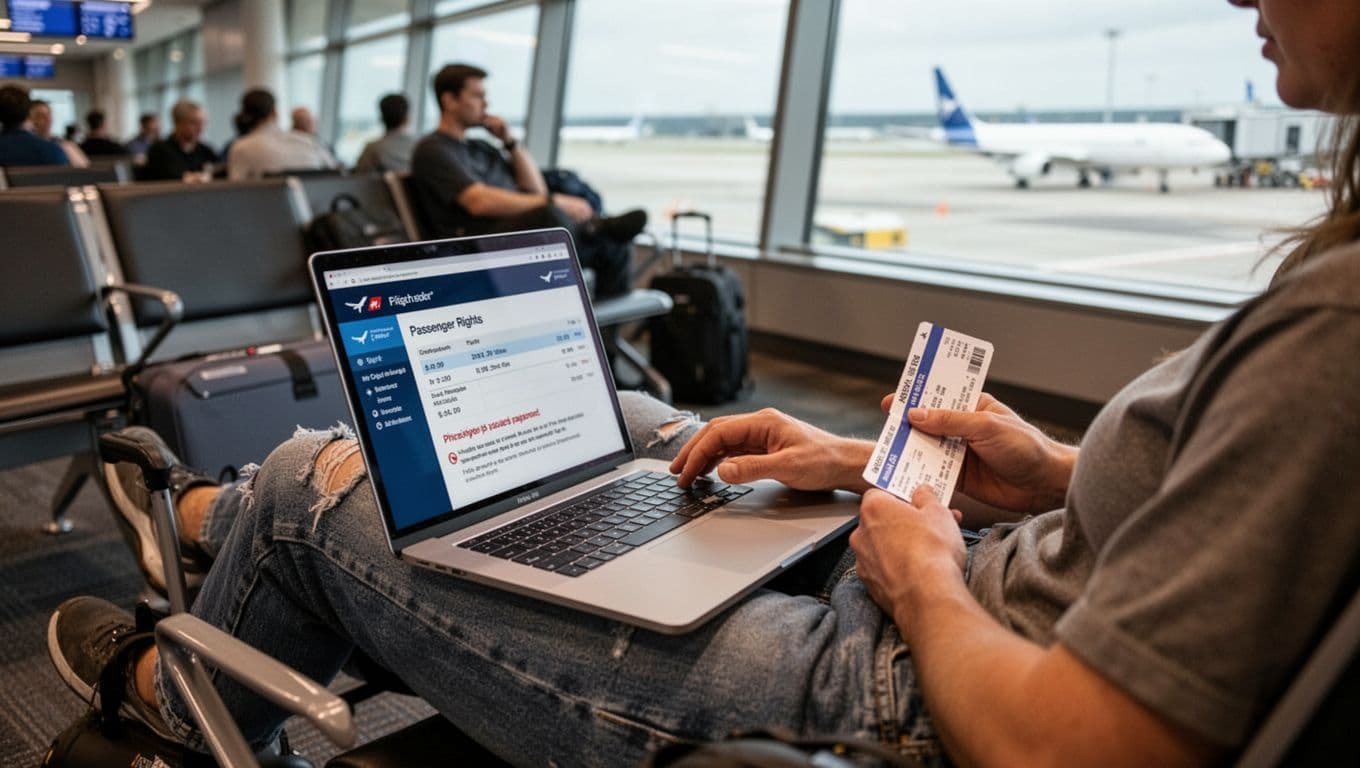
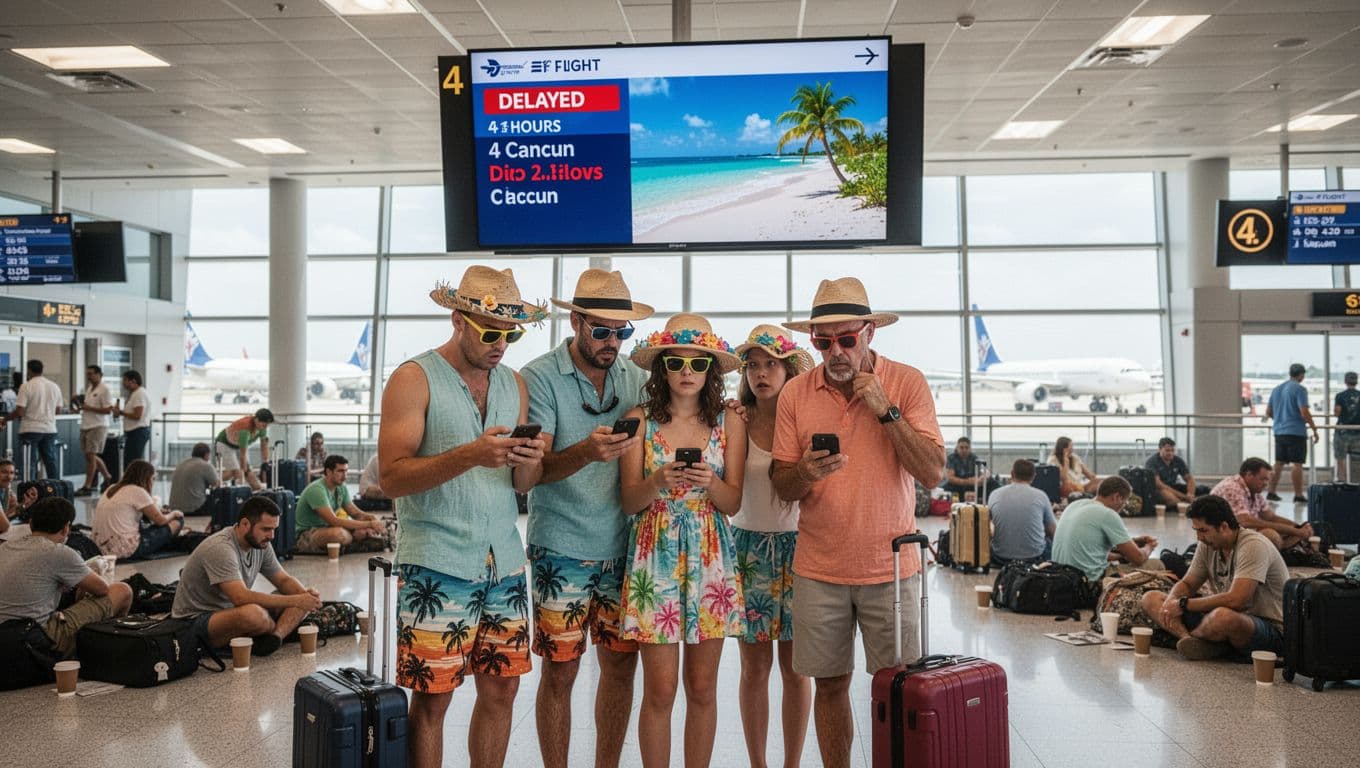
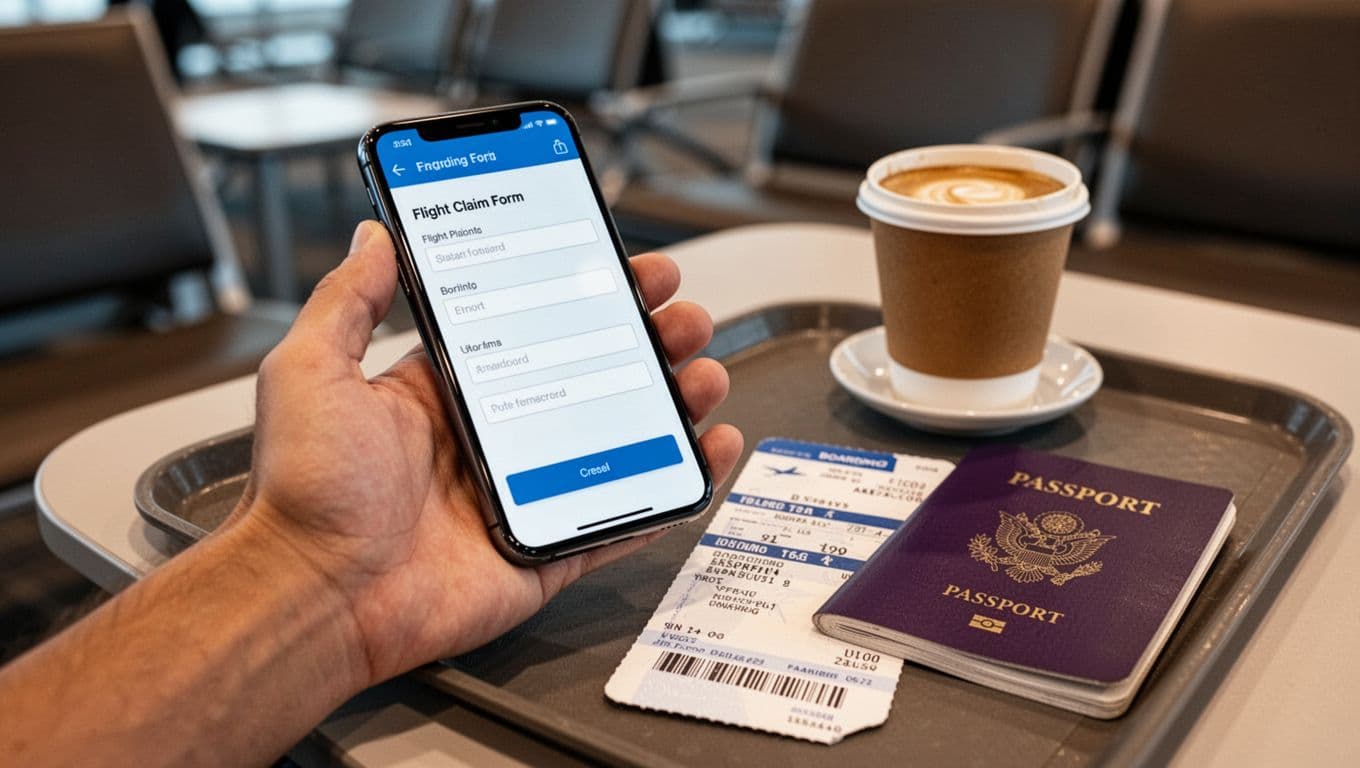





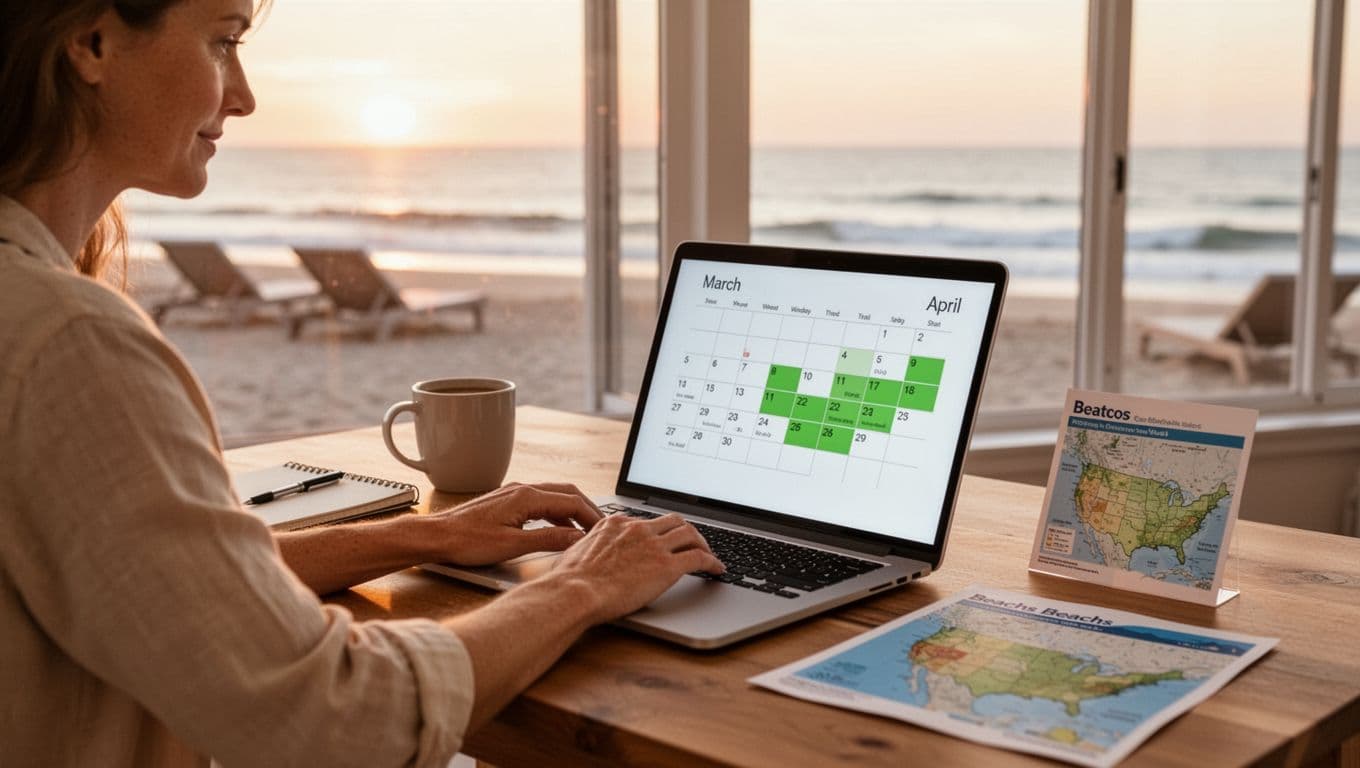

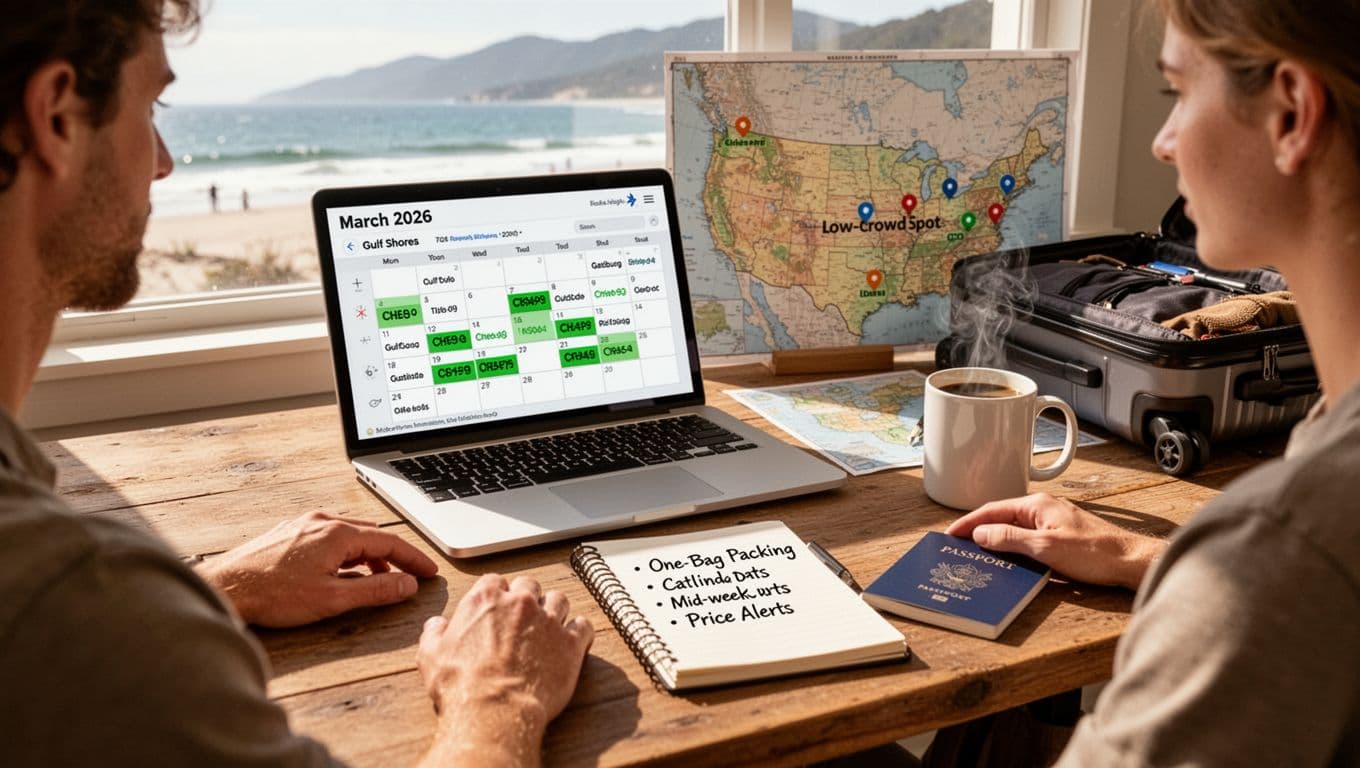

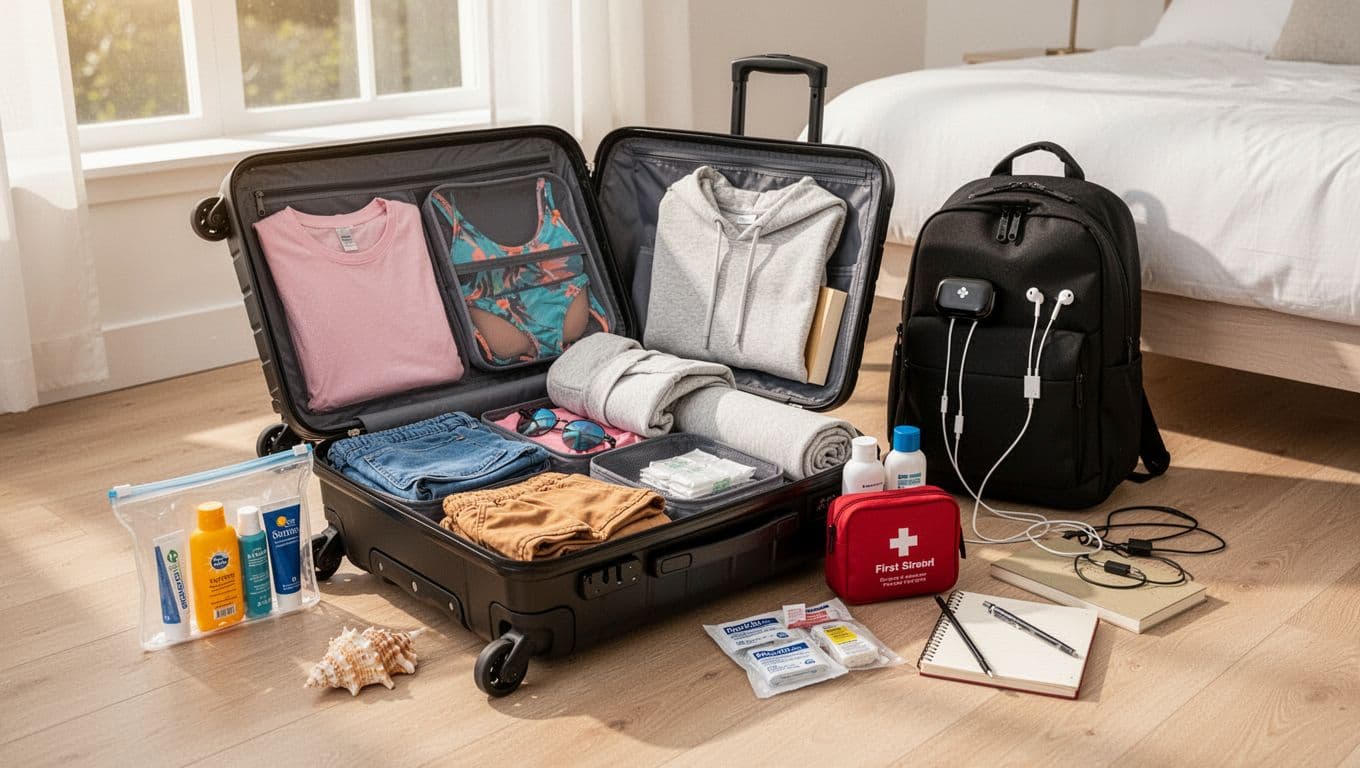
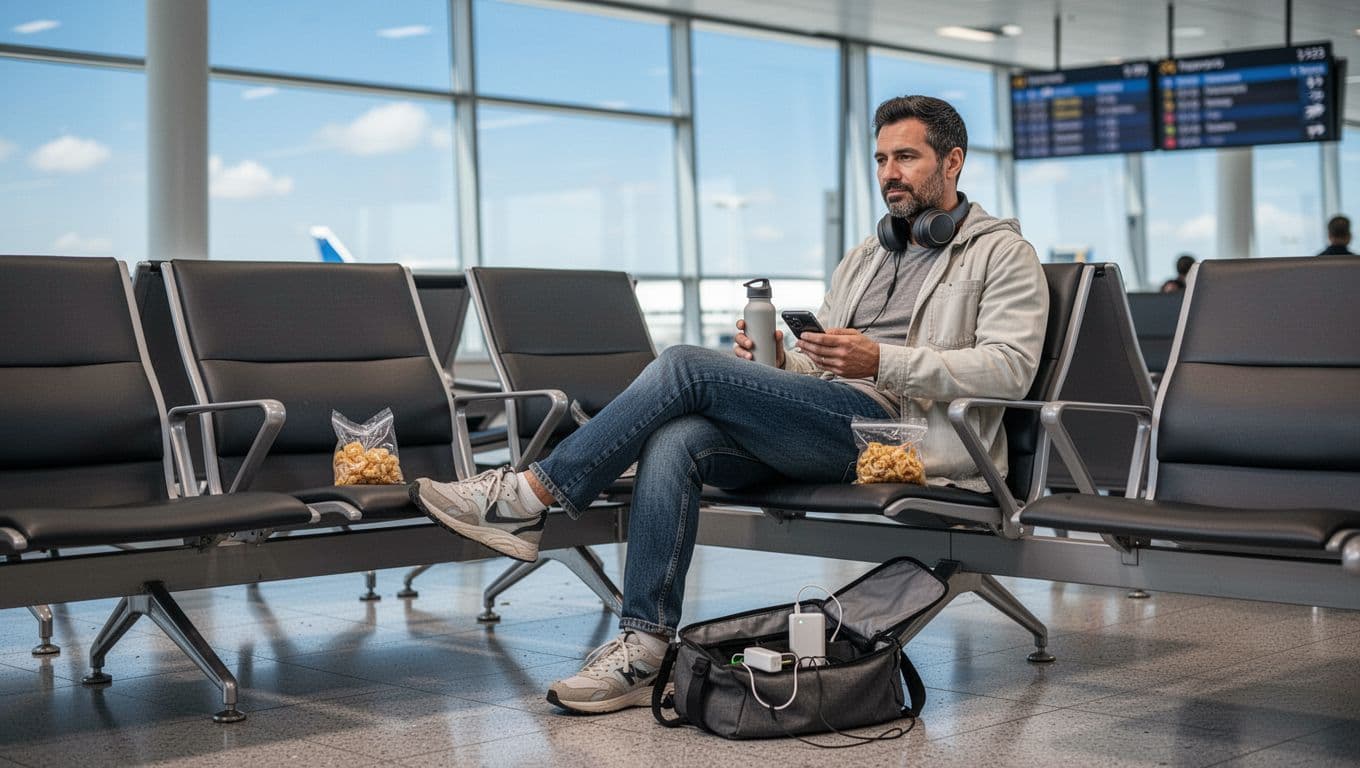
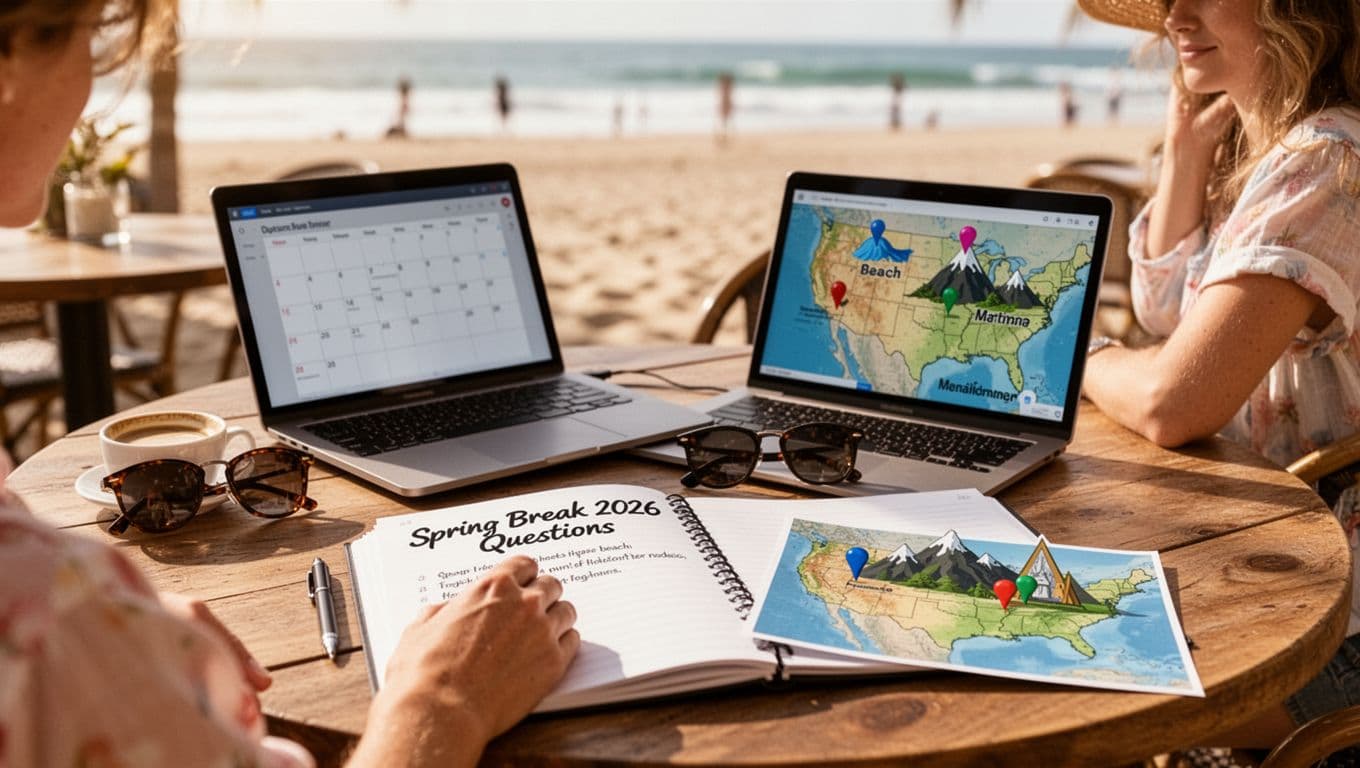

 Image created with AI. Caption: Family building sandcastles on a sunny Myrtle Beach day, a classic budget-friendly spring break moment.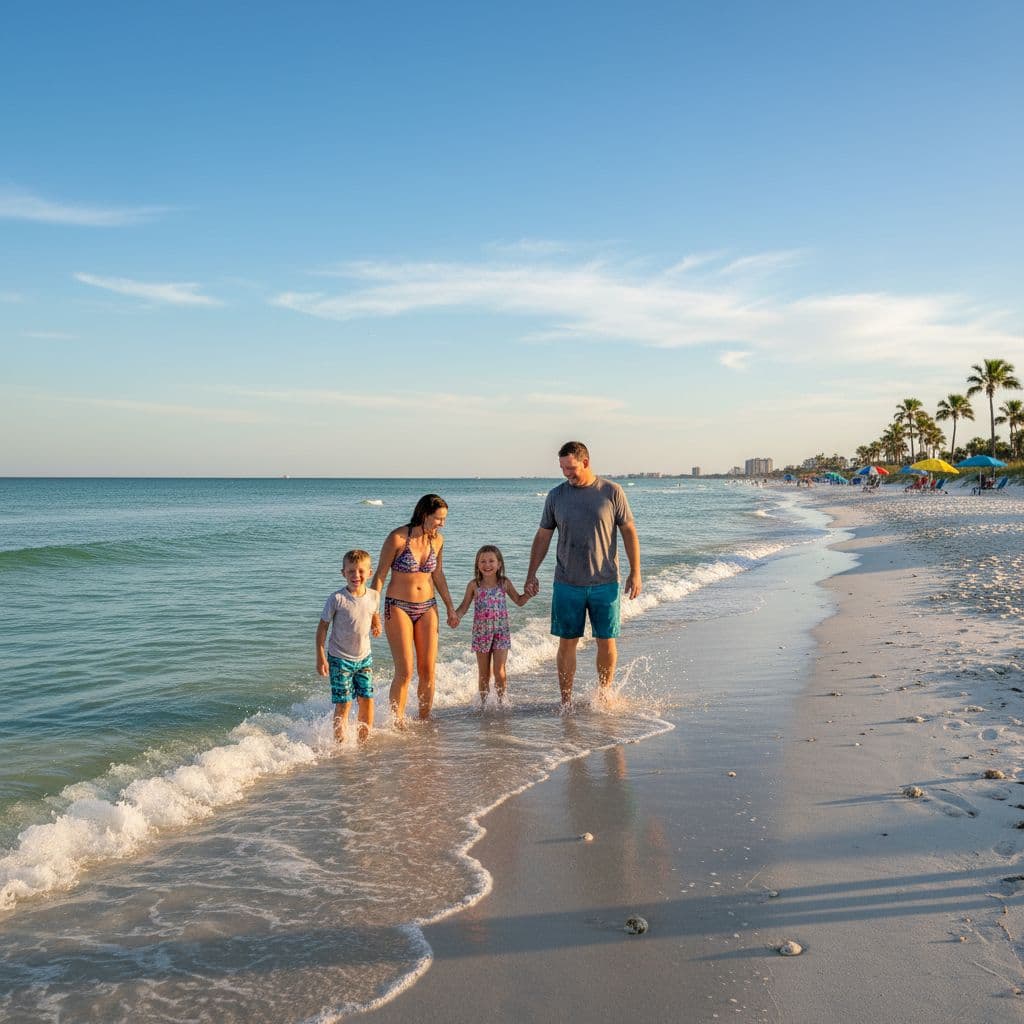
 Image created with AI. Caption: A group mapping out their affordable spring break destinations 2026 with a laptop, maps, and big smiles.
 Image created with AI. Caption: A simple sandcastle session at sunset can set the tone for memories that last long after spring break ends.
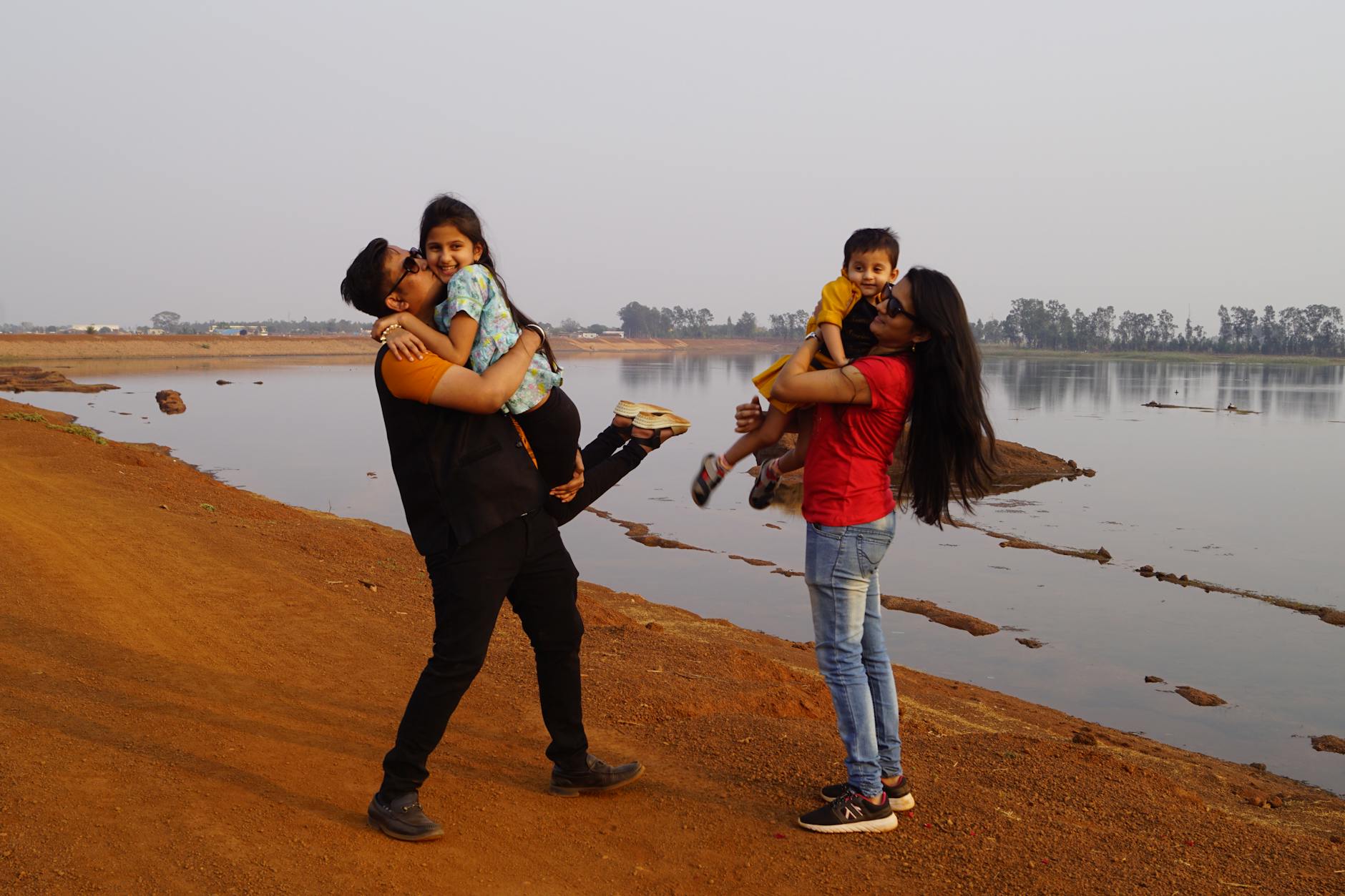 Photo by
  Image created with AI. Caption: Family planning their affordable family spring break destinations 2026 with a simple, clear FAQ as a guide.
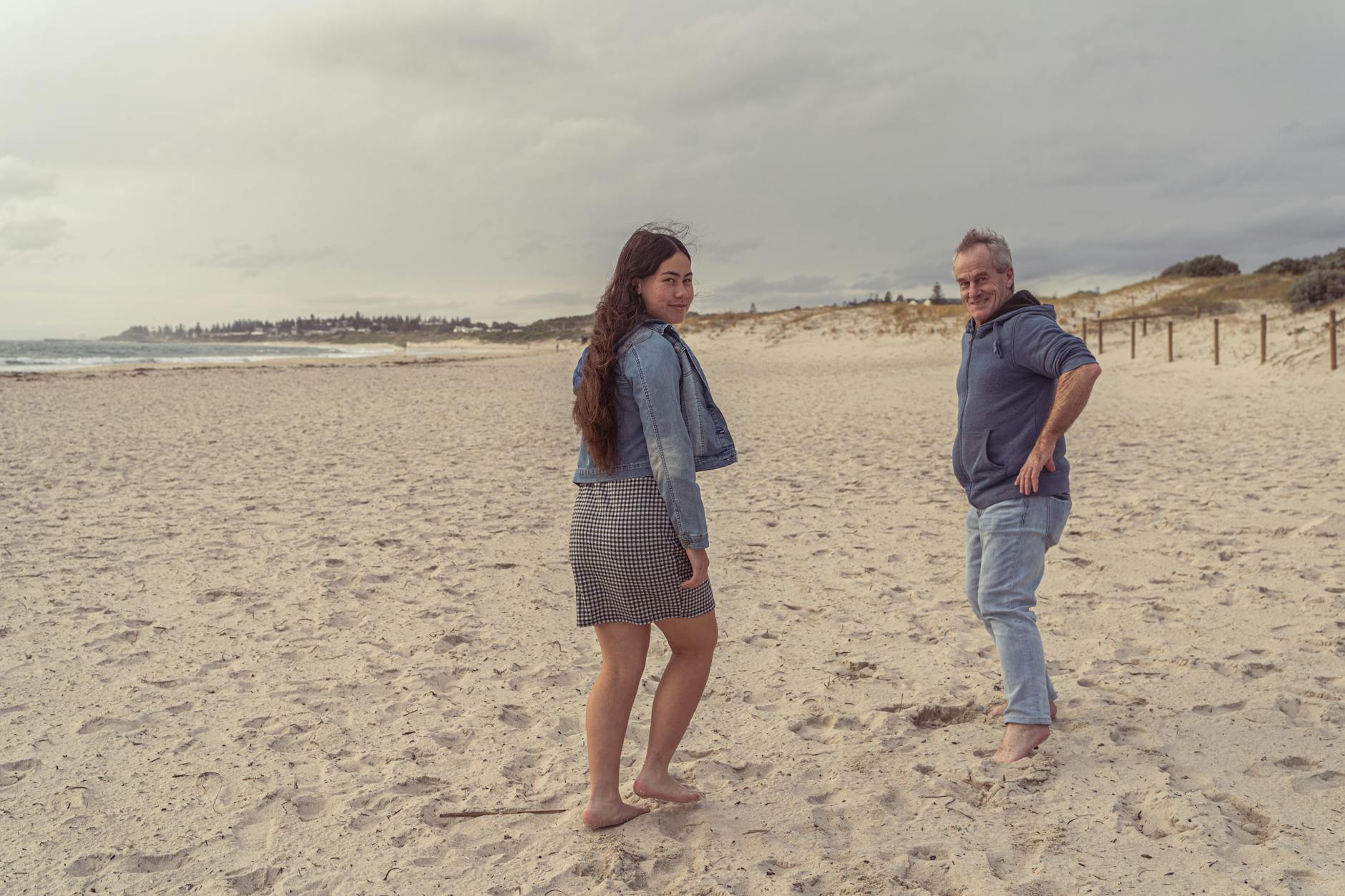 Photo by
  © 2026