This article contains affiliate links. If you book through these links, I Need My Vacation may earn a commission at no extra cost to you. We only recommend services we trust and use ourselves.
🌴 Best Caribbean Islands for Solo Travel in 2026
Caribbean islands solo travel is easiest when you choose destinations with walkable bases, reliable transit, and social activities. For 2026, Aruba, Curaçao, Grand Cayman, Puerto Rico, and Barbados offer the best mix of safety, pristine beaches, and vibrant culture for independent and solo female travelers.
A solo Caribbean trip can feel freeing, not lonely, even in a tropical paradise. That same low-stress setup matters immensely for solo female travel. I look for pristine beaches nearby, a safe route home after dinner, and tours where arriving alone feels completely normal.
As a solo traveler, I don’t pick the cheapest room first. I pick the island where my money won’t disappear into taxis, surprise resort fees, and awkward one-person logistics. With brand-new boutique hotels opening in 2025 and 2026, and competitive off-peak airfare deals from expanding low-cost carriers, traveling alone has never been more accessible or stylish.
✈️ Ready to Price Your Solo Escape?
Compare flexible flight deals and solo-friendly boutique stays before the best new 2026 rooms sell out.
🏝️ Aruba is the easiest first solo trip, while Curaçao, Grand Cayman, Puerto Rico, and Barbados suit travelers seeking more culture, diving, nightlife, or local character.
🚶 Choose a walkable, well-reviewed base near restaurants, beaches, and transport to reduce taxi costs and make evenings safer and easier.
🛡️ Solo female travelers should stay alert after dark, use licensed rides, keep accommodation details offline, and check current island-specific advisories.
🚗 A rental car is most useful in Curaçao and can help in Barbados or Puerto Rico; Aruba and Grand Cayman are often easy to manage without one.
🌧️ Hurricane season runs June through November. Always check cancellation policies and buy travel insurance for medical, evacuation, and trip interruption coverage.
🗺️ Which Caribbean Islands Are Best for Solo Travel in 2026?
The best island for you depends on how much structure you want. Some travelers want a resort beach and a few easy tours. Others want street food, music, snorkeling, and freedom to roam without a big itinerary. Use this quick comparison before booking flights.
🏝️ Island
🎯 Pick It For
📍 Best Solo Base
🚌 Getting Around
Aruba
Easy beaches & low-stress logistics
Palm Beach or Eagle Beach
Bus/Taxi
Curaçao
Culture, food, coves & nightlife
Pietermaai or Jan Thiel
Rental Car
Grand Cayman
Diving & easy beach access
Seven Mile Beach
Walk/Bus
Puerto Rico
City energy, nature & no passport
Condado or Old San Juan
Rideshare
Barbados
Turtles, beach bars & local rhythm
Hastings or Rockley
Bus/Taxi
Why is Aruba the easiest first solo Caribbean trip?
Aruba gets a lot right for independent travelers. Palm Beach has hotels, restaurants, casinos, and sunset spots close together. The local Arubus links Oranjestad with the hotel area, so you can skip a rental car on a shorter stay. Aruba also sits south of the main hurricane belt, making late-summer weather more favorable.
🏨 2026 New & Notable Stays: For solo travelers wanting modern luxury, the newly opened St. Regis Aruba Resort offers exceptional service and safe, walkable beach access. If you prefer an adults-only all-inclusive with a highly social atmosphere (great for meeting people), check out the brand-new Secrets Baby Beach Aruba, which recently opened its doors to rave reviews.
Is Curaçao better for culture, nightlife, and beach-hopping?
Curaçao feels more like a city break with beaches attached. Willemstad offers local culture, colorful waterfront buildings, and amazing cafes. Pietermaai is my favorite base for independent visitors who want dinner, vibrant nightlife, and a short ride home. If you are stuck between these two Dutch Caribbean favorites, this Aruba versus Curaçao comparison breaks down the big differences.
🏨 2026 New & Notable Stays: The highly anticipated Mangrove Beach Core (a new eco-luxury resort in Banda Bou) is perfect for solo travelers wanting nature and wellness. For a boutique city vibe, the revamped Kura Hulanda Village in Otrobanda offers stunning courtyard pools and easy access to local art and dining.
What makes Grand Cayman, Puerto Rico, and Barbados stand out?
Grand Cayman is perfect for diving without car stress; Seven Mile Beach concentrates hotels, dive shops, and restaurants into one walkable strip. The newly opened Ritz-Carlton Reserve, Grand Cayman offers ultra-luxury solo safety, while Palm Heights remains the trendiest, most social boutique spot on the island. Puerto Rico offers city life and tropical nature (no passport required for U.S. citizens). Look into the new District San Juan (Tapestry Collection) for a stylish, solo-friendly boutique experience in Old San Juan. Barbados brings turtles, music, and social beach time; the new The Pearl boutique hotel in St. Lawrence Gap puts you steps from the best local nightlife.
🛡️ How Can Solo Female Travelers Stay Safe After Sunset?
The safest islands are not places where you stop paying attention. Travel safety starts with a simple routine. I always book my first two nights in a well-reviewed hotel or guesthouse near restaurants and transport. Arriving before dark is easier when the front desk, beach, food, and taxi stand are close together.
⚠️ Harsh Truth: A beach can look safe at noon and feel completely different after midnight. Your hotel location matters more than a cheap nightly rate. Don’t turn a dark beach walk into a shortcut just because it looks close on a map. Always order your ride before leaving the restaurant.
Keep your phone charged, carry a backup card, and save your accommodation address offline. A small crossbody bag is easier than bringing a large purse to the beach. For peace of mind, grab a local eSIM so you always have data for maps and rideshare apps.
📱 Stay Connected & Safe
Never rely on spotty resort Wi-Fi for rideshares or emergency maps. Get a regional eSIM before you land.
💰 How Do You Avoid the “Solo Penalty” When Booking?
Traveling alone gets expensive when every part of the trip assumes two people. A private transfer, rental car, villa, and boat charter may look reasonable until you cover every cost yourself. As a solo traveler, I book a walkable base first, then add activities. A $25 taxi each way turns an affordable dinner into a $50 dinner before you even order food.
✅ Plain English Tip: Boutique hotels and guesthouses usually give you more local interaction and better value than massive couples-focused resorts. Look for properties with communal bars, group fitness, or hosted activities to meet people naturally.
How can you score the best 2026 airfare deals for solo flyers?
Airfare is usually the biggest solo expense since you can’t split it. In 2026, look for route expansions from low-cost carriers like Avelo and Breeze Airways, which are adding more secondary Caribbean airports to their networks. If you want luxury, JetBlue’s new Mint Studio suites offer solo-friendly privacy with closing doors. Always fly mid-week (Tuesday/Wednesday) to avoid weekend couple crowds and peak pricing, and use flexible search tools to compare nearby departure hubs.
Should you rent a car when traveling alone?
A rental car is absolutely worth it in Curaçao to reach hidden coves like Playa Kenepa. It can also help in Barbados and Puerto Rico. In Aruba and Grand Cayman, skip it unless you have a packed sightseeing plan. Always compare the full price, including insurance excess and airport fees, and take a video of the vehicle before leaving the lot.
🚗 Rent Smart, Not Stressful
Compare local rental agencies and international brands side-by-side to avoid hidden deposit fees.
🐢 Where Can You Meet People and Swim with Sea Turtles?
The easiest way to meet people isn’t forcing conversation at a hotel pool. Choose group tours built around a shared purpose. Try snorkeling, a cooking class, or a beginner dive. For sea turtles and vivid marine life, book catamaran cruises around Carlisle Bay in Barbados, or snorkeling from Boca Catalina in Aruba.
Respect wildlife. Never touch turtles, chase them, or book operators that feed them for photos. Choose responsible, eco-certified boat operators.
Dining alone gets easier when you choose the right seat. Sit at the bar, ask for an outdoor table, or choose a restaurant serving local cuisine near live music. Bring a book if you want it, but don’t hide behind it. For more budget-friendly ways to explore, check out our guide to the cheapest Caribbean travel deals.
🤿 Book a Small-Group Island Tour
Snorkel with turtles, explore bioluminescent bays, or take a sunset catamaran cruise with other solo travelers.
🌧️ What Should You Know About Hurricane Season and Travel Insurance?
Hurricane season runs from June through November. Storm activity often peaks later in that window, so don’t book a nonrefundable trip just because the price looks good. Aruba and Curaçao sit outside the main hurricane belt, but no island is completely weather-proof. If you travel during this time, Caribbean travel insurance is mandatory for peace of mind.
⚠️ Warning: Read the policy before buying. Emergency medical cover, evacuation, trip interruption, and scuba diving coverage vary wildly by policy. A cheap plan may not cover the medical evacuation you need if you get sick on a remote island.
🛡️ Protect Your Solo Trip
Compare comprehensive travel insurance plans that cover medical emergencies, trip cancellations, and adventure sports.
1. Which Caribbean islands are safest for solo female travelers?
Aruba and Grand Cayman feel easiest for a first visit, especially around Palm Beach and Seven Mile Beach. Curaçao, Barbados, and Puerto Rico also work well in established visitor areas. Always check current island-level advisories before booking.
2. Are all-inclusive resorts good when traveling alone?
They can be. An all-inclusive resort removes daily food and transport decisions, which helps on a short trip. However, choose a boutique hotel or guesthouse if you want restaurants, nightlife, and a less packaged, more social vacation experience.
3. Where is the best place to swim with sea turtles in the Caribbean?
Barbados is a top pick, especially around Carlisle Bay. Aruba snorkeling trips near Boca Catalina and Tres Trapi also offer frequent turtle sightings. Always choose a responsible boat operator and maintain a respectful distance from the wildlife.
🎉 Your Solo Caribbean Trip Can Feel Easy
The best solo trips are not always the fanciest ones. Luxury travel is optional when your base makes it easy to reach your room, the beach, dinner, and a tour without draining your budget. Start with Aruba for simplicity, Curaçao for color and culture, Grand Cayman for water time, Puerto Rico for bigger energy, or Barbados for a social beach escape.
Book the base that makes your nights easy, then build the fun around it.
🎒 Pack Smart for Solo Travel
Anti-theft crossbody bags, waterproof phone pouches, and reef-safe sunscreen are solo travel essentials.
Greece’s Safest Mediterranean Destinations for Summer 2026
Is Greece safe for summer travel in 2026? Yes, Greece is one of the safest Mediterranean destinations, featuring low violent crime, stable infrastructure, and welcoming locals. By choosing well-connected islands like Crete or Naxos and practicing basic city awareness, travelers enjoy a secure, stress-free vacation.
Summer travel feels different when safety is part of the decision, not an afterthought. Greece is becoming one of the safest Mediterranean options for travelers who want warm weather, clear water, and less stress.
The bigger risks here are practical, not dramatic—think pickpockets in crowded spots, intense heat, ferry delays, and the occasional rough sea. If you’re deciding where to stay and how to move around with confidence, Greece gives you plenty of solid choices, from calmer islands to easier city bases.
✈️ Ready to Book Your Safe Greek Getaway?
Lock in the best rates on flights and highly-rated, safe accommodations before peak summer prices rise.
This guide breaks down crime, political stability, island safety, and the travel habits that make a real difference, so you can pick the right place and enjoy the trip without second-guessing every step.
🎯 Quick Answer: Greece feels safer than many Mediterranean hotspots because the risks are familiar and manageable. Violent crime is rare, political stability is high, and the hospitality is unmatched. Stick to well-reviewed stays in walkable neighborhoods like Plaka (Athens) or Chania (Crete), and keep basic transit awareness.
Affiliate Disclosure: This article contains affiliate links. If you book through these links, I Need My Vacation may earn a commission at no extra cost to you. We only recommend services we trust and use ourselves.
What Makes Greece Feel Safer Than Other Mediterranean Spots Right Now?
Greece has a calmer travel feel than a lot of its Mediterranean neighbors. That comes through in the day-to-day details, the kind that matter when you’re carrying a day bag, moving through a ferry port, or picking a place to stay for a summer trip.
The biggest reason is simple: the risks are usually small and manageable. You’re far more likely to deal with a crowded-market pickpocket attempt, a ferry delay, or a blistering afternoon than anything serious. That makes Greece feel predictable, and predictability is a big deal when you’re booking summer travel.
Why Are Crime Rates and Safety Concerns So Low?
Violent crime against tourists is exceptionally low in Greece, especially in places that depend on visitors every summer. Most travelers don’t run into anything dramatic. What they do notice is the same kind of light-touch issues you get in busy European destinations—bag theft near transit hubs, a distracted moment in a crowd, or a phone left on a café table too long.
✅ The Reality of Crime in Greece:
• Violent crime against tourists is extremely rare
• Pickpocketing is the primary concern (mostly in Athens transit hubs)
• Island resorts and villages have very low crime rates
• Normal European city awareness is all that’s required
If you keep valuables close in Athens, watch your bag on ferries, and stay alert in crowded squares, you’re already handling the main concerns most visitors face. For a quick reference, official government travel advisories point to normal security precautions rather than broad warnings.
How Does Political Stability Help Travelers Plan with Confidence?
Stable governments don’t make a beach prettier, but they do make trip planning easier. When a country has a calmer public environment, you get fewer surprise interruptions, fewer second-guessing moments, and more confidence when you book flights, ferries, and hotels months ahead.
That is one reason Greece feels easier than some other Mediterranean destinations right now. Travelers can plan a summer route without wondering whether daily life will suddenly spill into their vacation. For families, that means less friction. For solo travelers, it means fewer unknowns.
Why Does Warm Hospitality Add to the Sense of Safety?
Greek hospitality is not just a nice bonus—it’s part of why many visitors settle in quickly. In tourist towns, staff are used to helping with directions, transport, late check-ins, and dinner plans. That kind of everyday help can make a place feel safer before you even unpack.
This matters even more if you’re traveling alone or with kids. A solo traveler often notices small things—a helpful hotel host, a taxi driver who knows the area, a shop owner who points out the right bus stop. If you want more safety on arrival, booking a private transfer can help, especially after a long flight or late ferry.
🚖 Pre-Book Safe Airport & Port Transfers
Skip the taxi lines and avoid scams. Reserve a trusted, English-speaking driver to meet you at the airport or port.
What Are the Safest Greek Destinations for a Summer Trip?
If safety is high on your list, Greece makes the decision easier. The sweet spot is simple: choose places that are easy to reach, easy to read, and used to summer visitors. That usually means major city bases, well-run islands, and resorts with steady tourist traffic.
Is Athens Safe for Easy Access and Well-Traveled Neighborhoods?
Athens is a smart base if you want a smooth arrival, a short stay, or a trip built around history. You land, settle in, and get moving without having to jump straight onto a ferry. That makes it a practical choice for first nights and museum-heavy itineraries.
The city does ask for a little attention. Busy metro stations and nightlife zones are where pickpockets are most likely. Outside those pinch points, neighborhoods like Plaka, Koukaki, Monastiraki, and Syntagma feel very manageable and tourist-friendly. If you want a base that keeps logistics easy, look into budget-friendly places to stay in Athens.
Why Is Crete Great for Space, Variety, and a Relaxed Pace?
Crete is one of the best choices for families, couples, and road trip travelers because it gives you room to breathe. The island is large enough to spread out crowds, and that alone changes the feel of a summer trip. You can stay in a resort town, rent a car, and still find quieter beaches without feeling rushed.
That extra space matters for comfort and safety. Crete is used to tourists, resort areas are well established, and the mix of beaches, culture, and inland driving gives you plenty of ways to shape the trip.
Are Santorini and Mykonos Safe for Polished, Easy-to-Navigate Stays?
Santorini and Mykonos often feel secure because they are so used to international visitors. The main tourist zones are organized, polished, and built for summer traffic, which takes some stress out of the experience.
Santorini is especially good if you want a scenic stay with clear tourist flow. Mykonos is busier and more nightlife-driven, but the core areas are easy to understand. In both places, the main thing is to stay near the zones you plan to use most.
Which Quieter Islands Like Naxos, Paros, and Rhodes Offer Lower-Stress Travel?
Naxos, Paros, and Rhodes are smart picks if you want a calmer trip. Smaller or less hectic islands often feel safer because they are easier to navigate, less crowded, and less draining at the end of a hot day.
Naxos has a laid-back feel. Paros is a strong middle ground—stylish but not overwhelming. Rhodes adds more size and structure. Each one gives you a softer rhythm, and that can make a big difference in July or August. For solo travelers exploring these calmer islands, our solo travel guide offers excellent confidence-boosting tips.
How Does Greece Compare With Other Mediterranean Favorites?
Greece holds up well against the usual summer favorites. It feels easier to manage than many packed Mediterranean hotspots, with a travel rhythm that is familiar, orderly, and less draining when the heat kicks in.
Destination
Summer Feel
Crowd Stress
Best Fit
Greece
Relaxed, island-focused, easy to pace
Lower in many areas
Families, solo travelers, island hoppers
Italy
Stylish and varied, but busier in top spots
Medium to high
Culture-heavy trips and city breaks
Spain
Energetic and social, strong beach cities
Medium to high
Nightlife, city stays, and coastlines
Croatia
Beautiful and compact, tight in peak season
Medium
Scenic coastal trips and boat travel
Turkey
Great value, comfort varies by destination
Mixed
Resort stays and longer beach holidays
The takeaway is simple: Greece gives you a calmer baseline. That matters when you’re trying to enjoy a summer trip instead of constantly reacting to it.
Why Does Lower Crowd Stress Improve the Travel Experience?
Less crowd pressure changes everything. You move through ferry ports faster, find space on beaches without that trapped feeling, and spend less time shoulder-to-shoulder in city centers that are already hot and loud.
A calmer destination doesn’t remove every risk, but it lowers the noise around you, and that makes it easier to stay aware.
Why Do Families and Solo Travelers Often Choose Greece?
Greece works for different travel styles because the basics are solid. Airports are straightforward, ferries connect the islands, and many resort areas are set up for visitors who want comfort without a lot of guesswork.
💡 Why Greece Wins for Families & Solo Travelers:
• Easy Logistics: Flights, ferries, and local transport are familiar and easy to plan.
• Welcoming Service: Hotels and tavernas are used to helping visitors sort things out fast.
• Flexible Island Hopping: Pair a city stay with one or two islands easily.
• Good Stay Options: From family apartments in Crete to boutique rooms in Paros.
What Simple Safety Habits Help You Enjoy Greece With Less Worry?
Greece is easy to enjoy when you treat safety as part of the routine, not a reason to worry. Most of the time, the smart move is the boring one: keep your bag close, stay aware in crowds, and choose places that feel organized and well lit.
How Should You Stay Alert in Crowded Transit and Market Areas?
Busy places are where you want to stay most switched on. Keep your phone zipped away when you are not using it, hold your wallet in a front pocket, and avoid leaving a day bag dangling behind you in a crowd.
🎒 Shop Anti-Theft Travel Gear
Protect your valuables with crossbody anti-theft bags, RFID-blocking wallets, and hidden passport pouches.
What Smart Choices Should You Make at Night and Near the Water?
Nightlife in Greece is fun and manageable. Stick to well-lit streets, know how you are getting back, and avoid the “we will figure it out later” approach after midnight.
Near the water, swim where conditions look clean and active, pay attention to wind and waves, and do not treat a pretty beach as a free pass to ignore common sense. Always keep your phone charged and connected so you can call for help or check maps.
📱 Stay Connected with a Greece eSIM
Get instant data for maps, translation apps, and emergency calls without expensive roaming fees.
Why Should You Book Well-Rated Stays in Walkable Areas?
Where you stay changes how safe a trip feels. A good hotel or apartment in the right neighborhood cuts down on late-night confusion, long walks in the dark, and unnecessary taxi rides.
Look for places with strong reviews, good lighting, and easy access to restaurants and transport. In Athens, that means Plaka, Koukaki, or Syntagma. On the islands, stay near the main town or a busy beach area.
Where Should You Stay in Greece If Safety and Comfort Are Top Priorities?
If safety and comfort matter most, location beats luxury every time. The best places to stay in Greece are usually the ones that keep your days simple. You want easy transport, active streets, good lighting, and a neighborhood that feels lived-in.
Which Neighborhoods Offer Easy Access to Transport and Dining?
Pick a base near the places you will actually use. That choice matters for both safety and convenience. When taxis, ferries, and main routes are nearby, you spend less time figuring things out in the heat or walking back late.
✅ Safest Neighborhoods to Target:
• Athens: Plaka, Koukaki, Syntagma, Monastiraki
• Crete: Chania Old Town, Rethymnon
• Santorini: Fira, Oia (well-lit main paths)
• Paros: Naoussa, Parikia
• Rhodes: Rhodes Old Town, Lindos center
How Do You Find Hotels With Strong Reviews and Clear Guest Support?
Recent reviews matter more than glossy photos. Focus on reviews that mention helpful staff, secure entry, and consistent cleanliness. If a property gets repeated praise for late check-ins, luggage help, or quick responses, that is a strong sign of a safe, well-managed property.
🏨 Book Safe, Highly-Rated Greek Hotels
Filter by “Superb” reviews, check neighborhood safety scores, and lock in free cancellation options for peace of mind.
Conclusion: A Smart Summer Greece Trip Starts With Good Planning
Greece keeps winning because the safety picture is simple and practical. The main concerns are the same ones most summer travelers already know how to handle—crowded places, strong heat, and transport delays—not anything that should keep you from going.
That mix of safety, hospitality, and easy planning is why Greece stands out as one of the safest Mediterranean travel destinations. Whether you want Athens, Crete, Santorini, Paros, or Rhodes, the smarter move is to book early, pick the right base, and keep the trip straightforward.
Choose the island or city that fits your style, lock it in before peak season fills up, and travel with confidence this summer.
People Also Ask: Greece Travel Safety FAQ
Is it safe to travel to Greece alone as a solo female traveler?
Yes, Greece is highly rated for solo female travelers. The islands are generally very safe, with welcoming locals and a strong tourism infrastructure. Standard precautions apply: avoid poorly lit areas late at night, keep an eye on your drinks, and stay in well-reviewed accommodations in central areas like Plaka (Athens) or Naoussa (Paros).
What are the most common tourist scams to watch out for in Greece?
Scams in Greece are relatively rare but do exist. The most common are pickpocketing on the Athens Metro (especially the Green Line from Piraeus), taxi drivers overcharging tourists, and “friendly” locals inviting you to a bar and then presenting a massive bill. Always agree on taxi fares or ensure the meter is running, and keep valuables in front of you on transit.
Do I need travel insurance for a summer trip to Greece?
Yes, travel insurance is highly recommended. While Greece is safe, medical emergencies, ferry cancellations due to high summer winds (Meltemi), or lost luggage can happen. A comprehensive policy ensures you are covered for island-hopping disruptions and medical evacuations, providing peace of mind for your entire trip.
On my last long flight, I did that familiar airport shuffle—stiff legs, dry eyes, and a sad snack that cost more than it should’ve. I remember thinking, “I’m already here, in a major hub city… why does this feel like wasted time?”
That’s when stopovers started to make sense. A stopover is a planned break in your trip, often anywhere from about 24 hours up to several days (sometimes longer), that can add little to no extra airfare on certain airlines and routes. A layover is just the connection time between flights, usually a few hours, and it’s not always designed for leaving the airport.
This guide is my low-stress shortlist of affordable stopover cities for 2026 that are easy to exit, easy to enjoy, and actually worth the effort. I’ll share quick picks, simple booking steps, and budget-friendly mini-itineraries, so your “dead time” turns into a small trip you’ll remember.
TL;DR: My top 5 affordable stopover picks for 2026
Reykjavik: Icelandair stopover often costs no extra airfare—you just cover lodging.
Panama City: Copa Stopover can add days in Panama without changing the fare much.
Helsinki: Finnair routes make it a clean, calm “reset” city between continents.
Istanbul: Big sights on a budget, and Turkish Airlines can be stopover-friendly (rules vary).
Abu Dhabi: Etihad sometimes runs stopover promos—watch for hotel deals (confirm at booking).
Not sure where to start? Search flexible multi-city flights to any of these cities—you’ll often find stopover-friendly fares with free cancellation.
Affiliate Disclosure: This article contains affiliate links. If you book or purchase through these links, I Need My Vacation may earn a small commission at no extra cost to you. We only recommend services we genuinely trust and use ourselves to help you plan the perfect trip. Thank you for your support!
Why Stopovers Beat Airport Waiting (And Save You Money)
A good stopover city does two things well: it saves you money (or at least doesn’t inflate your fare), and it saves your sanity (simple transit, easy sightseeing, not a complicated puzzle).
Before you choose, remember this: stopover rules can change by fare type, travel dates, and route, and some perks only show up during booking. If you want a broader directory to compare programs, I keep a tab open with resources like this airline stopover program guide by Andrew Kunesh, Jessica Merritt, and Keri Stooksbury while I shop.
Once you’ve picked a city, always compare refundable hotel options near the city center—many offer free cancellation and late check-in, which is essential for short stopovers.
Top 8 Affordable Stopover Cities for 2026
Use this quick-reference table to compare stopover cities by time and budget. For route details, airline tips, and mini-itineraries, see the city guides below.
When I plan a stopover, I’m not trying to “do a destination.” I’m trying to feel human again while still making my main trip.
First, I pick the length. My two sweet spots are 18 to 36 hours (one proper sleep) or 2 to 3 nights (enough to explore without rushing). If possible, I arrive in the morning or early afternoon. Landing late makes everything harder—food choices shrink, transit slows, and the bed becomes the only plan.
My baggage strategy is blunt: carry-on only when possible. If I must check a bag, I verify whether it will be tagged to my final destination. For short stopovers, luggage storage is worth the small fee to keep hands free.
I always verify visa and entry rules using official government sources for my passport, and I view travel insurance as “missed connection protection,” not just medical coverage. Then I map the airport-to-city transfer before booking the hotel. A hotel near a central transit hub with breakfast included and flexible cancellation lowers stress fast.
My Stopover Booking Checklist (Copy-Paste Ready)
Confirm airline’s stopover rules for my specific route and fare type
Add stopover using “multi-city” search (not round-trip)
Choose hotel with late check-in and free cancellation policy
Map airport transfer time + backup option (ride app, taxi, transit)
Confirm luggage plan (through-check, storage, or carry-on only)
Screenshot all confirmations and save offline
Set two alarms for return to airport (with buffer time)
Check entry requirements for my passport nationality
Red flags I never ignore:
Tight connections on return leg (under 3 hours)
Split tickets without protection
Last flight of the night
Peak immigration times at arrival
Peak season pricing that kills affordability
Landing after midnight with no transit plan
Packing Essentials That Make Stopovers Easier (and Cheaper)
Stopovers feel cheap when I don’t re-buy basics at airport prices. These go-to items reduce friction fast without taking much space. And don’t forget to confirm your hotel’s luggage storage policy—many offer free storage even before check-in, so you can explore hands-free.
All Amazon links below use my affiliate tag so I earn commissions on qualifying purchases:
What I skip for stopovers: Too many outfits, heavy shoes, and “just in case” items that turn my bag into a brick. If it doesn’t support sleep, walking, or charging my phone, it stays home.
Why Stopovers Are the Smart Traveler’s Secret Weapon in 2026
Stopovers solve three major travel pain points simultaneously: they reduce jet lag by breaking up long flights, maximize vacation value without extra airfare, and transform stressful connection time into meaningful experiences. With rising flight costs in 2026, airlines like Icelandair, Copa, and Qatar Airways continue to offer structured stopover programs because travelers increasingly value experiences over speed. The key is selecting cities with efficient airport-to-city transit, manageable entry requirements, and concentrated attractions near accommodation—exactly what this guide delivers.
Turn Your Next Long Flight Into a Mini-Vacation
My decision rule stays simple: route first, then the stopover program perk, then my stress level. When I follow that order, I stop forcing airport hours to “count,” and I start treating them like a real travel bonus.
You don’t need a fancy plan to win a stopover. You need one good night of sleep, one walkable neighborhood, and one small list of sights that feel like a postcard.
Stopover vs layover: what’s the difference for booking?
A layover is your connection time between flights (usually hours). A stopover is a planned break (24+ hours to several days) that may cost little/no extra airfare on certain airlines when booked correctly. To access stopover pricing, use multi-city search and confirm rules during checkout.
How do I book a stopover without paying extra airfare?
Start with airlines that fly through your desired hub city. Book as multi-city (not round-trip) and compare prices. Programs like Icelandair Stopover often add no extra airfare—just hotel costs. Always verify during booking as rules vary by route, date, and fare class.
Do I need a visa to leave the airport on a stopover?
It depends on your passport nationality and destination country. Many stopover cities offer visa-free entry for short stays (e.g., Qatar for 96 hours, Turkey for certain passports). Always check official government immigration websites before booking non-refundable hotels. When in doubt, choose a stopover city with visa-free entry for your passport.
Are stopover cities safe for solo travelers?
Most featured cities rank high for traveler safety. Reduce risk by: arriving in daylight when possible, staying near central transit hubs, using official taxis/ride apps, avoiding isolated areas late at night, and sharing your itinerary with someone. Cities like Reykjavik, Helsinki, and Doha are particularly solo-traveler friendly.
Do airlines really give free hotel nights on long layovers?
Some airlines (like Qatar Airways, Turkish Airlines, Emirates) occasionally offer free hotel stays for long connections on eligible tickets, but availability is limited and rules change frequently. Never book based on outdated blog posts. Always verify current policies during booking or contact the airline directly. Treat any free hotel as a bonus, not a guarantee.
What’s the best stopover length for a long flight?
For most travelers: 18–36 hours (one good sleep + half-day exploration) or 2–3 nights (enough to explore without rushing). Less than 12 hours only works if the airport is very close to the city center with efficient transit and quick immigration. When unsure, choose the shorter option and keep plans simple.
Minimalist Solo-Female Packing List 2025: Travel Light, Confident, and Free
Picture yourself boarding a flight to Paris with just a carry-on, confidently packed for a solo female travel adventure. The feeling is light and exhilarating—no heavy bags to slow you down, just pure freedom to pack light and explore. As a solo traveler curating packing tips for IneedMyVacation.com, I know how much it matters to travel smarter, lighter, and with more confidence than ever. Minimalist travel for female travelers isn’t just a trend in 2025. It’s a movement built around empowerment, safety, and the joy of traveling unburdened.
Having crossed borders in more than 20 countries, I’ve seen how packing less transforms solo travel. Minimalism isn’t about sacrifice—it’s about gaining mobility, reducing stress, and saving on airline fees, all while staying stylish and safe. Research from Skift shows nearly 70% of female travelers today are women, and more women than ever are choosing eco-friendly, minimalist travel options that fit changing global norms.
This article contains affiliate links, which may earn us a commission at no extra cost to you.
A minimalist solo female packing list is essential for modern travelers who want to move freely and sustainably, without sacrificing security or comfort. This packing list for women is carefully crafted to help you travel light, cut costs, and keep your footprint small. Expect practical packing tips you can trust, all tested on the road—plus affordable travel gear suggestions (most under $100–$300) and key safety must-haves that work from Paris and Tokyo to remote beaches in Southeast Asia.
Ready to reclaim your independence, save money, and glide effortlessly through busy airports? Plan your solo travel adventure with IneedMyVacation.com!
The Power of Packing Light in 2025
Learning to pack light in 2025 is more than just a strategy to save time at the airport—it transforms how you travel, stay secure, and connect with your destination. Adopting a minimalist packing list brings freedom and peace of mind, especially for solo female travel. Whether you’re exploring the cobblestone streets of Lisbon, hopping on a tuk-tuk in Vietnam, or breezing through a busy airport, minimalist travel is one of the best decisions you can make for a stress-free adventure.
Packing light ensures you keep travel essentials close and your hands free. From my experience, the smaller your bag, the more energy you have to enjoy each moment. Carrying only what you truly need means moving with purpose while always feeling prepared. If you prioritize sustainable travel in 2025, traveling light also helps reduce your environmental footprint and aligns with eco-friendly values.
Solo female traveler walking light in a European city, ready for adventure. Image created with AI.
Why Packing Light Is a Superpower for Solo Female Travelers
The benefits of minimalist travel in 2025 are undeniable. For female travelers venturing solo, packing light means control, flexibility, and confidence. Here are some compelling reasons why packing light feels like a superpower:
Skip baggage fees and save money by traveling carry-on only. Airlines often charge $50–$100 per trip for checked bags. Sticking to a minimalist packing list 2025 helps you avoid these extra costs.
Move effortlessly through airports and transport hubs without the hassle of dragging heavy luggage, making those rushed connections smoother.
Feel more secure and less vulnerable. Carrying less reduces your risk of theft, and you can always keep your belongings in sight.
Adapt quickly to changing environments, from bustling European cities to remote Southeast Asian villages, with ease.
Travel sustainably. Lighter bags result in fewer carbon emissions, supporting eco-conscious travel in 2025.
Experience greater freedom and confidence. Letting go of unnecessary items allows you to focus fully on the journey.
The Minimalist Traveler’s Mindset
Packing light goes beyond just reducing the number of items; it involves embracing a new mindset. Instead of stressing over “what if” scenarios, you trust your instincts and experience. The idea of a capsule wardrobe for long-term travel helps simplify choices, letting you mix and match versatile pieces. By selecting gear that serves multiple purposes—like a scarf that doubles as a wrap or beach cover-up—you cut clutter and increase flexibility.
Travel blogs such as The Blonde Abroad have inspired many to embrace minimalist travel. Experts at Nomadic Matt emphasize how minimalist packing tips not only save money but also enhance safety, especially when traveling solo.
Real-World Advantages: Savings, Safety, and Sustainability
When you pack light, the benefits become clear quickly:
Lower travel expenses: Ultra-light travel means no checked baggage fees and often cheaper transport options since you can walk or use public transit more easily.
Less anxiety: With your belongings always at hand, there’s no fear of lost luggage.
Better choices: Carrying less encourages mindful purchases. For example, using a reusable water bottle helps keep you hydrated while reducing plastic waste.
Increased peace of mind: Compact safety items—like door stop alarms or personal safety apps—fit into your daypack, giving you confidence wherever you rest.
Recent trends show more female travelers choosing this minimalist approach. According to Skift, about 70% of solo travelers are now women, many adopting eco-friendly habits that reflect their values. Packing light has evolved into a form of self-care and empowerment, rather than a mere sacrifice.
For those planning a solo trip, a Minimalist Travel Guidebook offers practical advice on how to streamline your packing list and travel smarter in today’s world.
Packing Light for Every Destination
The right minimalist gear is versatile enough for nearly any environment. A minimalist backpack fits just as well in a chic Parisian hotel as in a rustic Balinese homestay. Choose items that cover all your travel needs—urban or rural, warm or cool.
If you’re crafting your own packing list 2025, be sure to explore community resources like REI’s travel tips and guidance on sustainable travel gear to stay agile and safe.
Ready to pack light and travel farther?Explore our solo travel guide for more minimalist packing tips and resources designed specifically for you.
Your Essential Minimalist Solo Female Packing List for 2025
Image created with AI: Solo female traveler ready to take on the world with a single carry-on and smart packing.
Creating your minimalist solo female packing list for 2025 is not just about what to pack—it’s the key to simple, safe, and confident travel. Every piece of travel gear is selected for versatility, durability, and sustainability. Whether you’re planning a summer in the Caribbean or a temple tour through India, packing light means packing smart. Here’s how your carry-on luggage transforms from “just enough” to “absolutely right.”
Travel Clothing: Versatile and Lightweight Essentials
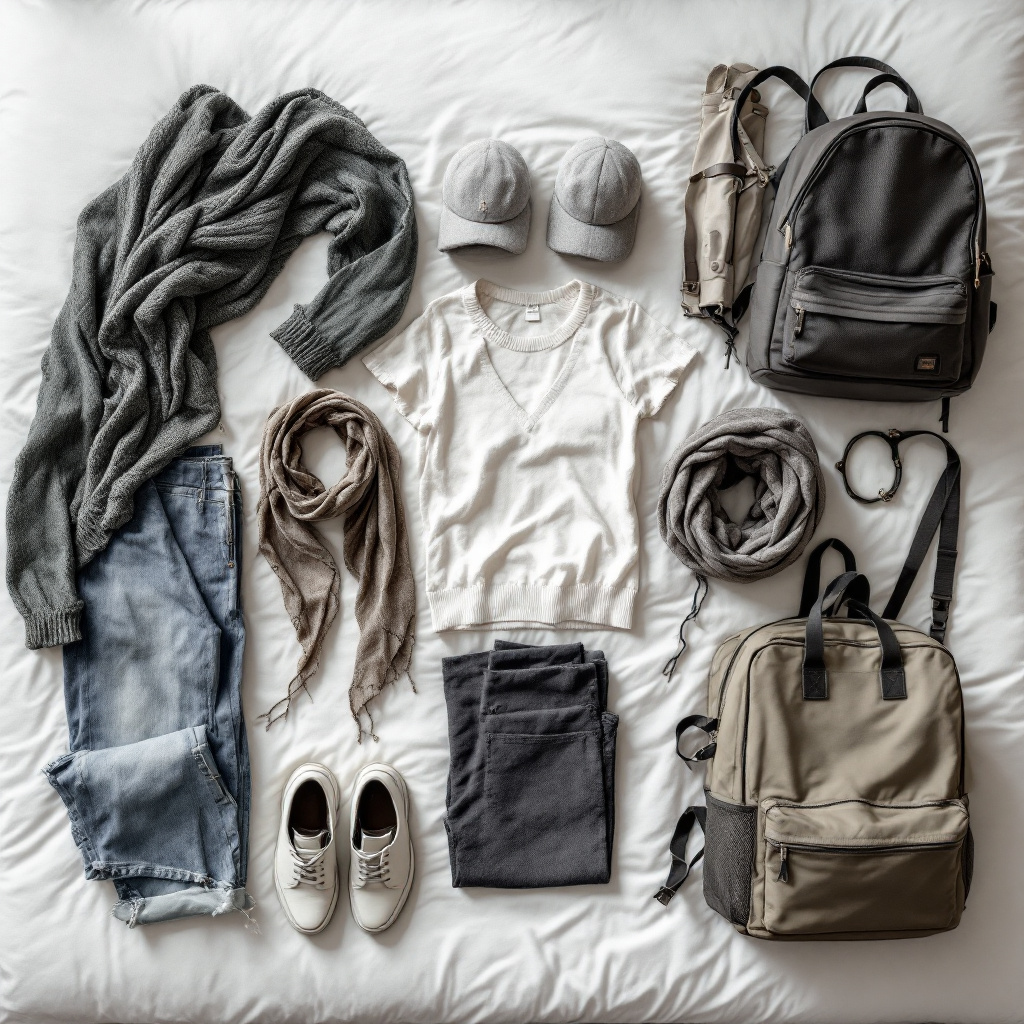
Image created with AI: Capsule wardrobe for stress-free, sustainable travel.
A capsule wardrobe is the backbone of any minimalist solo female packing list, providing the perfect foundation for seamless mixing and layering. These women’s packing essentials help you adapt to various climates and occasions. Start with these travel clothing basics for week-to-month-long trips:
5–7 mix-and-match tops: Opt for neutral tones with 1–2 pops of color. Prioritize wrinkle-resistant, quick-dry fabrics like merino, bamboo, or synthetic blends.
2–3 bottoms: Include comfy pants or jeans, a lightweight skirt, and breathable shorts or leggings.
1–2 versatile dresses/skirts: Dress up for city dinners or down for beach strolls.
Sleepwear: Choose one soft, lightweight set, or use athletic shorts and a tee doubling as sleepwear and daywear.
7–8 pairs of underwear and 2–3 bras: Choose moisture-wicking styles for easy sink-washing and quick drying.
1–2 pairs of shoes: Pack a pair of stylish yet walkable sneakers or flats and a compact sandal or flip-flop. Shoes should support long walks—no compromises.
Layering pieces: Include a packable jacket, cardigan, or hoodie for cool airports and evenings. A scarf can double as a wrap or impromptu blanket.
Swimsuit: Essential if your itinerary includes pools, beaches, or spas.
Your layers do the heavy lifting as the climate changes. For colder spots, add a packable synthetic jacket or thermal base layer. In tropical climates, swap heavier pants for an extra breezy dress.
Packing Tips:
Roll, don’t fold: Rolling minimizes wrinkles and maximizes space in your carry-on luggage.
Use packing cubes: These keep outfits organized and compress your clothes, perfect for compact packing.
Choose eco-conscious materials: Sustainable brands offering recycled or organic fabrics benefit both the planet and your conscience.
For more on mastering your capsule wardrobe and minimal packing techniques, see our guide to minimalist travel tips for solo explorers.
Toiletries and Personal Care: Compact and Sustainable
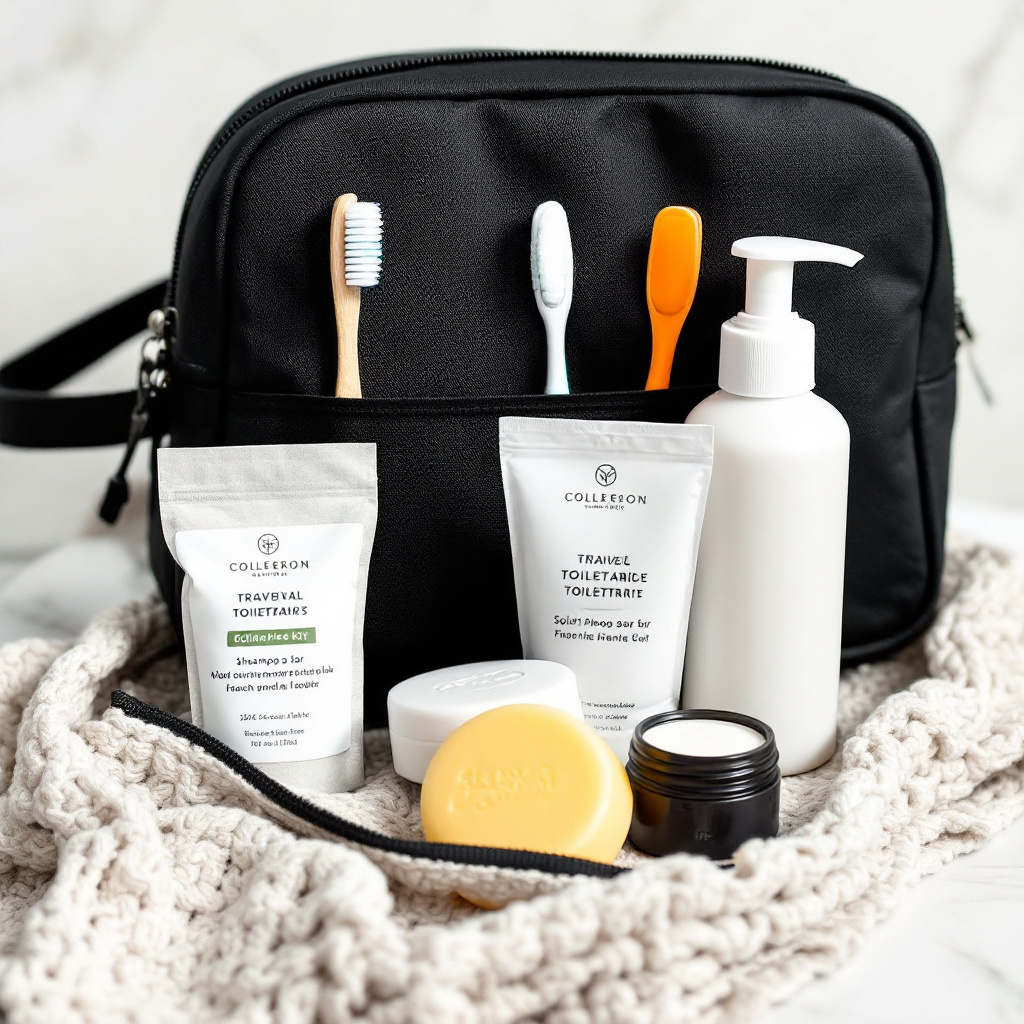
Image created with AI: Eco-friendly toiletries for plastic-free, minimalist packing.
When it comes to toiletries, minimizing bulk and waste while smoothing airport security checks is key. Prioritize solid and powder-based products—they save space, are spill-proof, and TSA-friendly:
Shampoo and conditioner bars: Long-lasting, plastic-free, and efficient.
Solid or stick sunscreen: Easy to apply and leak-proof.
Solid deodorant and bar soap: Travel-tested and compact.
Refillable mini containers: Perfect for moisturizer or face serum.
Toothbrush, toothpaste, dental floss: Bamboo or zero-waste options like toothpaste tablets are ideal.
Reusable razor: Lightweight safety or cartridge razors work best.
Menstrual cup or reusable pads: Sustainable choices for convenience and environmental care.
Compact first aid kit: A palm-sized pack with bandages, pain relievers, blister pads, and tweezers.
Airport security tip: Keep wet and dry toiletries separate in clear zipper bags.
100ml/3.4oz liquid limit: Follow TSA rules to avoid delays.
Pack only daily essentials. Consider a mini brush, travel-size makeup with only a few key items, and any prescription medicine spares.
Sustainable solo travel means choosing plastic-free, refillable, or biodegradable products. Carry less and waste less to respect local environments.
Safety and Tech Essentials: Must-Have Travel Accessories
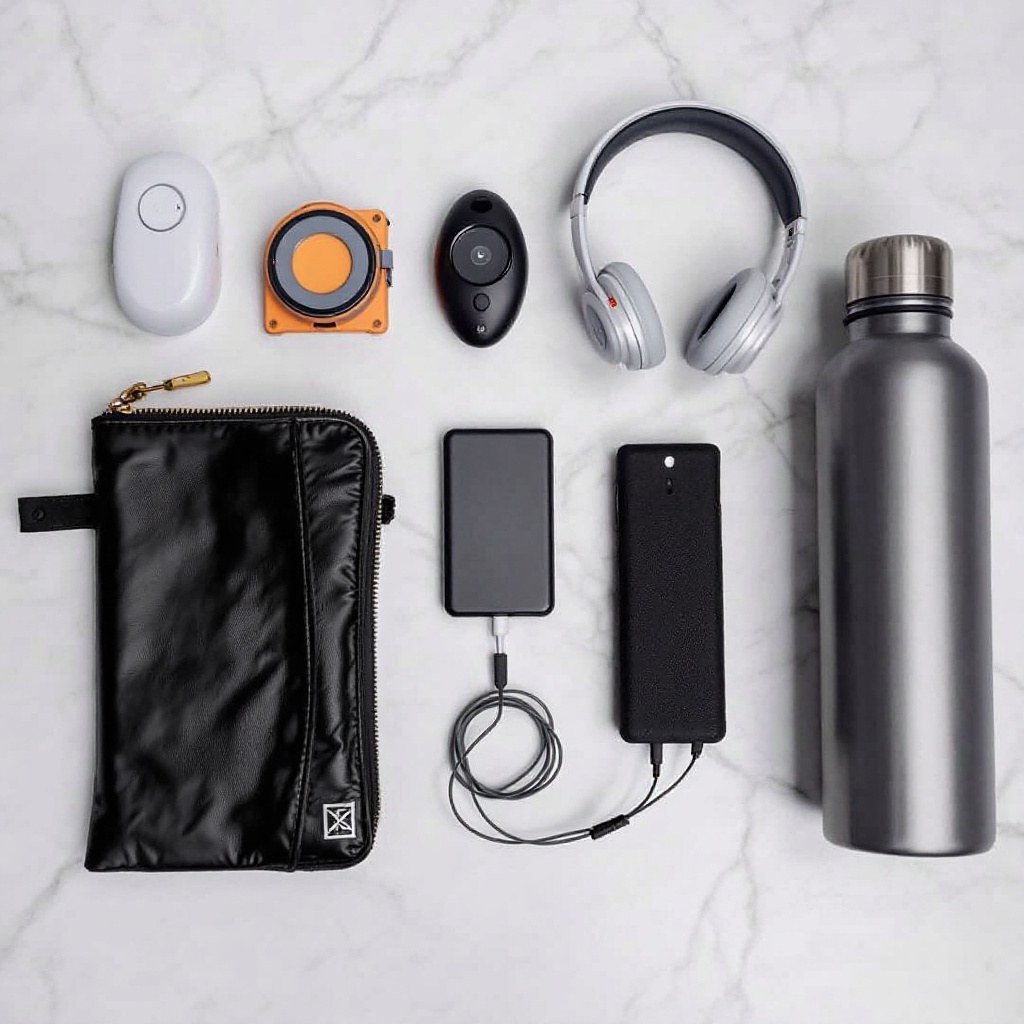
Image created with AI: Must-have safety and tech gear for peace of mind on solo adventures.
No minimalist solo female packing list is complete without essential travel gear focused on safety and convenience. Female travelers especially benefit from lightweight, practical travel accessories that reduce stress and boost confidence. Experts from Nomadic Matt, The Blonde Abroad, and Travel + Leisure recommend the following core travel essentials:
Personal safety alarm: A Door Stop Alarm ($20–$30) offers hotel and hostel security in a compact device.
Anti-theft crossbody bag: Features slash-proof lining, locking zippers, and RFID protection for peace of mind sightseeing.
RFID-blocking wallet: Shields your cards and passports from digital theft.
Luggage lock: Secures belongings on trains, shared dorms, or buses.
Universal adapter/charger: Keeps all devices powered anywhere in the world.
Supportive daypack: Lightweight, snug, and spacious enough for snacks, a scarf, and valuables.
Many female travelers prefer minimal tech—just a smartphone, charger, power bank, and a small digital notebook or phone app for journaling. This pared-down approach lightens your load and reduces risks during transit. Skip bulky laptops unless absolutely necessary.
Why each item matters:
Door stop alarms and RFID wallets enhance your security in any accommodation.
Power banks and universal adapters eliminate the stress of dead batteries abroad.
Reusable bottles save money, reduce plastic waste, and keep you refreshed everywhere.
This curated list ensures you carry smart, practical travel gear and safety devices designed for solo female travelers.
This capsule approach to your minimalist solo female packing list keeps you agile, safe, and organized. Ready for your next adventure? Keep reading for more pro packing tips to lighten your carry-on luggage without sacrificing comfort or style.
Packing light is essential for solo female travel, allowing you the freedom to move confidently, adapt on the fly, and keep your essentials close. In 2025, adopting a minimalist solo female packing list is more than just a trend—it’s a smart lifestyle choice embraced by growing numbers of adventurous women, as shown by Skift’s solo travel research. By prioritizing the right items, using clever strategies, and thinking like a minimalist, you can transform every solo trip into a smoother, safer journey.
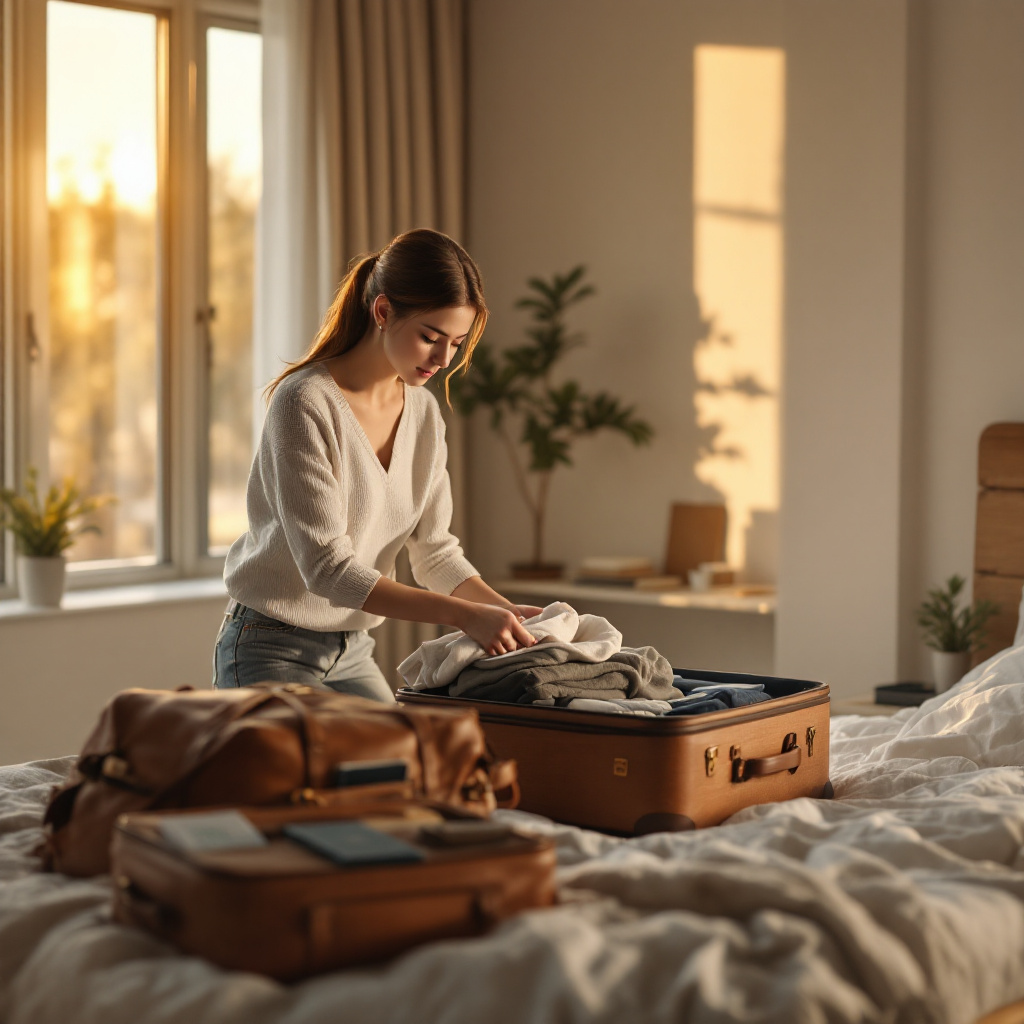
Mastering a minimalist solo female packing list for 2025 means less stress, lower costs, and total flexibility—the ultimate formula for solo trip success. Having traveled alone across continents myself, I can attest that being intentional with your packing makes every part of your adventure lighter and more empowering. Here’s how you can pack light and smart, too.
Step 1: Start with Your Versatile Capsule Wardrobe
Forget packing “just in case” items and instead focus on a capsule wardrobe filled with travel clothing that works in multiple ways. Opt for mix-and-match pieces, neutral colors, and layers that suit everything from city strolls to plane rides and evenings out.
Choose wrinkle-resistant, quick-dry fabrics to simplify washing and re-wearing on the go.
Bring 5–7 tops and 2–3 bottoms you love and feel comfortable in.
Limit your shoes to two pairs—one versatile pair and one for downtime or dressier occasions.
Accessorize smartly: a scarf or sarong can double as a cover-up, blanket, or even an improvised bag.
Lay your outfits out before packing, then remove duplicates. If a piece won’t work in at least three different scenarios, it’s best to leave it behind.
### Step 2: Go Minimal with Toiletries
Streamline your toiletries to reduce weight and avoid spills. Solid toiletries are your best allies—think shampoo bars, solid soap, and refillable mini containers rather than bulky bottles.
Use a clear, compact toiletry bag that meets airport TSA requirements.
Choose multi-use items, like a tinted sunscreen that serves as both moisturizer and sun protection.
Try a menstrual cup or reusable pads for an eco-friendly, lightweight option.
For more eco-friendly toiletries advice, visit the solo travel guides at REI.
### Step 3: Choose the Right Bag and Packing Tools
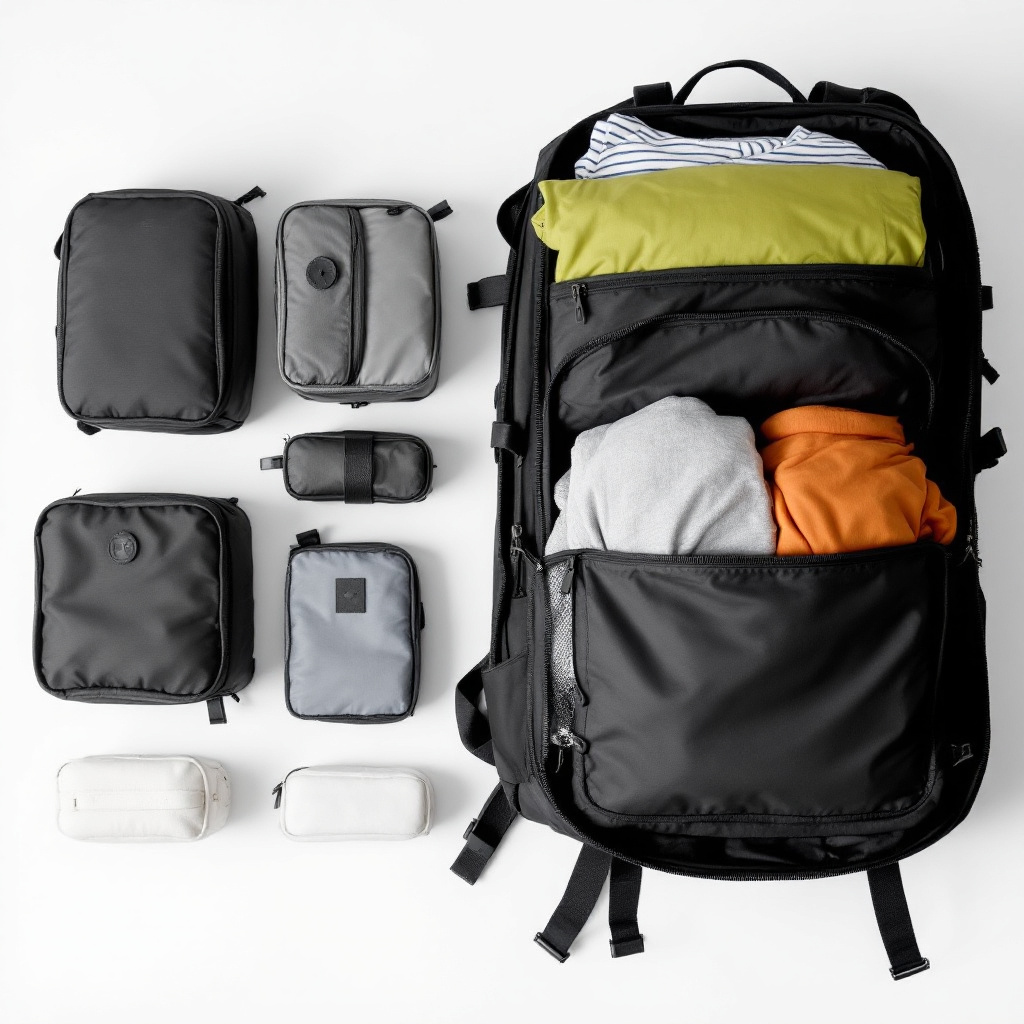
Your bag size sets your packing limits—opt for a 40L carry-on backpack which strikes a perfect balance between roominess and being carry-on only compliant.
Packing cubes are key to organizing outfits neatly while compressing clothing to save space.
Stuff smaller items like socks and underwear into shoes or corners to maximize every inch.
Limit tech to essentials: phone, charger, and maybe an e-reader for light entertainment.
A quality carry-on backpack serves as both your packing tool and on-the-go closet. Find top travel gear options and accessories on Amazon here.
### Step 4: Prioritize Lightweight Safety and Tech Accessories
Your peace of mind is paramount. Avoid overpacking gadgets—instead, select high-impact, lightweight travel accessories that support both your safety and convenience.
Door stop alarm for hostel or hotel room security (available on Amazon here).
Reusable water bottle to save money and reduce environmental impact (buy on Amazon).
Travel + Leisure’s solo adventure guides emphasize keeping tech simple and focusing on tools that keep you safe and connected. For more smart ideas, check out the latest solo trip packing guide.
### Step 5: Use Packing Strategies from the Pros
Packing like a minimalist pro means being intentional and resourceful. Here are expert techniques to fine-tune your approach:
Lay everything out and halve it. You rarely miss what you leave behind.
Pack by outfit, not item. Ensure every piece complements multiple looks.
Embrace the “laundry rule.” Plan to re-wear and wash clothes, bringing only a week’s worth max.
Weigh your bag. Keep it under 20 lbs for comfort and mobility.
Keep Your Packing List Sustainable and Budget-Friendly
Minimalist travel packing in 2025 benefits both your budget and the planet. Use eco-friendly toiletries, a reusable bottle, and versatile travel clothing to reduce waste and save money.
With these travel-tested minimalist packing tips, your solo female packing list for 2025 won’t just fit into a carry-on backpack—it will power your next adventure with freedom and confidence.
Why Minimalism Enhances Your Solo Travel Experience
Letting go of extra baggage is one of the greatest gifts you can give yourself on a solo adventure. Embracing minimalist travel means packing so light that you barely notice your luggage, gaining mobility, confidence, and the freedom to tailor your trip exactly as you wish. This approach isn’t about missing out—it’s about waking each morning ready to say “yes” to whatever inspires you next. That’s the true magic behind a carefully chosen packing list: real experiences, not just neatly folded shirts.
Image created with AI: Confident solo female traveler in Europe with only the essentials for minimalist solo-female packing list 2025.
True Freedom to Roam
Packing the essentials frees you to explore without restriction—key to any rewarding solo female travel experience. When your belongings fit in a carry-on, moving through airports, bustling city streets, or quiet rural backroads becomes effortless. Choosing to pack light doesn’t just reduce your physical load; it instills a mindset that enhances every moment. Whether detouring for a sunrise by the lake or squeezing into a crowded train, your experiences become richer when you’re not tethered to excess baggage.
Safety also improves with less to manage. A single bag stays close, lowering the risk of loss or theft compared to juggling multiple suitcases. Travel experts consistently observe that female travelers who pack light feel more confident and adaptable on the road (The Blonde Abroad).
Less Stress, More Living
A thoughtfully pared-down packing list does more than lighten your load. It cuts the stress of overpacking:
No more fretting over lost luggage or long waits at baggage claims.
Fewer wardrobe decisions each morning thanks to a versatile capsule wardrobe.
Less clutter in your accommodations for quicker, more comfortable settling-in.
Room in your bag for that unique market find rather than unnecessary “just in case” items.
This ease creates space for savoring moments—whether sipping coffee at a Parisian café, meandering forest trails, or chatting with fellow travelers. When you’re not guarding belongings, you’re fully present.
Savings that Add Up
Traveling with less means spending less, an especially important factor for long-term travel. Airlines in the US commonly charge $50–$100 for checked bags on round-trip flights, but sticking to carry-on only keeps you within limits and avoids these fees. You also save on extra cab fares and porter tips since your bag stays with you, light on your shoulder or back.
Choosing lightweight, multi-purpose items reduces the need to buy essentials on the road. That scarf pulls double duty as a wrap and pillow. A sturdy pair of walking shoes handles both urban exploration and day hikes. Avoiding last-minute toiletries or clothing purchases means your budget stretches further, letting you invest in memorable experiences instead.
Traveling light is a subtle way to care for the places you visit. Less baggage means a smaller carbon footprint—lighter bags require less fuel during transport. Choosing reusable bottles, solid toiletries, and eco-conscious gear further reduces waste. These small choices add up, especially as more female travelers champion sustainability in 2025 (Skift).
A streamlined bag also frees you to support local businesses spontaneously, exploring markets and off-the-beaten-path adventures without being weighed down.
You Say Yes to More
Minimalist solo travel clears your personal runway for adventure. You can say yes to an extra city, an unusual route, or that cozy café tucked away on a quiet lane. When you pack light, your trip pivots effortlessly: hop a ferry, book a last-minute tour, or wander beyond tourist paths without hesitation. This approach is about expanding possibilities, not imposing limitations.
Key benefits at a glance:
Everything fits in a single carry-on only bag
Save $50–$100 per trip by avoiding checked bag fees
Increased safety and flexibility with fewer valuables to track
Hassle-free packing and repacking—never dread your next move
Sustainable travel made easy with less waste and lighter baggage
If you’re ready to make minimalist travel your superpower, plan your minimalist solo trip with us and discover a lighter, brighter world on your own terms! For more packing wisdom, check out this helpful minimalist travel packing list and learn how to perfect your essentials for every solo journey.
FAQs About Minimalist Solo-Female Packing in 2025
Packing light sparks plenty of curiosity, especially for solo female travel enthusiasts embracing minimalism. In 2025, questions range from what size travel backpack to choose to how to fit in must-have safety gear, sustainable products, and travel essentials. It’s no wonder—packing smart means you set yourself up for freedom, comfort, and peace of mind wherever you roam. Here are the most common (and important) questions women ask about building their minimalist packing list.
What’s the ideal backpack size for minimalist solo-female travel and packing list 2025? What should a packing list for women include?
Most experts, including those at The Blonde Abroad, recommend a 40L travel backpack as ideal. This size fits 5–7 mix-and-match outfits, shoes, toiletries, tech, and a few extras—yet stays within strict airline limits for carry-on luggage. It’s a reliable choice blending comfort, structure, and security, often found in the $80–$150 range. For a specific minimalist-friendly travel backpack, check out the Carry-On Backpack.
Can I bring everything I need for a month in one bag? What to pack to travel light?
Absolutely. The minimalist travel approach and packing list 2025 are designed for versatility. You’ll layer clothing, rewash essentials, and rely on multi-use products. Lists from Nomadic Matt and Travel + Leisure agree: quality, not quantity, matters. Using packing cubes can help you organize efficiently. You’ll save money, stress, and space, especially if you plan to do laundry on the road or pick up small extras locally.
What are the smartest safety tools and travel essentials for solo women packing light?
Focus on compact, lightweight items that protect you and your valuables:
Door stop alarm ($20–$30, see this model) for hostels or hotels.
RFID-blocking wallet to guard against electronic pickpocketing.
Portable charger (this one is great and $20–$50) so your phone is always powered for maps, rideshares, translations, and emergencies.
Travel guides from Nomadic Matt emphasize that peace of mind comes from simple safety gear, not heavy luggage.
What are the best strategies for packing toiletries and skincare as a minimalist? What women’s packing essentials should I bring?
Choose solid, bar, or stick versions of your favorites—bar shampoo, soap, and solid sunscreen save space and are TSA-friendly. Use refillable mini bottles for creams or serums. Limit items to what you use daily; sample packs and compact kits go far. Minimizing toiletries like this means lower waste and a lighter load, supporting sustainable solo travel in 2025. Brands highlighted by REI offer eco-friendly toiletry sets worth considering.
How do I keep my clothing versatile enough for all climates? What does a women’s packing list look like?
Build your travel clothing wardrobe around layers. A women’s packing list for minimalist solo-female travel typically includes:
5–7 quick-dry tops in neutral and accent colors
2–3 bottoms that pair with all tops
1–2 dresses or one-piece outfits
A packable light jacket or cardigan
A scarf that doubles as a wrap, blanket, or head covering
Capsule wardrobes are covered in-depth by Travel Off Script, demonstrating that layering keeps you ready for sun, rain, or a surprise chill.
Can I still look stylish and feel confident with so few items?
Definitely. Minimalist packing means every piece is a favorite—no “just in case” clothes you never wear. Industry experts at The Blonde Abroad encourage focusing on colors and accessories you love. Scarves, jewelry, and a bold lipstick transform repeated basics into fresh looks.
How do I pack for tech without my bag getting heavy? Any minimalist packing tips for digital nomads?
Stick to essentials: smartphone, a lightweight charger, and an e-reader if you read a lot. Leave heavy laptops unless essential. According to VegOutMag, digital nomads thrive with carefully chosen tech items and cable organizers that help reduce clutter and weight.
Is it really possible to avoid checked bag fees every time? How can carry-on only travel work?
With smart packing and the tips above, yes. US airlines are strict, but a well-packed 40L carry-on bag typically fits overhead bins and meets weight limits. Most travelers in 2025 save $50–$100 per flight by going carry-on only, as explained in Nomadic Matt’s recommendations. Using packing cubes and an efficient packing system makes all the difference.
Conclusion
Choosing the minimalist solo female packing list in 2025 means more than just saving space in your bag. It’s your ticket to empowered travel, lower costs, and eco-friendly adventures. You keep stress at bay, move with ease, and stay prepared for every twist your journey brings.
Packing light gives you the chance to focus on what matters: authentic experiences and peace of mind, wherever you explore. Trust your travel essentials, and enjoy the freedom that comes with every step.
Ready for a minimalist solo adventure? Plan with IneedMyVacation.com! Every resource you need for solo female travel, packing tips, and packing lists is waiting for you.
 Skip to content



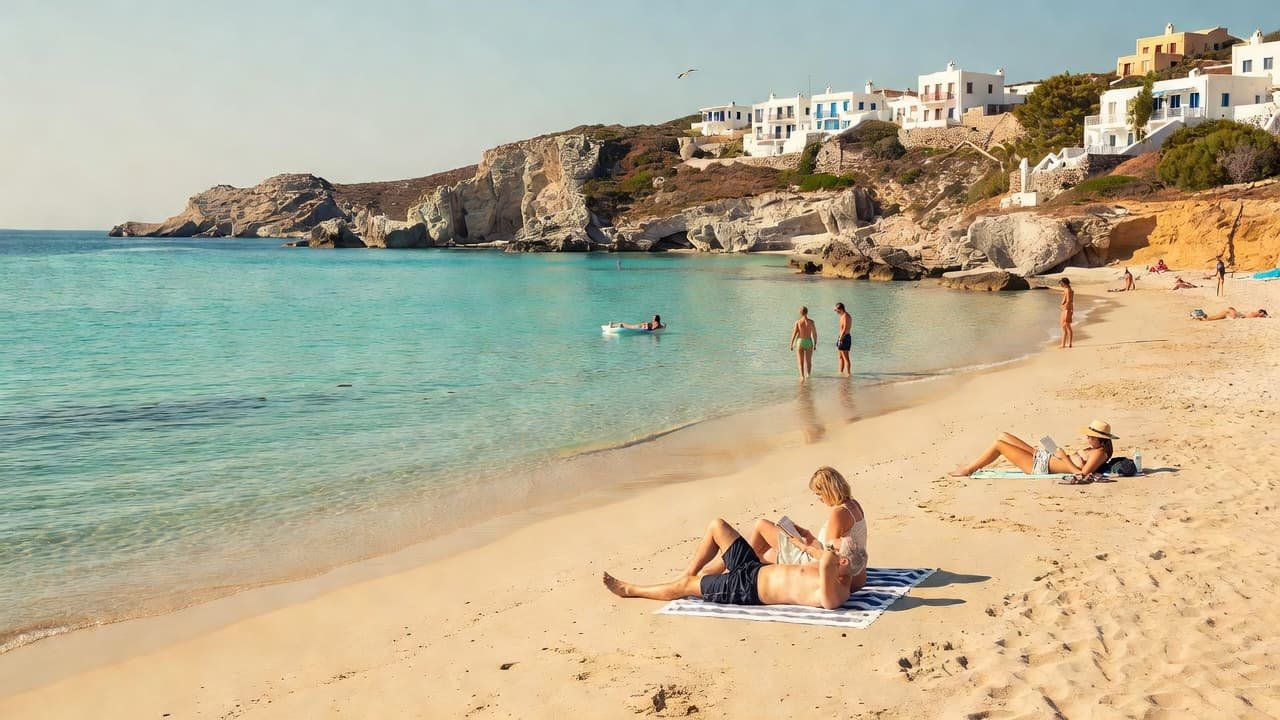
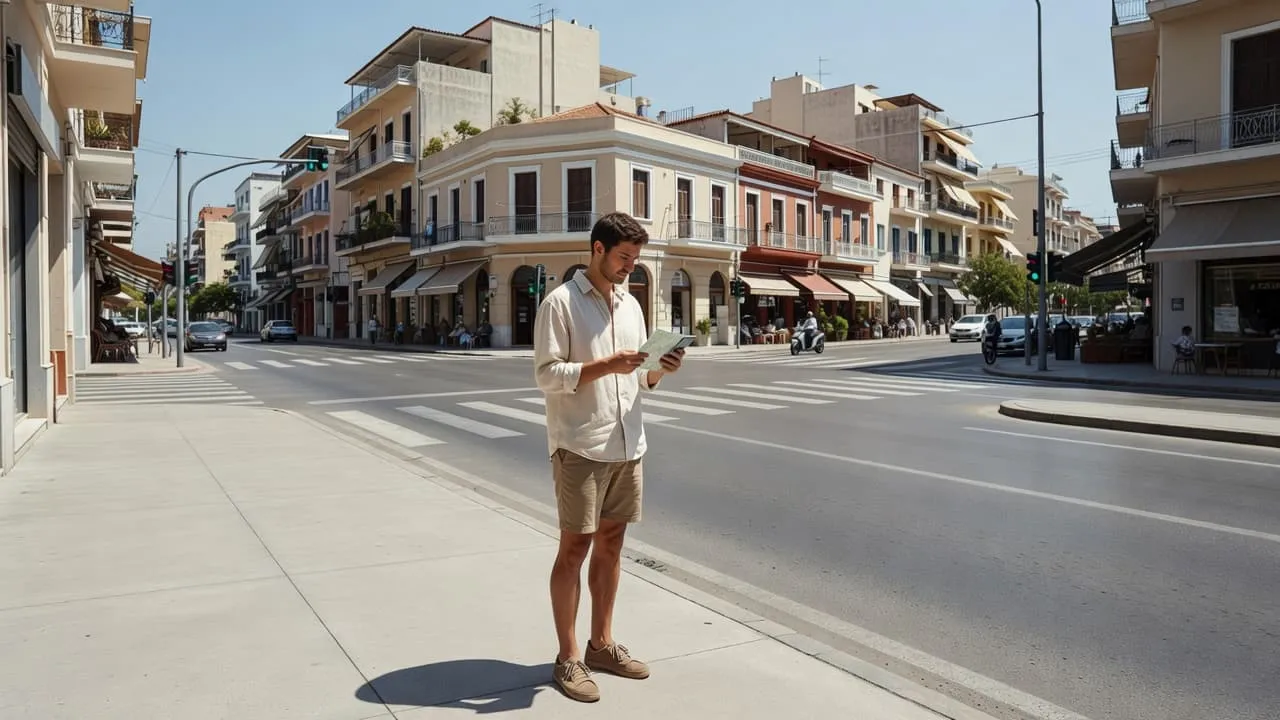
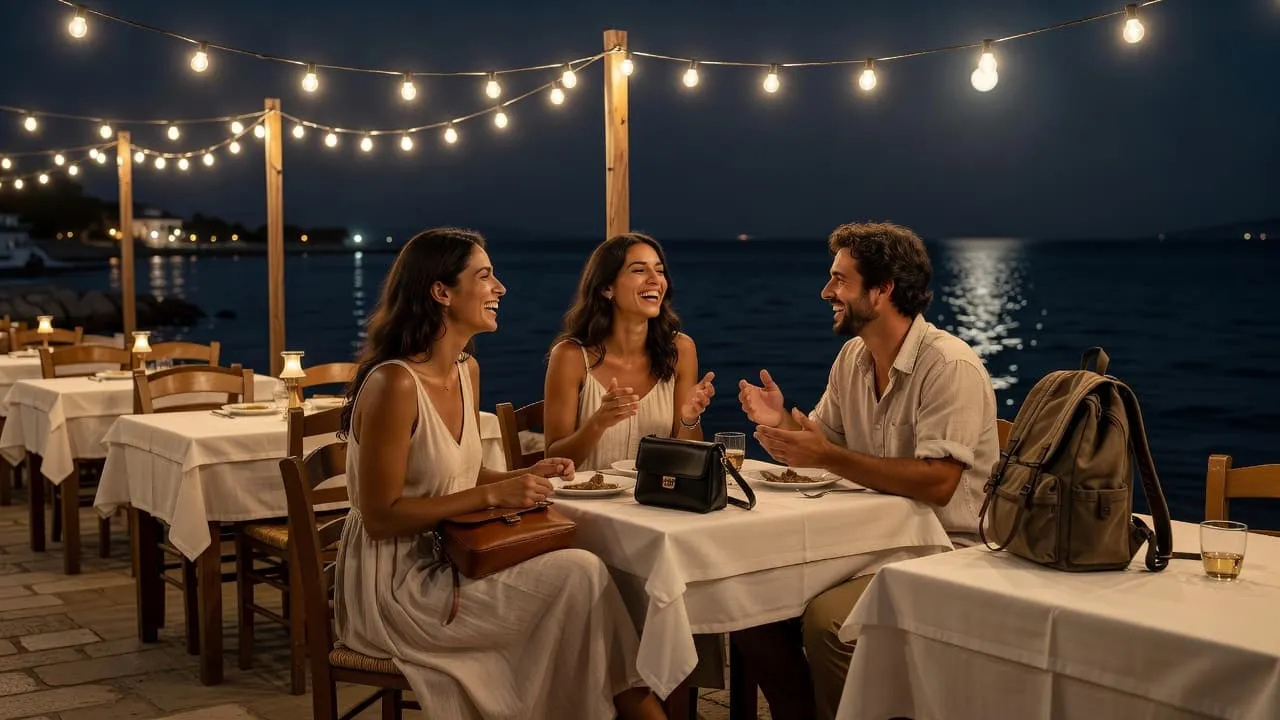
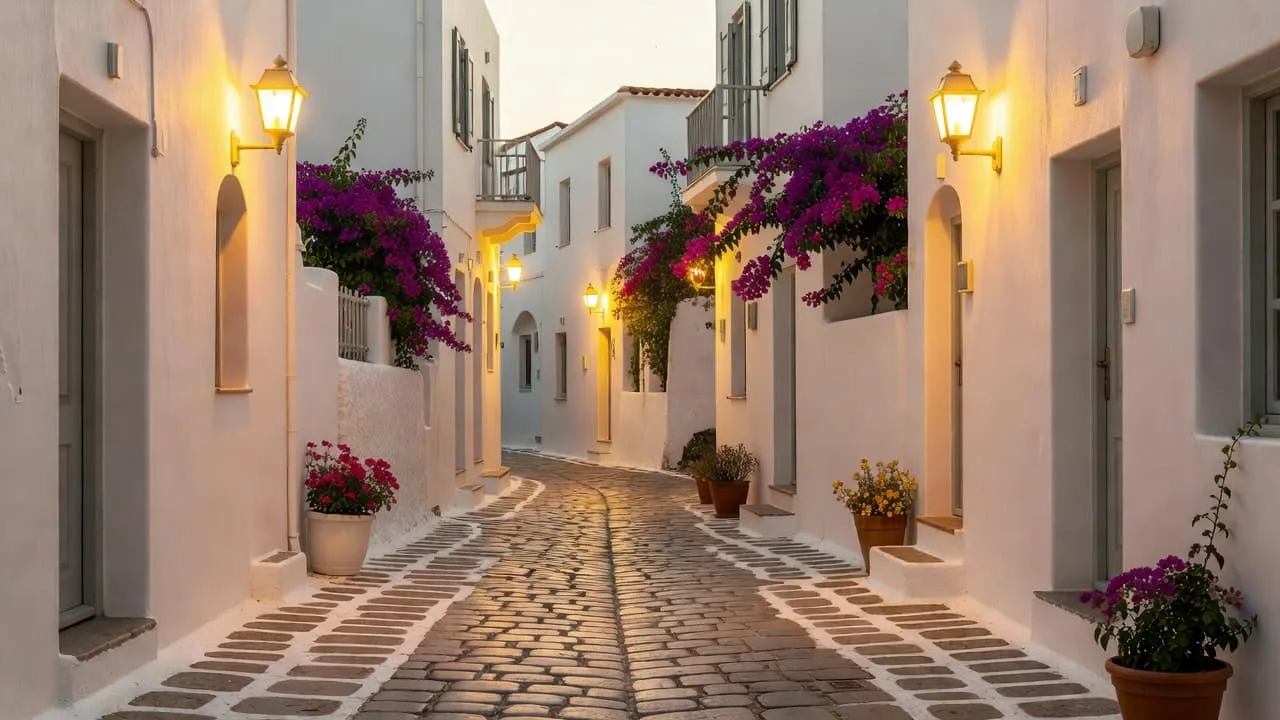
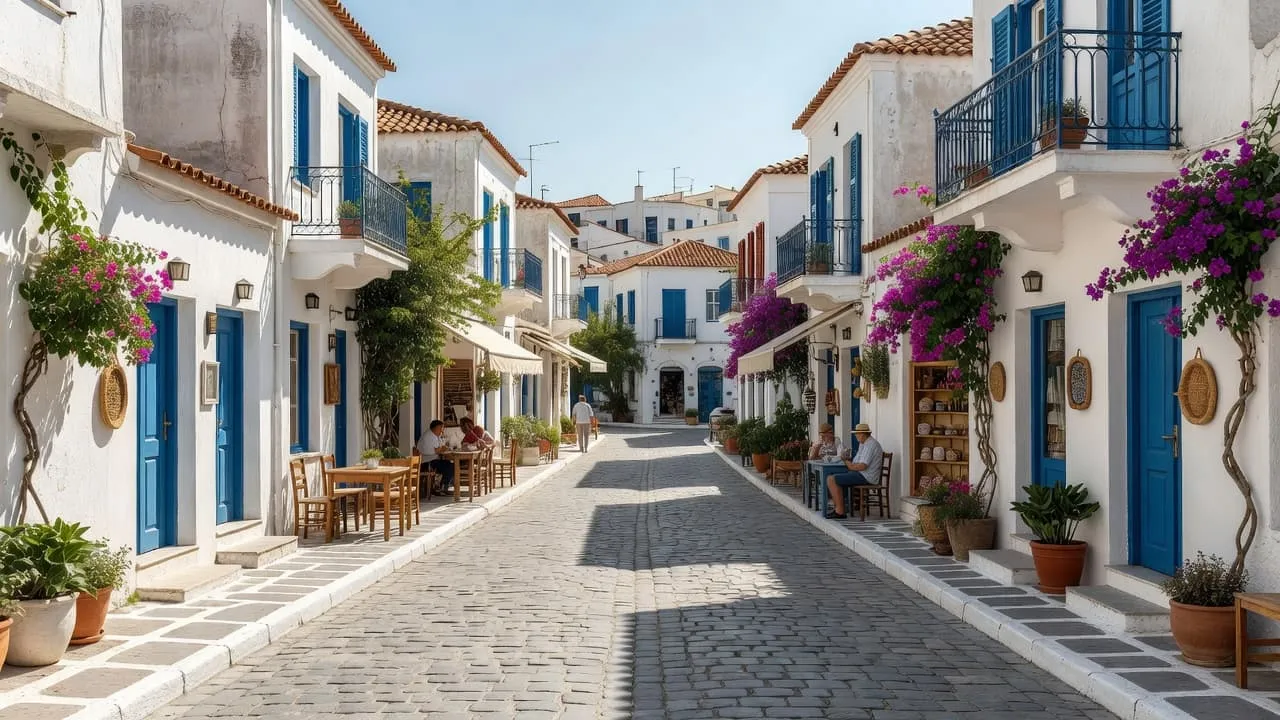


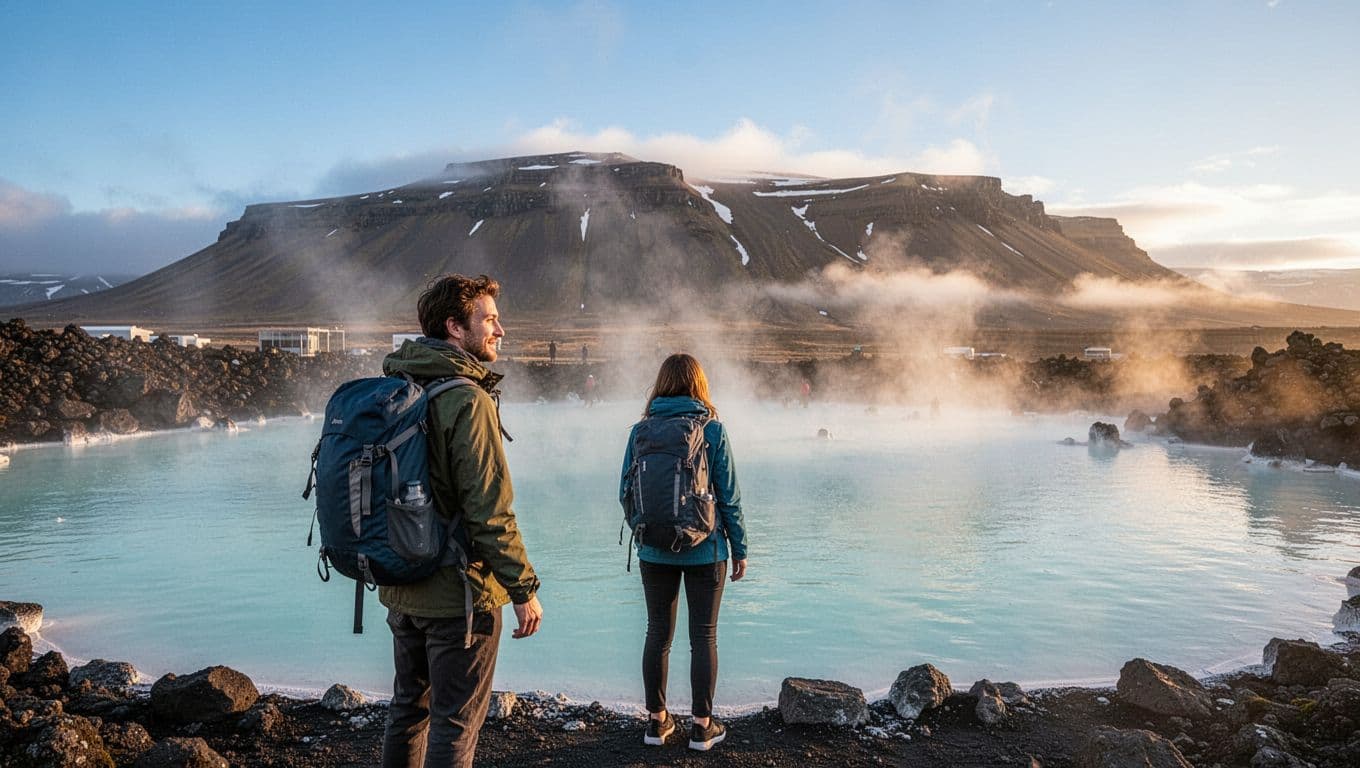
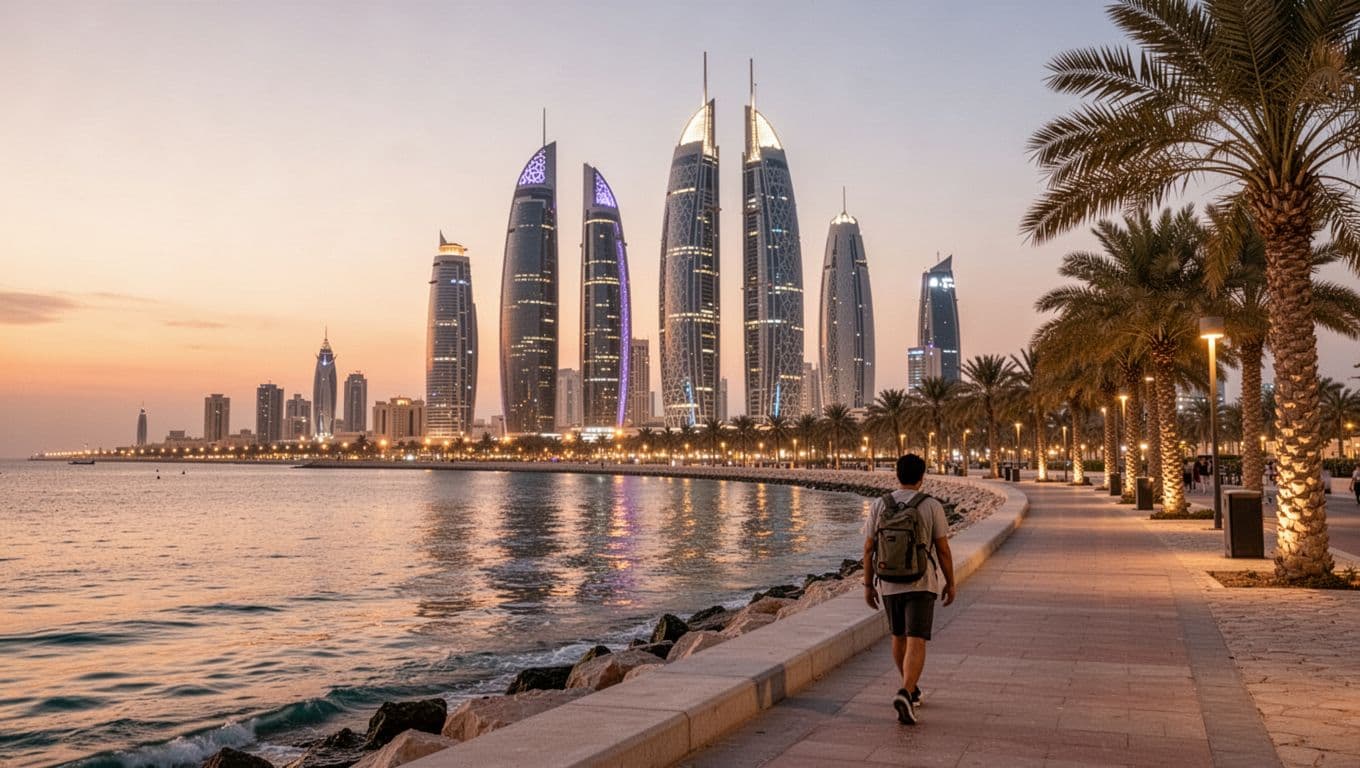
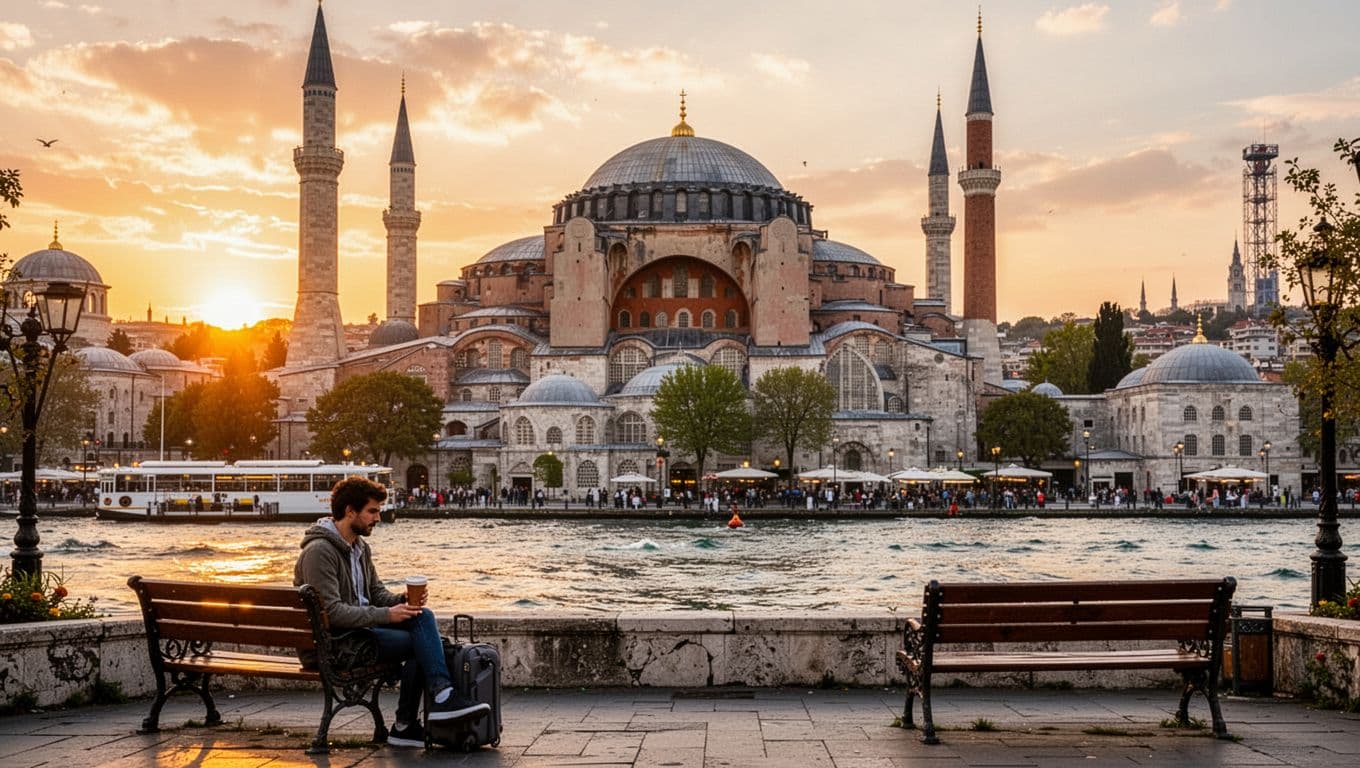


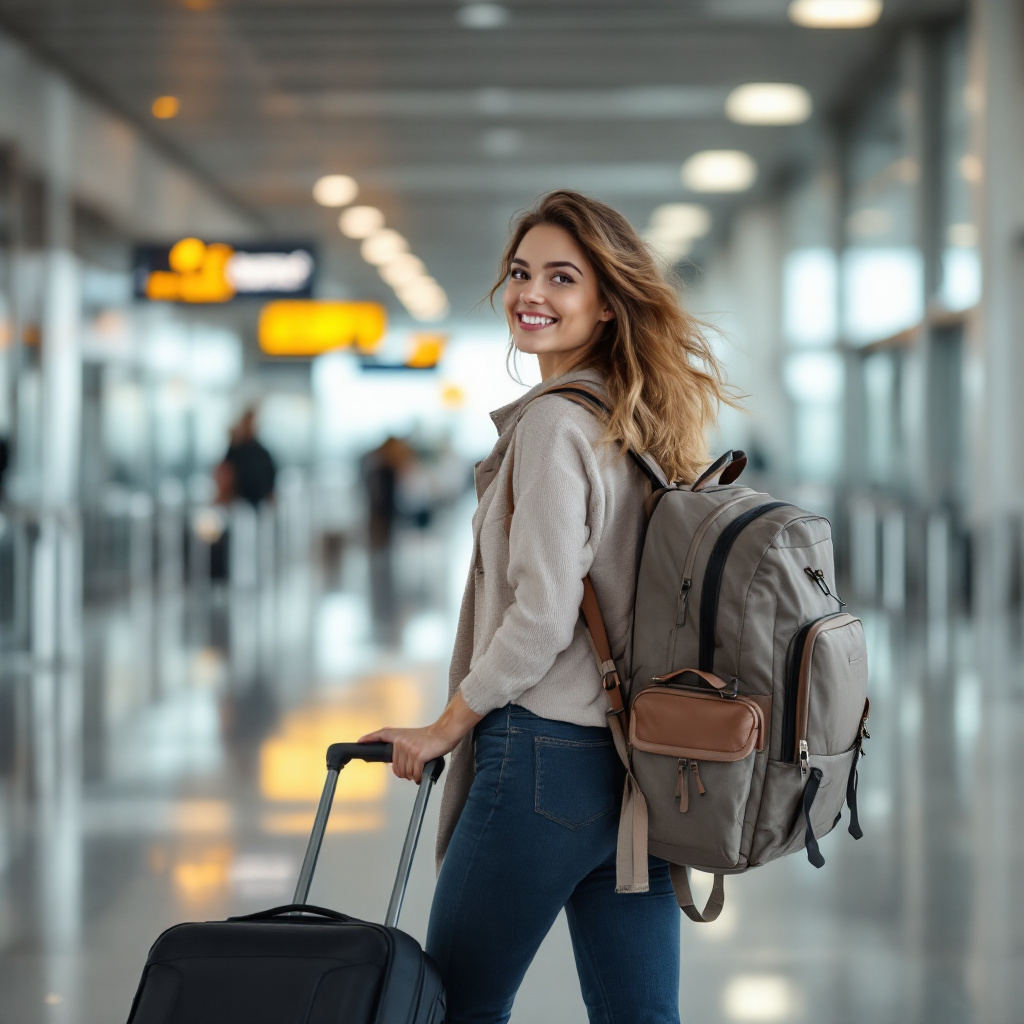 Image created with AI: Solo female traveler ready to take on the world with a single carry-on and smart packing.
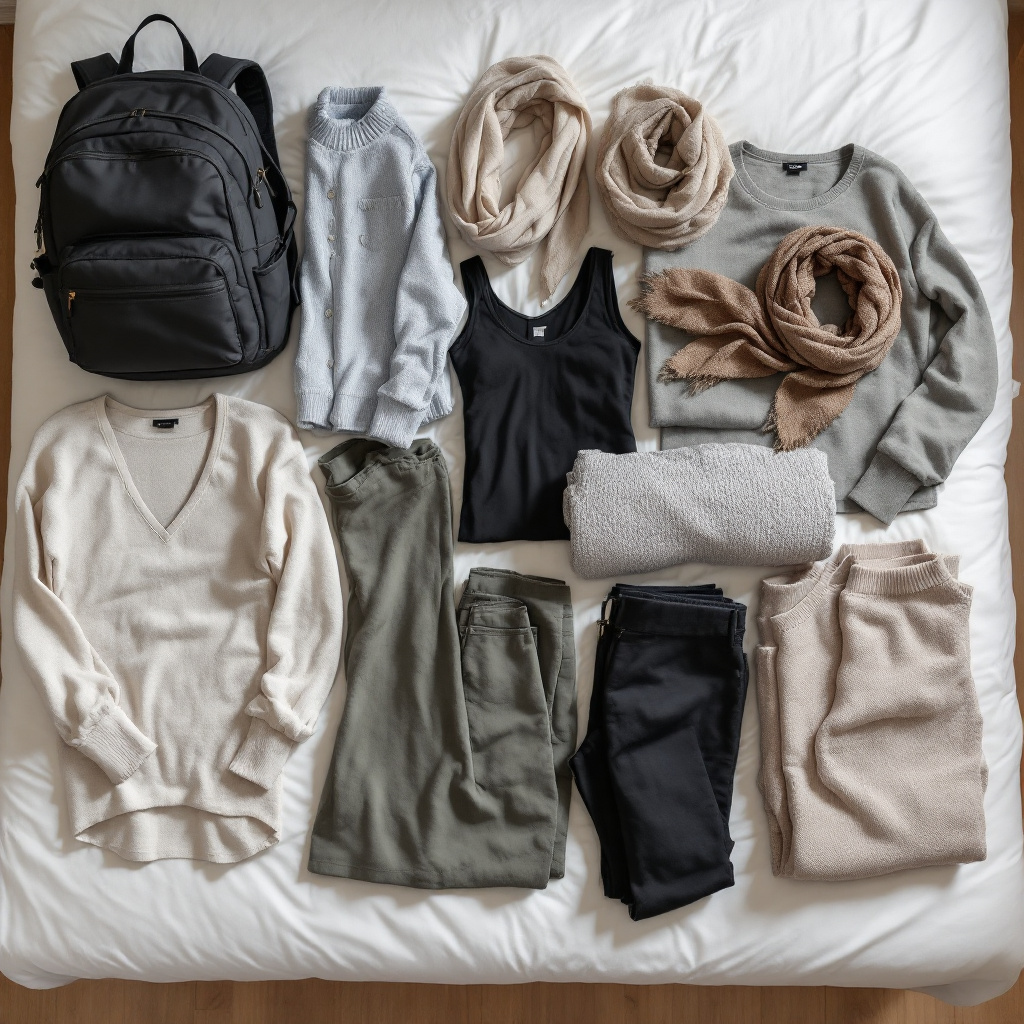 Image created with AI: Capsule wardrobe for stress-free, sustainable travel.
 Image created with AI: Eco-friendly toiletries for plastic-free, minimalist packing.
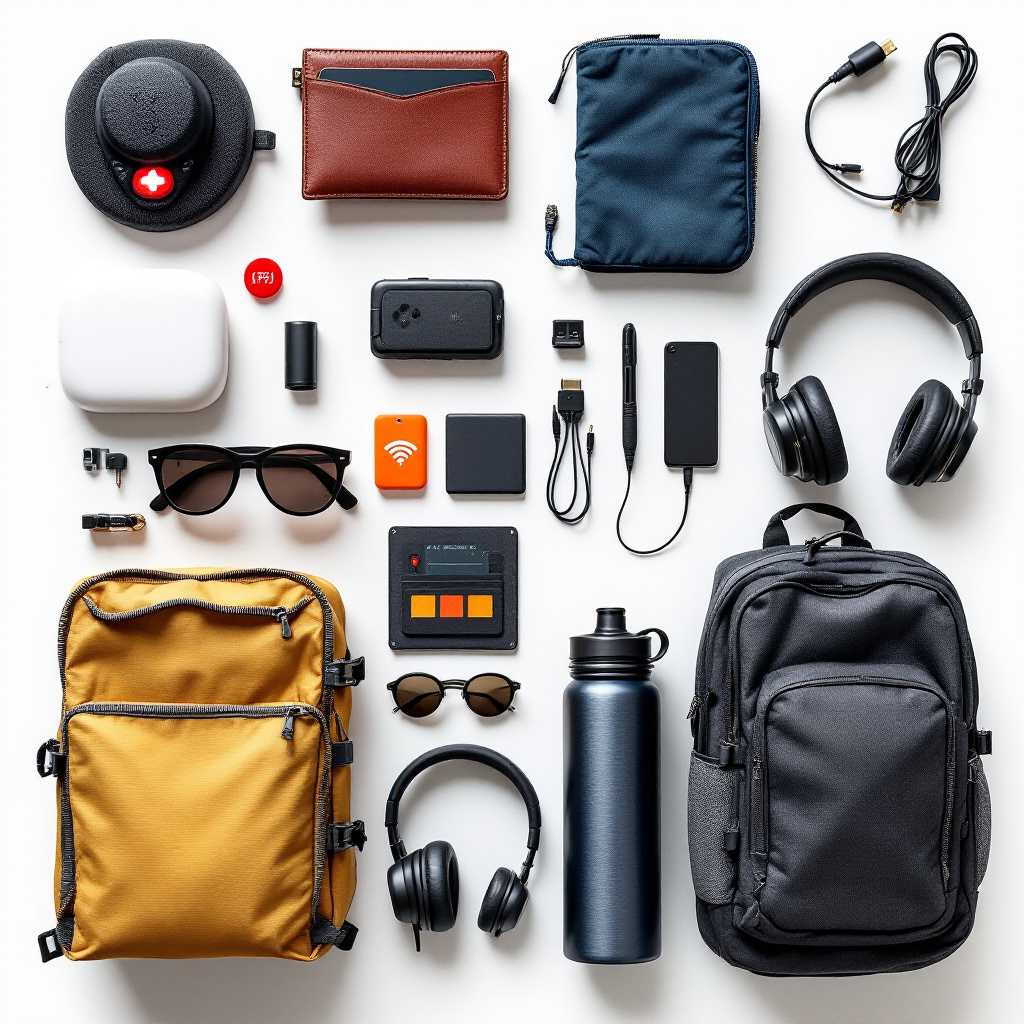 Image created with AI: Must-have safety and tech gear for peace of mind on solo adventures.
 Mastering a minimalist solo female packing list for 2025 means less stress, lower costs, and total flexibility—the ultimate formula for solo trip success. Having traveled alone across continents myself, I can attest that being intentional with your packing makes every part of your adventure lighter and more empowering. Here’s how you can pack light and smart, too.
 ### Step 2: Go Minimal with Toiletries
 ### Step 3: Choose the Right Bag and Packing Tools
 ### Step 4: Prioritize Lightweight Safety and Tech Accessories
 ### Step 5: Use Packing Strategies from the Pros
 Image created with AI: Confident solo female traveler in Europe with only the essentials for minimalist solo-female packing list 2025.
 © 2025 IneedMyVacation.com. All rights reserved.