🏖️ Spring Break 2026: The “Now or Never” Guide to Last-Minute Deals
| ⏱️ 8 min read | ⚠️ Peak week starts THIS WEEK
Spring break planning in February 2026 feels like standing at the edge of a moving sidewalk. If you step on now, you glide into sunshine. If you wait, you’re jogging with a backpack, watching prices climb in real time.
Here’s the reality: Peak spring break weeks hit March 6–28, 2026, with the worst crowds March 15–29. But last-minute doesn’t have to mean last choice.
I’ve booked enough “why did I wait?” trips to know this: You can still pull a great beach week on short notice—if you pick the right dates and smart destinations.
🚀 Quick Wins: Book TODAY If…
✅ Best Mexico value: Cancun Hotel Zone (off-peak dates March 8-14)
✅ Best crowd-free US beach: Biloxi, Mississippi (affordable & surprising)
✅ Best big beach city: Jacksonville, Florida (space to breathe)
TL;DR: If you’re reading this in late February/early March 2026, you still have options—but you need to move fast. Focus on early March (8th-14th) or push to April (5th-20th) for better deals and thinner crowds.
📌 Affiliate Disclosure: This article contains affiliate links. If you book through these links, I Need My Vacation may earn a small commission at no extra cost to you. We only recommend services we genuinely trust and use ourselves. Thank you for supporting our work!
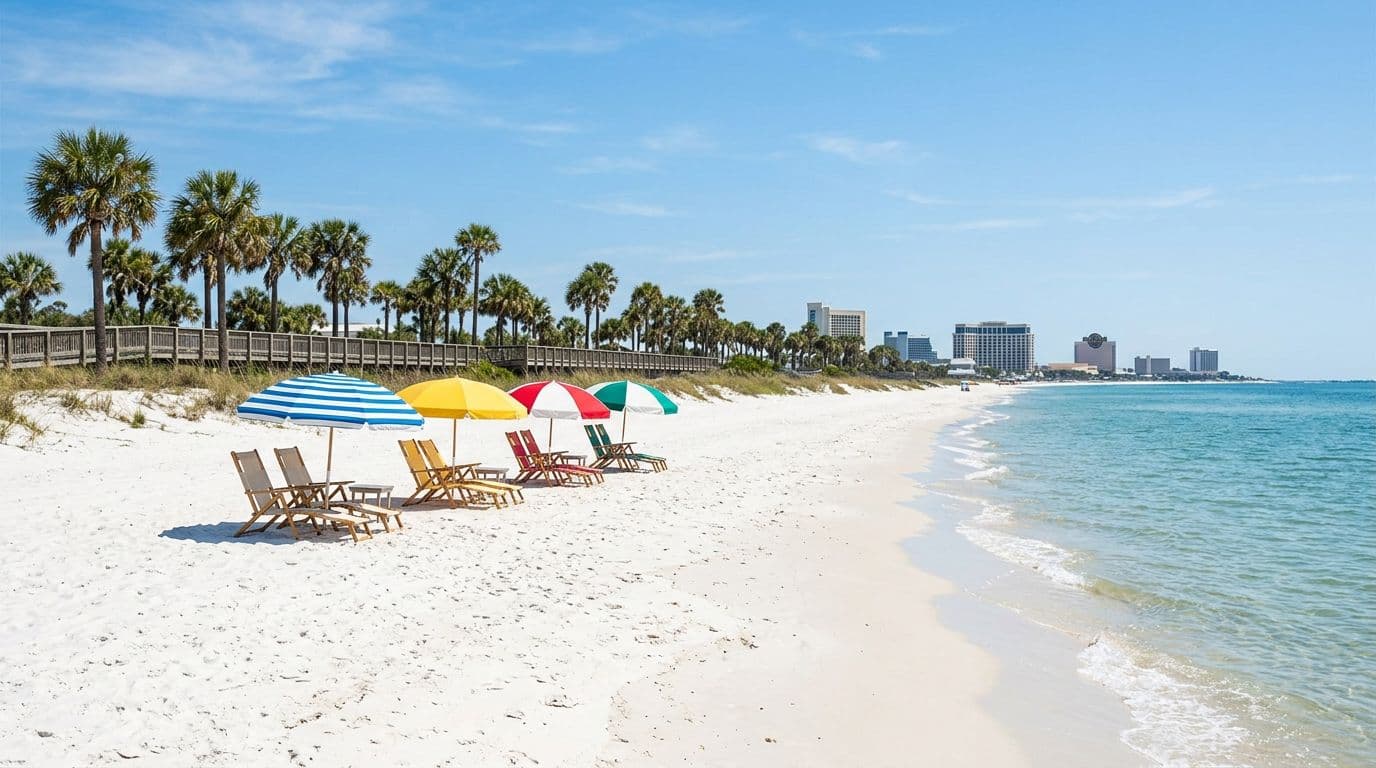
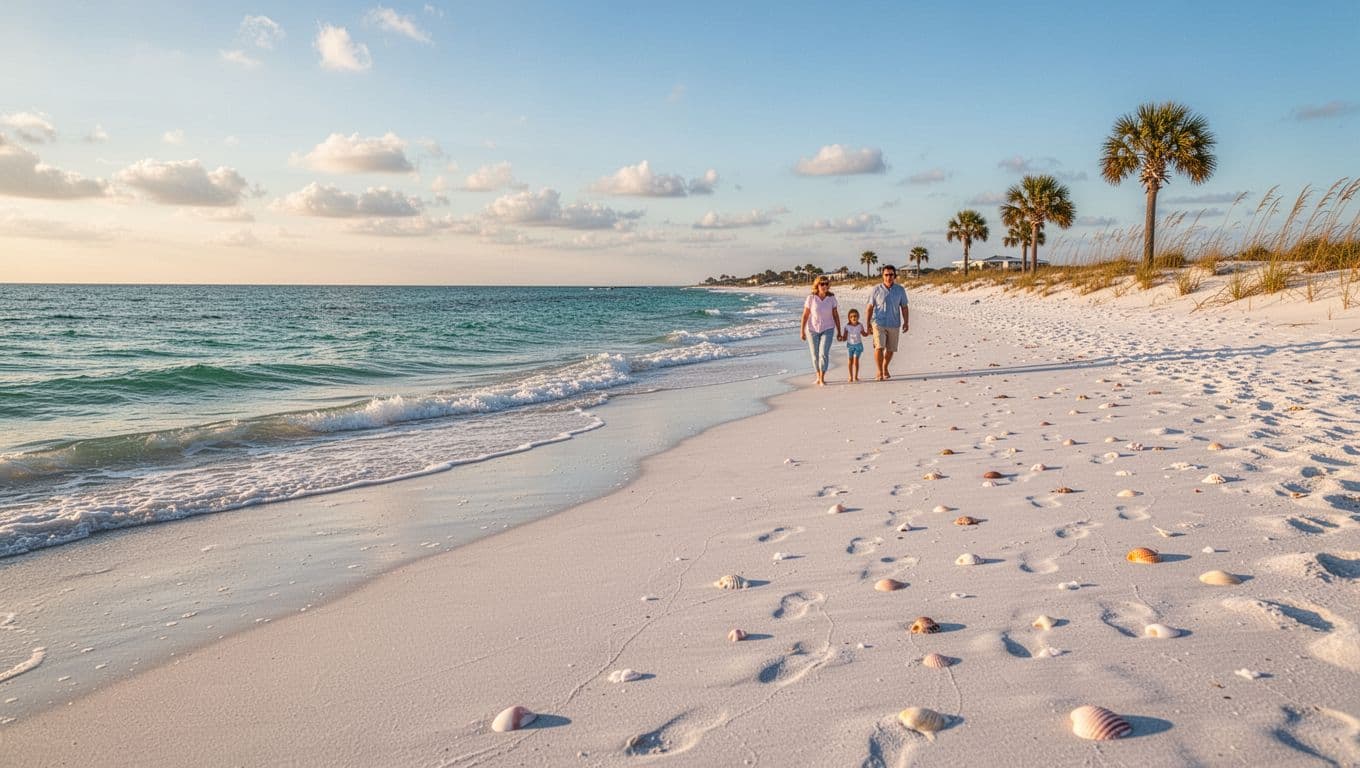
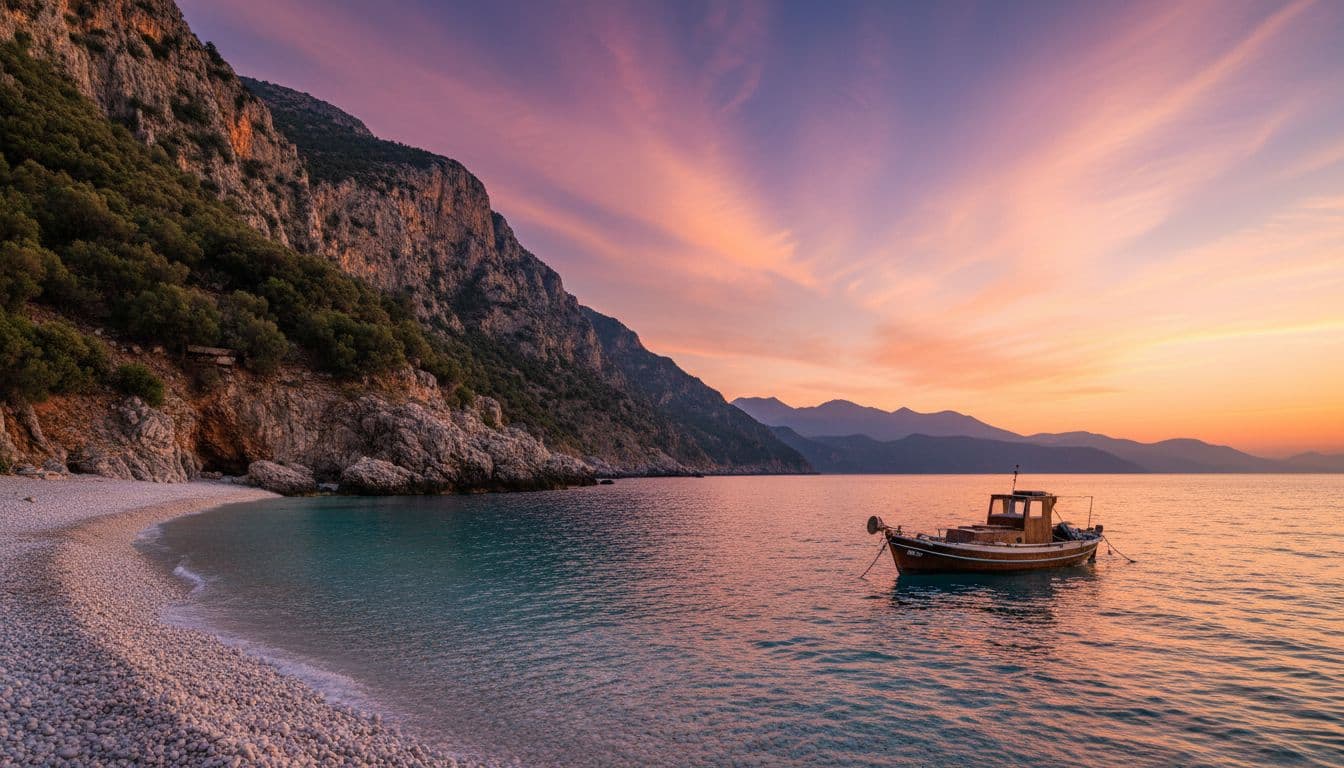
An empty-beach spring break—still possible if you book smart. (AI-generated)
⏰ The Timing Windows That Still Feel Like “a Deal”
⚠️ Reality Check: Spring break 2026 runs March 2–30, with the absolute peak hitting March 6–28. Mid-March (15th-29th) brings the worst crowds, highest prices, and strict minimum-stay requirements.
When I’m booking late, I don’t try to win the peak weeks. I sidestep them.
✅ Windows That Still Work (Book These NOW)
🟢 March 8–14
Early breakers go first. Many resorts still have inventory. Prices haven’t peaked yet.
🟢 April 5–20
Peak crowd wave is thinner. Weather’s still great. Better deals emerge.
🔴 March 15–29
AVOID IF POSSIBLE. Highest prices, worst crowds, limited availability.
Cancun and Tulum are classic spring break magnets for a reason: The water looks painted. The sun shows up on schedule. But here’s the 2026 reality: availability is shrinking fast as peak travel starts this week.
🏨 Cancun Hotel Zone
✅ Smoother logistics
✅ Lots of inventory
✅ Easier last-minute booking
✅ More all-inclusive options
❌ Can feel touristy
Best for: First-timers, families, convenience seekers
🌿 Tulum
✅ Gorgeous boutique vibe
✅ Slower, moodier pace
✅ Instagram-worthy
❌ Pricier last-minute
❌ Limited inventory
❌ Transfers matter more
Best for: Couples, photographers, boutique lovers
🎯 My 3 Golden Rules for Mexico (Last-Minute)
Rule #1: Book “Workable,” Not “Perfect”
If it’s clean, well-reviewed (4+ stars), and close to what you’ll do most—it’s a win. Save the perfectionism for next year.
Rule #2: Price the WHOLE Trip
A cheap flight is fake savings if airport transfers cost a fortune. Budget for:
Round-trip airport transfers ($40-80)
Resort fees ($20-50/night)
Tips and incidentals
Rule #3: Refundable Rates Are Your Friend
Not because you plan to cancel—but because spring break is famous for curveballs. Pay the extra 10-15% for peace of mind.
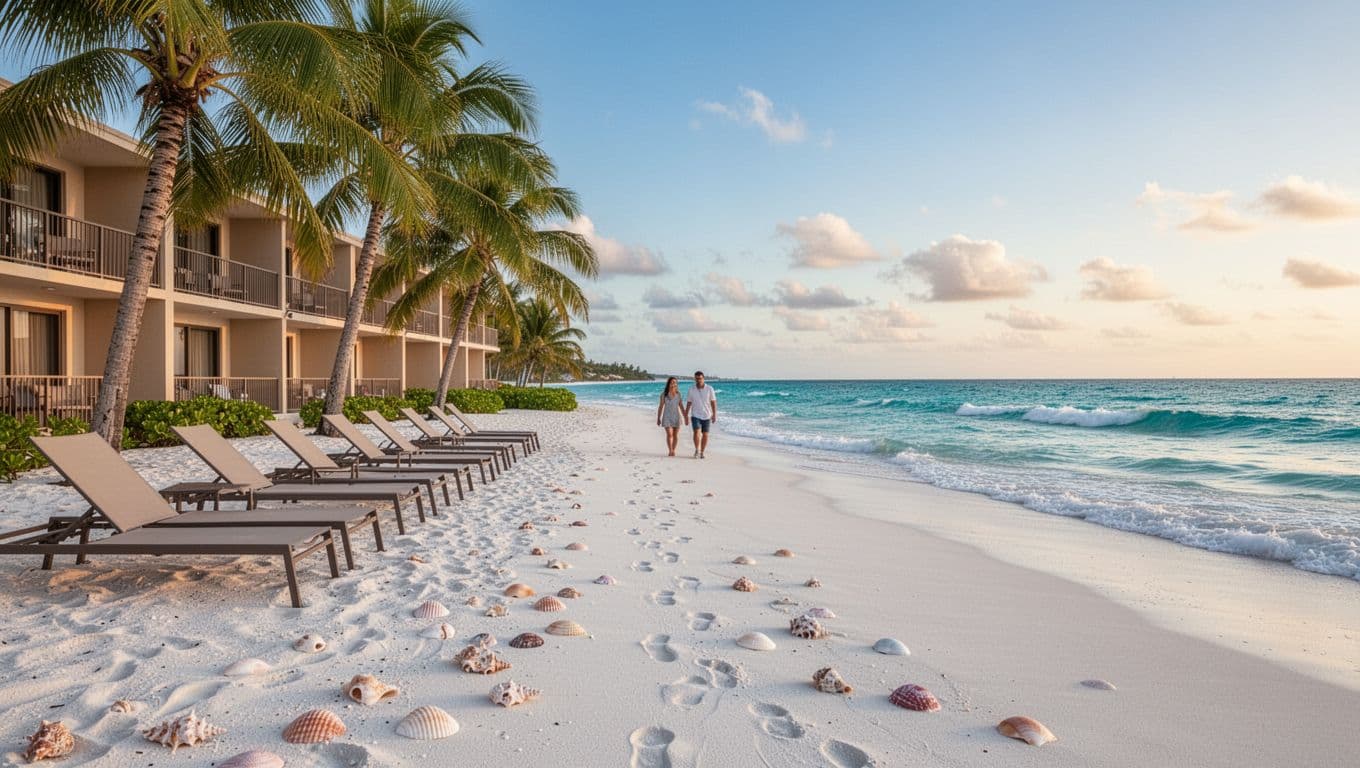
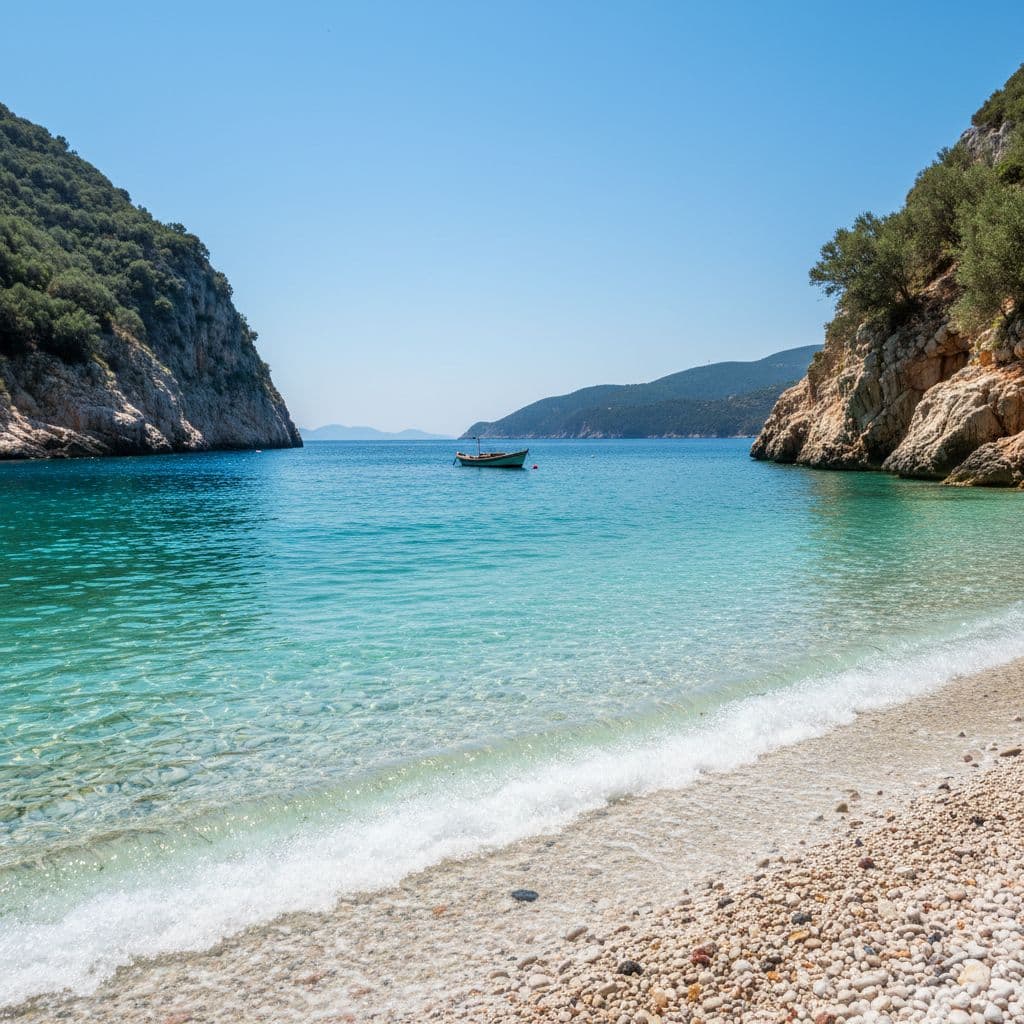
A spring break beach that doesn’t require shoulder-checking through crowds. (AI-generated)
Why Biloxi? It’s a laid-back coastal city with 24/7 beaches, casinos, live music, and fresh seafood—at lower costs and fewer crowds than typical spring break hubs.
When I want a beach week that feels like I’m getting away, not joining a stampede, Biloxi is my quiet answer. It’s not the loudest name on the group chat—and that’s the point.
🎯 My Biloxi “Good Trip” Formula
6-8 AM: Walk the sand before it heats up
10 AM-2 PM: Seafood lunch + one small activity (casino, museum, or beach time)
3-6 PM: Pool or nap (the midday heat is real)
7 PM+: Simple dinner, live music, early bedtime
💡 Quick gut-check: If you’re traveling March 15–29 and hate crowds, Biloxi still lets you find parking and breathe. It works especially well for last-minute planners because it’s built for short stays with simple hotels and straightforward food options.
💰 Price Expectations (2026)
Hotels: $80-150/night (beachfront)
Food: $15-30/meal (fresh seafood is affordable)
Activities: Many free beaches, casinos for entertainment
Getting there: Easy drive from many Southern states, or short flights to Gulfport-Biloxi Airport
Note: Biloxi hosts Black Spring Break April 10-13, 2026—so if you want quieter times, aim for early March or late April.
Jacksonville is my pick for travelers who want a real beach city—not a tiny strip with one road and one crowded grocery store. The beaches feel wide, and the city gives you backup options when the weather shifts.
Where Jacksonville Beats the Florida Chaos
🏖️ 22 Miles of Beaches
Space to spread out, even during spring break
✈️ Simpler Airport
Less chaos than Miami/Fort Lauderdale hubs
🍽️ Real City
Museums, neighborhoods, diverse dining
👨👩👧👦 Family-Friendly
Less party vibe, more relaxed atmosphere
Best Beaches in Jacksonville
Jacksonville Beach: Main action, pier, restaurants
Neptune Beach: Quainter, local vibe
Atlantic Beach: Laid-back, good for families
Ponte Vedra: Upscale, beautiful (15 min south)
🧠 The “Stress Budget” Test
When comparing Jacksonville vs. Mexico on short notice, I ask:
Do I have a passport ready?
Am I okay with international travel logistics?
Do I want fewer moving parts?
If you’re already tired, Jacksonville tends to win. It’s domestic, straightforward, and forgiving.
📱 My Last-Minute Booking Plan (5 Steps on Your Phone)
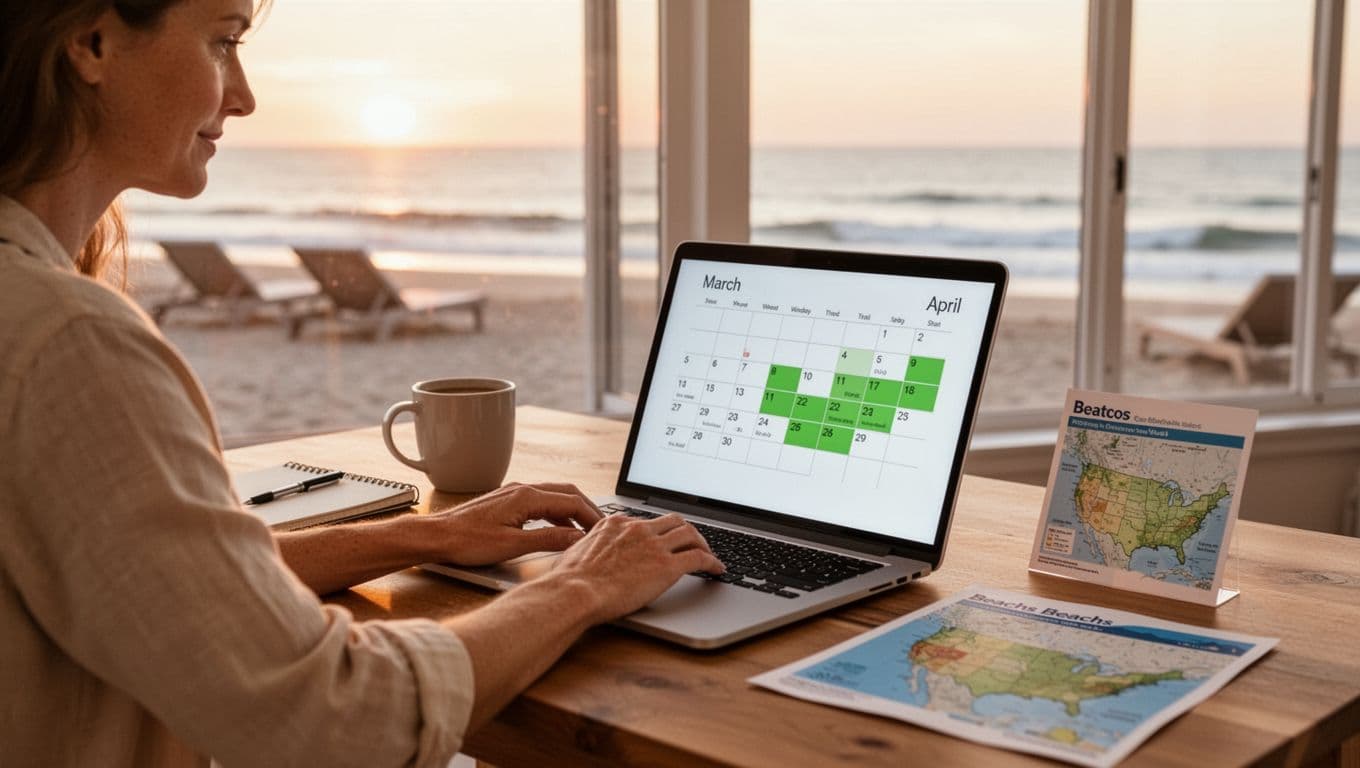
My favorite kind of spring break morning: quiet, salty air, nowhere to rush. (AI-generated)
When I’m booking late, I don’t “research” for hours. I run a tight process and commit. Otherwise, the best options vanish while I’m still reading reviews.
Step 1: Search Flights with Flexible Dates ⏰
This is the pressure point. If flights are expensive, everything else becomes a compromise.
Choose one thing you’ll definitely do: a beach club day, dolphin cruise, or must-try restaurant. This keeps the trip from turning into endless scrolling.
Step 5: Pack for Comfort, Not Photos 🎒
If your shoes hurt or your sunscreen fails, the whole trip feels longer. See my fast packing list below.
📊 Destination Comparison: Where Does Your Money Go Furthest?
Destination
Best For
Crowd Risk
Logistics
Est. Cost
Cancun (Hotel Zone)
All-inclusive convenience
🔴 High (mid-late March)
Passport + transfers
$$-$$$
Tulum
Boutique vibe, slower pace
🔴 High (tight inventory)
Transfers critical
$$$-$$$$
Biloxi, MS
Value, simple beach reset
🟡 Medium
Easy drive/short flight
$-$$
Jacksonville, FL
Wide beaches + city options
🟡 Medium
Straightforward
$$
✅ Bottom Line: If you’re booking within 2 weeks, Biloxi and Jacksonville give you more breathing room, better availability, and less stress.
🎒 My Fast Packing List (5 Things I Actually Use)
I keep it simple—last-minute packing shouldn’t feel like a second job. I buy these on Amazon when I’m short on time:
☀️ SPF 50 Reef-Safe Sunscreen
Bring more than you think you need. Sun happens fast in March.
Yes, but choices shrink fast in peak weeks. I see the best odds in March 8–14 and April 5–20. If you’re stuck in March 15–29, pivot to places with more inventory like Biloxi and Jacksonville.
Should I choose Cancun or Tulum if I’m booking late?
Pick Cancun for easy logistics and lots of hotel options. Choose Tulum if you’re fine paying more for a smaller, moodier stay and willing to plan transfers carefully.
How do I avoid the “cheap trip that becomes expensive” trap?
Price the whole trip, not just the flight. Transfers, resort fees, parking, and food can quietly double your daily spend. Always budget for:
Airport transfers ($40-100)
Resort fees ($20-50/night)
Tips (15-20%)
Meals beyond all-inclusive
Are Biloxi and Jacksonville good for families?
Yes! Both feel calmer than classic party beaches. Plan for mornings at the beach and simple afternoons. I also like having grocery options nearby so you’re not stuck paying “tourist snack” prices all week.
What’s the weather like in March?
Cancun/Tulum: 75-85°F, low humidity, minimal rain
Biloxi: 60-75°F, can be breezy, occasional rain
Jacksonville: 65-80°F, pleasant, low rain chance
Ready to Book?
Spring break doesn’t reward perfection—it rewards speed and smart timing.
Your Action Plan:
✅ Pick your dates (March 8-14 OR April 5-20)
✅ Choose your destination (Cancun, Biloxi, or Jacksonville)
✅ Book flights FIRST (use flexible dates)
✅ Lock a refundable stay
✅ Pre-book airport transfer (if Mexico)
If Mexico is calling, book quickly and keep your plan simple. If you want space and better value, Biloxi and Jacksonville can feel like a secret you’re happy to keep.
The best time to book was last month. The second-best time is right now. 🌴
Why Phoenix is the #1 Underrated Spring Break Destination for 2026
I like spring break trips that start with a patio breakfast, warm light on the table, and dry desert air that doesn’t stick to your skin. That’s Phoenix. From late February through April, the weather settles into a sweet spot: shorts at noon, a light layer after sunset.
For 2026, Phoenix earns the title of #1 Underrated Spring Break Destination thanks to dependable warmth, surprising value, and authentic experiences beyond poolside lounging. Pair easy Sky Harbor access, seamless metro drives, resort relaxation, and desert adventure—and it simply works.
Below, I break down the three pillars of my Phoenix spring break strategy: predictable sunshine, locally rooted activities, and a flexible, budget-smart booking approach.
▶ Watch: Phoenix Spring Break Preview (2026)
TL;DR
🌞 Dry, bright weather—easy to plan around
🌅 Mornings for hikes, afternoons for pools, evenings for patios
⚾ Spring Training (Feb 20 – Mar 24, 2026): effortless daytime entertainment
Affiliate Disclosure: This article contains affiliate links. If you book or purchase through these links, I Need My Vacation may earn a small commission at no extra cost to you. We only recommend services we genuinely trust and use. Thank you for supporting our work!
The biggest reason Phoenix works for Spring Break 2026: sunshine you can plan around
Phoenix in early spring feels like the world’s brightness dial turned up. Late February brings mild comfort; March warms steadily; April hints at summer’s approach. The magic? Warm afternoons, cool evenings, minimal rain. No weather gambling—just reliable planning.
Typical highs: upper 60s–70s°F in March, low 80s°F by April. Nights dip to 40s–60s°F. This rhythm creates perfect daily flow:
Refillable water bottle (hydration is non-negotiable)
You get more than pool days: the Phoenix spring break lineup that feels local, not touristy
Camelback Mountain on a clear spring morning (AI-enhanced)
Phoenix shatters the “just resorts and heat” myth each spring. Start your day among red rocks, unwind poolside by afternoon, and end in neighborhoods buzzing with local character—not staged tourism.
Outdoors: Camelback Mountain delivers iconic views (earn that post-hike smoothie!). South Mountain Park offers expansive trails with panoramic valley vistas—ideal for less strenuous exploration.
Old Town Scottsdale: Boutique shopping, Sonoran-inspired dining, vibrant but relaxed nightlife
Spring Training 2026: Feb 20 – Mar 24. Fifteen MLB teams across 10 stadiums—all within ~45 minutes. Rare travel math: major-league experience, minimal drive time.
Spring Training: effortless big-ticket fun
Afternoon Spring Training game under desert skies (AI-enhanced)
Daytime games fit spring break perfectly: brunch → game → dinner, all with a relaxed vibe. Ideal for mixed groups, families, or friends with diverging night preferences. Tickets often under $50—more accessible than regular season. Pro tip: Book lodging near your preferred stadium cluster to minimize transit time.
How I book a Phoenix Spring Break trip in 2026 (fast, refundable, budget-smart)
Classic Phoenix spring break moment: pool time with mountain views (AI-enhanced)
My booking philosophy: flexibility first, location second, total cost third. Here’s my streamlined method:
Filter for refundable stays, then choose neighborhood.
Prioritize free cancellation. Then decide: Scottsdale energy, downtown convenience, or resort tranquility. 🏨 Compare refundable stays on Booking.com
Phoenix earns my top vote because it delivers rare spring break ease: reliable sun, meaningful experiences (desert hikes, Spring Training), and greater value with less chaos than crowded coastal hotspots. It’s warm without humidity, active without exhaustion, and adaptable for families, couples, or friend groups.
For a 2026 spring break you can book with confidence: secure flexible flights and lodging first, then build your rhythm around desert mornings and poolside afternoons. Phoenix is ready when you are.
My Spring Break Destinations 2026 Guide: 10 Trips That Skip Crowds and High Prices
Spring break week hits and suddenly the airport feels like a stadium concourse, loud gates, long lines, and “sold out” flashing on every beachfront hotel you actually wanted. I’ve been there, scrolling midnight rates that double by breakfast, then settling for a trip that feels more stressful than fun.
This guide is my smarter plan for spring break destinations 2026, the places that still feel like a getaway, not a contest. When I say “beat the crowds and high prices,” I mean mid-size cities with real food scenes, shoulder-season islands that stay sunny without peak-week sticker shock, nature towns where the main event is a trailhead, and second-tier beaches that give you space to breathe.
TL;DR (4 fast picks)
Best beach: Gulf Shores, Alabama
Best city: Savannah, Georgia
Best outdoors: Gatlinburg, Tennessee (Smokies base)
Best no-passport: Puerto Rico
Affiliate Disclosure: This article contains affiliate links. If you book or purchase through these links, I Need My Vacation may earn a small commission at no extra cost to you. We only recommend services we genuinely trust and use ourselves to help you plan the perfect trip. Thank you for your support!
How I pick spring break destinations 2026 that stay affordable and calm
When I plan spring break destinations 2026, I’m not hunting for the loudest beach party or the trendiest hotel lobby. I’m hunting for space: shorter lines, quieter mornings, and prices that don’t spike just because a calendar says “March.”
My process is simple. I start with timing, then I pressure-test lodging costs, then I add a few small protections that keep the trip from falling apart when real life hits.
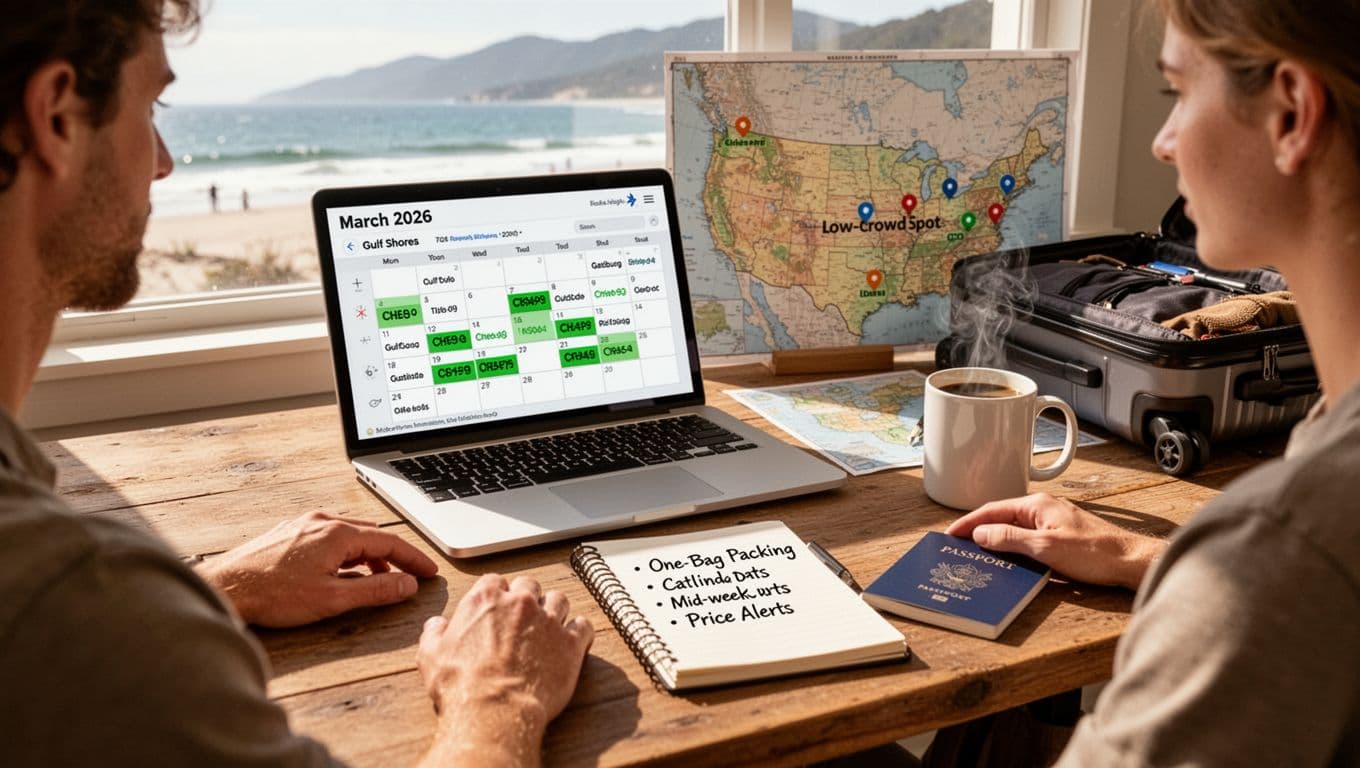
Planning spring break like a calendar puzzle, with the calm weeks highlighted, created with AI.
The timing trick that dodges peak week without missing the fun
Spring break in the US usually lands between early March and early April, but the chaos isn’t evenly spread. The biggest crowd overlap tends to hit mid-to-late March, especially March 14 to 21 and March 21 to 28. That’s when flights sell out faster, hotels add minimum stays, and “affordable” turns into “how is this real?”
My workaround is to aim for the edges of the season. I still get warm days and open restaurants, I just skip the human traffic jam.
Here are a few timing moves that consistently help:
Go early (early March): Fewer school breaks overlap, which usually means calmer airports and better room selection.
Go late (late March into early April): You still get spring weather in many spots, but the biggest mid-March rush starts thinning out.
Travel Saturday to Saturday (when you can): This can line up better with weekly rental pricing in beach areas, and sometimes you’ll find packages priced around standard check-in cycles.
Fly mid-week: I often see better deals and fewer crowds flying out Tuesday or Wednesday, then returning the following Tuesday or Wednesday. Even if the fare is close, the airport experience feels less frantic.
Book “right after” the busiest window: If the peak is March 14 to 28, I’ll look at trips that start March 29 or April 1. That’s often where prices soften without the destination suddenly getting sleepy.
I also rely on flexible calendar searches, even if I’m not actually going far. The habit matters. I’ll toggle a “flexible dates” view the same way someone might search “flexible date flights to Europe in August 2026”, because the calendar view makes patterns obvious. For spring break, it quickly shows me which weeks are overpriced, which ones are merely “high,” and which ones fall back into the normal range.
If I’m choosing between two destinations that both look great, I pick the one where I can travel one week earlier or later. Flexibility is my quiet superpower.
What I look for in hotels, rentals, and packages when prices jump
When rates surge, the nightly price is only the cover. The real story is inside the fine print: fees, parking, location costs, and how much freedom I have if plans change.
My first filter is always refundable vs. non-refundable. In spring break season, I’ll pay a bit more for refundable if I’m booking far out, especially for flights and lodging that can snowball into a messy cancellation chain. I only take non-refundable when the deal is strong and my dates are locked.
Then I look at what actually lowers my daily spend:
Kitchenette value: Even a mini-fridge and microwave can save real money. If I can do breakfast in the room and pack snacks, I spend less on overpriced tourist meals.
Resort fees and parking fees: These are the silent budget killers. A “great deal” can turn sour once you add nightly resort fees and $30 to $50 parking.
Location vs. ride-share costs: A cheaper place far from the beach, historic district, or trailheads can cost more once you add daily ride-shares, paid parking, or long drives.
Packages vs. DIY: Packages can be a win when they bundle a peak-week flight with a stay that would otherwise be overpriced. I compare the total both ways, not just the headline “save” number.
This is also where I keep my search language broad. I might not want a mega-resort vibe, but I still check terms like all-inclusive resort in Mexico for families because it helps me benchmark what “good value” looks like during spring break pricing.
To keep myself honest, I use two quick mini-checklists, depending on who I’m traveling with.
For families, I prioritize:
Free cancellation (or at least a clear refund window).
Kitchenette or breakfast included to cut food costs.
Pool plus walkable basics (grocery, casual food, pharmacy).
Parking clarity (free vs. paid, one car vs. two cars).
Space to sleep (so I’m not paying extra for a second room later).
For couples, I prioritize:
Walkability (coffee, dinner, beach or sights).
Quiet layout (not next to the elevator or pool speakers).
Total fee transparency (resort fees, parking, deposits).
A view or outdoor spot (balcony, patio, rooftop access), because that’s cheap romance.
Flexible check-in/out options, if available, to match flight times.
The kind of calm, off-peak beachfront stay I look for when prices jump, created with AI.
If you want more ideas for stretching your budget on sunny trips, I also like comparing spring break planning notes with my own approach to Affordable Caribbean last-minute getaways.
Small add-ons that save a trip when plans go sideways
Spring break travel is when small problems turn into big ones fast. Flights fill up, standby options shrink, and rental cars can disappear overnight.
I plan for three common stress points:
1) Flight delays and missed connections
I keep connections simple when I can, and I’ll choose a slightly longer layover during peak weeks. If a delay happens anyway, I want enough buffer to avoid sleeping in an airport chair. When I’m flying internationally or dealing with a tight itinerary, I’ll sometimes use a flight delay compensation service to help chase down what I’m owed without spending my vacation on paperwork.
2) Rental car sell-outs
In popular spring break areas, the cheapest cars vanish first, then everything else climbs. If I truly need a car, I book early with a cancellation option. If I might need one, I still price it out early so I’m not stuck paying premium rates later, or stranded in a town where ride-shares are thin.
3) “One weird event” trips (like eclipse travel)
If I’m planning around a once-in-a-while moment, I think differently about insurance. In those cases, cancel-for-any-reason coverage for eclipse travel can make sense when I’ve pre-paid a lot and the trip is sensitive to timing, weather, or work changes. It’s not something I buy for every trip, but for high-stakes dates, it can protect my budget and my sanity.
No matter what I add on, I always compare the total trip cost, not just airfare.
The 10 best low-crowd spring break trips for 2026 (with who each one fits)
When I’m picking spring break destinations 2026, I’m not chasing the loudest boardwalk or the most “Instagram-famous” pool. I’m looking for places where I can park without circling for 30 minutes, find a table without begging, and still feel like I escaped winter. These are my go-to low-crowd picks, grouped by the kind of trip you actually want.
Quiet beach days (without the party scene)
Quiet Gulf Coast beach vibes for families in spring, created with AI.
If your idea of spring break is reading in a beach chair, not shouting over a DJ, the Gulf Coast can be your sweet spot. It’s not as “scene-y” as some big-name Florida stretches, and you can still score walkable sand, casual seafood, and sunsets that look like someone turned the saturation up.
Gulf Shores, Alabama (mini-guide)
Best for: Families who want a classic beach week with fewer “spring break headlines.”
Crowd vibe: Can run medium to high in mid-March, but it stays more family-centered, beach rules also keep things from getting out of hand.
Wind and water: Warm days in the 60s to 70s can still feel cooler with a breeze, I bring layers for sunset.
Parking reality: Condo and hotel lots matter here, I’d rather pay a bit more for a place with parking than gamble daily.
Quick win: Stick to simple fun, morning beach, afternoon pool, casual seafood, then call it early.
Chincoteague Island, Virginia (mini-guide)
Best for: Nature lovers and families who want wild ponies, quiet beaches, and small-town charm.
Crowd vibe: Very low in spring—most visitors come in summer for Pony Penning.
Wind and water: Can be chilly in March, so pack layers; but skies are often clear.
Parking reality: Easy street parking or free lots near Assateague entrance.
Do this, not that: Rent bikes to explore the island, skip crowded seafood chains for local clam shacks.
South Padre Island, Texas (mini-guide)
Best for: Friend groups who want beach time and activities, but will choose the right zone to avoid the loudest crowds.
Crowd vibe: It’s famous for college spring break, so I treat it like a “smart planning” destination, not a spontaneous one.
Wind and water: Windy days are common, which is great for kites and watersports, but plan for sand blowing around.
Parking reality: Beach access is easy, but popular areas tighten up fast, I go early and keep a backup access point saved.
How I keep it chill: I focus on daytime nature (dolphin cruises, birding, quiet stretches of sand) and skip the nightlife zones.
Myrtle Beach, South Carolina (mini-guide)
Best for: Budget-conscious families who want amusement parks, boardwalk fun, and wide beaches.
Crowd vibe: Can be busy, but North Myrtle or Surfside Beach offer calmer alternatives.
Wind and water: Water may still be cool, but beach walks and boardwalk rides are perfect.
Parking reality: Condos with parking are worth the slight premium.
Smart move: Book a condo with kitchen to avoid expensive boardwalk meals.
Siesta Key, Florida (mini-guide)
Best for: Couples and small families who want powdery sand and sunset views.
Crowd vibe: Quieter than Miami or Daytona, but popular—book early.
Wind and water: Calm Gulf waters, ideal for wading and shell collecting.
Parking reality: Public lots fill by 10 a.m.—rent a place with reserved spots.
Don’t miss: Siesta Key Village for ice cream and live music at dusk.
Gatlinburg, Tennessee (mini-guide)
I use Gatlinburg as a base for Great Smoky Mountains National Park, which is the big budget win because the best stuff is outside. My free and low-cost routine is simple: scenic drives, short hikes, river spots, and picnic lunches. If weather turns cold or rainy, I swap to indoor attractions on the strip, cozy coffee shops, and a cabin night with games and a movie. The main spring break trick is booking earlier than you think, cabins disappear fast.
Savannah, Georgia (mini-guide)
Savannah is my top city pick: historic charm, walkable squares, oak-lined streets, and great food without Miami-level pricing. Spring is ideal—flowers bloom, temps are mild, and crowds are lighter than summer. Stay downtown for maximum walkability.
San Juan, Puerto Rico (mini-guide)
If you want clear water and sandy beaches without passport stress, I like Culebra or Vieques for that “Caribbean but manageable” feeling. Smaller islands stay quieter because they add one more step, you can’t just hop off a plane and flood the beach. That little bit of friction keeps the vibe mellow.
Culebra (Puerto Rico) is my pick when I want postcard water, easy snorkeling, and a slower pace. Vieques feels a touch bigger and more spread out, with a rural, wild edge. Either way, I plan around transportation first, because that’s what makes or breaks the trip.
Here’s how I keep it smooth:
Ferry planning: I decide early if I’m ferrying or flying, then I lock my schedule around it. Ferry times and demand can be the pinch point in spring break season.
Pack like a minimalist: A small suitcase and a daypack beat dragging heavy bags through ports and rides.
Book lodging close to what you’ll do: On small islands, “it’s only a few miles” can still mean slow roads and limited rides late at night.
Bring reef-safe basics: Snorkel days are easier when you’re not hunting for gear on arrival.
St. Augustine, Florida (mini-guide)
Best for: History buffs and couples who love cobblestone streets and Spanish architecture.
Crowd vibe: Moderate—less chaotic than Orlando, more cultural than beach towns.
Spring perks: Mild temps, blooming gardens, fewer cruise ship crowds.
Stay smart: Pick a B&B in the historic district to walk everywhere.
Must-do: Sunset at the Bridge of Lions, Castillo de San Marcos tour.
Bend, Oregon (mini-guide)
Bend is my under-the-radar pick for spring skiing, hiking, and craft beer culture without the Colorado price tag. It’s dry, sunny, and full of outdoor energy. Perfect for couples or friend groups who want action without chaos.
A simple booking plan that keeps your trip cheap, even in peak season
When spring break prices start doing backflips, I don’t panic-book. I treat the whole trip like a three-part receipt: flight + stay + getting around. If I keep two of those three under control, the total stays sane, even during the busiest weeks.
This is the booking plan I use for spring break destinations 2026 when I want sunshine and calm without paying “everyone else had the same idea” prices.
Photo by Leeloo The First (USA) My real-life “calm desk” approach: flexible dates, a short checklist, and zero impulse buys, created with AI.
Flights: how I find better fares without weird layovers
I’m not chasing the absolute lowest fare. I’m chasing the lowest fare that still feels like a normal day of travel. Here’s the method that keeps my flights cheaper without turning my itinerary into a sleep-deprived puzzle:
I search in two windows: First, I search far out to learn the “normal” price range. Then I check again in the 4 to 8-week zone, because that’s where I often see the best balance of price and schedule for domestic routes. If I’m already close to the date, I widen airports and days before I settle.
I start with a benchmark search, then pivot: People naturally type something like “cheap flights to Cancun from New York” to test the waters. I do that too, then I use it as a reality check. If it’s inflated, I pivot to calmer picks from this guide (San Antonio for a city break, Ocala for springs, Bend for outdoors) where demand is usually steadier.
I pull the calendar view first: I don’t pick dates, then search. I search, then let the calendar show me the story. One day can be $120 cheaper just because it’s a Tuesday.
I fly mid-week on purpose: Tuesday and Wednesday departures are my default in peak season. Even when the fare is similar, the airport feels less packed, and I’m less likely to get stuck in long lines that snowball into missed connections.
I keep layovers simple: During spring break, I avoid tight connections and double-layover “deals.” If I need a connection, I’d rather take one solid layover with a buffer than two short hops that crumble with one delay.
I commit to one-bag packing: A carry-on and personal item saves money and stress. I’m not paying surprise baggage fees, I’m not waiting at baggage claim, and I’m not forced into earlier arrival times just to check a bag.
I watch price swings, not single prices: I check the same route across a few days and track the pattern. If it jumps, I wait 24 hours. If it drops into the range I’ve seen before, I book and stop refreshing.
I compare one-way combos when round-trip looks odd: Sometimes two one-ways price better than a round-trip, especially if I’m flexible on the return day.
If you want a deeper dive into timing and patterns, I like the practical breakdown in The Points Guy’s flight booking timing guide, then I still pressure-test it with my own calendar searches.
If I’m ready to lock things in, I keep it simple and compare totals in one place with Book Affordable Flights and Hotels so I’m not bouncing between tabs and missing a fee.
Stays: the fast checklist I use before I hit reserve
A stay can look cheap until the fees hit like a second invoice. Before I reserve anything, I do a quick pass that takes two minutes and saves me the most money.
When I’m browsing phrases like “villa with pool in Spain” or “family-friendly resort in Cancun with free cancellation”, I’m not taking the listing at face value. I’m checking the fine print that decides whether the trip stays affordable.
Here’s my fast checklist:
Location reality: I check walking distance to the thing I’ll do daily (beach access, historic district, trailhead, or coffee spot). If I’ll need rides twice a day, the “cheap” stay is not cheap.
Cancellation terms: I want a clear cancel-by date and a clear refund policy. If it’s peak week and I’m booking early, I’ll often pay a little more for flexibility.
Total price with all fees: I look for the final total, including cleaning fees, resort fees, and taxes. If the site hides it until the last step, I slow down and read.
Noise risk: I scan reviews for thin walls, pool-facing rooms, street noise, and late-night bar spillover. A bad sleep schedule is an expensive souvenir.
Parking and vehicle rules: If I’m driving or renting a car, I confirm parking cost, how many spots I get, and whether it’s first-come first-served.
Kitchen access: Even a mini-fridge and microwave matter. I love a full kitchen, but I’ll take “good enough” if it means I can do breakfast and pack beach snacks.
One small habit that pays off: I pick one “must-have” and one “nice-to-have.” My must-have might be free cancellation or kitchen access. My nice-to-have might be a balcony. That keeps me from upgrading my way into a budget blowout.
Getting around: rental car, rideshare, or pre-booked pickup
Transportation is where spring break budgets get quietly wrecked. I decide my ground plan before I book the stay, because the two are tied together.
When a rental car is worth it: I rent when the trip is built on distance, nature, or day trips. Places like Ocala (springs spread out), Sedona (trailheads and scenic drives), and even a swap-in trip like Big Bend make a car feel like freedom, not a chore. In those spots, a rental often beats stacking rideshares, entry fees, and long waits.
When I skip the car: In San Antonio, I’m happiest without one. If I stay in a walkable area, I can cover a lot on foot and use short rides when needed. Paying for parking, traffic stress, and hotel valet adds up fast in a city trip where the best moments are slow walks and long meals.
When I pre-book a pickup: If I’m arriving late, traveling with family, or I just want the cost locked in, I’ll search for terms like “reliable airport pickup in Puerto Vallarta” or “pre-booked taxi from PMI airport” (PMI is Palma de Mallorca Airport). Pre-booking is my “no surprises” move. I know the price, I know the plan, and I’m not negotiating after a long flight.
My rule is simple: if I’m going to move around a lot, I rent. If I’m going to stay put and explore one core area, I walk and rideshare. Either way, I decide early so peak season pricing doesn’t decide for me.
What I pack for a calm spring break, and what I skip
For my favorite kind of spring break, the calm kind, I pack like I’m protecting my time. Less time in baggage lines, less money lost to fees, fewer “I forgot that” errands in an overpriced beach town. This matters even more when I’m bouncing between spring break destinations 2026 picks, because the smoother my travel day is, the more my actual vacation feels like a vacation.
My 10-minute carry-on setup that saves money on baggage fees
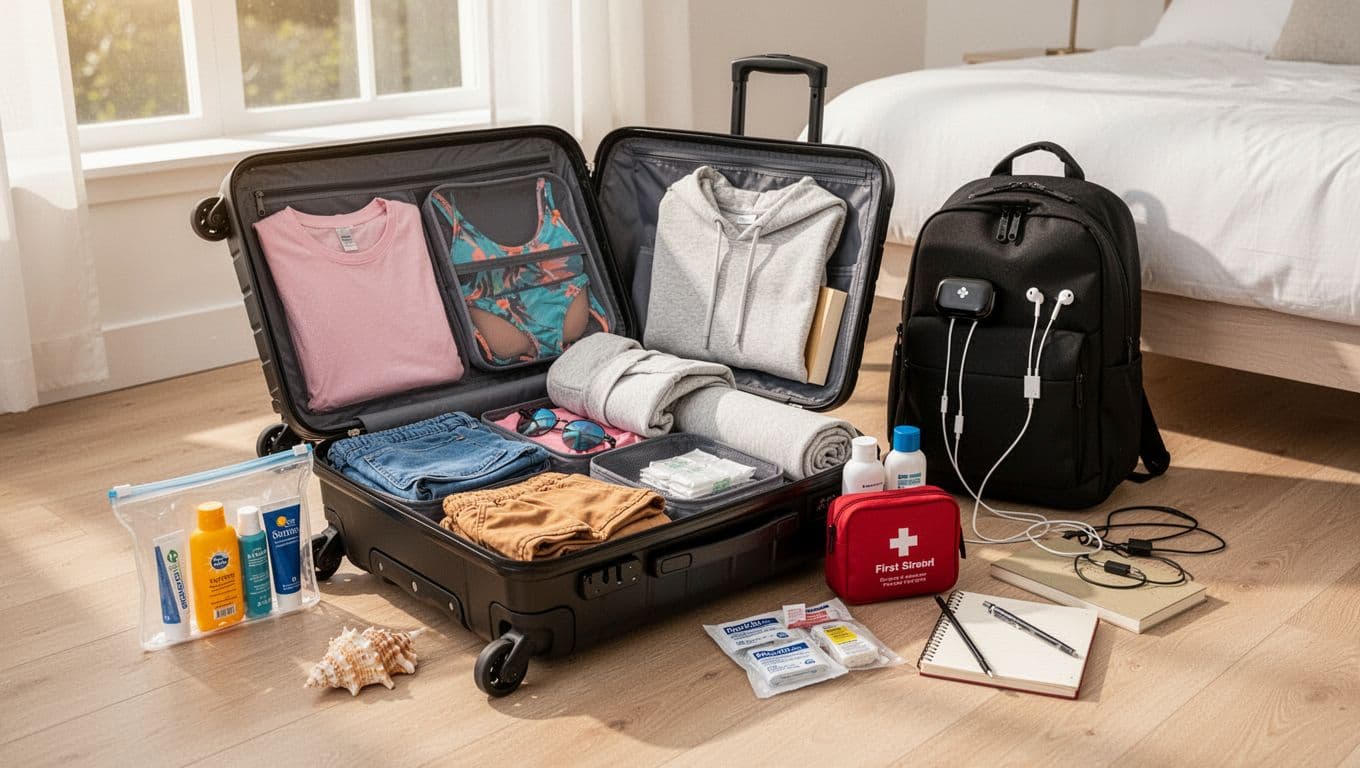
My carry-on and personal item layout for a calm spring break, created with AI.
I can pack in 10 minutes because I pack the same “calm core” every time, then I swap colors and weather layers. The goal is simple: one carry-on roller + one personal item (a small backpack that fits under the seat). If I can walk off the plane and leave the airport, I’m already winning.
Here’s my core setup and where it goes:
Carry-on roller (clothes and shoes): 2 tops, 1 nicer top, 1 bottoms, 1 shorts or skirt, light hoodie, sleep set, underwear and socks, swimsuit (even for “maybe”), and one pair of packable shoes. I roll most items and use two packing cubes, one for clothes and one for small stuff.
Personal item backpack (the “don’t lose it” bag): wallet, passport or ID, meds, phone charger, portable power bank for international travel on Amazon, sunglasses, and one “comfort” item (paperback or thin journal).
Liquids are where people lose time and patience. I keep a ready-to-go quart bag with 3.4 oz bottles only: toothpaste, sunscreen, face wash, and one multipurpose lotion. I skip full-size anything. I also choose solids when it’s easy (bar soap, solid deodorant) so I’m not playing Tetris with tiny bottles at midnight.
For a small first-aid kit, I keep it boring and useful: a few bandages, blister care, antiseptic wipes, pain relief, allergy tablets, and a couple of hydrocolloid patches. That’s it. I’m not building a mini urgent care, I’m covering the most common “annoying stuff” that can ruin a beach walk or a hike.
What I skip on purpose: extra jeans, backup jackets, “just in case” outfits, and bulky toiletries. If I’m tempted to pack a third pair of shoes, I take it as a sign to cut something else. If you want a practical method for fitting a full week into one bag, I like this guide on packing a week in a carry-on.
The comfort extras that matter on long travel days
My long travel day essentials for delays and cold planes, created with AI.
Long travel days don’t usually “go wrong” in a dramatic way. They go wrong in small ways that stack up, like a cold cabin, a dead phone, a gate change, then a delay that eats your lunch plan. I pack a few comfort extras because they solve specific pain points fast.
Noise-canceling headphones are my sanity tool. They turn gate chaos into quiet, and they help me rest even when the announcements won’t stop. I skip cheap earbuds on travel days, because the moment I need calm, they don’t deliver.
Layers are non-negotiable. Planes run cold, airports run colder, and spring weather swings hard at night. I bring a light hoodie or thin jacket that also works as a pillow. If I’m wearing sandals, I still pack socks, cold feet make everything feel longer.
A refillable water bottle saves money and headaches. I fill it after security and sip through delays, because dehydration makes me irritable and tired. I also bring simple snacks that don’t melt or crumble: nuts, a protein bar, or crackers. It’s my backup plan for late arrivals when the only open place is selling a sad sandwich for $18.
For my phone, I pick one plan before I leave home. If I want the easiest setup, I use an eSIM for the US (including Puerto Rico) or I confirm my carrier’s roaming add-on. The point is not luxury, it’s reliability. When I land, I want maps to load, ride-shares to work, and hotel messages to come through. I also keep my charging kit tight: one wall plug, one cable, and a compact portable power bank for international travel on Amazon.
What I skip here is just as important: I don’t bring a heavy laptop unless I’m working, and I don’t pack five different chargers “just in case.” My long travel day kit is like a seatbelt, light, quiet, and there when I need it.
FAQ: spring break 2026 planning questions I hear the most
Spring break planning always sounds simple until you put real dates, real prices, and real people into the mix. I get the same questions every year, and for spring break destinations 2026, the themes are even clearer: people want warm weather (or a cozy cabin), fewer crowds, and a total cost that does not sting.
I plan spring break like a short list of questions, answered early, before prices jump, created with AI.
“What week is spring break 2026, and how do I avoid the worst crowds?”
Most people think spring break is “one week” in March. In real life, it is a rolling wave that depends on your school district and college calendar. From what I’m seeing for 2026, a very common K-12 break window is March 16 to 20, and plenty of colleges land earlier in March. That overlap is what creates the airport pileups and the beachfront sticker shock.
Here’s how I dodge the mess without giving up the fun:
I check my exact school calendar first, then I build the trip around it. If you can shift even 3 days, you can change the whole price and crowd level.
I target the “shoulders”: early March or late March into early April. Same season, less congestion.
I avoid Friday travel when I can. Friday departures and Sunday returns are where the stress piles up fast.
If my dates are locked right on the busy week, I don’t quit. I adjust the destination choice. I lean toward places that handle spring break better because they spread visitors out. Think mountains and mid-size cities, or beaches that are more family-oriented than party-centered.
When I need a reality check on what’s popular (and likely crowded), I skim lists like U.S. News spring break destination rankings. I do not copy their picks, I use them like a weather report. If a spot is “everyone’s top choice,” I expect higher prices and longer lines.
“When should I book flights and hotels for spring break 2026 to get decent prices?”
My rule is simple: when spring break demand ramps up, waiting rarely helps. If you are booking in early 2026 for March travel, you are already in the zone where good options disappear first, especially for walkable hotels and family-sized rentals.
I book in two phases:
Reserve the stay early with free cancellation, if possible. Lodging inventory is the first domino. Once the best locations fill, you end up paying extra in rideshares, parking, and time.
Watch flights for a short window, then commit when the price is “fair,” not perfect. I don’t chase rock-bottom fares during peak weeks because the schedule tradeoffs usually cost me more later (bad layovers, baggage fees, or a brutal departure time).
A few specifics that keep me from overspending:
If I’m flying, I search for flexible date flights first and compare nearby airports.
I price out last-minute flights under $500 round trip as a benchmark, then I pivot destinations if the route is inflated.
For hotels, I always click through to the final total and look for resort fees, parking, and cleaning fees. Those are the usual budget ambushes.
If you want a quick list of destinations that often price lower than the headline party spots, this roundup of cheap spring break destinations is a useful jumping-off point. I treat it like a menu, then I pick the quieter table in the corner.
“How much does spring break cost in 2026, and where do budgets go off the rails?”
I like to budget spring break like a three-bucket plan: transportation, lodging, and food plus activities. When people go over budget, it is rarely because of one huge mistake. It is the slow leak of small stuff.
Based on current 2026 planning patterns I’m seeing, a realistic range for a 5-day domestic trip often lands around:
$1,600 to $3,200 for a family of four (depending on flights vs. driving, and lodging type)
Less if you drive and cook some meals, more if you fly peak days and eat every meal out
Here are the most common “off the rails” moments:
Booking a cheap hotel far from everything, then paying for rideshares twice a day.
Ignoring resort fees and parking, especially in beach towns.
Renting a car late, when only premium vehicles are left.
Treating meals like an afterthought. Spring break restaurant waits and tourist pricing are real.
I keep my costs steady with a simple approach:
I pick lodging with at least a mini-fridge, and ideally a kitchen. Even if you dream about an all-inclusive resort in Mexico for families, you can still use the same logic at home: having breakfast in your room is an easy win.
I plan one “paid anchor” per day (a tour, a museum, a dolphin cruise), then I fill the rest with free stuff like beaches, parks, and walking districts.
I set a daily ceiling number for food, then I protect it with snacks and grocery runs.
If you want a quick analogy, I treat spring break spending like packing a suitcase. If I don’t choose what goes in, the trip will stuff itself with expensive extras.
“What’s the smartest way to plan for weather, crowds, and cancellations without overthinking it?”
Spring break weather is moody. One day feels like summer, the next day wants a hoodie. Crowds also move in patterns, and a single delay can knock over your whole plan if you booked too tight.
I plan for stability, not perfection:
I build a two-lane itinerary.
Lane A is my “blue-sky plan” (beach day, hike day, sightseeing day). Lane B is my “rain or wind plan” (aquarium, museums, indoor markets, hot springs, a long lunch). That way I’m not stuck doom-scrolling for ideas when the forecast flips.
I choose flexible bookings where it matters most.
If I am booking far out, I prioritize rooms with clear cancellation terms.
If I am connecting flights during peak weeks, I leave buffer time. Tight connections are a gamble I do not enjoy.
I pack for comfort, not fashion.
A light layer, a compact umbrella, and comfortable shoes do more for my mood than a second “nice outfit.” For beach trips, I also bring reef-safe sunscreen for Mexico on Amazon even when I’m not in Mexico. It is just a good habit when I’m in the water.
If I’m doing a bigger trip, I also price out travel insurance for family trips to Europe as a reference point. Even when I’m staying domestic, that comparison helps me decide when insurance is worth it (high pre-paid costs, strict cancellation windows, or complicated connections). For delays and paperwork headaches, a flight delay compensation service can also be helpful, especially when spring break flights are packed and rebooking options are limited.
Conclusion
I wrote this guide because I’m done paying peak-week prices for a trip that feels like a line. These spring break destinations 2026 picks keep the same promise, warm days, good food, and real memories, without the shoulder-to-shoulder beaches and “minimum stay” surprises. I can trade packed hotspots for calm Gulf Coast sand, historic streets made for long walks, mountain air that clears my head, and a Caribbean escape that still feels simple.
Best beach: Gulf Shores, Alabama
Best no-passport: San Juan, Puerto Rico
Best mountains: Gatlinburg, Tennessee (Smokies base)
Best city: Savannah, Georgia
The money move is timing, I win by traveling on the edges, booking mid-week flights, and choosing stays that don’t tack on hidden fees. If I want a backup plan, I price travel insurance for family trips to Europe, or cancel-for-any-reason coverage for eclipse travel, then I decide what fits my risk.
Thanks for reading, now I’m going to check flight calendars for flexible date flights, then compare hotels and vacation rentals with free cancellation while the best options are still open.
On my last long flight, I did that familiar airport shuffle—stiff legs, dry eyes, and a sad snack that cost more than it should’ve. I remember thinking, “I’m already here, in a major hub city… why does this feel like wasted time?”
That’s when stopovers started to make sense. A stopover is a planned break in your trip, often anywhere from about 24 hours up to several days (sometimes longer), that can add little to no extra airfare on certain airlines and routes. A layover is just the connection time between flights, usually a few hours, and it’s not always designed for leaving the airport.
This guide is my low-stress shortlist of affordable stopover cities for 2026 that are easy to exit, easy to enjoy, and actually worth the effort. I’ll share quick picks, simple booking steps, and budget-friendly mini-itineraries, so your “dead time” turns into a small trip you’ll remember.
TL;DR: My top 5 affordable stopover picks for 2026
Reykjavik: Icelandair stopover often costs no extra airfare—you just cover lodging.
Panama City: Copa Stopover can add days in Panama without changing the fare much.
Helsinki: Finnair routes make it a clean, calm “reset” city between continents.
Istanbul: Big sights on a budget, and Turkish Airlines can be stopover-friendly (rules vary).
Abu Dhabi: Etihad sometimes runs stopover promos—watch for hotel deals (confirm at booking).
Not sure where to start? Search flexible multi-city flights to any of these cities—you’ll often find stopover-friendly fares with free cancellation.
Affiliate Disclosure: This article contains affiliate links. If you book or purchase through these links, I Need My Vacation may earn a small commission at no extra cost to you. We only recommend services we genuinely trust and use ourselves to help you plan the perfect trip. Thank you for your support!
Why Stopovers Beat Airport Waiting (And Save You Money)
A good stopover city does two things well: it saves you money (or at least doesn’t inflate your fare), and it saves your sanity (simple transit, easy sightseeing, not a complicated puzzle).
Before you choose, remember this: stopover rules can change by fare type, travel dates, and route, and some perks only show up during booking. If you want a broader directory to compare programs, I keep a tab open with resources like this airline stopover program guide by Andrew Kunesh, Jessica Merritt, and Keri Stooksbury while I shop.
Once you’ve picked a city, always compare refundable hotel options near the city center—many offer free cancellation and late check-in, which is essential for short stopovers.
Top 8 Affordable Stopover Cities for 2026
Use this quick-reference table to compare stopover cities by time and budget. For route details, airline tips, and mini-itineraries, see the city guides below.
When I plan a stopover, I’m not trying to “do a destination.” I’m trying to feel human again while still making my main trip.
First, I pick the length. My two sweet spots are 18 to 36 hours (one proper sleep) or 2 to 3 nights (enough to explore without rushing). If possible, I arrive in the morning or early afternoon. Landing late makes everything harder—food choices shrink, transit slows, and the bed becomes the only plan.
My baggage strategy is blunt: carry-on only when possible. If I must check a bag, I verify whether it will be tagged to my final destination. For short stopovers, luggage storage is worth the small fee to keep hands free.
I always verify visa and entry rules using official government sources for my passport, and I view travel insurance as “missed connection protection,” not just medical coverage. Then I map the airport-to-city transfer before booking the hotel. A hotel near a central transit hub with breakfast included and flexible cancellation lowers stress fast.
My Stopover Booking Checklist (Copy-Paste Ready)
Confirm airline’s stopover rules for my specific route and fare type
Add stopover using “multi-city” search (not round-trip)
Choose hotel with late check-in and free cancellation policy
Map airport transfer time + backup option (ride app, taxi, transit)
Confirm luggage plan (through-check, storage, or carry-on only)
Screenshot all confirmations and save offline
Set two alarms for return to airport (with buffer time)
Check entry requirements for my passport nationality
Red flags I never ignore:
Tight connections on return leg (under 3 hours)
Split tickets without protection
Last flight of the night
Peak immigration times at arrival
Peak season pricing that kills affordability
Landing after midnight with no transit plan
Packing Essentials That Make Stopovers Easier (and Cheaper)
Stopovers feel cheap when I don’t re-buy basics at airport prices. These go-to items reduce friction fast without taking much space. And don’t forget to confirm your hotel’s luggage storage policy—many offer free storage even before check-in, so you can explore hands-free.
All Amazon links below use my affiliate tag so I earn commissions on qualifying purchases:
What I skip for stopovers: Too many outfits, heavy shoes, and “just in case” items that turn my bag into a brick. If it doesn’t support sleep, walking, or charging my phone, it stays home.
Why Stopovers Are the Smart Traveler’s Secret Weapon in 2026
Stopovers solve three major travel pain points simultaneously: they reduce jet lag by breaking up long flights, maximize vacation value without extra airfare, and transform stressful connection time into meaningful experiences. With rising flight costs in 2026, airlines like Icelandair, Copa, and Qatar Airways continue to offer structured stopover programs because travelers increasingly value experiences over speed. The key is selecting cities with efficient airport-to-city transit, manageable entry requirements, and concentrated attractions near accommodation—exactly what this guide delivers.
Turn Your Next Long Flight Into a Mini-Vacation
My decision rule stays simple: route first, then the stopover program perk, then my stress level. When I follow that order, I stop forcing airport hours to “count,” and I start treating them like a real travel bonus.
You don’t need a fancy plan to win a stopover. You need one good night of sleep, one walkable neighborhood, and one small list of sights that feel like a postcard.
Stopover vs layover: what’s the difference for booking?
A layover is your connection time between flights (usually hours). A stopover is a planned break (24+ hours to several days) that may cost little/no extra airfare on certain airlines when booked correctly. To access stopover pricing, use multi-city search and confirm rules during checkout.
How do I book a stopover without paying extra airfare?
Start with airlines that fly through your desired hub city. Book as multi-city (not round-trip) and compare prices. Programs like Icelandair Stopover often add no extra airfare—just hotel costs. Always verify during booking as rules vary by route, date, and fare class.
Do I need a visa to leave the airport on a stopover?
It depends on your passport nationality and destination country. Many stopover cities offer visa-free entry for short stays (e.g., Qatar for 96 hours, Turkey for certain passports). Always check official government immigration websites before booking non-refundable hotels. When in doubt, choose a stopover city with visa-free entry for your passport.
Are stopover cities safe for solo travelers?
Most featured cities rank high for traveler safety. Reduce risk by: arriving in daylight when possible, staying near central transit hubs, using official taxis/ride apps, avoiding isolated areas late at night, and sharing your itinerary with someone. Cities like Reykjavik, Helsinki, and Doha are particularly solo-traveler friendly.
Do airlines really give free hotel nights on long layovers?
Some airlines (like Qatar Airways, Turkish Airlines, Emirates) occasionally offer free hotel stays for long connections on eligible tickets, but availability is limited and rules change frequently. Never book based on outdated blog posts. Always verify current policies during booking or contact the airline directly. Treat any free hotel as a bonus, not a guarantee.
What’s the best stopover length for a long flight?
For most travelers: 18–36 hours (one good sleep + half-day exploration) or 2–3 nights (enough to explore without rushing). Less than 12 hours only works if the airport is very close to the city center with efficient transit and quick immigration. When unsure, choose the shorter option and keep plans simple.
Best Time to Book Last-Minute Flights 2026 (Price Patterns, Day-by-Day Checklist, and When to Stop Waiting)
Last-minute trips never start calmly. For me, it’s usually one of three moments: a wedding invite that lands late, a burnout week where I can’t stare at one more email, or a surprise stretch of time off that feels like a lifeline. That’s when the flight search begins, chasing last-minute deals, and the numbers on the screen can feel like they’re taunting me.
Here’s the hard truth about last-minute flights in 2026: airlines don’t price like they used to. Fares move faster, “empty seats” don’t automatically mean “cheap,” and waiting can cost real money. Still, I’ve learned there’s a way to play this with flexible travel without panic-buying at the worst moment.
In this guide, I’m sharing the real price patterns I see most often, a simple day-by-day checklist for the booking window of the final 30 days, and the rule I use to decide when to stop waiting and book.
Affiliate Disclosure: This article contains affiliate links to Booking.com, Trip.com, Expedia.com, aviasales.com, and Amazon. If you book or purchase through these links, I Need My Vacation may earn a small commission at no extra cost to you. We only recommend services we genuinely trust and use ourselves to help you plan the perfect trip. Thank you for your support!
The truth about last-minute flight prices in 2026 (and why the old myths don’t work)
People still repeat the same old line: “Airlines will drop prices if the plane isn’t full.” I wish that were reliable. In 2026, it’s not. Airlines price for what they think you’ll pay, not for what they wish they could sell.
When I say “last-minute,” I mean inside 21 days of departure. That’s the zone where fares can jump overnight, sometimes even in the same day. Airlines now react quickly to demand signals: search volume, booking pace, seasonality, and how many seats are left in each fare bucket, especially for domestic flights and international flights. If a flight looks half-empty, it might still be priced high because the airline expects late-booking business travelers, event travelers, or people with no flexibility.
That’s why the “clear your cookies” myth doesn’t help much. The bigger drivers are inventory and demand, plus dynamic pricing that updates constantly. Recent coverage of Google Flights airfare insights (summarized in this report) backs up what I see in real searches: booking windows still matter, especially for domestic trips, and close-in booking usually costs more (Google Flights timing summary).
If you’re shopping last-minute, you’re not trying to find the mythical secret day when flights become cheap. You’re trying to avoid the moments when prices usually step up hard, and you’re trying to keep your options open long enough to catch a fair fare.
If you want a fast reality check, compare prices right now on Expedia.com and Trip.com, then decide your next move:
If you also want one place to bundle options quickly (flight plus hotel), I use this page for Last‑minute flight deals 2026 when I’m trying to move from “browsing” to “booking.”
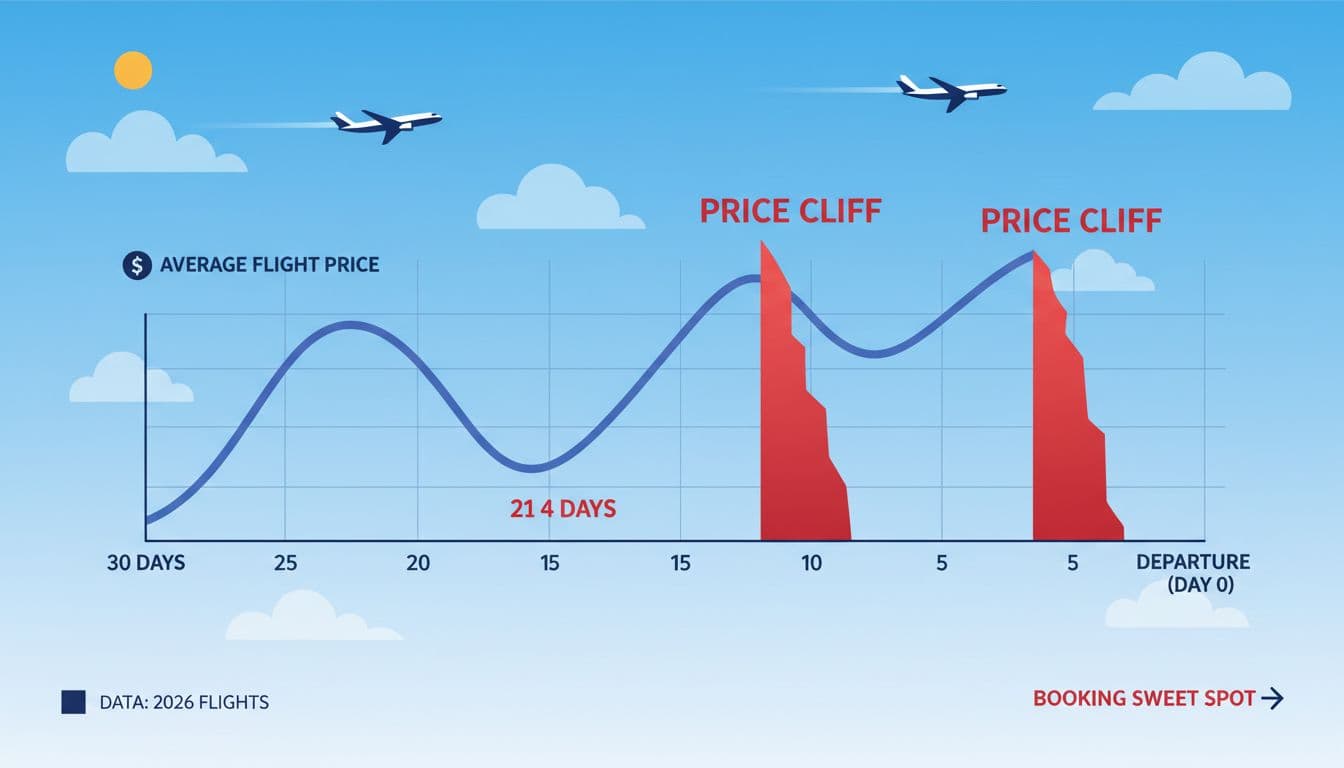
The three price cliffs that hit fast, 21 days, 14 days, and 7 days
An at-a-glance timeline of the common 21-day, 14-day, and 7-day price cliffs (created with AI).
Over and over, I see the same pattern: the 21-day Goldilocks Window is safer than 14, and 14 is safer than 7. It’s not magic, it’s how airlines manage remaining seats. As the departure date gets close, cheap fare classes sell out, and what’s left is priced for urgency.
Here’s what I do at each cliff:
At 21 days out: I decide if this trip is “must happen” or “nice if cheap,” then I set my max price.
At 14 days out: I widen the search (nearby airports, one-stops) and I prepare to book quickly if I see a fair fare.
At 7 days out: I stop expecting a deal, I focus on reducing damage (timing, fees, baggage, and total trip cost).
When last-minute deals still happen (and when they almost never do)
Deals can still happen, but they’re picky. Off-peak travel, less popular routes, and flights at odd hours have the best chance. On the other hand, peak travel weeks punish procrastination. Spring break, major holidays, and summer weekends are the classic traps where waiting often means paying more and flying worse.
I keep this mini checklist in my head:
Waiting can pay off when: it’s an off-peak week, I can fly Tuesday or Wednesday, I’m open to a one-stop, and I have 2 or 3 alternate airports.
Red flags that prices will jump: holiday weeks, big events in the destination, only a few nonstop flights per day, and tight seating (few options left at decent times).
If you need a season-by-season view of how far ahead people are booking in 2026, this breakdown is useful for context, even if you’re already inside the window (2026 booking timing guide).
Best time to book a last-minute flight: the simple timing rules I use
I don’t try to outsmart every price move. I follow a few timing rules that keep me calm and keep my wallet from taking the biggest hit.
First, the context: for many trips, “best time to book” isn’t last-minute at all. Data-based reporting keeps pointing back to a similar range: domestic flights often price best about 1 to 3 months out, and international flights often do better around 2 to 8 months out (with a common sweet spot around 3 to 5 months). Once I’m inside 21 days, the booking window is a gamble and I focus on controlling what I can.
The biggest lever is flexibility, particularly in shoulder season versus peak times. If I can adjust even one thing (departure day, nearby airport, time of day, one-stop vs nonstop), I usually find a better option than someone locked into Friday at 5:00 pm.
Also, I stay honest about day-of-week patterns. Midweek travel often costs less, and it’s been widely reported for 2026, but it’s not a law of nature. Sometimes the cheapest flight is the weird one at 6:10 am, and sometimes Sunday night drops because demand shifts. This overview is a helpful reminder that day-of-week savings exist, but they vary route to route (cheapest days to fly in 2026).
When I’m ready to move from “watching” to “winning,” I check hotel and flight bundles on Booking.com to lock the whole trip.
If I’m 30 to 21 days out, here’s the sweet spot that still gives me options
This is when I still have leverage. I can watch prices without feeling trapped.
What I do fast:
Set 2 price alerts (one for my ideal flight, one for a “good enough” backup).
Test alternative airports (even 60 to 90 minutes away can change fares).
Compare one-stop vs nonstop because last-minute nonstop prices can turn ridiculous.
Check a date grid for cheaper travel dates, then decide if shifting one day is worth it.
If I’m inside 14 days, my goal changes from “deal hunting” to “damage control”
Inside two weeks, I stop chasing perfection. I start protecting the trip. I widen airports, accept early departures, and I consider split tickets if it’s meaningfully cheaper (but only if layovers are safe and bags won’t be a mess).
This is also when I watch add-ons like a hawk. A “cheap” base fare can lose its charm fast once you add a carry-on, a checked bag, and seat selection. I compare total trip cost, not just the headline price.
My day-by-day checklist for the final 30 days (so I don’t panic-buy at the worst moment)
A simple countdown routine for the final month before departure (created with AI).
I like a plan that feels like brushing my teeth. Small, consistent checks beat one giant spiral at midnight when chasing last-minute deals. Here’s the routine I use, grouped by time windows so it stays doable.
30 to 22 days: Track prices daily with a price monitoring tool, but don’t obsess. Identify your top two itineraries, then set your budget ceiling.
21 to 15 days: This is the decision zone. Set flight alerts for your travel dates. If the fare is fair for your route and season, take it. If not, widen airports and flight times.
14 to 8 days: Reduce risk. Start prioritizing total cost (bags, seats, and change fees). Consider one-stops or one-way tickets.
7 to 3 days: Sprint mode. Short daily checks only. Grab “good enough” before options collapse.
48 hours to day of: I only wait this long if I truly don’t care where or when I fly, or I’m willing to cancel the trip.
Here’s the compact version I keep on one screen for flexible travel:
Window
What I do
What I avoid
“Book now” trigger
30 to 22 days
Price alerts, compare airports, set budget
Refreshing all day
Price is under my ceiling
21 to 15 days
Narrow to 2 options, watch totals
Betting on a huge drop
Any “fair” fare appears
14 to 8 days
Expand times, accept one-stop
Ignoring bag fees
Nonstop jumps, one-stop still fair
7 to 3 days
20-minute daily check
Panic-buying at night
Only bad times left
48 hours to day of
Buy only if necessary
Hoping for empty-seat deals
Price rises twice in 24 hours
When I’m in that final-month window, I compare side-by-side on Expedia.com and Trip.com, then I book the option that fits my ceiling.
The “7-day squeeze” feeling is real, which is why I rely on rules instead of vibes (created with AI).
The 21-day decision, the moment I either book, or I choose a different plan
At 21 days, I treat it like a fork in the road. If I’m still waiting, it’s a choice, not a habit.
My quick “if this, then that” rules:
If it’s a must-attend trip, then I book when the fare is reasonable, not perfect.
If prices are high and schedules are shrinking, then I switch airports or add a one-stop.
If the destination is flexible, then I price-check a second city and compare total trip cost.
If nothing looks good, then I shorten the trip by a day or shift to midweek.
The 7-day sprint, what I check every morning until I hit ‘purchase’
When I’m inside a week, I keep it simple and I keep it short. I check once in the morning, set a 20-minute timer, and stop when it rings.
My routine:
Check a price calendar for cheaper day pairs.
Check nearby airports (both ends).
Check one-stop options with sane layovers.
Confirm baggage and seat fees, then compare totals.
Re-confirm my max price, and buy if it’s met.
The timer matters. It prevents the late-night doom scroll that leads to bad decisions.
When to stop waiting and book (even if it doesn’t feel perfect)
A “book now” moment, when the numbers finally match the plan (created with AI).
Waiting feels productive because it’s a decision you don’t have to make yet. But last-minute flight shopping has a hidden cost: once the good departure times disappear, you don’t just lose access to cheap airfare, you pay more and also lose comfort.
These are my “book now” triggers:
Seats are clearly thinning (choices drop, prices rise).
The fare hits my ceiling (including bags and seat selection).
It’s a peak travel week (holiday travel, spring break, summer vacation).
Only terrible flight times remain (overnights, brutal layovers).
Hotel prices are rising too, and the whole trip is getting expensive.
I’m traveling with kids or anyone who needs predictability.
It’s an important event, and showing up matters more than saving $40.
Here’s the simple trade-off I remind myself of:
Choice
Pros
Cons
Waiting
Chance of a small dip
Higher risk, fewer good round-trip flights
Booking today
Certainty, better schedules
Might miss a minor drop
If you want more big-picture context on 2026 pricing trends, including how fares have been moving overall, this reporting is a useful reference point (when to book flights in 2026).
When my triggers hit, I lock it in on Booking.com or cross-check quickly on Expedia.com, then I stop shopping. If cash prices are too high, I check award space using points and miles from airline loyalty programs as a backup strategy.
The budget line rule, I pick my number, and I don’t second-guess it
I set one ceiling price for the whole ticket, not just the base fare. That means bags, seats, and any add-ons I know I’ll pay. If the fare comes in at or under that number, I buy and I move on. Peace of mind has value, and I treat it like part of the deal.
The peak date rule, if it’s a holiday week, I stop waiting sooner
Peak dates are ruthless because demand is baked in. For holiday weeks, I aim to book before 21 days when I can, and I rarely wait past 14 days. Inside two weeks on a peak route, the odds shift hard against you.
Conclusion
Mastering the Best Time to Book Last-Minute Flights 2026 doesn’t reward wishful thinking, it rewards timing and flexibility. I watch the three cliffs (21 days, 14 days, 7 days), I use a calm 30-day routine so I don’t panic-buy at midnight, and I follow clear “stop waiting” triggers when the trip matters.
If you’re close to departure, don’t aim for perfect. Aim for booked within the optimal booking window to snag last-minute deals. Lock in your trip now on Booking.com while you still have decent flight times and choices. Then cross-check quickly on Trip.com and Expedia.com to confirm you’re not missing a better routing. Finally, secure travel insurance to protect your high-cost last-minute booking.
FAQ
What’s considered a last-minute flight in 2026?
For my planning, “last-minute” means within 21 days of departure for domestic flights and international flights. That’s when price jumps become more common and good flight times disappear fast.
Is it cheaper to book flights at the last minute in 2026?
Sometimes, but it’s not the norm, especially during peak travel. Last-minute deals on domestic flights are most likely on off-peak routes with extra empty seats, not on holiday weeks or high-demand cities.
Should I book at 21 days out or wait longer?
If the price is within your budget and the schedule works, the 21-day mark is the Goldilocks Window to book. If you wait and hit 14 days, your options usually shrink and prices often rise.
What’s the best site to book last-minute cheap airfare for round-trip flights and hotels together?
When I want to lock the whole trip quickly, I start with Booking.com for trip planning and compare round-trip flight options across platforms. If you’re ready, book now.
What should I do if I’m booking within 7 days?
Switch from “deal hunting” to “damage control.” For flexible travel, expand airports, accept one-stops, set up flight alerts, and compare total costs with bags and seats included, then check options on Expedia.com.
Do flights get cheaper at midnight or on a specific weekday?
There’s no reliable “magic hour.” Midweek travel can be cheaper on many routes, but prices move based on demand and inventory, so check price history on Google Flights for your travel dates, set a budget ceiling for your travel dates, and book when it’s met.
Best Last-Minute International Flights Under $500 Round Trip (2026 Deals) That I’d Actually Book
My calendar doesn’t care that I’m burned out. Deadlines still hit, laundry still piles up, and winter can feel like it’s set to “gray” for weeks. When I get that itchy, restless feeling for a winter getaway, I don’t want a someday trip. I want a plane ticket that gets me out of my routine in the next two weeks, without making my bank account cry. That’s why I hunt for best last-minute international flights under $500 round trip, those cheap flights under $500 and I book fast when the math on that round-trip flight works.
In January 2026, sub-$500 round trips do exist for spontaneous getaways, especially to Mexico, parts of the Caribbean, and Canada. Europe can happen too if I’m flexible and realistic about timing and connections. In this guide, I’m sharing the exact way I screen deals (so a “cheap fare” doesn’t turn into an expensive mess), plus real-world destination examples I’d watch right now and a simple plan you can copy today.
Affiliate Disclosure: This article contains affiliate links to Booking.com, Trip.com, Expedia.com, aviasales.com, and Amazon. If you book or purchase through these links, I Need My Vacation may earn a small commission at no extra cost to you. We only recommend services we genuinely trust and use ourselves to help you plan the perfect trip. Thank you for your support!
Checking a sudden fare drop on a phone at home, created with AI.
What defines real last minute deals for international travel?
When spotting last minute deals, I mean 0 to 14 days out, sometimes up to 21 if the route has a lot of seats or a seasonal lull. Unlike domestic flights, international trips see prices swing wildly. One morning it’s $289 round trip, by lunch it’s $517, and by dinner it’s gone.
A true under-$500 deal needs to be round trip (or “return”), including outbound and inbound flights. Unlike one-way tickets that often double the cost, round trips keep things efficient.
But 2026 pricing often hides the real cost in small add-ons. If the fare is Basic Economy from budget airlines, I treat it like a menu item with extra charges, not a full meal.
Here’s the checklist I use before I book:
Total trip cost stays under $500, including taxes and charges, not just the base fare.
One stop max for shorter international routes (Caribbean, Mexico, Canada); I’ll consider a two-stop indirect flight only if savings are huge and layovers are sane.
Layovers aren’t risky, enough time to handle delays, especially on the return.
Bags are clear, confirm carry-on rules and personal item size.
Airport logistics make sense, a “cheap” flight to a far airport can cost more in transfers than savings.
For deeper info on smart last-minute timing and traps, check NerdWallet’s breakdown on how to find cheaper last-minute flights. Flexibility wins, and fees matter.
The hidden charges that can push a $399 flight over $500
The fastest way a $399 fare turns into regret is forgetting the small stuff. Usual suspects include seat selection fees (big for couples). Bags hit hard. Some low fares allow only a personal item; carry-on costs extra each way. Checked bags vary by airline and route. Add “ground truth” costs: airport transfers, tolls, parking, overnight layovers. A long connection may need a hotel. Far airports mean $60 to $120 rides each way.
Questions before booking:
What’s included: personal item, carry-on, checked bag?
Pay for seats, or accept random assignment?
Arrival airport close to my stay?
Layovers safe but not wasting a day?
Return so early it needs an expensive taxi?
My fast search setup that finds deals in 10 minutes
I keep it quick since deals vanish fast. Start with flexible dates (plus or minus two days helps), check nearby airports. A different departure can save $120; the drive is worth it.
My filter stack to compare flight deals is simple:
Round trip
1 stop max
Decent departure dates (avoid 5:00 a.m. unless it saves a lot)
Layovers that don’t ruin the trip (pay $40 more over losing a day)
I cross-check itineraries across travel sites since pricing and policies differ. Compare on Expedia, Trip.com, and aviasales.com; pick clearest baggage rules and best cancellation terms. For 2026 tools, see Frommer’s cheapest airfare search sites for 2026.
Using a flexible-date calendar to spot the cheapest week, created with AI.
Last-minute international flights under $500 round trip I’d book in early 2026
Prices change fast, so I’m sharing these as inspiration, not promises. Still, in current January 2026 searching, it’s realistic to find under-$500 round trips to international destinations like Mexico, the Caribbean, and Canada. Europe is harder, but not impossible, especially when I’m okay with midweek travel and a one-stop routing.
The emotional payoff is the whole point. I’m not chasing a number on a screen. I’m chasing warm air that smells like salt, street food that ruins airport snacks forever, and that first quiet night in a hotel room where nobody can reach me.
Fast wins close to home, Mexico, Canada, and the Caribbean for quick escapes
Cancun (often $200 to $315 round trip in January): This is one of my favorite “book it and breathe” options. Popular airlines like United, Delta, American, and JetBlue compete hard here.
Toronto (around $391 round trip example): Toronto feels like a clean break from my usual routine, great food, neighborhoods, and museums.
San Juan (around $396 round trip example): San Juan gives me color, ocean air, and incredible food fast. It’s a great “I need warmth now” move.
That moment you realize you can be in the sun this weekend, created with AI.
Can you find Europe deals for under $500?
Europe under $500 round trip isn’t an everyday thing, but cheap airfare shows up when I stay open to odd timing. Midweek departures help. One-stop flights from budget carriers like Frontier Airlines help.
Scanning midweek dates to make Europe prices behave, created with AI.
How I turn a cheap flight into a full trip without blowing my budget
A cheap flight is only step one. Once I find a fare I trust, I secure lodging next so the rest of the trip has a home base. I also keep my “budget leak” list short: airport transfers, daily food, and one paid experience. That’s it. Everything else is walking, markets, and free views.
Comparing booking options quickly before a fare disappears, created with AI.
Packing essentials I buy for last-minute international trips
Universal travel adapter, buy on Amazon: Don’t land with a dead phone.
Compression packing cubes, buy on Amazon: Keep your bag small to avoid carry-on fees.
Carry-on toiletry bottles set, buy on Amazon: Refill in two minutes.
Portable charger power bank, buy on Amazon: Airport outlets are always taken.
RFID travel wallet, buy on Amazon: Keep passport and cards in one spot.
Time to Make Your Dream Vacation Happen
Last-minute doesn’t have to mean reckless. When I stay flexible on dates, check nearby airports, and screen for baggage, I can find cheap flights under $500. Ready to make this trip real? Book your stay on Booking.com now and then lock in your round-trip flight.
FAQ
Are last-minute international flights under $500 round trip real in 2026? Yes, they are real in 2026, especially to Mexico, the Caribbean, and Canada. Europe works too with flexible dates. Always watch total cost, not just base fare. Factor in fees to keep it a bargain.
What does “last-minute” mean for flight deals? For me, last-minute is 0 to 14 days before departure. Prices drop suddenly from unsold seats and vanish fast.
How do I avoid Basic Economy mistakes when I book cheap? I always confirm carry-on rules, seat fees, and cancellation terms before paying. Read the fine print every time.
Should I book my hotel or flight first on a last-minute trip? I book the flight first since it’s scarce last-minute, then hotel right after on Booking.com.
Which site is best for comparing last-minute flights quickly? Start with Expedia.com, then cross-check dates on Trip.com. It catches the best deals across airlines.
Can I really do Europe under $500 round trip? Yes, score cheap airfare to Europe under $500 round trip by going midweek and using shoulder season windows.
How many days do I need for a last-minute international trip to feel worth it? I find 3 to 5 nights perfect for quick international escapes. Enough to relax and recharge without hassle.
Top 10 Affordable Vacation Packages to Prague, Czech Republic in 2026 (For US Travelers Who Want a Real Deal)
Some trips feel like a splurge before you even open your laptop. Prague isn’t one of them. The city has that storybook look, river views, candlelit pubs, and castles on hills, but you can still do it without draining your savings.
In this guide, I’m sharing my favorite picks and booking strategies for affordable vacation packages to Prague Czech Republic 2026, built for US travelers who want to book with confidence. I’ll keep it practical, price-aware, and focused on packages that actually make planning easier.
Affiliate Disclosure: This article contains affiliate links to Booking.com, Trip.com, Expedia.com, aviasales.com, and Amazon. If you book or purchase through these links, I Need My Vacation may earn a small commission at no extra cost to you. We only recommend services we genuinely trust and use ourselves to help you plan the perfect trip. Thank you for your support!
Why Prague can still be a budget-friendly Europe trip in 2026
Prague Castle and the Vltava River glowing at sunset, created with AI.
I like Prague for one simple reason: it feels expensive, but it doesn’t have to be. You can spend a morning crossing Charles Bridge, an afternoon in a museum, and a long dinner in Old Town, then realize you paid less than you would in many US cities.
Here’s what keeps Prague “affordable” when you plan it right:
You can bundle to cut costs. Recent searches showed Prague bundles starting around $606 per person when flights and hotels are packaged together (prices change fast, but it’s a real signal that deals exist in 2026). Bundling is often the easiest way to lower the total, especially when airfare spikes.
The city is compact. I don’t love wasting money on taxis in a new place. Prague’s historic center is walkable, and public transit is easy, so you can stay a bit outside the core and still feel “in it.”
You can time it. For many US travelers, shoulder seasons are the sweet spot. Think spring and fall when crowds thin out, the river looks moody and romantic, and prices can be friendlier than peak summer.
Before you pick a package, I always recommend taking five minutes to scan the basics from a reliable overview like Expedia’s Prague travel guide. It helps you choose the right neighborhood and avoid booking a “deal” that’s actually far from what you want to see.
All prices in USD. Most options offer free cancellation.
My quick method for finding the best Prague package deals (without wasting hours)
When I’m hunting for a Prague bundle, I focus on three levers: flight timing, hotel location, and what’s included. I also set one personal rule: I don’t chase the lowest sticker price if it means a rough flight schedule or a hotel that makes everything harder.
Here’s the fast checklist I use:
Pick your airport reality first. Nonstop isn’t always possible from every US city, so I decide what I’ll tolerate (one stop, max).
Choose a “walkable enough” base. I look for places with quick transit access to Old Town and Malá Strana.
Compare a bundle vs. hotel-first. Sometimes a package wins. Other times, booking a hotel deal first and then shopping flights separately is cheaper.
To make that decision simple, I rotate between these three booking paths:
One more tip that saves me money more often than I want to admit: I price 5 nights and 6 nights even when I think I want 7. Sometimes one less night drops the airfare tier, and you still get a full Prague experience.
Top 10 affordable Prague vacation packages for US travelers in 2026 (the ones I’d book)
Charles Bridge on a bright day with Prague Castle in the distance, created with AI.
Below are 10 package styles I trust because they match how real people travel: short trips, longer stays, family-friendly setups, and a few “treat yourself” options that still stay price-aware. Use these like templates, then plug in your dates and home airport.
1) The classic 4-night Old Town bundle (best for first-timers)
This is the one I’d recommend if Prague is your main event. Four nights is enough for Prague Castle, river walks, museums, and slow dinners.
Look for: central hotel, breakfast included if possible, and flights that don’t arrive exhausted. If you want an easy starting point, Prague vacation packages on Expedia can help you price bundles quickly (then refine from there).
2) The 5-night “Prague plus day trips” package (best value per day)
With five nights, I can add one day trip without rushing. It’s the difference between “I saw it” and “I felt it.”
Look for packages that keep your hotel in a transit-friendly area, so you’re not spending your vacation commuting. This is also where bundling can beat booking separately, especially when prices bounce around.
3) The red-eye saver package (best for lower airfare)
If you’ve got decent sleep skills, a red-eye can shave real dollars off your total. I’ve done it, landed tired, grabbed coffee, and powered through until an early bedtime.
The key is choosing a hotel that makes arrival simple: 24-hour desk, easy check-in, and a room you’ll actually want to crash in.
4) The Prague apartment-style stay (best for families and groups)
This is my favorite format for families because it turns one of the biggest travel expenses, food, into something you can control.
I look for apartment or suite-style stays with space to breathe, a fridge, and a neighborhood that feels safe at night. It’s not about cooking every meal, it’s about not paying tourist prices three times a day.
5) The “Anděl or Smíchov base” package (best for smart savings)
I like staying just outside the most tourist-heavy lanes, then hopping on transit. Areas like Anděl can be a strong value because you’re still connected, but you’re not paying Old Town premiums.
This is a great place to price a longer stay because savings add up night by night.
6) The shoulder-season bundle (best for fewer crowds and better prices)
If your schedule is flexible, this is where Prague feels almost cinematic: cooler air, softer light, and more space on the bridges.
I watch spring and fall first. Packages often look better here because hotels discount more aggressively when demand dips.
7) The airline vacation package (best for one-stop shopping)
Some travelers just want one checkout screen and a clear itinerary, and I get it. If that’s you, it can be worth pricing an airline bundle to see if it beats the big OTAs.
I still read the cancellation rules twice, but for many people, this is the lowest stress option.
8) The “land in Prague, sleep fast” one-night buffer (best for late arrivals)
If your flight lands late, a one-night buffer hotel near reliable transit can protect your trip. It’s not glamorous, but it’s smart. The next morning, you move to your main hotel and start fresh.
This works well when the cheapest flights arrive at awkward hours, which is common for US to Europe routes.
9) The guided highlights package (best for travelers who want structure)
If you don’t want to plan museums, neighborhoods, and day-by-day logistics, a guided package can be worth it, even if it costs more upfront. The value is that you’re not spending mental energy every morning.
10) The “Prague as part of Central Europe” package (best for longer PTO)
If you’re already crossing the Atlantic, pairing Prague with another city can improve the value of the airfare. I keep Prague as the anchor and add one more stop only if it doesn’t turn into a suitcase marathon.
Packing essentials that keep your Prague trip comfortable (and cheaper)
I’ve learned this the hard way: forgetting one small item can lead to overpriced purchases in tourist zones. These are the five things I buy or replace before Europe trips.
If you’re booking a winter or early spring trip, I also bring a thin pair of gloves and a rain shell. Prague’s weather likes surprises.
Time to make your dream Prague vacation happen
Prague gives you the kind of memories that feel expensive, even when your budget stays calm. Pick the package style that fits your travel personality, bundle when the math works, and don’t wait until the last minute if you want the best mix of price and location.
If you do one thing today, make it this: book your hotel first so your trip has a home base. Then you can shop flights with less pressure. Ready to make it real? Book your Prague stay on Booking.com now.
FAQ
What’s the cheapest way to book affordable vacation packages to Prague Czech Republic 2026?
I start by pricing a flight + hotel bundle, then I compare it to booking a refundable hotel first. Bundles can start surprisingly low when airfare and hotels are combined, so it’s worth checking both paths. If you want to price it fast, use Compare Prague package deals on Expedia.
Is Prague expensive for US travelers in 2026?
It can be, if you book peak dates and stay in the most tourist-heavy blocks. But Prague is still one of the easier European capitals to do on a moderate budget, especially if you bundle and stay near transit.
How many days do I need in Prague for a good first trip?
I like 4 to 6 nights. Four nights covers the essentials, and five or six lets you slow down and add a day trip without feeling rushed.
Should I book a hotel in Old Town or outside the center?
Old Town is convenient, but it’s not always the best value. I often stay just outside the core in a well-connected area, then walk or use transit. If you want the simplest path, compare well-located Prague hotels on Booking.com.
Are vacation packages better than booking flights and hotels separately?
Sometimes yes, sometimes no. Packages can lower the total price, but separate bookings can win if you find a strong hotel deal or want flexible flight times. I always compare both before paying.
What’s the best platform to book Prague hotels for 2026?
For hotel selection and easy filtering, I usually start with Booking.com, especially when I want a refundable rate. Then I match flights after I’ve locked the neighborhood. Check Prague hotel availability on Booking.com.
All-Inclusive Family Vacations USA with Payment Plans for 2026 (How I Book Without Stress)
Last week, my calendar looked like a game of Tetris. School stuff, work stuff, grocery runs, and that one kid who suddenly needs a poster board at 9:00 pm. By Friday, the whole house had the same vibe: tired brains, short patience, and a deep need to be somewhere that isn’t home.
That’s why I love the idea of all-inclusive family vacations in the USA for 2026. Not the kind where you still have to hunt down every meal and plan every hour, but the kind where food is handled, activities are ready, and kids can actually be kids. Add a flexible way to pay, and it stops feeling like a money punch to the gut.
In this guide, I’ll share how I look for all-inclusive family vacation deals with flexible payment plans usa, how I avoid the sneaky add-ons, and which U.S. resorts have that “everything in one place” feeling.
Affiliate Disclosure: This article contains affiliate links to Booking.com, Trip.com, Expedia.com, aviasales.com, and Amazon. If you book or purchase through these links, I Need My Vacation may earn a small commission at no extra cost to you. We only recommend services we genuinely trust and use ourselves to help you plan the perfect trip. Thank you for your support!
Why all-inclusive family vacations in the USA feel easier in 2026 (and what “all-inclusive” really means)
Family breakfast that feels like a real break, created with AI.
In the U.S., “all-inclusive” can mean a few different things, so I always set expectations early. Some resorts are true all-inclusive (lodging, meals, lots of activities). Others are “all-inclusive-style” with a meal plan plus an activity schedule, but with a few pay-extra options.
Here’s the big trap: “breakfast included” isn’t all-inclusive. It’s nice, but it won’t stop the daily drip of snack runs, activity tickets, and surprise charges.
When I’m comparing properties, I look for resorts that spell out meals and an activity calendar. Places like Club Med Sandpiper Bay are known for a true family-all-inclusive approach, while resorts like Great Wolf Lodge clearly explain how their inclusive meal plans work.
On a listing page, I scan for:
Meals (all meals, “full board,” or a required meal plan)
How I spot a true family all-inclusive in the U.S. in under 3 minutes
I do a fast “three-tab scan”:
First, I open the room rate details and look for phrases like “all meals included,” “American plan,” or “full board.” Second, I open the “What’s included” section and scan for kids’ programs and daily activities. Third, I skim recent family reviews for specifics (not vibes) like “we never left the property,” “snacks were included,” or “kids club ran mornings and evenings.”
Keywords I search for in reviews and inclusions: “all meals included,” “meal plan required,” “kids’ program,” “activities included.” If those words aren’t anywhere, I assume it’s not truly inclusive.
Common add-ons that can break your budget (and how I plan for them)
Even the best all-inclusive-style resort can come with a few sneaky extras: resort fees, alcohol, premium activities (boat rentals, lessons), babysitting, gear rentals, gratuities, parking, and taxes.
My simple rule: I add a 10 to 15 percent buffer to whatever I think the trip will cost, then I’m not grumpy when the final total shifts. If the resort is known for extra paid activities, I push that buffer closer to 20 percent, or I set a hard limit (one paid splurge per day, max).
Top All-Inclusive Family Resorts for 2026
1
Club Med Sandpiper Bay
True All-Inclusive Kids’ Clubs 4m–17y Florida
The only true all-inclusive in the continental U.S.—meals, drinks, activities, and kids’ programs all included.
All prices in USD. Most options offer free cancellation.
How payment plans work for family vacations (pay later, pay at property, and installments)
Planning payment dates at home before booking, created with AI.
In 2026, “payment plan” can mean a few different things, depending on the property, your dates, and how you book. I keep it simple and think in three buckets:
Pay now: You pay the full amount at booking. Sometimes it’s cheaper, sometimes it’s non-refundable. I only do this when I’m 100 percent sure about dates.
Pay later: You reserve now and pay closer to check-in. Some rates take a deposit, some don’t. Many families hunting for all-inclusive family vacation deals with flexible payment plans usa prefer this because it protects cash flow.
Pay at property: You book now, then pay when you arrive (or during your stay). It’s common for hotels, but less common for package-style resorts that bundle meals and activities.
A lot of booking sites may also show installment options at checkout in certain regions. I treat those as a bonus, not a guarantee, and I always read the rate rules before I get excited.
Here’s the “feels doable” math I use: say the trip total is $3,000 for summer 2026. If I book in January and travel in July, that’s 6 months. I save $500 per month in a vacation bucket. If I start earlier, even better. It turns into a steady drip, not a flood.
My low-stress “book now, save monthly” plan (even if there’s no official installment option)
When there’s no clear installment option, I make my own plan.
I try to book a free-cancellation or pay-later rate when it’s available. Then I set an automatic monthly transfer into a vacation account, even if it’s small. I also add two reminders to my phone: one for the cancellation deadline, and one for final payment.
Once a month, I re-check prices. If I find the same stay cheaper with the same cancellation terms, I rebook and cancel the old one (inside the free-cancel window). It’s not glamorous, but it’s how I keep the budget from drifting upward.
Red flags I avoid before I commit to a payment plan
I walk away fast when I see unclear inclusions, vague meal plan language, strict cancellation rules, or a huge non-refundable deposit that doesn’t match the value.
I also watch for surprise resort fees, parking that’s not disclosed, activities listed with no pricing, or minimum-night rules that don’t fit school schedules. When the terms are clear, I feel confident booking early and paying over time.
Best all-inclusive-style family resorts in the USA for 2026 (meals, activities, and kids’ programs)
Some of the best U.S. family “all-inclusive” experiences are resorts that feel like summer camp for kids and a deep exhale for parents. The good news? Many of these are bookable on major platforms with refundable rates and family filters. I use Booking.com, Expedia, and Trip.com to compare dates, payment terms, and real guest photos.
You can also use aviasales.com to track flight + hotel bundle pricing for 2026.
Best times to go for lower prices (often):
Early June (before peak weeks)
Late August (after many schools restart)
Shoulder season (where available, especially fall)
Always confirm your school calendar first, because one extra week can change pricing fast.
Club Med Sandpiper Bay, Florida (true all-inclusive, kids’ clubs, no surprise fees)
Club Med Sandpiper Bay is the only true all-inclusive family resort in the continental U.S. Everything is included: lodging, all meals and snacks, unlimited drinks (non-alcoholic for kids), supervised kids’ clubs (ages 4 months–17 years), water sports, fitness classes, entertainment, and even gratuities.
What I love: no wallet needed once you arrive. It’s perfect for busy parents who want to disconnect and let kids roam safely. Rates often include free cancellation and pay-later options on major platforms.
Booking tip: Look for “All-Inclusive” rate type on Booking.com or Expedia.com—and confirm kids’ club availability for your dates.
Great Wolf Lodge (Multiple U.S. Locations – Poconos, Williamsburg, Anaheim, etc.)
Indoor water park fun, year-round—ideal for predictable family fun, created with AI.
Great Wolf Lodge delivers low-stress, predictable fun with its massive indoor water parks, themed suites, and activity passes. While not “all-inclusive” by default, you can bundle meals, activities, and dining credits at booking to create an all-inclusive-style experience.
I treat it as “all-inclusive-style” when I bundle upfront—so I’m not paying $8 for every pizza slice. Pay-later and refundable rates are widely available.
Booking tip: Compare “Room Only” vs. “Room + Meal Plan” on Booking.com—the bundle often saves 15–20%. Also check Expedia.com for package discounts.
The Lodge at Woodloch, Pennsylvania (spa-inspired, full-board, nature-focused)
The Lodge at Woodloch is an adults-focused sister property to Woodloch Pines—but it welcomes families and offers full-board meal plans, guided activities (kayaking, hiking, cooking classes), and luxury amenities. Many 2026 listings on Booking.com include all meals and non-alcoholic beverages.
What I like: peaceful, no crowds, and pricing transparency—you see exactly what’s included. It’s ideal for families seeking wellness + relaxation.
Booking tip: On Trip.com or Booking.com, filter for “Full board” or “All meals included” and read recent family reviews.
Packing essentials that make an all-inclusive family trip smoother (and cheaper)
Packing like a team before a family resort trip, created with AI.
All-inclusive is easier, but packing smart makes it cheaper too. I pack like I’m trying to avoid the resort gift shop (because I am).
Here’s what earns its space in my suitcase:
Water shoes (cuts down on “I stepped on something!” drama)
Refillable water bottles (I hate paying for basic hydration)
Sunscreen and after-sun (buying it onsite hurts)
Basic first-aid and motion sickness options
Packing cubes and a laundry bag (small tools, big peace)
Once the basics are covered, booking feels lighter. You’re not just paying for a trip, you’re buying back your attention.
Time to make your 2026 family vacation happen (book it, then count down together)
A good family trip changes the weather inside your house. You come home softer. The kids remember tiny things, like pancake smell at breakfast or a goofy show after dinner, and those memories stick like stickers on a suitcase.
My simple plan is this: pick a region you can reach without misery, shortlist 2 to 3 resorts, confirm what’s included, then choose the most flexible payment option you can find. If pay-later or pay-at-property is available, I take it. If not, I book refundable when I can and save monthly on purpose.
The best part about booking early for 2026 is that it gives you time to pay it down and time to look forward to it. Anticipation is half the vacation in a busy family.
Re-check your cancellation dates and final payment deadlines after you book.
FAQ
Are there true all-inclusive family resorts in the USA?
Club Med Sandpiper Bay in Florida is the only true all-inclusive family resort in the continental United States. It includes all meals, non-alcoholic drinks, supervised kids’ clubs for ages 4 months to 17 years, daily activities, water sports, entertainment, and gratuities with no additional fees at check-in.
Which booking sites are best for all-inclusive family vacation deals with flexible payment plans in the USA?
Booking.com, Expedia.com, and Trip.com often offer flexible payment options for all-inclusive-style family resorts in the U.S., including pay-later and refundable rates. Payment terms and cancellation policies vary by property and travel dates, so rate details should be reviewed before booking.
Can I book now and pay monthly for a 2026 family vacation?
Official monthly installment plans are not widely available for U.S. family resorts as of 2026. However, many properties offer pay-later or refundable rates. Travelers can book a flexible reservation and set up automatic monthly savings to cover the cost over time.
What should I check so “all-inclusive” doesn’t turn into surprise costs?
Verify what meals are included (breakfast only vs. all meals), whether kids’ programs or activities require extra fees, if resort fees or parking charges apply, whether gratuities are included, and if premium services like lessons or rentals cost additional. Confirming these details in writing before booking helps avoid unexpected expenses.
When is the cheapest time to book an all-inclusive-style family resort in the U.S.?
The lowest prices for U.S. all-inclusive-style family resorts typically occur during early June (before peak summer), late August (after many schools resume), and shoulder seasons in fall or spring. Booking refundable rates early allows travelers to rebook if better deals become available.
10 Best Things to Do in Albania for 2026: Riviera Beaches, Mountain Treks & Ancient Bunkers
Albanian Riviera sunset near Himarë, with crystal water and cliff-backed bays. Image generated by AI.
Sunrise over the Ionian Sea is my favorite alarm clock. On the Albanian Riviera, the sky turns soft pink, the cliffs glow gold, and the water is so clear it looks unreal. As I sat on a pebble beach near Himarë, I remember thinking that the best things to do in Albania 2026 still feel like a secret list that most of Europe has not read yet.
Albania hits this strange sweet spot. Riviera beaches that rival Greece, mountain treks that feel like the Swiss Alps, and Cold War bunkers that look like a movie set, all packed into a country you can cross in half a day. No other place I know mixes turquoise bays, stone villages, and ex-dictator bunkers quite like this.
As an Albania-obsessed road-tripper who has driven the full Riviera, hiked the Theth–Valbona Pass, and wandered through concrete bunkers turned art spaces, I built this guide to the 10 best things to do in Albania for 2026 for people like me. Travelers who want wild nature, deep history, and honest prices. It is shaped for adventure lovers, budget backpackers, and curious first-timers.
Right now, Albania is lining up with 2026 travel trends: emerging Europe destinations, digital-nomad bases in mountain villages with better Wi‑Fi, and a clear push for sustainable tourism along the Riviera and in the Alps. Recent reports on Albania’s tourism plans talk about authenticity, community stays, and eco projects that protect rivers and national parks, not just new resorts. You feel that when you sip homemade raki in a guesthouse or hike paths that cross old border bunkers instead of big hotels.
I share all my favorite spots, misses, and money tips on IneedMyVacation.com, but this guide pulls everything into one place for your next trip. Below you will find the best beaches, treks, bunkers, and ruins for 2026, plus a live-map overview, a simple comparison table, budget hacks, and timing advice so you can build a smart route and not blow your budget.
If you want to start scouting bases while you read, you can compare Albania hotel deals on Trip.com and see how far your money goes across the Riviera, the Alps, and the cities.
Affiliate Disclosure: This post contains affiliate links. If you book or buy something through one of these links, I may earn a small commission at no extra cost to you. This helps keep the site running and lets me keep sharing honest, up-to-date travel advice. Thank you for your support!
Why Albania Is the Breakout Destination for 2026
When friends ask me why I am so hooked on Albania, I usually start with value and end with silence. Silence on trails, on beaches, in little stone lanes. The mix of low prices and low crowds makes the best things to do in Albania 2026 feel almost unfair.
1. Serious value for money
Albania still undercuts Croatia, Greece, and Italy by a long shot. In 2025 and 2026 I have paid:
3 to 5 euros for a huge byrek lunch
25 to 40 euros for a clean double room with breakfast
5 to 10 euros for most bus trips across big chunks of the country
You can sit on beaches that look like Mykonos, pay half the price, and eat grilled fish that rivals anything on the Amalfi Coast. Guides like The Broke Backpacker’s Albania list keep calling it one of Europe’s cheapest gems, and they are not wrong.
2. Uncrowded nature and real villages
In 2026, Albania is pushing sustainable tourism hard. Travel trend reports talk about community-based guesthouses in the Alps, eco circuits in the Western Balkans, and protected areas that now cover more than a fifth of the country, including the wild Vjosa River national park.
You feel that on the ground. Villages like Theth and Valbonë still have more cows than cars. Ionian coves near Gjipe and Jale are quiet if you go early. Even on “busy” days, the crowds are nothing compared with popular spots in neighboring countries. Articles like Condé Nast Traveler’s guide to Albania keep calling it a hidden gem, and it still feels that way once you get off the main drag.
3. Better infrastructure for 2026
Each year the roads along the Albania Riviera improve a bit more. There are more boutique stays in Ksamil, Dhermi, and Himarë, and Tirana keeps adding cool cafes, rooftop bars, and mid-range hotels. First-time overviews like Lonely Planet’s Albania guide now talk about stylish stays next to simple guesthouses.
Buses and shared minibuses (furgons) are still common, but there are more rental cars and better signed roads than a few years ago. That makes a mixed trip of beaches, mountains, and old towns far easier in 2026.
4. Wild mix of experiences in a tiny country
Within a 3-hour drive you can go from Riviera beaches to the Accursed Mountains. From bunkers in Tirana to Ottoman houses in Berat and Gjirokastër. From ferry “fjords” on Lake Komani to ancient ruins at Butrint.
In short, Albania stands out among emerging European spots in 2026 because you can:
Swim in uncrowded bays that still feel local.
Hike real alpine trails right from tiny stone villages.
Walk through Cold War bunkers turned into museums and art.
Sleep in UNESCO towns with centuries of history, without a luxury price tag.
The coastal road rolls above deep blue water, with switchbacks that suddenly drop to tiny beaches. In 2026, Albania Riviera beaches still feel wild once you step away from the loudest bars. I like to start in Sarandë, dip into Ksamil’s bright lagoons, hike down to Gjipe, then land in Himarë for lazy evenings.
For a first trip, give the Riviera 3 to 5 days. Renting a car is more flexible than buses and still fairly cheap if you book early. Fuel and tolls cost less than in Italy, and parking is often free outside the busiest pockets.
Quick stops to plan:
Ksamil: Shallow water, island views, easier if you like sunbeds and bars.
Gjipe Beach: Short hike into a hidden cove framed by cliffs.
Himarë: Chill base with a long beach, promenade, and sunset tavernas.
A small dry bag for Riviera boat days is handy when you jump off small boats or walk through shallow water to reach secret spots.
The Albanian Alps feel mythic in the morning. Stone houses, clear rivers, and sharp peaks that cut the sky. When I hiked the Valbona Pass, I started in Theth, slept under wooden beams, and crossed over a rocky saddle with views that look like a painting.
Most travelers do a Theth–Valbonë loop over 3 to 4 days, with 1 to 2 nights in each village and a full day for the Valbona Pass. In 2026, trails are better marked, but conditions still change fast. You need proper shoes, lightweight hiking poles for the Valbona Pass, and a power bank for long bus rides and full hiking days.
Prep tips:
Start early to avoid afternoon heat or storms.
Check weather and local trail reports the night before.
Book guesthouses ahead in July and August.
Pack a quick-dry travel towel for rivers and guesthouse showers.
There is a small but growing digital-nomad scene in both valleys, with guesthouses adding strong Wi‑Fi and work corners for slow travelers.
The first time I walked into Bunk’Art 1, the air felt heavy. You move through long tunnels, past rooms frozen in the 1980s, listening to speeches and watching old footage. Bunk’Art 2, closer to the center, mixes more art and stories of daily life under the dictatorship.
Together they turn concrete bunkers into powerful museums. They also show how Albania is choosing to talk openly about its past. After the bunkers, I like to walk around Skanderbeg Square, ride the Dajti cable car, and end in the Blloku district with cafes and street art that feel like a different country.
Plan 3 to 4 hours for one bunker plus downtown, or a full day if you want both sites and Dajti Mountain. Weekdays are calmer.
Berat looks unreal from across the river, with stacked white Ottoman houses and rows of windows climbing the hillside. Inside the castle walls, people still live in old stone homes, hanging laundry on lines that frame views of the valley.
In 2026, Berat remains one of the best things to do in Albania 2026 if you love slow history. One full day is the bare minimum. I like 1 to 2 nights so I can watch the city glow at sunset and dawn.
Do not miss:
Sunset from Berat Castle.
A walk through Mangalem and Gorica quarters with coffee stops.
Local food like stuffed peppers and gliko (candied fruit).
Gjirokastër is Berat’s moodier twin. Steep cobbled streets, slate-roofed houses, and a big stone castle that watches over it all. Inside the fortress you see Cold War touches, including an old US plane and bunkers, that tie into Albania’s recent past.
I like Gjirokastër for its mix of history and food. The old bazaar has shops, cafes, and bakeries that make local specialties you will not find on the coast. Spend at least one night, two if you want time for side trips.
The Blue Eye sits in a green pocket of forest, a deep natural spring that looks like someone poured ink into the water. Shades of blue and green swirl around a dark center that divers still have not fully measured.
In 2026, access paths are better, and new rules help protect the area. Swim zones are limited, and you are not allowed to jump in where the spring is most fragile. Go early in the morning to miss the buses and to see the water before the light gets harsh.
Dhermi and Jale are my “grown-up” beach bases on the Albania Riviera. They have more style than chaos, with beach bars, music, and a line of new-but-not-crazy resorts and apartments.
Give this area 2 to 3 days if you like slow mornings and lazy swims. Jale feels more compact and social, Dhermi stretches out and gives you more quiet corners.
Lake Komani looks like Norway, but with eagles, tiny farms, and old concrete docks. The ferry winds between steep cliffs and wide green slopes, stopping at tiny jetties that feel like the end of the world.
The early boat is the best pick. You get soft light, calmer water, and more time for onward buses. In 2026, there are more organized tickets and set times, but it still feels raw.
Kruja sits on a hillside above the plains, with views all the way to the Adriatic on a clear day. The castle holds museums about national hero Skanderbeg and Ottoman history, while the old bazaar below still sells carpets, copper, and handcrafts.
It is a perfect half-day or full-day trip from Tirana.
If you like old stones and quiet paths, Apollonia and Butrint are your fix. Apollonia sits inland, scattered columns and monastery buildings set over rolling hills. Butrint lies near the Greek border, a full ancient city with walls, a theater, and marsh views.
Both sites are easier to enjoy in 2026 as Albania improves paths and signs.
Daily costs in Albania still shock people in the best way. In 2026 you can:
Eat well for 10 to 20 euros per day.
Sleep in guesthouses for 15 to 30 euros per person with breakfast.
Take buses and furgons for 3 to 10 euros per ride.
Use ATMs in banks instead of kiosk exchange spots, and keep some cash for mountain villages where cards still do not work. In Tirana, Sarandë, and other big stops, cards are fine in many places.
Getting around is simple. Rental cars are best for flexible trips across Albania Riviera beaches 2026 and remote ruins. Furgons cover most common routes. In towns you walk, and in a few cases you grab cheap taxis.
A few quick do and skip tips:
Do learn “faleminderit” (thank you) and “mirëdita” (good day).
Do dress modestly in small villages and when visiting mosques or churches.
Skip leaving trash on trails and beaches; carry a small bag.
Skip loud drones over villages or mountain guesthouses.
Sustainable tourism is a real focus. Many new projects support local food, farm-to-table dinners, and eco stays in parks and along the old Green Belt border zone.
Best Time to Visit Albania in 2026
For most people, May–June and September–October are the sweet spots. Seas are warm, trails are open, and the big crowds have not yet packed into the Riviera.
May–June: Ideal for Riviera road trips, early Theth and Valbona hikes, Apollonia, Butrint, and city time in Berat, Gjirokastër, and Tirana.
July–August: Hot and busier on the coast, but still cheaper than Italy and Greece. Mountains are perfect and Lake Komani ferries run more often.
September–October: My favorite time. Sea still warm, vineyards and farms in harvest mode, fewer people everywhere.
Late autumn to winter: Good for culture trips in Tirana, Kruja, Berat, and Gjirokastër. Expect snow in the Alps and reduced services in some coastal towns.
Albania 2026 FAQ
Is Albania safe to visit in 2026? Yes. I feel safer in Albania than in many bigger European countries. Normal city awareness is enough. In villages and mountains, locals look out for guests, and petty crime is rare.
How many days do I need to see the Riviera and the Alps? If you want both, plan at least 10 days. Five to six days lets you sample the Riviera, and four to five days covers Theth, Valbonë, and Lake Komani.
Do I need a car for the Albanian Riviera? No, but it helps. Buses and furgons run along the main road, yet a rental car makes it far easier to reach small coves, time sunsets, and link the best beaches in one flexible loop.
Is Albania still cheap compared with Greece and Croatia? Yes. Food, rooms, and buses are all lower, often by half. You can splurge a little and still spend less than a tight budget in nearby countries.
Can I work remotely from Albania in 2026? In Tirana, Shkodër, Sarandë, and some mountain villages, Wi‑Fi is strong enough for most remote work. Many guesthouses now offer work corners for digital nomads, especially in the Alps and on the coast.
What should I pack for both beaches and mountain treks? Think layers: a light jacket, hiking shoes, sandals, and swimwear. Add a quick-dry travel towel, a power bank, and basic first aid so you stay ready for both long hikes and long bus days.
Conclusion
Albania in 2026 is still Europe’s big open secret. You get Riviera beaches, sharp mountain passes, Cold War bunkers, and UNESCO stone towns in one compact, budget-friendly country. In this guide I walked you through the best things to do in Albania 2026, from Ksamil coves to Theth trails and from Bunk’Art tunnels to Butrint’s old stones.
I speak about this place with so much confidence because I have driven the roads, sweated on the hikes, and sat with families in guesthouses, and I keep sharing new finds and deals from those trips on IneedMyVacation.com. If you are on the fence, this is the moment to go, before Albania’s secret starts to fade and the crowds catch up.
10 Best Solo Travel Destinations in Jaipur for 2026: Hidden Forts, Street Food Safaris & Safe Wanderlust
Solo travel destinations in Jaipur 2026 greet me the second I roll into the Pink City. The Aravalli hills frame the skyline, and the city’s rose-toned facades catch the early light like a promise. After years of solo trips in Jaipur for IneedMyVacation.com, I’ve road-tested every fort viewpoint, street food alley, and museum courtyard in this guide. I checked for safety, low entry fees, and easy access so you can land confident, curious, and ready.
I keep this guide rooted in current facts. Typical monument entries hover around 1 to 7 dollars, which fits most budgets and makes quick stops easy. Bazaars are best by daylight, when lanes are busy and well-signed. Street food bites run 1 to 3 dollars if you know where to stand and what to order. The city’s popularity with solo travelers keeps rising, especially for women, a trend echoed across India travel roundups in 2025. Jaipur also shows up in mainstream solo lists as an affordable, approachable stop in North India, with seasonal mentions of safe daytime markets and low-cost activities that match what I see on ground. For broader context on low-cost solo picks in India, the Economic Times listed Jaipur among accessible options that fit budget-friendly itineraries in 2025, which still tracks for 2026. See their list for a sense of cost-friendly planning across cities: 7 easy and affordable places for solo travelers in March.
I build sensible loops for first-timers, plus I compare prices and time-of-day routes to keep walking short and photo stops easy. In this guide, I share the top places, an interactive map, and key safety cues that matter when you are on your own.
You’ll get:
A smart, interactive map with 10 pins and two routing loops
A bulletproof top 10 with one-click Google Maps links
This post contains affiliate links. If you make a purchase through these links, we may earn a commission at no extra cost to you.
Image created with AI: A solo traveler takes in Amber Fort at sunrise, with the Aravalli hills glowing behind the Pink City.
Jaipur’s Safe, Vibrant Solo Appeal in 2026
Street food energy in the Pink City fuels day-friendly exploring for solo travelers. Image created with AI-like style for editorial context. Photo by Aarti Krishnan
I trust Jaipur with my time and my camera. The old city is compact, streets are busy by day, and vendors are used to solo visitors. Pricing at major monuments is posted, and clear signboards help you move fast between gates and courtyards.
Transport is simple:
Auto rickshaws for short hops
App-based cabs for cross-town rides and nights
Metro for key stops around the core
Walking the Pink City grid by daylight
Women-friendly cues stand out. Main avenues in the walled city are well-lit, and the day markets stay lively with families and shopkeepers. City highlights like Amber Fort, Hawa Mahal, and Jantar Mantar are predictable, popular, and easy to reach. Guided group walks and food tours make evenings more social, a trend supported by 2026 solo travel demand for authentic, safe city experiences.
For a broad look at women-friendly India itineraries and solo-ready circuits that include Jaipur, this tour overview offers added context: India Solo & Women Travel 2025/2026.
Why I trust Jaipur for safe solo wanderlust 2026
Day-friendly bazaars with steady foot traffic
Clear signboards and posted ticket windows at major sites
Heritage walks that explain routes and stories
Abundant cafés for short breaks between stops
Easy to join small-group tours when you want company
Dress modestly, greet with a smile, and you will feel friction drop.
Money, access, and transit that help solo travelers
Expect 2026 price ranges like this:
Monument entries: mostly 1 to 7 dollars
Street food bites: usually 1 to 3 dollars
Guided market food tours: starting around 10 dollars
Boat rides near water-facing monuments: about 5 dollars
Use UPI for cashless where possible, keep small bills for rickshaws, and haggle politely by asking the price before you ride. E-rickshaws feel calmer in crowded lanes. By day, you can walk a compact loop that links Hawa Mahal, City Palace, and Jantar Mantar in under an hour of strolling.
Respectful habits and safety cues locals appreciate
Wear modest clothing that covers shoulders and knees
Avoid closed or empty alleys at night
Keep valuables in a cross-body bag
Share live location with a friend
Choose busy tea stalls for breaks
Ask women vendors for directions if you feel unsure
For evenings, join a small-group tour or a heritage walk
Map and Top 10 Solo Travel Destinations in Jaipur 2026
When I plan solo travel destinations in Jaipur 2026, I map everything first. It helps you stack golden hours, snack stops, and ride times without wasting minutes.
Your custom Jaipur solo map
This guide includes key destinations with verified Google Maps links. I’ve added a one-day and a two-day loop so you can pick your pace. Zoom in around Johari and Chandpole to see food stall clusters and tea corners.
Nahargarh Fort: The ridge-line terrace watches over the Pink City, and crowds thin at sunset. Entry is about 2 dollars. Safety tip: bring a headlamp if you linger. Open in Google Maps
Amber Fort: Grand courtyards and fresco frames reward early arrivals. Entry about 6 dollars. Safety tip: skip animal rides, walk or take the shared jeep. Open in Google Maps
Panna Meena Stepwell: A geometric beauty with calm corners near Amber. Entry about 1 dollar. Safety tip: visit mid-morning for the best light on the stairs. Open in Google Maps
Jal Mahal: The water palace glows at sunrise and again before dusk. Viewing is free, and boats run about 5 dollars. Safety tip: stick to the promenade edge. Open in Google Maps
Kanak Vrindavan Gardens: Shade, birdsong, and Aravalli backdrops for slow mornings. Entry about 2 dollars. Safety tip: go early for the quietest paths. Open in Google Maps
Bazaars, palaces, and street food safaris
Johari Bazaar: Jewelry lanes with snacks at almost every turn, best by day. Try samosas and sweet lassi, and keep small change ready. Safety tip: hold your phone with a wrist strap. Open in Google Maps
Chandpole Bazaar (street food safari): Guided tastings run from about 10 dollars. Start before sunset and choose busy, clean vendors. Safety tip: watch oil freshness and turnover. Open in Google Maps
Hawa Mahal: Iconic lattice windows, with a compact museum and rooftop views nearby. Entry about 1 dollar. Safety tip: arrive early to avoid tight crowding. Open in Google Maps
City Palace: Museum galleries and royal courtyards give shelter from the heat. Entry about 7 dollars. Safety tip: keep your ticket handy for checks. Open in Google Maps
Jantar Mantar: Open-air astronomical instruments with clear plaques. Entry about 2 dollars. Safety tip: use a hat and water for midday visits. Open in Google Maps
Use long daylight periods to chase hidden forts Jaipur solo 2026 and stack snacks into street food safaris Jaipur 2026 with fair prices. For a light primer on what first-timers often include in their Jaipur list, this concise guide echoes many of the same stops and costs: Jaipur best places to visit for Solo Travelers 2025.
Johari and Chandpole draw solo travelers for snacks, color, and safe daytime wandering. Image created with AI-like style for editorial context. Photo by Aarti Krishnan
Compare your solo plan at a glance
Primary keyphrase in action: I rank these solo travel destinations in Jaipur 2026 so you can match them to your timing and budget.
Smooth solo days come from simple habits. I keep my routes tight, carry small cash, and time markets for daylight. For clean street food wins and fair deals, I rely on a few core checks.
Five safety and booking tips that work in 2026
Shop and snack in daytime bazaars.
Use app cabs at night for door-to-door moves.
Share live location with a trusted contact.
Carry a filtered water bottle and refill often.
Buy monument combo tickets when offered to save time.
Use walking loops and the metro for short hops. Choose e-rickshaws instead of long solo walks at night. Early mornings at Kanak Vrindavan or the Jal Mahal promenade reset the pace. For deal timing that keeps plans flexible, scan Trip.com Jaipur Deals 2026 before you lock in dates.
Jaipur’s Solo Magic, FAQs, and Final Prep
Why Jaipur grows my independence
Flexible timing, with photo stops whenever the light turns gold
Simple routes between monuments, with clear ticket counters
Street food without pressure, one stall at a time
Safe day markets, calm edges near key gates
Short jumps by app cab when you need a breather
Plenty of shared tours to join for evening slots
Rich storytelling at forts and observatories
Daily wins that build safe solo wanderlust Jaipur 2026
FAQs about solo travel destinations in Jaipur 2026
Q: What is the safest day bazaar for solo travelers?
A: Johari Bazaar. It is busy, straightforward, and great for daytime snacks.
Q: Best sunrise or sunset views in the city?
A: Nahargarh for sunset and the Jal Mahal promenade for sunrise. Both are reliable and scenic.
Q: Where should I book hotels and packages?
A: Trip.com is my pick for Jaipur stays and deal-stacking.
Q: How do I find good tours and activities in Jaipur?
A: I use Tiqets.com for verified tickets and guided options.
Q: Where do I book flights into Jaipur?
A: Expedia.com. It is quick to compare pricing across dates.
Q: What should I wear as a solo woman?
A: Modest clothing that covers shoulders and knees. Comfortable, closed shoes help on stone steps.
Q: What daily budget should I expect?
A: If you keep to the basics, 25 to 45 dollars covers entries, street food, and short rides.
Q: Are app cabs fine for solo women at night?
A: Yes, with common-sense checks. Share your ride and sit in the back.
I built this list to help you move with confidence. These 10 solo travel destinations in Jaipur 2026 cover golden-hour fort views, fair-priced museums, and lively day markets. Use the live map, then pick two spots for your first afternoon, like Hawa Mahal and City Palace, and two for sunrise the next day, such as Jal Mahal and Panna Meena Stepwell.
I want you to feel the same steady rhythm: short rides, safe stops, and spicy snacks under bright pink facades. That is the magic of solo in Jaipur: freedom with a plan, and a city that meets you halfway with smiles and signboards. If you are ready, line up your dates, lock in your first night, and let the map do the rest. The best solo travel is simple, not complicated. Discover 10 solo Jaipur spots in 2026 on Trip.com!Book your trip now.
Amber Fort at golden hour is a consistent solo favorite that feels both grand and manageable. Image created with AI.