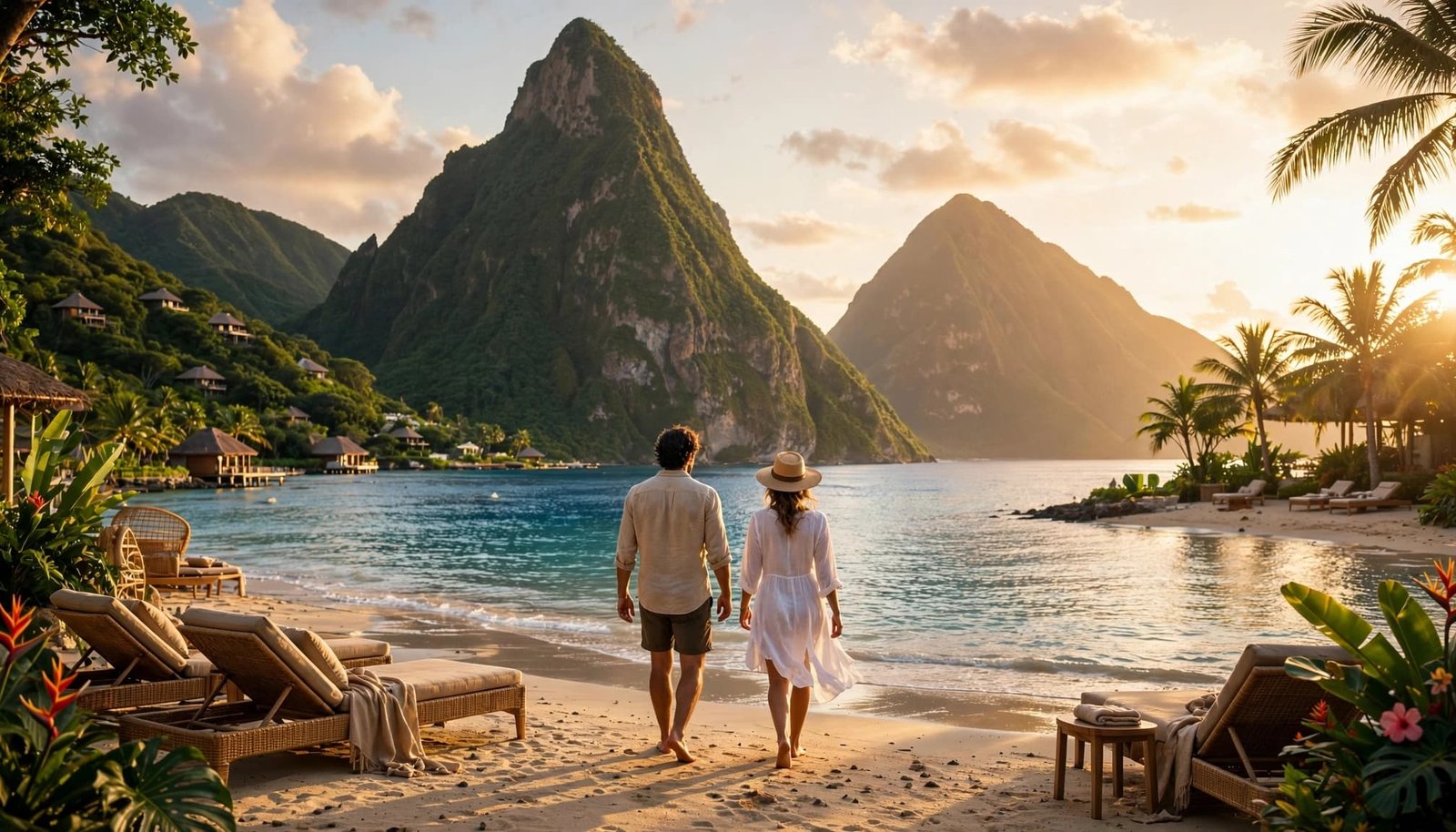
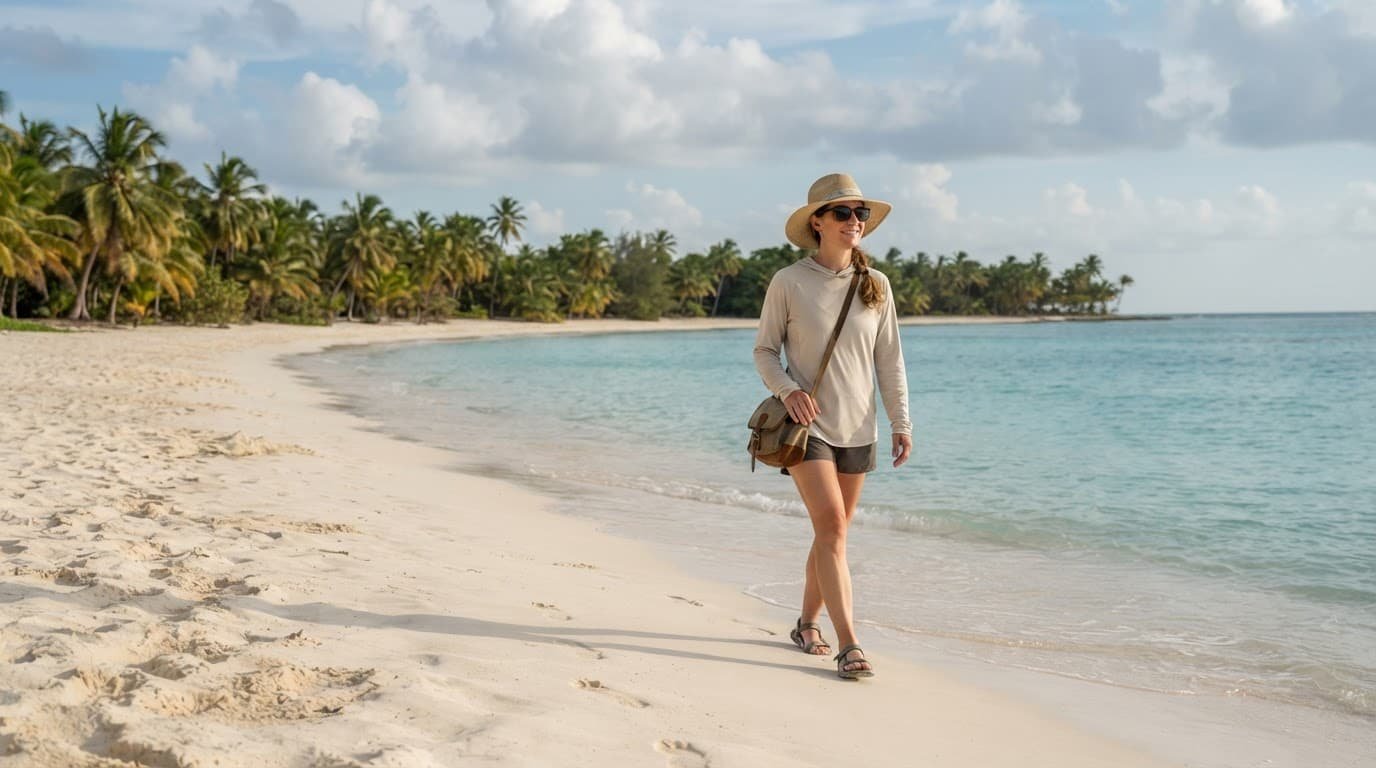
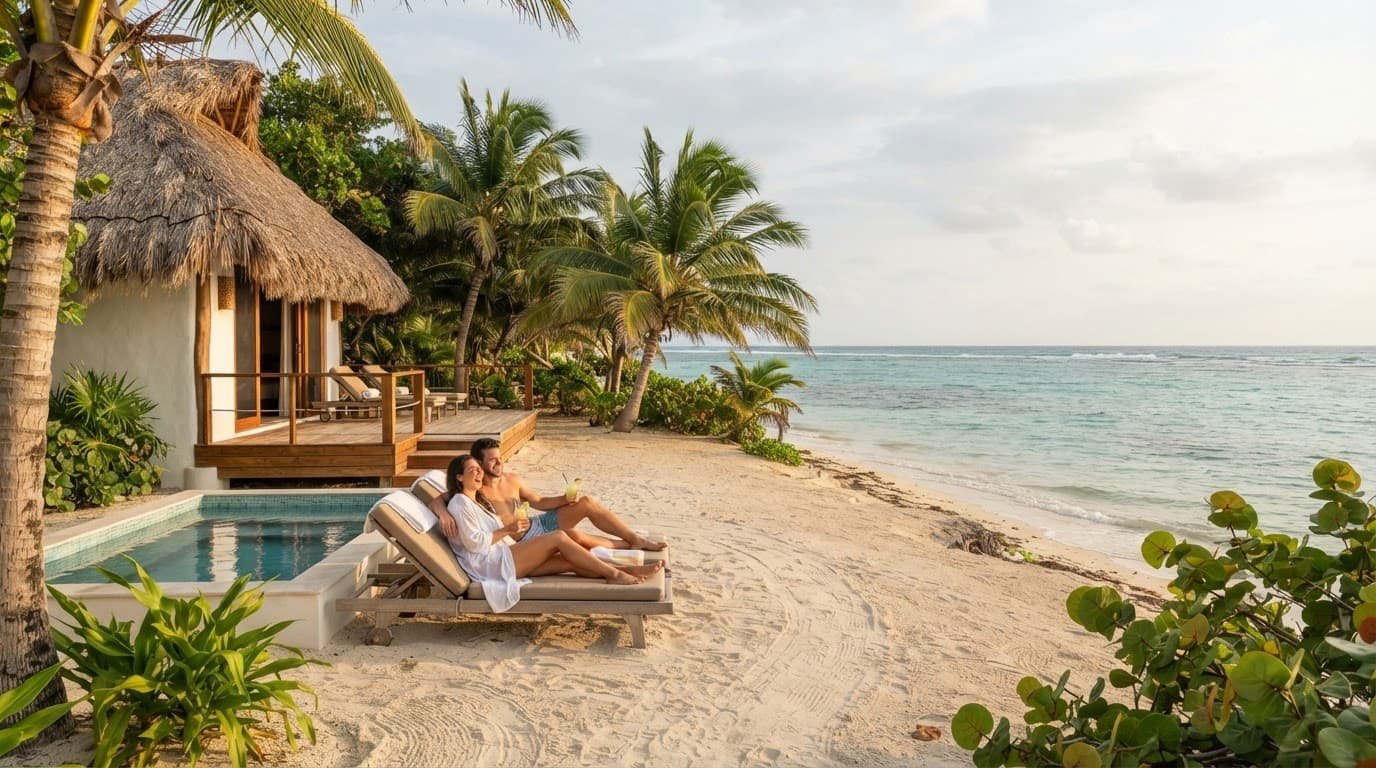
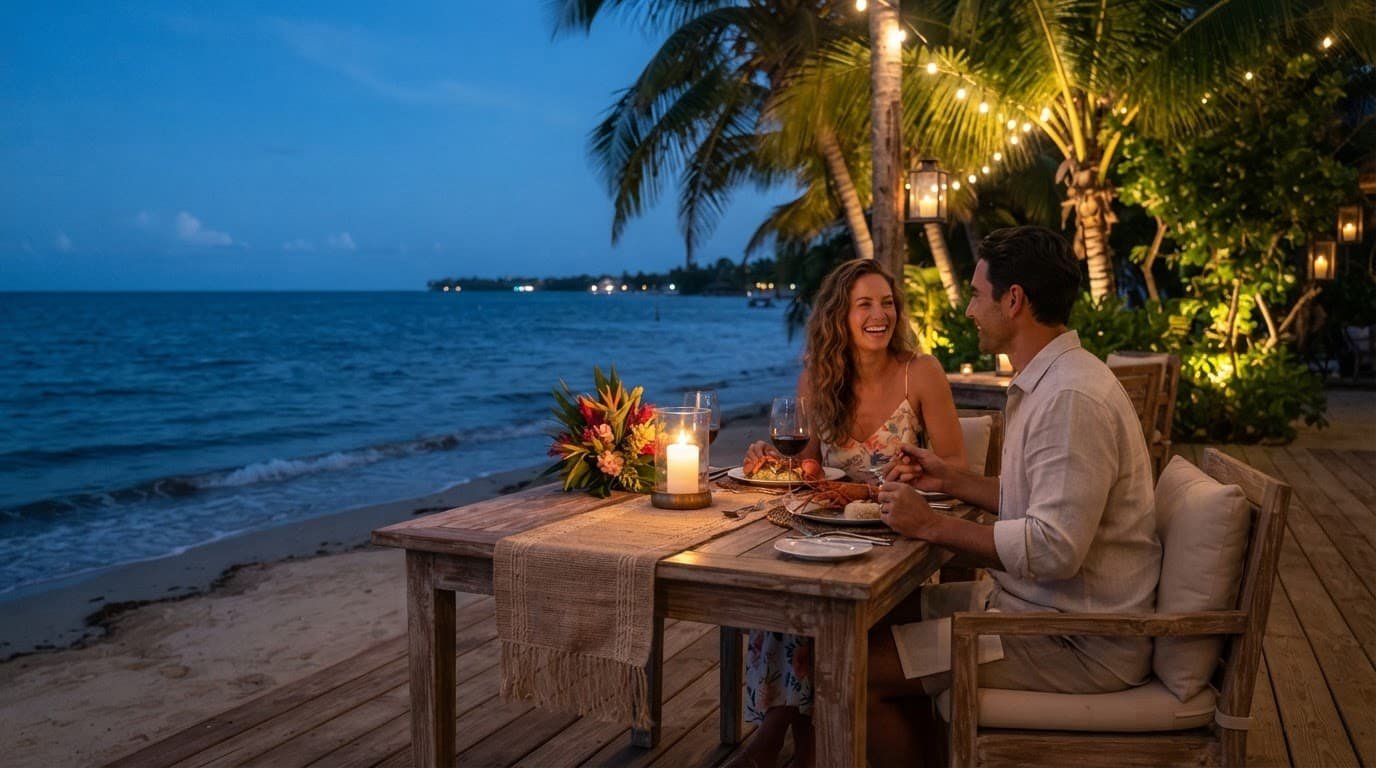
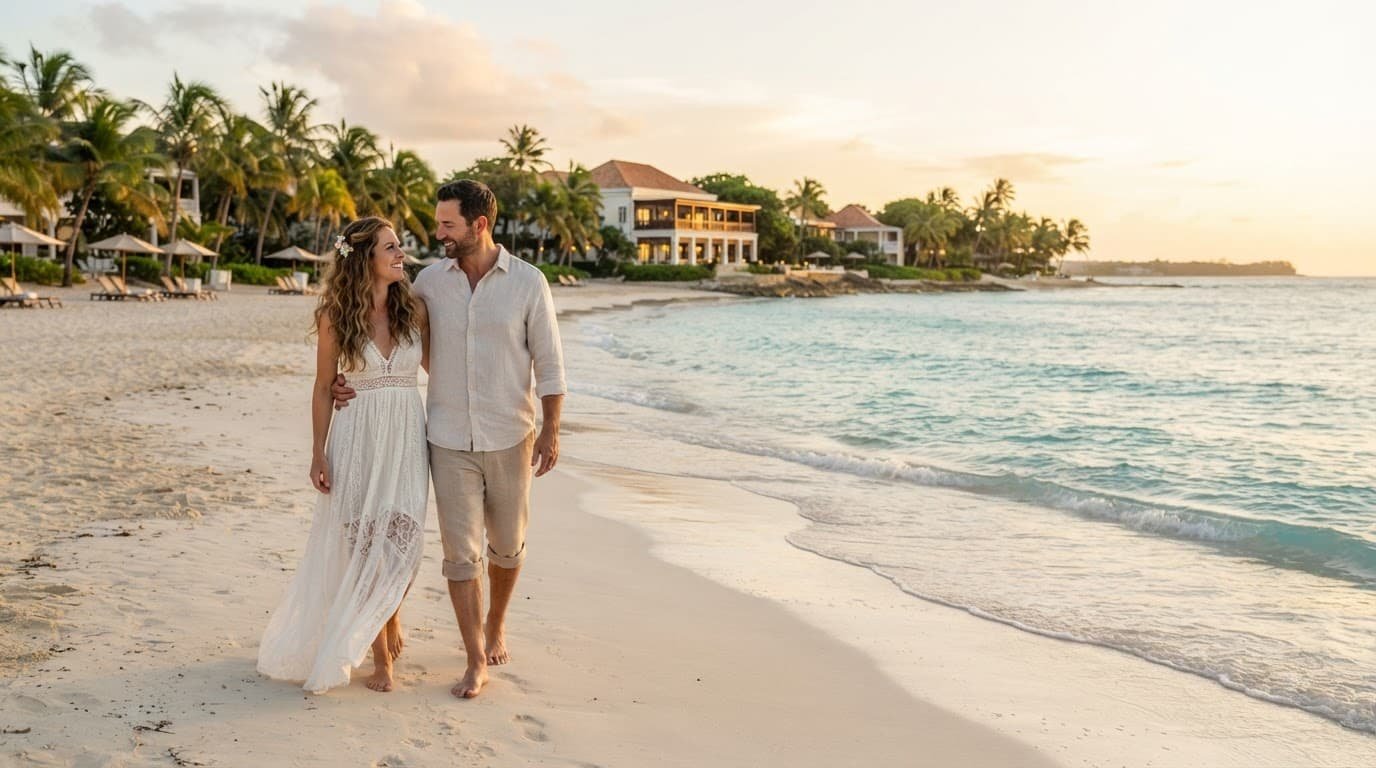
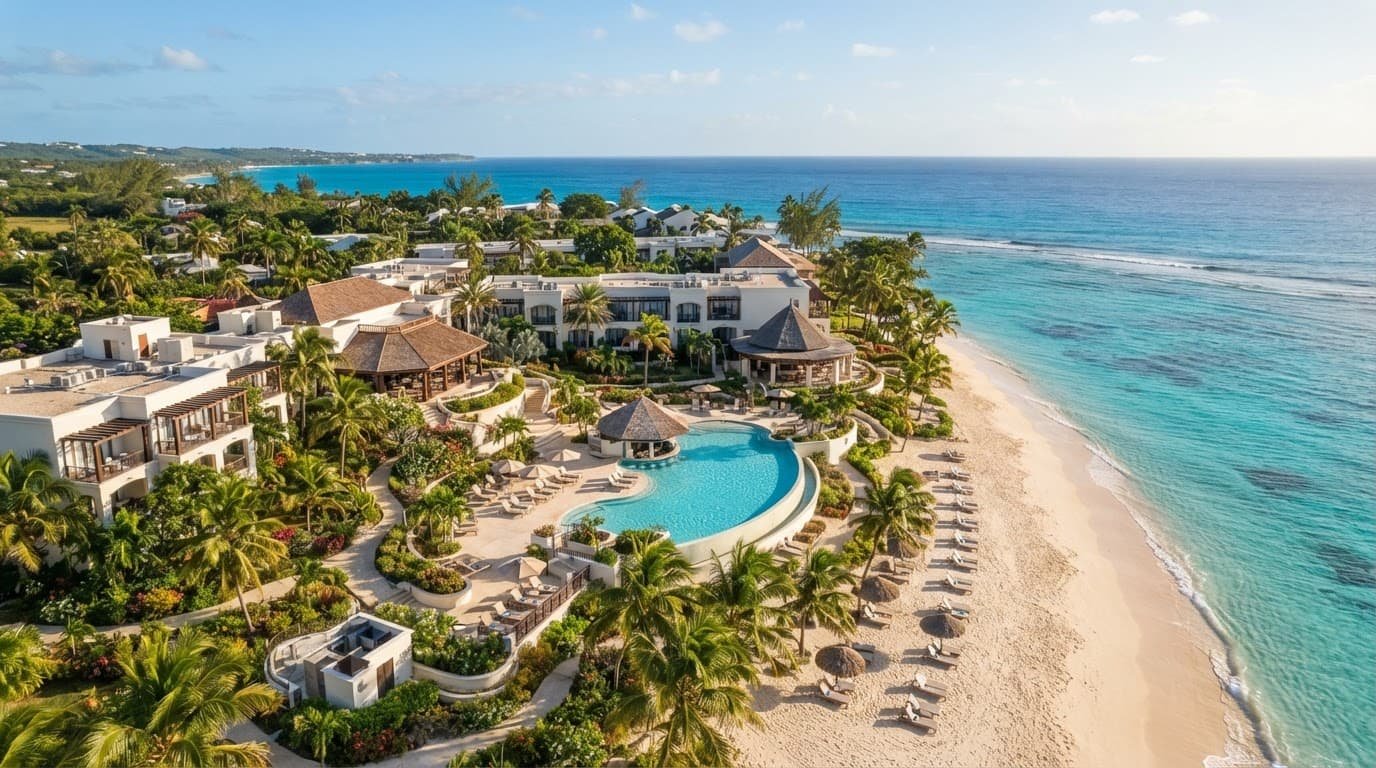
Why is San Juan a top 2026 getaway? San Juan seamlessly blends historic charm, pristine beaches, vibrant nightlife, and lush rainforests. With no passport needed for U.S. travelers, it offers an easy, affordable, and culturally rich Caribbean escape perfect for quick 3-to-4-day trips.
San Juan is having a moment, and not the flash-in-the-pan kind. For 2026, it’s landing on more short lists because it gives travelers what most trips don’t: beach time, real history, great food, late nights, and easy planning in one place.
That’s the draw. You don’t have to choose between a pretty Caribbean escape and a city with personality. San Juan gives you both, and it does it without making the trip feel complicated or overpriced.
If you want a getaway that feels full, not frantic, this is why San Juan is rising fast, and how to plan it the smart way.
🎯 Quick Answer: San Juan works because you can walk historic cobblestone streets in the morning, hit the beach by lunch, eat authentic mofongo at sunset, and still have time for salsa dancing or a rainforest day trip. Stay 3 to 4 nights for the perfect balance.
Affiliate Disclosure: This article contains affiliate links. If you book through these links, I Need My Vacation may earn a commission at no extra cost to you. We only recommend services we trust and use ourselves.
San Juan is easy to want because it solves a common travel problem. You want beaches, but not a sleepy resort week. You want culture, but not a city break with no downtime. You want somewhere tropical that still feels simple to book and easy to move around.
That’s where San Juan keeps winning. U.S. travelers get familiar logistics, U.S. dollars, and simple flight access. Once you land, you’re not stuck choosing one version of the trip. Old San Juan gives you history and atmosphere. Condado, Escambron, and Isla Verde give you sand and water. Santurce brings food, bars, and music. El Yunque is close enough to turn a beach trip into something bigger.
It also works for almost every kind of traveler. Couples get romance. Friends get nightlife. Families get walkable sights and easy beach days. Cruise travelers can step off the ship and get a fast, real taste of the city.
Why Does Old San Juan Give the Trip Instant Character?
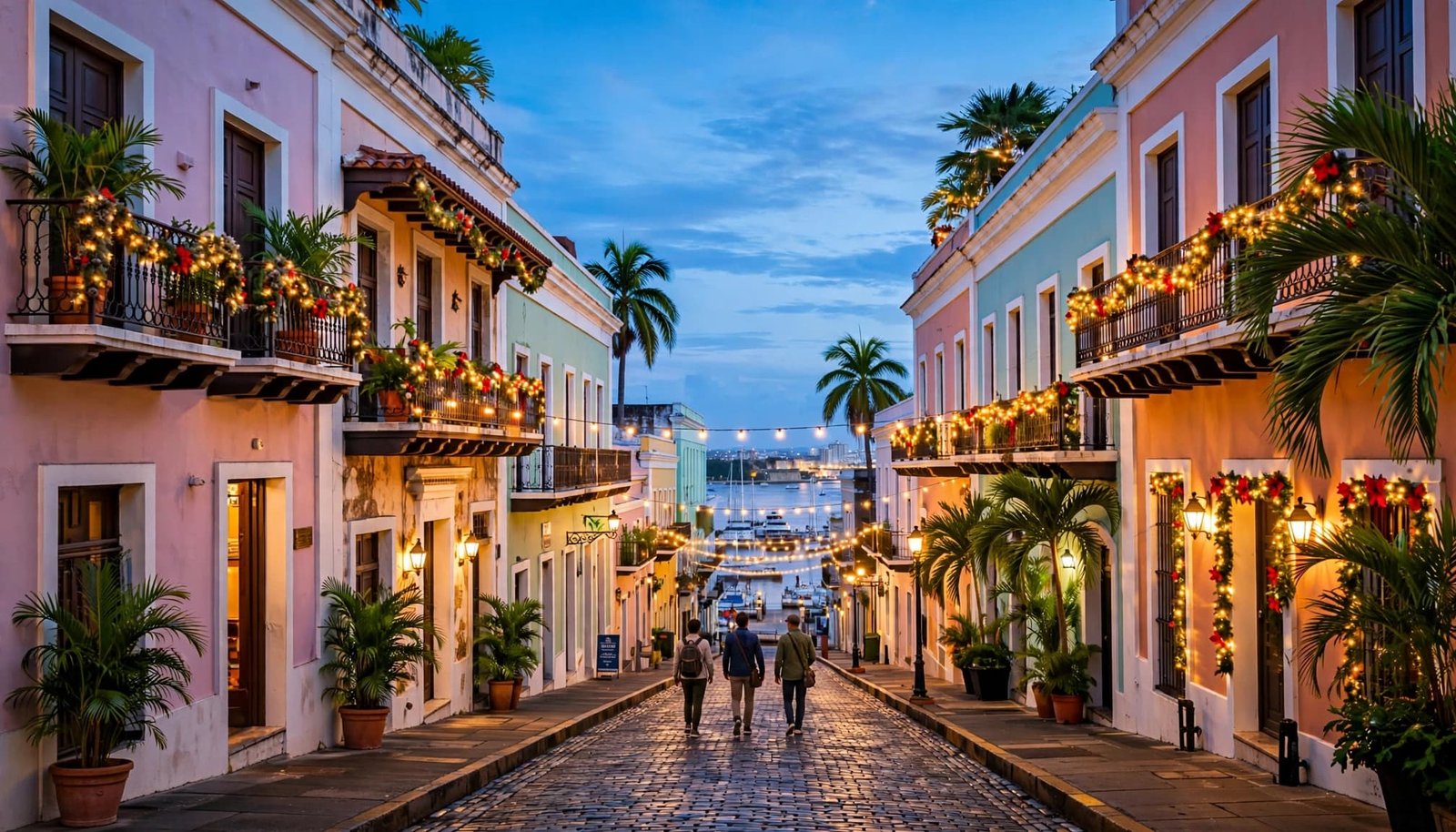
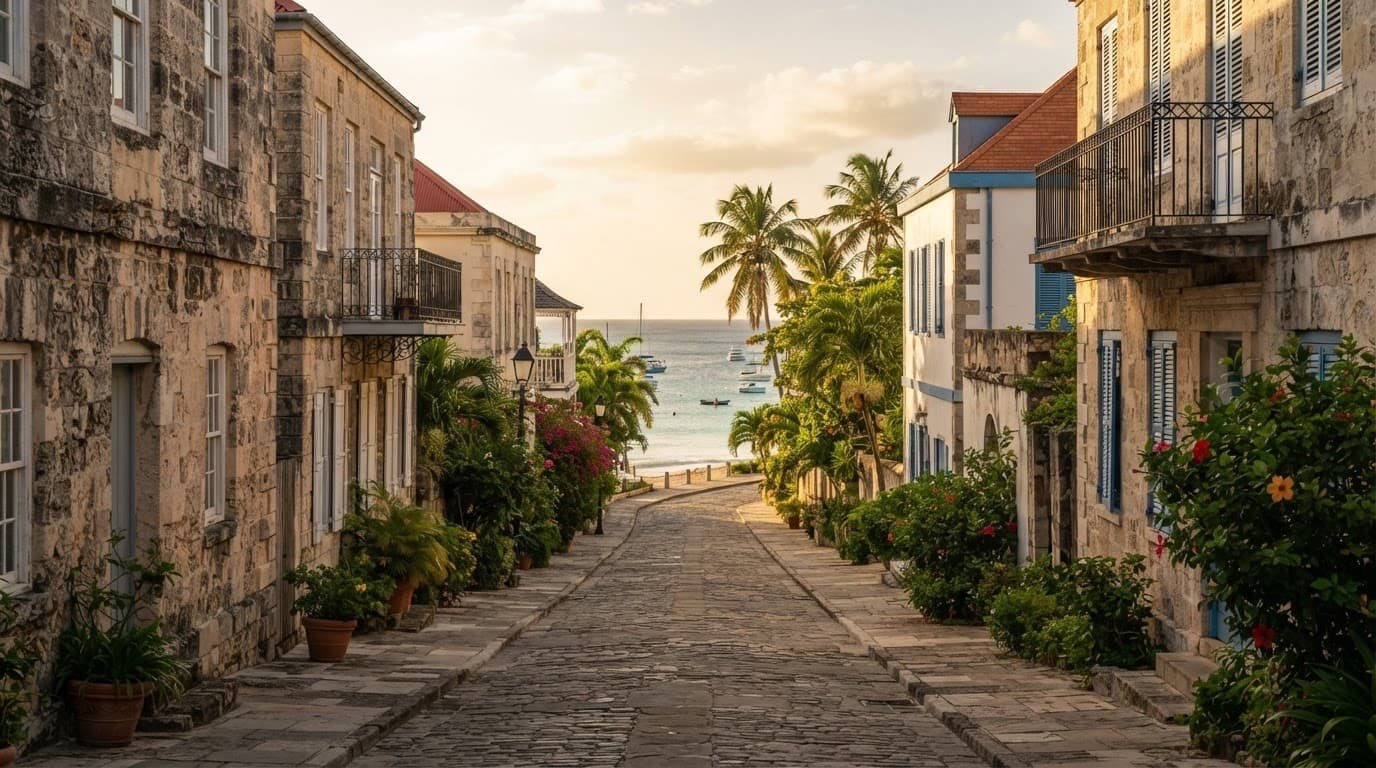
Some places take a day or two to click. Old San Juan hits immediately. The blue cobblestones, bright facades, balconies, plazas, and sea views give the city texture from the first hour.
The forts help, too. El Morro and Castillo San Cristobal don’t feel like throwaway stops. They give the trip weight. In a short visit, you can get a real feel for Puerto Rico’s history and street life without trying too hard.
How Do Beaches, Nightlife, and Nature All Sit Close Together?
This is the other reason San Juan keeps climbing. The city doesn’t make you travel far for variety. You can swim in the morning, clean up for dinner, and be out listening to live music the same night.
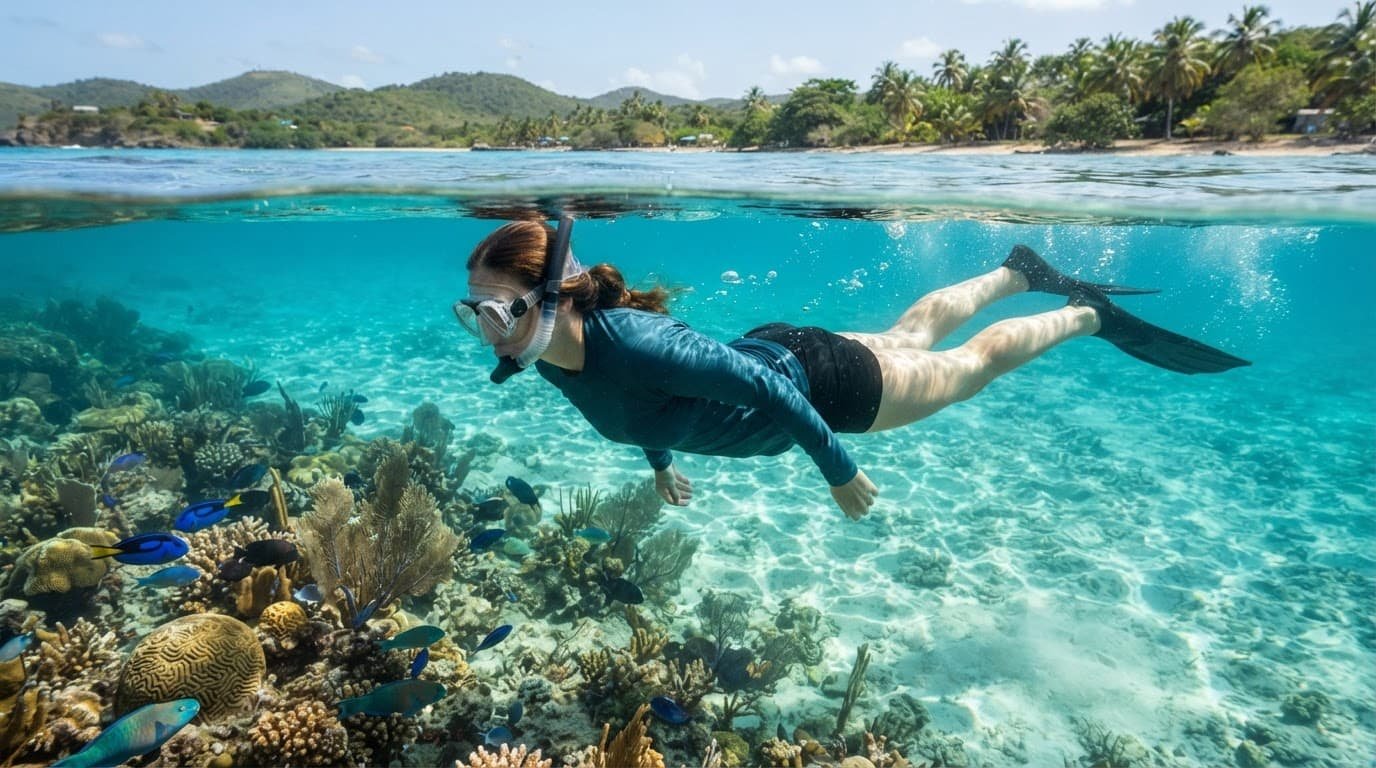
Condado is easy and social. Escambron is a favorite for calmer water and snorkeling. Isla Verde gives you a longer beach feel with plenty nearby. Then there is El Yunque, which turns the trip from “nice city by the water” into a fuller Puerto Rico experience.
✈️ Search Flexible-Date Flights to San Juan
Compare prices across multiple dates to find the cheapest way to reach Puerto Rico before prices jump.
How Do I Spend a Few Days in San Juan Without Feeling Rushed?
The smartest San Juan trip is not packed wall to wall. It’s balanced. Three or four nights is the sweet spot for most people because it gives you room to enjoy the city instead of racing through it.
How Should I Spend My First Day in Old San Juan?
Start slow. Walk Old San Juan early, before the heat builds and the streets get busier. See El Morro, then Castillo San Cristobal, and leave time for aimless wandering between them. That’s half the point.
Stop for coffee. Grab a simple lunch. Walk Paseo de la Princesa in the later afternoon when the light softens and the harbor looks its best. This day works best when it feels loose, not scheduled down to the minute.
What Is the Best Way to Experience San Juan’s Beach and Nightlife?
Pick your beach and commit to it for the morning. Condado is the easy answer if you want restaurants close by. Isla Verde makes more sense if beach time is the main event.
Use the afternoon for a late lunch and a reset. Then head to La Placita de Santurce at night. It works whether you want a sit-down dinner, a casual drink, or a louder salsa-heavy scene that keeps going after dark.
Should I Add a Day Trip for a Bigger Adventure?
This is the move that makes the trip feel complete. El Yunque is the best add-on for most first-time visitors. You get waterfalls, rainforest trails, and a different side of Puerto Rico in a single day.
If hiking isn’t your thing, a sunset sail works beautifully. Same payoff, different pace. Either way, you add contrast, and the trip stops feeling like a city break with a beach attached.
🎫 Book El Yunque Tours & Sunset Sails
Enhance your trip with guided rainforest adventures, boat tours, and cultural experiences at the best prices.
What Are the Best San Juan Experiences Travelers Should Not Skip?
The highlight reel in San Juan is not hard to build. The trick is picking the experiences that feel local without turning the trip into homework.
Why Are Food, Rum, and Salsa Essential to the San Juan Experience?
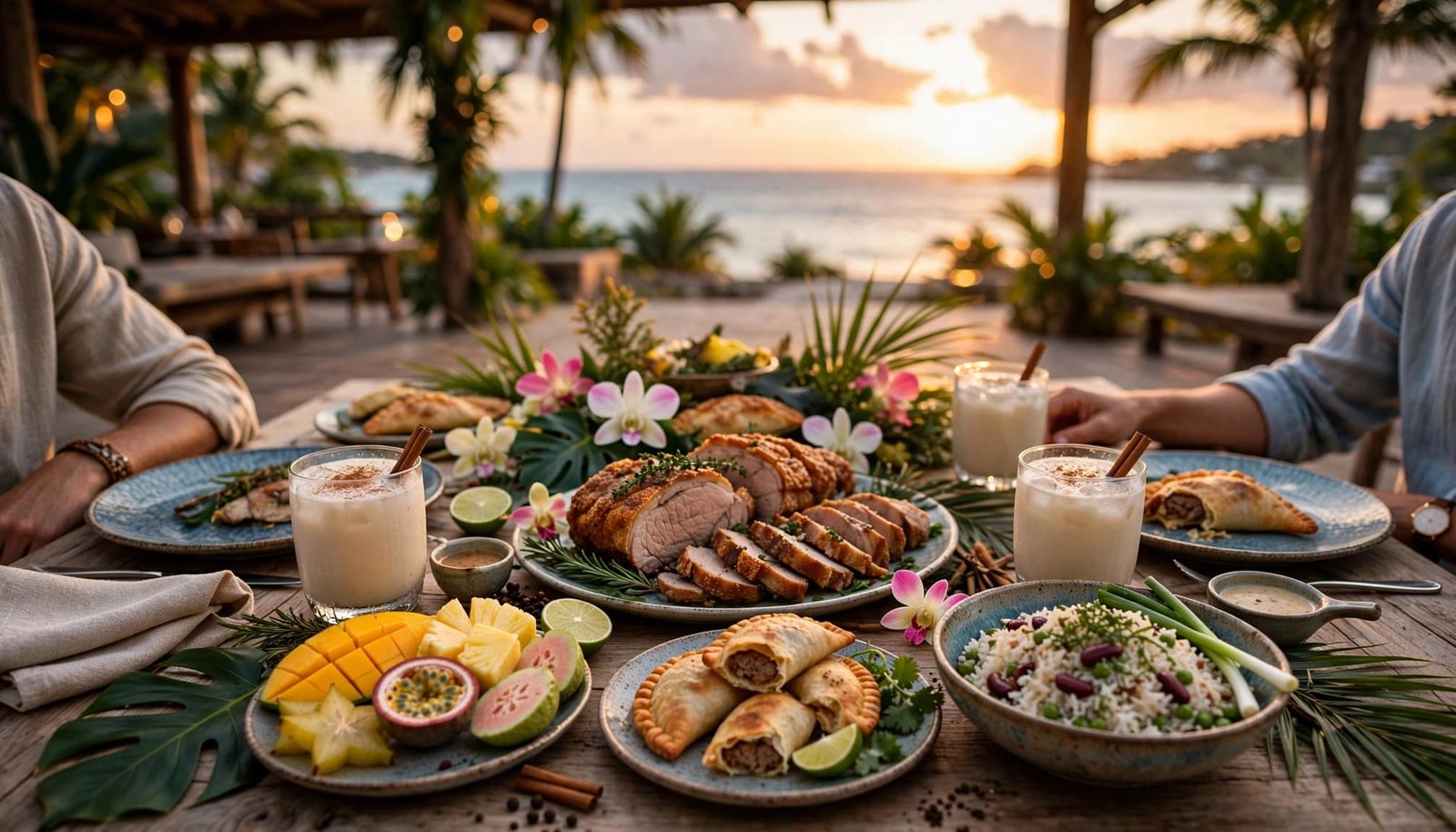
Start with the food. Mofongo is the obvious pick, and for good reason. Done well, it’s rich, garlicky, comforting, and the kind of dish you remember after the trip. Street snacks matter too, especially if you’re the type who’d rather taste five things than sit through one long dinner.
Rum and salsa round it out fast. A Casa Bacardi visit fits travelers who like tastings and easy tours. A salsa class makes more sense if you want something interactive and memorable.
✅ Must-Try Local Experiences:
• Mofongo: The ultimate Puerto Rican comfort food
• Casa Bacardi Tour: Easy, fun rum tasting and history
• Salsa Dancing: Live music and clubs in Santurce
• Street Food: Try alcapurrias and bacalaítos at local kiosks
How Do Street Art and Bay Views Add Easy Variety?
Not every great San Juan moment needs a reservation. Santurce has street art that gives your camera roll a break from beaches and forts. Paseo de la Princesa is one of those low-effort, high-reward walks that works for almost anyone.
Bay views do the same thing. A boat tour or sunset sail is simple, photogenic, and low stress. That’s a big part of San Juan’s appeal in 2026. It gives you a lot of trip without asking you to overplan every hour.
How Do I Plan a Smarter San Juan Trip in 2026?
Popularity is good for the city and not always great for late bookers. If San Juan is on your shortlist, a little planning goes a long way.
Which San Juan Neighborhood Best Matches My Travel Style?
Where you stay shapes the whole trip. This quick breakdown keeps it simple.
Area
Best For
Trade-off
Good Fit
Old San Juan
History, walkability, charm
Smaller rooms, less beach access
First-timers
Condado
Beach plus restaurants
Busier, pricier
Couples, short stays
Isla Verde
Sand and airport convenience
Less historic feel
Beach-first trips
Santurce
Food, art, nightlife
Less polished in spots
Friends, repeat visitors
If you’re also comparing islands and price points, these affordable Caribbean travel options help put San Juan in context. The big takeaway is simple: don’t book the prettiest hotel photo, book the area that fits how you want to spend your days.
🏨 Compare Refundable Hotels in San Juan
Check real-time availability in Old San Juan, Condado, and Isla Verde before the best rooms disappear.
San Juan is not a hidden deal anymore. Winter and spring dates move fast, and major events like the San Sebastian Street Festival and Noche de San Juan can push rates higher.
Flexible dates help. Refundable rooms help more. So does comparing neighborhoods before you commit. If you want the best mix of price and location, book earlier than you think.
What Should I Pack for San Juan’s Weather and Walking?
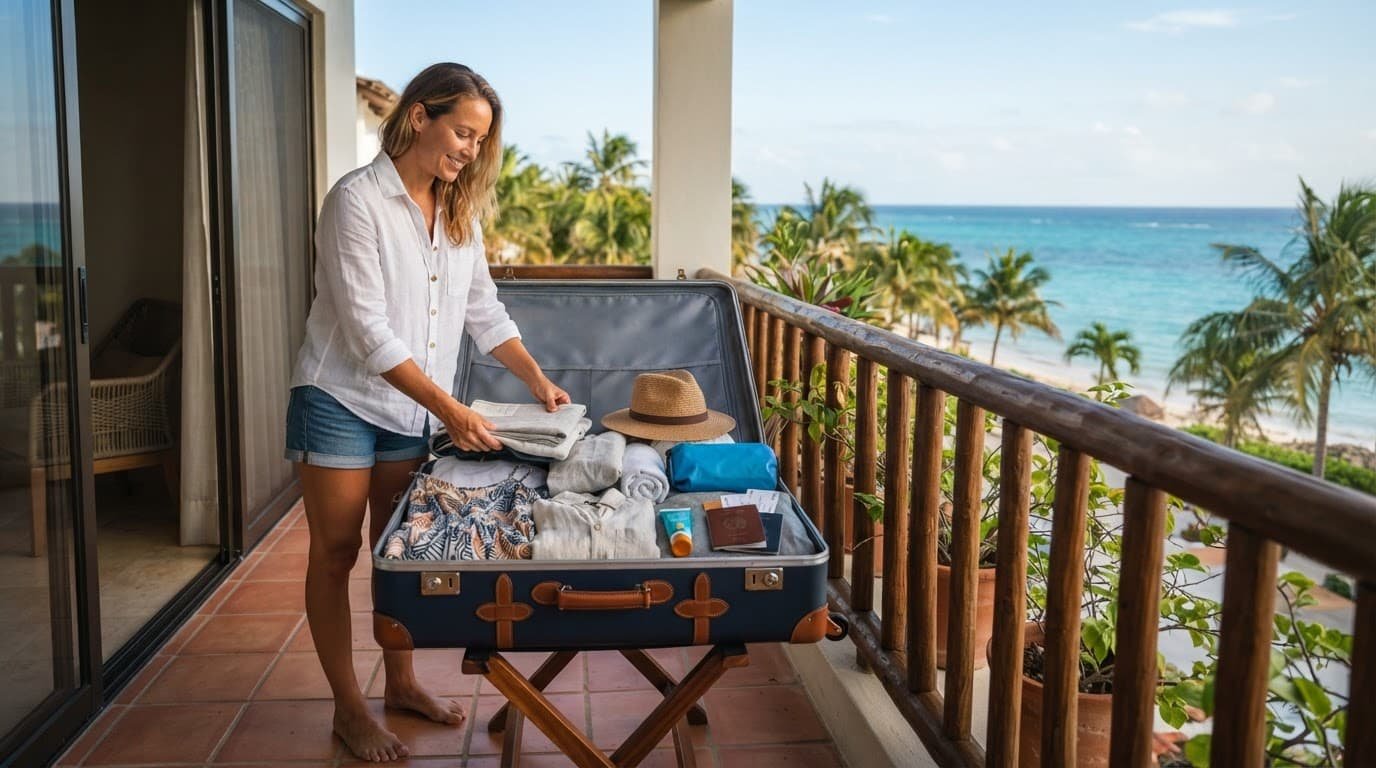
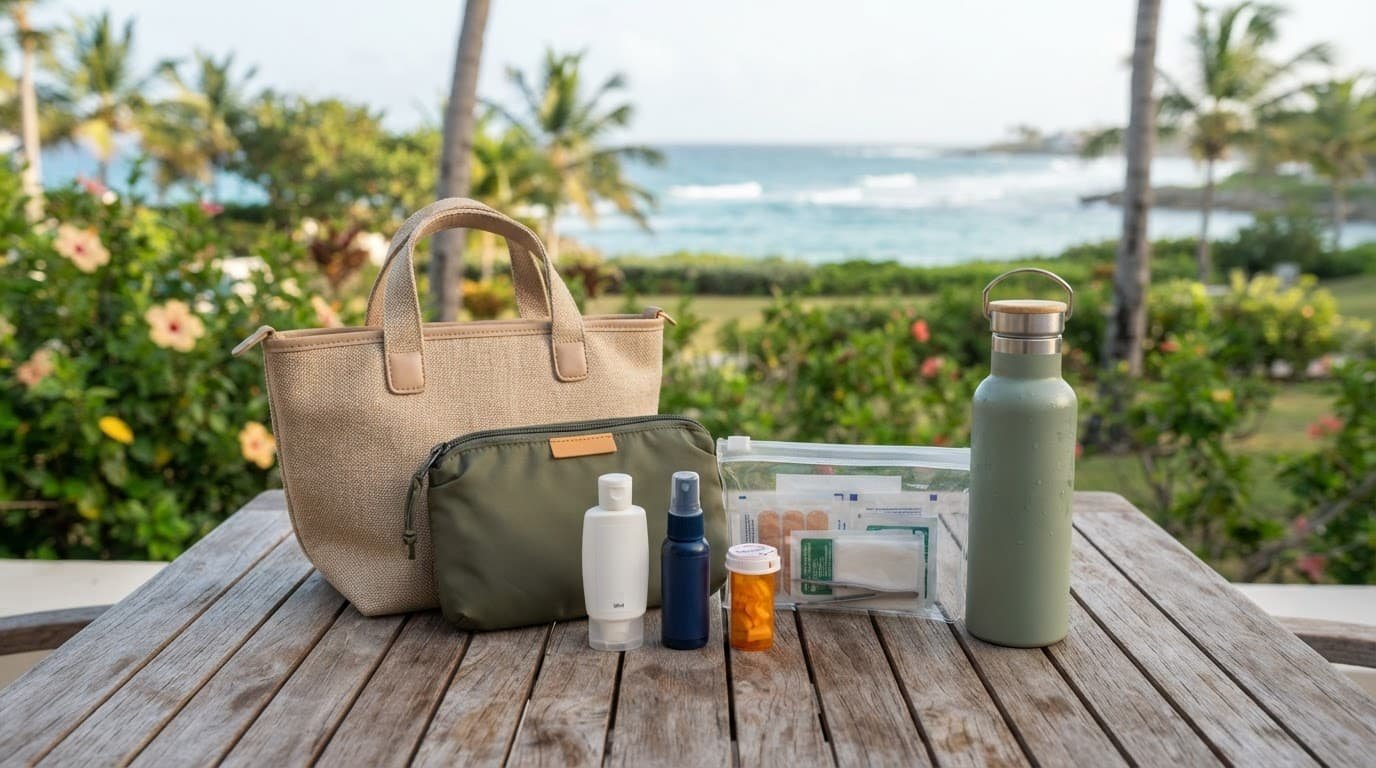
San Juan packing is easy when you don’t overdo it. Bring breathable clothes, swimwear, sandals, one pair of comfortable walking shoes, reef-safe sunscreen, and a light rain layer.
That last item matters. Tropical weather can shift fast, especially if El Yunque is on your list.
💡 Packing Essentials:
• Breathable linen or cotton clothing
• Comfortable walking shoes (cobblestones are uneven!)
• Reef-safe sunscreen & bug spray for El Yunque
• Light rain jacket or umbrella
• Swimwear & quick-dry towel
🎒 Pack Smart for Your San Juan Trip
Get reef-safe sunscreen, comfortable walking shoes, and tropical travel must-haves delivered fast.
Conclusion: Is San Juan the Right 2026 Getaway for You?
San Juan keeps rising because it gives travelers more than one kind of trip. You get beaches, history, food, nightlife, and nature without burning a week or juggling a complicated plan.
That’s why San Juan feels so wanted for 2026. It isn’t trying to be one thing. It gives you enough variety to keep the trip exciting, and enough ease to keep it relaxing.
If it’s already on your radar, now is the smart time to lock it in before the best dates and best stays start disappearing.
🚀 Ready to Book Your Perfect San Juan Escape?
Start with flights, compare hotels, and unlock package savings—all in one place.
Yes, if you keep the plan tight. Three days is the perfect sweet spot. It gives you enough time to explore the historic forts and cobblestone streets of Old San Juan, relax on the beaches of Condado or Isla Verde, and take one epic day trip to the El Yunque rainforest or a sunset catamaran sail.
What part of San Juan is best for first-time visitors?
Old San Juan is the best pick if you want charm, history, and walkable sightseeing. However, Condado is better if you want immediate beach access with high-end restaurants and boutiques right across the street. Many first-timers split their stay: two nights in Old San Juan for culture, and one night in Condado for the beach.
Do I need a car in San Juan?
Not usually, especially for a short stay. If you’re focusing on Old San Juan, Condado, and Isla Verde, rideshares (Uber operates legally in San Juan) and walking are more than enough. You only need to rent a car if you plan to explore the rest of Puerto Rico, like driving to El Yunque, Rincón, or the bioluminescent bays on your own schedule.
Zanzibar Is Becoming the New Maldives, and Why Travelers Care
Why is Zanzibar called the new Maldives? Zanzibar offers similar turquoise waters and white sand beaches at a lower cost, plus rich culture, history, and diverse activities. It’s ideal for travelers wanting beach luxury without resort-only isolation or premium pricing.
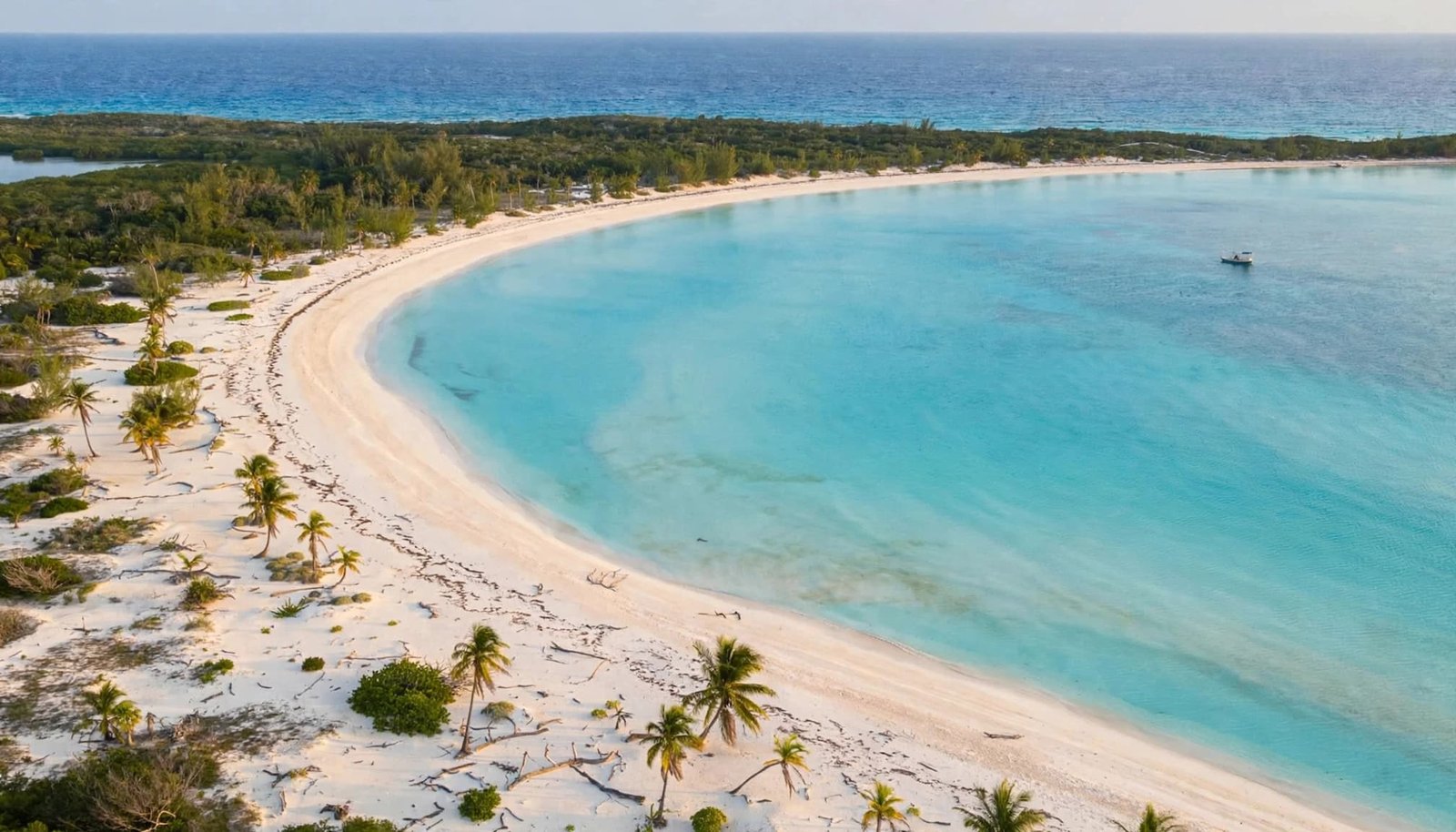
Zanzibar keeps popping up in 2026 travel searches because it gives you that Maldives-style beach dream without the same price tag. White sand, clear water, and warm weather are part of the appeal, but so is the fact that you can spend less and still get a trip that feels special.
That said, Zanzibar is not the Maldives, and that’s the point. If you want more than a resort bubble, with culture, food, history, and a little more room in the budget, Zanzibar starts to look like a very smart choice.
So the real question is simple: is Zanzibar actually a better pick for your trip?
🎯 Quick Answer: Zanzibar is becoming the new Maldives because it offers similar turquoise waters and white sand beaches at a fraction of the cost, plus rich Swahili culture, spice farm tours, Stone Town history, and diverse activities beyond resort walls—perfect for travelers wanting beach luxury without isolation or premium pricing.
Affiliate Disclosure: This article contains affiliate links. If you book through these links, I Need My Vacation may earn a commission at no extra cost to you. We only recommend services we trust and use ourselves.
What Is Driving the Zanzibar and Maldives Comparison?
The comparison is happening because travelers want the same thing from both places—that calm, glossy, postcard beach feeling. But they also want to know where their money goes farther, where the trip feels more complete, and where the photos look like they belong on a mood board.
That is why Zanzibar keeps showing up in the same conversation as the Maldives. It checks a lot of the same boxes, then adds a few of its own.
What Beach Look Are Travelers Wanting in 2026?
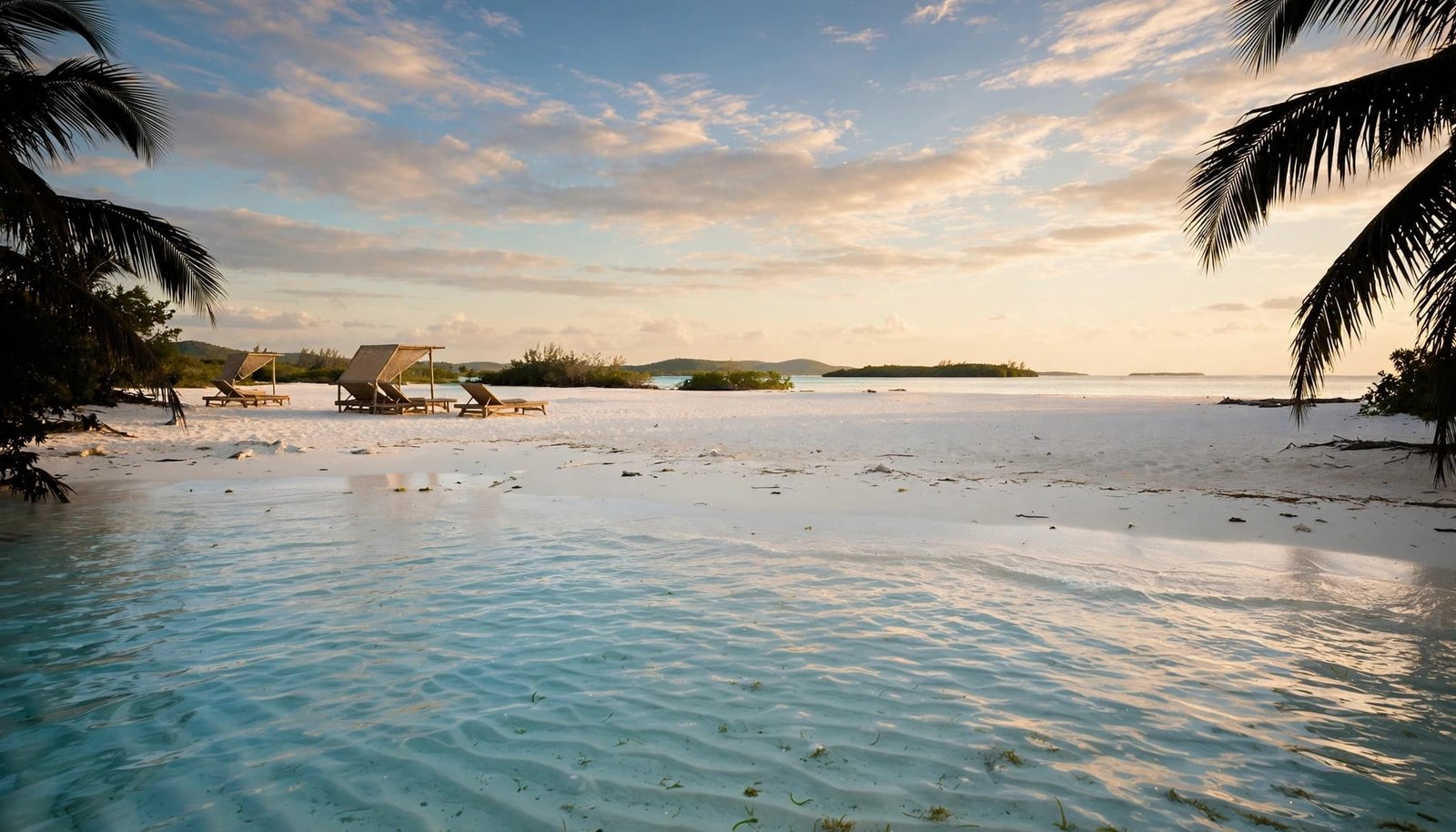
Travelers are still chasing the classic beach formula: white sand, clear water, palm trees, and a quiet ocean line that looks almost too perfect to be real. Zanzibar delivers that look in a way that feels easy to understand at a glance. It is the kind of scene people save, share, and search for again.
That visual matters more than ever because beach trips now get judged fast. Social posts reward the first impression, travel search brings up image-heavy results, and AI answers often favor the destination that fits the simplest, strongest visual story. Zanzibar fits that story cleanly, especially when travelers want a place that looks polished without feeling overdone.
The Maldives still owns the private-island fantasy. Zanzibar, though, has the kind of beach scenery that feels more reachable, less staged, and easier to picture on a real trip.
✅ Zanzibar Beach Appeal:
• Turquoise waters matching Maldives quality
• White sand beaches without crowds
• Palm-fringed shorelines perfect for photos
• More accessible pricing for similar visuals
• Less staged, more authentic island feel
Why Does Value Matter More Than Ever?
Rising travel costs have changed the way people compare destinations. A lot of travelers still want a special trip, but they are less willing to pay luxury-island prices just to sit by the water. That is where Zanzibar gets attention. It feels premium enough for a honeymoon, anniversary, or big-life trip, but it does not carry the same reputation for all-in, high-end spending.
This shift is simple. If two destinations both promise turquoise water and a beautiful beach, most people will ask which one gives them more for the money. Zanzibar wins that question for a lot of budget-conscious travelers because it can stretch a trip further. You can keep the experience memorable without making every meal, transfer, and night stay feel like a splurge.
The Maldives still works for travelers who want pure luxury and privacy. Zanzibar pulls in the people who want beauty plus breathing room in the budget. That difference is the whole story.
How Are Travel Trends Helping Zanzibar Stand Out?
A big part of Zanzibar’s rise is tied to how people want to travel now. Quiet trips are more appealing. Wellness-focused breaks are more appealing. Shorter getaways that still feel worth the airfare are more appealing. Zanzibar fits all three.
It also offers something many famous beach destinations do not—a sense of discovery. Travelers are looking past the obvious names and choosing places that feel a little less expected. Zanzibar gives them that mix of calm beaches, local culture, and a trip that feels more layered than a resort-only stay.
Travelers are not just booking beaches anymore—they are booking a mood, a budget, and a story they want to tell later.
That is why the Zanzibar and Maldives comparison keeps growing. One is the classic luxury answer. The other is the smarter, more flexible alternative for people who still want the wow factor.
✈️ Search Flexible-Date Flights to Zanzibar
Compare prices across multiple dates to find the cheapest way to reach this tropical paradise.
Why Does Zanzibar Feel Like a Smarter Alternative for Many Travelers?
Zanzibar gives you the beach trip people want, but it does more than sit there looking pretty. That is the real draw. You can spend one day on soft sand and the next day in a historic alley, a spice farm, or on a boat to a nearby sandbank.
That mix changes the whole feel of the trip. Instead of paying for a stay that revolves around one resort, you get a destination with more layers, more movement, and more ways to spend your time well.
Do You Get More Than Just a Beach Stay?
Zanzibar’s beaches are the headline, but they are not the whole story. Stone Town adds history, spice farms bring scent and color into the trip, and local food makes every meal feel like part of the experience instead of an afterthought.
That matters if you get bored staying in one place. A beach-only vacation can start to feel like the same scene on repeat, while Zanzibar gives you easy side trips that break things up. You can pair a swim with a walking tour, a market lunch, or a local Zanzibar tour that adds something new without making the day feel packed.
💡 Beyond the Beach Highlights:
• Stone Town: UNESCO World Heritage site with culture & architecture
• Spice Farm Visits: See why Zanzibar is called “Spice Island”
• Local Cuisine: Fresh seafood, coconut, bold spices at every meal
• Day Trips: Boats, sandbanks, snorkeling, small-island exploring
• Cultural Immersion: Markets, history, and authentic interactions
A trip feels richer when it has a rhythm, not just a shoreline.
Does It Often Cost Less Than the Maldives?
For many travelers, this is the part that seals it. Zanzibar usually gives you more room to work with your budget, especially if you are traveling as a couple, as a family, or for more than a few nights. You are not locked into the same all-or-nothing resort pricing that often comes with the Maldives.
There are usually more ways to control costs. You can choose a smaller hotel, eat at local restaurants, book activities only when you want them, and stay longer without the bill getting out of hand. That kind of flexibility makes a big difference when you are comparing real trip totals, not just nightly rates.
Trip Cost Factor
Zanzibar
Maldives
Lodging choices
More range (budget to luxury)
Mostly luxury resorts
Food costs
Easier to manage locally
Often higher on islands
Activities
Mix of free and paid options
More packaged around resorts
Longer stays
Easier to stretch budget
Can get expensive fast
The result is simple. Zanzibar often feels like the better value because you can still have a special trip without paying luxury-island prices for every single day.
🏨 Compare Zanzibar Hotel Prices
Check real-time availability, read verified reviews, and lock in free cancellation options before prices rise.
Zanzibar is flexible in a way that helps a lot of travelers. Honeymooners can still get the romantic beach setting. Solo travelers can mix downtime with culture and food. Couples can keep things relaxed without feeling stuck in one resort bubble. If you want a quiet escape that still gives you options, it fits that too.
That flexibility is one of its biggest strengths. You can make the trip low-key or active, and the destination works either way. Spend the morning on the water, the afternoon in town, and the evening with a calm dinner by the beach. That pace feels balanced, which is why Zanzibar appeals to travelers who want a trip that has room to breathe.
If you are the type who likes variety but does not want a packed itinerary, Zanzibar lands in the sweet spot. It is calm, but not boring. Beautiful, but not one-note. And that is why so many travelers are starting to see it as the smarter pick.
✅ Trip Style Flexibility:
• Honeymooners: Romantic beaches + cultural experiences
• Solo Travelers: Safe, welcoming, mix of relaxation & exploration
• Couples: Intimate settings without resort isolation
• Families: Kid-friendly beaches + educational activities
• Budget Travelers: Luxury feel without luxury prices
Where Is Zanzibar Different from the Maldives, and Why Does That Matter?
Zanzibar and the Maldives can look similar in a quick search, but they do not deliver the same trip. One is built around private-island luxury and total seclusion. The other gives you beaches plus a real destination around them, which changes how the whole vacation feels.
That difference matters because most travelers are not choosing a postcard. They are choosing a pace, a budget, and a trip style that fits how they actually want to spend their days.
How Do Luxury Resorts Compare to a More Mixed Travel Feel?
The Maldives still does ultra-luxury better. If you want overwater villas, private island service, and a stay where the resort is the whole point, it wins easily. Everything is polished, contained, and built for guests who want the same elegant bubble from breakfast to bedtime.
Zanzibar feels more mixed. You can stay in a boutique hotel, a beach resort, a heritage property, or a smaller local guesthouse, and the island still pulls you outside the room. That range gives you more room to match your budget and your style, whether you want comfort, character, or both.
It also changes the mood of the trip. The Maldives is a perfect frame around the beach. Zanzibar is the beach plus the rest of the picture.
Private Island Escape vs Cultural Island Trip—Which Do You Want?
If your goal is pure seclusion, the Maldives is hard to beat. It is made for slow mornings, private decks, and long stretches where the loudest sound is the water. For couples who want to disappear for a while, that is exactly the appeal.
Zanzibar gives you more to do off the sand. Stone Town brings history and a real sense of place, spice farms add a strong local identity, and day trips can break up the beach time without making the trip feel busy. You are not just visiting an island—you are moving through one.
That matters if you get restless on a resort-only vacation. Zanzibar lets you mix beach time with culture, food, and short excursions, so the trip feels fuller without becoming packed.
If you want quiet, the Maldives is the cleaner choice. If you want quiet with options, Zanzibar has the edge.
Which Destination Gives You Better Value for Money?
The better value is not just the cheaper nightly rate. It is the whole bill, including food, activities, transport, and how much you spend just to move around once you arrive.
The Maldives can be worth the splurge if your goal is a once-in-a-lifetime luxury stay. But it often comes with higher food costs, resort pricing for activities, and transfers that add up fast. Zanzibar usually gives you more control, which makes it easier to keep the trip comfortable without letting the total cost run away.
Cost Factor
Zanzibar
Maldives
Hotel choices
Wide range (budget to luxury)
Mostly luxury resorts
Meals
Easier to budget locally
Often higher on islands
Activities
Mix of paid and casual options
More resort-centered
Transport
More flexibility, lower costs
Transfers can add up fast
If you are comparing total trip cost, Zanzibar usually gives you more breathing room. You can spend on the parts that matter most, then save on the rest. That balance is what makes it feel like a smarter buy for a lot of travelers.
For many people, that is the real answer. The Maldives is the better choice for a private luxury escape. Zanzibar is the better choice when you want beauty, variety, and a trip that does not spend your whole budget on the room alone.
📦 Save 15-20% on Flight + Hotel Packages
Bundle your Zanzibar vacation and unlock exclusive deals you won’t find booking separately.
Zanzibar is a great fit if you want a beach trip that does more than sit pretty on a screen. It gives you warm water, soft sand, and that island escape feeling, but it also gives you movement, culture, and a little texture behind the postcard.
The Maldives still makes sense for travelers who want total privacy and high-end resort living. Zanzibar works better when you want a trip that feels beautiful and alive. If you like a destination that gives you options, not just one perfect pool deck, Zanzibar starts looking like the smarter choice.
Should I Choose Zanzibar If I Want Beach Plus Adventure?
Zanzibar fits travelers who get bored doing the same thing every day. You can wake up by the beach, then spend the afternoon in Stone Town, at a spice farm, or on the water. That mix makes the trip feel fuller without turning it into a packed itinerary.
It also works well if you like a destination with a real local pulse. The island has beaches, yes, but it also has markets, history, food, and day trips that keep the trip from feeling one-note. If your idea of a good vacation includes more than a resort chair, Zanzibar has the edge.
✅ Choose Zanzibar If You Want:
• Variety: Beach time, culture, and short excursions all fit into one trip
• Local Character: Stone Town and food scene add personality
• Value: Build a strong trip without luxury-island pricing
• Flexible Days: Nothing forces you to stay in one lane
• Cultural Immersion: Authentic experiences beyond resort walls
Should I Choose the Maldives If I Want Pure Luxury and Privacy?
The Maldives still wins when your main goal is quiet, luxury, and distance from everything else. Overwater villas, private decks, and resort service are the whole point. If you want a honeymoon where the outside world stays far away, that setup is hard to beat.
It also makes sense for travelers who want the classic dream-island feel with very little planning after arrival. You check in, slow down, and let the resort do the work. For some trips, that is exactly what people want.
💡 Choose Maldives If You Want:
• Privacy: Fewer distractions and more secluded stays
• Luxury: Polished resorts and overwater villas
• Romance: Classic honeymoon feel that’s easy to sell
• Stillness: Long, quiet days with little pressure to go anywhere
• Resort-Centric: Everything handled within resort grounds
What Are the Best Traveler Types for Each Destination?
If you are still deciding, the traveler type usually gives away the answer fast. Zanzibar and the Maldives both look amazing, but they suit different styles of travel.
Traveler Type
Better Choice
Why It Fits
Couples
Zanzibar
More variety, dining options, activities together
Honeymooners
Maldives
Privacy, romance, classic overwater villa feel
Families
Zanzibar
Easier to mix beach time with sightseeing
Value-Focused
Zanzibar
More control over lodging, food, activities
Luxury-First
Maldives
Best for high-end resort stays and seclusion
Restless Explorers
Zanzibar
Beaches plus culture and day trips
If you want the short version, here it is. Pick Zanzibar if you want a trip with beaches, culture, and a little adventure on the side. Pick the Maldives if you want quiet luxury and the cleanest possible island escape.
What Does a Zanzibar Trip Look Like from Start to Finish?
A Zanzibar trip usually feels best when it has a simple rhythm. You want enough structure to see the island well, but not so much that every day feels packed. The sweet spot is a mix of beach time, one or two cultural outings, and a final day that gives you room to slow down.
What Does a Simple 5-Day Beach and Culture Plan Look Like?
Day one usually works best as a soft landing. Settle in, take a walk by the water, and let the trip start at an easy pace. If you arrive through Stone Town, use the afternoon for a slow dinner and a short wander through the old streets.
Day two is the time to lean into the beach. Pick a coast that fits your style, then keep the day open for swimming, reading, and a long lunch by the sea. That first full beach day sets the tone and keeps the trip from feeling rushed.
On day three, add culture. A Stone Town visit or spice farm tour gives the trip some texture, and both are easy to fit into a half day. You get history, local flavor, and a break from the sand without losing the island mood.
Day four can stay simple again. Another beach morning, a boat ride, or a lazy afternoon works well here. By the last day, the best move is to do less, not more. Sleep in, enjoy one last meal with a view, and leave a little space before heading home.
✅ Ideal 5-Day Zanzibar Itinerary:
1. Arrival Day: Check in, settle down, explore Stone Town
2. Full Beach Day: Rest, swim, long lunch by the sea
3. Culture Day: Stone Town or spice farm tour
4. Easy Mixed Day: One activity + one slow meal
5. Final Slow Day: Packing, breakfast, calm departure
That kind of pacing makes the trip feel balanced. You get the beach fantasy, but you also get the parts that make Zanzibar feel like Zanzibar.
How Do I Keep the Trip Stress-Free?
The easiest way to keep Zanzibar smooth is to plan the basics early. Good beach rooms go first, especially in the areas people ask about most. If your dates are set, book before the best spots get picked over.
Transfers matter too. Zanzibar is not the kind of place where you want to guess how you are getting from the airport to your hotel. Check transfer options before you fly, and make sure your arrival time matches your check-in plan. A little prep saves a lot of airport friction.
Where you stay also changes the whole trip. Stone Town is best if you want history and a central base. Nungwi or Kendwa works well for beach days and easy resort stays. Paje suits travelers who want a livelier feel.
The less you bounce around, the easier Zanzibar feels.
If you want a simple formula, keep it to one city-style stop and one beach base. That setup cuts down on moving bags, missed rides, and decision fatigue. It also leaves more room for the part you actually came for—the island itself.
🚖 Pre-Book Airport Transfers
Skip the taxi line and reserve a private transfer from Zanzibar Airport to your hotel.
What Should I Look for When Booking Flights and Stays?
Flexible dates can save real money on a Zanzibar trip. Even a small shift in your flight dates can change the fare enough to cover a meal, a transfer, or a tour. If your schedule allows it, compare a few nearby options before you lock anything in.
For stays, beachfront sounds great, but the details matter. Check whether the room is truly on the sand, how long the walk is to the beach, and whether the area fits the kind of trip you want. A beautiful property in the wrong part of the island can turn into a daily hassle.
Refundable rooms are worth a closer look, especially if you are booking early. Plans change, weather shifts, and flight times move. A flexible rate gives you room to adjust without getting stuck.
💡 Booking Essentials Checklist:
• Flexible flight dates if you want the best fare
• Refundable rooms if your plans are not locked in
• Beachfront or near-beach stays if shoreline is priority
• Transfer details so you know how you’re getting around
• Area choice so your stay matches your trip style
• Read recent reviews for current conditions
The main mistake is booking by photos alone. Zanzibar has several different travel moods, and the right stay depends on which one you want. If you match the area, the room, and the pace of the trip, the whole experience gets easier fast.
🚀 Ready to Book Your Perfect Zanzibar Escape?
Start with flights, compare hotels, and unlock package savings—all in one place.
Zanzibar is not replacing the Maldives, but it is getting a lot of attention for a reason. It gives travelers the same tropical beach appeal, plus more culture, more variety, and a lower total cost for many trips.
The simple rule still holds: Maldives for pure luxury and privacy, Zanzibar for beaches, local character, and better value. If you want a trip that feels beautiful without paying for silence and seclusion all day, Zanzibar is the stronger bet.
If you are weighing the numbers, use a vacation budget estimator and plan around the kind of trip you actually want, not the one that looks best in a search result.
People Also Ask: Zanzibar vs Maldives FAQ
Is Zanzibar cheaper than the Maldives?
Yes, Zanzibar is typically 30-50% cheaper than the Maldives for comparable beach quality. You’ll find more budget-friendly accommodations, lower food costs, and affordable activities. While the Maldives focuses on luxury resorts with premium pricing, Zanzibar offers everything from budget guesthouses to boutique hotels, giving you more control over your total trip cost.
Which is better for a honeymoon—Zanzibar or Maldives?
It depends on your honeymoon style. Choose the Maldives for ultimate privacy, overwater villas, and resort-centric romance. Choose Zanzibar for a mix of beach relaxation, cultural experiences, spice farm tours, and Stone Town exploration—ideal for couples who want romance plus adventure without resort isolation.
Can you visit both Zanzibar and the Maldives on one trip?
Technically yes, but it’s not recommended. The destinations are far apart (4+ hour flight), have different visa requirements, and combining them significantly increases costs. Most travelers get better value choosing one destination fully. If you want variety, Zanzibar alone offers beaches, culture, and activities that satisfy both relaxation and exploration needs.
Is Zanzibar safe for tourists?
Yes, Zanzibar is generally safe for tourists. The island has a low crime rate against visitors, and most areas are safe to explore. Standard precautions apply: don’t leave valuables unattended, avoid isolated areas at night, and respect local customs (especially regarding dress in Stone Town). Tourist areas like Nungwi, Kendwa, and Paje are particularly safe and well-patrolled.
What is the best time to visit Zanzibar?
June to October and December to February offer the best weather with dry conditions and calm seas. July-August is peak season with highest prices. June and September provide excellent weather with fewer crowds. Avoid March-May (long rains) unless you don’t mind afternoon showers. Water temperatures stay warm year-round (26-29°C / 79-84°F).
🎒 Pack Smart for Your Zanzibar Trip
Get reef-safe sunscreen, beach essentials, modest clothing for Stone Town, and travel gear delivered fast.
Cancun Travel Guide 2026: Where to Stay, Go, and Save
What is the best way to plan a Cancun trip in 2026? Stay in the Hotel Zone for beaches and convenience or Downtown for budget savings. Visit December-April for best weather, May-June or November for value. Book airport transfers ahead, use public buses locally, and mix beach days with cenotes, ruins, or Isla Mujeres day trips.
Cancun still pulls in sun-seekers fast, and in 2026 that means one thing: you need a plan before you land. The good news is that the city is open, busy, and getting better in practical ways, but smart choices matter more than ever.
This Ultimate Cancun Travel Guide 2026 is built for first-time visitors, couples, families, and budget travelers who want the beach without the guesswork. You’ll get the basics that actually matter: where to stay, when to go, how to get around, what to do, and how to avoid the mistakes that cost time and money.
If you want a trip that feels easy instead of rushed, start with the parts that shape everything else.
🎯 Quick Answer: Best area to stay: Hotel Zone for beaches, Downtown for budget. Best time to visit: Dec-Apr for weather, May-Jun/Nov for value. Book airport transfers ahead, use public buses locally, and mix beach days with cenotes or Isla Mujeres trips for the perfect Cancun experience.
Affiliate Disclosure: This article contains affiliate links. If you book through these links, I Need My Vacation may earn a commission at no extra cost to you. We only recommend services we trust and use ourselves.
Cancun in 2026 is still the easy-button beach trip people expect, but it’s not a blank slate. It’s busy, polished in the main tourist zones, and built for visitors who want warm water, simple logistics, and a wide range of stay options without overthinking every move.
Why Does Cancun Stay Popular with Travelers?
Cancun keeps winning because it makes trip planning feel less like a project and more like a shortcut. You can usually find direct flights, plenty of resort inventory, and a setup that works for short getaways or longer family trips.
The other big draw is choice. Cancun has everything from budget-friendly all-inclusives to high-end oceanfront stays, so you can match the trip to your budget instead of forcing your budget to match the trip. Warm weather helps, too, since the beach season is long and the payoff is obvious the moment you step outside.
Which Type of Traveler Gets the Most Out of Cancun?
Cancun fits best when you want convenience first and atmosphere second. If you like knowing where you’ll sleep, how you’ll get there, and what the day will cost before you leave home, this place makes sense.
Budget travelers: Wide range of stay options from hostels to luxury
Solo travelers can enjoy Cancun, but it works best if they stay in the main tourist areas and book transport ahead of time. Nightlife-focused visitors will find what they want fast, especially around the Hotel Zone.
Cancun is best when you want the trip to feel simple. If you want more texture and less polish, look elsewhere.
Where Should I Stay in Cancun?
Picking the right area in Cancun changes the whole trip. Stay in the wrong spot, and you spend half your time in taxis or stuck with a vibe that doesn’t match your plans.
🏨 Find Your Perfect Cancun Stay
Compare hotels, resorts, and vacation rentals with free cancellation options before prices rise.
The Hotel Zone is the classic Cancun choice for a reason. You’re close to the beach, close to restaurants, close to nightlife, and usually close to the exact kind of resort setup people picture when they book Cancun in the first place.
If this is your first trip, the Hotel Zone is usually the simplest answer. You get ocean views, big pools, all-inclusive options, and a layout that makes the whole stay feel easy. You can wake up, walk to the water, grab lunch, and decide between dinner and a late drink without planning every move.
✅ Hotel Zone Pros: Beach access, resort amenities, easy navigation, nightlife, English-friendly ⚠️ Consider: Higher prices, tourist crowds, less local flavor
Should I Stay Downtown Cancun to Save Money?
Downtown Cancun is the smarter pick if you care more about price than postcard views. Hotels are usually cheaper, meals cost less, and the pace feels more like a working city than a resort strip.
This is a good base if you want to eat where locals eat, shop at markets, and use your budget on activities instead of room rates. It can also make more sense if you plan to explore beyond the beach, since you’re not paying extra just to sleep near the water every night.
⚠️ Downtown Trade-offs: No oceanfront views, rely on buses/taxis for beach access, less resort-style convenience
What’s the Best Stay Style for My Trip?
The right property style matters as much as the neighborhood. A great location with the wrong hotel type can still leave you overpaying, underfed, or stuck in a room that doesn’t fit how you travel.
Traveler Type
Best Stay Style
Why It Works
Couples
Adults-only or upscale all-inclusive
Easier for quiet time, beach days, and date nights
Families
Family-friendly all-inclusive or suite hotel
More space, more meals covered, fewer daily decisions
Budget travelers
Downtown hotel or value stay
Lower rates, cheaper food, better control over spending
Short stays
Hotel Zone resort or boutique hotel
Less planning, faster access to the main tourist strip
📦 Save 15-20% on Flight + Hotel Bundles
Book your Cancun trip as a package and unlock exclusive deals you won’t find booking separately.
Cancun is one of those places where timing changes everything. The beach can look perfect in one month and feel overpriced, packed, or sticky-hot in the next, so the best time to go depends on what you care about most.
Is December Through April Worth the Higher Prices?
This is Cancun’s sweet spot for weather. Days are warm, skies are usually clear, and humidity is lower than it gets later in the year. It’s the easiest time for beach days, boat trips, and long outdoor lunches without feeling like the sun is following you around.
That comfort comes with a price. Hotel rates are higher, especially around Christmas, New Year’s, and spring break, and the best rooms go first. Beaches can still be beautiful, but they feel busier and more competitive for shade, chairs, and that quiet stretch of sand everyone wants.
💡 Book Early: For peak season travel, book 3-6 months ahead to secure best rates and room selection.
Are May, June, and November the Sweet Spot for Value?
These months are the smart middle ground. You can still get decent beach weather, lower hotel rates, and fewer people at the pool, which makes the whole trip feel calmer and less expensive.
May and June can be warm, but they still work well for most travelers who want sun without peak-season pricing. November is another strong pick because the weather is usually back on track after hurricane season starts to fade, and prices often stay more reasonable than in winter.
This is the window that makes Cancun feel like a deal without feeling like a compromise. You may not get perfect conditions every single day, but you still get solid beach time, good tour conditions, and much better odds of finding a room that fits your budget.
Should I Visit in September or October for the Lowest Prices?
If your priority is price, this is usually the cheapest stretch. Hotels often drop their rates, crowds thin out, and you can find strong deals if you are flexible and okay with some weather uncertainty.
⚠️ Hurricane Season Risk: September-October bring higher rain chances and tropical storm potential. Only book if you can change plans and have travel insurance.
This window makes sense if:
You want the lowest hotel prices possible
You can change plans if the forecast shifts
You are fine with indoor backup options and flexible bookings
How Do I Get Around Cancun Without Overpaying?
Getting around Cancun is easy once you know the local rhythm. The trick is not overpaying for convenience you don’t need, or saving a few dollars and turning a short ride into a headache.
For most travelers, the smart move is simple: pre-book your airport transfer, use the bus for short local hops, and save taxis for late nights or door-to-door trips. That gives you control over cost without making the trip feel complicated.
🚖 Book Your Airport Transfer Ahead
Skip the airport taxi line and lock in a fixed-price, meet-and-greet transfer to your hotel.
What’s the Easiest Way to Get from Cancun Airport to My Hotel?
If you want the least stressful arrival, book a transfer before you land. A pre-booked private transfer is usually the best balance of price, comfort, and peace of mind, especially if you are arriving late, traveling with kids, or carrying a lot of luggage.
Option
Best For
Cost
Why Choose It
Pre-booked private transfer
Families, couples, groups, late arrivals
Higher than shuttle, but fixed
Fast, direct, no haggling
Shared shuttle
Solo travelers, budget-conscious
Lower
Cheaper, but may include stops
Airport taxi
Last-minute arrivals
Often expensive
Convenient, but price can jump
Rental car
Road trips, flexible travelers
Daily rate + insurance
Good if leaving Cancun often
The airport is not the place to improvise. If you already know your ride, you skip the pressure and the price games.
How Do I Get Around the Hotel Zone and Downtown?
Once you’re settled in, Cancun is cheaper and easier to move around than many first-timers expect. The public bus is the best budget option in the Hotel Zone, and it works well for beaches, malls, restaurants, and the trip into Downtown Cancun.
The buses are frequent, simple, and far cheaper than taxis. Just keep some small bills ready, since that makes the ride smoother. If you’re doing short hops along the Hotel Zone, the bus is usually all you need, especially during the day.
🚌 Local Transport Rules:
• Bus: Cheap, short daytime trips
• Walk: When distance is small and area is busy
• Taxi: When comfort, timing, or safety matters more than saving a few pesos
How Do I Avoid Transport Scams and Surprise Charges?
Cancun transport is manageable, but only if you keep it simple. The biggest mistakes happen when travelers accept rides too fast, assume the price is fixed, or trust anyone who approaches them first.
A few habits solve most problems:
Agree on the fare before you get in. If the price is not clear, keep walking.
Use trusted providers. Pre-booked transfers and official taxi services are safer than random offers.
Do not hail random taxis. Especially near the airport, stick to the proper pickup process.
Confirm pickup details. Check the company name, driver name, vehicle, and meeting point.
Save your confirmation. A screenshot can save time if plans shift.
What Are the Best Things to Do in Cancun?
Cancun is easy to box in as a beach-only trip, but that misses half the point. Once you get past the shoreline, you find ruins, islands, cenotes, reefs, markets, and a nightlife scene that can be as polished or as local as you want.
🎫 Book Tours & Skip the Lines
Reserve cenote tours, Chichén Itzá trips, snorkeling adventures, and more with free cancellation options.
Cancun’s beaches are still worth your time, even if you are not planning to camp out all day. Playa Delfines is the famous one most travelers want to see, and it earns the attention. The view is wide open, the water is bright, and the beach feels more natural than the stretch in front of many resorts.
It is also a better fit if you like room to breathe. Waves can be strong, so it is not always the calmest swimming spot, but that same surf gives it a raw, open feel. Shade is limited, so bring sunscreen, water, and a hat if you plan to stay awhile.
🏖️ Beach Quick Guide:
• Playa Delfines: Best for views, photos, open coastline
• Resort beaches: Calmer swimming, lounge chairs, shade
• Public beaches: Good for short visits, check surf flags
• Pro tip: Shade is not guaranteed—pack your own cover
What Are the Best Day Trips from Cancun?
This is where Cancun starts to feel bigger than a resort town. Chichén Itzá is the heavyweight day trip, best for travelers who want history and do not mind an early start. It usually takes about 2.5 to 3 hours each way, so it is a long day, but the payoff is obvious.
Tulum fits travelers who want ruins plus a more laid-back coastal vibe. It is closer than Chichén Itzá, but still takes enough time that you should plan it as a full outing. If you want easy logistics and less hassle, booking ahead helps a lot, especially in busy months.
Cenotes are the best choice if you want a shorter, cooler escape. They are ideal for swimmers, families, and anyone who wants a break from saltwater and crowds. Many tours bundle cenotes with ruins or jungle stops, which makes planning easier.
Isla Mujeres is the easy day trip when you want a change of pace without a huge travel day. The ferry is short, and the island works well for couples, families, and travelers who want bikes, golf carts, beach clubs, and calmer water.
🎯 Day Trip Quick Picks:
• Chichén Itzá: For history lovers
• Tulum: Ruins + beach-town vibe
• Cenotes: Swimming + cooler reset
• Isla Mujeres: Easiest island day trip
What Active Outings Are Worth Adding?
Cancun is a much better trip when you add at least one active day. The water is the obvious place to start, and snorkeling trips to MUSA, the underwater museum, are one of the most talked-about options for a reason. The statues make it feel different from a standard reef stop, and you can snorkel or dive depending on your comfort level.
Reef trips are another strong pick if you want clear water and a half-day outing that does not eat your whole schedule. These work especially well for couples and older kids, since they mix boat time, swimming, and a little sightseeing without feeling too demanding.
Adventure parks like Xcaret, Xel-Há, and Ventura Park are better if you want variety in one place. They are popular with families because you can pack a lot into one ticket, from water activities to nature-based stops. If you are planning one of those bigger outings, book ahead, because the most popular slots can disappear quickly in high season.
What Should I Eat in Cancun?
Cancun is easy to eat well in, but the bill can climb fast if you stick to beachside restaurants and resort menus all week. The better move is to mix a few local dishes with smart ordering habits, so you get the flavor without paying vacation markup every time you sit down.
What Local Dishes Are Worth Trying?
If you want a real taste of the Yucatan, start with cochinita pibil. It’s slow-cooked pork with big flavor, usually served in tacos, tortas, or on its own with pickled onions. It’s one of the easiest dishes to love, even if you’re not usually a pork person.
Seafood is another Cancun staple, and it makes sense the second you’re near the water. Try ceviche for something fresh and light, or order grilled fish if you want a simple plate that feels local without being heavy. You’ll also see Yucatan-style touches everywhere, like achiote seasoning, lime, habanero salsa, and banana leaf cooking.
🌮 Must-Try Local Dishes:
• Cochinita pibil: Slow-cooked pork with pickled onions
• Panuchos & salbutes: Tortilla-based local favorites
• Tacos al pastor: Easy, cheap, reliable everywhere
• Sopa de lima: Bright lime chicken soup
• Marquesitas: Crispy street snack dessert
• Tikin xic: Yucatan-style grilled fish with achiote
🍽️ Experience Local Dining with a Local Host
Skip the tourist traps and enjoy an authentic home-cooked Yucatan meal with a local host.
The cheapest good meals usually aren’t on the beach. They’re in busy local spots, small restaurants, taco stands, and markets where people actually eat on a regular basis. If the place is full of locals at lunch, that’s a strong sign you’re in the right spot.
Menu prices tell you a lot. Look before you sit down, especially in tourist-heavy areas, and don’t assume every restaurant near the Hotel Zone is priced the same. Lunch is often the best value, since many places offer menu del día specials that give you a full meal for less than dinner.
💡 Smart Dining Strategy:
1. Eat breakfast cheaply at a bakery or café
2. Make lunch your bigger meal when specials are available
3. Use dinner for something simple if you already spent on tours
4. Skip resort restaurants every night unless convenience is worth it
How Do I Stay Safe and Pack Smart?
Cancun is easy to enjoy when you keep a few basics in place. Most trips go smoothly because travelers stay in the main tourist areas, keep their valuables close, and use common sense in busy spots.
What Simple Safety Rules Should I Follow?
Stay in well-known tourist areas, especially if it’s your first visit. The Hotel Zone, resort properties, and busy commercial spots are the easiest places to relax without overthinking every step.
Keep your phone, wallet, and passport where you can feel them. A crossbody bag, zipped pocket, or money belt works better than a tote bag you toss on a chair and forget about. Crowded beaches, markets, and nightlife spots are where people get careless.
⚠️ Safety Quick Checklist:
• Use trusted transport instead of random rides
• Stay aware in crowds at beaches, malls, bars
• Avoid walking alone late at night in quiet areas
• Keep your drink in sight if you go out
• Use ATMs in secure places like hotels or banks
What Health Tips Should I Know for Sun and Heat?
The sun in Cancun is not polite. Use sunscreen early, reapply often, and bring a hat and sunglasses if you plan to be outside for more than an hour or two. Heat and humidity can wear you down fast, so drink water throughout the day, not just when you feel thirsty.
Pack bug spray too, especially if you plan to do cenotes, jungle tours, or evening outings near water. If you’re heading to the beach or reef areas, reef-safe sunscreen is the better pick. It keeps your skin covered and avoids adding extra stress to the water you came to enjoy.
What Should I Pack for a Cancun Trip?
Packing for Cancun is easier than most beach trips, as long as you keep your bag lean. You do not need a suitcase full of outfits, you need the right clothes, sun protection, and a few small extras that solve real problems once you arrive.
🎒 Packing Essentials:
• 2-3 lightweight daytime outfits in breathable fabrics
• 2 swimsuits so one can dry while you wear the other
• 1-2 cover-ups that work at pool and resort areas
• Reef-safe sunscreen, wide-brim hat, sunglasses
• Reusable water bottle + waterproof phone pouch
• Bug spray + basic medicine (pain reliever, stomach relief)
• Comfortable walking shoes + sandals/flip-flops
What’s a Good Cancun Itinerary?
The right Cancun itinerary depends on how much time you actually have. Three days gives you the essentials, five days lets the trip breathe, and seven days gives you room to slow down without feeling like you are racing a clock.
Trip Length
Best Fit
What to Prioritize
3 days
First-timers, short getaways
Beach time, one big day trip, one relaxed evening
5 days
Balanced vacation
Beach, ruins or island day, local food, downtime
7 days
Travelers who want more than a resort stay
Multiple excursions, slower beach days, different parts of the region
What’s a Good 3-Day Cancun Itinerary?
Day 1: Arrive, check in, unpack, and spend the afternoon on the beach or by the pool. End the night with a low-key dinner in the Hotel Zone.
Day 2: Your one excursion day. Chichén Itzá is the classic choice if you want history, while a cenote stop adds the cool-down break that long tour days need.
Day 3: Sleep in, hit Playa Delfines or another easy beach spot, then leave time for shopping at La Isla or one last meal before you go.
What’s a Balanced 5-Day Cancun Plan?
Five days is the sweet spot for most travelers. You get enough time to see more than the resort strip, but you still keep the trip relaxed.
Arrival and beach time
Ruins or cenote day (Chichén Itzá + cenote combo)
Local food and Downtown Cancun (Mercado 28, tacos, Parque Las Palapas)
Isla Mujeres day trip (ferry, Playa Norte, beach clubs)
Free day for rest, shopping, or a sunset dinner
If you want Cancun to feel balanced, build in one day with no real plans. That is usually the day people remember best.
People Also Ask: Cancun FAQ
Is Cancun safe for tourists in 2026?
Yes, Cancun remains one of Mexico’s safest tourist destinations. The Hotel Zone and main tourist areas are well-patrolled and designed for visitor safety. Stick to well-lit areas at night, use trusted transport, and keep valuables secure—just like you would in any popular travel destination.
Do I need to speak Spanish to visit Cancun?
No, English is widely spoken in Cancun’s tourist areas. Hotel staff, tour operators, and most restaurants in the Hotel Zone communicate easily in English. Learning a few basic Spanish phrases is appreciated by locals, especially in Downtown Cancun or markets.
Should I exchange money before arriving in Cancun?
It’s easiest to withdraw pesos from ATMs upon arrival. Most hotels, restaurants, and tours accept credit cards, but having small peso bills is helpful for tips, taxis, and local markets. Avoid exchanging large amounts at airport kiosks due to less favorable rates.
🚀 Ready to Plan Your Perfect Cancun Trip?
Start with flights, lock in your stay, and book tours—all in one place.
// Smooth scroll for internal links
document.querySelectorAll(‘a[href^=”#”]’).forEach(anchor => {
anchor.addEventListener(‘click’, function (e) {
e.preventDefault();
const target = document.querySelector(this.getAttribute(‘href’));
if (target) {
target.scrollIntoView({ behavior: ‘smooth’, block: ‘start’ });
}
});
});
Vacation Packages and Last-Minute Deals That Book Smarter Together
What are the best last-minute vacation packages? The easiest last-minute deals are usually in places with lots of hotels and short-flight demand, like Las Vegas, Orlando, Miami, and Cancun. Start with flexible dates, compare package inclusions, and book flights + hotels together to save 10-30% versus booking separately.
🎯 Quick Answer: Start with Las Vegas, Orlando, and Cancun if you want the easiest last-minute package options. Pick Hawaii, the Caribbean, or Punta Cana if you want beach time with less planning. Choose Spain, Italy, Ireland, or Greece if the trip is more about food, views, and slower mornings. Compare dates, hotel types, and package inclusions before you book.
Affiliate Disclosure: This article contains affiliate links. If you book or purchase through these links, I Need My Vacation may earn a small commission at no extra cost to you. We only recommend services we genuinely trust and use ourselves to help you plan the perfect trip. Thank you for your support!
How Can I Book Vacation Packages Without Overpaying?
The best vacation package is the one that saves you time and still fits your style. For last-minute deals, look for flexible dates, simple hotel choices, and destinations with lots of inventory. That usually gives you better prices and fewer headaches.
🔍 Search Vacation Packages & Last-Minute Deals
Compare flexible dates and save on flights + hotels bundled together
I look for three things: flexible dates that let me shift by a day or two, hotel choices that match my style without overcomplicating it, and destinations with high inventory so I have options. That combination usually gives me better prices and fewer headaches.
💡 Pro Tip: Use our vacation budget calculator to estimate your total trip cost before booking a package deal.
Which Destinations Have the Best Last-Minute Deals?
Why Is Las Vegas Great for Last-Minute Trips?
Try your luck on a trip that is easy to book fast. Las Vegas is one of the easiest places to find a quick getaway, with plenty of hotels, weekend dates, and package options that fit short trips. You can often find deals for the same weekend or next week.
What Makes New Orleans a Good Quick Getaway?
Whether you’re collecting beads or beignets, New Orleans brings the kind of trip that feels full without being complicated. It works well for a quick city break with food, music, and a little late-night energy. Perfect for a long weekend escape.
Is Miami Worth It for a Last-Minute Beach Trip?
For when the trip finally makes it out of the group chat, Miami is a strong pick. You get beach time, nightlife, and enough hotel choices to make a last-minute plan feel easy. Great for couples or groups looking for energy and variety.
Why Choose Orlando for Family Last-Minute Trips?
Orlando is where the lines feel easier to live with because the fun starts early. It is a solid choice for families, park trips, and anyone who wants a vacation that stays busy. Package deals often include park tickets or dining credits.
What Are the Best Beach Trips for Last-Minute Booking?
Is Hawaii Good for Last-Minute Beach Vacations?
Hawaii is for travelers who want surf, spa time, and a slower pace. If you want a trip that feels far from home without a lot of planning, this one stays high on the list. Look for packages that include inter-island flights if you want to explore multiple islands.
Why Is Cancun Easy to Book Last-Minute?
Cancun is one of the easiest beach trips to book. The resorts are straightforward, the beach is the headline, and the all-inclusive setup keeps the trip simple. Perfect for travelers who want sun, sand, and zero planning stress.
What Makes the Caribbean Good for Quick Beach Getaways?
The Caribbean is built for island time. If your idea of a good trip is sand, water, and a chair you don’t have to leave too often, this is the lane. Many islands offer all-inclusive packages that simplify budgeting.
Is Punta Cana Worth It for All-Inclusive Last-Minute?
Punta Cana is made for all-inclusive stays where food, drinks, and pool time are already part of the plan. It is a strong pick when you want the resort to do most of the work. Great for families, couples, or groups who want hassle-free relaxation.
🏖️ Book Your Beach Vacation Package
Find the best deals on Cancun, Caribbean, Hawaii, and Punta Cana packages
Which Trips Offer More Food, History, and Easy Pace?
Is Spain Good for a Relaxed Cultural Vacation?
Spain is a lot more than tapas and sangria. A package deal can make it easier to split your time between cities, beaches, and long meals that don’t need a rush. Perfect for travelers who want culture, cuisine, and flexibility.
Why Choose Italy for Food and History?
Even the gelato feels like part of the experience in Italy. It is a good fit for travelers who want food, history, and the kind of trip where walking around is part of the fun. Package deals often include city tours or cooking classes.
What Makes Ireland Great for Slower Travel?
A big Irish hello to the Emerald Isle. Ireland works well for a slower trip with green views, cozy pubs, and a strong reason to keep your camera ready. Ideal for travelers who want scenery, culture, and a relaxed pace.
Is Greece Good for Beaches and Views?
Greece feels close to having your own private island, at least for a while. It is a great choice when you want beaches, views, and a trip that feels special without needing a complicated plan. Perfect for couples or small groups.
📅 Planning More Adventures? Check out our summer 2026 travel booking guide for more tips on finding deals and planning your perfect getaway.
People Also Ask: Vacation Packages FAQ
What are the best last-minute vacation packages?
The easiest last-minute deals are usually in places with lots of hotels and short-flight demand, like Las Vegas, Orlando, Miami, and Cancun. These destinations have high inventory and flexible pricing, making them ideal for spontaneous travel.
Are all-inclusive vacation packages worth it?
Yes, if you want to keep food, drinks, and lodging in one price. They are especially useful for beach trips and family vacations where you want predictable costs and minimal planning stress.
How can I book a vacation package without overpaying?
Compare flexible dates, check what is included, and look at total trip cost, not just the headline price. Booking flights + hotels together often saves 10-30% versus booking separately. Always verify cancellation policies before confirming.
✈️ Ready to Book Your Perfect Getaway?
Start planning your dream vacation today with the best deals on flights, hotels, and packages.
ASEAN Island Hopping in 2026: The New Mediterranean
What is the best alternative to Mediterranean island hopping in 2026? ASEAN island hopping offers warmer waters, lower costs, and more variety than Greece or Croatia. With dramatic limestone cliffs, world-class reefs, and easy ferry routes across Thailand, Philippines, and Indonesia, Southeast Asia delivers Mediterranean romance without the summer crowds or sticker shock.
🎯 Quick Answer: If I want Mediterranean-style island hopping with better value and more variety, ASEAN is where I’d book first in 2026. Start with Thailand for ease, Philippines for drama, or Indonesia for adventure.
Affiliate Disclosure: This article contains affiliate links. If you book or purchase through these links, I Need My Vacation may earn a small commission at no extra cost to you. We only recommend services we genuinely trust and use ourselves to help you plan the perfect trip. Thank you for your support!
What Makes ASEAN Island Hopping So Compelling Right Now?
The simple answer is this: I get the romance of island hopping, but with fewer trade-offs. The water is warmer, the landscapes are wilder, and the daily spend is usually easier to control. I can go from a mellow beach stay to a snorkeling day, a jungle hike, or a surf break without turning the trip into a luxury project.
The region also feels fresher than Europe’s most overloaded summer islands. Popular stops are still popular, sure, but there are more off-ramps. One or two hops beyond the obvious names, and the trip changes fast. ASEAN Tourism’s island-hopping overview captures that mix well, especially across Thailand, Malaysia, and Vietnam.
How Does ASEAN Compare to Mediterranean Islands?
This is where the comparison gets real.
What I Care About
Mediterranean Islands
ASEAN Islands
Daily Budget
Summer prices rise fast
Guesthouses, ferries, and local food cost less
Crowd Level
Famous ports feel packed
Easier to find quieter islands nearby
Scenery Style
Cliffs, marinas, stone towns
Lagoons, reefs, white sand, jungle
Trip Variety
Often one-country focused
Easy mix of diving, surfing, beaches, nature
For me, that last line matters most. The Mediterranean is gorgeous, but ASEAN gives me more contrast in less time. A trip can feel cinematic one day and simple the next.
💡 Pro Tip: Want to estimate your total trip cost before booking? Use our ASEAN trip budget calculator to factor in flights, ferries, and daily spend.
Why Is 2026 the Right Year to Visit ASEAN Islands?
2026 lines up well for island travel in Southeast Asia. Demand is leaning toward value, warm weather, and “soft adventure,” not just nightlife or all-out luxury. At the same time, the best routes are easier to build than they were a few years ago, thanks to stronger domestic links and busy ferry corridors on the most bookable islands.
Dry season is still the sweet spot, especially from late fall into spring in much of the region, so the best dates will move early. That’s part of the opportunity too. If I book before the busiest windows tighten, I can still get the version of ASEAN that feels open, not overrun.
If I were trimming this down to the places most worth booking, I’d focus on islands that balance beauty with easy routing. A good 2026 island-hopping shortlist should do both.
Which Philippines Islands Are Best for Island Hopping?
If I want the most dramatic island-hopping scenery, I start here. El Nido and Coron are the headline route for a reason: limestone cliffs, hidden lagoons, bright water, and boat days that barely need editing. Siargao adds surf culture and a more laid-back rhythm. Boracay gives me a polished beach stop when I want easier comfort.
The Philippines also wins on sheer scale. There are so many islands that the trip never has to feel repetitive. For boat days and snorkeling plans, I usually compare island tours on Klook.
What Makes Thailand Easy for First-Time Island Hoppers?
Thailand is the easiest first island-hopping trip in ASEAN, and that matters. Phuket, Koh Phi Phi, Koh Lanta, Koh Samui, Koh Phangan, Koh Tao, and Koh Lipe all sit inside route patterns that are simple to understand and easy to book.
I like Thailand when I want choice without friction. I can do diving on Koh Tao, nightlife on Koh Phangan, beach downtime on Koh Lanta, or a smoother resort stay around Samui. Ferries do a lot of the work, and the trip can be social, quiet, or somewhere in the middle.
How Can I Explore Indonesia Beyond Bali?
Bali is still the easiest base, but I wouldn’t stop there. The Gili Islands, Lombok, and Komodo are where the trip gets more interesting. The beaches feel quieter, the water stays tempting, and the scenery gets rougher in a good way.
Indonesia is the best balance of comfort and edge. I can keep a few easy days in Bali, then move into car-free Gili life, quieter Lombok shores, or Komodo for pink sand and a more rugged look.
Which Malaysia and Vietnam Islands Offer Best Value?
Malaysia and Vietnam round out the region nicely. The Perhentian Islands, Redang, and Tioman are strong picks when I want fewer crowds and solid value. In Vietnam, Phu Quoc works for a beach-focused trip, while Ha Long Bay adds a different style of island scenery: more moody, more dramatic, less classic resort postcard.
These aren’t always the loudest names, and that’s the point. They suit travelers who want a slower pace and less competition for every ferry seat. Looking for eco-friendly stays? Check our guide to hidden eco-resorts in Southeast Asia for sustainable island accommodations that protect the nature you came to enjoy.
How Do I Plan a Smart ASEAN Island-Hopping Trip?
My rule is simple: fewer islands, better days.
📅 Recommended Trip Lengths:
7 days: 1 hub, 2 islands, 1 buffer day
10 days: 1 hub, 3 islands, 1 buffer day
14 days: 2 linked regions, or 4 islands max
What Is the Best Route Formula for Island Hopping?
The best routes are boring on paper and great in real life. I pick one hub, add two or three islands, and protect one day for weather, delays, or a slow morning. That keeps the trip fun instead of turning it into a ferry marathon.
Thailand’s Andaman side is a good example: Phuket, Koh Phi Phi, Koh Lanta. In the Philippines, I like a Palawan flow such as El Nido and Coron. In Indonesia, Bali to Gili to Lombok is clean and easy. I also keep weather in mind, because seasons don’t line up the same across the region. This dry-season breakdown by country is a useful reminder.
“Too many islands looks smart in a spreadsheet and feels terrible in real life.”
What Should I Book First to Avoid Overpaying?
I book long-haul or hub flights first. After that, I lock island transport, then stays. Popular dry-season routes fill faster than most people expect, especially ferries and smaller hotels near the port.
I also stay flexible on the exact order of islands. Sometimes reversing a route saves money or cuts a wasted transfer. For hotels, I compare island stays on Agoda, especially in Southeast Asia where coverage is usually strong. Then I look at ferry timing before I commit to every room night.
🎯 Book Your ASEAN Island Adventure
Compare the best deals on accommodations, tours, and connectivity
What Should I Know Before Island Hopping in Southeast Asia?
This is the part that saves hassle.
When Is the Best Time to Visit ASEAN Islands?
There isn’t one perfect month for every ASEAN island. Thailand’s Andaman coast is usually best from about November to April. The Philippines is strongest from roughly December to May. Bali, the Gilis, Lombok, and Komodo are usually best from May to October. A route and season guide for Asia islands helps when I need to line that up fast.
What Should I Pack for ASEAN Island Hopping?
I pack light clothing, reef-safe sunscreen, water shoes, and a dry bag. I also sort data before I leave. An Airalo eSIM is one of the easiest upgrades I can buy for ferry schedules, hotel chats, and map checks. Visa rules vary by country, so I always confirm entry rules before I book anything nonrefundable.
How Can I Keep Costs Down Without Sacrificing Quality?
I don’t add flights when a ferry will do the job well. I stay near ports when I have an early departure. I mix mostly mid-range stays with one nicer night, usually on the best beach of the trip. That gives me the “wow” without blowing up the budget.
Refundable bookings help when weather shifts. Local tour operators can help too, especially on smaller islands where the best boat day isn’t always the one with the biggest ad spend.
Conclusion: Why ASEAN Beats the Mediterranean in 2026
If I want beauty, variety, and solid value, ASEAN now gives me the island-hopping feel many travelers used to chase in the Mediterranean. The difference is that I can still shape the trip around my budget, my pace, and the kind of water days I actually want.
The smart move is to pick one route, match it to the right season, and book before the best islands get busier. If I were starting today, I’d begin with flexible-date flights for Southeast Asia on Aviasales, then build the island hops around that first win.
Which ASEAN country is easiest for first-time island hopping?
Thailand is the easiest choice. The ferry links are simple, the island mix is broad, and it’s easy to build a route without wasting days in transit. Start with Phuket or Koh Samui for the smoothest experience.
What’s the best 10-day island-hopping route in ASEAN?
I recommend 1 hub and 3 islands. Phuket, Koh Phi Phi, and Koh Lanta works well in Thailand. In the Philippines, El Nido with Coron in Palawan is unbeatable. Both routes balance variety with manageable travel time.
Do I need to book ferries early in 2026?
Yes, especially for dry-season dates and popular routes. Flights get attention first, but ferry seats and small island hotels disappear faster than many travelers expect. Book at least 2-3 months ahead for peak season.
🏝️ Ready to Explore ASEAN Islands?
Start planning your perfect island-hopping adventure today with the best deals on flights, hotels, and experiences.
🇯🇲 Best Jamaica All-Inclusive Resorts Under $300 a Night (2026)
Jamaica can look pricey at first glance. Still, I keep finding solid all-inclusive stays under $300 a night when I focus on the right areas, the right dates, and realistic expectations.
If I want beach time, meals, drinks, and fewer budget headaches, a handful of Jamaica all-inclusive resorts still make sense in April 2026. Prices change by season, room type, and taxes, so I always recheck the final total before I book.
🎯 TL;DR – Your Quick Jamaica Picks
💑 Best couples pick: Riu Reggae for adults-only fun near the airport
✈️ Best easy-arrival pick: Riu Montego Bay for quick beach time after landing
👨👩👧👦 Best family value: Hotel Riu Ocho Rios for kids’ activities and beach access
🧘 Best quieter value: Royal Decameron Club Caribbean in Runaway Bay
🌅 Best laid-back romance: Sunset at the Palms in Negril
Affiliate Disclosure: This article contains affiliate links to Booking.com, Trip.com, Expedia.com, Agoda, Aviasales, GetYourGuide, and Klook. If you book or purchase through these links, I Need My Vacation may earn a small commission at no extra cost to you. We only recommend services we genuinely trust and use ourselves to help you plan the perfect trip. Thank you for your support!
🏆 My Top Jamaica All-Inclusive Resorts Under $300 a Night
⚡ Prices reflect recent April 2026 searches. Busy dates or taxes can push totals higher—book early!
💑 Best for Couples Who Want a Fun Beach Stay Without Overspending
🎵 Hotel Riu Reggae, Montego Bay
Price:$220-$290/night
I like it for couples who want an adults-only stay with music, a social pool scene, and fast airport access. I’d book it because I can land at MBJ, get to the resort quickly, and start vacation mode without losing half a day in a transfer.
It has more energy than romance, so I pick it for couples who like nightlife, pool bars, and a busy beach. I’d book it when convenience matters most, because being about 10 to 15 minutes from the airport saves both money and patience.
This one fits couples who want a softer, greener mood instead of a loud party scene. I’d book it for the treehouse-style rooms and calmer feel, especially if I care more about atmosphere than being steps from the airport.
💡 My Take: Riu Reggae fits playful couples, Riu Montego Bay fits social couples, and Sunset at the Palms fits couples who want a slower rhythm. For a wider short list, I also like this roundup of handpicked Jamaica resorts with booking tips.
👨👩👧👦 Best for Families and Mixed-Age Groups Who Care About Value
🏖️ Hotel Riu Ocho Rios
Price:$210-$286/night
I recommend it to families and mixed-age groups because it packs in a lot for the money, including multiple pools, beach access, kids’ activities, and a lively atmosphere. I’d book it because it gives me the strongest all-around value if I need everyone entertained.
Tradeoff: Longer transfer from Montego Bay (~2 hours), and the resort can feel busy.
I like it for families, friend groups, and travelers who want a quieter shoreline with less sticker shock. I’d book it because Runaway Bay often gives me more breathing room for the money, even if the rooms and dining don’t feel as polished as higher-tier resorts.
💵 How I Decide If a Jamaica Resort Is Really a Good Deal
The cheapest rate can fool me fast. A low nightly price stops looking smart if the beach is weak, the food misses, or the airport transfer eats half the day.
⚠️ Pro Insight: Never judge a resort by the headline rate alone. Always check the final total with taxes and fees before booking.
Gives me the easiest arrival. If I hate long drives, this area wins. Perfect for short trips or late arrivals.
🌊 Ocho Rios
Gives me more nature and off-resort activity. I choose it when I want waterfalls, excursions, and a family-friendly base.
🧘 Runaway Bay
Usually gives me the calmest value. I pick it when beach time matters more than nightlife—and when I want lower rates.
🔐 How I Book Without Surprises
I save the most money when I’m flexible by a few days and willing to compare two resort areas instead of forcing one. Midweek stays can price lower, and shoulder-season travel often beats peak winter rates by a wide margin.
The Montego Bay RIU properties are the easiest, because they’re close to MBJ. Save time and transfer costs!
🎯 Final Thoughts: Your Jamaica Escape Awaits
Jamaica doesn’t have to drain my budget. The right pick depends on what I care about most: romance, nightlife, easy airport access, or strong family value.
🚀 Ready to Book Your Jamaica Getaway?
Don’t wait—these under-$300 deals won’t last forever!
🏖️ Best Punta Cana All-Inclusive Resorts Under $250 a Night (2026)
Some beach vacations look affordable until the extras start creeping in. I like Punta Cana because, when I choose well, one room rate can cover the parts of the trip that usually drain my budget first: food, drinks, pools, and that easy walk to the beach.
For April 2026, I found several Punta Cana all-inclusive resorts with recent starting rates under $250 a night for a double room, especially in low season. The best ones do not feel cheap—they feel smart. That is where I would put my money.
🎯 Quick Win Strategy
I always compare prices before booking to ensure I’m getting the best deal:
Affiliate Disclosure: This article contains affiliate links to Booking.com, Trip.com, Expedia.com, Agoda, Aviasales, and Amazon. If you book or purchase through these links, I Need My Vacation may earn a small commission at no extra cost to you. We only recommend services we genuinely trust and use ourselves to help you plan the perfect trip. Thank you for your support!
🌴 Why Punta Cana Still Works on a Budget
Under $250 a night is still possible in Punta Cana because shoulder season does a lot of the heavy lifting. April often brings lower rates than peak winter weeks, and many resorts keep the same beach, pools, and buffet access even when room prices drop.
That matters if I want a real vacation, not a stripped-down deal. In this price range, I can still find beachfront stays, multiple restaurants, kids’ clubs, and enough entertainment to keep everyone happy without leaving the property.
🏆 My Top Picks for Punta Cana All-Inclusive Resorts Under $250
⚡ These rates can move fast, especially on weekends and holidays. Book early to lock in these prices!
Resort
Starting Rate
Best For
Know This
Bahia Principe Grand
~$150
Families
Huge resort
Royalton Splash
~$200
Kids
Water park!
Meliá Punta Cana Beach
From $208
Couples
Adults-only
Ocean Blue & Sand
From $183
Mixed groups
All suites
Dreams Royal Beach
Under $250
Balance
Books fast
Grand Bavaro Princess
Under $250
Value
Beachfront
⚠️ Important: The cheapest resort is not always the best deal. I care more about what I would otherwise pay extra for, like water parks, better food variety, or a calmer beach.
👨👩👦 Best for Families Who Want the Most Fun for the Money
Bahia Principe Grand Punta Cana is my safest budget pick for families. Rates often dip to around $150 in April, and the value is easy to see: lots of pools, beach access, kids’ activities, and shared access to a large dining complex.
Royalton Splash Punta Cana costs more, yet it can still be the smarter buy. Its free on-site water park, with 26 slides, can save a family a full day of extra spending.
Dreams Royal Beach also deserves a hard look. It regularly lands under $250, has strong guest ratings, and feels more balanced than chaotic.
Meliá Punta Cana Beach Resort is the one I would choose for a quiet couple’s trip. Recent rates start at $208, and the resort leans into a calmer mood, with a pretty stretch of Playa Bavaro and a more polished feel than many budget options.
💰 Best All-Around Value for Couples, Friends, and Mixed Groups
Ocean Blue & Sand Resort keeps showing up for one reason: it gives a lot back for the price. All-suite rooms, nine restaurants, eleven bars, and an ice cream shop make it feel fuller than its rate suggests.
Grand Bavaro Princess is another solid middle-ground pick if I want a beachfront stay that works for both couples and families.
The sweet spot in Punta Cana is real. If I book in the right season, I can still get beach days, unlimited meals, and resort perks for less than many city hotels charge without breakfast.
❓ FAQ: Punta Cana All-Inclusive Resorts Under $250
When are Punta Cana all-inclusive resorts cheapest?
I usually find the best pricing in low season, including parts of April, late spring, and early fall. Holiday weeks and spring break push rates up fast. Check current rates on Booking.com to see today’s prices.
Are Punta Cana all-inclusive resorts under $250 good for families?
Yes, especially Bahia Principe Grand Punta Cana, Royalton Splash, and Dreams Royal Beach. The key is matching the resort to your kids’ ages and energy level.
Which resort is best for couples under $250?
Meliá Punta Cana Beach is my top adults-only choice in this range. Ocean Blue & Sand also works well if I want more dining variety. Compare couples’ resorts on Agoda.
What extra costs should I watch for?
I always check airport transfers, upgraded room categories, spa treatments, and premium dining. Those add-ons can change the real trip cost quickly. I recommend booking airport transfers through GetYourGuide in advance for better rates.
Should I book flights and hotels separately or as a package?
🏖️ Spring Break 2026: The “Now or Never” Guide to Last-Minute Deals
| ⏱️ 8 min read | ⚠️ Peak week starts THIS WEEK
Spring break planning in February 2026 feels like standing at the edge of a moving sidewalk. If you step on now, you glide into sunshine. If you wait, you’re jogging with a backpack, watching prices climb in real time.
Here’s the reality: Peak spring break weeks hit March 6–28, 2026, with the worst crowds March 15–29. But last-minute doesn’t have to mean last choice.
I’ve booked enough “why did I wait?” trips to know this: You can still pull a great beach week on short notice—if you pick the right dates and smart destinations.
🚀 Quick Wins: Book TODAY If…
✅ Best Mexico value: Cancun Hotel Zone (off-peak dates March 8-14)
✅ Best crowd-free US beach: Biloxi, Mississippi (affordable & surprising)
✅ Best big beach city: Jacksonville, Florida (space to breathe)
TL;DR: If you’re reading this in late February/early March 2026, you still have options—but you need to move fast. Focus on early March (8th-14th) or push to April (5th-20th) for better deals and thinner crowds.
📌 Affiliate Disclosure: This article contains affiliate links. If you book through these links, I Need My Vacation may earn a small commission at no extra cost to you. We only recommend services we genuinely trust and use ourselves. Thank you for supporting our work!
An empty-beach spring break—still possible if you book smart. (AI-generated)
⏰ The Timing Windows That Still Feel Like “a Deal”
⚠️ Reality Check: Spring break 2026 runs March 2–30, with the absolute peak hitting March 6–28. Mid-March (15th-29th) brings the worst crowds, highest prices, and strict minimum-stay requirements.
When I’m booking late, I don’t try to win the peak weeks. I sidestep them.
✅ Windows That Still Work (Book These NOW)
🟢 March 8–14
Early breakers go first. Many resorts still have inventory. Prices haven’t peaked yet.
🟢 April 5–20
Peak crowd wave is thinner. Weather’s still great. Better deals emerge.
🔴 March 15–29
AVOID IF POSSIBLE. Highest prices, worst crowds, limited availability.
Cancun and Tulum are classic spring break magnets for a reason: The water looks painted. The sun shows up on schedule. But here’s the 2026 reality: availability is shrinking fast as peak travel starts this week.
🏨 Cancun Hotel Zone
✅ Smoother logistics
✅ Lots of inventory
✅ Easier last-minute booking
✅ More all-inclusive options
❌ Can feel touristy
Best for: First-timers, families, convenience seekers
🌿 Tulum
✅ Gorgeous boutique vibe
✅ Slower, moodier pace
✅ Instagram-worthy
❌ Pricier last-minute
❌ Limited inventory
❌ Transfers matter more
Best for: Couples, photographers, boutique lovers
🎯 My 3 Golden Rules for Mexico (Last-Minute)
Rule #1: Book “Workable,” Not “Perfect”
If it’s clean, well-reviewed (4+ stars), and close to what you’ll do most—it’s a win. Save the perfectionism for next year.
Rule #2: Price the WHOLE Trip
A cheap flight is fake savings if airport transfers cost a fortune. Budget for:
Round-trip airport transfers ($40-80)
Resort fees ($20-50/night)
Tips and incidentals
Rule #3: Refundable Rates Are Your Friend
Not because you plan to cancel—but because spring break is famous for curveballs. Pay the extra 10-15% for peace of mind.
A spring break beach that doesn’t require shoulder-checking through crowds. (AI-generated)
Why Biloxi? It’s a laid-back coastal city with 24/7 beaches, casinos, live music, and fresh seafood—at lower costs and fewer crowds than typical spring break hubs.
When I want a beach week that feels like I’m getting away, not joining a stampede, Biloxi is my quiet answer. It’s not the loudest name on the group chat—and that’s the point.
🎯 My Biloxi “Good Trip” Formula
6-8 AM: Walk the sand before it heats up
10 AM-2 PM: Seafood lunch + one small activity (casino, museum, or beach time)
3-6 PM: Pool or nap (the midday heat is real)
7 PM+: Simple dinner, live music, early bedtime
💡 Quick gut-check: If you’re traveling March 15–29 and hate crowds, Biloxi still lets you find parking and breathe. It works especially well for last-minute planners because it’s built for short stays with simple hotels and straightforward food options.
💰 Price Expectations (2026)
Hotels: $80-150/night (beachfront)
Food: $15-30/meal (fresh seafood is affordable)
Activities: Many free beaches, casinos for entertainment
Getting there: Easy drive from many Southern states, or short flights to Gulfport-Biloxi Airport
Note: Biloxi hosts Black Spring Break April 10-13, 2026—so if you want quieter times, aim for early March or late April.
Jacksonville is my pick for travelers who want a real beach city—not a tiny strip with one road and one crowded grocery store. The beaches feel wide, and the city gives you backup options when the weather shifts.
Where Jacksonville Beats the Florida Chaos
🏖️ 22 Miles of Beaches
Space to spread out, even during spring break
✈️ Simpler Airport
Less chaos than Miami/Fort Lauderdale hubs
🍽️ Real City
Museums, neighborhoods, diverse dining
👨👩👧👦 Family-Friendly
Less party vibe, more relaxed atmosphere
Best Beaches in Jacksonville
Jacksonville Beach: Main action, pier, restaurants
Neptune Beach: Quainter, local vibe
Atlantic Beach: Laid-back, good for families
Ponte Vedra: Upscale, beautiful (15 min south)
🧠 The “Stress Budget” Test
When comparing Jacksonville vs. Mexico on short notice, I ask:
Do I have a passport ready?
Am I okay with international travel logistics?
Do I want fewer moving parts?
If you’re already tired, Jacksonville tends to win. It’s domestic, straightforward, and forgiving.
📱 My Last-Minute Booking Plan (5 Steps on Your Phone)
My favorite kind of spring break morning: quiet, salty air, nowhere to rush. (AI-generated)
When I’m booking late, I don’t “research” for hours. I run a tight process and commit. Otherwise, the best options vanish while I’m still reading reviews.
Step 1: Search Flights with Flexible Dates ⏰
This is the pressure point. If flights are expensive, everything else becomes a compromise.
Choose one thing you’ll definitely do: a beach club day, dolphin cruise, or must-try restaurant. This keeps the trip from turning into endless scrolling.
Step 5: Pack for Comfort, Not Photos 🎒
If your shoes hurt or your sunscreen fails, the whole trip feels longer. See my fast packing list below.
📊 Destination Comparison: Where Does Your Money Go Furthest?
Destination
Best For
Crowd Risk
Logistics
Est. Cost
Cancun (Hotel Zone)
All-inclusive convenience
🔴 High (mid-late March)
Passport + transfers
$$-$$$
Tulum
Boutique vibe, slower pace
🔴 High (tight inventory)
Transfers critical
$$$-$$$$
Biloxi, MS
Value, simple beach reset
🟡 Medium
Easy drive/short flight
$-$$
Jacksonville, FL
Wide beaches + city options
🟡 Medium
Straightforward
$$
✅ Bottom Line: If you’re booking within 2 weeks, Biloxi and Jacksonville give you more breathing room, better availability, and less stress.
🎒 My Fast Packing List (5 Things I Actually Use)
I keep it simple—last-minute packing shouldn’t feel like a second job. I buy these on Amazon when I’m short on time:
☀️ SPF 50 Reef-Safe Sunscreen
Bring more than you think you need. Sun happens fast in March.
Yes, but choices shrink fast in peak weeks. I see the best odds in March 8–14 and April 5–20. If you’re stuck in March 15–29, pivot to places with more inventory like Biloxi and Jacksonville.
Should I choose Cancun or Tulum if I’m booking late?
Pick Cancun for easy logistics and lots of hotel options. Choose Tulum if you’re fine paying more for a smaller, moodier stay and willing to plan transfers carefully.
How do I avoid the “cheap trip that becomes expensive” trap?
Price the whole trip, not just the flight. Transfers, resort fees, parking, and food can quietly double your daily spend. Always budget for:
Airport transfers ($40-100)
Resort fees ($20-50/night)
Tips (15-20%)
Meals beyond all-inclusive
Are Biloxi and Jacksonville good for families?
Yes! Both feel calmer than classic party beaches. Plan for mornings at the beach and simple afternoons. I also like having grocery options nearby so you’re not stuck paying “tourist snack” prices all week.
What’s the weather like in March?
Cancun/Tulum: 75-85°F, low humidity, minimal rain
Biloxi: 60-75°F, can be breezy, occasional rain
Jacksonville: 65-80°F, pleasant, low rain chance
Ready to Book?
Spring break doesn’t reward perfection—it rewards speed and smart timing.
Your Action Plan:
✅ Pick your dates (March 8-14 OR April 5-20)
✅ Choose your destination (Cancun, Biloxi, or Jacksonville)
✅ Book flights FIRST (use flexible dates)
✅ Lock a refundable stay
✅ Pre-book airport transfer (if Mexico)
If Mexico is calling, book quickly and keep your plan simple. If you want space and better value, Biloxi and Jacksonville can feel like a secret you’re happy to keep.
The best time to book was last month. The second-best time is right now. 🌴
11 Best Things to Do in Bodrum Turkey for 2026: Aegean Beaches, Castle Treks & Yacht Haven Escapes
Bodrum Castle watching over the turquoise harbor and wooden gulets. Image created with AI.
I am a Bodrum gulet-sailing, castle-climbing local writing for IneedMyVacation.com, and I live for that first shock of turquoise every spring. When people ask me about the best things to do in Bodrum Turkey 2026, I picture the bay: whitewashed houses, pink bougainvillea, and masts lining the water like a forest of polished wood.
In 2026, Bodrum feels like the chic heart of the Turkish Riviera without losing its fishing-village soul. One moment I am walking along the harbor walls of the 15th-century castle, the next I am barefoot on soft sand in Bitez, then later I am watching billion-dollar yachts glow at sunset in Yalıkavak while eating ice cream that cost just a few lira.
Everything in this guide comes from real days and nights on the peninsula, plus fresh 2026 info. I focus on less-crowded coves, value luxury, and sustainable choices that actually respect this sea. Every experience here fits in the 0 to 150 dollar range per person, from free castle viewpoints to gulet days and even a full Ephesus trip.
You will get an 11-stop list, an overview of how Bodrum fits together, ideas for an interactive map, insider tips, and a quick FAQ. Think of this as your local friend’s short list, not a copy-paste brochure.
Affiliate disclaimer: This guide includes a few partner links. If you book through them, I may earn a small commission at no extra cost to you.
Why Bodrum Rules the Turkish Riviera in 2026
Bodrum Castle rising above a yacht-filled bay on a bright Aegean day. Photo by Ahmet Çığşar
I love the whole Turkish Riviera, but Bodrum has its own flavor in 2026. It started as ancient Halicarnassus, home of one of the Seven Wonders, and you still feel that depth when you walk past the ruins near Myndos Gate or climb the towers of Bodrum Castle. At the same time, the marinas glitter like a small Monaco, and the side streets still smell of grilled fish and jasmine.
The contrast is sharp. Yalıkavak Marina glows with superyachts and designer stores. A short drive away, Gümüşlük looks like time slowed down, with boats pulled up on shore and cats sleeping under cafe tables. In between, you have bays like Bitez and Ortakent where families swim, learn to paddleboard, and hide from the crowds on what locals quietly call the best Bodrum hidden beaches 2026 has to offer.
New ships from luxury cruise lines are calling more often, but Bodrum is also moving toward greener habits. Many gulet captains now talk about fuel-saving routes, reusable water jugs on board, and quiet coves where care for the sea matters as much as the next selfie. Pieces like this overview of what Bodrum is known for capture that mix of history, beaches, and sailing.
For travelers, three things stand out in 2026:
You can fill a week with castle walks, beach days, and yacht escapes, all between 0 and 150 dollars per activity.
You can still find bays that feel peaceful, if you time them for shoulder season or weekdays.
You can enjoy a taste of the high life, then head back to a simple pension or mid-range hotel.
I also see more travelers choosing April, May, late September, and October. The air is softer, the water is still warm enough for most people, and it is easier to enjoy spots you might have seen in lists like this guide to the best things to do in Bodrum without summer crowds.
In a moment I will walk you through where everything sits around the peninsula so you can picture your days as dots on a map instead of a messy list.
If reading this already has you checking calendars, it is a good time to peek at flight options into Bodrum Airport (BJV) on Expedia’s Bodrum flight search before peak summer dates creep up.
How Bodrum Blends Old-World Castles With Aegean Beach Life
In the town center, history and holiday life share the same few streets. Bodrum Castle, built by the Knights of St. John, rises on a rocky headland right above the harbor. Its thick stone walls look out over wooden gulets, sleek yachts, and the ferry pier.
If you turn your back to the sea and walk uphill, the mood changes. Old windmills sit in the scrub on the ridge between Bodrum and Gümbet, some crumbling, some restored, all watching the twin bays below. At your feet: wild herbs, dry stone walls, and the sound of goats. Far below: beach clubs, neon signs, music, and the slow circle of tour boats.
The seaside promenade pulls it together. You can walk from the marina past cafe tables, ice-cream stands, and boat ticket kiosks, then look up and see castle towers glowing gold in the late light. That balance is the magic.
2026 Travel Trends Shaping Your Bodrum Trip
Three real shifts are shaping how I plan Bodrum days for friends in 2026.
1. Greener gulet cruises
More operators talk about cleaner engines, limited plastic, and less anchor damage. Some smaller boats cap group sizes around 12 to keep coves calm. When I pick a gulet, I look for reusable cups, clear waste rules, and routes that avoid packed bays. Lists like this round-up of Bodrum activities help compare options.
2. Boutique yacht and marina culture
Yalıkavak has become the poster child. Mega-yachts, polished boardwalks, smooth cocktails. You can visit for the price of one drink or a scoop of gelato, wander the docks, and feel like you are in a glossy magazine without blowing your budget.
3. Shoulder-season travel
April to early June and late September to October keep getting more popular. Prices dip, hotel availability is better, and the heat is more forgiving for castle treks and ruin days. I love pairing an early-morning castle climb with a lazy lunch in the harbor in April, when the light is soft and the town feels local again.
Map Out the 11 Best Things to Do in Bodrum Turkey 2026
In the full version of this guide I map everything on an interactive Google Map with 11 pins: Bodrum Castle and the Museum of Underwater Archaeology, the main gulet departure harbor, Ortakent, Bitez, Camel Beach, Yalıkavak Marina, the Myndos Gate and Rabbit Island area, Gümüşlük, Türkbükü, the Bodrum windmills ridge, Karaada (Black Island), the Ephesus tour meeting point, and the Bodrum Bazaar.
Use the map to group your days: a Bodrum town day (castle, bazaar, windmills), a beach day (Ortakent, Bitez, Camel), a marina and nightlife evening (Yalıkavak, Türkbükü), and an out-of-town combo (Karaada and, on a separate day, Ephesus).
11 Best Things to Do in Bodrum Turkey 2026: Castles, Beaches, Gulets & Bazaars
Below is a quick comparison table with rough prices and map search links for each highlight.
Bodrum Castle & Museum of Underwater Archaeology: Turquoise Views and Ancient Shipwrecks
I like to start every Bodrum trip here. You climb stone ramps and staircases, pass through cool courtyards, then reach walkway walls that float above the harbor. The Museum of Underwater Archaeology holds glass, amphorae, and shipwrecks lifted from the Aegean floor, with clear signs and real stories. Tickets usually run around 10 to 20 dollars. Go early morning or late afternoon, and give it 2 to 3 unrushed hours.
Private Blue Voyage Gulet Cruise: Sail Quiet Coves on a Classic Wooden Boat
A gulet day is Bodrum in a single experience. You leave the harbor, pass the castle, and soon drop anchor in jade coves where the only sound is people laughing as they jump off the back deck. Shared day trips often cost 40 to 70 dollars per person, while small private charters can go up to 150 dollars each depending on group size. In 2026, more boats offer reusable plates and less plastic, which is worth supporting. For July and August, I always book ahead.
Hidden Beach Hopping: Ortakent, Bitez, and Camel Beach for Soft Sand Days
On the south shore, Ortakent has a long, gentle beach that suits kids and slow swimmers. Bitez feels more relaxed, with cafes, paddleboards, and a soft curve of sand. Camel Beach, a little further, is livelier and slightly quirky, with camel rides and music. Sunbeds usually cost a few dollars with a drink. You can connect two beaches in one day by dolmuş minibus for just a couple of coins.
Yalıkavak Marina Sunset: Billionaires’ Row on a Real-World Budget
By late afternoon, Yalıkavak Marina glows. The yachts line up, the sun sets behind the hills, and the boardwalk fills with strollers and selfie-takers. You do not need a platinum card to enjoy it. I walk the docks at golden hour, buy one drink or ice cream, and sit on a bench to watch the lights come on. It is the center of Bodrum’s boutique yacht culture, and your biggest expense can simply be time.
Ancient Myndos Ruins and Rabbit Island: Light Hiking With Big History
To connect with Halicarnassus, I like the low-key ruins near Myndos Gate, once the city’s western entrance. Stone blocks and bits of wall sit right beside modern streets. Out by Gümüşlük, Rabbit Island rises from the bay. There is a shallow path and boat shuttles, depending on conditions. Walk slowly, look back at the shore, and the view gives more impact than any long history lesson.
Gümüşlük Fish Dinner Over the Water: Lanterns, Waves, and Fresh Catch
Sunset in Gümüşlük feels like a painting. Tables stand right at the water’s edge, lanterns and fairy lights hang in the trees, and plates fill with meze, grilled fish, and salads. Two people can usually share cold starters and one fresh fish for under 150 dollars if you skip heavy cocktails. I like to check the meze trays, look for clear eyes on the fish, and reserve ahead in July and August.
Türkbükü Beach Clubs: Celebrity Energy and All-Day Aegean Swimming
Türkbükü is where Turkish celebrities drift from breakfast to boat to late-night music. Most beach clubs have wooden decks over the water, soft loungers, and steady music. Some ask for a minimum spend, others work on food and drink only. I go early for calm swimming, then stay through sunset, watching the bay light up. You can enjoy the scene on a coffee and a snack if you choose your spot wisely.
Bodrum Windmills and Hilltop Views: Free Panoramas Over Two Seas
The windmills between Bodrum and Gümbet are my favorite free panorama. You can drive or walk up in 15 to 30 minutes, depending on your starting point. At the top, the castle, harbor, and twin bays spread out in both directions. Go for sunrise or sunset, wear good shoes, and hold onto your hat on breezy days. It is the best place to feel Bodrum as a whole.
Karaada (Black Island) Hot Cave and Mud Baths: Aegean Spa Day on the Water
Boat trips from Bodrum town often stop at Karaada, a dark green island in a ring of bright water. You can bathe in the warm cave, then coat yourself in mineral mud before rinsing in the sea. The rocks can be slick, so I move slowly and wear dark swimwear. Most tours including Karaada cost 30 to 80 dollars per person with lunch.
Ephesus Day Trip from Bodrum: One Big Bucket-List Ruin in One Day
Ephesus is a long day but worth it. You start early, ride a coach for about 3 hours, and then walk marble streets that still show cart tracks. The Library of Celsus and the grand theater are the stars. Most organized trips, including transport and guiding, land between 80 and 150 dollars plus entry. I dress for heat, carry a hat, refillable bottle, and a few snacks, then plan a slow beach day back in Bodrum the next day.
Bodrum Bazaar and Spice Shopping: Color, Textiles, and Turkish Delights
Bodrum Bazaar is where I stock up on Turkish towels, olive-oil soaps, and spices. A walk through the lanes brings you past tea stalls, leather bags, and stacks of lokum. Prices vary, so I bargain gently, smile, and walk away if something feels off. I love buying a light peshtemal towel that doubles as a beach blanket and scarf.
Insider Tips for Visiting Bodrum in 2026 Like a Local
How to Get Around Bodrum: Dolmuş, Taxis, and Gulet Harbors
The dolmuş is your friend. These shared minibuses run set routes between Bodrum town and beaches like Bitez, Ortakent, and Türkbükü. You hop on, pass a few coins, and hop off at signed stops.
In Bodrum center, I walk almost everywhere. For late-night rides or heavy bags, I use official taxis from marked stands. For gulet trips and Karaada tours, I arrive at the harbor 20 to 30 minutes before departure to find the right boat without stress.
What to Pack for Bodrum’s Aegean Sun and Yacht Days
My Bodrum basics stay the same every year:
Light cotton clothes and a sunhat
A Turkish towel that doubles as beach blanket and shawl
Reef-safe sunscreen
Polarized sunglasses
A simple waterproof phone pouch
Money, Safety, and Local Etiquette in 2026
The weak lira means your money stretches far in 2026. I budget 30 to 80 dollars a day per person for food and local transport, not counting hotels or gulets. Cards work in most restaurants and shops, but I keep some cash for buses, small cafes, and markets.
Bodrum feels safe, yet I use normal city habits: bag closed in crowds, valuables in a hotel safe, and a clear plan for getting home at night. In bazaars, bargaining stays friendly. A smile, a bit of humor, and respect for a final price go a long way.
Best Time to Visit Bodrum in 2026 for Fewer Crowds and Better Value
Summer in Bodrum hits hard. July and August bring hot days, busy beaches, and higher room rates. The energy is fun, but you will work harder to find quiet.
For a calmer mix, I love late April, May, early June, late September, and early October. Air temperatures hover in a sweet zone, the sea warms up, and hotel deals are kinder.
Bodrum 2026 FAQ
How many days do I need in Bodrum in 2026?
I suggest at least 3 full days. One for castle, windmills, and bazaar. One for a gulet or Karaada boat day. One for a beach and Yalıkavak sunset. If you want Ephesus or more hidden bays, 5 to 7 days feels relaxed.
Is Bodrum safe to visit in 2026?
Yes, Bodrum feels safe and organized in 2026, with a strong local focus on tourism. I still use normal travel habits, like watching bags in bazaars and taking licensed taxis at night.
Can I enjoy Bodrum on a budget under 150 dollars per experience?
You can. Castle visits, beach days, dolmuş rides, and bazaar wandering are very affordable. Gulet trips, Karaada tours, and Ephesus day trips fit under 150 dollars per person when booked smartly.
What is the dress code in Bodrum?
Beachwear is fine on beaches and boats, but I switch to light, modest clothing for town, bazaars, and any mosque or historic interior. A simple cover-up keeps both sun and stares away.
Do I need to book gulets and Ephesus in advance for 2026?
For July and August, yes. I book gulets and Ephesus tours several weeks ahead. In shoulder season, a few days in advance usually works, but I still confirm once in town.
Conclusion: Build Your Own Turquoise-Toned Bodrum Story
For me, Bodrum in 2026 is where history and holiday life sit at the same cafe table. The castle walls and windmills remind you that people have watched this bay for centuries, even while new yachts glide past below.
Beaches, gulets, and Karaada keep the water side of the story alive. Bazaar days, Gümüşlük dinners, and Yalıkavak sunsets add color, sound, and flavor. The best things to do in Bodrum Turkey 2026 can stretch or shrink to fit your budget and time, as long as you mix castle hours, sea hours, and slow food.
When you are ready to turn turquoise daydreams into dates on a calendar, book your 2026 Bodrum escape on Trip.com.
13 Best Things to Do in Sardinia Italy for 2026: Hidden Beaches, Ancient Nuraghe & Coastal Hikes
The first time I stood above a secret Sardinian cove in late spring, the air smelled of wild thyme and sea salt. The water below was a sheet of liquid emerald, curled between pale cliffs. The only sounds were waves against rock and bees in the maquis. Moments like that are why I keep coming back to this island as a Sardinia cove‑hunter and nuraghe explorer writing for IneedMyVacation.com.
In 2026, the best things to do in Sardinia Italy 2026 line up perfectly with what many travelers crave now: slow Mediterranean escapes, eco-friendly trips that respect fragile coasts, quiet beaches you actually share with gulls, not crowds, and ancient stone towers that outdate Rome by more than a thousand years. New direct routes, including a headline New York to Olbia flight, make the island easier to reach, yet much of Sardinia still feels wild and local.
On one side there are Sardinia hidden beaches, from Costa Smeralda coves with water that looks edited, to UNESCO-protected bays you reach after a steady hike. On the other side, there are Bronze Age nuraghe, ghostlike mountain villages, deep canyons, and soft evenings in towns painted every shade of sunset. Across these 13 experiences you will find hidden coves, coastal hikes, caves, colorful villages, flamingos, and those strange stone towers scattered across the hills.
Every activity here sits in the same friendly price band, roughly 0 to 120 dollars. You can hike gorges and explore medieval streets for free, then splurge on one boat day or a guided archaeological walk without blowing your budget. For a bigger picture that ties routes and regions together, I keep an updated overview at my full Sardinia 2026 guide, blending my own trips with trusted sources like Lonely Planet’s Sardinia guide and official Italian tourism updates.
Some links in this guide may earn a small commission at no extra cost to you. I only point to services I would use myself.
Why Sardinia Is 2026’s Hottest Mediterranean Secret
Hidden cove on the Sardinian coast in late spring, water glowing turquoise under soft light. Image created with AI.
When I look at travel trends for 2026, Sardinia keeps shining brighter. Searches are climbing, yet the island still feels calmer than many famous Mediterranean spots. That balance of rising access and low-key atmosphere is rare.
Slow travel fits Sardinia like a glove. Roads curl between cork forests and sheep fields, not mega-resorts. Many coastal towns are still small fishing places at heart. You can spend your morning at a turquoise bay, then eat ravioli filled with potato and mint in a village that shuts for a quiet siesta. Articles like this spring Sardinia guide keep pointing to the same thing: wildflowers, local festivals, and gentle walks beat nightclub noise for most visitors now.
When people ask me about the best things to do in Sardinia Italy 2026, I picture a map full of contrasts. There are the famous strips of Costa Smeralda, but step away and you find tiny coves where only goat bells break the silence. There are deep green valleys and cliffs over the sea, then a sudden Bronze Age stone tower like Su Nuraxi rising from the plain. Sardinia suits hikers, food lovers, families, and couples all at once.
Eco-tourism is picking up too. Travel writers and local hotels talk about hidden bays and quiet coastlines that reward patience, such as the lesser-known spots listed in this guide to Sardinia’s secret beaches. Terms like Sardinia hidden beaches 2026 are not just keywords. They describe a real shift, where visitors spread out across the island and choose shoulder season for space and softer light.
For hikers, the island is a playground of coastal trails, gorges like Gorropu, and mountain paths to ancient sites such as Tiscali Village. Many of these walks cost nothing more than a parking fee. History lovers can build whole days around nuraghe routes, helped by resources like this overview of nuraghi itineraries. Families and couples can enjoy easy beach days, kid-friendly snorkeling, and gentle town walks that end in gelato and sunset views.
Budget also stays realistic. A lot of top experiences, from hiking to wandering medieval streets, sit at 0 to 20 dollars per person. Even guided days, boat trips, and canyon hikes usually stay under 120 dollars if you share costs.
For readers who want exact numbers, I break this down in more detail in how to visit Sardinia on a 2026 budget.
For trip planning I still like to carry a physical guide, especially for mapped walks and small-town tips. A solid choice is a detailed Sardinia travel guidebook, which I use to sketch loop routes and find small, family-run places.
If you are ready to lock in your flights, you can find flights to Sardinia for 2026 and start piecing together your own island circuit.
Interactive Map of Sardinia’s Top 13 Places to Visit in 2026
Before we dive into each spot, I like to see the island at a glance. In my Sardinia 2026 map, I pin all 13 highlights from this guide, spread between the north, center, and south. You will spot Costa Smeralda coves, Cala Goloritzé on the east coast, Su Nuraxi di Barumini in the middle, and Alghero’s walled old town in the northwest.
The idea is simple. Zoom in, then group nearby pins for a smooth, eco-friendly road trip instead of zig-zagging the island. For example, you can cluster La Maddalena and Costa Smeralda in one base, then Dorgali, Cala Goloritzé, and Gorropu in another.
For popular tours and caves that often sell out in peak 2026 weeks, you can browse Sardinia tickets for 2026 and keep your main days locked in.
Best Hidden Beaches and Coastal Hikes in Sardinia for 2026
Hiker following a rocky coastal trail that curves toward a hidden Sardinian beach. Image created with AI.
The coast is the pulse of any Sardinia trip for me. In 2026 I focus less on crowded beach clubs and more on quiet coves, where the loudest thing is cicadas in the scrub. Most of the places below are free to visit, with only small fees for parking or park access.
For these spots, I always pack light gear: reef-safe sunscreen, a compact towel, and more water than I think I need. A bottle with a simple portable water filter helps on hot hikes where fountains are rare.
Costa Smeralda’s Secret Coves and Emerald Water
On Costa Smeralda, I skip the headline beaches and slip down side paths instead. Spots like Spiaggia del Principe or tiny unnamed inlets near Romazzino feel like private pools at the right hour. In 2026 you can expect crystal water, pale sand, and some higher prices for parking and beach bars near the main roads, yet many small coves still feel raw if you go in May, June, September, or October.
The coves themselves are free. What you may pay for are boat shuttles or private parking, usually still under 20 dollars per day. I like to arrive before 10 a.m. or after 4 p.m. to skip crowds, and I swap bulky beach gear for a light quick-dry towel that barely takes space in my daypack.
Cala Goloritzé: Iconic Hike to a UNESCO-Protected Beach
Cala Goloritzé shows up on almost every list of the best things to do in Sardinia Italy 2026, and for good reason. The hike drops from the Golgo plateau through scrub and stone to a tiny cove under a sharp rock pinnacle, with water that looks unreal in midday light.
Access numbers stay controlled to protect the bay, and there is usually a small entry or park fee under 20 dollars. The path is rocky but clear; you need sturdy shoes, not flip flops. I start early to avoid full heat, move slowly on the way back uphill, and carry a bottle with a basic portable water filter for peace of mind on very hot days.
Capo Testa, near Santa Teresa Gallura, feels like a natural playground of granite. Huge wind-shaped boulders lie scattered along the coast, form tiny sandy pockets and clear pools between them. I wander the informal paths, hop across smooth rocks, then head toward the lighthouse for a sunset that turns the whole headland gold.
Exploring Capo Testa is free and works well as a half-day walk. The terrain can be rough, so I treat it like a short hike and wear steady shoes. Strong sun bounces off the pale rock, so I keep a mineral-based reef-safe sunscreen in my pack to protect both my skin and the small coves where fish dart just a few meters from shore.
Villasimius Marine Reserve Snorkeling and Easy Beach Days
Villasimius, on the south coast, is where I go when I want an easy beach day that still feels special. Shallow bays like Simius and Punta Molentis sit inside a protected marine reserve, with clear water, soft sand, and gentle entry that suits kids and tired legs.
Access is usually free, apart from parking fees or limited entry at Punta Molentis in peak season. Simple snorkel tours or boat trips stay under about 100 dollars per person in 2026. I like to visit in May, June, September, or early October, when the sea is warm but the sand is not packed. A basic mask-and-snorkel kit and that same quick-dry towel let me jump between beaches without filling the trunk.
Nuraghe stone tower in the Sardinian countryside at golden hour, with village ruins and wildflowers. Image created with AI.
Sardinia is not only about the coast. Long before Roman roads and medieval towers, the island was full of nuraghe, Bronze Age stone towers and villages built from huge blocks of rock. They rise from fields and ridges like giant beehives, some still partly buried, others carefully restored.
Walking into a nuraghe near sunset feels like stepping sideways in time. Light drops through narrow passages, stones hold old heat, and suddenly those shapes on the hillside become homes, storage rooms, and watchtowers in your mind. For 2026 travelers who want culture with their coastline, these are essential stops.
Most sites cost under 20 dollars, often including a short guided tour. Many sit close to small towns, making them easy day trips by rental car and ideal to mix with local lunches.
Two places stand out if you are short on days.
Su Nuraxi di Barumini: Sardinia’s UNESCO Stone Fortress
Su Nuraxi, a UNESCO site near Barumini, is the star of Sardinia’s nuragic story. From the outside it looks like a stone hill, but once you pass inside, a central tower and a ring of smaller towers appear, tied together with thick walls and passages.
On my last visit, a guided tour (included in a ticket under 20 dollars) lasted about an hour. We walked through tiny doorways, climbed safe internal stairs, and stood inside dim rooms while the guide explained daily life here 3,000 years ago. Kids loved the tunnels more than the theory. Nearby farm stays and small inns turn this into a perfect pause on a cross-island road trip, with local cheese and honey to taste once you leave the stones.
Tiscali Village: Hidden Ruins Inside a Mountain Crater
Tiscali Village hides inside a huge limestone sinkhole in the Supramonte, reachable only by a moderate hike. The path crosses rocky slopes and holm oak woods, with views over canyons and distant peaks. When I stepped through the gap in the cliff for the first time, the world suddenly dropped away into a hollow chamber, with old stone hut walls clinging under a high rock arch.
This is not a flip-flop walk. Reasonable fitness, strong shoes, and steady steps are needed, especially for the last rocky sections. Entry fees and guided hikes stay under about 80 dollars per person. I found a light pair of hiking poles helpful on loose gravel, both uphill and downhill.
Coastal Adventures, Caves, and Gorges You Will Never Forget
Sardinia’s wild side really shows when you trade the towel for a day pack and a sense of curiosity. This is where deep blue channels, secret caves, and silent gorges enter the picture. It is also where I recommend building in a few guided days, both for safety and for the stories you get from local skippers and mountain guides.
Most of these adventures sit in the 40 to 120 dollar range per person in 2026, depending on season and group size. Some, like Gorropu Gorge, can be free or low cost if you walk in on your own. Others, like Neptune’s Grotto in strong wind or the Maddalena islands in high summer, depend on sea conditions and need flexible timing. I always tell readers to double-check opening details and sea forecasts before setting plans.
La Maddalena Archipelago Boat Days and Island Hikes
A day out in the La Maddalena Archipelago feels like hopping through an open-air pool. Boats weave between low islands, the sea shifts from turquoise to milk-glass blue, and small beaches appear where rock meets sand.
My ideal day includes three parts: swimming stops in quiet coves, lunch on board or at a small port, and a short afternoon hike on La Maddalena or Caprera. Simple tours start around 50 dollars per person in 2026, rising to about 120 dollars for smaller groups or more special food and routes. Once you step onto the islands, the trails themselves are free, with views back toward the Sardinian mainland that look painted.
Neptune’s Grotto, near Alghero, is part cave tour, part dramatic viewpoint. I have visited both ways. By boat, you glide along the cliffs and slip into a sea-level opening, then follow a guided route through chambers filled with stalactites. On foot, you start at Capo Caccia and take a long staircase carved into the cliff, with dizzying sea views and many, many steps.
In both cases, there is a cave ticket cost that usually stays under 30 dollars. I always check sea forecasts and updated times before going, since waves can close the boat route. Pairing Neptune’s Grotto with an evening in Alghero old town turns it into a full and satisfying day.
Gorropu (sometimes confused online as “Gorgonzola” gorge) is a great cleft in the Supramonte that swallows you between high white limestone walls. Once you drop from the trailhead into the canyon, noise falls away. Underfoot you find a dry riverbed of rounded stones, small pools after rain, and boulders that feel made for quiet picnics.
There are easier and harder ways in. In 2026 more guided options exist for different levels, often under 100 dollars with transport from nearby towns like Dorgali. Self-guided walkers usually pay a small access fee at the canyon entrance. This is a full-day outing. You need sturdy shoes, plenty of water, and patience on the climb back. I like to carry that same portable water filter so I can refill where safe and keep weight lower.
A hiker resting on a rocky Sardinian beach at sunset after a day of walking the coast. Photo by Laura Mor
Colorful Towns, Sunsets, and Flamingos: Sardinia’s Softer Side
Pastel houses climbing to a medieval castle in a Sardinian hilltop town at sunset. Image created with AI.
After long days on trails and in coves, I love Sardinia’s slower evenings even more. This is when towns light up, locals stroll, and sea walls fill with people looking toward the horizon. Glasses of Malvasia glow on tables, and kids play in narrow alleys while older neighbors talk on doorsteps.
Most of these town-based experiences are either free or low cost. You might pay a few euros for a castle entry, a small museum ticket, or a wine tasting under 40 dollars. Everything else, from watching street life to the sky changing color over the sea, costs nothing.
Alghero Old Town and Golden-Hour Sea Walls
Evenings in Alghero feel like a movie I never get tired of. I start in the old town, drifting between Catalan-style facades and small boutiques, then reward myself with gelato in a shady square. As the sun drops, I walk the sea walls, where fishermen lean on rails and couples sit on the stone, faces turned to the west.
The best parts of Alghero cost nothing: the light, the breeze, and the steady roll of waves against the walls. Extras, like a short harbor cruise or a drink at a rooftop bar, add a bit of sparkle without pushing the day over budget. Neptune’s Grotto fits perfectly as the daytime half of this same chapter.
Driving toward Castelsardo on the north coast, I always look for the moment when the hilltop appears. Houses in soft colors climb up toward a fortress, with the sea stretched out behind. Inside the village, lanes twist uphill past small churches and craft shops that sell woven baskets and ceramics.
A visit here can be as easy or as detailed as you like. Castle entry is low cost and comes with views across the sea and toward Asinara island on clear days. Browsing the shops and leaning on the walls is free. This is one of my favorite “rest days” between long hikes, because it still feels rich without working your legs too hard.
Bosa sits on the Temo River, with pastel houses stacked against the hill and a castle watching from above. I like to wander the riverside first, then climb toward the castle for wide views over roofs and vineyards. On the way down, narrow lanes reveal doorways painted bright blue or pink, with tiny balconies spilling geraniums.
Malvasia wine is part of Bosa’s character. It tastes gently sweet, with notes of honey and dried fruit that pair well with local desserts or simple cheese plates. Several small producers offer short tastings at fair prices, often under 20 dollars. Bosa works either as a day trip from the west coast or as an overnight pause on a longer coastal drive.
Cagliari feels like a natural first or last stop on many Sardinia trips. The Castello quarter climbs above the harbor, packed with churches, lanes, and viewpoints. In the early evening, locals join the passeggiata, drifting between bars and squares while the heat lifts.
What I love most is how easy it is to add nature to a city day. The Molentargius salt ponds sit just outside town, with paths and lookouts where pink flamingos often feed, especially in spring and fall. City walks are free, and a simple tram ticket or bike rental to the flamingo reserve stays low cost. I often spend my final Sardinia day here, letting the rhythm of the city ease me out of island time.
Planning Sardinia for 2026 can feel smoother if you think like a slow traveler from the start. The island is large, with winding roads and plenty of choices, so I like to keep both my packing and my route simple.
A few ideas save money and stress:
Travel in May, June, September, or early October for lower prices and lighter crowds.
Mix free or low-cost hikes with one or two paid boat days or guided tours.
Stay 3 to 4 nights in each base instead of changing hotels every day. This supports small guesthouses and cuts driving time.
Prebook only the things that really sell out, such as special caves or key nuraghe tours.
I try to travel with one checked bag at most, sometimes just a carry-on. For Sardinia, these items earn their place every time:
Light layers: T-shirts, a linen shirt, and a thin sweater for windy evenings.
Comfortable shoes: One pair for hikes, one for towns.
Reef-safe sunscreen: I like a mineral option such as this reef-safe sunscreen.
Compact towel: A small quick-dry towel that works for both beaches and gorges.
Portable filter bottle: A simple portable water filter keeps plastic waste down on long hikes.
Getting Around Without Losing Time
Driving opens the island in a way buses cannot match, especially in shoulder season. Still, you can mix modes.
Simple tips:
Fly into Olbia or Cagliari, then pick one or two bases north and south.
Use local buses and trains for big town hops, like Cagliari to Oristano.
Rent a car for 3 to 7 days in the middle of your trip for hidden beaches, nuraghe, and hikes.
Avoid packing your schedule with too many hotel changes; this eats days fast.
For key archaeological entries that you know you want, it is wise to reserve Su Nuraxi tickets early, especially on weekends or in school holiday periods.
When to Visit Sardinia in 2026 and Seasonal Highlights
Choosing when to visit Sardinia shifts the whole feel of your trip. The island has clear seasons, each with its own rhythm. For most travelers focused on the best things to do in Sardinia Italy 2026, shoulder periods offer the sweetest balance of weather, price, and calm.
Late April to June brings wildflowers, cooler hiking temperatures, and early swims. Paths to Cala Goloritzé or Tiscali feel fresh and green, and inland nuraghe sit under bright yet gentle light. Some smaller seaside services may not be in full swing in April, but by late May most cafes and beach bars are open.
July and August are hot, busy, and more expensive. These months suit visitors who want lively nights in places like San Teodoro or Villasimius, and long beach days with plenty of buzz. Hidden coves are still possible if you start early, but parking fills fast and some famous spots now cap entries. Many locals and repeat travelers avoid long mountain hikes at midday in this period.
September and October might be my favorite stretch. The sea is warm, grape harvests and small festivals dot the countryside, and crowds thin out. Parking at quiet bays gets easier, and conversations with locals feel less rushed. This is also a great time for longer loops that mix coast and inland, since temperatures drop just enough for comfortable walking.
Winter has its own charm for slow travelers and digital workers. Many coastal services reduce hours, yet towns and cities keep their everyday life. Flights and stays can drop in price, though you trade beach days for local food, museums, and moody coastal walks.
If you can be flexible with dates, play with a few options to compare Sardinia hotel deals by season. Shifting arrival or departure by a few days often makes a real difference.
For most first-time visitors planning the best things to do in Sardinia Italy 2026, I suggest May, June, September, or early October. Those weeks give soft light, good sea temperatures, friendlier prices, and more room at the hidden spots that make the island special.
Sardinia 2026 FAQ
How many days do I need in Sardinia for a first trip in 2026?
For a first trip, I like 5 to 7 days as a minimum. That gives you time for two main areas, such as a few nights near Olbia for Costa Smeralda and La Maddalena, then a block in Alghero or Cagliari. With 10 to 14 days, you can slow down, add nuraghe sites like Su Nuraxi, and fit in mountain hikes to Gorropu or Tiscali. A simple structure is two or three bases with day trips around each.
Do I need a car to see Sardinia’s hidden beaches and nuraghe?
A car helps a lot if you want secret coves, Gorropu, Su Nuraxi, and Tiscali. Buses cover some routes, but schedules can be thin outside peak season, especially for rural stops and mountain trailheads. Some travelers use public transport for big town hops, then rent a car for a shorter window focused on remote beaches and archaeological sites.
Is Sardinia expensive in 2026?
Sardinia can feel pricey in July and August, when hotel prices jump and some boat tours rise with demand. In May, June, September, and October, costs drop and many of the best experiences, like hikes, village walks, and sea-wall sunsets, are free. Most activities in this guide sit between 0 and 120 dollars per person. Booking flights and key stays early, then mixing free days with one or two “big” experiences, keeps budgets comfortable.
What is the best base to explore Sardinia’s top sights?
I usually suggest two or three bases. For the north and Costa Smeralda hidden beaches, Olbia or nearby towns work well. For hikes and Cala Goloritzé, Dorgali or Cala Gonone make sense. Alghero is a great base for Neptune’s Grotto and west coast drives to Bosa or Castelsardo. In the south, Cagliari or Villasimius cover both city life and the marine reserve. Keeping each base for at least three nights cuts travel stress.
Is Sardinia safe for solo or family travel?
Sardinia feels generally safe, both for solo travelers and families. Violent crime is rare, and most issues are small things like sunburn, heat, or the odd pickpocket in busy markets. I use common sense: watch valuables in crowds, keep an eye on the car in beach parking lots, carry enough water and a hat on hikes, and follow local signs about currents or jellyfish at beaches. With those basics, trips run smoothly.
Conclusion
I still think about that first hidden cove, the herb-scented air, and the way the sea below looked painted. Even after many trips, Sardinia keeps surprising me with new corners: a quiet Costa Smeralda inlet at sunrise, a nuraghe I had not seen before, a village festival where everyone seems to know each other.
In this guide I pulled together 13 of the best things to do in Sardinia Italy 2026, grouped into four moods: hidden beaches and coastal hikes, nuraghe and mountain villages, boat and cave adventures, and soft evenings in colorful towns with good wine and easy walks. Think of this list as a flexible toolkit, not a strict checklist. You can pick the pieces that fit your pace and build your own slow Mediterranean escape.
To start planning, book your 2026 Sardinia escape on Trip.com and let the hidden coves, nuraghe, and flamingos wait for you. plan your Sardinia 2026 package