 Skip to content
Luxury Cruising vs. Standard: Is the Upgrade Worth It?
📅 Your Complete 2026 Guide to Choosing the Right Cruise
⚠️ The Truth About Cruise Pricing
Cruise fares look simple until you add drinks, Wi-Fi, gratuities, specialty dining, and shore excursions. Suddenly, that “cheap” option swells like a suitcase that won’t zip.
Here’s the truth: I compare total cruise cost, not the first fare I see. In 2026, a standard 7-day cruise starts around $500-$800 per person for an inside cabin, while luxury typically runs $4,500-$6,600 per person—but bundles far more.
“Which trip fits how I actually travel?”
🎯 Quick Answer
👑 Luxury Cruising
- More space & quieter ships
- Personalized, attentive service
- Fewer surprise fees & charges
- Destination-focused itineraries
🎪 Standard Cruising
- Lower entry price point
- More activities & entertainment
- Better for families & groups
- More cabin variety & flexibility
✅ Upgrade when: You want fewer crowds, personal service, and predictable pricing
❌ Skip when: You’d rather pay less upfront and pick extras à la carte
💰 Ready to compare cruise deals? Check both platforms for the best price:
🔍 Expedia Cruises
🔍 Booking.com Cruises
💡 Affiliate Disclosure: This article contains affiliate links. If you book through these links, I Need My Vacation may earn a small commission at no extra cost to you. We only recommend services we genuinely trust and use ourselves. Thank you for supporting our work!
📍 Quick Navigation
🎥 Watch: How Cruise Ships Are Changing
✨ What Luxury Cruising Gives You (That Standard Usually Doesn’t)
Luxury cruising feels different the moment you step onboard. The gap isn’t just nicer sheets or better wine—it’s the entire rhythm of your trip.
Luxury ships carry fewer passengers, offer more space per guest, and maintain a calmer atmosphere in lounges, pool areas, and dining rooms. Service feels genuinely personal because crew-to-guest ratios are significantly better. In many cases, the ship feels closer to a boutique hotel on water than a floating resort.
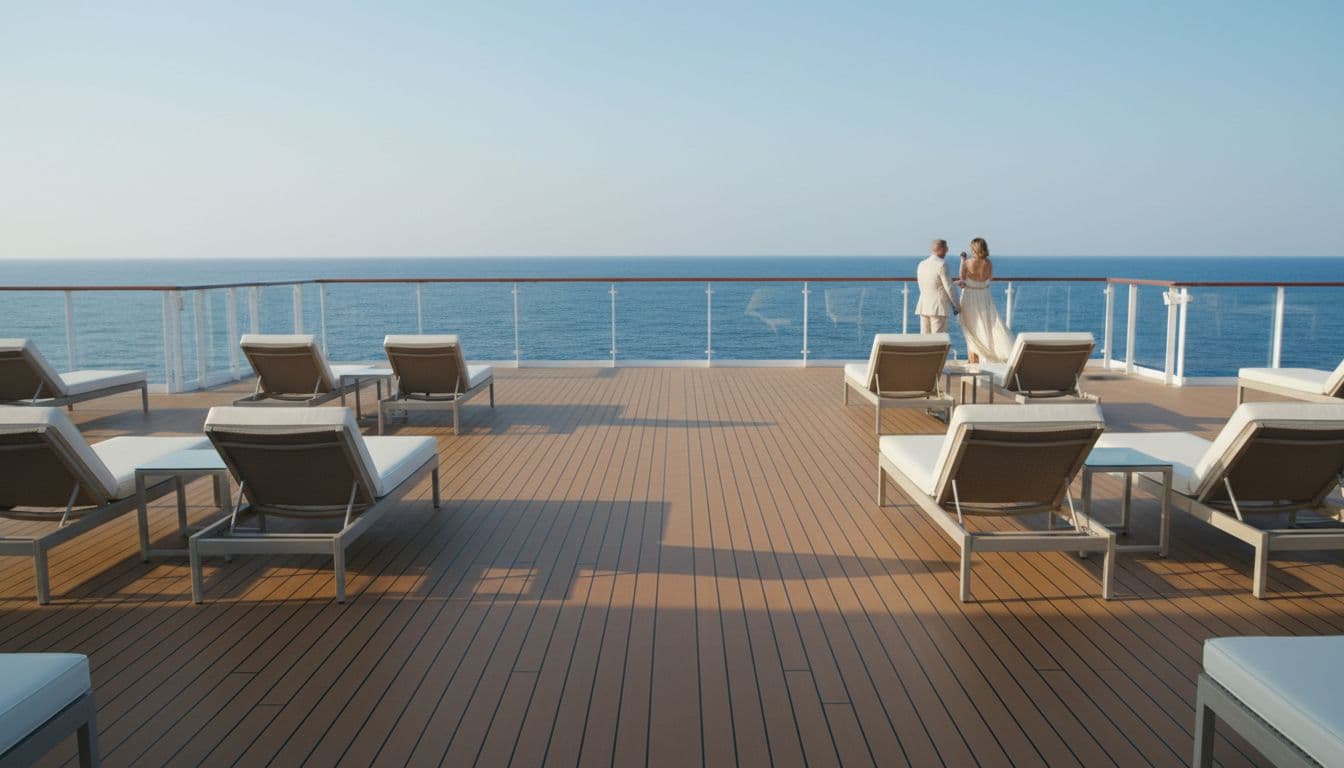
Luxury lines also prioritize destination immersion. Smaller ships can reach ports that big ships skip, which gives the itinerary a more focused, authentic feel. Standard lines, by contrast, often sell the ship as part theme park, part hotel, part transport.
🌟 More Space, Fewer Lines, and Service That Feels Personal
On a mainstream ship, I might wait for an elevator, circle the pool for a chair, or weave through a packed buffet. On a luxury ship, the day often moves at a softer pace. I notice the silence first.
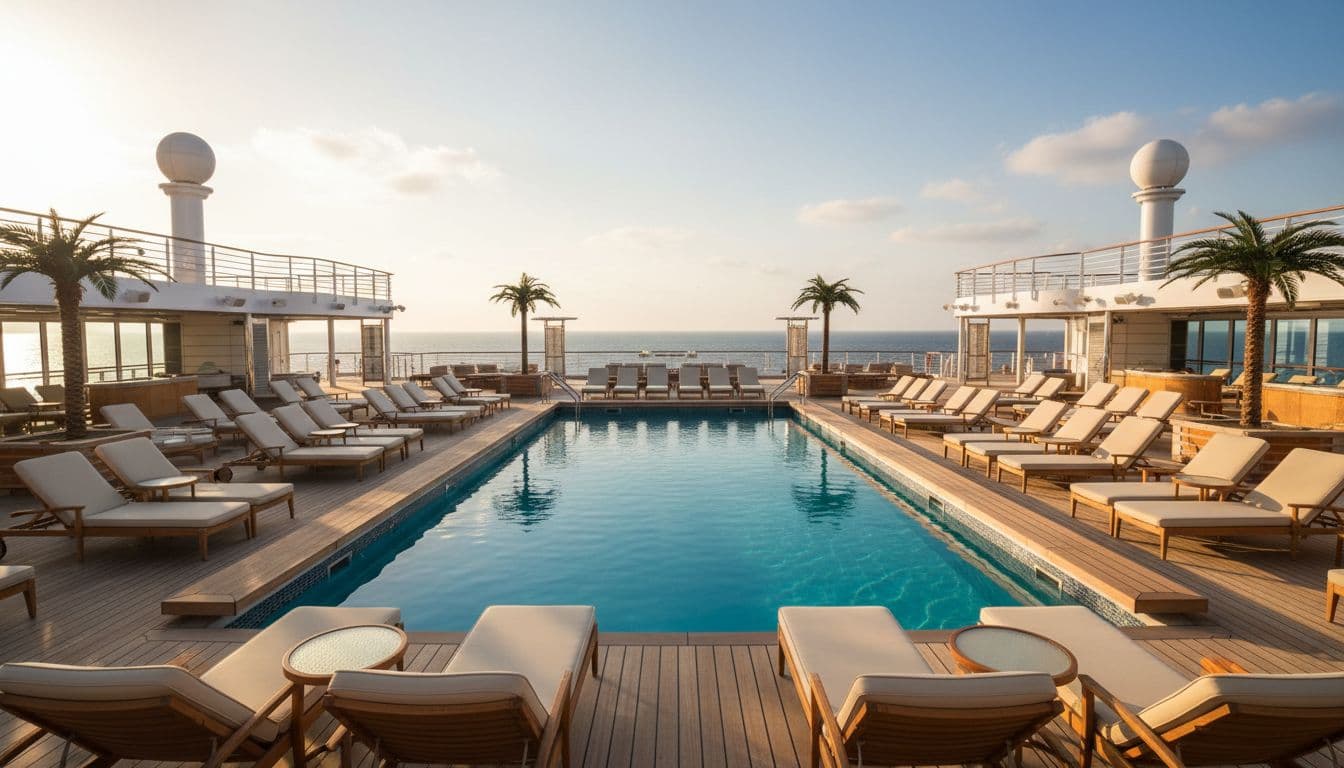
That space changes everything. Breakfast feels unhurried. Public rooms stay usable. Staff often remember my name, my drink, and how I like my coffee. That’s a real quality-of-life upgrade, and it matches what Cruise Maven says about the space and service gap.
💎 Better Inclusions Can Make the Higher Fare Easier to Justify
Luxury fares often include drinks, Wi-Fi, gratuities, premium dining, and sometimes excursions. Standard cruises usually charge extra for many of those. That doesn’t make luxury cheaper, but it often makes the final bill easier to predict.
I like that clarity. A higher fare can sting once. Surprise charges sting again and again.
🚀 Pro Tip: Always compare cruise prices across platforms. Expedia and Booking.com often have different deals, bundle discounts, or exclusive perks for the same sailing. Open both in separate tabs!
🎪 Where Standard Cruises Still Win on Value, Fun, and Flexibility
This is where balance matters. Standard cruises remain a smart buy for a lot of travelers, including me on the right trip.
The entry price is much lower, the ship choices are broader, and the onboard energy can be a big plus. If I’m traveling with kids, a friend group, or first-time cruisers, standard can be the better fit by a mile.
💰 A Lower Starting Price Leaves Room for Families and Budget-Minded Travelers
For 2026, standard 7-day cruises often start around $500 to $800 per person for inside cabins. Balconies commonly land around $1,200 to $2,500, depending on the ship, date, and route. Scenic sailings like Alaska can run higher, but the value gap still holds.
If I don’t care about premium liquor, butler service, or included excursions, a standard cruise may be the better deal. Current fare math also shows shoulder-season savings can be real, especially on large ships. That lines up with recent price comparisons from CruiseTravel.
🎢 Big Ships Offer More Activities, More Cabin Types, and More Ways to Customize
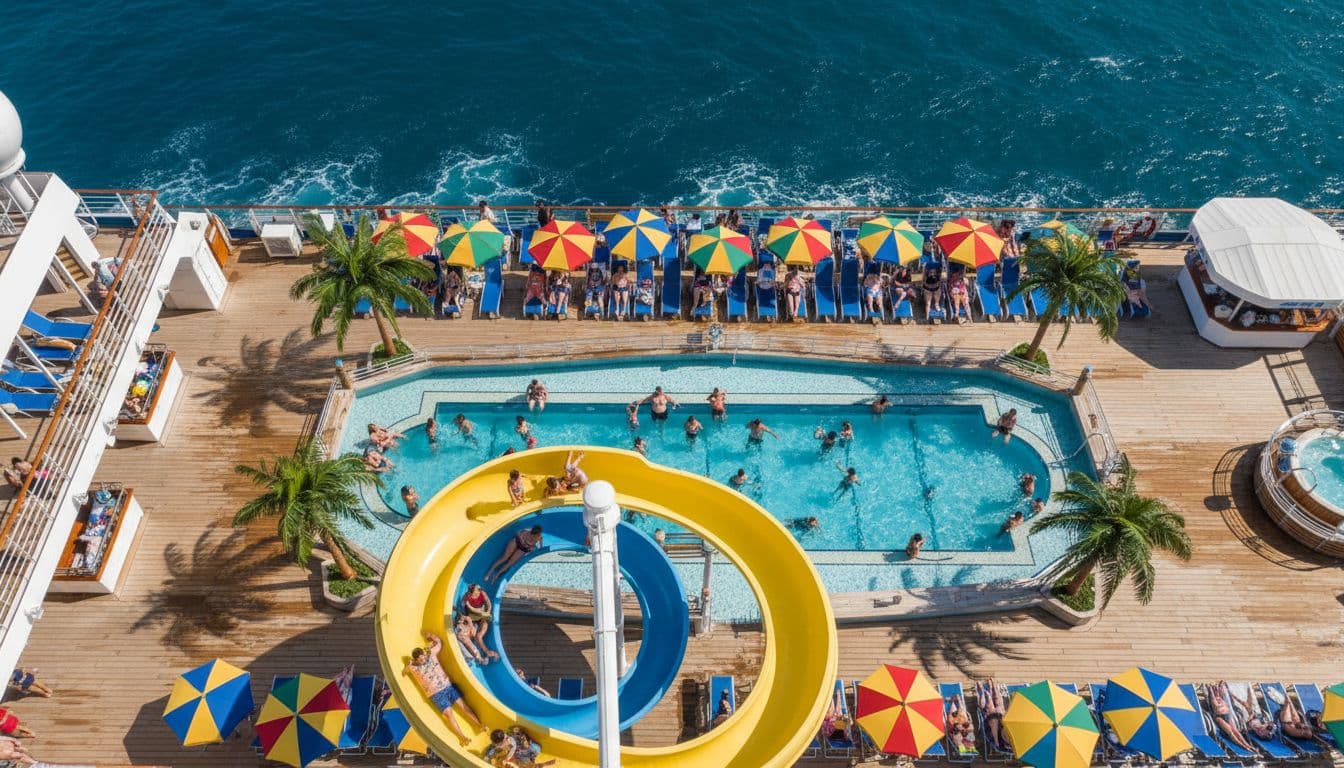
Big mainstream ships give me options. I can choose inside cabins, balconies, family rooms, solo cabins, and suites. I also get waterslides, theaters, kids clubs, sports courts, nightlife, and casual dining nearly all day.
That matters because some travelers want motion and choice, not hush and polish. I don’t always want a piano bar and a nearly empty deck. Sometimes I want live shows, pizza at midnight, and a ship that feels like a busy city on water.
📊 The Real Math: When the Luxury Upgrade Is Worth It (and When It’s Not)
This is where I stop comparing labels and start comparing receipts. The base fare only tells part of the story.
Here’s a simple side-by-side look at a 7-day trip for two:
The takeaway is simple. Luxury usually stays more expensive, but the gap narrows once I add everything I’d actually buy on a standard ship.
I never ask whether luxury is cheap. I ask whether the higher fare buys the exact extras I’d pay for anyway.
📋 I Compare the Total Cruise Bill, Not Just the Fare on Day One
My checklist is short. I price drinks, Wi-Fi, gratuities, specialty dining, and excursions before I call anything a bargain. I also compare cabin category and sailing month, because those change the math fast.
If I’m looking at scenic routes, I also like to compare premium and upscale itineraries side by side. That’s where a guide like best luxury Alaska cruises 2026 helps, especially when smaller ships and port access matter.
For a broader read on why some travelers move upmarket, Cruise Critic’s upgrade breakdown is still useful.
✅ Luxury Is Worth It for Some Trips, But Standard Is Smarter for Others
Luxury makes more sense for couples, milestone trips, and travelers who want peace, premium dining, and fewer surprise charges. Standard usually makes more sense for families, social travelers, and anyone who’d rather keep control of the budget.
My strongest booking tip is simple: compare several sailing dates before I book. Shoulder-season departures, lower suite grades, and less-hyped weeks can change the value picture fast.
🎯 How I Choose the Right Cruise for My Budget, Travel Style, and Trip Goals
I try to be honest about what kind of trip I want. That saves me from paying for luxury I won’t use.
✓ A Simple Checklist Helps Me Avoid Paying for Luxury I Will Not Use
Before I book, I ask myself:
- Do I want quiet, or do I want constant activity?
- Will I buy drinks and Wi-Fi anyway?
- Do I care about smaller ports and more personal service?
- Is this trip about the ship, the itinerary, or both?
If my answers point to calm, privacy, and premium service, luxury earns its keep. If they point to price, fun, and flexibility, standard wins.
💸 Before I Book, I Price Flights, Hotels, Transfers, and a Few Cruise Extras
Cruise math starts before embarkation. Flights, pre-cruise hotel nights, and airport transfers can swing the full trip cost more than most people expect.
So I price the whole trip in one sitting. I check flights, then line up transfers. If I need a few basics like packing cubes, motion bands, or a waterproof phone pouch, I order them early and move on.
🛠️ Your Complete Trip Planning Toolkit
✈️ Flights
🏨 Hotels (Pre/Post Cruise)
🚗 Airport Transfers
🚢 Cruise Deals (Compare Both!)
📦 Cruise Essentials
❓ FAQ: Luxury Cruising vs. Standard Cruising in Plain English
Is luxury cruising all-inclusive?
Usually, partly. Many luxury fares include drinks, Wi-Fi, gratuities, and better dining. Some also include excursions. I still read the fine print because “all-inclusive” changes by line.
Are luxury cruises better for Alaska or other scenic routes?
Often, yes. Smaller ships, quieter decks, and destination-heavy itineraries shine in scenic places. That’s also why articles like Southern Living’s take on luxury cruise value keep returning to service, space, and port access.
Can a suite on a standard ship replace a luxury cruise?
Sometimes, but not fully. A suite can give me more room and better perks, yet the ship around me is still a mainstream ship with bigger crowds and a different feel.
Who should skip the upgrade?
I’d skip it if I want the lowest price, I’m cruising with kids, or I won’t use the premium extras. In that case, luxury can feel like paying steakhouse prices for a burger mood.
Luxury is worth the upgrade when I want calm, personal service, and a more predictable bill. Standard still wins when I want the lowest fare, bigger onboard energy, or a family-friendly trip with lots of choice.
The smartest move is to compare the full trip cost before I book, not the teaser fare on day one.
🎯 Ready to Book Your Perfect Cruise?
Compare prices across both platforms to find your best deal—prices can vary significantly!
Complete your trip: ✈️ Find Flights | 🏨 Book Hotels | 🚗 Arrange Transfers
© 2026 I Need My Vacation. All rights reserved.
