
...

IneedMyVacation.com


All-Inclusive Japan Winter Vacation 2026: Snow Temples, Onsens, and Ryokan Packages That Feel Like a Warm Exhale

Snow changes Japan’s sound. Streets get quieter, temple roofs look softer, and even busy stations feel a bit calmer when flakes start sticking. My favorite winter moment is simple: I’m outside in hot water, shoulders loose, watching steam curl into cold air while lantern light warms the snow.

That’s the promise of an all-inclusive japan winter vacation 2026 when it’s done right: less logistics, fewer “did we book that?” stress spirals, and more time for the good parts, ryokan dinners, temple walks, and soaking until your hands prune.

This style of trip is for:

  • Couples who want romance without planning fatigue
  • First-timers who want help with trains, transfers, and pacing
  • Families who need meals handled and nights predictable
  • Solo travelers who want support, but still want freedom

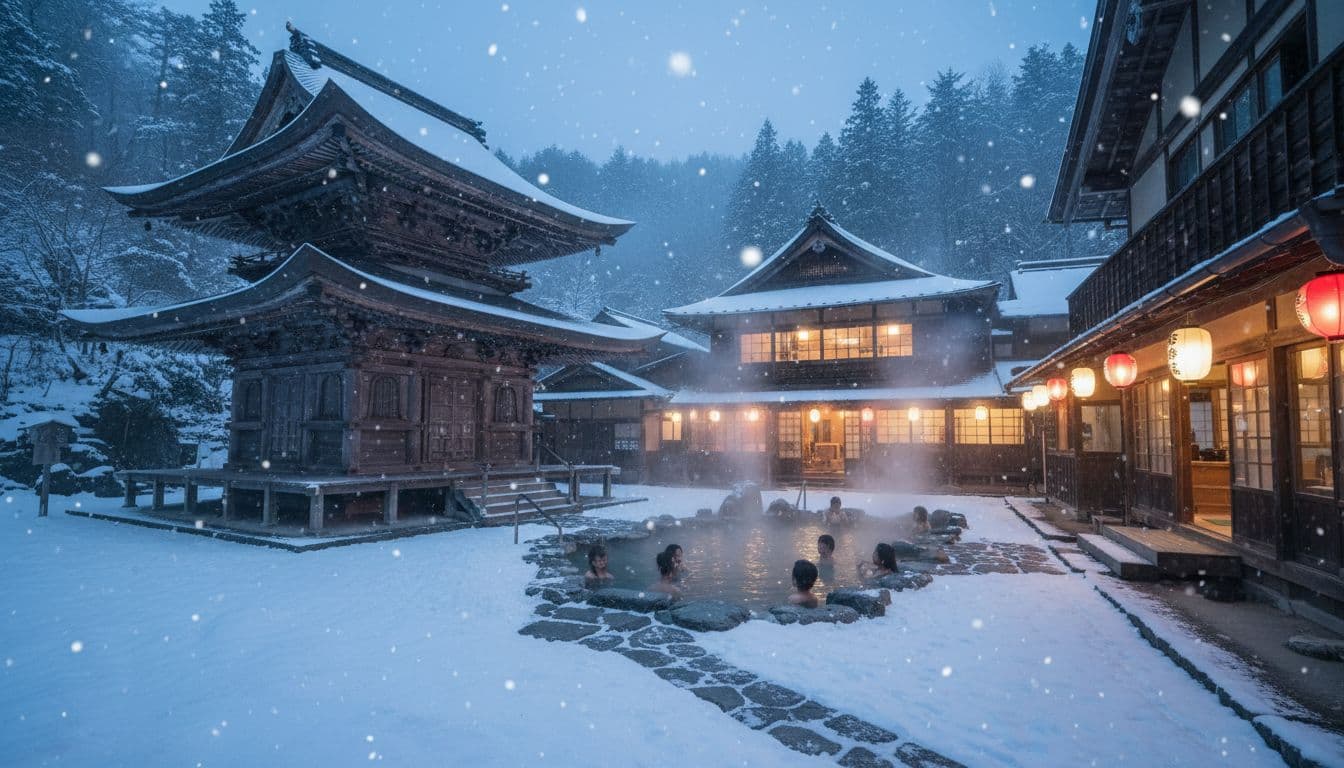
Snowy Japanese temple roofs and a steaming outdoor onsen beside a warmly lit traditional ryokan in winter, representing an all-inclusive Japan winter vacation 2026.
Snowy temple roofs and a steaming outdoor onsen near a cozy ryokan, created with AI.

If you’re ready to start comparing winter stays and lock in the best cancellation terms early, I’d begin here: [Search Japan winter stays on Booking.com]

Affiliate Disclosure: This article contains affiliate links to Booking.com, Trip.com, Expedia.com, and Amazon. If you book or purchase through these links, I Need My Vacation may earn a small commission at no extra cost to you. We only recommend services we genuinely trust and use ourselves to help you plan the perfect trip. Thank you for your support!

What “All-Inclusive” Really Means in Japan (and what it usually doesn’t)

In Japan, “all-inclusive” can mean a few different things. Some packages feel truly handled end-to-end, and others are more like smart bundles. I treat the words like a label on a snack: helpful, but I still read the back.

Here are the most common winter package styles I see:

1) Guided all-inclusive tours (closest to true all-inclusive)
Usually includes hotels, a guide, major transport between cities, and many meals. It’s the lowest-stress option, especially in snowy regions where transfers matter. If you like having a built-in plan, browse winter departures on pages like Japan Christmas and New Year tours for 2026.

2) Ryokan half-board bundles (the classic winter upgrade)
This is my personal favorite. “Half-board” almost always means dinner and breakfast included, often a multi-course kaiseki dinner. You handle your own sightseeing, but your evenings are taken care of.

3) Ski plus onsen hotel packages
Common in mountain areas. They might bundle lift tickets, breakfast, and a shuttle. Great if you want one home base and easy snow days.

4) Flight plus hotel “package deals”
These can be cheaper than booking separately, but they’re not usually meal-inclusive. Think of them as a price play, not a fully hosted experience.

What’s often not included (even when the listing sounds generous):

  • Alcohol at dinner
  • Local buses and short-hop transit
  • Temple and museum entry fees
  • Ski rentals and lesson costs
  • Private onsen fees (some ryokan charge for reservable baths)
  • Luggage forwarding (takkyubin) between hotels
  • Local accommodation taxes and onsen bathing fees

Before I pay, I do one thing: I open the “What’s included” section and look for line items, not vibes. Winter storms happen, so I also aim for flexible cancellation whenever possible.

My quick booking checklist for winter ryokan and onsen packages

  • Dinner and breakfast included (look for kaiseki, half-board, or “2 meals”)
  • Private bath vs shared bath (and whether private reservations cost extra)
  • Tattoo rules (policies vary, even within the same town)
  • Room type (futon on tatami vs Western beds)
  • Station pickup (some ryokan offer a timed shuttle, which helps in snow)
  • Snow gear rental (rare at ryokan, common at ski hotels)
  • Kid policies (meal portions, age cutoffs, and bathing rules)
  • Cancellation terms (watch the penalty window in winter)
  • Taxes and onsen fees included (or collected at check-in)

Best time to go in winter 2026 (snow quality, festivals, and prices)

Late December: Pretty lights, holiday energy, higher prices, and fuller trains.
January: Deep winter mood with calmer crowds after New Year, strong snow in the north.
Early February: Prime time for festival travel, including the Sapporo Snow Festival (Feb 4 to Feb 11, 2026), and prices jump fast.
Late February: Still snowy in many regions, a touch milder, sometimes better value.

If you want festival week, I’d book earlier than you think you need to. Rooms disappear first, then airfare follows.

The best places for snow temples, onsens, and ryokan stays in winter 2026

I plan winter Japan by feeling, not checklists. Do you want bright city lights with snow festivals, or a quiet street where your footsteps squeak? Here are four regions that consistently deliver the winter version of Japan people daydream about, plus what an “all-inclusive style” stay looks like in each.

Hokkaido for peak snow, hot springs, and the Sapporo Snow Festival

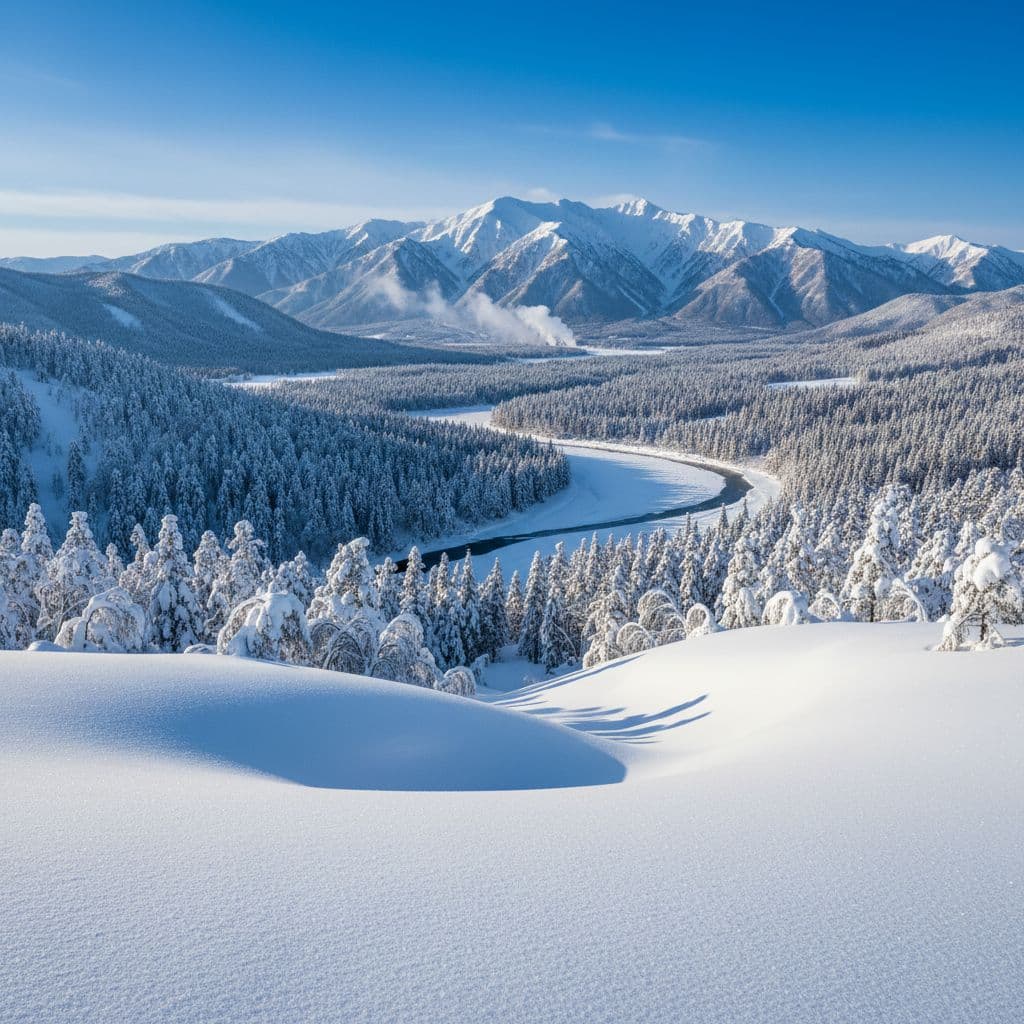
Hokkaido winter landscape with deep snow, cedar trees, and mountain hot springs during peak Japan snow season 2026
Photo created with AI.

Hokkaido feels like Japan turned the snow dial up. The air is crisp, the sidewalks sparkle, and the food feels built for winter (ramen, seafood, warm pastries you eat outside without even noticing your gloves got messy).

Best for: festival chasers, skiers, first-timers who want reliable snow.

What an all-inclusive style stay looks like: a city hotel in Sapporo plus a 1 to 2-night onsen town add-on (places like Noboribetsu or Jozankei are popular), with transfers handled so you’re not wrestling luggage on icy platforms.

Mini-itinerary idea (2 to 3 days):

  • Day 1: Arrive Sapporo, night stroll near Odori Park
  • Day 2: Snow Festival venues (Odori, Susukino, Tsudome)
  • Day 3: Onsen night outside the city, soak and sleep early

The festival itself is a real magnet, and those dates matter when you price things out. If you’re comparing flight plus hotel bundles, I like having a second tab open here: [Compare winter Japan stays and bundles on Trip.com]

If you’re curious about packaged winter tours that mix cities and snowy highlights, pages like Japan Winter Tours 2025-2026-2027 can help you see what “included” often looks like.

Nagano for snow monkeys, mountain onsens, and cozy ryokan towns

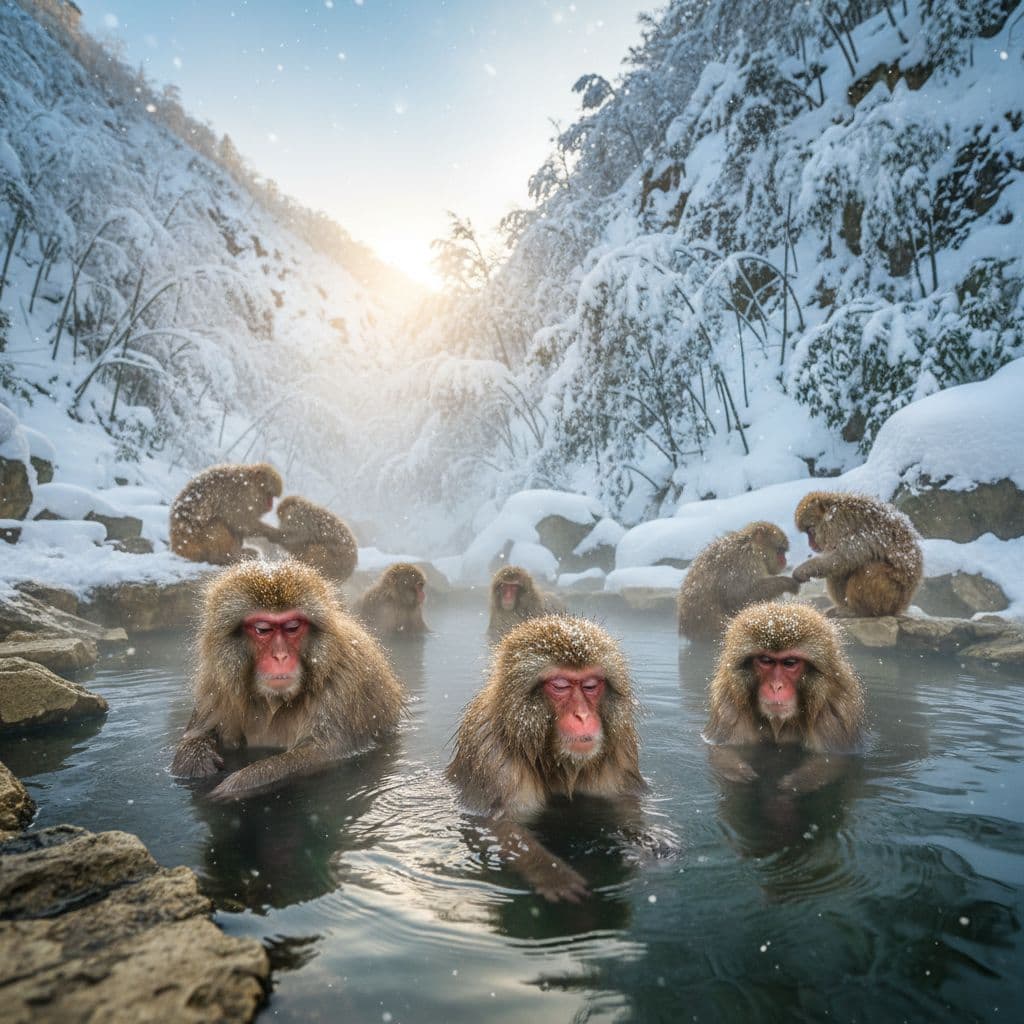
Famous Jigokudani snow monkeys soaking in a natural hot spring in Nagano, Japan during winter 2026
Photo created with AI.

Nagano is my go-to when I want that classic scene: snow on pine branches, a small town with wooden inns, and hot water so warm it makes your cheeks pink. It’s also where many travelers pair ryokan life with the famous snow monkey area (often tied to Jigokudani visits in winter itineraries, like this Onsens and snow monkeys tour overview).

Best for: couples, nature lovers, travelers who want a ryokan night without flying north.

What an all-inclusive style stay looks like: Tokyo base plus a pre-arranged transfer to an onsen town, one ryokan night with half-board, then an easy return. When the ryokan includes station pickup, it’s a big stress reducer.

Mini-itinerary idea (2 to 3 days):

  • Day 1: Train from Tokyo to Nagano area, check in to ryokan, kaiseki dinner
  • Day 2: Early visit to the monkey area (morning light is the best), onsen round two
  • Day 3: Slow breakfast, return to Tokyo

Good to know:

  • Footwear: bring traction or soles with grip, side streets get slick.
  • Early mornings: cold, yes, but calmer and more photogenic.
  • Onsen manners: rinse first, go slow, and keep towels out of the bath.

Kyoto and nearby for winter temples with fewer crowds (plus a warm onsen escape)

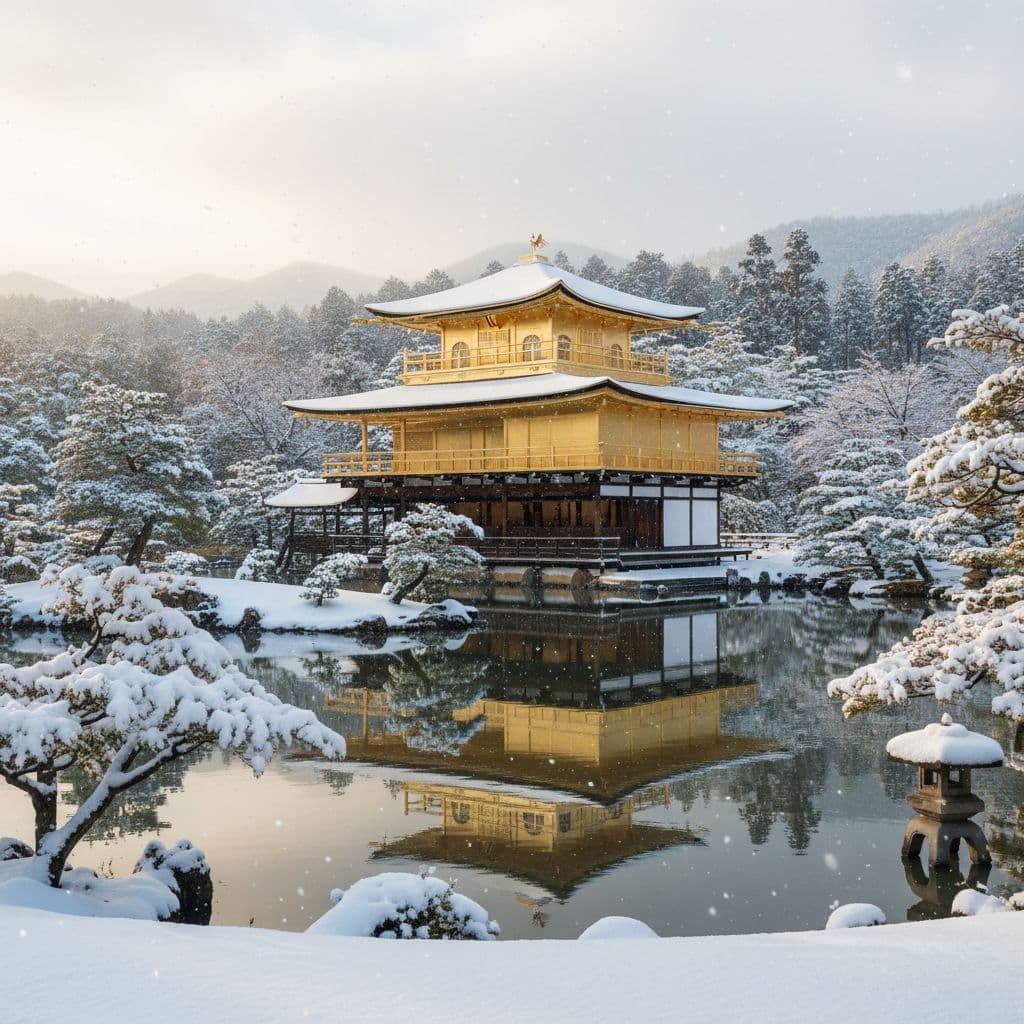
Kinkaku-ji Golden Pavilion in Kyoto covered in fresh snow during a quiet winter morning in Japan 2026
Photo created with AI.

Kyoto in winter feels like a quieter museum. Snow isn’t guaranteed, so I don’t plan a “snow temple” trip around Kyoto alone. But I do plan for calmer pathways, colder air that makes incense smell sharper, and gardens that look more sculpted in winter light.

Best for: first-timers who want Kyoto’s icons, repeat visitors who want a calmer pace.

What an all-inclusive style stay looks like: a well-located Kyoto hotel with breakfast included, plus a one-night onsen town escape nearby (think the vibe of an onsen village stay, without needing to cram too many stops into one day).

Mini-itinerary idea (2 to 3 days):

  • Day 1: Kyoto temple morning, warm café break, evening stroll
  • Day 2: Day trip pace, then check into an onsen inn for dinner
  • Day 3: Breakfast, one last soak, return to Kyoto

For flexible date searches and quick hotel comparisons, I use: [Check Kyoto winter hotel deals on Expedia]

If you like the idea of a winter group route that mixes Kyoto with northern snow stops, scanning an itinerary page like Japan winter highlights from Trafalgar’s 2026 guide can give you a sense of pacing.

Tohoku for deep snow culture and quiet, local ryokan nights

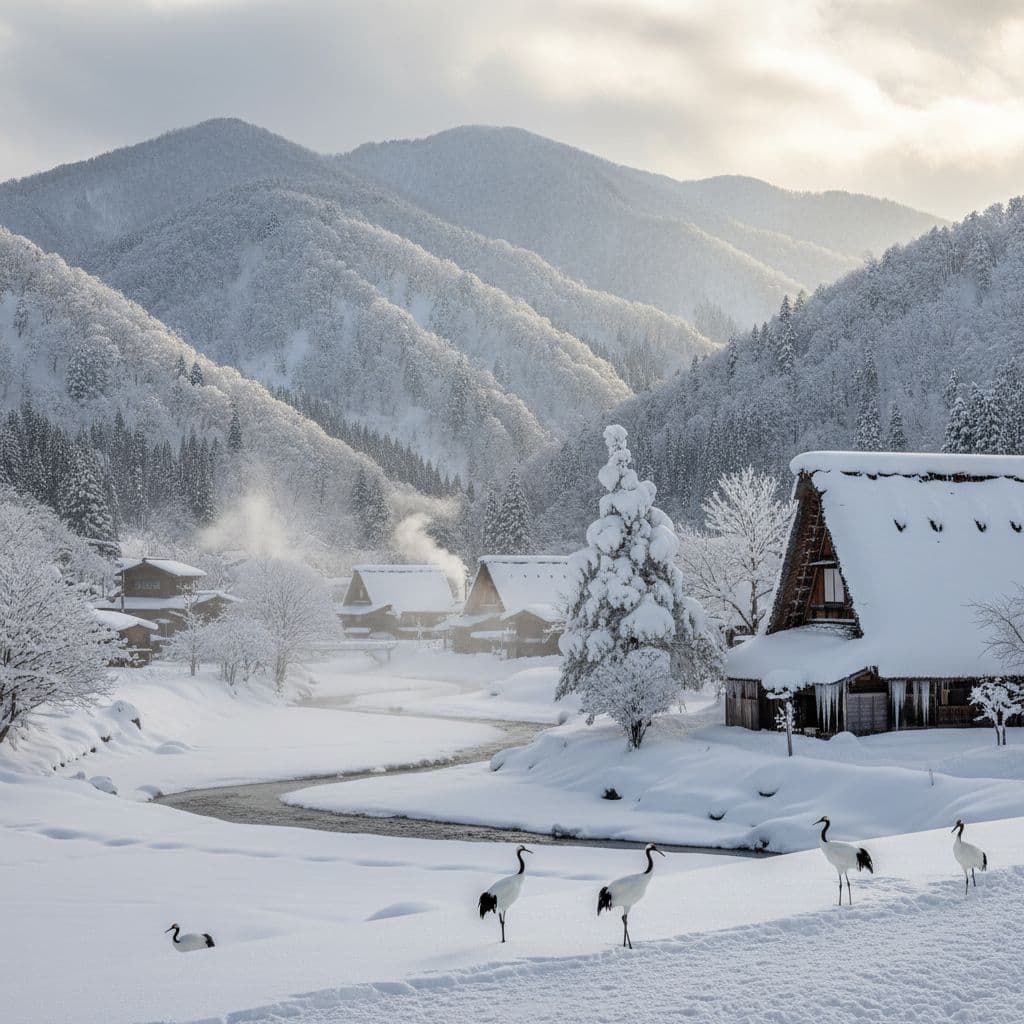
Tohoku region of Japan in deep winter: snow-covered cedar forests, mountains, and traditional village under soft light
Photo created with AI.

Tohoku is the part of Japan I pick when I want fewer crowds and more hush. Winter towns here can feel like a snow globe, with small stations, steamy streets, and ryokan dinners that stretch time.

Best for: repeat Japan travelers, slow travelers, anyone craving calm.

What an all-inclusive style stay looks like: fewer hotel changes, more transfer support. In storms, transport can slow down, so having transfers bundled (or staying put longer) is the whole win.

Mini-itinerary idea (2 to 3 days):

  • Day 1: Train into the region, check into a ryokan before dark
  • Day 2: Local strolls, long onsen session, early dinner
  • Day 3: Late breakfast, travel onward when roads are clearer

High-intent booking plan: how I’d build an all-inclusive Japan winter vacation 2026 (without overpaying)

Winter Japan is one of those trips where “last minute” often means “last choice.” My strategy is simple: I book what sells out first, then I shop for upgrades.

Here’s what I lock in first:

  1. Ryokan nights (limited rooms, strict cancellation windows)
  2. Festival week hotels (especially Sapporo Feb 4 to Feb 11, 2026)
  3. Key transfers (airport, onsen shuttle, or regional connections)
  4. Tours only if they solve a real problem (snow day logistics, language support)

Then I price-check bundles. Sometimes a flight plus hotel deal is cheaper than piecing it together. Other times, separate bookings win because you can change plans.

Book Now on Booking.com and Save: [Compare Japan winter ryokan and onsen stays]

Best Platforms for Booking Japan Winter 2026

Booking.com
Best for: Ryokan, onsen hotels, flexible cancellation
Why I use it: I can filter by breakfast, guest reviews, and cancellation fast
[Link]
Trip.com
Best for: Flight plus hotel bundles, quick comparisons
Why I use it: Handy for bundling and scanning options by dates
[Link]
Expedia.com
Best for: Flexible date hotel shopping
Why I use it: Easy to browse price swings across nearby dates
[Link]

When I’m ready to commit, I do one last check for value: does the price difference cover meals and transfers? If yes, I book the bundle and stop thinking about it.

If you want to start with the simplest stress-free move, do this first: [Lock in a winter ryokan stay on Booking.com]

If you’re watching total trip cost, I’d also compare: [Japan winter flight plus hotel bundles on Trip.com]

Sample 7-night winter package blueprint (ryokan nights included)

  • Day 1: Arrive Tokyo, easy hotel night (airport transfer upgrade helps)
  • Day 2: Tokyo day trip (guided tour upgrade helps when it’s cold)
  • Day 3: Train to Nagano area, check into ryokan (half-board is the payoff)
  • Day 4: Snow day activity (monkey area or mountain views), second ryokan night
  • Day 5: Back to Tokyo, or fly/train onward depending on your region pick
  • Day 6: Optional snow add-on (Hokkaido festival day or a ski area day)
  • Day 7: Buffer day for weather, shopping, and a slow final dinner
  • Day 8: Fly home

Where all-inclusive upgrades matter most: airport transfers, daily breakfast, bundled trains, and one guided snow day so you’re not problem-solving in freezing wind.

Packing essentials I never skip for Japan in winter (Amazon picks)

A good winter trip to Japan doesn’t feel rushed. It feels like quiet snow on a temple path, the soft clack of wooden sandals, the first bite of a hot ryokan dinner, and waking up to fresh white outside your window. That’s the kind of all-inclusive japan winter vacation 2026 I’d build again and again.

If you want the big winter moments, choose Hokkaido for festivals and deep snow, Nagano for onsens and the snow monkey route, Kyoto for calm temples with an onsen escape, and Tohoku for quiet towns that feel personal. The next step is simple: lock in your best stay before the best rooms disappear.

Ready to book while winter inventory is still good? Start here: [Find Japan winter deals on Booking.com now]

FAQ

Is an all-inclusive Japan winter vacation 2026 actually worth it?

If you’re booking ryokan nights, festival dates, or snowy transfers, it’s often worth it because it reduces mistakes and time spent coordinating. I pay extra when it includes meals and reliable transport help.

What’s usually included in a ryokan package in winter?

Most ryokan packages are half-board, meaning dinner and breakfast. Drinks, private bath reservations, and local taxes or onsen fees may be extra, so I confirm those before booking.

Where should I book ryokan and onsen stays for winter 2026 deals?

For hotel-heavy planning, I start with Booking.com because it’s fast to compare cancellation terms and meal plans. Then I price-check bundle options if flights are part of the decision.

When should I book Sapporo Snow Festival 2026 hotels?

As early as you can if you want location and value. The festival runs Feb 4 to Feb 11, 2026, and that week tends to sell out quickly, so I compare bundles on Trip.com and lock a cancellable hotel right away.

Can families do an all-inclusive winter Japan trip with kids?

Yes, but I look closely at kid meal policies, room layouts, and bathing rules. A normal hotel base with breakfast, plus one ryokan night, is often the sweet spot for families.

What if a winter storm disrupts trains or flights?

This is where flexible cancellation pays for itself. I build a buffer day, avoid too many one-night hops, and book refundable options when possible, especially through Expedia.com for date flexibility.

© 2025 I Need My Vacation. All rights reserved.


Best Places to Travel in 2026: Top Destinations to Book Now for Unforgettable Getaways

You know that feeling when your brain is still at your desk, but your heart is already on a beach somewhere? I’ve been there—staring at spreadsheets while dreaming of temple gates in Kyoto or the silence of Patagonia. If 2025 has stretched you thin, I truly believe 2026 can be your reset button. A fresh passport stamp, a warm sunrise, and a calendar full of new memories instead of back-to-back meetings—that’s the energy I’m chasing, and I know you are too.

After diving deep into the latest 2026 trend reports from Trafalgar, Airbnb, and the BBC, I’m convinced this is the year to go bold—but smart. The good news? Planning a best places to travel in 2026 trip has never been easier. With trusted platforms like Booking.com, Trip.com, and Expedia.com, you can compare all-inclusive vacation packages in minutes. The real challenge isn’t how to book—it’s where to go and when to lock in deals before everyone else catches on.

I’ve spent weeks analyzing expert picks, new cultural openings, and rising traveler behavior. In this guide, I’ll walk you through the destinations I’m most excited about for 2026—the ones I’m seriously considering for my own trip—and share exactly how to book them smarter, faster, and with more confidence. Because let’s be real: you don’t just want a vacation. You want a story you’ll tell for years.

Affiliate Disclosure: This article contains affiliate links. If you book through our recommended platforms, I Need My Vacation may earn a small commission at no extra cost to you. I only promote services I trust and would use myself. Thank you for supporting the site!

How I’m Using This 2026 Travel Guide to Plan My Own Trip

I’ll be honest—I used to spend weeks lost in research, comparing prices across 10 tabs, only to feel more confused. This year, I’m doing it differently. I turned to verified 2026 trend reports from Trafalgar’s travel editor Alex Allen, Airbnb’s 2026 predictions, and the BBC’s curated list. These aren’t just guesses—they’re based on real booking data, new infrastructure, and cultural moments like Egypt’s Grand Museum opening or the FIFA World Cup.

What stood out to me? Travelers in 2026 are seeking “quiet magic”—less crowds, more meaning. Winter in Japan. Late-season Greece. The wild hush of Patagonia. Or combining big events (like the World Cup) with national park escapes after the crowds leave. I’ve selected destinations that offer both wonder and practicality: good value, reliable infrastructure, and that “I can’t believe I’m here” feeling.

If you’re like me and ready to move from dreaming to doing, start by comparing all-inclusive 2026 deals now. Inventory is already tightening for top properties.
[BOOKING.COM ALL-INCLUSIVE]

The Best Places I’m Booking for 2026 (And Why)

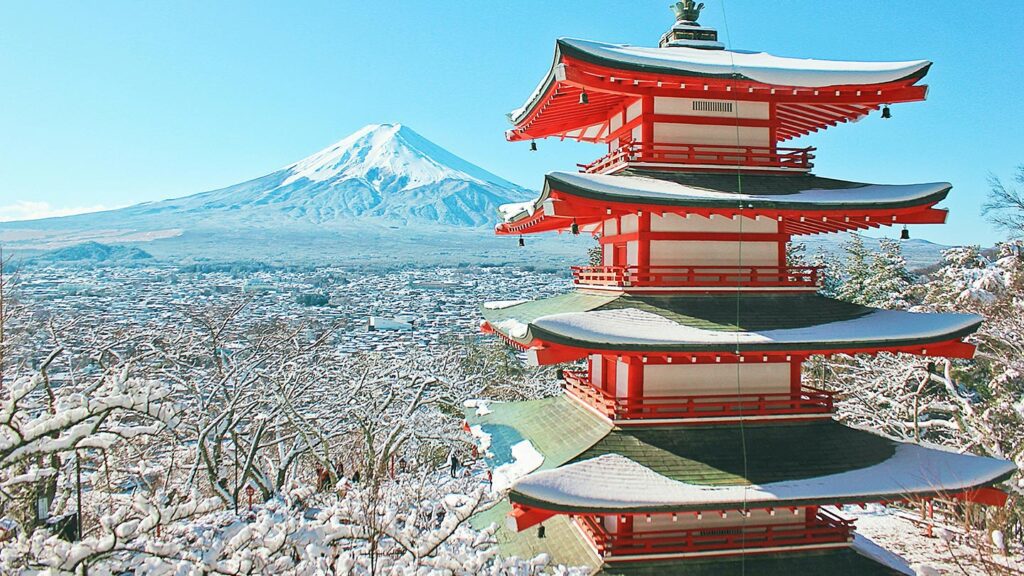
1. Japan in Winter: Snow Shrines, Onsens & Quiet Temples

Mount Fuji with snow in winter in Japan, serene temples, and paper lanterns in mountain villages
Photo: Trafalgar

I’ve visited Japan in spring, but after reading Alex Allen’s take, I’m now planning a December trip. Why? Winter offers the Japan few see: snow-dusted shrines, mountain villages glowing with paper lanterns, and steaming onsens that feel even more magical in the cold. As Alex puts it, “The further you go from the big cities, the more Japan opens up in surprising ways.” I’m especially drawn to alpine craft towns and local sake breweries—experiences that feel deeply personal, not performative.

If you’re considering Japan too, I highly recommend bundling flights, ryokan stays, and transport into one all-inclusive package to simplify logistics.
[EXPEDIA.COM JAPAN ALL-INCLUSIVE]

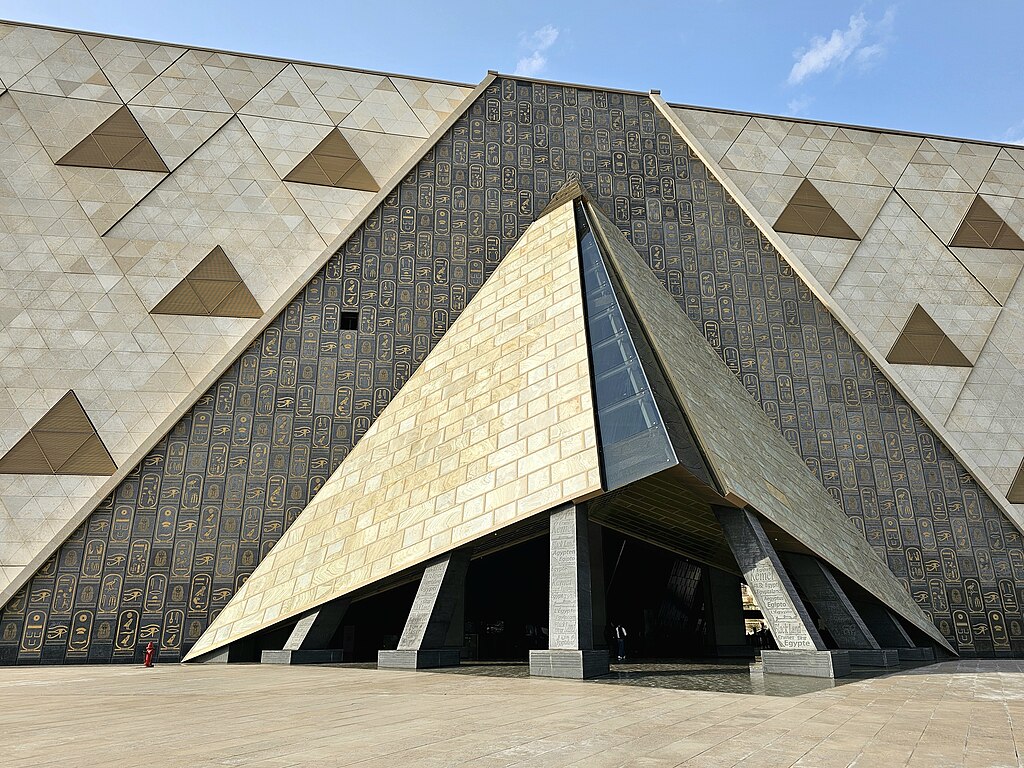
2. Egypt: The Grand Museum & Nile in One Trip

The Grand Egyptian Museum in Cairo with direct view of the pyramids and full Tutankhamun collection
Photo: Trafalgar / GEM

2026 is Egypt’s year. The long-awaited Grand Egyptian Museum (GEM) is finally open—with the complete Tutankhamun collection in one place for the first time ever. I can’t imagine a more powerful cultural moment. Pair that with newly opened tombs, revitalized temples, and a sunrise Nile cruise past date palm groves? It’s the kind of trip that changes you. I’m targeting September to May, when the desert heat is manageable and the light is golden.

3. Chilean Patagonia: Wild, Untouched & Perfect for “JOMO”

Torres del Paine National Park in Chilean Patagonia with jagged peaks, glacial lakes, and guanacos grazing
Photo: Trafalgar

I’ve always wanted to disconnect completely—and Patagonia delivers. According to Trafalgar, “Patagonia still feels wild in the best way.” Guanacos graze beside empty roads, condors loop across the sky, and the air has that crisp, alpine bite. With the “JOMO” (Joy of Missing Out) trend rising, I’m leaning into remote, screen-free adventures. October to March is ideal for hiking and glacier views.

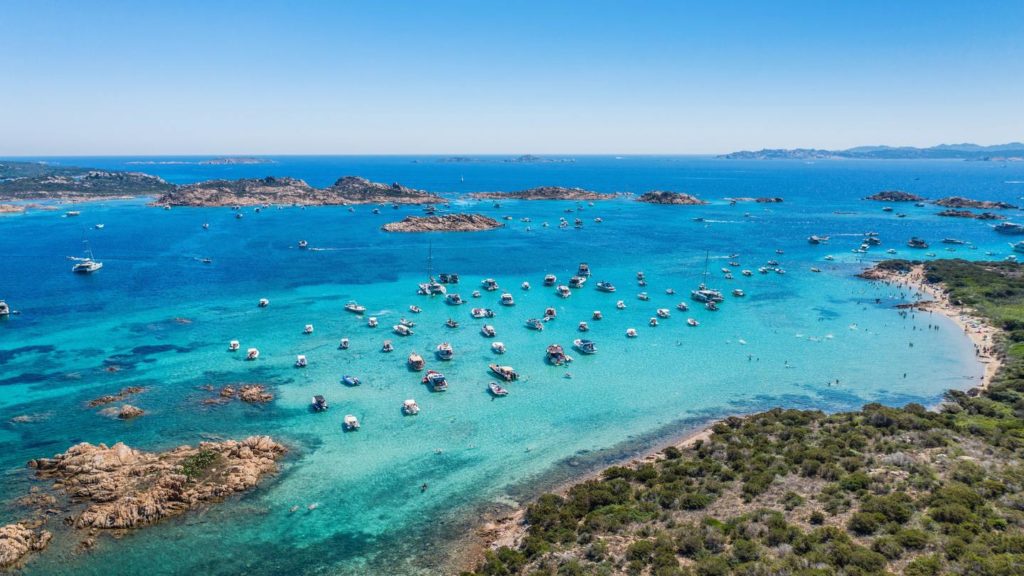
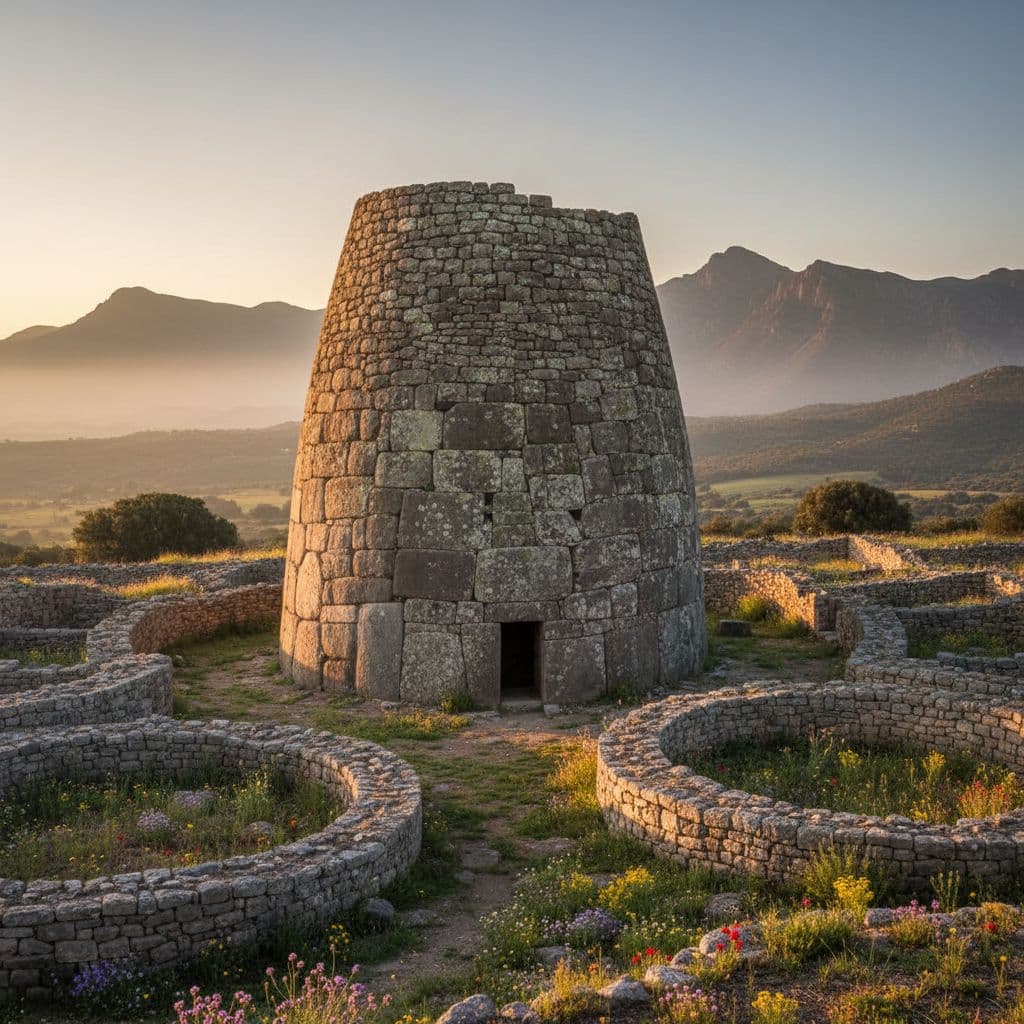
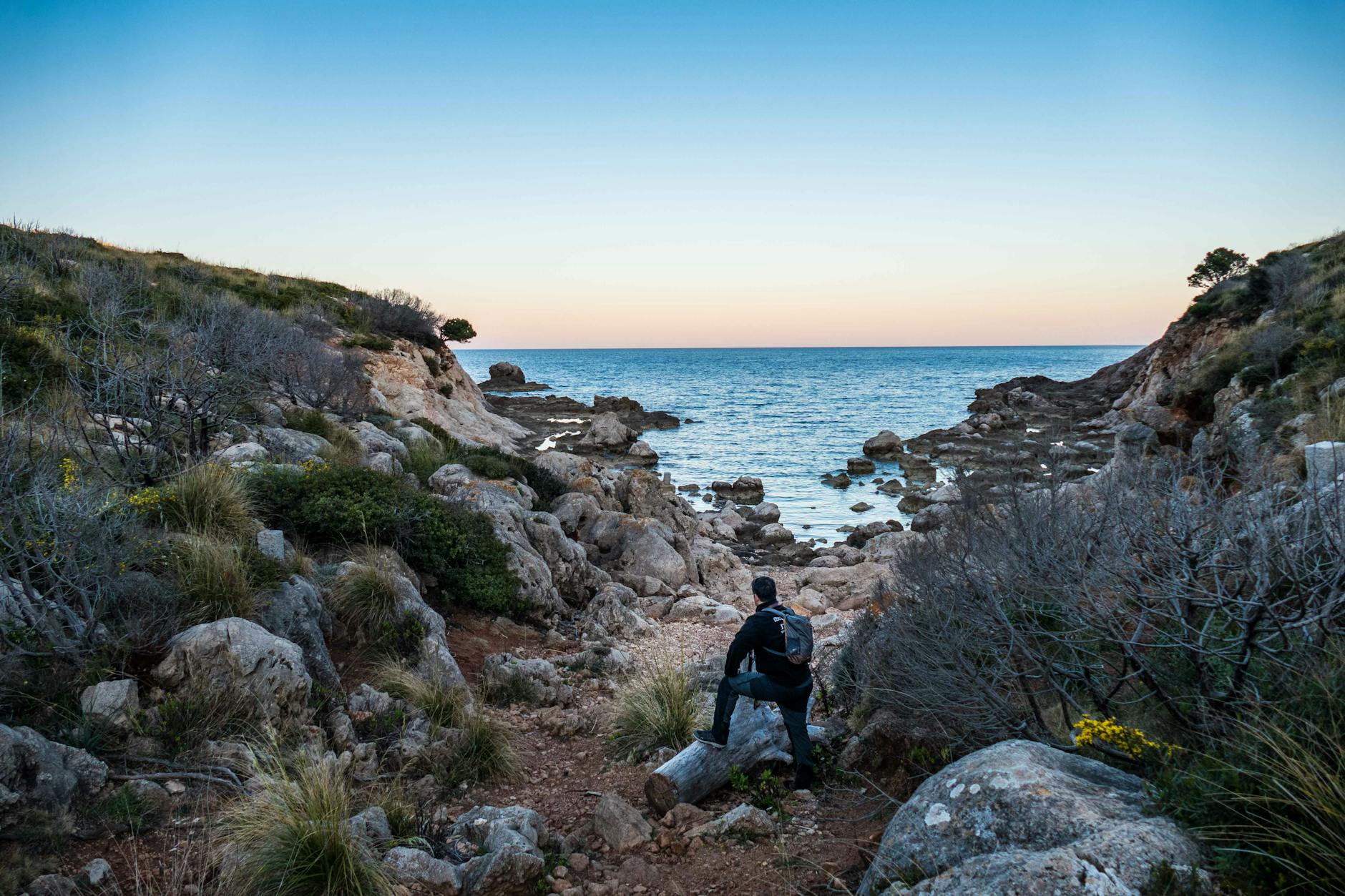
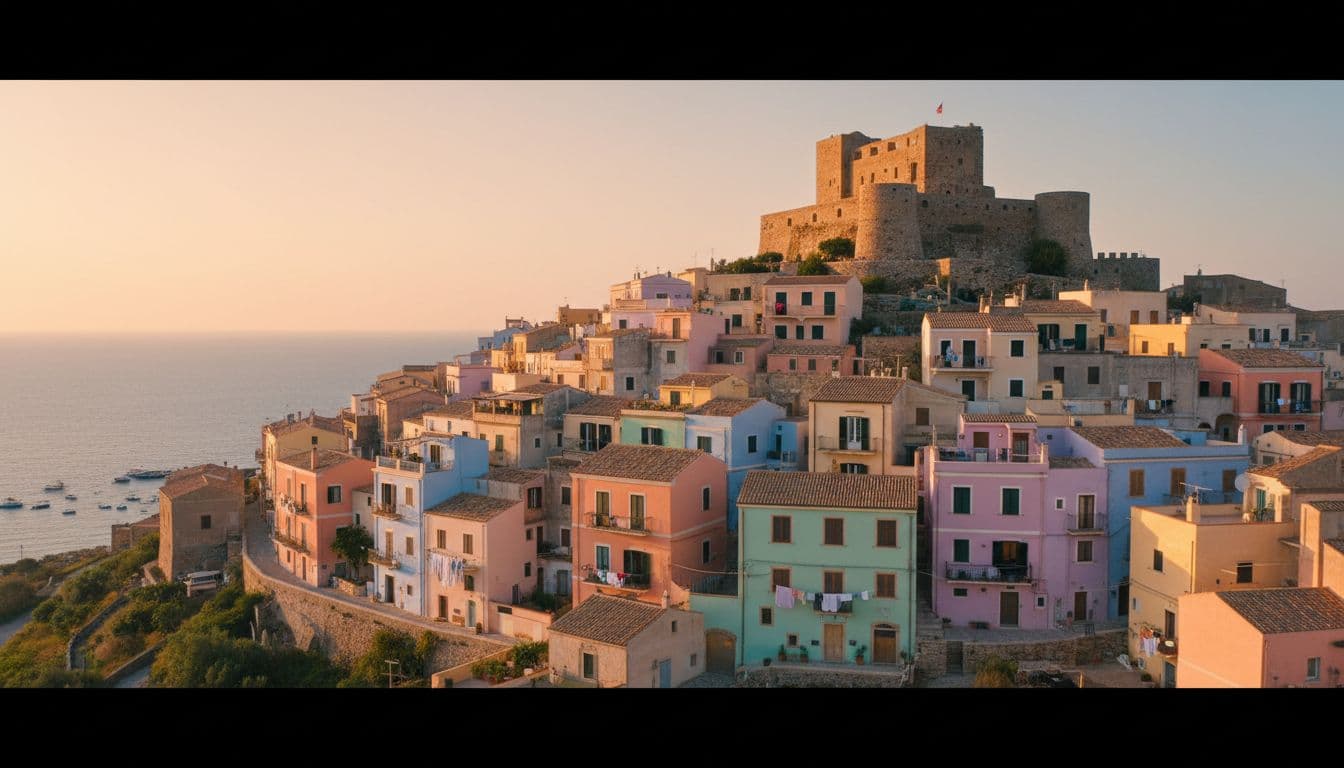
4. Sardinia, Italy: Clear Water & Villages “Frozen in Time”

Crystal clear turquoise waters and white sand beaches in Sardinia, Italy
Photo: Trafalgar

After my last overcrowded Mediterranean trip, I’m craving space. Alex Allen spent time in Sardinia and called it “the perfect reset”—quiet beaches with “crazy clear water,” then 10-minute drives to villages that feel “frozen in time.” That’s exactly what I need: beauty without the bustle. May–June or September offers warm seas and half the crowds.

5. USA & Canada: World Cup + National Parks

FIFA World Cup 2026 trophy and ball, representing the historic tournament across USA, Canada, and Mexico
Photo: FIFA / Trafalgar

I’m a huge football fan, so the 2026 FIFA World Cup across 16 cities in the USA, Canada, and Mexico is a dream. But here’s my plan: catch one match, then escape to a national park. Airbnb reports a 135% surge in solo traveler interest for the Great Smoky Mountains, Yosemite, and Shenandoah as the U.S. celebrates its 250th anniversary. Imagine watching a game in Miami, then hiking in the Everglades the next day. June–July is peak, so I’m booking now.

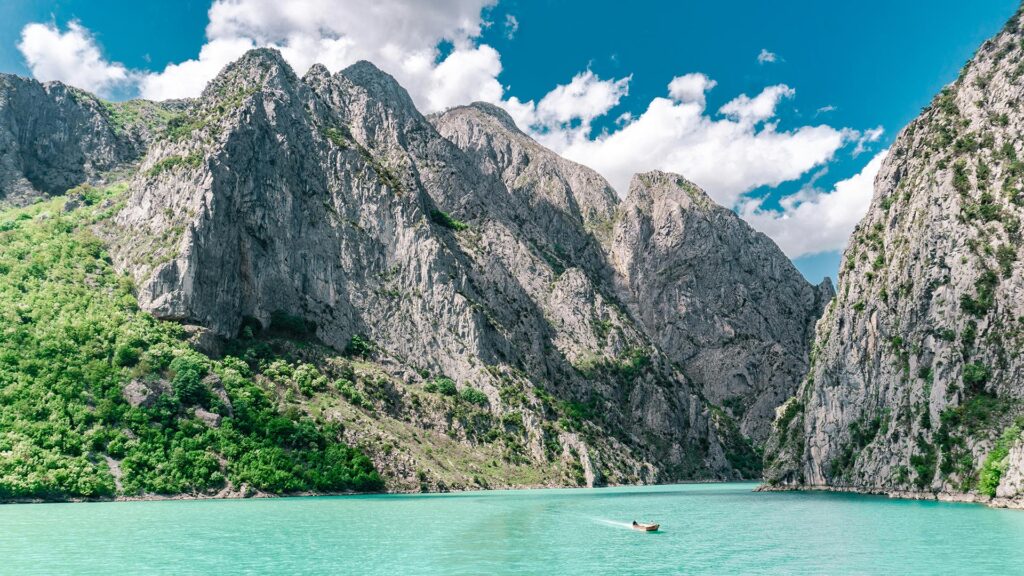
6. Albania: Europe’s Last Affordable Riviera

Lake Komani ferry winding through dramatic Albanian fjords surrounded by steep green mountains
Photo: Trafalgar

I’ve done Croatia and Montenegro—but Albania? It’s the hidden gem. The Albanian Riviera rivals the Amalfi Coast, but at half the price. Inland, the “Accursed Mountains” hide centuries-old villages. As Alex says, “You get the mountains, the beaches, and the history all to yourself.” I’m eyeing June–August for perfect beach weather.

Other 2026 Destinations I’m Watching Closely

  • Thailand – Easier e-visa, vibrant street food, island-hopping ease (best: Feb–Mar, Nov–Dec)
  • Portugal – Douro Valley vineyards, Lisbon charm, and Algarve cliffs (ideal: Oct–Dec)
  • Vietnam – Hoi An lanterns, Ha Long Bay, booming post-pandemic energy
  • Greece – Late-season island magic (Sept–Oct) with warm seas and half the crowds
  • Morocco – Marrakech medinas, Atlas Mountains, and mint tea sunsets

How I’m Choosing My 2026 Destination (Budget, Time & Energy)

I used to pick trips based on Instagram alone. Now, I match destinations to three things: my budget, available time off, and emotional energy. Are you looking to recharge? Explore? Celebrate? That changes everything.

Destination Cost Level Ideal Trip Length Best For
Japan (Winter) Mid to higher 10–14 days Culture, food, onsens
Egypt Mid-range 8–12 days History, luxury Nile cruise
Chile (Patagonia) Mid to higher 7–10 days Hiking, nature, solitude
Sardinia Mid-range 7–10 days Beaches, couples, road trips
USA/Canada Varies 5–14 days World Cup + national parks
Albania Budget-friendly 7–10 days Beaches, mountains, value

My Quick Match Guide: Which 2026 Trip Fits You Best?

  • If you want history + luxury → Egypt
  • If you crave silence + wild nature → Chile or USA National Parks
  • If you love food + culture → Japan, Portugal, or Vietnam
  • If you want affordable Mediterranean beauty → Sardinia or Albania
  • If you’re combining sports + adventure → USA & Canada 2026 World Cup

My Booking Strategy for 2026: Timing, Platforms & Savings

I’ve learned that when you book matters as much as where. For peak seasons (Japan winter, Patagonia summer, World Cup cities), I aim to book key stays 6–9 months ahead. For shoulder seasons (Sardinia in May, Greece in October), 3–6 months still works.

I always compare the same dates across all-inclusive platforms. Here’s how I see them:

  • Booking.com: best for flexible cancellation & diverse lodging
  • Trip.com: strong for Asia itineraries and bundled pricing
  • Expedia.com: top for flight + hotel packages with loyalty perks

I’m comparing deals right now:
[TRIP.COM ALL-INCLUSIVE]

It’s Time to Make Your 2026 Dream Real

I’ve been where you are—scrolling, dreaming, hesitating. But 2026 won’t wait. Whether it’s exploring Egypt’s new Grand Museum, hiking Patagonia, or catching a World Cup match before escaping to Yosemite, the window to book at the best rates is now.

I’ve already opened a tab to check availability. I encourage you to do the same. Top properties are filling fast for 2026. Lock in your dates with a trusted all-inclusive package today.
[BOOKING.COM ALL-INCLUSIVE]
[EXPEDIA.COM ALL-INCLUSIVE]

FAQ: Your Top 2026 Travel Questions—Answered

When should I book flights and hotels for the best places to travel in 2026?

For long-haul trips and peak seasons like Japan in winter or Patagonia in summer, I recommend booking flights and hotels 6 to 9 months in advance. For shoulder seasons and shorter routes, 3 to 6 months usually gives you solid options and fair prices. I always check real-time availability on all-inclusive platforms now to see which months are filling up fastest.

Which booking site is best for 2026 trips: Booking.com, Trip.com, or Expedia.com?

From my experience, each has strengths. Booking.com excels in flexible cancellation and a wide range of unique stays. Trip.com often wins on bundled Asia pricing and flight-hotel combos. Expedia.com shines with loyalty perks and package discounts, especially for U.S. and Europe. I compare the same dates across all three to find the best total value—including breakfast, free cancellation, and location.

What is the cheapest month to travel in 2026 to places like Japan or Portugal?

Cheaper months usually sit just outside peak seasons. For Japan, I’d look at November after fall crowds or late February. For Portugal, October or April offer mild weather and lower prices. Use the flexible date tools on all-inclusive platforms to test different weeks—you’ll often find surprising deals midweek or during school term time.

Is it safe to book non-refundable hotel deals for 2026?

Non-refundable rates save money, but they lock you in. If your time off, flights, and plans are 100% confirmed, they can be smart. But for big, faraway 2026 trips, I personally prefer free-cancellation or flexible rates until everything else is locked in. Peace of mind is worth a little extra cost.

How can I save money on a 2026 family vacation without losing comfort?

I’ve done this with my own family! Travel in shoulder season, choose apartments or family rooms, and pick hotels with free breakfast. Mixing a few splurge nights like a luxury Nile cruise in Egypt with simpler stays like a cozy Sardinian agriturismo keeps the budget balanced but the experience rich. Always filter by “family-friendly” and “high review score” on all-inclusive platforms to ensure comfort and reliability.


© 2025 I Need My Vacation. All rights reserved.


15 Best All-Inclusive Resorts in Jamaica for 2026: Family Deals, Adults-Only Luxury & Booking Tips

I know how it feels to stare at a screen, juggling work, bills, and a never-ending to‑do list, while dreaming of clear water and soft reggae in the background. In my head, I am already in Jamaica, toes in warm sand, cocktail in hand, and not thinking about a single receipt or credit card charge because everything is already paid for.

This guide is for you if you are serious about booking a 2026 escape and you want the best all inclusive resorts in Jamaica 2026 lined up in one place. I have pulled real, up‑to‑date information, split the list into family‑friendly deals and adults‑only luxury, and added smart booking tricks that save money and stress.

Affiliate Disclosure: This article contains affiliate links to Booking.com, Trip.com, Expedia.com, and Amazon. If you book or purchase through these links, I Need My Vacation may earn a small commission at no extra cost to you. This helps keep the guides free and supports honest recommendations. Thank you for your support!

Ready to see live prices and availability for Jamaica all-inclusive resorts in 2026? Search Jamaica all-inclusives on Booking.com now – filter by dates, budget, and star rating.

Affiliate Disclosure & How I Help You Find the Best Jamaica Deals

In this guide I link to Booking.com, Trip.com, Expedia.com, and Amazon. When you use these links, you support I Need My Vacation and help keep the guides free for everyone.

I treat your trip like I would a close friend’s. I only highlight resorts and deals I would feel good recommending to people I love, and I always put honest pros, cons, and clear booking tips first.

Why Jamaica Is Perfect for an All-Inclusive Escape in 2026

Stunning aerial view of a wooden pier extending into the turquoise waters of Ocho Rios, Jamaica.
Photo by Amit Shubinsky on Pexels

Jamaica hits that sweet spot of easy travel and big reward. Warm weather year‑round, direct flights from many U.S. and Canadian cities, welcoming people, and resorts that really understand both romance and family chaos.

Montego Bay gives you quick airport access and tons of choice. Negril brings that slow, golden‑hour magic with famous sunsets. Runaway Bay and Ocho Rios sit close to waterfalls, rafting, and lush hills, so you can mix beach days with real adventures.

For 2026, many properties are freshening rooms, tweaking menus, and upgrading pools. That competition keeps quality high and deals sharp. If you want renovated spaces and newer openings, 2026 is a smart year to lock things in, especially at places around Rose Hall or newer builds like Princess Grand and Riu Palace Aquarelle.

With all‑inclusive, you control your money before you ever leave home. Pay once, then relax while the drinks, meals, and activities keep flowing.

What “All-Inclusive” Really Covers in Jamaica

Most of the best all inclusive resorts in Jamaica 2026 include:

  • All meals and snacks, often at several restaurants
  • Unlimited drinks, usually including name‑brand liquor
  • Non‑motorized water sports like kayaks, paddleboards, and snorkel gear
  • Nightly entertainment and themed nights
  • Kids’ clubs and teen spaces at family resorts
  • Tips and service charges at many properties
  • Airport transfers at some higher‑end resorts

Every resort is a little different, so I always read the inclusions carefully on Booking.com, Trip.com, or Expedia.com before I book. A few minutes of checking saves surprise charges later.

Best Areas in Jamaica for Different Types of Travelers

Here is how I usually match people to areas:

  • Montego Bay: Close to the airport, big mix of adults‑only and family resorts, great for first‑timers.
  • Negril: Long, soft beaches, slower pace, best sunsets, perfect for couples and relaxed families.
  • Runaway Bay & Ocho Rios: Good blend of calm and activities, close to Dunn’s River Falls and rafting, solid choice for families and groups.

Once you know your area, it is so much easier to filter Jamaica all-inclusive resorts on Booking.com or Expedia.com and not get lost in endless options.

When to Visit Jamaica in 2026 for Better Prices and Fewer Crowds

For 2026, I would watch these windows:

  • January to early March: Great weather, but avoid New Year’s and peak spring break if you want better prices.
  • Late April to early June: Classic shoulder season, fewer crowds, nicer rates.
  • September to early December (excluding Thanksgiving): Some of the quietest weeks and strong discounts.

Holidays, long weekends, and spring break weeks sell out fast and cost more, so use flexible date tools on booking sites to scan a few different weeks and see where the prices dip.

Luxury beach resort at sunset in Negril, Jamaica with palm trees and turquoise ocean
Luxury beach resort at sunset in Negril, Jamaica. Image generated by AI.

15 Best All-Inclusive Resorts in Jamaica for 2026 (Handpicked List)

I have grouped my picks into adults‑only luxury escapes and family‑friendly stays with real value. These choices line up with current reviews, renovation news, and 2026 pricing trends. Remember that rates change all the time, so always check live prices on Booking.com, Trip.com, or Expedia.com, and consider bundling flights and hotel for extra savings.

Quick Resort Comparison Table

Resort Location Type Best For Booking Tip or Deal Angle
Sandals Royal Caribbean Montego Bay Adults‑only Private‑island feel Book butler or overwater rooms 6–9 months ahead
Sandals Negril Negril Adults‑only Beachfront romance Aim for mid‑week stays in shoulder season
Hyatt Zilara Rose Hall Montego Bay Adults‑only Modern luxury Join Hyatt loyalty for points and credits
Secrets Wild Orchid Montego Bay Adults‑only Lively couples Compare package vs room‑only across OTAs
Bahia Principe Luxury Runaway Bay Runaway Bay Adults‑only Good value luxury Check what “Luxury” access includes before booking
Couples Swept Away Negril Adults‑only Active couples Look for Couples promo offers and credits
Hideaway at Royalton Blue Waters Montego Bay Adults‑only Trendy & social Consider Diamond Club upgrades in shoulder season
Riu Palace Aquarelle Trelawny area Family‑friendly Newer all‑inclusive Watch for opening promos and kids deals
Grand Palladium Jamaica Resort & Spa Near Montego Bay Family‑friendly Budget‑friendly fun Hunt for package deals including flights & transfers
Riu Negril Negril Family‑friendly Simple value Check Riu limited‑time sale offers
Princess Grand Jamaica Negril area Family‑friendly Newer large resort Look for early‑booking launch specials
JOIA Rose Hall by Iberostar Montego Bay Family / Mixed Stylish stays Use Iberostar deals and loyalty perks
Iberostar Waves Rose Hall Beach Montego Bay Family‑friendly All‑round comfort Compare with Dreams Rose Hall Resort & Spa for style & price
Moon Palace Jamaica Ocho Rios Family‑friendly Water‑loving families Secure family suites early for peak dates
Royalton Negril Negril Family / Mixed Modern crowd‑pleaser Check Royalton Negril deals and package bundles

Adults-only luxury beach resort in Jamaica with overwater bungalows and turquoise ocean
Adults-only luxury beach resort in Jamaica. Image generated by AI.

Top Adults-Only Luxury All-Inclusive Resorts in Jamaica for 2026

Sandals Royal Caribbean, Montego Bay
Private‑island vibes without leaving Jamaica, with overwater bungalows, butler service, and a fun mix of British touches and Caribbean color. For 2026, I would book 6–9 months out if you want those dream overwater rooms and watch Sandals all-inclusive offers for credits and extras.

Sandals Negril Beach Resort & Spa, Negril
Set right on Seven Mile Beach, this is classic, barefoot Sandals romance. It is perfect for couples who want to walk straight from room to sand, then drift between cocktails and water sports. For better value in 2026, aim for shoulder season and mid‑week check‑ins.

Hyatt Zilara Rose Hall, Montego Bay
Hyatt Zilara is sleek, modern, and close to golf and historic Rose Hall. I like it for couples or groups of friends who want a polished adults‑only stay with access to the family‑friendly Ziva next door. Join World of Hyatt, then book Jamaica adults-only resorts on Booking.com or Trip.com and compare against Hyatt’s own promos for resort credit.

Secrets Wild Orchid, Montego Bay
Secrets Wild Orchid blends a lively vibe with that more upscale “Unlimited‑Luxury” feel. You get several restaurants, a good spa, and a social pool scene. I compare rates across Booking.com, Trip.com, and Expedia.com, then pick the one that includes free cancellation and the best room category.

Bahia Principe Luxury Runaway Bay, Runaway Bay
Adults‑only, with plenty of pools and space to spread out, and usually strong value compared to some big names. It pairs well with quiet, romantic trips that still want decent nightlife nearby. Always double‑check which sections and restaurants your room band includes.

Couples Swept Away, Negril
This is a classic for a reason. Long beach, big sports complex, and a laid‑back, romantic feel that never feels stuffy. I like to peek at the official Couples Resorts Jamaica offers, then cross‑check on Booking.com for flexible rates.

Hideaway at Royalton Blue Waters, Montego Bay
An adults‑only section connected to a larger Royalton, great if you want a party‑friendly feel with private adults‑only spaces. It is a good match for groups of friends, birthday trips, and couples who want music and energy. In 2026, look at Diamond Club upgrades in shoulder season when the price jump is smaller.

If any of these made your heart race a bit, open a new tab and start checking live prices on Booking.com while you read.

Joyful multigenerational family enjoying a Jamaican beach resort with kids clubs and water slides
Joyful multigenerational family at Jamaican beach resort. Image generated by AI.

Best Family-Friendly All-Inclusive Resorts in Jamaica with Great 2026 Deals

Riu Palace Aquarelle
A newer all‑inclusive with a fresh feel and classic Riu energy. Good for families who want slides, buffets, and simple, clear pricing. For 2026, watch for Riu’s launch or early‑booking promos.

Grand Palladium Jamaica Resort & Spa
Huge pools, plenty of restaurants, and space for kids to run around. It is a strong value pick for family groups and reunions. I often see good bundle prices on Jamaica all inclusive vacations on Expedia.com, especially when flights and transfers are included.

Riu Negril
Set on a quieter stretch near Negril, this one works for families who care more about simple beach time than fancy extras. Check Riu’s sales, then compare room‑only vs package deals on Trip.com or Expedia.com.

Princess Grand Jamaica
A large, newer resort with modern rooms and big‑resort fun. Look here if you want more of that “wow” factor for kids without going ultra‑luxury. Early‑bird promos in 2026 are your friend.

JOIA Rose Hall by Iberostar
Both sit in Montego Bay’s Rose Hall area, close to golf and beaches, with a stylish, comfortable feel. You can compare them with Dreams Rose Hall Resort & Spa if you like that polished family‑resort style. I like these for families who want good food, decent nightlife, and a step‑up feel without full “ultra luxury” pricing.

Moon Palace Jamaica, Ocho Rios
Think water slides, big pools, and plenty of things for kids and teens to do. Because suites sell out quickly for school breaks, I always tell parents to lock this one in early, then use a flexible rate in case plans shift.

Royalton Negril
Modern rooms, a good stretch of beach, and separate areas that work well for couples and families. You can dive deeper into room types and photos on the official Royalton Negril site, then book through Booking.com or Expedia.com to get free‑cancellation options and bundle savings.

Value, Location, or Luxury: How to Pick Your Top 3 Jamaican Resorts

When the list feels long, I use a simple three‑step filter:

  1. Choose your area first: Montego Bay, Negril, or Ocho Rios / Runaway Bay.
  2. Decide adults‑only or family‑friendly.
  3. Set a rough nightly budget.

Then I compare two or three of the best all inclusive resorts in Jamaica 2026 on Booking.com or Expedia.com side by side. Write down your top three on your phone, so it is easier to move to actual booking next.

Smart Booking Tips to Save on Jamaica All-Inclusive Resorts in 2026

This is where dream meets action. If you are already picturing yourself on the beach, use these tips to turn that into a confirmed booking with strong value.

Booking Platforms I Trust for Jamaica All-Inclusives

I usually start with:

I often compare a refundable rate on all three, then pick the best mix of price and flexibility.

When to Book Your 2026 Jamaica Trip for the Best Price

For winter 2026, I would aim to book 6–9 months ahead, especially for Christmas, New Year’s, and spring break. February often shows a nice balance of weather and price if you avoid Valentine’s week.

Use fare alerts and recheck resort prices within your free‑cancellation window. If you spot a better deal, cancel and rebook. Locking in a refundable rate now and adjusting later is one of the easiest ways to keep your options open.

Money-Saving Tricks: Room Types, Packages, and Hidden Perks

A few quick tweaks can save serious cash:

  • Pick garden‑view instead of oceanfront and spend the difference on tours or spa time.
  • Skip add‑ons you will not use, like daily cabana rentals.
  • Check if airport transfers are included. If not, book private transfers separately.
  • Look for deals that include resort credits or free spa treatments.

Example: a family of four might save hundreds by choosing a family suite with a partial‑ocean view and bundling flights on Expedia.com.

Tourists climbing Dunn’s River Falls in Jamaica with turquoise water and lush greenery
Tourists climbing Dunn’s River Falls in Jamaica. Image generated by AI.

Trusted Tours and Excursions in Jamaica

Even with a full resort plan, you will want to get out and see more. Think Dunn’s River Falls, river rafting, or a catamaran cruise at sunset.

I like to book ahead with trusted platforms because reviews and cancellation rules are clear.

As soon as you lock in your resort, grab one or two must‑do tours for your dates so your schedule starts to feel real.

Jamaica Packing Essentials for a Smooth All-Inclusive Stay

To keep your suitcase light and your days easy, I suggest:

Add light clothes, water shoes, a floppy hat, and a small day bag, and you are ready for both pool days and day trips.

Practical Tips for a Stress-Free 2026 Jamaica All-Inclusive Vacation

A bit of planning now means you can land, exhale, and slip into island time almost right away.

Budget, Currency, and Tipping at Jamaica All-Inclusives

U.S. dollars are widely accepted in resorts, and many prices are quoted in USD. I like to carry a little Jamaican dollars for small off‑site purchases. Many all‑inclusive stays already include a service charge, but I still tip a few dollars for great bar or housekeeping service. For extras like spa, tours, and souvenirs, I usually plan a simple daily budget for couples or families and stick to it.

Wi-Fi, Cell Service, and Staying Connected in Jamaica

Most top resorts include free Wi‑Fi, though speeds vary. Download offline maps, save your booking confirmations, and you will feel much calmer on travel day.

Safety, Health, and Simple Common-Sense Tips

Jamaica welcomes thousands of happy visitors every year. I stick to trusted tours, keep my passport and valuables in the room safe, drink plenty of water, and never skip sunscreen. Read what your credit card already covers for extra peace of mind.

Making the Most of Your Resort: Food, Activities, and Relaxation

Try different restaurants instead of eating at the same buffet every night. Book spa slots early in the trip, then mix active days with lazy pool time. I like to put my phone away for at least a couple of hours each afternoon and just listen to the waves.

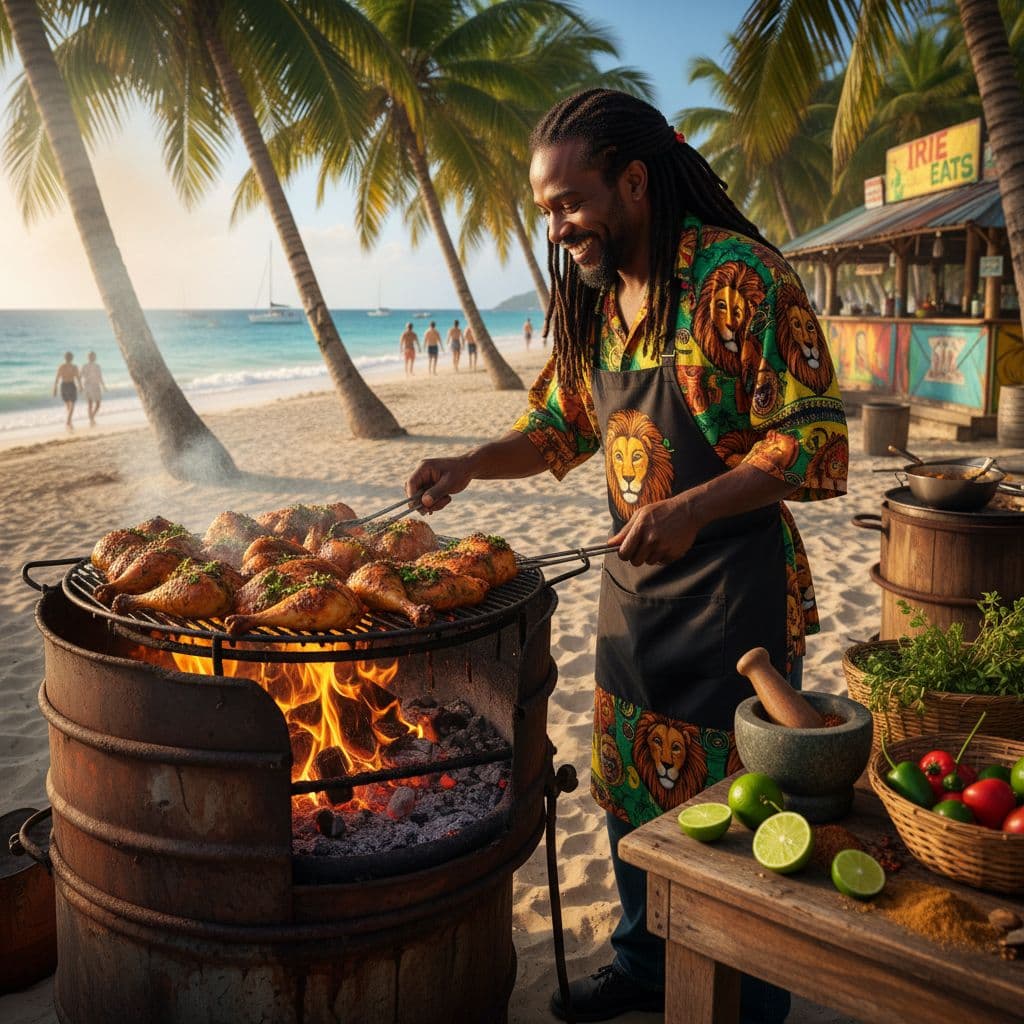
Jamaican chef grilling jerk chicken on Montego Bay beach with ocean view
Jamaican chef grilling jerk chicken on Montego Bay beach. Image generated by AI.

Time to Make Your 2026 Jamaica Vacation Happen

You now have a clear picture of Jamaica’s best all‑inclusive areas, a handpicked list of the 15 best all inclusive resorts in Jamaica 2026, and real‑world tips to save money without losing any magic. The only step left is to turn the idea into a real confirmation email.

Ready to lock in your dream resort? Search Jamaica all-inclusive resorts on Booking.com now – secure the best 2026 rates before they rise.

FAQ

What is the average cost of a 5-night all-inclusive trip to Jamaica in 2026?

For couples, I usually see 5‑night packages from about $1,800 for value resorts up to $4,000 or more for top‑tier luxury and overwater suites. Families of four often sit in the $2,500 to $5,000 range depending on room type and dates. Use price filters on Booking.com or Expedia.com to match your budget in seconds.

Is it better to book my Jamaica all-inclusive with flights or separately?

If you want simplicity and savings, flight + hotel packages on Expedia.com or Trip.com can work very well. Booking separately can help when you are using airline miles or special flight deals. Spend 10 minutes comparing both, then lock in whichever gives the best total price and flexibility on Booking.com or Expedia.com.

Which Jamaica area is best for first-time visitors in 2026?

Montego Bay is my top pick for first‑timers, thanks to short transfer times and a wide range of adults‑only and family resorts. Negril is a close second if beach and sunsets are your main priority. Many of the top 15 resorts on this list sit in these two areas, so it is hard to go wrong.

Are Jamaica all-inclusive resorts safe for families and couples?

Big‑name all‑inclusive resorts in Jamaica are very focused on guest safety, and families return year after year. I recommend booking trusted brands and reading recent reviews on Booking.com. A little common sense goes a long way.

How far in advance should I book a 2026 Jamaica all-inclusive resort?

For peak winter dates and school holidays, I like to book 6–9 months early. For shoulder seasons, 3–6 months usually works. If you see a good refundable rate on Booking.com today, grab it, then fine‑tune flights and details later.

Thank you for reading and planning with me. You now know the best all inclusive resorts in Jamaica 2026, the difference between adults‑only and family spots, and the smartest ways to save money and stress. Trust your gut, pick the resort that feels right, and do not overthink every detail.

Ready to make this dream vacation a reality? Head over to Expedia.com, Booking.com, or Trip.com right now to compare Jamaica all‑inclusive deals, check your dates, and secure your perfect stay with just a few clicks.

© 2025 I Need My Vacation. All rights reserved.


12 Best Things to Do in Taipei Taiwan for 2026: Night Market Feasts, Temple Treks & Hot Spring Soaks

The oil spits, the grill hisses, someone yells “hao chi!” and a wave of garlic, oyster, and grilled beef hits me in the face. I am wedged in a Shilin Night Market alley, one hand wrapped around an XXL fried chicken steak, the other clutching brown-sugar bubble tea while scooters buzz past the end of the lane. This is the heartbeat of best things to do in Taipei Taiwan 2026 for me: neon chaos, cheap eats, and soft steam rising from food stalls into the humid night.

As a Taipei night‑market hunter who has eaten well over 300 xiaolongbao while researching for IneedMyVacation.com, I have turned this city into my real‑life tasting menu. I have watched Taipei 101 light up from the observatory, walked through incense smoke at Longshan Temple, and soaked in Beitou’s milky hot springs on a cold February day until my fingers wrinkled like dried plums.

In 2026, Taipei lines up perfectly with big travel trends. Asian city breaks are hot, street‑food tourism keeps growing, and wellness travelers want hot‑spring escapes that still sit close to a big, exciting city. Taipei nails all three. You can slurp noodles in Shilin, hike Elephant Mountain for skyline views, bow your head in Longshan, then be in a Beitou hot‑spring tub before dinner.

In this guide I share my personal top 12, plus an interactive Google Map with all the spots pinned, a quick comparison table, and a short FAQ with schema so search tools can actually understand what you need. I will also share my best food hacks, from bubble‑tea tricks to MRT shortcuts. If you are already dreaming of where to stay, I suggest checking current Taipei hotel deals on Trip.com and then using this guide on IneedMyVacation.com to decide which neighborhood is your home base.

Affiliate Disclosure: This post contains affiliate links. If you book or buy something through one of these links, I may earn a small commission at no extra cost to you. This helps keep the site running and lets me keep sharing honest, up-to-date travel advice. Thank you for your support!

Why Taipei Is Asia’s Must-Visit City in 2026

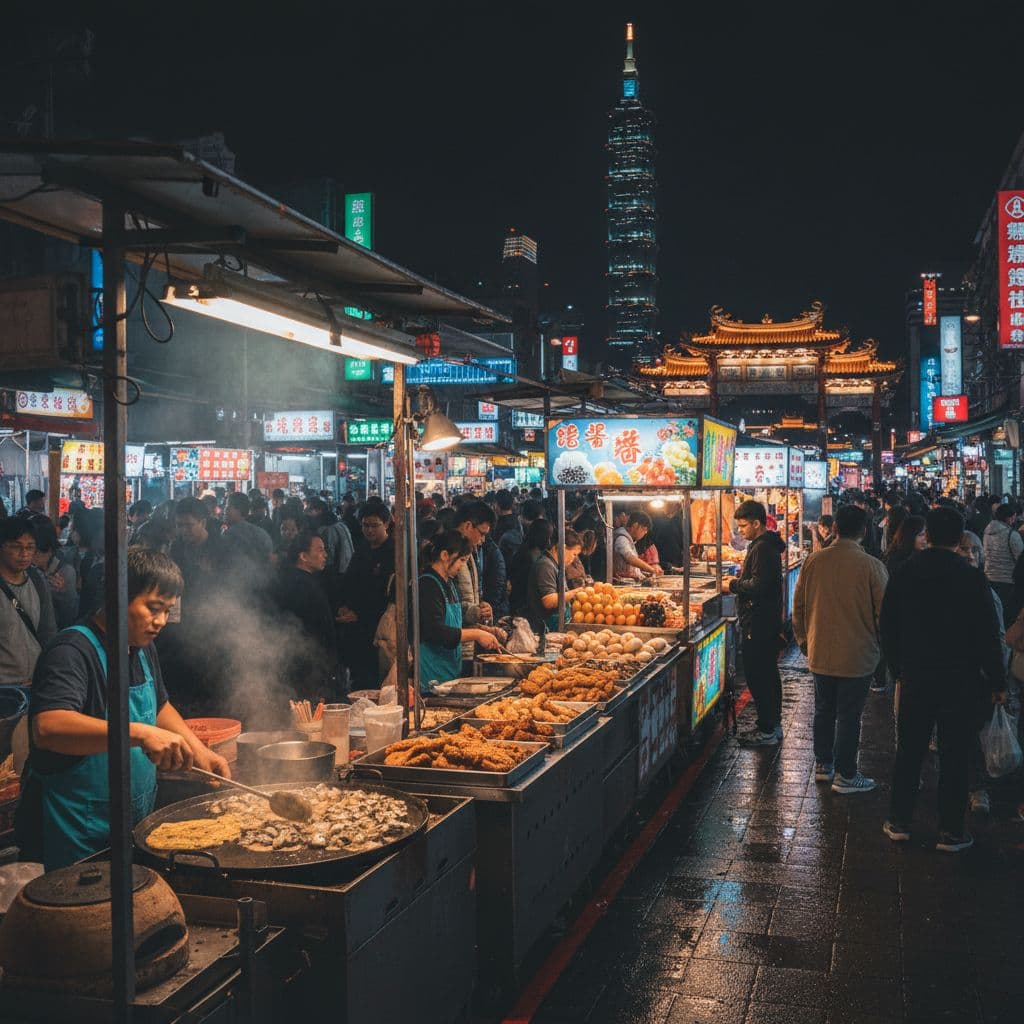
Crowded Taipei night market with neon signs and food stalls at night
Shilin Night Market in full swing, with steam, neon, and hungry crowds. Image created with AI.

When friends ask where to start in Asia, I send them to Taipei. It is busy but kind, fast but rarely stressful. The metro is clean and simple, signs are in English, and even many street stalls have photo menus so first‑timers do not freeze when it is time to order.

Travel trends for 2026 put a huge spotlight on food‑driven city breaks, soft adventure, and hot‑spring wellness. Taipei feels built for that mix. You can brunch in a hip cafe, ride a gondola into tea hills in the afternoon, then dive into the Taipei night markets 2026 scene at night. Articles like this long‑time local guide to city highlights from TaiwanObsessed, 20 Things to Do in Taipei that I’m Obsessed With, echo what I see on the ground every season.

Taipei 101 still pulls most first‑time visitors, and it deserves that pull. It is an eco‑minded skyscraper with high‑speed elevators that make your ears pop, and the observatory views stretch from the river to hills like Elephant Mountain. Just outside the city core, Yangmingshan National Park adds volcanic steam, flower fields, and cooler air that feels far away but sits close enough for a half‑day escape.

Early 2026 will be extra lively. Lunar New Year falls in February, with Dihua Street packed as locals stock up snacks and gifts, then the Lantern Festival lights the city in late February and early March. Flower shows, like the spring tulip displays in Shilin, keep the city bright even when the air is cool and damp.

The secret sauce is price. Compared to Tokyo or Seoul, Taipei is kind to your wallet. Metro rides are cheap, night‑market dinners can cost less than a coffee in Europe, and even big‑name sights are reasonable. If you are ready to join the crowd, start by comparing flights to TPE on Expedia.com and lock in your dates before peak holiday prices rise.

Interactive Map of Taipei’s Top 12 Spots

For this guide I built a live Google Map that pins all 12 of my favorite places in Taipei. Each pin shows the name, a short note, and directions so you can move from dumplings to mountains without thinking too hard.

The map covers Shilin, Taipei 101, Longshan Temple, Elephant Mountain, Beitou hot springs, Chiang Kai‑shek Memorial Hall, Raohe Street Night Market, Maokong Gondola, National Palace Museum, Ximending, Yangmingshan, and Dihua Street. Save the map to your phone, then compare hotel locations on Trip.com so you can stay close to the areas that match your style and grab some of the best‑value Taipei hotel deals.

The 12 Best Things to Do in Taipei Taiwan 2026

Here is my field‑tested checklist of the best things to do in Taipei Taiwan 2026, built from years of repeat visits and hungry nights.

1. Shilin Night Market: Late-Night Feast of Fried Chicken, Noodles, and Games

Shilin is Taipei’s classic mega night market, a maze of frying oil, game stalls, and bright signs that feels like a festival every night. I move from XXL fried chicken to pepper buns, oyster omelets, and chewy bubble tea, then wander the basement food court for noodle soups.

  • Best tips: Go on weekday evenings, keep it budget‑friendly for dinner.
  • Getting there: Short walk from Jiantan MRT, then follow the crowds.

If you want another voice obsessed with street food, this monster list of things to eat and do from Taiwanderers, 65 Top Taipei Things To Do, backs up how central Shilin is to any visit.

Open Shilin Night Market in Google Maps

2. Taipei 101 Observatory: Skyscraper Views and 2026 City Lights

Taipei 101 observatory deck at sunset with panoramic skyline
Golden hour from Taipei 101, with the city spreading out below. Image created with AI.

Riding Taipei 101’s elevator feels like a magic trick, with a smooth whoosh and a soft beep at the top. The glass walls frame Elephant Mountain, the river, and a sea of low‑rise homes wrapped around newer towers. Downstairs, the mall and Din Tai Fung branch are life savers on hot or rainy days.

  • Best tips: Aim for late afternoon into sunset, book tickets online to skip lines.
  • Price and access: Mid‑range ticket price, easy ride on the red MRT line.

Open Taipei 101 Observatory in Google Maps

3. Longshan Temple and Old Taipei: Incense Smoke and Fortune Tellers

Longshan Temple in Wanhua glows under lanterns, with coils of incense rising as worshippers bow and offer fruit. I like to stand back and follow the flow, then slip into the nearby fortune‑telling arcades where you can get a simple reading with a few yes or no answers.

  • Best tips: Wear modest clothes, speak softly, follow how locals move.
  • Price and access: Free entry, short walk from Longshan Temple MRT.

Open Longshan Temple in Google Maps

4. Elephant Mountain Sunset Hike: Easy Stairs, Epic Skyline

Elephant Mountain trail overlooking Taipei 101 at sunset
Climbing Elephant Mountain for postcard views of Taipei 101. Image created with AI.

Elephant Mountain (Xiangshan) is just a steep staircase through trees, but the payoff is wild. In about 20 to 30 minutes most people reach the classic boulder viewpoint, where Taipei 101 lines up right against the sky as the city lights switch on.

  • Best tips: Arrive before sunset, pack water and a lightweight rain jacket.
  • Price and access: Free trail, a few minutes from Xiangshan MRT.

Open Elephant Mountain in Google Maps

5. Beitou Hot Springs: Steaming Pools and Easy Metro Escape

Beitou hot springs and green Thermal Valley steaming in mist
Beitou’s hot-spring valley, where steam curls above turquoise water. Image created with AI.

Beitou feels like a small resort town parked beside the city, with hot water steaming from the ground and wooden paths around green Thermal Valley. I like to visit the small museum, peek at the glowing pool, then pick a public bath or a private tub in a simple hotel.

  • Best tips: Check swimsuit rules on signs, visit on cool or rainy days.
  • Price and access: Budget‑friendly public baths or mid‑range private rooms, easy ride on the red MRT line, then transfer to Xinbeitou.

Open Beitou Hot Springs in Google Maps

6. Chiang Kai-shek Memorial Hall: Blue Roofs and Guard Change Ceremony

The huge white steps and blue‑tiled roof of Chiang Kai‑shek Memorial Hall feel grand but not stiff, especially when kids race across the plaza. Inside, the hourly changing of the guard is crisp and quiet, with boots clicking on the floor while the crowd barely whispers.

  • Best tips: Time your visit to catch the guard change, then explore the galleries.
  • Price and access: Free, right on two MRT lines with a big open plaza.

Open Chiang Kai-shek Memorial Hall in Google Maps

7. Raohe Street Night Market: Pepper Buns and Riverfront Strolls

Raohe Street Night Market is tighter and easier to handle than Shilin, a straight path packed with food from the famous pepper‑bun oven to grilled squid and sweet cakes. The Ciyou Temple at the entrance glows in gold and red, and the riverside walk nearby is perfect after a heavy meal.

  • Best tips: Start at the temple gate, eat your way slowly to the end.
  • Price and access: Very budget‑friendly, quick walk from Songshan MRT.

Open Raohe Street Night Market in Google Maps

8. Maokong Gondola and Tea Hills: Sky Cabins and Mountain Oolong

From Taipei Zoo MRT, the Maokong Gondola floats you up into breezy tea hills, with some cabins offering glass floors that thrill kids and anyone who is not scared of heights. At the top, I sit in tea houses with city views, sipping local oolong and snacking on tea‑flavored eggs or tofu.

  • Best tips: Go on clear days, stay into early evening for city lights.
  • Price and access: Budget gondola ticket, paid with EasyCard, on the outskirts but still on the MRT.

Open Maokong Gondola in Google Maps

9. National Palace Museum: Ancient Jade and Story-Filled Galleries

The National Palace Museum holds one of the richest collections of Chinese art in the world, from carved jade to calligraphy and bronzes. It can feel huge on a first visit, so I like to follow the “star items” route and then pick one extra floor to wander.

  • Best tips: Arrive close to opening, consider a short guided tour or audio guide.
  • Price and access: Mid‑range ticket, short bus or taxi ride from Shilin area.

If you want to compare with others’ favorite pieces, the long Taiwan overview at 60+ Unmissable Things to Do in Taiwan includes many repeat visits to the museum.

Open National Palace Museum in Google Maps

10. Ximending: Youth Culture, Street Performers, and Late-Night Snacks

Ximending is Taipei’s youth magnet, with K‑pop tunes bouncing between big screens, fashion shops, and street‑performance corners. I snack on spicy fried chicken pieces, ice cream, and gua bao while people‑watching and checking out themed cafes and quirky arcades.

  • Best tips: Go after dark for street shows and full neon, stay for snacks.
  • Price and access: Flexible budget, good mid‑range hotel zone, right on several MRT exits.

Open Ximending in Google Maps

11. Yangmingshan National Park: Volcanic Trails and Flower Seasons

Yangmingshan is Taipei’s wild side, a national park of steaming vents, cool air, and rolling green hills. In late winter and early spring 2026, cherry blossoms, calla lilies, and festival fields draw big local crowds, so I go early in the day with a charged phone and light rain layer.

  • Best tips: Watch mountain weather, pack a portable power bank for photos.
  • Price and access: Budget‑friendly buses from the city, with small entry fees in some areas.

Open Yangmingshan National Park in Google Maps

12. Dihua Street: Old Shops, Tea Tins, and Dried Goods for Souvenirs

Dihua Street feels like a live history lesson, with old shophouses full of tea, herbs, and dried snacks. Before Lunar New Year 2026, it turns into a packed pre‑holiday market where locals buy sweets, nuts, and gifts, which makes it perfect for souvenir hunting.

  • Best tips: Buy vacuum‑packed dried fruit, tea, and cute tins to take home.
  • Price and access: Budget to mid‑range shopping, easy to reach by bus or a longer walk from Beimen MRT.

Open Dihua Street in Google Maps

Quick Comparison Table: Match Taipei’s Top 12 to Your Travel Style

To help you plan fast, this guide also includes a mobile‑friendly table that lines up all 12 spots in one place. Columns show the attraction name, neighborhood, main vibe (food, culture, nature, shopping, or a mix), best time to visit, typical time needed, and a simple “Map” cell that matches each pin on the interactive Google Map.

On a phone, you can scroll the table sideways, so it still feels clean. If you are a short‑trip traveler, you can scan it to build a two‑day loop. If you are staying a week, it helps you space out temples, hikes, and food nights without burning out. Once your wish list feels right, it is smart to look at flights to Taipei on Expedia and book early for peak times like Lunar New Year or major flower festivals.

To avoid missing your dates, compare flight prices to TPE on Expedia.com and lock in the times that fit your plan.

Taipei Insider Tips and Food Hacks for 2026

Taipei looks busy, but daily life here runs on small tricks. I always load an EasyCard as soon as I land so I can tap on the MRT, buses, and even at some shops without hunting for coins. At night markets, I follow the longest lines, then check how fast they move. Fast line plus older auntie in charge usually means great food.

When I cannot read the menu, I point, smile, and say the name of the main dish in English or Mandarin. Many vendors know basic English, and if they do not, they still understand fingers, numbers, and a friendly face. I also check guides from other Taipei‑obsessed travelers, like this detailed list of favorite spots on Top 13 Fun Things to Do in Taipei, to cross‑check what is new.

Gear helps the city feel smooth. I like carrying a small Taipei food guide in case my phone battery drops, a reusable bubble tea kit for less plastic, and a compact travel chopsticks set for street snacks. I also keep a packable lightweight rain jacket and a reliable portable power bank near the top of my day bag. Taipei weather flips fast, and I hate losing sunset photos to a dead phone.

If you are watching your budget, my deeper budget Taipei tips for 2026 cover cheap neighborhoods, night‑market strategies, and when to splurge. When you are ready to package everything in one shot, Taipei flight‑plus‑hotel bundles on Trip.com can be an easy way to keep your 2026 plans in a single booking.

Best Time to Visit Taipei in 2026

Winter in Taipei is cool and damp, which pairs perfectly with hot springs and rich food. In February 2026, Lunar New Year fills temples and family tables, while Dihua Street turns into a pre‑holiday shopping rush. Lantern Festival events run into early March, so evenings glow with light displays and performances. For more seasonal ideas, I like cross‑checking with pieces like the Michelin Guide’s Summer in Taipei: 10 Things To See and Do.

Spring is softer, with flowers in full show around February and March. You can balance Yangmingshan hikes, city temples, and night markets without melting in the heat. A one‑week spring trip might look like this: two nights in Ximending, one day out in Yangmingshan, one half day in Beitou, and nights split between Shilin and Raohe markets.

Summer is hot, wet, and full of life, with long nights and more festivals but also some typhoon risk. Fall is my favorite, with clearer skies and kinder temperatures for Elephant Mountain, Maokong, and city walks.

For a fall one‑week visit, I like three city days for Taipei 101, Longshan, Ximending, and Dihua, then four slower days with Yangmingshan, Beitou, and Maokong spread between. To see which month fits your budget, compare flight prices to TPE on Expedia.com and book early for festivals and long weekends.

Taipei 2026 FAQ

How many days should I spend in Taipei in 2026?
If it is your first time, I suggest at least four full days. That gives you time for Taipei 101, a couple of night markets, Longshan Temple, and one or two side trips like Beitou or Maokong. With a week, you can add Yangmingshan, the National Palace Museum, and slower neighborhood walks.

Are night markets safe in Taipei at night?
I find Taipei’s markets very safe, even late, and families visit with kids all the time. Pickpocketing is rare but I still keep my wallet zipped and my phone in a front pocket when the lanes get tight. The main “danger” is eating too much fried chicken and stinky tofu in one go.

How much cash do I need, and can I use cards?
Big shops, hotels, and many restaurants take cards or mobile payments, but smaller food stalls still prefer cash. I usually carry the equivalent of 30 to 60 US dollars in Taiwan dollars for a day of street food and small buys. ATMs in convenience stores are easy to find if I need more.

Can I drink the tap water in Taipei?
Locals often boil tap water at home, and many visitors prefer bottled water. I usually drink filtered water, either from hotel dispensers or refill stations in some cafes and museums. Carry a refillable bottle and top it up when you see a safe source.

What should I wear for hot springs in Beitou and beyond?
Rules change between pools. Some public baths require swimsuits and a swim cap, others are gender‑separated with no clothing. Signs at the entrance explain the rules, and staff are used to helping visitors. Bring a small towel and wear easy‑to‑dry clothes for the trip back.

Conclusion

By the time I finish a week in Taipei, my clothes smell like grilled squid, incense, and hot‑spring minerals, and that mix sums up the city in the best way. These 12 spots cover the core of best things to do in Taipei Taiwan 2026, from Shilin’s frying pans to Longshan’s soft chanting, from Elephant Mountain’s skyline to Beitou’s steaming pools.

You can squeeze a few of them into a fast weekend or stretch them across a full week, lining up temples, hikes, and food nights in whatever order fits your mood. When you are ready, let Trip.com show you current Taipei hotel deals and lock in a base for your own round of night‑market feasts, temple treks, and hot‑spring soaks in 2026.

© 2026 IneedMyVacation.com. All rights reserved.


12 Best All-Inclusive Resorts in Punta Cana for 2026: Unlimited Drinks, Private Beaches & Booking Deals

Close your eyes for a second and step away from your to‑do list.
Feel a warm Caribbean breeze, hear soft waves roll in, and picture your feet buried in cool white sand. A cold drink rests in your hand, the bartender already knows your order, and every meal, cocktail, and late‑night snack is already paid for. That is the magic of a good all‑inclusive resort.

In this guide, I am breaking down the 12 best all inclusive resorts in Punta Cana 2026 with unlimited drinks, private beaches, and real‑world booking tips that actually help. I will keep things simple and honest so you can match each resort to your travel style, whether you want a romantic hideaway, a family base with water slides, a budget saver, or full‑on luxury.

I have spent hours studying 2026 pricing, recent reviews, and what guests loved (and did not love) at each property. The goal is to save you from opening 30 tabs and feeling more confused than when you started. You will see clear pros and cons, who each resort fits best, and a rough price range so you can compare without doing math on vacation brain.

You will also see where to look for package deals that bundle flights and hotels together, which is often where the real savings hide. Sites like Expedia’s Punta Cana all inclusive vacations or Punta Cana vacation packages on Booking.com can be handy once you have a shortlist.

I write this for travelers who want clarity, not fluff. If that is you, keep reading, start shortlisting, and get ready to turn I Need My Vacation from a feeling into an actual 2026 flight to Punta Cana.

Affiliate Disclosure: This post contains affiliate links. If you book or buy something through one of these links, I may earn a small commission at no extra cost to you. This helps keep the site running and lets me continue sharing honest, up-to-date travel advice. Thank you for your support!

Why Punta Cana Is Still the #1 All-Inclusive Hotspot for 2026

Aerial view of one of the best all inclusive resorts in Punta Cana 2026 on a white sand beach with turquoise water
Wide aerial of Punta Cana’s beach strip with all‑inclusive resorts and turquoise water. Image created with AI.

Punta Cana keeps winning for all‑inclusive trips because it hits the sweet spot of easy flights, gorgeous beaches, and good value. The coastline stretches for miles, with soft white sand and calm, clear water that looks like a screensaver in real life.

From many U.S. and Canadian cities, you can fly nonstop and arrive in time for lunch by the pool. That cuts out long layovers and makes quick 4‑ to 5‑night trips worth it. Once you land, most resort zones are about 20 to 40 minutes from the airport.

Compared with some other Caribbean islands, Punta Cana usually gives you more room, more restaurants, and more pools for the price. All‑inclusive packages wrap food, drinks, and many activities into one number, which helps control costs, especially for groups and families.

Many top resorts are updating rooms, restaurants, and spa menus in time for 2026. Staff are used to hosting English‑speaking guests, and the main hotel zones are very resort‑focused, which feels comfortable for first‑timers. If you stay aware, use common sense, and stick to trusted transport and tours, Punta Cana stays a solid, relaxing choice for 2026.

How I Picked the Best All-Inclusive Resorts in Punta Cana for 2026

I built this list with one goal: you arrive, drop your bags, and feel glad you booked that specific resort.

To get there, I looked at recent traveler reviews, 2026 pricing, and overall value for money. I focused on places with good food, clean and comfortable rooms, a real beachfront, and pools where you can actually find a chair without racing out at sunrise.

I also paid attention to the “feel” of each property. Some are quiet and romantic, others are lively with music and foam parties. I included adults‑only, family‑friendly, and budget‑friendlier spots so there is something for every style.

Finally, I skipped resorts that looked pretty in photos but had too many complaints about service, worn rooms, or weak drinks. You do not need that on a hard‑earned vacation.

The 12 Best All-Inclusive Resorts in Punta Cana for 2026

Here is the fun part. Below I break down the 12 best all-inclusive resorts in Punta Cana 2026 in a simple, at‑a‑glance way. For each one, you will see the rating, who it fits best, a rough 2026 price range per night, key perks, and who should probably skip it. Prices move with season and room type, but these ranges will help you compare quickly.

Bavaro Beach, Punta Cana – tropical paradise with palm trees and turquoise water
Classic Bavaro Beach scene – the heart of Punta Cana’s all‑inclusive strip. Image created with AI.

1. Majestic Mirage Punta Cana – Big Suites and Pools for Families and Groups

Majestic Mirage is a luxury, family‑friendly resort with huge suites, 12 pools, a kids’ club, and a wide beach. It sits around a 4.7 out of 5 rating, with typical 2026 prices of about $400 to $600 per night. It is great for families and groups who want space, active pool vibes, a casino, multiple restaurants, and friendly service. On the flip side, it can feel busy and a bit pricey, so it is not ideal if you want a quiet boutique stay or tight‑budget trip.

Check 2026 Prices & Availability for Majestic Mirage on Expedia

2. Secrets Cap Cana Resort & Spa – Adults-Only Luxury on a Dreamy Beach

Secrets Cap Cana is an adults‑only, 4.8‑rated luxury resort on one of Punta Cana’s prettiest beaches. Expect about $450 to $700 per night in 2026 for stylish rooms, 7 à la carte restaurants, and romantic infinity pools. It is perfect for couples and honeymooners who want upscale quiet, strong food, and almost no stress.

Check 2026 Prices & Availability for Secrets Cap Cana on Expedia

3. Sanctuary Cap Cana – Castle-Style Hideaway for Grown-Ups

Sanctuary Cap Cana feels like a private, castle‑style village by the sea, with a rating around 4.7. Typical 2026 prices run about $500 to $750 per night. Couples and groups of friends love its private suites, spa, and scenic small pools that feel cozy instead of crowded.

Check 2026 Prices & Availability for Sanctuary Cap Cana on Booking.com

4. Hyatt Zilara Cap Cana – Modern Adults-Only Fun with Huge Pools

Hyatt Zilara Cap Cana is a sleek, adults‑only resort with one of the best pool scenes in Punta Cana and a rating near 4.7. Expect 2026 rates around $350 to $600 per night. It suits couples and friends who like a mix of chill time and social energy.

Check 2026 Prices & Availability for Hyatt Zilara on Expedia

5. Zel Punta Cana – Great Beach and Value for All Kinds of Travelers

Zel Punta Cana sits at about a 4.6 rating and stands out for strong value. Typical 2026 prices run around $250 to $450 per night, which works well for couples, friends, and families who want quality without ultra‑luxury rates.

Check 2026 Prices & Availability for Zel Punta Cana on Booking.com

6. Paradisus Palma Real Golf & Spa – Beachfront All-Inclusive with Golf and Variety

Paradisus Palma Real is a 4.5‑rated, full‑service resort with a golf course, spa, big pools, and many restaurants. Expect 2026 prices of about $300 to $550 per night.

Check 2026 Prices & Availability for Paradisus Palma Real on Expedia

7. Lopesan Costa Bávaro Resort & Spa – Water Park Fun at a Fair Price

Lopesan Costa Bávaro holds roughly a 4.2 rating and is known for its water park, large pools, and beachfront setting. Typical 2026 prices sit around $220 to $400 per night.

Check 2026 Prices & Availability for Lopesan Costa Bávaro on Booking.com

8. Dreams Flora Resort & Spa – Easy Choice for Multigenerational Families

Dreams Flora has about a 4.3 rating and was built to keep kids, parents, and grandparents happy at the same time. In 2026, rates usually run $280 to $450 per night.

Check 2026 Prices & Availability for Dreams Flora on Expedia

9. Nickelodeon Hotels & Resorts Punta Cana – Splashy All-Inclusive Fun for Kids

Nickelodeon Hotels & Resorts Punta Cana, rated around 4.4, is pure kid heaven with characters, slides, and themed fun. Typical 2026 prices land between $350 and $550 per night.

Check 2026 Prices & Availability for Nickelodeon Punta Cana on Expedia

10. Melia Punta Cana Beach – Wellness-Focused Adults-Only Escape

Melia Punta Cana Beach, especially The Level section, is a 4.5‑rated adults‑only resort with a wellness angle. Expect 2026 prices of about $400 to $650 per night.

Check 2026 Prices & Availability for Melia Punta Cana Beach on Booking.com

11. Bahia Principe Grand Punta Cana – Budget-Friendly Classic for Families

Bahia Principe Grand Punta Cana is a 4.1‑rated, older but very popular all‑inclusive that delivers strong value. In 2026, you can often find rates around $150 to $300 per night.

Check 2026 Prices & Availability for Bahia Principe Grand on Expedia

12. Excellence El Carmen – Quiet, High-End Adults-Only Suites by the Sea

Excellence El Carmen is a 4.6‑rated adults‑only resort with big suites, many with swim‑up or private pools, and a long, walkable beach. Expect 2026 prices of about $450 to $700 per night.

Check 2026 Prices & Availability for Excellence El Carmen on Expedia

2026 Punta Cana All-Inclusive Comparison at a Glance

Resort Rating Type 2026 Price/night Best For
Majestic Mirage Punta Cana 4.7 Family $400–$600 Families & groups
Secrets Cap Cana 4.8 Adults-only $450–$700 Honeymoons
Sanctuary Cap Cana 4.7 Adults-only $500–$750 Privacy & romance
Hyatt Zilara Cap Cana 4.7 Adults-only $350–$600 Social couples
Zel Punta Cana 4.6 Mixed $250–$450 Great value
Paradisus Palma Real 4.5 Mixed $300–$550 Golf & activities
Lopesan Costa Bávaro 4.2 Family $220–$400 Water park fun
Dreams Flora Resort & Spa 4.3 Family $280–$450 Multigenerational
Nickelodeon Punta Cana 4.4 Family $350–$550 Kids & characters
Melia Punta Cana Beach 4.5 Adults-only $400–$650 Wellness
Bahia Principe Grand 4.1 Family $150–$300 Budget families
Excellence El Carmen 4.6 Adults-only $450–$700 High‑end romance

Best Time to Book Punta Cana All-Inclusive Deals for 2026

Punta Cana is warm year‑round, but timing matters for both weather and price.

High season runs from December to April. You get the driest weather, clearer skies, and a buzzy feel at resorts, but also higher prices and more crowds, especially around Christmas, New Year’s, and spring break. If you want those dates, try to book 6 to 9 months in advance.

Shoulder seasons, like late April to early June and November, are my sweet spots. Prices usually drop, the weather still feels good, and beaches are less crowded. For these months, booking 3 to 6 months ahead gives you a nice balance of choice and savings.

Hurricane season runs roughly June to November. That is where you find some of the best deals, but also more chance of rain or storms. If you are flexible, watch for flash sales and always consider travel insurance and flexible flight options so a storm does not turn into a big bill.

Stunning auburn-haired woman in bikini on Punta Cana beach at sunset
Golden hour on Punta Cana’s famous white sand – exactly what you came for. Image created with AI.

What to Pack for Punta Cana in 2026 (Keep It Simple)

You do not need three suitcases for a week in Punta Cana. Focus on what you will actually use around the pool, on the beach, and at dinner.

Bring lightweight outfits, a few swimsuits, and at least one cover‑up you feel good walking through the lobby in. Add a pair of sandals for the pool, comfy shoes for excursions, and one nicer outfit for à la carte dinners at higher‑end resorts.

Sun protection is non‑negotiable. Pack reef‑safe sunscreen, a wide‑brim hat, and good sunglasses so you are not shopping in the lobby at resort prices. A small medical kit with basic pain relief, motion sickness pills, and bandages saves time if someone feels off.

Useful extras: a reusable insulated cup to keep drinks cold, a waterproof phone pouch for the pool and boat trips, and a light rain layer for quick showers.

Quick FAQs About Punta Cana All-Inclusive Resorts in 2026

Is Punta Cana safe for all-inclusive stays in 2026?
Most travelers feel safe in the main resort zones, especially when they stay on property or use trusted transport and tours. Use the same common sense you would anywhere, like not leaving valuables unattended or wandering alone late at night off resort.

Do Punta Cana all-inclusive resorts include top-shelf drinks?
Many higher‑end resorts include premium brands in the standard package, especially at lobby bars and à la carte venues. Some properties keep a few ultra‑premium labels as paid upgrades, so check the fine print if this matters to you.

How much cash should I bring if I am staying all-inclusive?
Plan for tips, small souvenirs, and any off‑site tours or taxis you book. Many guests bring around $20 to $40 per day in small bills, but you may spend less if you mostly stay on property.

Is the tap water safe to drink at resorts?
In general, you should not drink tap water in Punta Cana. Stick to bottled or filtered water provided by the resort, and use it for brushing your teeth if you have a sensitive stomach.

Do I need travel insurance for Punta Cana in 2026?
I strongly recommend it, especially if you are traveling in or near hurricane season. Good coverage can help with medical costs, trip delays, and cancellations that would otherwise come straight out of your pocket.

What is the dress code at all-inclusive resorts?
During the day, swimwear with a cover‑up is fine around pools and casual restaurants. At dinner, many resorts ask for resort‑casual, so think sundresses, polos, and closed‑toe shoes for men in some à la carte spots.

How many days are ideal for an all-inclusive trip to Punta Cana?
Five to seven nights hit the sweet spot for most people. You have time to settle in, explore, enjoy the resort, and fit in an excursion or two without feeling rushed.

Can I visit Punta Cana in hurricane season?
Yes, many travelers do. Just be flexible, watch the forecast, and protect your trip with changeable flights and solid insurance.

Golden hour beach party at a Punta Cana all-inclusive resort
Golden hour beach vibes – the reason you book Punta Cana all‑inclusive. Image created with AI.

Conclusion

There is no single “best” resort in Punta Cana, only the best fit for your style and budget. Maybe that is a quiet suite with a private pool, a water‑park paradise for your kids, or a wallet‑friendly classic where the drinks flow and no one judges your third plate at the buffet.

This list of 12 best all inclusive resorts in Punta Cana 2026 is here to cut through the noise so you can feel confident instead of overwhelmed. Pick two or three favorites, check prices for your 2026 dates, and lock things in early if you are eyeing school holidays, Christmas, or spring break.

Ready to make it more than a daydream? Hop onto Expedia’s Punta Cana all inclusive vacations or Booking.com Punta Cana packages, plug in your 2026 dates, compare a few all-inclusive deals, and lock in the stay that finally turns your “I need my vacation” moment into a booked trip.

© 2026 IneedMyVacation.com. All rights reserved.
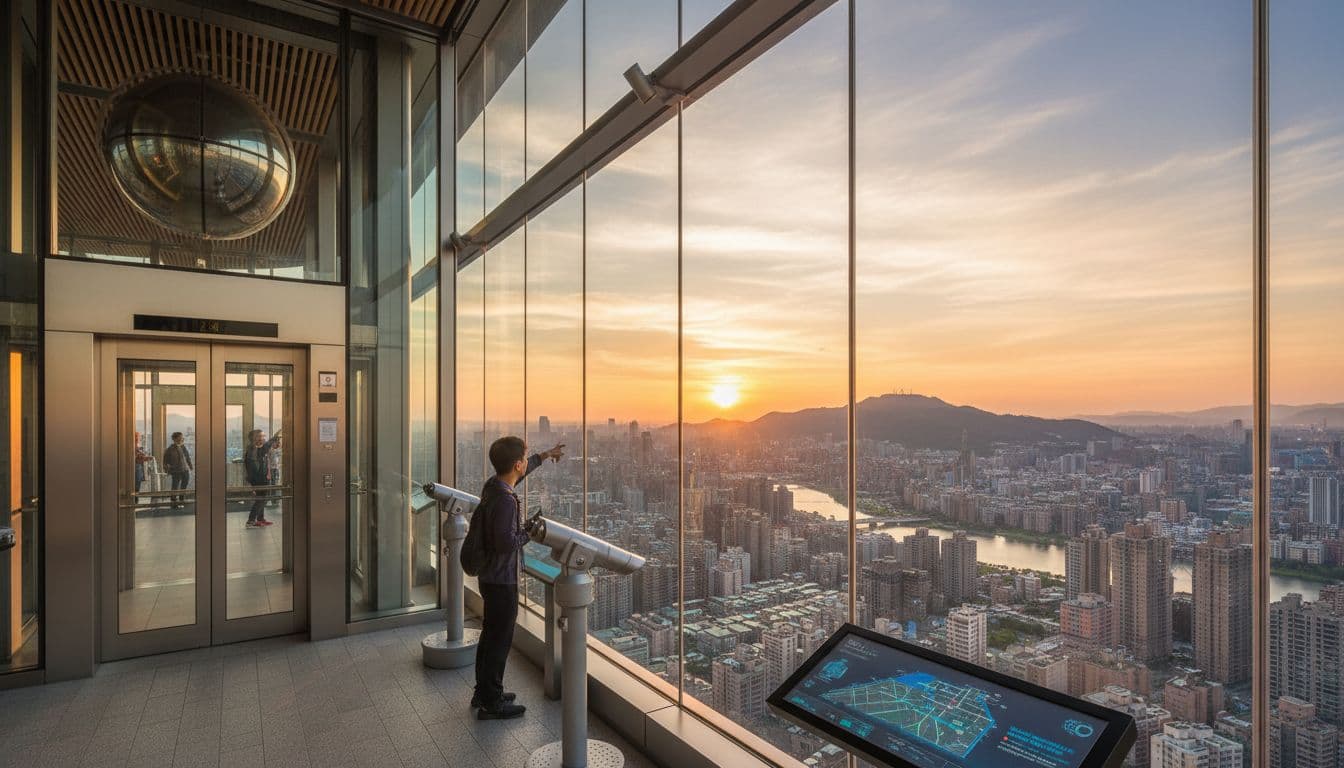


12 Best Things to Do in Milan Italy for 2026: Olympics Vibes, Duomo Secrets & Aperitivo Trails

Sunrise over the Duomo rooftop in Milan
Duomo rooftop sunrise in winter light. Image created with AI.

Milan is already a city that walks in heels faster than most cities run in sneakers. In 2026, it levels up. With the Milano Cortina Winter Olympics landing from February 4 to 22, 2026, San Siro lit for the Opening Ceremony on February 6, the whole city turns into one long, stylish street party.

I live my life between its tram tracks and marble churches, and I know exactly how the city shifts when the spotlight hits. I have watched late-night works on San Siro, sipped negronis on freezing Navigli nights, and queued for Last Supper tickets so I could report back for readers of IneedMyVacation.com. So when I talk about the best things to do in Milan Italy 2026, it comes from walking those streets, not just skimming a guide.

Picture this: Duomo rooftop at sunrise while the square is still half asleep. Timed entry to Leonardo’s Last Supper. The glass curve of Galleria Vittorio Emanuele II. Negronis on the Navigli canals, Brera courtyards hidden behind heavy wooden doors, Sforza Castle guarding its park, and the cool geometry of Bosco Verticale rising out of Porta Nuova. Then there is the Olympic energy at San Siro, the quiet of Cimitero Monumentale, and the rare manuscripts of the Ambrosiana Library.

At the same time, Milan 2026 is about sustainable fashion tourism, slower three-to-five-day city breaks, and pairing the city with Lake Como or Turin. It is a place where you can spend the morning on a Duomo rooftop, the afternoon by an ice rink, and the evening on an aperitivo trail without changing your shoes.

If you are already dreaming about where to stay, I like to start hotel research with Milan hotels on Trip.com, then layer in neighborhood notes and Olympic venue maps here on IneedMyVacation.com.

Affiliate Disclosure: This post contains affiliate links. If you book or buy something through one of these links, I may earn a small commission at no extra cost to you. This helps keep the site running and lets me continue sharing honest, up-to-date travel advice. Thank you for your support!


Why Milan Is the Italian Hotspot of 2026

The 2026 Winter Olympics are not just two weeks of sport. They are the reason Milan is upgrading trains, polishing squares, and opening new bars and small hotels. Official plans for Milano Cortina 2026 confirm that San Siro will host the Opening Ceremony, while the new Milano Santa Giulia arena handles ice hockey and skating.

Articles like the Qantas guide to what to do in Milan during the Winter Olympics already talk about fresh hotels and Olympic lounges in old city gates, and they are not wrong. You can feel the build-up in the way new cocktail bars keep mentioning “Games season” as if it is a fifth season of the year.

I like to think of 2026 Milan in three layers: Olympic buzz, timeless culture, and food plus fashion. By day, you dip into the classics, with a full 2026 Milan guide like this one open in another tab. By late afternoon, fan zones glow around key piazzas while screens show ice hockey. At night, you slip into a wine bar that pretends the Games do not exist at all.

Slow travel and city breaks fit this energy. Spend three days in Milan, then ride up to Lake Como or across to Turin for alpine air. Guides such as Tourist Italy’s Winter Olympics 2026 overview show how the venues spread across northern Italy, which makes Milan the perfect base camp.

To lock in good fares for the Milan Olympics 2026, I suggest checking flights on Expedia early, before peak February demand kicks in.

Milan’s Olympic Glow: Sports, Spectacle, and Street Energy

During February 2026, the city will feel wired. Around San Siro, scarves, flags, and camera crews turn the streets into rivers of moving color. Near the new arenas, fan zones with big screens and food stalls stay busy from lunch to late night.

Bars keep televisions on, even the chic ones. Old men will watch curling in corner cafés. Teenagers will copy snowboarders’ outfits outside metro stops. Think of it like fashion week mixed with a derby game, stretched over more than two weeks.

Fashion, Art, and Food: Why Milan Works for a Long Weekend

Milan works beautifully for a three-to-five-day city break. Mornings are best for quiet icons, like the Duomo rooftop or Sforza Castle’s park. Afternoons are for galleries and fashion districts. Evenings belong to Navigli, Porta Romana wine bars, and long dinners.

I like to pair early starts with late aperitivo. Sunrise at the Duomo, coffee near Galleria Vittorio Emanuele II, a few Olympic events, then spritz and small plates along the canals. Add a few sustainable fashion stops in Porta Nuova or Brera and you already have the shape of the 12 best things to do in Milan Italy 2026 that follow.

Interactive Map of the 12 Best Things to Do in Milan Italy 2026

Imagine a live Google Map with all 12 spots pinned: Duomo rooftop, Last Supper, Galleria Vittorio Emanuele II, Navigli, Brera, Sforza Castle, Quadrilatero della Moda, Fondazione Prada, San Siro, Cimitero Monumentale, Bosco Verticale in Porta Nuova, and the Ambrosiana Library.

You zoom in, tap a pin, and hit directions on your phone. Suddenly your day is arranged by neighborhood instead of by guesswork. I always suggest grouping Duomo, Galleria, Quadrilatero, and Ambrosiana for one day, then Navigli, Fondazione Prada, and San Siro for another, with the map open as a quiet co‑pilot while you compare Milan hotels on Trip.com and other tools.

The 12 Best Things to Do in Milan Italy 2026

This is my handpicked list of the best things to do in Milan Italy 2026. It works if you are flying in for the Olympics or returning to Milan for a deeper stay.

Each spot includes a quick note on how to handle 2026 crowds, plus a plain-text line for its Google Maps location so you can plug it into your own map.

1. Duomo di Milano Rooftop at Sunrise

The rooftop is marble lace glowing soft pink in winter light. At sunrise, the square below is almost silent, and the spires feel like a stone forest.

For 2026, pre-book the first time slot, especially around Olympic weekends. Dress in layers, since wind on the terraces can cut through a stylish coat faster than you expect, and check rules on bags; you may need a small anti-theft crossbody bag in place of a backpack.

For more detail, I break everything down in my detailed Duomo rooftop guide.

Open Duomo Rooftop in Google Maps

2. The Last Supper: Timed Entry to Leonardo’s Masterpiece

Cenacolo Vinciano feels small, quiet, and hushed, which is why timed entry is strict. Only a limited group enters each slot, and in 2026 those slots will sell out months ahead.

I book as early as possible, sometimes with an official guide, then read about the painting the night before. Arrive early, keep your phone on silent, and let your eyes adjust to the soft light.

Open Last Supper (Cenacolo) in Google Maps

3. Galleria Vittorio Emanuele II and High-Fashion Window Shopping

Interior of Galleria Vittorio Emanuele II in Milan
Galleria’s glass dome and luxury windows. Image created with AI.

The Galleria is Milan under glass, all mosaic floors and curved iron. You can spend nothing and still feel like royalty just by walking slowly and looking up.

I like to loop once for photos, then circle again for window shopping at the big luxury names. A quick espresso on the edge of the arcade costs less than center tables and still gives you that golden light.

Open Galleria Vittorio Emanuele II in Google Maps

4. Navigli Canal Aperitivo Crawl

Evening aperitivo along Milan’s Navigli canals
Golden hour aperitivo on the Navigli canals. Image created with AI.

Navigli is where Milan forgets it is a work city and lets the lights hit the water. In 2026, Friday and Saturday nights will be packed with locals, visitors, and Olympic scarves.

I usually pick two or three bars, lean into a good negroni, and skip the cheapest buffets. If the snacks look sad, so will the drink. Check for cover charges, look for locals at the counter, and save this my Navigli aperitivo route guide.

Open Navigli District in Google Maps

5. Brera Art Walks and Hidden Courtyards

Brera is Milan in softer focus. Cobbled lanes, gallery windows, and gates that hide quiet green courtyards.

You can visit the main art gallery, then wander among boutiques that champion local and sometimes sustainable designers. Duck down side streets to escape any Olympic noise drifting up from the center.

Open Brera District in Google Maps

6. Sforza Castle and Michelangelo’s Pietà Rondanini

Sforza Castle sits at the edge of a big park, its brick walls framing lawns where kids play and couples sit on benches with take‑away espresso.

Inside, Michelangelo’s Pietà Rondanini feels almost unfinished, raw and fragile. I like late mornings on weekdays for a calmer visit, especially in 2026 when weekends may be dense with tour groups.

Open Sforza Castle in Google Maps

7. Quadrilatero della Moda and the Fashion Window Trail

Quadrilatero della Moda is where the global fashion calendar turns into shop windows. Collections change, but the buzz stays steady.

I walk these streets slowly, sometimes with a Milan fashion guide in my bag, and treat it like an open‑air fashion show. Go before lunch or early evening, step inside only if you feel comfortable, and set a small budget for one special piece or just sharp people‑watching.

Open Quadrilatero della Moda in Google Maps

8. Fondazione Prada and Milan’s Contemporary Edge

Fondazione Prada shows how Milan plays with the future. Huge spaces, bold installations, and a mix of permanent and temporary shows.

During the Olympics, it is a perfect escape from sports coverage. I pair a late-morning visit with lunch or coffee on site, and let my brain reset before the next busy piazza.

Open Fondazione Prada in Google Maps

9. San Siro Stadium Tour During Olympic Prep

San Siro stadium lit up for the 2026 Olympics
San Siro with Olympic lights and winter sky. Image created with AI.

Walking into an empty San Siro hits harder when you know it will host the Opening Ceremony of the Winter Games. Locker rooms, tunnels, and the pitch feel like a film set before the actors arrive.

In 2026, tours may be limited on event days, so I always check schedules and book ahead. Aim for non‑match weekdays if your time allows.

Open San Siro Stadium in Google Maps

10. Cimitero Monumentale: Open-Air Sculpture Garden

Cimitero Monumentale is a cemetery, yes, but also an outdoor sculpture park of angels, family chapels, and bold stone art.

I go when the city feels too loud. Walk slowly, speak softly, dress modestly, and never pose on graves. It is a good reset after crowds around Olympic venues.

Open Cimitero Monumentale in Google Maps

11. Bosco Verticale and the Porta Nuova Skyline Walk

Bosco Verticale green towers in Porta Nuova
Bosco Verticale and the modern Porta Nuova skyline. Image created with AI.

Bosco Verticale looks like someone planted a forest on two towers. It has become a symbol of green design and fits the 2026 focus on sustainable travel.

I like to walk a loop through Porta Nuova, watch the light hit the glass towers, and sit with a coffee to people-watch. If you are counting euros, my notes on Milan on a budget in 2026 help you keep this area stylish but affordable.

Open Bosco Verticale in Google Maps

12. Ambrosiana Library and Leonardo’s Codex Atlanticus

The Ambrosiana Library feels like stepping into a study from another century. Wood, old paper, and quiet.

Leonardo’s Codex Atlanticus is a set of his drawings and notes. Only some sheets are displayed at a time, so I always check what is on rotation and book a timed entrance. A small leather travel journal in your bag feels right after reading his ideas.

Open Ambrosiana Library in Google Maps

Quick Comparison Table of the 12 Spots

# Spot Neighborhood Best Time of Day Vibe
1 Duomo Rooftop Centro Storico Sunrise Iconic
2 Last Supper Santa Maria delle Grazie Late morning Reflective
3 Galleria Vittorio Emanuele II Centro Storico Late morning Glam
4 Navigli Aperitivo Navigli Evening Social
5 Brera District Brera Afternoon Artsy
6 Sforza Castle & Pietà Rondanini Centro / Parco Sempione Late morning Historic
7 Quadrilatero della Moda Montenapoleone area Late afternoon Luxury
8 Fondazione Prada Porta Romana area Late morning Contemporary
9 San Siro Stadium San Siro Midday Sporty
10 Cimitero Monumentale Monumentale Morning Peaceful
11 Bosco Verticale & Porta Nuova Porta Nuova Afternoon Modern
12 Ambrosiana Library Centro Storico Afternoon Scholarly

For flights that match your chosen mix of Duomo sunrises and Olympic nights, I usually start with Expedia and then adjust dates around key events.

Milan Insider Tips and Aperitivo Hacks for 2026

Milan in 2026 will reward anyone who plans like a local but stays flexible like a friend on holiday. A few smart choices save you from long lines and overpriced spritz.

I like to keep a small portable espresso maker in my bag for early train mornings, plus a light Italian phrasebook so ordering at tiny bars feels smoother. It is a chic city, but it still loves simple human details.

For current promos and smart combinations of hotels plus extras, I keep an eye on the latest Milan package deals before I nail down dates.

Moving Around Milan During the Olympics

Use the metro. It is fast, simple, and avoids most surface traffic.

I buy day passes when I know I will cross the city a few times. Around San Siro and key central stations, I add at least 30 extra minutes before any fixed booking. A slim anti-theft crossbody bag helps you move easily on packed trams without worrying about pockets.

How to Aperitivo Like a Local in Navigli and Brera

Aperitivo starts late, usually around 6:30 or 7:00 p.m. Go where the snacks look fresh and the bar staff look relaxed.

Order what locals drink: spritz, negroni, or a simple glass of wine. Do not treat buffet snacks as a full dinner unless the place clearly expects it. A small Milan fashion guide can even help you decode which bar style fits you best.

I time my aperitivo nights around big Olympic match times, skipping the exact start and finish of major games so I miss the biggest rush to the bar screens.

For flexible packages that mix flights, hotels, and transfers, I usually compare offers and then check Milan bundle options on Trip.com Milan packages when I am ready to commit.

Best Time to Visit Milan in 2026 for Duomo Views and Olympic Vibes

The answer lives in your travel style. If you want peak Milan Olympics 2026 energy, you aim for early to mid‑February. If you care more about empty courtyards, you look at late January, March, or autumn.

Guides like Lonely Planet’s tips for planning a 2026 Olympics trip suggest using Milan as a base and hopping out to alpine venues. I agree, but I also love March and October city breaks that mix clear Duomo views with less stress on your wallet.

Think of a three-day pattern: Duomo and Galleria on day one, Navigli and San Siro on day two, Brera and Bosco Verticale on day three. Then bolt on a side trip to Como or Turin using a full 2026 Milan guide as your base reference.

When to Feel the Olympic Buzz vs When to Slow Down

Early February around the Opening Ceremony gives you maximum buzz. Streets, bars, and even bakeries will feel charged.

Late January or early March soften everything. You still see Olympic branding, but you get shorter lines at museums, easier restaurant bookings, and often better hotel prices.

Seasonal Duomo, Aperitivo, and Fashion Highlights in 2026

In winter, the Duomo rooftop comes with crisp air and pastel skies. Aperitivo happens mostly indoors, with foggy windows and heavy coats on chair backs.

Spring brings golden evening light on canals and lighter fashion in shop windows. Summer runs late into the night on Navigli, while autumn layers fashion weeks, warm colors in parks, and perfect rooftop temperatures.

When I want my dates to match the right mood, I adjust flights on Expedia until the weather and Olympic dates line up with my wishlist.

Milan 2026 FAQ: Duomo, Olympics, and Aperitivo Questions Answered

How many days do I need in Milan for 2026?
Three full days work for a first visit, especially if you focus on the 12 main sights. Add one or two extra days if you want to attend several Olympic events or add side trips.

How early should I book the Last Supper and Duomo rooftop for 2026?
For peak February dates, I would try to book three to six months ahead. Timed entries are strict, and the best morning slots will go first.

What should I wear in Milan in February 2026?
Think warm layers, waterproof shoes, and a stylish coat. Gloves and a hat help a lot on the Duomo rooftop and while waiting for trams near arenas.

Is Milan safe around Olympic venues like San Siro?
Yes, security will be strong, and the area will be well lit and busy. As always, watch your belongings in crowds and follow local signs and staff instructions.

How expensive is aperitivo in Milan and what is included?
Expect to pay for one drink, with snacks or a small buffet included. In 2026, a standard spritz with good snacks should be around 10 to 15 euros in popular areas.

What are the best things to do in Milan Italy 2026 during the Olympics?
Mix classic sights like the Duomo rooftop, Last Supper, and Galleria with Navigli aperitivo, a San Siro tour, Bosco Verticale, and one or two Olympic events for balance.

Conclusion: Plan Your Milan 2026 City Break in Style

For me, the magic of 2026 Milan sits in the blend: the stone lace of the Duomo, the green towers of Bosco Verticale, and the glow of Olympic rings on San Siro all wrapped in one city break. The best things to do in Milan Italy 2026 give you that mix of sport, art, fashion, and long aperitivo nights that no other city can copy.

When I sketch my own 2026 plans, I see Duomo sunrises, mid‑day hockey, quiet Brera evenings, and a slow walk through Cimitero Monumentale to clear my head. The 12-point list and the interactive map are exactly how I build a three-to-five-day trip that feels both efficient and luxurious.

I hope this guide leaves you seeing Milan not just as an Olympic host, but as a city that dresses up beautifully for 2026 and still keeps its secrets. When you land, you will already know where to go for that first rooftop sunrise, that first canal-side spritz, and that first quiet courtyard that feels like it was waiting just for you.

If you are ready to turn this into real dates and real keycards, you can start shaping your stay with curated Milan offers at Milan packages on Trip.com, then match them with the inspiration and planning tools here on IneedMyVacation.com.

© 2026 IneedMyVacation.com. All rights reserved.
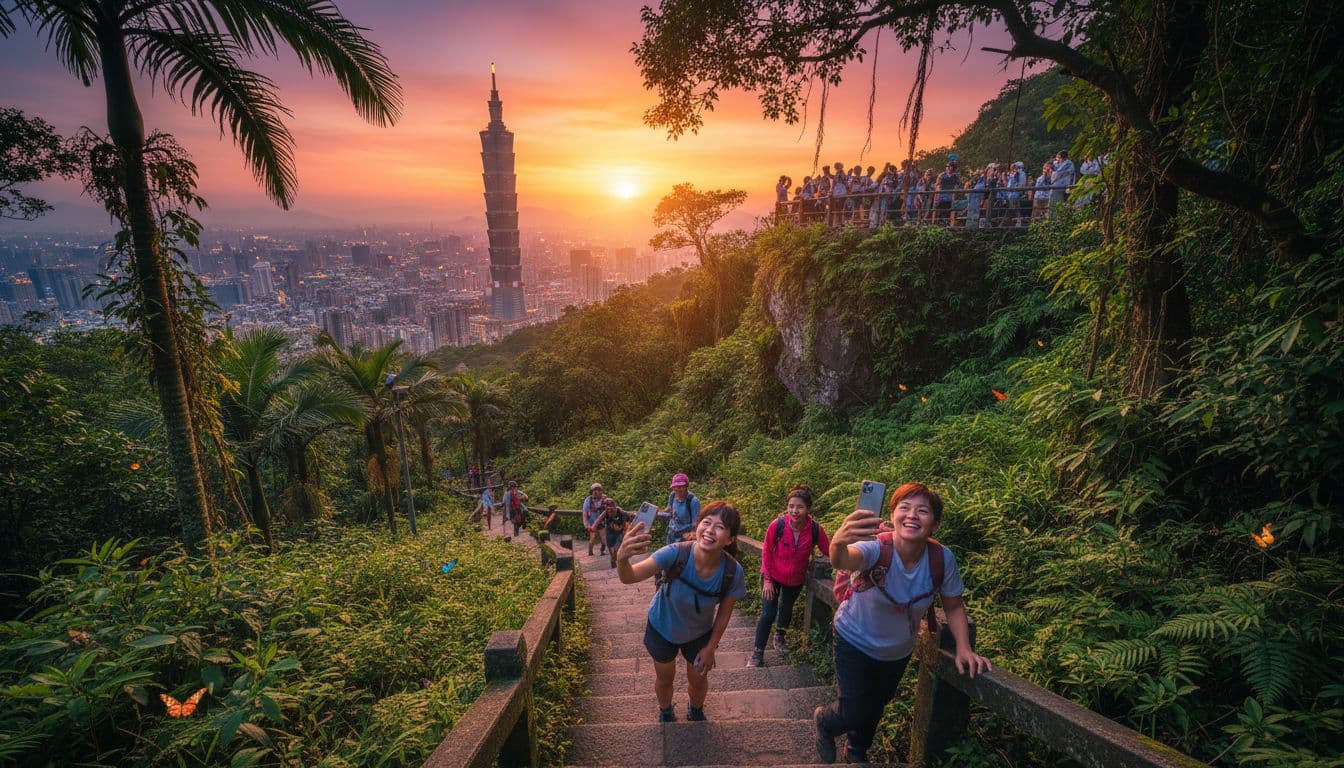

10 Best Things to Do in Albania for 2026: Riviera Beaches, Mountain Treks & Ancient Bunkers

Golden hour on the Albanian Riviera near Himarë
Albanian Riviera sunset near Himarë, with crystal water and cliff-backed bays. Image generated by AI.

Sunrise over the Ionian Sea is my favorite alarm clock. On the Albanian Riviera, the sky turns soft pink, the cliffs glow gold, and the water is so clear it looks unreal. As I sat on a pebble beach near Himarë, I remember thinking that the best things to do in Albania 2026 still feel like a secret list that most of Europe has not read yet.

Albania hits this strange sweet spot. Riviera beaches that rival Greece, mountain treks that feel like the Swiss Alps, and Cold War bunkers that look like a movie set, all packed into a country you can cross in half a day. No other place I know mixes turquoise bays, stone villages, and ex-dictator bunkers quite like this.

As an Albania-obsessed road-tripper who has driven the full Riviera, hiked the Theth–Valbona Pass, and wandered through concrete bunkers turned art spaces, I built this guide to the 10 best things to do in Albania for 2026 for people like me. Travelers who want wild nature, deep history, and honest prices. It is shaped for adventure lovers, budget backpackers, and curious first-timers.

Right now, Albania is lining up with 2026 travel trends: emerging Europe destinations, digital-nomad bases in mountain villages with better Wi‑Fi, and a clear push for sustainable tourism along the Riviera and in the Alps. Recent reports on Albania’s tourism plans talk about authenticity, community stays, and eco projects that protect rivers and national parks, not just new resorts. You feel that when you sip homemade raki in a guesthouse or hike paths that cross old border bunkers instead of big hotels.

I share all my favorite spots, misses, and money tips on IneedMyVacation.com, but this guide pulls everything into one place for your next trip. Below you will find the best beaches, treks, bunkers, and ruins for 2026, plus a live-map overview, a simple comparison table, budget hacks, and timing advice so you can build a smart route and not blow your budget.

If you want to start scouting bases while you read, you can compare Albania hotel deals on Trip.com and see how far your money goes across the Riviera, the Alps, and the cities.

Affiliate Disclosure: This post contains affiliate links. If you book or buy something through one of these links, I may earn a small commission at no extra cost to you. This helps keep the site running and lets me keep sharing honest, up-to-date travel advice. Thank you for your support!


Why Albania Is the Breakout Destination for 2026

When friends ask me why I am so hooked on Albania, I usually start with value and end with silence. Silence on trails, on beaches, in little stone lanes. The mix of low prices and low crowds makes the best things to do in Albania 2026 feel almost unfair.

1. Serious value for money

Albania still undercuts Croatia, Greece, and Italy by a long shot. In 2025 and 2026 I have paid:

  • 3 to 5 euros for a huge byrek lunch
  • 25 to 40 euros for a clean double room with breakfast
  • 5 to 10 euros for most bus trips across big chunks of the country

You can sit on beaches that look like Mykonos, pay half the price, and eat grilled fish that rivals anything on the Amalfi Coast. Guides like The Broke Backpacker’s Albania list keep calling it one of Europe’s cheapest gems, and they are not wrong.

2. Uncrowded nature and real villages

In 2026, Albania is pushing sustainable tourism hard. Travel trend reports talk about community-based guesthouses in the Alps, eco circuits in the Western Balkans, and protected areas that now cover more than a fifth of the country, including the wild Vjosa River national park.

You feel that on the ground. Villages like Theth and Valbonë still have more cows than cars. Ionian coves near Gjipe and Jale are quiet if you go early. Even on “busy” days, the crowds are nothing compared with popular spots in neighboring countries. Articles like Condé Nast Traveler’s guide to Albania keep calling it a hidden gem, and it still feels that way once you get off the main drag.

3. Better infrastructure for 2026

Each year the roads along the Albania Riviera improve a bit more. There are more boutique stays in Ksamil, Dhermi, and Himarë, and Tirana keeps adding cool cafes, rooftop bars, and mid-range hotels. First-time overviews like Lonely Planet’s Albania guide now talk about stylish stays next to simple guesthouses.

Buses and shared minibuses (furgons) are still common, but there are more rental cars and better signed roads than a few years ago. That makes a mixed trip of beaches, mountains, and old towns far easier in 2026.

4. Wild mix of experiences in a tiny country

Within a 3-hour drive you can go from Riviera beaches to the Accursed Mountains. From bunkers in Tirana to Ottoman houses in Berat and Gjirokastër. From ferry “fjords” on Lake Komani to ancient ruins at Butrint.

In short, Albania stands out among emerging European spots in 2026 because you can:

  1. Swim in uncrowded bays that still feel local.
  2. Hike real alpine trails right from tiny stone villages.
  3. Walk through Cold War bunkers turned into museums and art.
  4. Sleep in UNESCO towns with centuries of history, without a luxury price tag.

Check current flight prices to Tirana on Expedia


Interactive Map of the 10 Best Things to Do in Albania 2026

Click any pin or use the direct Google Maps buttons below each attraction.


The 10 Best Things to Do in Albania for 2026 (Riviera, Peaks, and Bunkers)

Quiet cove on the Albanian Riviera
Quiet cove on the Albanian Riviera. Image generated by AI.

1. Albanian Riviera road trip (Ksamil, Gjipe, Himarë)

The coastal road rolls above deep blue water, with switchbacks that suddenly drop to tiny beaches. In 2026, Albania Riviera beaches still feel wild once you step away from the loudest bars. I like to start in Sarandë, dip into Ksamil’s bright lagoons, hike down to Gjipe, then land in Himarë for lazy evenings.

For a first trip, give the Riviera 3 to 5 days. Renting a car is more flexible than buses and still fairly cheap if you book early. Fuel and tolls cost less than in Italy, and parking is often free outside the busiest pockets.

Quick stops to plan:

  • Ksamil: Shallow water, island views, easier if you like sunbeds and bars.
  • Gjipe Beach: Short hike into a hidden cove framed by cliffs.
  • Himarë: Chill base with a long beach, promenade, and sunset tavernas.

A small dry bag for Riviera boat days is handy when you jump off small boats or walk through shallow water to reach secret spots.

Open Albanian Riviera in Google Maps

2. Theth National Park and Valbona Pass trek

The Albanian Alps feel mythic in the morning. Stone houses, clear rivers, and sharp peaks that cut the sky. When I hiked the Valbona Pass, I started in Theth, slept under wooden beams, and crossed over a rocky saddle with views that look like a painting.

Most travelers do a Theth–Valbonë loop over 3 to 4 days, with 1 to 2 nights in each village and a full day for the Valbona Pass. In 2026, trails are better marked, but conditions still change fast. You need proper shoes, lightweight hiking poles for the Valbona Pass, and a power bank for long bus rides and full hiking days.

Prep tips:

  1. Start early to avoid afternoon heat or storms.
  2. Check weather and local trail reports the night before.
  3. Book guesthouses ahead in July and August.
  4. Pack a quick-dry travel towel for rivers and guesthouse showers.

There is a small but growing digital-nomad scene in both valleys, with guesthouses adding strong Wi‑Fi and work corners for slow travelers.

Open Theth Open Valbona

3. Tirana Bunk’Art and communist history

The first time I walked into Bunk’Art 1, the air felt heavy. You move through long tunnels, past rooms frozen in the 1980s, listening to speeches and watching old footage. Bunk’Art 2, closer to the center, mixes more art and stories of daily life under the dictatorship.

Together they turn concrete bunkers into powerful museums. They also show how Albania is choosing to talk openly about its past. After the bunkers, I like to walk around Skanderbeg Square, ride the Dajti cable car, and end in the Blloku district with cafes and street art that feel like a different country.

Plan 3 to 4 hours for one bunker plus downtown, or a full day if you want both sites and Dajti Mountain. Weekdays are calmer.

Open Bunk’Art 1 Open Bunk’Art 2

4. Berat, UNESCO “city of a thousand windows”

Berat looks unreal from across the river, with stacked white Ottoman houses and rows of windows climbing the hillside. Inside the castle walls, people still live in old stone homes, hanging laundry on lines that frame views of the valley.

In 2026, Berat remains one of the best things to do in Albania 2026 if you love slow history. One full day is the bare minimum. I like 1 to 2 nights so I can watch the city glow at sunset and dawn.

Do not miss:

  • Sunset from Berat Castle.
  • A walk through Mangalem and Gorica quarters with coffee stops.
  • Local food like stuffed peppers and gliko (candied fruit).

Open Berat

5. Gjirokastër stone city and castle

Gjirokastër is Berat’s moodier twin. Steep cobbled streets, slate-roofed houses, and a big stone castle that watches over it all. Inside the fortress you see Cold War touches, including an old US plane and bunkers, that tie into Albania’s recent past.

I like Gjirokastër for its mix of history and food. The old bazaar has shops, cafes, and bakeries that make local specialties you will not find on the coast. Spend at least one night, two if you want time for side trips.

Open Gjirokastër

6. Blue Eye (Syri i Kaltër) spring

The Blue Eye sits in a green pocket of forest, a deep natural spring that looks like someone poured ink into the water. Shades of blue and green swirl around a dark center that divers still have not fully measured.

In 2026, access paths are better, and new rules help protect the area. Swim zones are limited, and you are not allowed to jump in where the spring is most fragile. Go early in the morning to miss the buses and to see the water before the light gets harsh.

Open Blue Eye

7. Dhermi and Jale beach hopping

Dhermi and Jale are my “grown-up” beach bases on the Albania Riviera. They have more style than chaos, with beach bars, music, and a line of new-but-not-crazy resorts and apartments.

Give this area 2 to 3 days if you like slow mornings and lazy swims. Jale feels more compact and social, Dhermi stretches out and gives you more quiet corners.

Open Dhermi Open Jale

8. Lake Komani ferry through fjords

Lake Komani looks like Norway, but with eagles, tiny farms, and old concrete docks. The ferry winds between steep cliffs and wide green slopes, stopping at tiny jetties that feel like the end of the world.

The early boat is the best pick. You get soft light, calmer water, and more time for onward buses. In 2026, there are more organized tickets and set times, but it still feels raw.

Open Lake Komani

9. Kruja castle and bazaar

Kruja sits on a hillside above the plains, with views all the way to the Adriatic on a clear day. The castle holds museums about national hero Skanderbeg and Ottoman history, while the old bazaar below still sells carpets, copper, and handcrafts.

It is a perfect half-day or full-day trip from Tirana.

Open Kruja

10. Apollonia and Butrint ancient ruins

If you like old stones and quiet paths, Apollonia and Butrint are your fix. Apollonia sits inland, scattered columns and monastery buildings set over rolling hills. Butrint lies near the Greek border, a full ancient city with walls, a theater, and marsh views.

Both sites are easier to enjoy in 2026 as Albania improves paths and signs.

Open Apollonia Open Butrint

Quick comparison of the 10 experiences

# Experience Type Best months Ideal length
1 Albanian Riviera road trip Beach / drive May–June, Sept 3–5 days
2 Theth & Valbona Pass Hike / village June–Sept 3–4 days
3 Tirana Bunk’Art History / city Year-round 1 day
4 Berat History / city April–Oct 1–2 days
5 Gjirokastër History / city April–Oct 1–2 days
6 Blue Eye spring Nature stop April–Oct Half day
7 Dhermi & Jale Beach June–Sept 2–3 days
8 Lake Komani ferry Nature / boat May–Sept 1 day
9 Kruja castle & bazaar History / day March–Nov Half–1 day
10 Apollonia & Butrint ruins History / coast April–Oct 1–2 days total

Insider Tips and Budget Hacks for Albania in 2026

Daily costs in Albania still shock people in the best way. In 2026 you can:

  • Eat well for 10 to 20 euros per day.
  • Sleep in guesthouses for 15 to 30 euros per person with breakfast.
  • Take buses and furgons for 3 to 10 euros per ride.

Use ATMs in banks instead of kiosk exchange spots, and keep some cash for mountain villages where cards still do not work. In Tirana, Sarandë, and other big stops, cards are fine in many places.

Getting around is simple. Rental cars are best for flexible trips across Albania Riviera beaches 2026 and remote ruins. Furgons cover most common routes. In towns you walk, and in a few cases you grab cheap taxis.

A few quick do and skip tips:

  • Do learn “faleminderit” (thank you) and “mirëdita” (good day).
  • Do dress modestly in small villages and when visiting mosques or churches.
  • Skip leaving trash on trails and beaches; carry a small bag.
  • Skip loud drones over villages or mountain guesthouses.

Sustainable tourism is a real focus. Many new projects support local food, farm-to-table dinners, and eco stays in parks and along the old Green Belt border zone.


Best Time to Visit Albania in 2026

For most people, May–June and September–October are the sweet spots. Seas are warm, trails are open, and the big crowds have not yet packed into the Riviera.

  • May–June: Ideal for Riviera road trips, early Theth and Valbona hikes, Apollonia, Butrint, and city time in Berat, Gjirokastër, and Tirana.
  • July–August: Hot and busier on the coast, but still cheaper than Italy and Greece. Mountains are perfect and Lake Komani ferries run more often.
  • September–October: My favorite time. Sea still warm, vineyards and farms in harvest mode, fewer people everywhere.
  • Late autumn to winter: Good for culture trips in Tirana, Kruja, Berat, and Gjirokastër. Expect snow in the Alps and reduced services in some coastal towns.

Albania 2026 FAQ

Is Albania safe to visit in 2026?
Yes. I feel safer in Albania than in many bigger European countries. Normal city awareness is enough. In villages and mountains, locals look out for guests, and petty crime is rare.

How many days do I need to see the Riviera and the Alps?
If you want both, plan at least 10 days. Five to six days lets you sample the Riviera, and four to five days covers Theth, Valbonë, and Lake Komani.

Do I need a car for the Albanian Riviera?
No, but it helps. Buses and furgons run along the main road, yet a rental car makes it far easier to reach small coves, time sunsets, and link the best beaches in one flexible loop.

Is Albania still cheap compared with Greece and Croatia?
Yes. Food, rooms, and buses are all lower, often by half. You can splurge a little and still spend less than a tight budget in nearby countries.

Can I work remotely from Albania in 2026?
In Tirana, Shkodër, Sarandë, and some mountain villages, Wi‑Fi is strong enough for most remote work. Many guesthouses now offer work corners for digital nomads, especially in the Alps and on the coast.

What should I pack for both beaches and mountain treks?
Think layers: a light jacket, hiking shoes, sandals, and swimwear. Add a quick-dry travel towel, a power bank, and basic first aid so you stay ready for both long hikes and long bus days.


Conclusion

Albania in 2026 is still Europe’s big open secret. You get Riviera beaches, sharp mountain passes, Cold War bunkers, and UNESCO stone towns in one compact, budget-friendly country. In this guide I walked you through the best things to do in Albania 2026, from Ksamil coves to Theth trails and from Bunk’Art tunnels to Butrint’s old stones.

I speak about this place with so much confidence because I have driven the roads, sweated on the hikes, and sat with families in guesthouses, and I keep sharing new finds and deals from those trips on IneedMyVacation.com. If you are on the fence, this is the moment to go, before Albania’s secret starts to fade and the crowds catch up.

To start turning ideas into dates, Start checking Albania hotel deals on Trip.com and lock in your base.

© 2026 IneedMyVacation.com. All rights reserved.
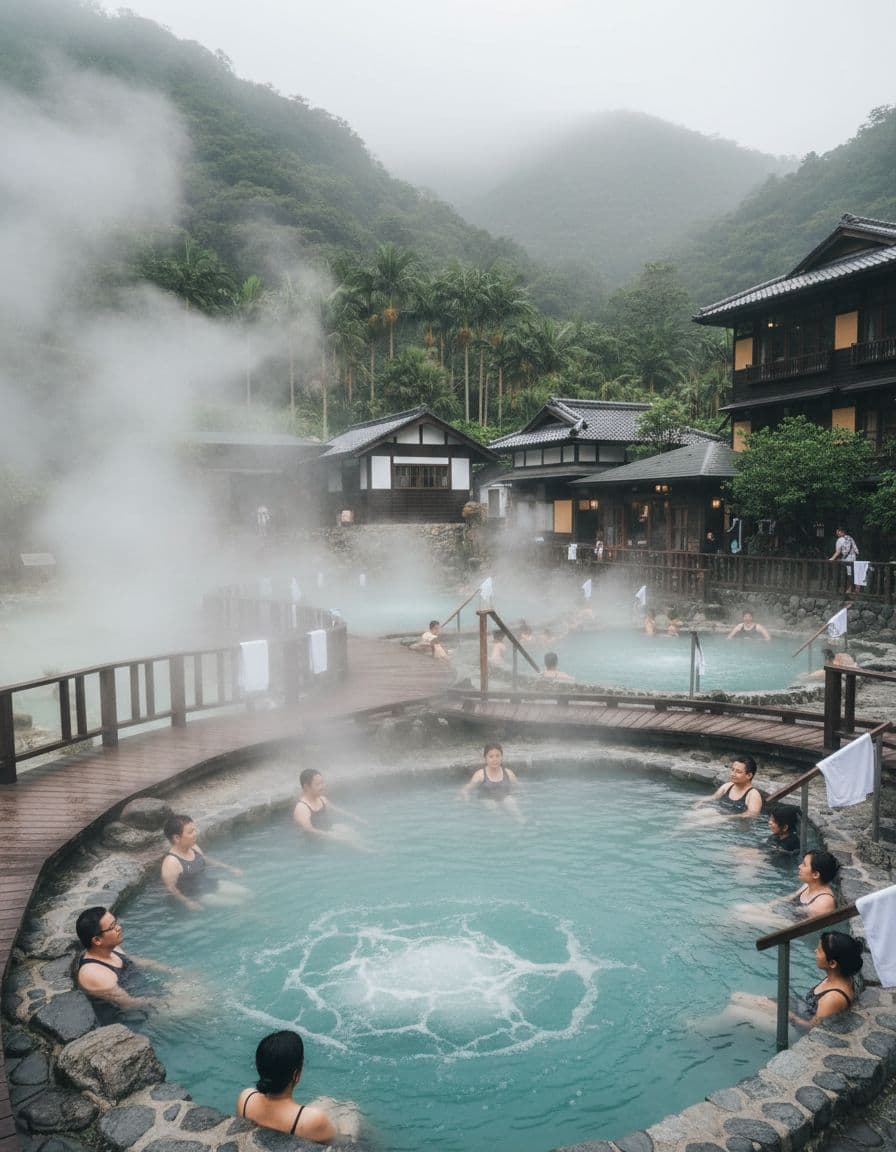


11 Best Things to Do in Bodrum Turkey for 2026: Aegean Beaches, Castle Treks & Yacht Haven Escapes

Bodrum Castle and turquoise harbor with gulets and yachts
Bodrum Castle watching over the turquoise harbor and wooden gulets. Image created with AI.


I am a Bodrum gulet-sailing, castle-climbing local writing for IneedMyVacation.com, and I live for that first shock of turquoise every spring. When people ask me about the best things to do in Bodrum Turkey 2026, I picture the bay: whitewashed houses, pink bougainvillea, and masts lining the water like a forest of polished wood.

In 2026, Bodrum feels like the chic heart of the Turkish Riviera without losing its fishing-village soul. One moment I am walking along the harbor walls of the 15th-century castle, the next I am barefoot on soft sand in Bitez, then later I am watching billion-dollar yachts glow at sunset in Yalıkavak while eating ice cream that cost just a few lira.

Everything in this guide comes from real days and nights on the peninsula, plus fresh 2026 info. I focus on less-crowded coves, value luxury, and sustainable choices that actually respect this sea. Every experience here fits in the 0 to 150 dollar range per person, from free castle viewpoints to gulet days and even a full Ephesus trip.

You will get an 11-stop list, an overview of how Bodrum fits together, ideas for an interactive map, insider tips, and a quick FAQ. Think of this as your local friend’s short list, not a copy-paste brochure.

Book your 2026 Bodrum escape on Trip.com and lock in those turquoise views early:
check Bodrum hotel deals on Trip.com.

Affiliate disclaimer: This guide includes a few partner links. If you book through them, I may earn a small commission at no extra cost to you.


Why Bodrum Rules the Turkish Riviera in 2026

View of Bodrum Castle with yachts on the Aegean Sea under a clear sky
Bodrum Castle rising above a yacht-filled bay on a bright Aegean day. Photo by Ahmet Çığşar


I love the whole Turkish Riviera, but Bodrum has its own flavor in 2026. It started as ancient Halicarnassus, home of one of the Seven Wonders, and you still feel that depth when you walk past the ruins near Myndos Gate or climb the towers of Bodrum Castle. At the same time, the marinas glitter like a small Monaco, and the side streets still smell of grilled fish and jasmine.

The contrast is sharp. Yalıkavak Marina glows with superyachts and designer stores. A short drive away, Gümüşlük looks like time slowed down, with boats pulled up on shore and cats sleeping under cafe tables. In between, you have bays like Bitez and Ortakent where families swim, learn to paddleboard, and hide from the crowds on what locals quietly call the best Bodrum hidden beaches 2026 has to offer.

New ships from luxury cruise lines are calling more often, but Bodrum is also moving toward greener habits. Many gulet captains now talk about fuel-saving routes, reusable water jugs on board, and quiet coves where care for the sea matters as much as the next selfie. Pieces like this overview of what Bodrum is known for capture that mix of history, beaches, and sailing.

For travelers, three things stand out in 2026:

  • You can fill a week with castle walks, beach days, and yacht escapes, all between 0 and 150 dollars per activity.
  • You can still find bays that feel peaceful, if you time them for shoulder season or weekdays.
  • You can enjoy a taste of the high life, then head back to a simple pension or mid-range hotel.

I also see more travelers choosing April, May, late September, and October. The air is softer, the water is still warm enough for most people, and it is easier to enjoy spots you might have seen in lists like this guide to the best things to do in Bodrum without summer crowds.

In a moment I will walk you through where everything sits around the peninsula so you can picture your days as dots on a map instead of a messy list.

If reading this already has you checking calendars, it is a good time to peek at flight options into Bodrum Airport (BJV) on Expedia’s Bodrum flight search before peak summer dates creep up.


How Bodrum Blends Old-World Castles With Aegean Beach Life

In the town center, history and holiday life share the same few streets. Bodrum Castle, built by the Knights of St. John, rises on a rocky headland right above the harbor. Its thick stone walls look out over wooden gulets, sleek yachts, and the ferry pier.

If you turn your back to the sea and walk uphill, the mood changes. Old windmills sit in the scrub on the ridge between Bodrum and Gümbet, some crumbling, some restored, all watching the twin bays below. At your feet: wild herbs, dry stone walls, and the sound of goats. Far below: beach clubs, neon signs, music, and the slow circle of tour boats.

The seaside promenade pulls it together. You can walk from the marina past cafe tables, ice-cream stands, and boat ticket kiosks, then look up and see castle towers glowing gold in the late light. That balance is the magic.

Bodrum Castle panorama at sunset with marina lights

2026 Travel Trends Shaping Your Bodrum Trip

Three real shifts are shaping how I plan Bodrum days for friends in 2026.

1. Greener gulet cruises
More operators talk about cleaner engines, limited plastic, and less anchor damage. Some smaller boats cap group sizes around 12 to keep coves calm. When I pick a gulet, I look for reusable cups, clear waste rules, and routes that avoid packed bays. Lists like this round-up of Bodrum activities help compare options.

2. Boutique yacht and marina culture
Yalıkavak has become the poster child. Mega-yachts, polished boardwalks, smooth cocktails. You can visit for the price of one drink or a scoop of gelato, wander the docks, and feel like you are in a glossy magazine without blowing your budget.

3. Shoulder-season travel
April to early June and late September to October keep getting more popular. Prices dip, hotel availability is better, and the heat is more forgiving for castle treks and ruin days. I love pairing an early-morning castle climb with a lazy lunch in the harbor in April, when the light is soft and the town feels local again.


Map Out the 11 Best Things to Do in Bodrum Turkey 2026

In the full version of this guide I map everything on an interactive Google Map with 11 pins: Bodrum Castle and the Museum of Underwater Archaeology, the main gulet departure harbor, Ortakent, Bitez, Camel Beach, Yalıkavak Marina, the Myndos Gate and Rabbit Island area, Gümüşlük, Türkbükü, the Bodrum windmills ridge, Karaada (Black Island), the Ephesus tour meeting point, and the Bodrum Bazaar.

Use the map to group your days: a Bodrum town day (castle, bazaar, windmills), a beach day (Ortakent, Bitez, Camel), a marina and nightlife evening (Yalıkavak, Türkbükü), and an out-of-town combo (Karaada and, on a separate day, Ephesus).


11 Best Things to Do in Bodrum Turkey 2026: Castles, Beaches, Gulets & Bazaars

Below is a quick comparison table with rough prices and map search links for each highlight.

# Experience Area / Vibe Approx. Cost (per person) Map
1 Bodrum Castle & Museum Bodrum center, historic harbor 10 to 20 USD Open map
2 Gulet cruise Bodrum harbor 40 to 150 USD Open map
3 Ortakent, Bitez, Camel Beach South coast beaches 0 to 25 USD Open map
4 Yalıkavak Marina sunset North-west, luxury marina 0 to 20 USD Open map
5 Myndos & Rabbit Island Gümüşlük side 0 to 10 USD Open map
6 Gümüşlük fish dinner Gümüşlük waterfront 25 to 75 USD Open map
7 Türkbükü beach clubs North coast, chic bay 20 to 150 USD Open map
8 Bodrum windmills Hill between Bodrum & Gümbet Free Open map
9 Karaada hot cave & mud Off Bodrum by boat 30 to 80 USD Open map
10 Ephesus day trip From Bodrum by bus 80 to 150 USD Open map
11 Bodrum Bazaar & spices Bodrum center 0 to 50 USD Open map

Here is how each one feels from the ground.

Bodrum Castle & Museum of Underwater Archaeology: Turquoise Views and Ancient Shipwrecks

I like to start every Bodrum trip here. You climb stone ramps and staircases, pass through cool courtyards, then reach walkway walls that float above the harbor. The Museum of Underwater Archaeology holds glass, amphorae, and shipwrecks lifted from the Aegean floor, with clear signs and real stories. Tickets usually run around 10 to 20 dollars. Go early morning or late afternoon, and give it 2 to 3 unrushed hours.

Private Blue Voyage Gulet Cruise: Sail Quiet Coves on a Classic Wooden Boat

A gulet day is Bodrum in a single experience. You leave the harbor, pass the castle, and soon drop anchor in jade coves where the only sound is people laughing as they jump off the back deck. Shared day trips often cost 40 to 70 dollars per person, while small private charters can go up to 150 dollars each depending on group size. In 2026, more boats offer reusable plates and less plastic, which is worth supporting. For July and August, I always book ahead.

Hidden Beach Hopping: Ortakent, Bitez, and Camel Beach for Soft Sand Days

On the south shore, Ortakent has a long, gentle beach that suits kids and slow swimmers. Bitez feels more relaxed, with cafes, paddleboards, and a soft curve of sand. Camel Beach, a little further, is livelier and slightly quirky, with camel rides and music. Sunbeds usually cost a few dollars with a drink. You can connect two beaches in one day by dolmuş minibus for just a couple of coins.

Yalıkavak Marina Sunset: Billionaires’ Row on a Real-World Budget

By late afternoon, Yalıkavak Marina glows. The yachts line up, the sun sets behind the hills, and the boardwalk fills with strollers and selfie-takers. You do not need a platinum card to enjoy it. I walk the docks at golden hour, buy one drink or ice cream, and sit on a bench to watch the lights come on. It is the center of Bodrum’s boutique yacht culture, and your biggest expense can simply be time.

Ancient Myndos Ruins and Rabbit Island: Light Hiking With Big History

To connect with Halicarnassus, I like the low-key ruins near Myndos Gate, once the city’s western entrance. Stone blocks and bits of wall sit right beside modern streets. Out by Gümüşlük, Rabbit Island rises from the bay. There is a shallow path and boat shuttles, depending on conditions. Walk slowly, look back at the shore, and the view gives more impact than any long history lesson.

Gümüşlük Fish Dinner Over the Water: Lanterns, Waves, and Fresh Catch

Sunset in Gümüşlük feels like a painting. Tables stand right at the water’s edge, lanterns and fairy lights hang in the trees, and plates fill with meze, grilled fish, and salads. Two people can usually share cold starters and one fresh fish for under 150 dollars if you skip heavy cocktails. I like to check the meze trays, look for clear eyes on the fish, and reserve ahead in July and August.

Türkbükü Beach Clubs: Celebrity Energy and All-Day Aegean Swimming

Türkbükü is where Turkish celebrities drift from breakfast to boat to late-night music. Most beach clubs have wooden decks over the water, soft loungers, and steady music. Some ask for a minimum spend, others work on food and drink only. I go early for calm swimming, then stay through sunset, watching the bay light up. You can enjoy the scene on a coffee and a snack if you choose your spot wisely.

Bodrum Windmills and Hilltop Views: Free Panoramas Over Two Seas

The windmills between Bodrum and Gümbet are my favorite free panorama. You can drive or walk up in 15 to 30 minutes, depending on your starting point. At the top, the castle, harbor, and twin bays spread out in both directions. Go for sunrise or sunset, wear good shoes, and hold onto your hat on breezy days. It is the best place to feel Bodrum as a whole.

Karaada (Black Island) Hot Cave and Mud Baths: Aegean Spa Day on the Water

Boat trips from Bodrum town often stop at Karaada, a dark green island in a ring of bright water. You can bathe in the warm cave, then coat yourself in mineral mud before rinsing in the sea. The rocks can be slick, so I move slowly and wear dark swimwear. Most tours including Karaada cost 30 to 80 dollars per person with lunch.

Ephesus Day Trip from Bodrum: One Big Bucket-List Ruin in One Day

Ephesus is a long day but worth it. You start early, ride a coach for about 3 hours, and then walk marble streets that still show cart tracks. The Library of Celsus and the grand theater are the stars. Most organized trips, including transport and guiding, land between 80 and 150 dollars plus entry. I dress for heat, carry a hat, refillable bottle, and a few snacks, then plan a slow beach day back in Bodrum the next day.

Bodrum Bazaar and Spice Shopping: Color, Textiles, and Turkish Delights

Bodrum Bazaar is where I stock up on Turkish towels, olive-oil soaps, and spices. A walk through the lanes brings you past tea stalls, leather bags, and stacks of lokum. Prices vary, so I bargain gently, smile, and walk away if something feels off. I love buying a light peshtemal towel that doubles as a beach blanket and scarf.


Insider Tips for Visiting Bodrum in 2026 Like a Local

How to Get Around Bodrum: Dolmuş, Taxis, and Gulet Harbors

The dolmuş is your friend. These shared minibuses run set routes between Bodrum town and beaches like Bitez, Ortakent, and Türkbükü. You hop on, pass a few coins, and hop off at signed stops.

In Bodrum center, I walk almost everywhere. For late-night rides or heavy bags, I use official taxis from marked stands. For gulet trips and Karaada tours, I arrive at the harbor 20 to 30 minutes before departure to find the right boat without stress.

Panoramic view of Bodrum Castle and Aegean Sea

What to Pack for Bodrum’s Aegean Sun and Yacht Days

My Bodrum basics stay the same every year:

  • Light cotton clothes and a sunhat
  • A Turkish towel that doubles as beach blanket and shawl
  • Reef-safe sunscreen
  • Polarized sunglasses
  • A simple waterproof phone pouch

Money, Safety, and Local Etiquette in 2026

The weak lira means your money stretches far in 2026. I budget 30 to 80 dollars a day per person for food and local transport, not counting hotels or gulets. Cards work in most restaurants and shops, but I keep some cash for buses, small cafes, and markets.

Bodrum feels safe, yet I use normal city habits: bag closed in crowds, valuables in a hotel safe, and a clear plan for getting home at night. In bazaars, bargaining stays friendly. A smile, a bit of humor, and respect for a final price go a long way.


Best Time to Visit Bodrum in 2026 for Fewer Crowds and Better Value

Summer in Bodrum hits hard. July and August bring hot days, busy beaches, and higher room rates. The energy is fun, but you will work harder to find quiet.

For a calmer mix, I love late April, May, early June, late September, and early October. Air temperatures hover in a sweet zone, the sea warms up, and hotel deals are kinder.


Bodrum 2026 FAQ

How many days do I need in Bodrum in 2026?
I suggest at least 3 full days. One for castle, windmills, and bazaar. One for a gulet or Karaada boat day. One for a beach and Yalıkavak sunset. If you want Ephesus or more hidden bays, 5 to 7 days feels relaxed.

Is Bodrum safe to visit in 2026?
Yes, Bodrum feels safe and organized in 2026, with a strong local focus on tourism. I still use normal travel habits, like watching bags in bazaars and taking licensed taxis at night.

Can I enjoy Bodrum on a budget under 150 dollars per experience?
You can. Castle visits, beach days, dolmuş rides, and bazaar wandering are very affordable. Gulet trips, Karaada tours, and Ephesus day trips fit under 150 dollars per person when booked smartly.

What is the dress code in Bodrum?
Beachwear is fine on beaches and boats, but I switch to light, modest clothing for town, bazaars, and any mosque or historic interior. A simple cover-up keeps both sun and stares away.

Do I need to book gulets and Ephesus in advance for 2026?
For July and August, yes. I book gulets and Ephesus tours several weeks ahead. In shoulder season, a few days in advance usually works, but I still confirm once in town.


Conclusion: Build Your Own Turquoise-Toned Bodrum Story

For me, Bodrum in 2026 is where history and holiday life sit at the same cafe table. The castle walls and windmills remind you that people have watched this bay for centuries, even while new yachts glide past below.

Beaches, gulets, and Karaada keep the water side of the story alive. Bazaar days, Gümüşlük dinners, and Yalıkavak sunsets add color, sound, and flavor. The best things to do in Bodrum Turkey 2026 can stretch or shrink to fit your budget and time, as long as you mix castle hours, sea hours, and slow food.

When you are ready to turn turquoise daydreams into dates on a calendar, book your 2026 Bodrum escape on Trip.com.

© 2026 IneedMyVacation.com. All rights reserved.
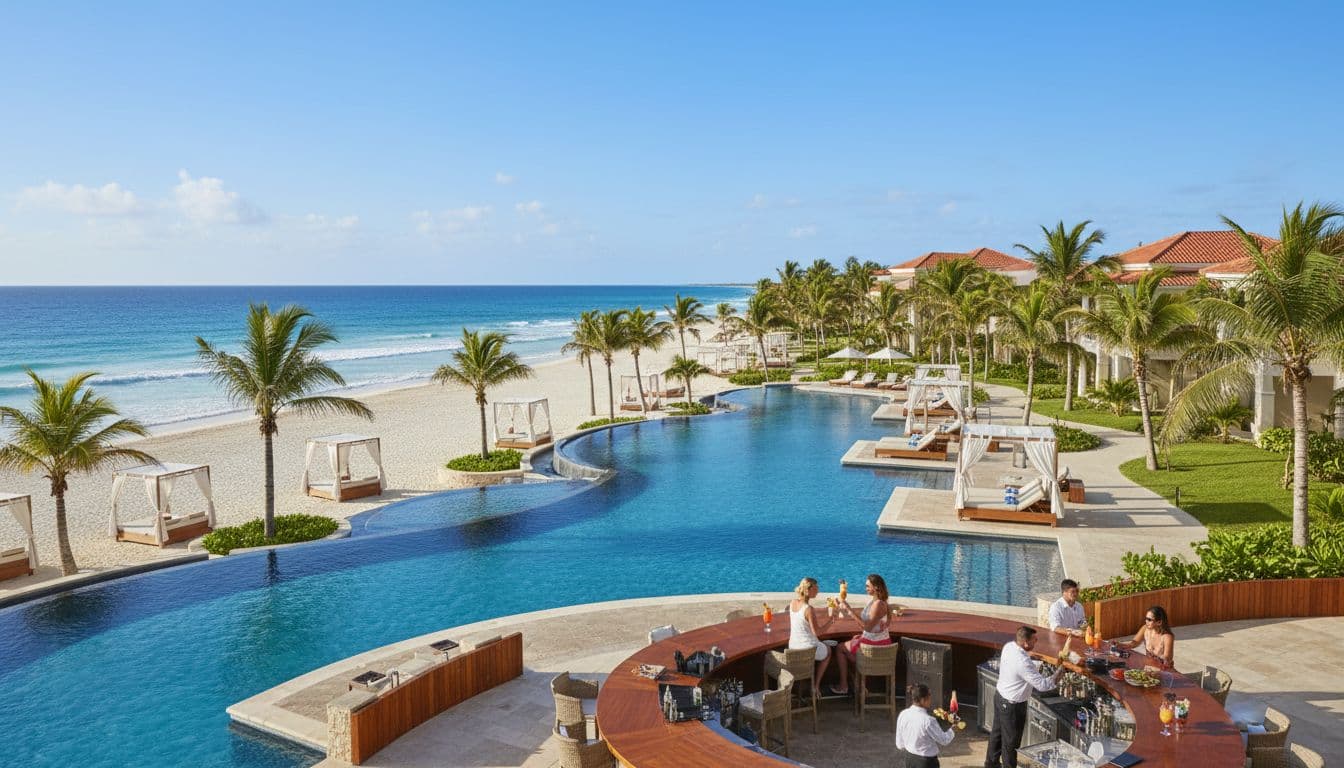


13 Best Things to Do in Sardinia Italy for 2026: Hidden Beaches, Ancient Nuraghe & Coastal Hikes

The first time I stood above a secret Sardinian cove in late spring, the air smelled of wild thyme and sea salt. The water below was a sheet of liquid emerald, curled between pale cliffs. The only sounds were waves against rock and bees in the maquis. Moments like that are why I keep coming back to this island as a Sardinia cove‑hunter and nuraghe explorer writing for IneedMyVacation.com.

In 2026, the best things to do in Sardinia Italy 2026 line up perfectly with what many travelers crave now: slow Mediterranean escapes, eco-friendly trips that respect fragile coasts, quiet beaches you actually share with gulls, not crowds, and ancient stone towers that outdate Rome by more than a thousand years. New direct routes, including a headline New York to Olbia flight, make the island easier to reach, yet much of Sardinia still feels wild and local.

On one side there are Sardinia hidden beaches, from Costa Smeralda coves with water that looks edited, to UNESCO-protected bays you reach after a steady hike. On the other side, there are Bronze Age nuraghe, ghostlike mountain villages, deep canyons, and soft evenings in towns painted every shade of sunset. Across these 13 experiences you will find hidden coves, coastal hikes, caves, colorful villages, flamingos, and those strange stone towers scattered across the hills.

Every activity here sits in the same friendly price band, roughly 0 to 120 dollars. You can hike gorges and explore medieval streets for free, then splurge on one boat day or a guided archaeological walk without blowing your budget. For a bigger picture that ties routes and regions together, I keep an updated overview at my full Sardinia 2026 guide, blending my own trips with trusted sources like Lonely Planet’s Sardinia guide and official Italian tourism updates.

Book your 2026 Sardinia escape on Trip.com! Start now

Some links in this guide may earn a small commission at no extra cost to you. I only point to services I would use myself.


Why Sardinia Is 2026’s Hottest Mediterranean Secret

Hidden Sardinian cove with turquoise water under golden light
Hidden cove on the Sardinian coast in late spring, water glowing turquoise under soft light. Image created with AI.


When I look at travel trends for 2026, Sardinia keeps shining brighter. Searches are climbing, yet the island still feels calmer than many famous Mediterranean spots. That balance of rising access and low-key atmosphere is rare.

Slow travel fits Sardinia like a glove. Roads curl between cork forests and sheep fields, not mega-resorts. Many coastal towns are still small fishing places at heart. You can spend your morning at a turquoise bay, then eat ravioli filled with potato and mint in a village that shuts for a quiet siesta. Articles like this spring Sardinia guide keep pointing to the same thing: wildflowers, local festivals, and gentle walks beat nightclub noise for most visitors now.

When people ask me about the best things to do in Sardinia Italy 2026, I picture a map full of contrasts. There are the famous strips of Costa Smeralda, but step away and you find tiny coves where only goat bells break the silence. There are deep green valleys and cliffs over the sea, then a sudden Bronze Age stone tower like Su Nuraxi rising from the plain. Sardinia suits hikers, food lovers, families, and couples all at once.

Eco-tourism is picking up too. Travel writers and local hotels talk about hidden bays and quiet coastlines that reward patience, such as the lesser-known spots listed in this guide to Sardinia’s secret beaches. Terms like Sardinia hidden beaches 2026 are not just keywords. They describe a real shift, where visitors spread out across the island and choose shoulder season for space and softer light.

For hikers, the island is a playground of coastal trails, gorges like Gorropu, and mountain paths to ancient sites such as Tiscali Village. Many of these walks cost nothing more than a parking fee. History lovers can build whole days around nuraghe routes, helped by resources like this overview of nuraghi itineraries. Families and couples can enjoy easy beach days, kid-friendly snorkeling, and gentle town walks that end in gelato and sunset views.

Budget also stays realistic. A lot of top experiences, from hiking to wandering medieval streets, sit at 0 to 20 dollars per person. Even guided days, boat trips, and canyon hikes usually stay under 120 dollars if you share costs.

For readers who want exact numbers, I break this down in more detail in how to visit Sardinia on a 2026 budget.

For trip planning I still like to carry a physical guide, especially for mapped walks and small-town tips. A solid choice is a detailed Sardinia travel guidebook, which I use to sketch loop routes and find small, family-run places.

If you are ready to lock in your flights, you can find flights to Sardinia for 2026 and start piecing together your own island circuit.


Interactive Map of Sardinia’s Top 13 Places to Visit in 2026

Before we dive into each spot, I like to see the island at a glance. In my Sardinia 2026 map, I pin all 13 highlights from this guide, spread between the north, center, and south. You will spot Costa Smeralda coves, Cala Goloritzé on the east coast, Su Nuraxi di Barumini in the middle, and Alghero’s walled old town in the northwest.

The idea is simple. Zoom in, then group nearby pins for a smooth, eco-friendly road trip instead of zig-zagging the island. For example, you can cluster La Maddalena and Costa Smeralda in one base, then Dorgali, Cala Goloritzé, and Gorropu in another.

For popular tours and caves that often sell out in peak 2026 weeks, you can browse Sardinia tickets for 2026 and keep your main days locked in.


Best Hidden Beaches and Coastal Hikes in Sardinia for 2026

Hiker on a rugged coastal trail above turquoise water in Sardinia
Hiker following a rocky coastal trail that curves toward a hidden Sardinian beach. Image created with AI.


The coast is the pulse of any Sardinia trip for me. In 2026 I focus less on crowded beach clubs and more on quiet coves, where the loudest thing is cicadas in the scrub. Most of the places below are free to visit, with only small fees for parking or park access.

For these spots, I always pack light gear: reef-safe sunscreen, a compact towel, and more water than I think I need. A bottle with a simple portable water filter helps on hot hikes where fountains are rare.

Costa Smeralda’s Secret Coves and Emerald Water

On Costa Smeralda, I skip the headline beaches and slip down side paths instead. Spots like Spiaggia del Principe or tiny unnamed inlets near Romazzino feel like private pools at the right hour. In 2026 you can expect crystal water, pale sand, and some higher prices for parking and beach bars near the main roads, yet many small coves still feel raw if you go in May, June, September, or October.

The coves themselves are free. What you may pay for are boat shuttles or private parking, usually still under 20 dollars per day. I like to arrive before 10 a.m. or after 4 p.m. to skip crowds, and I swap bulky beach gear for a light quick-dry towel that barely takes space in my daypack.

Cala Goloritzé: Iconic Hike to a UNESCO-Protected Beach

Cala Goloritzé shows up on almost every list of the best things to do in Sardinia Italy 2026, and for good reason. The hike drops from the Golgo plateau through scrub and stone to a tiny cove under a sharp rock pinnacle, with water that looks unreal in midday light.

Access numbers stay controlled to protect the bay, and there is usually a small entry or park fee under 20 dollars. The path is rocky but clear; you need sturdy shoes, not flip flops. I start early to avoid full heat, move slowly on the way back uphill, and carry a bottle with a basic portable water filter for peace of mind on very hot days.

Open in Google Maps

Capo Testa’s Boulder Beaches and Lighthouse Views

Capo Testa, near Santa Teresa Gallura, feels like a natural playground of granite. Huge wind-shaped boulders lie scattered along the coast, form tiny sandy pockets and clear pools between them. I wander the informal paths, hop across smooth rocks, then head toward the lighthouse for a sunset that turns the whole headland gold.

Exploring Capo Testa is free and works well as a half-day walk. The terrain can be rough, so I treat it like a short hike and wear steady shoes. Strong sun bounces off the pale rock, so I keep a mineral-based reef-safe sunscreen in my pack to protect both my skin and the small coves where fish dart just a few meters from shore.

Open in Google Maps

Villasimius Marine Reserve Snorkeling and Easy Beach Days

Villasimius, on the south coast, is where I go when I want an easy beach day that still feels special. Shallow bays like Simius and Punta Molentis sit inside a protected marine reserve, with clear water, soft sand, and gentle entry that suits kids and tired legs.

Access is usually free, apart from parking fees or limited entry at Punta Molentis in peak season. Simple snorkel tours or boat trips stay under about 100 dollars per person in 2026. I like to visit in May, June, September, or early October, when the sea is warm but the sand is not packed. A basic mask-and-snorkel kit and that same quick-dry towel let me jump between beaches without filling the trunk.

Open in Google Maps


Ancient Nuraghe and Mysterious Mountain Villages

Ancient Nuraghe tower at dusk surrounded by ruins and wildflowers
Nuraghe stone tower in the Sardinian countryside at golden hour, with village ruins and wildflowers. Image created with AI.


Sardinia is not only about the coast. Long before Roman roads and medieval towers, the island was full of nuraghe, Bronze Age stone towers and villages built from huge blocks of rock. They rise from fields and ridges like giant beehives, some still partly buried, others carefully restored.

Walking into a nuraghe near sunset feels like stepping sideways in time. Light drops through narrow passages, stones hold old heat, and suddenly those shapes on the hillside become homes, storage rooms, and watchtowers in your mind. For 2026 travelers who want culture with their coastline, these are essential stops.

Most sites cost under 20 dollars, often including a short guided tour. Many sit close to small towns, making them easy day trips by rental car and ideal to mix with local lunches.

Two places stand out if you are short on days.

Su Nuraxi di Barumini: Sardinia’s UNESCO Stone Fortress

Su Nuraxi, a UNESCO site near Barumini, is the star of Sardinia’s nuragic story. From the outside it looks like a stone hill, but once you pass inside, a central tower and a ring of smaller towers appear, tied together with thick walls and passages.

On my last visit, a guided tour (included in a ticket under 20 dollars) lasted about an hour. We walked through tiny doorways, climbed safe internal stairs, and stood inside dim rooms while the guide explained daily life here 3,000 years ago. Kids loved the tunnels more than the theory. Nearby farm stays and small inns turn this into a perfect pause on a cross-island road trip, with local cheese and honey to taste once you leave the stones.

Open in Google Maps

Tiscali Village: Hidden Ruins Inside a Mountain Crater

Tiscali Village hides inside a huge limestone sinkhole in the Supramonte, reachable only by a moderate hike. The path crosses rocky slopes and holm oak woods, with views over canyons and distant peaks. When I stepped through the gap in the cliff for the first time, the world suddenly dropped away into a hollow chamber, with old stone hut walls clinging under a high rock arch.

This is not a flip-flop walk. Reasonable fitness, strong shoes, and steady steps are needed, especially for the last rocky sections. Entry fees and guided hikes stay under about 80 dollars per person. I found a light pair of hiking poles helpful on loose gravel, both uphill and downhill.

Open in Google Maps


Coastal Adventures, Caves, and Gorges You Will Never Forget

Sardinia’s wild side really shows when you trade the towel for a day pack and a sense of curiosity. This is where deep blue channels, secret caves, and silent gorges enter the picture. It is also where I recommend building in a few guided days, both for safety and for the stories you get from local skippers and mountain guides.

Most of these adventures sit in the 40 to 120 dollar range per person in 2026, depending on season and group size. Some, like Gorropu Gorge, can be free or low cost if you walk in on your own. Others, like Neptune’s Grotto in strong wind or the Maddalena islands in high summer, depend on sea conditions and need flexible timing. I always tell readers to double-check opening details and sea forecasts before setting plans.

La Maddalena Archipelago Boat Days and Island Hikes

A day out in the La Maddalena Archipelago feels like hopping through an open-air pool. Boats weave between low islands, the sea shifts from turquoise to milk-glass blue, and small beaches appear where rock meets sand.

My ideal day includes three parts: swimming stops in quiet coves, lunch on board or at a small port, and a short afternoon hike on La Maddalena or Caprera. Simple tours start around 50 dollars per person in 2026, rising to about 120 dollars for smaller groups or more special food and routes. Once you step onto the islands, the trails themselves are free, with views back toward the Sardinian mainland that look painted.

Open in Google Maps

Neptune’s Grotto: Dramatic Sea Cave Near Alghero

Neptune’s Grotto, near Alghero, is part cave tour, part dramatic viewpoint. I have visited both ways. By boat, you glide along the cliffs and slip into a sea-level opening, then follow a guided route through chambers filled with stalactites. On foot, you start at Capo Caccia and take a long staircase carved into the cliff, with dizzying sea views and many, many steps.

In both cases, there is a cave ticket cost that usually stays under 30 dollars. I always check sea forecasts and updated times before going, since waves can close the boat route. Pairing Neptune’s Grotto with an evening in Alghero old town turns it into a full and satisfying day.

Open in Google Maps

Gorropu Gorge: One of Europe’s Deepest Canyons

Gorropu (sometimes confused online as “Gorgonzola” gorge) is a great cleft in the Supramonte that swallows you between high white limestone walls. Once you drop from the trailhead into the canyon, noise falls away. Underfoot you find a dry riverbed of rounded stones, small pools after rain, and boulders that feel made for quiet picnics.

There are easier and harder ways in. In 2026 more guided options exist for different levels, often under 100 dollars with transport from nearby towns like Dorgali. Self-guided walkers usually pay a small access fee at the canyon entrance. This is a full-day outing. You need sturdy shoes, plenty of water, and patience on the climb back. I like to carry that same portable water filter so I can refill where safe and keep weight lower.

Open in Google Maps

Hiker enjoying a rocky Sardinian beach at sunset
A hiker resting on a rocky Sardinian beach at sunset after a day of walking the coast. Photo by Laura Mor


Colorful Towns, Sunsets, and Flamingos: Sardinia’s Softer Side

Colorful hilltop village with medieval castle and sea view
Pastel houses climbing to a medieval castle in a Sardinian hilltop town at sunset. Image created with AI.


After long days on trails and in coves, I love Sardinia’s slower evenings even more. This is when towns light up, locals stroll, and sea walls fill with people looking toward the horizon. Glasses of Malvasia glow on tables, and kids play in narrow alleys while older neighbors talk on doorsteps.

Most of these town-based experiences are either free or low cost. You might pay a few euros for a castle entry, a small museum ticket, or a wine tasting under 40 dollars. Everything else, from watching street life to the sky changing color over the sea, costs nothing.

Alghero Old Town and Golden-Hour Sea Walls

Evenings in Alghero feel like a movie I never get tired of. I start in the old town, drifting between Catalan-style facades and small boutiques, then reward myself with gelato in a shady square. As the sun drops, I walk the sea walls, where fishermen lean on rails and couples sit on the stone, faces turned to the west.

The best parts of Alghero cost nothing: the light, the breeze, and the steady roll of waves against the walls. Extras, like a short harbor cruise or a drink at a rooftop bar, add a bit of sparkle without pushing the day over budget. Neptune’s Grotto fits perfectly as the daytime half of this same chapter.

Open in Google Maps

Castelsardo’s Hilltop Castle and Sea Views

Driving toward Castelsardo on the north coast, I always look for the moment when the hilltop appears. Houses in soft colors climb up toward a fortress, with the sea stretched out behind. Inside the village, lanes twist uphill past small churches and craft shops that sell woven baskets and ceramics.

A visit here can be as easy or as detailed as you like. Castle entry is low cost and comes with views across the sea and toward Asinara island on clear days. Browsing the shops and leaning on the walls is free. This is one of my favorite “rest days” between long hikes, because it still feels rich without working your legs too hard.

Open in Google Maps

Bosa’s Rainbow Houses and Malvasia Wine Tasting

Bosa sits on the Temo River, with pastel houses stacked against the hill and a castle watching from above. I like to wander the riverside first, then climb toward the castle for wide views over roofs and vineyards. On the way down, narrow lanes reveal doorways painted bright blue or pink, with tiny balconies spilling geraniums.

Malvasia wine is part of Bosa’s character. It tastes gently sweet, with notes of honey and dried fruit that pair well with local desserts or simple cheese plates. Several small producers offer short tastings at fair prices, often under 20 dollars. Bosa works either as a day trip from the west coast or as an overnight pause on a longer coastal drive.

Open in Google Maps

Cagliari’s Historic Streets and Pink Flamingos

Cagliari feels like a natural first or last stop on many Sardinia trips. The Castello quarter climbs above the harbor, packed with churches, lanes, and viewpoints. In the early evening, locals join the passeggiata, drifting between bars and squares while the heat lifts.

What I love most is how easy it is to add nature to a city day. The Molentargius salt ponds sit just outside town, with paths and lookouts where pink flamingos often feed, especially in spring and fall. City walks are free, and a simple tram ticket or bike rental to the flamingo reserve stays low cost. I often spend my final Sardinia day here, letting the rhythm of the city ease me out of island time.

Open in Google Maps


Insider Sardinia Tips to Make 2026 Travel Easier

Planning Sardinia for 2026 can feel smoother if you think like a slow traveler from the start. The island is large, with winding roads and plenty of choices, so I like to keep both my packing and my route simple.

A few ideas save money and stress:

  • Travel in May, June, September, or early October for lower prices and lighter crowds.
  • Mix free or low-cost hikes with one or two paid boat days or guided tours.
  • Stay 3 to 4 nights in each base instead of changing hotels every day. This supports small guesthouses and cuts driving time.
  • Prebook only the things that really sell out, such as special caves or key nuraghe tours.

For deals and packages that bundle stays without locking you into rigid tours, I keep a short list at my favorite Trip.com hotel and package deals for Sardinia 2026, which I update as new offers appear.

Smart Packing List for Sardinia 2026

I try to travel with one checked bag at most, sometimes just a carry-on. For Sardinia, these items earn their place every time:

  • Light layers: T-shirts, a linen shirt, and a thin sweater for windy evenings.
  • Comfortable shoes: One pair for hikes, one for towns.
  • Reef-safe sunscreen: I like a mineral option such as this reef-safe sunscreen.
  • Compact towel: A small quick-dry towel that works for both beaches and gorges.
  • Portable filter bottle: A simple portable water filter keeps plastic waste down on long hikes.

Getting Around Without Losing Time

Driving opens the island in a way buses cannot match, especially in shoulder season. Still, you can mix modes.

Simple tips:

  • Fly into Olbia or Cagliari, then pick one or two bases north and south.
  • Use local buses and trains for big town hops, like Cagliari to Oristano.
  • Rent a car for 3 to 7 days in the middle of your trip for hidden beaches, nuraghe, and hikes.
  • Avoid packing your schedule with too many hotel changes; this eats days fast.

For key archaeological entries that you know you want, it is wise to reserve Su Nuraxi tickets early, especially on weekends or in school holiday periods.


When to Visit Sardinia in 2026 and Seasonal Highlights

Choosing when to visit Sardinia shifts the whole feel of your trip. The island has clear seasons, each with its own rhythm. For most travelers focused on the best things to do in Sardinia Italy 2026, shoulder periods offer the sweetest balance of weather, price, and calm.

Late April to June brings wildflowers, cooler hiking temperatures, and early swims. Paths to Cala Goloritzé or Tiscali feel fresh and green, and inland nuraghe sit under bright yet gentle light. Some smaller seaside services may not be in full swing in April, but by late May most cafes and beach bars are open.

July and August are hot, busy, and more expensive. These months suit visitors who want lively nights in places like San Teodoro or Villasimius, and long beach days with plenty of buzz. Hidden coves are still possible if you start early, but parking fills fast and some famous spots now cap entries. Many locals and repeat travelers avoid long mountain hikes at midday in this period.

September and October might be my favorite stretch. The sea is warm, grape harvests and small festivals dot the countryside, and crowds thin out. Parking at quiet bays gets easier, and conversations with locals feel less rushed. This is also a great time for longer loops that mix coast and inland, since temperatures drop just enough for comfortable walking.

Winter has its own charm for slow travelers and digital workers. Many coastal services reduce hours, yet towns and cities keep their everyday life. Flights and stays can drop in price, though you trade beach days for local food, museums, and moody coastal walks.

If you can be flexible with dates, play with a few options to compare Sardinia hotel deals by season. Shifting arrival or departure by a few days often makes a real difference.

For most first-time visitors planning the best things to do in Sardinia Italy 2026, I suggest May, June, September, or early October. Those weeks give soft light, good sea temperatures, friendlier prices, and more room at the hidden spots that make the island special.


Sardinia 2026 FAQ

How many days do I need in Sardinia for a first trip in 2026?

For a first trip, I like 5 to 7 days as a minimum. That gives you time for two main areas, such as a few nights near Olbia for Costa Smeralda and La Maddalena, then a block in Alghero or Cagliari. With 10 to 14 days, you can slow down, add nuraghe sites like Su Nuraxi, and fit in mountain hikes to Gorropu or Tiscali. A simple structure is two or three bases with day trips around each.

Do I need a car to see Sardinia’s hidden beaches and nuraghe?

A car helps a lot if you want secret coves, Gorropu, Su Nuraxi, and Tiscali. Buses cover some routes, but schedules can be thin outside peak season, especially for rural stops and mountain trailheads. Some travelers use public transport for big town hops, then rent a car for a shorter window focused on remote beaches and archaeological sites.

Is Sardinia expensive in 2026?

Sardinia can feel pricey in July and August, when hotel prices jump and some boat tours rise with demand. In May, June, September, and October, costs drop and many of the best experiences, like hikes, village walks, and sea-wall sunsets, are free. Most activities in this guide sit between 0 and 120 dollars per person. Booking flights and key stays early, then mixing free days with one or two “big” experiences, keeps budgets comfortable.

What is the best base to explore Sardinia’s top sights?

I usually suggest two or three bases. For the north and Costa Smeralda hidden beaches, Olbia or nearby towns work well. For hikes and Cala Goloritzé, Dorgali or Cala Gonone make sense. Alghero is a great base for Neptune’s Grotto and west coast drives to Bosa or Castelsardo. In the south, Cagliari or Villasimius cover both city life and the marine reserve. Keeping each base for at least three nights cuts travel stress.

Is Sardinia safe for solo or family travel?

Sardinia feels generally safe, both for solo travelers and families. Violent crime is rare, and most issues are small things like sunburn, heat, or the odd pickpocket in busy markets. I use common sense: watch valuables in crowds, keep an eye on the car in beach parking lots, carry enough water and a hat on hikes, and follow local signs about currents or jellyfish at beaches. With those basics, trips run smoothly.


Conclusion

I still think about that first hidden cove, the herb-scented air, and the way the sea below looked painted. Even after many trips, Sardinia keeps surprising me with new corners: a quiet Costa Smeralda inlet at sunrise, a nuraghe I had not seen before, a village festival where everyone seems to know each other.

In this guide I pulled together 13 of the best things to do in Sardinia Italy 2026, grouped into four moods: hidden beaches and coastal hikes, nuraghe and mountain villages, boat and cave adventures, and soft evenings in colorful towns with good wine and easy walks. Think of this list as a flexible toolkit, not a strict checklist. You can pick the pieces that fit your pace and build your own slow Mediterranean escape.

To start planning, book your 2026 Sardinia escape on Trip.com and let the hidden coves, nuraghe, and flamingos wait for you. plan your Sardinia 2026 package


© 2026 IneedMyVacation.com. All rights reserved.
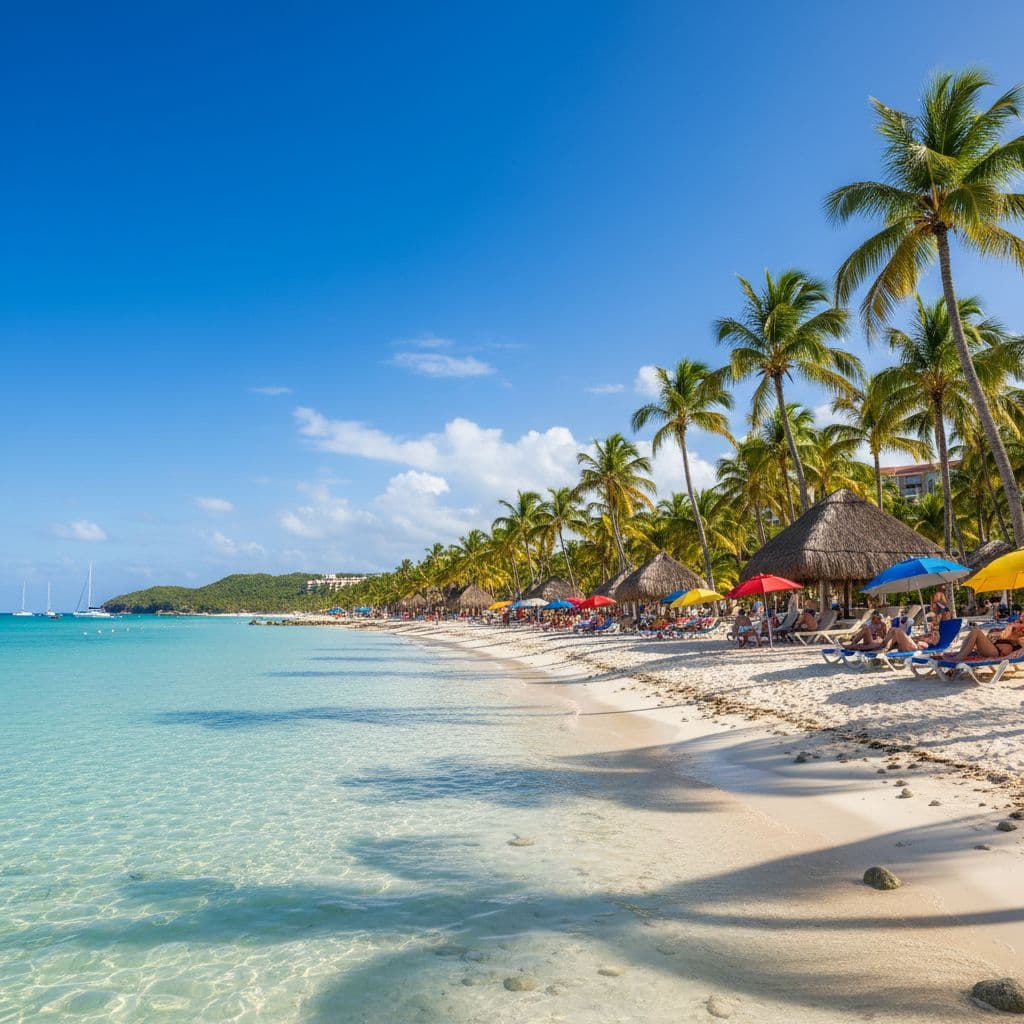


14 Best Things to Do in Okinawa Japan for 2026: Snorkel Bays, Island Hop & Hidden Ryukyu Ruins

The first time I slid off a boat into Kerama Blue, I remember the exact feeling. Mask fogging slightly, breath echoing in my ears, and a whole garden of coral opening below me in turquoise water so clear it felt like flying. If you are looking for the best things to do in Okinawa Japan 2026, that is the moment I want you to remember when you land.

As an Okinawa reef chaser and Ryukyu castle hunter for IneedMyVacation.com, I have spent years island hopping this southern chain. I keep coming back for the same mix that keeps travelers hooked in 2026: bright coral bays, sleepy islands, and weathered stone walls from the old Ryukyu Kingdom that once traded with China and Southeast Asia. Here, Japan feels tropical and relaxed, with palm trees, taco rice, and sanshin music instead of neon and subway rush.

Okinawa sits far south of Tokyo, closer to Taiwan than to Hokkaido. The vibe is softer and slower. People linger at family restaurants. Kids play on coral sand beaches. In 2026, the island chain is extra special. The rebuilt Shurijo Castle is rising after the 2019 fire, marine protection is tightening around places like the Kerama and Yaeyama Islands, and more travelers are choosing remote island escapes and wellness focused trips instead of crowded city breaks.

In this guide I am sharing 14 hand picked experiences that I actually do, over and over. Every one fits in the 0 to 150 dollar range, from zero cost sunsets to snorkel tours and glass bottom boats. I will point you to a simple custom map, budget friendly ideas, and easy planning tips so you can mix reefs, ruins, good food, and quiet moments that let Okinawa’s Ryukyu soul sink in.

Book your 2026 Okinawa escape on Trip.com!

Start now

This post contains affiliate links. If you make a purchase through these links, we may earn a commission at no extra cost to you.


Okinawa’s Turquoise Reefs & Ryukyu Soul in 2026

Snorkeler in turquoise Kerama waters with sea turtles
Snorkeling over “Kerama Blue” reefs in Okinawa’s outer islands. Image created with AI.

Okinawa feels like Japan’s tropical secret. Palm trees line the streets, hibiscus flowers lean over low stone walls, and the water glows in layers of blue and green. If you have only seen Tokyo or Osaka, arriving in Naha can feel like crossing into a calmer, saltier version of the country.

Life moves slower here. Locals catch up over bowls of Okinawa soba. Kids jump from small harbor piers. At night, someone almost always has a sanshin (three stringed lute) in a bar on Kokusai Dori, singing in a mix of Japanese and old Ryukyu words.

2026 is a turning point year. Shurijo Castle, once the proud red palace of the Ryukyu kings, is returning after the fire in 2019. New sections open as work continues, so you see both bright new lacquer and old stone. In the water, protected zones around the Kerama Islands and the far flung Yaeyama Islands are getting more attention, with guides focusing more on reef safety and respectful encounters with sea turtles and big fish.

Travelers are catching on. More people are adding Okinawa to multi city Japan routes, mixing Tokyo food crawls with three to seven days of island time. Official travel pages like Travel Japan’s Okinawa guide highlight the chain as a subtropical break with its own history, music, and food. Tour companies are also seeing rising demand for Okinawa add ons in 2025 and 2026, with routes that include both city stops and days by the sea, as shown in packages on sites like All Japan Tours.

A few reasons I like Okinawa for 2026:

  • Warm water much of the year, with good snorkeling from around April into November.
  • Frequent domestic flights from Tokyo, Osaka, Fukuoka, and beyond.
  • Plenty of free or low cost sights: beaches, viewpoints, ruins, and coastal walks.
  • A broad mix of moods, from bustling Naha to quiet capes and far off islands.

I also love how easy it is to keep things gentle on the reefs. I always pack reef safe sunscreen, a rash guard, and a simple mask and snorkel. I never stand on coral, and if a turtle swims close, I let it pass without reaching out. Many local guides now talk about coral health and ask guests to float calmly above the reef.

If you want more structured days, land tours around Okinawa’s main island and outer isles are easy to find. Operators like those featured on Okinawa land tours pages mix history, food, and coastal scenery in one day, which works well if you are short on time.

For flights, I like keeping it simple. Find Okinawa flights on Expedia.com

here

In the next sections I will share a custom map, then go straight into the 14 best things to do in Okinawa Japan 2026 so you can blend reefs, ruins, and rest in a way that fits your style.

Why Okinawa Feels Different From Mainland Japan

Okinawa once formed the Ryukyu Kingdom, a separate state that traded with Japan, China, and Southeast Asia. That past still shapes daily life. You hear different words, see different roof tiles, and taste completely different dishes.

The local food is hearty and homey. I always look for:

  • Goya champuru, a stir fry with bitter melon, tofu, and pork or spam.
  • Taco rice, a post war comfort dish with seasoned ground meat, lettuce, tomato, and cheese over rice.
  • Awamori, Okinawa’s strong spirit, often sipped with water and ice.

The climate is subtropical. Winters are mild, more like cool spring days in Tokyo. In summer, humidity wraps around you as soon as you step outside. It feels a bit like a smaller, Japanese flavored Hawaii, with beaches never far from daily life.

Compared with cities like Tokyo or Osaka, where trains hum and lights flash late into the night, Okinawa’s pace is softer. You can wake up, have an easy breakfast, float in the sea, then visit a castle ruin and still have time for an early dinner. That mix of culture and beach time in one trip is what makes Okinawa so strong for 2026.

2026 Travel Trends: Reefs, Remote Islands, and Wellness

By 2026, many travelers are done with crowded city trips. More people want space, nature, salt water, and simple food. Okinawa fits this shift in a few key ways.

  • Sustainable coral tourism: Guided snorkel tours now focus on not touching coral, keeping fins up, and using eco friendly sunscreen.
  • Remote island escapes: Islands like Zamami, Tokashiki, Miyako, and Ishigaki offer digital detox energy, with patchy signal in some spots and long, quiet beaches.
  • Wellness centered travel: It is very easy to build days around sunrise swims, slow drives to capes, hot baths, and early nights.

I like to think of Okinawa as a reset button. After a few days of early swims, simple meals, and soft sunsets, most people feel lighter. That is exactly the mood many travelers are chasing in 2026.

Practical Reasons to Add Okinawa to Your Japan Trip

Here are simple, skimmable reasons Okinawa fits into a broader Japan plan:

  • Frequent domestic flights from major cities.
  • No extra visa step if you already enter Japan normally.
  • Many beaches, viewpoints, and ruins are free or very cheap.
  • Mild winters, good for hikes and views even if you skip swimming.
  • Family friendly picks like Okinawa Churaumi Aquarium and shallow beaches.

If you like to read ahead, I often toss a small guidebook into my bag. One I like is this Okinawa travel guide:

Buy on Amazon


Your Custom Okinawa Island Map

In the full guide, I include a custom Google My Map with 14 pins, one for each experience I share below. I group them into simple clusters so planning routes is easier: southern main island (Naha, Shurijo, Sefa Utaki, Peace Memorial Park), central (Yomitan, Nakagusuku), northern (Cape Manzamo, Churaumi, Cape Hedo), and outer islands (Kerama Islands, Zamami, Ishigaki, Kabira Bay, Miyako).

Save the map on your phone and download it offline if you can. Then you can build a 3, 5, or 7 day route by drawing little loops around the pins, fitting two or three close by sights into one easy day.

Book Okinawa hotels on Trip.com

here


Top 14 Okinawa Experiences for 2026: Reefs, Islands, and Ryukyu Ruins

Rebuilt Shurijo Castle overlooking Naha city
Reborn Shurijo Castle glowing above Naha in 2026. Image created with AI.

Here is my personal list of the 14 best things to do in Okinawa Japan 2026, all tested over years of reef swims and castle walks. Every item includes a quick feel, rough cost, and best timing.

1. Snorkel Kerama Blue in the Kerama Islands

Snorkeling the Kerama Islands is pure Okinawa snorkeling 2026 magic. You ride a ferry or speedboat from Naha to islands like Zamami or Tokashiki, then drop into clear, bright water. Coral heads rise like underwater bouquets, and sea turtles glide through beams of sunlight.

  • Rough cost: 60 to 120 dollars for a day tour with gear.
  • Best time: Around April to October, with calmer seas in late spring and early autumn.

Always use reef safe sunscreen, follow your guide, and keep your fins off the coral. Beginners can join guided tours, wear life vests, and simply float across the reef.

Open in Google Maps

2. Visit Reborn Shurijo Castle and Its Ryukyu Past

Shurijo Castle is the red heart of the old Ryukyu Kingdom. After the 2019 fire, seeing it in 2026 feels emotional. You walk through gates, pass stone guardian lions, and look out across Naha from a high hill. Some parts are freshly rebuilt, others are still under careful work, so you sense both loss and renewal.

Plan time to explore the courtyards, small museums, and stone walls. Stand at the top and picture the days when this was a busy hub between Japan, China, and Southeast Asia.

Open in Google Maps

3. Drift With Giants at Okinawa Churaumi Aquarium

Okinawa Churaumi Aquarium is a must for ocean lovers and families. The Kuroshio Sea tank is huge, with whale sharks and manta rays looping in deep blue water. You can watch them from a wide viewing window and from a café space that feels like a quiet theater.

  • Rough cost: around 20 to 25 dollars per adult.
  • Best time: year round, but mornings or late afternoons are calmer than midday bus hours.

Pair your visit with nearby beaches or a stop at Cape Manzamo. Outside, open air pools and tanks let you see dolphins and sea turtles, and the displays connect back to the wider Okinawa reef system.

Open in Google Maps

4. Catch a Golden Cape Manzamo Sunset

Cape Manzamo is one of those simple stops that sticks with you. A short coastal path takes you to viewpoints over steep cliffs and the famous rock that looks like an elephant trunk. At sunset the light drops into the East China Sea and paints the water gold.

This stop is cheap, easy, and works for almost any traveler. Come a little early to find a good photo spot, then watch the sky change. Earlier in the day, you can swim at nearby beaches or visit Churaumi Aquarium.

Open in Google Maps

5. Island Hop Around Ishigaki and the Yaeyama Islands

Ishigaki is my favorite base for exploring the Yaeyama Islands. Ferries fan out from the main port to spots like Taketomi, with its sandy lanes and water buffalo carts, and Iriomote, with dense jungle and mangrove rivers.

In 2026, more travelers are choosing longer stays here so they can slow down. I suggest at least two full days: one for island hopping, another for snorkeling or a short hike. Bays are calm, the water glows turquoise, and cafés keep you fueled between ferry runs.

Open in Google Maps

6. Glide Over Kabira Bay on a Glass Bottom Boat

Glass bottom boat gliding over turquoise bay
Boat passing above a sunken wreck in clear Okinawa water. Photo by 沖縄ダイビングスクール ワールドダイビング

Kabira Bay on Ishigaki is famous for its layered shades of blue and green. You cannot swim here, which surprises some people, but you can still enjoy the underwater life from a glass bottom boat.

Tours are short and simple, usually under an hour, and cost stays well under 50 dollars. Midday sun lights up the sand and coral below, so the view through the glass feels like watching a live reef movie. This is perfect if you are not ready to snorkel, or if you travel with small kids or older parents.

Open in Google Maps

7. Climb Through Nakagusuku Castle Ruins

Nakagusuku Castle is one of my top Ryukyu ruins for quiet walks. Curved stone walls hug a hillside, and you can look out over the sea and cities below. Compared with Shurijo, this site feels calm, with far fewer crowds.

There is a small entrance fee, and you will either drive or take a bus then walk. Late afternoon is lovely, when the sun softens and shadows slide across the walls. Bring water, good shoes, and time to just sit on the stone and breathe.

Open in Google Maps

8. Shop, Snack, and Sip Awamori on Kokusai Dori

Kokusai Dori, or International Street, is Naha’s lively spine at night. Neon signs flash, awamori bottles line bar shelves, and you can find everything from simple snack stalls to live music venues.

I like to wander, grab small plates like sata andagi (Okinawan donuts) or taco rice, then stop in a bar with live sanshin. Awamori tastings are common, but keep an eye on your budget by sharing drinks and dishes with friends. If you rent a car, never drink and drive, use taxis or walk instead.

Open in Google Maps

9. Join a Whale or Big Fish Snorkel Trip From Zamami Island

Zamami Island offers some of the boldest boat trips within my 0 to 150 dollar range. In winter months, tours focus on whale watching, while in warmer seasons they may target big fish snorkel spots around offshore reefs. Rules change over time, so always check current guidelines and pick licensed operators.

Sea conditions can get choppy, so bring motion sickness pills if you are prone to it. Listen closely to your guides about how close you can get to animals and how to move in the water. Respect keeps both you and the wildlife safe.

Open in Google Maps

10. Explore Yomitan’s Pottery Village and Coastal Cliffs

Yomitan balances art and sea views in one easy half day. The pottery village holds small studios where you can browse plates, mugs, and bowls, many in soft ocean inspired glazes. Some places offer short workshops if you want to try the wheel.

Afterward, I like to drive out to the nearby coast, where cliffs drop into blue water and small beaches hide between headlands. It is a gentle shift from reef days, and you go home with something useful instead of a plastic keychain.

Open in Google Maps

11. Feel the Sacred Calm at Sefa Utaki

Sefa Utaki is one of the most sacred sites in the Ryukyu tradition. Paths wind through leafy forest and rock formations, and certain points look out over the sea in a way that feels like standing inside a natural chapel.

Dress modestly, speak softly, and follow signs. This is still a place of deep meaning for many locals. The walk is not long, but the air feels thick and still, a strong balance to the more touristy side of Okinawa.

Open in Google Maps

12. Swim and Relax on Miyako Island’s White Sand Beaches

Miyako Island holds some of the most photogenic beaches in all of Japan. Yonaha Maehama stretches in a long sweep of white sand, while Sunayama has a rock arch that frames the sea like a painting.

Days here slide into a gentle rhythm: morning swims, café lunches, sunset drives to bridges and viewpoints. The water is usually calm, but always watch for currents and wear reef friendly footwear if you walk near rocks. Late spring to late autumn is best for clear water, with winter still mild but cooler for swimming.

Open in Google Maps

13. Stand at Japan’s Edge at Cape Hedo

Driving north through Yanbaru forest to Cape Hedo feels like crossing into wild country. The road twists through deep green hills, then ends at rugged cliffs where the East China Sea and Pacific Ocean meet.

The viewpoint has railings and clear paths, but the wind can be strong, so bring a light layer and secure your hat. Photographers love this stop, and you can pair it with small hikes or café breaks in Yanbaru on the way back.

Open in Google Maps

14. Reflect at Okinawa Peace Memorial Park

Okinawa Peace Memorial Park sits on a bluff above the sea, full of stone walls, quiet paths, and engraved names of those who died in the Battle of Okinawa. The museum explains the brutal fighting and the long impact on local life.

I always walk here slowly, read some plaques, and sit for a while facing the water. It is heavy, but I think it is important to pair beach days with one visit that connects you to Okinawa’s war history and the strong wish for peace that runs through local culture now.

Open in Google Maps

Use a Quick Comparison Table to Plan Your 14 Experiences

Okinawa sunset coastline paradise

To help you match your budget and travel month to the right mix of activities, here is a simple comparison table. On a phone, you can scroll it sideways. Use it to pick a couple of reef days, a ruin day, and some softer scenic stops that all fit your time and budget.

Rank Activity Cost (approx.) Best Time Map
1 Snorkel Kerama Blue $60–$120 Apr–Oct Open
2 Shurijo Castle $5–$10 Year round Open
3 Okinawa Churaumi Aquarium $20–$25 Year round Open
4 Cape Manzamo Sunset $0–$5 Year round Open
5 Ishigaki & Yaeyama Island Hopping $40–$120 Apr–Nov Open
6 Kabira Bay Glass Bottom Boat $15–$30 Apr–Nov Open
7 Nakagusuku Castle Ruins $3–$6 Year round Open
8 Kokusai Dori Night Walk $0–$40 Year round Open
9 Zamami Whale / Big Fish Trip $80–$150 Dec–Mar (whales), Apr–Oct (snorkel) Open
10 Yomitan Pottery & Coast $0–$50 Year round Open
11 Sefa Utaki $3–$6 Year round Open
12 Miyako Island Beaches $0–$20 Apr–Nov Open
13 Cape Hedo $0–$5 Year round Open
14 Okinawa Peace Memorial Park $0–$10 Year round Open

For gear, I like packing my own sun friendly basics, including reef safe sunscreen:

Buy on Amazon


Insider Tips to Explore Okinawa Like a Local in 2026

Okinawa rewards slow, simple planning. Here are the habits I use to keep costs down, crowds low, and reef time high.

1. Plan Your Okinawa Seasons Around Reefs and Typhoons

Seasons shape your days a lot.

  • Late spring (around May) and early autumn (late September to early November) give warm water, clear air, and fewer typhoons.
  • Peak summer is hot and humid, with stronger sun but also more local festivals and school holidays.
  • Winter is mild, fine for capes and ruins rather than long swims, though whale watching shines from around December to March.

If your dates are fixed, do not stress. You can still find good water windows on most trips by watching local forecasts and staying flexible.

2. Rent a Car and Use Ferries for Island Freedom

On the main island, renting a car makes your life much easier. Buses exist, but they can be slow for beach hopping and remote ruins. In Okinawa you drive on the left side, and roads are usually forgiving once you get out of central Naha.

Ferries connect you to side trips: Tokashiki or Zamami for Kerama Blue, Ishigaki for Yaeyama, Miyako for quiet beach days. In busy months or holidays, book boats in advance. I always pick one or two clusters instead of trying to see every island in one short visit.

To keep my phone safe on boats and beaches, I like using a waterproof phone case:

Buy on Amazon

3. Pack Light but Smart for Snorkel and Island Days

Okinawa feels better when you are not dragging heavy bags. For water days I always pack:

  • Rash guard or long sleeve swim top for sun protection.
  • Reef safe sunscreen and lip balm.
  • Quick dry towel.
  • Water shoes or simple reef safe sandals.
  • Mask and snorkel if you like your own fit.

A compact snorkel set pays off fast if you swim often:

Buy on Amazon

4. Respect Local Culture, Nature, and Sacred Sites

Okinawa’s charm depends on both coral health and cultural respect. Simple habits help:

  • Stay on marked paths at ruins and sacred sites.
  • Keep voices low at Sefa Utaki and in smaller village temples.
  • Do not touch coral, sea turtles, or other wildlife, even if they swim close.
  • Take your trash with you, especially from beaches and capes.
  • Support small local places when you buy snacks, crafts, and drinks.

These small choices add up and keep Okinawa feeling special for future travelers.

5. Balance Your Days: Mix Reefs, Ruins, and Rest

It is easy to over plan in Okinawa. I like a soft rhythm.

Pair a heavy snorkel day with a calmer one visiting a castle ruin and a café. After an island hopping run, schedule a slow morning or a picnic at a quiet beach. Leave at least one flexible block in your trip for weather, since wind or storms can shift boat schedules.

A light travel towel also helps when you move from reef to ruin:

Buy on Amazon

Smart pacing lets you enjoy more of the best things to do in Okinawa Japan 2026 without feeling like you are racing the clock.


FAQs About Visiting Okinawa Japan in 2026

Quick Answers to Your Top Okinawa 2026 Questions

What are the best months for snorkeling and calm seas in Okinawa?
The sweetest windows are late spring and early autumn, roughly May and late September to early November. Water is warm, visibility is good, and typhoon risk is a bit lower than peak summer. From April to November you can usually find decent snorkeling somewhere, as long as you watch local forecasts.

How long should I stay to enjoy several of the 14 activities?
If you want a good sample, aim for at least four to five full days. That gives you time for one Kerama Blue snorkel, one Ishigaki or Miyako side trip, a castle or ruin, and a sunset cape. With a full week, you can add more islands and still keep days relaxed.

Do I need to speak Japanese to travel around Okinawa?
You can visit with basic English and a translation app. In tourist areas, many signs appear in English and staff know simple phrases. Learning a few greetings and thank you in Japanese is always kind and opens more smiles.

Is Okinawa family friendly?
Yes, very. Shallow beaches, Okinawa Churaumi Aquarium, glass bottom boats, and easy food all help families travel smoothly. Just watch sun and heat for young kids, and plan some indoor options for midday in summer.

What daily budget should I plan for food and basic transport?
For simple meals and local transport, many travelers do fine on 40 to 70 dollars per day, not counting hotels or long ferries. You can eat cheaper with convenience store lunches and casual diners, or spend more in resort areas and izakaya streets.

Can I visit Okinawa without renting a car?
Yes, especially if you stay in Naha or central resort zones and book tours with pickup. Buses connect main towns and some sights, and taxis fill gaps. For more remote capes and hidden beaches, a rental car still makes life easier.

How safe is Okinawa for solo travelers?
Okinawa feels safe for most solo travelers, including women. Normal city common sense still applies, like watching drinks and staying aware in busy nightlife areas. Outside the city, beaches, islands, and small towns feel calm and friendly.


Okinawa’s Magic in 2026: Reefs, Culture, and Quiet Space

Okinawa Yaeyama Islands sunset beach

Okinawa in 2026 feels like a rare mix of color and calm. Coral gardens shine beneath the surface, Shurijo Castle rises again over Naha, and capes like Manzamo and Hedo give wide open views that stretch your lungs and your mind.

Conservation work is still a work in progress, yet you can see real care in protected zones and tour briefings. Year round, water hovers around pleasant swimming temperatures, with many days near or above 24 degrees Celsius, especially from late spring into autumn. Outside peak holidays, beaches and islands still feel spacious compared with many tropical rivals.

Perks I keep coming back for:

  • Warm water much of the year and soft winter air.
  • A living Ryukyu culture, from music and food to sacred sites.
  • Enough space to actually hear the waves on many days.

For flights into and within Japan, it stays simple for me to find Okinawa flights on Expedia.com again when dates change.

Fly into OKA on Expedia.com here


Conclusion: Build Your Own Okinawa Story for 2026

When I think about the best things to do in Okinawa Japan 2026, these 14 experiences always rise to the top. Snorkeling Kerama Blue, drifting past coral that looks like stained glass. Island hopping around Ishigaki and Miyako, where each ferry ride feels like a reset. Standing by the new red halls of Shurijo Castle and the old walls of Nakagusuku, watching the light shift across centuries.

I always remember sunsets at Cape Manzamo, wind at Cape Hedo, and the deep quiet at Sefa Utaki and Okinawa Peace Memorial Park. Those moments mix into one story, a place where reefs, ruins, and everyday life still sit close together.

Use the map, the comparison table, and these insider tips to sketch your own route, whether you add three soft days to a busy Japan trip or spend a full week weaving across islands. Start with what you love most, then leave space for at least one surprise bay or side road.

If you are ready to turn turquoise daydreams into a real 2026 trip, book on Trip.com. Your mask, your towel, and your Ryukyu story will be waiting.

© 2026 IneedMyVacation.com. All rights reserved.


Pin It on Pinterest

Seraphinite AcceleratorOptimized by Seraphinite Accelerator
Turns on site high speed to be attractive for people and search engines.