This article contains affiliate links. If you book through these links, I Need My Vacation may earn a commission at no extra cost to you. We only recommend services we trust and use ourselves.
🌊 Overwater Bungalows Cheaper Than the Maldives: 3 Real Alternatives (2026)
Overwater bungalows cheaper than the Maldives are easiest to find in Bocas del Toro (Panama), El Nido (Philippines), and Moorea (French Polynesia), where water villas often start near $150–$600 per night. Final prices shift with season, meal plans, and transfers, so compare the full trip cost before booking.
A Maldives water villa is a dream, but the final bill can hit hard once seaplanes, meals, taxes, and resort fees land. Couples, honeymooners, and luxury travelers on a budget have better options than giving up the view. Start by comparing dates, then look for refundable rates before the good bungalow inventory disappears.
Affiliate Disclosure: This article contains affiliate links. If you book or purchase through these links, I Need My Vacation may earn a small commission at no extra cost to you. We only recommend services we genuinely trust and use ourselves to help you plan the perfect trip. Thank you for your support!
💙 Ready to Price Your Water-Villa Escape?
Compare refundable overwater bungalow deals before locking in your dates. Limited lagoon inventory goes fast in peak season.
💸 Which Overwater Bungalows Are Cheaper Than the Maldives?
The Maldives still has lower-priced water villas at certain resorts, especially outside peak dates. But many famous Maldives stays start high before you add mandatory transfers and food. The deal is never only about the nightly rate.
These are approximate nightly price ranges, not fixed quotes. They can change by date, occupancy, currency, and resort package.
️ Destination
💵 Example Rate
🍽️ What May Be Included
🏆 Best Value Advantage
🇵🇫 Moorea
InterContinental, ~$600–$900
Usually room-only or breakfast
Tahiti ferry access
🇵 El Nido
Apulit from ~$576
Meals, boats, activities on some packages
Bundled island stay
🇵🇦 Bocas del Toro
Simple cabins, ~$150–$300
Often room-only
Lowest entry price
🇲🇻 Maldives (baseline)
Many resorts $500–$1,500+
Often room-only
Seaplane + meal plans add up
The price gap matters, but the details matter more. A $575 El Nido package with meals can beat a $450 room that charges extra for every boat ride and dinner.
Is Moorea the best-value French Polynesia alternative?
Moorea is the polished choice for travelers who want towering green mountains, blue lagoons, and that classic South Pacific overwater bungalow feeling. It isn’t cheap, but it can cost less than Bora Bora without losing the romance. Sample pricing for InterContinental Moorea has appeared around $600 to $900 per night for overwater categories. Manava Beach Resort & Spa, Hilton Moorea Lagoon, and Sofitel Kia Ora are all worth checking for your dates.
💡 Pro Tip: The ferry from Tahiti is one reason Moorea works for a controlled-budget splurge. Land in Papeete, spend a night if needed, then take the ferry instead of adding a pricey domestic flight or seaplane transfer.
For travelers comparing a Zanzibar and Maldives vacation, Moorea is another strong option when the goal is pure lagoon romance.
Can El Nido give you a private-island package deal?
El Nido has limestone cliffs, calm lagoons, snorkeling, and the feeling that your resort is sitting at the edge of a lost island. El Nido Resorts Apulit Island has sample rates around $576 per night, Lagen Island around $680, and Miniloc Island around $712. Those figures may include meals, boat transfers, and activities, depending on the package. That is why I would never compare an El Nido stay using the room rate alone.
Is Bocas del Toro the strongest budget alternative?
Bocas del Toro, Panama, is the place to search when the words “overwater bungalow” and “budget” need to live in the same sentence. Lower-cost Caribbean overwater options can appear around $150 to $300 per night, though quality varies a lot. Check privacy, water depth, air conditioning, breakfast, boat transport, taxes, and reviews before you call it a deal.
⚠️ Harsh truth: At the other end, Nayara Bocas del Toro can start around $1,254 per night. That is not budget travel, but it shows how wide the Bocas market can be. A cheap water villa can become an expensive surprise once water taxis and a remote-island arrival night are added.
🔎 How Can You Find Luxury Overwater Villa Packages at Lower Rates?
Search flexible dates first. Then compare refundable rates, member prices, mobile offers, breakfast packages, and longer-stay discounts. These are real pricing tools, not magic hidden rates, and they can change every day.
Should you compare the total trip cost, not just the bungalow price?
A bungalow rate is only the front door. Your actual total may include taxes, resort fees, meals, ferry tickets, private boats, airport hotels, activities, and airport transfers. Moorea may have simpler access costs because of the Tahiti ferry. El Nido packages can include meals and transfers. Bocas del Toro may look cheap, then add water taxi costs.
✅ Plain English checklist before booking: Confirm whether the rate is room-only, breakfast-inclusive, or all-inclusive. Add every required transfer. Check taxes and resort fees on the final payment screen. Price activities you know you will want. Read the cancellation deadline before paying a nonrefundable rate.
Which booking discounts are worth checking first?
I check free cancellation first. It gives you room to book early, then watch the price without getting stuck. Pay-later terms, loyalty pricing, app-only rates, breakfast bundles, and direct resort offers are also worth comparing. Match the same bungalow category and board basis across each site. A low headline price may leave out breakfast, transfers, taxes, or even a required minimum stay.
When should you book an overwater bungalow?
Book early if you need a specific overwater category during holidays, school breaks, or high season. These rooms are limited, and the best-located villas usually go first. If the rate is refundable, keep checking after booking. A lower rate is only useful if it covers the same room, meals, and cancellation rules.
🧳 Lock In the Logistics Early
Remote islands mean boats, ferries, and small airports. Pre-book transfers and stay connected from the moment you land.
️ How Do Moorea, El Nido, and Bocas del Toro Compare for Your Trip?
Price is only one part of the choice. Think about your travel style, how much adventure you want, and whether you want an easy resort escape or a more flexible island trip.
🇫 Choose Moorea for mountain views and an easy Tahiti add-on. It fits honeymooners and couples who want a refined French Polynesia stay with lagoon views and Tahitian culture. Food and resort costs can still be high, and not every Moorea rate beats every Maldives deal.
🇵 Choose El Nido for included activities and island adventure. It is a better fit for active couples, snorkelers, and travelers who want kayaking, island tours, and dramatic scenery close by. The trade-off is logistics: arrival and departure days need more planning.
🇵🇦 Choose Bocas del Toro for Caribbean atmosphere and flexibility. It gives you rainforest, snorkeling, laid-back beach bars, and a much wider range of lodging styles. Confirm that your room is truly overwater, not merely near the water.
🐠 Add One Unforgettable Water Day
Snorkeling, lagoon tours, and island hops fill the days your bungalow view can’t.
1. Are overwater bungalows cheaper than the Maldives?
They can be. Bocas del Toro and some El Nido properties may cost less than many Maldives resorts, especially outside peak dates. Moorea is often more affordable than Bora Bora, but it is still a luxury destination.
2. Do El Nido resort prices include food and transfers?
Some packages do, but not all of them. Check the booking terms for meals, airport transfers, boat transfers, and included activities before you compare the rate with another resort.
3. Is Bocas del Toro good for a honeymoon?
Yes, especially for couples who want Caribbean water views without a huge resort bill. Choose carefully, because privacy, service, and room quality vary more than at a major luxury brand.
4. Is Moorea cheaper than Bora Bora?
Moorea often costs less for similar overwater bungalow views, especially when you include easier access from Tahiti. The difference depends on season, resort category, and available package deals.
5. Can families stay in overwater bungalows?
Some resorts allow families, while others set age limits for safety. Check the property’s child policy, railing design, water depth, and sleeping setup before booking.
💙 Your Overwater Escape Can Cost Less
Bocas del Toro is usually the best place to start a low-cost overwater bungalow search. El Nido can bring better package value for travelers who want meals and activities included. Moorea gives you a more accessible French Polynesia experience with incredible mountain-and-lagoon views.
The smartest booking move is simple: compare identical room categories, meal plans, taxes, transfers, and cancellation terms. That is how you find value without getting caught by the fine print. For more budget inspiration, see our guide to the cheapest Caribbean travel deals.
🏨 Compare Before Your Dates Sell Out
Overwater inventory is limited. Lock a refundable rate now and keep watching the price.
What are the best hotels in Ubud, Bali for 2026? Adiwana Resort Jembawan offers the best overall value with central location and jungle views. Four Seasons Bali at Sayan delivers ultimate luxury, while Kayon Jungle Resort excels for romantic getaways. Budget travelers should consider Ubud Aura Retreat for affordable comfort. Book early for peak season availability and compare free cancellation options.
🎯 Quick Answer: Adiwana Resort Jembawan is the safest all-around pick. Four Seasons Bali at Sayan is the splurge. Kayon Jungle Resort is the romantic favorite. If you’re ready to book, compare Ubud hotels with free cancellation on Booking.com.
Affiliate Disclosure: This article contains affiliate links. If you book or purchase through these links, I Need My Vacation may earn a small commission at no extra cost to you. We only recommend services we genuinely trust and use ourselves to help you plan the perfect trip. Thank you for your support!
A great Ubud hotel is about fit, not flash. You want the right mix of location, privacy, pool quality, breakfast, and easy transport. A five-star resort sounds nice, but if it’s 25 minutes from where you want to eat and traffic is crawling, that shine fades fast.
Which Ubud Area Is Best for First-Time Visitors?
Central Ubud is best for first-time visitors who want shops, restaurants, spas, and temples close by. You give up some peace, but you gain walkability. Penestanan feels more tucked away, artsy, and slower, while still staying practical. Sayan leans luxe, green, and private. Rice field and hillside stays north of town are for people who want silence, views, and don’t mind relying on drivers.
💡 Pro Tip: Use our vacation budget calculator to estimate your total Ubud trip cost including hotels, meals, and activities before booking.
How Do I Look Beyond Star Rating and Photos?
Photos won’t tell you if the pool feels private, if breakfast is worth waking up for, or if road noise hits your room at 6 a.m. Check guest comments for shuttle service, soundproofing, bathroom condition, and how long it takes to reach central Ubud at dinner time.
“In Ubud, distance often matters more than hotel class.”
A smaller place with a solid location and good reviews can beat a fancy resort that feels stranded.
🏨 Compare Ubud Hotels with Free Cancellation
Find the best deals on jungle resorts, luxury villas, and budget stays in Ubud
Which Ubud Hotels Are Best for Different Travelers?
These are the strongest Ubud stays for 2026 if you want to match the hotel to the trip, not the hype.
What Is the Best Overall Hotel in Ubud for Most Travelers?
Adiwana Resort Jembawan is the smart default pick. It gives first-time visitors a peaceful feel without pushing them too far from central Ubud. Rooms are polished, the setting feels green, and getting into town is easy enough that you won’t waste half your day in transit. If you want one answer and want it to be a good one, start here.
Which Ubud Hotel Is Best for Luxury Travelers?
Four Seasons Resort Bali at Sayan is where you book when the hotel is part of the trip, not just where you sleep. The setting is dramatic, the privacy is real, and the whole place feels built for a special occasion. For another luxury-heavy comparison, U.S. News Travel’s Ubud rankings are useful. Still, this is the one that keeps earning its place near the top.
Which Ubud Hotel Is Best for Couples and Honeymoons?
Kayon Jungle Resort is made for couples who want quiet, views, and that “let’s not leave the resort today” mood. It works best for honeymoons, anniversaries, and slower romantic trips. The scenery does a lot of the work here, but the privacy is what seals it.
What Is the Best Private Villa Option in Ubud?
Want more space, fewer shared areas, and a softer pace? Ubud Padi Villas makes sense. It’s a good fit if you like the idea of waking up to greenery, having room to spread out, and feeling a bit removed from the crowd. If villa privacy is the goal:
Which Ubud Hotel Is Best for Solo Travelers and Social Stays?
Artotel Haniman Ubud hits a sweet spot for solo travelers. It has style without trying too hard, comfort without crazy pricing, and a location that makes exploring easy. If you like having good coffee, good design, and less logistical hassle, this one works.
Which Ubud Hotel Is Best for Digital Nomads and Longer Stays?
Outpost Penestanan Coliving and Coworking is for people who need Wi-Fi, a desk, and other humans around them. The coworking setup is the whole point. You can focus when you need to, then step into a social setting when you’re done. For remote workers planning a longer base:
Ubud Aura Retreat is one of those budget picks that stays in its lane and wins because of it. Expect simple comfort, solid value, and a calmer atmosphere than the price suggests. It isn’t luxury, and it doesn’t pretend to be. That’s the point.
Which Ubud Hostel Is Best for Backpackers?
Ubud Tropical is for travelers who care more about meeting people and keeping costs down than about polished extras. If your idea of a good stay includes swapping tips with other backpackers over breakfast, it fits.
What Is the Best Traditional Homestay in Ubud?
Gedong Bali Family Homestay is the pick for travelers who want something more personal than a standard hotel. Family-run stays often give Ubud a different texture, more warmth, more local rhythm, less copy-paste hotel feel. For checking recent traveler sentiment across price points, Tripadvisor’s Ubud hotel page is still helpful.
What Is the Most Unique Stay in Ubud?
Bubble Hotel is less about classic hotel comfort and more about saying, “Remember that night we slept in a transparent dome in the jungle?” Book it for the experience. Skip it if you want traditional resort polish.
How Do I Choose the Right Ubud Stay for My Budget?
Think of Ubud like a menu. Order the wrong thing and you’re still in Bali, but you won’t love the fit.
How Do I Match My Hotel to My Trip Type?
📋 Ubud Hotel Selection Guide
First trip to Ubud: Pick Adiwana Resort Jembawan or another well-located hotel near town
Couples: Usually do best at Kayon Jungle Resort or a private villa in a greener area
Solo travelers: Should lean toward Artotel Haniman or a social hostel
Remote workers: Are better off in Penestanan or somewhere with coworking built in
Backpackers: Should keep it simple and social
Families: Usually want more space, an easier pool setup, and less isolation
Which Booking Filters Actually Matter for Ubud Hotels?
Free cancellation matters. Breakfast included matters. A real pool matters if you plan midday downtime. Guest rating matters more than branded polish, especially in Ubud’s mid-range. Private villa, shuttle service, air conditioning, and “excellent location” are the filters that save time and prevent regret.
🎯 Book Your Perfect Ubud Stay
Find the best deals on jungle resorts, luxury villas, budget stays, and unique accommodations
Book early for peak travel windows, especially July, August, and holiday weeks. The best Ubud stays don’t stay cheap for long, and the most popular room types go first. Aim for at least three nights if you want the hotel and the town to both matter.
Don’t assume the most famous stay is the best stay for you. Some travelers want to walk everywhere. Others want to hear nothing but birds and rain. If you’re comparing upscale jungle resorts, Honeycombers’ Ubud hotel list is a good way to sense price and style before you commit.
Is it better to stay in central Ubud or outside town?
Central Ubud is better if you want restaurants, shops, and short walks. Outside town is better if peace, jungle views, and privacy matter more. Consider your priorities: walkability vs. tranquility.
How many nights should you stay in Ubud?
Three nights is the sweet spot for most people. Two can feel rushed, and four or five works well if you want spa time, slow mornings, and day trips to rice terraces or waterfalls.
What’s the best Ubud hotel for first-time visitors?
Adiwana Resort Jembawan is the easiest all-around choice for first-timers because it balances calm, comfort, and access to town. It offers jungle views without sacrificing convenience.
🌴 Ready to Experience Ubud?
Start planning your perfect Bali getaway today with the best deals on jungle resorts, luxury villas, and unique stays.
Thailand Travel Deals for Summer 2026: Your Complete Booking Guide
What are the best Thailand travel deals for summer 2026? Start with flexible flight searches to Bangkok, Phuket, or Chiang Mai, then compare hotel rates in popular destinations before booking fixed-price airport transfers. Book flights first for maximum savings, add accommodations with free cancellation, and secure transfers to avoid arrival hassles and hidden costs.
🎯 Quick Answer: If I want the best Thailand trip deal fast, I search flexible flights first, compare round-trip and multi-city options, look at hotel sales in Bangkok, Pattaya, Phuket, and Chiang Mai, book airport transfers early for fixed pickup and free waiting, and only add car rentals if I actually need a road trip.
Affiliate Disclosure: This article contains affiliate links. If you book or purchase through these links, I Need My Vacation may earn a small commission at no extra cost to you. We only recommend services we genuinely trust and use ourselves to help you plan the perfect trip. Thank you for your support!
I start with flights because that’s where a lot of the savings sit. I compare round-trip fares, one-way flights, and multi-city trips to find the best value. When I’m testing dates, I usually search Bangkok first, then Phuket, Chiang Mai, Pattaya, and Krabi. That gives me a quick picture of where prices are soft and where they spike.
✈️ Find Cheap Thailand Flights Now
Compare flexible dates and save on round-trip, one-way, or multi-city bookings
Bangkok’s Suvarnabhumi Airport (BKK) is usually the cheapest entry point with the most flight options. Phuket International Airport (HKT) works well if you’re heading straight to the beaches. Chiang Mai International Airport (CNX) is perfect for northern Thailand exploration. I always check all three to compare prices before booking.
💡 Pro Tip: Use our vacation budget calculator to estimate your total Thailand trip cost before booking flights.
Which Thailand Destinations Have the Best Hotel Deals?
I check hotel deals next, because the room rate can change the whole budget. The best picks usually come from the main tourist spots first, then the smaller towns. The places I look at most often are Bangkok, Pattaya, Phuket, Chiang Mai, Koh Samui, Krabi Town, Hua Hin, and Chiang Rai.
I also pay attention to longer stays. If I’m staying 2 nights or more, I look for extra savings, free cancellation, and properties close to the beach, city center, or transport.
🏨 Compare Thailand Hotel Deals
Find the best rates in Bangkok, Phuket, Pattaya, Chiang Mai and more
Bangkok offers the best city deals with endless shopping and street food. Phuket and Krabi provide beachfront value with island-hopping access. Chiang Mai delivers budget-friendly culture and mountain views. Pattaya works for quick beach getaways from Bangkok. Each destination has distinct advantages depending on your travel style.
Should I Book Airport Transfers in Thailand?
I like airport transfers when I land late, travel with luggage, or just want one less thing to think about. The main benefit is simple: fixed pickup points and free waiting. These are the transfer options I’d check first: Standard car from $19.87, Medium car from $24.74, Minivan from $25.36, and Medium van from $59.06 (all taxes and fees included).
I’d use this most in Phuket, Bangkok, Chiang Rai, Hat Yai, Koh Samui, Krabi Town, Pattaya, and Chiang Mai. It’s the easiest way to move from the airport to the hotel without haggling or waiting around.
🚖 Book Thailand Airport Transfers
Fixed prices, free waiting, and hassle-free pickup at all major airports
I only book a car when the trip needs it. If I’m staying in one city, I usually skip it. If I’m hopping between beaches, viewpoints, and smaller towns, a rental can make more sense. I’d check car rental options in Bangkok, Phuket, Chiang Rai, Chiang Mai, Khon Kaen, Hat Yai, Udon Thani, Ubon Ratchathani, Krabi Town, and Koh Samui.
If the inventory looks empty for my dates, I switch back to transfers or check another pickup city. No point forcing it.
⚠️ Important: Thailand drives on the left side of the road. Make sure you’re comfortable with this before renting. An international driving permit may be required.
What Should I Pack for Thailand Summer Travel?
For Thailand, I keep my packing list simple. I want light clothes, easy shoes, and one or two things that make travel days less annoying. I usually bring a universal travel adapter, a compact day bag, a power bank, lightweight clothes, and a refillable water bottle.
If I need a basic travel accessory before I leave, I use Amazon for it:
Must-haves: Light, breathable clothing for hot weather, comfortable walking shoes, sunscreen (SPF 50+), insect repellent, a scarf or shawl for temple visits, and a waterproof bag for boat trips. Don’t forget copies of your passport and travel insurance documents.
Book Your Complete Thailand Trip
Find flights, hotels, transfers, and more in one place
I’d start with the flight search, pick the best arrival city, then lock in the hotel and airport transfer before I start shopping for extras. That keeps the trip clean, affordable, and easy to manage.
I start with flights, then compare hotels in Bangkok, Phuket, Pattaya, and Chiang Mai. After that, I add transfers only if I need them. That keeps the total cost under control. Booking flights and hotels together can sometimes save 10-15%.
Which Thailand destinations usually have the best hotel deals?
Bangkok, Pattaya, Phuket, Chiang Mai, and Krabi often give me the widest range of prices. If those are full, I move to Koh Samui, Hua Hin, or Chiang Rai. Bangkok typically has the most competitive rates year-round.
Should I book airport transfers in Thailand in advance?
Yes, I do if I’m landing late, traveling with family, or carrying a lot of luggage. It makes arrival day much easier, and I know the price before I land. Pre-booked transfers cost $19-60 depending on vehicle size.
🇹🇭 Ready to Explore Thailand?
Start planning your perfect Thailand adventure today with the best deals on flights, hotels, and transfers.
Digital Nomad Visas in Southeast Asia, 2026 Compared
What is the best digital nomad visa in Southeast Asia for 2026? Thailand’s DTV offers the most flexibility with 5-year validity and 180-day entries. Malaysia’s DE Rantau provides structured remote work clarity. Indonesia and Vietnam suit budget nomads but lack formal long-stay programs. Choose based on your income, stay length, and legal risk tolerance.
🎯 Quick Answer: Thailand wins for flexibility. Malaysia balances structure and accessibility. Indonesia and Vietnam work for budget testing phases. The Philippines requires reciprocity eligibility. Always verify official rules before applying.
Affiliate Disclosure: This article contains affiliate links. If you book or purchase through these links, I Need My Vacation may earn a small commission at no extra cost to you. We only recommend services we genuinely trust and use ourselves to help you plan the perfect trip. Thank you for your support!
Which Southeast Asia Visa Fits My Remote Work Plan in 2026?
If I want the fast answer, I start with fit, not paperwork. As of May 2026, Thailand and Malaysia are the cleanest choices for people who want a visa that openly matches remote work. Indonesia and Vietnam still attract budget nomads, but they lean harder on short-stay logic or workaround behavior. The Philippines sits in the middle, with one extra hurdle that can rule people out. For a wider regional snapshot, I like this 2026 Southeast Asia visa comparison.
Which Visa Gives Me the Most Flexibility?
Thailand wins here for me. The DTV is active, it lasts five years, and each entry allows up to 180 days. That setup matters if I want to test Bangkok, Chiang Mai, and the islands without rebuilding my whole visa plan every few months.
Malaysia is the runner-up. DE Rantau is more formal, but the structure is clear, and that alone saves headaches. If I move around often, flexibility isn’t just about length. It’s about how predictable the system feels.
💡 Pro Tip: Planning your move? Use our vacation budget calculator to factor in visa fees, insurance, and monthly living costs before you commit.
Which Visa Works Best on a Tighter Budget?
Indonesia and Vietnam still pull in budget-minded nomads for a reason. Day-to-day life can be cheaper, and the entry cost is often lower than a premium long-stay program.
But I never judge this by visa fee alone. A cheap visa that forces constant extensions, border timing, or gray-area workarounds can cost more in the end. Bali and Vietnam can still make sense if I want to stay mobile and keep my monthly burn low, but I treat them as lighter-commitment options, not my most stable base.
Which Visa Suits Higher Remote Earners?
Higher earners usually get more value from stricter programs. Thailand is the big example. Its LTR route asks for stronger proof and is built for people who want a more secure, longer-term setup. I trade more documents for better legal clarity.
Malaysia also works well if my income fits the program range and I want something formal without going all the way to Thailand’s premium tier. If my income is strong and predictable, I stop optimizing for the cheapest visa and start optimizing for the least stress.
🚀 Ready to Plan Your Move?
Find flights, accommodations, and essential services for your Southeast Asia remote work adventure
How Do the Main Visa Options Compare Side by Side?
This is the quick comparison I use when I want the facts in one place.
Country
Main Route
Typical Stay Setup
Best For
🇹🇭 Thailand
DTV
5 years, 180 days per entry
Flexible long stays
🇮🇩 Indonesia
B211A
Short stay, extension-based
Budget nomads in Bali
🇲🇾 Malaysia
DE Rantau
12 months
Structured remote work
🇵🇭 Philippines
DNV
12 months, renewable once
Mid-term stays, if eligible
🇻🇳 Vietnam
E-visa approach
Short-term, often 90 days
Low-cost testing phase
The takeaway is simple. Only Thailand, Malaysia, and the Philippines feel purpose-built enough for remote workers right now.
How Does Thailand’s DTV and LTR Work?
Thailand’s DTV is the option I would check first. As of May 2026, it’s active, costs about 10,000 THB, and asks for remote-work proof, outside income, bank funds, and health insurance. For many nomads, that’s the sweet spot between flexibility and legality.
LTR is a different animal. It’s for higher earners who want a cleaner long-term setup and can handle more paperwork. If I want a plain-English outside view of how Thailand stacks up, this ranked 2026 nomad visa guide is a useful second read.
Is Indonesia’s B211A Good for Bali Nomads?
Indonesia is still the classic Bali move, but I wouldn’t call B211A a true digital nomad visa. It’s better to think of it as a temporary path that remote workers use because Bali is attractive and the visa is familiar.
That tradeoff matters. It can be affordable and common, but common doesn’t always mean clean. If I depend on stable legality for client work, payroll, or repeated renewals, I treat Indonesia as the less secure choice.
Why Is Malaysia’s DE Rantau a Strong Choice?
Malaysia gets a lot right. DE Rantau is active, built for remote workers, and tied to a clear online process. The 12-month stay is long enough to settle in, and it’s one of the better fits for freelancers, contractors, and remote employees who want rules that make sense.
I also like Malaysia because it feels like a middle lane. It’s more formal than Indonesia or Vietnam, but less intimidating than a premium high-income visa. That balance is why many nomads keep coming back to it in regional visa roundups like this one.
Do the Philippines and Vietnam Offer Viable Options?
The Philippines now has an active digital nomad visa, with a 12-month stay and one renewal. Multiple entries help, but there is a catch: my home country needs to offer a similar visa to Filipinos. That reciprocity rule can shut the door fast.
Vietnam still doesn’t have a national digital nomad visa in force as of May 2026. That’s the key point. I can still use a short-term visitor path, often the e-visa, but I don’t treat Vietnam as my stable long-stay legal answer.
What Do I Need to Qualify Before I Apply?
Most applications fail for boring reasons: messy files, missing insurance, weak proof, or tax questions nobody asked early enough.
What Income Proof and Documents Do I Need?
I assume I’ll need clean proof of how I earn. That can mean an employment letter, freelance contracts, invoices, client agreements, recent bank statements, or proof that my income comes from outside the host country.
The exact threshold changes by country. Thailand’s DTV now expects both income and bank evidence. Malaysia has its own income range. My rule is simple: I prepare more proof than I think I need, and I make it easy to read in one glance.
What About Passport, Insurance, and Background Checks?
A passport with plenty of validity left is the first thing I check. Six months is the bare minimum I want, and more is better. I also keep digital copies of everything because consulates love simple PDFs.
Insurance is often the part people leave too late. If I need a policy that fits visa requirements, I compare options like:
“A visa approval is not the same thing as a tax-free life.”
If I stay long enough, I may trigger tax residency. I check how many days matter, whether foreign income is treated differently, and whether my home country still taxes me while I’m abroad. This 2026 remote-work visa guide is useful for comparison, but I still confirm tax details with official rules before I move money or sign a lease.
How Do I Choose the Right Country for My Work Style?
The right answer depends on how I actually live, not on which visa looks best in a headline.
Which Country Offers the Easiest Long Stay with Least Hassle?
Thailand is still my strongest pick. Malaysia is close behind. Both give me a more predictable path, and that matters once the fun part wears off and admin starts eating my week.
If I know I’ll stay put for a while, I don’t mind a more formal application. Less uncertainty later is worth more than a cheap shortcut now.
Which Country Works Best for Low-Cost Mobile Living?
Indonesia and Vietnam make the most sense here. They’re good for testing cities, keeping rent lower, and avoiding a big upfront commitment.
When I’m in that phase, I usually book a refundable first stay through:
Then compare dates and transport with my own summer 2026 travel booking guide. That’s a smarter move than locking into six months before I know the neighborhood, Wi-Fi, or noise level.
Which Country Is Safest for Full-Time Remote Work?
Malaysia and Thailand are the safest answers for most people. The Philippines can also work if I clear the reciprocity rule. Those are the options I trust more if I have clients, employer compliance checks, or zero patience for visa gray zones.
If remote work pays my bills, legal clarity matters. Fast internet is great. Cheap rent is great. Neither helps much if my visa setup falls apart.
🎯 Book Your Southeast Asia Remote Work Setup
Secure flights, accommodations, insurance, and connectivity for your digital nomad journey
Conclusion: Match Your Visa to Your Remote Work Reality
There isn’t one best digital nomad visa in Southeast Asia for everyone. Thailand is my top flexibility pick, Malaysia is my favorite middle-ground choice, Indonesia and Vietnam are cheaper but less clean, and the Philippines works for the right passport holder.
The best move is to match the visa to my budget, income, stay length, and tolerance for legal risk. Then I check the official rules one more time before I apply, because this region changes fast and yesterday’s workaround can become today’s bad idea.
People Also Ask: Digital Nomad Visas in Southeast Asia FAQ
Is Thailand the best digital nomad visa in Southeast Asia right now?
For most people, yes. If I want flexibility, longer validity, and a visa built with remote workers in mind, Thailand’s DTV is hard to beat in 2026. Always verify current requirements on official government sites before applying.
Is Bali still worth it without a true digital nomad visa?
It can be, especially on a tighter budget. I just go in knowing the B211A visa route is more temporary and less clear than Thailand or Malaysia. Perfect for testing the waters before committing long-term.
Can I work remotely in Vietnam on an e-visa?
People do it, but I don’t treat that as a true remote-work visa. Vietnam’s e-visa is better for a shorter test stay than a legally stable long base. Always confirm current regulations with official sources.
🌏 Ready to Launch Your Southeast Asia Remote Work Journey?
Start planning your legal, connected, and affordable digital nomad life today with trusted booking partners.
ASEAN Island Hopping in 2026: The New Mediterranean
What is the best alternative to Mediterranean island hopping in 2026? ASEAN island hopping offers warmer waters, lower costs, and more variety than Greece or Croatia. With dramatic limestone cliffs, world-class reefs, and easy ferry routes across Thailand, Philippines, and Indonesia, Southeast Asia delivers Mediterranean romance without the summer crowds or sticker shock.
🎯 Quick Answer: If I want Mediterranean-style island hopping with better value and more variety, ASEAN is where I’d book first in 2026. Start with Thailand for ease, Philippines for drama, or Indonesia for adventure.
Affiliate Disclosure: This article contains affiliate links. If you book or purchase through these links, I Need My Vacation may earn a small commission at no extra cost to you. We only recommend services we genuinely trust and use ourselves to help you plan the perfect trip. Thank you for your support!
What Makes ASEAN Island Hopping So Compelling Right Now?
The simple answer is this: I get the romance of island hopping, but with fewer trade-offs. The water is warmer, the landscapes are wilder, and the daily spend is usually easier to control. I can go from a mellow beach stay to a snorkeling day, a jungle hike, or a surf break without turning the trip into a luxury project.
The region also feels fresher than Europe’s most overloaded summer islands. Popular stops are still popular, sure, but there are more off-ramps. One or two hops beyond the obvious names, and the trip changes fast. ASEAN Tourism’s island-hopping overview captures that mix well, especially across Thailand, Malaysia, and Vietnam.
How Does ASEAN Compare to Mediterranean Islands?
This is where the comparison gets real.
What I Care About
Mediterranean Islands
ASEAN Islands
Daily Budget
Summer prices rise fast
Guesthouses, ferries, and local food cost less
Crowd Level
Famous ports feel packed
Easier to find quieter islands nearby
Scenery Style
Cliffs, marinas, stone towns
Lagoons, reefs, white sand, jungle
Trip Variety
Often one-country focused
Easy mix of diving, surfing, beaches, nature
For me, that last line matters most. The Mediterranean is gorgeous, but ASEAN gives me more contrast in less time. A trip can feel cinematic one day and simple the next.
💡 Pro Tip: Want to estimate your total trip cost before booking? Use our ASEAN trip budget calculator to factor in flights, ferries, and daily spend.
Why Is 2026 the Right Year to Visit ASEAN Islands?
2026 lines up well for island travel in Southeast Asia. Demand is leaning toward value, warm weather, and “soft adventure,” not just nightlife or all-out luxury. At the same time, the best routes are easier to build than they were a few years ago, thanks to stronger domestic links and busy ferry corridors on the most bookable islands.
Dry season is still the sweet spot, especially from late fall into spring in much of the region, so the best dates will move early. That’s part of the opportunity too. If I book before the busiest windows tighten, I can still get the version of ASEAN that feels open, not overrun.
If I were trimming this down to the places most worth booking, I’d focus on islands that balance beauty with easy routing. A good 2026 island-hopping shortlist should do both.
Which Philippines Islands Are Best for Island Hopping?
If I want the most dramatic island-hopping scenery, I start here. El Nido and Coron are the headline route for a reason: limestone cliffs, hidden lagoons, bright water, and boat days that barely need editing. Siargao adds surf culture and a more laid-back rhythm. Boracay gives me a polished beach stop when I want easier comfort.
The Philippines also wins on sheer scale. There are so many islands that the trip never has to feel repetitive. For boat days and snorkeling plans, I usually compare island tours on Klook.
What Makes Thailand Easy for First-Time Island Hoppers?
Thailand is the easiest first island-hopping trip in ASEAN, and that matters. Phuket, Koh Phi Phi, Koh Lanta, Koh Samui, Koh Phangan, Koh Tao, and Koh Lipe all sit inside route patterns that are simple to understand and easy to book.
I like Thailand when I want choice without friction. I can do diving on Koh Tao, nightlife on Koh Phangan, beach downtime on Koh Lanta, or a smoother resort stay around Samui. Ferries do a lot of the work, and the trip can be social, quiet, or somewhere in the middle.
How Can I Explore Indonesia Beyond Bali?
Bali is still the easiest base, but I wouldn’t stop there. The Gili Islands, Lombok, and Komodo are where the trip gets more interesting. The beaches feel quieter, the water stays tempting, and the scenery gets rougher in a good way.
Indonesia is the best balance of comfort and edge. I can keep a few easy days in Bali, then move into car-free Gili life, quieter Lombok shores, or Komodo for pink sand and a more rugged look.
Which Malaysia and Vietnam Islands Offer Best Value?
Malaysia and Vietnam round out the region nicely. The Perhentian Islands, Redang, and Tioman are strong picks when I want fewer crowds and solid value. In Vietnam, Phu Quoc works for a beach-focused trip, while Ha Long Bay adds a different style of island scenery: more moody, more dramatic, less classic resort postcard.
These aren’t always the loudest names, and that’s the point. They suit travelers who want a slower pace and less competition for every ferry seat. Looking for eco-friendly stays? Check our guide to hidden eco-resorts in Southeast Asia for sustainable island accommodations that protect the nature you came to enjoy.
How Do I Plan a Smart ASEAN Island-Hopping Trip?
My rule is simple: fewer islands, better days.
📅 Recommended Trip Lengths:
7 days: 1 hub, 2 islands, 1 buffer day
10 days: 1 hub, 3 islands, 1 buffer day
14 days: 2 linked regions, or 4 islands max
What Is the Best Route Formula for Island Hopping?
The best routes are boring on paper and great in real life. I pick one hub, add two or three islands, and protect one day for weather, delays, or a slow morning. That keeps the trip fun instead of turning it into a ferry marathon.
Thailand’s Andaman side is a good example: Phuket, Koh Phi Phi, Koh Lanta. In the Philippines, I like a Palawan flow such as El Nido and Coron. In Indonesia, Bali to Gili to Lombok is clean and easy. I also keep weather in mind, because seasons don’t line up the same across the region. This dry-season breakdown by country is a useful reminder.
“Too many islands looks smart in a spreadsheet and feels terrible in real life.”
What Should I Book First to Avoid Overpaying?
I book long-haul or hub flights first. After that, I lock island transport, then stays. Popular dry-season routes fill faster than most people expect, especially ferries and smaller hotels near the port.
I also stay flexible on the exact order of islands. Sometimes reversing a route saves money or cuts a wasted transfer. For hotels, I compare island stays on Agoda, especially in Southeast Asia where coverage is usually strong. Then I look at ferry timing before I commit to every room night.
🎯 Book Your ASEAN Island Adventure
Compare the best deals on accommodations, tours, and connectivity
What Should I Know Before Island Hopping in Southeast Asia?
This is the part that saves hassle.
When Is the Best Time to Visit ASEAN Islands?
There isn’t one perfect month for every ASEAN island. Thailand’s Andaman coast is usually best from about November to April. The Philippines is strongest from roughly December to May. Bali, the Gilis, Lombok, and Komodo are usually best from May to October. A route and season guide for Asia islands helps when I need to line that up fast.
What Should I Pack for ASEAN Island Hopping?
I pack light clothing, reef-safe sunscreen, water shoes, and a dry bag. I also sort data before I leave. An Airalo eSIM is one of the easiest upgrades I can buy for ferry schedules, hotel chats, and map checks. Visa rules vary by country, so I always confirm entry rules before I book anything nonrefundable.
How Can I Keep Costs Down Without Sacrificing Quality?
I don’t add flights when a ferry will do the job well. I stay near ports when I have an early departure. I mix mostly mid-range stays with one nicer night, usually on the best beach of the trip. That gives me the “wow” without blowing up the budget.
Refundable bookings help when weather shifts. Local tour operators can help too, especially on smaller islands where the best boat day isn’t always the one with the biggest ad spend.
Conclusion: Why ASEAN Beats the Mediterranean in 2026
If I want beauty, variety, and solid value, ASEAN now gives me the island-hopping feel many travelers used to chase in the Mediterranean. The difference is that I can still shape the trip around my budget, my pace, and the kind of water days I actually want.
The smart move is to pick one route, match it to the right season, and book before the best islands get busier. If I were starting today, I’d begin with flexible-date flights for Southeast Asia on Aviasales, then build the island hops around that first win.
Which ASEAN country is easiest for first-time island hopping?
Thailand is the easiest choice. The ferry links are simple, the island mix is broad, and it’s easy to build a route without wasting days in transit. Start with Phuket or Koh Samui for the smoothest experience.
What’s the best 10-day island-hopping route in ASEAN?
I recommend 1 hub and 3 islands. Phuket, Koh Phi Phi, and Koh Lanta works well in Thailand. In the Philippines, El Nido with Coron in Palawan is unbeatable. Both routes balance variety with manageable travel time.
Do I need to book ferries early in 2026?
Yes, especially for dry-season dates and popular routes. Flights get attention first, but ferry seats and small island hotels disappear faster than many travelers expect. Book at least 2-3 months ahead for peak season.
🏝️ Ready to Explore ASEAN Islands?
Start planning your perfect island-hopping adventure today with the best deals on flights, hotels, and experiences.
Backpacking Southeast Asia Packing Checklist 2025: How I Traveled on $30/Day
Imagine weaving through the neon-lit streets and sizzling food stalls of Bangkok with just a 40L backpack strapped to your shoulders. No checked bag, no shopping haul, just the smell of grilled skewers, the call of tuk-tuks, and the pulse of the city. I lived this backpacker dream on just $30 a day, cutting costs with simple comforts and smart gear that—thanks to plenty of trial and error—fit my minimal style and the travel trends defining 2025.
Having backpacked across Thailand, Vietnam, and Indonesia for IneedMyVacation.com, I’ve tested every item on my list in real Southeast Asian humidity, adventure, and chaos. This packing checklist isn’t just another list—it’s exactly what saved me $50 on baggage fees, kept me cool in 95-degree heat, and handled both overnight trains and jungle hikes. Built for the needs of modern travelers, my Backpacking Southeast Asia packing checklist 2025 keeps affordability at the core, with a nod to eco-friendly swaps and solo travel essentials highlighted by top sources like Nomadic Matt and The Blonde Abroad.
This article contains affiliate links, which may earn us a commission at no extra cost to you.
Whether you want to sleep in $7 hostel bunks, feast on $2 street noodles, or go temple-hopping without breaking the bank, Southeast Asia is backpacker heaven. Affordable stays, cheap eats, and endless culture pull in budget travelers year after year. My approach is all about packing light, spending less, and feeling free enough to change plans on a whim—traits shared by so many travelers I meet in Southeast Asia, as well as reflected in the latest travel reports for 2025. Plan your budget Southeast Asia adventure with IneedMyVacation.com!
The pull of Southeast Asia has always been more than postcard beaches and wild street markets. For backpackers in 2025, the real magic is the daily freedom you can buy for just $30. Surrounded by new faces, under lantern-lit alleyways, you can hop from a hostel bunk to a street-side food stall and know you’re not burning through savings with every step.
Staying on budget isn’t hard here. You’ll see it in the $7 hostel bunk (fresh linen, new friends in the next bed), the $1 noodle bowl made in a clatter of woks, and the $3 ferry that takes you across turquoise waters. I quickly learned to stretch a dollar further than I thought possible without missing out on the real highlights. Lodging, food, and transit all work together to keep your adventure within reach, day after day.
Sustainability and smart travel also define backpacking Southeast Asia in 2025. Travelers around me choose reusable bottles and ditch single-use plastics, swap stories about local-run tours, and constantly rethink what “essential gear” actually means. There’s pride in traveling responsibly and light—even veteran travelers like those at Nomadic Matt’s Southeast Asia Guide call this region perfect for minimalist, budget-friendly, and eco-conscious journeys.
Why Southeast Asia Is Every Budget Traveler’s Sweet Spot
Here’s what makes Southeast Asia the budget traveler’s dream:
Affordable lodging: Hostel beds for $5–$15, simple guesthouses if you want a private room, and free Wi-Fi almost everywhere.
Street food mastery: Dine on banh mi, pad thai, or nasi goreng for $1–$3, tasting new flavors with every meal.
Cheap and easy transport: Sleeper buses, tuk-tuks, and budget airlines get you across borders or to remote islands without worry.
Stunning attractions: Temples and waterfalls, bustling markets, and sunrise hikes for just a few dollars.
Built for slow travel: You can linger in a city, town, or village. Stretch your dollars and soak in more of each place.
Locals are quick to help, and you’re never far from fellow travelers on similar budgets. It’s this sense of community, discovery, and value that brought me back year after year. The Blonde Abroad agrees that you can travel Southeast Asia comfortably for $20–$30 a day—and sometimes, even less with smart planning.
Solo, Sustainable, and Budget-Conscious: 2025 Trends
Travelers in 2025 want more than cheap beds—they want their spending to mean something. You’ll see it everywhere:
Solo-friendly hostels: Social lounges, group activities, and security features make solo travel easy and fun.
Experiences over stuff: More people invest in cooking classes, local tours, and mindfulness retreats than gear clutter.
Statistics show over 70% of backpackers now rank budget travel as their top priority, with nearly half intentionally seeking sustainable products or low-footprint routines. A minimalist Southeast Asia packing checklist just fits. Even Travel + Leisure points out that light packing helps you avoid checked bag fees and last-minute stress while moving between countries on a whim.
What I Love Most About Southeast Asia’s Budget Freedom
You’re nimble—able to change cities or plans on one day’s notice.
Daily living costs so little, you can treat yourself to the occasional splurge (cooking class, a beachfront bungalow, a massage) without guilt.
There’s no shame in keeping things simple. In fact, it’s almost a badge of honor.
If you want to get beyond the guidebook recommendations and find smart ways to make your $30/day last, I always suggest diving into proven resources like Nomadic Matt’s Southeast Asia Budget Travel Guide or the hands-on, practical advice from The Blonde Abroad. For a personal, on-the-ground look at cost breakdowns, the six-month budget diary at Be My Travel Muse offers revealing real-world numbers.
Ready to plan your route, gear up, and chase adventure affordably? My Southeast Asia packing checklist is up next, breaking down exactly what to bring for maximum value and freedom in 2025.
Your Essential $30/Day Packing Checklist
Getting ready for a low-cost adventure in Southeast Asia? My honest advice: less is always more. Carrying the right essentials is like holding a backstage pass—you’ll breeze through airports, hop tuk-tuks with ease, and never lose sleep over a missing hoodie or crushed charger at the bottom of your bag. This part of my backpacking Southeast Asia packing checklist 2025 zeros in on what you really need to thrive on $30 a day: compact, smart gear that pays for itself in comfort, flexibility, and real savings.
Backpacking Southeast Asia packing checklist 2025: Travel light and move freely. Image created with AI.
Let’s break down the key packing categories: your bag and organizing tools, what clothes to carry for unpredictable weather and culture, and the must-have tech and security items that keep you safe and powered up.
Backpack and Organization Gear
Packing well starts with the right bag—and how you use it. A lightweight 40L backpack is the ultimate Southeast Asia travel workhorse. It fits airline carry-on rules (saving $50 to $100 per trip in baggage fees, as cited by Travel + Leisure), can handle a month’s worth of essentials, and keeps you nimble on every kind of transport.
Here are my top organization picks for the backpacking Southeast Asia packing checklist 2025:
Efficient packing with organization tools. Image generated by AI.
Must-have Backpack & Gear
40L Backpack ($50–$100): Brands like Osprey Farpoint 40 or REI Trail 40 are favorites. They’re tough, distribute weight well, and pass carry-on size checks. See the Osprey Farpoint 40L on Amazon.
Packing Cubes ($15–$30 for a set): These little compartments keep your clothes organized and compress bulk to save space. It’s much faster to find your shirt or shorts in seconds.
Dry Bags ($10–$25): A small waterproof bag protects your electronics during boat rides or sudden downpours—a regular event.
Money Belt ($10–$20): Wear it under your clothes for peace of mind. Keeps cash, passport, and cards close when you’re on the move.
Travel Locks ($7–$15): Hostel lockers are common, but not always secure. Bring a TSA-approved lock and a steel cable lock for gear.
How this setup saves money and stress:
You skip checked luggage fees.
All gear stays organized and dry, even in monsoon rains.
Valuables are always close, making theft or misplacement less likely.
Southeast Asia is a mix of tropical sun, heavy showers, busy streets, and temple visits. Your clothes need to handle it all. The secret? Think minimal and multi-purpose, then choose lightweight, quick-drying fabrics that let you stay cool and look decent at both a night market and a temple.
Travel-ready clothing for temples, jungles, and street food runs. Image created with AI.
What to pack for 2025:
5–7 Pieces Clothing:
Shirts (3–4): Go for merino wool, bamboo, or recycled poly. Quick-dry and odor-resistant is key. Many eco-friendly brands like Patagonia, Cotopaxi, and prAna hit the mark.
Shorts (2): Lightweight, neutral colors, easy to wash.
Long-sleeve shirt or lightweight sweater (1): For chilly buses, hiking, or extra sun coverage.
Pants or long skirt (1): Required for temples or pretty much any indoor setting with AC.
Rain Jacket (1): Monsoon happens when you least expect it. Try brands with waterproof but breathable fabrics.
Swimwear (1): Double as shorts or sports bra if needed.
Footwear:
Flip-Flops ($5–$15): For hostel showers and beach days.
Sturdy Sandals ($15–$40): Walk Bangkok’s old streets or beach-hop with molded EVA sandals like Teva or Chaco.
Lightweight Sneakers ($20–$60): Best for city walks and light trekking.
Accessories:
Hat (sun protection)
Buff or Scarf (for style, sun, modesty)
Eco-friendly Toiletries (natural bar soap, bamboo toothbrush, refillable bottles)
Cost estimates per item can shape your budget: Most quick-dry shirts run $15–$30, while quality sandals and shoes can vary but often fall below $40. Sustainable brands are a little pricier but last longer and are better for the planet. If you care about responsible gear, I highly recommend looking into eco-friendly travel tips—the investment pays off every day you don’t toss plastic or polyester away.
Power Bank ($20–$40): For phones and cameras—stalls and trains don’t always have outlets.
Water Purifier ($20–$40): Drink safely from taps and save hundreds on bottled water. LifeStraw or Steripen are favorites (and eco-friendly).
Travel Insurance: An absolute must. Many travelers skip it, but a single mishap can cost hundreds. For rates and tips, check The Blonde Abroad’s insurance guide.
First-Aid Kit ($10–$30): Bandaids, antiseptic, bug spray, and medication. See examples at REI’s travel section.
For solo and female backpackers, these are non-negotiable. Sites like The Blonde Abroad stress their value, alongside up-to-date SIM cards, eSIM plans, and location-sharing travel apps like Maps.me or Google Offline Maps.
I also recommend browsing this expert gear checklist for more thorough travel accessory ideas.
Keep these three categories in mind and you’ll find backpacking Southeast Asia in 2025 on a $30/day budget totally doable—efficient, rewarding, and way more freeing than lugging a massive suitcase. The goal is simple: less stuff, fewer worries, more adventure.
Tips for Minimalist Packing on $30/Day
There is something almost liberating about seeing your life distilled into a single, nimble pack. Minimalist packing isn’t just about saving money on baggage fees. It’s about cutting stress and feeling free, with every item you carry actually earning its keep. When I committed to just $30 a day in Southeast Asia, every piece of gear had to be useful, dual-purpose, and built for different adventures. Here’s how I make minimalist packing work on a strict budget, with tips you can put into play before you even zip that final pocket.
Minimalist packing for Southeast Asia: efficient and adaptable. Image created with AI.
1. Start With a 40L Carry-On
This is the cornerstone of minimalist travel. I never pack a bigger bag than I can physically carry up a flight of stairs or wedge under my hostel bunk. At about 40 liters, it fits carry-on limits and means I skip those $50–$100 checked bag fees (as reported by Travel + Leisure). My go-to is a front-loading backpack so I can reach everything fast, even when the hostel room is dark or crowded. If you need one, check out the Osprey Farpoint 40L for a packing solution that never holds you back.
2. Pack Multi-Use, Quick-Dry Clothing
I look for clothes that breathe, resist odors, and dry in a single night—ideally ones that pull double duty. A lightweight button-down can become a sun cover, a dinner shirt, or a temple-ready top. I focus on these basics:
3–4 shirts (merino wool or synthetics)
2 pairs of shorts
1 pair of long pants or skirt
1 rain jacket
1–2 swimsuits
1–2 pairs durable shoes (sneakers and sandals)
Flip-flops for showers and beach days
This approach keeps my laundry light and my pack organized. Plus, it means I can adjust easily from jungle treks to temple visits—no overthinking required. For more ideas on smart travel clothing, the packing guide from Memoirs of Acacia gives even more options tailored for Southeast Asia’s climate.
3. Limit Toiletries and Go Eco-Friendly
You’ll find shampoo and soap in most places, but I stick to solid bar toiletries (they last forever and never leak). A bamboo toothbrush, refillable silicone containers, and a small deodorant save space and waste. A travel towel, like this microfiber one, dries fast and rolls down to the size of a sandwich. Local laundries are everywhere, making it easy to rewear basics rather than over-pack. To dive deeper into eco-travel essentials, see sustainable travel gear ideas.
4. Choose Compact Safety and Tech Gear
A small, well-packed organizer pouch holds all my tech and safety essentials. I never skip:
Water purifier or reusable bottle (LifeStraw options cut down on single-use plastic)
Lightweight first-aid kit
Most of these weigh less than a paperback, but they save me time and money. A power bank keeps my phone alive on long rides. I never forget offline Google Maps, or Maps.me for navigation when Wi-Fi gets sketchy.
5. Roll, Don’t Fold—And Use Packing Cubes
I roll every shirt, sock, and pair of shorts, using compression cubes to shrink laundry and keep things neat. Packing cubes are the difference between chaos and calm, especially when you’re sharing small hostel rooms. They also mean repacking for overnight travel or border crossings is quick and frustration-free. For an in-depth breakdown, check out this step-by-step packing list for Southeast Asia.
Minimalist Packing at a Glance
Here’s a simple checklist for ultra-light travel:
ItemWhy It’s Essential40L carry-on backpackSaves baggage fees, keeps load manageable5–7 versatile quick-dry clothesHandles any weather or activityCompact tech and safety gearEnsures security, power, and connectivityEco-friendly toiletriesSpace-saving, earth-friendly, simplePacking cubesEasy organization, faster packing
Minimalist packing isn’t just a style—it’s a mindset that pays off every day you’re abroad. Each piece I carry helps stretch my $30/day budget and gives me more mental space for adventure. If you want to read more tips on travel budgeting, see my hand-picked budget travel advice.
Daypack and travel gear: minimalist, efficient, and ready for anything. Image created with AI.
For the best experience, remember: every item should earn its space in your backpack. If it doesn’t serve at least two purposes or make your travel life better, it probably isn’t worth packing. Minimalist packing in Southeast Asia means more freedom, more savings, and fewer headaches—exactly the spirit of the region’s backpacker crowd.
Why Light Packing Enhances Your Backpacking Adventure
Packing light is more than just a travel hack—it’s the secret ingredient that transforms a good trip into a truly freeing experience. When I set out with my updated “Backpacking Southeast Asia packing checklist 2025,” I quickly realized how choosing to carry less boosted every part of my journey. Ditching heavy, unnecessary gear gave me mobility, peace of mind, and the adaptability every budget backpacker dreams of. Here’s how light packing can redefine your adventure across Southeast Asia.
Backpacking Southeast Asia packing checklist 2025: The freedom of movement with just a 40L pack. Image created with AI.
Save Money and Skip Travel Hassles
Minimalist packing immediately pays off where it counts: your wallet. Airlines in Southeast Asia now charge $50 to $100 per checked bag on most routes, according to sources like Travel + Leisure. Keeping my gear to a single 40L backpack—which always fits overhead bins and local buses—meant I avoided these fees on every leg of my trip.
Beyond saving cash, packing light keeps you nimble:
No need to arrive early for bag drop.
Buses and tuk-tuks are a breeze when you’re not wrangling a suitcase.
Hostels and guesthouses respect travelers who check in without dragging a small cargo ship through reception.
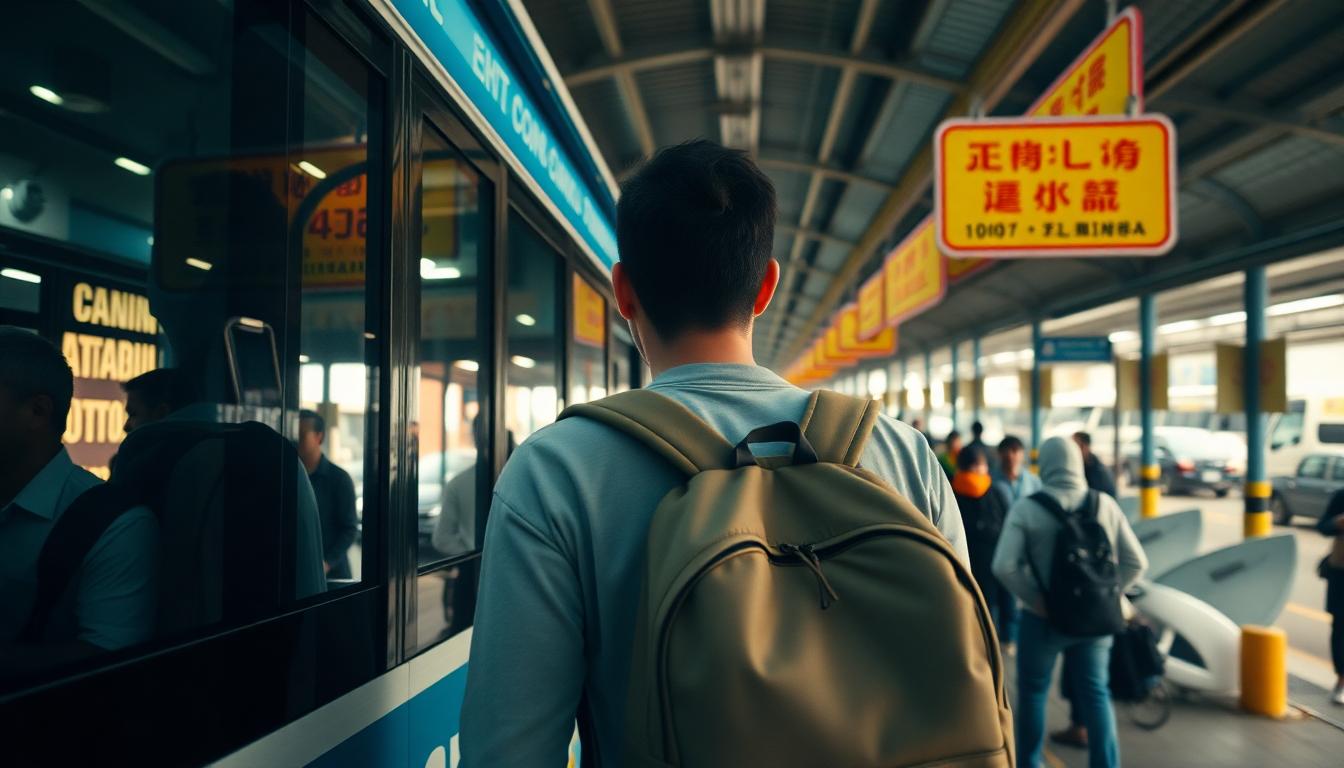
I saw travelers wrestling with rolling luggage down narrow market alleys or busy train platforms. All I had to do was grab my backpack and go. The more flexible you are, the wider your travel options become.
Light packing: get where you want, when you want. Image created with AI.
Stress Less, Experience More
I can’t overstate the relief of not worrying about lost baggage or waiting endlessly at claim areas. Southeast Asia’s chaotic travel infrastructure rewards those who can move fast and adapt. With just essentials, I breeze through customs, rarely face size checks, and can grab the first available ride—bus, boat, or motorbike.
A lighter load means more energy to soak in the moment. Instead of scanning airport conveyor belts or wrestling overstuffed bags into hostel lockers, I start my adventures sooner, whether it’s chasing sunrise over Angkor Wat or sampling night market treats.
Stay Organized and Ready for Anything
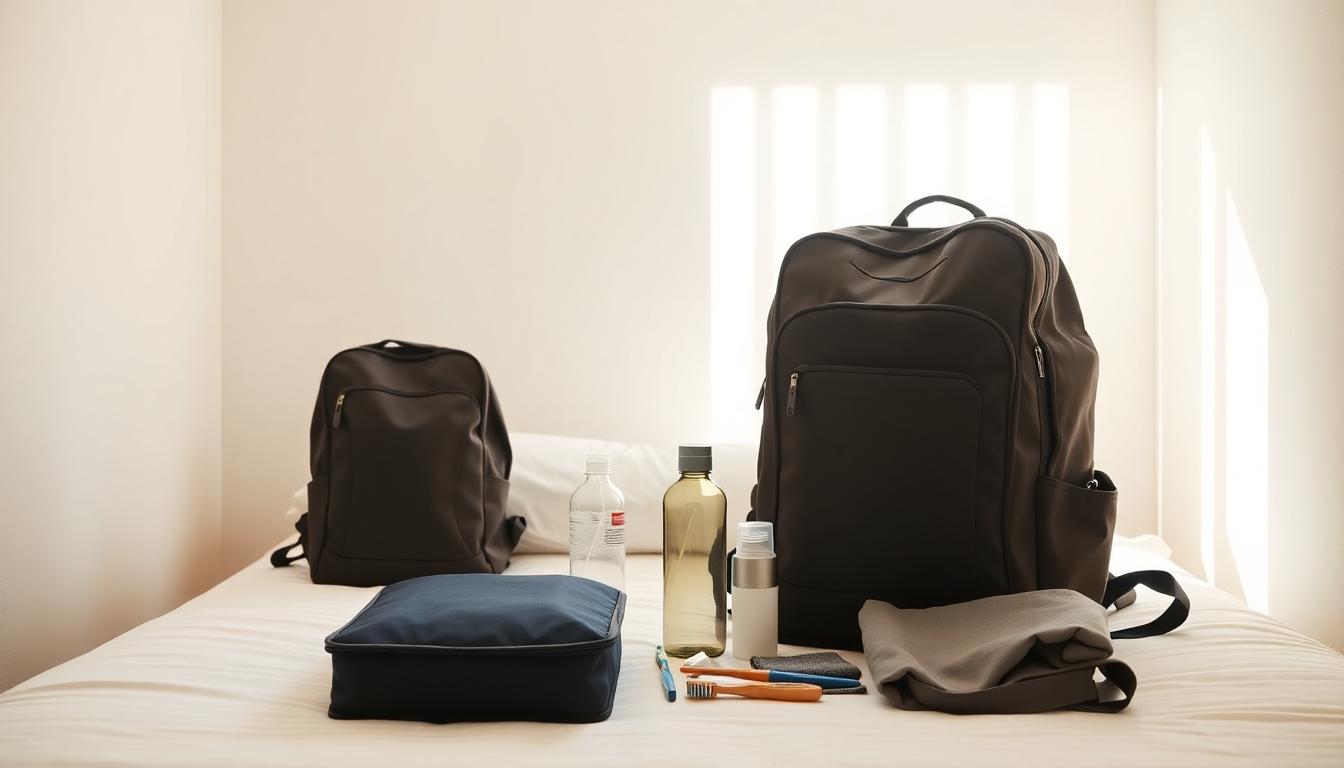
When every item in your pack has a clear purpose, you spend less time searching and more time savoring. I rely on a few key organizational tools (packing cubes, a dry bag for electronics, and a money belt) to keep my stuff secure and accessible. The simplicity makes everything less chaotic—repacking takes five minutes, and nothing important ever gets buried or forgotten.
Here’s what this discipline looks like, organized for quick scanning:
Easier to keep valuables secure
Clothes stay clean longer, thanks to fewer items and more frequent laundry
Less weight lowers your risk of back pain or fatigue
A clear, minimalist setup leaves space for spontaneous trip changes—like tacking on a last-minute island hop or hitching a ride to an out-of-the-way festival.
Everything you need—and nothing extra. Image created with AI.
Boost Sustainability and Mindful Travel
Light packing pairs perfectly with the sustainable heartbeat of Southeast Asia’s backpacker scene. I choose reusable water bottles, bar soap, bamboo toothbrushes, and multi-use clothing. This does more than cut down on plastic—it lets me travel with a clearer conscience, leaving a smaller footprint in places that matter to locals and travelers alike.
Research from Skift shows that 45% of budget travelers in 2025 aim for more sustainable choices. By stripping my pack to just what I truly need, I support local laundry businesses, reduce waste, and reflect the mindful travel spirit valued by the communities welcoming me.
Unlock True Freedom and Adventure
Light packing was my ticket to deeper, more authentic adventures. With less to lug, I joined locals on spontaneous hikes, navigated hidden alleyways in old towns, and never hesitated to switch hostels or grab a last-minute sleeper train. Everything felt easier and more spontaneous. Trying to cover Southeast Asia on $30/day just wouldn’t happen with a big, overstuffed bag.
Key benefits at a glance:
Save $50–$100+ on every flight or bus.
Move comfortably through crowded markets, hostels, and city streets.
Stay organized and ready for sudden plan changes.
Reduce waste and travel more sustainably.
Gain mental and physical freedom to explore further.
Ready to experience the mobility and freedom of true minimalist travel? Each ounce you leave behind gives you more room for adventure.
FAQs About Backpacking Southeast Asia on $30/Day in 2025
Backpacking Southeast Asia on a $30/day budget in 2025 has never been more achievable, but questions always pop up before you set out. This isn’t just a survival game or a no-frills challenge—$30 a day lets you soak up culture, community, and freedom if you pack light and make smart choices. Here are the answers to the most common questions I get from fellow travelers about my own experiences and what you can truly expect.
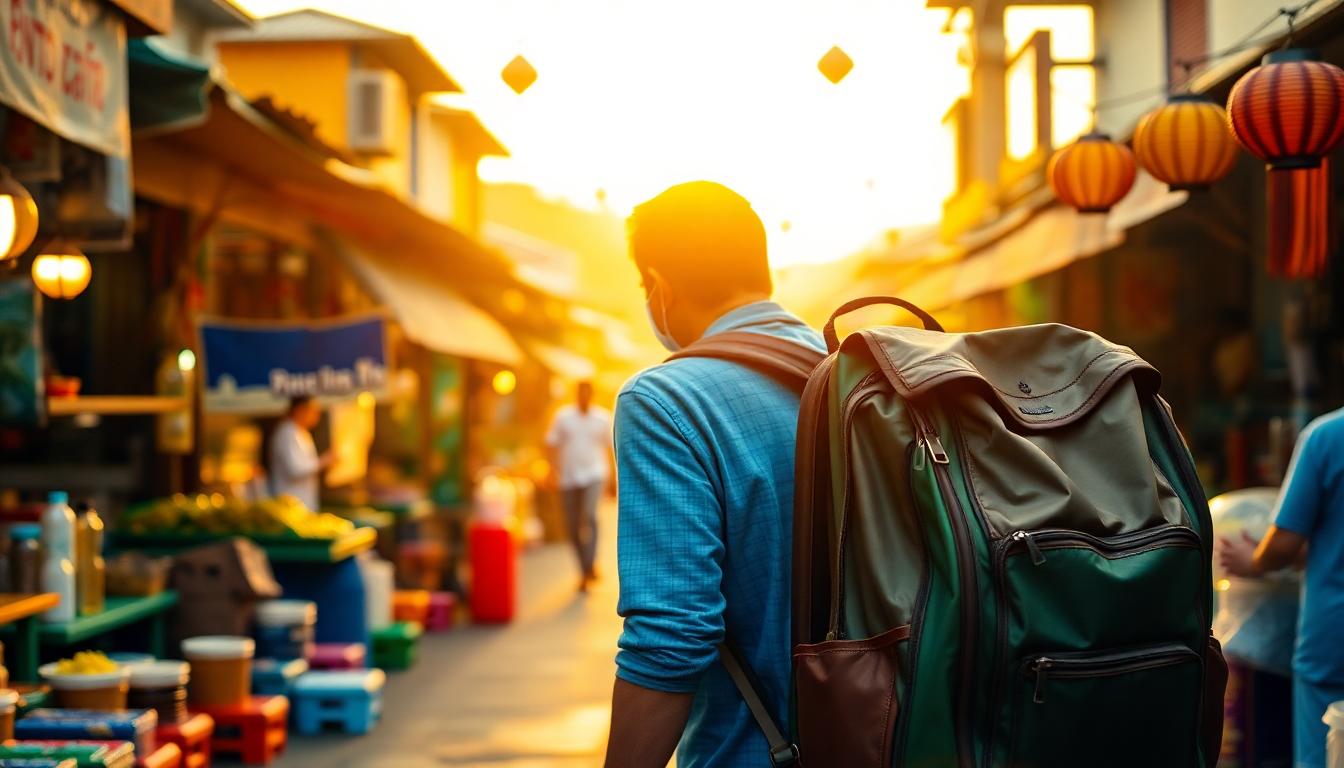
Street markets and backpacker essentials—this is what my $30/day adventures look like. Image created with AI.
Can I really travel Southeast Asia for $30 a day in 2025?
Absolutely. With careful planning, you can cover hostel stays ($7–$15/night in most areas), local meals for $1–$3, and local transport for not much more. I keep my spending in check by eating street food, riding night buses, and choosing activities that deliver the most value, like free temple visits and scenic hikes. Resources like Nomadic Matt agree that $30 covers a day easily, especially if you travel outside the major tourist hotspots.
What’s the ideal backpack size and style?
A 40L carry-on backpack (like the Osprey Farpoint or REI Trail 40) fits budget airlines’ strict rules and makes hostel life easier. This size lets you pack all your essentials without going overboard, and it fits on buses, boats, and overhead bins. It’s always the foundation of my minimalist Southeast Asia packing checklist.
What are the must-have items for my packing checklist?
You’ll want:
40L carry-on backpack
5–7 pieces of clothing (quick-dry, layers for temple visits)
Compact rain jacket
Reusable water bottle
Travel towel
Power bank
Universal adapter
Basic first-aid kit
Money belt or neck wallet
Portable lock
For a more detailed comparison of items and costs, Green Eyed Traveller’s packing guide is a good reference, especially for eco-conscious travelers.
How do I keep costs low without missing out?
Focusing on street food, walking or using public transport, and booking hostels directly is how I stretch every dollar. I plan activities around free attractions and always check traveler recommendations on popular routes (many can be found on Reddit’s travel forums). Traveling slowly instead of rushing between destinations saves both money and stress.
Is Southeast Asia safe for solo backpackers?
Yes, Southeast Asia remains one of the world’s most welcoming regions for solo and female travelers. While petty theft can happen in crowded markets or on transport, using a money belt and being mindful of your belongings is usually enough. I also look for hostels with solid online reviews and travel with basic travel insurance. For more safety tips and solo travel confidence, The Blonde Abroad has specialized advice for women and first-time backpackers.
What are typical daily costs I should plan for?
Here’s a quick breakdown:
ExpenseTypical Daily Cost (USD)TipsHostel dorm$7–$15Book direct, check reviewsFood (street)$4–$8Stick to local eateriesTransport$2–$6Use buses, metro, rideshareActivities$3–$8Mix free sights, budget toursTotal$16–$37$30/day is realistic!
Some days you’ll spend a bit less, some a little more, especially if you add a splurge like a national park or a ferry ride. Frequent cost updates and tips can be found at Indie Traveller’s cost breakdown.
Should I book hostels, buses, and tours ahead?
During peak season and for must-see spots, I book hostels and night buses in advance. For most destinations, booking on the fly saves money and opens doors to local guesthouses. Apps like Hostelworld and 12Go Asia are my go-tos for real-time bookings. I also recommend checking out this ultimate planning guide for route inspiration.
Is travel insurance really necessary?
Yes—it’s not just for medical emergencies, but also flight interruptions, lost luggage, and unexpected plan changes. Reliable coverage starts at $40–$80 for a month, depending on your provider and activities. If you’re comparing options, Travel + Leisure offers good tips on picking the right plan.
How do I make my packing more sustainable?
I favor a reusable water bottle (with built-in filter like a LifeStraw), solid bar toiletries, bamboo toothbrush, and minimal single-use plastics. Most hostels now offer refill stations and eco-friendly swaps. For practical, earth-friendly ideas, Memoirs of Acacia’s packing list has even more suggestions.
Conclusion
Traveling with just the essentials is what made my backpacking Southeast Asia packing checklist 2025 so valuable. The freedom I gained from light, minimalist gear gave me more time and money for experiences, not stress. Every item had a real purpose: saving me cash, keeping me mobile, and helping me adapt to the region’s heat, rain, and spontaneous adventures.
If you want to make the most of every dollar, use this checklist as your launchpad. Start planning with IneedMyVacation.com and set yourself up to travel further, enjoy more, and keep your backpack—and budget—lighter in 2025.
Your next adventure begins when you pack smart and trust that less truly means more. Ready to see Southeast Asia the easy, affordable way? Plan your 2025 Southeast Asia backpacking trip with us!
 Skip to content

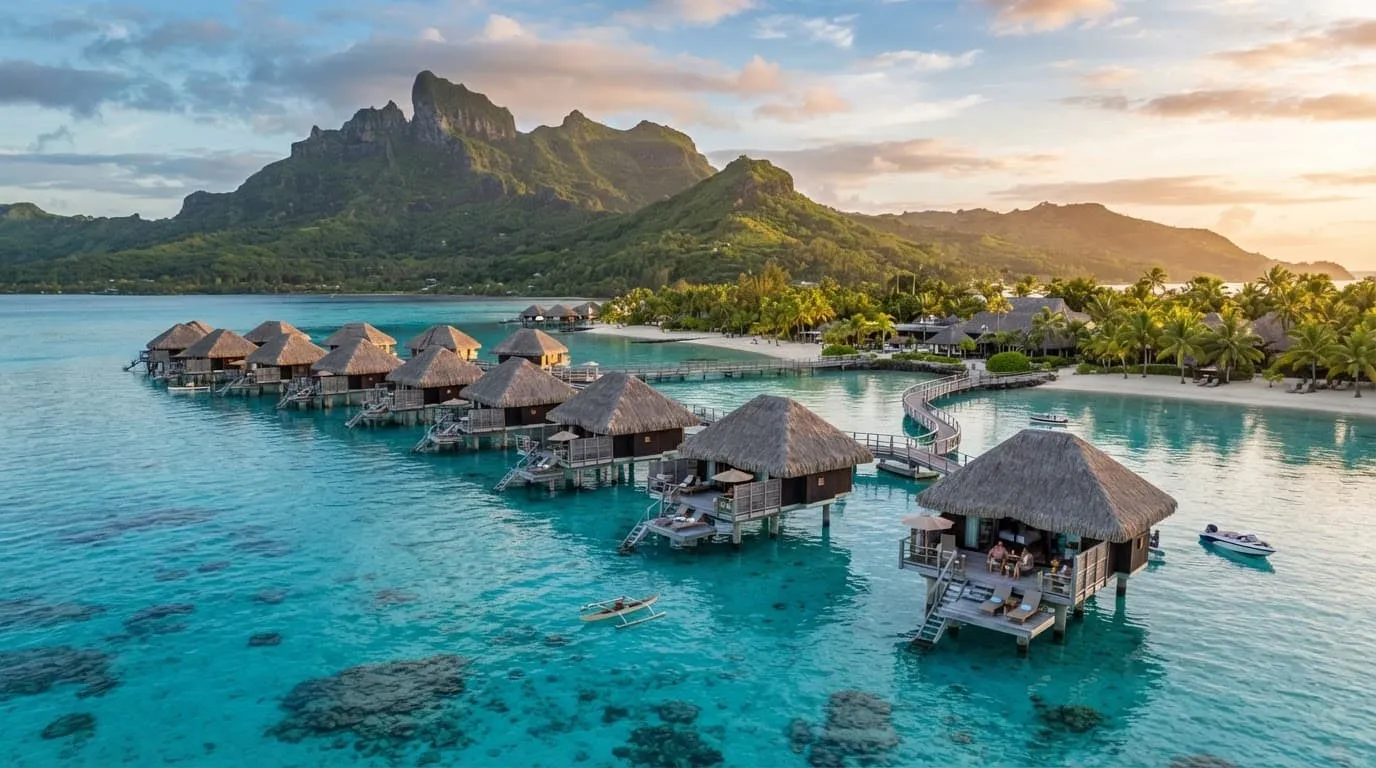
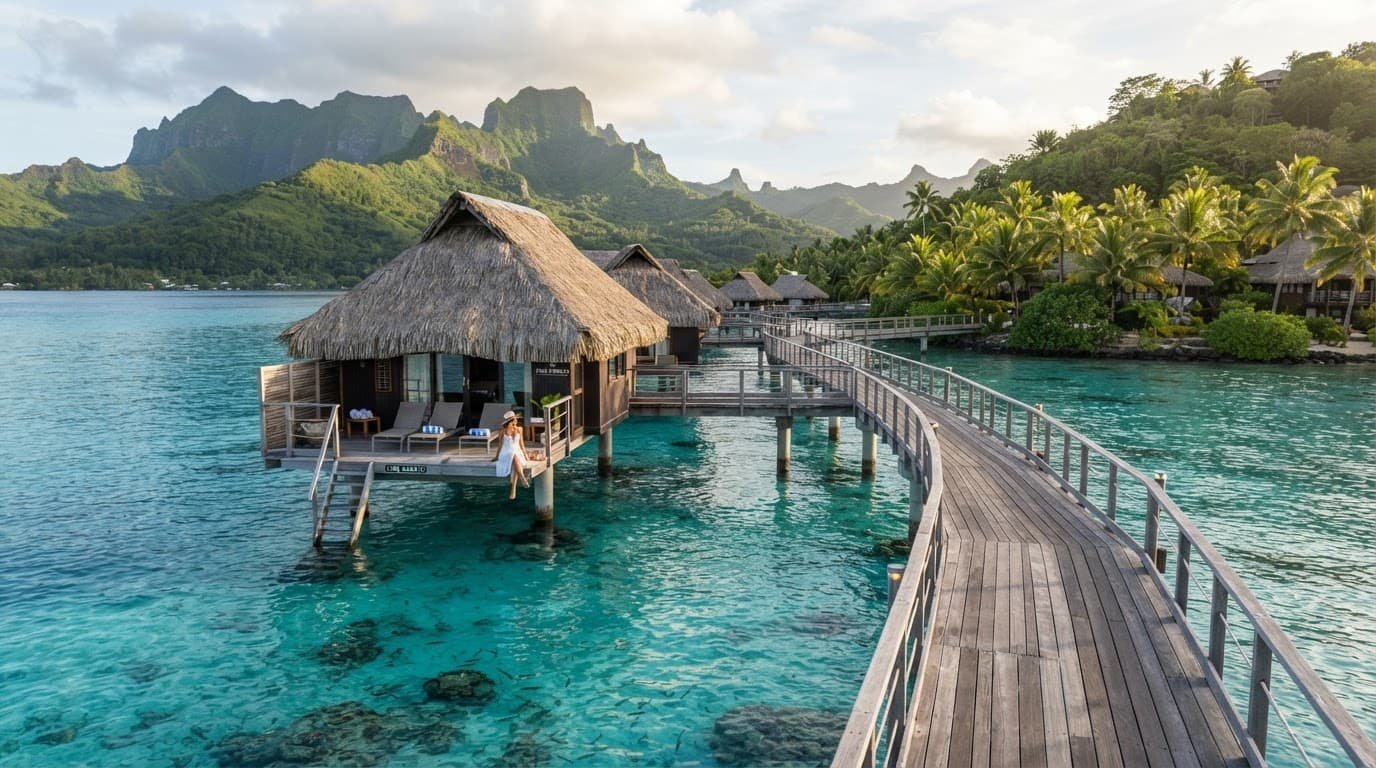
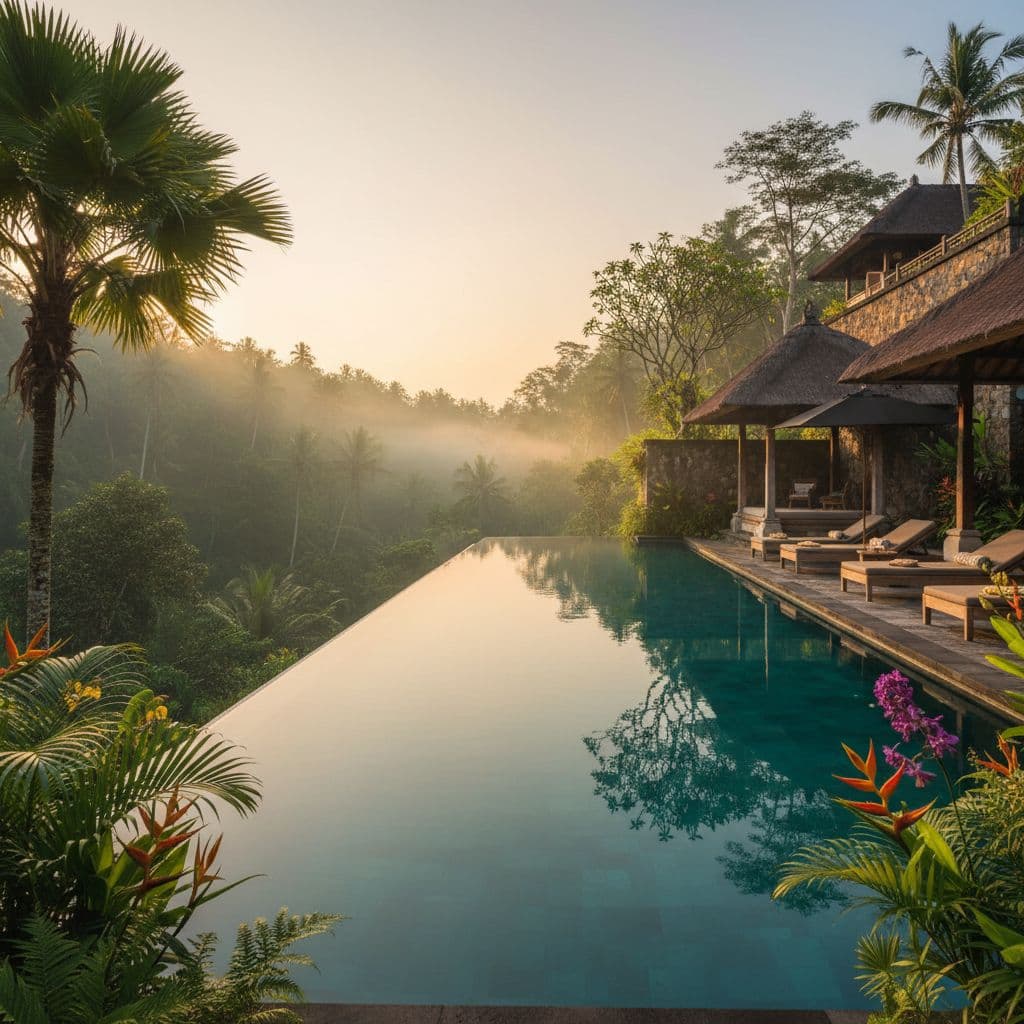
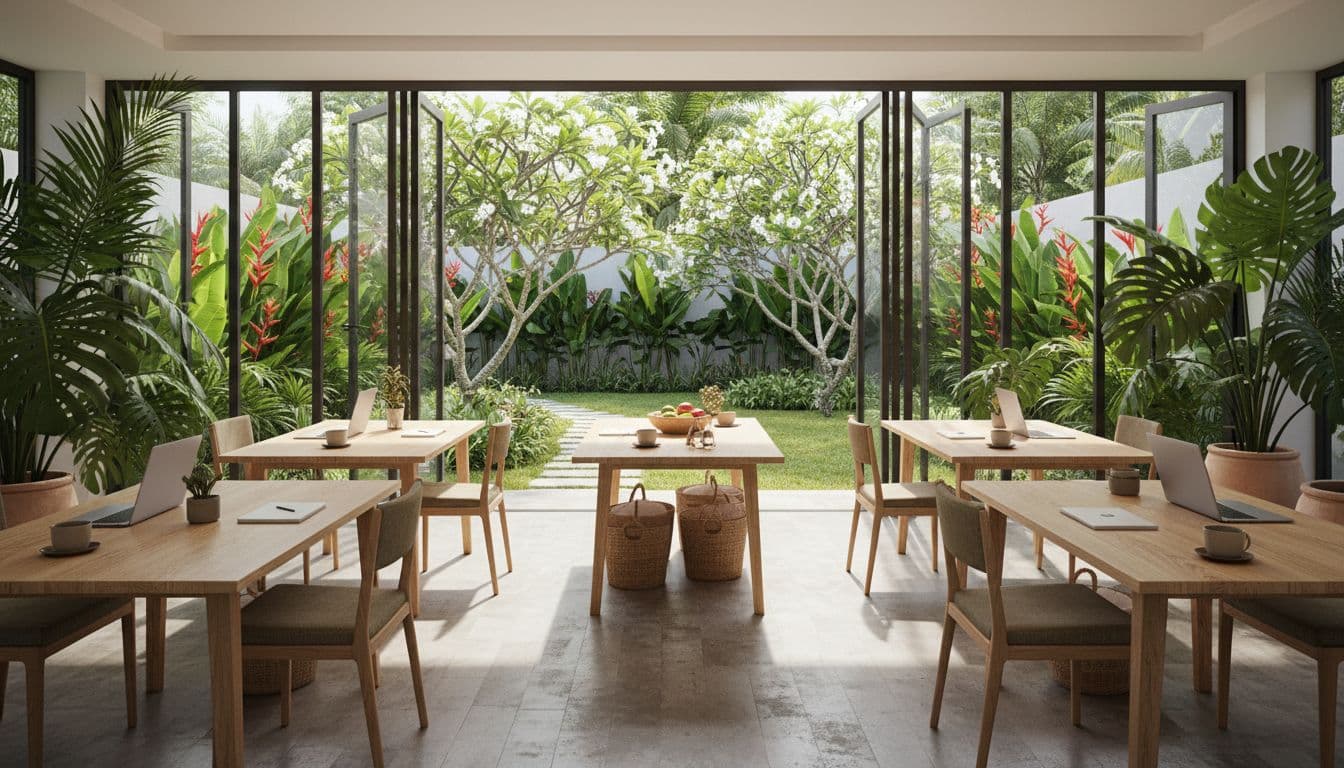
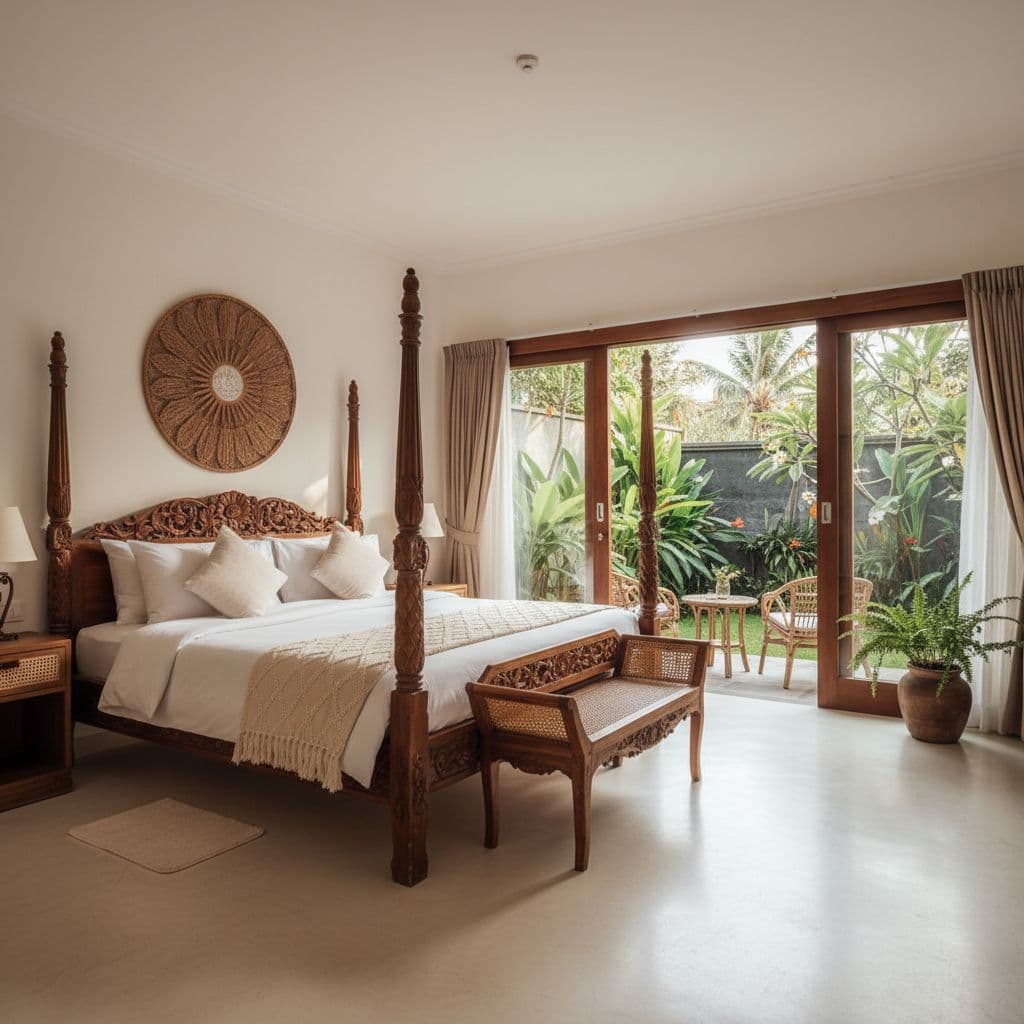
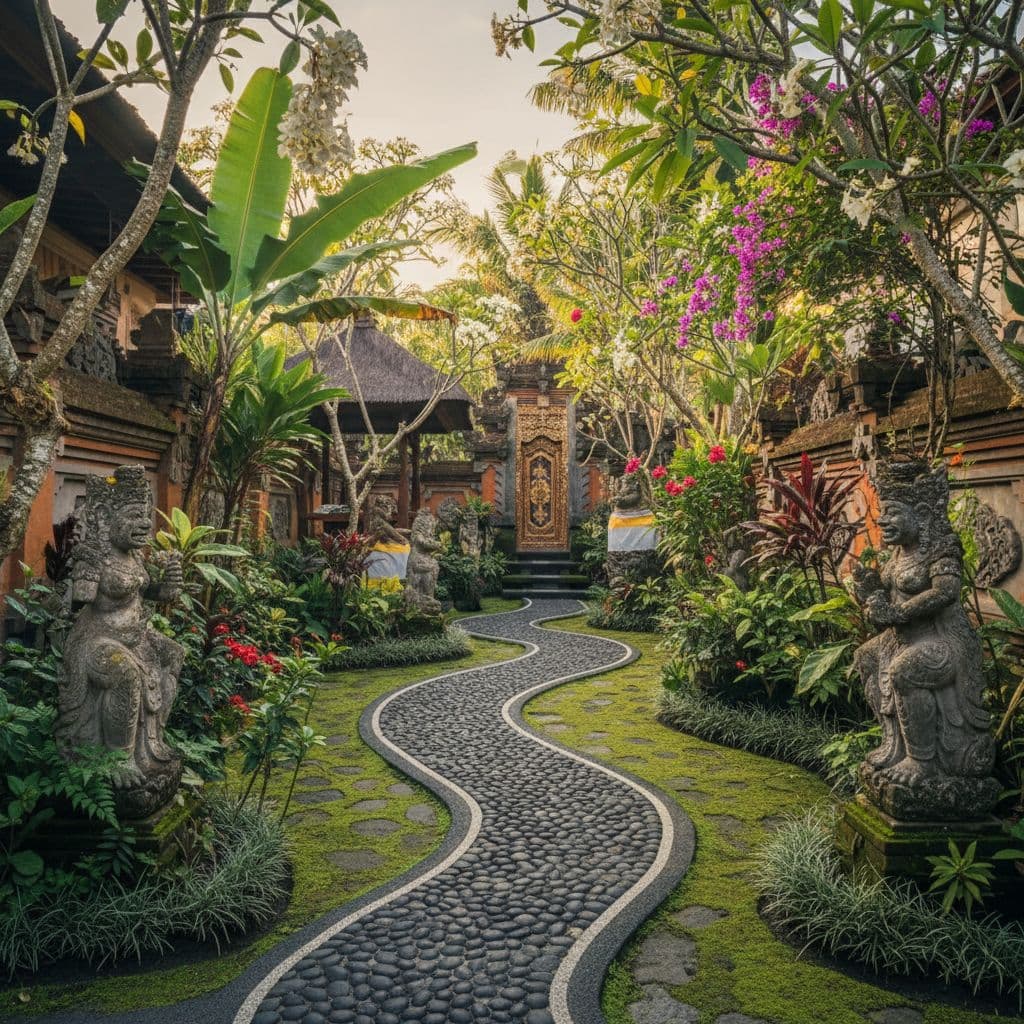

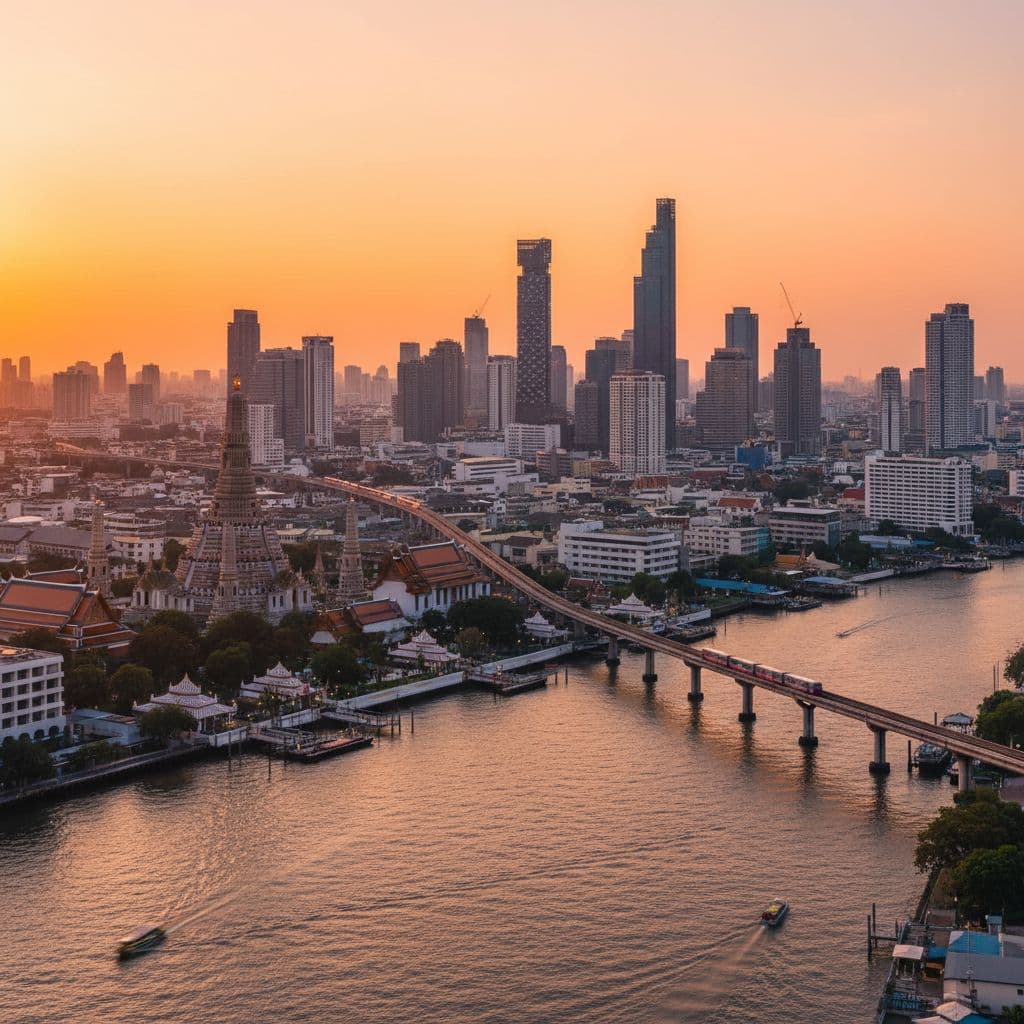
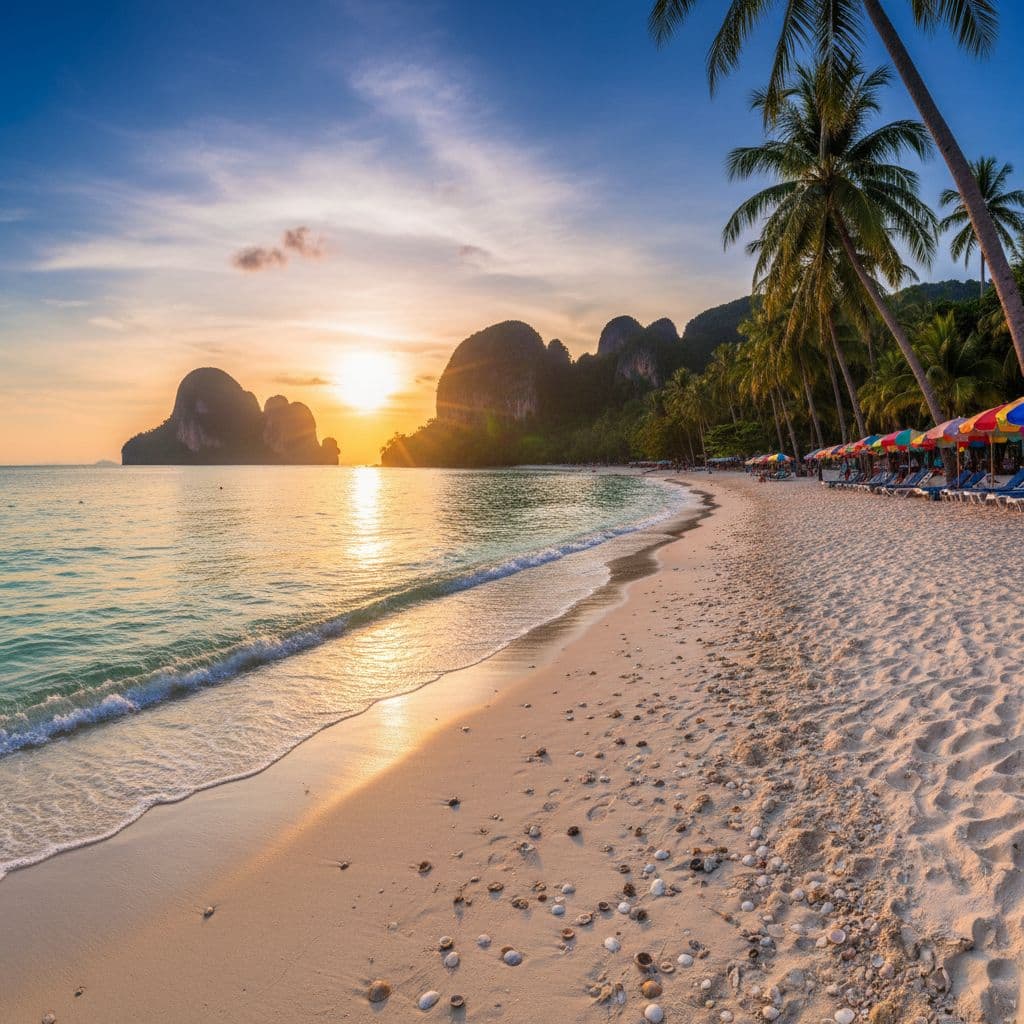
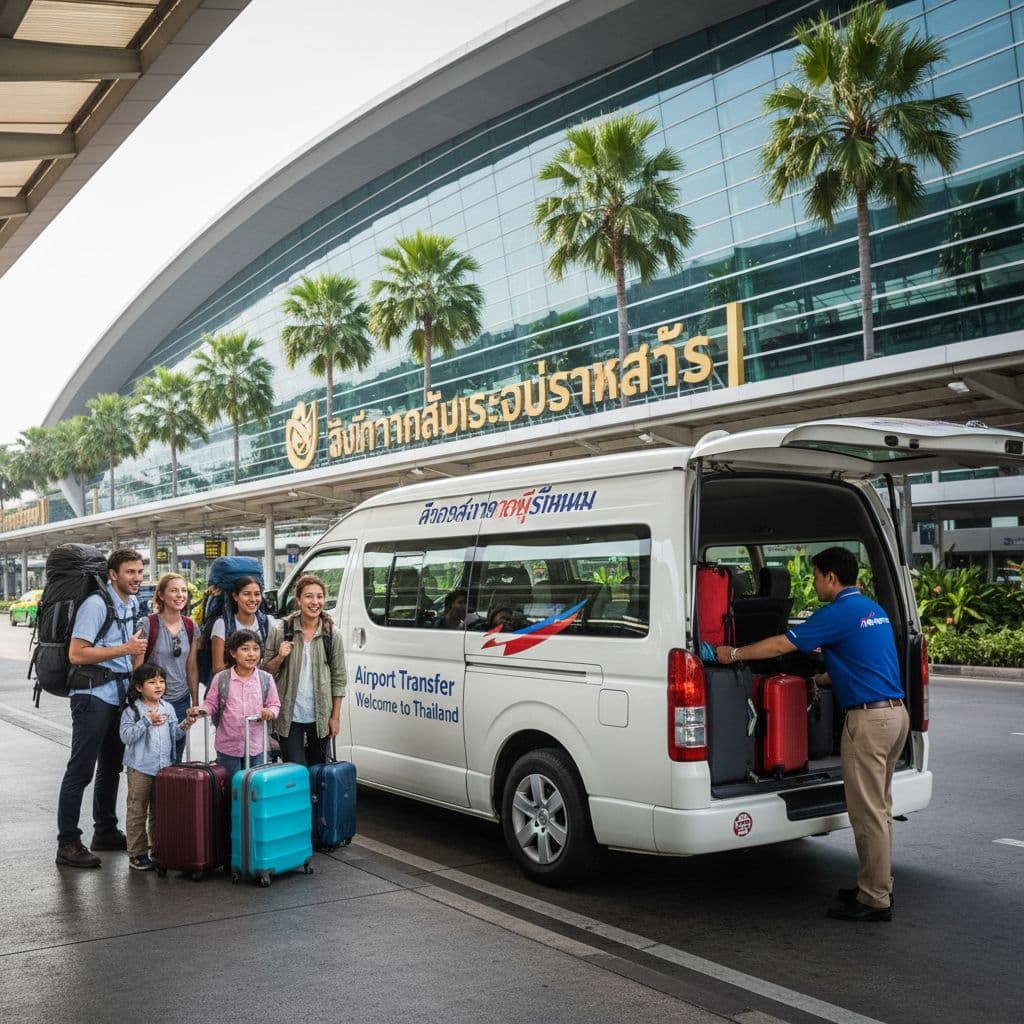
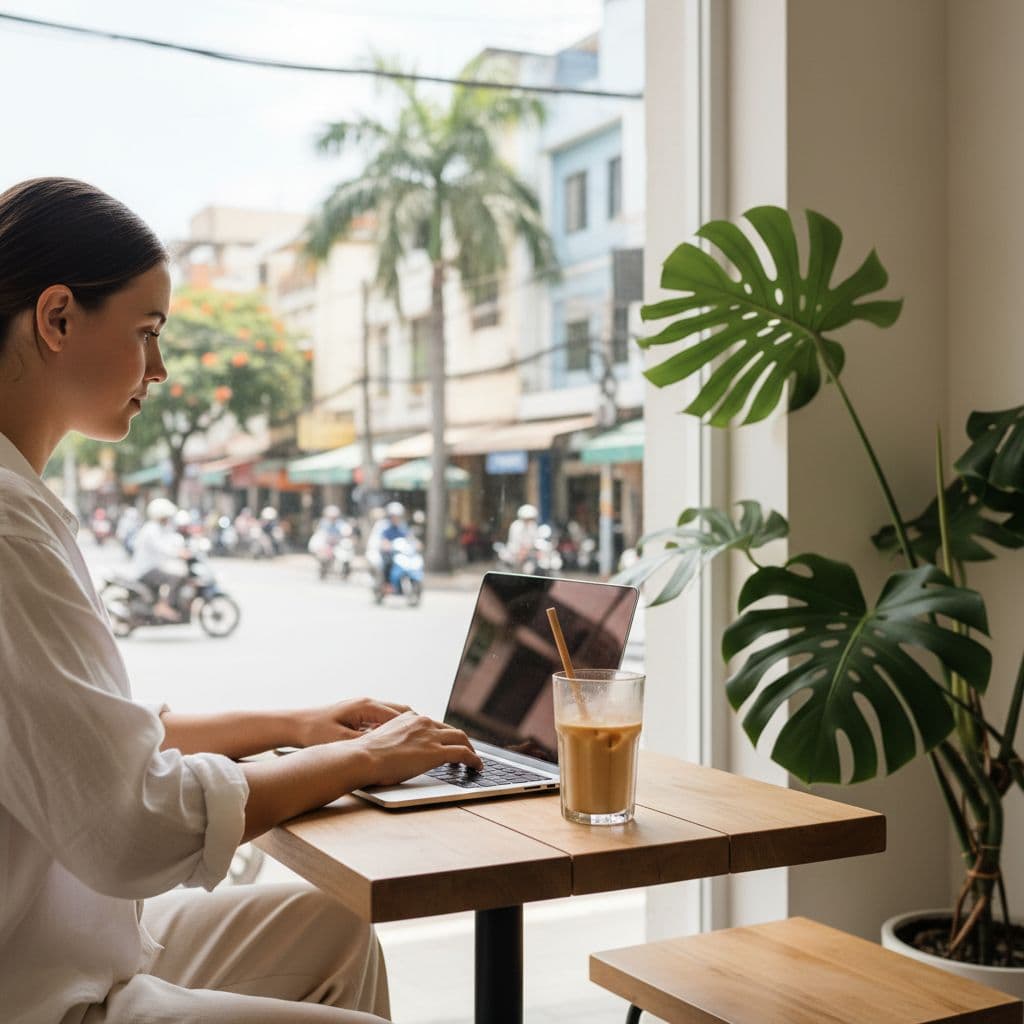
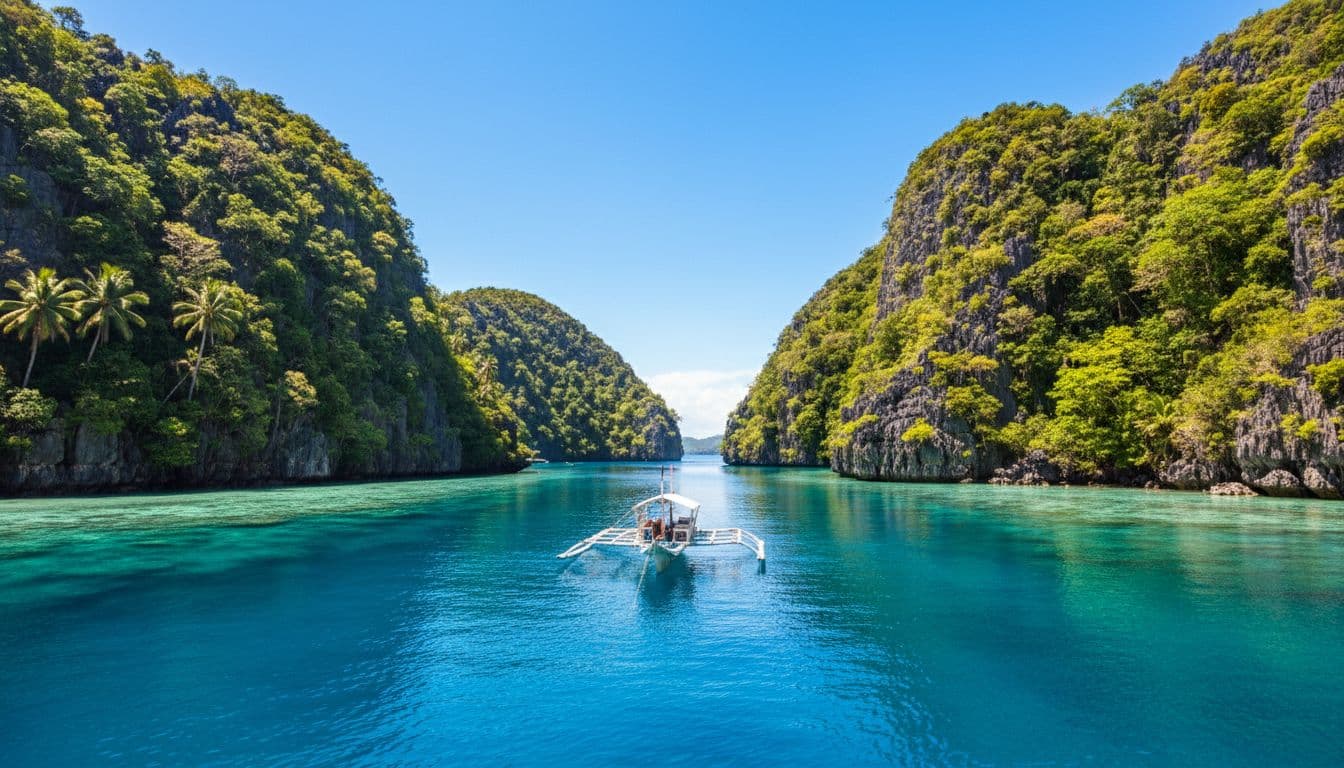
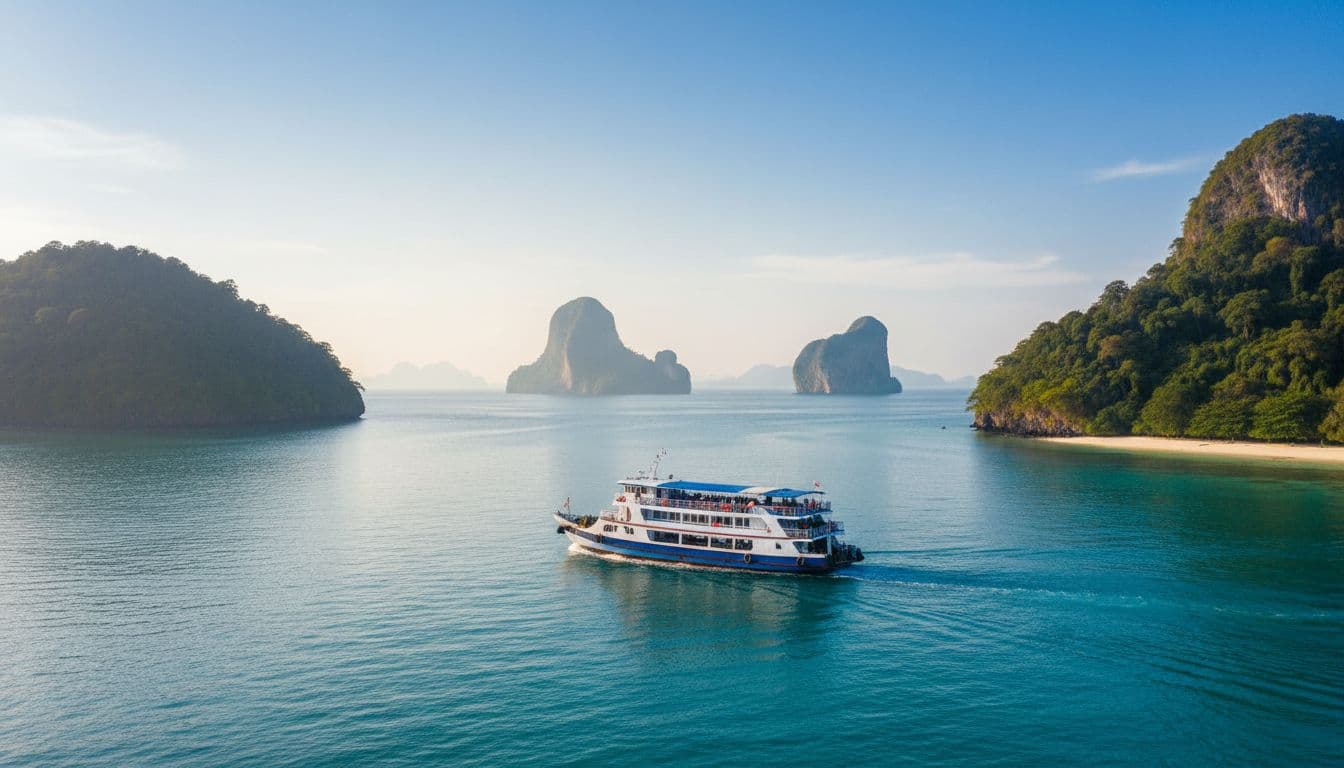
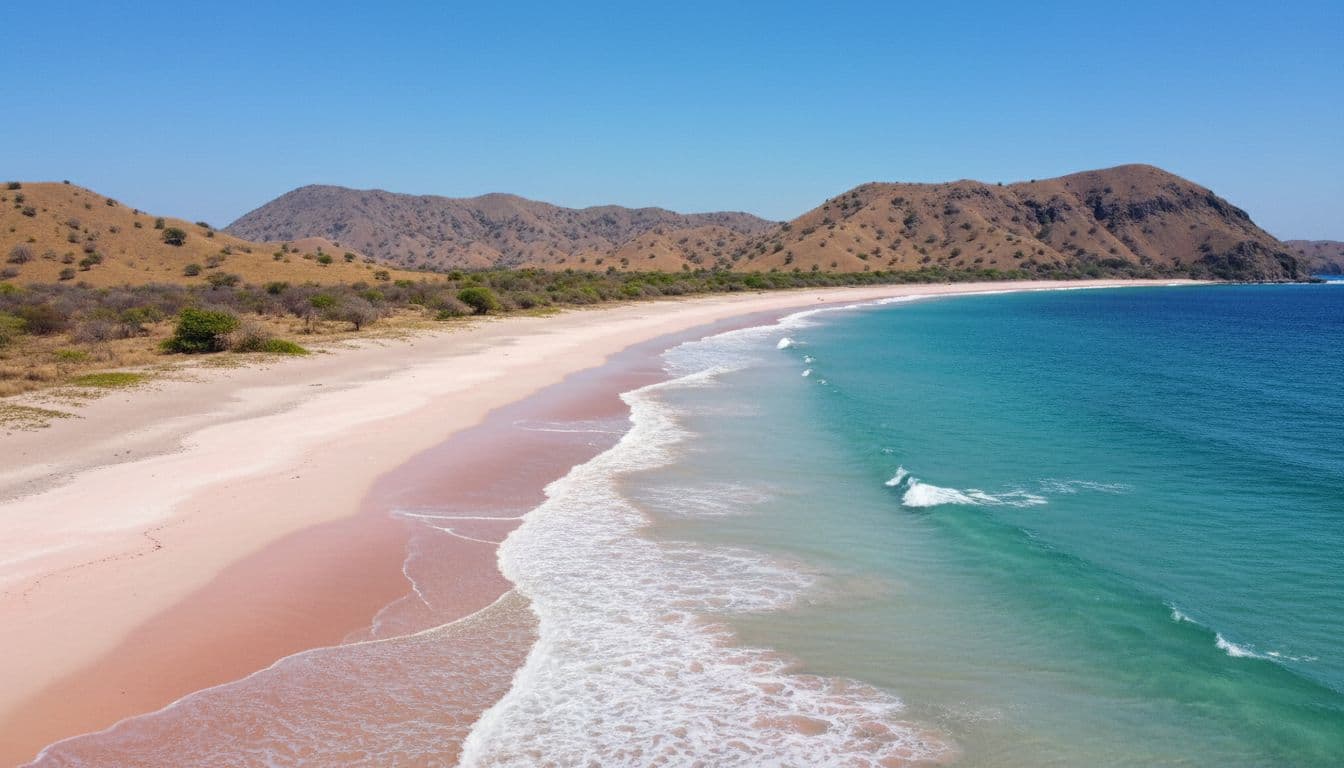
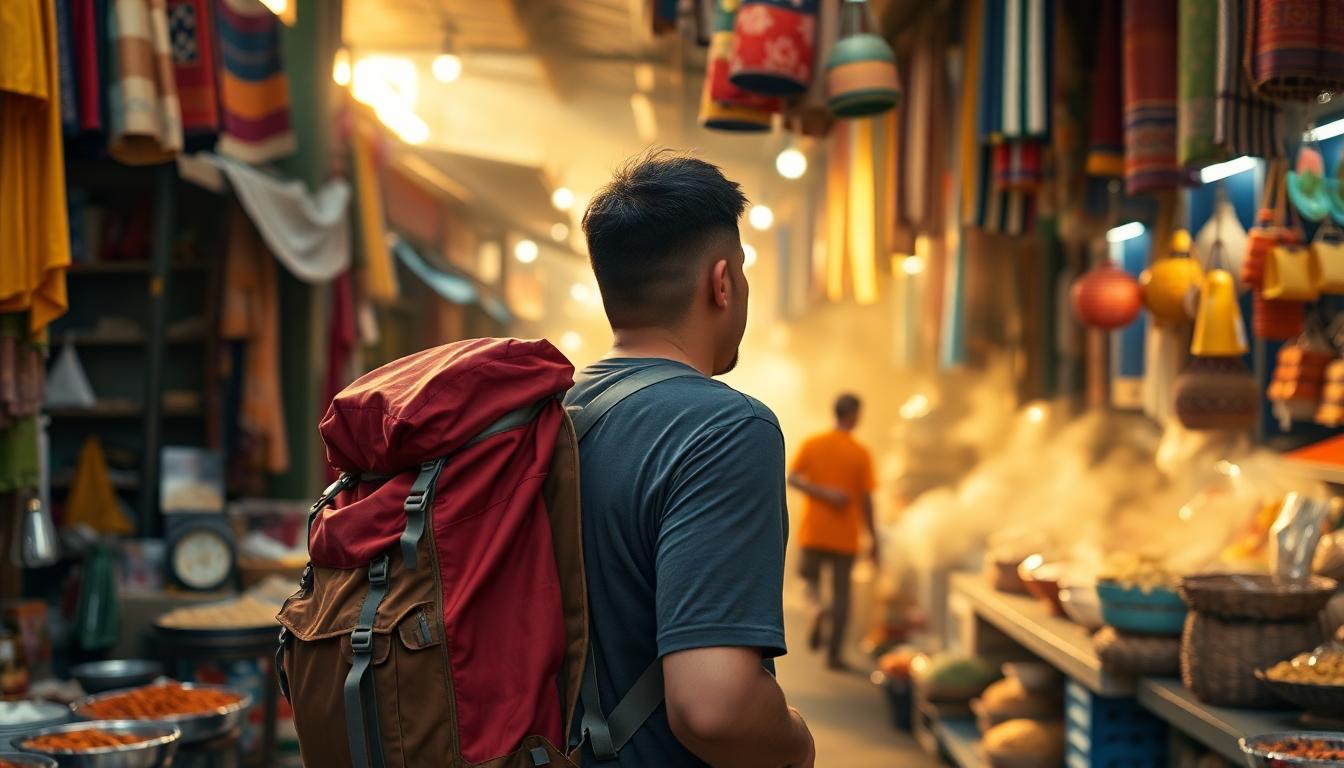 Image created with AI.
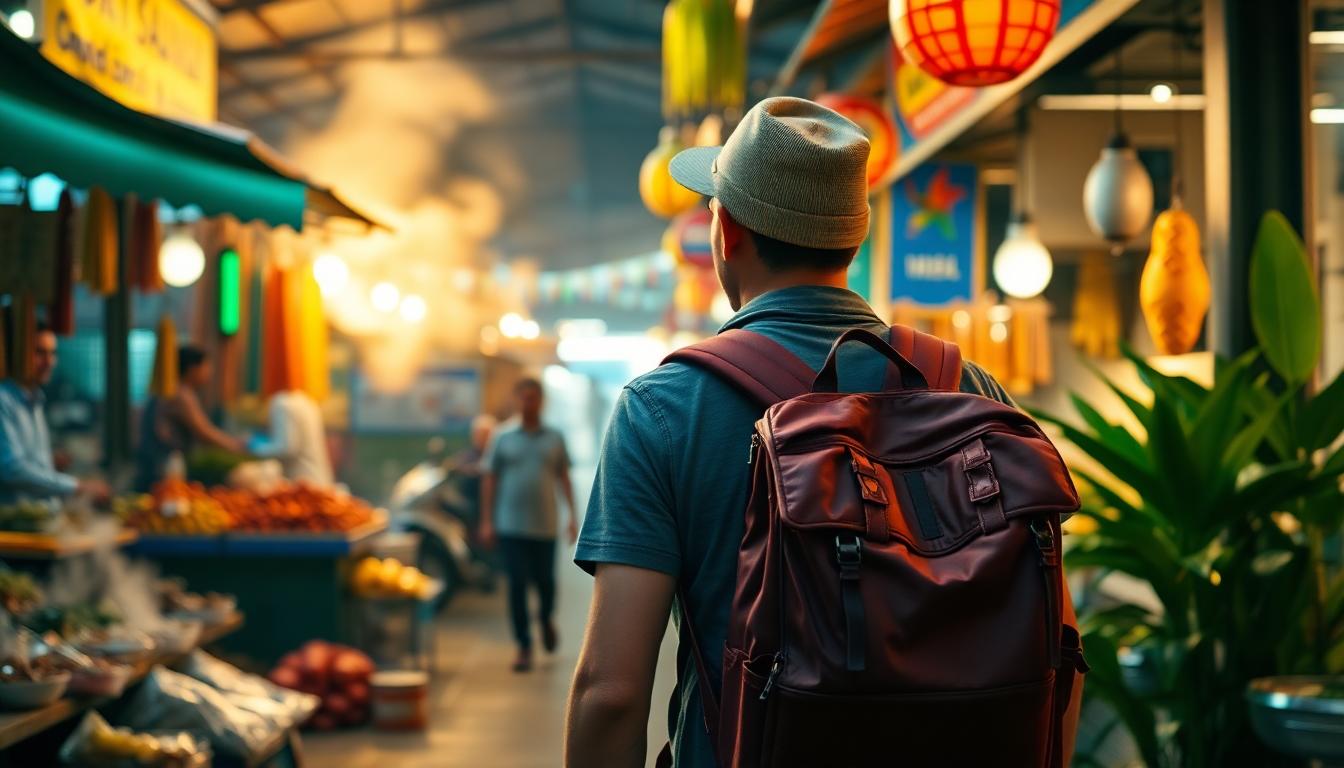 Backpacking Southeast Asia packing checklist 2025: Travel light and move freely. Image created with AI.
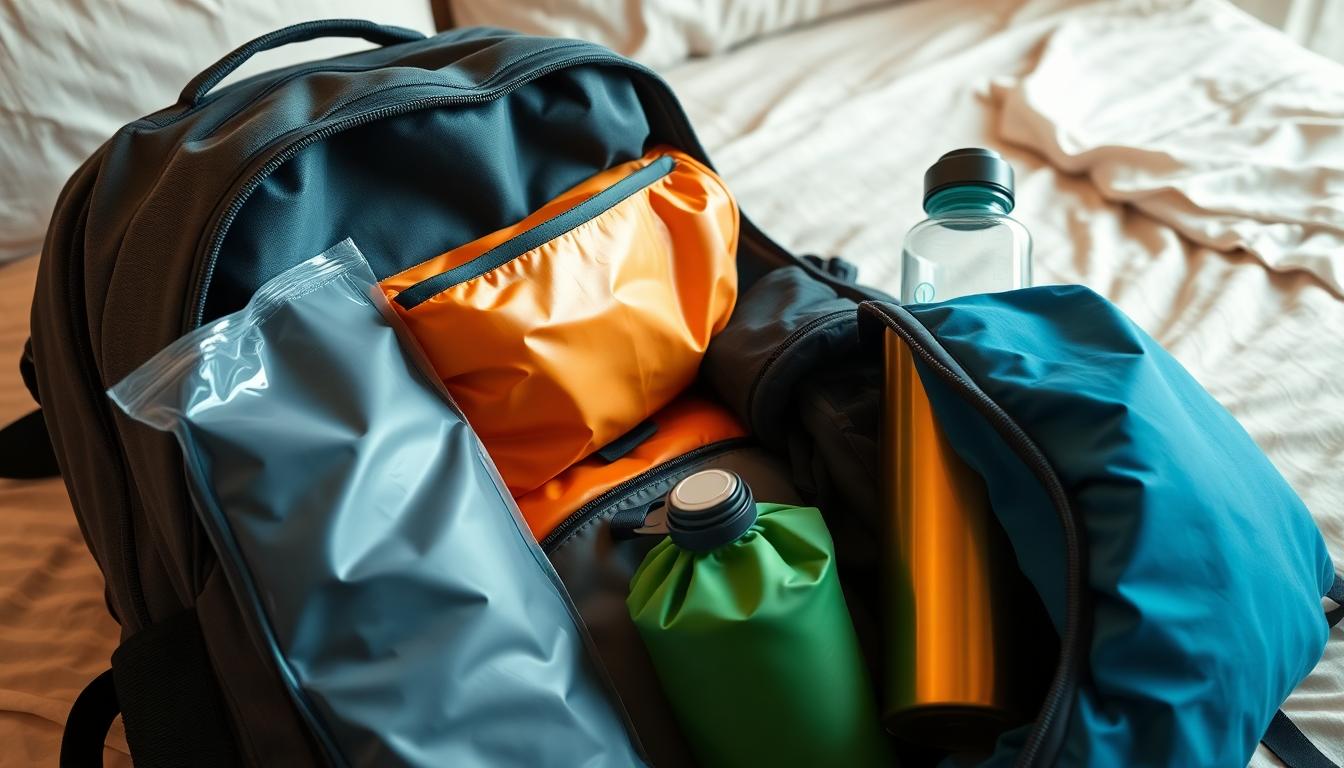 Efficient packing with organization tools. Image generated by AI.
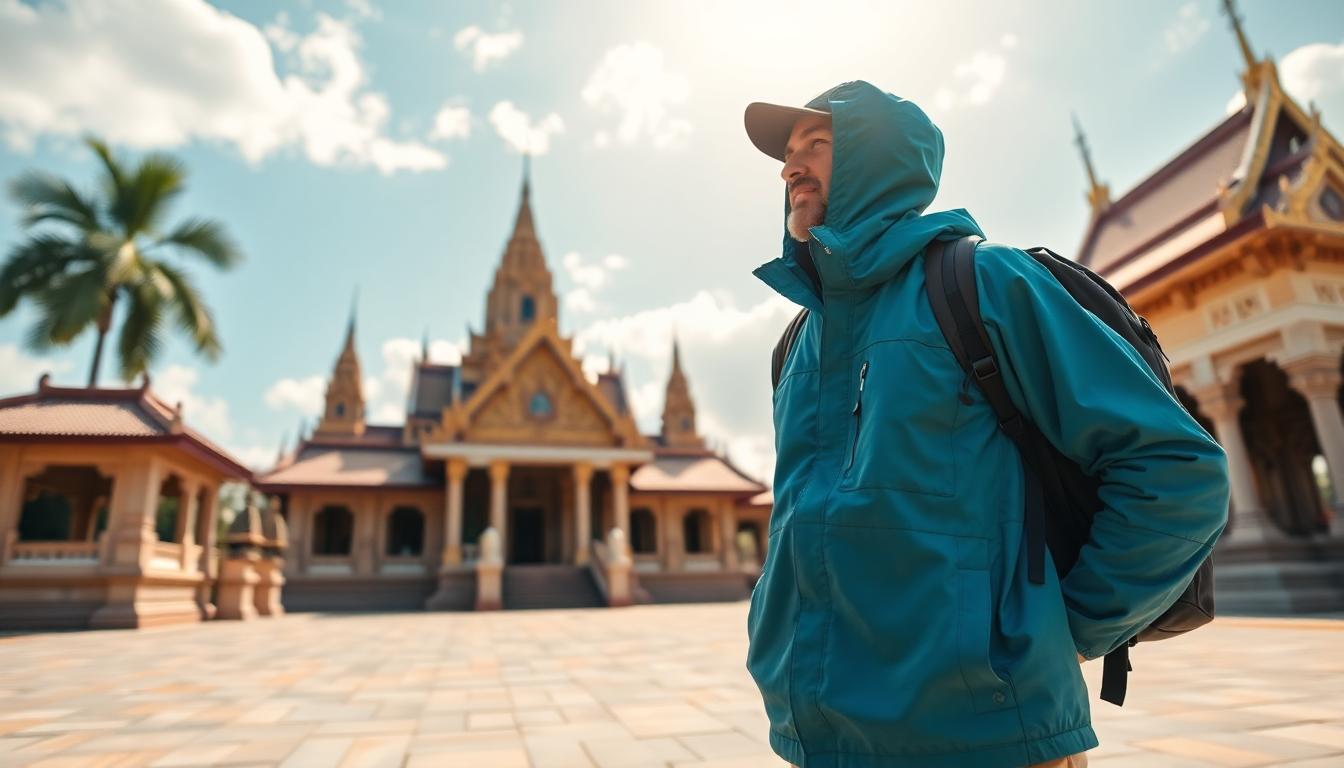 Travel-ready clothing for temples, jungles, and street food runs. Image created with AI.
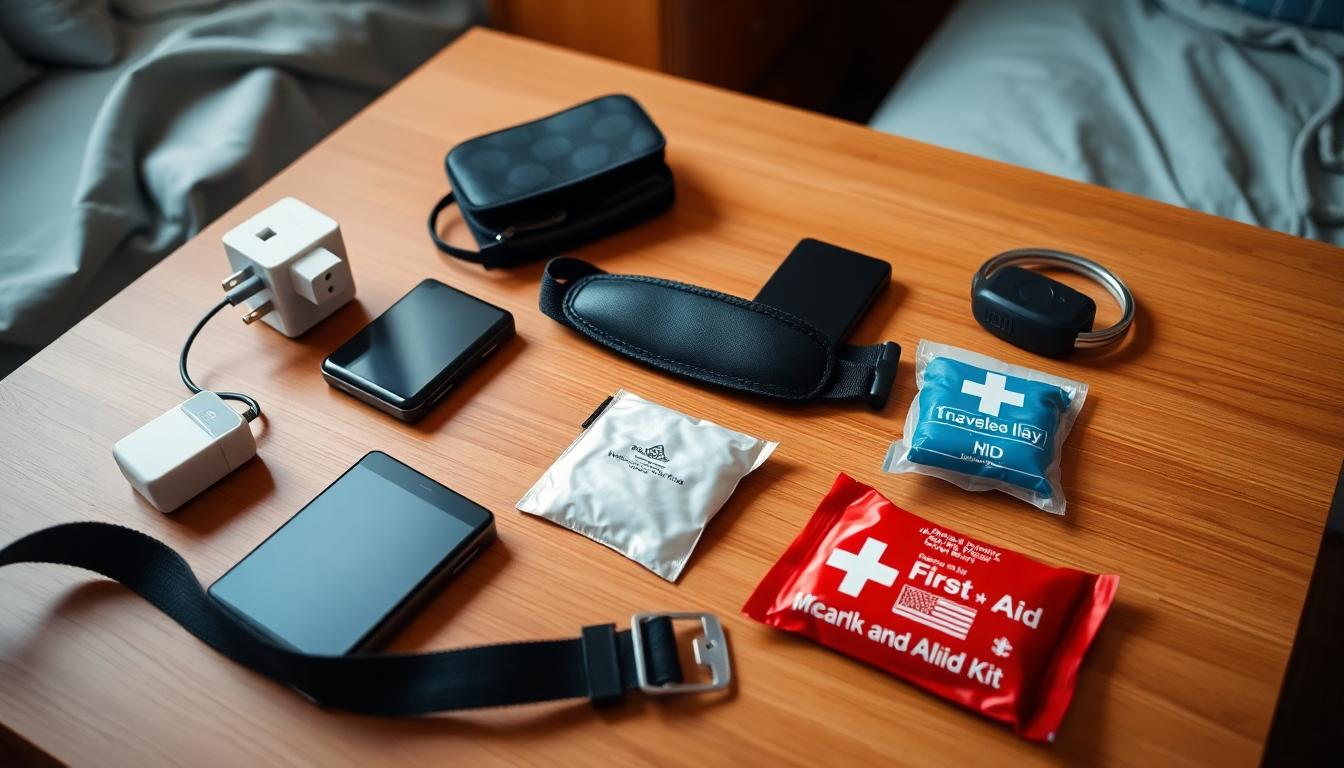 Safety and tech: Compact, simple, and essential. Image created with AI.
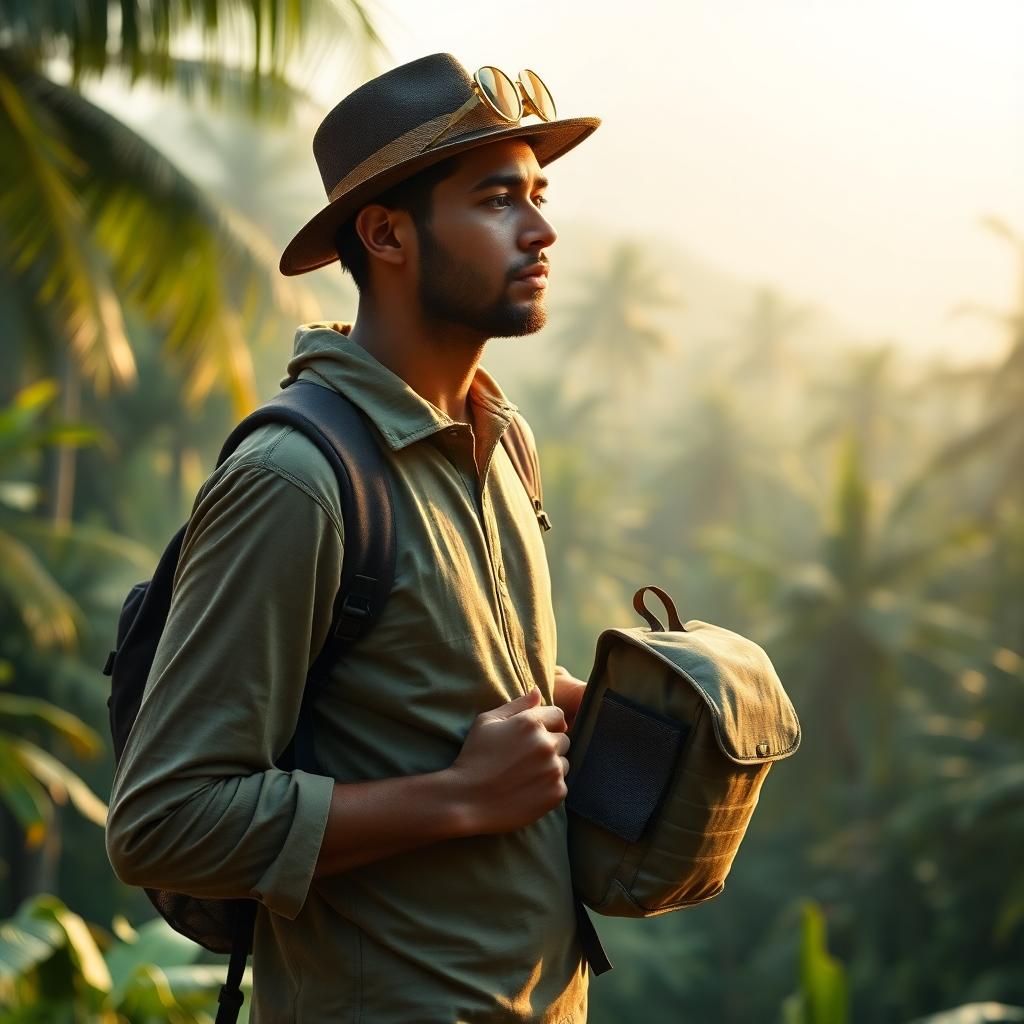 Minimalist packing for Southeast Asia: efficient and adaptable. Image created with AI.
 Daypack and travel gear: minimalist, efficient, and ready for anything. Image created with AI.
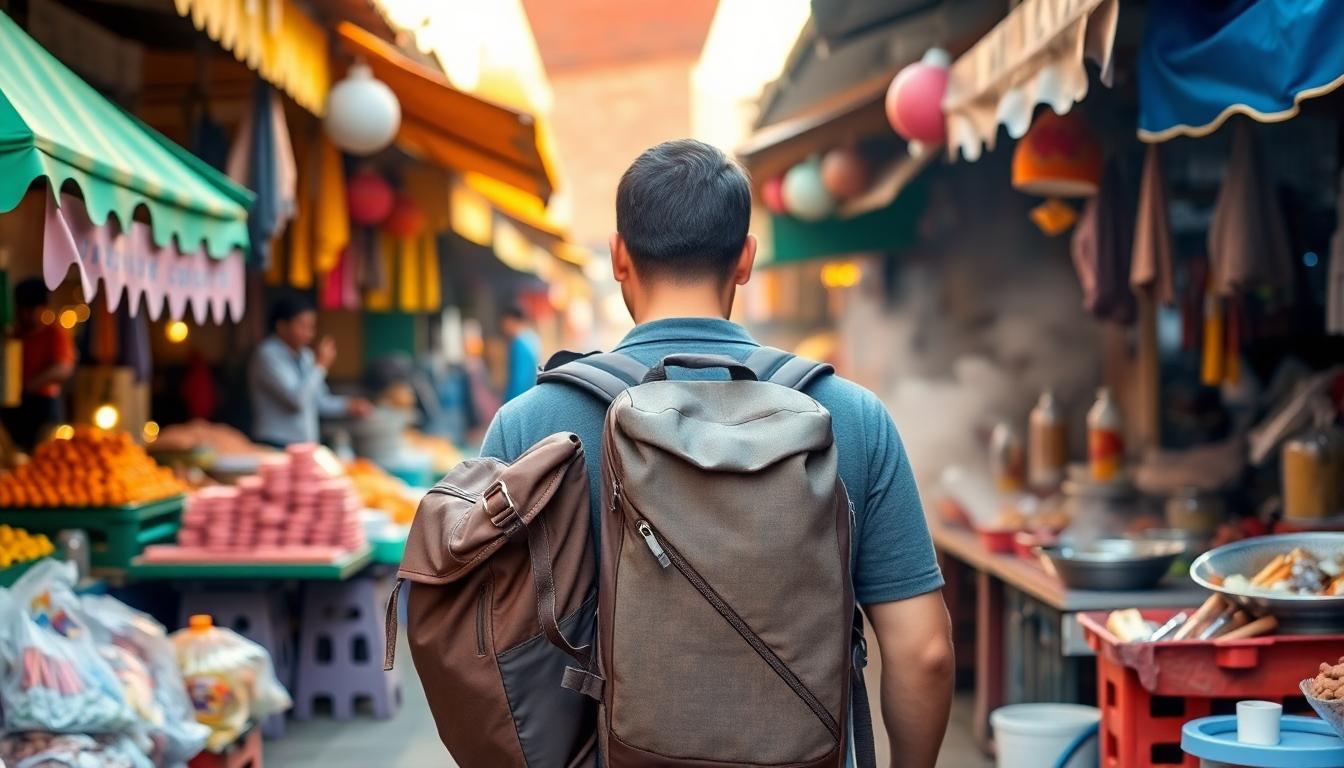 Backpacking Southeast Asia packing checklist 2025: The freedom of movement with just a 40L pack. Image created with AI.
 Light packing: get where you want, when you want. Image created with AI.
 Everything you need—and nothing extra. Image created with AI.
 Street markets and backpacker essentials—this is what my $30/day adventures look like. Image created with AI.
 © 2025 IneedMyVacation.com. All rights reserved.