

Backpacking Southeast Asia Packing Checklist 2025: How I Traveled on $30/Day
Imagine weaving through the neon-lit streets and sizzling food stalls of Bangkok with just a 40L backpack strapped to your shoulders. No checked bag, no shopping haul, just the smell of grilled skewers, the call of tuk-tuks, and the pulse of the city. I lived this backpacker dream on just $30 a day, cutting costs with simple comforts and smart gear that—thanks to plenty of trial and error—fit my minimal style and the travel trends defining 2025.
Having backpacked across Thailand, Vietnam, and Indonesia for IneedMyVacation.com, I’ve tested every item on my list in real Southeast Asian humidity, adventure, and chaos. This packing checklist isn’t just another list—it’s exactly what saved me $50 on baggage fees, kept me cool in 95-degree heat, and handled both overnight trains and jungle hikes. Built for the needs of modern travelers, my Backpacking Southeast Asia packing checklist 2025 keeps affordability at the core, with a nod to eco-friendly swaps and solo travel essentials highlighted by top sources like Nomadic Matt and The Blonde Abroad.
This article contains affiliate links, which may earn us a commission at no extra cost to you.
Whether you want to sleep in $7 hostel bunks, feast on $2 street noodles, or go temple-hopping without breaking the bank, Southeast Asia is backpacker heaven. Affordable stays, cheap eats, and endless culture pull in budget travelers year after year. My approach is all about packing light, spending less, and feeling free enough to change plans on a whim—traits shared by so many travelers I meet in Southeast Asia, as well as reflected in the latest travel reports for 2025. Plan your budget Southeast Asia adventure with IneedMyVacation.com!
For more packing advice, see countries you can enter without a visa in SE Asia: visa-free travel to Southeast Asia.
The Allure of Southeast Asia on $30/Day in 2025
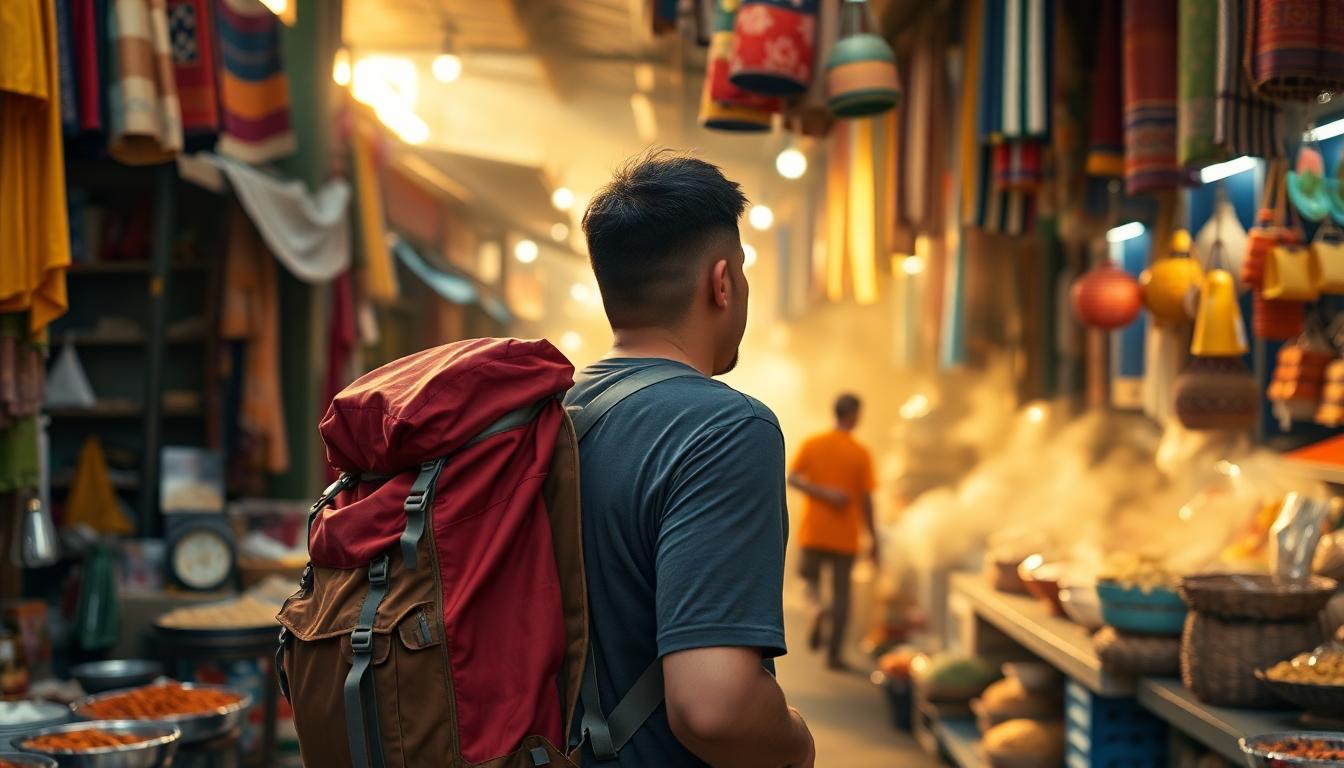 Image created with AI.
The pull of Southeast Asia has always been more than postcard beaches and wild street markets. For backpackers in 2025, the real magic is the daily freedom you can buy for just $30. Surrounded by new faces, under lantern-lit alleyways, you can hop from a hostel bunk to a street-side food stall and know you’re not burning through savings with every step.
Staying on budget isn’t hard here. You’ll see it in the $7 hostel bunk (fresh linen, new friends in the next bed), the $1 noodle bowl made in a clatter of woks, and the $3 ferry that takes you across turquoise waters. I quickly learned to stretch a dollar further than I thought possible without missing out on the real highlights. Lodging, food, and transit all work together to keep your adventure within reach, day after day.
Sustainability and smart travel also define backpacking Southeast Asia in 2025. Travelers around me choose reusable bottles and ditch single-use plastics, swap stories about local-run tours, and constantly rethink what “essential gear” actually means. There’s pride in traveling responsibly and light—even veteran travelers like those at Nomadic Matt’s Southeast Asia Guide call this region perfect for minimalist, budget-friendly, and eco-conscious journeys.
Why Southeast Asia Is Every Budget Traveler’s Sweet Spot
Here’s what makes Southeast Asia the budget traveler’s dream:
- Affordable lodging: Hostel beds for $5–$15, simple guesthouses if you want a private room, and free Wi-Fi almost everywhere.
- Street food mastery: Dine on banh mi, pad thai, or nasi goreng for $1–$3, tasting new flavors with every meal.
- Cheap and easy transport: Sleeper buses, tuk-tuks, and budget airlines get you across borders or to remote islands without worry.
- Stunning attractions: Temples and waterfalls, bustling markets, and sunrise hikes for just a few dollars.
- Built for slow travel: You can linger in a city, town, or village. Stretch your dollars and soak in more of each place.
Locals are quick to help, and you’re never far from fellow travelers on similar budgets. It’s this sense of community, discovery, and value that brought me back year after year. The Blonde Abroad agrees that you can travel Southeast Asia comfortably for $20–$30 a day—and sometimes, even less with smart planning.
Solo, Sustainable, and Budget-Conscious: 2025 Trends
Travelers in 2025 want more than cheap beds—they want their spending to mean something. You’ll see it everywhere:
- Solo-friendly hostels: Social lounges, group activities, and security features make solo travel easy and fun.
- Eco-friendly choices: Reusable bottles, water-filtering systems, bamboo utensils, and biodegradable toiletries.
- Experiences over stuff: More people invest in cooking classes, local tours, and mindfulness retreats than gear clutter.
Statistics show over 70% of backpackers now rank budget travel as their top priority, with nearly half intentionally seeking sustainable products or low-footprint routines. A minimalist Southeast Asia packing checklist just fits. Even Travel + Leisure points out that light packing helps you avoid checked bag fees and last-minute stress while moving between countries on a whim.
What I Love Most About Southeast Asia’s Budget Freedom
- You’re nimble—able to change cities or plans on one day’s notice.
- Daily living costs so little, you can treat yourself to the occasional splurge (cooking class, a beachfront bungalow, a massage) without guilt.
- There’s no shame in keeping things simple. In fact, it’s almost a badge of honor.
If you want to get beyond the guidebook recommendations and find smart ways to make your $30/day last, I always suggest diving into proven resources like Nomadic Matt’s Southeast Asia Budget Travel Guide or the hands-on, practical advice from The Blonde Abroad. For a personal, on-the-ground look at cost breakdowns, the six-month budget diary at Be My Travel Muse offers revealing real-world numbers.
Ready to plan your route, gear up, and chase adventure affordably? My Southeast Asia packing checklist is up next, breaking down exactly what to bring for maximum value and freedom in 2025.
Your Essential $30/Day Packing Checklist
Getting ready for a low-cost adventure in Southeast Asia? My honest advice: less is always more. Carrying the right essentials is like holding a backstage pass—you’ll breeze through airports, hop tuk-tuks with ease, and never lose sleep over a missing hoodie or crushed charger at the bottom of your bag. This part of my backpacking Southeast Asia packing checklist 2025 zeros in on what you really need to thrive on $30 a day: compact, smart gear that pays for itself in comfort, flexibility, and real savings.
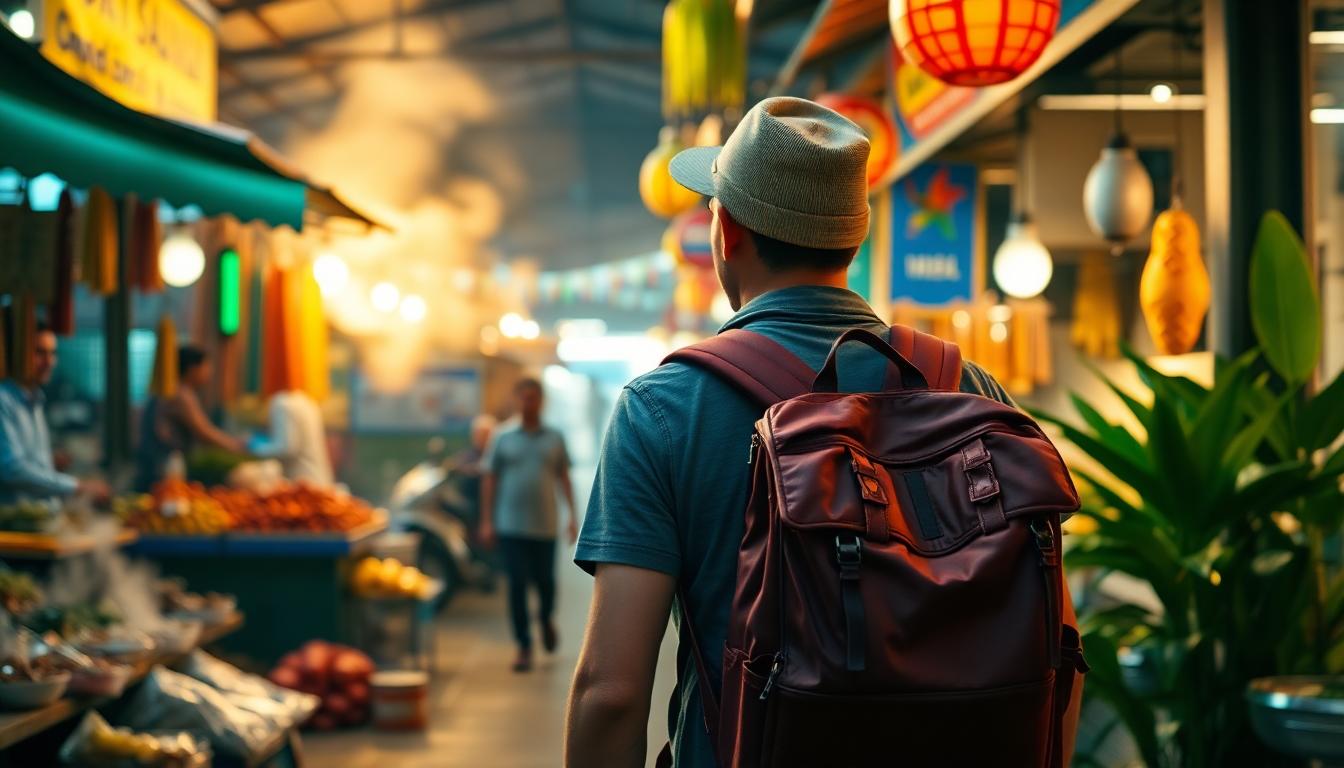 Backpacking Southeast Asia packing checklist 2025: Travel light and move freely. Image created with AI.
Let’s break down the key packing categories: your bag and organizing tools, what clothes to carry for unpredictable weather and culture, and the must-have tech and security items that keep you safe and powered up.
Backpack and Organization Gear
Packing well starts with the right bag—and how you use it. A lightweight 40L backpack is the ultimate Southeast Asia travel workhorse. It fits airline carry-on rules (saving $50 to $100 per trip in baggage fees, as cited by Travel + Leisure), can handle a month’s worth of essentials, and keeps you nimble on every kind of transport.
Here are my top organization picks for the backpacking Southeast Asia packing checklist 2025:
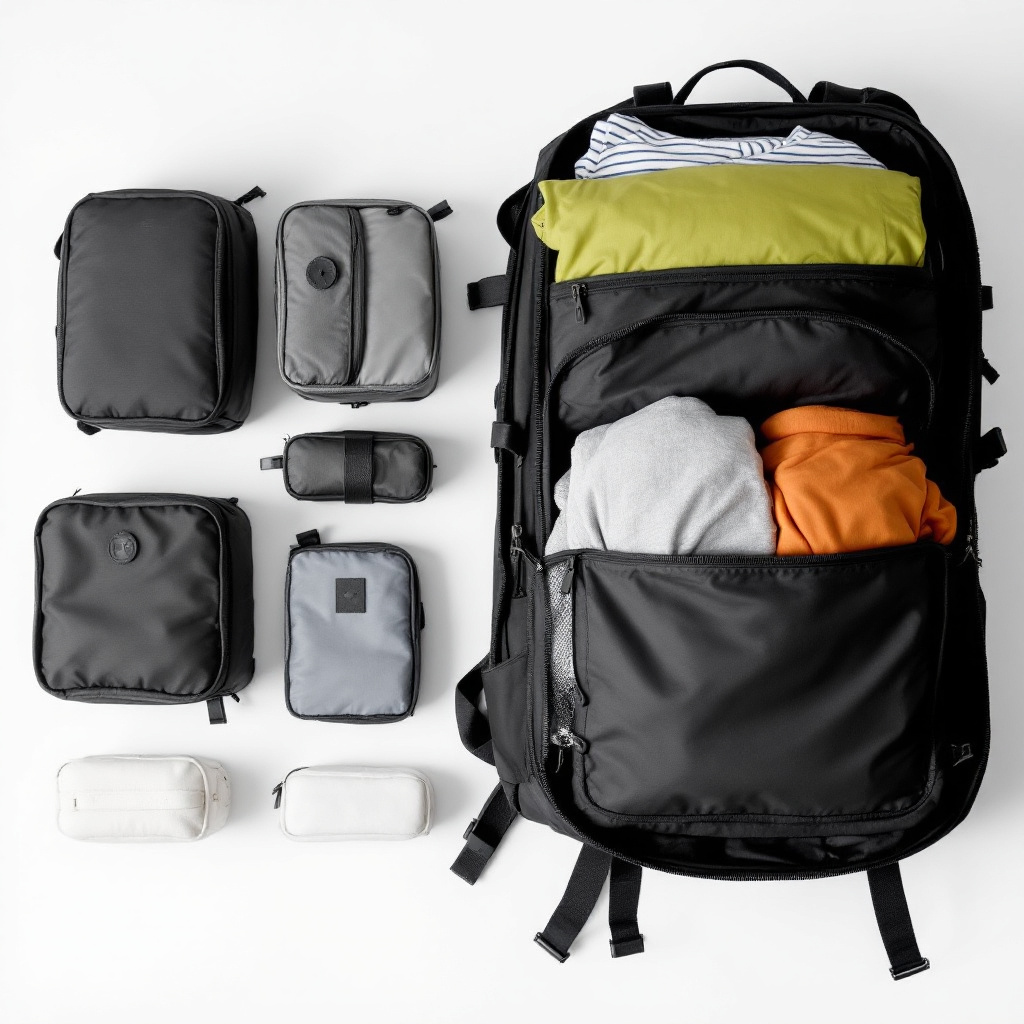
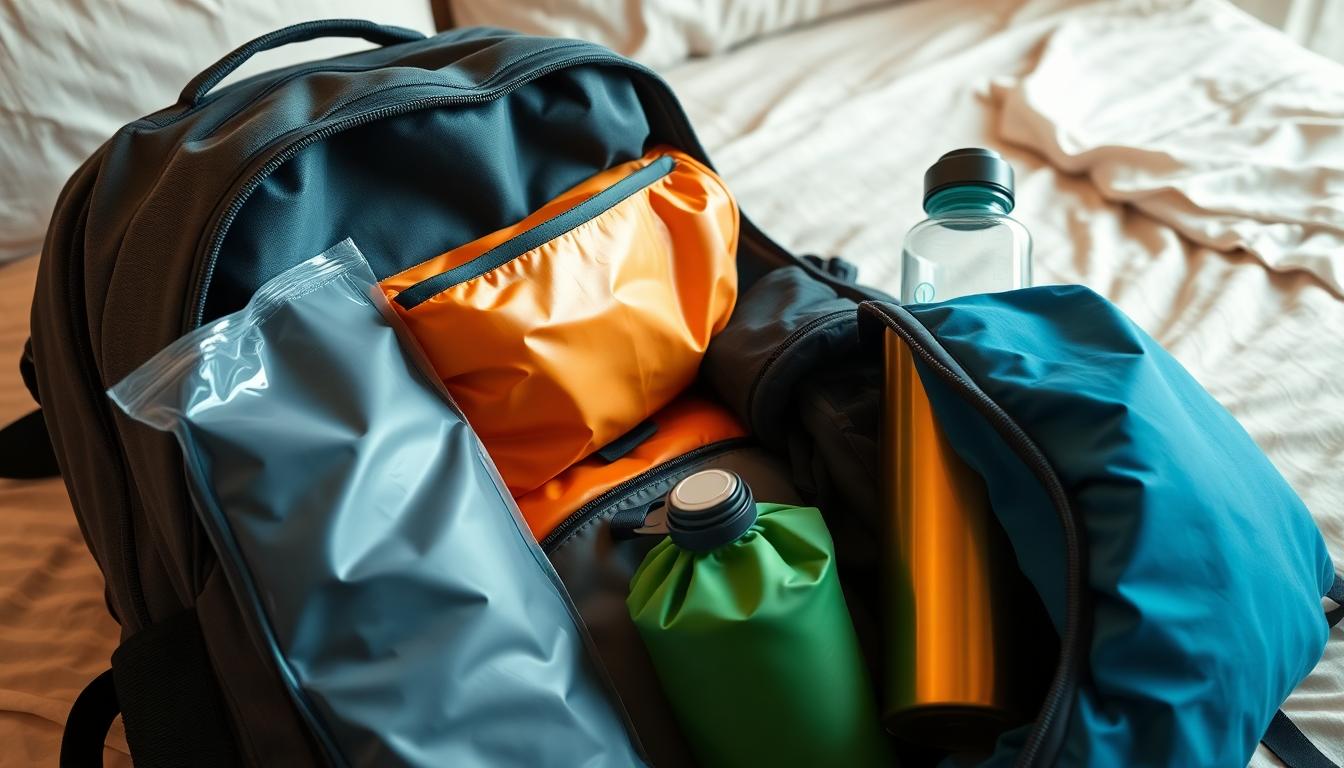 Efficient packing with organization tools. Image generated by AI.
Must-have Backpack & Gear
- 40L Backpack ($50–$100): Brands like Osprey Farpoint 40 or REI Trail 40 are favorites. They’re tough, distribute weight well, and pass carry-on size checks. See the Osprey Farpoint 40L on Amazon.
- Packing Cubes ($15–$30 for a set): These little compartments keep your clothes organized and compress bulk to save space. It’s much faster to find your shirt or shorts in seconds.
- Dry Bags ($10–$25): A small waterproof bag protects your electronics during boat rides or sudden downpours—a regular event.
- Money Belt ($10–$20): Wear it under your clothes for peace of mind. Keeps cash, passport, and cards close when you’re on the move.
- Travel Locks ($7–$15): Hostel lockers are common, but not always secure. Bring a TSA-approved lock and a steel cable lock for gear.
How this setup saves money and stress:
- You skip checked luggage fees.
- All gear stays organized and dry, even in monsoon rains.
- Valuables are always close, making theft or misplacement less likely.
For deeper ideas and more detailed examples, check out this ultimate Southeast Asia packing list full of savvy gear choices.
ItemCostPurposeBest For40L Backpack$50–$100Carry-on, all main gearBudget, solo, sustainable travelPacking Cubes$15–$30Organize, compress clothesFast re-packing, hostel livingDry Bag$10–$25Waterproof valuablesBeach, adventure, rainy seasonsMoney Belt$10–$20Hide cash, passport, cardsTheft-prone areas, busy marketsTravel Locks$7–$15Secure backpack/lockersHostels, buses, trains
Clothing and Accessories
Southeast Asia is a mix of tropical sun, heavy showers, busy streets, and temple visits. Your clothes need to handle it all. The secret? Think minimal and multi-purpose, then choose lightweight, quick-drying fabrics that let you stay cool and look decent at both a night market and a temple.
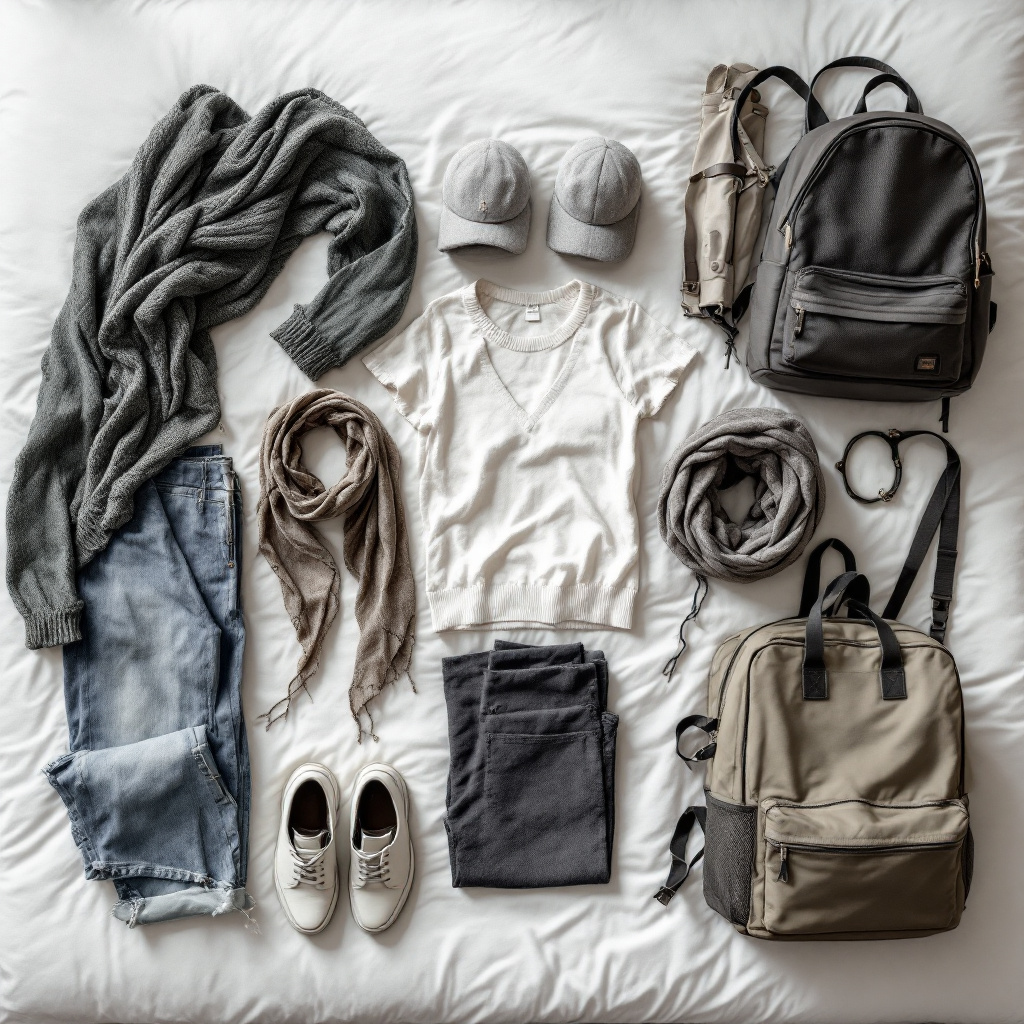
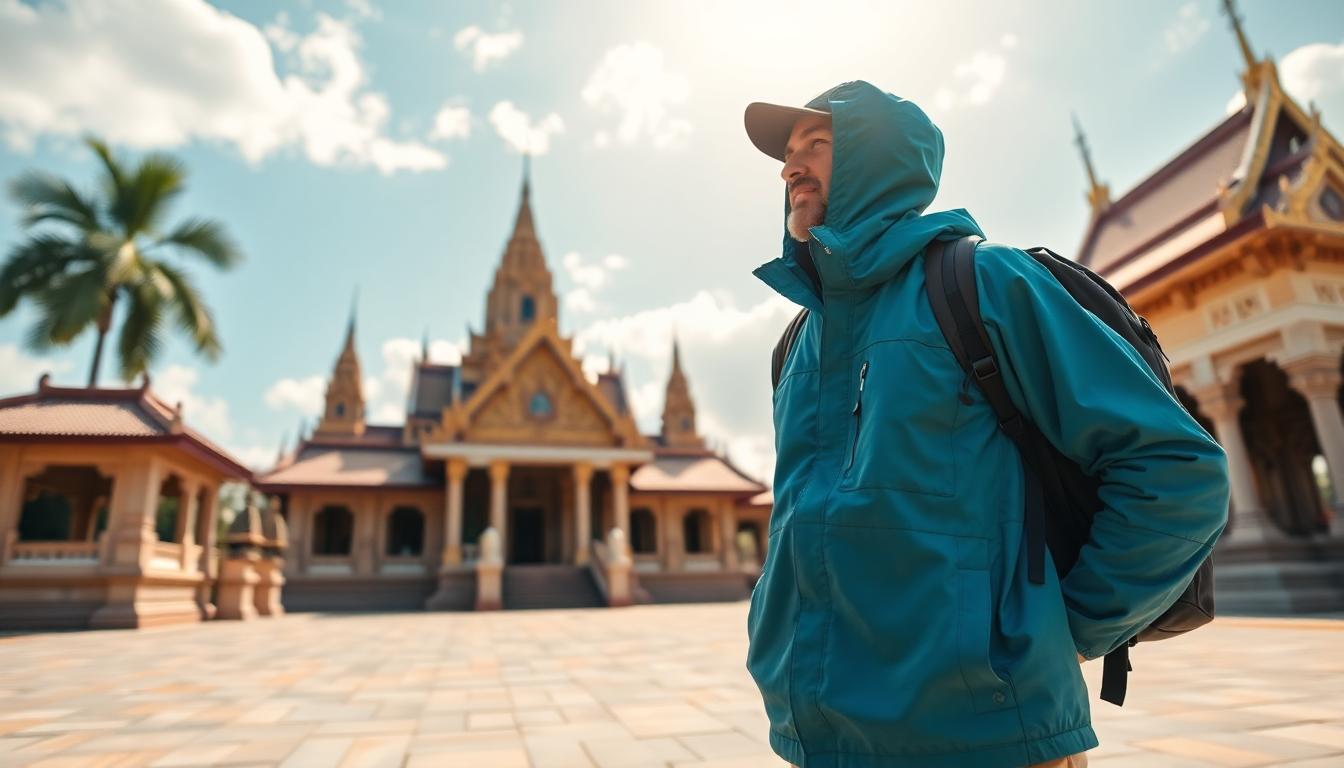 Travel-ready clothing for temples, jungles, and street food runs. Image created with AI.
What to pack for 2025:
- 5–7 Pieces Clothing:
- Shirts (3–4): Go for merino wool, bamboo, or recycled poly. Quick-dry and odor-resistant is key. Many eco-friendly brands like Patagonia, Cotopaxi, and prAna hit the mark.
- Shorts (2): Lightweight, neutral colors, easy to wash.
- Long-sleeve shirt or lightweight sweater (1): For chilly buses, hiking, or extra sun coverage.
- Pants or long skirt (1): Required for temples or pretty much any indoor setting with AC.
- Rain Jacket (1): Monsoon happens when you least expect it. Try brands with waterproof but breathable fabrics.
- Swimwear (1): Double as shorts or sports bra if needed.
- Footwear:
- Flip-Flops ($5–$15): For hostel showers and beach days.
- Sturdy Sandals ($15–$40): Walk Bangkok’s old streets or beach-hop with molded EVA sandals like Teva or Chaco.
- Lightweight Sneakers ($20–$60): Best for city walks and light trekking.
- Accessories:
- Hat (sun protection)
- Buff or Scarf (for style, sun, modesty)
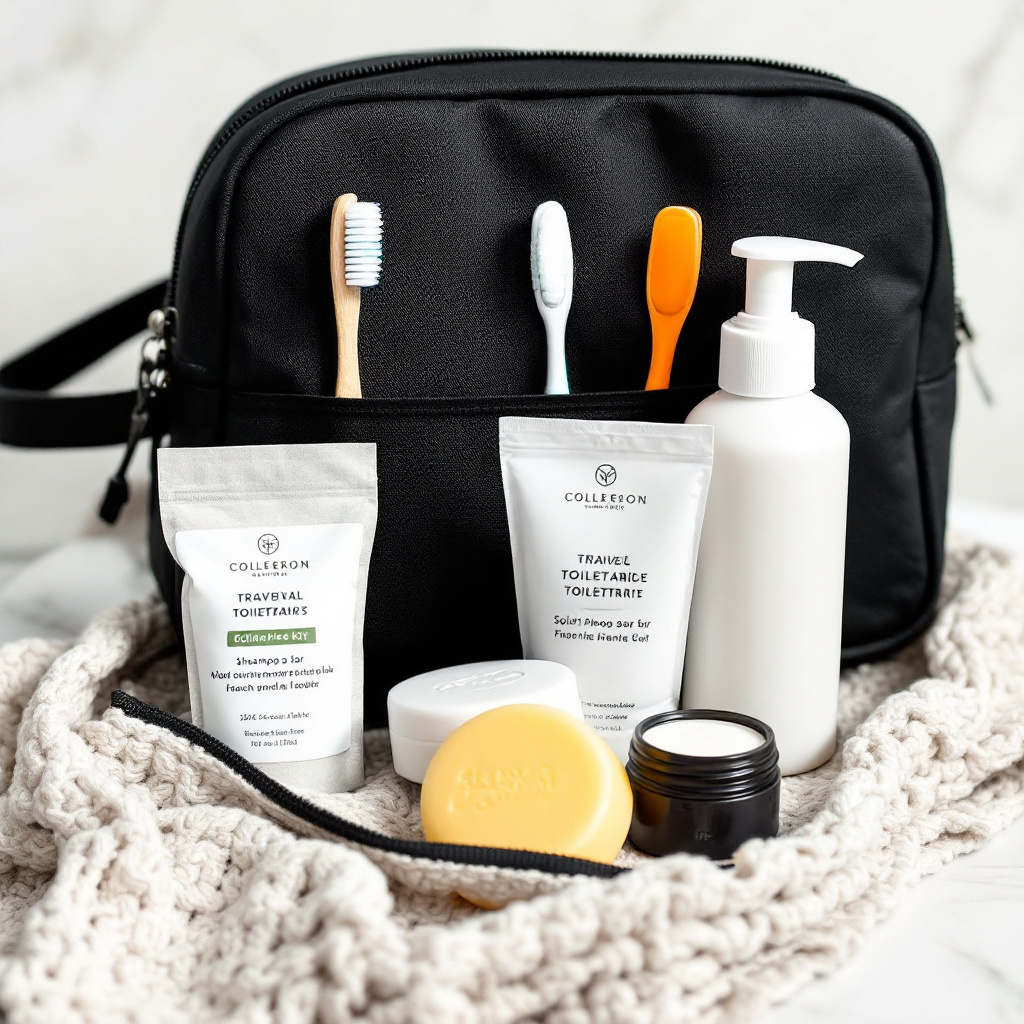
- Eco-friendly Toiletries (natural bar soap, bamboo toothbrush, refillable bottles)
Cost estimates per item can shape your budget: Most quick-dry shirts run $15–$30, while quality sandals and shoes can vary but often fall below $40. Sustainable brands are a little pricier but last longer and are better for the planet. If you care about responsible gear, I highly recommend looking into eco-friendly travel tips—the investment pays off every day you don’t toss plastic or polyester away.
For extra inspiration, this detailed packing guide for female travelers is worth a peek.
Safety and Tech Essentials
Staying safe, healthy, and connected might sound tough on a $30/day budget, but compact essentials keep your trip smooth.
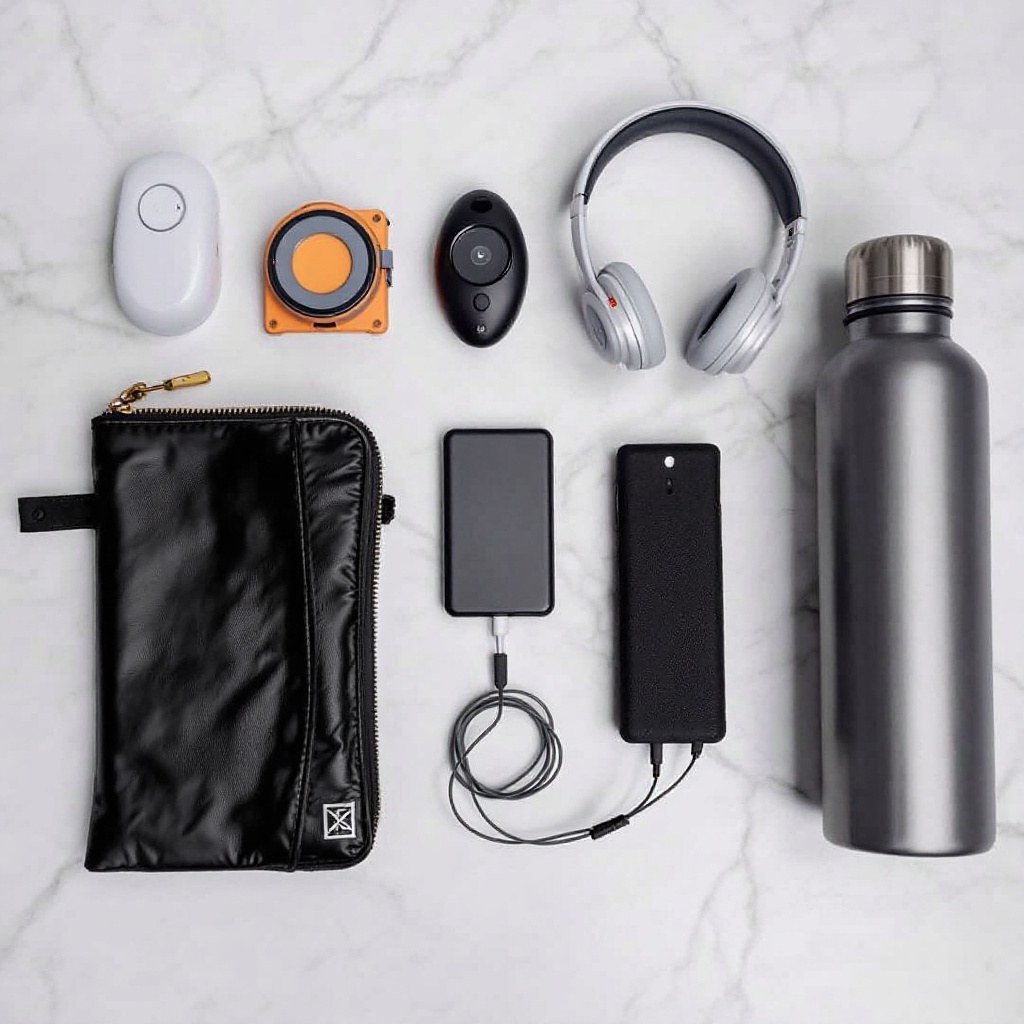
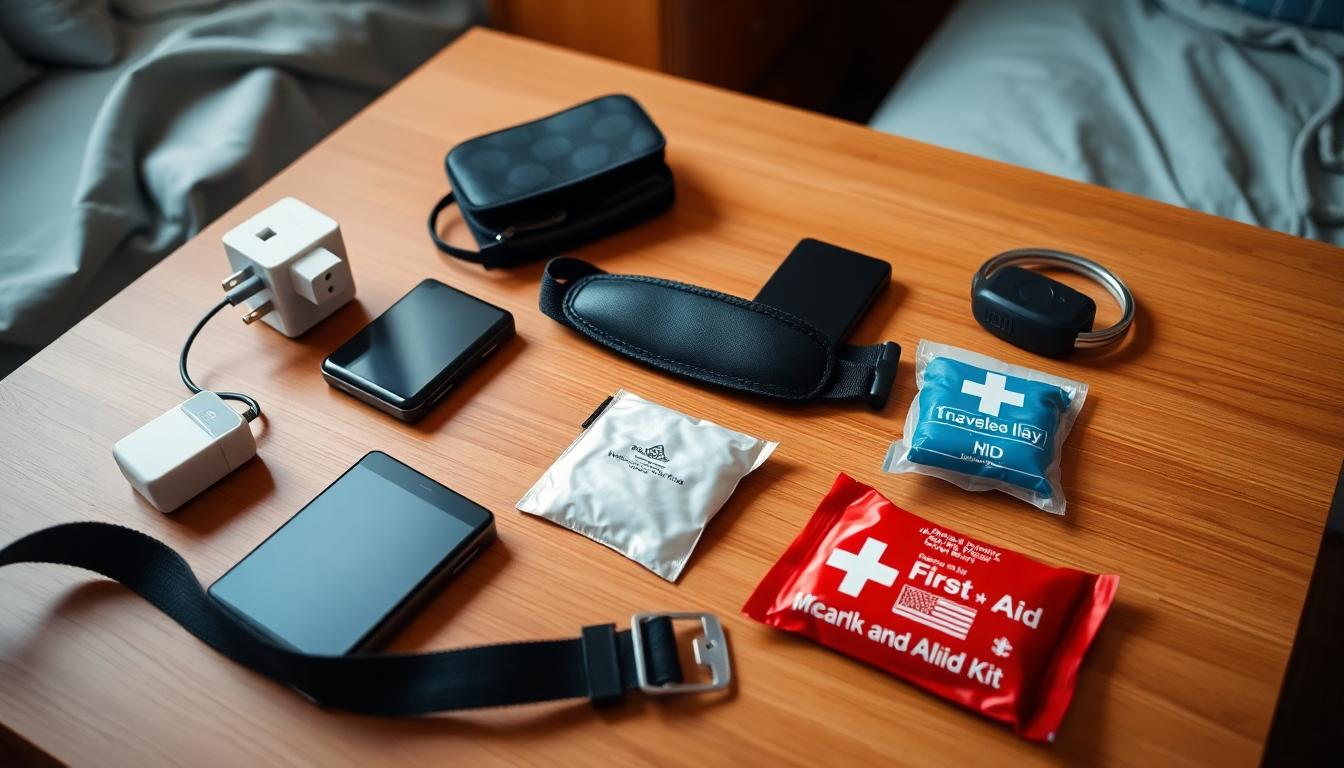 Safety and tech: Compact, simple, and essential. Image created with AI.
Safety and tech gear to include:
- Portable Lock ($5–$15): Hostel locker security when keys are iffy.
- Money Belt or Neck Wallet ($10–$20): Daily peace of mind, especially for solo or female travelers.
- Universal Adapter ($10–$25): Southeast Asia power outlets come in every shape. See this universal adapter on Amazon.
- Power Bank ($20–$40): For phones and cameras—stalls and trains don’t always have outlets.
- Water Purifier ($20–$40): Drink safely from taps and save hundreds on bottled water. LifeStraw or Steripen are favorites (and eco-friendly).
- Travel Insurance: An absolute must. Many travelers skip it, but a single mishap can cost hundreds. For rates and tips, check The Blonde Abroad’s insurance guide.
- First-Aid Kit ($10–$30): Bandaids, antiseptic, bug spray, and medication. See examples at REI’s travel section.
For solo and female backpackers, these are non-negotiable. Sites like The Blonde Abroad stress their value, alongside up-to-date SIM cards, eSIM plans, and location-sharing travel apps like Maps.me or Google Offline Maps.
I also recommend browsing this expert gear checklist for more thorough travel accessory ideas.
Keep these three categories in mind and you’ll find backpacking Southeast Asia in 2025 on a $30/day budget totally doable—efficient, rewarding, and way more freeing than lugging a massive suitcase. The goal is simple: less stuff, fewer worries, more adventure.
Tips for Minimalist Packing on $30/Day
There is something almost liberating about seeing your life distilled into a single, nimble pack. Minimalist packing isn’t just about saving money on baggage fees. It’s about cutting stress and feeling free, with every item you carry actually earning its keep. When I committed to just $30 a day in Southeast Asia, every piece of gear had to be useful, dual-purpose, and built for different adventures. Here’s how I make minimalist packing work on a strict budget, with tips you can put into play before you even zip that final pocket.
 Minimalist packing for Southeast Asia: efficient and adaptable. Image created with AI.
1. Start With a 40L Carry-On
This is the cornerstone of minimalist travel. I never pack a bigger bag than I can physically carry up a flight of stairs or wedge under my hostel bunk. At about 40 liters, it fits carry-on limits and means I skip those $50–$100 checked bag fees (as reported by Travel + Leisure). My go-to is a front-loading backpack so I can reach everything fast, even when the hostel room is dark or crowded. If you need one, check out the Osprey Farpoint 40L for a packing solution that never holds you back.
2. Pack Multi-Use, Quick-Dry Clothing
I look for clothes that breathe, resist odors, and dry in a single night—ideally ones that pull double duty. A lightweight button-down can become a sun cover, a dinner shirt, or a temple-ready top. I focus on these basics:
- 3–4 shirts (merino wool or synthetics)
- 2 pairs of shorts
- 1 pair of long pants or skirt
- 1 rain jacket
- 1–2 swimsuits
- 1–2 pairs durable shoes (sneakers and sandals)
- Flip-flops for showers and beach days
This approach keeps my laundry light and my pack organized. Plus, it means I can adjust easily from jungle treks to temple visits—no overthinking required. For more ideas on smart travel clothing, the packing guide from Memoirs of Acacia gives even more options tailored for Southeast Asia’s climate.
3. Limit Toiletries and Go Eco-Friendly
You’ll find shampoo and soap in most places, but I stick to solid bar toiletries (they last forever and never leak). A bamboo toothbrush, refillable silicone containers, and a small deodorant save space and waste. A travel towel, like this microfiber one, dries fast and rolls down to the size of a sandwich. Local laundries are everywhere, making it easy to rewear basics rather than over-pack. To dive deeper into eco-travel essentials, see sustainable travel gear ideas.
4. Choose Compact Safety and Tech Gear
A small, well-packed organizer pouch holds all my tech and safety essentials. I never skip:
- Money belt or neck wallet for valuables
- Travel insurance docs and backup cards
- Universal adapter (see this model)
- Water purifier or reusable bottle (LifeStraw options cut down on single-use plastic)
- Lightweight first-aid kit
Most of these weigh less than a paperback, but they save me time and money. A power bank keeps my phone alive on long rides. I never forget offline Google Maps, or Maps.me for navigation when Wi-Fi gets sketchy.
5. Roll, Don’t Fold—And Use Packing Cubes
I roll every shirt, sock, and pair of shorts, using compression cubes to shrink laundry and keep things neat. Packing cubes are the difference between chaos and calm, especially when you’re sharing small hostel rooms. They also mean repacking for overnight travel or border crossings is quick and frustration-free. For an in-depth breakdown, check out this step-by-step packing list for Southeast Asia.
Minimalist Packing at a Glance
Here’s a simple checklist for ultra-light travel:
ItemWhy It’s Essential40L carry-on backpackSaves baggage fees, keeps load manageable5–7 versatile quick-dry clothesHandles any weather or activityCompact tech and safety gearEnsures security, power, and connectivityEco-friendly toiletriesSpace-saving, earth-friendly, simplePacking cubesEasy organization, faster packing
Minimalist packing isn’t just a style—it’s a mindset that pays off every day you’re abroad. Each piece I carry helps stretch my $30/day budget and gives me more mental space for adventure. If you want to read more tips on travel budgeting, see my hand-picked budget travel advice.
 Daypack and travel gear: minimalist, efficient, and ready for anything. Image created with AI.
For the best experience, remember: every item should earn its space in your backpack. If it doesn’t serve at least two purposes or make your travel life better, it probably isn’t worth packing. Minimalist packing in Southeast Asia means more freedom, more savings, and fewer headaches—exactly the spirit of the region’s backpacker crowd.
Why Light Packing Enhances Your Backpacking Adventure
Packing light is more than just a travel hack—it’s the secret ingredient that transforms a good trip into a truly freeing experience. When I set out with my updated “Backpacking Southeast Asia packing checklist 2025,” I quickly realized how choosing to carry less boosted every part of my journey. Ditching heavy, unnecessary gear gave me mobility, peace of mind, and the adaptability every budget backpacker dreams of. Here’s how light packing can redefine your adventure across Southeast Asia.
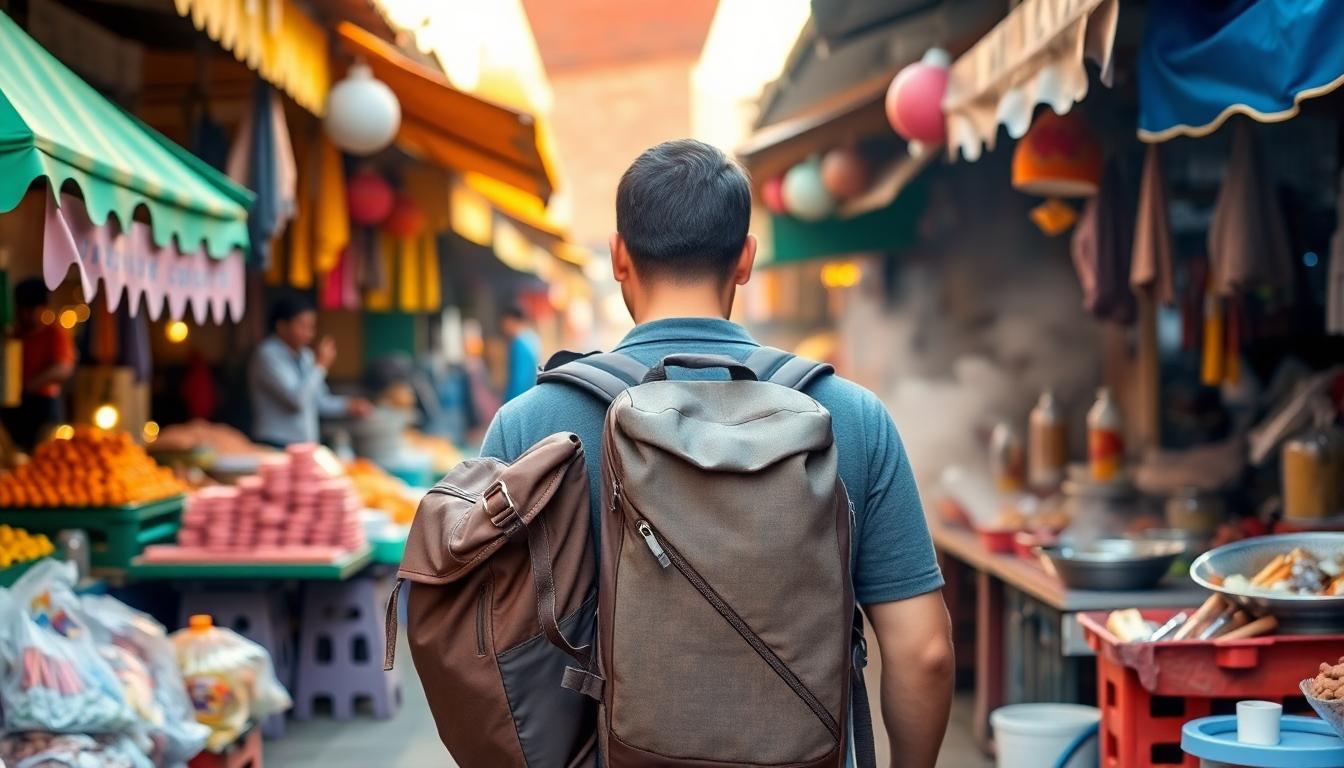 Backpacking Southeast Asia packing checklist 2025: The freedom of movement with just a 40L pack. Image created with AI.
Save Money and Skip Travel Hassles
Minimalist packing immediately pays off where it counts: your wallet. Airlines in Southeast Asia now charge $50 to $100 per checked bag on most routes, according to sources like Travel + Leisure. Keeping my gear to a single 40L backpack—which always fits overhead bins and local buses—meant I avoided these fees on every leg of my trip.
Beyond saving cash, packing light keeps you nimble:
- No need to arrive early for bag drop.
- Buses and tuk-tuks are a breeze when you’re not wrangling a suitcase.
- Hostels and guesthouses respect travelers who check in without dragging a small cargo ship through reception.
I saw travelers wrestling with rolling luggage down narrow market alleys or busy train platforms. All I had to do was grab my backpack and go. The more flexible you are, the wider your travel options become.
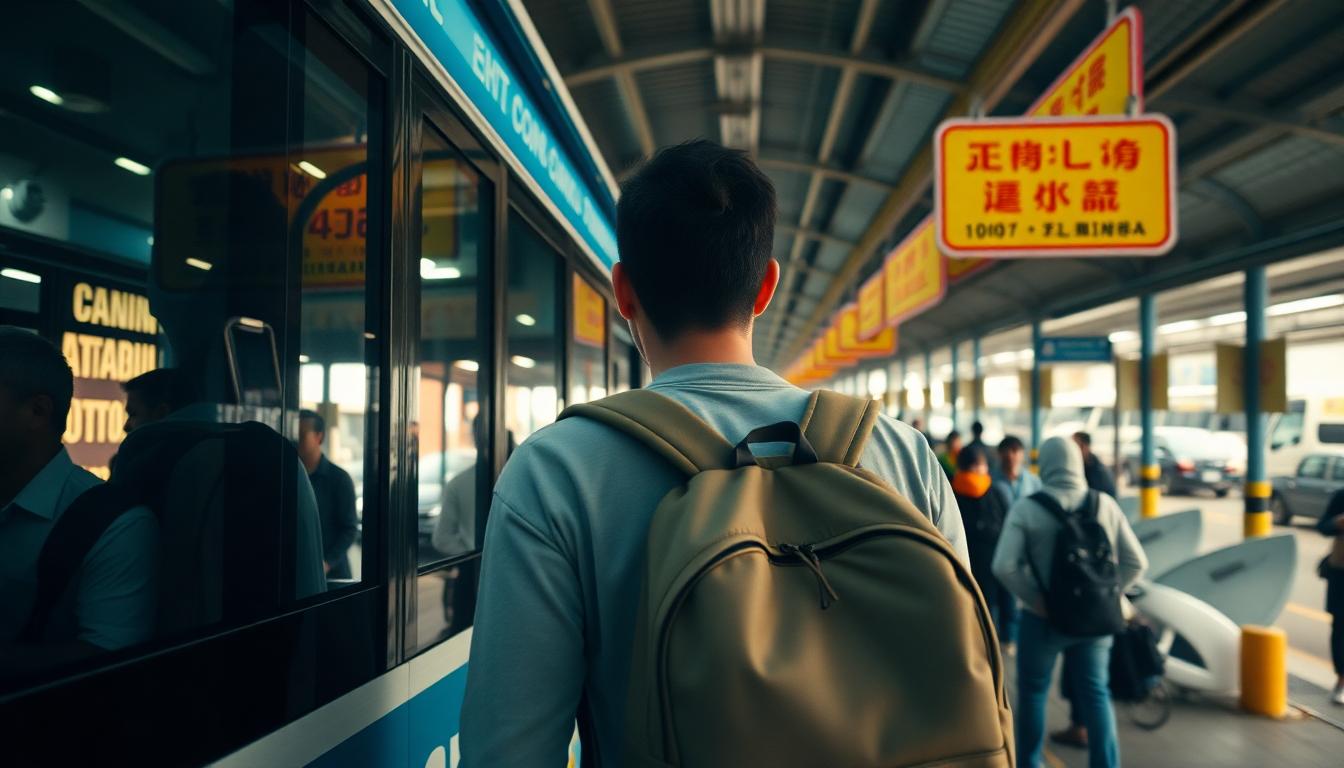 Light packing: get where you want, when you want. Image created with AI.
Stress Less, Experience More
I can’t overstate the relief of not worrying about lost baggage or waiting endlessly at claim areas. Southeast Asia’s chaotic travel infrastructure rewards those who can move fast and adapt. With just essentials, I breeze through customs, rarely face size checks, and can grab the first available ride—bus, boat, or motorbike.
A lighter load means more energy to soak in the moment. Instead of scanning airport conveyor belts or wrestling overstuffed bags into hostel lockers, I start my adventures sooner, whether it’s chasing sunrise over Angkor Wat or sampling night market treats.
Stay Organized and Ready for Anything
When every item in your pack has a clear purpose, you spend less time searching and more time savoring. I rely on a few key organizational tools (packing cubes, a dry bag for electronics, and a money belt) to keep my stuff secure and accessible. The simplicity makes everything less chaotic—repacking takes five minutes, and nothing important ever gets buried or forgotten.
Here’s what this discipline looks like, organized for quick scanning:
- Easier to keep valuables secure
- Clothes stay clean longer, thanks to fewer items and more frequent laundry
- Less weight lowers your risk of back pain or fatigue
A clear, minimalist setup leaves space for spontaneous trip changes—like tacking on a last-minute island hop or hitching a ride to an out-of-the-way festival.
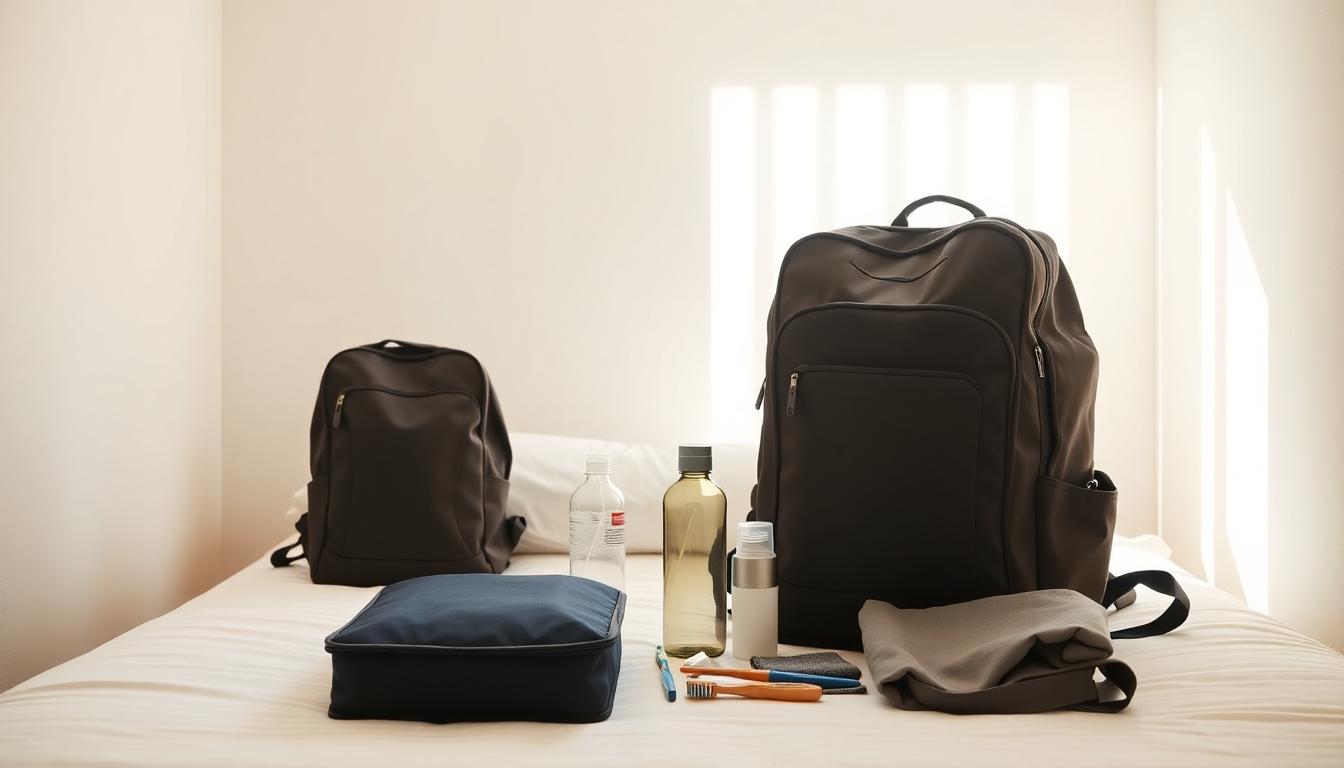 Everything you need—and nothing extra. Image created with AI.
Boost Sustainability and Mindful Travel
Light packing pairs perfectly with the sustainable heartbeat of Southeast Asia’s backpacker scene. I choose reusable water bottles, bar soap, bamboo toothbrushes, and multi-use clothing. This does more than cut down on plastic—it lets me travel with a clearer conscience, leaving a smaller footprint in places that matter to locals and travelers alike.
Research from Skift shows that 45% of budget travelers in 2025 aim for more sustainable choices. By stripping my pack to just what I truly need, I support local laundry businesses, reduce waste, and reflect the mindful travel spirit valued by the communities welcoming me.
Unlock True Freedom and Adventure
Light packing was my ticket to deeper, more authentic adventures. With less to lug, I joined locals on spontaneous hikes, navigated hidden alleyways in old towns, and never hesitated to switch hostels or grab a last-minute sleeper train. Everything felt easier and more spontaneous. Trying to cover Southeast Asia on $30/day just wouldn’t happen with a big, overstuffed bag.
Key benefits at a glance:
- Save $50–$100+ on every flight or bus.
- Move comfortably through crowded markets, hostels, and city streets.
- Stay organized and ready for sudden plan changes.
- Reduce waste and travel more sustainably.
- Gain mental and physical freedom to explore further.
For more insight on minimalist, efficient travel, see the collective wisdom from Nomadic Matt’s Southeast Asia Budget Travel Guide and the personal tips at The Blonde Abroad.
Ready to experience the mobility and freedom of true minimalist travel? Each ounce you leave behind gives you more room for adventure.
FAQs About Backpacking Southeast Asia on $30/Day in 2025
Backpacking Southeast Asia on a $30/day budget in 2025 has never been more achievable, but questions always pop up before you set out. This isn’t just a survival game or a no-frills challenge—$30 a day lets you soak up culture, community, and freedom if you pack light and make smart choices. Here are the answers to the most common questions I get from fellow travelers about my own experiences and what you can truly expect.
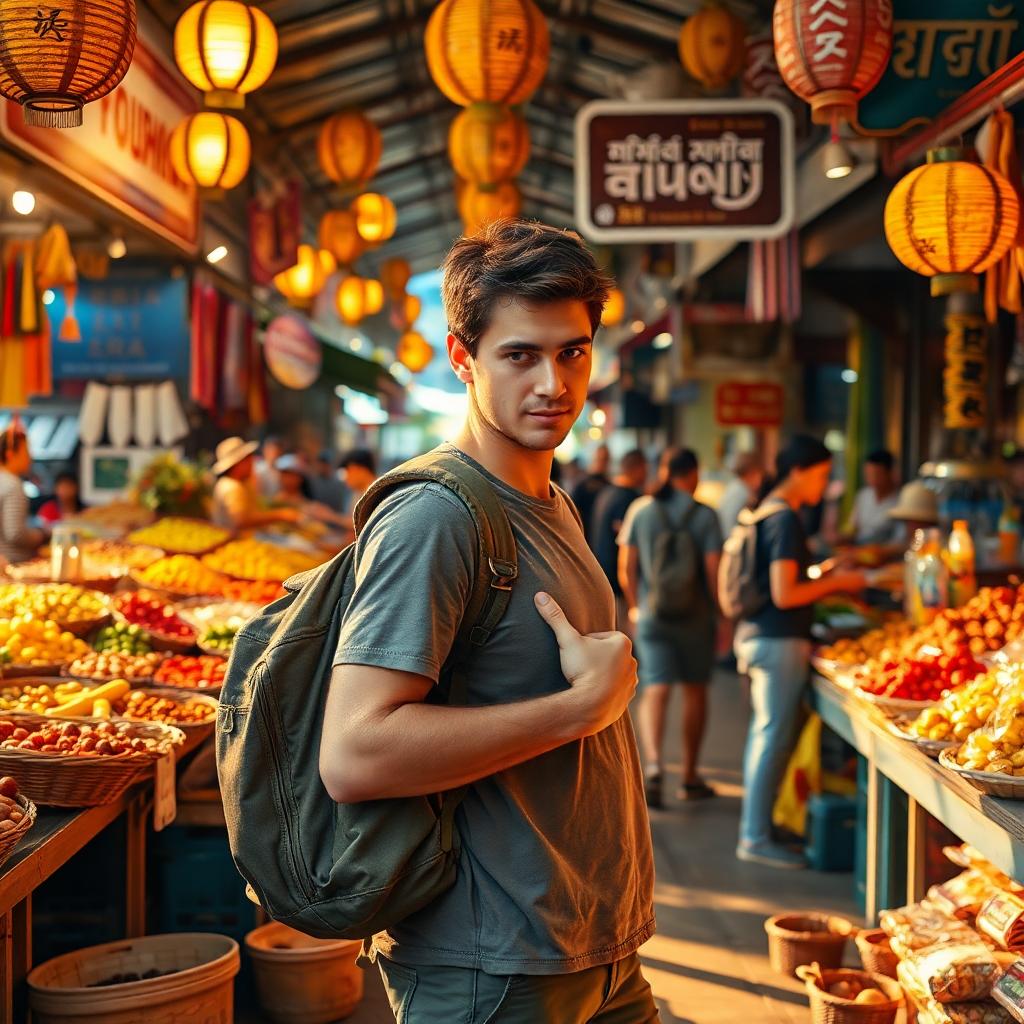
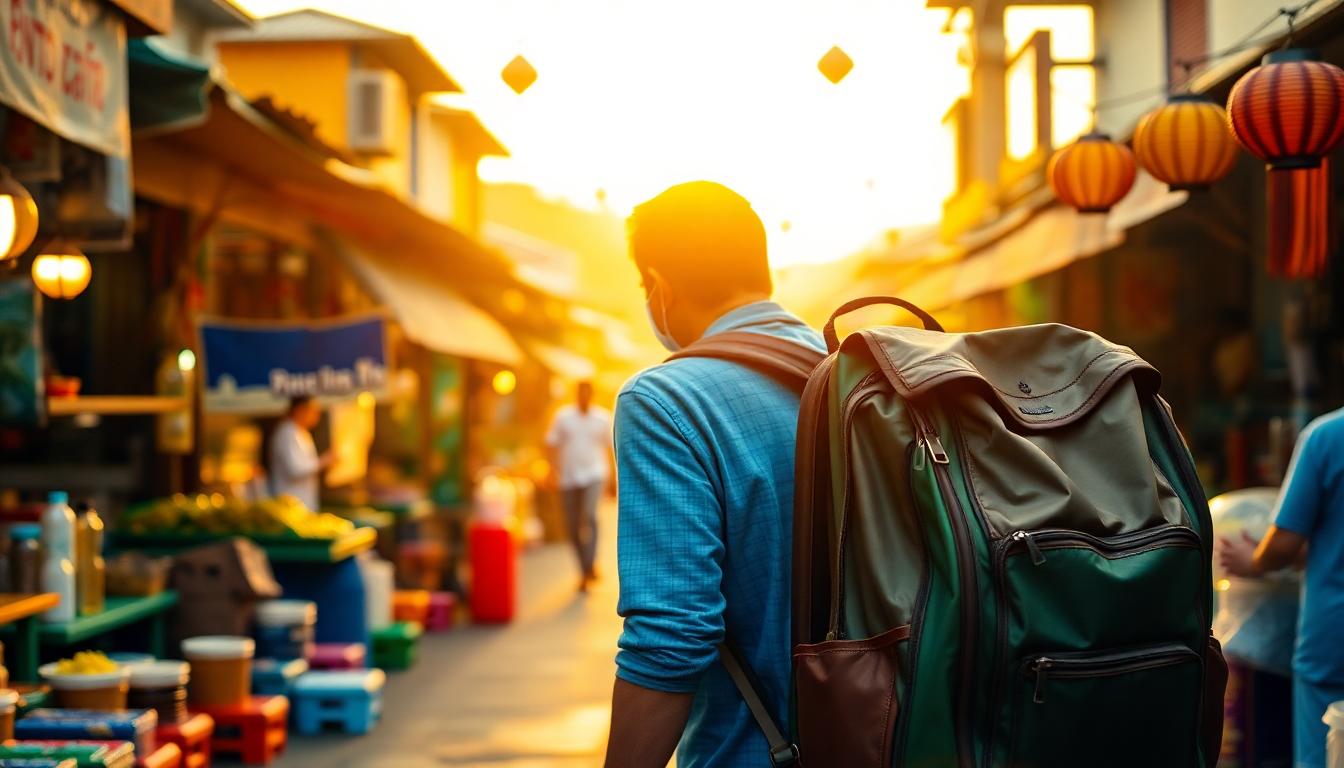 Street markets and backpacker essentials—this is what my $30/day adventures look like. Image created with AI.
Can I really travel Southeast Asia for $30 a day in 2025?
Absolutely. With careful planning, you can cover hostel stays ($7–$15/night in most areas), local meals for $1–$3, and local transport for not much more. I keep my spending in check by eating street food, riding night buses, and choosing activities that deliver the most value, like free temple visits and scenic hikes. Resources like Nomadic Matt agree that $30 covers a day easily, especially if you travel outside the major tourist hotspots.
What’s the ideal backpack size and style?
A 40L carry-on backpack (like the Osprey Farpoint or REI Trail 40) fits budget airlines’ strict rules and makes hostel life easier. This size lets you pack all your essentials without going overboard, and it fits on buses, boats, and overhead bins. It’s always the foundation of my minimalist Southeast Asia packing checklist.
What are the must-have items for my packing checklist?
You’ll want:
- 40L carry-on backpack
- 5–7 pieces of clothing (quick-dry, layers for temple visits)
- Compact rain jacket
- Reusable water bottle
- Travel towel
- Power bank
- Universal adapter
- Basic first-aid kit
- Money belt or neck wallet
- Portable lock
For a more detailed comparison of items and costs, Green Eyed Traveller’s packing guide is a good reference, especially for eco-conscious travelers.
How do I keep costs low without missing out?
Focusing on street food, walking or using public transport, and booking hostels directly is how I stretch every dollar. I plan activities around free attractions and always check traveler recommendations on popular routes (many can be found on Reddit’s travel forums). Traveling slowly instead of rushing between destinations saves both money and stress.
Is Southeast Asia safe for solo backpackers?
Yes, Southeast Asia remains one of the world’s most welcoming regions for solo and female travelers. While petty theft can happen in crowded markets or on transport, using a money belt and being mindful of your belongings is usually enough. I also look for hostels with solid online reviews and travel with basic travel insurance. For more safety tips and solo travel confidence, The Blonde Abroad has specialized advice for women and first-time backpackers.
What are typical daily costs I should plan for?
Here’s a quick breakdown:
ExpenseTypical Daily Cost (USD)TipsHostel dorm$7–$15Book direct, check reviewsFood (street)$4–$8Stick to local eateriesTransport$2–$6Use buses, metro, rideshareActivities$3–$8Mix free sights, budget toursTotal$16–$37$30/day is realistic!
Some days you’ll spend a bit less, some a little more, especially if you add a splurge like a national park or a ferry ride. Frequent cost updates and tips can be found at Indie Traveller’s cost breakdown.
Should I book hostels, buses, and tours ahead?
During peak season and for must-see spots, I book hostels and night buses in advance. For most destinations, booking on the fly saves money and opens doors to local guesthouses. Apps like Hostelworld and 12Go Asia are my go-tos for real-time bookings. I also recommend checking out this ultimate planning guide for route inspiration.
Is travel insurance really necessary?
Yes—it’s not just for medical emergencies, but also flight interruptions, lost luggage, and unexpected plan changes. Reliable coverage starts at $40–$80 for a month, depending on your provider and activities. If you’re comparing options, Travel + Leisure offers good tips on picking the right plan.
How do I make my packing more sustainable?
I favor a reusable water bottle (with built-in filter like a LifeStraw), solid bar toiletries, bamboo toothbrush, and minimal single-use plastics. Most hostels now offer refill stations and eco-friendly swaps. For practical, earth-friendly ideas, Memoirs of Acacia’s packing list has even more suggestions.
Conclusion
Traveling with just the essentials is what made my backpacking Southeast Asia packing checklist 2025 so valuable. The freedom I gained from light, minimalist gear gave me more time and money for experiences, not stress. Every item had a real purpose: saving me cash, keeping me mobile, and helping me adapt to the region’s heat, rain, and spontaneous adventures.
If you want to make the most of every dollar, use this checklist as your launchpad. Start planning with IneedMyVacation.com and set yourself up to travel further, enjoy more, and keep your backpack—and budget—lighter in 2025.
Your next adventure begins when you pack smart and trust that less truly means more. Ready to see Southeast Asia the easy, affordable way? Plan your 2025 Southeast Asia backpacking trip with us!
 © 2025 IneedMyVacation.com. All rights reserved.
 Image created with AI: Solo female traveler ready to take on the world with a single carry-on and smart packing.
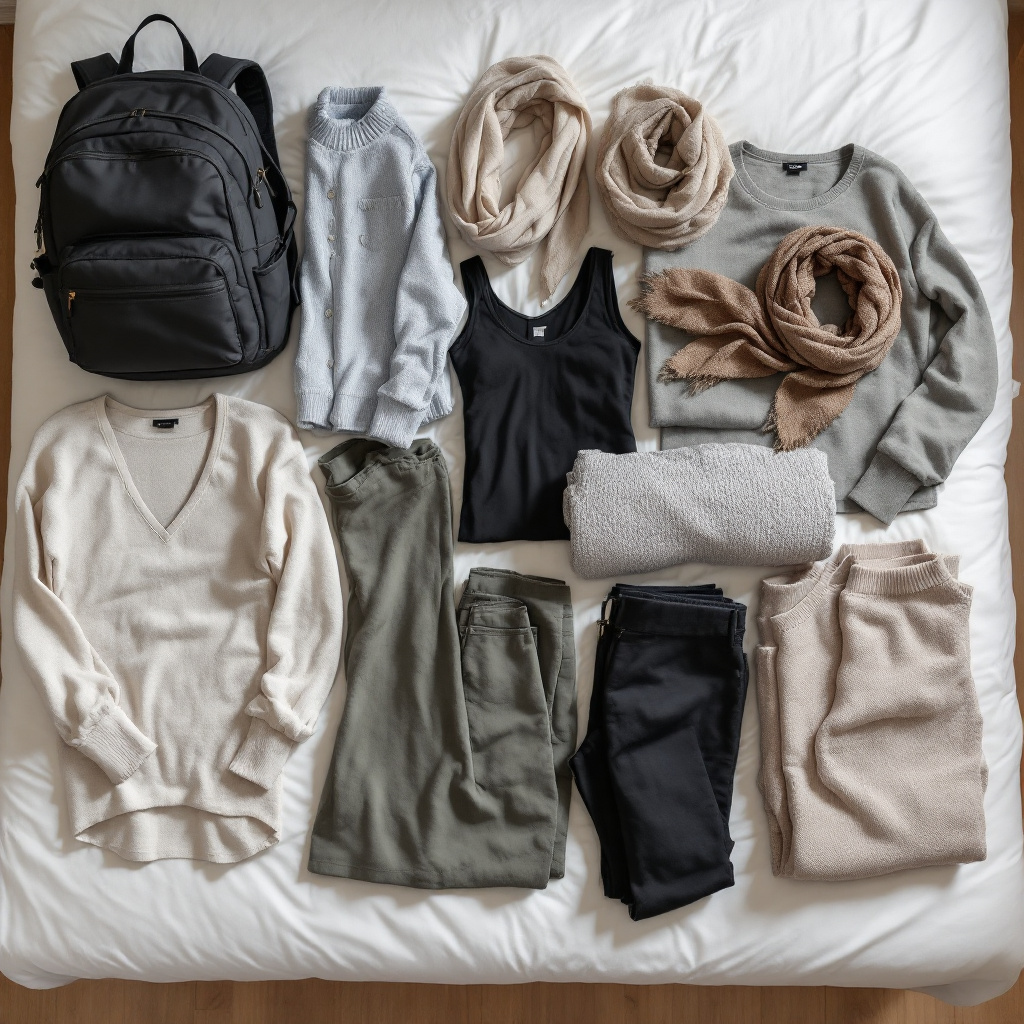 Image created with AI: Capsule wardrobe for stress-free, sustainable travel.
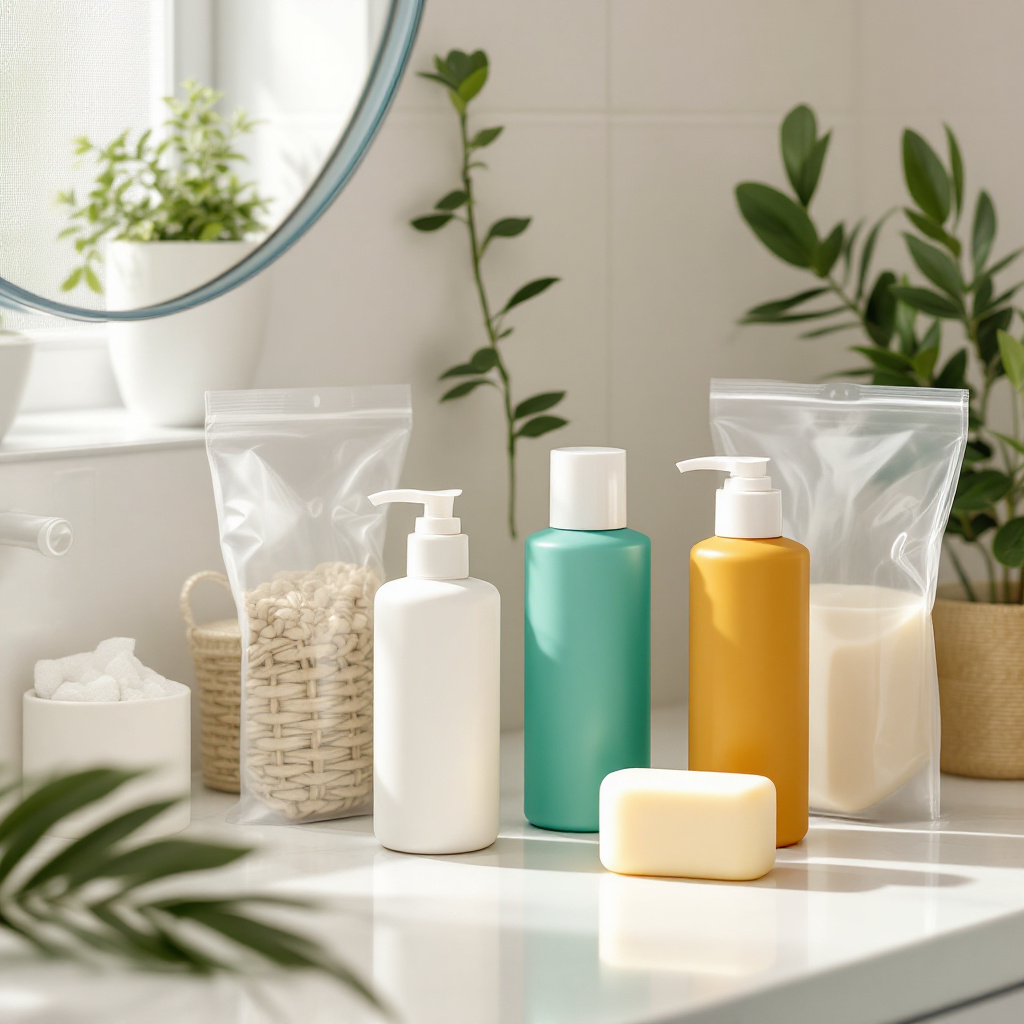 Image created with AI: Eco-friendly toiletries for plastic-free, minimalist packing.
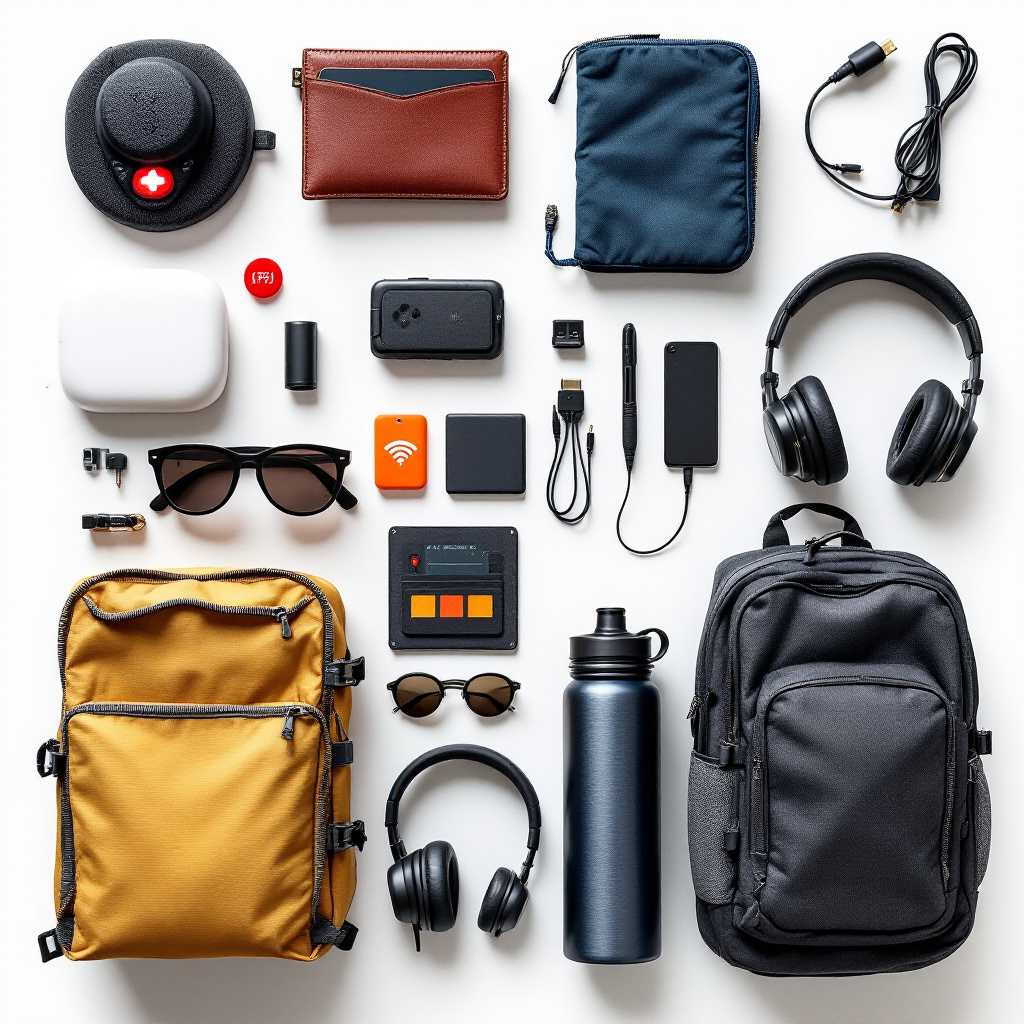 Image created with AI: Must-have safety and tech gear for peace of mind on solo adventures.
 Mastering a minimalist solo female packing list for 2025 means less stress, lower costs, and total flexibility—the ultimate formula for solo trip success. Having traveled alone across continents myself, I can attest that being intentional with your packing makes every part of your adventure lighter and more empowering. Here’s how you can pack light and smart, too.
 ### Step 2: Go Minimal with Toiletries
 ### Step 3: Choose the Right Bag and Packing Tools
 ### Step 4: Prioritize Lightweight Safety and Tech Accessories
 ### Step 5: Use Packing Strategies from the Pros
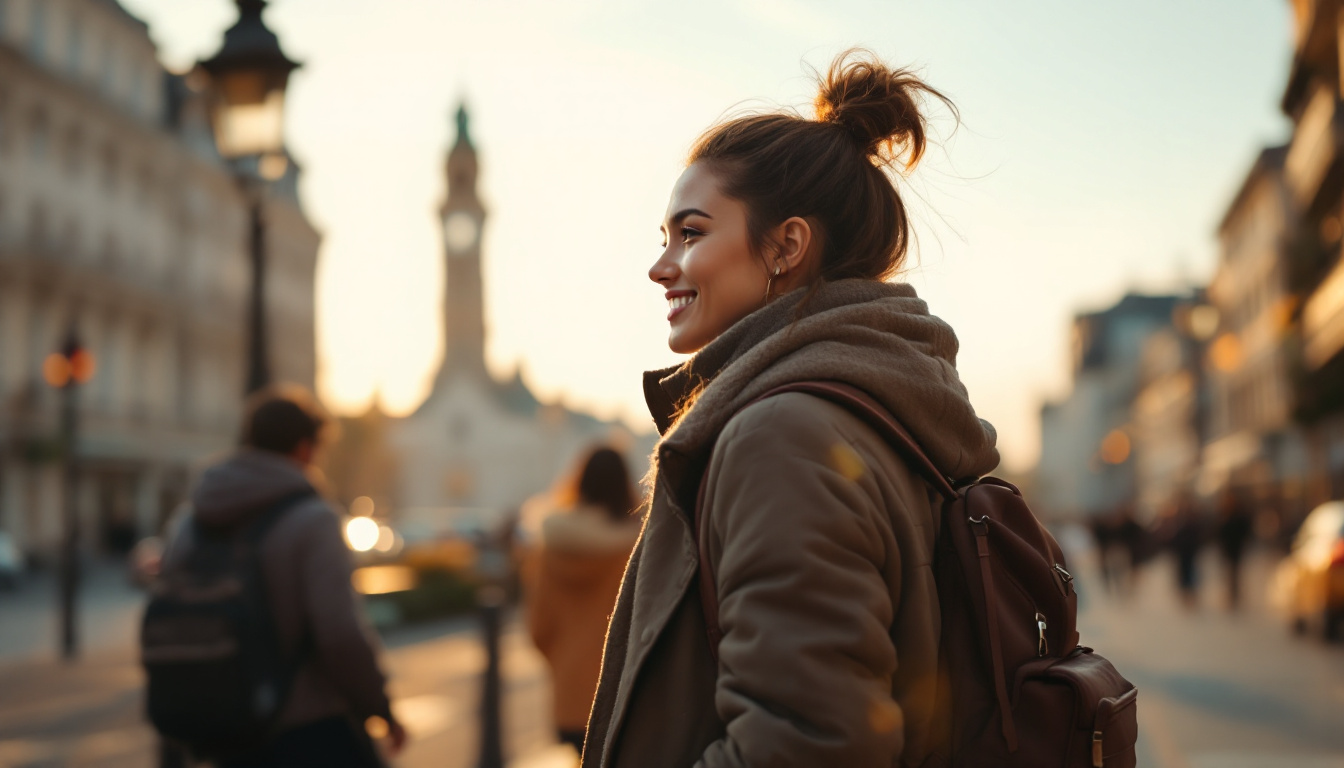 Image created with AI: Confident solo female traveler in Europe with only the essentials for minimalist solo-female packing list 2025.
 © 2025 IneedMyVacation.com. All rights reserved.