
...

IneedMyVacation.com


All-Inclusive Japan Winter Vacation 2026: Snow Temples, Onsens, and Ryokan Packages That Feel Like a Warm Exhale

Snow changes Japan’s sound. Streets get quieter, temple roofs look softer, and even busy stations feel a bit calmer when flakes start sticking. My favorite winter moment is simple: I’m outside in hot water, shoulders loose, watching steam curl into cold air while lantern light warms the snow.

That’s the promise of an all-inclusive japan winter vacation 2026 when it’s done right: less logistics, fewer “did we book that?” stress spirals, and more time for the good parts, ryokan dinners, temple walks, and soaking until your hands prune.

This style of trip is for:

  • Couples who want romance without planning fatigue
  • First-timers who want help with trains, transfers, and pacing
  • Families who need meals handled and nights predictable
  • Solo travelers who want support, but still want freedom
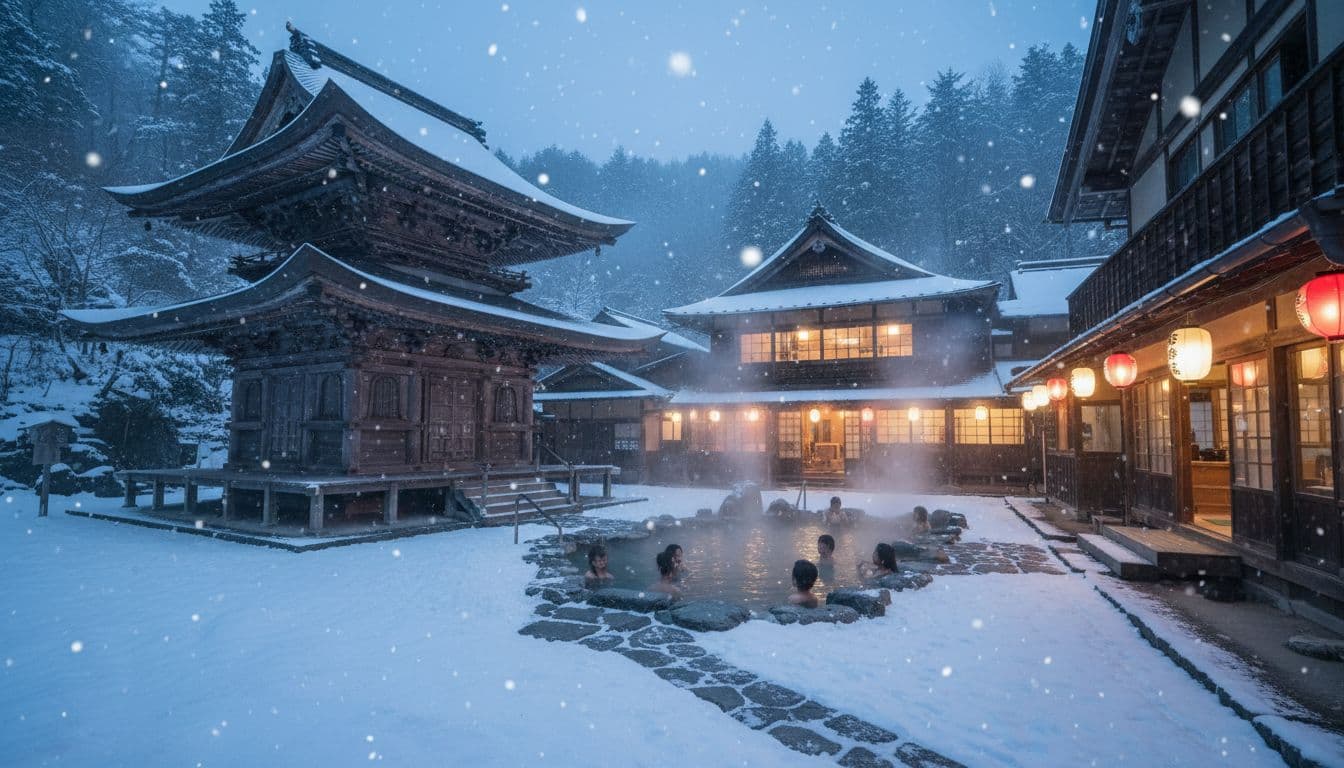
Snowy Japanese temple roofs and a steaming outdoor onsen beside a warmly lit traditional ryokan in winter, representing an all-inclusive Japan winter vacation 2026.
Snowy temple roofs and a steaming outdoor onsen near a cozy ryokan, created with AI.

If you’re ready to start comparing winter stays and lock in the best cancellation terms early, I’d begin here: [Search Japan winter stays on Booking.com]

Affiliate Disclosure: This article contains affiliate links to Booking.com, Trip.com, Expedia.com, and Amazon. If you book or purchase through these links, I Need My Vacation may earn a small commission at no extra cost to you. We only recommend services we genuinely trust and use ourselves to help you plan the perfect trip. Thank you for your support!

What “All-Inclusive” Really Means in Japan (and what it usually doesn’t)

In Japan, “all-inclusive” can mean a few different things. Some packages feel truly handled end-to-end, and others are more like smart bundles. I treat the words like a label on a snack: helpful, but I still read the back.

Here are the most common winter package styles I see:

1) Guided all-inclusive tours (closest to true all-inclusive)
Usually includes hotels, a guide, major transport between cities, and many meals. It’s the lowest-stress option, especially in snowy regions where transfers matter. If you like having a built-in plan, browse winter departures on pages like Japan Christmas and New Year tours for 2026.

2) Ryokan half-board bundles (the classic winter upgrade)
This is my personal favorite. “Half-board” almost always means dinner and breakfast included, often a multi-course kaiseki dinner. You handle your own sightseeing, but your evenings are taken care of.

3) Ski plus onsen hotel packages
Common in mountain areas. They might bundle lift tickets, breakfast, and a shuttle. Great if you want one home base and easy snow days.

4) Flight plus hotel “package deals”
These can be cheaper than booking separately, but they’re not usually meal-inclusive. Think of them as a price play, not a fully hosted experience.

What’s often not included (even when the listing sounds generous):

  • Alcohol at dinner
  • Local buses and short-hop transit
  • Temple and museum entry fees
  • Ski rentals and lesson costs
  • Private onsen fees (some ryokan charge for reservable baths)
  • Luggage forwarding (takkyubin) between hotels
  • Local accommodation taxes and onsen bathing fees

Before I pay, I do one thing: I open the “What’s included” section and look for line items, not vibes. Winter storms happen, so I also aim for flexible cancellation whenever possible.

My quick booking checklist for winter ryokan and onsen packages

  • Dinner and breakfast included (look for kaiseki, half-board, or “2 meals”)
  • Private bath vs shared bath (and whether private reservations cost extra)
  • Tattoo rules (policies vary, even within the same town)
  • Room type (futon on tatami vs Western beds)
  • Station pickup (some ryokan offer a timed shuttle, which helps in snow)
  • Snow gear rental (rare at ryokan, common at ski hotels)
  • Kid policies (meal portions, age cutoffs, and bathing rules)
  • Cancellation terms (watch the penalty window in winter)
  • Taxes and onsen fees included (or collected at check-in)

Best time to go in winter 2026 (snow quality, festivals, and prices)

Late December: Pretty lights, holiday energy, higher prices, and fuller trains.
January: Deep winter mood with calmer crowds after New Year, strong snow in the north.
Early February: Prime time for festival travel, including the Sapporo Snow Festival (Feb 4 to Feb 11, 2026), and prices jump fast.
Late February: Still snowy in many regions, a touch milder, sometimes better value.

If you want festival week, I’d book earlier than you think you need to. Rooms disappear first, then airfare follows.

The best places for snow temples, onsens, and ryokan stays in winter 2026

I plan winter Japan by feeling, not checklists. Do you want bright city lights with snow festivals, or a quiet street where your footsteps squeak? Here are four regions that consistently deliver the winter version of Japan people daydream about, plus what an “all-inclusive style” stay looks like in each.

Hokkaido for peak snow, hot springs, and the Sapporo Snow Festival
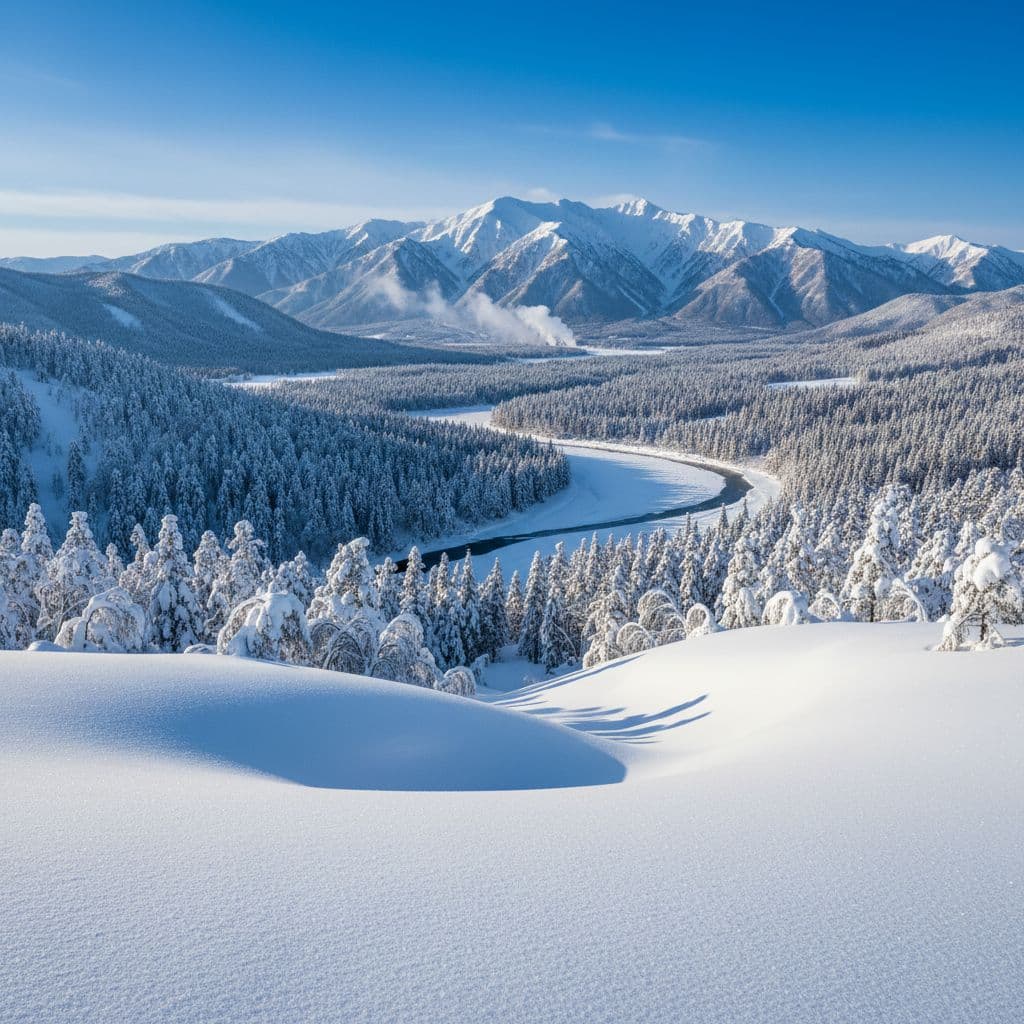
Hokkaido winter landscape with deep snow, cedar trees, and mountain hot springs during peak Japan snow season 2026
Photo created with AI.

Hokkaido feels like Japan turned the snow dial up. The air is crisp, the sidewalks sparkle, and the food feels built for winter (ramen, seafood, warm pastries you eat outside without even noticing your gloves got messy).

Best for: festival chasers, skiers, first-timers who want reliable snow.

What an all-inclusive style stay looks like: a city hotel in Sapporo plus a 1 to 2-night onsen town add-on (places like Noboribetsu or Jozankei are popular), with transfers handled so you’re not wrestling luggage on icy platforms.

Mini-itinerary idea (2 to 3 days):

  • Day 1: Arrive Sapporo, night stroll near Odori Park
  • Day 2: Snow Festival venues (Odori, Susukino, Tsudome)
  • Day 3: Onsen night outside the city, soak and sleep early

The festival itself is a real magnet, and those dates matter when you price things out. If you’re comparing flight plus hotel bundles, I like having a second tab open here: [Compare winter Japan stays and bundles on Trip.com]

If you’re curious about packaged winter tours that mix cities and snowy highlights, pages like Japan Winter Tours 2025-2026-2027 can help you see what “included” often looks like.

Nagano for snow monkeys, mountain onsens, and cozy ryokan towns
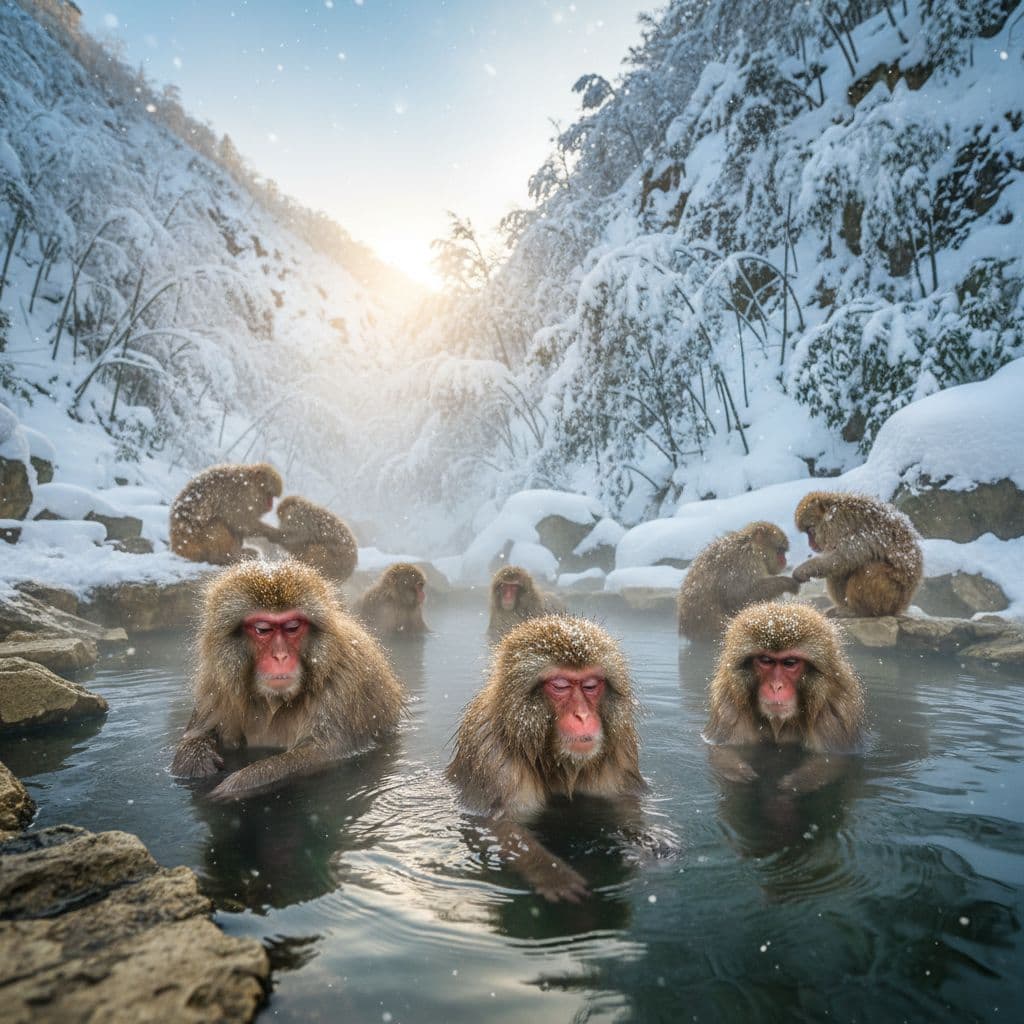
Famous Jigokudani snow monkeys soaking in a natural hot spring in Nagano, Japan during winter 2026
Photo created with AI.

Nagano is my go-to when I want that classic scene: snow on pine branches, a small town with wooden inns, and hot water so warm it makes your cheeks pink. It’s also where many travelers pair ryokan life with the famous snow monkey area (often tied to Jigokudani visits in winter itineraries, like this Onsens and snow monkeys tour overview).

Best for: couples, nature lovers, travelers who want a ryokan night without flying north.

What an all-inclusive style stay looks like: Tokyo base plus a pre-arranged transfer to an onsen town, one ryokan night with half-board, then an easy return. When the ryokan includes station pickup, it’s a big stress reducer.

Mini-itinerary idea (2 to 3 days):

  • Day 1: Train from Tokyo to Nagano area, check in to ryokan, kaiseki dinner
  • Day 2: Early visit to the monkey area (morning light is the best), onsen round two
  • Day 3: Slow breakfast, return to Tokyo

Good to know:

  • Footwear: bring traction or soles with grip, side streets get slick.
  • Early mornings: cold, yes, but calmer and more photogenic.
  • Onsen manners: rinse first, go slow, and keep towels out of the bath.

Kyoto and nearby for winter temples with fewer crowds (plus a warm onsen escape)
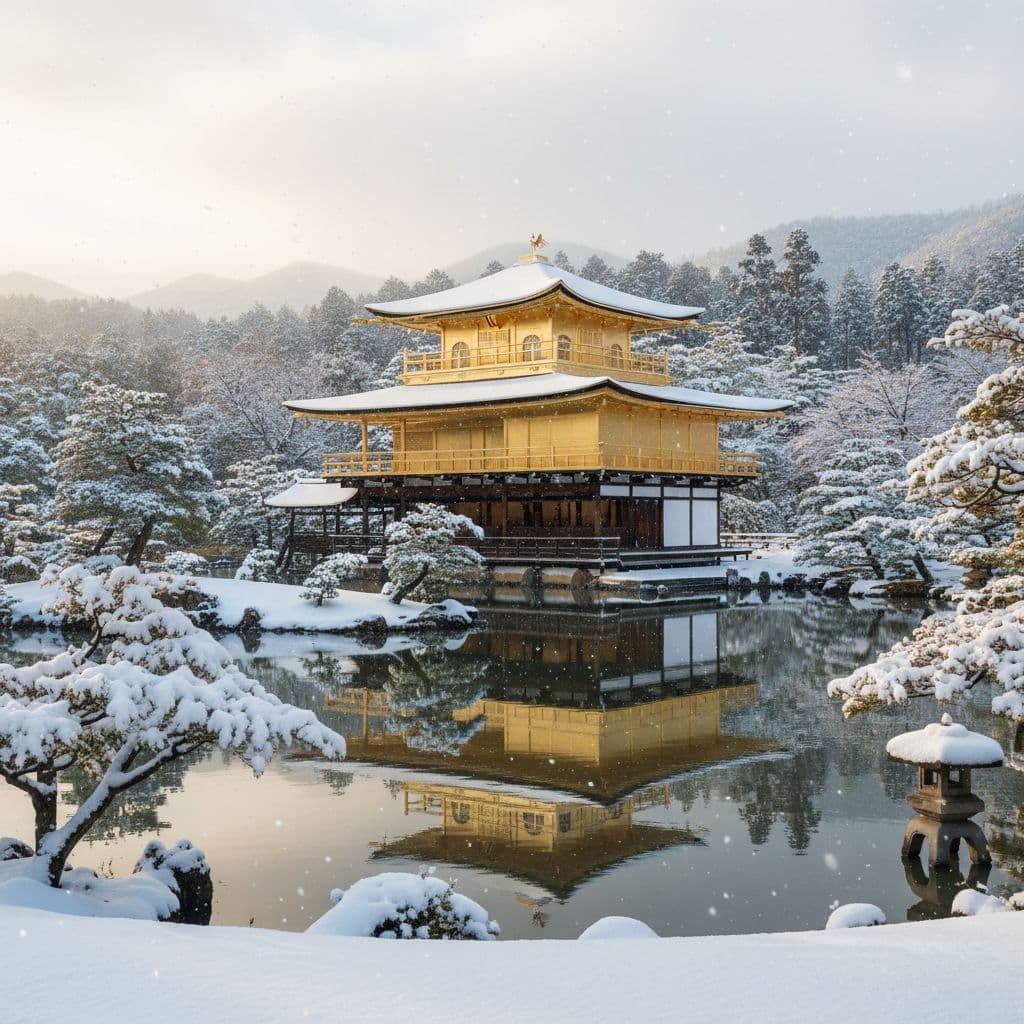
Kinkaku-ji Golden Pavilion in Kyoto covered in fresh snow during a quiet winter morning in Japan 2026
Photo created with AI.

Kyoto in winter feels like a quieter museum. Snow isn’t guaranteed, so I don’t plan a “snow temple” trip around Kyoto alone. But I do plan for calmer pathways, colder air that makes incense smell sharper, and gardens that look more sculpted in winter light.

Best for: first-timers who want Kyoto’s icons, repeat visitors who want a calmer pace.

What an all-inclusive style stay looks like: a well-located Kyoto hotel with breakfast included, plus a one-night onsen town escape nearby (think the vibe of an onsen village stay, without needing to cram too many stops into one day).

Mini-itinerary idea (2 to 3 days):

  • Day 1: Kyoto temple morning, warm café break, evening stroll
  • Day 2: Day trip pace, then check into an onsen inn for dinner
  • Day 3: Breakfast, one last soak, return to Kyoto

For flexible date searches and quick hotel comparisons, I use: [Check Kyoto winter hotel deals on Expedia]

If you like the idea of a winter group route that mixes Kyoto with northern snow stops, scanning an itinerary page like Japan winter highlights from Trafalgar’s 2026 guide can give you a sense of pacing.

Tohoku for deep snow culture and quiet, local ryokan nights
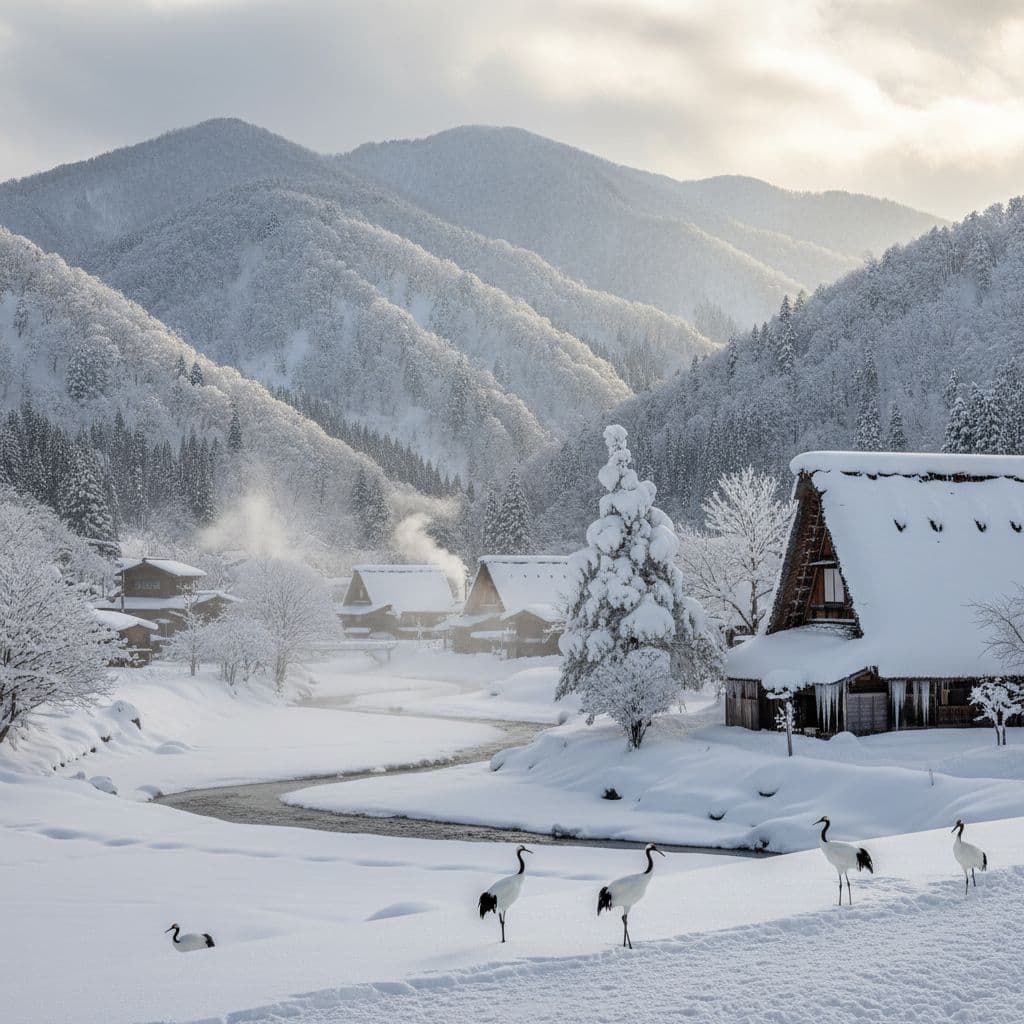
Tohoku region of Japan in deep winter: snow-covered cedar forests, mountains, and traditional village under soft light
Photo created with AI.

Tohoku is the part of Japan I pick when I want fewer crowds and more hush. Winter towns here can feel like a snow globe, with small stations, steamy streets, and ryokan dinners that stretch time.

Best for: repeat Japan travelers, slow travelers, anyone craving calm.

What an all-inclusive style stay looks like: fewer hotel changes, more transfer support. In storms, transport can slow down, so having transfers bundled (or staying put longer) is the whole win.

Mini-itinerary idea (2 to 3 days):

  • Day 1: Train into the region, check into a ryokan before dark
  • Day 2: Local strolls, long onsen session, early dinner
  • Day 3: Late breakfast, travel onward when roads are clearer

High-intent booking plan: how I’d build an all-inclusive Japan winter vacation 2026 (without overpaying)

Winter Japan is one of those trips where “last minute” often means “last choice.” My strategy is simple: I book what sells out first, then I shop for upgrades.

Here’s what I lock in first:

  1. Ryokan nights (limited rooms, strict cancellation windows)
  2. Festival week hotels (especially Sapporo Feb 4 to Feb 11, 2026)
  3. Key transfers (airport, onsen shuttle, or regional connections)
  4. Tours only if they solve a real problem (snow day logistics, language support)

Then I price-check bundles. Sometimes a flight plus hotel deal is cheaper than piecing it together. Other times, separate bookings win because you can change plans.

Book Now on Booking.com and Save: [Compare Japan winter ryokan and onsen stays]

Best Platforms for Booking Japan Winter 2026

Booking.com
Best for: Ryokan, onsen hotels, flexible cancellation
Why I use it: I can filter by breakfast, guest reviews, and cancellation fast
[Link]
Trip.com
Best for: Flight plus hotel bundles, quick comparisons
Why I use it: Handy for bundling and scanning options by dates
[Link]
Expedia.com
Best for: Flexible date hotel shopping
Why I use it: Easy to browse price swings across nearby dates
[Link]

When I’m ready to commit, I do one last check for value: does the price difference cover meals and transfers? If yes, I book the bundle and stop thinking about it.

If you want to start with the simplest stress-free move, do this first: [Lock in a winter ryokan stay on Booking.com]

If you’re watching total trip cost, I’d also compare: [Japan winter flight plus hotel bundles on Trip.com]

Sample 7-night winter package blueprint (ryokan nights included)

  • Day 1: Arrive Tokyo, easy hotel night (airport transfer upgrade helps)
  • Day 2: Tokyo day trip (guided tour upgrade helps when it’s cold)
  • Day 3: Train to Nagano area, check into ryokan (half-board is the payoff)
  • Day 4: Snow day activity (monkey area or mountain views), second ryokan night
  • Day 5: Back to Tokyo, or fly/train onward depending on your region pick
  • Day 6: Optional snow add-on (Hokkaido festival day or a ski area day)
  • Day 7: Buffer day for weather, shopping, and a slow final dinner
  • Day 8: Fly home

Where all-inclusive upgrades matter most: airport transfers, daily breakfast, bundled trains, and one guided snow day so you’re not problem-solving in freezing wind.

Packing essentials I never skip for Japan in winter (Amazon picks)

A good winter trip to Japan doesn’t feel rushed. It feels like quiet snow on a temple path, the soft clack of wooden sandals, the first bite of a hot ryokan dinner, and waking up to fresh white outside your window. That’s the kind of all-inclusive japan winter vacation 2026 I’d build again and again.

If you want the big winter moments, choose Hokkaido for festivals and deep snow, Nagano for onsens and the snow monkey route, Kyoto for calm temples with an onsen escape, and Tohoku for quiet towns that feel personal. The next step is simple: lock in your best stay before the best rooms disappear.

Ready to book while winter inventory is still good? Start here: [Find Japan winter deals on Booking.com now]

FAQ

Is an all-inclusive Japan winter vacation 2026 actually worth it?

If you’re booking ryokan nights, festival dates, or snowy transfers, it’s often worth it because it reduces mistakes and time spent coordinating. I pay extra when it includes meals and reliable transport help.

What’s usually included in a ryokan package in winter?

Most ryokan packages are half-board, meaning dinner and breakfast. Drinks, private bath reservations, and local taxes or onsen fees may be extra, so I confirm those before booking.

Where should I book ryokan and onsen stays for winter 2026 deals?

For hotel-heavy planning, I start with Booking.com because it’s fast to compare cancellation terms and meal plans. Then I price-check bundle options if flights are part of the decision.

When should I book Sapporo Snow Festival 2026 hotels?

As early as you can if you want location and value. The festival runs Feb 4 to Feb 11, 2026, and that week tends to sell out quickly, so I compare bundles on Trip.com and lock a cancellable hotel right away.

Can families do an all-inclusive winter Japan trip with kids?

Yes, but I look closely at kid meal policies, room layouts, and bathing rules. A normal hotel base with breakfast, plus one ryokan night, is often the sweet spot for families.

What if a winter storm disrupts trains or flights?

This is where flexible cancellation pays for itself. I build a buffer day, avoid too many one-night hops, and book refundable options when possible, especially through Expedia.com for date flexibility.

© 2025 I Need My Vacation. All rights reserved.


The search for quiet escapes and deeper adventures is shaping where we go next. In 2025, more travelers are leaving the crowds behind, skipping Tokyo’s neon rush and Bali’s packed beaches, hoping for places that feel truly different. That’s where the hidden gems Japan & China 2025 trend comes in.

These places promise more than postcard views—they offer rich culture, raw nature, and memories you just can’t buy in popular hubs. If you crave authentic moments and want to go beyond the usual stops, you’re in the right place. This guide highlights underrated, buzzworthy spots across both countries that are set to draw attention in the coming year, plus practical tips for visiting and making every day count. This post contains affiliate links. As an Amazon Associate, we earn from qualifying purchases at no extra cost to you.

Ready to discover what’s next in travel? These are the hidden gems Japan & China 2025 explorers are buzzing about.

Japan’s Unforgettable Hidden Gems Gaining Buzz in 2025

Japan’s rural corners are set to shine in 2025 as more travelers follow the hidden gems Japan & China 2025 trend in search of quiet beauty and lasting memories. While Tokyo’s lights will always dazzle, these lesser-known treasures offer a slower pace, one-of-a-kind sights, and a genuine connection with the land and its people. For those curious to trade crowds for calm, these tucked-away spots feel like Japan’s best-kept secrets.

Shirakawa-go: Storybook Villages and Winter Magic

Photo By Paolo Sanchez

Wandering into Shirakawa-go is like stepping into a snow-globe scene. Tucked deep in Gifu’s mountain valleys, this UNESCO-listed destination catches the eye with its gassho-zukuri farmhouses—wooden structures with steep thatched roofs, built to shrug off heavy snow. Their design looks as if hands are pressed in prayer against the mountain sky.

Best Times to Visit:

  • Winter (January to February): Thick snow transforms the village into a fairy tale. Night illuminations make it even more magical.
  • Spring and Fall: Cherry blossoms and autumn leaves add bursts of color.

For a real taste of local life, try staying in a traditional minshuku (a family-run guesthouse) for a night or two. You’ll sleep on tatami mats and might even warm up around an old irori hearth. The experience feels worlds away from typical hotels.

Packing Tip: Shirakawa-go is rural and best explored on foot; pack light and keep your hands free. I recommend a sturdy travel backpack (affiliate link) so you can stash snacks, a camera, and a warm hat without hassle.

Want to check out more details? Explore the UNESCO listing for Shirakawa-go or read a local’s take on what makes Shirakawa-go special in 2025.

Yakushima: Ancient Forests and Misty Trails

Yakushima isn’t just a forest, it feels like an enchanted world. On this small subtropical island off Kyushu, thousand-year-old cedar trees (yakusugi) tower over mossy paths, often shrouded in a soft mist. Parts of the forest inspired the scenery in the animated film Princess Mononoke, and walking here is like entering a living watercolor painting.

Highlights:

  • Hiking: Trails wind past ancient trees and waterfalls, from the easy Shiratani Unsuikyo Gorge to the challenging climb up Mt. Miyanoura.
  • Wildlife: Watch for the shy Yakushima macaque or deer quietly threading through the undergrowth.

Travelers drawn by the hidden gems Japan & China 2025 trend love Yakushima’s deep stillness. It’s not just about hiking—you’re called to slow down and notice every shade of green, every bead of rain on the moss.

Gear Tip: Rain is common, so a waterproof camera (affiliate link) makes it easier to capture the lush beauty, even in a drizzle.

How To Visit Respectfully:

  • Stay on marked trails to protect fragile roots and moss.
  • Carry out all trash.
  • Travel with a small group or a local guide for the lowest impact.

For more info, check these guides to Yakushima’s mystical hikes and waterfalls or learn about its forest’s ancient roots.

Koyasan: Temple Stays and Spiritual Quiet

Koyasan (Mount Koya) invites you to pause from constant sightseeing and find some quiet. Known as the cradle of Shingon Buddhism, this hilltop town is home to dozens of serene temples, centuries-old forests, and a gentle hush that seeps into your soul.

Why Stay Overnight?

  • Shukubo Lodging: Guests can sleep inside temple lodges on cozy futons, just as monks do.
  • Unique Experiences: Join morning meditation, try calligraphy, and enjoy a simple (yet surprisingly tasty) vegetarian temple meal called shojin ryori.
  • Okunoin Cemetery: Wander among towering cedars, mossy gravestones, and lantern-lit paths; the atmosphere is otherworldly at night.

Respect local customs: Be ready to rise early, walk quietly, and join in with daily rituals if you wish. Even if you don’t speak Japanese, you’ll sense the mood and rhythm of spiritual life here.

Curious about authentic temple stays? The Koyasan Shukubo Association provides all the details needed to book a room and plan ahead.

Tottori Sand Dunes: Japan’s Desert Adventure

Few travelers expect to stumble upon a mini-desert in Japan, but the Tottori Sand Dunes offer just that. Stretching along the Sea of Japan, these rolling dunes create a surreal landscape where you can run barefoot, ride camels, or even try sand-boarding.

Things To Do:

  • Sand-boarding: Glide down golden slopes like you’re on a snowy hill—great fun for thrill-seekers.
  • Camel Rides: Short, sandy treks evoke images of faraway deserts. Not many places in Japan can match this!

Budget Tips:

  • Stay in Tottori city for easy, low-cost access. Local guesthouses and hostels give budget travelers all they need.
  • Buses from Tottori Station reach the dunes in about 20 minutes.

Important Safety Note: The sun and wind on the dunes can be intense—take sunglasses and water, and wear shoes if the sand gets hot.

For more traveler reviews, peek at the Tottori Sand Dunes on Tripadvisor or get trip details from Japan’s official tourism guide.

These spots each tell their own story. From snowy fairy tales in Shirakawa-go to the desert surprise of Tottori, they prove why the hidden gems Japan & China 2025 are poised to catch every curious traveler’s eye.

China’s Rising Stars: Underrated Destinations to Explore in 2025

China’s lesser-known regions are finally getting their spotlight among travelers searching for fresh experiences beyond tourist magnets. The “hidden gems Japan & China 2025” trend is alive here—steep cliffs, lantern-lit alleys, bohemian towns, and magical rivers that promise something new each day. These places prove you don’t need a famous city to find wonder. Pack a little curiosity, a flexible schedule, and get ready for discoveries that could change how you see China.

Zhangjiajie: Dreamlike Pillars and Skywalks

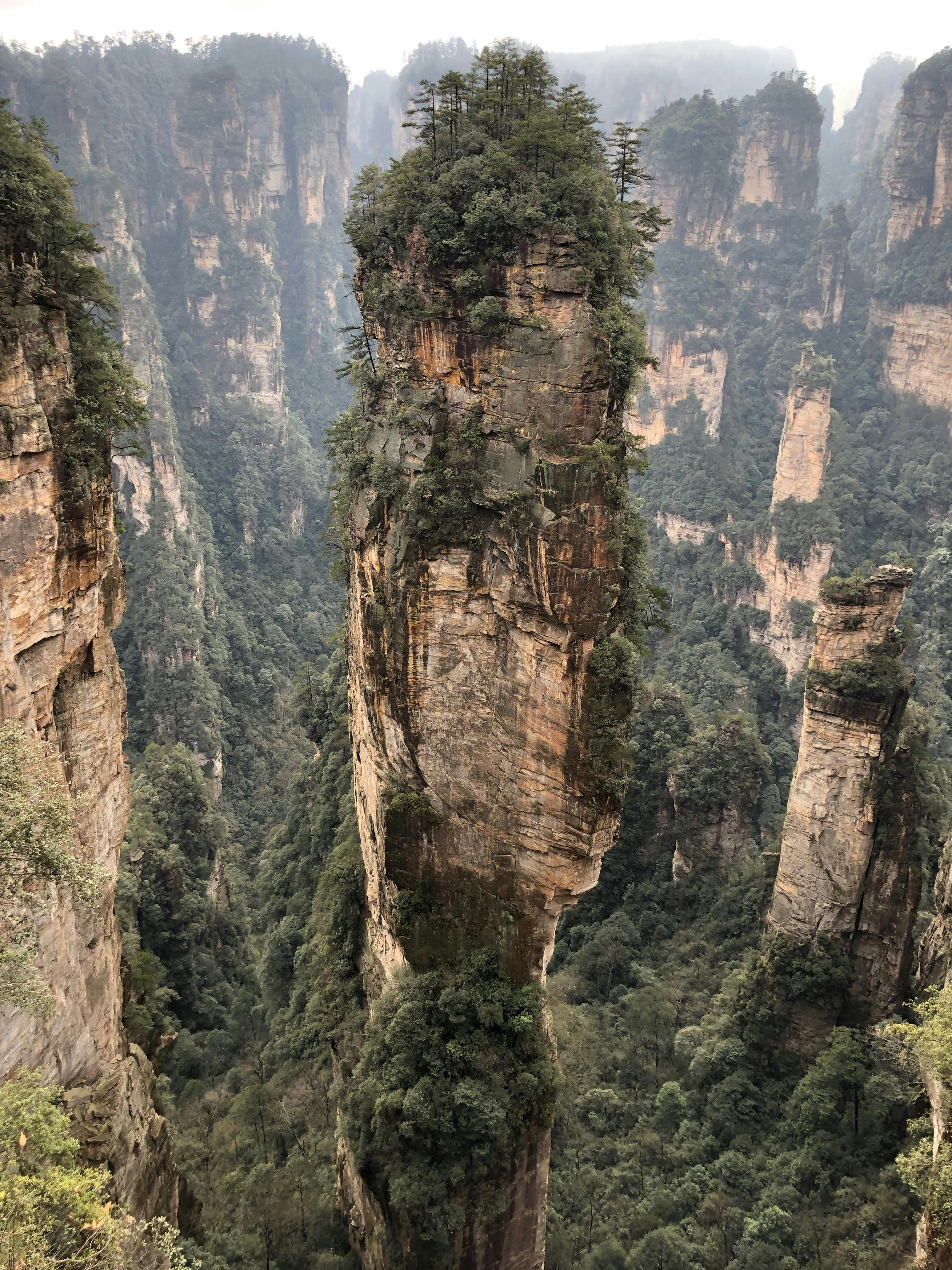
Photographers and movie fans know Zhangjiajie as the real-life inspiration for the floating mountains in “Avatar.” As you step into the park, stone spires shoot up from emerald valleys like the bones of ancient giants, wrapped in shifting clouds. The most famous sight? The glass bridge, hanging hundreds of meters above the canyon—a thrill with every step (but not for the faint-hearted).

Stunning sandstone pillars rise amidst lush greenery in Zhangjiajie, China.Photo by Ahmed Abd Allah

Top Highlights:

  • Sandstone Columns: Hike early for mist dancing between sandstone pillars.
  • Glass Skywalks: Brave the see-through bridge for surreal views and heart-pounding selfies.
  • Photo Spots: The Yuanjiajie and Tianzi Mountain areas offer vistas you simply can’t miss.

Whether you love hiking or just want epic photos, pay attention to the trails you choose. The park is vast, so pick a route that fits your comfort level. Good shoes, snacks, and a travel journal (affiliate link) are musts—there’s something about this landscape that begs to be sketched or described.

Essentials to Pack:

  • Layers (the weather changes by the hour)
  • Light rain jacket
  • Camera and notebook
  • Portable snacks

Getting There & Around: High-speed trains now connect Zhangjiajie to major cities. Shuttle buses link the entrances, while cable cars give legs a rest. Accessible paths and park buses help, but some sections have steep steps, so pace yourself.

Before planning, check out insider trip reviews on the 10 best hidden gems in China and tips from travelers who know these trails.

Dali: Ancient Walls and Mountain Views

Dali feels like an invitation to slow down. Old city gates and crumbling walls hold back the noise of modern life while the snow-dusted Cangshan mountains offer a peaceful background. The bohemian air is everywhere—vintage bikes, relaxed jazz bars, and street artists who sell handmade leather books on the sidewalks.

Lakeside walks circle Erhai Lake, where paddle boats and fishermen drift past. You’ll want to wander the backstreets just to stumble upon hidden craft shops, incense-scented temples, and cheerful coffee stands.

How I Find the Best of Dali:

  • Duck into small eateries (skip the ones with big neon menus) for bowls of crossing-the-bridge noodles.
  • Guesthouses near Renmin Road or along the lake edge offer sunrise views and friendly chats.
  • Need to stay connected in this tech-friendly city? A portable charger (affiliate link) helps you map, share, and translate with ease as you roam.

Dali Essentials:

  • Sunscreen and a water bottle for lakeside rambles
  • Small bills for local markets
  • Basic Mandarin apps help, though pointing and smiling go far

Curious about more off-the-beaten-path places like Dali? Dive into these underrated cities in China that locals treasure.

Yangshuo: River Bends and Towering Karsts

The air in Yangshuo glows at sunrise. Mist curls over the Li River as limestone peaks roll endlessly into the distance. Travelers slip past water buffalo on rented bikes, stopping at every turn because the view never looks the same twice. The sense of freedom here sets it apart.

If you’re watching your wallet, Yangshuo is a gift. Riverside hostels, cheap dumpling shops, and self-guided bike tours put adventure within reach for anyone.

Favorite Ways to Experience Yangshuo:

  • Bicycle Loops: Rent a bike from West Street and cycle through rice fields alongside the Yulong River.
  • River Cruises: Short bamboo raft trips offer a peaceful way to spot cormorant fishermen and dreamy backdrops.
  • Photography: Xianggong Hill at sunrise is the spot—climb early for a view that feels like floating.

For Budget Travelers:

  • Stay in local inns off main streets for deals and local hospitality.
  • Group tours organize hikes into the karsts at sensible rates.
  • Eat street food: Guilin rice noodles, taro cakes, and grilled river fish.

Curious where else you might find value-packed adventures? Try this post about why China is the best bang for buck travel place in 2025.

Jiufen: Lanterns, Teahouses, and Mountain Passes

Tucked on a lush mountainside, Jiufen looks like a page from a fantasy. Red lanterns flicker down winding alleyways, leading to steep stairways bordered by craft shops and cozy teahouses. Drift through the fog and you’ll spot old gold mine relics and locals brewing oolong with mountain water.

Budget travelers thrive here. Seek out smaller homestays for a taste of family-cooked meals after sundown. Hidden stairways up the hill reveal quiet viewpoints over the sea—perfect for a solo traveler to soak in the calm without the crowds.

Tips for Enjoying Jiufen:

  • Explore early or late evening to sidestep tourist swells.
  • Try tea at the A-Mei Teahouse, but also find a quieter nook for less.
  • Wear sturdy shoes; the steps can be slippery and steep.
  • Guard your pockets in crowds and keep emergency contacts handy.

If you want to know which Chinese destinations are truly underrated beyond Jiufen, skim this list of hidden gem attractions in China for inspiration, or check travel safety tips from fellow explorers.

These China destinations show what the “hidden gems Japan & China 2025” trend really means: new sights, gentle hospitality, and stories worth telling.

Essential Traveler’s Checklist: Gear, Tips, and Affiliate Picks for 2025

When exploring the hidden gems Japan & China 2025 explorers are buzzing about, preparation goes far beyond just picking a new destination. The right gear, smart tips, and a pinch of planning make all the difference between a trip you remember for smiles—or for hassles. In this section, I’m sharing my tried-and-true packing advice, the unexpected travel items that save the day, and some affiliate favorites that other adventure-seekers swear by for 2025.

Flat lay of adventure essentials with map, watch, and Huckberry magazine, perfect for travel enthusiasts.Photo by Andrew Neel

Ultimate Packing List for Off-the-Beaten-Path Adventures

Packing light means packing smart—especially when venturing deep into Japan’s rustic villages or China’s wild landscapes. Here’s what I consider non-negotiable on any hidden gems Japan & China 2025 journey:

  • Quality Daypack or Carry-On: Compact and organized, a travel backpack (affiliate link) keeps your gear close without weighing you down.
  • Multi-purpose layers: Think lightweight jacket for chilly morning hikes or temple stays.
  • Sturdy, packable shoes: A pair of comfortable hiking shoes (affiliate link) is a game-changer for both city streets and backcountry trails.
  • Rain protection: An ultralight poncho or shell ensures you’re never caught mid-downpour—crucial for misty forests or unpredictable mountains.
  • Universal adapter: Saves headaches in train stations, guesthouses, and rural minshuku alike.
  • Reusable water bottle: Hydration is key, whether you’re wandering temple stairs or ancient alleyways.

Pro tip: Stick with neutral clothes and just enough change to get by. Laundry services are easy to find, especially in guesthouse-rich towns.

Insider Travel Tips for Hidden Gem Destinations

Hidden gems often mean new challenges—no big tourist desk, rare English menus, just life as locals live it. Here’s how I keep things smooth:

  • Download offline maps before you go. Cell service can drop out fast in mountain valleys or forest islands.
  • Pack snacks from home. Those first hours after a long ride or hike can leave you far from the nearest café.
  • **Learn a handful of local phrases—**even a simple “hello” or “thank you” breaks the ice and often leads to small kindnesses.
  • Split your cash and cards. Not every ATM works for foreign cards in remote towns.
  • Carry copies of travel docs. A printed (or digital) backup of IDs and bookings can save hours if things go sideways.

Affiliate Picks: What I Actually Use (and Recommend)

For hidden gems Japan & China 2025, not all travel gear works the same. Here’s what I wish I’d packed sooner and now won’t travel without:

Essential Travel Gear

Gear Why It’s Essential Recommended For
Travel backpack Lightweight, roomy, lots of pockets Rural Japan, day hikes, city exploring
Waterproof camera Rain storms, waterfalls, hot springs Yakushima, coastal China, any trip with wild weather
Travel journal Track routes, sketch scenery, jot down local phrases Keepsake of the journey
Portable charger All-day navigation, language apps, photos Mountains, old towns, trains
Hiking shoes Grips varied terrain, packs down small Forests, sand dunes, temple stairs

As an Amazon Associate, I earn from qualifying purchases. These links cost you nothing extra and help keep my recommendations honest and up-to-date with 2025’s best finds.

Gear Trends and Where to Find the Best Picks

It’s not just about old standbys. Travel gear brands are releasing more eco-friendly, multifunction items, and compact designs that suit adventure-focused trips. If you love staying on top of gear trends, browse the best travel accessories and luggage for 2025 or check out Reddit’s 2025 yearly gear update for real user feedback before your trip.

Every trip has surprises, but with this checklist and a little curiosity, you’ll feel ready for anything these off-the-beaten-path Japan & China 2025 destinations might throw your way.

FAQ: Hidden Gems Japan China 2025

The buzz for hidden gems in Japan & China 2025 is real. These rising spots capture the hearts of travelers tired of crowds and in search of true adventure. I see a growing curiosity about how to access these places, what to expect, and how to stay safe. Let me answer the most common questions I hear, so your travel planning feels smoother and a lot more exciting.

What are the best hidden gems in Japan and China for 2025?

The list keeps growing, but a few names always stand out. In Japan, you’ll want to look at Shirakawa-go—a storybook village wrapped in snow, Yakushima for misty ancient forests, and Koyasan’s peaceful temples for a real spiritual reset. For China, rising favorites like Zhangjiajie, with its wild Avatar-style cliffs, Dali’s boho alleys, and the misty karst mountains of Yangshuo make the “must-see” roster. For more destination inspiration and current traveler highlights, sites like News.com.au’s analysis on 2025 hidden gems break down exactly where the hype is building.

How do I find off-the-beaten-path destinations in 2025?

Research pays off, but some tips help you dig deeper, faster:

  • Read recent travel forums and subreddits for trip reports.
  • Avoid only looking at big travel platforms—try local blogs or community recommendations.
  • Use search engines with exact keywords like “hidden gems Japan China 2025.”
  • Check guides that focus on regional travel, like the Chugoku hidden gems TripAdvisor guide.

Pair that with chatting up guesthouse owners or baristas once you arrive. Locals know about surprises the internet hasn’t caught yet.

Are hidden gems in China safe to visit in 2025?

Yes, with the right prep. Most new hot spots in China are seeing more tourism infrastructure as they gain buzz. Here’s how I stay smart:

  • Use only official transportation and licensed guides for remote trips.
  • Bring copies of your documents and keep emergency contacts handy.
  • Watch your step on trails, especially in places with steep or slippery paths—Zhangjiajie’s walks can get intense!
  • For current conditions and best times to visit, check advice like China Highlights’ destination guide.

Local police stations often offer help to foreign travelers if you need support.

When is the best time to visit hidden gems in Japan and China?

Timing makes a real difference. For Japan, late winter (January–March) brings snowy magic to places like Shirakawa-go, while Yakushima’s forests come alive with color in spring. Koyasan shines all year, but autumn brings a certain peacefulness to temple stays.

In China, spring and fall usually mean cooler weather and fewer crowds—perfect for mountain hikes and river cruises. Autumn shows off Dali’s best colors and Yangshuo’s harvest beauty. For festivals and local events, it’s worth following regional updates to catch something special during your visit.

What’s the most affordable way to see hidden gems in Japan & China 2025?

Trains and buses remain the backbone of affordable travel. I rely on Japan’s regional rail passes and China’s growing high-speed network to jump between spots without breaking the bank. Hostels and guesthouses in lesser-known towns offer both savings and authentic connections.

  • Book in advance for peak times, especially in scenic areas.
  • Use digital maps and local transit apps where available.
  • Keep a flexible schedule for last-minute deals and tips from fellow travelers.

For more practical guides to stretching your travel budget in Asia, explore tips from the Japan travel subreddit or browse destination-focused deal trackers.

These answers should clear up the first questions popping into your mind as you plan the ultimate off-the-beaten-path Japan & China 2025 trip. Soak up the knowledge, pack with confidence, and get ready for memories far from the crowds.

Conclusion

Travel in 2025 is all about authentic moments and wide-open spaces. Hidden gems in Japan and China promise a fresh kind of adventure—rich with quiet beauty, deep culture, and real human connection. These places give a break from tourist crowds and let the spirit of discovery come alive for every traveler who is curious enough to look.

If you want your memories to stand out, skip the usual stops and find your own story in these off-the-beaten-path corners. Authentic travel isn’t just a trend; it’s how the best journeys start. Thank you for joining me on this glimpse into what awaits away from the well-worn trail.

Ready to explore Japan and China’s hidden gems in 2025? Book your flights, hotels, and tours at unbeatable prices with I Need My Vacation. Start your adventure today and save big!


Pin It on Pinterest

Seraphinite AcceleratorOptimized by Seraphinite Accelerator
Turns on site high speed to be attractive for people and search engines.