

13 Best Things to Do in Sardinia Italy for 2026: Hidden Beaches, Ancient Nuraghe & Coastal Hikes
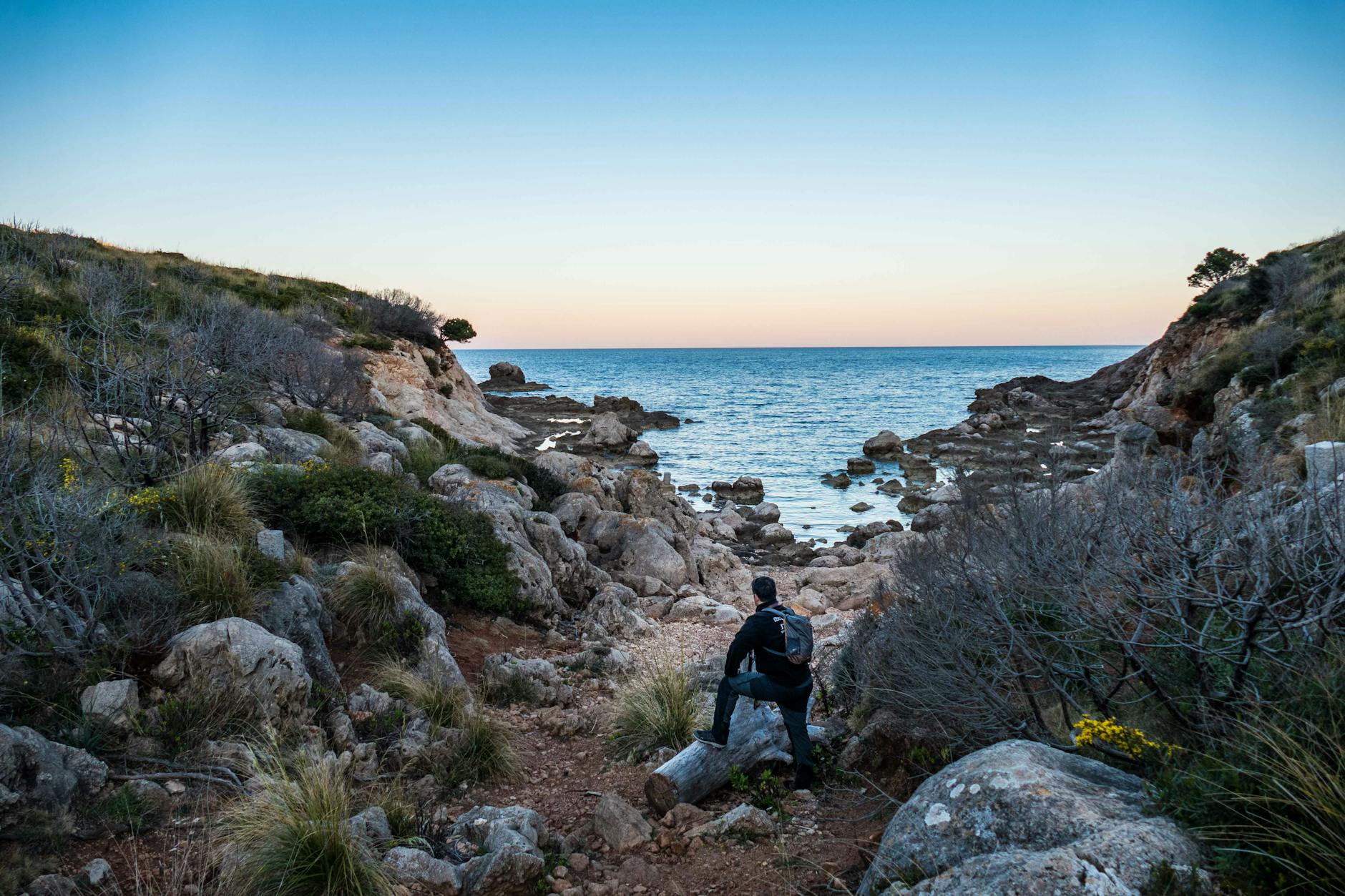
The first time I stood above a secret Sardinian cove in late spring, the air smelled of wild thyme and sea salt. The water below was a sheet of liquid emerald, curled between pale cliffs. The only sounds were waves against rock and bees in the maquis. Moments like that are why I keep coming back to this island as a Sardinia cove‑hunter and nuraghe explorer writing for IneedMyVacation.com.
In 2026, the best things to do in Sardinia Italy 2026 line up perfectly with what many travelers crave now: slow Mediterranean escapes, eco-friendly trips that respect fragile coasts, quiet beaches you actually share with gulls, not crowds, and ancient stone towers that outdate Rome by more than a thousand years. New direct routes, including a headline New York to Olbia flight, make the island easier to reach, yet much of Sardinia still feels wild and local.
On one side there are Sardinia hidden beaches, from Costa Smeralda coves with water that looks edited, to UNESCO-protected bays you reach after a steady hike. On the other side, there are Bronze Age nuraghe, ghostlike mountain villages, deep canyons, and soft evenings in towns painted every shade of sunset. Across these 13 experiences you will find hidden coves, coastal hikes, caves, colorful villages, flamingos, and those strange stone towers scattered across the hills.
Every activity here sits in the same friendly price band, roughly 0 to 120 dollars. You can hike gorges and explore medieval streets for free, then splurge on one boat day or a guided archaeological walk without blowing your budget. For a bigger picture that ties routes and regions together, I keep an updated overview at my full Sardinia 2026 guide, blending my own trips with trusted sources like Lonely Planet’s Sardinia guide and official Italian tourism updates.
Book your 2026 Sardinia escape on Trip.com! Start now
Some links in this guide may earn a small commission at no extra cost to you. I only point to services I would use myself.
Why Sardinia Is 2026’s Hottest Mediterranean Secret
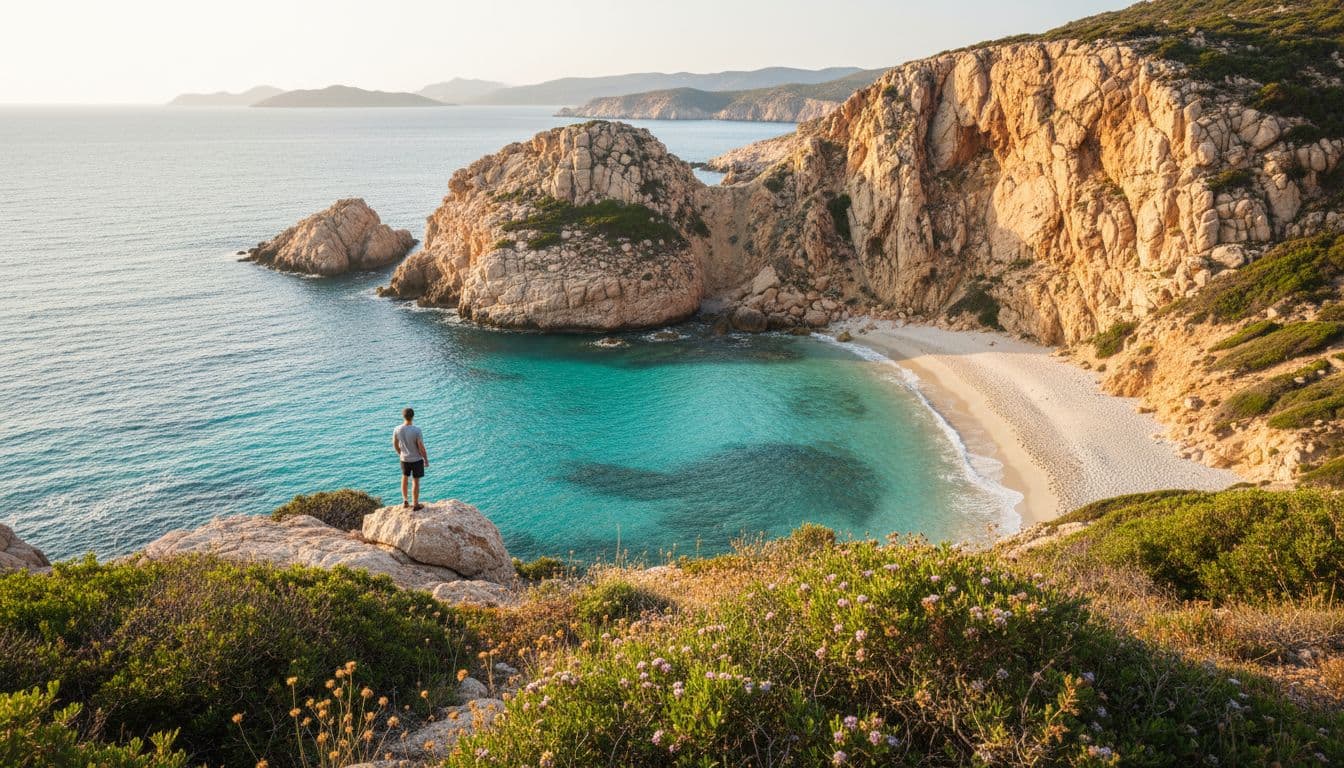
When I look at travel trends for 2026, Sardinia keeps shining brighter. Searches are climbing, yet the island still feels calmer than many famous Mediterranean spots. That balance of rising access and low-key atmosphere is rare.
Slow travel fits Sardinia like a glove. Roads curl between cork forests and sheep fields, not mega-resorts. Many coastal towns are still small fishing places at heart. You can spend your morning at a turquoise bay, then eat ravioli filled with potato and mint in a village that shuts for a quiet siesta. Articles like this spring Sardinia guide keep pointing to the same thing: wildflowers, local festivals, and gentle walks beat nightclub noise for most visitors now.
When people ask me about the best things to do in Sardinia Italy 2026, I picture a map full of contrasts. There are the famous strips of Costa Smeralda, but step away and you find tiny coves where only goat bells break the silence. There are deep green valleys and cliffs over the sea, then a sudden Bronze Age stone tower like Su Nuraxi rising from the plain. Sardinia suits hikers, food lovers, families, and couples all at once.
Eco-tourism is picking up too. Travel writers and local hotels talk about hidden bays and quiet coastlines that reward patience, such as the lesser-known spots listed in this guide to Sardinia’s secret beaches. Terms like Sardinia hidden beaches 2026 are not just keywords. They describe a real shift, where visitors spread out across the island and choose shoulder season for space and softer light.
For hikers, the island is a playground of coastal trails, gorges like Gorropu, and mountain paths to ancient sites such as Tiscali Village. Many of these walks cost nothing more than a parking fee. History lovers can build whole days around nuraghe routes, helped by resources like this overview of nuraghi itineraries. Families and couples can enjoy easy beach days, kid-friendly snorkeling, and gentle town walks that end in gelato and sunset views.
Budget also stays realistic. A lot of top experiences, from hiking to wandering medieval streets, sit at 0 to 20 dollars per person. Even guided days, boat trips, and canyon hikes usually stay under 120 dollars if you share costs.
For readers who want exact numbers, I break this down in more detail in how to visit Sardinia on a 2026 budget.
For trip planning I still like to carry a physical guide, especially for mapped walks and small-town tips. A solid choice is a detailed Sardinia travel guidebook, which I use to sketch loop routes and find small, family-run places.
If you are ready to lock in your flights, you can find flights to Sardinia for 2026 and start piecing together your own island circuit.
Interactive Map of Sardinia’s Top 13 Places to Visit in 2026
Before we dive into each spot, I like to see the island at a glance. In my Sardinia 2026 map, I pin all 13 highlights from this guide, spread between the north, center, and south. You will spot Costa Smeralda coves, Cala Goloritzé on the east coast, Su Nuraxi di Barumini in the middle, and Alghero’s walled old town in the northwest.
The idea is simple. Zoom in, then group nearby pins for a smooth, eco-friendly road trip instead of zig-zagging the island. For example, you can cluster La Maddalena and Costa Smeralda in one base, then Dorgali, Cala Goloritzé, and Gorropu in another.
For popular tours and caves that often sell out in peak 2026 weeks, you can browse Sardinia tickets for 2026 and keep your main days locked in.
Best Hidden Beaches and Coastal Hikes in Sardinia for 2026
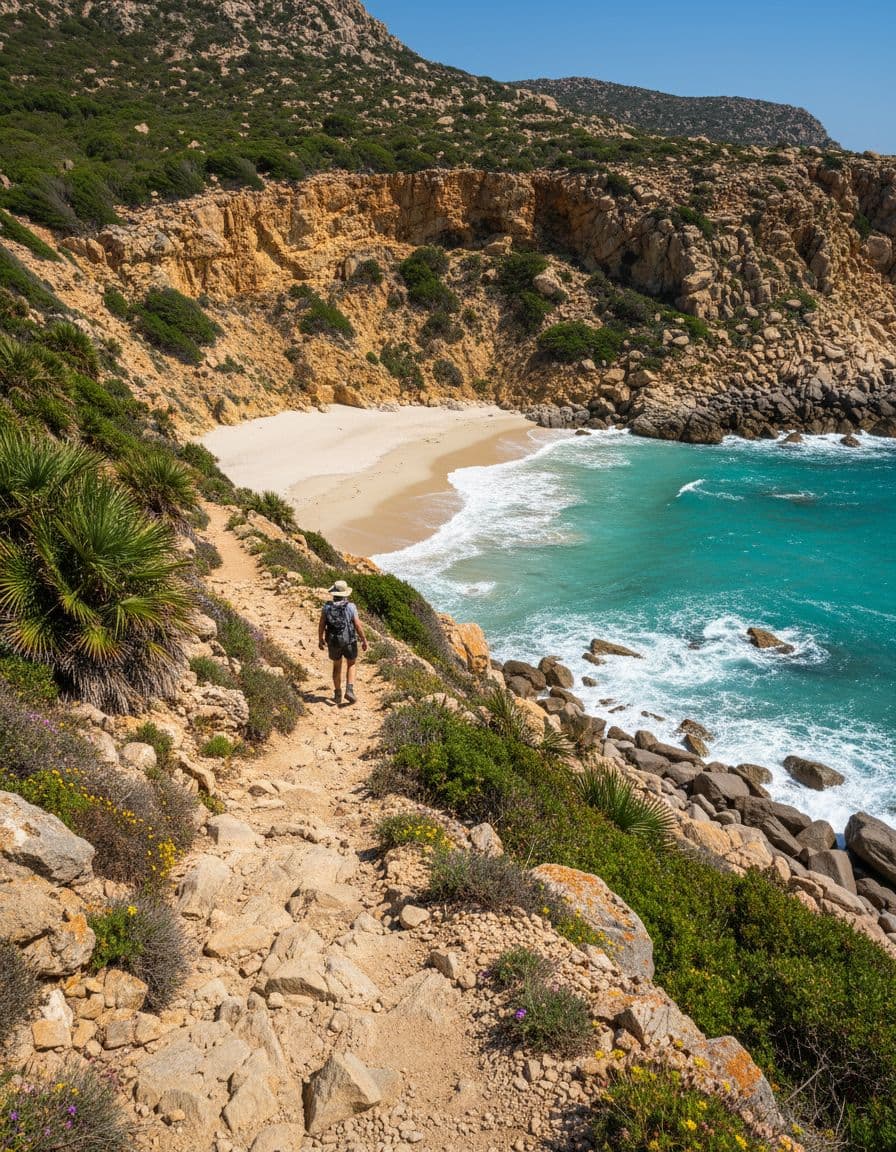
The coast is the pulse of any Sardinia trip for me. In 2026 I focus less on crowded beach clubs and more on quiet coves, where the loudest thing is cicadas in the scrub. Most of the places below are free to visit, with only small fees for parking or park access.
For these spots, I always pack light gear: reef-safe sunscreen, a compact towel, and more water than I think I need. A bottle with a simple portable water filter helps on hot hikes where fountains are rare.
Costa Smeralda’s Secret Coves and Emerald Water
On Costa Smeralda, I skip the headline beaches and slip down side paths instead. Spots like Spiaggia del Principe or tiny unnamed inlets near Romazzino feel like private pools at the right hour. In 2026 you can expect crystal water, pale sand, and some higher prices for parking and beach bars near the main roads, yet many small coves still feel raw if you go in May, June, September, or October.
The coves themselves are free. What you may pay for are boat shuttles or private parking, usually still under 20 dollars per day. I like to arrive before 10 a.m. or after 4 p.m. to skip crowds, and I swap bulky beach gear for a light quick-dry towel that barely takes space in my daypack.
Cala Goloritzé: Iconic Hike to a UNESCO-Protected Beach
Cala Goloritzé shows up on almost every list of the best things to do in Sardinia Italy 2026, and for good reason. The hike drops from the Golgo plateau through scrub and stone to a tiny cove under a sharp rock pinnacle, with water that looks unreal in midday light.
Access numbers stay controlled to protect the bay, and there is usually a small entry or park fee under 20 dollars. The path is rocky but clear; you need sturdy shoes, not flip flops. I start early to avoid full heat, move slowly on the way back uphill, and carry a bottle with a basic portable water filter for peace of mind on very hot days.
Capo Testa’s Boulder Beaches and Lighthouse Views
Capo Testa, near Santa Teresa Gallura, feels like a natural playground of granite. Huge wind-shaped boulders lie scattered along the coast, form tiny sandy pockets and clear pools between them. I wander the informal paths, hop across smooth rocks, then head toward the lighthouse for a sunset that turns the whole headland gold.
Exploring Capo Testa is free and works well as a half-day walk. The terrain can be rough, so I treat it like a short hike and wear steady shoes. Strong sun bounces off the pale rock, so I keep a mineral-based reef-safe sunscreen in my pack to protect both my skin and the small coves where fish dart just a few meters from shore.
Villasimius Marine Reserve Snorkeling and Easy Beach Days
Villasimius, on the south coast, is where I go when I want an easy beach day that still feels special. Shallow bays like Simius and Punta Molentis sit inside a protected marine reserve, with clear water, soft sand, and gentle entry that suits kids and tired legs.
Access is usually free, apart from parking fees or limited entry at Punta Molentis in peak season. Simple snorkel tours or boat trips stay under about 100 dollars per person in 2026. I like to visit in May, June, September, or early October, when the sea is warm but the sand is not packed. A basic mask-and-snorkel kit and that same quick-dry towel let me jump between beaches without filling the trunk.
Ancient Nuraghe and Mysterious Mountain Villages
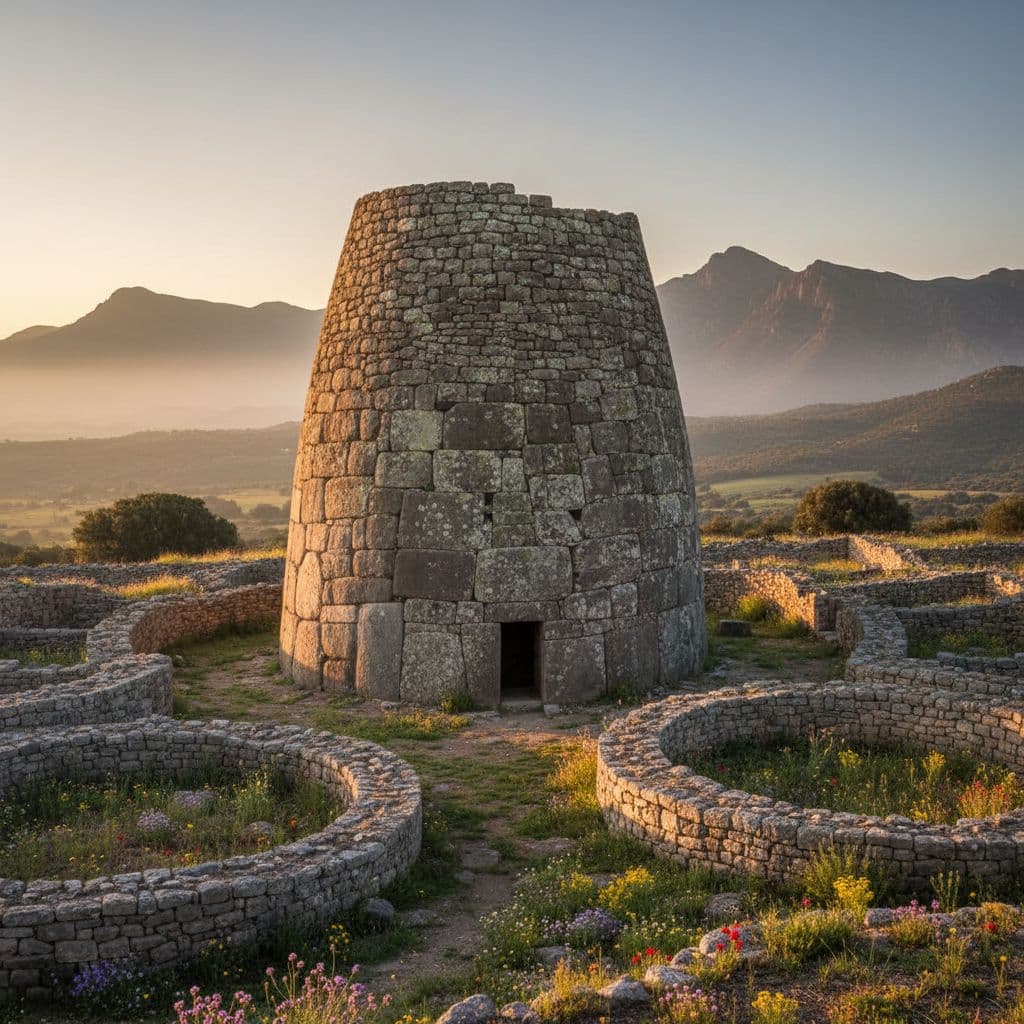
Sardinia is not only about the coast. Long before Roman roads and medieval towers, the island was full of nuraghe, Bronze Age stone towers and villages built from huge blocks of rock. They rise from fields and ridges like giant beehives, some still partly buried, others carefully restored.
Walking into a nuraghe near sunset feels like stepping sideways in time. Light drops through narrow passages, stones hold old heat, and suddenly those shapes on the hillside become homes, storage rooms, and watchtowers in your mind. For 2026 travelers who want culture with their coastline, these are essential stops.
Most sites cost under 20 dollars, often including a short guided tour. Many sit close to small towns, making them easy day trips by rental car and ideal to mix with local lunches.
Two places stand out if you are short on days.
Su Nuraxi di Barumini: Sardinia’s UNESCO Stone Fortress
Su Nuraxi, a UNESCO site near Barumini, is the star of Sardinia’s nuragic story. From the outside it looks like a stone hill, but once you pass inside, a central tower and a ring of smaller towers appear, tied together with thick walls and passages.
On my last visit, a guided tour (included in a ticket under 20 dollars) lasted about an hour. We walked through tiny doorways, climbed safe internal stairs, and stood inside dim rooms while the guide explained daily life here 3,000 years ago. Kids loved the tunnels more than the theory. Nearby farm stays and small inns turn this into a perfect pause on a cross-island road trip, with local cheese and honey to taste once you leave the stones.
Tiscali Village: Hidden Ruins Inside a Mountain Crater
Tiscali Village hides inside a huge limestone sinkhole in the Supramonte, reachable only by a moderate hike. The path crosses rocky slopes and holm oak woods, with views over canyons and distant peaks. When I stepped through the gap in the cliff for the first time, the world suddenly dropped away into a hollow chamber, with old stone hut walls clinging under a high rock arch.
This is not a flip-flop walk. Reasonable fitness, strong shoes, and steady steps are needed, especially for the last rocky sections. Entry fees and guided hikes stay under about 80 dollars per person. I found a light pair of hiking poles helpful on loose gravel, both uphill and downhill.
Coastal Adventures, Caves, and Gorges You Will Never Forget
Sardinia’s wild side really shows when you trade the towel for a day pack and a sense of curiosity. This is where deep blue channels, secret caves, and silent gorges enter the picture. It is also where I recommend building in a few guided days, both for safety and for the stories you get from local skippers and mountain guides.
Most of these adventures sit in the 40 to 120 dollar range per person in 2026, depending on season and group size. Some, like Gorropu Gorge, can be free or low cost if you walk in on your own. Others, like Neptune’s Grotto in strong wind or the Maddalena islands in high summer, depend on sea conditions and need flexible timing. I always tell readers to double-check opening details and sea forecasts before setting plans.
La Maddalena Archipelago Boat Days and Island Hikes
A day out in the La Maddalena Archipelago feels like hopping through an open-air pool. Boats weave between low islands, the sea shifts from turquoise to milk-glass blue, and small beaches appear where rock meets sand.
My ideal day includes three parts: swimming stops in quiet coves, lunch on board or at a small port, and a short afternoon hike on La Maddalena or Caprera. Simple tours start around 50 dollars per person in 2026, rising to about 120 dollars for smaller groups or more special food and routes. Once you step onto the islands, the trails themselves are free, with views back toward the Sardinian mainland that look painted.
Neptune’s Grotto: Dramatic Sea Cave Near Alghero
Neptune’s Grotto, near Alghero, is part cave tour, part dramatic viewpoint. I have visited both ways. By boat, you glide along the cliffs and slip into a sea-level opening, then follow a guided route through chambers filled with stalactites. On foot, you start at Capo Caccia and take a long staircase carved into the cliff, with dizzying sea views and many, many steps.
In both cases, there is a cave ticket cost that usually stays under 30 dollars. I always check sea forecasts and updated times before going, since waves can close the boat route. Pairing Neptune’s Grotto with an evening in Alghero old town turns it into a full and satisfying day.
Gorropu Gorge: One of Europe’s Deepest Canyons
Gorropu (sometimes confused online as “Gorgonzola” gorge) is a great cleft in the Supramonte that swallows you between high white limestone walls. Once you drop from the trailhead into the canyon, noise falls away. Underfoot you find a dry riverbed of rounded stones, small pools after rain, and boulders that feel made for quiet picnics.
There are easier and harder ways in. In 2026 more guided options exist for different levels, often under 100 dollars with transport from nearby towns like Dorgali. Self-guided walkers usually pay a small access fee at the canyon entrance. This is a full-day outing. You need sturdy shoes, plenty of water, and patience on the climb back. I like to carry that same portable water filter so I can refill where safe and keep weight lower.
Colorful Towns, Sunsets, and Flamingos: Sardinia’s Softer Side
After long days on trails and in coves, I love Sardinia’s slower evenings even more. This is when towns light up, locals stroll, and sea walls fill with people looking toward the horizon. Glasses of Malvasia glow on tables, and kids play in narrow alleys while older neighbors talk on doorsteps.
Most of these town-based experiences are either free or low cost. You might pay a few euros for a castle entry, a small museum ticket, or a wine tasting under 40 dollars. Everything else, from watching street life to the sky changing color over the sea, costs nothing.
Alghero Old Town and Golden-Hour Sea Walls
Evenings in Alghero feel like a movie I never get tired of. I start in the old town, drifting between Catalan-style facades and small boutiques, then reward myself with gelato in a shady square. As the sun drops, I walk the sea walls, where fishermen lean on rails and couples sit on the stone, faces turned to the west.
The best parts of Alghero cost nothing: the light, the breeze, and the steady roll of waves against the walls. Extras, like a short harbor cruise or a drink at a rooftop bar, add a bit of sparkle without pushing the day over budget. Neptune’s Grotto fits perfectly as the daytime half of this same chapter.
Castelsardo’s Hilltop Castle and Sea Views
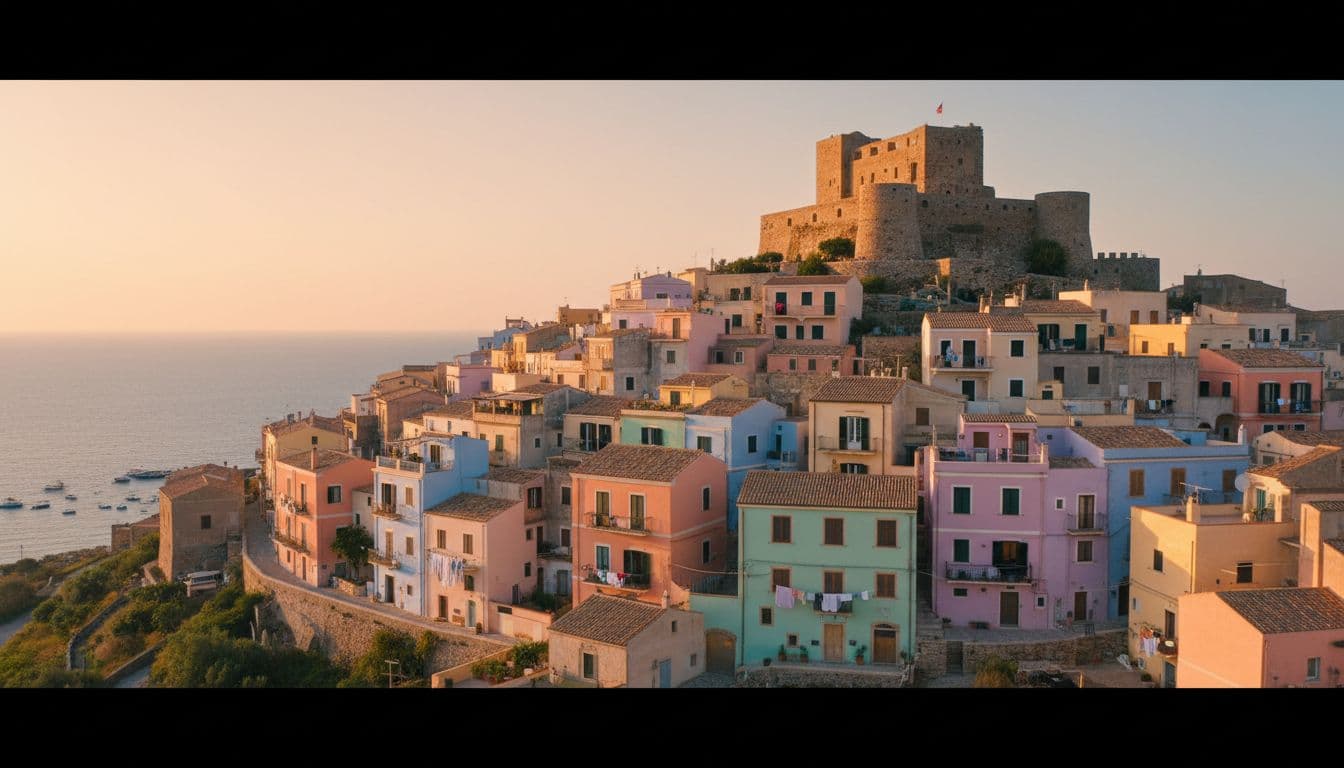
Driving toward Castelsardo on the north coast, I always look for the moment when the hilltop appears. Houses in soft colors climb up toward a fortress, with the sea stretched out behind. Inside the village, lanes twist uphill past small churches and craft shops that sell woven baskets and ceramics.
A visit here can be as easy or as detailed as you like. Castle entry is low cost and comes with views across the sea and toward Asinara island on clear days. Browsing the shops and leaning on the walls is free. This is one of my favorite “rest days” between long hikes, because it still feels rich without working your legs too hard.
Bosa’s Rainbow Houses and Malvasia Wine Tasting
Bosa sits on the Temo River, with pastel houses stacked against the hill and a castle watching from above. I like to wander the riverside first, then climb toward the castle for wide views over roofs and vineyards. On the way down, narrow lanes reveal doorways painted bright blue or pink, with tiny balconies spilling geraniums.
Malvasia wine is part of Bosa’s character. It tastes gently sweet, with notes of honey and dried fruit that pair well with local desserts or simple cheese plates. Several small producers offer short tastings at fair prices, often under 20 dollars. Bosa works either as a day trip from the west coast or as an overnight pause on a longer coastal drive.
Cagliari’s Historic Streets and Pink Flamingos
Cagliari feels like a natural first or last stop on many Sardinia trips. The Castello quarter climbs above the harbor, packed with churches, lanes, and viewpoints. In the early evening, locals join the passeggiata, drifting between bars and squares while the heat lifts.
What I love most is how easy it is to add nature to a city day. The Molentargius salt ponds sit just outside town, with paths and lookouts where pink flamingos often feed, especially in spring and fall. City walks are free, and a simple tram ticket or bike rental to the flamingo reserve stays low cost. I often spend my final Sardinia day here, letting the rhythm of the city ease me out of island time.
Insider Sardinia Tips to Make 2026 Travel Easier
Planning Sardinia for 2026 can feel smoother if you think like a slow traveler from the start. The island is large, with winding roads and plenty of choices, so I like to keep both my packing and my route simple.
A few ideas save money and stress:
- Travel in May, June, September, or early October for lower prices and lighter crowds.
- Mix free or low-cost hikes with one or two paid boat days or guided tours.
- Stay 3 to 4 nights in each base instead of changing hotels every day. This supports small guesthouses and cuts driving time.
- Prebook only the things that really sell out, such as special caves or key nuraghe tours.
For deals and packages that bundle stays without locking you into rigid tours, I keep a short list at my favorite Trip.com hotel and package deals for Sardinia 2026, which I update as new offers appear.
Smart Packing List for Sardinia 2026
I try to travel with one checked bag at most, sometimes just a carry-on. For Sardinia, these items earn their place every time:
- Light layers: T-shirts, a linen shirt, and a thin sweater for windy evenings.
- Comfortable shoes: One pair for hikes, one for towns.
- Reef-safe sunscreen: I like a mineral option such as this reef-safe sunscreen.
- Compact towel: A small quick-dry towel that works for both beaches and gorges.
- Portable filter bottle: A simple portable water filter keeps plastic waste down on long hikes.
Getting Around Without Losing Time
Driving opens the island in a way buses cannot match, especially in shoulder season. Still, you can mix modes.
Simple tips:
- Fly into Olbia or Cagliari, then pick one or two bases north and south.
- Use local buses and trains for big town hops, like Cagliari to Oristano.
- Rent a car for 3 to 7 days in the middle of your trip for hidden beaches, nuraghe, and hikes.
- Avoid packing your schedule with too many hotel changes; this eats days fast.
For key archaeological entries that you know you want, it is wise to reserve Su Nuraxi tickets early, especially on weekends or in school holiday periods.
When to Visit Sardinia in 2026 and Seasonal Highlights
Choosing when to visit Sardinia shifts the whole feel of your trip. The island has clear seasons, each with its own rhythm. For most travelers focused on the best things to do in Sardinia Italy 2026, shoulder periods offer the sweetest balance of weather, price, and calm.
Late April to June brings wildflowers, cooler hiking temperatures, and early swims. Paths to Cala Goloritzé or Tiscali feel fresh and green, and inland nuraghe sit under bright yet gentle light. Some smaller seaside services may not be in full swing in April, but by late May most cafes and beach bars are open.
July and August are hot, busy, and more expensive. These months suit visitors who want lively nights in places like San Teodoro or Villasimius, and long beach days with plenty of buzz. Hidden coves are still possible if you start early, but parking fills fast and some famous spots now cap entries. Many locals and repeat travelers avoid long mountain hikes at midday in this period.
September and October might be my favorite stretch. The sea is warm, grape harvests and small festivals dot the countryside, and crowds thin out. Parking at quiet bays gets easier, and conversations with locals feel less rushed. This is also a great time for longer loops that mix coast and inland, since temperatures drop just enough for comfortable walking.
Winter has its own charm for slow travelers and digital workers. Many coastal services reduce hours, yet towns and cities keep their everyday life. Flights and stays can drop in price, though you trade beach days for local food, museums, and moody coastal walks.
If you can be flexible with dates, play with a few options to compare Sardinia hotel deals by season. Shifting arrival or departure by a few days often makes a real difference.
For most first-time visitors planning the best things to do in Sardinia Italy 2026, I suggest May, June, September, or early October. Those weeks give soft light, good sea temperatures, friendlier prices, and more room at the hidden spots that make the island special.
Sardinia 2026 FAQ
How many days do I need in Sardinia for a first trip in 2026?
For a first trip, I like 5 to 7 days as a minimum. That gives you time for two main areas, such as a few nights near Olbia for Costa Smeralda and La Maddalena, then a block in Alghero or Cagliari. With 10 to 14 days, you can slow down, add nuraghe sites like Su Nuraxi, and fit in mountain hikes to Gorropu or Tiscali. A simple structure is two or three bases with day trips around each.
Do I need a car to see Sardinia’s hidden beaches and nuraghe?
A car helps a lot if you want secret coves, Gorropu, Su Nuraxi, and Tiscali. Buses cover some routes, but schedules can be thin outside peak season, especially for rural stops and mountain trailheads. Some travelers use public transport for big town hops, then rent a car for a shorter window focused on remote beaches and archaeological sites.
Is Sardinia expensive in 2026?
Sardinia can feel pricey in July and August, when hotel prices jump and some boat tours rise with demand. In May, June, September, and October, costs drop and many of the best experiences, like hikes, village walks, and sea-wall sunsets, are free. Most activities in this guide sit between 0 and 120 dollars per person. Booking flights and key stays early, then mixing free days with one or two “big” experiences, keeps budgets comfortable.
What is the best base to explore Sardinia’s top sights?
I usually suggest two or three bases. For the north and Costa Smeralda hidden beaches, Olbia or nearby towns work well. For hikes and Cala Goloritzé, Dorgali or Cala Gonone make sense. Alghero is a great base for Neptune’s Grotto and west coast drives to Bosa or Castelsardo. In the south, Cagliari or Villasimius cover both city life and the marine reserve. Keeping each base for at least three nights cuts travel stress.
Is Sardinia safe for solo or family travel?
Sardinia feels generally safe, both for solo travelers and families. Violent crime is rare, and most issues are small things like sunburn, heat, or the odd pickpocket in busy markets. I use common sense: watch valuables in crowds, keep an eye on the car in beach parking lots, carry enough water and a hat on hikes, and follow local signs about currents or jellyfish at beaches. With those basics, trips run smoothly.
Conclusion
I still think about that first hidden cove, the herb-scented air, and the way the sea below looked painted. Even after many trips, Sardinia keeps surprising me with new corners: a quiet Costa Smeralda inlet at sunrise, a nuraghe I had not seen before, a village festival where everyone seems to know each other.
In this guide I pulled together 13 of the best things to do in Sardinia Italy 2026, grouped into four moods: hidden beaches and coastal hikes, nuraghe and mountain villages, boat and cave adventures, and soft evenings in colorful towns with good wine and easy walks. Think of this list as a flexible toolkit, not a strict checklist. You can pick the pieces that fit your pace and build your own slow Mediterranean escape.
To start planning, book your 2026 Sardinia escape on Trip.com and let the hidden coves, nuraghe, and flamingos wait for you. plan your Sardinia 2026 package
© 2026 IneedMyVacation.com. All rights reserved.
