10 Best Solo Travel Destinations in Jaipur for 2026: Hidden Forts, Street Food Safaris & Safe Wanderlust
Solo travel destinations in Jaipur 2026 greet me the second I roll into the Pink City. The Aravalli hills frame the skyline, and the city’s rose-toned facades catch the early light like a promise. After years of solo trips in Jaipur for IneedMyVacation.com, I’ve road-tested every fort viewpoint, street food alley, and museum courtyard in this guide. I checked for safety, low entry fees, and easy access so you can land confident, curious, and ready.
I keep this guide rooted in current facts. Typical monument entries hover around 1 to 7 dollars, which fits most budgets and makes quick stops easy. Bazaars are best by daylight, when lanes are busy and well-signed. Street food bites run 1 to 3 dollars if you know where to stand and what to order. The city’s popularity with solo travelers keeps rising, especially for women, a trend echoed across India travel roundups in 2025. Jaipur also shows up in mainstream solo lists as an affordable, approachable stop in North India, with seasonal mentions of safe daytime markets and low-cost activities that match what I see on ground. For broader context on low-cost solo picks in India, the Economic Times listed Jaipur among accessible options that fit budget-friendly itineraries in 2025, which still tracks for 2026. See their list for a sense of cost-friendly planning across cities: 7 easy and affordable places for solo travelers in March.
I build sensible loops for first-timers, plus I compare prices and time-of-day routes to keep walking short and photo stops easy. In this guide, I share the top places, an interactive map, and key safety cues that matter when you are on your own.
You’ll get:
A smart, interactive map with 10 pins and two routing loops
A bulletproof top 10 with one-click Google Maps links
This post contains affiliate links. If you make a purchase through these links, we may earn a commission at no extra cost to you.
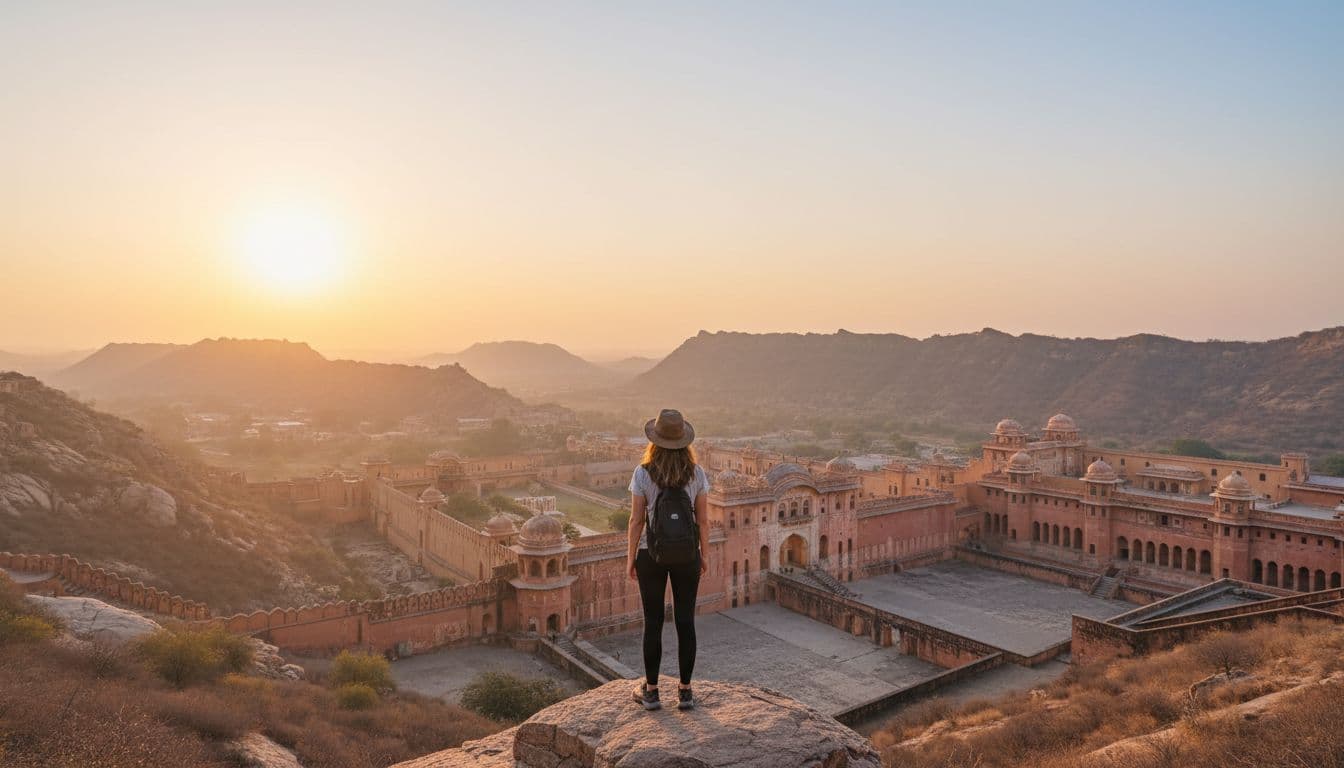
Image created with AI: A solo traveler takes in Amber Fort at sunrise, with the Aravalli hills glowing behind the Pink City.
Jaipur’s Safe, Vibrant Solo Appeal in 2026
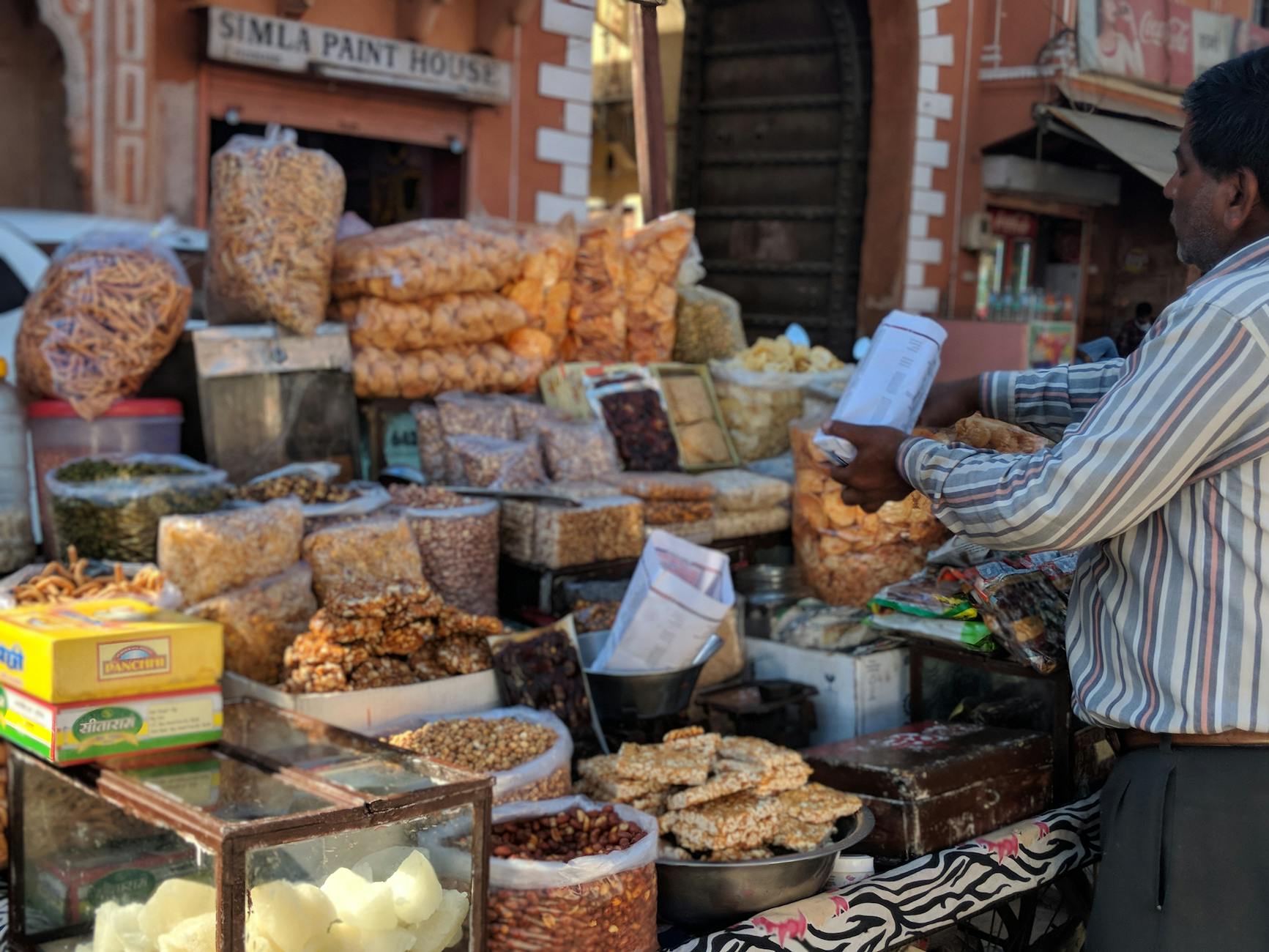
Street food energy in the Pink City fuels day-friendly exploring for solo travelers. Image created with AI-like style for editorial context. Photo by Aarti Krishnan
I trust Jaipur with my time and my camera. The old city is compact, streets are busy by day, and vendors are used to solo visitors. Pricing at major monuments is posted, and clear signboards help you move fast between gates and courtyards.
Transport is simple:
Auto rickshaws for short hops
App-based cabs for cross-town rides and nights
Metro for key stops around the core
Walking the Pink City grid by daylight
Women-friendly cues stand out. Main avenues in the walled city are well-lit, and the day markets stay lively with families and shopkeepers. City highlights like Amber Fort, Hawa Mahal, and Jantar Mantar are predictable, popular, and easy to reach. Guided group walks and food tours make evenings more social, a trend supported by 2026 solo travel demand for authentic, safe city experiences.
For a broad look at women-friendly India itineraries and solo-ready circuits that include Jaipur, this tour overview offers added context: India Solo & Women Travel 2025/2026.
Why I trust Jaipur for safe solo wanderlust 2026
Day-friendly bazaars with steady foot traffic
Clear signboards and posted ticket windows at major sites
Heritage walks that explain routes and stories
Abundant cafés for short breaks between stops
Easy to join small-group tours when you want company
Dress modestly, greet with a smile, and you will feel friction drop.
Money, access, and transit that help solo travelers
Expect 2026 price ranges like this:
Monument entries: mostly 1 to 7 dollars
Street food bites: usually 1 to 3 dollars
Guided market food tours: starting around 10 dollars
Boat rides near water-facing monuments: about 5 dollars
Use UPI for cashless where possible, keep small bills for rickshaws, and haggle politely by asking the price before you ride. E-rickshaws feel calmer in crowded lanes. By day, you can walk a compact loop that links Hawa Mahal, City Palace, and Jantar Mantar in under an hour of strolling.
Respectful habits and safety cues locals appreciate
Wear modest clothing that covers shoulders and knees
Avoid closed or empty alleys at night
Keep valuables in a cross-body bag
Share live location with a friend
Choose busy tea stalls for breaks
Ask women vendors for directions if you feel unsure
For evenings, join a small-group tour or a heritage walk
Map and Top 10 Solo Travel Destinations in Jaipur 2026
When I plan solo travel destinations in Jaipur 2026, I map everything first. It helps you stack golden hours, snack stops, and ride times without wasting minutes.
Your custom Jaipur solo map
This guide includes key destinations with verified Google Maps links. I’ve added a one-day and a two-day loop so you can pick your pace. Zoom in around Johari and Chandpole to see food stall clusters and tea corners.
Nahargarh Fort: The ridge-line terrace watches over the Pink City, and crowds thin at sunset. Entry is about 2 dollars. Safety tip: bring a headlamp if you linger. Open in Google Maps
Amber Fort: Grand courtyards and fresco frames reward early arrivals. Entry about 6 dollars. Safety tip: skip animal rides, walk or take the shared jeep. Open in Google Maps
Panna Meena Stepwell: A geometric beauty with calm corners near Amber. Entry about 1 dollar. Safety tip: visit mid-morning for the best light on the stairs. Open in Google Maps
Jal Mahal: The water palace glows at sunrise and again before dusk. Viewing is free, and boats run about 5 dollars. Safety tip: stick to the promenade edge. Open in Google Maps
Kanak Vrindavan Gardens: Shade, birdsong, and Aravalli backdrops for slow mornings. Entry about 2 dollars. Safety tip: go early for the quietest paths. Open in Google Maps
Bazaars, palaces, and street food safaris
Johari Bazaar: Jewelry lanes with snacks at almost every turn, best by day. Try samosas and sweet lassi, and keep small change ready. Safety tip: hold your phone with a wrist strap. Open in Google Maps
Chandpole Bazaar (street food safari): Guided tastings run from about 10 dollars. Start before sunset and choose busy, clean vendors. Safety tip: watch oil freshness and turnover. Open in Google Maps
Hawa Mahal: Iconic lattice windows, with a compact museum and rooftop views nearby. Entry about 1 dollar. Safety tip: arrive early to avoid tight crowding. Open in Google Maps
City Palace: Museum galleries and royal courtyards give shelter from the heat. Entry about 7 dollars. Safety tip: keep your ticket handy for checks. Open in Google Maps
Jantar Mantar: Open-air astronomical instruments with clear plaques. Entry about 2 dollars. Safety tip: use a hat and water for midday visits. Open in Google Maps
Use long daylight periods to chase hidden forts Jaipur solo 2026 and stack snacks into street food safaris Jaipur 2026 with fair prices. For a light primer on what first-timers often include in their Jaipur list, this concise guide echoes many of the same stops and costs: Jaipur best places to visit for Solo Travelers 2025.
Johari and Chandpole draw solo travelers for snacks, color, and safe daytime wandering. Image created with AI-like style for editorial context. Photo by Aarti Krishnan
Compare your solo plan at a glance
Primary keyphrase in action: I rank these solo travel destinations in Jaipur 2026 so you can match them to your timing and budget.
Smooth solo days come from simple habits. I keep my routes tight, carry small cash, and time markets for daylight. For clean street food wins and fair deals, I rely on a few core checks.
Five safety and booking tips that work in 2026
Shop and snack in daytime bazaars.
Use app cabs at night for door-to-door moves.
Share live location with a trusted contact.
Carry a filtered water bottle and refill often.
Buy monument combo tickets when offered to save time.
Use walking loops and the metro for short hops. Choose e-rickshaws instead of long solo walks at night. Early mornings at Kanak Vrindavan or the Jal Mahal promenade reset the pace. For deal timing that keeps plans flexible, scan Trip.com Jaipur Deals 2026 before you lock in dates.
Jaipur’s Solo Magic, FAQs, and Final Prep
Why Jaipur grows my independence
Flexible timing, with photo stops whenever the light turns gold
Simple routes between monuments, with clear ticket counters
Street food without pressure, one stall at a time
Safe day markets, calm edges near key gates
Short jumps by app cab when you need a breather
Plenty of shared tours to join for evening slots
Rich storytelling at forts and observatories
Daily wins that build safe solo wanderlust Jaipur 2026
FAQs about solo travel destinations in Jaipur 2026
Q: What is the safest day bazaar for solo travelers?
A: Johari Bazaar. It is busy, straightforward, and great for daytime snacks.
Q: Best sunrise or sunset views in the city?
A: Nahargarh for sunset and the Jal Mahal promenade for sunrise. Both are reliable and scenic.
Q: Where should I book hotels and packages?
A: Trip.com is my pick for Jaipur stays and deal-stacking.
Q: How do I find good tours and activities in Jaipur?
A: I use Tiqets.com for verified tickets and guided options.
Q: Where do I book flights into Jaipur?
A: Expedia.com. It is quick to compare pricing across dates.
Q: What should I wear as a solo woman?
A: Modest clothing that covers shoulders and knees. Comfortable, closed shoes help on stone steps.
Q: What daily budget should I expect?
A: If you keep to the basics, 25 to 45 dollars covers entries, street food, and short rides.
Q: Are app cabs fine for solo women at night?
A: Yes, with common-sense checks. Share your ride and sit in the back.
I built this list to help you move with confidence. These 10 solo travel destinations in Jaipur 2026 cover golden-hour fort views, fair-priced museums, and lively day markets. Use the live map, then pick two spots for your first afternoon, like Hawa Mahal and City Palace, and two for sunrise the next day, such as Jal Mahal and Panna Meena Stepwell.
I want you to feel the same steady rhythm: short rides, safe stops, and spicy snacks under bright pink facades. That is the magic of solo in Jaipur: freedom with a plan, and a city that meets you halfway with smiles and signboards. If you are ready, line up your dates, lock in your first night, and let the map do the rest. The best solo travel is simple, not complicated. Discover 10 solo Jaipur spots in 2026 on Trip.com!Book your trip now.
Amber Fort at golden hour is a consistent solo favorite that feels both grand and manageable. Image created with AI.
India Cultural Travel 2025: Where Festivals, Heritage, and Ideas Unite
Plan your India Cultural Travel 2025 adventure: the sun glints off ancient fortress walls, the smoky aroma of street-side tandoor mingles with the sweetness of chai, and the buzz of marketplaces weaves between modern skyscrapers and thousand-year-old temples. This is a country where past and future walk shoulder to shoulder, offering a cultural travel experience unlike any other—where hand-painted traditions blend with bold new expressions of art, food, and culture. Travelers seeking authenticity find here more than just photographs—they discover deep connections, sensory adventures, and genuine stories.
Moreover, more Indian travellers than ever are seeking out India’s vibrant festivals, heritage cities, and off-the-beaten-path villages, craving immersive cultural experiences that go beyond sightseeing. Whether it’s joining locals during Durga Puja in Kolkata, wandering the ghats of Varanasi, or sampling ancient recipes on a culinary trail, this is the year for culture-curious visitors to explore India’s richest cultural destinations.
Some of the links and recommendations in this guide are affiliate links. If you book or purchase through them, I may earn a small commission at no extra cost to you. These help keep the site running and allow me to share more tips and inspiration. Thank you for your support.
This guide will give you practical tips, inspiration, and the freshest insights for planning a journey centered on cultural discovery in India. If you’re ready to experience traditions, try dynamic local tours, and find the best places to stay for a culture-first trip, I’ll help you map the unforgettable. For stress-free planning, you can always book flights and hotels worldwide with trusted partners.
Picture this for your research and planning:
The colors of Lathmar Holi, splashing joy across Barsana.
A serene boat ride at sunrise on the Ganges in Varanasi.
Raj-era arches and bustling street life in Jaipur’s old city, one of India’s treasured heritage cities.
Heaping thalis in a bustling Delhi market, where every bite tells a story.
Ready to plan your own culture-immersive trip? Start by exploring exclusive deals, updates, and smart travel tools at I Need My Vacation.
The Heart of Indian Culture: Festivals, Heritage, and Living Traditions
India’s soul pulses with celebration, history, and age-old customs that shape every corner of daily life. Traveling here isn’t just about visiting monuments or ticking off famous places. Instead, it invites you into the ongoing story of a country where joy roars in colorful crowds and tradition glimmers in every ritual-laden alleyway. If you’re ready to delve deeper into India, step into the vibrant cultural events, historic cities, and homes where traditions aren’t frozen in time—they’re part of life itself.
In India, no two months look or sound quite the same. Furthermore, the calendar is dense with vivid cultural events that each bring a city or region alive with celebration. From Holi’s wild splashes of color to the hypnotic drumbeats of Durga Puja, these gatherings offer a playful, moving look at community, devotion, and creativity. Meanwhile, across the plains and valleys, festival rituals bring all ages outdoors. Lanterns, music, prayers, and dancing—every celebration has its own palette. For example, Holi feels like stepping into a moving artwork, where color and laughter dominate the air. Additionally, Diwali, the festival of lights, turns cities and villages into a world of flickering lamps, fireworks, and home-cooked sweets shared around family tables.
For anyone hunting for the most immersive experiences, plan your travels around a major event. You’ll not only see temples and processions—you’ll feel the thump of live music, taste handmade confections inspired by Indian cuisine, and join crowds swaying to local rhythms. For more on the best celebrations to fit into your travels, check out Pettitts’ guide to India’s top 17 festivals.
Discovering Living Heritage
India’s rich cultural heritage isn’t locked away in museums. However, it’s part of daily life, woven into the old city lanes, hill forts, and riverside ghats. Stand in the pink streets of Jaipur or the ghats of Varanasi at sunrise, and you feel the stories humming in the walls and stones. In Varanasi, the spiritual journey along the banks of the Ganges offers a profound glimpse into India’s ancient beliefs and rituals. Moreover, ancient temples and grand palaces aren’t just photo stops—they host daily prayers, music rituals, and community gatherings. Even small towns in Rajasthan surprise with architectural marvels, bustling craft markets, and family-run guest houses that whisper the legacy of generations.
If you want to dig into India’s living cultural heritage, head to places where locals invite you to join their world. It might be watching artisans weave silk saris, learning temple etiquette from a priest, or sharing a thali in a heritage home. Traveling this way flips the script: history stops feeling like the distant past and becomes a living, breathing part of your trip. To discover more about how to experience these vibrant cultural destinations, visit Travel and Tour World’s article on India’s cultural renaissance.
Embracing Living Traditions
What makes India so magnetic is that local traditions aren’t relics—they’re alive in kitchens, markets, and morning routines. Watch a street food vendor prepare crispy dosas, or see a potter shape a diya for Diwali, and you witness skills handed down over centuries. Additionally, even modern cities like Mumbai and Bengaluru brim with rituals, whether it’s a festival pop-up, a community cricket match, or an open-air artisan market buzzing at dusk. If you’re open to it, small gestures bring you closer to real India. Join a family for tea, learn a folk dance, or watch the village blacksmith craft tools the way his ancestors did. These living traditions are the heartbeats that keep culture alive for generation after generation.
The best way to honor and experience them? Wander slowly, say yes to local invitations, and let your curiosity lead you. For more ideas and a taste of India’s rich cultural heritage in action, I recommend this visual journey: Agoda’s guide to India’s vibrant festivals.
Major Indian Festivals and What Makes Them Unique
Here’s a snapshot of a few must-see celebrations and their signatures:
Festival
Region / Date
Highlights
Holi
All over Northern India / March
Colorful powder, music, street food, dancing in the open
Diwali
Nationwide / October–November
Lamps and fireworks, homemade sweets, family gatherings, prayers for prosperity
Durga Puja
Kolkata / September–October
Giant goddess idols, night-long pandal hopping, drumming, and community feasts
Pushkar Fair
Rajasthan / November
Camel and cattle trading, spiritual ceremonies at the lake, carnival rides, crafts
Hornbill Festival
Nagaland / December
Tribal dance performances, traditional games, music, local food and handmade crafts
Travel Essentials: Packing for India’s Culture & Festivals
Immersive cultural tourism in India means being ready for surprises—a sudden rain dance at a festival, temple visits, a sunrise boat ride, or a street parade. I always suggest you pack a lightweight scarf (great for temples and celebrations), comfy walking shoes, and a roomy daypack. Need a new backpack for your travels? These top-rated travel backpacks on Amazon make packing easy, and many come with anti-theft features and expandable storage for all your festival finds. If you love staying organized, these packing organizers help keep your clothes fresh in India’s mixed climates.
With each celebration, historic lane, and fragrant kitchen, Indian culture invites you in—not as a spectator but as a guest. Indian travellers eager to explore vibrant events and cultural destinations will find their journey here feels like a true celebration.
Hidden Gems and True Immersion: Beyond the Tourist Trail
India’s true richness doesn’t just sparkle in palaces or pulse at big-city festivals. It hides in quiet alleys, on humming riverbanks, and within the rhythm of local routines where few foreigners venture. The most meaningful moments often sneak up when you step off the well-trodden path, slow down, and let everyday India’s authenticity reveal itself. Here’s how I find the soul of the country—one secret, street, and shared meal at a time.
Skip the famous shopping streets. In the narrow market lanes tucked behind ancient temples or along sleepy canals, I experience India’s real color and lively conversation. Here, vendors remember regulars, and the goods are as much about tradition as transaction. The scent of frying samosas blends with fresh jasmine garlands. Everyone seems to have time for a story, especially over a paper cup of chai.
What starts as an ordinary errand often turns into an invitation—to a wedding next week, to sample a homemade pickle, or to hear how the monsoon is shaping this year’s spice mix. Neighborhood markets perfectly showcase India’s cultural diversity and are the country’s best storytellers. For a deeper look at markets across India and the value of wandering beyond the map, this feature on India’s secret wonders highlights the rewards of stepping off the tourist trail.
Village Homestays: Life at a Human Pace
Some of my fondest travel memories come from village guesthouses far from bustling cities. Here, I’m not a customer but a true guest. Days start with the smell of wood smoke and the laughter of roosters. Whether helping gather vegetables from the garden or learning to grind fresh spices, every task is a warm invitation to join in, ask questions, and listen.
Village hosts cherish sharing their world: the story of a family shrine, the way each festival is celebrated uniquely, and the recipe for a special chutney grown only in this soil. These moments offer an intimate connection to local traditions, making each stay deeply authentic. Plan for at least two nights, and you’ll be remembered on your next visit as family, not a stranger. Discover more about these meaningful cultural experiences in this guide to off-the-beaten-path tours in India.
Home Kitchens: Where the Heart of India Beats
No restaurant can match the warmth of an Indian kitchen. Sharing a meal in someone’s home is a genuine step into the heart of Indian cuisine. Here, I watch elders carefully stir chutneys while children roll fresh rotis. Dinner isn’t rushed—it’s a time to talk, laugh, and swap stories across the table.
You’ll discover that mustard oil isn’t just for cooking in Bengal but also features in family rituals; furthermore, a South Indian breakfast is an artful spread of coconut, curry leaves, and spice. Cooking classes hosted in local homes offer a gentle bridge into India’s deep culinary traditions. If you hunger for authentic culinary adventures, this guide to unique experiences in India recommends joining lessons or meals led by home cooks.
India’s living arts flourish at the grassroots—from block printers in Rajasthan to weavers in Kutch. Instead of hunting for souvenirs in tourist shops near popular sites or UNESCO World Heritage Sites, join a local crafts workshop. The rhythm of the loom, the painter’s brush, and the potter’s wheel invite you to watch, learn, and try your hand.
Spending a few hours with an artisan connects me directly to generations of skilled hands and their stories. Even if my pottery turns out wobbly, it carries a real story home. To explore artisan trails or find workshops welcoming travelers, this collection of offbeat adventure destinations in India is a helpful starting point.
Some whispers of India hide in its quietest places. Imagine crossing a river at dawn, mist rising, temple bells ringing softly, and the gentle splash of oars. Or perhaps a slow hike through forested hills where only birdsong and the soft call of a temple priest break the silence. These peaceful spots offer a profound spiritual journey—a chance to reflect and soak in beauty far from the crowds.
Seek small temples, riverside aartis, or forest walks where nature and spirit blend seamlessly. These corners show another side of India’s welcoming heart—a reminder that not every treasure sparkles with tourists. Millennials and Gen Z travelers, drawn to meaningful cultural experiences and offbeat adventures, will find these places especially rewarding.
The true heart of India is not just seen but felt—in the rhythm of daily life and the warmth of its people. When you wander off the main road, set aside the checklist, and open yourself to these quieter chapters, every moment becomes a lasting memory. For a curated list of places and personal stories from explorers, discover more hidden wonders of India.
Modern Travel in India: Planning, Safety, and Digital Convenience
India’s streets have always crackled with energy, but now the travel scene is leaner, smarter, and more connected than ever. While the country’s soul stays true to its traditions, the ways in which travelers prepare, move, and protect their well-being are evolving fast. New digital tools blend with the wisdom of age-old advice, making it possible to plot easy routes through crowded bazaars or check a festival schedule with a tap. If you’re mapping a journey here, you’ll find a balance of excitement and assurance in every step. Let’s break down how to plan wisely, stay secure, and use technology for smoother, stress-free travel.
The best Indian journeys start long before your flight touches down. Furthermore, with all-in-one comparison sites and curated guides, trip planning is far less daunting and more flexible. Instead of sticking to fixed routes, you can layer in detours for new discoveries or switch plans on a whim without hassle. Most travelers start with these essentials:
Smart scheduling: I find it helpful to draft a loose plan with “must-sees,” then list a handful of flexible, weather-friendly options. Major holidays or festivals can shape your daily movement, so check dates carefully.
Transport tools: From high-speed trains like Vande Bharat to budget domestic flights, choices have expanded. Ride-hailing apps (like Ola and Uber) help Indian travellers avoid price haggling and make impromptu day trips much easier.
Easy payment: Digital wallets, UPI, and international credit cards are now accepted widely, even at most hotels, tour agencies, and local shops.
Feeling confident in a country as complex as India starts with smart routines and a pinch of street sense. Moreover, today’s traveler isn’t just worried about pickpockets on a crowded train—there are health updates, local reviews, and even weather alerts right on your phone to keep your well-being front and center.
Some key security habits I follow now:
Stay connected: A local SIM card or eSIM means you can always call for help or check real-time maps. Apps like WhatsApp are lifelines for both navigation and social advice.
Health and wellness: After recent global events, India doubled down on cleanliness in airports, hotels, and major attractions. Carry hand sanitizer and masks, but know that major brands and pharmacies are everywhere to support your wellness on the road.
Trusted accommodations: Ratings, reviews, and videos now bring a level of transparency to picking homestays, hostels, and guesthouses anywhere from Goa to Sikkim.
Emergency info: Keep embassy contacts and travel insurance details in both print and digital forms. I always bookmark the number for local tourism police.
However, if travel insurance feels confusing, Forbes’ guide to travel insurance covers what’s needed for India, from lost bags to unexpected medical emergencies.
Digital Convenience: Your Secret Weapon in India
Today, traveling India with a smartphone is like having a local friend in your pocket. Additionally, large and small innovations are making life easier for everyone who visits, especially for Indian travellers, whether you’re wandering by foot, train, or tuk-tuk.
I rely on these digital tools every time I’m in India:
Language helpers: Google Translate and camera-based translation apps turn signs and menus into plain English. Many urban vendors use WhatsApp for order updates and pickup reminders.
Navigation and local guides: Google Maps is surprisingly accurate for cities and most towns. Apps like Rome2Rio offer clarity on intercity options, while Zomato helps pick reliable food spots.
Event and activity booking: Digital ticketing means you can skip long lines at famous monuments or book a local food tour in minutes. Apps like BookMyShow let you snag tickets to concerts, sports, or theater.
Meanwhile, for travelers wanting to plan everything in one place, platforms like I Need My Vacation’s travel deals aggregator are a smart first stop, letting you compare options and grab flash promos in real-time.
Top Digital Essentials for India 2025
Here’s a clean, easy-to-read table of essential travel apps and services for India in 2025. Keep this handy for stress-free planning and smooth travel:
Each tool here can help you avoid stress, save money, and get the most out of your trip. Download a few before you go, and you’ll be ready for anything.
Packing for Modern India: Security and Tech on the Go
Blending practical gear with smart tech is the way to roll now. Furthermore, I never leave home without:
A universal adapter and compact power bank for trains and street cafes.
A foldable reusable bottle and filter for safe hydration.
Digital lock, RFID-protected wallet, and a secure day bag for busy city travel.
Lightweight, quick-dry clothing for quick changes between climate zones.
Consequently, to keep your tech charged and organized, browse the latest portable power banks on Amazon, great for on-the-go needs from Delhi’s metro to Himalayan villages.
Modern travel in India rewards both careful prep and the ability to adapt using the newest digital conveniences. By weaving together smart planning, sensible security habits, and thoughtful use of tech, any traveler can experience the best of old and new—without stress weighing them down.
Connecting Through Food, Art, and Spirituality
India thrives on connection. While languages, faiths, and customs differ wildly from state to state, I notice that everywhere I go, people gather meaningfully: around a table, before a painting or sacred mural, or on temple steps with folded hands and gentle smiles. Each of these expressions is a powerful thread binding not only families or towns but the whole sprawling story of India’s rich cultural diversity. The conversations don’t pause for a meal, a song, or a ritual—they grow deeper, more vivid. This is where real understanding is born, and for travelers, it’s the golden key to feeling part of something timeless.
The Spirit of Sharing: Food as a Bridge
One of the fastest ways to connect in India is by sharing food. Not just eating, but truly participating—accepting a steaming dosa handed over a counter, dipping fresh chapati into fragrant dal at a family table, or taking part in a temple lunch where hundreds are fed side by side. Indian cuisine is never just fuel. It’s a ceremony, a story, and a sign of trust.
Every region celebrates its specialties, but look beyond the plates and you’ll see that food also holds deep spiritual and wellness significance. Offerings in temples, massive community feasts at Gurdwaras, or simple homemade sweets during cultural events—what matters most is the kindness behind the meal. It’s common for people to invite strangers to eat, as if to remind visitors that in India, no one truly eats alone.
For those as curious as I am about the centuries-old ties between food, faith, Ayurveda, and daily rituals, Shoba Narayan’s exploration of India’s spiritual food traditions brings fresh light to each humble bowl and grand celebration. If you want to understand why thali platters are organized in a certain order or how wellness principles influence cooking, this resource is a journey in itself.
Art in India isn’t locked away in museums. It dances in wedding henna, explodes across festival banners, flickers from painted trucks, and covers city buildings and temple walls. Whether I’m in Rajasthan wandering through blue-washed streets or watching tribal painters in Odisha, I find that artistic expression, deeply rooted in cultural heritage, is built into the fabric of everyday existence. Children draw rangoli on doorsteps in the morning, and artisans carve sacred statues from local stone, their hands repeating steps learned long ago from local traditions.
The link between art and spirituality is impossible to miss. Temples come alive with detailed carvings and glowing frescos; furthermore, festivals unveil giant effigies and woven flower garlands. Even a tiny village shrine may be painted with wild, joyful colors to honor a local deity. The result is a landscape that feels alive, reflecting the moods and beliefs of the people who care for it.
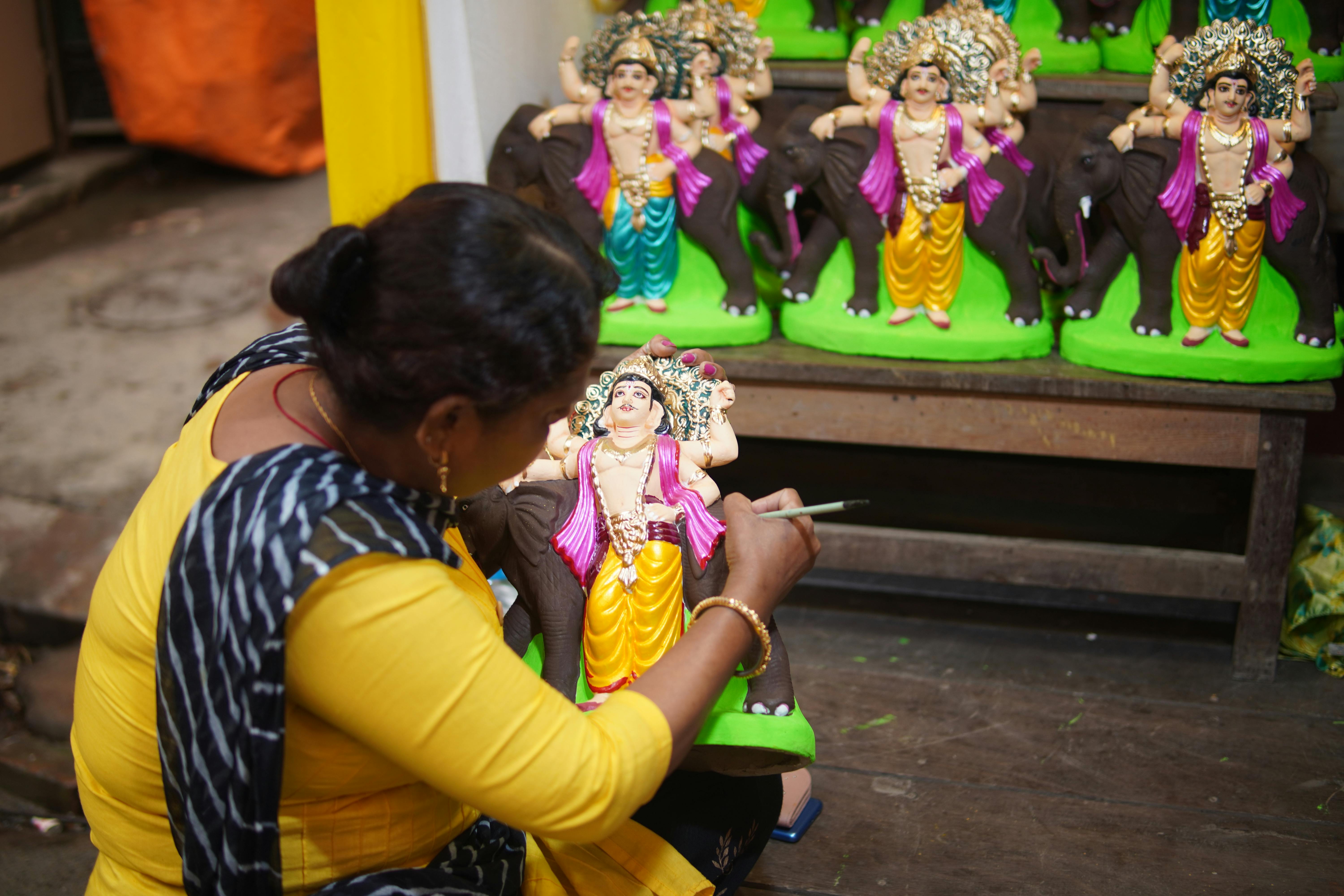
What I love most is how art in India invites participation. Travelers can try their hand at block printing in Jaipur or paint a diya lamp during Diwali. These moments aren’t just crafts—they’re language without words, letting us listen, share, and understand.
Across the subcontinent, spirituality gives rhythm to the day and color to the calendar. This is clear in the morning calls of prayer echoing through cities, the smell of incense curling up from small altars, and the peaceful chaos of a riverbank aarti at dusk. What surprises me over and over is how open this spiritual world is—most temples, mosques, and churches welcome anyone who enters with sincere respect.
In India, people practice spirituality together and alone; through music, cooking, art, yoga, and silence. Pilgrims walk hundreds of miles to reach holy cities like Varanasi, while locals pause to light lamps or tie threads at roadside trees. The everyday and the eternal meet, and a simple moment—sharing water, accepting a blessing—can be as meaningful as visiting a famous shrine. This spiritual journey offers not only connection but insight into how wellness and mindfulness are woven into daily life.
Experience is the real teacher here. Whether you’re swept up in song at a Sikh langar in Amritsar or savoring the hush after sunrise on the ghats of Varanasi, the connection is felt most strongly by joining in. To see how food and faith intertwine at every level, Thrive360’s guide to Indian food and spirituality gives practical and fascinating context.
Everyday Connections in Food, Art, and Spirituality
Below is a quick look at how these three pillars shape unique moments across India:
Experience
What to Join
Meaningful Moment
Temple Meal
Share prasad or community lunch
Breaking barriers, belonging
Festival Art Workshop
Rangoli, henna, diya painting
Sharing joy, learning together
Morning Rituals
River aarti, incense ceremony
Reflecting on gratitude, calm
Home-Cooked Dinner
Family invites for regional dishes
Building trust, new friendships
Bringing the Connection Home
Travel in India doesn’t pause when you leave the country. I often bring back a taste of the experience by cooking new recipes or displaying folk art collected in local markets. Even small gestures—like serving chai in earthen cups or using a traditional spice box—bring back the memory of being welcomed, seen, and fed through local traditions.
If you want your own souvenir that connects food, art, and the sacred, check out an Indian spice box or pick up a stadium-quality Bluetooth speaker to play temple bells and festival music at home. These small reminders keep India’s sense of community and celebration alive, wherever you are.
Connecting through food, art, and spirituality turns travel into something deeper than just movement. For me, it shapes India not only as a destination but as a living invitation to join in, to listen, and to share the vibrant cultural heritage and ongoing cultural events that define this incredible country.
Conclusion
India is alive with dazzling color, flavors, rhythms, and warm welcomes. This is a land where the old and the new mix every day, offering cultural experiences that stir the senses and spark genuine connection. Imagine yourself swept up in the joy of Holi, savoring a slow meal cooked over a family stove in Kerala, or admiring iconic sites like the Taj Mahal—each moment enriched by the scent of spices carried on a gentle evening breeze.
Now is the time to seize the dream—book your cultural tourism trip, plan for nights under palace arches and sunrises over sacred rivers, and prepare to fill your camera roll with vivid memories at UNESCO World Heritage Sites. Let your curiosity guide you off the main road into kitchens, festivals, hidden villages, and into the heart of wildlife safaris, including the renowned Ranthambore National Park. These cultural destinations promise not only breathtaking sights but real stories and friendships you can carry home.
As you pack for your journey, bring smart travel gear that makes every step easy. I always recommend using these travel organizers from Amazon to keep your clothes crisp and your electronics safe. This small investment means less stress and more energy for discovery.
Thank you for sharing your time and spirit of adventure. If this post inspired new dreams or sparked a memory, leave a comment or share your own wish-list trip below. For unbeatable deals on India flights, hotels, and immersive tours, start your journey at I Need My Vacation.
Ready to make your India adventure a reality? Book your flights and hotels now and start planning your unforgettable cultural journey today!