...

IneedMyVacation.com


Dominica Caribbean Travel: The Ultimate Nature Island Eco-Adventure Guide

Is Dominica worth visiting? Yes, Dominica is the Caribbean’s premier eco-adventure destination, famous for its lush rainforests, volcanic landscapes, and world-class whale watching. It is ideal for active travelers seeking hiking, diving, and authentic nature experiences over crowded beach resorts.

Dominica is getting hard to ignore in 2026. This is the Nature Island at its best, with protected rainforest, volcano country, waterfalls, whale watching, and a lighter tourism footprint that feels built for travelers who want more than a beach chair.

If you’ve been sorting through Dominica Caribbean travel and trying to figure out whether it’s worth the trip, the answer is getting clearer fast. New tourism investment, better access, and a stronger focus on eco-adventure are pushing the island into the spotlight, while comparisons like Dominica vs the Dominican Republic keep showing why this island is in a completely different lane.

Affiliate Disclosure: This article contains affiliate links. If you book through these links, I Need My Vacation may earn a commission at no extra cost to you. We only recommend services we trust and use ourselves.

🌿 Ready to Explore the Nature Island?

Don’t wait for the crowds to catch on. Compare flights, book top-rated eco-lodges, and secure your spot on the Boiling Lake trek today!

What makes Dominica stand out is simple: it’s wild, active, and still feels real. Here’s why more travelers are booking it now, and what you should know before the rest of the crowd catches on.

What makes Dominica different from the typical Caribbean getaway?

Dominica is not the kind of place you book for a poolside routine and a packed beach strip. It feels wilder, quieter, and more rugged, with the kind of scenery that makes you slow down and actually look around. If you want the Caribbean with a little more edge and a lot more green, this is where Dominica Caribbean travel starts to make sense.
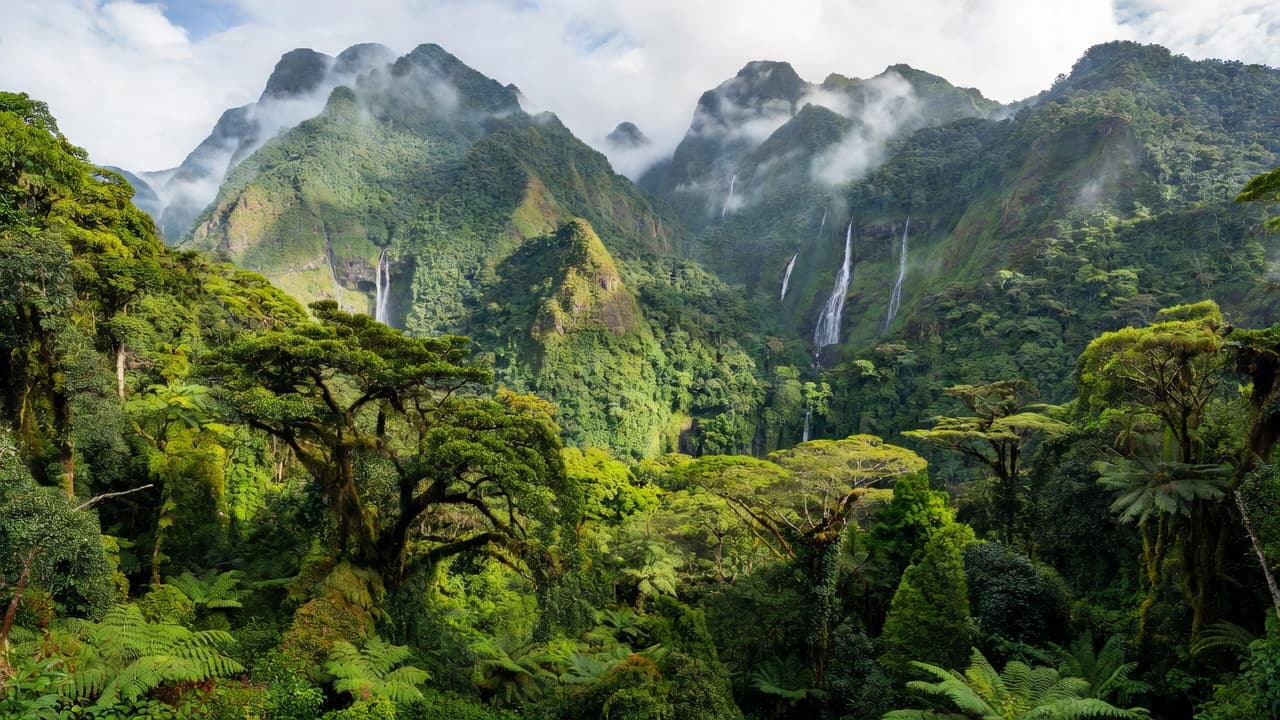
Dense emerald canopy stretches across jagged mountain ridges shrouded in thick morning mist with cascading waterfalls in Dominica.

Is Dominica the same as the Dominican Republic?

Yes, people mix them up all the time, but they are completely different destinations. Dominica is a small English-speaking island nation in the Lesser Antilles, while the Dominican Republic is a much larger Spanish-speaking country on Hispaniola.

They are far apart, and they offer very different trips. The Dominican Republic is known for big resorts, long beach stretches, and mass tourism. Dominica is known for mountains, rainforest, hot springs, rivers, and a travel style that feels far more intimate.

If you are searching for a beach-heavy resort vacation, you probably want the Dominican Republic. If you want a raw, outdoors-first island, you want Dominica.

Why is nature the main draw here?

Dominica does not sell itself on crowded resort rows or endless beach bars. Its identity is built around forests, rivers, volcanoes, waterfalls, and clean air, and that is exactly why so many travelers are paying attention now. This is the Nature Island for a reason. You can hike through rainforest in the morning, soak in a hot spring later, then end the day with views that feel untouched.

A few things set it apart fast:

  • Dense rainforest that covers much of the island
  • Volcanic terrain that gives the landscape real drama
  • Dozens of rivers and waterfalls that you actually see and use
  • Lower-key lodging that feels local instead of overbuilt

What are the best eco-adventures in Dominica?

Dominica is built for travelers who want more than a pretty view. The island pulls you into the terrain, with rainforest, volcanic ridges, river valleys, and water everywhere you turn. This is not the kind of island where you stay still for long. You hike, swim, snorkel, soak, and watch the landscape shift from dense green to raw volcanic rock in a matter of minutes.
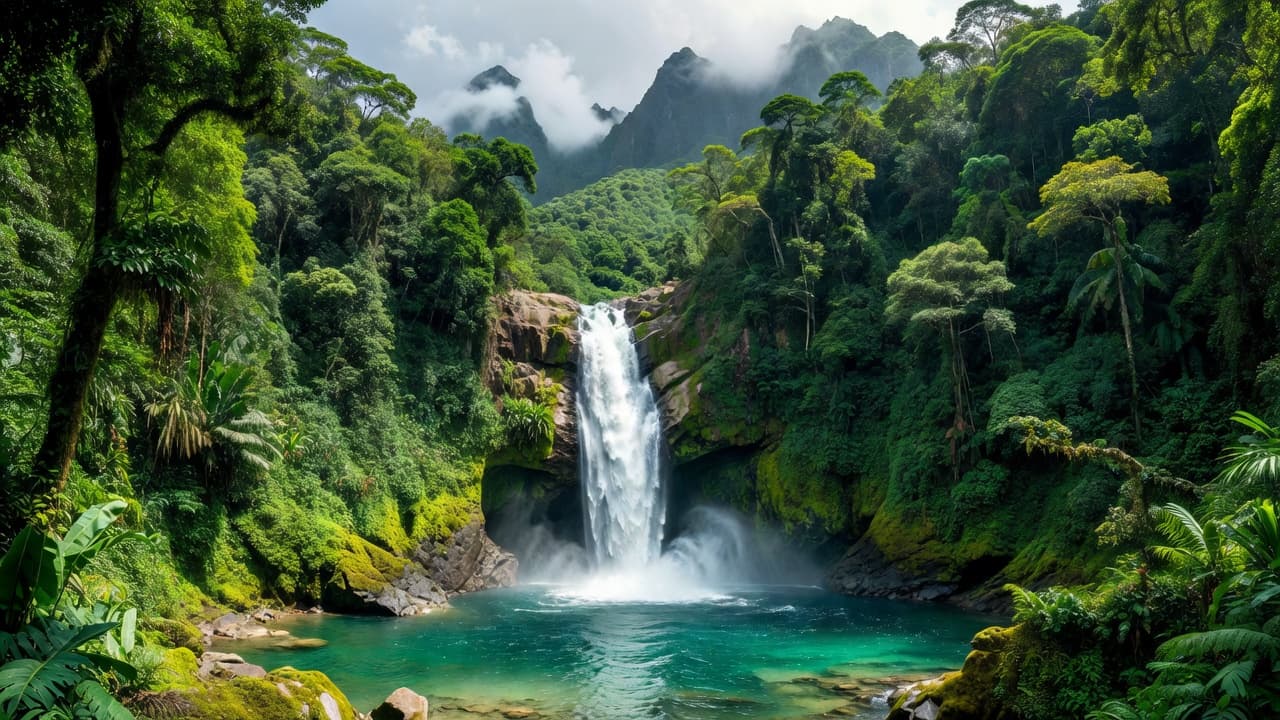
A powerful waterfall plunges down a steep moss-covered rock cliff into a pristine turquoise pool surrounded by dense rainforest foliage in Dominica.

Where can you hike through rainforests and waterfalls?

Dominica’s inland scenery is the heart of the trip. Morne Trois Pitons National Park is the place that puts the island on the map for serious nature lovers. The Boiling Lake trek is the big test here. It is long, steep in places, and best for travelers who want a real challenge.

For a shorter day, Trafalgar Falls is easier to reach and still delivers the drama. Emerald Pool is another favorite because it gives you that rainforest payoff without demanding a full-day hike. If you want a bigger route, the Waitukubuli National Trail gives you a deeper look at Dominica’s interior, section by section.

🥾 Dominica Hiking Difficulty Guide:
Easy to moderate: Trafalgar Falls, Emerald Pool
Moderate to challenging: Middleham Falls, Waitukubuli Trail sections
Strenuous: Boiling Lake trek (requires a local guide)

🗺️ Book Unforgettable Dominica Tours

Skip the guesswork. Book highly-rated local guides for the Boiling Lake trek, waterfall hikes, and Kalinago Territory cultural tours.

How do you snorkel, dive, and soak in volcanic waters?

Dominica’s water experiences are not just about beaches. The island gives you volcanic water, warm mineral pools, and underwater life that feels a little unusual even by Caribbean standards.

Champagne Reef is the signature stop. Volcanic gases rise through the water and create warm, natural bubbles around you while you snorkel. It feels like the sea is fizzing around your fins. Nearby, Titou Gorge adds a different kind of thrill. You swim through a narrow gorge into a waterfall-fed pool, and it feels like entering a hidden passage.

Then there are the hot springs around Wotten Waven, where you can slow the pace after a big day outside. For travelers planning a nature-first stay, hidden eco-resorts for nature escapes fit this kind of trip perfectly.

Why is whale watching in Dominica so special?

Dominica has a major wildlife advantage, and it starts offshore. The island is known for sperm whale watching, and sightings can happen year-round. The cooler season, usually November through March, is when many travelers have the best luck. You are not chasing a one-week window here; you are booking a destination with a real, resident whale population.

Where should you stay in Dominica?

I’ve found that better lodging is often the clearest sign that an island is changing. Dominica now has more eco-lodges, boutique hotels, and all-inclusive-style stays, which makes longer trips much easier to plan.

Places like Fort Young Hotel, Jungle Bay Resort & Spa, Secret Bay, and Rosalie Bay Eco Resort & Spa give travelers a real range. Some lean into adventure, some lean into comfort, and some do both.

🌴 Find the Perfect Eco-Lodge in Dominica

Compare highly-rated jungle resorts, oceanfront eco-lodges, and boutique guesthouses with free cancellation options.

How do you get around the island without stress?

Dominica’s roads are steep, winding, and not always beginner-friendly. If you are used to flat island drives, this can catch you off guard fast. A short map route can turn into a slow, twisty ride.

For that reason, many travelers rely on taxis, private drivers, guided tours, or 4×4 rentals. I would only rent a car if you are comfortable driving narrow roads and hillside turns. Otherwise, let someone local handle the driving and save your energy for the actual trip.

🚙 Rent a 4×4 for Dominica’s Rugged Roads

Want the freedom to explore hidden waterfalls and remote trailheads on your own schedule? Compare local 4×4 rentals and book in advance.

When is the best time to visit Dominica?

Dominica is not a book-it-and-forget-it island. A little timing goes a long way here, because weather, road conditions, and activity access can change how the whole trip feels.

SeasonBest ForWhat to Expect
December to AprilHiking, Snorkeling, Dry WeatherTrails are less muddy, waterfalls are accessible, and the sea is clear.
January to MarchWhale WatchingThe absolute sweet spot for seeing sperm whales offshore.
June to NovemberBudget Travelers, Lush SceneryCheaper rates and a greener island, but expect rain and trail mud.

For trip timing, the island also rewards planning. The best experiences are often the ones tied to weather and availability, so it helps to check the best time to book Caribbean trips before locking anything in.

📱 Stay Connected on the Trails:
Cell service can be spotty in the deep rainforest and offshore. Don’t rely on resort Wi-Fi for your hiking maps or emergency contacts. Grab an affordable travel eSIM before you land so you have data the moment you touch down.

People Also Ask: Dominica Travel FAQ

Is Dominica safe for tourists?

Yes, Dominica is considered one of the safest islands in the Caribbean. Violent crime against tourists is extremely rare. The local community is welcoming and heavily invested in eco-tourism. As with any travel destination, standard precautions apply: secure your valuables, use reputable tour operators for hiking, and respect the natural environment.

Do I need a 4×4 to drive in Dominica?

While not strictly mandatory, a 4×4 is highly recommended. Dominica’s roads are notoriously steep, narrow, and winding. Many of the best eco-lodges and trailheads are located up mountain roads that can become muddy and slippery after rain. If you are not comfortable driving manual transmissions on steep inclines, hiring a local driver or booking guided tours is the safer, more enjoyable option.

How many days do you need in Dominica?

Plan for 5 to 7 days to experience the best of Dominica. This gives you enough time to tackle the Boiling Lake trek (which takes a full day), explore Trafalgar Falls, spend a day snorkeling at Champagne Reef, and take a whale-watching tour. Anything less than four days will feel rushed given the island’s rugged terrain and travel times between sites.

Conclusion: Why Dominica Deserves Your Next Vacation

Dominica is getting hotter for a simple reason: it still feels like the Caribbean before the crowds took over. The island has the kind of natural beauty people remember, plus rare wildlife, real eco-adventure, and a tourism push that is bringing more attention without changing the core appeal.

That is why Dominica Caribbean travel keeps standing out. It is not trying to copy the big resort islands, and that difference is exactly what makes it so good right now. If you want your next island trip to feel active, green, and a little less predictable, Dominica deserves a serious look.

Pack Smart for Your Eco-Adventure

Don’t get caught on the trail without the right gear. Get water shoes, reef-safe sunscreen, quick-dry hiking clothes, and dry bags delivered fast before your trip.

© 2026 I Need My Vacation. All rights reserved.


Support the Blog

If you love the travel tips and content, consider buying me a coffee or fueling my next adventure!
Support via Cash App

🌿 Hidden Gem Eco-Resorts: Close to Nature, Far From Crowds

I don’t want to fly somewhere wild, only to share it with shuttle lines, loud bars, and packed excursions. If I’m booking an eco-resort, I want the real thing: birds at sunrise, dark skies, fresh air, and space.

The best hidden eco-stays give me that without feeling rough or fake. I look for places with low crowds, strong nature access, and real eco practices—not resorts that toss in a bamboo straw and call it sustainability.

🎯 TL;DR – Your Eco-Resort Guide

  • I trust small resorts with protected land, low room counts, and clear local hiring policies
  • My standouts: Pacuare Lodge, Topas Ecolodge, Chumbe Island Coral Park, Feynan Ecolodge, and HOSHINOYA Karuizawa
  • When I’m ready to book, I compare nature-focused eco-resort stays before small properties sell out

📺 Watch: Eco-Resort Travel Guide Video

Affiliate Disclosure: This article contains affiliate links to Booking.com, Expedia, Agoda, Trip.com, GetYourGuide, Klook, Aviasales, Airalo, Economybookings, QEEQ, GetRentacar, and Amazon. If you book or purchase through these links, I Need My Vacation may earn a small commission at no extra cost to you. We only recommend services we genuinely trust and use ourselves to help you plan the perfect trip. Thank you for your support!

📋 Table of Contents

💚 What Makes a Hidden Gem Eco-Resort Worth My Money

When I pay more for an eco-resort, I want more than pretty wood furniture and a vague promise about “nature.” I want a place that protects the setting that made me want to go there in the first place.

🌍 The Golden Rule: The best eco-resorts have few rooms, lots of open land, and low-impact design. They hire locally, keep activities small, and don’t build the whole trip around consumption.

A resort can look earthy on Instagram and still run like a mass-market property. That matters.

🔍 How I Spot Real Sustainability Instead of Greenwashing

I keep it simple. If a resort can’t explain its basics, I stop trusting the marketing.

✅ My Eco-Resort Checklist:

  • Renewable power, or at least clear energy-saving systems
  • Water-saving measures, especially in dry or island locations
  • Waste management—refill stations beat disposable everything
  • Wildlife rules, not just wildlife photos
  • Local jobs, local guides, and real community support

Certifications can help, but they aren’t the whole story. Clear proof on the website matters more to me than a polished slogan.

“If a resort sells ‘eco vibes’ but hides its power, water, waste, or labor practices, I move on.”

🧘 The Crowd-Free Signs I Look for Before I Book

Quiet usually isn’t luck. It’s built into the setup.

I trust resorts with limited rooms, harder access, and nature-first activities. Boat arrivals, mountain roads, and guided hikes tend to filter out day-trippers and party traffic.

💡 Pro Tip: Shoulder season helps too. In 2026, more travelers are chasing small dark-sky lodges, private reef stays, and low-density jungle retreats. That sounds great, but it also means the best places stay tiny and book fast.

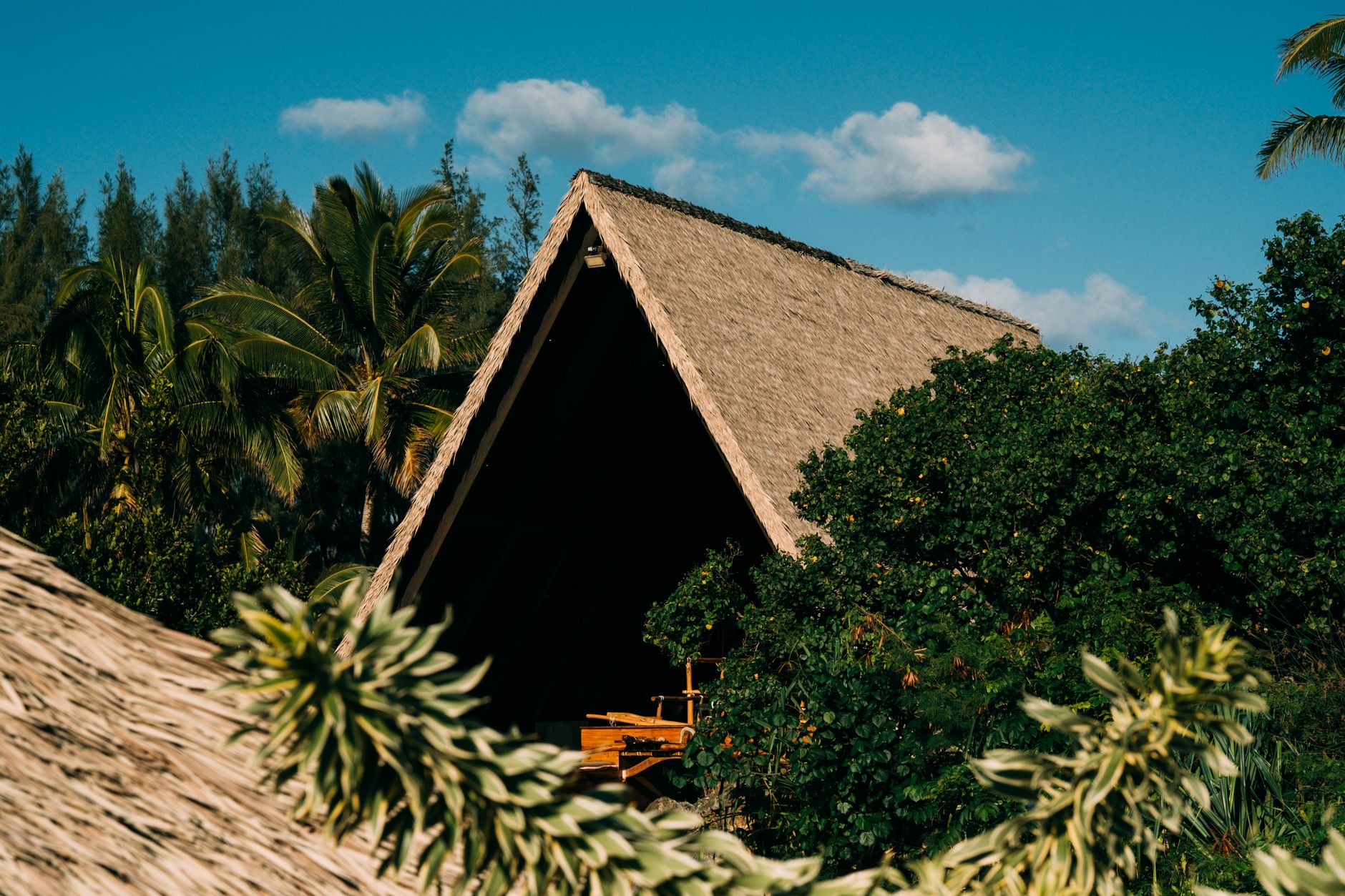
A serene thatch-roof house nestled in a tropical forest surrounded by lush greenery.

Photo by Michael Li

🌎 My Favorite Hidden Gem Eco-Resorts Around the World

These are the kinds of places I remember long after the flight home. They’re not “hidden” because nobody knows them. They’re hidden because they still feel protected, quiet, and tied to the land.

🌴 The Rainforest and River Stays I Would Book for Total Escape

🏆 Pacuare Lodge, Costa Rica

Pacuare Lodge is the picture in my head when I think about a true eco escape. River access changes everything. The arrival feels earned, the forest feels closer, and the stay instantly loses that hotel vibe.

Best for: Couples, adventure travelers, and anyone who wants “no road, no crowd” energy.

🔍 Check Costa Rica Eco-Lodges →

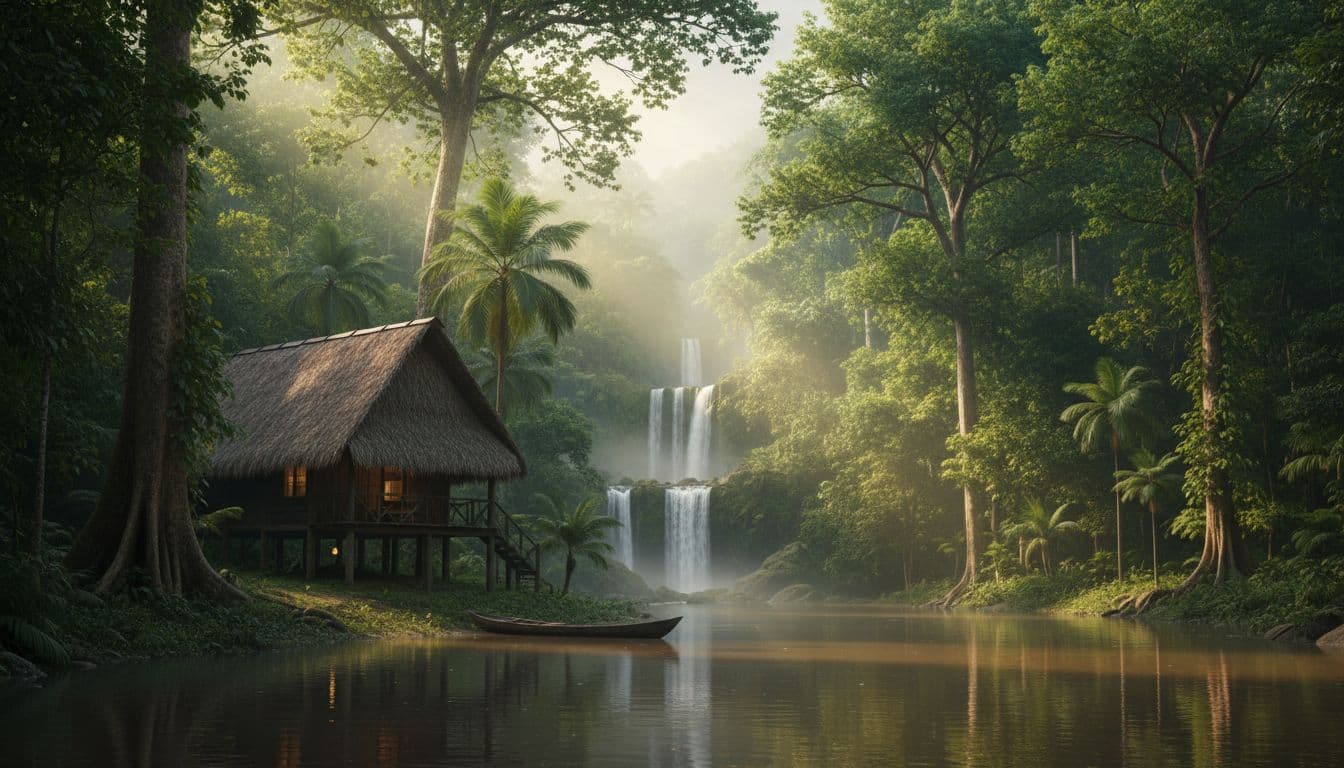
Thatch-roof eco-lodge on riverbank amid dense rainforest, wooden boat on calm river, misty waterfalls behind.

It’s a strong pick for couples, adventure travelers, and anyone who wants “no road, no crowd” energy. I like it because the setting does half the work. You don’t need a packed itinerary when the river, jungle sounds, and guided nature outings already fill the day.

🌿 Similar Option: If I wanted a similar idea with even more off-grid flavor, I’d look at La Danta Salvaje, another Costa Rica stay built around fewer guests and protected rainforest.

⛰️ The Mountain and Jungle Retreats I Would Choose for Quiet Views

🏔️ Topas Ecolodge, Vietnam

Topas Ecolodge is for the traveler who wants stillness with a view. The bungalows sit above the valleys, and that spacing matters. No tower blocks, no packed pool scene, no fake “peaceful” label slapped onto a busy resort.

Best for: Hikers, photographers, and travelers who want a softer pace without losing comfort.

🌏 Browse Vietnam Eco-Resorts →

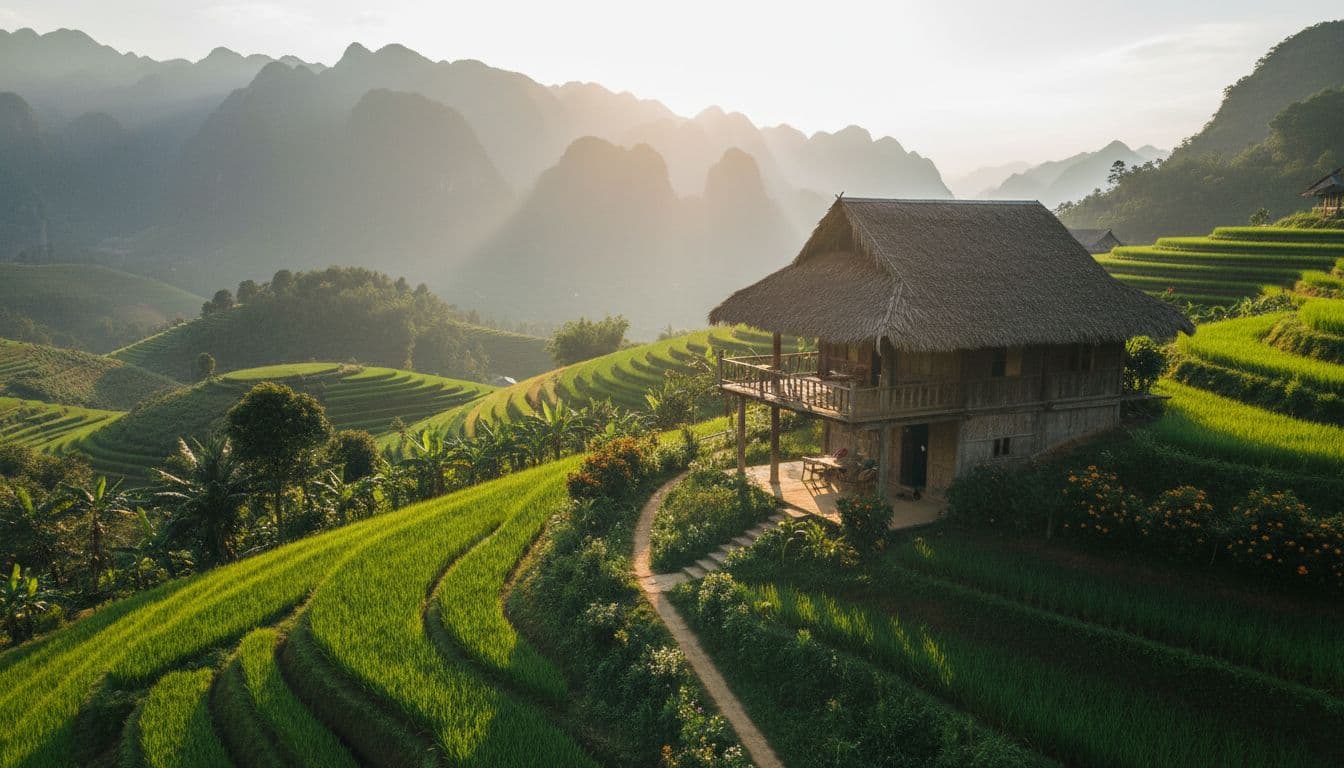
Single wooden bungalow on terraced hillside amid lush rice terraces with mist-covered peaks at golden hour.

I like Topas for hikers, photographers, and travelers who want a softer pace without losing comfort. It also backs local community work, which is the kind of detail I want to see before I pay premium rates.

🎋 HOSHINOYA Karuizawa, Japan

For a more polished version of nature, HOSHINOYA Karuizawa is the one I’d pick. It’s less rugged than a rainforest lodge, more refined forest retreat. I like it for travelers who want design, privacy, and hot-spring calm.

Best for: Couples seeking luxury meets nature, design lovers, hot spring enthusiasts.

📦 Check Japan Resort Deals →

🏝️ The Island and Desert Eco-Stays That Feel Private Without Being Isolated

🐠 Chumbe Island Coral Park, Tanzania

Chumbe Island is one of my favorite examples of access control done right. A protected island with a tiny number of eco-bungalows is almost built to stay peaceful. The reef is the star, and the conservation side is real, not decorative.

Best for: Snorkelers, conservation-minded travelers, those seeking true isolation.

🌵 Feynan Ecolodge, Jordan

Feynan Ecolodge gives me the opposite landscape and the same feeling. Desert silence is its own luxury. At night, the darkness and stars do what a rooftop bar never can.

Best for: Stargazers, desert lovers, travelers who want to unplug completely.

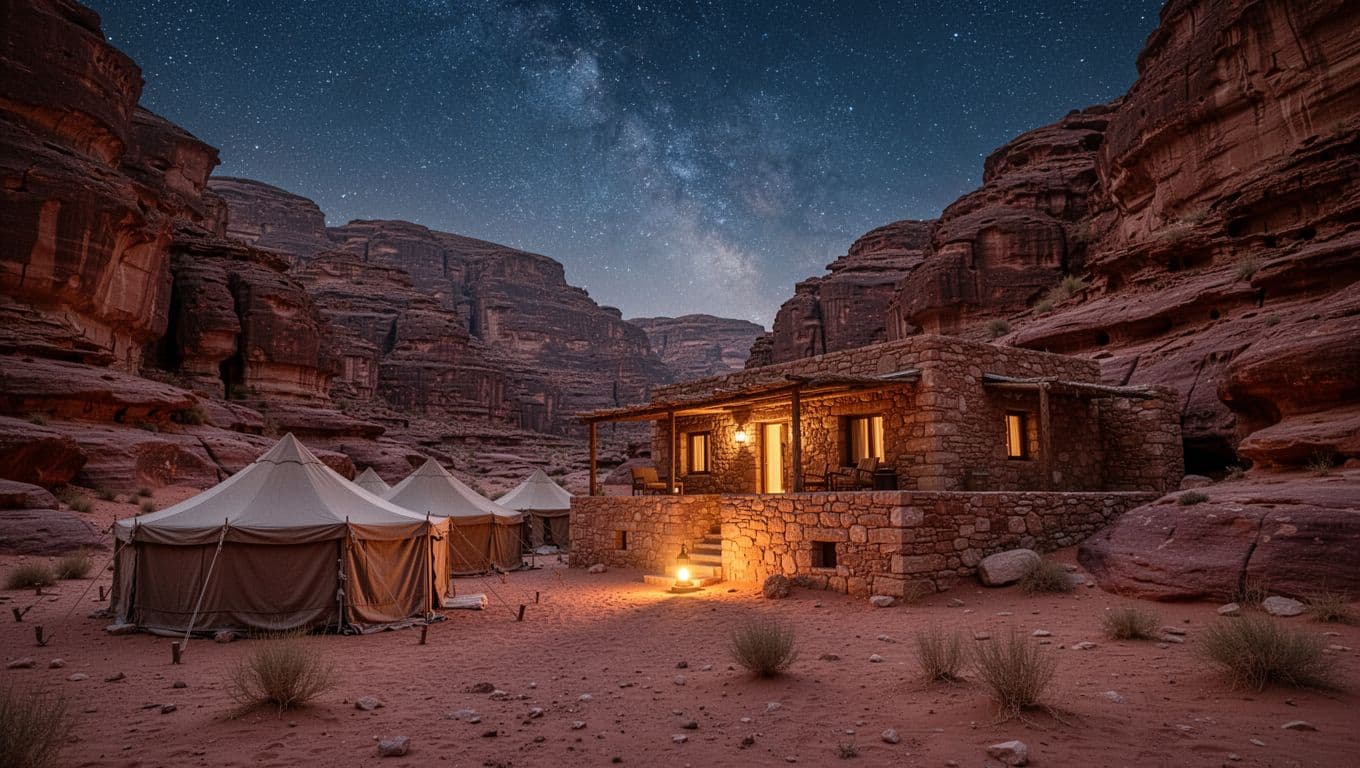
Stone Feynan ecolodge in Jordanian canyon at dusk with starry sky, Bedouin tents, red rocks, and lantern firelight.

Both are best for travelers who want to unplug, not “be entertained.” In 2026, that kind of stay is getting more attention, especially properties built around reef protection, stargazing, and local guiding.

🎯 Book Your Eco-Adventure:

Ready to escape? Compare eco-resort options across multiple platforms:

🎨 How I Choose the Best Eco-Resort for My Trip Style

Pretty photos don’t help if the trip doesn’t fit my budget, comfort level, or patience for transfers. I narrow it down by asking one question first: do I want polished calm, soft adventure, or true off-grid quiet?

💑 Which Eco-Resort Fits Couples, Solo Travelers, and Adventure Seekers

💑 For Couples

I want: Privacy, strong setting, room I don’t want to leave

Top picks: Pacuare Lodge, HOSHINOYA Karuizawa

If I wanted something greener but easier to reach, I’d also look at these romantic eco-friendly spa resorts in Napa 2025.

🎒 For Solo Travelers

I need: Small guided activity menus, clear transfers, staff used to independent guests

Top pick: Topas Ecolodge (easier than hard-core off-grid camp)

🏃 For Adventure Seekers

I want: Landscape does the heavy lifting, not resort schedule

Best for: Rafting, trekking, snorkeling, wildlife

📅 When to Go If I Want Fewer People and Better Value

Shoulder season is my favorite trick. I get lower rates, more room choice, and quieter trails, as long as I respect weather windows.

⚠️ Seasonal Considerations:

  • Rainforest lodges: Magical in greener months, but transfer days may get slower
  • Island stays: Often shine just outside peak holiday dates
  • Desert lodges: Usually reward spring and fall visits

Remote places can look easy on a map and still feel a lot different once weather and road conditions enter the chat.

🎒 What I Would Pack and Check Before Heading to a Remote Eco-Resort

Remote stays punish lazy packing. I keep it light, but I don’t wing it.

📦 My Eco-Resort Packing Essentials:

💧

Reusable bottle

🦟

Bug protection

🥾

Sturdy shoes

🎒

Small daypack

🧴

Reef-safe sunscreen

🛒 Shop Eco-Travel Essentials on Amazon

Get reef-safe sunscreen, trail gear, and everything you need for your eco-adventure

🛍️ Shop on Amazon →

📦 Fast shipping • ⭐ Top-rated products • 🔒 Secure checkout

✅ The Small Details That Save Me Trouble on Arrival

Before I book, I check five things:

📋 My Pre-Booking Checklist:

  1. Arrival cutoff times
  2. Transfer length and meeting point
  3. Baggage limits for boats or small vehicles
  4. What’s included in meals and guided outings
  5. Whether Wi-Fi is weak, limited, or basically gone

📱 Pro Tip: For remote regions, I also like having a backup data plan. If I need service between airport, town, and lodge, I set up a travel eSIM with Airalo before I leave.

🚗 Getting There: Transportation Tips

Many eco-resorts require creative transportation. Here’s how I handle it:

🎁 Enhance Your Eco-Adventure

Once you’ve booked your eco-resort, don’t forget the experiences! I always check GetYourGuide for amazing eco-tours and Klook for exclusive nature activities—from wildlife spotting to sustainable cooking classes.

Need flights to reach your remote paradise? Search flexible-date flights on Aviasales to find the best routes to these hidden gems.

🌟 The Quiet Is the Point

The best hidden eco-resorts give me something flashy resorts usually can’t: real nature, real calm, and real effort to protect the place I’m visiting. That’s the whole draw.

🚀 Ready to Escape to Nature?

Small eco-resorts don’t have endless inventory—that’s exactly why they still feel special. Book early!

If one of these stays fits the trip I want, I book early. Small eco-resorts don’t have endless inventory, and that’s exactly why they still feel special.

❓ FAQ: Hidden Gem Eco-Resorts

Are hidden eco-resorts always expensive?

No. Some are luxury stays, but others are simple lodges with fewer extras. I pay for location, access, and experience more than flashy amenities. Compare prices across platforms.

How early do I book a small eco-resort?

For top properties, I try to book several months ahead. Small room counts disappear fast, especially in dry season and holiday windows. Check availability now.

Are remote eco-resorts good for solo travelers?

Yes, if the resort has guided activities, clear transfers, and a strong safety reputation. I avoid places that leave too much logistics up to chance.

What’s the biggest booking mistake I see?

Falling for the photos and skipping the details. I always check transfer timing, meal plans, internet limits, and cancellation rules before I commit. Read all details carefully.

🌿 Your Nature Escape Awaits!

Discover hidden eco-resorts where nature comes first and crowds are nowhere to be found.

🔥 Find Your Eco-Paradise Now →

© 2026 I Need My Vacation. All rights reserved.

My Guide to Booking Cheap Flights to Costa Rica 2025

Craving Costa Rica’s beaches but worried flights will drain your budget? Here’s the good news: booking cheap flights to Costa Rica 2025 is real, and I’ve scored round-trips under $300 more than once. As a travel expert who hunts deals for IneedMyVacation.com, I’ve learned how timing, airport choice, and a few simple tricks can cut hundreds from your fare.

Here’s the fast plan. Time it right, then choose the airport that fits your route. Book 2 to 8 months ahead for international routes, aim for off-peak windows like May to June and September to October, and avoid December to early January. Use price alerts, keep dates flexible, and do not fear a smart layover, it often saves 20 to 30 percent.

Airports matter. San José (SJO) is best for central hubs like La Fortuna and the cloud forests. Liberia (LIR) puts you closer to Guanacaste’s beaches and surf towns. In 2025, more value routes are showing up from key U.S. hubs, and UK flyers can find solid options into SJO with a single connection. I’ll show you which routes hit the lowest averages and when to pounce.

Trends for 2025 favor eco-tourism and off-peak travel, which lines up with lower fares and lighter crowds. That means greener tours, carry-on travel, and shoulder-season dates that keep prices down. In this guide, I’ll map out the best months, highlight direct flights from the U.S. and UK, and share the exact tools I use to spot sub-$300 round-trips before they vanish. For more on traveling light and smart, see my guide to travel packing cubes that save space in 2025.

You’ll also get an interactive map of US and UK routes to SJO and LIR, plus a clean infographic that breaks down average prices by month and airport. Want to jump ahead and start searching? Compare live deals now on Expedia.

Search flights now and lock the fare while seats are wide open. I’ll keep it clear, fast, and focused on savings so you can touch down, breathe the warm tropical air, and spend your cash on volcano hikes and Pacific sunsets, not on airfare.

This post contains affiliate links. If you make a purchase through these links, we may earn a commission at no extra cost to you.

Timing Is Everything: How Far in Advance to Book Flights to Costa Rica

2025 travel calendar showing low and high fare periods to help with booking cheap flights to Costa Rica 2025Image created with AI: a 2025 travel calendar showing low and high fare periods to help with booking cheap flights to Costa Rica 2025.
Timing sets the floor for your fare. When I plan trips for 2025, I use a simple rule: book international flights to Costa Rica 2 to 8 months ahead, then aim for shoulder or low season dates to unlock the biggest savings. September and October often deliver the lowest round-trip fares, and May to June is another sweet spot. For holidays or peak dry season, I move earlier, closer to the 6 to 8 month mark. If you want data-driven confidence, this matches current fare guidance for international bookings and what I am seeing on live trackers for 2025 trends.

I keep this part simple: pick your travel month, set alerts, and watch the fare for two weeks. When it dips, buy. If the dip does not come by the 60 to 90 day mark, I lock the best available price.

Prime booking window by season

  • High season (mid December to April): book 6 to 8 months ahead for the best shot at value seats.
  • Shoulder season (late April to June, late November to early December): book 2 to 4 months ahead.
  • Low season (September to October): book 1.5 to 3 months ahead, and be flexible by a few days.

I avoid buying too early for low season because airlines often release promos closer in, and competition between routes intensifies.

Cheapest months at a glance

  • Best months for savings: September and October, with consistent drops thanks to the green season.
  • Also strong: May and early June, plus late November before holiday spikes.
  • Most expensive: the holiday stretch from mid December to New Year’s, plus spring break weeks.

If your goal is booking cheap flights to Costa Rica 2025 without stressing your budget, September and October are your power months.

Quick timing cheat sheet

Travel month goalWhen I bookWhy it works
January to March6–8 months aheadPeak demand and strong leisure travel
April to June2–4 months aheadShoulder savings and better seat choice
September to October1.5–3 months aheadLowest demand and promo fare windows
Late November2–4 months aheadPre-holiday lull with solid inventory
December holidays6–8 months aheadPrices climb fast near Christmas and NYE

Day-of-week and departure city tactics

I see steadier dips on midweek departures, especially Tuesday and Wednesday. If you can shift by one day, you often shave a double-digit percentage off the fare. Departing from a competitive hub also helps. If your home airport is pricey, compare fares from nearby hubs like Miami, Atlanta, or New York, then weigh the drive or a short positioning flight.

When to book holiday and spring break trips

Holiday and spring break flights have a short fuse. I start tracking 8 months out, set alerts in multiple tools, then buy the first solid drop I see. Waiting until 45 days before these periods often results in a jump. For family travel or limited school windows, lock early and protect your schedule.

Smart tools to hit the right window

  • Set and forget alerts. Track prices on Expedia, then validate dips with a second source.
  • Use flexible date grids. A 3-day shift can save 20 percent or more, especially outside holidays.
  • Watch for promo cycles. Airlines push sales midweek and after new schedules load, so check often on Tuesdays and Wednesdays.

Bottom line, if you target shoulder or low season and buy 2 to 8 months out, you will put yourself in the best spot for value. Stack that with midweek departures and flexible dates, and you are on track for the kind of sub-$300 round-trips I highlight throughout this guide.

SJO or LIR? Decoding Costa Rica’s Gateways for Direct Flights

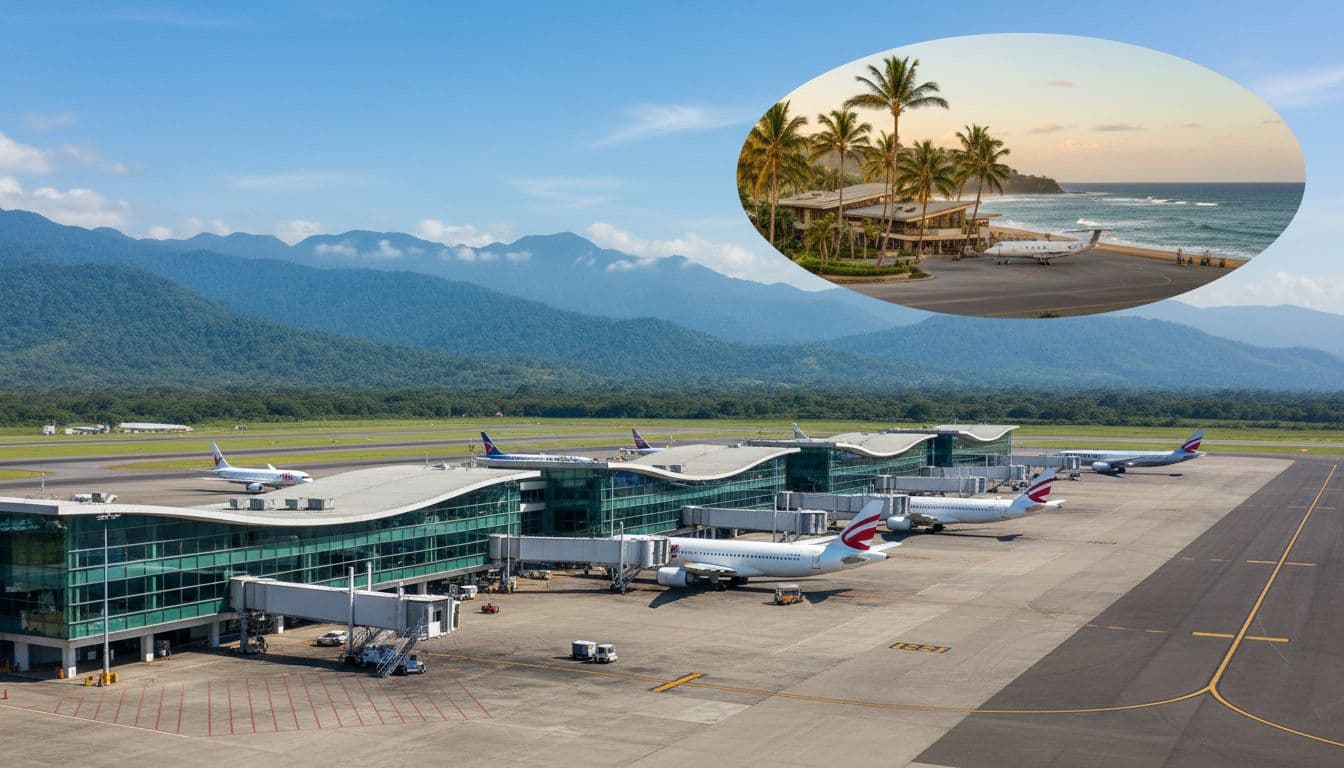
Side-by-side view of SJO and LIR airports with mountains and palm-lined tarmac, ideal for planning direct routes to Costa RicaImage created with AI: a realistic comparison of SJO and LIR to visualize flight options for booking cheap flights to Costa Rica 2025.

Choosing between San José’s SJO and Liberia’s LIR sets the tone for your trip and your fare. SJO handles more long-haul and East Coast traffic, which often means better schedules and occasional fare dips. LIR is smaller and closer to Guanacaste’s beaches, ideal if Tamarindo, Papagayo, or Nosara is your plan. For booking cheap flights to Costa Rica 2025, I match the airport to my itinerary first, then pick the nonstop that keeps my ground transfer short.

Direct Routes from Major Hubs

Here are the nonstop routes I track most for low stress arrivals and solid off-peak pricing. Off-peak round-trips often average about $360 to $470 when you buy in the sweet spot and fly midweek.

  1. Delta, Atlanta (ATL) to San José (SJO)
    • Reliable daily schedules and smooth connections if you position via ATL.
    • I watch this route for steady pricing outside holidays.
  2. Spirit and American, Miami (MIA) to San José (SJO)
    • Frequent nonstops with sharp deals in May to June and September to October.
    • MIA also serves Liberia on select days with American, useful for Guanacaste plans.
  3. United, Los Angeles (LAX) to San José (SJO)
    • Strong West Coast option that avoids red-eye layovers.
    • Prices swing more around holidays; off-peak weeks deliver the best value.
  4. JetBlue, New York (JFK) to San José (SJO)
    • Competitive fares and solid onboard experience.
    • Midweek departures often price best; I shift one day when I can.
  5. UK to Costa Rica, one-stop options
    • London Gatwick (LGW) to SJO via British Airways partner options or seasonal schedules.
    • London Heathrow (LHR) to SJO often routes via Madrid with partners like Iberia.
    • Some UK itineraries also price to Liberia; American lists options that can surface on certain dates.

Example strategy I use: if my trip is beach-first, I price MIA to LIR and compare the ground transfer from SJO. When the nonstop to SJO is cheaper by more than the shuttle cost, I fly SJO and ride up to Guanacaste. If my route is volcano and cloud forest, I land SJO and keep transit short.

Key takeaways I stick to:

  • SJO wins for frequency, wider nonstop choices, and consistent pricing.
  • LIR wins for beach access and time savings on the ground.
  • Off-peak months, flexible days, and early alerts keep these nonstops in the $360 to $470 range.

Pro Tips to Slash Your Costa Rica Fare in 2025

Traveler at a beachside cafe in Costa Rica checking flight deals on a laptop, palm trees and blue water in the backgroundImage created with AI: traveler tracking fares for booking cheap flights to Costa Rica 2025.

Finding real savings on booking cheap flights to Costa Rica 2025 comes down to working with the calendar, not fighting it. I time my search around demand swings, track prices for two weeks, then pounce when the fare dips. Peak dates inflate costs, while the green season opens wide for eco-travel and price drops. Here is the context you need before you start setting alerts.

Why Flights to Costa Rica Feel Expensive

  • Peak season pressure: Mid December through April is dry season and prime vacation time. Holiday weeks and spring breaks pull prices up fast. Flights on Saturdays tend to price higher, while midweek often dips. Recent snapshots show round-trip prices swinging from sub-$200 sales to four figures during heavy demand.
  • Fuel and operational costs: When jet fuel rises, base fares and surcharges follow. Limited aircraft availability on key days adds another squeeze, especially around holidays and school breaks.
  • Route structure and UK constraints: From the UK, nonstop options to San José are limited or seasonal, and many itineraries route via Madrid or U.S. hubs. Fewer directs mean less competition and higher averages on peak dates.
  • Volatility is real: Live pricing has ranged from budget-friendly promos to last-minute spikes that triple the fare. I plan early for peak months, then rely on alerts for off-peak steals.
  • Green season advantage: From May through November, Costa Rica’s landscapes turn lush, wildlife activity pops, and crowd levels drop. That drop often extends to airfare. The rainy pattern usually brings sun in the morning and showers in the afternoon, so you still get full adventure days.
  • Macro price pressure: Broader travel costs in 2025 have felt higher due to currency shifts and inflation, which carries over to trip budgets and demand pacing.

What I do in practice:

  • I avoid buying during the mid December to early January rush unless I am locked into those dates, then I book 6 to 8 months ahead.
  • I target May to June and September to October for the best blend of weather, availability, and price drops.
  • I keep UK itineraries flexible with one-stop routes and compare SJO against LIR, since availability can shift by week.
  • I choose Tuesday or Wednesday departures when I can, then hold my nerve while tracking for a two-week window. If a solid dip shows up, I grab it.

Commercial airplane ascending with stormy clouds in Río Segundo, Costa RicaPhoto by Gustavo Salazar

From Airport to Adventure: Next Steps After Booking

Traveler arriving at San José airport, moving quickly to ground transport for Costa Rica adventureImage created with AI: landing at SJO and moving from airport to adventure fast.
You scored the fare. Now it is all about smooth moves from arrivals to your first beach sunset. Here is how I turn a confirmed ticket into a stress-free start, whether I land at SJO for volcano country or LIR for Guanacaste’s coast. Use this checklist right after booking cheap flights to Costa Rica 2025 to stay on budget and on time.

Lock Your Ground Transfer Before You Fly

  • SJO to La Fortuna: shared shuttle about $54 to $55 per person, 3.5 to 4 hours. Public bus is $5 to $7 from downtown San José, slower but cheap. Private shuttle runs $180 to $233 per vehicle.
  • SJO to Guanacaste: renting a car often wins for time and flexibility. Roads are paved and simple once you clear the metro area.
  • LIR to Tamarindo or Papagayo: shared shuttles and taxis are easy, but I still book ahead in peak months.

Typical Transfer Choices from SJO

RouteBest Value OptionTypical CostDurationGood For
SJO to La FortunaShared shuttle$54–$55 pp3.5–4 hEasy door-to-door
SJO to La FortunaPublic bus$5–$7 pp3.5–4 hRock-bottom price
SJO to La FortunaPrivate shuttle$180–$233 per group~3 hFamilies or gear-heavy
SJO to GuanacasteRental carVaries3–4 hFlexibility and stops

Prices reflect current 2025 averages and shift a bit by provider and season.

Pick the Right First-Night Base

  • Landing SJO for the rainforest: overnight near Alajuela, then roll out early to La Fortuna or Monteverde.
  • Landing LIR for beaches: stay in Liberia if you arrive after dark, or go straight to Tamarindo, Playa Hermosa, or Papagayo if landing mid-afternoon.

Pro tip: if the nonstop into SJO is much cheaper than LIR, I fly SJO and spend the savings on a comfortable shuttle north.

Money, Mobile, and Must-Do Logistics

  • Immigration and forms: keep your return ticket and hotel details handy. Border officers may ask for proof of exit.
  • Cash and cards: colones are helpful, but cards work widely. I pull a small ATM amount on arrival for tips and small shops.
  • Mobile buy an eSIM before you land or use airport Wi-Fi to load rides and maps.
  • Luggage plan: if you booked Basic Economy to save, confirm carry-on rules and weight. That avoids a surprise fee at the gate. Pack smart with packable puffer jackets and lightweight stroller travel bags to stay under limits.

Time Your Arrival and Connections

  • Midday arrivals reduce traffic and help you reach the coast before dark.
  • Leave buffer time if you are catching a shared shuttle. They often run at fixed hours, like 8 a.m. or 2 p.m. If your flight misses that window, switch to a private ride or an airport hotel.
  • For early tours the next morning, pick a hotel close to your pickup zone.

Plan Easy, Eco-Friendly Day One Activities

  • San José area: coffee farm tastings, Poás Volcano viewpoints, artisan markets.
  • Guanacaste: sunset on the beach, gentle surf lesson, catamaran sail.
  • La Fortuna: soak in hot springs, short hanging bridge walks, chocolate tours.

Quick Gear and Safety Checks

  • Leakproof water bottles for hydration and compact first-aid kits for peace of mind.
  • Waterproof phone pouch and a portable power bank for maps and photos.
  • Light rain jacket—Costa Rica’s green season means afternoon showers.
  • Offline maps for your road segment, plus saved WhatsApp contacts for your shuttle.
  • Copy of your passport stored in your bag and in the cloud.

Tie It Back to Your Flight Savings

Every choice after landing should keep your budget gains intact. Booking cheap flights to Costa Rica 2025 set the tone. Pre-book your transfer, choose the right first-night stop, and plan gentle day-one activities. You will arrive calm, on time, and ready for that first warm breeze on the Pacific.

FAQs: Booking Cheap Flights to Costa Rica

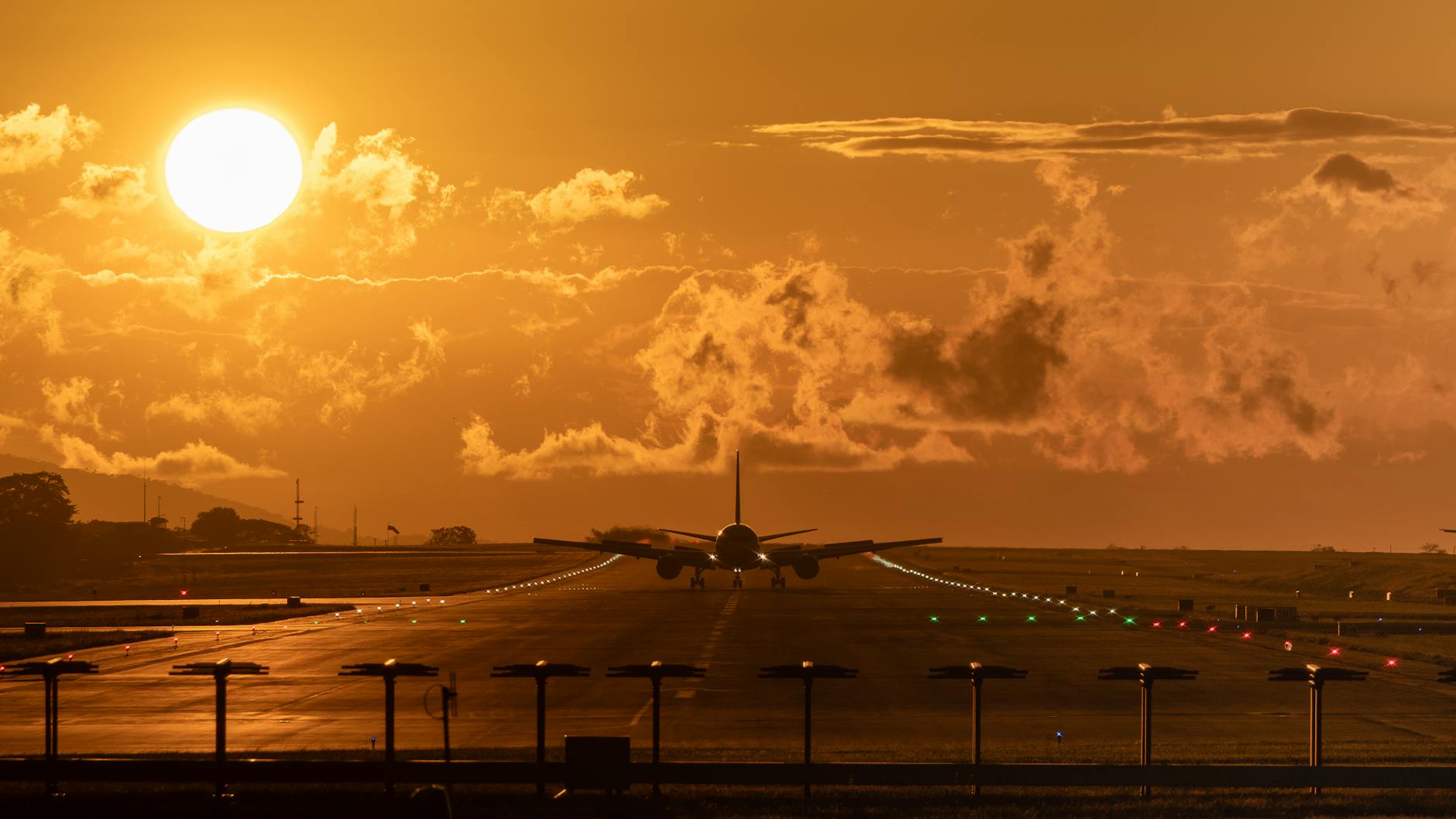
Airplane preparing for takeoff at Alajuela Airport with a dramatic sunset backdrop
Photo by Gustavo Salazar

I grouped the most common questions I get about booking cheap flights to Costa Rica 2025 into quick, practical answers. Use this as your cheat sheet when you set fare alerts, pick your airport, and time your purchase.

How far in advance should I book to get the lowest fare?

I see the best sweet spot 2 to 8 months before departure for international routes. For peak holiday weeks, go earlier. For shoulder or low season, buy closer in if you can wait for a dip. To compare live prices while you track, I like the fare snapshots on Expedia.

Which airport is better for price, SJO or LIR?

  • SJO (San José) usually has more flights and sharper pricing thanks to higher frequency.
  • LIR (Liberia) is closer to the Guanacaste beaches, which can save ground time.

What months are usually the cheapest to fly?

September and October often deliver the lowest round-trip prices. May and early June also price well. Avoid mid December through early January if you want to keep costs down. Flexibility helps, so aim midweek and avoid holiday weekends.

Are midweek flights to Costa Rica really cheaper?

Often, yes. Tuesday and Wednesday flights have fewer leisure travelers, so fares dip more often. I also shift by one day if possible. A one-day move can cut double-digit percentages off the final price during shoulder and low season.

Is a layover worth it to save money?

If saving is the goal, a smart layover can reduce the fare by 20 to 30 percent compared to some nonstops. Keep total travel time and connection quality in mind. I choose longer layovers only when the savings are strong and the connection is reliable.

How can I avoid surprise fees on low-cost fares?

  • Confirm carry-on allowance and size.
  • Factor bag fees into the total trip cost.
  • Bring a compact personal item to keep essentials handy.

What tools should I use to track and score deals?

  • Use price alerts on Expedia.
  • Keep travel days flexible by 1 to 3 days for the best results.

Do hurricanes or weather affect prices to Costa Rica?

Storm season in the wider region can impact demand and schedules, which sometimes nudges prices lower in the green season. Costa Rica is outside the main hurricane belt, but weather patterns still influence traveler behavior. The result is more deals in September and October, plus steady shoulder-season value in May and early June.

What are quick ways to cut my fare without changing dates?

  • Fly into SJO instead of LIR, then shuttle to the coast if the fare gap is large.
  • Try nearby departure airports within a few hours’ drive.
  • Book a one-stop itinerary if the nonstop is pricey.
  • Pack light to avoid bag fees that erase savings. My go-to is the TSA-approved liquid travel bottle set and family-size portable charger to stay organized and under weight.

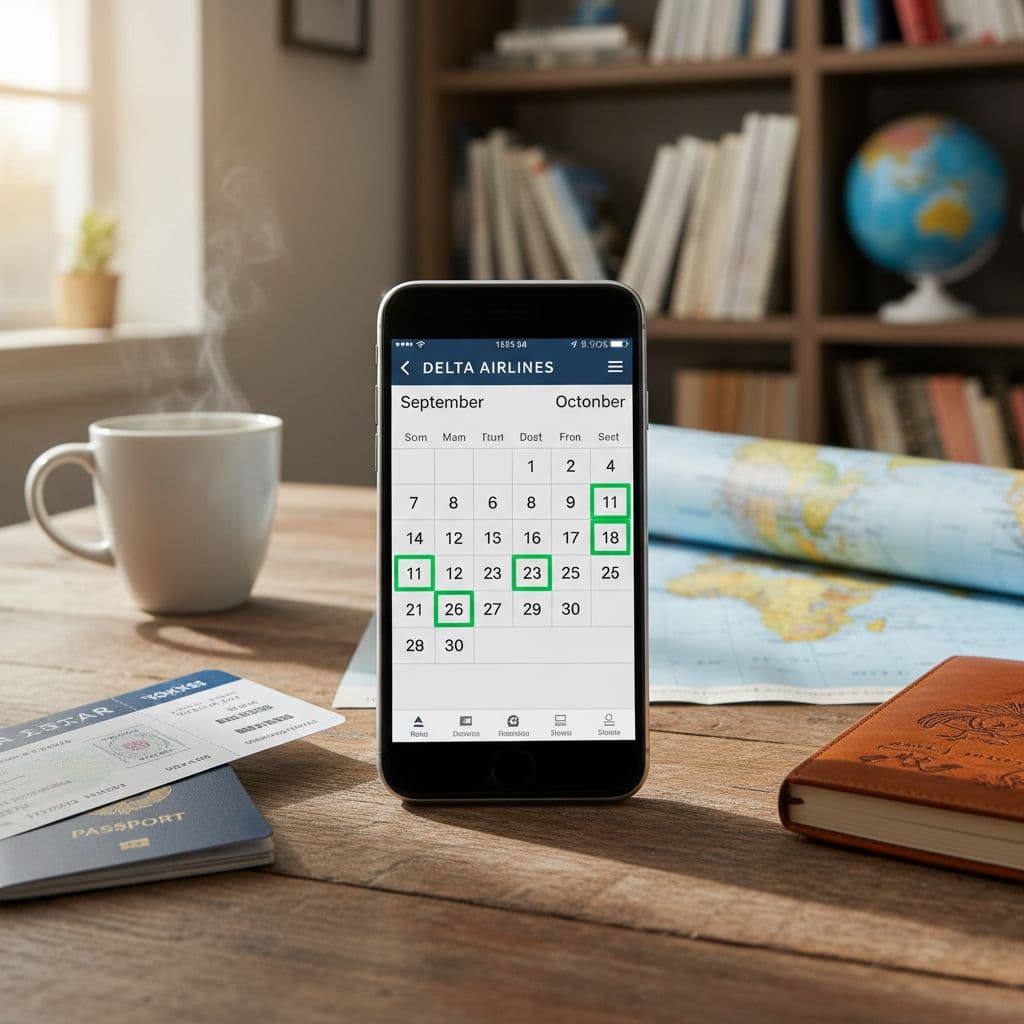
Smartphone showing airline fare calendar with September and October highlighted as cheapest months for Costa Rica flightsImage created with AI: a visual reminder that September and October often unlock the best deals when booking cheap flights to Costa Rica 2025.

Conclusion

I kept this guide focused on booking cheap flights to Costa Rica 2025 by timing the purchase window, picking the right airport, and using flexible tools that actually move the needle. The playbook is simple. Aim for May to June or September to October, watch fares 2 to 8 months ahead, choose midweek flights, and compare SJO against LIR based on your route. Add a smart layover when it saves 20 to 30 percent, and lock the fare when your alerts flag a real dip.

That approach keeps more cash for hot springs, surf lessons, and cloud forest mornings. It also lines up with lighter crowds and greener landscapes, which means better photos and easier travel days. You now have the pieces to fly for less and land calm, so the adventure can start the minute you step out of arrivals.

Ready to turn your Costa Rica dream into reality—without overspending? I’ve helped thousands of travelers find sub-$300 round-trips by using the exact strategies in this guide. For more smart travel planning, including family travel guides, romantic getaways, and seasonal deals, visit IneedMyVacation.com. Then book your flight with confidence on Expedia and keep the savings for volcano hikes, beach days, and sunset toasts.

© 2025 IneedMyVacation.com. All rights reserved.


Pin It on Pinterest

Seraphinite AcceleratorOptimized by Seraphinite Accelerator
Turns on site high speed to be attractive for people and search engines.