...

IneedMyVacation.com

Digital Nomad Visas in Southeast Asia, 2026 Compared

What is the best digital nomad visa in Southeast Asia for 2026? Thailand’s DTV offers the most flexibility with 5-year validity and 180-day entries. Malaysia’s DE Rantau provides structured remote work clarity. Indonesia and Vietnam suit budget nomads but lack formal long-stay programs. Choose based on your income, stay length, and legal risk tolerance.

🎯 Quick Answer: Thailand wins for flexibility. Malaysia balances structure and accessibility. Indonesia and Vietnam work for budget testing phases. The Philippines requires reciprocity eligibility. Always verify official rules before applying.

Affiliate Disclosure: This article contains affiliate links. If you book or purchase through these links, I Need My Vacation may earn a small commission at no extra cost to you. We only recommend services we genuinely trust and use ourselves to help you plan the perfect trip. Thank you for your support!

Table of Contents

Which Southeast Asia Visa Fits My Remote Work Plan in 2026?

If I want the fast answer, I start with fit, not paperwork. As of May 2026, Thailand and Malaysia are the cleanest choices for people who want a visa that openly matches remote work. Indonesia and Vietnam still attract budget nomads, but they lean harder on short-stay logic or workaround behavior. The Philippines sits in the middle, with one extra hurdle that can rule people out. For a wider regional snapshot, I like this 2026 Southeast Asia visa comparison.

Which Visa Gives Me the Most Flexibility?

Thailand wins here for me. The DTV is active, it lasts five years, and each entry allows up to 180 days. That setup matters if I want to test Bangkok, Chiang Mai, and the islands without rebuilding my whole visa plan every few months.

Malaysia is the runner-up. DE Rantau is more formal, but the structure is clear, and that alone saves headaches. If I move around often, flexibility isn’t just about length. It’s about how predictable the system feels.
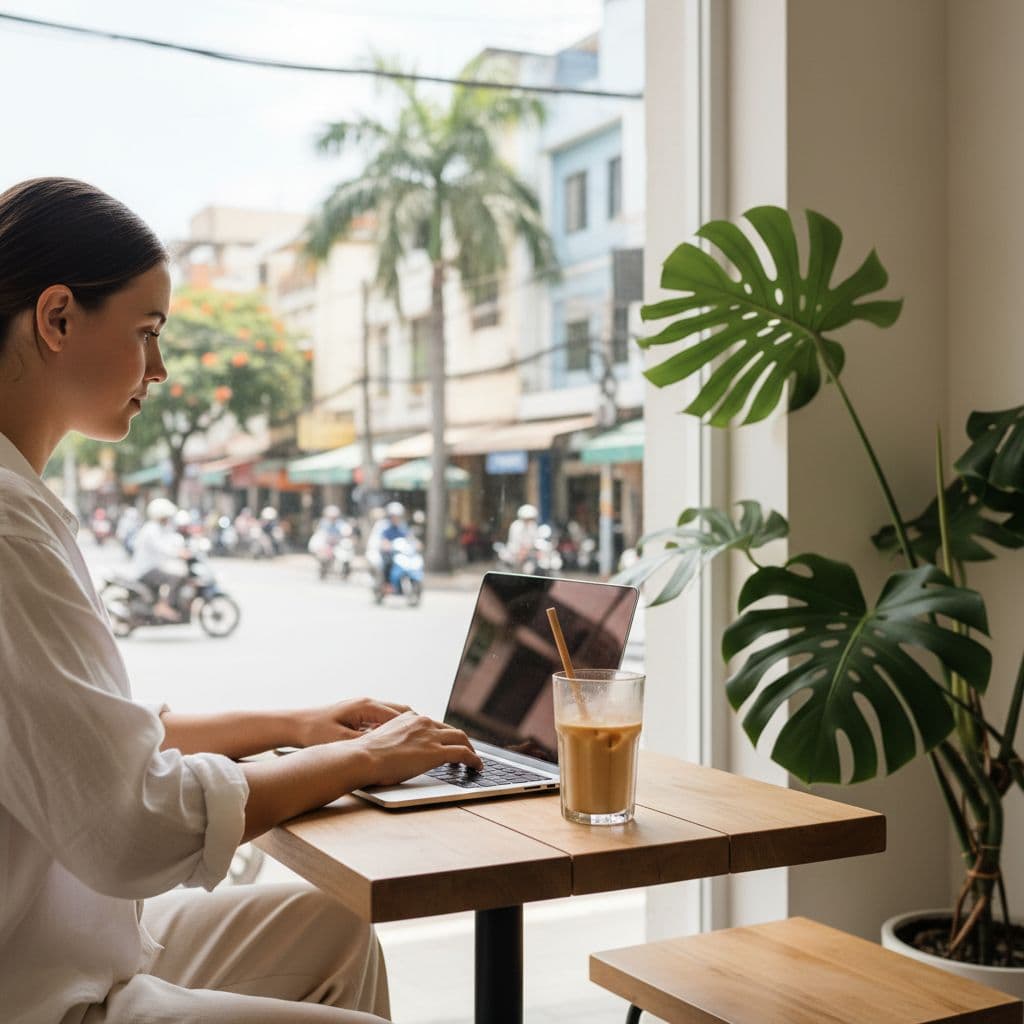
Person at cafe table using laptop with coffee cup and tropical plant in Southeast Asian city.

💡 Pro Tip: Planning your move? Use our vacation budget calculator to factor in visa fees, insurance, and monthly living costs before you commit.

Which Visa Works Best on a Tighter Budget?

Indonesia and Vietnam still pull in budget-minded nomads for a reason. Day-to-day life can be cheaper, and the entry cost is often lower than a premium long-stay program.

But I never judge this by visa fee alone. A cheap visa that forces constant extensions, border timing, or gray-area workarounds can cost more in the end. Bali and Vietnam can still make sense if I want to stay mobile and keep my monthly burn low, but I treat them as lighter-commitment options, not my most stable base.

Which Visa Suits Higher Remote Earners?

Higher earners usually get more value from stricter programs. Thailand is the big example. Its LTR route asks for stronger proof and is built for people who want a more secure, longer-term setup. I trade more documents for better legal clarity.

Malaysia also works well if my income fits the program range and I want something formal without going all the way to Thailand’s premium tier. If my income is strong and predictable, I stop optimizing for the cheapest visa and start optimizing for the least stress.

🚀 Ready to Plan Your Move?

Find flights, accommodations, and essential services for your Southeast Asia remote work adventure

How Do the Main Visa Options Compare Side by Side?

This is the quick comparison I use when I want the facts in one place.

Country Main Route Typical Stay Setup Best For
🇹🇭 Thailand DTV 5 years, 180 days per entry Flexible long stays
🇮🇩 Indonesia B211A Short stay, extension-based Budget nomads in Bali
🇲🇾 Malaysia DE Rantau 12 months Structured remote work
🇵🇭 Philippines DNV 12 months, renewable once Mid-term stays, if eligible
🇻🇳 Vietnam E-visa approach Short-term, often 90 days Low-cost testing phase

The takeaway is simple. Only Thailand, Malaysia, and the Philippines feel purpose-built enough for remote workers right now.

How Does Thailand’s DTV and LTR Work?

Thailand’s DTV is the option I would check first. As of May 2026, it’s active, costs about 10,000 THB, and asks for remote-work proof, outside income, bank funds, and health insurance. For many nomads, that’s the sweet spot between flexibility and legality.

LTR is a different animal. It’s for higher earners who want a cleaner long-term setup and can handle more paperwork. If I want a plain-English outside view of how Thailand stacks up, this ranked 2026 nomad visa guide is a useful second read.

Is Indonesia’s B211A Good for Bali Nomads?

Indonesia is still the classic Bali move, but I wouldn’t call B211A a true digital nomad visa. It’s better to think of it as a temporary path that remote workers use because Bali is attractive and the visa is familiar.

That tradeoff matters. It can be affordable and common, but common doesn’t always mean clean. If I depend on stable legality for client work, payroll, or repeated renewals, I treat Indonesia as the less secure choice.

Why Is Malaysia’s DE Rantau a Strong Choice?

Malaysia gets a lot right. DE Rantau is active, built for remote workers, and tied to a clear online process. The 12-month stay is long enough to settle in, and it’s one of the better fits for freelancers, contractors, and remote employees who want rules that make sense.

I also like Malaysia because it feels like a middle lane. It’s more formal than Indonesia or Vietnam, but less intimidating than a premium high-income visa. That balance is why many nomads keep coming back to it in regional visa roundups like this one.

Do the Philippines and Vietnam Offer Viable Options?

The Philippines now has an active digital nomad visa, with a 12-month stay and one renewal. Multiple entries help, but there is a catch: my home country needs to offer a similar visa to Filipinos. That reciprocity rule can shut the door fast.

Vietnam still doesn’t have a national digital nomad visa in force as of May 2026. That’s the key point. I can still use a short-term visitor path, often the e-visa, but I don’t treat Vietnam as my stable long-stay legal answer.

What Do I Need to Qualify Before I Apply?

Most applications fail for boring reasons: messy files, missing insurance, weak proof, or tax questions nobody asked early enough.

What Income Proof and Documents Do I Need?

I assume I’ll need clean proof of how I earn. That can mean an employment letter, freelance contracts, invoices, client agreements, recent bank statements, or proof that my income comes from outside the host country.

The exact threshold changes by country. Thailand’s DTV now expects both income and bank evidence. Malaysia has its own income range. My rule is simple: I prepare more proof than I think I need, and I make it easy to read in one glance.

What About Passport, Insurance, and Background Checks?

A passport with plenty of validity left is the first thing I check. Six months is the bare minimum I want, and more is better. I also keep digital copies of everything because consulates love simple PDFs.

Insurance is often the part people leave too late. If I need a policy that fits visa requirements, I compare options like:

💡 Pro Tip: Set up your eSIM before arrival so you can receive banking codes and immigration emails without hunting for a SIM card at the airport.

🌐 Explore Your New Home

Once settled, discover hidden gems and connect with local communities

🎯 Book Local Experiences →

What Tax Questions Should I Ask Before Moving?

“A visa approval is not the same thing as a tax-free life.”

If I stay long enough, I may trigger tax residency. I check how many days matter, whether foreign income is treated differently, and whether my home country still taxes me while I’m abroad. This 2026 remote-work visa guide is useful for comparison, but I still confirm tax details with official rules before I move money or sign a lease.

How Do I Choose the Right Country for My Work Style?

The right answer depends on how I actually live, not on which visa looks best in a headline.

Which Country Offers the Easiest Long Stay with Least Hassle?

Thailand is still my strongest pick. Malaysia is close behind. Both give me a more predictable path, and that matters once the fun part wears off and admin starts eating my week.

If I know I’ll stay put for a while, I don’t mind a more formal application. Less uncertainty later is worth more than a cheap shortcut now.

Which Country Works Best for Low-Cost Mobile Living?

Indonesia and Vietnam make the most sense here. They’re good for testing cities, keeping rent lower, and avoiding a big upfront commitment.

When I’m in that phase, I usually book a refundable first stay through:

🏨 Agoda: Flexible Southeast Asia Stays

Then compare dates and transport with my own summer 2026 travel booking guide. That’s a smarter move than locking into six months before I know the neighborhood, Wi-Fi, or noise level.

Which Country Is Safest for Full-Time Remote Work?

Malaysia and Thailand are the safest answers for most people. The Philippines can also work if I clear the reciprocity rule. Those are the options I trust more if I have clients, employer compliance checks, or zero patience for visa gray zones.

If remote work pays my bills, legal clarity matters. Fast internet is great. Cheap rent is great. Neither helps much if my visa setup falls apart.

🎯 Book Your Southeast Asia Remote Work Setup

Secure flights, accommodations, insurance, and connectivity for your digital nomad journey

Conclusion: Match Your Visa to Your Remote Work Reality

There isn’t one best digital nomad visa in Southeast Asia for everyone. Thailand is my top flexibility pick, Malaysia is my favorite middle-ground choice, Indonesia and Vietnam are cheaper but less clean, and the Philippines works for the right passport holder.

The best move is to match the visa to my budget, income, stay length, and tolerance for legal risk. Then I check the official rules one more time before I apply, because this region changes fast and yesterday’s workaround can become today’s bad idea.

💳 Earn Rewards on Your Move: Learn how to earn travel rewards on Southeast Asia bookings and turn your digital nomad journey into points for future adventures.

People Also Ask: Digital Nomad Visas in Southeast Asia FAQ

Is Thailand the best digital nomad visa in Southeast Asia right now?

For most people, yes. If I want flexibility, longer validity, and a visa built with remote workers in mind, Thailand’s DTV is hard to beat in 2026. Always verify current requirements on official government sites before applying.

Is Bali still worth it without a true digital nomad visa?

It can be, especially on a tighter budget. I just go in knowing the B211A visa route is more temporary and less clear than Thailand or Malaysia. Perfect for testing the waters before committing long-term.

Can I work remotely in Vietnam on an e-visa?

People do it, but I don’t treat that as a true remote-work visa. Vietnam’s e-visa is better for a shorter test stay than a legally stable long base. Always confirm current regulations with official sources.

🌏 Ready to Launch Your Southeast Asia Remote Work Journey?

Start planning your legal, connected, and affordable digital nomad life today with trusted booking partners.

🔥 Start Planning Now →

© 2026 I Need My Vacation. All rights reserved.

Best Compact Travel Gadgets for Nomads 2025


Imagine opening your laptop in a sunlit café in Bali. Warm air drifts in through open windows, the surf sounds off in the distance, and everything you need fits in your backpack: compact gadgets, each one chosen for a nomad’s life. That dream—working anywhere, traveling light, keeping connected while exploring new places—has never been more real. I’ve traveled across 15 countries, testing travel gear for IneedMyVacation.com, and I’ve learned that having the best compact travel gadgets for nomads 2025 makes digital nomad life not only possible but easier, lighter, and more sustainable.

Over 65% of digital nomads now say compact, multi-use tech is a must (thanks, Skift), and 50% look for eco-friendly gadgets to shrink their footprint. The best compact travel gadgets 2025 list isn’t just about travel—they’re about freedom, flexibility, and smarter, greener choices. With trusted advice from Nomadic Matt, The Points Guy, and Travel + Leisure, I’ll show you which tools actually work.

This article contains affiliate links, which may earn us a commission at no extra cost to you.

Gear up for your nomad adventure with IneedMyVacation.com! The first image? Picture this: a digital nomad, backpack slung over one shoulder, laptop open on a café table, sunlight streaming in.  Ready to pack lighter and go further? Let’s dive in.

The Power of Compact Gear for Digital Nomads and Portable Nomad Essentials

Digital nomad working in a sunlit café with a backpack and laptop, warm vibe, high detail, realistic
Image: Digital nomad in a sunlit café relying on compact travel gear for 2025, surrounded by smart gadgets. Image created with AI.

Packing light is a freedom I never take for granted. In 2025, the world of remote work isn’t just about Wi-Fi and wanderlust. It’s about how smart your gear is. Having tested and lived with every type of tech, from power banks to portable laptops, I’ve noticed a seismic shift: digital nomads crave gadgets that are not only powerful but also seamless to carry. Tiny tools pack a mighty punch, making every journey, coworking day, or hostel hop less about the struggle and more about the experience.

Nobody likes lugging around bulky chargers or tangled cables. Today’s best compact travel gadgets for nomads 2025 save room, shave off pounds from your pack, and shrink airport stress. What once needed two bags now fits in one. And the stuff I rely on most? It just works, wherever I open my laptop—whether I’m in Lisbon, Ubud, or the Rockies.

Why Going Compact Matters for Eco-Friendly Travel Tech

The strongest argument for small gear is simple: less weight means more freedom and comfort. Eco-conscious digital nomads like myself are choosing lighter tech not just for convenience or minimalism, but for real cost savings and a lighter footprint. According to industry leaders such as Nomadic Matt and Travel + Leisure, compact travel gear 2025 is rapidly taking over travel packing lists.

Here’s why compact gear is making a difference for digital nomads in 2025:

  • Fit in your carry-on: Fewer items, less weight, and nothing checked means no lost time at baggage claim.
  • Avoid baggage fees: Cutting 5-10 pounds from your setup can save $50–$100 per trip.
  • Stay nimble: Whether dashing for a train or hiking a remote trail, less gear means simpler, stress-free movement.
  • Eco-friendly options: Many small gadgets are built to last, often using recycled plastics or solar charging, which helps lower your carbon impact.
  • Smarter multitasking: Many portable nomad essentials 2025 now combine several functions (like solar-battery combos), replacing the need for a pile of single-use devices.

Compact Gadgets Save More Than Just Space

Being strategic with my gear has paid off. For example, my Anker PowerCore portable charger (just $25) and an ultralight foldable keyboard weigh almost nothing, but together support hours of work anywhere. A high-quality reusable water bottle with a built-in filter ($35) means I can refill from almost any tap—safe, simple, and sustainable. These smart swaps have directly cut costs: fewer checked bags, less need for disposable plastic, and more room for souvenirs or hiking boots.

It’s not just about what you pack, it’s about how each item works double or triple-duty. I favor headphones that double as a headset for calls, or a travel router that also powers devices. A sleek setup makes my tech reliable instead of something I fuss over. Whether I’m updating my blog in a Paris café or catching a call in a crowded Seoul coworking space, my essentials work every time.

Who Benefits Most From Compact Travel Gadgets?

Anyone can trim down their travel tech, but for digital nomads, the impact is huge. We often hop between countries (and climates), and need gadgets made for the road. The smaller and smarter my gear, the more flexible my work—and the easier it is to fit in activities, whether it’s a detour to a mountain temple or a last-minute city stroll.

  • Urban coworking warriors: Gear up for spontaneous productivity in coffee shops or shared offices.
  • Adventure seekers: Lighter packs mean you can trek further and stay out longer.
  • Eco-minded travelers: Many gadgets, like solar power banks or filtered water bottles, are designed with sustainability in mind.
  • Budget-focused nomads: Compact gear translates to less paid luggage and fewer one-use, throwaway items.

What the Stats Say

Statistics speak for themselves. According to Skift, 65% of digital nomads now rate compact, multi-purpose gear as essential, and over half are actively searching for eco-friendly tech options. The digital nomad guide on IneedMyVacation.com is packed with more tips for staying light and smart on the move.

Want to find the best spots to put your gear to work or discover nomad-approved destinations? Explore our digital nomad spots for remote work if you crave local insights or just need new ideas for your next nomad base.

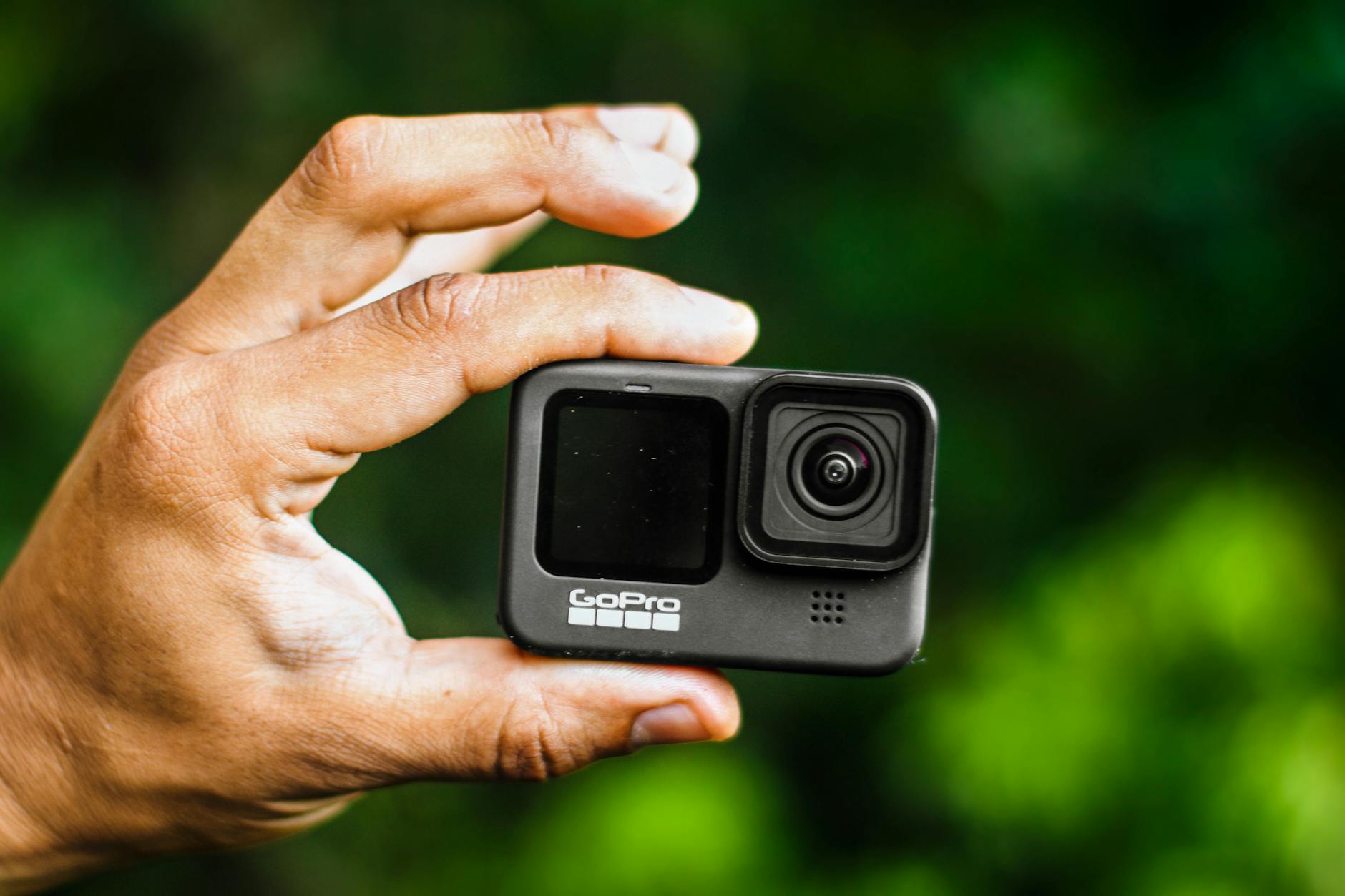
Hand holding a sleek action camera against a vibrant green outdoor background
Image: Compact tech like this action camera packs power and portability for the modern digital nomad. Photo by Mallem Amir

For more on budget, eco-friendly, and portable nomad essentials, check out the full guidebook: Digital Nomad Guidebook on Amazon.

The Ultimate Compact Gadget List for Nomads and Eco-Friendly Travel Tech

Picture this: sunlight spilling over a weathered café table, coffee steaming, and all the tools you need to work or wander packed into a single backpack. That’s the reality for digital nomads outfitted with the best compact travel gadgets for nomads 2025 has to offer. These tools pack smart features into minimalist designs, making life simpler whether you’re in a city coworking loft, a hostel lounge, or hiking between villages. Here’s my take on the gear that makes work, travel, and sustainability happen comfortably on the go.

Digital nomad at a sunlit café table with a laptop and backpack
Image created with AI: Compact gear lineup for nomads on the move, set up for productivity and connection.

Work and Connectivity for Portable Nomad Essentials

When bouncing between coworking spaces and bustling airports, I depend on compact work gadgets that make every spot a potential office. Choosing the best compact travel gadgets for nomads 2025 means I’m always prepared, whether it’s for a focused writing sprint or a last-minute Zoom call.

My Essential Work Gadgets: Features, Prices, and Benefits

  • Foldable Bluetooth Keyboard
    • Price: $30–$80
    • Why I love it: Folds flat, pairs with phone/tablet, perfect for typing longer emails or editing on the move. Resilient enough for the road and takes up very little space.
    • Amazon pick: Buy on Amazon
  • Noise-Canceling Earbuds
    • Price: $50–$150
    • Features: Drown out chatter in coffee shops or flights, crisp call audio, often with onboard mic.
    • Amazon pick: Buy on Amazon
    • Resource: Both Nomadic Matt and The Points Guy rate earbuds as a productivity must.
  • Ultralight Laptop Stand
    • Price: $25–$60
    • Why pack it? Lifts your screen to eye-level, reduces neck and wrist pain, collapses thin for easy stow. Makes a difference for long workdays.
  • Portable Power Bank (Anker PowerCore 10000)
    • Price: $25–$35
    • Benefits: Charges phone, earbuds, or a tablet multiple times. Light as a deck of cards and worth every ounce on travel days.
    • Amazon pick: Buy on Amazon
  • Universal Travel Adapter
    • Price: $15–$40
    • Feature set: Covers outlets in 150+ countries, sometimes with surge protection, USB ports.
  • Pocket Travel Router (GL.iNet GL-MT1300)
    • Price: $45–$70
    • Use case: Shares a hotel or café connection across devices, creates a private, secure Wi-Fi network.
    • Why it matters: Keeps gadgets chatting together securely, a lifesaver in places with spotty Wi-Fi.

Best Gadgets for Coworking and On-the-Go

I reach for my foldable keyboard and laptop stand for any café work session. My Anker power bank comes out during long excursions, while the travel router gives peace of mind in shared spaces. Coworkers always ask about my earbuds—they mute the world better than most over-ears. These items rank at the top for anyone who wants to keep their tech bag lean and their work flexible. For more advice on streamlining your office-on-the-go, I recommend researching Best destinations for digital nomads in 2025 to choose your next work spot.

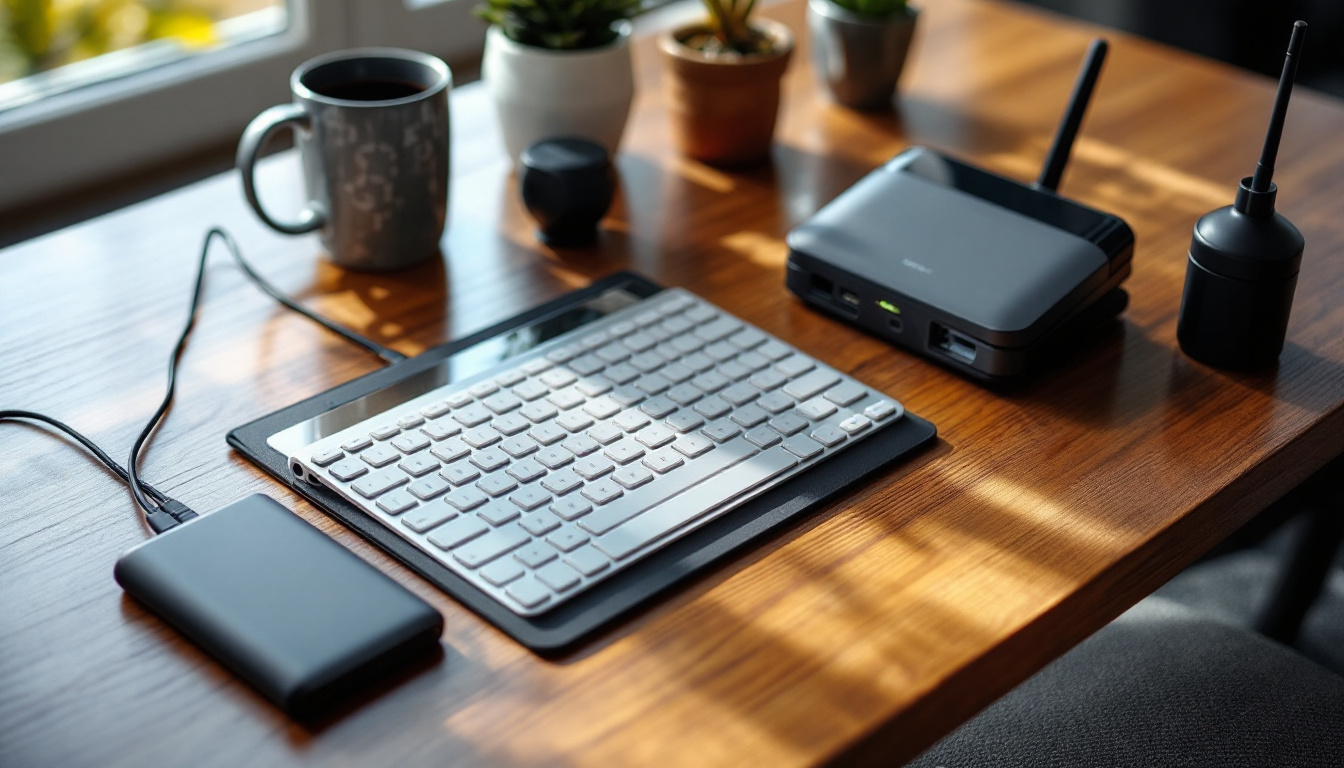
Desk setup with a laptop and portable tech items
Image created with AI: Clean desk with compact, high-value work gadgets for the modern nomad.

Travel and Safety with Portable Nomad Essentials

Nomad travel is about more than just work. Comfort, health, and security are non-negotiable, and the smallest tools often provide the best support. I focus on packing gear that earns its spot by making trips safer or smoother. And yes, most are priced for budget-focused nomads (think $20–$80).

Top Compact Travel and Safety Gadgets

  • Filtered Water Bottle (LifeStraw Go)
    • Price: $35–$40
    • What it does: Filters bacteria and parasites, lets you refill wherever, reduces need for single-use plastic.
    • Resource: The Points Guy recommends it for global travelers.
    • Amazon pick: Buy on Amazon
  • Mini First Aid Kit (Adventure Medical Kits Ultralight)
    • Price: $20–$35
    • Essential when: Trekking or in areas far from pharmacies. Lightweight and holds the basics for minor injuries.
  • Universal Travel Lock (Forge TSA-Approved)
    • Price: $10–$25
    • Perk: TSA-friendly, slim, protects luggage and hostel lockers, tiny but invaluable for peace of mind.
  • Slim RFID Travel Wallet
    • Price: $15–$40
    • Function: Blocks digital theft, keeps cards and cash organized.
    • Amazon pick: Buy on Amazon
  • Lightweight Packing Cubes
    • Price: $25–$40
    • Why use them? Maximize space, organize clothes, double as laundry pouches, super light and compressible.

Sustainable and Budget-Friendly Picks

Filtered bottles cut plastic waste, while RFID wallets and locks give extra security without bulk. Packing cubes mean you always know where things are, speeding up both packing and border checks. Travel + Leisure and Skift note how small gear like these cubes, locks, and safety kits are changing packing habits, raising both convenience and security for travelers at every budget.

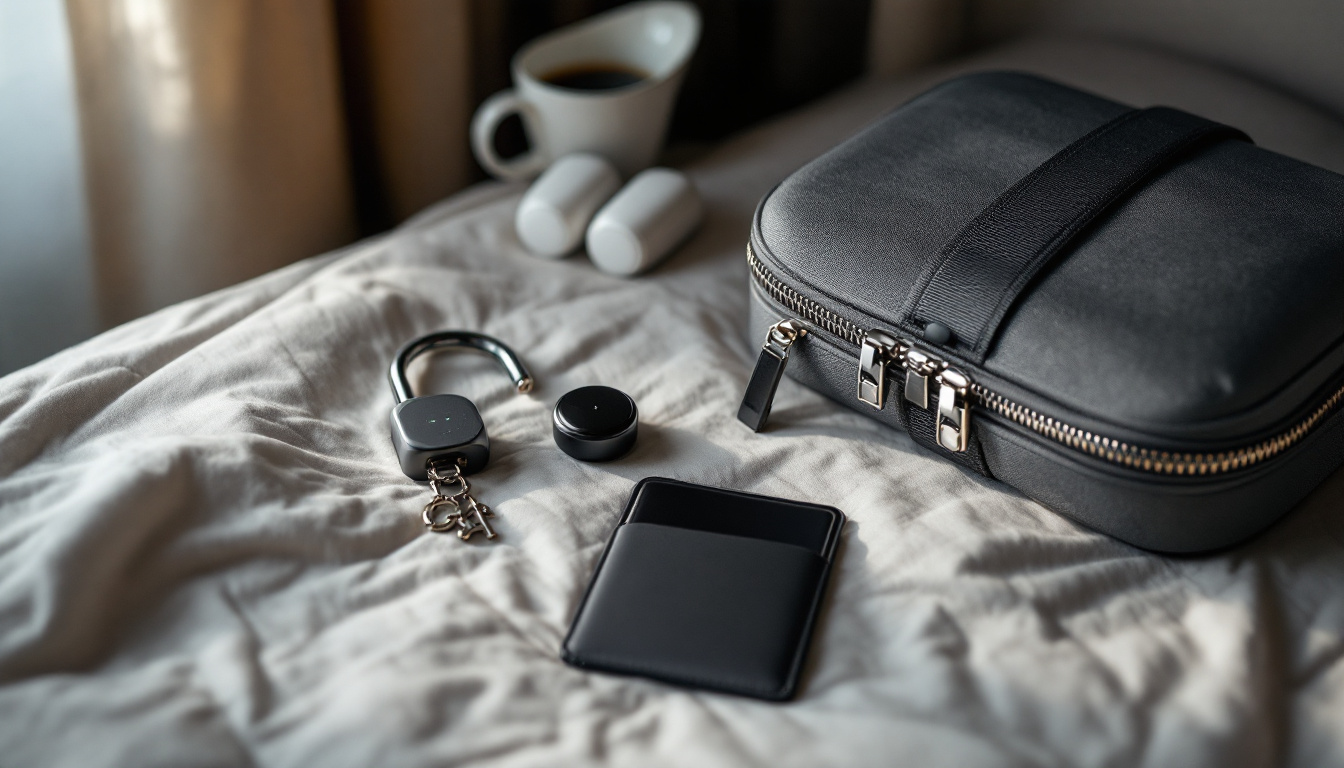
Close-up of travel safety items on a hotel desk
Image created with AI: Reliable, ultra-compact safety gadgets for protecting your essentials on the road.

Sustainable Tech and Eco-Friendly Travel Tech

For the sustainability-minded nomad, gear selection is not only about size but about footprint. In 2025, the best compact travel gadgets for nomads also help cut waste and resource use at every stop.

My Favorite Eco-Friendly Picks

  • Solar-Powered Power Bank (Blavor)
    • Price: $40–$65
    • Advantage: Harnesses the sun for recharging, supports smartphones, headphones, and some tablets.
  • Reusable Filtered Bottle (LifeStraw Go or Grayl Ultralight)
    • Price: $30–$40
    • Waste reduction: Eliminates hundreds of plastic bottles per year.
    • Amazon pick: Buy on Amazon
  • Solid Toiletries (Ethique Shampoo, Soap Bars)
    • Price: $6–$15
    • Travel perk: No spills, TSA-friendly, lasts much longer than liquid alternatives.
  • Bags from Recycled Materials (Patagonia Black Hole Cube or REI Recycled Stuff Sack)
    • Price: $30–$50
    • Win: Lightweight, washable, eco-smart, often backed by lifetime brands.

Brands: LifeStraw is an industry leader for filters, Blavor for solar power banks, and EcoFlow for larger battery backup systems. Eco-friendly options matter for nomads striving to reduce daily plastic use, landfill buildup, and excessive battery waste.

Why Sustainable Gadgets Matter to Nomads in 2025

  • Lower waste: Reusable gear and solid toiletries drastically cut down on single-use plastics.
  • Saves money: Filter bottles, solar banks, and reusable bags mean fewer replacements and less spent on the road.
  • Light travel: Most eco-wise gear is designed to pack smaller, last longer, and weigh less.
  • Healthy travel: Filtered water and natural toiletries are safer for you and the planet.

For more gear reviews and sustainable travel tips, Travel + Leisure covers trends and best picks for eco-minded travelers. Want to see where eco-innovations shine? Browse the unique summer travel ideas for 2025 here.


Gadget Comparison Table

Gadget Category Typical Price Best For Favorite Brand/Pick
Foldable Bluetooth Keyboard Work/Connectivity $30–$80 Cafe work, compact typing Amazon
Noise-Canceling Earbuds Work/Connectivity $50–$150 Calls, flights, co-working Amazon
Ultralight Laptop Stand Work/Connectivity $25–$60 Better posture, long sessions Nexstand, MOFT
Power Bank (Anker PowerCore 10000) Work/Connectivity $25–$35 Device charging Amazon
Universal Adapter Work/Connectivity $15–$40 Global power needs Epicka, Ceptics
Pocket Travel Router (GL.iNet) Work/Connectivity $45–$70 Reliable internet everywhere GL.iNet
Filtered Water Bottle (LifeStraw Go) Travel/Safety/Sustainable $35–$40 Clean water anywhere Amazon
Mini First Aid Kit Travel/Safety $20–$35 Emergencies Adventure Medical Kits
Universal Travel Lock Travel/Safety $10–$25 Luggage/Locker security Forge, Master Lock
Slim RFID Wallet Travel/Safety $15–$40 Card safety Amazon
Lightweight Packing Cubes Travel/Safety $25–$40 Organization, fast packing Gonex, Eagle Creek
Solar-powered Power Bank (Blavor) Sustainable Tech $40–$65 Off-grid charging, eco power Blavor
Solid Toiletries (Ethique) Sustainable Tech $6–$15 Spill-proof, TSA safe Ethique, Lush
Bags from Recycled Materials (Patagonia) Sustainable Tech $30–$50 Green packing Patagonia, REI

The best compact travel gadgets for nomads 2025 are all about maximizing function in the smallest footprint possible—just the way digital nomads like us need it. Each tool in this guide has earned its space in my bag, and likely, it’ll find a home in yours too.

Tips for Picking the Best Compact Travel Gadgets and Portable Nomad Essentials

Finding the perfect nomad gear in 2025 means more than grabbing the latest gadgets. I’ve learned that the real difference comes down to clear priorities, smart research, and a focus on what actually makes travel lighter, simpler, and more enjoyable. Overpacking is out; thoughtful, multi-function gear is in. Here’s my best advice for choosing compact travel gear 2025 that serves you from city cafés to remote beaches.

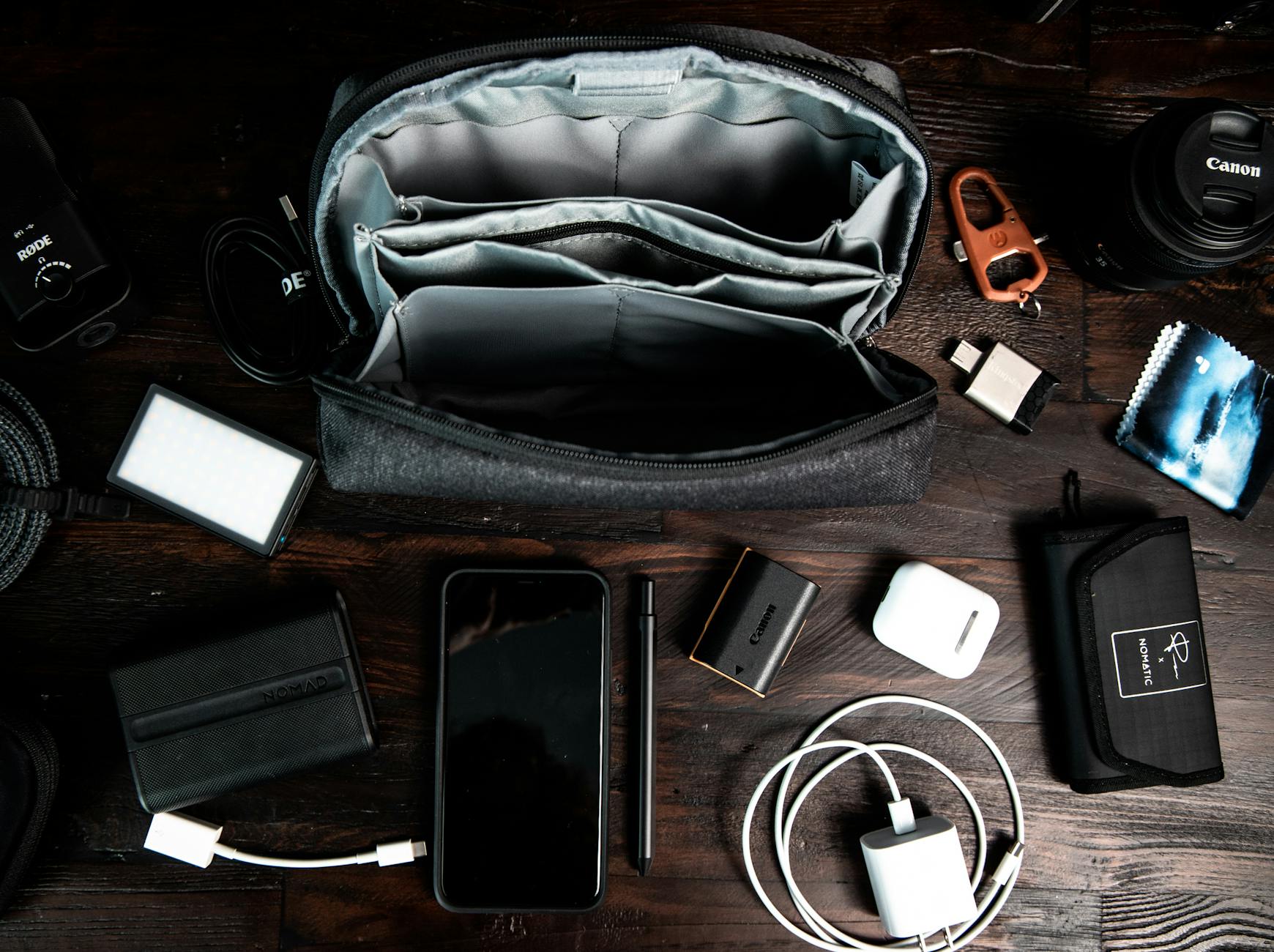
Flat lay of electronic gadgets on a dark wooden surface
A digital nomad’s ideal compact gear lineup for 2025. Photo by Chelsey Horne

1. Prioritize Multi-Use Devices

Every extra ounce counts. I always look for tools that can replace two or more single-use items. For example, a portable power bank that doubles as a flashlight or a universal travel adapter with built-in USB ports. These kinds of gadgets not only save space but also add flexibility to daily routines.

Some top-rated picks here include the Anker PowerCore (charges multiple devices and fits anywhere) and foldable keyboards that work across laptops, tablets, and phones. As shown in gear guides by Nomadic Matt, these compact solutions consistently make the best digital nomad gadgets 2025 lists. That’s real proof that less really is more.

2. Weigh (and Measure) Before You Buy

You’d be surprised how much space a single bulky charger or thick cable can claim. I always check the actual dimensions and weight before buying. Even when a product is marketed as “travel size,” reviews often reveal the real story. If it weighs over a pound, I ask myself if it truly belongs in my bag.

I also suggest comparing a few top options before picking your gear. Reviews on Wirecutter or Travel + Leisure show side-by-side features, so you’re not caught off guard with something that over-promises and under-delivers.

3. Choose Sustainable and Durable Products

Nomads who think ahead save money and the planet. When possible, I opt for reusable, rechargeable, or solar-powered tech. For example, a filtered reusable water bottle doesn’t just save cash and space compared to dozens of disposable bottles, it’s also the eco-forward choice for sustainable travel gadgets. Choosing gear made from recycled or durable materials (like those from REI) helps prevent mid-trip breakdowns and waste.

4. Check Compatibility with Your Essentials

Before buying, I test whether new devices actually work with my current tech. That means checking plug compatibility, supported charging speeds, or Bluetooth versions. A fantastic gadget is useless if it doesn’t play nice with your laptop or smartphone on the road.

A universal adapter or a travel router that supports the right voltage and regions can save headaches later. The Points Guy has roundups that always point out these compatibility details, a real lifesaver for international trips.

5. Invest Where It Counts Most

Not every gadget needs to be top-of-the-line, but some are worth the splurge. I’ve found it wise to spend a little more on staple items: a laptop stand that won’t break, noise-canceling earbuds that actually block out coffee shop chatter, or a compact backpack built to outlast years of travel.

I always recommend checking buyer feedback on durability and actual performance before settling. Consider long-term value—the right gear pays off every day you use it.

Quick Reference Table: How I Choose My Gear

Step What to Ask Why It Matters
Prioritize multi-use Does it do more than one job? Fewer items in your bag
Weigh and measure Will it fit in my daily backpack? Comfort on long travel days
Choose sustainable Will it last, and is it eco-friendly? Saves money and reduces waste
Check compatibility Does it fit my devices & voltage needs? Avoids issues abroad
Invest where it counts Will I use it weekly? Is it reliable? Long-term value, less replacement

Extra Tip: Read Insights and Real-World Reviews

Many of my best discoveries come from real traveler testimonials. I check reliable blogs and guides like Nomadic Matt and always seek honest reviews on Amazon before buying staples like a portable charger or a reusable water bottle. A little research up front can save you from a useless gadget or, worse, a tech fail miles from home.

For even more ideas on maximizing your travel efficiency, explore practical nomad tips in the budget travel tips 2025 section of IneedMyVacation.com.

Choosing the best compact travel gadgets for nomads 2025 is more than tech shopping—it’s about building your freedom, mobility, and peace of mind, one well-chosen gadget at a time.

How Compact Gadgets Transform Your Nomad Lifestyle and Travel Experience

When every item you pack needs to earn its keep, compact travel gadgets become more than just accessories—they are real enablers for the nomad lifestyle. I’ve seen first-hand how choosing portable nomad essentials changes everything, from my travel budget to daily energy and peace of mind. Compact gear doesn’t just sit in your backpack. It actively frees you to move, create, and connect no matter where you go.

Travel Lighter, Move Faster

Carrying less weight means more freedom—it’s as simple as that. Ultra-compact travel gear 2025 lets me skip baggage lines and sprint to catch that last train without sweating the load. My tech bag now holds only the gadgets I really use, like a slim power bank, foldable keyboard, and compact charger. When a gear item does the job of three, I feel lighter, faster, and much more flexible.

  • Save on baggage fees: A single checked bag in 2025 can cost $50–$100 per trip. Switching to carry-on only, thanks to compact gadgets, leaves more in your travel fund for the experiences that matter.
  • Seamless work setups: A foldable keyboard and portable stand mean a workstation can pop up anywhere—from a sunlit café in Lisbon to a lakeside park in Portland.
  • Easy packing and unpacking: Packing cubes and minimalist tech let me breeze through airport security, hostel check-ins, or last-minute repacks with ease.

Top view of a laptop and smartphone on a dark wooden surface
Photo by Polina ⠀

Maximize Productivity on the Go

With the best compact travel gadgets for nomads 2025 right at hand, staying productive from anywhere stops being a dream and becomes my reality. A foldable keyboard paired with a smartphone lets me handle email blasts or project updates from a park bench or shuttle bus. My compact power bank often saves the day, keeping devices running when I’m nowhere near an outlet. Backpack-sized tech keeps me in business whether I’m working from a ski lodge or a corner bakery.

Minimalist travel tech increases daily efficiency with:

  • Lightning-fast setups, since there’s less stuff to juggle
  • Multifunctional devices (think adapters with USB/Type-C ports) that tackle more than one need at once
  • Less mental clutter—knowing every piece of gear earns its spot and does what I need

For a curated list of productivity-enhancing gadgets, reviews like the Best Gear for Travel in 2025 by Wirecutter validate my own choices time and again.

Live More Sustainably and With Fewer Headaches

Small, smart gadgets help protect both the planet and your wallet. Compact solar-powered chargers and filtered water bottles replace disposable batteries and dozens of single-use plastics. Compact, well-chosen items are typically more efficient, durable, and designed to handle the bumps of real travel.

  • Reusable, eco-friendly picks: Using silicone travel bottles, solid toiletries, or products from companies like LifeStraw and Patagonia means less single-use waste.
  • Durable travel gear: Many of this year’s best compact travel gadgets 2025 are crafted to survive thousands of miles on the road.
  • Less time spent problem-solving: Robust portable chargers, RFID wallets, and sturdy laptop stands work when needed, reducing downtime or emergency runs to foreign electronics shops.

Unlock New Travel Destinations

A lighter, compact tech kit opens doors to destinations previously off-limits to heavy packers. I’m able to wander through crowded markets, board mountain trains, or explore tiny islands with only a single bag. Urban coworking spaces, remote rural guesthouses, or nomad campsites all become options—with zero compromise on comfort or productivity.

  • Hard-to-reach places: It’s much easier to say yes to detours, overnight buses, or local adventures when your whole office fits in a carry-on.
  • Agile response to change: If plans shift (delays, weather, or spontaneous invitations), minimal gear ensures you’re ready for anything. That’s true freedom.

For more thoughts on how digital nomad gadgets 2025 reshape how and where you can work, check out the freshest insights at Digital nomad travel in 2025.

Real-World Example: My Portable Office in Action

Recently, on a layover in Istanbul, I set up shop with just three pieces of kit: a tiny power bank, foldable Bluetooth keyboard, and a universal adapter. In fifteen minutes, emails were done, a video call was finished, and my phone was charged for a day in the city. No need for extra outlets, bulky laptop bags, or hotel desk hunts. The best compact travel gadgets for nomads 2025 made it seamless.

Key benefits of going compact:

  • Lightweight for carry-on only
  • Eco-conscious, reusable gadgets cut down waste
  • More money saved for actual travel or experiences
  • Instant productivity wherever you stop
  • Less time worrying, more time living

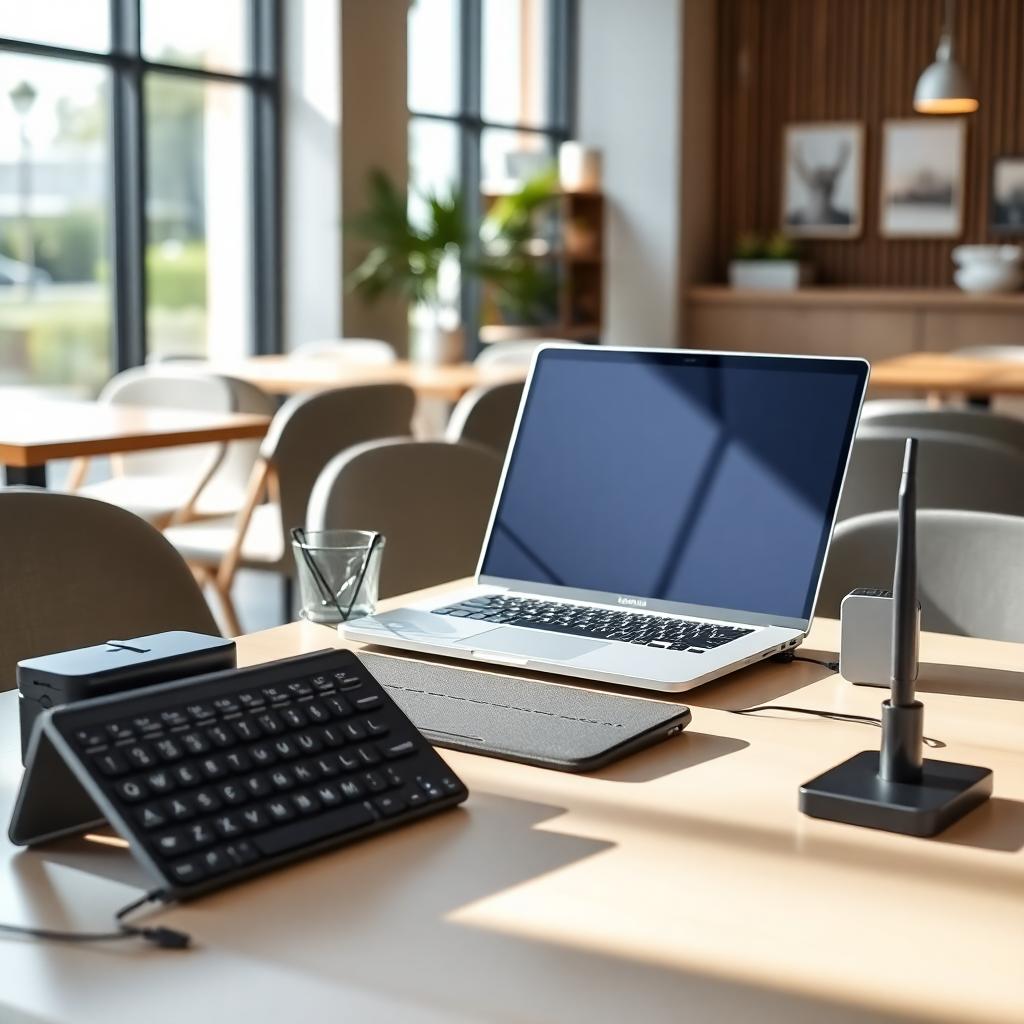
Desk setup in a modern café with tech items
Image created with AI: Compact desk setup for digital nomads packed into a single bag for productivity anywhere.

FAQs About Compact Travel Gadgets for Nomads and Eco-Friendly Travel Tech

It’s normal to have questions when investing in the best compact travel gadgets for nomads 2025 has to offer. As someone who field-tests tech on the road, I’ve heard it all—from “What actually saves space?” to “Is a solar power bank worth it?” Below, I’ve gathered answers to the most frequent questions travelers ask about staying light, efficient, and connected anywhere. These Q&As are based on personal experience, the latest product trends, and trusted advice from top travel sources.

What is the best portable charger for nomads in 2025?

The Anker PowerCore 10000 remains my top pick for 2025. It’s ultra-light, reliable, and packs enough juice to recharge your phone several times on a single charge. For around $25, this power bank is a staple in my setup. According to Wirecutter by The New York Times, it’s consistently one of the most recommended devices for travelers who need power on the go. Check out the Anker PowerCore on Amazon.

Are eco-friendly gadgets really worth it?

Absolutely. Eco-friendly gadgets, like solar-powered chargers and reusable water bottles, not only lower your environmental impact but also cut down on waste and ongoing costs. For long-term travelers, these choices reduce how much you need to buy or throw away. Brands like LifeStraw and Blavor offer reliable, sustainable options. See picks in Travel + Leisure’s eco product roundup.

How do I maximize space with travel tech?

Start by choosing gadgets that do double duty, like a universal adapter with multiple built-in USB ports or a foldable Bluetooth keyboard that fits in your pocket. Also, look for gadgets designed for travelers—lighter, slimmer, and built to stand up to a nomad lifestyle. If you’re aiming to cut weight, avoid “nice-to-haves” and focus on what really gets daily use.

What essential gadgets should every digital nomad pack?

Essentials for most nomads include:

  • Portable power bank
  • Foldable Bluetooth keyboard
  • Noise-canceling earbuds
  • Universal travel adapter
  • Filtered reusable water bottle
  • Ultra-compact laptop stand
  • Travel router

Each of these has real staying power. The Best Gear for Travel in 2025 roundup highlights similar staples for maximum impact with minimum clutter.

Do I really need a travel router and why?

A travel router can make an unpredictable Wi-Fi situation far more manageable. It creates your own private, secure network, which is helpful in crowded hostels, hotels, or cafés. It also protects your devices from public network vulnerabilities and lets you connect multiple gadgets at once without rerouting passwords each time.

How can compact gadgets help with budgeting on the road?

Small, multi-use gadgets mean you can travel with only a carry-on, often saving $50–$100 per flight in baggage fees. They also reduce the need for single-use purchases, like bottled water, headphones, or chargers that break after a few trips. Over time, investing in solid portable nomad essentials adds up to big savings. Nomads “in the know” always aim for gear that punches above its weight in usefulness.

What about TSA and travel regulations for gadgets?

Most compact gadgets (power banks under 27,000mAh, solid toiletries, foldable tech) are carry-on safe for both domestic and international flights. Be sure your power bank meets airline capacity limits and always pack liquids under 100ml. Gear designed for global travelers, like the stuff you’ll find on MOFT’s best travel gadgets, goes a long way in avoiding airport hassles.

Are foldable gadgets durable enough for full-time nomad life?

Quality varies, but the best compact travel gadgets for nomads 2025 are made to last. Trusted brands—like Anker for chargers, Logitech for foldable keyboards, and LifeStraw for water bottles—engineer their products for thousands of cycles and journeys. Reading real nomad reviews and picking gear tested by sites like The Points Guy ensures you’re not left with a broken hinge or dead battery after a month on the road.

What’s the easiest way to keep my gadgets organized on the go?

Packing cubes, zippered tech pouches, and a slim RFID wallet make all the difference. They keep cords tangle-free, protect your core gadgets, and help you know exactly where everything is—especially when moving quickly or in shared spaces. Minimalist travel tech isn’t just about compact size, but about smart organization.

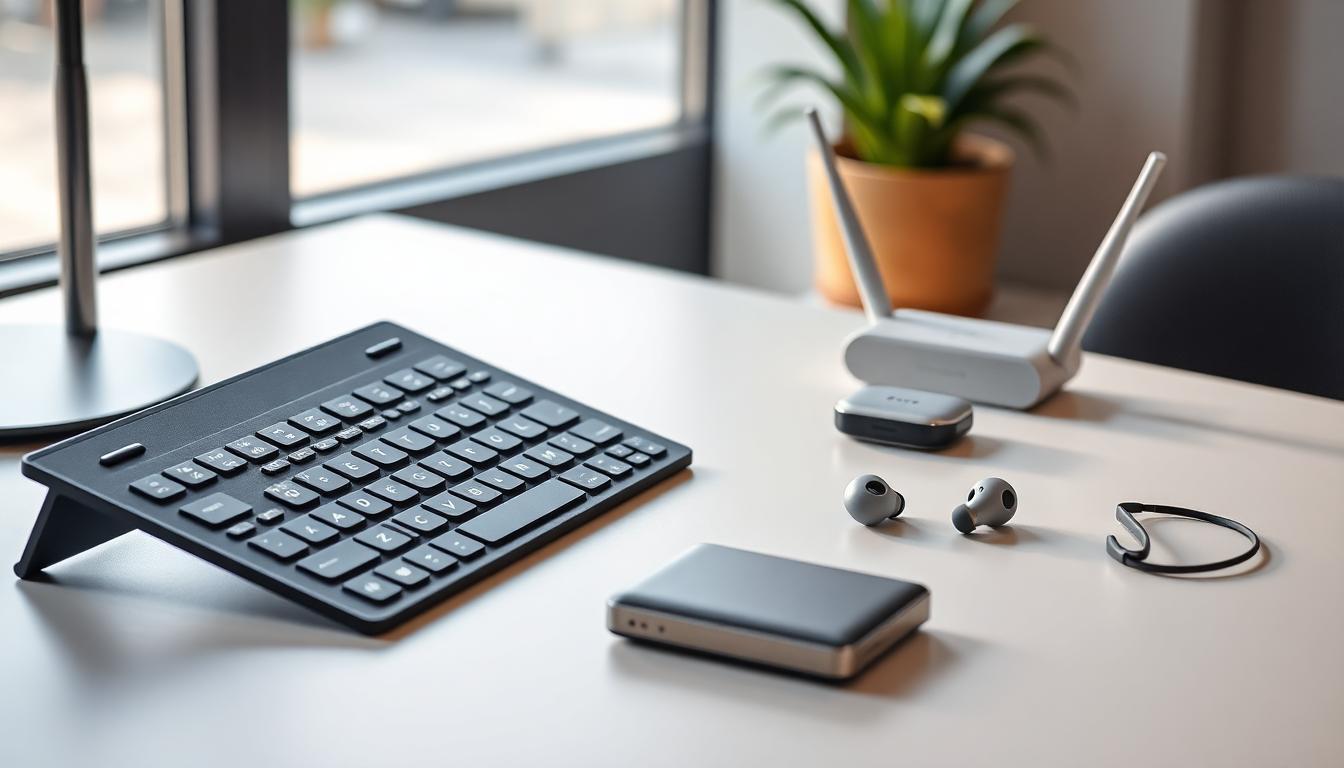
Minimalist desk setup with tech items in natural light
Image: Compact travel gadgets lined up on a clean desk, a must-have for digital nomads in 2025. Image created with AI.

Conclusion

Packing smart with the best compact travel gadgets for nomads 2025 gives me more than just extra room in my bag. It lets me move lighter, save on fees, and keep my focus on the things that matter most—work, adventure, and making meaningful connections wherever I go. Each small, multi-purpose gadget is an investment in smoother travel, real cost savings, and a lower impact on the planet. My experience has shown that when my tech works for me, I get more freedom, more productivity, and less worry.

Minimalist travel tech isn’t just a trend; it’s the key to thriving as a digital nomad. If you’re ready to travel smarter, live more sustainably, and get the most out of every destination, you’ll find value in updating your gear and approach. For better planning, gear tips, and real deals, visit IneedMyVacation.com.

Ready for a streamlined nomad adventure? Plan with IneedMyVacation.com!


© 2025 IneedMyVacation.com. All rights reserved.


Pin It on Pinterest

Seraphinite AcceleratorOptimized by Seraphinite Accelerator
Turns on site high speed to be attractive for people and search engines.