...

IneedMyVacation.com


Italy Is the World’s Best Food Destination in 2026

Why is Italy the world’s best food destination? Italy dominates 2026 with regional diversity, fresh seasonal ingredients, and authentic traditions. From Venice’s seafood to Bologna’s pasta, Rome’s carbonara to Naples’ pizza, each city delivers unforgettable flavors at reasonable prices.

Italy didn’t win the title of the world’s best food destination by accident, and if you care about where to eat well on a trip, that matters. In 2026, the country is getting fresh attention for the right reasons: regional food, seasonal ingredients, and local traditions that still shape what lands on the table.

The draw isn’t one single style of Italian cooking, either. Recent travel buzz points to Venice, Bologna, Rome, Naples, and the Amalfi Coast, but the real appeal is how different each stop feels, from pasta-heavy inland cities to seafood on the coast and mountain dishes in the north.

🍝 Ready to Plan Your Italian Food Adventure?

Book flights, find hotels near top restaurants, and secure food tours before peak season fills up.

Affiliate Disclosure: This article contains affiliate links. If you book through these links, I Need My Vacation may earn a commission at no extra cost to you. We only recommend services we trust and use ourselves.

If you want a bigger picture of why Italy keeps beating flashier names, start with these countries with the best food in the world, then come back and compare Italy’s edge.

This guide keeps things practical, so you can figure out where to eat, what each city does best, and how to plan a trip that actually lives up to the hype. If you’re timing the trip around meals, the best time to visit Italy matters just as much as the restaurant list.

Why Italy Keeps Beating Every Other Food Destination

Italy keeps winning because it doesn’t sell you one version of itself. It gives you a different meal almost every time you change towns, provinces, or even the next block. That kind of range matters if you want a trip that feels fresh, not repetitive.

It also helps that the food is easy to plan around. You can build a whole itinerary around what you want to eat, then let the destinations follow the menu.

How Does Regional Cooking Give Every Trip a Different Flavor?

Tuscany brings ribollita, bistecca alla fiorentina, and olive oil that tastes like it was made for bread and nothing else. Emilia-Romagna is the pasta heartland, with tortellini, tagliatelle al ragù, Parmigiano Reggiano, and balsamic vinegar that turns a simple plate into something worth remembering.

Campania gives you Naples, which means pizza, but that’s only part of it. You also get fried street food, bright tomato sauces, buffalo mozzarella, and seafood along the coast.

Lazio keeps Rome grounded in classics like cacio e pepe, carbonara, and amatriciana. Sicily adds another layer with arancini, seafood, citrus, pistachios, and desserts that feel like a reward after a hot afternoon.

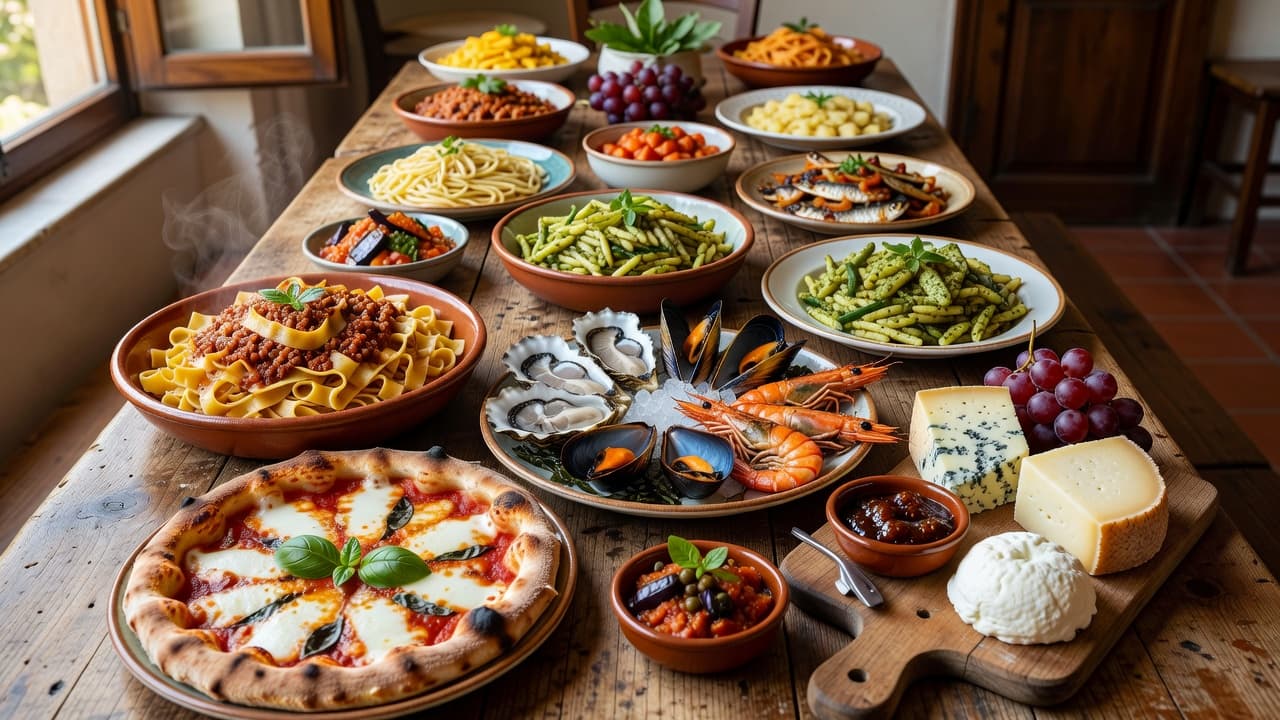
A rustic wooden table overflows with authentic Italian dishes including hearty pasta bowls, wood-fired pizza, fresh Mediterranean seafood, and wedges of local cheese with bright natural light highlighting vibrant food textures.

That’s why Italy works so well for repeat travelers. You can come back with a new focus each time: pasta in Emilia-Romagna, seafood in Sicily, Roman classics in Lazio, or a Tuscan countryside route built around wine and olive oil.

Italy doesn’t repeat itself. The next region usually feels like a new country for your plate.

Why Do Fresh Ingredients and Simple Recipes Make the Food Memorable?

Italian food often looks plain on paper, then hits hard on the table. A good tomato, a sharp piece of cheese, strong olive oil, handmade pasta, just-caught seafood, and bread baked the same day do most of the heavy lifting.

That is the secret. The recipes stay simple because the ingredients are strong, and the best kitchens know when to stop. A plate of spaghetti al pomodoro can beat a more complicated dish if the tomatoes are sweet, the olive oil is peppery, and the basil is fresh.

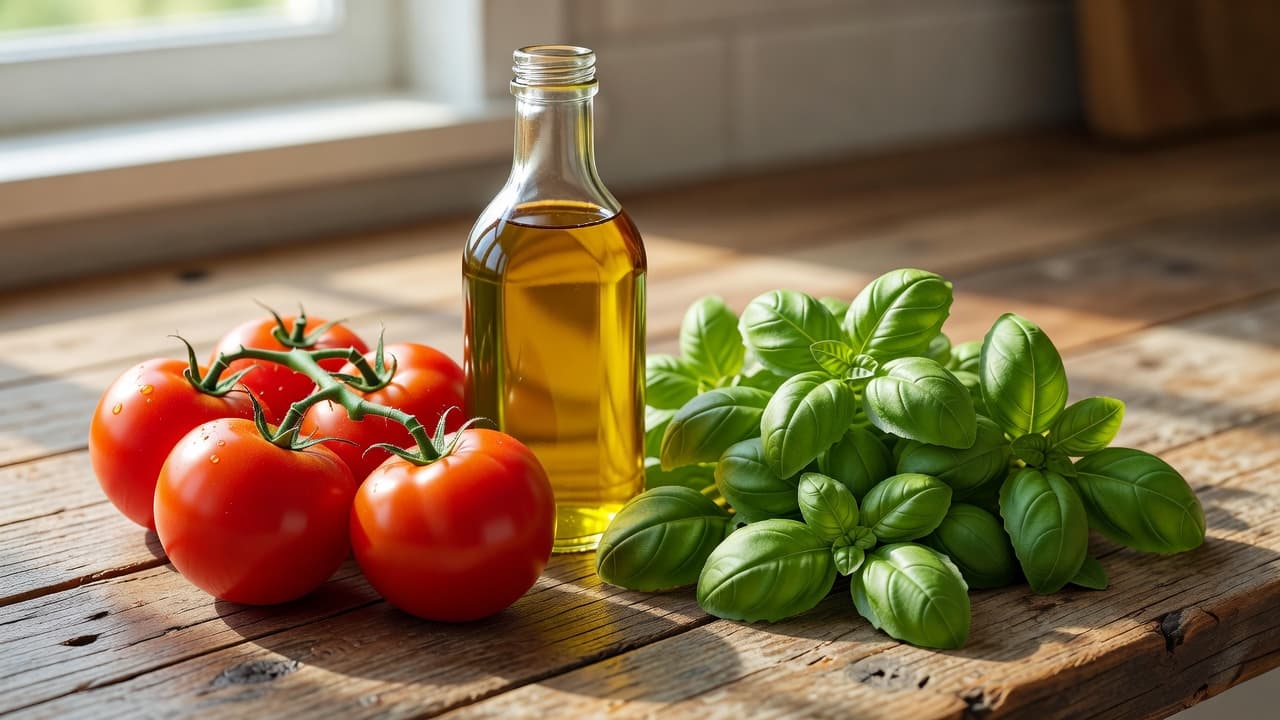
Vibrant red tomatoes grouped near a glass bottle of golden olive oil and sprigs of fresh green basil on a textured rustic wooden kitchen surface illuminated by warm sunlight.

Seasonal produce matters too. In Italy, spring artichokes, summer tomatoes, autumn mushrooms, and winter citrus show up where they should, and that keeps meals tied to the moment instead of frozen in one fixed idea of “Italian food.”

How Is Food Culture Part of Daily Life, Not Just Tourism?

The best meals in Italy often happen in the places locals use every day. Neighborhood trattorias, standing bars for espresso and a quick bite, bakeries at breakfast, and markets stacked with cheese, fruit, fish, and cured meat all give you a better feel for the country than a polished tourist strip ever could.

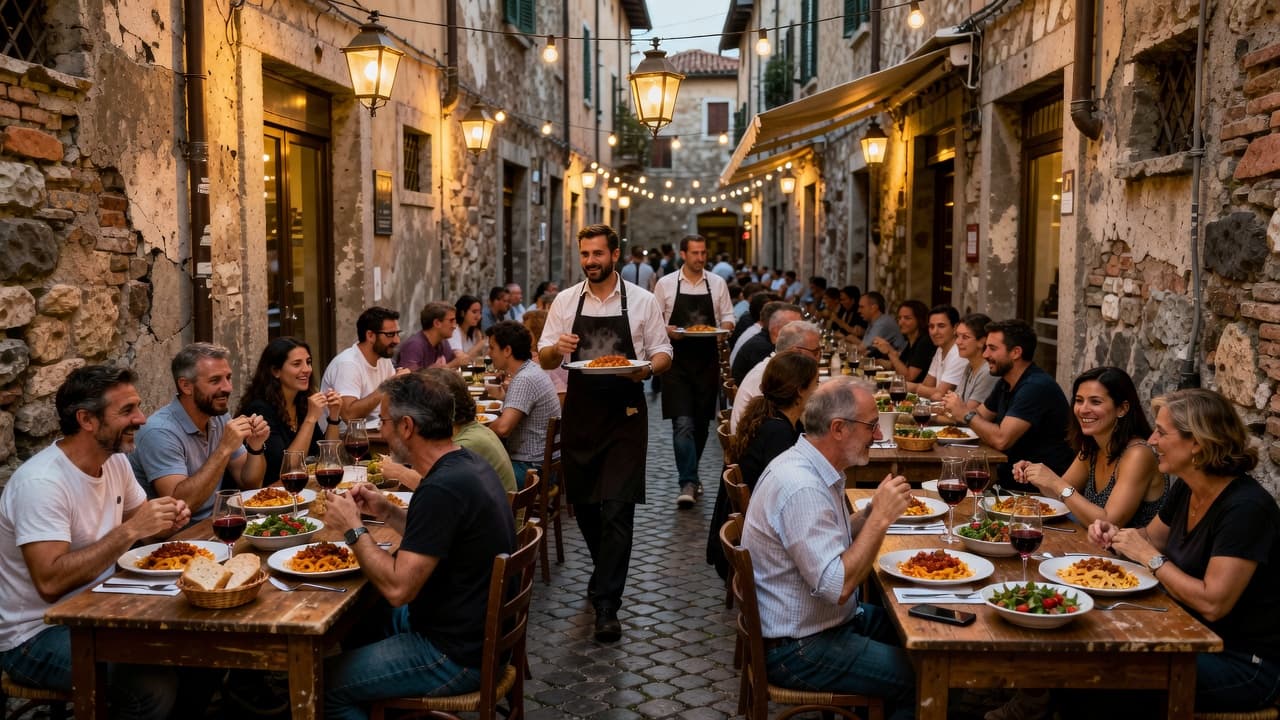
Patrons enjoy dinner at small tables outside a rustic stone building as dusk settles with golden string lights illuminating the alleyway and casting a warm glow over diners sharing authentic Italian meals.

Meals are social here. People linger, talk, argue about recipes, and defend their hometown dishes like they’re family members. That local pride gives the dining scene real energy, and it’s a big reason Italy keeps pulling people back for another round.

The Italian Cities Travelers Are Talking About Right Now

If you want the cities getting the most food buzz in 2026, the short list is clear: Venice, Bologna, Rome, Naples, and Florence. Each one gives you a different reason to book the trip, and that matters if you care more about meals than museum lines.

The smartest way to plan Italy right now is by appetite. Venice is getting a fresh wave of attention, Bologna still owns comfort food, and Rome, Naples, and Florence each deliver one dish profile that is hard to beat. For a broader look at how these cities stack up, this expert roundup of Italy’s best food cities lines up well with what travelers are talking about now.

Why Is Venice the Current Standout for Food Travelers?

Venice is getting more attention in 2026 because it feels different from the usual Italy food stop. The city’s cooking is tied to the lagoon, so seafood leads the menu, and that gives you a lighter, fresher change of pace from the heavy pasta cities.

This is the place for cicchetti bars, baccalà mantecato, sarde in saor, and seafood risotto. Around the Rialto area and the canal-side bacari, you can still eat well without turning the trip into a formal tasting menu.

🍷 Cantina Do Mori (Est. 1462)

Venice’s oldest bacari • Traditional cicchetti • Canal views • Standing room only
$3-$7 per cicchetti
Nearby Hotels: Hotel Ai Reali ($180-280/night), Ca’ Nigra lagoon Resort ($320-450/night)

🦐 Osteria Alle Testiere

Intimate seafood • 22 seats only • Fresh daily catch • Reservations essential
$35-$55 per person
Nearby Hotels: Hotel Metropole ($280-420/night), Palazzo Venart ($380-550/night)

🍝 Antiche Carampane

Hidden gem • Traditional Venetian • No tourist menus • Fresh seafood pasta
$30-$50 per person
Nearby Hotels: Hotel Ai Reali ($180-280/night), Palazzo Barocci ($220-340/night)

Expect small plates around $3 to $7 each, while a nicer seafood dinner often lands in the $25 to $45 range before wine.

Venice is strongest for travelers who like tasting their way through a city instead of sitting down for one long, heavy meal.

Why Does Bologna Remain the Heart of Italian Comfort Food?

Bologna still feels like the country’s comfort-food anchor. The city is built for travelers who want rich pasta, cured meat, and the kind of dishes that taste like they have been perfected over generations.

Here, the classics matter. Think tagliatelle al ragù, tortellini in brodo, mortadella, and big slabs of Parmigiano Reggiano nearby in Emilia-Romagna. At a good trattoria, pasta plates usually run $11 to $19, and a full meal with wine is often still reasonable compared with the flashier cities.

🍝 Trattoria Anna Maria

Family-run since 1958 • Handmade pasta • No reservations • Cash only
$12-$18 per pasta dish
Nearby Hotels: Hotel Metropolitan ($140-220/night), Art Hotel Commercianti ($160-250/night)

🥟 Tamburini

Historic deli • Fresh pasta to-go • Gourmet ingredients • Quick lunch spot
$8-$15 per dish
Nearby Hotels: Hotel Porta San Mamolo ($130-200/night), I Portici Hotel ($200-320/night)

🍖 Osteria del Sole

Bring your own food • Buy wine there • Historic tavern • Local favorite
$5-$8 per glass of wine
Nearby Hotels: Hotel Novecento ($150-240/night), Grand Hotel Majestic ($220-350/night)

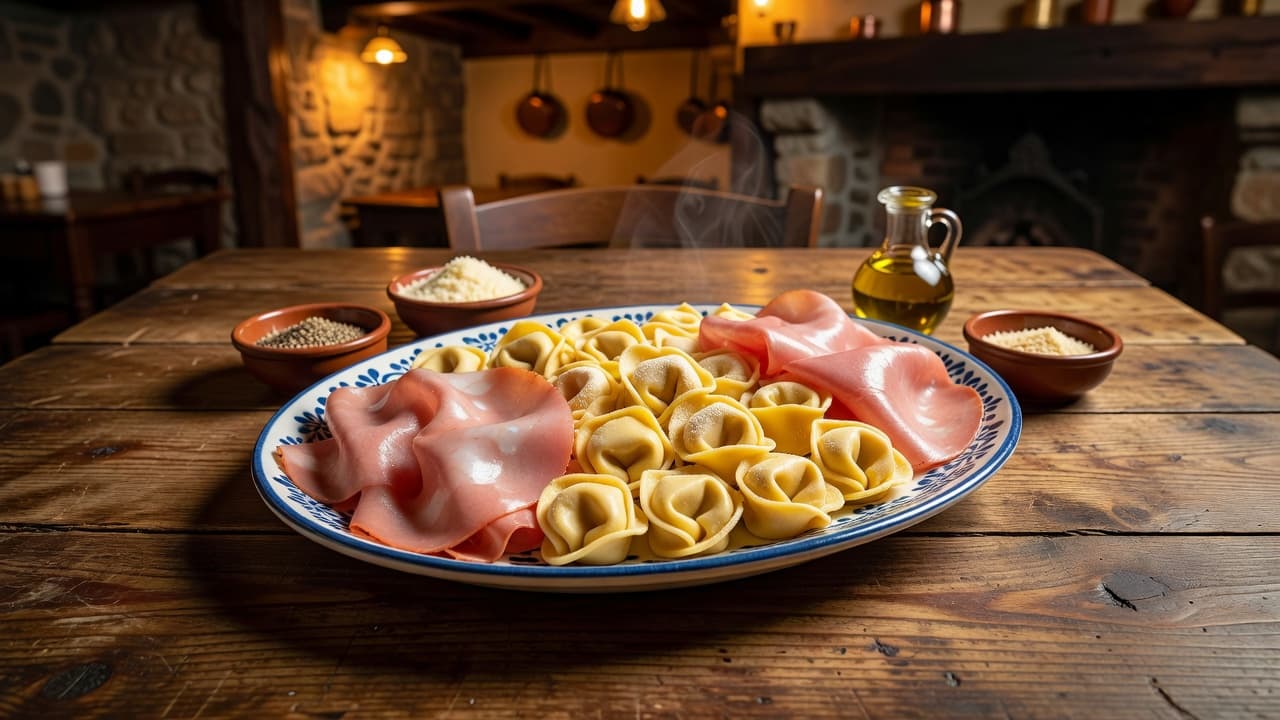
A rustic wooden table displays a large ceramic platter filled with handmade tortellini pasta and delicate ribbons of mortadella with warm inviting indoor lighting highlighting authentic textures.

Bologna is the city for serious food lovers. You go there for depth, not novelty. If your idea of a great trip includes long lunches, pasta made by hand, and a city that treats ingredients with respect, Bologna should be near the top of your list.

How Do Rome, Naples, and Florence Each Bring a Signature Dish Experience?

Rome is where you go for the pasta everyone knows by name, and the city delivers it well. Carbonara, cacio e pepe, and amatriciana are the dishes to order, and the best versions are simple, salty, and sharp. Add a supplì stop if you want a quick snack between meals. Expect casual trattoria mains around $13 to $21.

🍝 Flavio al Velavevodetto

Testaccio favorite • Perfect carbonara • Outdoor seating • Local crowd
$14-$20 per pasta
Nearby Hotels: Hotel Testaccio ($120-190/night), Mercure Roma Centro Colosseo ($160-250/night)

🧀 Roscioli

Gourmet deli & restaurant • Cheese & wine • Reservations essential • Central location
$18-$28 per dish
Nearby Hotels: Hotel Campo de’ Fiori ($180-280/night), Hotel Navona ($200-320/night)

Naples is all about pizza, and you should lean into that completely. A proper pizza Margherita or pizza marinara is the move, and the city still does some of the best inexpensive eating in Italy. You can often get a great pizza for $5 to $11, with sweet pastries like sfogliatella adding a cheap second round.

🍕 L’Antica Pizzeria da Michele

Legendary since 1870 • Only 2 pizzas • Long lines • Cash only
$6-$10 per pizza
Nearby Hotels: Hotel Piazza Bellini ($100-170/night), Romeo Hotel ($220-350/night)

🍕 Sorbillo

Third-generation pizzaiolo • Creative toppings • Historic center • Expect queues
$7-$12 per pizza
Nearby Hotels: Hotel Toledo ($110-180/night), Palazzo Caracciolo ($140-220/night)

🥐 Pintauro

Famous sfogliatella • Since 1785 • Quick pastry stop • Takeaway available
$3-$5 per pastry
Nearby Hotels: Hotel Piazza Bellini ($100-170/night), Grand Hotel Vesuvio ($280-420/night)

Florence takes a different path. It is the city for bistecca alla fiorentina, ribollita, and other Tuscan meat-and-bread dishes that feel sturdy and local. If you want something lighter, lunch spots also serve pappa al pomodoro and lampredotto, which is a classic Florence street-food bite. A steak dinner will cost more, often $43 or more for one cut, but it is the kind of meal people plan around.

🥩 Trattoria Mario

No-frills Tuscan • Shared tables • Cash only • Lunch only
$15-$25 per main
Nearby Hotels: Hotel Davanzati ($140-220/night), Plus Florence ($80-150/night)

All’Antico Vinaio

Famous sandwiches • Long lines • Huge portions • Multiple locations
$7-$12 per sandwich
Nearby Hotels: Hotel Pendini ($120-190/night), Hotel Brunelleschi ($220-350/night)

🍷 Osteria Santo Spirito

Oltrarno neighborhood • Wine bar • Small plates • Local vibe
$12-$22 per dish
Nearby Hotels: Hotel Continentale ($280-420/night), Palazzo Vecchietti ($200-320/night)

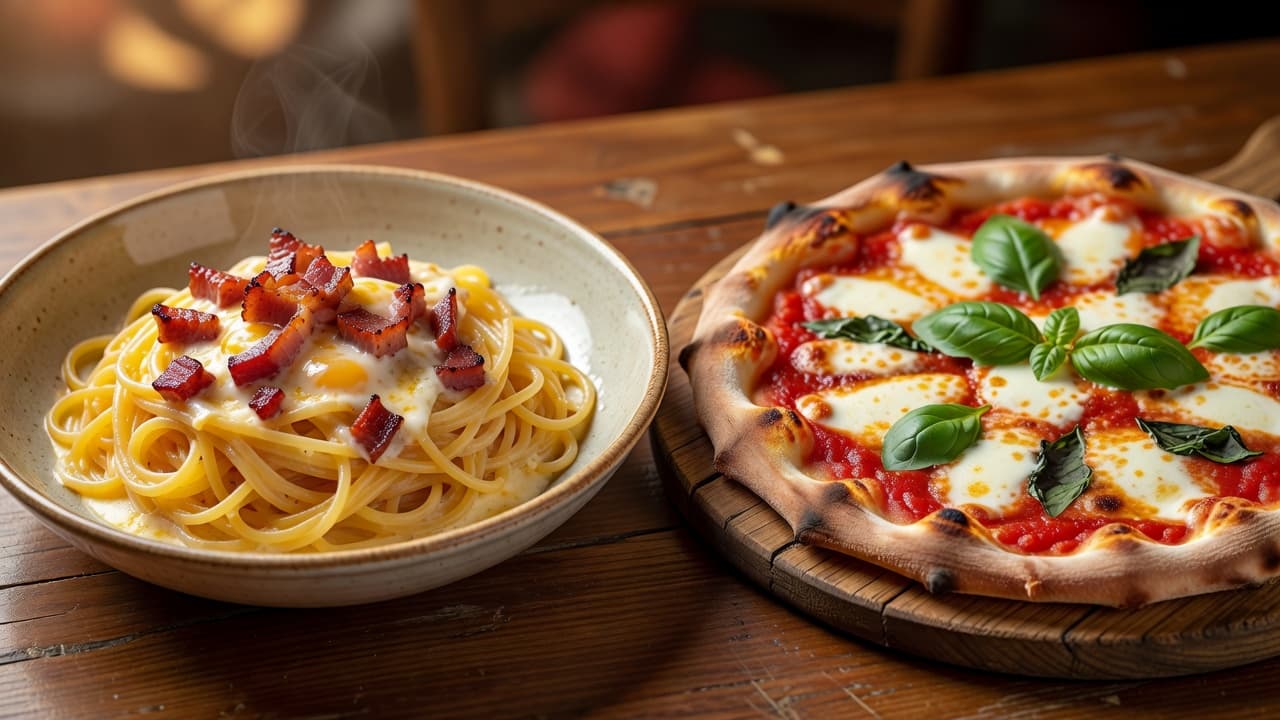
A rustic ceramic bowl filled with creamy Roman carbonara sits beside a freshly baked Neapolitan pizza with warm wooden table textures providing a backdrop for these traditional culinary staples from Italy.

If you like to eat by city identity, this trio is easy to read. Rome is for pasta, Naples is for pizza, and Florence is for Tuscan meat dishes that stick with you long after the trip ends.

Which Pick Depends on How You Like to Eat?

Some travelers want variety on every block. Others want one unforgettable dish done right. Italy gives you both, but these cities help narrow the choice fast.

✅ Choose Your City by Food Style:
Choose Venice if you want seafood, cicchetti, and polished dining with a lagoon setting
Choose Bologna if you want pasta, cured meats, and rich comfort food
Choose Rome if classic pasta is the main event
Choose Naples if pizza is the whole point
Choose Florence if you want bold Tuscan meat dishes and hearty regional cooking

A fourth image naturally belongs in the Amalfi part of the larger article, where seafood, lemons, and cliffside restaurants fit the mood. For now, these are the cities travelers keep bringing up for one simple reason: they each give you a clear eating plan before you even land.

Where Should You Stay Close to the Food?

If you want to keep meal planning simple, book a base that puts you near the main food districts. In Venice, that means staying close to San Polo or Cannaregio for easy access to bacari. In Bologna, look near the historic center so you can walk to trattorias instead of relying on taxis.

For flexible hotel options, compare refundable stays in Venice on Booking.com and central hotels in Bologna on Agoda. If you are building a bigger Italy route, it also helps to check Italy vacation stays on Trip.com so you can keep the trip close to the food neighborhoods that matter most.

What to Eat in Italy If You Want the Full Experience

If you want Italy to feel like Italy, start with the dishes people actually grow up eating. The famous plates are famous for a reason, but the real trick is knowing which ones are worth chasing in each city and which ones are best eaten as a quick snack between meals.

Order the classics first, then follow the region. That’s how you get the full picture, not just a tourist checklist.

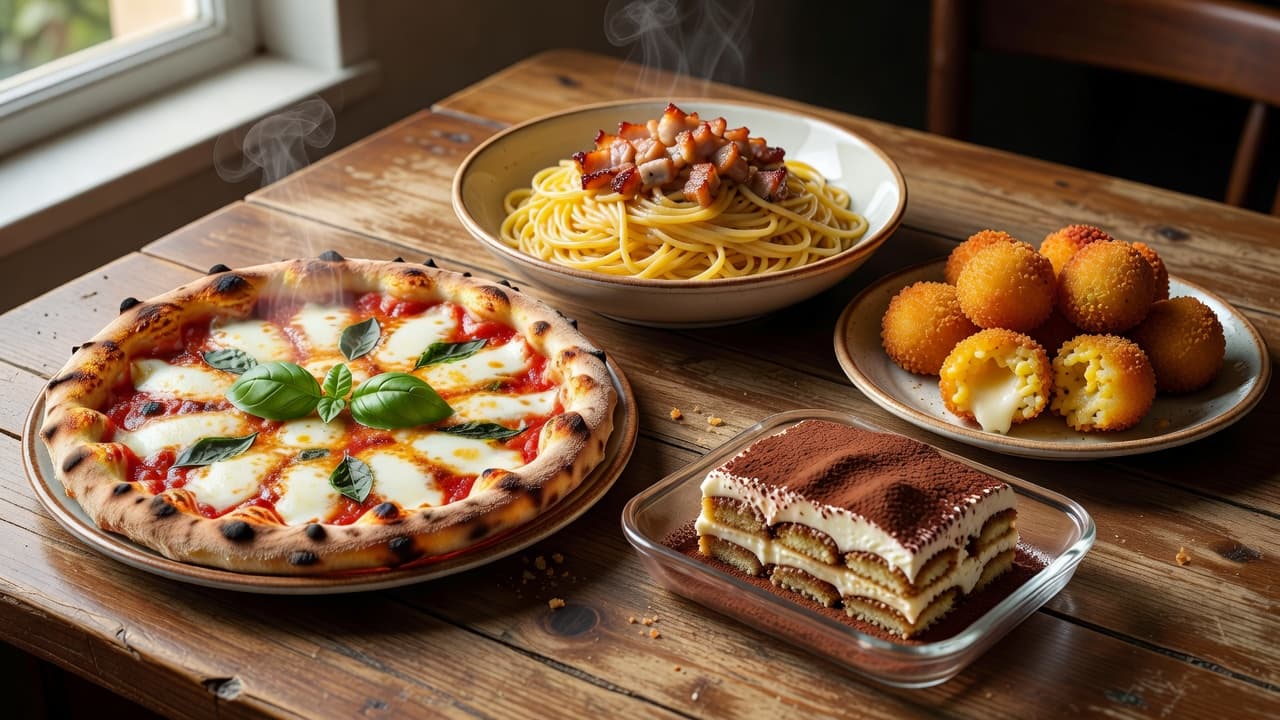
A rustic wooden table displays a steaming margherita pizza, a bowl of carbonara, golden fried supplì, and creamy tiramisu with warm sunlight illuminating the varied textures of these classic Italian dishes.

What Are the Must-Try Dishes Most Visitors Should Not Skip?

Start with the dishes that show up on almost every first-time Italy food list, then keep going once you know what you like. Pizza Margherita is the cleanest test of a pizzeria, with tomato, mozzarella, and basil doing all the talking. In Naples, the Neapolitan pizza version is the one you want, soft in the middle, blistered at the edges, and gone too fast.

For pasta, go straight to carbonara, cacio e pepe, and amatriciana. Carbonara is rich and salty, cacio e pepe is simple but sharp, and amatriciana brings tomato and guanciale into the mix. If you’re in Bologna, order tagliatelle al ragù and skip the jarred-sauce version of Italian food you may already know.

Street food matters too. Supplì is the Roman answer to a quick snack, while arancini or arancine bring that same fried, cheesy comfort to Sicily. Then finish with the sweet side of Italy: tiramisu, cannoli, and gelato. One is creamy and coffee-heavy, one is crisp and ricotta-rich, and one is the easy daily stop that seems to fit every hour of the day.

Where Does Each Famous Dish Taste Best?

The dish matters, but the place matters just as much. Pizza belongs in Naples, where the local style still feels like the standard everyone else is chasing. If you want to understand Roman pasta, eat it in Rome, where carbonara, cacio e pepe, and amatriciana are part of everyday life, not just restaurant theater.

For ragù, head to Bologna. The city is built around slow-cooked comfort, and that’s exactly why tagliatelle al ragù hits harder there than it does anywhere else. For dessert lovers, Sicily is the obvious stop, since cannoli and arancini are part of the island’s daily rhythm, not just a tourist menu.

If you want a sweet finish in a city setting, Venice is where to go for tiramisu. And if you’re planning a coastal stretch, pair the trip with seafood and lemon-forward dishes along the Amalfi side of the trip, where meals feel lighter and brighter. For a deeper look at that part of the coast, the Amalfi Coast travel guide fits neatly into a food-first itinerary.

Eat the signature dish in its home city whenever you can. That’s where the recipe feels most alive.

How Do You Spot the Best Local Places to Eat?

The best spots rarely look polished from the outside. In fact, that’s often a good sign. A place packed with locals, a short menu, and a handwritten board outside usually beats a restaurant trying too hard to impress tourists.

Look for trattorias with a handful of house specialties instead of a giant laminated menu. Good pizza al taglio shops sell slices fast, keep the counter busy, and don’t need fancy names to pull a line. Bakeries should smell like fresh dough and butter first thing in the morning, while a solid bar will serve espresso, pastries, and maybe a quick tramezzino without making it a production.

Markets are just as useful. If you see seasonal produce, local cheese, cured meats, and a lunch counter with people standing shoulder to shoulder, you’re in the right place. The easiest rule is simple: eat where the menu changes with the season, because that usually means the kitchen still cares about what’s fresh.

💡 Signs of a Good Local Place:
Short menus with regional dishes, not everything under the sun
Local customers who look like they came for lunch, not photos
Seasonal specials written on a board or recited by the server
House wine by the glass, which usually says a lot without saying much

If the room feels busy in the middle of the day and the dishes look modest but well made, keep walking in. That’s usually where the real meal is hiding.

How Much Does a Food Trip to Italy Really Cost?

Italy can be affordable, but only if you eat like you belong there. Stick to the right places and the bill stays sane. Chase tourist menus and Aperol-heavy terraces, and the total climbs fast.

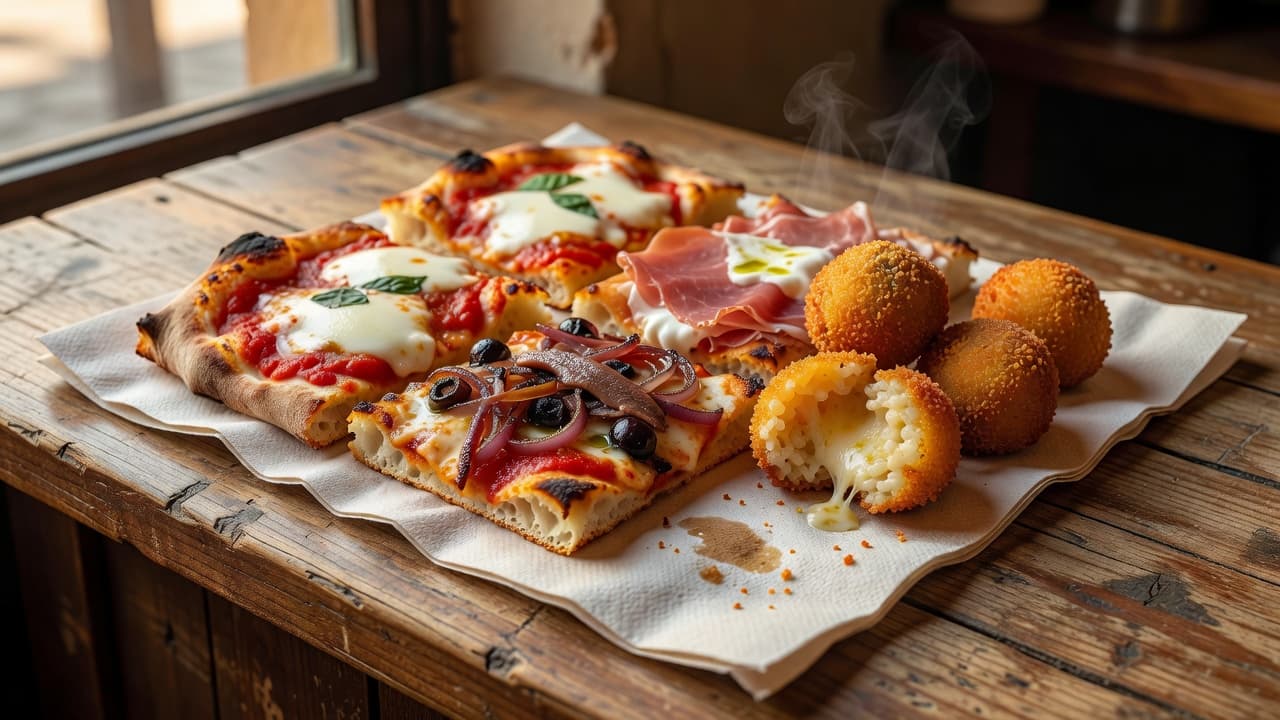
Crispy pizza al taglio slices and golden fried supplì sit on a rustic paper napkin atop a weathered wooden counter with warm light highlighting the textured dough and melted cheese topping.

What Are Typical Menu Prices Travelers Can Expect in 2026?

These are the easy-to-compare prices most travelers will actually run into in Italy. City center spots, waterfront tables, and famous tourist districts can run higher, while neighborhood places often stay closer to the lower end.

ItemTypical Price Range (USD)
Pizza Margherita$5 to $9
Pizza al taglio$2 to $4 per slice
Carbonara$11 to $16
Cacio e pepe$11 to $15
Amatriciana$11 to $15
Tagliatelle al ragù$11 to $16
Supplì$2 to $3 each
Arancini$3 to $4 each
Tiramisu$5 to $8
Cannoli$3 to $5 each
Gelato$3 to $4
Espresso$1 to $2
Aperol Spritz$7 to $11

The cheap wins in Italy are real. Espresso, pizza al taglio, supplì, and gelato can keep a day of eating surprisingly manageable.

If you want one benchmark, think like this: a pasta lunch, a snack, and coffee can still cost less than one polished dinner in a major U.S. city. For a quick outside reference on casual restaurant pricing, this guide to Italy restaurant prices lines up with the same basic pattern.

What Are the Best Ways to Eat Well on a Budget?

The smartest move is simple: eat where locals eat lunch. A good trattoria usually has a short menu, a few daily specials, and prices that make sense before the wine even shows up. If the room is full at 1 p.m., that usually tells you more than a polished sign ever will.

Breakfast bars are another easy save. In Italy, a standing espresso and pastry at the counter is cheap, fast, and normal. Sit down at a table in a tourist zone, and the same order can cost a lot more.

Street food helps too. Grab pizza al taglio, supplì, or arancini when you want a cheap gap-filler between bigger meals. It keeps the day moving, and it keeps you out of overpriced restaurants that exist mostly for visitors with no backup plan.

⚠️ Budget-Saving Rules:
Choose trattorias over tourist restaurants when the menu looks regional, not generic
Eat your biggest meal at lunch when fixed-price specials are more common
Use bars for breakfast and coffee instead of full-service cafes
Skip dining right on the main square unless you are paying for the view too
Watch the aperitivo markup in busy nightlife areas, especially around famous canals and piazzas

If Milan is on your route, these budget dining tips for Milan are useful because the city can swing from reasonable to pricey fast.

What Does a Realistic Daily Food Budget Look Like?

A food trip to Italy does not need to be a splurge every day. Your budget depends on how often you sit down for full meals, how much wine you drink, and whether you treat snacks like small meals or add-ons.

Here is the simplest way to plan it:

💰 Budget Traveler: $27-$49 per day
Espresso at the bar, a bakery breakfast, pizza al taglio or a cheap lunch, and one modest dinner. This works best if you keep snacks simple and avoid long aperitivo nights.

💰 Mid-Range Traveler: $54-$97 per day
Coffee and pastry in the morning, a proper trattoria lunch, gelato or dessert, and a nicer dinner with a glass of wine. This is the sweet spot for most food-focused trips.

💰 Higher-End Traveler: $108-$194+ per day
Multiple sit-down meals, better wine, seafood, famous restaurants, and cocktails in high-demand areas. Add a waterfront table or a well-known tasting menu, and the total climbs quickly.

The value is still strong even at the top end. Italy gives you real regional food, not just expensive plates dressed up for tourists. That is why the trip feels worth it, even when the bill is a little higher than expected.

For travelers comparing food-first stays and trip planning, it helps to book a base that keeps you close to the right neighborhoods. A central hotel often saves more on taxis and wasted time than you think, especially when your best meals are a few blocks away instead of across town.

Conclusion: Build Your Italy Food Route Today

Italy takes the crown because it doesn’t offer one food story, it offers a dozen. Venice, Bologna, Rome, Naples, and Florence each give travelers a different reason to eat well, and that variety is what makes the country hard to beat.

The real strength is simple: quality backed by tradition. You can plan a trip around pizza in Naples, pasta in Rome, rich comfort food in Bologna, seafood in Venice, or Tuscan dishes in Florence, and every stop still feels like a proper food trip.

If you want Italy at its best, don’t lock yourself into one city. Build a food-first route, mix two or three stops, and let each region show you why Italy keeps landing at the top.

🚀 Ready to Book Your Italian Food Adventure?

Start with flights, compare hotels near top restaurants, and book food tours before they sell out.

People Also Ask: Italy Food Travel FAQ

What is the best time to visit Italy for food?

April-May and September-October are ideal for food travel. Spring brings fresh artichokes, asparagus, and strawberries, while fall offers truffles, mushrooms, and grape harvests. These shoulder seasons also mean fewer crowds and better prices at restaurants. Summer (June-August) is peak tourist season with higher prices, while many authentic restaurants close in August for vacation.

How much should I budget for food in Italy per day?

Budget travelers: $27-$49/day (espresso, pizza al taglio, one trattoria meal). Mid-range: $54-$97/day (proper lunches, gelato, nice dinners with wine). Higher-end: $108-$194+/day (multiple sit-down meals, fine dining, premium wine). Most travelers find the mid-range sweet spot offers the best balance of quality and value.

Do I need reservations for restaurants in Italy?

Yes, for popular restaurants, absolutely. Book 2-4 weeks ahead for well-known trattorias and osterias, especially in Rome, Florence, and Venice. For Michelin-starred or famous spots, reserve 1-3 months ahead. Casual pizza places and street food don’t need reservations, but expect lines at popular spots like Da Michele in Naples.

🎒 Pack Smart for Your Italy Food Tour

Get comfortable walking shoes, a portable phone charger for food photos, reusable water bottle, and other Italy travel essentials delivered fast.

🛒 Shop Travel Essentials

© 2026 I Need My Vacation. All rights reserved.


Culinary travel is changing the way we see the world, and in 2025, more people than ever are choosing their next adventure based on what’s on the menu. From bustling street food tours to once-in-a-lifetime cooking classes, foodie travel destinations 2025 are set to delight every kind of palate. This post contains affiliate links. As an Amazon Associate, we earn from qualifying purchases at no extra cost to you.

If you crave authentic flavors and the spices, sights, and sounds of the world’s kitchens, you’re in the right place. I’ll highlight the best places for food experiences—whether you’re dreaming about sushi in Tokyo, pasta in Bologna, or the smoky aroma of night markets in Bangkok. Get ready to discover global food scenes where every bite tells a story, budgets stretch further, and every trip is packed with new tastes to remember.


Why Top Foodie Travel Destinations 2025 Are Booming

The appetite for foodie travel destinations in 2025 is bigger than ever. From TikTok-fueled food trends to friends’ Instagram stories of sizzling street food, food is driving our travel dreams. More travelers are choosing where to go next based on taste instead of just sights. The numbers back this up—culinary travel is now one of the fastest-growing trends in tourism, especially for those who want meaningful, memorable experiences that only local cuisine can provide. Let’s dig into why 2025 is seeing this explosion in culinary travel.

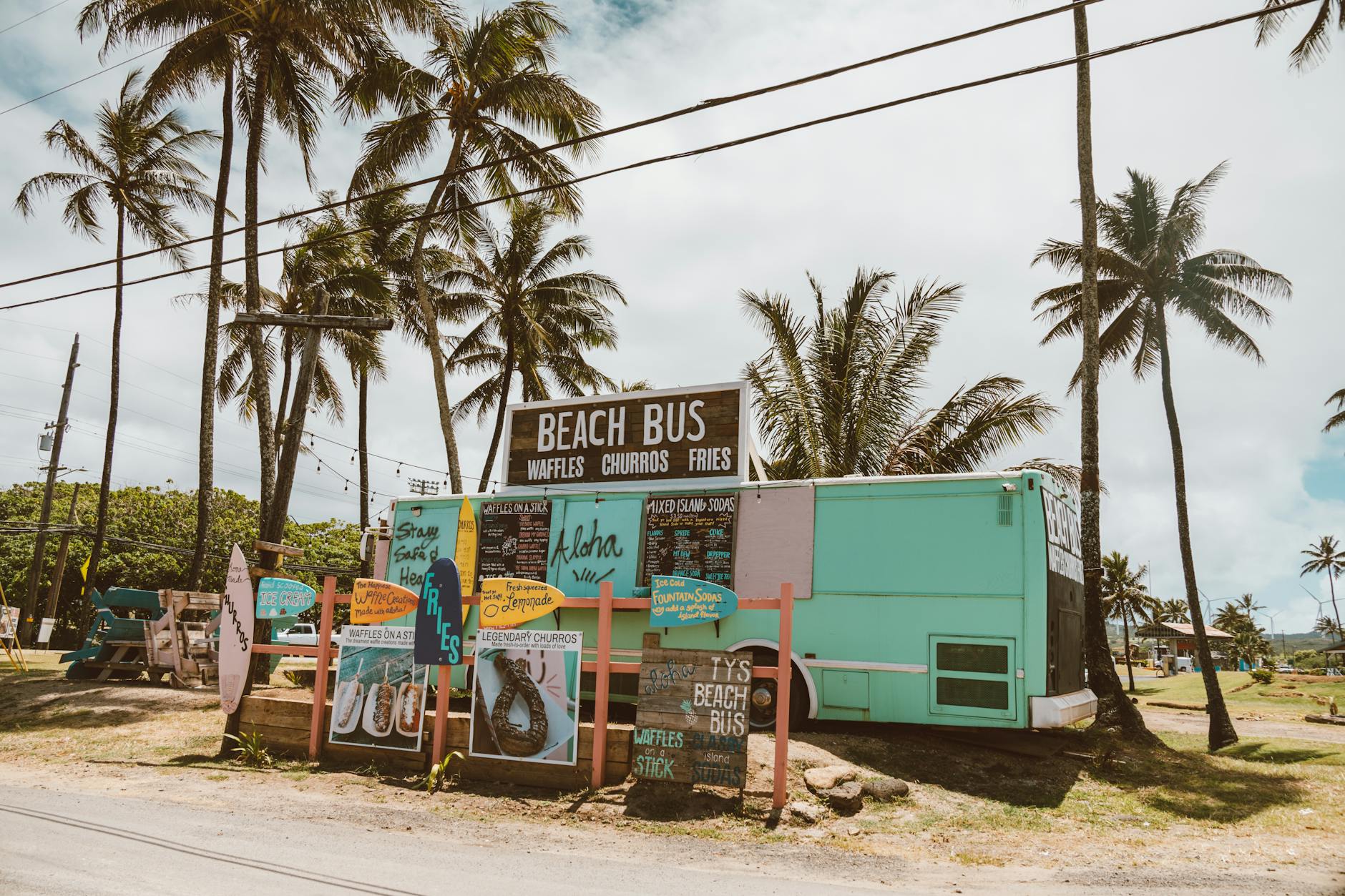
Top foodie travel destinations 2025 beach food truck in Hawaii offering waffles, churros, and fries under palm treesPhoto by Jess Loiterton

Authentic Connection and Cultural Curiosity in Top Foodie Spots

People are hungry for more than just food—they want connection. Restaurants, markets, and home kitchens are often the heart of local culture. Travelers crave authentic moments: chatting with a night market vendor in Bangkok, trying mole at a family kitchen in Oaxaca, or tasting homemade pasta in an Italian trattoria. In 2025, food is the passport to these experiences and the fastest way to connect with another culture.

  • Culinary excursions invite honest, unscripted encounters over shared meals.
  • Food acts as a language everyone speaks, helping break down barriers and build memories.

Social Media and the “Bucket List Bite” in Culinary Travel 2025

Social media is reshaping trip planning. Travelers now collect bites like badges, crossing off “bucket list” foods, restaurants, and markets. Seeing a friend’s post of sushi in Tokyo or a taco in Mexico City sparks wanderlust in a heartbeat. Food now shapes the “must-see” list for many globetrotters.

  • Viral food videos and Instagram feeds are rewriting travel itineraries.
  • Unique food experiences push new foodie travel destinations for 2025 onto center stage.

Unique Food Experiences and Immersion in Best Foodie Destinations

Culinary travel isn’t just about eating—it’s hands-on. Cooking classes, night market tours, farm visits, and chef’s tables turn an ordinary vacation into an experience you’ll brag about for years. In 2025, these immersive, interactive activities rank at the top of trip wish lists.

  • Food tours let you eat like a local, not a tourist.
  • Hands-on activities (from pasta making to coffee roasting) put you in the story, not just at the table.

For example, many cities now offer exclusive chef-led food walks or farm-to-table adventures. This growing market means you can easily book a ramen-making class in Japan or street food crawl in Vietnam. Foodies: Will Travel for Food | 2025 Hilton Trends Report offers more insight into how food-focused activities are evolving this year.

Supporting Local Economies and Sustainability in Top Culinary Spots

Culinary travel gives back. By spending travel dollars at local markets, family-run restaurants, and food stalls, you’re supporting small businesses and communities. In 2025, conscious travelers seek eco-friendly tours and ethical dining to reduce their impact, making each bite meaningful beyond flavor.

  • Travelers want sustainable, responsible experiences, from zero-waste eateries to locally sourced menus.
  • Booking with local guides or participating in traditional cooking classes supports community initiatives and helps preserve culinary heritage.

For more about how food tourism uplifts communities, see this outlook on how food tourism is evolving in 2025.

Increased Access and Variety in Foodie Travel Destinations 2025

Globalization and budget-savvy travel options open doors for adventurous eaters. More affordable flights, new food tour companies, and better access to information make it easier to find hidden-gem foodie travel destinations in 2025, from street carts in Asia to tucked-away trattorias in rural Italy.

With so much information at your fingertips and every destination eager to show off its food scene, the world truly feels like one big kitchen in 2025. Culinary travel isn’t a passing trend—it’s become the heart of how we explore, learn, and remember.

Top 10 Foodie Travel Destinations for 2025: Where to Eat, Drink, and Savor Culinary Adventures

The global kitchen is bursting with flavors in every corner for 2025. If you love chasing new tastes, discovering local secrets, and collecting food stories, these foodie travel destinations for 2025 belong at the top of your list. Each spot offers something unforgettable, from vibrant street markets to hands-on cooking classes. Here’s where to go, what to try, and tips for making your next trip deliciously smooth.

Bangkok, Thailand: Street Food Heaven and Night Market Foodie Tours

Everything buzzes after dark in Bangkok. When it comes to culinary travel in Bangkok 2025, I always think of smoky grills, tangy salads, and streets lined with food that calls to every sense. Night markets like Rot Fai and Yaowarat ignite after sunset, with spicy papaya salads (som tam), skewered meats, and aromatic noodle bowls.

For the most flavor-packed experience, join a Bangkok food tour or browse the newer street food tours 2025 programs from Culinary Backstreets. Top food tours dive into winding alleys where locals snack on mango sticky rice and bracingly sweet Thai iced tea. Food tours and guided walks make tasting everything easy, safe, and more fun than going solo.

  • Tip: Jot down your favorite bites in a Travel Journal and keep a Portable Cutlery Set handy for sampling on the go.
  • Thai markets reward an adventurous appetite. Try a local salad or ask a guide for noodle recommendations.

Charleston, USA: Southern Comfort and Seafood Feasts in 2025

Charleston’s food scene embodies Southern warmth and hospitality. In 2025, this city shines as one of the best foodie destinations USA 2025, with its legendary low-country boils, shrimp and grits, buttery biscuits, and bustling food festivals.

Expect to see crowds at the Charleston Wine + Food Festival, where local chefs showcase their best. Neighborhood seafood joints serve up just-caught oysters and hushpuppies overlooking the scenic Battery. Take time to walk old cobblestone lanes and savor each slow-cooked meal.

Oaxaca, Mexico: Mole, Mezcal, and Culinary Market Classes

Oaxaca dances to its own spicy rhythm. Mole—the complex, iconic sauce—takes days to make and minutes to savor. Oaxaca’s street markets burst with local produce, while mezcal tastings introduce travelers to agave spirits that define the region.

The best way to connect? Book a cooking class or market tour. Local chefs teach mole recipes handed down through generations. Mezcal tastings add a boozy highlight, while market tours unlock stalls crowded with fresh herbs and handmade cheeses. Oaxaca nails “cooking classes abroad 2025” for foodies who want to learn and eat.

Bologna, Italy: Pasta-Making Traditions in Top Foodie Destinations Europe

In Bologna, the pasta isn’t just food—it’s heritage. Every trattoria and food museum reveals the secrets of tortellini, tagliatelle, and bolognese that Italy is famous for. You can join pasta-making workshops to roll, stuff, and shape noodles like a true Italian nona. Local food museums highlight centuries-old cheese and charcuterie traditions too.

The city stands out as a top choice for the best foodie destinations in Europe 2025, with dining that feels both homey and elegant.

Tokyo, Japan: From Sushi Counters to Culinary Travel 2025 Stars

Tokyo never fails to amaze. In 2025, the food scene is more diverse, blending world-class sushi counters and lively izakayas with streets brimming with ramen shops. Food travelers will find every budget covered, from standing-only sushi bars to elaborate tasting menus at Michelin-starred restaurants.

Don’t miss ramen alleys like those around Tokyo Station or Tsukiji Outer Market for otoro tuna. Guided food tours offer new ways to savor the city’s flavors.

Marrakech, Morocco: Tagines, Spices, and Food Tourism Trends 2025

In Marrakech, every market corner is a riot of color and scent. Cooking tagines over a slow flame, haggling in spice markets, and joining souk food tours make culinary travel 2025 unforgettable. Street carts serve aromatic harira, and tea houses set out sweet mint tea in intricately patterned glasses.

The city is shaped by food tourism trends 2025, with immersive cooking classes revealing the spice routes that have connected Morocco to the world for centuries.

Hanoi, Vietnam: Pho and Street Food Tours 2025 Culture

Sipping pho on a busy Hanoi street is a must-do. The city boasts some of the best street food tours in the world, with scooter-led food safaris, crispy banh mi sandwiches, and frothy egg coffee at every turn. The atmosphere buzzes and meals come alive with every slurp and bite.

If you’re after a real street food tour in Hanoi 2025, join a guided night ride or sidewalk crawl. Local food tours highlight family-run stalls that have perfected their signature dishes over decades.

Lyon, France: Bouchons and Culinary Capital Foodie Experiences

Lyon carries the title of France’s culinary capital with pride. Bouchons—cozy local eateries—dish out sausages, quenelles, and salads with a glass of Beaujolais or Côtes du Rhône. Market tours let you sample fresh cheeses, pastries, and produce from the region’s famed Rhone Valley.

If best foodie destinations in Europe 2025 is on your search list, Lyon offers warmth, tradition, and world-renowned flavors at every meal.

Singapore: Hawker Centers and Top Foodie Travel Destinations 2025 Diversity

Singapore’s hawker centers are legendary. Think steaming satay, fragrant laksa, and chili crab in an airy, communal setting. Food courts and hawkers combine multicultural roots—Malaysian, Chinese, Indian, and more—making Singapore a leader in culinary travel 2025.

Whether you’re trying old-school street noodles or Michelin-rated chicken rice, everything here feels fresh, affordable, and deeply local.

Lima, Peru: Ceviche, Nikkei Fusion, and Best Food Tours 2025

Lima rises to the top of best food tours 2025 lists for good reason. The city is the heart of Peruvian cuisine, known for ultra-fresh ceviche, Nikkei fusion restaurants, and Pacific coastline flavors. Food tours often visit bustling seafood markets and leading Nikkei kitchens where Peruvian and Japanese influences combine.

Set time for popular food festivals or shrimp and fish stalls near Miraflores. Top tours focus on the ocean’s bounty, pisco tastings, and hands-on ceviche-making.

FAQs About Top Foodie Travel Destinations 2025

Curious about planning your own food-focused adventure next year? I get asked a lot about how to navigate the world of culinary travel in 2025. Whether you’re plotting a quick food-filled weekend or a months-long journey chasing the world’s best bites, these frequently asked questions can help you build the most delicious itinerary.

What Are the Best Foodie Travel Destinations for 2025?

In 2025, certain cities stand out for food experiences that go way beyond dinner. Travelers are talking about places like Bangkok with its famous street food, Bologna’s pasta workshops, and Lima’s bold ceviche bars. Classic hubs like Tokyo and Lyon continue to win hearts too, thanks to their deep culinary roots and inventive chefs. New contenders such as Seoul and Lisbon are rising up as can’t-miss stops, each serving unique flavors you won’t find anywhere else.

For more ideas and inspiration on where to take your taste buds, check out this guide to the best vacation destinations for foodies in 2025.

Where Can I Find the Top Street Food and Food Tours in 2025?

Street food scenes are exploding worldwide. Cities like Bangkok, Hanoi, and Singapore remain legendary for night market snacks, while Marrakech and Mexico City promise spices, salsas, and smoky flavors at every turn. Food tours are easy to book in 2025, often blending market visits, local stories, and hands-on bites that would be tough to discover solo.

Leading sources like the Michelin Guide’s roundup of the best places to eat in 2025 offer more culinary maps for hungry travelers.

How Do I Book the Best Food Tours and Cooking Classes in 2025?

Start online—many local guides now use booking platforms for seamless reservations. Read reviews, compare itineraries, and focus on tours led by chefs or born-and-raised locals. Cooking classes abroad in 2025 are especially popular, from baking bread in Lyon to mastering stir-fry in Singapore. Try to sign up early in high season, as spots go quickly for the best experiences. Do plenty of research to find tours and classes that include small groups and authentic interaction.

For a taste of what’s trending, the Ultimate Foodie Experiences guide highlights new ways to book memorable culinary adventures.

Are Foodie Travel Destinations in 2025 Budget-Friendly?

Great news: Incredible food isn’t only for luxury travelers. Many of 2025’s foodie hotspots are street food capitals, where you can eat well for less than the price of a fancy coffee back home. Cities like Hanoi, Bangkok, and Oaxaca offer authentic eats on a shoestring. Night markets, food stalls, and casual bistros dish up plates with big flavors and small bills.

If you’re looking for fine dining, keep an eye out for lunchtime specials, prix fixe menus, or local discovery deals that turn bucket-list meals into accessible splurges.

What Should I Pack for a Culinary Travel Adventure?

A smart traveler always packs light and practical. For foodie trips, I recommend these essentials:

  • Travel Journal: Use one to jot down recipes, flavors, and new words you pick up.
  • Portable Cutlery Set: Perfect for snacking on street food cleanly.
  • Reusable Water Bottle: Stay hydrated through long food tours.
  • Spill-proof Lunch Bag: Handy for carrying snacks and leftovers.
  • Packing Cubes: Organize souvenirs and keep gear ready for any food adventure.

Thoughtful packing lets you spend less time fussing with luggage and more time savoring every bite.


For deeper travel planning, refer to the best tips and city recommendations in the top places to eat in 2025 for a global look at up-and-coming and classic foodie destinations.

Conclusion: Embrace Culinary Travel Destinations 2025

2025 sets a new standard for food lovers searching for flavor, culture, and connection in every corner of the map. The world’s top foodie travel destinations are bursting with diversity, where every street food stall, cooking class, and chef-driven feast reveals the heart of a place and its people. Exploring through taste gives any trip a deeper meaning and turns simple moments into lifelong stories.

The future of culinary travel is all about hands-on experiences, authentic encounters, and sustainable choices. I encourage you to share this article with friends, swap food memories on social, and become part of the community redefining travel through cuisine.

Ready to embark on a culinary adventure in 2025? Book your flights, hotels, and food tours at unbeatable prices with I Need A Vacation Now. Start your foodie journey today at https://ineedmyvacation.com/ and save big!

Thank you for reading—where will your next bite take you?


Pin It on Pinterest

Seraphinite AcceleratorOptimized by Seraphinite Accelerator
Turns on site high speed to be attractive for people and search engines.