...

IneedMyVacation.com

This article contains affiliate links. If you book through these links, I Need My Vacation may earn a commission at no extra cost to you. We only recommend services we trust and use ourselves.

🚢 The Best Caribbean Cruise Lines for First-Time Cruisers (2026 Guide)

The best Caribbean cruise lines for first-time cruisers are Carnival Cruise Line, Royal Caribbean, Norwegian Cruise Line, Disney Cruise Line, MSC Cruises, Princess Cruises, and Virgin Voyages. Finding the right fit among these best Caribbean cruise lines depends on your budget, travel style, home port, and how much planning you want to do before stepping onboard.

A first cruise can feel exciting, but the questions often start hitting as you plan. Which vessel is too big, are drinks included, and is a three-night sailing enough? To clear up these uncertainties, many travelers start by browsing cruise ship reviews to see what others experienced. You might also wonder why that low cruise fare suddenly jumps after adding taxes, gratuities, Wi-Fi, and shore excursions.

💡 I always tell first-time cruisers this: do not book the cheapest cabin before you understand the full trip cost. A cruise should feel like a relaxing vacation, not a surprise bill floating behind you.

🎯 Key Takeaways

  • 🎉 Carnival Cruise Line is typically the easiest pick for budget-focused travelers, groups, and first-time cruisers who want casual fun.
  • 👨‍👩‍👧‍👦 Royal Caribbean works well for families and active couples who want large ships, water slides, shows, and private island days.
  • 🍽️ Norwegian Cruise Line offers flexible dining and a more relaxed schedule, perfect if you prefer to avoid fixed dinner times.
  • 🏰 Disney Cruise Line is an investment, but often worth it for families who want character experiences, organized kids clubs, and top-tier service.
  • MSC Cruises, Princess Cruises, and Virgin Voyages offer varied cruise itineraries for those seeking newer ships, quieter spaces, premium options, or adults-only sailing experiences.
  • 🥂 Celebrity Cruises stands out as an excellent premium option for travelers who want a more sophisticated atmosphere and elevated dining.

📢 Affiliate Disclosure: This article contains affiliate links. If you book or purchase through these links, I Need My Vacation may earn a small commission at no extra cost to you. We only recommend services we genuinely trust and use ourselves to help you plan the perfect trip. Thank you for your support!

🌴 Lock In Your Cruise Port Plan Early

Flights and hotel rooms near Miami, Port Canaveral, Fort Lauderdale, and San Juan can rise fast when popular Caribbean sailings fill up.

📍 Quick links

📊 What First-Time Cruisers Should Compare

The ship matters as much as the islands. A seven-night cruise on a newer vessel can feel like a full resort vacation, providing a true luxury ship experience. While shorter cruise itineraries are an easy way to dip your toes into the water, they move fast. You board, unpack, eat, visit one port, and suddenly it is time to leave.

Start with your travel personality to ensure you pick the right match. Do you want late-night parties, big shows, slides, casinos, quiet lounges, adult spaces, or a balcony where you can watch the water go by? Consider what kind of onboard entertainment you prefer, as there is no single perfect cruise line for everyone, only a better fit for your specific vacation style.

Here is a quick look at the major options.

🚢 Cruise Line🎯 Best For⭐ What Stands Out⚠️ Watch For
CarnivalBudget travelers, friend groupsFun atmosphere, short sailings, casual diningBusy pool decks and extra onboard spending
Royal CaribbeanFamilies, active couplesLarge ships, entertainment, CocoCayPremium activities can add up
NorwegianFlexible travelersFreestyle dining, varied ship choicesPackages need close comparison
DisneyFamilies with childrenCharacters, kids clubs, serviceHigher upfront prices
MSCValue seekers, modern shipsCompetitive fares, Ocean Cay, Yacht ClubDining and service styles vary by ship
PrincessCouples, relaxed travelersCalmer pace, specialty diningLess high-energy nightlife
CelebrityModern luxury and foodiesDesign-forward ships, refined serviceHigher price point
Virgin VoyagesAdults-only travelersDining, Wi-Fi, tips includedNo guests under 18

The best first cruise is not always the biggest ship or the lowest fare. It is the sailing that matches how you want to spend your days and your money.

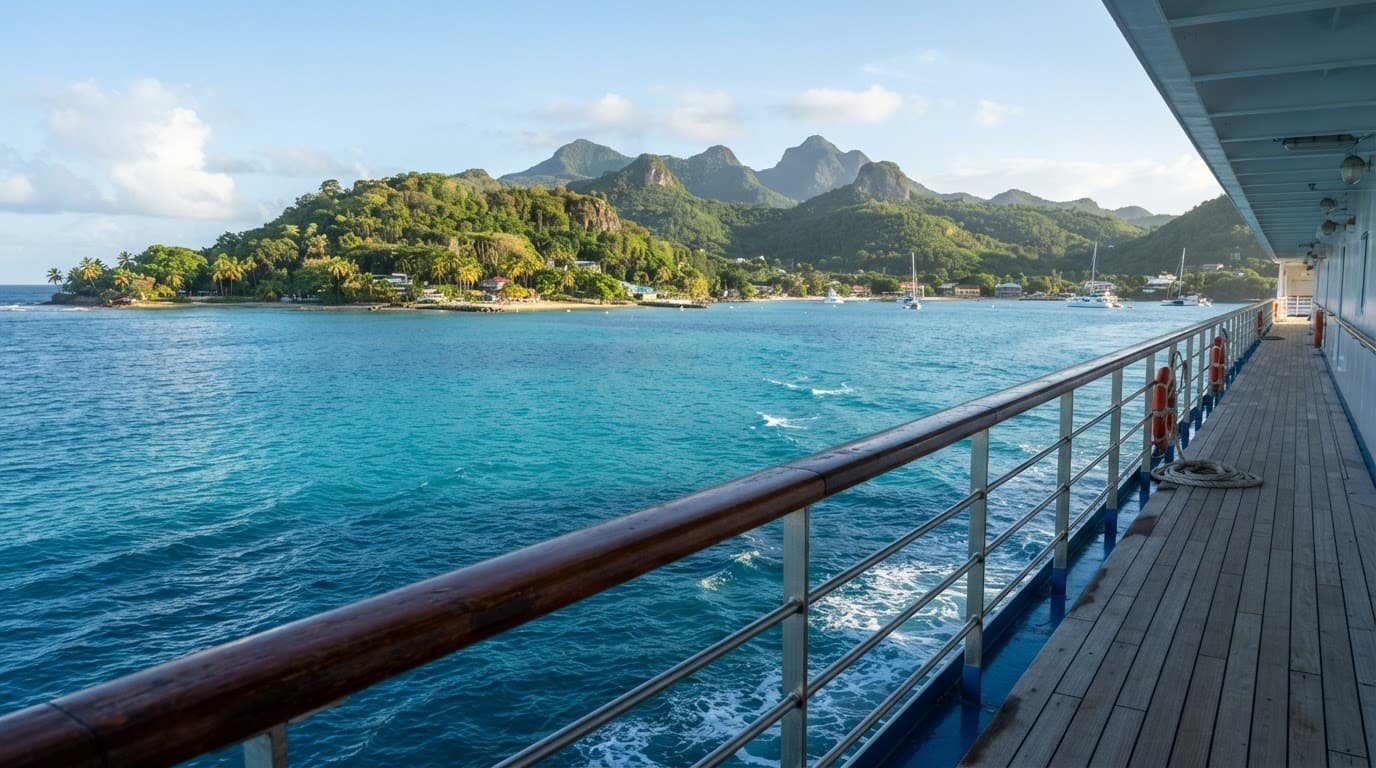
Cruise ship docked at St. John's, Antigua, with turquoise Caribbean water and blue skies, a typical port stop for a first-time sailing.

Photo by Duren Williams

🏆 Best Caribbean Cruise Lines for Beginners

🎉 Carnival Cruise Line is best for affordable fun

Carnival is often the first cruise line I recommend to travelers who want an easy start. The ships are lively, casual, and built for people who want to relax without feeling like they need to dress up every night.

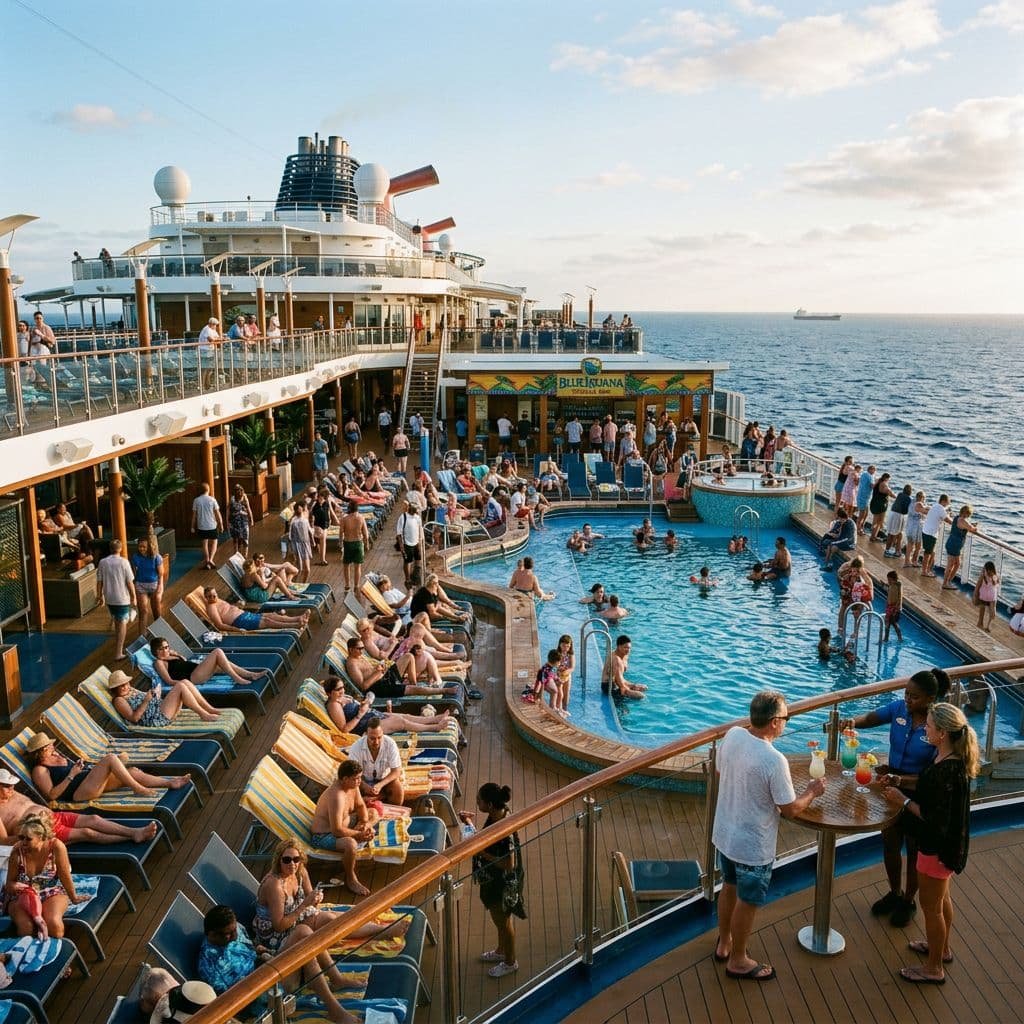
You will find comedy shows, pool deck music, casual food, waterslides on many ships, and plenty of short Caribbean itineraries from Florida and Texas. Carnival is a strong option for first-time cruisers driving to a port, especially Port Canaveral, Miami, Galveston, Jacksonville, or Tampa. The line also works for family reunions, birthday trips, and friend groups. Since there is always something happening, this is a great choice for travelers who worry they may get bored at sea.

⚠️ The downside is simple. A low Carnival fare can turn into a larger bill if you add drink packages, specialty dining, Wi-Fi, casino spending, spa treatments, and shore excursions. Set a daily onboard budget before you board to keep your trip to Miami or other ports stress-free.

👨‍👩‍👧‍👦 Royal Caribbean is best for families and big-ship energy

Royal Caribbean feels like a floating vacation city. Some ships have surf simulators, zip lines, climbing walls, water parks, ice skating, Broadway-style shows, and multiple pool areas. With massive vessels like the Icon of the Seas, this family-friendly line offers endless excitement.

For a first Caribbean cruise, Royal Caribbean’s private island, Perfect Day at CocoCay, is a major selling point. As the gold standard for a private island experience, you can spend the day on beaches, in pools, at a water park, or in quieter paid areas like Coco Beach Club. The newest and largest ships can be impressive, but they can also feel crowded during school breaks. If you want the big-ship experience, book popular shows and dining times as soon as your cruise planner opens.

🍽️ Norwegian Cruise Line is best for flexible schedules

Norwegian Cruise Line is known for Freestyle Cruising, which is the hallmark of the Norwegian Cruise Line experience. That means you are not locked into one main dining time or assigned to the same table every night. For travelers who dislike schedules, this feels easier.

The line has ships ranging from smaller, more traditional options to large Breakaway and Prima Class ships with lots of restaurants, entertainment, lounges, and outdoor areas. Caribbean itineraries often sail from Miami, Orlando, New Orleans, and Puerto Rico. The dining freedom is a real plus, but look carefully at the current promotion attached to your fare. Their offers can include extras, yet taxes, gratuities, and package details still matter. Read the final price before you call it a deal.

🏰 Disney Cruise Line is best for families who want less guesswork

Disney Cruise Line costs more than many mainstream cruise lines. That is the hard truth. But families often feel the difference in the service, themed spaces, kids clubs, entertainment, and attention to small details.

Disney’s Caribbean cruises include favorites like Castaway Cay and Disney Lookout Cay at Lighthouse Point. Both are private destinations built for beach days, family activities, and low-stress fun. The ships are not only for young children. Adults have separate dining areas, lounges, spas, and pool spaces. Still, if you want nightlife until 2 a.m., Carnival, Royal Caribbean, or Virgin may be a better fit. For a first family cruise, Disney can remove many worries because kids have organized activities, characters are everywhere, and meals are easy.

🥂 Celebrity Cruises is best for premium relaxation

If you want a more sophisticated atmosphere, look into Celebrity Cruises. As one of the top premium cruise lines, they prioritize comfort, high-end dining, and excellent service. Their ships, particularly any Edge Series ship, feature stunning outward-facing designs that keep you connected to the ocean views. It is a fantastic choice for those who want an elevated experience without the rigid formalities found on older, traditional lines.

🚢 MSC, Princess, and Virgin Voyages fit a different kind of first cruise

MSC Cruises is often the value play. You may find attractive fares on newer, stylish ships sailing from Miami, Port Canaveral, and New York. Ocean Cay MSC Marine Reserve is one of the line’s strongest Caribbean stops, with beaches, snorkeling, and a more natural feel than a typical port. The MSC Yacht Club is a private ship-within-a-ship area with its own lounge, restaurant, pool deck, and concierge service. It costs more, but travelers who want less crowd stress should compare it.

Princess Cruises is calmer. Expect destination talks, better quiet spaces, relaxed dining, and a more traditional cruise feel. It is a strong choice for couples, multigenerational groups, and travelers who want the Caribbean without the constant party energy.

Virgin Voyages is an adults-only cruise line, with no guests under 18. It includes dining at specialty restaurants, Wi-Fi, group fitness classes, and gratuities in the cruise fare, providing a sense of all-included luxury. Virgin is ideal for couples, solo travelers, and friends who want trendy dining, late-night entertainment, and no kids in the pool.

🛥️ Plan Your Port Day Before the Good Times Sell Out

Independent tours can offer better value, but always leave a large return-time buffer. A ship will not wait for a late tour booked outside the cruise line.

🗺️ Browse Caribbean Shore Activities

🗺️ Choosing the Right Caribbean Itinerary

The Western Caribbean usually features destinations like Mexico, Jamaica, Grand Cayman, Belize, or Honduras. It is an excellent choice for travelers interested in beach clubs, snorkeling, Mayan ruins, zip lines, and lively ports of call. Cozumel is a frequent stop on first cruises because it is accessible, popular, and packed with excursion choices.

The Eastern Caribbean often includes St. Thomas, St. Maarten, Puerto Rico, Antigua, Tortola, or the cruise line’s private island. These routes typically feel more scenic, offering beautiful beaches, dramatic mountain views, and colorful local towns.

Southern Caribbean sailings may visit Aruba, Curacao, Barbados, Grenada, St. Lucia, or Martinique. While these cruise itineraries can be truly spectacular, they often require longer travel durations or flights into San Juan. Consequently, they are best suited for travelers who have a full week or more to spare.

For your first trip, I recommend a five to seven-night Eastern Caribbean or Western Caribbean cruise. This timeframe provides enough room to learn your way around the ship, enjoy relaxing sea days, and visit multiple islands. While three-night cruises are fine for testing the waters, they can feel like a quick sample rather than a full vacation. If you are flying to your departure city, arrive at least one day before your ship sails. Same-day flights and cruises are a risky combination, as a single delay can turn your first vacation into an expensive and stressful situation.

💰 What Your Cruise Fare Does and Doesn’t Cover

Cruise fares can look cheap because the headline price is only one part of the trip. Most fares include your cabin, main dining rooms, buffet meals, entertainment, basic pool access, and transportation between ports.

The extras are where many first-time cruisers lose track of money. This is not always bad; it only becomes a problem when you do not plan for it.

Your final budget may include:

  • Port taxes and government fees, which are usually added during checkout.
  • Daily gratuities, sometimes prepaid and sometimes added to your onboard account.
  • Alcohol, soda packages, specialty coffee, specialty dining, Wi-Fi, and spa treatments.
  • Shore excursions, casino spending, photos, souvenirs, and transportation at ports.
  • Flights, checked bags, parking, airport transfers, and a hotel before the cruise.

A balcony cabin can be worth it on a seven-night sailing if you like quiet mornings and private ocean views. While premium cruise lines often include extra perks or better service levels with these rooms, you should consider the itinerary as well. On a three-night party cruise, an interior cabin can make more sense. You are simply paying for a bed and shower rather than a private retreat.

Use the same rule for drink packages. Do the math. If you only drink two cocktails a day, buying drinks separately may cost less. If you plan to order cocktails, soda, coffee, and bottled water all day, a package could work, though it rarely matches the experience of all-included luxury.

📱 Stay Connected in Port Without Hunting for Wi-Fi

Ship Wi-Fi is separate from mobile service. An eSIM can be useful when you are off the ship in Puerto Rico, Aruba, St. Maarten, and other ports.

📶 Get a Caribbean Travel eSIM

🚢 Ready to Book Your First Caribbean Cruise?

Compare real-time cruise fares, cabin upgrades, and exclusive package deals before prices go up!

📝 How to Book Your First Cruise Without Regret

Start with a realistic total budget. Include the cruise fare, port fees, gratuities, flights or gas, hotel, excursions, drinks, and spending money. This number tells you which cabin and cruise line fit your trip.

Next, carefully research your departure ports to find the best logistics for your travel style. Miami and Fort Lauderdale offer the highest volume of Caribbean sailing options. Port Canaveral is convenient for Orlando travelers, while Galveston remains a strong choice for those in Texas and surrounding states. Additionally, sailing from San Juan provides easier access to Southern Caribbean routes.

Then compare the ship, not only the itinerary. Two cruises may visit Cozumel and Nassau, but one ship may have better dining, newer cabins, a private island stop, or superior entertainment.

Book the cabin category you will be happy with. A guarantee cabin can save money, but the cruise line chooses the location. To ensure a peaceful trip, always check cruise ship reviews before making a final cabin selection to avoid noise from nightclubs, theaters, elevators, pool decks, or crew areas.

Also, watch final payment dates. Cruise deposits are often lower than the full fare, but the balance comes due weeks or months before sailing. Prices may drop after you book, and some cruise lines allow price adjustments before final payment. Check the rules before booking, not after.

A simple plan beats a perfect plan. Pick the cruise line that fits your style, book a safe arrival day, and leave room in the budget for the moments you will remember.

🎉 Your First Caribbean Cruise Can Be Easy

When exploring the best Caribbean cruise lines for your maiden voyage, options like Carnival, Royal Caribbean, Norwegian, Disney, MSC Cruises, Princess, and Virgin all provide excellent entry points into the region. The ideal choice ultimately comes down to your budget, your travel companions, and the level of activity you prefer throughout your journey.

A first cruise should feel exciting from the moment you step on board. To ensure a smooth experience, plan your expenses carefully, select an itinerary that allows enough time to relax, and remember that choosing the right ports of call is just as important as the ship itself. Above all, do not let an attractive, low starting fare be the sole deciding factor for your vacation.

🌴 Start With the Port, Then Build the Vacation

Check your flight and hotel costs before choosing a sailing. That is often where the real savings show up.

✈️ Check Cruise-Port Flight Prices

❓ Frequently Asked Questions

1. Which Caribbean cruise line is best for first-time cruisers?

Carnival is often the easiest choice for budget travelers and groups. Royal Caribbean is excellent for families and active travelers, while Celebrity Cruises offers a more premium, relaxed experience. Norwegian is good for flexible dining, and Disney is a strong family option if the higher fare fits your budget.

2. Is a three-night Caribbean cruise long enough?

A three-night cruise is long enough to learn whether you enjoy cruising. It is not ideal if you want several island stops, relaxing sea days, and time to explore the ship. First-time cruisers usually get more value from five to seven nights.

3. What is the cheapest month for a Caribbean cruise?

September, October, early December, and parts of January can offer lower fares. Prices often rise around holidays, spring break, summer school breaks, and major events. Hurricane season can bring deals, but travel insurance and flexible plans matter more then.

4. Should I buy shore excursions through the cruise line?

Cruise line shore excursions cost more in many cases, but they offer more protection if a tour runs late. Independent shore excursions can save money, especially in well-known ports. Only book one that returns well before all-aboard time.

5. Do I need a passport for a Caribbean cruise?

A passport is the safest document to bring, even when your itinerary may allow other documents. It makes travel problems easier to handle if you miss the ship, need medical care, or have to fly home unexpectedly. Whether you are planning a family vacation or an adults-only cruise, having proper documentation is vital. Check your cruise line’s current document rules before final payment.

© 2026 I Need My Vacation. All rights reserved.
Support the Blog

If you love the travel tips and content, consider buying me a coffee or fueling my next adventure!

Support via Cash App


Legend of the Seas for First-Time Cruisers: Worth the Fare? (2026 Review)

Is Legend of the Seas worth it for first-time cruisers? Yes, if you want a feature-packed mega-ship with included dining, shows, and pools. Budget $1,200-$2,500+ per person for a 7-night cruise, plus $300-$600 for gratuities, drinks, Wi-Fi, and excursions. Best for families and active travelers who want endless entertainment options.

Legend of the Seas is a brand-new Royal Caribbean Icon-class ship, and yes, it can be worth it for first-time cruisers. But it makes the most sense if you want a big, feature-packed ship, not the cheapest way to get on the water.

The ship entered service in July 2026, so the details here are current. Think of it like a floating resort, part hotel, part entertainment complex, part ride to your next port.

The trick is simple: don’t judge it by the starting fare alone. Once you separate what’s included from what costs extra, the value gets much clearer.

🚢 Ready to Book Your Legend of the Seas Cruise?

Don’t miss out on the newest Icon-class ship! Compare prices, check cabin availability, and book independent shore excursions to maximize your budget.

🎯 Quick Answer: Legend of the Seas is worth it for first-time cruisers who want a huge ship with lots to do, solid included dining, big shows, and family-friendly spaces. It gets expensive fast when you add drinks, Wi-Fi, specialty dining, excursions, and upgraded cabins. Compare the full trip cost, not the teaser fare.

Affiliate Disclosure: This article contains affiliate links. If you book through these links, I Need My Vacation may earn a commission at no extra cost to you. We only recommend services we trust and use ourselves.

Table of Contents

What Does Legend of the Seas Include in the Cruise Fare?

Legend of the Seas is the third Icon-class ship, and it’s huge. You’re looking at 20 decks, 8 neighborhoods, 7 pools, and 28 dining venues. That matters because your fare isn’t only paying for transportation. It’s paying for access to a resort-style ship that can keep you busy all day.

For first-timers, that’s the heart of the value. You’re not booking a cabin and then scrambling to fill the week. The ship is the entertainment.

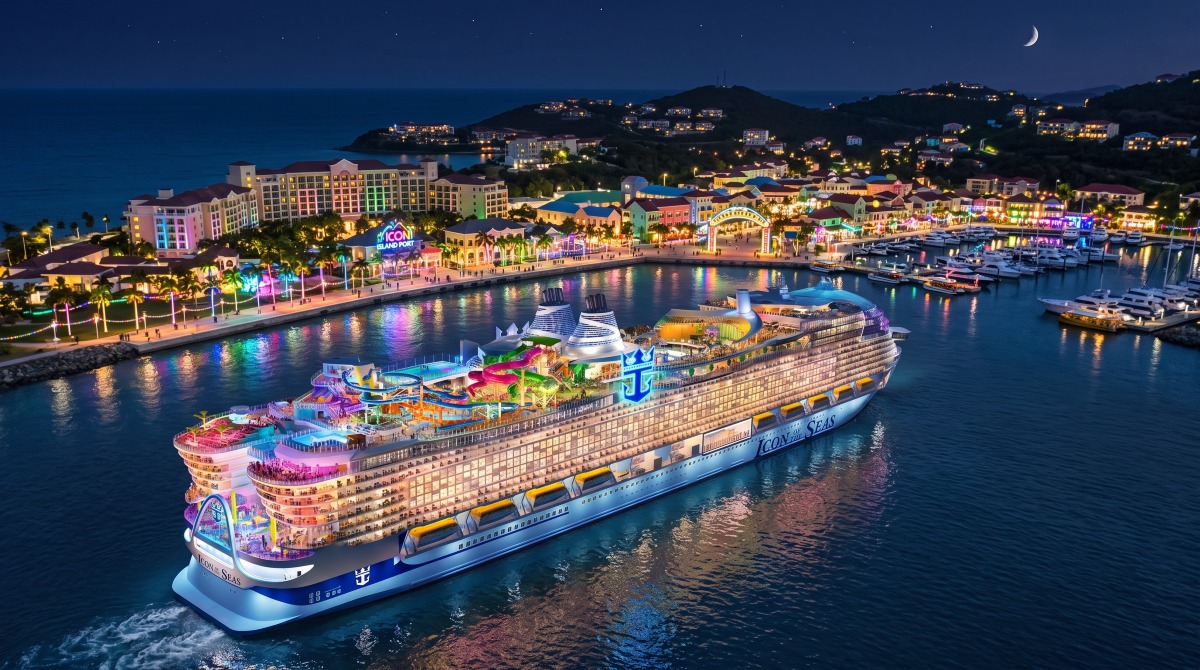
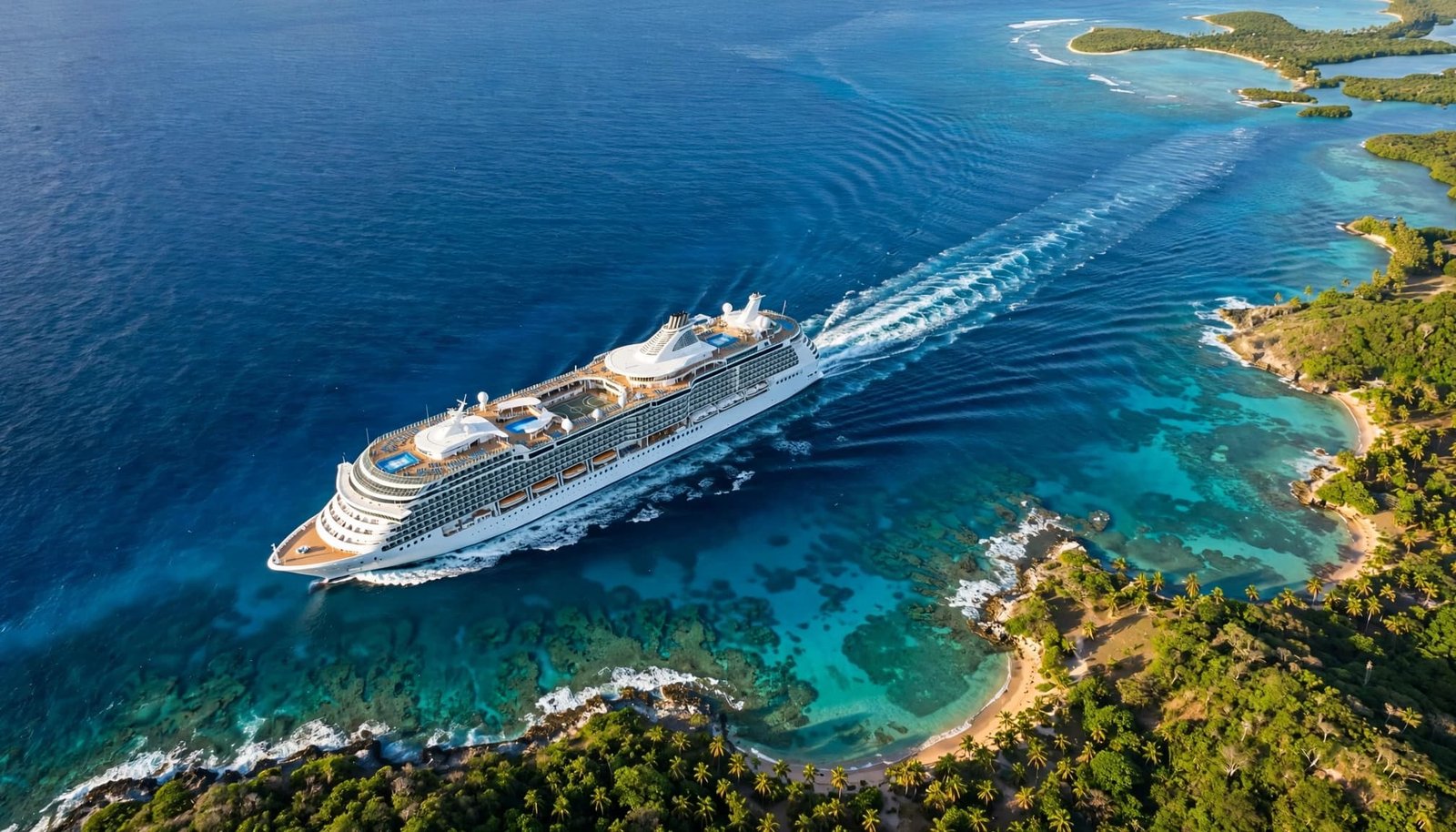
Aerial view of the Legend of the Seas cruise ship featuring multiple decks, colorful water slides, pools with palm trees, and the distinctive blue and white hull sailing on deep blue ocean waters.

What Staterooms, Dining, and Entertainment Come in the Base Price?

Your fare includes your stateroom, whether that’s an interior, ocean view, balcony, or suite you picked at checkout. It also includes the basics that make cruising feel easier than piecing together a land vacation.

✅ What’s Included in Your Fare:
Accommodations: Your choice of interior, ocean view, balcony, or suite
Main Dining Room: Multi-course meals with rotating menus
Windjammer Marketplace: Buffet-style breakfast, lunch, and dinner
Casual Dining: Several complimentary venues including pizza, burgers, and cafes
Entertainment: Broadway-style shows, AquaTheater performances, ice shows
Pools & Waterpark: 7 pools including Royal Bay (largest at sea) + Category 6 waterpark
Kids Programs: Surfside, Splashaway Bay, and supervised youth activities
Neighborhoods: Access to Central Park, Royal Promenade, AquaDome

Most meals are covered in standard venues, including the main dining room, Windjammer Marketplace, and several casual spots. You won’t need to pay extra for every breakfast, lunch, and dinner unless you want specialty restaurants.

Entertainment is a real part of the package here. Legend launched with big-ticket shows, including “Charlie and the Chocolate Factory,” AquaTheater performances, and ice shows at Absolute Zero. On land, those kinds of nights would cost extra. On this ship, they’re part of the cruise.

That’s why first-timers often find the math surprisingly good. A cruise bundles your room, meals, and shows into one fare, instead of hitting you three separate ways. If you want a quick refresher on what day one feels like, Royal Caribbean’s first-time cruiser guide is useful for the basics.

What Pools, Neighborhoods, and Family-Friendly Spaces Are Included?

This is where Legend starts to feel less like a ship and more like a giant vacation complex. The included experience covers public spaces that many travelers will use every day, even if they never buy a single add-on.

There are seven pools, including Royal Bay, which Royal Caribbean calls the largest pool at sea. Families get Surfside, Splashaway Bay, and kid-focused spaces built for younger cruisers. Adults get quieter corners too, including The Hideaway. Then there’s Category 6, the line’s huge at-sea waterpark, which is included.

You also get access to the ship’s themed neighborhoods, including Central Park, the Royal Promenade, and the glass-wrapped AquaDome. Royal Caribbean’s Icon Class overview gives a solid picture of how these areas work across the class.

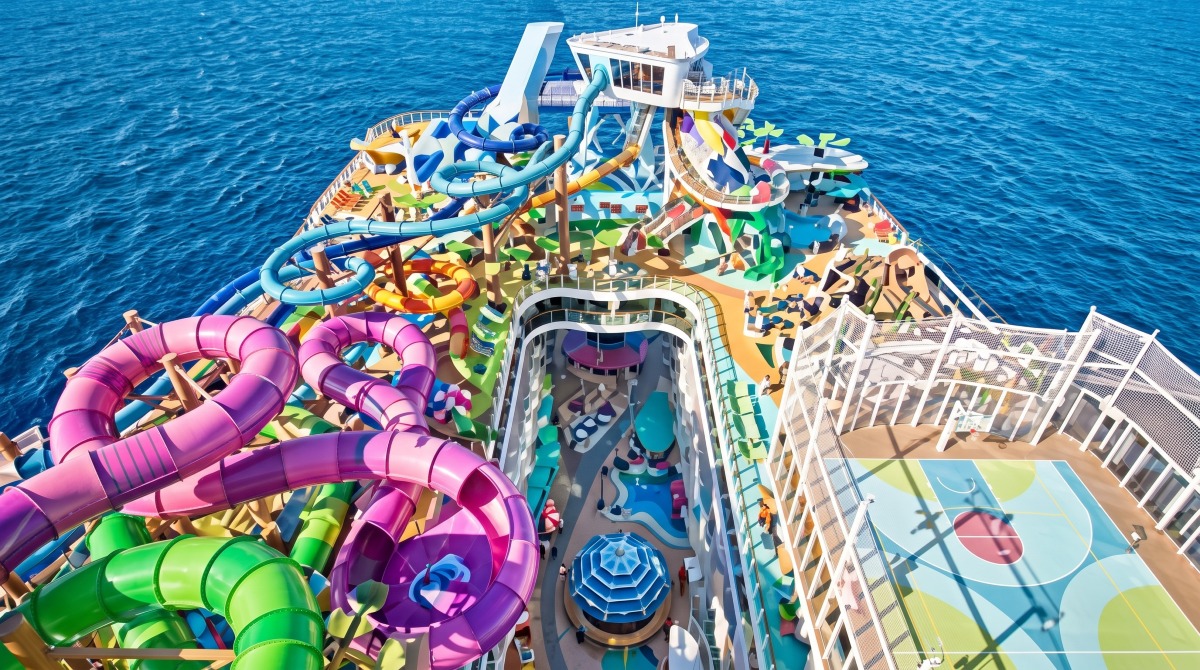
Luxury cruise ship pool deck featuring multiple swimming pools with palm trees, colorful water slides in yellow pink and orange, lounge chairs, and the distinctive white superstructure with Royal Caribbean branding.

For a first cruise, that built-in variety matters. If one part of the ship feels busy, you move. If the kids are done with the pool, there’s another zone. If sea days worry you, this is the kind of ship that makes them easier to enjoy.

Where Does the Price Climb Fast on Legend of the Seas?

Here’s the part cruise ads never put in giant type. The headline fare is not the full vacation cost.

Legend can still be a strong value, but only if you budget with open eyes.

What Add-Ons Should First-Time Cruisers Budget For?

The biggest surprise for new cruisers is how many “small” extras stack up. One coffee here, one photo there, one dinner upgrade, and suddenly the bill looks different.

⚠️ Common Extra Costs (Per Person):
Daily Gratuities: $16-$20/day (automatic charge)
Alcohol & Soda: $8-$15 per drink, or $60-$100/day for beverage package
Wi-Fi: $15-$30/day for internet access
Specialty Dining: $30-$75 per person per restaurant
Shore Excursions: $50-$200+ per port
Spa & Photos: $100-$300+ for treatments and professional photos

The most common extra charges are:

  • Daily gratuities, unless you’ve prepaid them
  • Alcohol, soda, specialty coffee, and drink packages
  • Wi-Fi, unless it’s bundled with a promotion or suite perk
  • Specialty dining, including premium concepts like Royal Railway or supper-club experiences
  • Shore excursions in port
  • Spa treatments, salon services, casino play, and professional photos

Excursions are worth watching closely. Ship-run tours are convenient, but they aren’t always the cheapest option. If you want to compare prices before you sail, you can browse port excursions on GetYourGuide.

Wi-Fi is another easy budget trap, especially for first-timers who assume it’s included. The same goes for specialty dining. You can eat well without paying extra, but the ship gives you plenty of chances to spend more.

If you want a fuller picture of avoiding hidden onboard costs, start there before booking. The smart move is to check the final total at checkout, then add the extras you know you’ll actually use. That’s the real price.

When Is a Balcony or Suite Worth the Splurge?

A better cabin can change how the cruise feels, but not everyone needs one. That’s the honest answer.

If you’re booking Legend for a port-heavy trip and plan to spend most of the day exploring the ship, an interior or ocean-view room can be perfectly fine. Plenty of first-time cruisers barely stay in the cabin except to sleep and shower.

A balcony starts making sense when you want private outdoor space, more natural light, and a quieter place to reset. It’s easier to justify on scenic routes or if you love slow mornings with coffee and ocean air.

Suites are different. They can be worth it for bigger families, special occasions, or travelers who care about more space and better perks. On Legend, higher suite tiers can include access to private areas like the Suite Neighborhood, dedicated dining, and better Wi-Fi perks. Still, for a first cruise, a balcony is usually the sweet spot. A suite is the luxury play.

💡 Cabin Upgrade Guide:
Interior ($800-$1,500): Best budget option, fine for port-heavy itineraries
Ocean View ($1,000-$1,800): Natural light, good middle ground
Balcony ($1,400-$2,500+): Private outdoor space, worth it for scenic routes
Suite ($2,500-$6,000+): Extra space, perks, priority boarding, best for special occasions

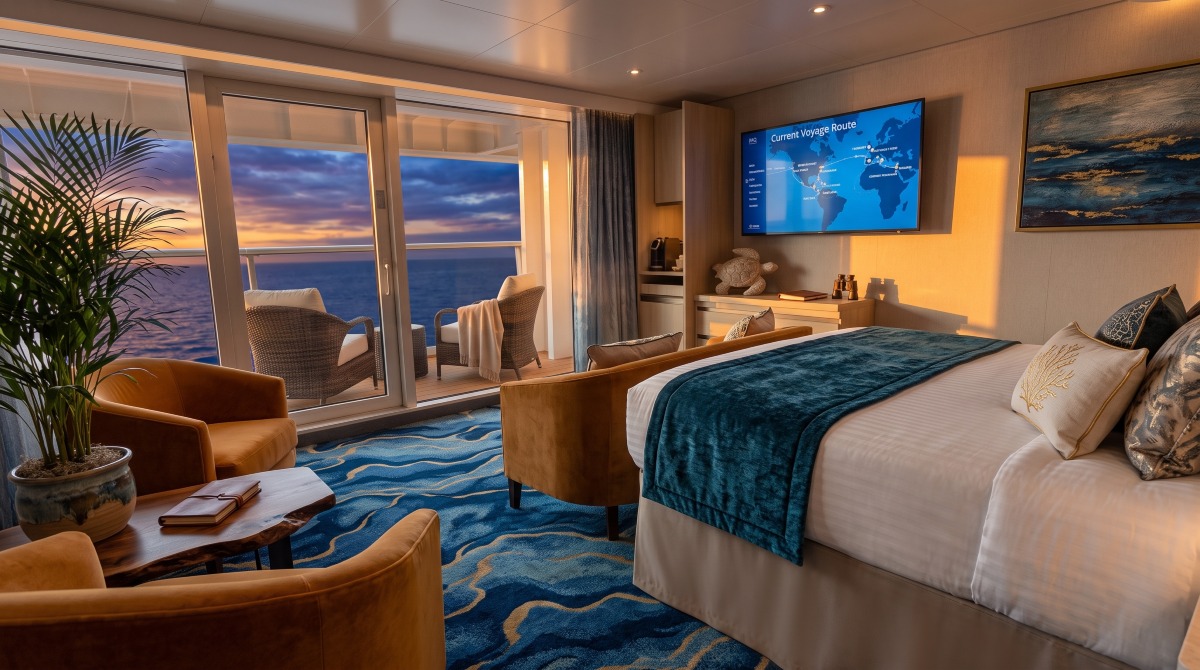
Modern cruise ship balcony stateroom featuring white bedding, contemporary furnishings, and a private balcony overlooking turquoise ocean waters.

Is Legend of the Seas Worth It for First-Time Cruisers?

Yes, for the right traveler. No, for the wrong one. That’s the cleanest answer.

Legend is a premium big-ship experience. If that sounds exciting, the price can make sense. If that sounds exhausting, you’ll probably feel like you paid for features you didn’t need.

Who Gets the Best Value from Legend of the Seas?

Legend works best for people who like choice. Families with kids, couples who enjoy shows and nightlife, and first-time cruisers who want a “wow” factor will usually get the most from it.

The ship is loaded with built-in value if you’ll use it. Pools, waterpark access, major entertainment, kids’ areas, public neighborhoods, and standard dining all help spread the fare across the week. You aren’t stuck staring at the ocean wondering what happens next.

It’s also a good fit if sea days matter to you. Some cruises treat the ship like a hallway between ports. Legend treats the ship like the destination. If you’re comparing options, these best 2026 cruise vacation deals can help you see whether a newer mega-ship fits your budget or if an older itinerary gives you better value.

Traveler TypeBest ForValue Rating
Families with KidsEndless activities, kids programs, waterpark⭐⭐⭐⭐⭐
Couples (Active)Shows, dining variety, nightlife⭐⭐⭐⭐
First-Time Cruisers“Wow” factor, everything in one place⭐⭐⭐⭐
Budget TravelersInterior cabins, included dining⭐⭐⭐
Quiet SeekersNot ideal – ship is busy and loud⭐⭐

Who May Want to Choose a Smaller or Cheaper Cruise Instead?

Not everybody needs this much ship.

If you’re budget-focused, crowd-sensitive, or more interested in a quiet trip than nonstop activity, Legend may feel oversized and overpriced. Bigger ships mean more walking, more stimulation, and more ways to spend money.

A simpler ship can be a better first cruise if your goal is basic relaxation. Maybe you want a pool, decent dinners, a few lounges, and lower fares. That’s a fair reason to skip the newest Icon-class ship.

There’s no trophy for booking the flashiest option. If you won’t use the waterpark, the big shows, or the many neighborhoods, the value drops fast.

Cruise ship interior showing modern design with multiple levels, glass elevator, and passengers enjoying the spacious atrium area.

Final Verdict: Should You Book Legend of the Seas?

Legend of the Seas can be worth it for first-time cruisers if you want a big, modern ship with a lot included in the fare. The room, meals in standard venues, shows, pools, and family spaces give you a lot before you ever buy an add-on.

It feels less worth it when you focus on the starting fare and ignore the extras. Total cost is what matters.

✅ The Bottom Line:
Book Legend of the Seas if:
• You want endless entertainment and dining options
• You’re traveling with family or active friends
• You enjoy big-ship amenities and don’t mind crowds
• Your budget allows for $1,500-$3,000+ per person total

Skip Legend and choose smaller ship if:
• You prefer quiet, intimate experiences
• You’re on a tight budget (under $1,200/person)
• You want to explore ports more than the ship
• Crowds and long lines stress you out

If the all-in number still fits your budget, Legend is a strong first cruise. If that number makes you flinch, a smaller or older ship will probably leave you happier.

🚀 Ready to Book Your Legend of the Seas Adventure?

Compare cruise packages, book pre-cruise hotels, and stay connected with an eSIM for your port adventures!

People Also Ask: Legend of the Seas FAQ

Is food included on Legend of the Seas?

Yes, most everyday dining is included. That covers standard spots like the main dining room, buffet, and select casual venues. Specialty restaurants cost extra, typically $30-$75 per person. You can eat well without paying extra, but the ship gives you plenty of chances to spend more on premium dining experiences.

Is Wi-Fi included in the cruise fare?

Usually, no. Some promotions or higher suite categories may bundle it, but most first-time cruisers should expect Wi-Fi to be an added charge of $15-$30 per day. If you need to stay connected, consider purchasing a package before sailing or using your phone’s international plan when in port.

Is Legend of the Seas too big for a first cruise?

Only if you know you prefer quiet trips. If you like having choices and don’t mind a busy atmosphere, a big ship can actually make a first cruise easier. The variety of included entertainment, dining, and activities means you’re never bored. However, if crowds stress you out, consider a mid-size ship for your first voyage.

How much extra should first-time cruisers budget?

Expect to add $300-$800+ per person on top of your base fare for a 7-night cruise. This covers gratuities ($112-$140), Wi-Fi ($105-$210), drinks ($100-$300+), and at least one shore excursion ($50-$200). The total depends on your habits, but these extras are the usual budget changers that surprise new cruisers.

🎒 Don’t Forget Your Cruise Essentials!

Get packing cubes, travel-sized toiletries, reef-safe sunscreen, portable chargers, and cruise-approved power strips delivered fast before your trip.

🛒 Shop Amazon Essentials

© 2026 I Need My Vacation. All rights reserved.


Support the Blog

If you love the travel tips and content, consider buying me a coffee or fueling my next adventure!


Support via Cash App


How to Pack for a Cruise in a Carry-On Backpack (7-Day Guide)

Can you pack for a 7-day cruise in just a carry-on backpack? Yes! By using a capsule wardrobe, rolling clothes, and limiting shoes to two pairs, you can fit everything into a 40L backpack. Focus on versatile layers, travel-sized toiletries, and check prohibited items like irons and surge protectors before you go.

Packing for a 7-day cruise in one backpack sounds tight, but it’s doable, and it makes embarkation easier, faster, and a lot less stressful. If you’ve ever watched a rolling suitcase get swallowed by a baggage line while you were ready to board, you already know why cruise carry-on only is worth it.

The trick isn’t packing less for the sake of it, it’s packing smarter. This guide covers the right bag size, what to pack, what to wear, cruise rules that can trip you up, and the easy ways to avoid overpacking before you ever leave home.

Affiliate Disclosure: This article contains affiliate links. If you book through these links, I Need My Vacation may earn a commission at no extra cost to you. We only recommend services we trust and use ourselves.

🎒 Ready to Master Cruise Carry-On Packing?

Don’t let bulky gear ruin your one-bag plan. Get the best packing cubes, travel adapters, and cruise essentials delivered fast!

🛒 Shop Cruise Packing Essentials

Table of Contents

Can You Really Pack a 7-Day Cruise in a Backpack?

Yes, if you pack with intent. A 7-day cruise in a backpack is not about stuffing in more, it’s about choosing pieces that work hard, fit together, and don’t turn into dead weight by day three.

The short answer is this: you can do it, but the bag has to be the right size, and your wardrobe has to behave like a capsule, not a closet.

How Do You Pick the Right Backpack?

A good cruise backpack needs more than carry-on dimensions. It should feel comfortable on your back, hold its shape, and open in a way that lets you reach your clothes without dumping everything on the floor. Top access helps for quick grabs, while front-panel access makes packing and repacking much easier once you’re on the ship.

Size matters too. For a full week, you want enough room for clothes, shoes, toiletries, and a little flexibility, but not so much space that you keep filling it with extras. That’s why many travelers use durable carry-on backpacks from brands like Osprey, Patagonia, Cotopaxi, or Amazon Basics, but the brand matters less than the build. Look for:

💡 Backpack Must-Haves:
Structured straps that won’t dig into your shoulders
A padded back panel for long walks through terminals
Separate pockets for shoes, cords, and small items
A shape that stays manageable, even when full

Your backpack should feel like luggage you can wear, not a gym bag you’re dragging uphill.

A personal item still matters, even if your main bag does the heavy lifting. Keep passports, medications, phone, charger, glasses, jewelry, and other valuables in a smaller bag you can access fast. On embarkation day, that one detail saves you from digging through your whole pack at security or check-in.

A traveler stands at a sunny cruise terminal holding a passport, wearing a streamlined travel backpack with a massive white cruise ship in the background.

Why Should You Think in Outfits, Not Individual Clothes?

If you’re figuring out how to pack for a cruise in a carry on, stop thinking in single items and start thinking in outfits. One shirt is fine. A shirt that works with two bottoms, fits under a layer, and can go from shore excursion to dinner is better.

That’s the whole trick. You want clothes that mix easily so you can build more looks with fewer pieces. Pick colors that play well together. Navy, black, white, tan, and one accent color go a long way. That way, you’re packing a system, not random outfits that only work once.

What Is the 7-Day Cruise Rule of Thumb?

A week at sea does not mean a suitcase full of clothes. A simple framework works better. Start with a few tops, a few bottoms, limited layers, two swimsuits, and two pairs of shoes.

ItemStarting Point
Tops4 to 5
Bottoms3 to 4
Layers1 to 2
Swimsuits2
Shoes2 pairs

That is a guideline, not a rulebook. Headed to the Caribbean? You may want lighter layers and more swimwear. Sailing Alaska or the shoulder season? You’ll probably swap in warmer pieces and trim the sandals. Cruise line dress codes matter too, so always adjust for your itinerary and the kind of dinners you plan to attend.

How Do You Build Your Cruise Carry-On Packing List Step-by-Step?

The easiest way to pack for a cruise in one backpack is to build the list in layers. Start with what you will wear, then add what you need for comfort, then finish with the items you cannot replace once you board.

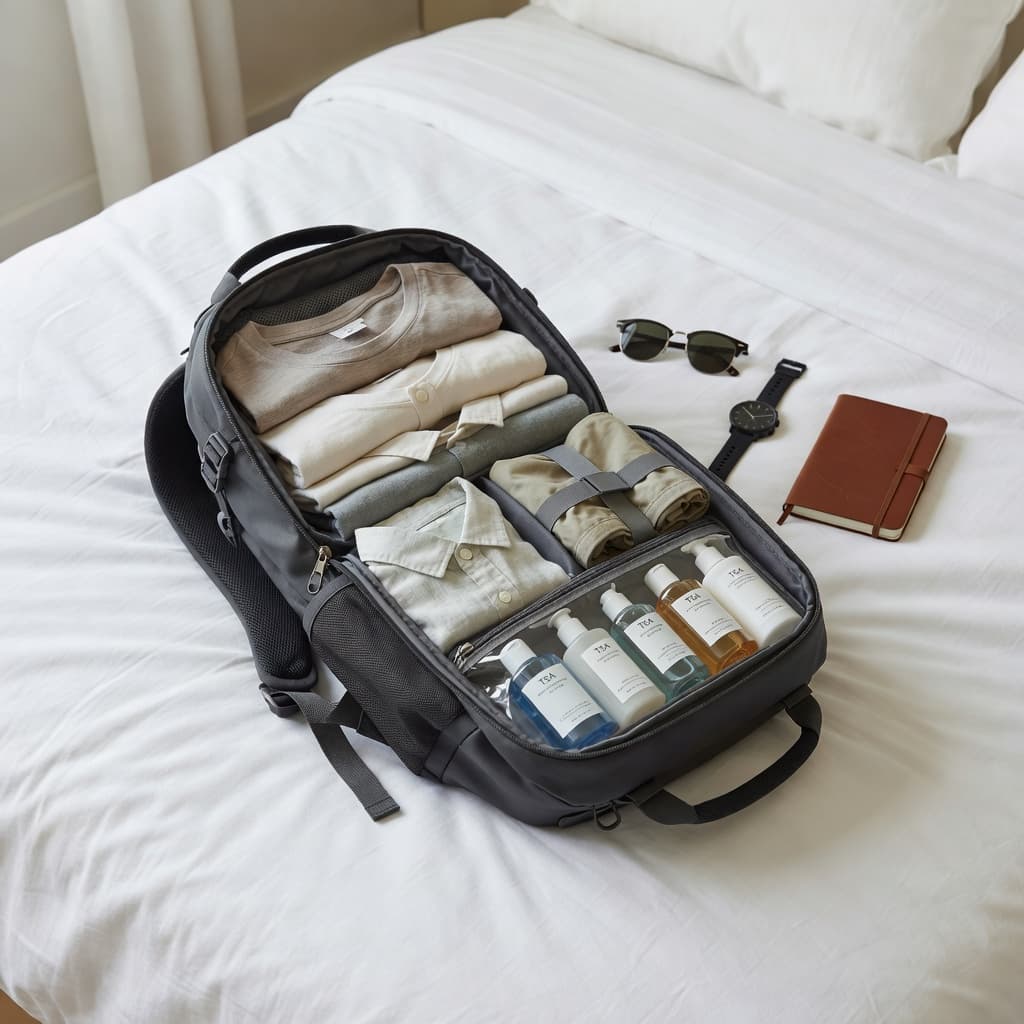
A neatly packed travel backpack rests on a soft bedspread surrounded by folded cotton shirts, small travel toiletry bottles, and passport accessories.

Which Clothes Work Hard and Take Up Less Space?

For a cruise backpack, clothing should do double duty whenever possible. A top that works for sightseeing and dinner is better than one that only works once. Pick pieces that mix easily and dry fast. Thin cotton blends, travel knits, and wrinkle-resistant fabrics usually pack better than bulky denim or heavy cotton.

✅ The Ultimate Capsule Wardrobe Checklist:
• 4-5 lightweight tops
• 2-3 shorts or pants
• 1-2 dresses or nicer outfits
• 1-2 layers (cardigan, hoodie, light jacket)
• 2 swimsuits
• 7 pairs of underwear & socks
• 1-2 sets of sleepwear

If one item only fits one outfit, it probably doesn’t belong in a carry-on backpack.

Should You Only Bring Two Pairs of Shoes?

Shoes are one of the biggest space wasters in cruise packing. They are bulky, awkward, and they eat up the best part of your bag. Most cruisers only need two pairs.

The two-shoe approach is simple:

  • One walking shoe for port days, shore excursions, and long days on your feet
  • One pair of sandals or flip-flops for the pool, deck, and casual ship time

That setup covers most cruise days without overthinking it. If you want a third pair, make it a dressier option only when your itinerary really calls for it. The goal is comfort first. If a pair hurts after an hour, it does not belong on a ship where you may walk more than you expect.

How Do You Keep Toiletries and Sunscreen Travel-Sized?

Toiletries should fit in a small hanging bag, not take over half your backpack. Keep the list tight and stick to the items you actually use every day. Larger toiletries do not need to travel with you if they are easy to buy before sailing or at a port.

⚠️ Essential Toiletries Only:
• Toothpaste and toothbrush
• Deodorant
• Cleanser and moisturizer
• Razor & hair basics
• Reef-safe sunscreen
• Lip balm

What Documents, Meds, and Tech Can’t You Replace Onboard?

Some items never leave the carry-on backpack. Not the checked bag. Not the cabin closet. The carry-on. If you need them at check-in, security, or the moment you board, they stay with you.

Keep these easy to reach:

  • Passport or cruise-approved ID
  • Boarding documents
  • Credit card & cash for tips
  • Prescription medication & motion-sickness remedies
  • Phone, charger, and power bank
  • Adapters, if you need them

Cruise docs and meds belong in a pocket you can grab without unpacking everything. That matters more than people think, especially on embarkation day when you are juggling bags, lines, and paperwork. Add a power bank if you rely on your phone for tickets, photos, and onboard plans, because a dead battery is a bad surprise when you are off the ship.

How Can You Pack Without Making a Mess?

The easiest way to keep a cruise backpack under control is to pack in layers, then lock each layer into place. Clothes should stay neat, shoes should stop stealing space, and small items should have a home before they ever touch the bag.

How Do You Roll, Cube, and Compress the Right Way?

Rolling works best for most casual clothes. T-shirts, swimsuits, leggings, sleepwear, and soft dresses roll down small and stay tidy in the bag. Packing cubes are useful when you want order more than extra space. Use one cube for tops, one for bottoms, and one for dinner outfits or swim gear.

Compression helps most with soft clothing, not stiff or bulky items. Think hoodies, knit layers, pajamas, and thin sweaters. If you want a simple option that keeps everything contained, a set of packing cubes for travel is the easiest place to start.

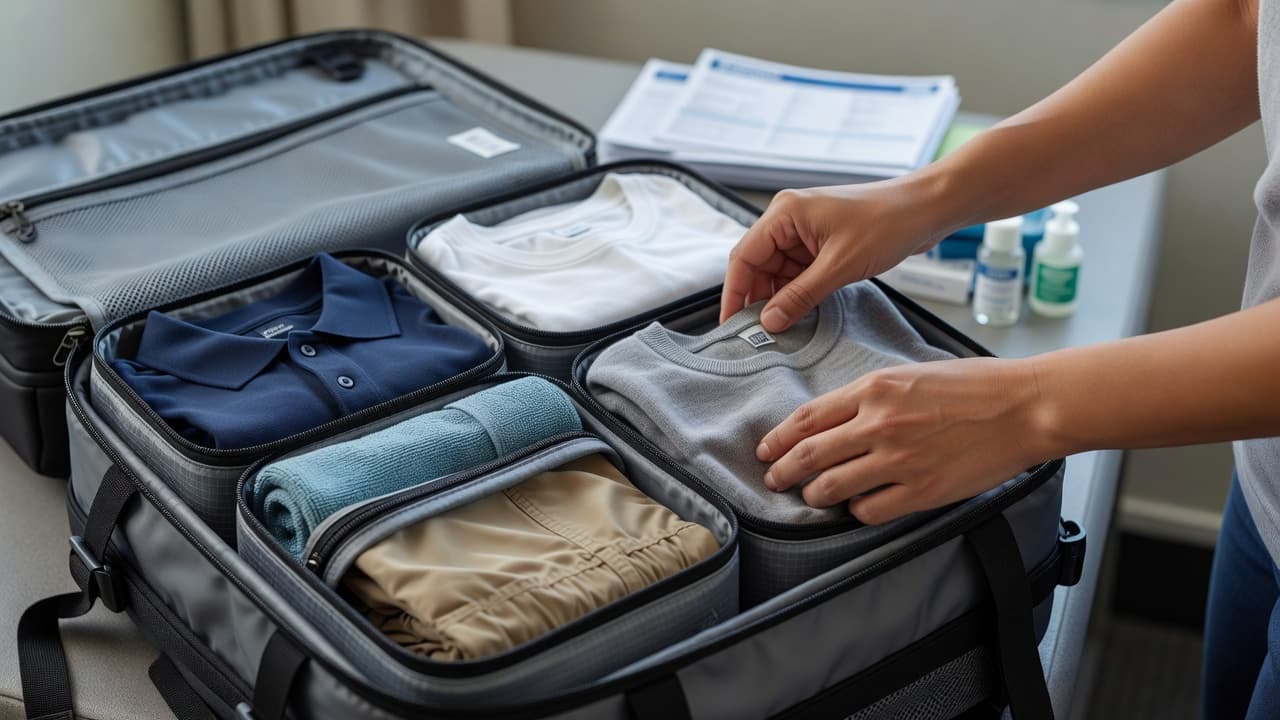
Hands neatly tucking folded summer clothing into blue fabric packing cubes placed inside a dark travel backpack.

💡 The Golden Rule of Compression:
1. Roll items that wrinkle less and need quick access.
2. Cube items you want separated by outfit or category.
3. Compress soft, bulky pieces that take up too much air.
*Never turn your bag into a brick! Leave enough space to zip it comfortably.*

How Do You Use the Backpack Like a Puzzle?

A carry-on backpack packs best when the heavy stuff sits close to your back and the lighter items fill the outer edges. Put shoes low and near the center, then tuck clothing around them so the weight stays balanced.

Shoes are little storage boxes, so use them! Fill them with socks, chargers, hair ties, or other small items that would otherwise float around your bag. Corners and gaps are free space, and cruise packing is all about using every inch without creating a mess.

Why Should You Wear Your Bulkiest Items on Travel Day?

If a jacket, sweater, or pair of shoes takes up half your bag, wear it instead. That one move can make the difference between a backpack that feels fine and one that drags on your shoulders all day. Your heaviest shoes should usually stay on your feet during transit. Fewer pounds on your back means less strain, less shifting, and less frustration when you are boarding with documents in one hand and your bag in the other.

What Cruise Rules Can Ruin a Carry-On Plan?

A carry-on backpack works great until cruise rules step in and take away the one thing you packed for convenience. Most surprises come from banned items, toiletries that are smarter in small sizes, and the reality that cruise cabins are not stocked like hotels.

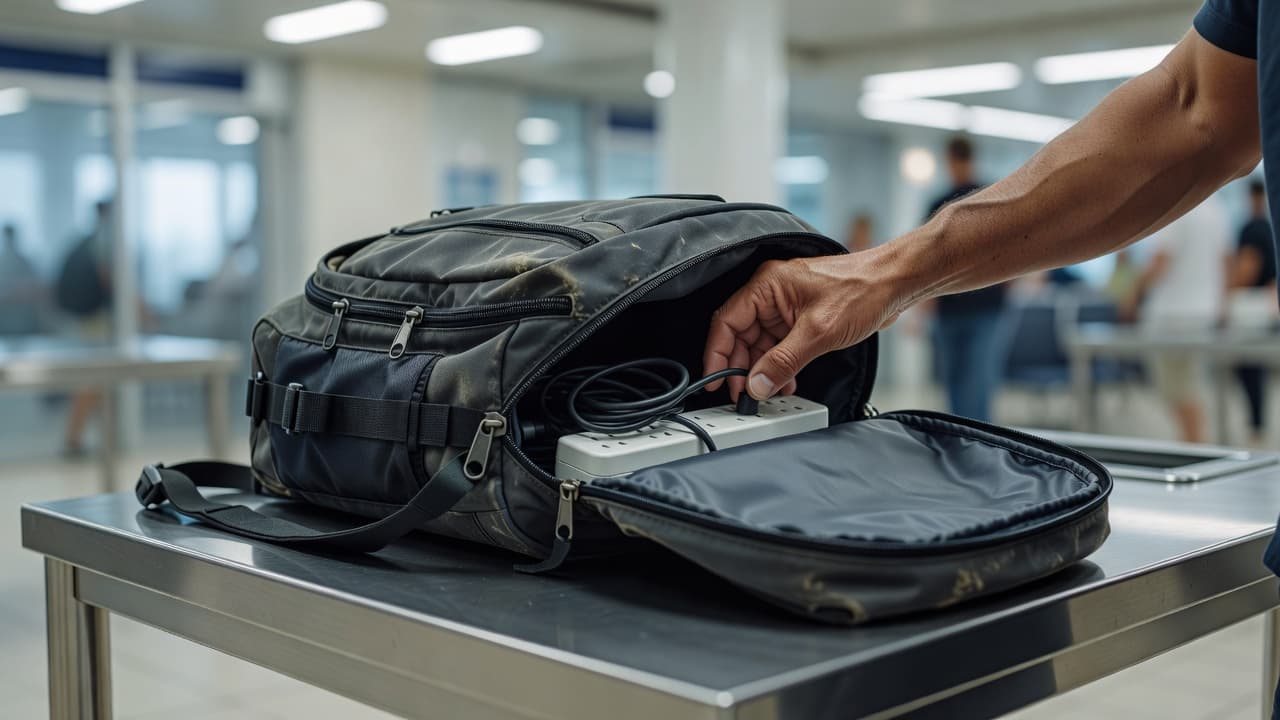
A close-up view captures a traveler opening a backpack on a metal inspection table as an officer prepares to examine the contents.

What Are You Not Allowed to Bring on a Cruise?

The most common cruise rule breaker is anything that creates heat, flame, or a security headache. That includes irons, steamers, knives, weapons, explosives, candles, drones, speakers, and surge-protected power strips. Those are the items that can turn a tidy backpack plan into a problem at embarkation.

🚫 Common Prohibited Items:
• Irons and steamers (fire risk)
• Knives, blades, and weapons
• Explosives, fireworks, flammable items
• Candles and open-flame decor
• Drones (also restricted in many ports)
• Large speakers
• Surge-protected power strips (use non-surge USB hubs instead!)

You can check a cruise line’s prohibited-items page before you leave, and that is time well spent. Royal Caribbean’s prohibited items list is a good example of how strict these rules can be.

Can You Bring Full-Size Shampoo on a Cruise Ship?

You usually can, but that does not mean you should. Full-size shampoo takes up room fast, adds weight, and turns into a bigger spill risk inside a packed backpack. Travel-size toiletries are the better move. They save space, fit neatly into a small pouch, and leave you room for the things you cannot skip, like sunscreen, medication, and chargers.

Do Cruise Cabins Have Irons?

No, cruise cabins normally do not have irons for guest use. Most cruise lines also ban personal irons and steamers, so planning to “fix wrinkles on board” is usually a dead end. Some ships do have laundry rooms or ironing rooms, but they are not always convenient.

For a backpack-only cruise, stick with options that travel well:

  • Wrinkle-release spray for quick touch-ups
  • Hanging clothes in the bathroom while you shower
  • Lighter, less fussy fabrics that recover after folding
  • Packing clothes loosely instead of cramming them flat

How Do You Make Your Backpack Ready for Ports, Dinners, and Ship Life?

A cruise backpack has to do a lot. It needs to work for hot port days, nicer dinners, and the random ship moments that catch you off guard, like a windy deck or a chilly dining room. The fix is not packing more. It’s packing a few smart items that earn their space.

Top-down view of reusable water bottle, sun hat, sunglasses, lightweight day bag, and sunscreen prepared for coastal adventures.

How Do You Pack for Shore Days Without Overdoing It?

Shore days are where a carry-on backpack really proves itself. You want enough to stay comfortable, but not so much that you feel like you’re hauling a beach cart on your shoulders.

Keep the basics simple:

  • Reusable water bottle for hot ports and long walks
  • Hat and sunglasses for sun and glare
  • Small day toiletries like sunscreen, lip balm, and hand sanitizer
  • Lightweight layer or rain shell if the weather shifts

If you’re heading to a beach, ruins, or a walking tour, a compact day bag inside your backpack can be a lifesaver. It gives you a place for your wallet, phone, and sunscreen without dragging your whole backpack around all day. A refillable bottle makes sense on almost every cruise. So does a packable layer. Port weather changes fast, and ship air conditioning can feel like a freezer after lunch.

How Do You Plan One Simple Outfit for Dressier Nights?

You do not need three formal looks for one cruise. On most 7-day sailings, one polished outfit can cover dinner, photos, and any smart-casual night without looking repeated or tired.

For women, that might be one dress or jumpsuit that works with different shoes or jewelry. For men, one nice shirt with dress pants or dark chinos is enough. If you want to change the feel of the outfit, swap the shoes or add a layer. That’s usually all it takes.

One dressy outfit that you can wear twice beats two outfits you barely have room for.

How Do You Leave Room for Souvenirs and Dirty Laundry?

A backpack packed to the zipper leaves you no breathing room. That’s a problem on day four, when you buy a souvenir mug, a shirt, or a bottle of local rum and have nowhere to put it.

Leaving some space also helps with the messier side of cruise life. Used clothes need a home, especially swimsuits, socks, and anything damp from a beach day. A small laundry bag or compression sack keeps those items separate so they don’t mingle with clean clothes.

✅ Smart Add-Ons for Extra Space:
• Small laundry bag for worn clothes
• Compression sack for dirty items or bulky extras
• Foldable tote for souvenirs and port shopping
• Extra pocket space for anything you pick up onboard

That little buffer keeps your bag from becoming a compressed lump by the end of the trip. It also makes repacking faster when you’re heading home. If you treat your backpack like it needs a built-in exit plan, you’ll be glad you left the room.

Conclusion: Master the Art of Cruise Carry-On Only

A 7-day cruise in a backpack works when every item earns its spot. That is the whole point of cruise carry-on only travel: fewer bags, less stress, and a much easier start to the trip.

If you keep the list tight, pack around outfits instead of loose pieces, and check cruise rules before you zip up, you can board feeling ready instead of rushed. Pack early, use the checklist, and keep the must-haves close, because the smartest cruise packing is the kind you barely have to think about once you leave home.

🚀 Ready to Book Your Next Cruise Adventure?

Find the best deals on flights to your departure port and book independent shore excursions to maximize your budget!

People Also Ask: Cruise Carry-On FAQ

What size backpack is best for a 7-day cruise?

A 30L to 40L backpack is ideal for a 7-day cruise. Anything larger than 40L may exceed carry-on limits for some airlines if you’re flying to your port, and it becomes too bulky to manage easily. A 35L pack offers the perfect balance of space and maneuverability for a week-long voyage.

Can I bring a power strip on a cruise ship?

Most cruise lines strictly prohibit surge-protected power strips due to fire hazards. However, non-surge protected USB charging hubs or multi-port adapters are generally allowed. Always check your specific cruise line’s policy before packing, as bringing a banned power strip can result in confiscation at security.

How do I keep my clothes from wrinkling in a backpack?

Use the bundle wrapping method or rolling technique to minimize wrinkles. Place heavier items at the bottom, roll softer garments tightly, and use packing cubes to keep them compressed. Pack wrinkle-resistant fabrics like nylon blends, merino wool, or polyester knits, and hang delicate items in the cabin closet immediately upon boarding.

🎒 Don’t Forget Your Cruise Essentials!

Get packing cubes, travel-sized toiletries, reef-safe sunscreen, and portable chargers delivered fast before your trip.

🛒 Shop Amazon Essentials

© 2026 I Need My Vacation. All rights reserved.

Hidden Costs of Cruising: What’s Not Included in Your Fare

What are the hidden costs of cruising? The hidden costs of cruising include daily gratuities, beverage packages, Wi-Fi access, specialty dining, shore excursions, and port fees. While the base fare covers your cabin, main meals, and standard entertainment, these extras can add $500 to $1,500 or more to your total vacation budget.

Cruise ads make it sound easy: one fare, one vacation, one simple price. But the hidden costs of cruising can pile up fast, and the biggest bill shocks usually come from gratuities, drinks, Wi-Fi, dining upgrades, and shore excursions.

That base fare usually covers the cabin, meals in the main dining spots, and some onboard entertainment, but a lot of the extras are left out. If you’re trying to budget before you book, the real question is what’s included, what isn’t, and how much those extras can change your total trip cost.

Affiliate Disclosure: This article contains affiliate links. If you book through these links, I Need My Vacation may earn a commission at no extra cost to you. We only recommend services we trust and use ourselves.

🚢 Protect Your Cruise Budget Today!

Don’t overpay for ship excursions or last-minute port hotels. Book independent tours and secure your pre-cruise stay now to lock in savings!

Table of Contents

What Does the Cruise Fare Actually Cover?

A cruise fare can look simple at first glance, but the details matter. The base price usually covers the trip itself, while the fine print starts the moment you want anything beyond the standard experience.

That split is where the hidden costs of cruising show up. If you know what’s already baked into the fare, it gets much easier to spot the add-ons before they creep into your budget.

What Is Included in the Base Price?

Most cruise fares include your stateroom, your meals in the main dining room and buffet, and the ship’s standard entertainment. That means the cabin, housekeeping, Broadway-style shows, live music, comedy, pools, hot tubs, and many family activities are usually part of the deal.

You can also expect basic daytime food and drinks like water, coffee, tea, lemonade, and sometimes juice at breakfast. Kids’ clubs, teen activities, and other supervised programming are often included too, which is one reason families like cruising so much.

In plain terms, the fare usually gives you a floating hotel, a place to sleep, and enough food and entertainment to fill the day. If you want a quick reference for comparing cruise prices by cabin type, the cruise cost comparison guide is a useful place to start.

If it sounds like everything is included, check the wording again. Cruise lines are very good at making “most” sound like “all.”

Why Does Cruise Marketing Make the Trip Sound More Inclusive?

Cruise ads use words like unlimited, all-inclusive, and complimentary because they feel simple and reassuring. The catch is that those words usually apply to the basics, not the full vacation.

“Unlimited” may mean unlimited access to the buffet, not unlimited specialty coffee, cocktails, or steakhouse dinners. “All-inclusive” may describe the ship experience in a broad sense, while still leaving out gratuities, Wi-Fi, shore excursions, and premium dining.

A good rule is to ask one question before booking: “What do I still need to pay for once I’m onboard?” That one question cuts through a lot of marketing fog and helps you budget with your eyes open.

Do You Have to Pay for Food on a Cruise?

Usually, no, not for the main meals. The buffet, main dining room, and several casual spots are normally included in the cruise fare.

You may still pay for specialty restaurants, premium desserts, room service upgrades, or certain late-night items. So yes, you can eat well without spending extra, but the fancier the meal, the more likely the bill follows.

Is Tipping Mandatory on Cruise Ships?

On many cruise lines, gratuities are added automatically to your onboard account. That means they function like a required charge unless you prepay them or the line includes them in the fare.

The exact amount varies by cruise line and cabin type, so check before you book. This is one of the easiest places for hidden costs of cruising to sneak in, because the fare looks settled until the service charge appears later.

How Much Extra Money Should You Bring on a Cruise?

Bring enough for the extras you know you’ll want, plus a little cushion. Drinks, excursions, Wi-Fi, specialty dining, and spa services can add up fast, even on a short sailing.

For many travelers, a smart starting point is a daily budget for onboard spending, then a separate amount for port days. If you want to keep the total under control, compare your options early and look at the full trip cost, not just the fare. A cheaper cabin is only a bargain if the add-ons stay in line.

What Are the Hidden Onboard Costs That Hit Your Bill First?

The sneakiest cruise expenses rarely show up when you book. They hit later, one line item at a time, and that is where the hidden costs of cruising start to feel real.

By the time you settle into vacation mode, the onboard account can already be climbing. A drink here, a service charge there, then a few convenience fees, and suddenly the “cheap” cruise does not look so cheap anymore.

A traveler in a cruise cabin holds a paper invoice while wearing an expression of disbelief at the hidden charges.

How Much Do Gratuities and Service Charges Cost?

Gratuities are one of the first charges that quietly build your bill. Many cruise lines add daily tips automatically, and those charges apply per person, per day, so a family sailing for a week can feel them fast.

Then come the onboard service charges. Drinks often carry an automatic gratuity (usually 18-20%), spa treatments usually do too, and room service may come with a convenience fee on top. If you order a lot, you are not just paying for the item, you are paying for the privilege of having it brought to you.

That is why service charges are so easy to miss. They do not feel like a major purchase in the moment, but they stack up like receipts in a jacket pocket. If you want a broader look at how cruise pricing works before you book, the last-minute cruise savings guide is a helpful place to compare the fare against the extras.

What Food and Drink Upgrades Are Not Included?

The main dining room may be included, but the tempting upgrades are where the bill starts to move. Specialty restaurants, premium coffee, bottled water, soda packages, cocktails, and wine corkage fees are all common extras.

⚠️ Common Food & Drink Add-Ons:
Specialty dining: Fixed-price or à la carte restaurants often cost extra.
Premium drinks: Cocktails, wine, espresso drinks, and bottled water are usually not included.
Room service: Some lines charge per order or per item (plus delivery fees).
Corkage fees: Bringing your own wine does not always mean opening it for free.
Main dining upgrades: A few premium dishes (like certain steaks or lobster) may carry an added charge.

How Much Do Wi-Fi, Laundry, and Convenience Fees Cost?

Internet access is one of the easiest ways to inflate your onboard bill. Cruise Wi-Fi is often sold in packages, and the faster plans usually cost the most, which is painful when you only need to check email or send a few photos home.

💡 Pro Tip: Instead of paying $20+ per day for the ship’s Wi-Fi, consider getting a travel eSIM for when you are in port, and rely on the ship’s free app-based messaging for basic communication at sea.

📱 Skip the Expensive Cruise Wi-Fi

Get an affordable travel eSIM for instant data when you’re in port. Stay connected without the $100+ ship internet packages!

📶 Get Your Travel eSIM

Laundry is another budget leak. Wash-and-fold bags, pressing services, and single-item laundry charges feel small at first, but they get expensive over several sea days. Toss in a few shirts, a dress, and a pair of slacks, and that “quick” load starts to look like a minibar tab.

How Much Do Shore Excursions, Port Fees, and Activities Cost?

Once you leave the ship, the spending usually keeps going. Shore days come with their own set of fees, and the price can jump fast if you book through the cruise line, buy last-minute transfers, or sign up for activities that sound simple but are built like mini packages.

A traveler in casual summer attire stands on a sunny tropical pier examining an excursion brochure with a massive cruise ship in the background.

Why Do Cruise Line Excursions Cost More Than Independent Tours?

Cruise line excursions are convenient, and that convenience comes with a markup. You are paying for a packaged experience, a reserved seat, timed departure, ship coordination, and the comfort of knowing the ship is waiting if the tour runs late.

That extra layer has a price. Independent tours can be cheaper because they skip some of that packaging and sell directly to travelers. In plain English, the cruise line is selling peace of mind as much as the tour itself.

🗺️ Book Independent Shore Excursions & Save

Why pay the cruise line markup? Book highly-rated, independent tours directly and keep more money in your vacation budget!

🎫 Browse Independent Tours

What Port Fees, Taxes, and Transfers Are Easy to Miss?

Port prices can look clean on the booking page, then change once you start comparing the real total. Some cruise fares include port charges and taxes in the headline number, while others break them out later.

These charges are mandatory costs tied to docking, harbor services, security, and local taxes. Transfers can cause the same problem. A port may sit far from the city center or airport, and suddenly you need a shuttle, a taxi, or a private transfer before the day even starts.

💡 The Full Trip Cost Checklist:
1. The cruise fare itself
2. Port fees and taxes
3. Flights to the departure port
4. Ground transfers to and from the port
5. Any pre- or post-cruise hotel nights

What Port Activities Are Rarely Free?

Ports are full of things that look casual but are not free. A beach day may need a chair rental, a kayak stop may charge by the hour, and a city shuttle can cost more than you expect.

Look out for these common port-day costs:

  • Shuttle buses and taxis: Getting into town is rarely included.
  • Beach club access: Day beds, loungers, and food minimums can apply.
  • Water sports: Snorkel gear, paddleboards, and kayaks often cost extra.
  • Admission tickets: Museums, ruins, and cultural sites usually charge entry.
  • Food and drinks ashore: A simple lunch in port can cost more than expected.

How Can You Budget for a Cruise Without Sticker Shock?

The easiest way to stay ahead of cruise pricing is to stop thinking in terms of the fare alone. A cruise looks affordable until the extras start stacking up, and that is where a simple budget formula saves you from the usual surprise.

A person sits at a smooth wooden table focused on calculating trip costs using a tablet screen and a handwritten notepad.

What Is the Formula to Estimate Total Cruise Cost?

Start with the base fare, then add the charges you already know will show up. A clean formula looks like this:

Base Fare + Gratuities + Drinks + Wi-Fi + Excursions + Specialty Dining + Port Costs + Travel to the Ship

For a seven-night cruise, that means you should not stop at the advertised fare. If the cruise costs $1,500 per person, add about $16 to $20 per person, per day for gratuities, then layer in the extras you actually plan to use. A couple who wants drinks, internet, a few shore excursions, and one specialty dinner can easily add another $1,000 or more to the bill.

✅ Quick Budget Example (Couple, 7-Night Cruise):
Base Fare: $3,000
Gratuities: $250
Drinks & Wi-Fi: $400
Excursions: $600
Specialty Dining: $120
Real Total: $4,370 (before flights or hotels!)

If you want a faster way to test your numbers, use the vacation budget calculator before you book. It helps turn a vague “looks affordable” cruise into a real trip total.

How Can You Keep Extra Cruise Charges Under Control?

The best budget move is not buying everything just because it is there. Cruise ships are built to tempt you every few feet, so set your spending limit before you sail and treat it like a lane marker.

Pack the basics that keep small charges from piling up. Bring a reusable water bottle, sunscreen, a light rain layer, chargers, and any toiletries you know you use often. That keeps you from paying ship prices for simple items you could have tossed in your bag.

🎒 Pack Smart to Avoid Ship Markups

Don’t pay $8 for sunscreen or $5 for a phone charger! Get your cruise essentials delivered fast before you sail.

🛒 Shop Cruise Essentials

Then be selective with upgrades. Use the included dining spots first, because the buffet and main dining room are already part of the fare. If you want specialty dining, pick one or two meals that feel special instead of turning every night into an add-on.

Conclusion: Know the Real Cost Before You Sail

The ticket price is only part of the story. The real hidden costs of cruising show up in gratuities, drinks, Wi-Fi, specialty dining, and shore days that never stay as cheap as they look on the brochure.

Cruises can still be a great value, but only when you know what is actually included. Read the fine print, plan for add-ons before you sail, and compare the full trip cost, not just the fare.

That one habit keeps the deal honest, and your budget intact.

For a real-world example of how these costs add up on a modern ship, read our Legend of the Seas review for first-time cruisers.

🚀 Ready to Plan Your Cruise Vacation?

Start with the best cruise deals, compare packages, and book your pre-cruise hotel to ensure a stress-free embarkation day!

People Also Ask: Cruise Hidden Costs FAQ

How much extra money should I budget per day on a cruise?

On average, budget an extra $50 to $150 per person, per day for hidden costs. This covers daily gratuities ($16-$20), a few drinks or specialty coffees, Wi-Fi access, and small onboard purchases. If you plan to book shore excursions or specialty dining, add another $100+ per port day to your total budget.

Are drinks included on a cruise ship?

Basic drinks are included, but premium drinks are not. Your cruise fare typically covers tap water, basic coffee and tea, milk, and standard juices at breakfast. Sodas, bottled water, alcoholic beverages, and specialty coffees (like espresso or smoothies) cost extra and are often subject to an 18-20% automatic gratuity.

Can I bring my own alcohol on a cruise to save money?

It depends on the cruise line, but usually with restrictions. Most major cruise lines allow you to bring one or two bottles of wine or champagne per person on embarkation day, but they will charge a “corkage fee” (usually $15-$25) if you drink it in a public dining room. Hard liquor and beer are generally confiscated and not allowed onboard. Always check your specific cruise line’s policy before packing.

© 2026 I Need My Vacation. All rights reserved.

Support the Blog

If you love the travel tips and content, consider buying me a coffee or fueling my next adventure!


Support via Cash App

.cashapp-support-card {
background: #ffffff;
border: 1px solid #e0e0e0;
border-radius: 12px;
padding: 24px;
text-align: center;
max-width: 350px;
margin: 20px auto;
font-family: -apple-system, BlinkMacSystemFont, “Segoe UI”, Roboto, Helvetica, Arial, sans-serif;
box-shadow: 0 4px 6px rgba(0, 0, 0, 0.05);
}

.cashapp-support-card h3 {
margin: 12px 0 8px 0;
color: #333333;
font-size: 20px;
}

.cashapp-support-card p {
margin: 0 0 20px 0;
color: #666666;
font-size: 14px;
line-height: 1.5;
}

.cashapp-btn {
display: inline-block;
background-color: #00D632; /* Cash App Green */
color: #ffffff;
text-decoration: none;
font-weight: 600;
padding: 12px 24px;
border-radius: 50px;
transition: background-color 0.2s ease, transform 0.2s ease;
font-size: 15px;
}

.cashapp-btn:hover {
background-color: #00b32a;
transform: translateY(-1px);
}

.cashapp-btn:active {
transform: translateY(1px);
}


Norwegian Luna: What the Newest NCL Ship Offers

What is Norwegian Luna? Launching in Spring 2026, Norwegian Luna is NCL’s largest Prima Plus class ship, carrying 3,565 guests. It features the fleet’s most expansive Haven complex, the thrilling Aqua Slidecoaster, and the immersive Ocean Boulevard. Sailing from Miami and New York, it offers the perfect balance of high-energy attractions and serene outdoor retreats.

Cruise fans always notice a new ship, but Norwegian Luna is getting more than the usual polite glance. It’s Norwegian Cruise Line’s newest large ship, launched in spring 2026, and it brings the stuff travelers actually care about: fresh cabins, more outdoor space, new attractions, and better room variety.

That matters if you’re eyeing Caribbean sailings from Miami, or later departures from New York, and wondering whether the newest ship really changes the vacation. With Luna, it does. The ship feels built for how people cruise now, with more choice, more open-air hangout space, and fewer bland in-between areas.

🚢 Ready to Sail on Norwegian Luna?

Check current cabin availability, compare pricing, and secure your pre-cruise hotel stay in Miami or New York before the best rooms sell out!

🔍 Check Availability & Rates

Let’s get into the details that matter before you book.

🎯 Quick Answer: Norwegian Luna launched in spring 2026 and carries 3,565 guests at double occupancy. It’s about 10% larger than Norwegian Prima and Norwegian Viva. The biggest draws are the expanded cabin range, the Aqua Slidecoaster, Ocean Boulevard, and the massive Haven suites.

Affiliate Disclosure: This article contains affiliate links. If you book through these links, I Need My Vacation may earn a commission at no extra cost to you. We only recommend services we trust and use ourselves.

Table of Contents

What Makes Norwegian Luna Different From Other New Cruise Ships?

Norwegian Luna is the 21st ship in the fleet and part of NCL’s Prima Plus class. Luna is listed at 3,565 guests in double occupancy, which puts it above Norwegian Prima and Norwegian Viva in both scale and overall footprint.

Quick FactWhat to Know
LaunchSpring 2026
ClassPrima Plus
Capacity3,565 guests (double occupancy)
SizeAbout 10% larger than Prima and Viva
HomeportsMiami (Caribbean), then New York

How Do the Size and Layout Impact the First Impression?

What you notice first isn’t the number. It’s the breathing room. Luna feels longer, wider, and more open than many big ships in its price range, with public areas that don’t seem squeezed for the sake of another venue.

The layout helps too. Around 20 decks give the ship real vertical scale, but the design keeps things from feeling chopped up. You can wander, keep sight of the water, and find a place to sit without always fighting a crowd.

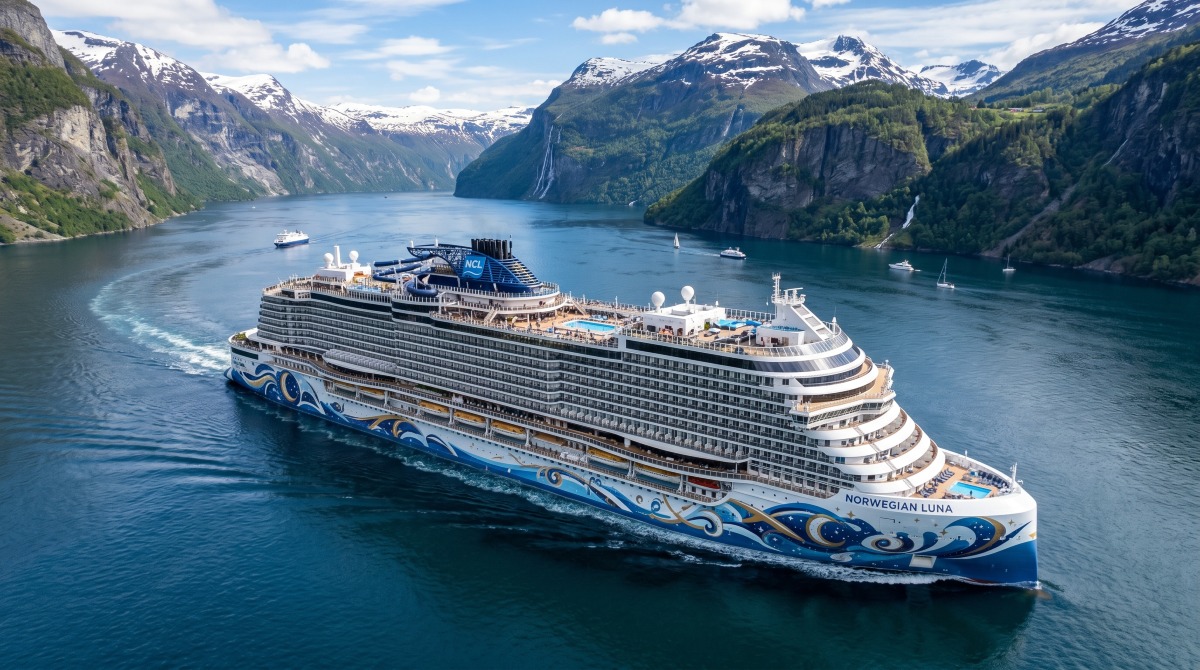
Exterior view of the Norwegian Luna cruise ship at sea showcasing its modern sleek design, expansive outdoor decks, and vibrant blue hull under a clear sky.

Why Are Cruise Fans Calling It the Newest Big Step for NCL?

Luna doesn’t throw out the Prima look. It sharpens it. You still get the cleaner lines, modern materials, and outdoor focus that made Prima-class ships feel newer than older NCL favorites.

The difference is practical. More room means social spaces work better, busy areas feel less pinched, and the ship has enough scale to add fresh attractions without turning into a maze. If you liked Prima or Viva but wanted a little more elbow room, Luna answers that pretty directly.

Inside Norwegian Luna: What Are the Cabin and Suite Options Worth Knowing About?

Cabin choice matters more on Luna than on some ships because the lineup is broad. The ship has about 1,760 staterooms, from standard inside rooms to top-tier Haven suites, so you can book for budget, privacy, or pure square footage.

What Are the Best Choices for Solo, Balcony, and Family Travelers?

Solo travelers aren’t stuck with one token option here. Luna includes solo inside, solo oceanview, and solo balcony rooms, which is a big deal if you want your own space without paying for a full double room that feels wasteful.

Couples will probably land on balcony cabins, and for good reason. On a ship with so much outdoor design, a private balcony makes the sea views part of the room, not something you have to go hunt down. Families get more flexibility too, with room types that make it easier to stay together without jumping straight into suite pricing.

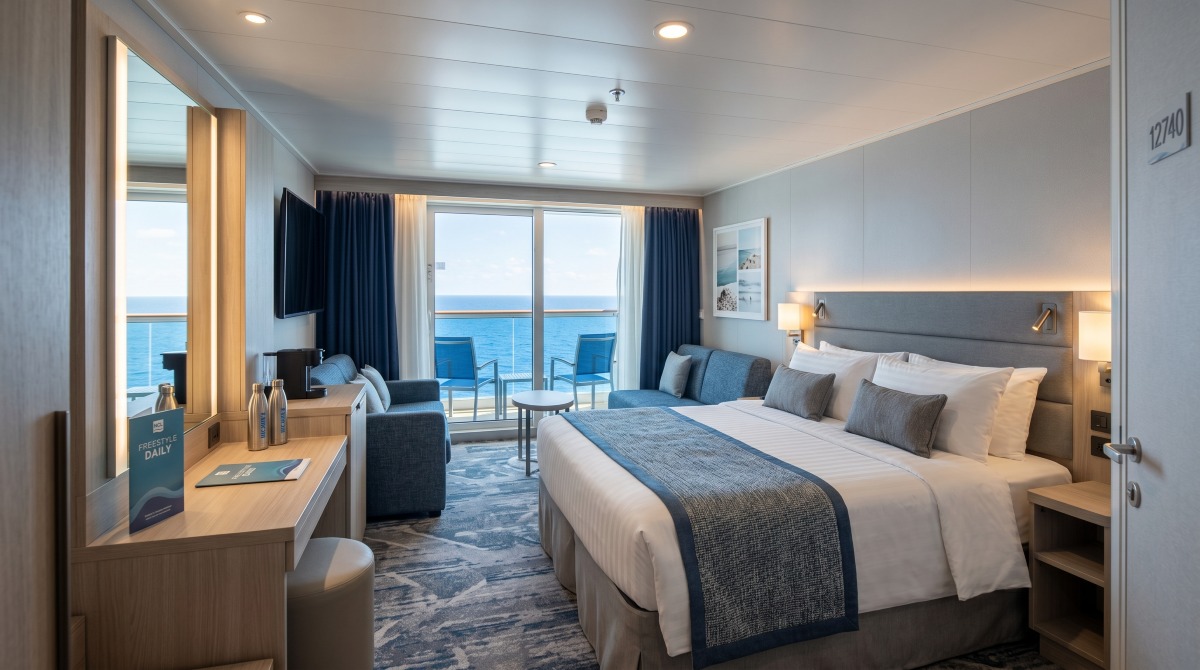
Modern cruise ship balcony cabin on Norwegian Luna featuring comfortable seating, sleek contemporary decor, and stunning ocean views through floor-to-ceiling glass doors.

Why Does The Haven Stand Out So Much on Luna?

If you’re willing to spend more for calm, space, and extra service, Luna’s Haven is the headline cabin story. It has 123 suites, making it the largest Haven in the fleet.

That matters because The Haven works best when it feels separate. On Luna, that ship-within-a-ship setup gives suite guests more privacy, better access to quiet spaces, and the kind of service that can change the whole tone of the trip. If you’re still comparing premium and standard cruise experiences, Luna is one of the clearer examples of what paying up actually gets you.

✅ Why Book The Haven?
Ultimate Privacy: Exclusive key-fob access to private courtyards and lounges.
Priority Everything: Skip the lines at the theater, tender, and restaurants.
Butler Service: 24/7 concierge and in-suite dining options.
Private Pool: A serene, adults-only pool area away from the main deck chaos.

What Are the Best Onboard Experiences People Will Talk About First?

This is where Luna starts to feel less like “another new ship” and more like a ship with its own personality. It has the flashy features people will post about, but it also has enough outdoor space to keep the fun from feeling forced.

How Thrilling Is the Aqua Slidecoaster and Other High-Energy Fun?

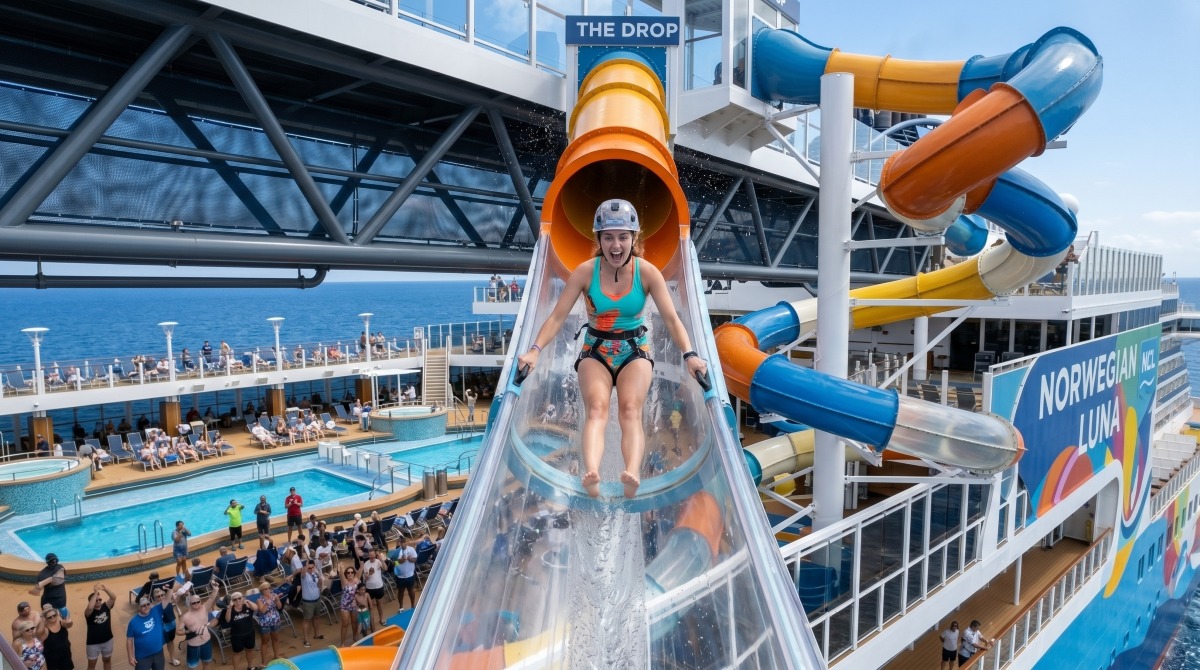
The Aqua Slidecoaster is the big one. Think waterslide meets coaster, not in a gimmicky way, but in a way that gives the top deck real energy. It’s the kind of feature kids beg to ride twice, teens claim as their territory, and adults secretly want to try too.

Luna also adds play-focused spots like Moon Climber, Luna Midway, and Horizon Park. That mix gives families more than one place to burn off steam, which helps a lot on sea days. Instead of everyone piling into the same pool area, the ship spreads the action out.

Thrilling Aqua Slidecoaster waterslide on the top deck of Norwegian Luna twisting over the ocean with bright colorful tubes and clear blue water.

What Are Ocean Boulevard and Glow Court?

Not every good ship needs to shout. Ocean Boulevard is one of Luna’s smartest ideas because it wraps the outdoors around the ship instead of treating the sea like background wallpaper. Walk it in the morning, grab a quiet seat in the afternoon, or use it as the scenic route between activities.

Glow Court gives Luna another modern touch. It’s a digital sports court by day and a more eye-catching social space after dark, which helps the ship shift naturally from active to relaxed.

The best new-ship feature on Luna might not be one ride or one venue. It’s the balance between busy spaces and quiet ones.

What Is the Dining and Nightlife Like on Norwegian Luna?

Food can make a new ship feel exciting for one night, or repetitive by day four. Luna looks built to avoid that second problem.

Where Should You Eat When You Want Variety Without Fuss?

Indulge Food Hall is a big part of the appeal because it takes the pressure out of dinner. You don’t need a rigid plan, and not everyone in your group has to want the same thing. That’s helpful for families, mixed-age groups, and anyone who likes to graze instead of commit.

Luna also brings in names people already watch for on NCL, including Sukhothai and Plant-based options. That means you can move from comfort food to lighter meals without feeling boxed into one style all week.

Delicious gourmet meal served at a specialty restaurant on Norwegian Luna featuring fresh seafood, vibrant garnishes, and elegant plating.

What Are the Best Dinner, Drinks, and Late-Night Options for Adults?

At night, Luna looks like it should land well with adults who don’t want the whole ship to feel kid-centered after sunset. Specialty dining, cocktail bars, and lounges give the evenings a more grown-up rhythm, even on a family-friendly sailing.

That’s one of Luna’s better selling points. You can spend the day around slides, play spaces, and active decks, then pivot into a quieter dinner and a drink without feeling like you’re still in the kids’ zone.

Final Thoughts on Norwegian Luna: Is It Worth Booking?

Norwegian Luna is a smart fit for travelers who want the newest ship, but still want the vacation to feel usable, not overbuilt. Families get strong activity space, couples get better balcony and dining appeal, solo travelers get real cabin options, and suite guests get the biggest Haven NCL has offered.

If Luna is on your shortlist, compare itineraries, sailing dates, and cabin categories before you hit book. Start with finding the best cruise deals for 2026, then work backward from the room type that matches how you actually travel.

Beautiful sunset view from the deck of Norwegian Luna showing the ocean horizon, comfortable deck chairs, and the ship's modern architecture glowing in the evening light.

🚢 Secure Your Norwegian Luna Vacation Today!

Don’t miss out on the newest ship in the fleet. Check cabin availability, compare prices, and book your pre-cruise hotel stay in Miami or New York now!

🔍 Check Availability & Rates

People Also Ask: Norwegian Luna FAQ

Is Norwegian Luna bigger than Norwegian Prima and Norwegian Viva?

Yes, it is. Luna is about 10% larger and carries 3,565 guests at double occupancy. This extra size translates to more breathing room in public spaces, a wider variety of dining venues, and the largest Haven complex in the entire NCL fleet.

Is Norwegian Luna good for solo travelers?

Absolutely. Unlike many mega-ships that treat single travelers as an afterthought, Luna offers a robust selection of solo inside, solo oceanview, and solo balcony rooms. This allows solo cruisers to enjoy the new ship’s amenities without paying the “single supplement” penalty for a double-occupancy room.

Should you book a hotel before a Norwegian Luna cruise from Miami or New York?

Yes, arriving a day early is highly recommended. Flights can be delayed, and you don’t want to miss the ship’s departure. For that part of the trip, compare flexible pre-cruise hotels on Booking.com before you choose the cheapest rate. Also, consider booking a private port transfer to ensure a stress-free start to your vacation.

🎒 Pack Smart for Your Norwegian Luna Cruise

Get reef-safe sunscreen, motion sickness patches, portable phone chargers, and other cruise must-haves delivered fast.

🛒 Shop Amazon Essentials

© 2026 I Need My Vacation. All rights reserved.


2026 Cruise Deals: Caribbean, Alaska, and Europe Sailings

What are the best 2026 cruise deals? Top picks include the 3-Night Perfect Day Getaway on Jewel of the Seas from $290, 4-Night Key West & Bahamas on Celebrity Reflection from $388 with up to 75% savings, 7-Night Alaska on Norwegian Bliss from $654, and 7-Night Mediterranean on Norwegian Dawn from $749. Book early for best cabin selection and compare interior, oceanview, balcony, and suite prices.

🎯 Quick Answer: Best budget short cruise: 3-Night Perfect Day Getaway on Jewel of the Seas from $290. Best value Bahamas deal: 4-Night Key West & Bahamas on Celebrity Reflection from $388 with big savings. Best Alaska pick: 7-Night Alaska on Norwegian Bliss from $654. Best Europe pick: 7-Night Mediterranean on Norwegian Dawn from $749. Book early and compare cabin types before the good cabins are gone.

Affiliate Disclosure: This article contains affiliate links. If you book or purchase through these links, I Need My Vacation may earn a small commission at no extra cost to you. We only recommend services we genuinely trust and use ourselves to help you plan the perfect trip. Thank you for your support!

Table of Contents

What Are the Best 2026 Cruise Deals?

These are the sailings that stand out for price, route, and overall value. If you are trying to keep costs under control, interior cabins are usually the lowest entry point. If you want a better view without paying top dollar, watch the oceanview and balcony rates closely.

🚢 Search Live 2026 Cruise Deals

Compare Caribbean, Alaska, and Europe sailings with flexible dates and cabin options

🔍 Find Cruise Deals Now

Caribbean cruise ship sailing on turquoise water

What Makes a Cruise Deal Worth Booking?

I look for three things: a price that fits my budget, a route that matches my interests, and cabin options that give me flexibility. The best deals balance all three. Interior cabins offer the lowest entry point, oceanview adds natural light, balcony provides private outdoor space, and suites deliver premium perks. Compare all four before deciding.

💡 Pro Tip: Use our vacation budget calculator to estimate your total cruise cost including excursions, drinks, and gratuities before booking.

Which Caribbean, Bahamas, and Mexico Cruises Are Best for 2026?

Short Caribbean cruises are the easiest way to get a warm-weather break without using up a full week of vacation time. If you want the best mix of price and port stops, these are the ones worth a look.

🏆 Top Caribbean & Bahamas Picks

  • 3-Night Perfect Day Getaway on Jewel of the Seas from $290 (interior) • 4/5 stars • 2,289 reviews
  • 4-Night Key West & Bahamas on Celebrity Reflection from $388 (interior) • 4.4/5 stars • 1,795 reviews • Up to 75% savings
  • 3-Night Bahamas & Perfect Day on Wonder of the Seas from $408 (interior) • 4.5/5 stars • 581 reviews
  • 7-Night Western Caribbean on Enchantment of the Seas from $409 (interior) • 4/5 stars • 4,212 reviews

Why these stand out: Short cruises (3-4 nights) offer quick getaways with minimal time off work. Longer 7-night sailings provide deeper exploration of multiple ports. Celebrity Reflection and Wonder of the Seas show significant savings versus earlier pricing, making them exceptional value.

Tropical Caribbean coastline with cruise ship

Are Adults-Only Cruises Worth the Premium?

The 5-Night The Big Apple to Bermuda on Valiant Lady (Adults-Only!) starts at $977 for a balcony cabin. If you want a more modern adults-only cruise experience with sophisticated amenities and no kids’ programming, this is one to compare closely. Perfect for couples or solo travelers seeking a quieter, more refined atmosphere.

What Are the Top Alaska Cruises for 2026?

Alaska cruises sell well because the season is short and the scenery is hard to beat. If glaciers, wildlife, and cool-weather sailing are on your list, these are the strongest 2026 picks from the current deals.

🏔️ Top Alaska Cruise Picks

  • 7-Night Alaska: Dawes Glacier, Juneau & Ketchikan on Norwegian Bliss (OPEN BAR!) from $654 (interior) • 4.1/5 stars • 1,547 reviews
  • 7-Night Canada & New England: UNESCO Sites & Quebecois Nights on Zuiderdam from $729 (interior)
  • 7-Night Alaska Explorer on Noordam from $629 (interior) • 4/5 stars • 570 reviews
  • 7-Night Visions of Alaska on Oceania Riviera from $2,100 (interior) • Premium luxury option

Why Alaska cruises are special: Glacier viewing, wildlife spotting (whales, bears, eagles), and dramatic coastal scenery make these itineraries unforgettable. Norwegian Bliss includes an open bar package, adding significant value. Noordam offers the lowest entry price for a full 7-night Alaska experience.

Cruise ship near Alaska glacier

Which Europe Cruises Offer the Best Value in 2026?

Europe cruises are a different kind of trip. You get multiple countries, a packed itinerary, and a lot of value if you want to see more than one place without changing hotels every few nights.

🌍 Top Europe Cruise Picks

  • 7-Night Mediterranean: Spain & Portugal on Norwegian Dawn (OPEN BAR!) from $749 (interior) • 3.7/5 stars • 3,531 reviews
  • 7-Night Western Mediterranean: Italy, France & Gibraltar on Oosterdam from $749 (interior) • 4.1/5 stars • 913 reviews
  • 7-Night Best of Greece on Celebrity Infinity from $815 (interior) • 4.1/5 stars • 1,150 reviews
  • 7-Night Mediterranean with Greek Isles & Turkey on Sun Princess from $884 (interior) • 4.2/5 stars • 135 reviews

Why Europe cruises deliver value: Visit 5-7 countries in one trip without repacking. Norwegian Dawn and Oosterdam offer the lowest entry prices for 7-night Mediterranean sailings. Greek Isles itineraries provide iconic views of Santorini, Mykonos, and ancient ruins. Open bar packages on select sailings add significant value.

Mediterranean cruise port with ship

🚢 Compare All Cruise Deals

Find the best prices on Caribbean, Alaska, and Europe sailings with flexible cabin options

🔥 Search Cruise Deals Now →

How Do I Book the Right Cabin for My Cruise?

If you want the lowest total price, start with the interior cabin and work up only if the view matters to you. If you want a sweet spot, oceanview is often the easiest upgrade to justify. Balcony cabins cost more, but they make sense on scenic routes like Alaska, Greece, and the Canadian coast.

Which Cabin Type Is Best for My Budget?

📊 Cabin Type Comparison Guide

  • Interior: Lowest price, no window • Best for budget travelers who spend time exploring ports
  • Oceanview: Natural light, porthole/window • Sweet spot for value + view
  • Balcony: Private outdoor space, fresh air • Ideal for scenic routes (Alaska, Greece)
  • Suite: Premium perks, extra space, priority boarding • Best for special occasions or luxury seekers

A smart booking move is to compare the same cruise in all four cabin types before you decide. On a lot of these 2026 sailings, the gap between interior and balcony is smaller than people expect, and sometimes the suite price gets aggressive enough to make it worth a second look.

💳 Want to Earn Rewards? Learn how to earn travel rewards on cruise bookings and turn your vacation into points for future trips.

People Also Ask: Cruise Deals FAQ

What is the cheapest 2026 cruise on this list?

The lowest starting fare shown here is the 3-Night Perfect Day Getaway on Jewel of the Seas, with interior cabins from $290. This short Bahamas cruise offers exceptional value for a quick warm-weather escape.

Which 2026 cruise gives the best value for a short trip?

The 4-Night Key West & Bahamas sailing on Celebrity Reflection stands out because it starts at $388 and shows strong savings (up to 75%) compared with earlier pricing. Perfect for a long weekend getaway with great ports.

Should I book an interior cabin or a balcony?

Pick an interior cabin if price is the main goal. Choose a balcony if you want fresh air, extra space, or a better experience on scenic routes like Alaska and Greece. Compare both prices before deciding—sometimes the gap is smaller than expected.

⚓ Ready to Set Sail in 2026?

Start planning your perfect cruise vacation today with the best deals on Caribbean, Alaska, and Europe sailings.

🔥 Browse Cruise Deals Now →

© 2026 I Need My Vacation. All rights reserved.

How to Maximize Travel Rewards for Luxury Upgrades

Cash prices can make luxury travel feel like a velvet rope you are not meant to cross. One business-class seat, one suite night, or one balcony cabin can cost more than the rest of the trip.

I use points and miles to get past that price wall without burning rewards on weak redemptions. The goal is simple: better seats, better rooms, and better cruise perks with a plan that still works in 2026. If I focus on flexible points, strong bonuses, and smart transfers, luxury gets a lot closer.

🎯 TL;DR – Your Quick Win Strategy

  • I earn flexible bank points first because they give me more upgrade paths.
  • In 2026, sign-up bonuses are still the fastest way to build a luxury travel balance.
  • I transfer points only after I compare award value, cash price, taxes, and portal pricing.
  • For flight pricing before I redeem, I like to search flexible-date flights on Aviasales.

Affiliate Disclosure: This article contains affiliate links. If you book or purchase through these links, I Need My Vacation may earn a small commission at no extra cost to you. We only recommend services we genuinely trust and use ourselves to help you plan the perfect trip. Thank you for your support!

📋 Table of Contents

📺 Watch: How to Use Travel Miles and Points for Luxury Vacations

Start by Earning the Right Points, Not Just More Points

Why flexible points give me more upgrade choices

When I want luxury travel, I do not chase random points. I start with currencies that can move. Chase Ultimate Rewards, Amex Membership Rewards, Capital One Miles, and Citi ThankYou Points matter because I can transfer them to airline and hotel partners.

That freedom changes everything. A single-brand card can lock me into one airline or hotel chain. Flexible points let me go where the best award space is. That might mean a lie-flat flight on one trip, then a luxury resort on the next.

I also get more room to compare value. If a transfer partner gives me a better seat or a better room for the same stash of points, I win twice. For a broader look at how travelers use points for premium trips, I like this luxury vacation guide.

How I earn points faster with sign-up bonuses and bonus categories

In April 2026, big sign-up bonuses still do most of the heavy lifting. Public offers on premium travel cards often land around 75,000 points, and targeted offers can go higher. That can cover a serious chunk of a premium cabin or a high-end hotel stay.

After the bonus, I keep it simple. I use the right cards for travel, dining, groceries, and portal bookings. I also watch application limits and issuer rules, because one rushed application spree can close doors later. Most importantly, I only do this if I can pay the balance in full every month. Interest wipes out the upgrade fast.

Use Everyday Spending and Travel Portals to Build a Luxury Travel Balance

The easiest spending habits that grow my points balance every month

I do not buy more to earn more. I move spending I already have. Groceries, dining, streaming, gas, phone service, insurance, and other recurring bills can build points quietly over time.

Rent can help too, if the fee makes sense. Sometimes it does, sometimes it does not. I run the math first.

This works because points behave like drops in a bucket. One drop looks small. A few months later, the bucket starts to matter.

How I stack card offers, shopping portals, and travel bookings

The easiest win is stacking. I click through a shopping or travel portal, then pay with the right card, then collect rewards from both sides. That is one purchase doing two jobs.

Issuer offers help too. If I see a useful hotel, airfare, or cruise offer, I add it before I book. In 2026, portal bookings and direct travel spend can still trigger strong bonus rates on many premium cards. I also keep an eye on which upgrades genuinely improve the trip, because flashy extras are not always worth the points. This piece on upgrades that actually improve a trip is a good reality check.

💡 Pro Tip: Before booking luxury hotels, I always compare rates on Booking.com and check Agoda for exclusive deals to ensure I’m getting the best value for my points or cash.

Know When to Transfer Points and When to Book Direct

When airline transfers are best for business and first class upgrades

Airline transfers often give me the best value on premium cabins. A coach redemption may be fine, but a business-class seat can turn the math upside down in my favor, especially on long-haul routes.

Saver space matters here. So do partner awards. One airline may show nothing, while a partner has the same seat for fewer points. Still, I never transfer first and search later.

⚠️ Golden Rule: I transfer points only after I find real award space and compare the full cost, because most transfers are one-way and final.

Elegant business class seat in airplane cabin with passenger relaxing, wide angle view showing luxury amenities like large screen and bedding, soft cabin lighting, realistic photography style, high detail.

When hotel points are worth using for suite nights and elite perks

Hotel points shine when cash rates spike. I look hardest at peak dates, resort stays, and luxury city hotels where nightly prices get painful. A points booking can become even better when it comes with breakfast, lounge access, late checkout, or a room upgrade through status.

Photorealistic luxurious hotel suite with ocean view balcony, king bed featuring plush bedding, modern decor, spacious layout showcasing amenities, afternoon sunlight and warm lighting, no people or text.

I compare the award rate to the cash rate every time. If I would pay $900 cash but only 60,000 points, that can be strong value. If the paid rate is low, I may save points and compare luxury hotel rates on Booking.com instead.

When booking through a travel portal makes more sense

Portals work better than many people expect. If award space is poor, cash fares are cheap, or I want elite credit on a paid stay, a portal booking can beat a transfer. Some card programs still boost portal value by 25% to 50%, depending on the card.

My booking strategy: I always check Expedia for package deals and compare Trip.com prices before making any luxury travel purchase.

Here is the quick comparison I use:

OptionBest forMain riskMy rule
Transfer to airlinePremium flightsIrreversible transferTransfer only after finding space
Transfer to hotelExpensive staysLower value on cheap datesUse when cash rates are high
Travel portalCheap fares, easy bookingLower upsideCompare before every redemption

Match the Right Reward to the Luxury Upgrade You Actually Want

For lie-flat flights, I focus on airline partners and flexible dates

If I want the bed in the sky, I search early and stay flexible. Midweek dates, alternate airports, and partner airlines can open the door to better award space. I do not need to know every program on earth. I need a few good partners and a little patience.

🔍 Research tip: I use Aviasales to find the best flight deals and track price trends before redeeming points.

For luxury hotels, I watch cash prices, free night rates, and status benefits

A suite is not only about square footage. Breakfast for two, late checkout, resort credit, and room upgrades can turn a decent redemption into a great one. I weigh the full stay value, not only the room rate.

Where I book: I always compare Booking.com, Agoda, and Expedia to ensure I’m getting the best luxury hotel deal.

For cruises, I compare points bookings with cruise perks and cash deals

Cruises are less tidy than flights or hotels. Sometimes the best play is paying cash with the right travel card, earning points on the purchase, then booking through a portal or agency that adds onboard credit or extra perks. If I am comparing premium sailings, I also like this guide to the best luxury Alaska cruises for 2026, because cruise upgrades often feel most worthwhile when the itinerary itself is exceptional. For added context, The Points Guy has a useful guide on cruise points and perks.

🚢 Cruise booking tip: I check Expedia for cruise packages that bundle flights and hotels for maximum value.

Elegant balcony suite interior on a luxury cruise ship with large windows overlooking a serene glacier fjord in Alaska, plush seating, soft evening light on icebergs, high detail realistic style, no people.

For luxury experiences and tours

Once you’ve booked your luxury trip, don’t forget the experiences. I use GetYourGuide for premium tours and Klook for exclusive activities that enhance the luxury experience without breaking the bank.

🎭 Don’t miss: I also check Tiqets for skip-the-line attraction tickets and Go City passes for multi-attraction savings.

Mistakes That Shrink the Value of Your Points

Transferring too soon, chasing flashy offers, and ignoring fees

Transfer bonuses can tempt me into bad math. A 20% bonus does not help if the award itself is weak. I also watch annual fees, taxes, fuel surcharges, resort fees, and interest. Those hidden costs can eat the win before the trip starts.

Using points for low-value redemptions when cash is the smarter move

Cheap travel is often better paid with cash. If a flight is inexpensive or a hotel rate is modest, I usually save points for premium cabins, pricey resorts, or peak dates. Luxury redemptions often give the biggest payoff later.

💰 Smart move: I always search for flexible-date flights on Aviasales to find the cheapest cash options before deciding to use points.

A Simple 90-Day Plan I Would Follow to Earn My First Luxury Upgrade

Month one: Pick one rewards goal and one flexible points card

I start with one target. Maybe it is a business-class flight to Europe. Maybe it is two nights at a luxury resort. A narrow goal keeps me from collecting random points with no clear use.

Month two and three: Hit the bonus, track points, and compare redemption options

I meet the spending requirement with normal bills, not panic spending. Then I track points, watch award space, and compare transfer value to portal value before I book. If I want a cash benchmark for a premium trip, I might check premium cruise and hotel pricing on Expedia or look at Trip.com for flight prices first. Patience usually brings better seats and better rooms than rushing.

🎯 Ready to Start Your Luxury Travel Journey?

Here’s your action plan:

  1. Choose one flexible points card with a strong sign-up bonus
  2. Pick one luxury upgrade goal (business class flight, suite upgrade, or cruise)
  3. Use Booking.com and Expedia to research cash prices
  4. Track award space and transfer only when you find value
  5. Book your luxury experience with GetYourGuide or Klook

📚 Want to learn more? Check out our complete guide on how to maximize luxury travel rewards for more tips and strategies.

FAQ: Luxury Travel Rewards and Upgrades

Are flexible points better than airline miles?

For me, yes. Flexible points give me more ways to book flights, hotels, and sometimes cruises.

What is the fastest way to earn enough for a luxury upgrade?

A strong sign-up bonus is usually fastest, as long as I can meet the spend with normal bills.

Should I always transfer points for better value?

No. I compare transfer value, portal value, taxes, and cash price every time.

Can I use rewards for cruises?

Yes, but cruise value varies. Cash bookings with the right card and extra perks can beat a points redemption.

Luxury travel gets easier when I stop treating points like spare change and start treating them like a plan. The best results usually come from flexible points, a clear upgrade goal, and the discipline to skip weak redemptions.

If I were starting today, I would choose one trip, earn one strong bonus, and compare every redemption before I move a single point. That is how points become flat-bed seats, suite keys, and premium cruise perks instead of forgettable statement credits.

Copyright 2026 I Need My Vacation. All rights reserved.

The Best Time of Year to Book a Luxury Cruise (2026 Guide)

I’ve watched it happen too many times: a dream suite appears on a bucket-list sailing, then vanishes before Monday morning. Luxury cruises don’t sit around waiting. The best cabins, the most desirable dates, and the juiciest bundled perks disappear first—often within hours of release.

Here’s the truth: wave season (early December through mid-February) remains the golden window for booking luxury cruises in 2026. This is when lines like Regent, Silversea, Seabourn, and Crystal roll out their most aggressive offers—not just fare discounts, but suite upgrades, complimentary airfare, generous onboard credits, and flexible deposit terms.

🎯 The Bottom Line

I book luxury cruises early and focus intensely on wave season. On luxury lines, the best “deal” means securing the right suite with the right perks and fewer surprise costs—not just chasing the lowest sticker price.

Affiliate Disclosure: This article contains affiliate links. If you book through these links, I Need My Vacation may earn a small commission at no extra cost to you. We only recommend services we genuinely trust and use ourselves. Thank you for supporting our work!

🛳️ Ready to Book Your Luxury Cruise?

I use these trusted platforms to find the best deals, perks, and suite availability:

🏆

Booking.com Cruises

✓ Price matching guarantee
✓ Free cancellation options
✓ 24/7 customer support
✓ Guest reviews & ratings

Search Luxury Cruises →

Expedia Cruises

✓ Bundle & save (cruise + air)
✓ Member-exclusive prices
✓ Onboard credit bonuses
✓ Rewards points on every booking

Find Cruise Deals →

💡 Pro Tip: Book during wave season (Dec-Feb) for maximum perks like suite upgrades, onboard credits up to $1,000, and reduced deposits!

📋 Quick Navigation

Why Booking Timing Matters MORE for Luxury Cruises

Luxury cruising operates on an entirely different playbook. Smaller ships. Fewer suites. Discerning travelers who all want the same premium categories. Waiting for last-minute deals is a strategy that works on mass-market ships—not here.

Luxury cruise ship at sea with pool deck
Photo by id23 on Pexels

🏆 The Best Cabins Vanish First

On a mega-ship, you might have hundreds of cabin options. On a luxury vessel? Maybe a handful of penthouse suites and a few coveted mid-ship locations. Early booking isn’t just about price—it’s about access.

Penthouse suites, concierge-level cabins, and those perfect mid-ship staterooms disappear first. Holiday sailings, peak Mediterranean routes, and prime Alaska weeks sell out even faster. The data backs this up: Wave Season 2026 booking reports show demand arriving earlier than ever.

💎 The Real Deal Lives in the Extras

Luxury fares can look intimidating at first glance. But here’s what most people miss: what’s bundled matters more than the base fare.

When I evaluate a luxury cruise, I’m checking for:

  • ✓ Premium beverages and Wi-Fi
  • ✓ Gratuities (often $15-20/day per person)
  • ✓ Shore excursions
  • ✓ Specialty dining
  • ✓ Airport transfers or even airfare
  • ✓ Onboard credit ($200-1000+ is common during wave season)

A sailing that costs slightly more upfront can actually be the smarter buy if it includes shipboard credit, reduced deposits, or airfare savings. In luxury cruising, the price tag is just the front door. The real value waits behind it.

The Best Months to Book a Luxury Cruise

Person booking cruise during wave season

🌊 Wave Season: Your Golden Window (December – February)

If I could only book during one season, it would be wave season. I watch closely from early December through mid-February, even though the industry stretches it through March.

Why wave season dominates:

  • ✨ Suite upgrades (often 1-2 categories higher)
  • 💰 Onboard credits ranging from $200 to $1,000+
  • 📉 Reduced deposits (sometimes as low as 10%)
  • ✈️ Bundled airfare promotions
  • 🔄 More flexible cancellation terms

Recent 2026 market analysis from Cruise News and Adept Travel confirms that cruise demand is arriving earlier. The best deals now reward early planners—not those waiting to rescue empty ships.

⚠️ Reality Check: By April 2026, many high-demand 2026 sailings are already in “take what’s left” mode. If you’re eyeing 2027, wave season is where you’ll find your next major advantage.

🍂 Shoulder Seasons: Better Value, Fewer Crowds

The best time to travel and the best time to book aren’t always the same. I’m obsessed with shoulder seasons because they often deliver:

  • Lower fares (sometimes 20-30% less than peak)
  • Fewer crowds at ports
  • More pleasant weather (no Mediterranean August heat)
  • Better availability

My strategy: Book shoulder-season trips (Mediterranean in April/May/September/October, Caribbean in early December) during wave season. It’s like buying concert tickets before everyone realizes the date is popular—you get first pick and better perks. Check out this wave season timing guide for more details.

How Far in Advance Should You Book?

One size doesn’t fit all. A Japan cherry blossom sailing isn’t the same as a Caribbean escape in early December. Here’s my framework:

Cruise TypeBest Booking WindowWhyRisk of Waiting
Bucket-list routes & top suites
Alaska, Japan, holidays, world cruises
12-18 months aheadBest suite selection, time to plan airfarePrime cabins sell out completely
Popular luxury itineraries
Caribbean, Europe, repositioning
6-12 months aheadSweet spot: value + choiceFewer perks remain
Last-minute luxury
Flexible travelers only
Inside 90 daysPotential savings if flexibleLimited cabins, messy airfare

🎯 12-18 Months Ahead: Bucket-List Routes

For Alaska glacier viewings, Japan cherry blossoms, holiday sailings, world cruises, and expedition trips, I book early. These routes attract planners, repeat guests, and milestone celebrators. Top inventory moves fast.

Luxury cruise ship near Alaska glacier

Early booking also locks in better airfare. If flights aren’t included, I start by comparing flexible airfare options for embarkation cities. That wider view prevents grabbing a “deal” that becomes expensive once flights are added.

📅 6-12 Months Ahead: The Sweet Spot

This is the Goldilocks zone for many travelers. You’ll still find strong cabin choices (especially outside holidays) and may catch wave season promo leftovers.

Ideal for: Caribbean sailings, select Europe departures, and repositioning cruises. You know roughly where you want to go, but aren’t chasing one exact suite.

⚡ Inside 90 Days: Only If You’re Flexible

Last-minute luxury deals exist, but they’re selective and rare. I don’t count on them. By then:

  • ❌ Best suites are gone
  • ❌ Airfare is unpredictable
  • ❌ Ideal sailing dates have vanished

“If I wait for a late bargain on a luxury cruise, I’m usually trading away choice first, and savings second.”

What Changes the Price (Even During Wave Season)

Even in the best booking window, prices fluctuate. Here’s what actually moves the needle:

🌍 Destination, Season & Holidays

Summer Mediterranean trips cost more when schools are out. Christmas and New Year sailings command premium pricing. Peak Alaska weeks do too, especially during prime weather windows.

My rule: Never judge value in isolation. A shoulder-season departure can beat a summer sailing by hundreds—or thousands—even on the same ship.

🎁 Promos, Bundles & Terms

Some offers look flashy but deliver little. Others quietly save you a fortune. I prioritize:

  • Included airfare (can save $1,000-2,000 per person)
  • Reduced deposits (improves cash flow)
  • Forgiving cancellation terms (peace of mind)

I also price a refundable pre-cruise hotel if flying in the day before. I typically check refundable port-city stays on Booking.com before committing.

For bigger trips with strict deposit schedules or long-haul flights, I compare travel insurance options with EKTA. One hiccup shouldn’t become a costly lesson.

My Simple Booking Strategy

I keep it straightforward:

  1. Choose destination and month (be specific)
  2. Track wave season offers (December-February)
  3. Compare total package value (not just fare)
  4. Evaluate: cabin category, airfare, deposit terms, perks
  5. Book when the bundle feels right (even if not the absolute cheapest)

🔔 Set Alerts, Compare Perks, Act Decisively

I don’t wait for perfection. I wait for a deal that matches my trip priorities. If the suite is right, the deposit is fair, and the extras reduce my out-of-pocket costs later—I move.

🎫 Shore Excursions & Activities

Don’t overlook port experiences. I often browse GetYourGuide for shore excursions to compare what’s included versus what I might book independently. Sometimes the cruise line’s excursion is worth it; sometimes you can do better on your own.

📱 Stay Connected at Sea

For international cruises, I usually grab an eSIM from Airalo before departure. It’s cheaper than ship Wi-Fi and works the moment you dock.

🎒 Essential: Travel Insurance

Luxury cruises represent significant investments. I strongly recommend comparing travel insurance options to protect your booking, especially for expensive suites or complex itineraries.


❓ Quick FAQ

When exactly is wave season for luxury cruises?
I treat early December through mid-February as the prime window, though many cruise lines extend offers through March.

Is wave season always the cheapest?
Not always on raw fare alone. It’s often the best for total value because perks are richer and suite availability is better.

Should I wait for Black Friday instead?
I watch Black Friday, but I don’t rely on it for top suites. Luxury inventory can disappear months before those promos arrive.

How early should I book Regent or Silversea?
For premium routes or top suites, I prefer 12-18 months ahead. For standard itineraries, 6-12 months works well.

What’s the biggest mistake people make?
Focusing only on the base fare instead of the total package value. A “cheaper” cruise without perks often costs more in the end.


🎬 Watch: Luxury Cruise Booking Tips

Prefer to watch instead of read? I break down my exact booking strategy in this quick video:

🚀 Ready to Book Your Luxury Cruise?

Luxury cruise booking rewards timing, but it rewards clarity even more. If you know your route, your cabin priorities, and your budget, the best booking window becomes easier to spot.

For most travelers, wave season remains the strongest time to book a luxury cruise because it blends savings, perks, and cabin choice better than any other period.

🎯 Your Next Steps

If you want a 2026 sailing or you’re eyeing 2027 before the best suites vanish, now is the time to start comparing options and move when the full package makes sense.

© 2026 I Need My Vacation. All rights reserved.
🔍 Still deciding if luxury is right for you?
Read my detailed comparison: Luxury vs. Standard Cruise: When to Upgrade

Seattle Pre-Cruise Itinerary: 48 Hours in the Emerald City (Before Your Alaska Adventure)

Two days in Seattle can either feel like a breeze or a stressful sprint with luggage dragging behind you. I always choose the breeze.

When I fly in before an Alaska cruise, I want three things: fresh seafood with water views, iconic Seattle sights, and a hotel that makes cruise morning effortless. I don’t want to waste precious hours stuck in traffic, guessing where to eat, or wondering if I’m too far from the terminal.

This is the exact 48-hour Seattle pre-cruise plan I use when I want the city to feel memorable, not manic. Follow it, and you’ll thank yourself when you’re sipping coffee on your balcony watching glaciers calve.
(Still choosing your ship? See our guide to the best luxury Alaska cruises from Seattle.)

⚡ Quick Start: Your Pre-Cruise Checklist

TL;DR: The Smart Traveler’s Summary

  • Stay: Downtown or waterfront – walk to Pike Place, 15 minutes to Pier 91
  • Arrive: Link light rail ($3, 40 min) if traveling light, pre-booked transfer if you have luggage
  • Day 1: Pike Place Market → Waterfront → Fresh seafood dinner
  • Day 2: Space Needle + Chihuly → Museum of Flight OR waterfront stroll
  • Cruise day: Easy breakfast, short walk, direct ride to terminal
  • Pro tip: Go City Seattle Pass saves 30%+ if visiting 3+ attractions

💰 Affiliate Disclosure: This article contains affiliate links. If you book through these links, I Need My Vacation may earn a small commission at no extra cost to you. We only recommend services we personally use and trust. Thank you for supporting independent travel content!

Table of Contents

How I Plan a Stress-Free Seattle Pre-Cruise Stay

Seattle rewards simple choices. I fly into SEA, stay central, and keep sightseeing walkable. That alone removes 80% of pre-cruise stress.

✈️ Airport to Downtown: Your Best Options

From Seattle-Tacoma International Airport (SEA), you have three smart choices:

OptionTimeCostBest For
Link Light Rail35-50 min$3Solo travelers, backpackers
Pre-booked Transfer ⭐ RECOMMENDED25-35 min$35-50Book KiwiTaxi – families, luggage
Rideshare (Uber/Lyft)20-40 min$40-65Last-minute, surge pricing risk

My verdict: If you have more than a carry-on, pre-book a KiwiTaxi airport transfer. Fixed price, English-speaking driver, meets you at arrivals. Worth every penny when you’re tired from flying.

🏨 Where I Stay: Location Is Everything

I always stay downtown or on the waterfront. Here’s why:

  • Walk to Pike Place Market (5-10 minutes)
  • Waterfront restaurants at your doorstep
  • 15-20 minute ride to Pier 91 on cruise day
  • No need for constant rideshares
💡 Hotel Booking Strategy: I search Booking.com first for free cancellation, then cross-check Expedia for package deals. Always book refundable rates for cruise trips – weather delays happen!

My top picks by budget:

  • Luxury: Four Seasons Seattle (perfect downtown location)
  • Iconic: The Edgewater (water views, true Seattle vibe)
  • Mid-range: Hotels near Pike Place or Belltown
  • Budget-smart: Check Agoda deals – sometimes 15-20% cheaper

🌦️ April Weather Reality Check

April in Seattle: 45-55°F (7-13°C) with light rain likely. Pack:

  • Waterproof jacket (non-negotiable)
  • Layers (mornings are chilly, afternoons mild)
  • Comfortable walking shoes with grip
  • Small umbrella (optional – hood works better)

Day 1: Pike Place, the Waterfront & Seafood

My first day always starts with movement and salt air. I want Seattle to wake me up gently, not exhaust me before Alaska.

Morning: Pike Place Market (9 AM – 12 PM)

Pike Place is the perfect first stop because it delivers the entire Seattle mood in one sweep: flowers spilling color, fish flying through the air, coffee roasting everywhere, and Elliott Bay’s blue edge beyond it all.

Vibrant Pike Place Market scene with fish throwers, flower stalls, and Elliott Bay views

My 3-hour game plan:

  1. 9:00 AM: Arrive early (before crowds)
  2. 9:15 AM: Watch the famous fish toss at Pike Place Fish Market
  3. 9:30 AM: Grab coffee at original Starbucks (or better: local roaster)
  4. 10:00 AM: Browse flower stalls, craft vendors, local produce
  5. 11:00 AM: Lunch at Matt’s in the Market (reservations recommended)
  6. 12:00 PM: Walk the Overlook Walk toward waterfront

Pro tip: Book a Pike Place Market food tour if you want insider access and tastings – great for first-timers!

🌊 Afternoon: Waterfront Exploration (12 PM – 4 PM)

The newer Overlook Walk connection makes drifting from Pike Place to the waterfront seamless and scenic. No complicated navigation needed.

Your waterfront options:

  • Seattle AquariumBuy skip-the-line tickets
  • Great Wheel – Ferris wheel with stunning views
  • Waterfront stroll – Free and beautiful
  • Olympic Sculpture Park – Free outdoor art with Sound views

🦀 Evening: Seafood Dinner Done Right

Two paths depending on your energy:

Option A: Stay Near Waterfront (Easy)

  • Elliott’s Oyster House – Touristy but excellent oysters with water views
  • The Crab Pot – Fun, messy seafood feast
  • Ivar’s – Seattle institution, clam chowder essential

Option B: Ballard Detour (Adventurous)

  • Short rideshare to Ballard neighborhood
  • The Walrus and the Carpenter – Best oysters in the city (expect a wait)
  • More local, less touristy vibe
⚠️ Dinner Reservation Alert: Seattle’s best seafood books up fast. Reserve at least 1 week ahead for weekend dinners, especially 5-7 PM.

Day 2: Skyline Views & One Great Afternoon

Day 2 is for that classic Seattle postcard. I want the high view over the city before I trade skyline for glaciers.

🗼 Morning: Space Needle + Chihuly (9 AM – 1 PM)

This pairing works because it’s iconic without being exhausting. From downtown, walk if weather’s dry, or take a quick rideshare.

Space Needle and Chihuly Garden and Glass on a bright spring morning

Smart ticket strategy:

The Space Needle gives you the full sweep – water, mountains, ferries, and the city stacked below. For an Alaska cruise, it feels like a preview trailer. You can almost feel the north waiting beyond the Sound.

Right next door, Chihuly Garden and Glass adds color and warmth to a cool spring day. I do both back-to-back, then grab lunch at Serious Pie nearby (best pizza in Seattle, fight me).

🎯 Afternoon: Choose Your Adventure

This is where you decide what kind of traveler you are today:

✈️ Museum of Flight

Choose this if:

  • You love aviation/space history
  • You want one more major attraction
  • Weather is rainy

Details: World-class museum, 2-3 hours, book tickets on Klook

🌊 Relaxed Waterfront

Choose this if:

  • You want to stay rested for cruise
  • Weather is nice
  • You prefer wandering over structured tours

Details: Olympic Sculpture Park (free), waterfront walk, early dinner

My pre-cruise preference: The slower waterfront route. It leaves me rested, not exhausted. I finish with dinner at Elliott’s Oyster House – yes, it’s touristy, but sometimes a plate of oysters by the water is exactly the right note before Alaska.

Cruise Day: I Keep the Morning Simple

Cruise day is when people overdo it. Don’t be those people.

Most Seattle Alaska sailings depart 4-5 PM, with boarding starting noon-1 PM. I confirm exact times with my cruise line every single time.

🎒 My Cruise Morning Formula

  1. Breakfast: Eat at hotel (included, no rush)
  2. Packing: Finish night before, final check morning of
  3. Last outing: Quick waterfront stroll OR one last Pike Place pass
  4. Bag drop: Use cruise line early drop if available
  5. Transfer: Taxi/rideshare to Pier 91 (15-25 min, $20-35)

My golden rule: No major attractions on cruise morning. No cross-town detours. No plan that depends on perfect traffic.

🚗 Cruise Port Transfer Options

MethodCostMy Take
Rideshare (Uber/Lyft)$20-35Easy, but surge pricing possible
Pre-booked Transfer$35-50GetTransfer – fixed price, stress-free ⭐
Cruise line shuttle$25-40/personConvenient but can be crowded

Fast Answers Before You Book

❓ Is 48 hours in Seattle enough before an Alaska cruise?

Yes, absolutely – if you stay central and keep the plan tight. Seattle is large enough to feel exciting but compact enough that two days gives you a real taste. I don’t try to see everything. I pick the icons, keep routes walkable, and save energy for the ship.

❓ Should I stay near Pike Place or near the cruise port?

Downtown/waterfront wins for most first-time visitors. You get better sightseeing, better food, and still a manageable ride to the terminal. Only stay near Pier 91 if your top priority is pure convenience and you don’t care about city time.

❓ What’s the best way to save money on Seattle attractions?

Three smart options:

❓ Do I need travel insurance for my Alaska cruise?

Highly recommended. Seattle weather can delay flights, and missing your cruise departure is catastrophic. I use Squaremouth to compare policies. Look for “cancel for any reason” coverage if you’re worried.

❓ Should I rent a car for 48 hours in Seattle?

No. Downtown parking costs $30-50/night, traffic is unpredictable, and everything I’ve recommended is walkable or a short rideshare away. Only rent a car if you’re planning day trips to Mount Rainier or the San Juan Islands.

🎯 Ready to Book? Here’s My Exact Order

  1. Book your cruiseCompare Alaska cruises from Seattle
  2. Reserve your hotelSearch Booking.com for free cancellation
  3. Pre-book airport transferKiwiTaxi fixed-rate from SEA
  4. Buy attraction ticketsGo City Pass or Tiqets combo deals
  5. Get connectedAiralo eSIM for instant data
  6. Book dinner reservations – OpenTable 1-2 weeks ahead

Seattle works best before a cruise when you treat it like an appetizer, not the whole meal. A smart hotel, a walkable plan, and one calm cruise morning make the city feel generous instead of rushed.

Start with lodging first, then lock in your airport transfer so the whole trip runs smoothly. I usually check Expedia for package deals once I know my sail date – sometimes bundling flight + hotel saves 20%.

🚢 Loved This Guide? Pin It for Later!

Save this itinerary so you can reference it while planning. Your future self will thank you when you’re sipping wine on your balcony watching Alaska’s coastline glide by.

Book Your Seattle Hotel Now

© 2026 I Need My Vacation. All rights reserved.
Pin It on Pinterest

Seraphinite AcceleratorOptimized by Seraphinite Accelerator
Turns on site high speed to be attractive for people and search engines.