What to Pack for an Alaskan Cruise: The Essential Checklist That Actually Works
I can step off the ship into cold mist at breakfast, then peel off a layer by lunch because the sun suddenly shows up. That’s Alaska. The weather changes fast, and that’s why smart packing matters more than packing more.
I don’t build my bag like I’m heading to the Caribbean. I build it for cool decks, wet ports, bright glacier glare, and excursions that can turn muddy in minutes. If you’re still choosing a sailing, my guide to the best luxury Alaska cruises can help match your ship to your style. Here, I’m covering the full Alaska cruise packing checklist for ship days, port days, rainy weather, and excursion gear.
🚨 Before You Pack: Lock In Your Trip First!
Flight and hotel prices to Seattle/Vancouver jump 40-60% within 60 days of summer sailings. Don’t let packing stress cost you hundreds.
✅ Free cancellation on most bookings | ✅ Price drop alerts | ✅ 24/7 support
🎯 TL;DR – Your 5 Must-Pack Items: Waterproof jacket • Layering system • Waterproof shoes • Binoculars • Small daypack 💡 Pro Tip: Grab your gear on Amazon BEFORE you sail—port shops mark up prices 30-50%!
Affiliate Disclosure: This article contains affiliate links. If you book or purchase through these links, I Need My Vacation may earn a small commission at no extra cost to you. We only recommend services we genuinely trust and use ourselves to help you plan the perfect trip. Thank you for your support!
❄️ Why Packing for an Alaskan Cruise Is Different (And Why It Matters)
An Alaska cruise asks more from my suitcase than most cruises do. Even in summer, ports like Juneau, Ketchikan, and Skagway often sit in the 48°F to 65°F range during the day, and mornings can feel colder once wind and rain join in. Ketchikan is often the wettest stop, while Skagway can feel drier but still cool.
That’s why I don’t pack one bulky coat and hope for the best. I pack a system. Layers let me add or remove warmth without hauling heavy gear around town. Cotton also gets pushed to the back of my closet because it stays wet and cold. I’d rather wear merino wool or quick-dry fabrics that keep working after a drizzle.
💡 SMART MOVE: Flexible Dates = Bigger Savings
Flying mid-week or shifting your dates by just 2-3 days can save $150-$400 per person on flights to Seattle or Vancouver.
For extra ideas, I like this layer-by-layer Alaska guide, especially for understanding how wide the summer range can feel in real life.
📅 What Alaska Weather Feels Like: June vs. July vs. August
Month
What to Expect
Pack This Extra
June
Cool mornings, mixed sun/rain, bugs emerge
🦟 Bug spray • 🧤 Light gloves • 🧢 Sun hat
July
Warmest month, but still unpredictable
☔ Rain shell • 🧥 Lighter mid-layers
August
Cooler, wetter, darker evenings
🧦 Extra wool socks • 🧣 Fleece • ☔ Full rain gear
Weather can shift 3-4 times in one day. So while the calendar says summer, my bag says flexible clothing first.
🚫 The #1 Packing Mistake I See (And How to Avoid It)
The most common mistake is simple. People overpack thick coats and underpack the things they’ll use every day, like layers, rain gear, and solid excursion shoes.
“I’d rather have three smart layers than one huge jacket I wear twice.”
I also see travelers forget a swimsuit for the hot tubs, SPF for glacier glare, and bug spray for early to mid-summer sailings. Alaska can be cold, but it can also be bright enough to burn and buggy enough to annoy.
🛒 GEAR UP SMART: Avoid Port-Shop Price Gouging!
Port shops mark up rain jackets, binoculars, and waterproof shoes by 30-50%. Save money and stress:
✅ Free 2-day shipping with Prime • ✅ Easy returns • ✅ Real customer reviews
👕 My Essential Alaska Cruise Packing Checklist (Clothes & Shoes)
For a 7-day Alaska cruise, I try to pack light but practical. If my ship has laundry, I cut even more. That keeps my bag manageable and my cabin uncluttered.
Here’s the clothing setup I trust most:
✅ 3-4 moisture-wicking base tops
✅ 2-3 warm mid-layers (fleece or packable down)
✅ 1 waterproof jacket with hood(NON-NEGOTIABLE!)
✅ 2 pairs quick-dry pants or travel pants
✅ 1 pair jeans/casual pants for ship days
✅ 1-2 dinner outfits (smart casual)
✅ 1 set sleepwear
✅ 7 pairs underwear/socks + 1-2 extra wool socks
✅ 1 swimsuit (yes, really—hot tubs under the midnight sun!)
✅ 1 hat and light gloves
Merino wool base layers are worth the hype because they stay warm, breathe well, and don’t feel clammy. Quick-dry fabrics also earn their spot fast. I don’t want soggy pants hanging in my cabin after one rainy port stop.
🔥 MY TOP PICK: The Perfect Alaska Rain Jacket
I’ve tested dozens. For packability, breathability, and price, this is the one I grab before every Alaska trip:
🧥 The 3-Layer System That Works for ANY Alaska Day
My favorite system has three parts. First, I wear a moisture-wicking base layer. Next comes a fleece, sweater, or light down layer. Last, I add a waterproof shell with a hood.
That setup covers almost everything Alaska throws at me. I can strip down on a sunny afternoon, then bundle back up for a windy glacier viewing.

A good count for most 7-day sailings: 3-4 base tops • 2-3 mid-layers • 1 waterproof shell. Cruising early/late season or doing glacier excursions? Add lightweight long underwear.
👟 Which Shoes to Pack (This Matters More Than You Think)
Shoes matter more than most people expect. Wet decks, slick gangways, and muddy trails punish the wrong pair fast.
I pack three categories:
✅ Waterproof hiking/trail shoes for active days (MY #1 PRIORITY)
✅ Comfortable walking shoes for town stops
✅ Flip-flops/sandals for spa, cabin, or pool deck
Grip matters. Comfort matters more. And break every pair in before the trip. Alaska is no place for stiff new shoes that rub by hour two.
👟 MY GO-TO: Waterproof Trail Shoes
I always order mine from Amazon at least 2 weeks pre-trip to ensure they’re broken in. Look for Vibram soles + Gore-Tex lining.
Fashion-first shoes usually lose here. I’d rather look a little sporty than limp through Skagway.
🎒 The Small Gear That Makes a BIG Difference in Alaska
The little things often save the day in Alaska. I can survive with one less sweater. I can’t say the same about a wet phone, no binoculars, or a missing daypack.
The gear I use most often: binoculars, insulated water bottle, dry bag, waterproof phone case, lightweight backpack. These are usually cheaper to buy before the trip than in port shops, where prices climb fast.
🔭 BINOCULARS = GAME CHANGER
They turn a distant dark speck into a whale, bald eagle, or bear on shore. If I forget them, I feel it every single day.
☔ Rain Gear, Day Bags & Accessories That Earn Their Spot
A small water-resistant daypack is the bag I reach for most. It works for whale watching, glacier visits, and easy town days. I don’t need something huge. I need something light, comfortable, and able to handle drizzle.
🎒 Pack Smart: I always grab my waterproof daypack and dry bags from Amazon before sailing. They’re lightweight, affordable, and arrive fast.
Rain pants are optional, but I pack them for wetter itineraries or boat-heavy excursions. A warm hat, light gloves, neck gaiter, sunglasses, and compact umbrella can also pay off.
🧴 Toiletries, Medicine & Cabin Extras I Would NOT Skip
I never skip: motion sickness remedies • prescription meds • sunscreen • lip balm with SPF • bug spray • hand sanitizer • sleep mask. Alaska’s long daylight can make bedtime feel like early evening.
I also bring: chargers • power bank • zip bags for wet clothes • cruise-approved power strip (if your line allows it).
🥾 What to Pack for Excursions, Dinner Nights & Travel Days
My packing list changes based on what I’ve booked. A whale-watch day, a glacier walk, and a bus tour don’t need the same gear. Matching my bag to my excursions keeps me from hauling dead weight.
For hikes: waterproof shoes • extra socks • trekking poles if terrain looks uneven.
For whale watching/small-boat tours: wind-blocking layers • gloves • dry bag.
For easy sightseeing: lighter layers • simple backpack.
🏨 PRO TIP: Book Your Pre-Cruise Hotel EARLY
Seattle, Vancouver, and Anchorage hotels fill fast in summer. Lock in your stay now with FREE cancellation:
Hiking: Pack for mud, not postcards. Shoes with grip + spare socks in your daypack. Wildlife/Water Tours: Dress like you might stand in spray for an hour. Windproof layers make a big difference, even when the dock feels mild.
🍽️ Dinner Outfits & Carry-On Essentials
Most evenings on Princess, Norwegian, and Royal Caribbean are smart casual. I don’t drag along formalwear unless my sailing truly calls for it. One or two dinner outfits are plenty.
My carry-on ALWAYS holds: passport/ID • cruise documents • medications • chargers • one extra outfit • anything I’d hate to lose if checked luggage goes missing.
❓ Alaska Cruise Packing FAQs (Answered Fast)
Q: Do I need a heavy coat?
A: No. I pack layers and a waterproof shell instead.
Q: Are jeans okay?
A: Yes, for casual ship time. I don’t rely on them for rainy excursions because they stay wet.
Q: How formal are Alaska cruises?
A: Usually pretty casual. Smart casual works most nights.
Q: Do I need waterproof boots?
A: Not always boots, but I do want waterproof shoes for excursions and wet ports.
Q: How many outfits for 7 days?
A: Fewer than you think. I repeat layers and bring only 1-2 dinner looks.
Q: Should I pack binoculars?
A: Absolutely. They improve the trip from both the ship and shore.
Packing for Alaska works best when I think in layers, not outfits. That’s the whole trick. A smart bag beats a stuffed suitcase every time.
Before I zip mine shut, I check my itinerary, my excursions, and the likely weather. Then I cut the bulky extras and keep the gear that helps me stay warm, dry, and ready for the next view.
🚀 Ready for Your Alaska Adventure? Book Smart, Save Big
I only share links I use myself. Book with confidence—these partners offer the best prices, flexible policies, and real support:
Order your gear early so it arrives with time to test. Break in shoes. Test your rain jacket. Then pack light, pack smart, and get ready for the adventure of a lifetime.
How I Pick the Best Luxury Alaska Cruises for 2026
Cold blue glacier light hit the water before breakfast, the decks stayed almost silent, and somewhere off the rail I could see whales rising in the distance. That’s when luxury Alaska cruises make perfect sense to me, but it’s also when the stakes feel high, because these trips cost real money and the wrong ship, route, or month can turn a dream into an overpriced compromise.
I know how easy it is to get pulled in by pretty suite photos and big promises. In Alaska, the details matter more, because a small-ship expedition feels nothing like a large mainstream sailing, and June doesn’t feel like September. Prices for 2026 already range from about $5,700 per person on smaller upscale ships to $9,000 to $15,000 or more on top luxury lines, so picking well matters.
⚡ Quick Answer
June and July are usually best for long daylight, glacier viewing, and peak wildlife
Silversea, Seabourn, Regent, Crystal, Ponant, and select small ships lead the luxury field
Inside Passage routes of 7 to 15 nights offer the best mix of scenery and comfort
These cruises suit travelers who want fine dining, strong service, and close-up nature without roughing it
🚢 Ready to Find Your Perfect Alaska Cruise?
Compare prices and availability across all major luxury cruise lines:
Affiliate Disclosure: This article contains affiliate links. If you book or purchase through these links, I Need My Vacation may earn a small commission at no extra cost to you. We only recommend services we genuinely trust and use ourselves to help you plan the perfect trip. Thank you for your support!
How I decide if a luxury Alaska cruise is worth the price
When I compare luxury Alaska cruises, I don’t start with the brochure language. I start with one simple test: will the trip give me better Alaska, or just more expensive surroundings? In this region, that difference matters. A polished suite is nice, but glacier days, wildlife access, and route quality matter more.
I also look at what the fare saves me from buying later. In Alaska, the bill can grow fast once I add drinks, specialty dining, excursions, and transfers. So a higher cruise fare can still be the smarter buy if it includes the parts I actually want.
What separates ultra-luxury from premium Alaska cruises
For me, the gap between ultra-luxury and premium is not just softer sheets or better champagne. It’s how much is included, how much space I get, and how deeply the ship can connect me to Alaska itself.
Lines like Regent Seven Seas, Silversea, Seabourn, and The Ritz-Carlton Yacht Collection usually price Alaska at a very different level than Princess or Holland America. Regent often starts above $10,000 per person, and current 2026 examples can run much higher depending on suite type and date. Silversea often falls around $8,000 to $15,000 per person, though some sailings can dip lower or climb above that range. Seabourn often starts around $9,000, while Ritz-Carlton often starts above $12,000. By contrast, premium lines can come in far lower, but they usually include fewer perks.
Cruise tier
Typical brands
What I usually get
Ultra-luxury
Regent, Silversea, Seabourn, Ritz-Carlton
More included fares, larger suite feel, stronger dining, higher crew-to-guest ratio, and often a calmer onboard atmosphere
Premium
Princess, Holland America
Strong Alaska itineraries, comfortable ships, and lower fares, but more add-on costs and fewer built-in perks
A simple example helps. On a premium line, I might book a good Alaska route at a lower base fare, then pay extra for drinks, specialty dining, Wi-Fi, and some shore experiences. On Regent or Silversea, much of that is already built in, so the number I see first is closer to the number I actually pay.
Still, lower cost does not mean lower value. Princess and Holland America often do Alaska very well, especially for travelers who care most about scenic sailing and classic itineraries. If I want a strong route and don’t need a suite-level experience, premium can win. If I want the trip to feel easy from start to finish, with fewer decisions and fewer surprise charges, ultra-luxury starts to make sense.
💡 Pro Tip: Compare Before You Book
Prices vary significantly between cruise lines and booking platforms. I always check multiple sources before committing:
In Alaska, I pay for the things that improve the view, access, and overall ease of the trip. I care much less about flashy extras like race simulators, giant casinos, or over-the-top nightlife. The scenery is the main event, so I want features that bring me closer to it.
My first upgrade is almost always a balcony suite. Alaska is one of the few places where I use it constantly, often with coffee in hand before the ship fully wakes up. A private balcony turns glacier viewing, whale spotting, and misty fjord mornings into something personal, not crowded.
Then I focus on the route. I strongly favor Glacier Bay or glacier-rich itineraries because Alaska without major glacier time can feel like buying front-row concert tickets and missing the headliner. After that, I look for small-ship access and expert guides, because a naturalist on deck can turn a distant shoreline into a story full of bears, seabirds, and ice history.
If I’m ranking what matters most, my list looks like this:
A balcony or suite with real outdoor space
An itinerary with Glacier Bay or multiple glacier days
A smaller ship or a ship built for scenic access
Naturalists, expedition staff, or strong destination experts
All-inclusive pricing that keeps the trip simple
That last point matters more than many people think. Alaska already asks me to budget for flights, pre-cruise hotels, and cold-weather gear. So if the cruise fare bundles drinks, gratuities, dining, and some excursions, I can judge the trip more clearly. In other words, I don’t mind paying more up front if it buys me a better Alaska experience, not just a fancier place to sleep.
The best luxury Alaska cruise lines and itineraries for 2026
When I narrow down the best luxury Alaska cruises for 2026, I stop looking at glossy marketing first and start with fit. The right line should match the kind of Alaska I want: close glacier views, calm service, strong food, and a ship that feels like a private retreat instead of a floating mall.
For me, the sweet spot is where small-ship comfort meets serious Alaska access. That usually means fewer passengers, better sight lines, and itineraries built around scenery instead of shopping stops.
Best ultra-luxury cruise lines for small ships, fine dining, and top service
If I wanted the most polished Alaska trip possible, I would start with Regent Seven Seas, Silversea, Seabourn, and The Ritz-Carlton Yacht Collection. All four bring high-touch service, but they don’t feel the same once I look closer.
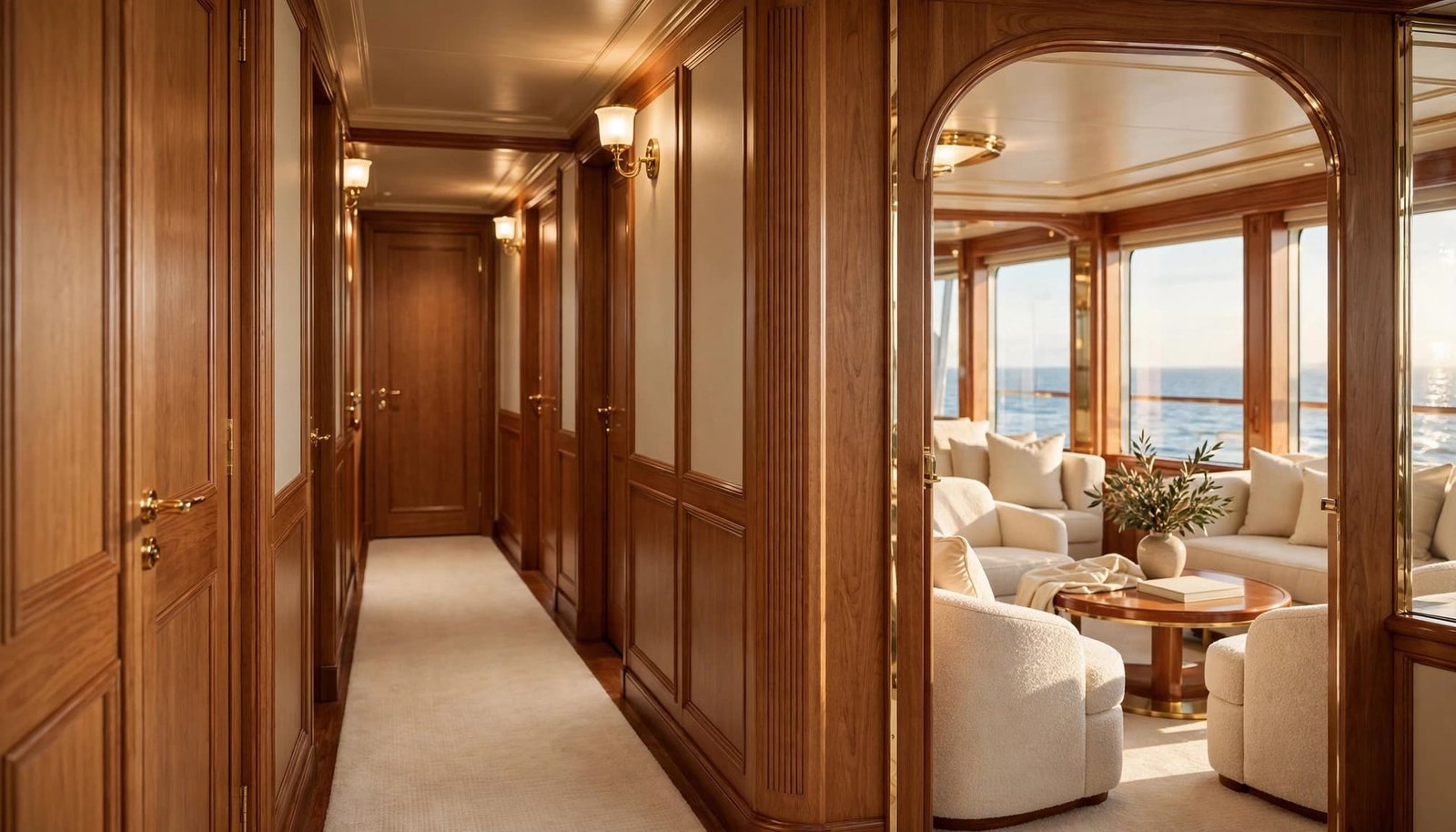
Regent Seven Seas is the easiest pick for travelers who want the trip to feel simple from day one. I like Regent because the fare usually wraps in more of the real cost: dining, drinks, gratuities, and many shore excursions. Its suites feel more like upscale hotel rooms than cruise cabins, and many guests book it for the mix of private verandas, butler service in top categories, and generous included value. If I want luxury without constantly signing extra receipts, Regent feels like the cleanest answer.
Silversea appeals to me when I want Alaska to feel intimate and very well staffed. Its strong crew-to-guest ratio shows up in small ways all day long: faster service, more attention, and less waiting around. I also like that Silversea leans into expedition-style enrichment without making the trip feel rugged. The suites are refined, the dining is strong, and the atmosphere stays quiet. In Alaska, that matters. On a misty wildlife morning, I’d rather hear the naturalist than pool music.
Seabourn feels a bit different. I think of it as soft luxury with a sharper Alaska edge. The line has a loyal following because it blends all-suite accommodations, strong dining, and a polished onboard mood with destination depth. On Alaska sailings, that often means a good expedition team, insightful talks, and a stronger sense of place. I like Seabourn for travelers who want elegance, but don’t want the cruise to feel detached from the wilderness outside. It’s the kind of ship where caviar service and whale sightings can happen in the same afternoon.
The Ritz-Carlton Yacht Collection is my pick for travelers who care most about the onboard feel. This is the line I’d choose if I wanted Alaska to come with a true hotel-style suite experience, sleek design, and a more yacht-like social scene. The ships are small enough to feel exclusive, and current Alaska plans feature standout calls such as Tracy Arm, Sitka, Haines, Petersburg, and Ketchikan. That mix gives it a more boutique rhythm than a standard cruise. If I were planning a romantic splurge and wanted the ship itself to feel special every hour, Ritz-Carlton would sit near the top of my list.
Line
What I’d book it for
Best fit
Regent Seven Seas
Broad inclusions, large suites, easy luxury
Travelers who want fewer extra charges
Silversea
Top-tier service, intimate ship feel, strong staff ratio
Guests who want quiet luxury and attentive care
Seabourn
Elegant all-suite style with richer destination focus
The common thread is clear. These lines don’t just sell comfort. They sell space, calm, and access, which is exactly what I want in Alaska.
The Alaska itineraries I would book for the best glacier and wildlife views
The itinerary matters as much as the ship, maybe more. I can forgive a smaller spa or fewer restaurants, but I can’t forgive a weak route in Alaska.
For first-time planning, I split Alaska luxury cruises into three itinerary styles. Each one solves a different travel goal.
Inside Passage roundtrips from Vancouver or Seattle are the easiest to book and the simplest to fly around. I like them for travelers who want a one-flight-in, one-flight-out setup and a classic week of scenic sailing. These routes usually mix ports like Juneau, Skagway, and Ketchikan with glacier time, and they tend to spend more of the voyage in calmer, protected waters. If I wanted a classic Alaska sampler with less logistics stress, this is where I’d start.
One-way Gulf of Alaska routes are usually better for pure scenery. These often run Vancouver to Whittier, Whittier to Vancouver, or involve Seward. I rate them highly because they can cover more ground and often bring in heavier glacier and mountain scenery. They also pair well with land extensions around Anchorage, Denali, or the Kenai Peninsula. If I had the time, I’d take a one-way sailing almost every time over a roundtrip.
Glacier-focused sailings are what I’d book if ice is the headline. In Alaska, that usually means looking hard at whether the itinerary includes Glacier Bay National Park, Tracy Arm, or Hubbard Glacier. Glacier Bay is my top priority because it often delivers the broadest sense of scale, huge walls of ice, peaks, silence, and long stretches of scenic cruising. Tracy Arm feels narrower and moodier, like sailing into a cold blue cathedral. Hubbard Glacier is pure drama, wide, active, and imposing from a distance.
When I scan itineraries, these are the ports and scenic calls I want to see most often:
Juneau – for whale watching, glacier access, and strong excursion choices
Skagway – for Gold Rush history and dramatic mountain scenery
Ketchikan – for totem culture, rainforest views, and easy wildlife outings
Sitka – for a more relaxed, scenic stop with real character
Glacier Bay National Park – for the most iconic glacier day
Tracy Arm – for tight fjords and blue ice
Hubbard Glacier – for a massive glacier-viewing payoff
I’m also paying attention to embarkation ports in 2026. Whittier stays useful for one-way sailings tied to Anchorage. Seward becomes more interesting because a new cruise terminal is set to open in spring 2026, which should improve passenger flow and modernize the arrival experience.
If glacier days are your priority, I would not book an Alaska luxury cruise that skips a marquee scenic call.
Which luxury Alaska cruise is best for couples, first-timers, and splurge travelers
The fastest way I narrow the field is by asking what kind of traveler I’m booking for. That one choice clears out half the options.
For couples, I’d lean toward small ships and all-inclusive fares. Alaska already delivers the mood: pale midnight light, cold air, and long quiet sail-ins past forested shorelines. A smaller luxury ship lets that mood breathe. I’d look hardest at Silversea, Seabourn, or Ritz-Carlton if romance and atmosphere come first. Fewer crowds, more private verandas, and better service turn the trip into something that feels personal.
For first-timers, I usually keep it simple. A classic Inside Passage route from Vancouver works because it gives me strong scenery, manageable travel logistics, and the ports most people picture when they think about Alaska. Regent is especially attractive here if I want the planning process to feel easier. When so much is bundled into the fare, I spend less time doing math and more time deciding which glacier day I want most.
For splurge travelers, I go straight to the ships with the strongest suite game and the most exclusive feel. That means Ritz-Carlton Yacht Collection for design and boutique energy, or Regent and Silversea for richer inclusions and premium service layers. This is also the group most likely to care about private shore experiences, whether that means a quieter whale-watch outing, a more tailored glacier flightseeing day, or simply a suite that feels like part of the destination.
My bottom line is simple. If I want the easiest luxury buy, I choose Regent. If I want the most intimate service, I look at Silversea. If I want refined luxury with a stronger expedition feel, I book Seabourn. If I want boutique yacht style and a high-end romantic mood, I go Ritz-Carlton.
When to go to Alaska for the best weather, wildlife, and luxury cruise value
For me, timing shapes almost everything in Alaska. The same suite can feel completely different depending on the month, because weather, daylight, wildlife, and price all shift fast across the season.
I usually narrow it to one simple choice: Do I want the best overall conditions, or do I want better value with a few compromises? That trade-off matters more in Alaska than on almost any other cruise.
Why mid-June to mid-July is the sweet spot for luxury Alaska cruises
If I want the strongest all-around Alaska experience, I look first at mid-June to mid-July. This stretch usually brings the warmest conditions of the season, with daytime temperatures often around 50 to 65 degrees Fahrenheit, and sometimes a bit higher depending on the port. On deck, that can feel like Alaska finally opens the curtains.
The other big win is daylight. Around this period, I can get up to 19 hours of light, and that changes the whole mood of the trip. Glacier days feel longer, evening sailaways stay bright, and wildlife watching doesn’t end right after dinner. It feels like someone quietly added extra vacation hours to each day.
Wildlife is another reason I like this window so much. Humpback whales are highly active, and bear viewing also improves as summer builds. Add strong glacier viewing into the mix, with clearer scenic cruising and long bright hours to enjoy it, and this period hits the best balance for many travelers.
Still, this sweet spot comes with a price. Fares tend to run higher, popular sailings fill earlier, and the ports feel busier. In other words, this is prime time for a reason, but I only book it when I’m willing to pay for the best odds of great weather, active wildlife, and those long luminous Alaska days.
📅 Ready to Check Dates & Prices?
June and July fill up fast. Check availability now:
If I wanted one Alaska cruise date range with the fewest compromises, this is the one I’d choose first.
How shoulder season can save money without ruining the trip
If I care more about value, I turn to late April through May, or September. These shoulder-season sailings often come with lower fares, fewer crowds, and a quieter feel onboard. On luxury lines, that price drop can mean savings of about $200 or more per person, and sometimes much more on the right sailing.
That lower price doesn’t mean a bad trip. In fact, for some travelers, it means a better one. Ports feel less packed, public decks stay calmer, and I get more of that hushed Alaska mood that luxury ships do well. A misty fjord in May can feel just as magical as a sunny July day, just in a softer key.
The trade-off is pretty clear, though. Weather is often cooler and wetter, especially in September. Spring can feel crisp and fresh, while fall may bring more rain and shorter days. Based on current seasonal guidance, late spring often lands around the 40s to mid-50s, while September cools back down after summer’s peak.
I think shoulder season works best for a few specific travelers:
People who want lower fares without dropping down to a non-luxury line
Travelers who care more about peace and scenery than peak warmth
Repeat Alaska cruisers who don’t need the most popular summer window
Anyone who likes the idea of a quieter ship and less crowded ports
For me, shoulder season is the smart buy if I want Alaska to feel more intimate and less expensive. I just pack for cooler air, expect some rain, and enjoy the fact that the trip can still be beautiful without paying top-dollar summer rates.
💰 Want to Save on Shoulder Season?
May and September sailings can save you hundreds. Book your complete trip package:
How I plan ports, shore excursions, and pre-cruise details without overpaying
When I price a luxury Alaska cruise, I don’t stop at the suite fare. I look at the ports, the excursion menu, and the hotel-and-flight puzzle before the ship even sails. That’s where a great trip can either feel smart and smooth, or quietly turn into a stack of add-ons.
My rule is simple: I pay more for access, not fluff. In Alaska, that means better wildlife outings, easier glacier time, and pre-cruise logistics that don’t leave me rushed, stranded, or paying premium prices for basic mistakes.
The ports that are worth getting excited about
Some Alaska ports are nice. Others are the reason I book the cruise in the first place. For luxury travelers, the best stops are the ones that offer small-group outings, close scenic access, and a stronger sense of place the moment I step off the ship.
Juneau stands out because it gives me range. I can do whale watching in a small boat, head toward Mendenhall Glacier, or book flightseeing without wasting half the day in transit. It’s one of the easiest ports for pairing comfort with real wilderness access, which is why I treat it as a high-value stop.
Skagway feels different. It has that old Gold Rush edge, but the real draw for me is the scenery outside town. The mountains rise fast, the rail route is dramatic, and private or small-group touring works especially well here. Meanwhile, Ketchikan blends rainforest, totem culture, floatplanes, and wildlife in a way that feels very Alaska, not just tourist Alaska.
I also pay close attention to Sitka and Icy Strait Point. Sitka has a quieter, more refined feel, with strong wildlife outings and real cultural texture. Icy Strait Point is less about polished town charm and more about what waits outside: whales, bears, eagles, and smaller-scale excursions that can feel far more personal than the big-bus version.
Then there are Whittier and Seward, which matter even if they’re not classic sightseeing ports. I see them as gateways. Whittier opens the door to Prince William Sound, while Seward connects beautifully to Kenai Fjords and land stays on the Kenai Peninsula. If my cruise begins or ends there, I don’t just treat it as a transfer point. I treat it as a chance to add one more excellent day.
Luxury shore excursions that feel worth the splurge
Not every expensive excursion earns its price. In Alaska, the ones I gladly pay for are the experiences that put me closer to the scale of the place. A balcony gives me a view, but a well-chosen excursion gives me a memory with texture, noise, and cold air in it.
Whale watching is one of the safest luxury splurges, especially in Juneau or Icy Strait Point. Small boats are usually the better play because they feel calmer, less crowded, and more intimate when humpbacks surface nearby. If I only book one excursion in Alaska, this is often it.
I put glacier flightseeing in the same top tier. Seeing ice from the water is powerful, but seeing it from the air is like watching the whole landscape breathe. If the budget allows, I love flightseeing with a glacier landing or pairing it with a guided glacier walk. Those are the kinds of excursions that make Alaska feel enormous in the best way.
In Skagway, the White Pass & Yukon Route Railway still earns its reputation because the scenery is the star and the ride stays easy. In Ketchikan, Misty Fjords floatplane trips feel especially worth it for travelers who want drama without roughing it. The same goes for bear-viewing and wildlife-focused outings with naturalist-style guides.
A few booking habits keep these splurges from getting silly:
I book early, especially for 2026, because the best small-group and private tours disappear first
I compare ship tours against trusted independents because the gap can be large
I save the big spend for ports where access really changes the day, like Juneau and Ketchikan
My favorite Alaska splurges are the ones that make the scenery feel bigger, not the ones that simply add a nicer bus.
Smart booking moves that can save money on a luxury Alaska cruise
The easiest way I avoid overpaying is by making my big decisions early. Alaska is not the place where I assume the best 2026 sailing, suite, or excursion will still be there later. The strongest itineraries, especially the ones with Glacier Bay, tend to become easier to justify when I lock them in before prices climb.
I also look hard at May and September. Those shoulder-season sailings can trim the fare without stripping away what makes Alaska special. I may get cooler weather or more mist, but I can also get a quieter ship, fewer crowds, and a better rate on the same luxury line.
When I compare options, I don’t focus only on the cruise fare. I compare the full trip cost, because one line may look cheaper until I add drinks, gratuities, excursions, transfers, hotels, and airfare. Another line may look expensive up front but include enough to narrow the real gap.
Booking move
Why I do it
Book early for 2026
Better suite choice, better Glacier Bay odds, better small-group excursion access
Check May and September
Lower fares can make luxury lines more realistic
Compare all-inclusive fares
Higher cruise fares can still cost less overall
Use a travel advisor when needed
Helpful for bundled perks, waitlists, and fare tracking
Review bundled extras
Flights, hotels, transfers, and land tours can change the math fast
I also check whether the cruise line bundles pre-cruise hotels, transfers, or post-cruise land programs in Seward, Whittier, Anchorage, or Denali. Sometimes those packages are overpriced. Other times, they remove enough stress to be worth it. I don’t assume either way. I compare line by line.
Most importantly, I treat Glacier Bay access as a deciding factor, not a bonus. If two cruises look similar on price, I usually lean toward the itinerary that gets me into Glacier Bay. Alaska has plenty of pretty ports, but Glacier Bay is the kind of day that can anchor the whole trip.
✈️ Planning Your Complete Alaska Trip?
Don’t forget flights and hotels! Book everything in one place:
What I pack for a luxury Alaska cruise so I stay warm, dry, and comfortable
For Alaska, I don’t pack for the calendar, I pack for the forecast I might get by the hour. Even in summer, the air can swing from cool and bright to windy, wet, and sharp in a hurry. On a luxury cruise, I still want to feel polished, but I care more about staying dry on deck and comfortable during excursions.
My packing rule is simple: I build around layers and then add a few small comfort items that earn their place fast. That way, I can watch a glacier in cold mist at breakfast, head ashore in light rain by lunch, and still feel ready for dinner later.
The core layers and shoes I would never skip in Alaska
Alaska weather changes fast, even in peak summer. One moment the sky looks soft and open, then a cold wind slides across the water like a door left ajar. Because of that, I never rely on one heavy coat. I pack a system.
At the base, I bring moisture-wicking layers that keep sweat from turning cold against my skin. Then I add a fleece or sweater layer, because it traps warmth without feeling bulky. Over that, I always pack a waterproof jacket with a hood. If I had to choose one Alaska item to protect at all costs, it would be that jacket.
Shoes matter just as much. I wear waterproof walking shoes for port days, deck time, and casual exploring. Wet feet can ruin a good day faster than rain ever will. If my itinerary includes long wildlife outings or rainy shoulder-season dates, I also toss in light rain pants. They don’t look glamorous, but neither does standing in drizzle with soaked jeans stuck to my legs.
Here is the short list I won’t leave home without:
Moisture-wicking base layers for cold mornings and windy glacier viewing
A fleece or knit sweater for easy warmth indoors and out
A waterproof hooded jacket for rain, sea spray, and wind
Waterproof walking shoes with grip for slick docks and trails
Optional rain pants for wetter sailings or active shore days
Small items that make a big difference on glacier days and wildlife tours
The smallest things in my bag often save the day. Glacier mornings can be bright enough to make me squint off the ice, while wildlife tours can mean wind, mist, bugs, and long hours outside. So I pack a few compact extras that punch above their size.
I always bring binoculars, because whales, bears, and eagles rarely pose on command. Sunglasses and SPF matter more than many people expect, since glare off water and ice can be intense. I also carry a reusable water bottle, since cool weather can trick me into forgetting to hydrate.
Then there are the comfort pieces I notice most when I forget them. Gloves and a warm hat make early deck time much better. Bug spray helps on certain shore days, especially near forests or still water. A waterproof phone pouch protects my camera roll from rain and spray, and a sleep mask helps me settle in when Alaska’s long summer daylight lingers deep into the evening.
On an Alaska cruise, the best packing wins are usually small, light, and easy to forget until the exact moment I need them.
If I want to keep it simple, these are the add-ons I reach for first:
Binoculars for glacier detail and wildlife spotting
Sunglasses and SPF for glare off ice and water
A reusable water bottle for long excursions
Bug spray for select port days
Gloves and a hat for cold deck air
Waterproof phone protection for rain and spray
A sleep mask for bright summer nights
🎒 Need to Shop for Your Alaska Cruise?
Get all your packing essentials delivered before your trip:
Luxury Alaska cruise FAQ: the short answers I would want before booking
Before I book a luxury Alaska cruise, I want the plain-English version, not brochure fog. These are the quick answers I actually use to judge value, avoid the wrong fare, and pick a trip that feels worth the spend.
How much does a luxury Alaska cruise cost in 2026?
For 2026, I think of luxury Alaska cruise prices in a few simple bands. A lower-entry luxury fare can start around $3,800 to $6,000 per person, usually on select dates, shorter sailings, or lower suite categories. A more typical luxury range is $6,000 to $12,000 per person. Higher-end suites, prime summer dates, and longer trips can push that to $15,000 to $20,000+ per person.
That said, the base fare never tells the full story. In Alaska, inclusions matter almost as much as the cabin itself. Drinks, Wi-Fi, gratuities, transfers, and shore excursions can turn a cheaper cruise into the pricier one by the end.
Is a balcony suite worth it for Alaska?
Yes, for most luxury travelers, I think a balcony suite is absolutely worth it in Alaska.
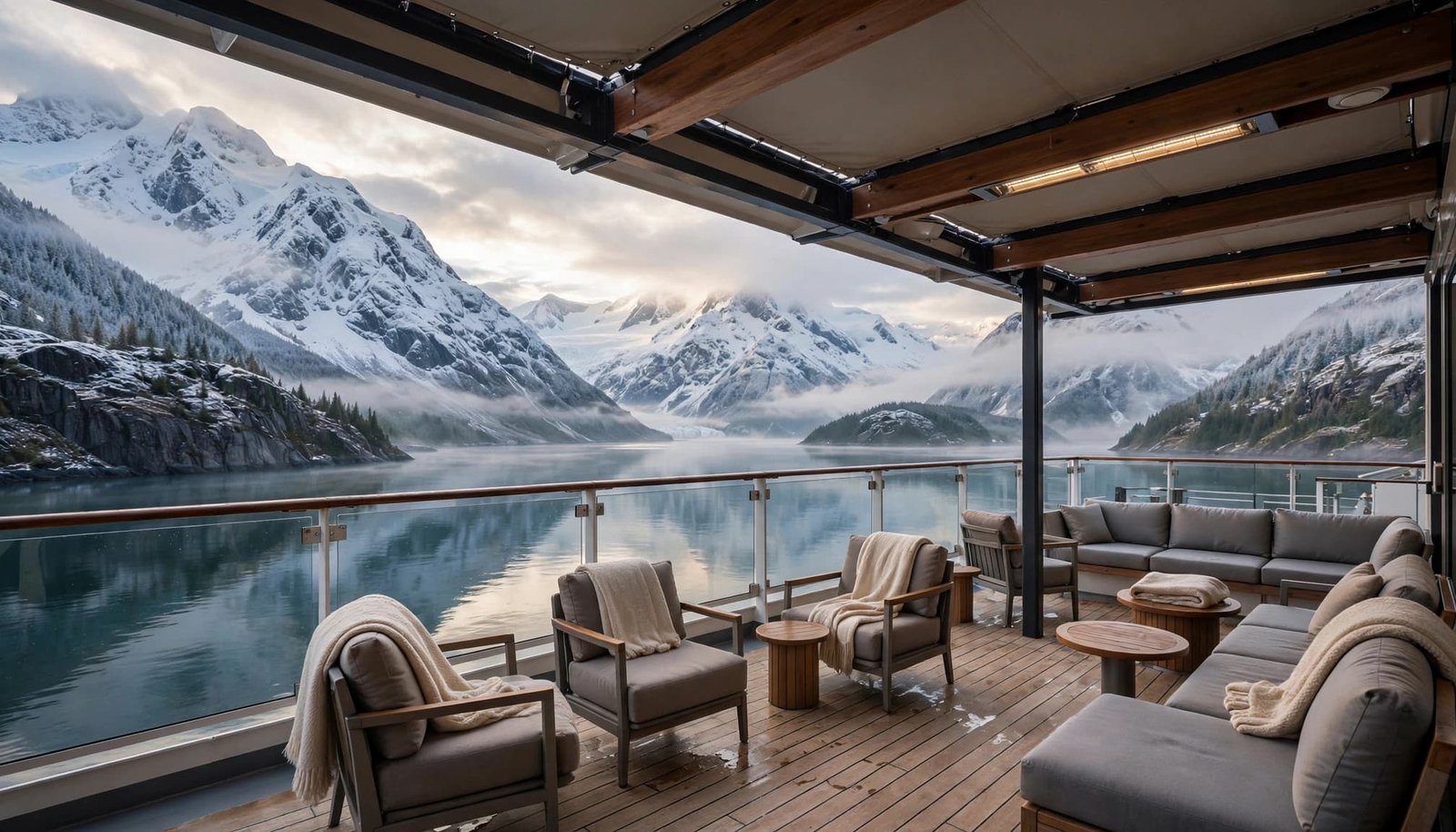
This is one of the few cruise destinations where I use the balcony constantly. Glacier days are quieter and more personal from my own space. Whale sightings feel better when I don’t have to fight for rail space. Even a cold, gray morning feels richer with a blanket, coffee, and a private view.
For me, the extra cost makes sense because Alaska’s best moments don’t happen on a schedule. A balcony lets me step outside the second I spot mist, ice, or a surfacing humpback. It’s like having a private front-row seat to the whole trip.
What is the best luxury Alaska cruise for first-time visitors?
For first-timers, I would keep it simple and choose a classic Inside Passage itinerary with at least one major glacier-viewing day. That usually means an easy mix of ports like Juneau, Ketchikan, and Skagway, plus scenic cruising in places like Glacier Bay, Tracy Arm, or Hubbard Glacier.
I like this route style because it gives me the Alaska highlights without making the trip feel complicated. The sailing is often calmer, the ports are familiar, and the scenery comes early and often. For a first visit, that’s hard to beat.
If I wanted the smoothest luxury experience, I would lean toward Regent or Seabourn on a classic Inside Passage or Vancouver-based route. Both make a strong first cruise feel easier, especially if I want good glacier access and fewer moving parts.
How far in advance should I book a luxury Alaska cruise?
For a 2026 luxury Alaska cruise, I would book as early as possible. In general, I like the 12 to 18-month window for the best selection, but if I’m booking later, I still wouldn’t wait.
The best summer dates go first. So do the strongest Glacier Bay sailings and the most desirable suites. Alaska isn’t the kind of trip where I assume the top cabin will still be there later at a better price. That almost never feels like a smart gamble.
I book early for three main reasons:
I get the best suite categories
I have a better shot at prime glacier itineraries
I usually avoid the worst last-minute pricing
If I care about balcony location, mid-ship placement, or a specific sailing week, early booking matters even more.
In Alaska, the ship matters, but the itinerary and suite choice disappear first.
Should I choose an all-inclusive fare or book extras separately?
Most of the time, I would choose all-inclusive for a luxury Alaska cruise.
That works best for travelers like me who want drinks, Wi-Fi, gratuities, and excursions folded into one cleaner number. Alaska already comes with enough trip math: flights, hotels, cold-weather gear, and transfers. I don’t want the cruise itself to feel like a stack of receipts.
All-inclusive fares usually win when I plan to:
Order wine, cocktails, or premium coffee regularly
Take multiple shore excursions
Use Wi-Fi every day
Avoid surprise charges at the end
A la carte pricing can still work if I barely drink, skip most excursions, and don’t mind watching the onboard bill. Still, for most luxury travelers, bundled pricing feels easier and often ends up being the better value. It’s the difference between paying for the whole meal up front or getting nickel-and-dimed for every side dish later.
Conclusion
For me, the best luxury Alaska cruise comes down to four smart choices. I pick the right line for the style I want: Regent for easy all-in pricing, Silversea for intimate service, Seabourn for polished adventure, or Ritz-Carlton for a more boutique feel. Then I make sure the itinerary includes Glacier Bay or another headline glacier day, sail in June or July if I want the fewest trade-offs, and book a balcony suite because Alaska belongs outside my door, not down a crowded deck.
That mix is what turns a pretty vacation into the real thing. I want long summer light on the rail, whales breaking the surface below, and blue glacier ice glowing in the distance while the ship stays warm, quiet, and easy around me. When I do this trip well, I don’t just see Alaska, I feel its scale, its silence, and its wild beauty in a way that stays with me.
🚀 Start Planning Your Dream Alaska Cruise Today
My next step is simple: I lock in dates early, then line up the flights or pre-cruise hotel that keep the trip stress-free from day one.