

My 2026 Cherry Blossom Guide for Japan and South Korea (Best Dates, Cities, and Booking Plan)
Petals drift down like soft confetti, and for a moment the whole street turns pink and quiet. I can smell spring on the breeze, hear camera shutters, and feel that familiar panic: if I’m even a few days off, cherry blossoms slip away.
That’s the problem with sakura season in Japan and South Korea—the blooms move fast, crowds move faster, and prices spike the minute spring dates look “safe.” So for spring 2026, I’m treating this like a real plan, not a wish.
In this guide, I’ll lay out the best week windows (Tokyo is often late March into early April, Seoul tends to peak in early April), the smartest city pairs, and a simple booking plan that keeps me close to the flowers without burning my budget. I’ll also point out where flexibility matters most: flights, hotels, and getting around on peak weekends.
The sweet spot: Book early, then stay flexible by a few days, because blooms don’t follow your PTO calendar.
TL;DR: 2026 Bloom Plan in 30 Seconds
- Best overall Japan window: March 26 to April 6 (Tokyo, Kyoto, Osaka range)
- Best overall South Korea window: March 27 to April 10 (Busan first, Seoul later)
- Top city pairs: Tokyo + Kyoto, Busan + Seoul, Fukuoka + Busan (fast bloom chase)
- Book now message: Lock flights and a refundable stay early, then fine-tune by forecast
Affiliate Disclosure: This article contains affiliate links. If you book or purchase through these links, I Need My Vacation may earn a small commission at no extra cost to you. We only recommend services we genuinely trust and use ourselves to help you plan the perfect trip. Thank you for your support!
Quick Navigation
- Best 2026 Cherry Blossom Dates (Japan vs South Korea)
- Best Cities for Cherry Blossoms in Japan (2026 Picks)
- Best Cities for Cherry Blossoms in South Korea (2026 Picks)
- My Simple 2026 Booking Plan (Flights, Stays, Transfers)
- FAQ: Japan and Korea Cherry Blossoms 2026
2026 Cherry Blossom Forecast at a Glance: Best Dates for Japan and South Korea
Cherry blossom timing is like trying to catch snowflakes on your tongue. You can plan, you can hope, but you still need a smart window. For 2026, I anchor my trip around full bloom (peak), then I give myself a few buffer days on both sides.
Below is the quick, usable view—the dates I’d actually plan around if I’m booking flights, hotels, and train days right now.
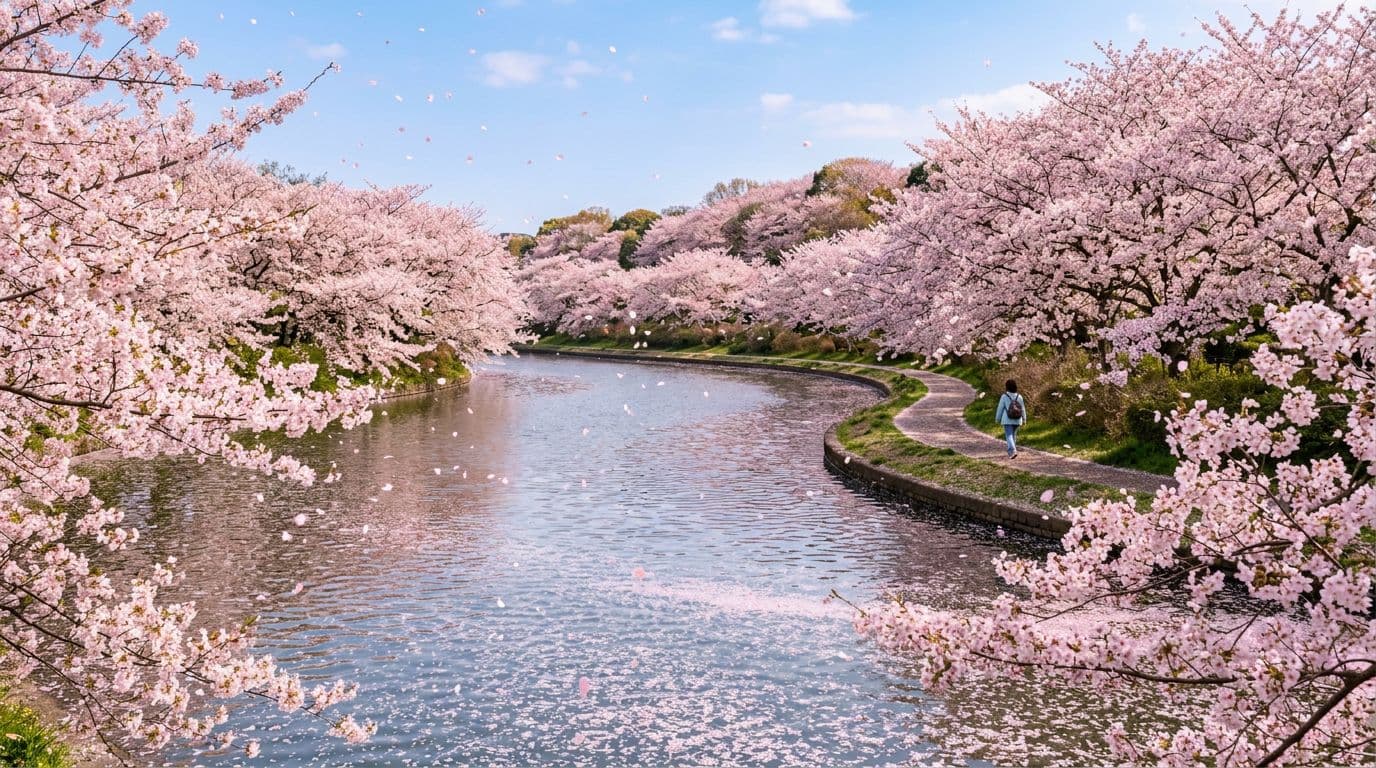
Japan 2026 Peak Bloom Dates (Tokyo, Kyoto, Osaka)
Japan’s big advantage is data. Forecasts are updated often, and most travelers follow the same “golden triangle,” so getting the dates right really matters. When I say “best dates,” I mean the best trip window to be on the ground, not the exact moment the first bud opens.
| City | First Bloom (Forecast) | Full Bloom (Peak) | My Best On-the-Ground Dates |
|---|---|---|---|
| Tokyo | Mar 17-19 | Mar 25-28 | Mar 24-30 |
| Kyoto | Mar 23 | Apr 1 | Mar 30 – Apr 4 |
| Osaka | Mar 24 | Apr 1 | Mar 30 – Apr 4 |
Key planning notes:
- Full bloom is the photo week, but the “pretty week” is longer. If I arrive 2-3 days before peak, the city already feels pink.
- Wind and rain can strip trees fast. That’s why I like overlapping Tokyo and Kansai windows rather than betting everything on one weekend.
- For real-time updates as your trip approaches, cross-check with Japan-Guide’s cherry blossom forecast.
My rule: I don’t book non-refundable stays for the exact peak dates unless I’m comfortable being 3 days early or 3 days late.
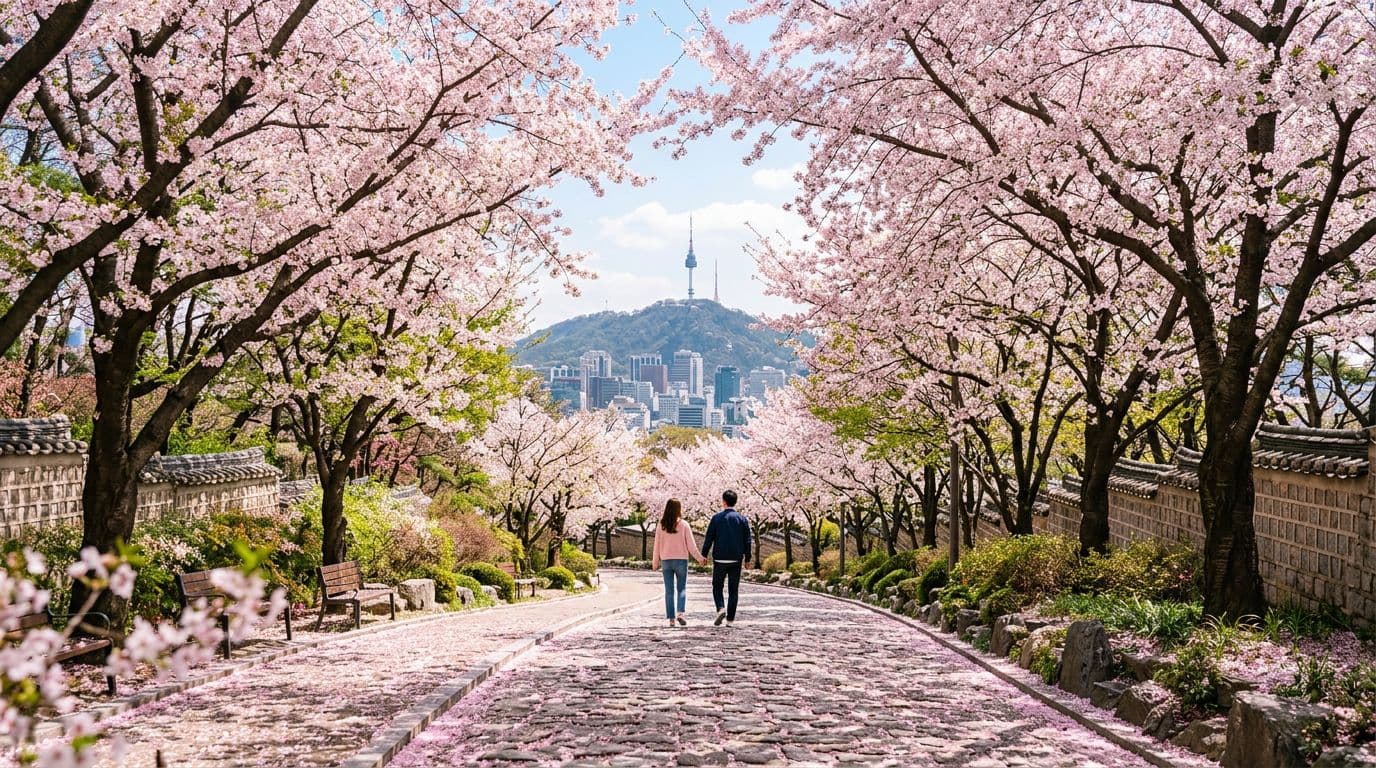
South Korea 2026 Peak Bloom Dates (Busan, Seoul, and Beyond)
Korea’s cherry blossom season moves like a wave from south to north. That’s perfect for travelers because it gives me a natural chase route: start in warmer coastal areas, then finish in Seoul as spring catches up.
2026 Korea bloom timeline:
- Busan: around March 25
- Gangneung (east coast): around April 1
- Seoul: around April 3
- Jeju Island: earliest blooms (late March range)
For the most reliable updates, I use Korea’s official 2026 cherry blossom forecast.
What those dates mean in real life:
- Best Korea trip window (safe and flexible): March 27 to April 10
- If I can only do one week: April 2-8, focusing on Seoul plus day trips
- If I want fewer crowds and an earlier hit of spring: Start in Busan, then head north
My “Best Dates” Cheat Sheet (Easy Trip Windows That Actually Work)
Forecast tables are useful, but when I’m choosing PTO days, I need simple ranges. These are the windows I’d feel good about booking because they cover peak bloom while leaving room for weather mood swings.
🇯 Japan (Tokyo, Kyoto, Osaka)
- Best overall: March 24 – April 4
- Tokyo-first plan: March 23-30
- Kyoto/Osaka-first plan (if arriving later): March 30 – April 5
🇰 South Korea (Busan, Seoul)
- Best overall: March 27 – April 10
- Busan then Seoul (classic south-to-north chase): March 28 – April 7
- Seoul-focused week (minimal moving): April 2-8
If I’m doing both countries in one trip, I keep it clean:
- Japan first, then Korea (Tokyo and Kansai peak, then Seoul), OR
- Korea first, then Japan (Busan early, then Tokyo late)
Quick Reality Check: What Can Shift the Forecast?
I treat forecasts like a weather app for a picnic. It’s a strong guide, but it’s not a promise. Small temperature swings can nudge bloom timing by a few days.
What I watch most:
- Warm late winter: Buds can open earlier, and the whole season slides forward
- Cold snap in March: Bloom slows down, and peak pushes later
- Heavy rain or wind during full bloom: Petals drop fast, so I aim to arrive slightly before peak
My Japan Bloom Route for 2026: Where to Stay, What to See, and How to Move Fast
When sakura hits, I travel like I’m following a moving weather front. I keep my route simple (Tokyo → Kansai → Hiroshima), I plan my best photos for quiet hours, and I build in just enough flexibility to pivot if the peak shifts.
For 2026 timing, I’m anchoring around the latest forecast windows: Tokyo full bloom around March 28, Kyoto and Osaka around April 1, Hiroshima around March 31. I keep the exact dates loose, but the order stays locked.
Tokyo, Kyoto, Osaka, Hiroshima: Can’t-Miss Sakura Spots & Best Times
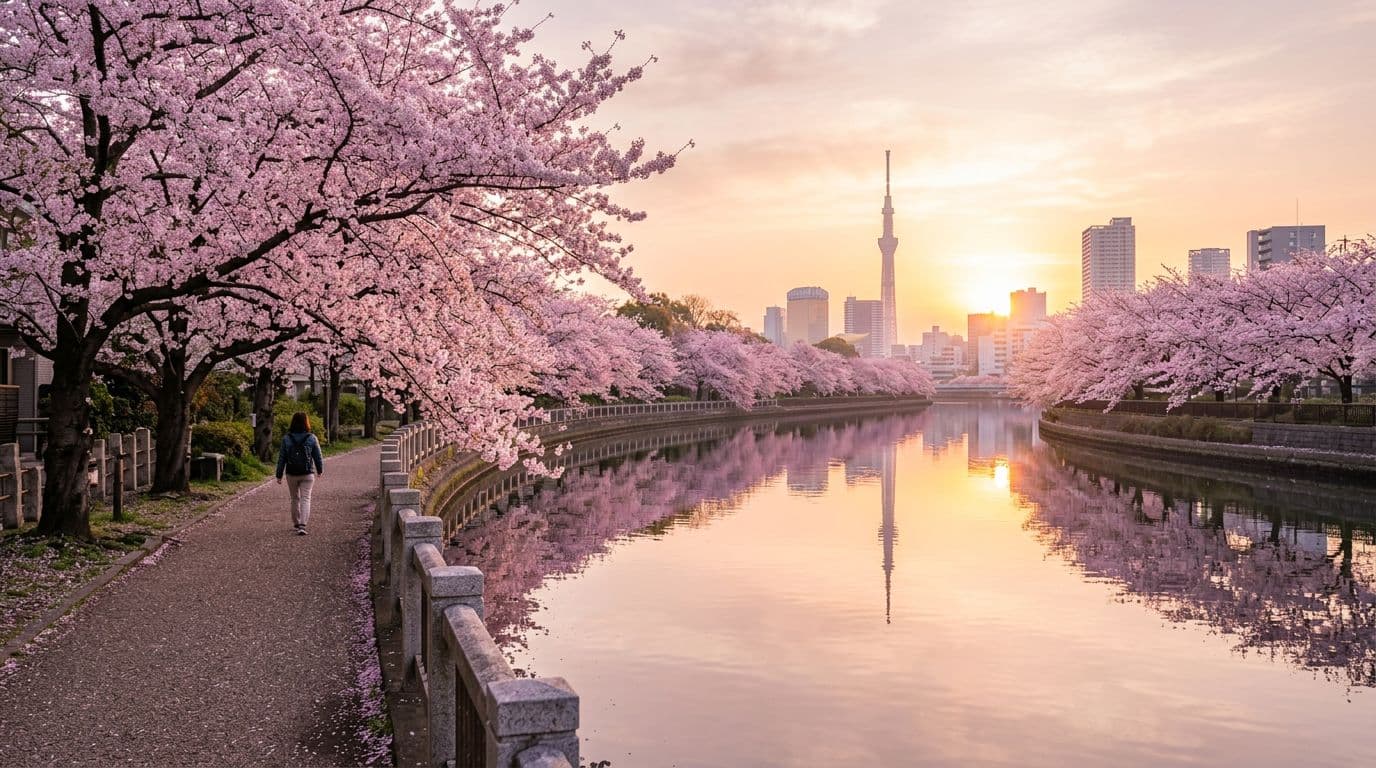
I treat each city like a different flavor of spring. Here’s my quick field guide, built for getting great scenes without wasting hours in lines:
🌸 Tokyo (Picnic + Riverside Walk)
Go classic: Ueno Park for energy, then a quieter river path for photos.
Ideal time slot: Sunrise (soft light, empty benches)
Crowd-saver move: Skip Ueno at midday. Instead, walk the Sumida River farther from the central bridges—the trees still pop, but people thin out fast.
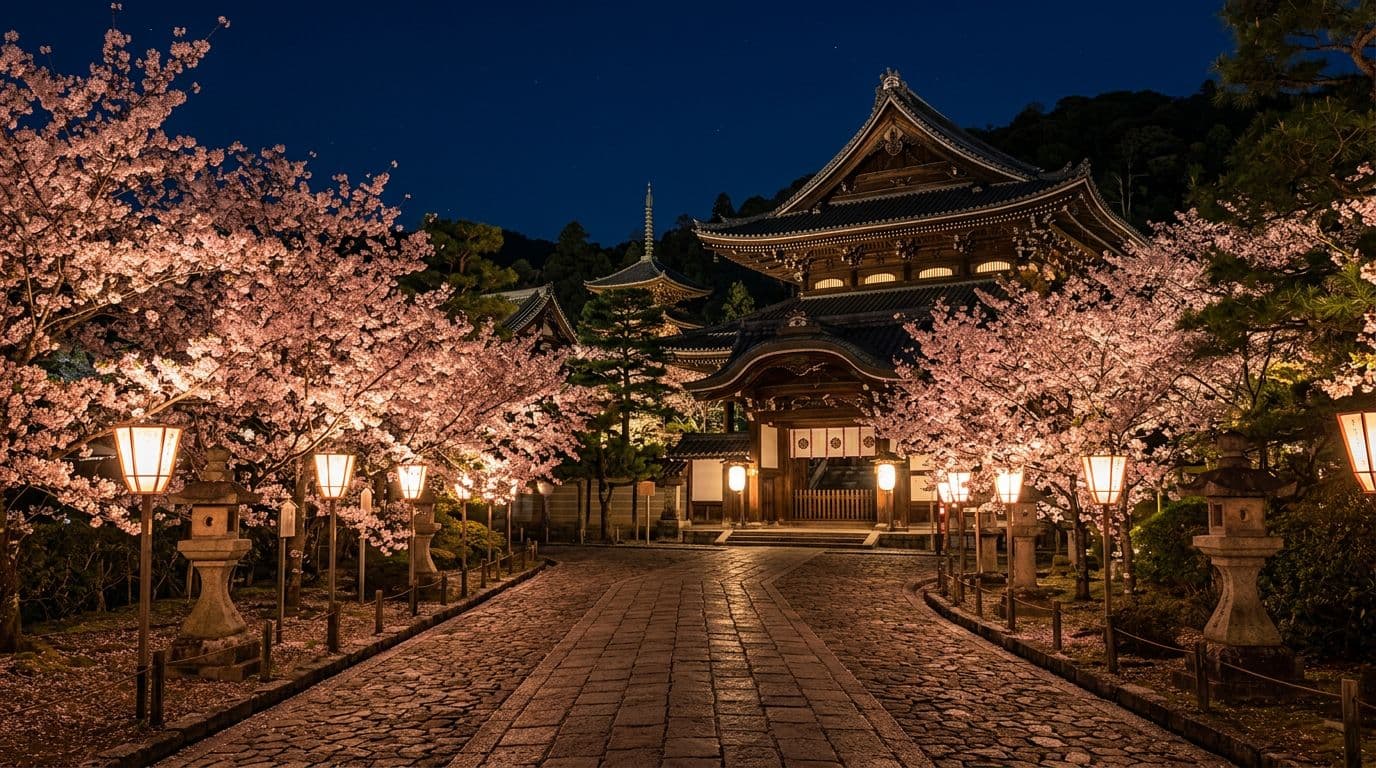
🌸 Kyoto (Temple Views + Old-Street Magic)
Kyoto feels like blossoms floating over history, especially around shrines and canals.
Ideal time slot: Night lights (lantern glow makes petals look painted)
Crowd-saver move: Go on a weekday night and start from a less obvious end of the canal route so you’re walking against the flow.
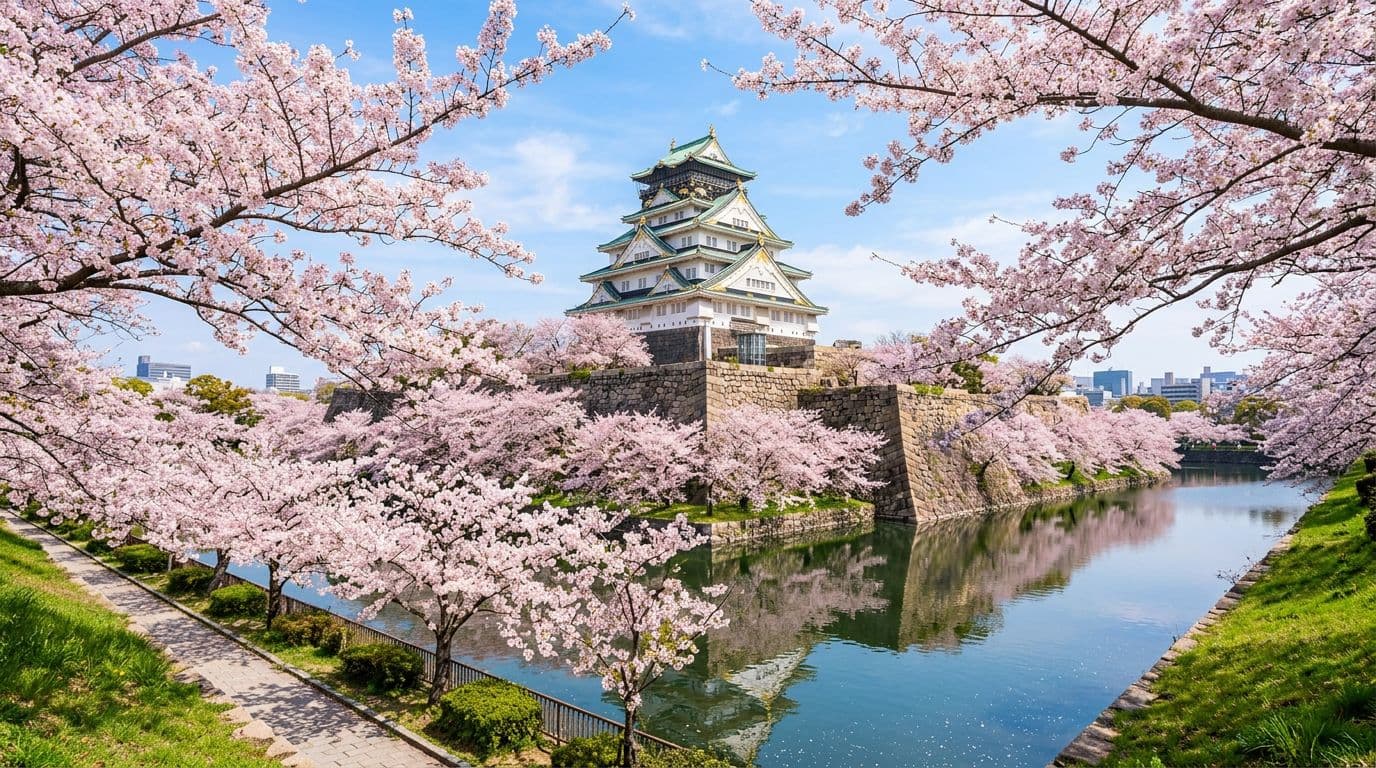
🌸 Osaka (Castle Views + Easy Walks)
Osaka does sakura with big scenery, wide lawns, and snack stalls nearby.
Ideal time slot: Late afternoon (warm light on the castle, then stay through dusk)
Crowd-saver move: Circle the outer paths first, then cut in closer after peak selfie hour.
🌸 Hiroshima (History + Calm Riverside)
This is where my trip slows down, in the best way. I pair peace memorial visits with a gentle riverside bloom walk.
Ideal time slot: Early morning (quiet, respectful, clear photos)
Crowd-saver move: Visit the memorial sites right at opening, then do blossoms after when tour groups bunch up elsewhere.
How I Book Japan Stays for Sakura Season Without Overpaying
Sakura season has a cruel trick: the best neighborhoods sell out first, then the remaining rooms jump in price. So I book early, but I don’t “marry” my first pick.
My exact system:
- I book cancellable first. I grab refundable hotels or apartments near train stations as soon as my dates look plausible. I’m buying a safety net, not perfection.
🏨 Compare Refundable Stays on Booking.com
🏨 Search Hotels on Agoda - I split bookings by city. Tokyo gets its own stay, then Kyoto or Osaka, then Hiroshima if I’m going. This keeps my days tight and protects me if peak shifts.
- I set price alerts and keep checking. If a better place drops into my budget, I upgrade and cancel the older reservation—right up until the free-cancel deadline.
- I choose stations over “pretty.” During peak bloom week, a “cute” far-away hotel costs me time, and time is the real currency.
The trick is simple: I lock a flexible base, then I shop for a better view after everyone else stops paying attention.
My South Korea Bloom Plan for 2026: From Jeju to Busan and Up to Seoul
For spring 2026, I’m planning South Korea like a slow chase from warmth to cool air. I start where buds pop first, then ride the bloom line north. It’s like following a pink tide—if I time it right, I get peak blossoms more than once without living in a tour bus.
Seoul, Jinhae, Busan, Jeju, Gyeongju: Best Places to See Blossoms and Still Breathe
When I only have a couple of weeks, I don’t try to do everything. I choose the type of blossom moment I want, then I pick the city that matches it.
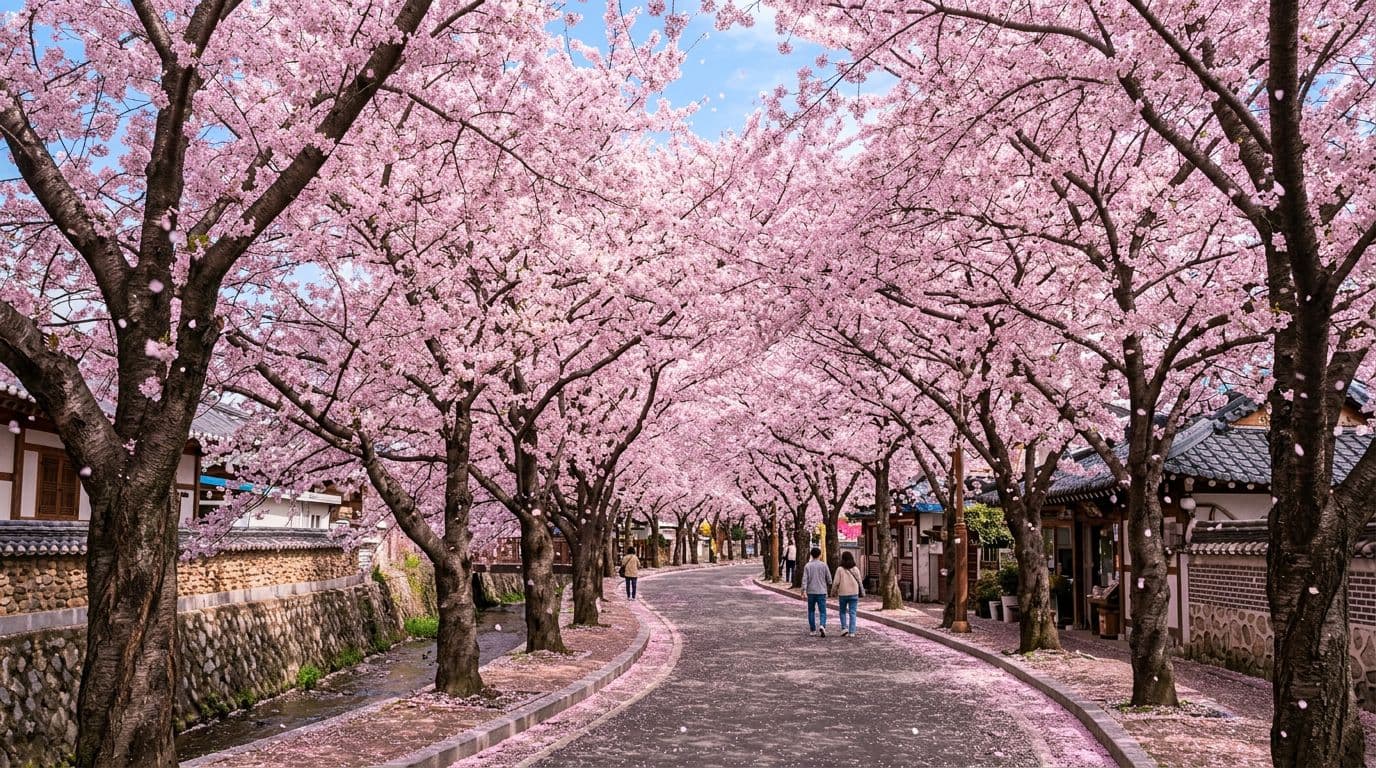
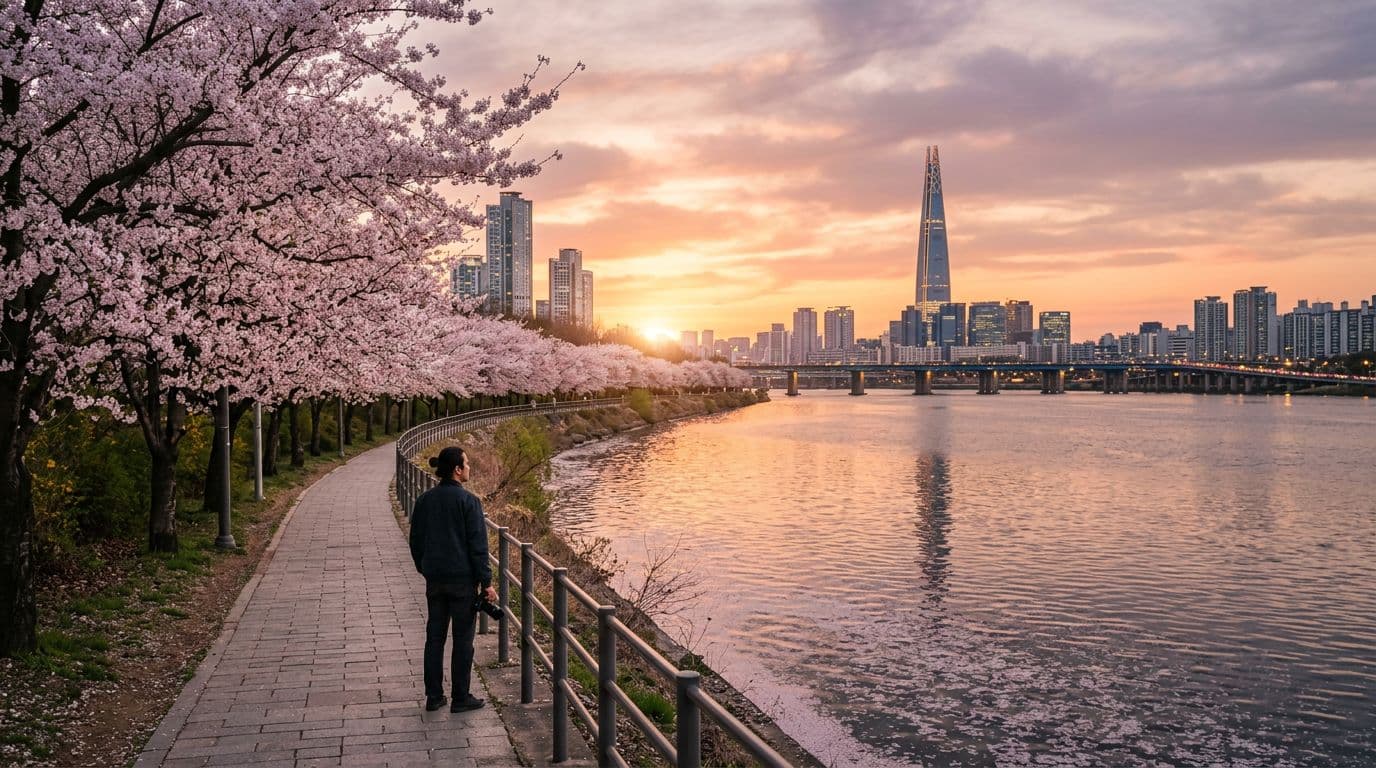
If I want a city skyline, I base myself in Seoul. I like blossom walks that end with coffee and a view of towers across the river. Big city, big energy, but I can still find quiet pockets if I go early.
If I want a pink tunnel, I go to Jinhae. It’s famous for a reason. The trick is treating it like a photo mission, not an all-day wandering plan. I arrive early, shoot fast, then leave before lunch crowds stack up.
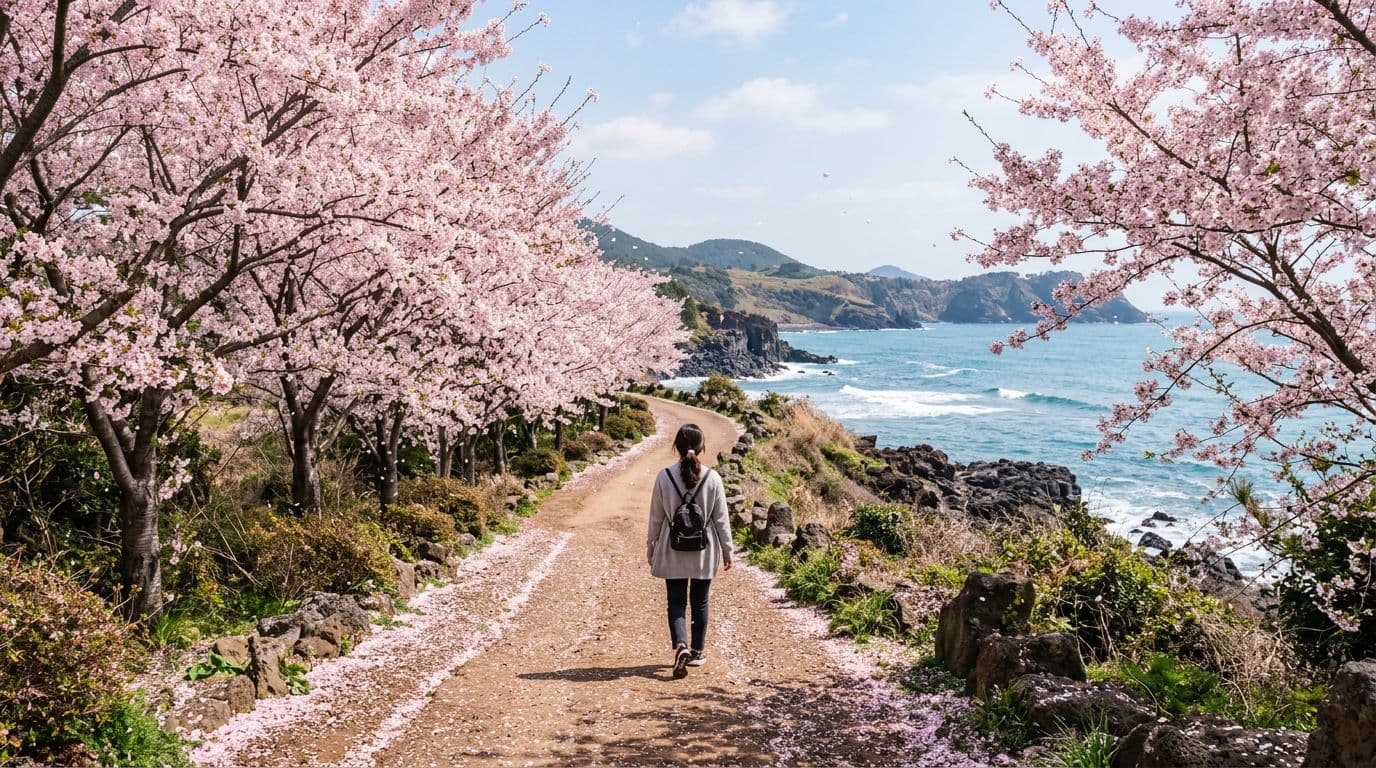
If I want ocean views, I start with Jeju or detour through Busan. Jeju gives me coastal roads and spring air that smells clean. Busan adds beachside neighborhoods and easy day trips without sacrificing food and nightlife.
If I want history, I choose Gyeongju. It feels like Korea’s past is sitting right under the petals—calm, spacious, and less frantic than the major festival zones.
My Crowd-Proof Timing
- I do my “must-get” photos on weekday mornings, especially right after sunrise
- I save festivals for one focused half-day, then I escape to a calmer neighborhood
- I plan one rain-buffer day because storms can knock petals down fast
Transfers Made Simple: When I Pre-Book Rides vs Using Trains and Metros
Most days in Korea, I’m happy on trains and metros. They’re reliable, clear, and usually the fastest way across town. Still, cherry blossom trips come with a few moments where I pay for comfort—because comfort protects my schedule.
When I pre-book airport transfers:
- After a long flight: I don’t want to wrestle with directions, currency, or a packed train platform. A reliable airport transfer with an English-speaking driver is the difference between arriving stressed and arriving ready to sleep.
- Late-night arrivals: Subways can slow down, routes get awkward, and I don’t love dragging luggage down empty station stairs.
- Traveling with kids: A transfer means car seats (when available), less walking, and fewer “we’re lost” moments.
- Big luggage: Bulky suitcases, strollers, or camera gear for blossom photos.
- Bad-weather days: Rain plus crowds turns stations into slippery bottlenecks.
🚗 Pre-Book Airport Pickup with Welcome Pickups
The No-Stress Booking Playbook for 2026: Flights, Hotels, and Exact Gear I Pack
Cherry blossom season rewards calm planning and punishes last-minute panic. I treat bookings like a layered outfit: I start with a solid base, then I adjust as forecasts tighten and prices wobble.
My Flight and Hotel Checklist for Cherry Blossom Season
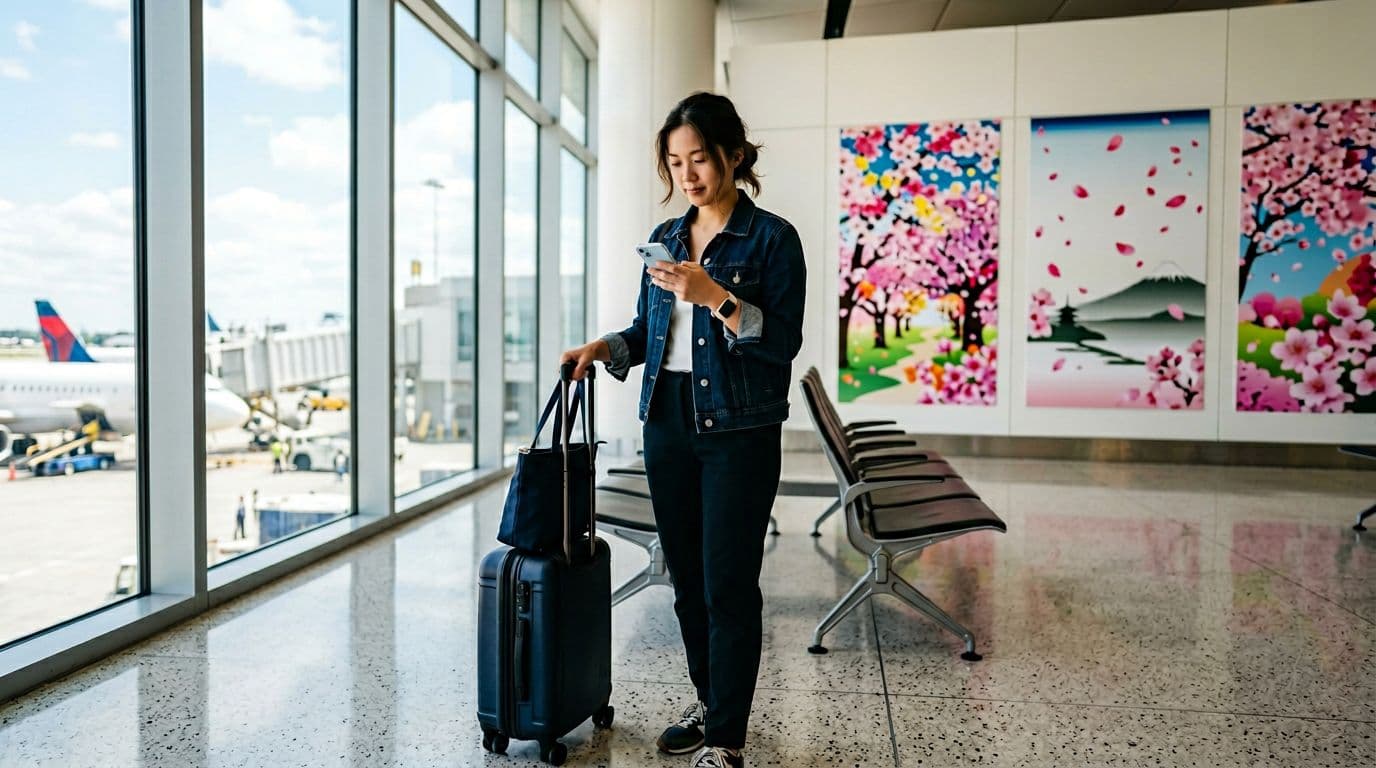
When sakura season gets close, airfare and hotels can jump overnight. So I plan like I’m trying to catch a moving train—I don’t need the perfect platform, I just need to be close enough to step on.
For flights, I do one quick sweep early, then I re-check in short bursts. If I’m flexible, I can avoid the priciest days without changing the whole trip.
🔍 Search Flexible Flights on Aviasales
My booking checklist (every single time):
- Flexible dates: I price out my ideal week, then I check 2 days earlier and 2 days later. Those small shifts can mean big savings.
- Nearby airports: I compare landing options that still get me into the city fast.
- Baggage rules: Before I buy, I confirm what counts as carry-on, personal item, and checked bag. Surprise bag fees feel like stepping on a rake.
- Early morning arrivals: I prefer landing early so I can reach my hotel, drop bags, and start walking under blooms the same day.
- Lodging near transit: I choose hotels within an easy walk of a station. During peak bloom, being “close enough” beats being cute and far away.
My money rule: If I’m paying peak prices, I better be paying for location, not just a room.
My Spring Sakura Packing List: Light Layers, Rain Protection, and Camera Basics
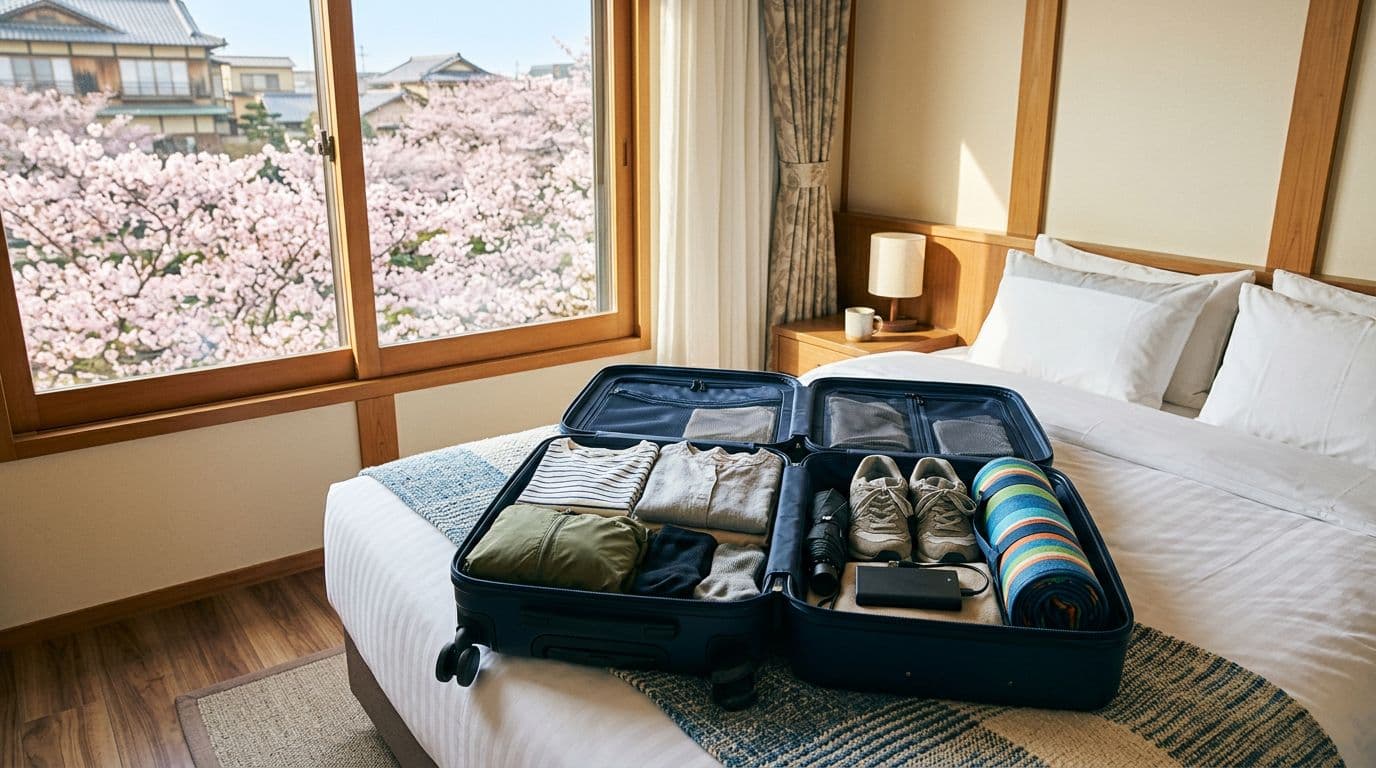
Spring in Japan and South Korea can feel like four seasons in one day. Mornings run cool, afternoons warm up, and then a quick rain shows up like an uninvited guest. I pack for comfort first—because if my feet hurt or my jacket soaks through, I stop enjoying the petals.
I also keep my camera setup simple. I’d rather take 30 great shots than carry gear that turns every walk into a workout. A phone plus a small backup battery covers most needs.
Here’s what I pack every time (all easy to grab on Amazon):
- Packable rain jacket: A thin shell I can crush into my day bag. Spring showers are common, and it’s easy to grab one on Amazon.
- Compact travel umbrella: I bring a small, sturdy one that fits in my tote.
🛒 Shop Travel Umbrellas on Amazon - Comfortable walking shoes: I prioritize cushioning and grip because wet petals can get slick.
- Portable power bank: Photos, maps, translation, and transit apps drain batteries fast.
- Small picnic mat: For riverside breaks and quick park lunches.
Two tiny “quality of life” extras: Blister patches and a small microfiber cloth for my camera lens. Those weigh almost nothing, but they save entire afternoons.
FAQ: Quick Answers to the Questions I Get Every Spring
When should I book if the bloom dates can shift?
I book in layers, like dressing for a cold morning that turns warm by lunch. First, I lock flights that match my best window. Then I grab refundable stays in the neighborhoods I actually want.
My rule: Book for the window, not the exact peak day. Forecasts slide, but a good window still catches magic.
- Ideal buffer: 2-3 days on either side of your “best week”
- Non-negotiable tickets (like timed attractions): Schedule them mid-trip, not day 1
How long do cherry blossoms last in Japan and South Korea?
Think of blossoms like a fresh croissant. Perfect is brief, but enjoyable lingers a bit.
- Full bloom looks best for photos for a few days
- The overall “pretty” period (some trees blooming, some petals falling) often stretches about a week
- Wind and rain can shorten everything fast, especially during peak
That’s why I front-load my must-do blossom walks. If storms roll in later, I already got my best scenes.
What’s the best time of day to avoid crowds and get better photos?
I treat peak blossom spots like popular hikes. The view is great, but timing is everything.
For Japan and Korea, my easiest win is early morning. The light is softer, the paths are quieter, and I don’t have to crop strangers out of every shot. When I can’t do sunrise, I go later in the evening after families and tour groups thin out.
If I only get one shot at a famous blossom spot, I go early and I go on a weekday.
Should I do Japan or South Korea first if I’m visiting both?
I decide based on the “pink wave” moving north. Korea often starts earlier in the south, while Japan’s core cities cluster around late March and early April.
- Japan first, then Korea if I’m anchoring on Tokyo and Kansai late March to early April and want Korea’s early April finish (often Seoul)
- Korea first, then Japan if I want Busan or Jeju early, then Tokyo as Japan hits peak right after
What I avoid is forcing both countries into one rigid week. That’s how people end up seeing more airports than blossoms.
Is it still worth going if I miss full bloom?
Yes, and honestly, it can be better.
Full bloom is the “wow” moment, but the days around it have their own charm:
- Early bloom feels hopeful—buds and first blossoms, less crowded, easier reservations
- After peak can be stunning—petals fall like snow, parks turn into pink carpets
- Late-season varieties (depending on location) sometimes extend the show
If I’m slightly late, I lean into places with big tree density (rivers, parks, castle grounds) because even past peak, those spots still look full in photos.
What if it rains during my cherry blossom days?
Rain is the bully of blossom season. It can also be a gift if I work with it.
On rainy days, I switch my plan instead of fighting it:
- I do indoor “anchors” (museums, markets, cafés) during the heaviest rain
- Then I go out right after—because wet petals on sidewalks look dreamy in close-up shots
- I save my most important outdoor walk for the next clear morning
The big mistake is waiting all day for perfect weather, then realizing the best light already passed.
Are the blossom festivals worth it, or should I avoid them?
I do festivals like I do spicy food—with intention and a little caution.
Festivals are worth it if I want:
- Food stalls and a party vibe
- Night lighting (especially pretty when petals glow)
- That “everyone is here for spring” feeling
However, I keep expectations realistic. Festivals also mean shoulder-to-shoulder sidewalks and slow transit. So I pick one festival half-day, then I balance it with quieter neighborhoods the next morning.
What should I wear for blossoms in late March and early April?
I dress for mood swings. Spring in Japan and Korea can flip fast, especially between morning and night.
My go-to approach:
- Light layers I can peel off
- One warm mid-layer for evenings
- Comfortable walking shoes with grip (wet petals can be slick)
If you pack like it’s already summer, you’ll spend the trip hunting for a jacket instead of chasing blooms.
Conclusion
Cherry blossom season in Japan and South Korea rewards the travelers who plan like the flowers move fast—because they do. For 2026, I keep it simple:
- Pick a realistic peak window (late March for Tokyo, early April for Kyoto and Osaka, then early April for Seoul)
- Give yourself a 2-3 day buffer so one cold snap or one storm doesn’t steal the trip
- Lock flights early, then book refundable hotels near the stations you’ll actually use
- Pre-book airport transfers if you land late, travel with kids, or carry big luggage
The best sakura photos come from patience, but the best sakura trips come from flexibility. If the petals fall early, you still have food streets, night lights, and spring air worth chasing.
🌸 Ready to Plan Your 2026 Cherry Blossom Trip?
Use these tools to lock in your trip before the best options disappear:
Thanks for reading, and I’d love to hear which city you’re betting on for peak bloom!
© 2026 I Need My Vacation. All rights reserved.
YouTube reference: https://www.youtube.com/watch?v=m4KJsovz1TQ
