How to Use AirHelp to Get Paid for Your Delayed Spring Break Flight (Passenger Rights Deep Dive)
Spring break travel has a special talent for falling apart at the gate. One minute I’m scanning the departure board, the next I’m watching my flight bounce from Gate B12 to C4, then back again. The line at customer service curls around a kiosk like a theme park ride, and my “quick connection” turns into a missed one.
Here’s the calm truth: cash compensation isn’t based on how miserable the delay feels. It depends on where you flew, which airline you flew, and why the delay happened.
In this guide, I’ll share my simple plan to check if getting paid is realistic (especially for EU and UK protected routes), what proof I save, and how I use AirHelp when the airline won’t play nice.
📋 TL;DR
Who can get paid: Many EU and UK protected flights arriving 3+ hours late (when the airline is at fault).
What to save: Boarding pass, booking email, screenshots, and receipts for meals or hotels.
What AirHelp does: Checks eligibility, files the claim, follows up, and may escalate legally.
Typical timeline: Often 3 to 4+ months, sometimes longer if the airline fights back.
Affiliate Disclosure: This article contains affiliate links. If you book or purchase through these links, I Need My Vacation may earn a small commission at no extra cost to you. We only recommend services we genuinely trust and use ourselves to help you plan the perfect trip. Thank you for your support!
I treat the gate like a paperwork moment, because details disappear fast, created with AI.
When a Delayed Flight Turns Into Real Cash: Passenger Rights in Plain English
I think of flight compensation like a lock with three tumblers. Route, arrival delay, and cause all have to click into place.
In the US, most delays don’t trigger automatic cash compensation. You may get rebooked, refunded (in some cases), or offered meals and hotels depending on the situation, but “cash for a delay” usually isn’t a built-in rule.
However, EU and UK rules can still apply even for spring break trips that start in the US. For example, if I fly into the EU or UK on an EU or UK airline, those protections may follow me across the Atlantic. AirHelp’s overview of EU and UK passenger rights rules is a helpful reference when I’m sorting out which law might apply.
Here’s the simple version of the EU261 and UK261 delay setup many travelers run into:
Rule (EU261/UK261)
Trigger
Airline fault required?
Typical payout range (per person)
Arrival delay compensation
3+ hours late at final destination
Yes
About £220 to £520, based on distance and delay
AirHelp commonly focuses on flights from the past 3 years for its eligibility tools and claim handling, which is why I don’t wait until the memory fades.
If the delay reason lives outside the airline’s control, the cash claim usually dies there, even if the delay wrecked my whole trip.
“Extraordinary circumstances” usually means things like severe weather, air traffic control restrictions, or airport closures. On the other hand, crew scheduling, many technical problems, and maintenance or operational issues often sit on the airline’s side of the fence.
While I’m planning trips, I also try to reduce the odds of a missed connection by picking routes with fewer moving parts. If you want ideas for easier itineraries, I keep a running list of cheap quiet spring break trips that tend to be simpler to reach.
What I save the moment a delay starts
Boarding pass (or a screenshot of it)
Booking confirmation email
Screenshots of the delay and new departure time
Receipts for meals, hotels, and transport
The spring break version of “hurry up and wait,” created with AI.
How I Use AirHelp to File a Claim, Step by Step
When I’m tired, traveling with family, or dealing with a complicated reroute, I don’t want a second job arguing with an airline. That’s when I use AirHelp. It’s a service that checks eligibility and handles the back-and-forth, and if needed, it can push the claim further.
Run the free eligibility check and confirm the route and date.
Enter flight details (airline, flight number, and final destination).
Upload documents (boarding pass, booking email, and any reroute info).
Describe what happened in plain language (when the delay started, what I was told).
Add expenses if I paid out of pocket for food or lodging.
Track status while AirHelp contacts the airline.
Get paid if you win, usually by bank transfer or another payout method.
Timelines vary, but in real life I expect 3 to 4+ months. Some airlines respond quickly. Others stretch it out, then suddenly fold when pressure rises.
AirHelp’s fee model is typically no win, no fee, and the cut can be roughly 25 to 50 percent depending on the case and whether legal action becomes necessary. I’m fine with that trade when the alternative is me giving up halfway through.
When I skip AirHelp
Sometimes I keep it direct:
US domestic delays where EU and UK rules don’t apply
Situations where the airline already offers fair cash or an easy resolution
Times I only need a fast refund, not a compensation fight
Then I shift into prevention mode for the next trip. For spring break, I look for flexible dates, nonstop options, and longer connection buffers.
I file while the details are fresh, before the airline story changes, created with AI.
Common Spring Break Claim Mistakes That Cost You Money
Spring break delays feel chaotic, so it’s easy to make small choices that later cost real cash. These are the mistakes I watch for:
Taking a voucher without reading terms: Some offers can affect what you can claim later.
Not tracking arrival time: Compensation often depends on arrival at the gate, not takeoff.
Tossing the boarding pass: I keep paper or screenshots until the whole trip is settled.
Not asking for the delay reason in writing: Even a short message from staff helps.
Mixing up delay vs cancellation rights: The rules and remedies can differ.
Filing when weather caused it: If it’s truly extraordinary circumstances, the claim may fail.
Missing time limits: Don’t wait until you can’t prove anything.
Skipping receipts: Meals, hotels, and transport can matter for reimbursements.
Filing twice in conflicting ways: Airline claim plus a claim company can create a mess.
A smart move for protecting the rest of the trip is booking stays that won’t punish you for a late arrival. I lean toward refundable options when spring break flights are packed.
Sometimes, yes. I focus on the final arrival delay at my last destination. If that’s 3+ hours late and the airline caused it, I may still qualify.
What if the airline says “weather”?
I don’t accept that line automatically. I ask what the specific issue was, and I keep screenshots and messages. If it’s truly weather or air traffic control, cash compensation often won’t apply.
Can I claim for a family of four?
Yes, compensation is usually per passenger, not per booking. I keep every boarding pass and attach proof for each traveler.
How far back can I claim?
It depends on which rules apply, but AirHelp commonly focuses on flights from the past 3 years for its standard tools. I submit sooner because evidence gets harder with time.
How long does payout take?
I plan for months, not weeks. Many claims resolve around 3 to 4+ months, and harder cases can run longer.
Do I still get meals and hotel help at the airport?
Often, yes, especially during long waits or overnight delays. I ask at the desk and keep receipts either way.
Wrap-Up: Get Your Claim Started and Book Smarter for Next Time
When a spring break flight goes sideways, I stick to one flow: check eligibility, gather proof, submit the claim, then wait. That’s it. The hardest part is starting while the details are still clear, so I don’t lose track of times, receipts, and what the airline actually said.
If your delay hit that 3-hour mark and the cause smells like an airline problem, run the AirHelp check today and decide if it’s worth pursuing.
Then I protect the landing, too. A late arrival feels even worse when I’m hunting for a ride at midnight.
Sleep tourism 2025 is rewriting what vacations look and feel like. Consequently, we’re seeing a surge in people looking for deep rest, real relaxation, and science-backed sleep experiences. It’s no longer just about luxury mattresses or blackout curtains, either. Additionally, modern travelers want full-body wellness, stress relief, and places to truly reset—every detail, from technology to aromatherapy, is fine-tuned with rest in mind.
I’ve noticed more destinations building their entire experience around sleep. For instance, think guided meditation after sunset, suites with smart beds and circadian lighting, and endless views designed to quiet the mind. As everyday stress and digital fatigue reach new highs, we’re all searching for trips that make rest a priority instead of an afterthought. In this article, I’ll break down what makes sleep tourism 2025 special and guide you through the best restful escapes and practical travel tips for a healthier vacation. If you crave quality sleep and want to know how travel can help, you’re right where you need to be. This post contains affiliate links. As an Amazon Associate, we earn from qualifying purchases at no extra cost to you.
Ready to discover why sleep tourism is set to be the defining wellness trend of 2025? Let’s get started.
What Is Sleep Tourism? The Rise of Restful Travel in 2025
It’s no secret that sleep has quickly become the centerpiece of wellness travel, and in 2025, sleep tourism has fully come into its own. Therefore, instead of squeezing rest into a busy itinerary, travelers are planning entire vacations around deep relaxation, mindful sleep, and true rejuvenation. Sleep tourism 2025 is so much more than sinking into a luxury mattress. Moreover, it’s a movement, with science and nature blending to help people reset and wake up to the best version of themselves.
Sleep tourism means choosing destinations, hotels, and experiences specifically to improve the quality of your rest. For example, think places built for slumber, where calming lighting, white noise, and even menu options support your body’s natural rhythms. These are not just sleep-friendly hotels—they’re immersive retreats, forest cabins, seaside hideaways, and wellness resorts.
The trend has exploded thanks to more studies proving that good sleep isn’t just nice to have, it’s essential for mind and body health. Furthermore, high-end resorts and even smaller wellness lodges are investing in sleep sanctuaries. Whether it’s blackout blinds, pillow menus, circadian lighting, or rooms scented with lavender, every detail is designed to help guests sleep deeper and wake up refreshed.
You might hear about “wellness travel for sleep 2025” at yoga retreats in Bali or read about “sleep tourism destinations for relaxation 2025” in the latest travel journals. Nevertheless, the focus is always the same: making rest the main reason for your trip.
Why Sleep Tourism Is Trending in 2025
Modern life has made true rest harder to find. Consequently, many of us are glued to screens, working odd hours, or living in noisy cities. This has awakened a global search for restful travel spots in 2025—places that offer the kind of quiet, darkness, and peace we don’t always get at home.
People are choosing sleep tourism because it offers:
Deeper Relaxation: Destinations use aromatherapy, wellness amenities, and custom sleep programs to help visitors unwind.
Science-Backed Sleep: Hotels collaborate with sleep scientists so guests get real benefits, not gimmicks.
Healing from Burnout: These trips are designed for overworked, stressed travelers needing an escape that restores both body and mind.
According to recent trends, some of the best sleep destinations in 2025 include places with quiet natural beauty, clean air, gentle night routines, and specialized sleep packages.
Wellness Travel Meets Sleep: A New Vacation Mindset
Classic vacations might mean late-night parties or sightseeing until you drop, but sleep tourism flips that script. For instance, imagine checking into a forest cabin in Oregon, choosing a pillow to match your sleep style, or practicing evening yoga under the stars in Bali. From luxury sleep pods to guided meditation, these experiences focus on holistic wellness: mind, body, and sleep working together.
The goal is simple—return home feeling healthier, sharper, and truly rested. Therefore, for anyone researching “how to plan a sleep vacation 2025,” it’s not just about a good bed. It’s about every moment designed to help you slow down, stay present, and sleep better than ever before.
Ready to see where this sleep-first trend is headed? Stay tuned as I cover the best restful travel spots for 2025 and how to make the most of your sleep vacation.
Top Sleep Tourism Destinations for 2025
If you’re craving a true reset, your travel plans matter as much as your bedtime routine. Consequently, sleep tourism 2025 has destinations turning silence, comfort, and scenery into genuine sleep sanctuaries. Discover where to surrender to rest and how each spot unlocks a different kind of wellness. This guide features sleep-rich escapes and practical advice for deeper rest, no matter where the year takes you.
Finnish Lapland, Finland: Sleep Under the Northern Lights
Imagine the hush of snowy forests, crisp night air, and a reverent silence broken only by the rustle of birch trees. Finnish Lapland is a sleep tourism 2025 dream—especially for anyone searching for dark skies and the surreal magic of the Northern Lights. The region’s silence retreats champion total quiet, while guided meditation and forest bathing melt away stress. Many eco-lodges are far from any city, allowing pure circadian rhythms to unfold naturally.
Nature immersion: Stay in glass igloos or remote cabins, designed for viewing the aurora right from your bed.
Meditation routines: Wake to guided mindfulness sessions, or stroll snow-covered woods in the quiet dawn.
Packing tip: The nights here are darker than you may be used to. Bring a top-rated sleep mask for gentle darkness and better rest (as an Amazon Associate, I earn from qualifying purchases).
Best experience: Visit November to March for the peak Northern Lights season. Dress in layers and always allow extra time for silent reflection to capitalize on the region’s peaceful energy.
Tuscany, Italy: Rural Villas and Organic Sleep Sanctuaries
Rolling hills and olive groves set the tone in Tuscany—one of 2025’s best sleep destinations. Rustic villas are now doubling down on wellness, offering organic mattresses, hypoallergenic bedding, and farm-fresh air with views for miles. Nights are wrapped in stillness, interrupted only by crickets or distant church bells.
Sleep-inducing amenities: Many villas supply lavender sachets, blackout drapes, and herbal teas for a soothing bedtime.
Noise defense: While countryside nights are peaceful, Mediterranean summers sometimes bring festival music. I recommend noise-canceling headphones for afternoons or travel naps.
When to travel: Late spring (May–June) and early fall (September–October) offer quiet, mild weather—perfect for outdoor stargazing and long naps.
Booking tip: Choose properties that advertise sleep or wellness packages for extras like in-room massages or meditation gardens.
Bali, Indonesia: Wellness Resorts and Deep Rest Rituals
Bali’s serene landscapes and spiritual energy make it a favorite on sleep tourism 2025 lists. Leading wellness resorts here combine gentle yoga, breathwork, and ancient healing techniques to invite real slumber. Think moonlit sound healing, herbal baths, and nature walks that shift your mind from wired to tranquil.
Sleep rituals: Most resorts include personalized sleep consultations, from blue-light avoidance tips to guided sleep meditations.
Packing essential: Flights here are long, and rest matters. A compact travel pillow can transform how you arrive (as an Amazon Associate, I earn from qualifying purchases).
Where to stay: Look for properties like Fivelements Retreat or Como Shambhala that are known for sleep-focused experiences and evening wind-down classes.
Tip: Book wellness packages directly and request a riverside or jungle-facing room for extra calm.
Oregon, USA: Forest Cabins and Hot Springs Retreats
Nothing grounds you like a stay in Oregon’s towering forests, where mossy trees and hidden hot springs recharge mind and body. 2025’s best restful travel spots include secluded eco-cabins and boutique resorts offering nature-immersed sleep programs.
Natural sleep aids: Nightly soaks in mineral springs set the stage for restorative sleep. Many retreats host “digital detox” hours so you can disconnect and truly relax.
Bring along: An essential oil diffuser adds aromatherapy benefits to your cabin, making every breath a little more restorative (as an Amazon Associate, I earn from qualifying purchases).
Where to book: Consider Breitenbush Hot Springs or FivePine Lodge for their renowned sleep wellness offerings.
Tip: Visit in September or early October for fewer crowds and peak forest serenity.
Swiss Alps, Switzerland: Alpine Lodges and Crisp Mountain Air
Switzerland’s snow-dusted peaks are home to sleep lodges that put fresh air and tranquility at the center. Alpine hotels cater to sleep tourists by syncing schedules with the sun and offering light-blocking rooms, guided evening walks, and circadian-friendly lighting.
Optimal sleep climate: You’ll find some of the world’s cleanest, most invigorating air—ideal for hitting the reset button.
Sleep sound hack: The quiet can be surprising if you’re used to city life. Bring a white noise machine for soothing consistency (as an Amazon Associate, I earn from qualifying purchases).
Booking tips: Ask for a room facing away from village streets and check for sleep-focused amenities like blackout curtains or special herbal teas.
Turquoise water, gentle waves lapping at your private deck, and a horizon with no interruptions—the Maldives offers the quiet luxury of overwater villas that seem built for sleep tourism 2025. The sound of the ocean becomes the perfect lullaby.
Why it’s ideal: Many resorts include sleep butlers, in-villa aromatherapy, and sunrise yoga for slow, mindful wake-ups.
Best timing: Plan for November through April for calm seas and minimal rain.
Booking for sleep: Search for “deep rest packages,” which bundle massage, meals, sleep rituals, and wellness check-ins over several days.
If you long for fireside comfort and snowy stillness, Quebec’s chalets call. Sleep retreats offer heated floors, rustic fireplaces, and evening routines tailored to banish stress. With the world outside muffled by snow, sleep comes easily.
Sleep routines: Participate in bedtime tea ceremonies, guided journaling, or yoga nidra by the fire.
Stay warm: Layer well with merino wool and fleece. Wool socks and a soft beanie can make all the difference for uninterrupted warmth at night.
Travel tip: Book midweek in January or February for the quietest stays when crowds thin and snow blankets the forests, creating the perfect sleep-inducing backdrop.
Quebec’s sleep tourism scene was highlighted as one of the most surprising destinations in this travel feature on sleepcations.
Costa Rica: Jungle Lodges for Deep Connection and Sleep
Costa Rica’s sleeping jungles are alive with natural sound baths. Eco-lodges here use nature as their main sleep aid, celebrating wildlife lullabies and soft rain tapping on tin roofs. Sleep tourism 2025 has never felt so alive, or so quiet.
Eco-amenities: Fall asleep to tree frogs and morning birdcalls. Choose spots that highlight low-impact energy use for less electrical hum.
Best months for sleep: Avoid the rainy season (May–November). December to April offers the calmest weather and most comfortable sleep conditions.
Where to go: Check out wellness lodges in the Osa Peninsula or Arenal region, known for tailored rest rituals and immersive sound healing.
Sleep tourism 2025 is about more than a good night’s sleep—it’s an invitation to pause, restore, and choose destinations where your well-being leads the way.
Pro Tips for a Restful Sleep Vacation in 2025
Planning the perfect sleep vacation isn’t just about picking the right destination. Consequently, the little details can make or break your rest, whether you’re hoping to reset your body clock in the Swiss Alps or sink into stillness in rural Tuscany. With sleep tourism 2025 leading the way for wellness travelers, it pays to treat your sleep like the main event. I’ve gathered the most practical, science-backed strategies to help you make every night count while traveling for rest and relaxation.
Shifting your internal clock gradually sets you up for deeper rest from day one. About three days before your trip, begin moving your bedtime 30 to 60 minutes closer to the time zone of your destination. Let your mealtimes and morning routines follow suit, so your circadian rhythm isn’t shocked at arrival.
Prep tip: This method, called “pre-travel strategic sleep,” can soften the blow of jet lag, especially with long eastward journeys where time jumps feel more severe. More expert advice on this can be found in these sleep tips for holiday travel.
Pack Smart: Bring Familiar Sleep Aids
I never underestimate the power of comfort from home. For example, small, familiar items can turn even the most unfamiliar hotel room or cabin into a personal sleep haven.
Eye masks or blackout curtains (many sleep-focused resorts offer these, but it’s never a bad idea to bring your own)
Travel pillow or favorite pillowcase
Earplugs or a portable white noise machine for unpredictable environments
Calming scent (try a small essential oil diffuser with lavender oil for instant relaxation)
Even the most restful destination can’t make up for a poor sleep setup. When you check in, take five minutes to makeover your room for optimal sleep.
Key moves for a restful environment:
Lower the room temperature to between 60–67°F (16–19°C) if possible—it’s the ideal range for sleep.
Block stray light with shades, sleep masks, or even a rolled towel at the door.
Muffle outside noise with white noise devices, calming playlists, or a travel fan.
Check the bedding for comfort: request extra pillows or blankets if needed.
Time Your Light Exposure (and Darkness)
Natural light is your best tool to reset your internal clock. Upon arrival, get as much sunlight as you can during local waking hours—especially in the morning. If you find it tough to wake up or fall asleep at the right time, darkness at night (using blackout curtains or eye masks) is just as important. Both cues help your body gently realign to a new rhythm.
Create an Evening Wind-Down Ritual
No matter where I am or how tempting the local entertainment, I build a wind-down window before bed. Furthermore, consistency is the secret to signaling to your body that it’s time for real rest. Try this flow:
Dim the lights an hour before sleep.
Avoid screens or switch to a blue light blocker.
Practice deep breathing or a short meditation—just five minutes can melt away travel stress.
Sip a warm, non-caffeinated drink like herbal tea (chamomile and valerian root are both great for sleep). Learn more about relaxing pre-bed habits from the Sleep Foundation’s travel guides.
Manage Jet Lag Like a Pro
After crossing multiple time zones, symptoms can last days. Strategic naps, plenty of daylight, and in some cases, a melatonin supplement (about 0.5–3 mg a few hours before your new bedtime) can speed up your recovery. Keep your naps short (20–30 minutes) to avoid grogginess and use them as a bridge rather than a replacement for overnight rest. Detailed jet lag recovery tactics are available in this guide to resetting your sleep on vacation.
Stick (Mostly) to a Sleep Routine
Travel means breaking routine, but one routine shouldn’t get lost: your bedtime. Sleep tourism 2025 destinations help with this, but I make a point to keep my waking and sleeping times consistent—plus or minus an hour if possible. It boosts recovery, mood, and lets me enjoy vacation rather than catching up on sleep.
Quick Tips Table: Easy Sleep Wins
Sleep ChallengePro TipNoisy surroundingsEarplugs or white noise deviceJet lag after arrivalNatural sunlight and strategic napsLight in the roomSleep mask or ask for blackout curtainsTrouble relaxingGuided meditation or deep breathingDry hotel airDrink water, consider a portable humidifierUnfamiliar beddingBring a pillowcase or small blanket from home
Don’t Forget Self-Care Basics
Travel can drain more energy than you think. Moreover, I pay close attention to the small habits that make a big difference:
Stay hydrated and avoid heavy meals within two hours of sleep.
Skip caffeine and alcohol in the evening.
Gentle movement during the day (even a short walk) can prime your body for deep rest at night.
Allow for quiet time before bed, even if you’re tempted to keep scrolling or review tomorrow’s plans.
Adopting these sleep strategies maximizes the value of your next rest-focused escape. Sleep tourism 2025 isn’t just about where you go—it’s about building habits that deliver the rest your mind and body crave.
FAQs: Sleep Tourism 2025 Explained
Sleep tourism 2025 is generating curiosity everywhere, but the detail can feel overwhelming if you’re just starting to explore rest-first travel. Here, I answer the most common questions people ask about sleep tourism destinations, benefits, and how these experiences reshape what a “restful getaway” truly means. I’ll offer clear practical takeaways so you can decide if this is the reset your body and mind deserve.
What is sleep tourism in 2025?
Sleep tourism in 2025 centers on intentionally choosing destinations or experiences that boost the quality of your rest. Hotels and wellness retreats now offer more than plush mattresses—they create full sensory environments using adjustable temperatures, blackout features, spa therapies, calming aromatherapy, and advanced technology like smart beds and sleep trackers.
This trend puts restful sleep at the core of your trip. Wellness travelers plan entire getaways around sleep programs, using everything from guided sound baths and yoga nidra to AI-enhanced sleep assessments. The goal is to leave truly restored, not just well-traveled. For a deeper dive, see this National Geographic overview on sleep tourism.
How does sleep tourism improve health in 2025?
When you put sleep front and center, every aspect of your health can bounce back. Quality sleep rebuilds the immune system, supports heart health, balances mood, and even sharpens memory—things a rushed sight-seeing tour can’t offer. In 2025, sleep tourism pairs wellness science with personalized care: think hormone-friendly lighting, circadian-based meal plans, and immersive relaxation techniques.
Travelers report less stress, more mental clarity, and faster recovery from burnout after these trips. Furthermore, because modern resorts use real-time sleep tracking and therapy programs, you take home lasting tools for better sleep habits even after the vacation ends. There’s a reason why so many wellness retreats highlight these benefits in their sleep-focused offerings, as seen in this guide to the latest sleep tourism health trends.
Which destinations are best for sleep tourism in 2025?
Some of the best sleep tourism destinations for 2025 include Finnish Lapland (silence retreats beneath the Northern Lights), Tuscany’s rural wellness villas, wellness resorts in Bali, and tranquil Swiss Alps lodges with crisp mountain air. Each spot offers custom-built sleep environments—think blackout curtains in the Alps, aromatherapy in the Maldives, and jungle soundscapes in Costa Rica.
If you prefer exclusive ocean calm, overwater retreats in the Maldives often feature sunrise yoga and sleep butlers. Meanwhile, eco-lodges in Costa Rica use natural rain and forest sounds as lullabies. For a quick look at top-rated sleep spots, explore these trending sleep destinations for 2025.
What should I expect from a sleep-focused getaway?
A sleep tourism experience isn’t just about a soft bed. Expect personalized sleep consultations, science-backed sleep rituals, evening yoga, guided meditations, and soothing therapies like massages or hot baths. Tech-forward rooms may offer adjustable lighting that mimics sunrise and sunset or smart beds that track your rest.
Some luxury hotels have “sleep butlers,” who adjust amenities for you, while many healing retreats offer diet guidance and supplement plans designed for sleep. You may also find digital detox programs to help you ditch the screens and truly unwind. If you want real details on what to expect, this deep dive into the 2025 sleep tourism trend breaks down common packages.
Is sleep tourism just for luxury travelers?
Sleep tourism isn’t only about $1,000-per-night retreats. The growth of sleep tourism in 2025 means you’ll see everything from high-end resorts with genetic sleep assessments to affordable city hotels with sleep pods and airport suites. Many Airbnb hosts now include blackout curtains, aromatherapy kits, and quiet rooms designed for quality sleep.
The focus is shifting from “luxury only” to accessible wellness routines, with more cities and lodges launching sleep-focused experiences for every budget. The best practices—like creating an at-home sleep environment with aromatherapy and blackout drapes—can be adapted to fit any traveler’s style.
Sleep tourism 2025 isn’t just a buzzword—it’s a practical tool for prioritizing well-being wherever you sleep.
Conclusion
Sleep tourism 2025 is transforming how I travel, recharge, and care for my mind and body. Prioritizing quality rest at science-backed destinations means I return home with more clarity, energy, and true joy in each moment. Embracing this trend is more than a break—it’s an upgrade to my health, routines, and overall well-being.
Booking a restorative escape is easy with I Need My Vacation. Find wellness retreats, restful hotels, and dream destinations designed for better sleep—all in one trusted place.
If this guide helped or inspired you, share it on Pinterest, Instagram, or X using #SleepTourism #WellnessTravel #Travel2025. Don’t forget: my recommendations support this site through affiliate links, always at no extra cost to you.
Better sleep is the gift that keeps giving. Thanks for reading and being part of this new kind of travel movement.
I hung up the phone with a giant grin plastered across my face. One of my oldest friends, who I’ve known since I was 14, just called to tell me that he was getting married! And the wedding was going to take place in just a few months in July. In Barcelona.
There was just one slight problem. I was nowhere near Barcelona. In fact, I was exactly 7,919 miles away on the island of Oahu, Hawaii. Which meant that I needed to book a flight literally across the world during the busiest travel season of the year.
As you can guess, flying 30 hours from Honolulu to Barcelona was not going to be cheap. But I knew exactly what to do. After all, I’ve been flying around the world for almost a decade. I like to think I’ve learned a thing or two.
It was time to put my travel hacking skills to the test. So I got to work.
How I Booked a First Class Ticket Around the World for $5.60
With just a few months until the wedding, I knew I needed to book a flight fast. Unfortunately, Honolulu to Barcelona is not an easy route to fly. Without a direct route, I was looking at two layovers and almost 30 hours of travel time.
Option 1: Pay $500 or so for the flight in cattle class. 30 hours from airport to airport? Hell to the no.
Option 2: Pay $8k for a first class ticket. Yeah, I don’t think so.
Option 3: Pay 5 bucks and let my points do the heavy lifting. Yes please!
Now look, I’m not against flying economy. If I can score a good deal and fall asleep, then I’m happy to pay for a cheap seat. But with 30 hours of travel time ahead of me, and with enough long-haul flights behind me, I knew it was going to be one long, hellish ride in economy.
Throughout the years, Chase has been my primary bank of choice. I have their Sapphire Reserve, Preferred, Ink Business Plus and MileagePlus Explorer cards. Come to think of it, that probably makes me the ultimate Chase fanboy.
See, it’s not necessarily about getting points to prepare for a specific trip. It’s about collecting points for the sake of having them on hand to use when special or extenuating circumstances come around.
So, What, Exactly, Is Travel Hacking?
Travel hacking is a strategic way of accumulating award points and then redeeming them in a way that gets you the most bank for your buck. And sometimes you can even get all bang without spending a buck at all.
Which, yep, means free—or nearly free—travel. I’m talking free flights, free upgrades to first class and even free hotel stays.
Once you have enough points, you’ll be able to redeem them for discounted or free flights, also known as award fares. Essentially, you can think of your points as a special currency.
Trust me, travel hacking is easy to master. You can use your points to unlock a world of cheap travel, as long as you’re strategic about it. To be totally honest, getting the points is the easy part. The real trick lies in learning how best to redeem them.
Step 1: Find the Airlines with the Best Routes Available
So, my first step was to figure out which airlines flew from Honolulu to Barcelona. And that’s where flight comparison websites like Google Flights and Skyscanner really shine. They search through multiple travel sites to show airlines that fly the best route for the most affordable price.
In this case, price wasn’t so much of an issue, since I knew I wanted to redeem points to pay for it. So, mostly, I was looking to see which airlines flew the most efficient route. It was a long flight, so finding an easy flight path was important.
I found a few flight options that looked appealing, but they were pretty much all on either United Airlines or Turkish Airlines, which is actually just a partner of United.
So United it was.
Step 2: Look for Different Ways to Book Award Fares
The fastest way to redeem your points is to book an award flight is through your credit card’s online portal. You can search dozens of airlines, hotels and activities in one go. And, if you don’t have enough points available, you can spend what you have and charge the rest to your card.
But booking through the online portal comes with disadvantages. The value of the point is fixed, so the required number of points could fluctuate depending on the flight price. Under most circumstances, you should never do this. They almost never offer the best deal, but I always check it just to get a baseline idea of what a “regular” award fare would look like.
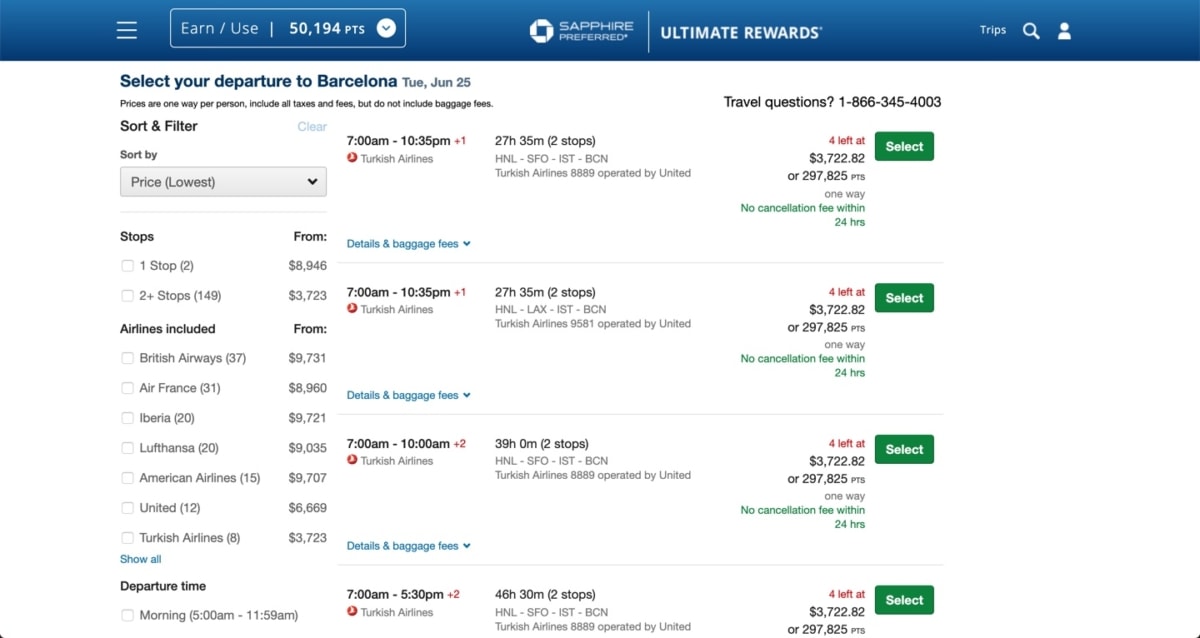
Knowing that I would be redeeming my Chase points, I checked their booking portal to see what they were offering. And, as I expected, Chase’s point valuation was too low. They wanted nearly 300,000 points for a mixed-class flight in business (a mix of economy and business seating) and more than 900,000 for a flight in first! That’s way more than I was willing to part with—and I knew I could do better. A lot better.
By doing a little of my own research, I also learned that these business class flights were actually in United Polaris. And while there is a slight difference in service, Polaris First and Polaris Business are essentially the same product. For those who want to get technical, they are different flight classes, yes, but really, I consider any seat in Polaris to be first class.
Another way to redeem points is to transfer them to your airlines loyalty program. This turns your reward points directly into frequent flyer miles that can be used towards the flight purchase or an upgrade with that airline.
But, when booking a flight using frequent flyer miles, flexibility is key. The airline might enforce blackout dates or have limited seat availability for award travel. So it’s best to keep your travel dates open.
And while you’re more likely to get a better return by transferring the miles, it’s not always the case. You’ll need to do the math to see where you get more bang for your buck.
Step 3: Use Point Valuations to Find the Best Award Fare
Knowing that United had the best flight between HNL and BCN, and knowing that the Chase Booking Portal didn’t offer a very good point valuation on this flight, I decided to check the United website directly.
You see, the value of a point depends on the credit card and the frequent flyer program. For example, Chase Ultimate Rewards points can be redeemed for between 1 and 1.5 cents each if booking through the Chase Ultimate Rewards portal.
But here’s the thing—you might be able to stretch your points even further by transferring them into a frequent flyer program with an airline. And that’s exactly what I did.
According to everybody’s favorite tipster, The Points Guy, Chase Ultimate Rewards points should have a value of 2.1 cents each when transferred to an airline. That’s more than twice the potential value than if you book through the portal!
Using this baseline of 2.1 cents per point, I could make sure the flight I redeemed either matched or exceeded that valuation. And since I bank with Chase, all my points transfer to the United MileagePlus program at a 1:1 ratio.
Step 4: Book the Flight with the Best Point Valuation
So, how did my points break down?
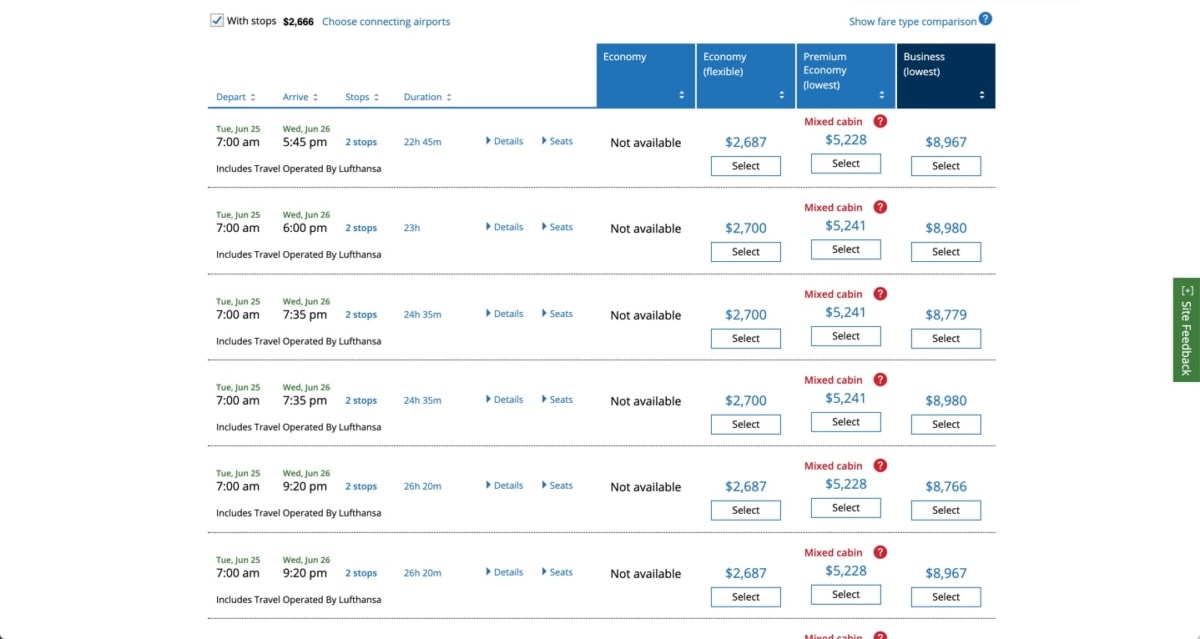
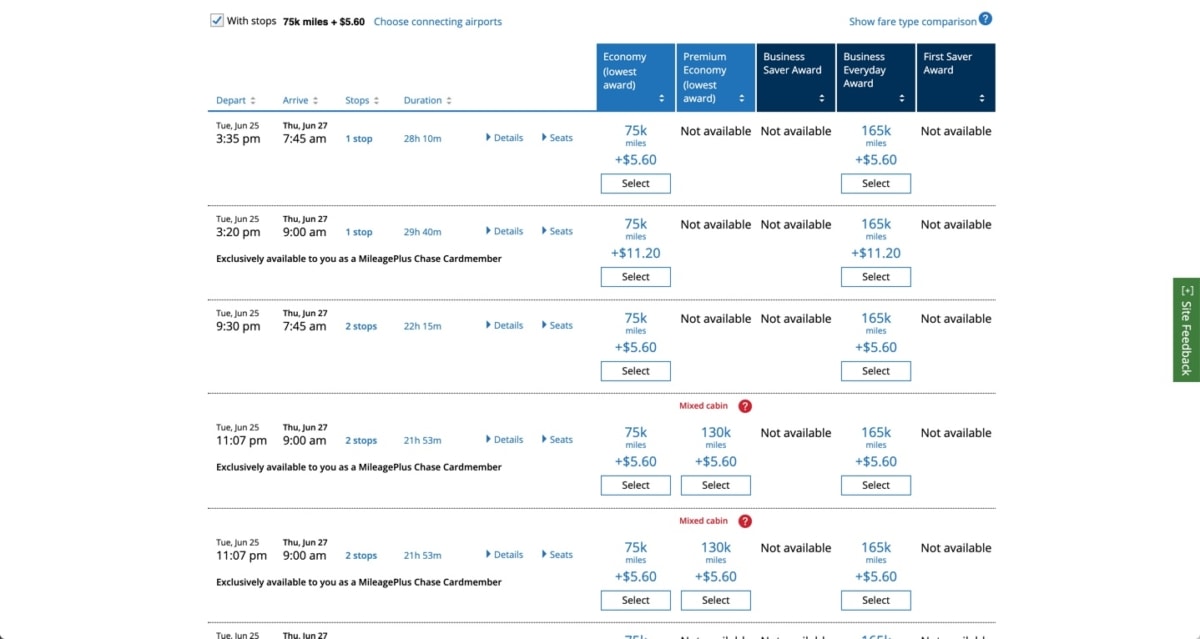
On the United website, my flight cost $8,967 one way. I then searched for an award fare (which United makes very easy), and there were quite a few options. I could spend 70,000 points for a ticket in economy or 165,000 points for a ticket in United Polaris—their version of first/business class with lie-flat beds.
HNL to BCN in cash
Based on the 2.1 cent valuation and 1:1 transfer ratio, if I booked using 165,000 points, the cash value of the flight dropped down to $3,360.
In other words, an $8,967 ticket in United Polaris actually only cost $3,360 if I paid using points directly through United MileagePlus. But in reality, the flight only cost me $5.60.
HNL to BCN award fares
I logged into my Chase account, transferred the points to my United MileagePlus account (it’s an instantaneous transfer), and booked the flight for 165,000 points—all of which I earned absolutely free.
After a few clicks, 165,000 points and a five-buck credit card charge, I had a first-class flight to Barcelona, all the way from Hawaii. Not bad, eh?
How to Easily Earn Miles and Points
This kind of travel is actually really easy. Yes, it takes time to accumulate points, but if you start soon—even if you don’t have a trip planned—you’ll have the miles on hand for whenever you decide to take off in the future.
But how do you even earn those points in the first place? Despite what you might think, you don’t actually have to travel in order to get them!
1. Wait for a Big Sign-Up Bonus with a Credit Card
The fastest way to earn reward points is to sign up with a credit card that has a generous signup bonus for new customers. The number of reward points differs between companies and can change depending on the time of year. So it’s always best to wait for a special deal that offers the maximum number of bonus points.
Keep in mind that you’ll only earn the points after spending a certain dollar amount in the first few months. But if you score a good signup bonus, and you know you can meet the minimum spend requirement, there’s almost no reason not to.
Something really important to note is that signing up for credit cards does not negatively impact your credit score. Many people don’t sign up for credit cards because they think it’s going to hurt their credit score, but that’s actually not true. You might get a small ding on your credit report and, okay, your score might drop by a couple points (literally, just a couple points), but that’s short-lived.
Since credit scores are highly influenced by your credit utilization, opening a new credit card can actually increase your credit score. With a higher credit limit and a lower utilization percentage, there is actually more to gain.
Many travel hackers—myself included—open and close credit card accounts on a rotating basis, just for the sake of earning sign-up bonuses, all while earning potentially millions of points per year (seriously). And they do this while maintaining excellent credit scores.
2. Earn Points on Everyday Purchases
Once you have one of these credit cards, you should be charging literally everything to your card. Most offer at least one point per dollar spent. However, there are other cards that will double or even triple the number of points you earn.
Some cards—like my personal favorite, the Chase Sapphire Reserve—offer three points for every dollar you spend on travel. So, whether you’re taking an Uber or booking a flight, you stand to earn three times as many points when you book on your card.
Other cards offer similar multiplier bonuses when you charge at bars, restaurants, grocery stores, gas stations, office supply stores, and more. Each card offers different bonuses, so it’s important to do your research and get the cards that make most sense for how and where you spend.
This is by far one of the easiest ways to maximize your points. By simply using your credit card on ordinary purchases, you can rack up mass amounts of points in a short period of time.
3. Shop Through the Online Shopping Portal
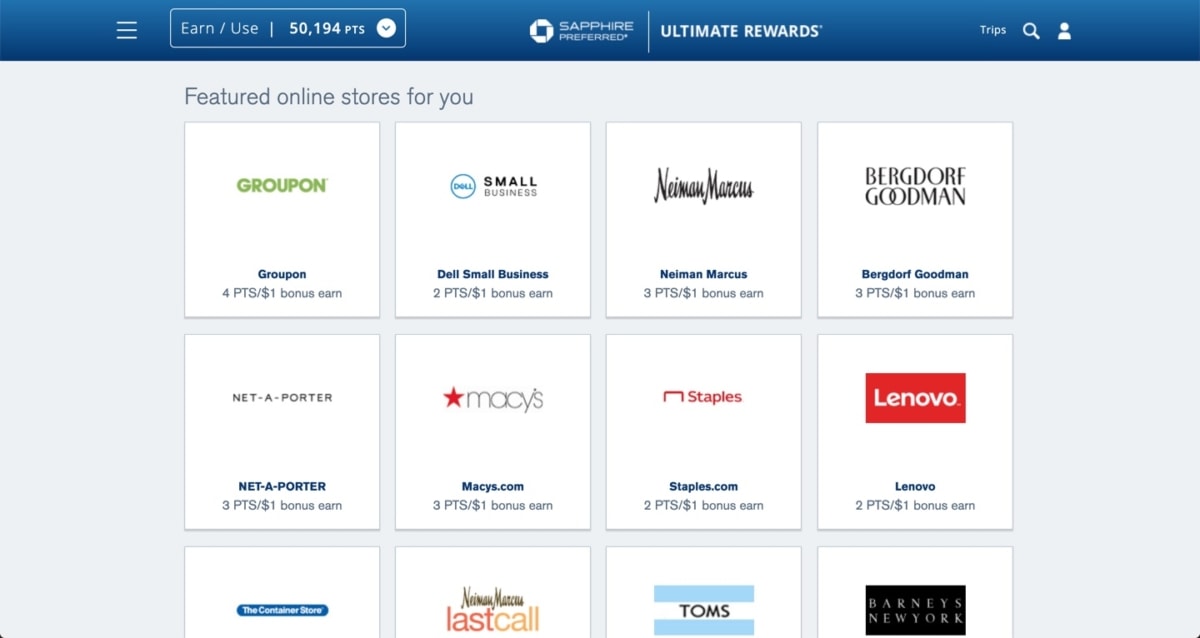
Almost every airline loyalty program or credit card company has an online shopping portal that connects directly the brands and shops you know and love. If you’re a big online shopper, then you can earn bonus miles just by clicking through the portal first. This is another one of the easiest ways to earn points without ever taking a flight.
Inside the Chase Shopping Portal
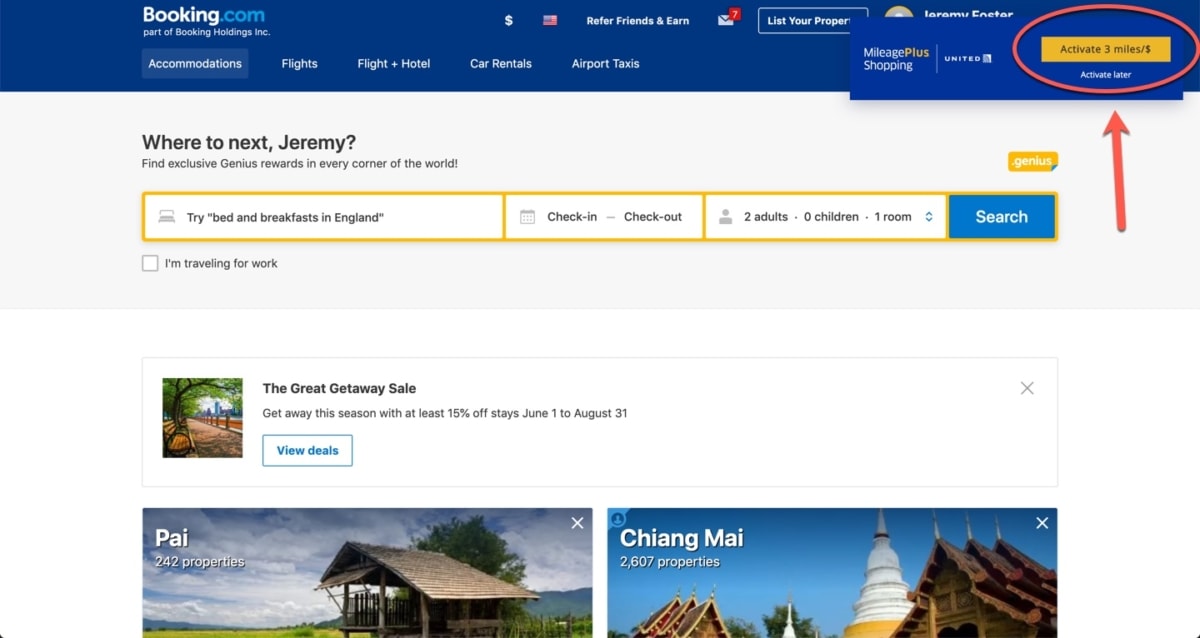
Living on the east coast of the States, United was the airline that most often connected me to the places I wanted and needed to go. So I installed the MileagePlus Shopping extension in my browser, and now, every time I visit a website to buy something, it shows me if there’s a multiplier available for that merchant.
This is when things can start to get really lucrative. When you combine your credit card multipliers with loyalty program multipliers, you can earn a heck of a lot more points.
For example, United MileagePlus offers three points per dollar on all purchases made on Booking.com. So, if you book on a credit card that’s giving you three points per dollar, like the Chase Sapphire Reserve, and you book it through the MileagePlus portal, you’re actually earning SIX POINTS PER DOLLAR on that transaction. That kind of return is insane, and if you think about point valuations, instead of earning the original 1 or 1.5 cents per dollar, you’re earning more than 10 times more at 12.6 cents per dollar.
And this is only the tip of the iceberg.
The MileagePlus Chrome Extension lets me know when point multipliers are available. I’ll earn 6 points/dollar on these purchases!
There are a lot of ways to earn points, but by far, the easiest is through credit card signups, bonuses and strategic spending. These days, anytime I spend a single dollar, I think about how I might be able to maximize that dollar for points. Instead of purchasing blindly, I’m more calculated in how I spend my money, and which credit cards I’m using, which means I’m getting the most bang for every buck I spend.
It might sound intimidating at first, but you have to start somewhere. And when you’re on a 30 hour flight across the world, relaxing in first class with a lay-flat bed and free booze, you’ll never find yourself wondering, “What’s the point?”
(See what I did there?)
About the Author
Jeremy Scott Foster
Jeremy Scott Foster is an adventure-junkie, gear expert and travel photographer based in Southern California. Previously nomadic, he’s been to ~50 countries and loves spending time outdoors. You can usually find him on the trail, on the road, jumping from bridges or hustling on his laptop working to produce the best travel and outdoors content today.


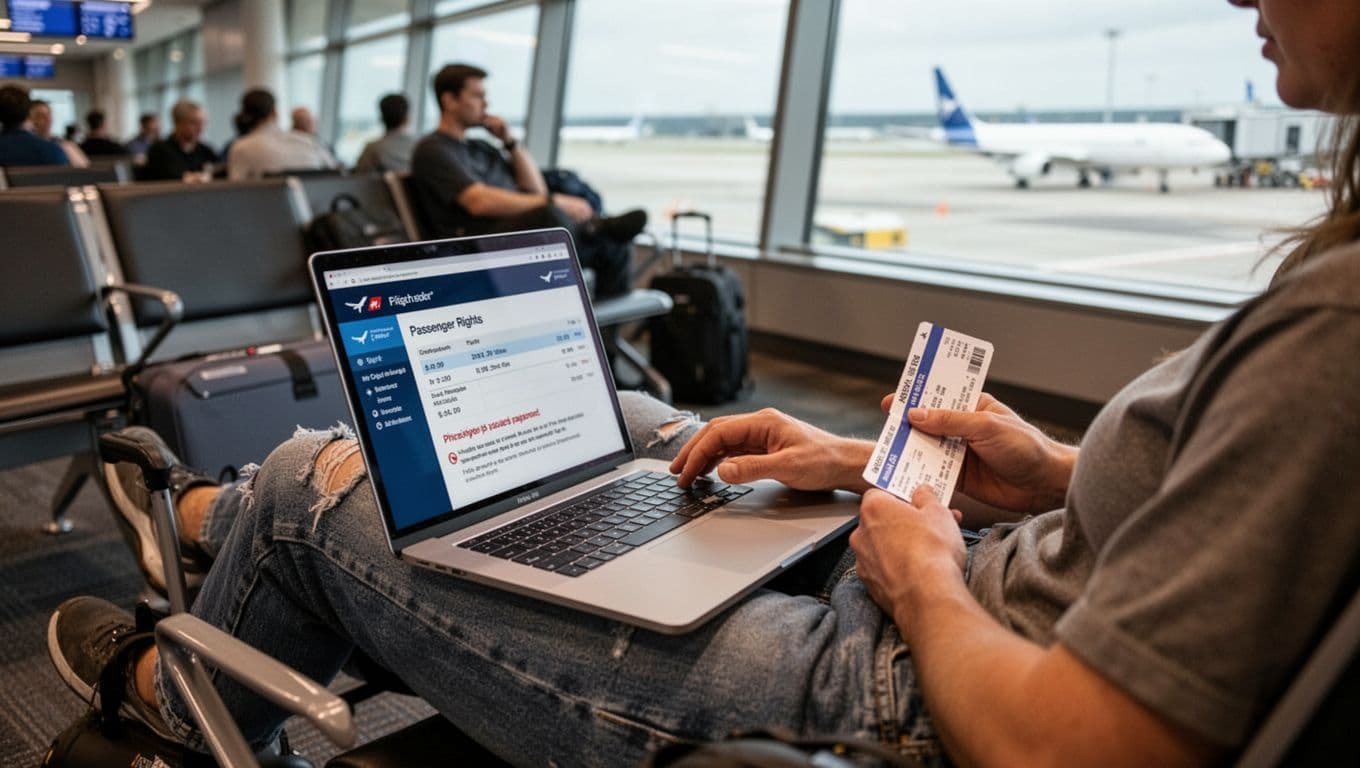
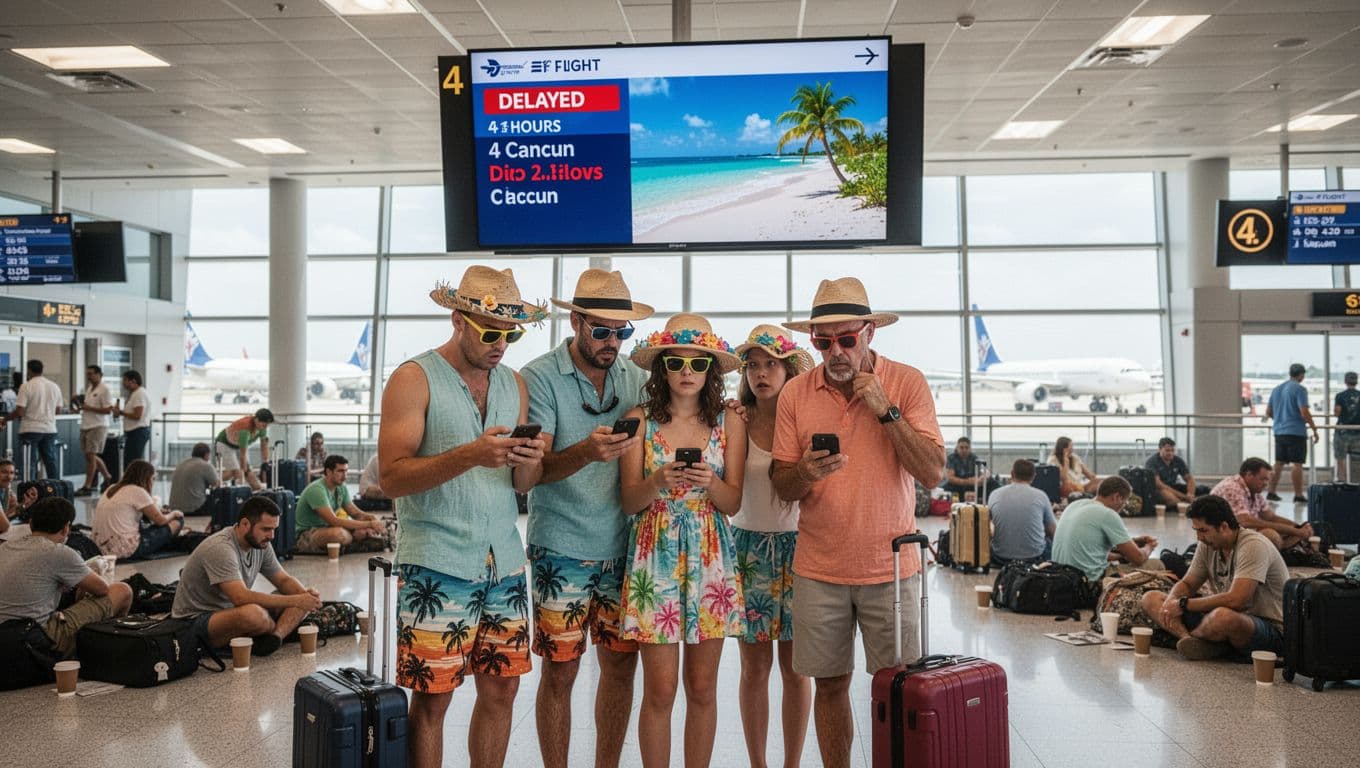
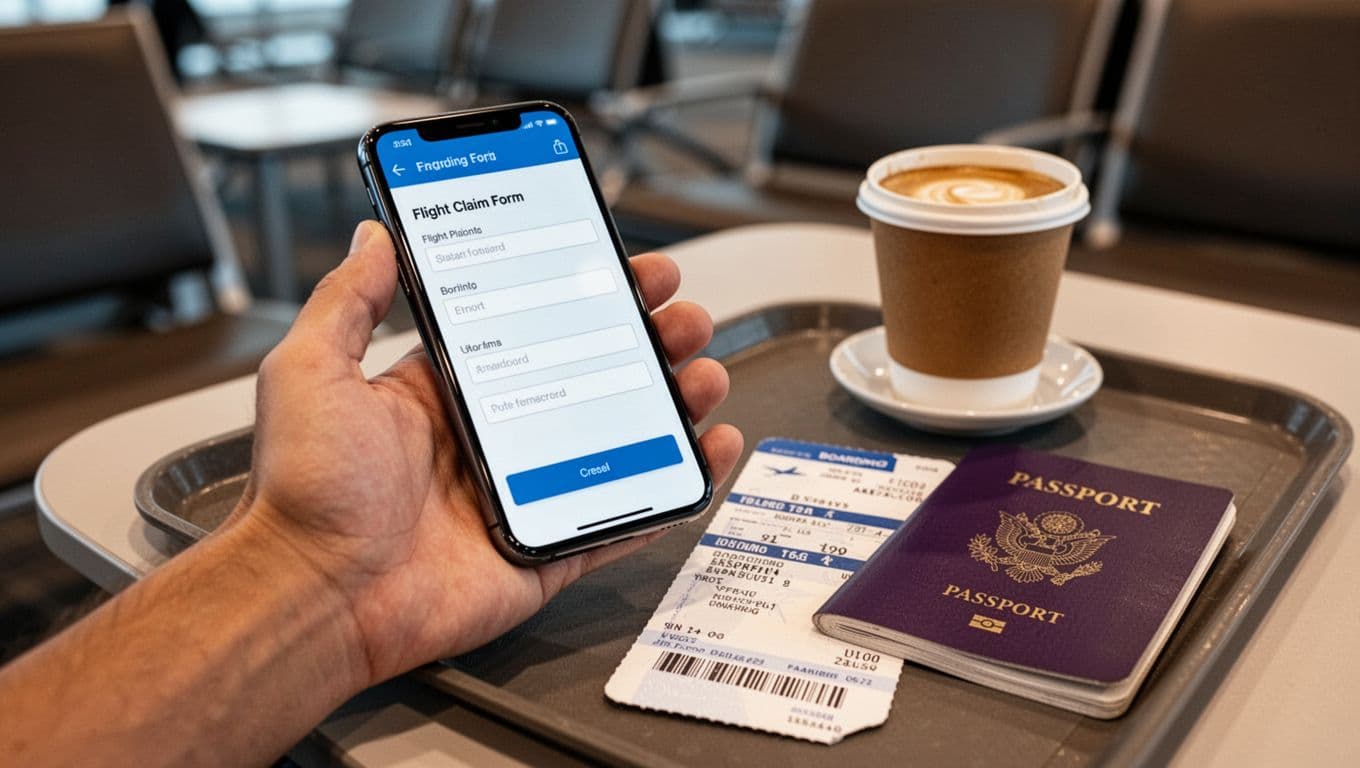
 Photo by
  Photo by