🎄 Best Caribbean Christmas Destinations 2026: Where to Spend the Holidays
The best Caribbean Christmas destinations for 2026 include Puerto Rico for extended cultural celebrations, the Bahamas for Junkanoo parades, St. Lucia for romantic luxury, Barbados for polished traditions, and Aruba for easy beach logistics. The right choice depends on your preferred pace, weather, and budget.
Affiliate Disclosure: This article contains affiliate links. Qualifying bookings or purchases made through these links may generate a commission for I Need My Vacation at no additional cost to you. We recommend services and information we believe may help with trip planning. Thank you for your support!
🌴 Compare Live Holiday Prices for December 2026
Christmas week is peak season. Compare live flight prices first, then review refundable accommodation options before high-demand room categories sell out.
🗺️ Which Caribbean Island Fits the Christmas Trip You Actually Want?
The right Caribbean island depends on the trip you want, not just the resort photo. Families, couples, and divers often need completely different setups. Start with your preferred pace, then compare flights, transfers, and room categories using these Caribbean holiday booking tips before you start searching.
If You Want
Best Island Pick
Why It Works
Watch For
Long celebrations
Puerto Rico
Parrandas, Three Kings Day, Old San Juan
Busy dates & packed restaurants
Big NYE events
Bahamas
Junkanoo in Nassau & lively nightlife
Late nights & high demand
Romantic luxury
St. Lucia
Pitons, boutique stays, dramatic views
Longer airport transfers
Polished tradition
Barbados
Beaches, dining, Christmas morning strolls
Higher holiday room rates
Relaxed beach time
Aruba / Curaçao
Easy resort bases, white-sand beaches
Less focus on street festivals
✈️ 2026 Holiday Airfare Snapshot (round-trip economy, from ~): JetBlue JFK–SJU (Puerto Rico) ~$450; American MIA–NAS (Bahamas) ~$520; Delta ATL–UVF (St. Lucia) ~$680; American MIA–BGI (Barbados) ~$580. Fly mid-week in early December to save.
🏨 2026 Christmas Resort Snapshot (from ~ per night, Dec 20-27):El Conquistador Resort (PR) ~$350; Atlantis Paradise Island (Bahamas) ~$650; Jade Mountain (St. Lucia) ~$1,800; Sandy Lane (Barbados) ~$2,500; Sandals Dunn’s River (Jamaica) ~$600; Riu Palace Antillas (Aruba) ~$450.
🇵🇷 Why Does Puerto Rico Have the Longest Christmas Season?
Puerto Rico Christmas celebrations are a strong choice if you want more than a resort party. The holiday season commonly begins in late November and continues into January, including Three Kings Day (Jan 6) and the Fiestas de la Calle San Sebastián. That creates a much longer window than a standard December 24 to January 1 trip.
What makes a Puerto Rico Christmas special?
Puerto Rican holiday life is loud, social, and food-focused. Documented traditions include parrandas (surprise musical visits) and aguinaldos (traditional holiday songs). Old San Juan combines cobblestone streets, colorful buildings, and festive lights. For classic holiday meals, look for lechón asado (roast pork), pasteles, and coquito (a creamy coconut rum drink). Puerto Rico’s official holiday traditions guide covers the full calendar.
🎭 Is the Bahamas the Best Pick for Junkanoo and New Year’s?
The Bahamas offers a true event trip, especially if you stay in or near Nassau. The Junkanoo parade brings elaborate costumes, goatskin drums, cowbells, and street-party energy that goes far beyond a resort’s New Year’s playlist. The official parade dates are Boxing Day (December 26) and New Year’s Day (January 1), with festivities centering around Bay Street, often beginning before sunrise.
⚠️ Harsh truth for families: Don’t build a trip with young children entirely around a 3 a.m. parade. The crowds, noise, and road closures can make parade nights challenging for early bedtimes. Treat Junkanoo as an exciting option for older kids, not the only thing your vacation has to deliver.
🥂 Should Couples Choose St. Lucia or Barbados for the Holidays?
St. Lucia suits travelers who want the Caribbean to feel scenic and private. The Pitons, rainforest roads, and hillside infinity pools create a distinctive setting. Luxury resorts like Jade Mountain and Sugar Beach offer incredible views, but mountain roads make airport transfers longer. Barbados feels festive without asking you to stay out all night. Christmas morning at Queen’s Park is a well-known local tradition where residents dress up and gather after church. It suits food-focused travelers and couples who want a polished, traditional Christmas Day.
🚖 Pre-Book Your Holiday Airport Transfers
Christmas week means crowded taxi stands and surge pricing. Lock in a fixed-price private transfer from the airport directly to your resort.
💡 When the page opens: Type “UVF airport to Jade Mountain” or “BGI airport to Sandy Lane” for a guaranteed fixed holiday rate.
🏖️ Are Aruba, Curaçao, and Bonaire Better for a Calmer Beach Christmas?
The Dutch Caribbean ABC islands suit travelers seeking sun, sand, and a calmer holiday rhythm. Aruba is easy to understand: pick Palm Beach or Eagle Beach and build the trip around straightforward resort logistics and crystal-clear water. Curaçao suits travelers who want the colorful architecture of Willemstad, excellent restaurants, and shore excursions. Bonaire is strictly for travelers focused on world-class snorkeling and diving, with very little nightlife.
💰 How Do You Budget and Book a Caribbean Christmas Without Surprises?
Christmas through early April is peak season across much of the Caribbean. A low nightly rate may exclude taxes, resort fees, mandatory holiday gala dinners, baggage, and transfers. Use a Caribbean vacation cost guide to build a transparent trip worksheet before booking. If you have a costly nonrefundable booking, use this Caribbean travel insurance guide to check what trip interruption and weather-related terms actually mean.
🧳 Premium Holiday Travel: Protect Your Gifts & Garments
TUMI 19 Degree Aluminum International Carry-On (~$850)
Holiday travel means hauling fragile gifts, formal wear for Christmas dinners, and expensive resort wear. The TUMI 19 Degree Aluminum Carry-On features a crush-proof alloy shell that protects delicate items from baggage handlers, a built-in suiter folder to keep holiday outfits wrinkle-free, and TSA-approved integrated locks for seamless security checks.
💡 When Amazon opens: Copy/paste “TUMI 19 Degree Aluminum International Carry-On” to compare finishes like Silver, Black, or Pacific Blue.
What belongs in your holiday carry-on?
Bring medication, prescriptions, sunscreen, swimwear, a light layer, one dressier outfit for Christmas dinner, chargers, and copies of important travel documents. Keep essentials in your carry-on in case checked bags arrive late. For a few practical last-minute items, shop Caribbean travel essentials on Amazon before you go.
📱 Stay Connected During the Holidays
Skip the expensive resort Wi-Fi fees and roaming charges. Activate an eSIM before you fly so you can post holiday photos and navigate the island immediately.
💡 When the page opens: Select the regional “Caribbean & Latin America” eSIM to cover multiple islands on one plan.
❓ People Also Ask: Caribbean Christmas FAQ
1. What are the best Caribbean Christmas destinations for families?
Aruba is excellent for straightforward beach planning and all-inclusive resorts. Puerto Rico gives families food, lights, and cultural activities. Barbados offers a calmer holiday rhythm, while the Bahamas adds massive resort amenities and the optional Junkanoo parade.
2. Which Caribbean island has the longest Christmas celebration?
Puerto Rico has one of the Caribbean’s longest holiday seasons. Celebrations begin in late November and continue into mid-January, featuring Christmas Eve (Noche Buena), Three Kings Day on January 6, and the San Sebastián Street Festival.
3. What is the cheapest way to book a Caribbean Christmas trip?
Flexibility is the biggest money saver. Compare nearby departure dates, accept a garden-view room, and avoid adding extra island hops. During Christmas week, packages at all-inclusive resorts aren’t automatically cheaper once you add mandatory holiday gala dinners and transfers. Compare the final total before booking.
🎄 Pick the Celebration, Then Book the Trip
The smart move isn’t chasing the lowest price on one random island. It’s picking the holiday experience you want, then paying for the parts that matter. Puerto Rico fits culture, and Nassau fits Junkanoo. Barbados suits tradition, Jamaica offers food and resort variety, and St. Lucia works well for scenery and couples. Christmas week rewards early decisions. Book the right dates, read the fine print, and leave room in the budget for the moments you will remember.
🌴 Ready to Lock In Your Christmas Escape?
Compare live holiday inventory and secure your preferred room category before the peak-week sellout.
🤿 Best Caribbean Snorkeling Without a Boat: 2026 Shore-Reef Guide
The best Caribbean snorkeling without a boat in 2026 is found on Bonaire, Curaçao, Grand Cayman, Turks and Caicos, and St. John. These islands offer reliable beach entry, nearshore reef access, and diverse marine life, allowing flexible sessions without booking scheduled boat trips.
Affiliate Disclosure: This article contains affiliate links. If you book or purchase through these links, I Need My Vacation may earn a small commission at no extra cost to you. We only recommend services we genuinely trust and use ourselves to help you plan the perfect trip. Thank you for your support!
🌴 Start with the Beach Location, Not Just the Resort Name
Compare refundable stays near beach-access reefs and search flexible Caribbean flights for your 2026 dates.
🏝️ What Are the Best Caribbean Islands for Snorkeling Without a Boat?
Bonaire, Curaçao, Grand Cayman, Turks and Caicos, and St. John are strong starting points because useful reef habitat is reachable directly from shore. A glossy beach photo can fool you, since some islands have pretty sand but weak nearshore habitat. Others look modest from shore, then deliver turtles, parrotfish, and coral gardens ten steps into the water.
Island
Representative Shore Sites
Entry & Beach Access
Best For
Bonaire
Bari Reef, Karpata
Rocky or sandy, site-dependent
Serious Reef Time
Curaçao
Tugboat Beach, South Coast
Usually calm, short swim
Couples & Road Trippers
Grand Cayman
Spotts Beach, Smith Cove
Easy beach entry when calm
Families & First-Timers
Turks & Caicos
Smith’s Reef, Bight Reef
Sand with nearby coral
Luxury Beach Stays
St. John
Trunk Bay, Maho Bay
Gentle beach entry
Nature & Park Lovers
🚶️ Why Does Shore Access Change the Snorkeling Trip?
Boat trips add cost, fixed timing, group waits, and weather dependencies. With shore snorkeling, travelers choose short sessions, return to the beach, and adapt to changing conditions. Go early when the water is glassy, return after lunch, or skip a rough afternoon. Families can swim for 20 minutes instead of committing to a three-hour outing.
A house reef is not always a good snorkel reef. Ask how far you must swim, whether the beach is exposed, and where you get out if the water changes.
🐠 Which Islands Offer the Best Reef Time for Serious Snorkelers?
Bonaire is built for independent snorkelers. The island’s dry, low-rise coastline makes the reefs feel like a road trip. Yellow roadside markers identify many entry points, and nearshore coral reefs often begin close to shore. Bari Reef is a practical starting point near Kralendijk, while Karpata offers dramatic reef structure but more exposed entry. Curaçao rewards travelers who like exploring with bright blue coves and wrecks like Tugboat Beach.
⚠️ Marine Park Fees: Bonaire’s waters are managed as a protected marine park. Check the official STINAPA Nature Fee (currently ~$40 for 2026) before you go. Curaçao also has specific marine park zones with their own rules.
🚗 Rent a Car to Reach the Best Coves
Curaçao and Bonaire reward travelers who explore. Secure an SUV or compact car before you land to access remote yellow-marker dive and snorkel sites.
💡 When the rental page opens: Type “Curacao Airport (CUR)” or “Bonaire (BON)”, select your dates, and filter by “SUV” for gear space.
👨👩👦 Where Can Families Find Easy-Water Snorkeling?
Turks and Caicos, Grand Cayman, and St. John are easier sells for families. Grand Cayman’s Spotts Beach and Smith Cove offer simple entries and frequent sea turtle sightings. Turks and Caicos features Smith’s Reef and Bight Reef with soft sand and clear water. St. John’s Trunk Bay features a marked underwater trail and gentle beach entry, perfect for beginners.
⚠️ Harsh Truth: Stingray City (Grand Cayman) and the Belize Barrier Reef are world-famous, but they generally require a boat. If your strict rule is “no boat, no problem,” focus on the shore-accessible reefs listed in this guide.
🛡️ How Do You Stay Safe and Protect the Reef?
Shore snorkeling requires a buddy, an honest assessment of your ability, and an exit plan. Watch for breathing trouble early—if you feel chest tightness or sudden breathlessness, exit immediately. Coral is living habitat; never stand on it, drag equipment across it, or use it to stabilize yourself. Prioritize shade and a rash guard, and follow local reef-safe sunscreen rules.
🤿 Pack Dependable Snorkel Gear
Bring a well-fitting mask, short travel fins, and a UPF rash guard to avoid rental fees and ensure proper hygiene.
💡 When Amazon opens: Copy/paste “anti fog snorkel mask adult” or “UPF 50 rash guard”.
📅 When Is the Best Time to Go and Where Should You Stay?
December through April is popular and comparatively drier, though May through early summer can offer better value before the Atlantic hurricane season peaks. Choose a hotel within a short walk or drive of your target reef to make short sessions easier.
✈️ 2026 Airfare Snapshot (Round-Trip Economy, from ~): JetBlue (JFK–CUR/BON connection) ~$450; American (MIA–PLS) ~$380; Delta (ATL–SJU for St. John ferry) ~$250.
🏨 2026 Accommodation Pricing:Buddy Dive Resort (Bonaire) ~$180/night; Corendon Mangrove (Curaçao) ~$200/night; Kimpton Seafire (Grand Cayman) ~$550/night; Ocean Club West (TCI) ~$450/night; Cruz Bay Vacation Rentals (St. John) ~$400/night.
📱 Stay Connected for Marine Forecasts
A local eSIM helps with beach-condition checks, tide maps, and messaging drivers without relying on spotty resort Wi-Fi.
💡 When the page opens: Select the “Caribbean” or “Global” regional plan and install before you fly.
A ride-on smart suitcase turns long terminal layovers and connection sprints into the easiest part of your travel day—the ultimate airport hack for island-hopping days.
❓ People Also Ask: Caribbean Snorkeling FAQ
1. Which Caribbean island has the best shore snorkeling for beginners?
St. John (Trunk Bay) and Grand Cayman (Smith Cove) are excellent for beginners. They offer gentle, sandy beach entries, calm protected waters, and clear visibility, allowing new snorkelers to build confidence without dealing with rocky shores or strong currents.
2. Do I need to rent a car to snorkel from the beach in the Caribbean?
It depends on the island. In Bonaire and Curaçao, a rental car is highly recommended to access the best yellow-marker shore sites and secluded coves. In Turks and Caicos or Grand Cayman, you can easily rely on taxis or stay at a beachfront resort with a house reef.
3. Is it safe to snorkel from the shore without a guide?
Yes, provided you use the buddy system, check local marine weather forecasts, and stay within your swimming ability. Always identify your exit point before entering, avoid snorkeling during high winds or rough surf, and never turn your back on the ocean.
🌅 Pick the Island That Matches Your Water Comfort
The best shore snorkeling trip isn’t always on the island with the most famous reef. Choose the island and beach where you can enter comfortably, see worthwhile habitat, and exit safely. For repeat reef access, choose Bonaire; Curaçao suits variety and independent exploring. Choose Grand Cayman or Turks and Caicos for easier beach logistics, or St. John for protected scenery.
🌴 Ready to Book Your Shore-Reef Getaway?
Compare refundable stays near the best beach-access reefs before inventory shrinks for 2026.
This article contains affiliate links. If you book through these links, I Need My Vacation may earn a commission at no extra cost to you. We only recommend services we trust and use ourselves.
🌴 Best Caribbean Islands for Solo Travel in 2026
Caribbean islands solo travel is easiest when you choose destinations with walkable bases, reliable transit, and social activities. For 2026, Aruba, Curaçao, Grand Cayman, Puerto Rico, and Barbados offer the best mix of safety, pristine beaches, and vibrant culture for independent and solo female travelers.
A solo Caribbean trip can feel freeing, not lonely, even in a tropical paradise. That same low-stress setup matters immensely for solo female travel. I look for pristine beaches nearby, a safe route home after dinner, and tours where arriving alone feels completely normal.
As a solo traveler, I don’t pick the cheapest room first. I pick the island where my money won’t disappear into taxis, surprise resort fees, and awkward one-person logistics. With brand-new boutique hotels opening in 2025 and 2026, and competitive off-peak airfare deals from expanding low-cost carriers, traveling alone has never been more accessible or stylish.
✈️ Ready to Price Your Solo Escape?
Compare flexible flight deals and solo-friendly boutique stays before the best new 2026 rooms sell out.
🏝️ Aruba is the easiest first solo trip, while Curaçao, Grand Cayman, Puerto Rico, and Barbados suit travelers seeking more culture, diving, nightlife, or local character.
🚶 Choose a walkable, well-reviewed base near restaurants, beaches, and transport to reduce taxi costs and make evenings safer and easier.
🛡️ Solo female travelers should stay alert after dark, use licensed rides, keep accommodation details offline, and check current island-specific advisories.
🚗 A rental car is most useful in Curaçao and can help in Barbados or Puerto Rico; Aruba and Grand Cayman are often easy to manage without one.
🌧️ Hurricane season runs June through November. Always check cancellation policies and buy travel insurance for medical, evacuation, and trip interruption coverage.
🗺️ Which Caribbean Islands Are Best for Solo Travel in 2026?
The best island for you depends on how much structure you want. Some travelers want a resort beach and a few easy tours. Others want street food, music, snorkeling, and freedom to roam without a big itinerary. Use this quick comparison before booking flights.
🏝️ Island
🎯 Pick It For
📍 Best Solo Base
🚌 Getting Around
Aruba
Easy beaches & low-stress logistics
Palm Beach or Eagle Beach
Bus/Taxi
Curaçao
Culture, food, coves & nightlife
Pietermaai or Jan Thiel
Rental Car
Grand Cayman
Diving & easy beach access
Seven Mile Beach
Walk/Bus
Puerto Rico
City energy, nature & no passport
Condado or Old San Juan
Rideshare
Barbados
Turtles, beach bars & local rhythm
Hastings or Rockley
Bus/Taxi
Why is Aruba the easiest first solo Caribbean trip?
Aruba gets a lot right for independent travelers. Palm Beach has hotels, restaurants, casinos, and sunset spots close together. The local Arubus links Oranjestad with the hotel area, so you can skip a rental car on a shorter stay. Aruba also sits south of the main hurricane belt, making late-summer weather more favorable.
🏨 2026 New & Notable Stays: For solo travelers wanting modern luxury, the newly opened St. Regis Aruba Resort offers exceptional service and safe, walkable beach access. If you prefer an adults-only all-inclusive with a highly social atmosphere (great for meeting people), check out the brand-new Secrets Baby Beach Aruba, which recently opened its doors to rave reviews.
Is Curaçao better for culture, nightlife, and beach-hopping?
Curaçao feels more like a city break with beaches attached. Willemstad offers local culture, colorful waterfront buildings, and amazing cafes. Pietermaai is my favorite base for independent visitors who want dinner, vibrant nightlife, and a short ride home. If you are stuck between these two Dutch Caribbean favorites, this Aruba versus Curaçao comparison breaks down the big differences.
🏨 2026 New & Notable Stays: The highly anticipated Mangrove Beach Core (a new eco-luxury resort in Banda Bou) is perfect for solo travelers wanting nature and wellness. For a boutique city vibe, the revamped Kura Hulanda Village in Otrobanda offers stunning courtyard pools and easy access to local art and dining.
What makes Grand Cayman, Puerto Rico, and Barbados stand out?
Grand Cayman is perfect for diving without car stress; Seven Mile Beach concentrates hotels, dive shops, and restaurants into one walkable strip. The newly opened Ritz-Carlton Reserve, Grand Cayman offers ultra-luxury solo safety, while Palm Heights remains the trendiest, most social boutique spot on the island. Puerto Rico offers city life and tropical nature (no passport required for U.S. citizens). Look into the new District San Juan (Tapestry Collection) for a stylish, solo-friendly boutique experience in Old San Juan. Barbados brings turtles, music, and social beach time; the new The Pearl boutique hotel in St. Lawrence Gap puts you steps from the best local nightlife.
🛡️ How Can Solo Female Travelers Stay Safe After Sunset?
The safest islands are not places where you stop paying attention. Travel safety starts with a simple routine. I always book my first two nights in a well-reviewed hotel or guesthouse near restaurants and transport. Arriving before dark is easier when the front desk, beach, food, and taxi stand are close together.
⚠️ Harsh Truth: A beach can look safe at noon and feel completely different after midnight. Your hotel location matters more than a cheap nightly rate. Don’t turn a dark beach walk into a shortcut just because it looks close on a map. Always order your ride before leaving the restaurant.
Keep your phone charged, carry a backup card, and save your accommodation address offline. A small crossbody bag is easier than bringing a large purse to the beach. For peace of mind, grab a local eSIM so you always have data for maps and rideshare apps.
📱 Stay Connected & Safe
Never rely on spotty resort Wi-Fi for rideshares or emergency maps. Get a regional eSIM before you land.
💰 How Do You Avoid the “Solo Penalty” When Booking?
Traveling alone gets expensive when every part of the trip assumes two people. A private transfer, rental car, villa, and boat charter may look reasonable until you cover every cost yourself. As a solo traveler, I book a walkable base first, then add activities. A $25 taxi each way turns an affordable dinner into a $50 dinner before you even order food.
✅ Plain English Tip: Boutique hotels and guesthouses usually give you more local interaction and better value than massive couples-focused resorts. Look for properties with communal bars, group fitness, or hosted activities to meet people naturally.
How can you score the best 2026 airfare deals for solo flyers?
Airfare is usually the biggest solo expense since you can’t split it. In 2026, look for route expansions from low-cost carriers like Avelo and Breeze Airways, which are adding more secondary Caribbean airports to their networks. If you want luxury, JetBlue’s new Mint Studio suites offer solo-friendly privacy with closing doors. Always fly mid-week (Tuesday/Wednesday) to avoid weekend couple crowds and peak pricing, and use flexible search tools to compare nearby departure hubs.
Should you rent a car when traveling alone?
A rental car is absolutely worth it in Curaçao to reach hidden coves like Playa Kenepa. It can also help in Barbados and Puerto Rico. In Aruba and Grand Cayman, skip it unless you have a packed sightseeing plan. Always compare the full price, including insurance excess and airport fees, and take a video of the vehicle before leaving the lot.
🚗 Rent Smart, Not Stressful
Compare local rental agencies and international brands side-by-side to avoid hidden deposit fees.
🐢 Where Can You Meet People and Swim with Sea Turtles?
The easiest way to meet people isn’t forcing conversation at a hotel pool. Choose group tours built around a shared purpose. Try snorkeling, a cooking class, or a beginner dive. For sea turtles and vivid marine life, book catamaran cruises around Carlisle Bay in Barbados, or snorkeling from Boca Catalina in Aruba.
Respect wildlife. Never touch turtles, chase them, or book operators that feed them for photos. Choose responsible, eco-certified boat operators.
Dining alone gets easier when you choose the right seat. Sit at the bar, ask for an outdoor table, or choose a restaurant serving local cuisine near live music. Bring a book if you want it, but don’t hide behind it. For more budget-friendly ways to explore, check out our guide to the cheapest Caribbean travel deals.
🤿 Book a Small-Group Island Tour
Snorkel with turtles, explore bioluminescent bays, or take a sunset catamaran cruise with other solo travelers.
🌧️ What Should You Know About Hurricane Season and Travel Insurance?
Hurricane season runs from June through November. Storm activity often peaks later in that window, so don’t book a nonrefundable trip just because the price looks good. Aruba and Curaçao sit outside the main hurricane belt, but no island is completely weather-proof. If you travel during this time, Caribbean travel insurance is mandatory for peace of mind.
⚠️ Warning: Read the policy before buying. Emergency medical cover, evacuation, trip interruption, and scuba diving coverage vary wildly by policy. A cheap plan may not cover the medical evacuation you need if you get sick on a remote island.
🛡️ Protect Your Solo Trip
Compare comprehensive travel insurance plans that cover medical emergencies, trip cancellations, and adventure sports.
1. Which Caribbean islands are safest for solo female travelers?
Aruba and Grand Cayman feel easiest for a first visit, especially around Palm Beach and Seven Mile Beach. Curaçao, Barbados, and Puerto Rico also work well in established visitor areas. Always check current island-level advisories before booking.
2. Are all-inclusive resorts good when traveling alone?
They can be. An all-inclusive resort removes daily food and transport decisions, which helps on a short trip. However, choose a boutique hotel or guesthouse if you want restaurants, nightlife, and a less packaged, more social vacation experience.
3. Where is the best place to swim with sea turtles in the Caribbean?
Barbados is a top pick, especially around Carlisle Bay. Aruba snorkeling trips near Boca Catalina and Tres Trapi also offer frequent turtle sightings. Always choose a responsible boat operator and maintain a respectful distance from the wildlife.
🎉 Your Solo Caribbean Trip Can Feel Easy
The best solo trips are not always the fanciest ones. Luxury travel is optional when your base makes it easy to reach your room, the beach, dinner, and a tour without draining your budget. Start with Aruba for simplicity, Curaçao for color and culture, Grand Cayman for water time, Puerto Rico for bigger energy, or Barbados for a social beach escape.
Book the base that makes your nights easy, then build the fun around it.
🎒 Pack Smart for Solo Travel
Anti-theft crossbody bags, waterproof phone pouches, and reef-safe sunscreen are solo travel essentials.
The best Caribbean islands for first-time visitors in 2026 include Aruba, Puerto Rico, the Dominican Republic, Turks and Caicos, Barbados, and Curacao. These destinations are ideal for your inaugural trip because they offer accessible logistics, world-class beaches, and a travel environment designed to minimize common vacation stressors.
A first Caribbean vacation sounds simple until you start comparing airport accessibility, resort zones, ferry connections, passport requirements, and seasonal pricing. I always advise first-timers to prioritize locations with the least amount of friction, such as those offering convenient direct flights, rather than choosing a destination based solely on social media aesthetics. By selecting an island that simplifies your travel experience, you save time and money while avoiding the common pitfalls of international planning. Let’s look at the best Caribbean islands that make for the smartest, most reliable first booking.
Key Takeaways
Aruba is the safest easy-win pick if you want reliable beach weather, stress-free planning, and a polished experience during your first Caribbean trip.
Puerto Rico is the easiest option for many U.S. travelers because you benefit from direct flights, the use of U.S. currency, and no passport requirement for U.S. citizens.
The Dominican Republic is typically the best value for first-timers who want all-inclusive convenience without paying luxury-level prices.
Turks and Caicos wins on sheer beach quality, though keep in mind that it often costs more than many first-time travelers expect.
Curacao and Barbados are better picks when you want more local culture, vibrant color, and opportunities for exploring beyond the resort gate.
Affiliate Disclosure: This article contains affiliate links. If you book or purchase through these links, I Need My Vacation may earn a small commission at no extra cost to you. We only recommend services we genuinely trust and use ourselves to help you plan the perfect trip. Thank you for your support!
🌴 Ready to Plan Your First Caribbean Escape?
Compare real-time prices and lock in the best deals before they disappear!
What makes a Caribbean island easy for first-timers?
The best Caribbean islands for beginners all do the same basic thing; they remove hassle. You do not need the most exclusive island. You need the one that makes your first trip feel fun instead of confusing.
In 2026, that usually means four things. Access to direct flights matters, as does predictable pricing and safe, tourist-ready areas. Beaches and activities need to be good enough that you do not feel forced to keep moving around.
I look at airports before I look at postcards. A stunning island loses points fast if it requires two connections, a ferry, and a late-night transfer. For a first trip, booking an itinerary with direct flights is a vital part of a stress-free vacation.
Safety is also driving bookings harder than ever. Recent 2026 Caribbean travel trend reporting shows travelers are putting a huge weight on safe, secure destinations, along with easier planning and smaller-group trips. That lines up with what I keep seeing. People do not want friction. They want a trip that works.
The “best” first Caribbean island is usually the one that gives you fewer decisions once you land.
I also like islands that work for more than one travel mood. If you want one beach day, one excursion, one good dinner, and one town worth walking around, your trip feels fuller. That is why islands like Aruba, Puerto Rico, Barbados, and Curacao keep rising to the top, as they provide a perfect blend of accessible beaches and authentic local culture beyond the typical resort experience.
Which islands are the easiest first picks?
If you want the short answer, start with Aruba, Puerto Rico, or the Dominican Republic. They cover the three things most first-timers care about most, easy planning, good value, and strong vacation payoff.
Aruba
Aruba is the cleanest first choice for a lot of travelers. It is famous for its iconic white sand beaches and crystal clear waters, paired with reliable weather, calm seas, a polished tourism setup, and plenty of direct U.S. flights. If you want your first Caribbean trip to feel low-stress from the airport to the beach chair, Aruba is hard to beat.
Prices aren’t the cheapest in the region, but the predictability helps. You usually know what kind of hotel area, beach quality, and restaurant scene you’re getting. For couples and first-time luxury travelers, that’s a big win.
Puerto Rico
Puerto Rico is the easiest first Caribbean trip for many U.S. travelers, full stop. No passport is needed for U.S. citizens, the U.S. dollar keeps spending simple, and flight options are usually strong from major cities.
I like Puerto Rico for travelers who want beach time without giving up city energy. You can spend your days exploring Old San Juan for a perfect mix of history and vibrant city energy. If you get restless after two pool days, Puerto Rico makes more sense than a resort-only island.
Dominican Republic
The Dominican Republic is usually the easiest budget-friendly answer for your first Caribbean getaway. Punta Cana and Puerto Plata keep showing up for one reason: they make trips affordable without making them feel cheap.
The abundance of all-inclusive resorts in Punta Cana is the main draw, and for beginners, that is not a bad thing. You lock in meals, drinks, and beach access before you go. If your goal is to book it and stop thinking about it, the Dominican Republic works perfectly. If you want more budget ideas, I already broke down the best value Caribbean islands to visit.
If you are torn between mainland Mexico and a Caribbean island, our Cancun vs Punta Cana comparison breaks down which destination fits your travel style best.
🔥 Don’t Miss These Caribbean Deals!
Prices change daily. Lock in your refundable rate now before the best rooms are gone!
Which islands are better for beaches, culture, and smaller crowds?
Once the easy picks are off the table, the next question is usually style. Do you care more about water color, walkable towns, local food, or escaping the mega-resort feel?
Turks and Caicos
Turks and Caicos, especially Providenciales, is the beach lover’s answer. Grace Bay is the kind of place that makes people stop talking for a second. With crystal clear waters that are bright, calm, and almost too pretty to look real, it sets a high bar for any vacation.
The catch is price. Flights, hotels, and meals can run high. I tell first-timers to choose Turks and Caicos when beach quality is the whole point and the budget can handle it.
Barbados
Barbados feels friendly fast. That is part of its appeal. It has a polished tourism scene, easy English-speaking travel, strong food, a social vibe, and beaches that shift depending on which coast you stay on.
The west coast is calmer and more classic for swimming. The south coast has more buzz. Barbados is a great first pick if you want some nightlife and local flavor without feeling out of your depth.
Curacao
Curacao is one of the smartest islands on this list if you want more than resort life. Willemstad gives you color, architecture, and a real sense of place. The snorkeling and diving are excellent, the beaches are varied, and the local culture provides a unique backdrop that makes driving around the island feel manageable and rewarding.
I like Curacao for independent travelers, couples, and anyone who wants beach days mixed with town time. If that sounds like your kind of trip, here is my deeper guide on exploring Curacao for first-time visitors. I also liked this outside first-timer island comparison, because it lands on many of the same easy-booking picks.
More Options for Your First Trip
If you want something beyond the most popular hubs, consider a few other standout destinations. St. Lucia is perfect for those seeking dramatic landscapes, especially the iconic views of The Pitons. Alternatively, Antigua and Barbuda offer a quieter vibe with beautiful coastlines and fascinating historical sites like Nelson’s Dockyard.
If you want a quieter name to research next, Saint Kitts is also worth a look. This first-timer take on Saint Kitts and Nevis is useful if you want something less obvious than Aruba or Punta Cana.
Which island fits your travel style best?
This quick comparison makes the shortlist easier to sort.
Island
Best for
Cost feel
Why first-timers like it
Aruba
Couples, easy beach trips
Mid to high
Safe feel, direct flights, reliable weather
Puerto Rico
U.S. travelers, solo trips
Low to mid
No passport for U.S. citizens, city plus beach
Dominican Republic
Budget, all-inclusive stays
Budget to mid
Strong value, easy resort booking
Turks and Caicos
Luxury beach vacations
High
Calm water, elite beach quality
Barbados
Social couples, food lovers
Mid to high
Friendly vibe, easy English-speaking trip
Curacao
Independent explorers, snorkelers
Mid
Culture, driving ease, great reefs
St. Lucia
Adventure, romance
High
Iconic scenery, lush rainforests
Jamaica
All-inclusive resort fans
Mid
Massive flight choice, classic vibe
Grand Cayman
Families, water sports
High
Calm water, safe, world-class beach
Sint Maarten
Social, nightlife, dining
Mid
Dual culture, lively beach clubs
The table helps, but the real decision is about how you travel.
For couples, I lean toward Aruba or Barbados as top-tier honeymoon destinations. Aruba feels cleaner and simpler, offering an effortless escape. Barbados feels more social and a bit more local. If you want romance with less trial and error, Aruba wins. If you want beach time mixed with music, rum shops, and a livelier dinner scene, Barbados gets interesting fast.
Families usually do best with the Dominican Republic, Aruba, or Grand Cayman if the budget is higher. The Dominican Republic wins on all-inclusive value and convenience. Aruba wins on ease and reliable beach time. Grand Cayman is a fantastic choice for a family vacation, especially when access to the calm waters of Seven Mile Beach and kid-friendly comfort matter more than price.
Solo travelers often do better in Puerto Rico or Curacao than in resort-heavy islands; for a full list of islands built for trips on your own, see my picks for the best Caribbean islands for solo travel. Puerto Rico gives you easy logistics and more freedom to roam. Curacao provides snorkeling, beach hopping, and enough structure to feel comfortable without feeling boxed in.
Luxury travelers should look hard at Turks and Caicos, Anguilla, and St. Barts. For a true first luxury booking, Turks and Caicos is the easiest of those three. It offers better flight access, world-famous beaches, and less guesswork. St. Barts is more of a villa and scene trip, while Anguilla is quieter and undeniably beautiful.
Adventure travelers need a different lens. If you want hiking, waterfalls, and rainforests, Dominica and St. Lucia deserve more attention than the usual beach-only list. St. Lucia is particularly breathtaking, offering dramatic landscapes dominated by The Pitons. Curacao still works if your idea of adventure is snorkeling, diving, and driving from cove to cove.
Jamaica still belongs in the conversation, mainly for families and travelers who want a classic Caribbean trip defined by its many all-inclusive resorts and huge flight choice. I would just plan it carefully, stay in well-reviewed tourist areas, and check current advisories before booking. If you are interested in a destination with a high-energy vibe, Sint Maarten is another great option, known for its unique blend of French and Dutch cultures and iconic beach clubs. If you are stuck between mainland convenience and an island resort vibe, this Cancun vs Jamaica guide for first-time travelers can help narrow it down.
💑 Planning a Romantic Getaway?
Find the perfect Caribbean resort with verified reviews and exclusive deals!
When should you go, and what mistakes should you avoid?
Timing changes everything in the Caribbean. January through May is the dry season, and it usually gives first-timers the least weather stress. It also costs more. If you want a more budget-friendly deal without taking on peak storm risk, May and June are often the sweet spot.
June through August can still work, and Carnival season adds real energy in some islands. August through October is the part I usually tell first-timers to avoid if they can. That is peak hurricane season, and your first Caribbean trip should not come with extra weather roulette. One exception worth knowing: Aruba sits outside the main hurricane belt, which is part of why fall demand for the island is surging.
Trip length matters too. Four or five days is the minimum I like for a first island trip. Seven to ten days is better if you want the trip to breathe. That also matches broader 2026 travel behavior, with more travelers stretching trips longer and paying more for a better location instead of the absolute cheapest room.
Don’t save $120 on a room and then spend the whole week far from the beach you actually wanted.
The mistakes I see most are simple. People island-hop too much. They pick the most budget-friendly stay they can find without checking its proximity to the iconic white sand beaches they traveled so far to see. They assume every Caribbean island feels the same. It does not. Aruba and Dominica do not deliver the same vacation. Neither do Turks and Puerto Rico.
Another mistake is staying inside the resort bubble the whole time. First-timers do not need to go wild, but one local restaurant, one town walk, or one half-day excursion makes the trip feel real.
How I’d book a first Caribbean trip in 2026
I keep this simple. First, I decide how much friction I am willing to tolerate. If I want the least hassle, I prioritize destinations with frequent direct flights, such as Aruba or Puerto Rico. If price matters most, I start my search with the Dominican Republic. If the beach itself is the main dream, I check Turks and Caicos.
Then, I compare flight costs before falling in love with a specific resort. A destination that looks affordable on paper can turn expensive quickly if the airfare is high. The good news is that 2026 flight pricing looks more stable than in previous years, so patient comparison shopping has a better shot of paying off.
Next, I book the specific area, not just the island. Choosing a location is vital because the vibe changes drastically based on where you stay. For example, Grace Bay offers a very different experience than other corners of Turks and Caicos, just as Old San Juan provides a historic urban feel that is quite distinct from a quiet beach resort zone. Similarly, Palm Beach offers a different Aruba trip than Eagle Beach. This is where first-time travelers either save the trip or accidentally flatten it.
After that, I want one flexible stay, one reliable airport plan, and one activity booked in advance. That is enough structure without overbooking every hour. I also like to land with data ready, because hunting for Wi-Fi after a flight gets old fast.
🌴 Ready to Book Your Caribbean Escape?
Don’t wait for prices to rise. Compare all options and secure your perfect getaway today!
Your first Caribbean trip does not need to be to the flashiest destination. Instead, it should be to the place that perfectly matches your travel style, your budget, and the level of planning you want to undertake.
If you are looking for the safest easy-win, start your search with Aruba. If you prefer the simplest booking process for U.S. citizens, look at Puerto Rico. If you want the best price-to-vacation ratio, the Dominican Republic remains a top contender. With so many options available, finding the best Caribbean islands for your first visit is all about prioritizing your personal travel goals.
When you are ready to lock in your plans, 🌊 compare refundable Caribbean resorts on Expedia. Whether you choose Aruba, Puerto Rico, or the Dominican Republic, a great first island experience is usually the catalyst that makes you want to book your second getaway soon after.
People Also Ask: First Caribbean Trip FAQ
Which Caribbean island is best for first-time American travelers?
For many Americans, Puerto Rico is the easiest first trip because flights are simple, the U.S. dollar is used, and U.S. citizens do not need a passport. It is also a fantastic choice for a family vacation thanks to the mix of accessible beaches and historical sites. Aruba is the better pick if your main goal is a polished beach vacation with fewer moving parts once you land.
What’s the cheapest Caribbean island for a first trip?
The Dominican Republic is usually the most practical budget-friendly choice for first-timers, especially if you want an all-inclusive resort. Puerto Rico can also be a smart value when airfare lines up well. Curacao sometimes surprises people too, because it often gives solid value without feeling like a bare-bones destination.
Is Aruba or Puerto Rico better for first-time visitors?
Aruba is better if you want classic beach vacation ease. Puerto Rico is better if you want beach time plus city life, food, and history. I usually tell couples to start with Aruba and more active travelers to start with Puerto Rico.
How many days do you need for a first Caribbean vacation?
Four to five days is enough for a short first trip, but seven days is better. A week gives you time to settle in, take one excursion, and enjoy the island without turning the whole vacation into an arrival and departure exercise.
What month should first-time visitors avoid in the Caribbean?
August through October is the main stretch to be careful with because hurricane risk is highest then. First-timers usually do best between January and May for dry weather, or in May and June if they want a better price without taking on peak storm season.
Should first-time travelers choose an all-inclusive resort?
If you do not want to think about every meal, drink, and taxi, yes, booking one of the many all-inclusive resorts can be a smart first step. That is why the Dominican Republic and parts of Jamaica remain popular choices. If you care more about culture, local restaurants, and exploring, Puerto Rico, Barbados, or Curacao may fit your travel style better.
Sleep tourism 2025 is rewriting what vacations look and feel like. Consequently, we’re seeing a surge in people looking for deep rest, real relaxation, and science-backed sleep experiences. It’s no longer just about luxury mattresses or blackout curtains, either. Additionally, modern travelers want full-body wellness, stress relief, and places to truly reset—every detail, from technology to aromatherapy, is fine-tuned with rest in mind.
I’ve noticed more destinations building their entire experience around sleep. For instance, think guided meditation after sunset, suites with smart beds and circadian lighting, and endless views designed to quiet the mind. As everyday stress and digital fatigue reach new highs, we’re all searching for trips that make rest a priority instead of an afterthought. In this article, I’ll break down what makes sleep tourism 2025 special and guide you through the best restful escapes and practical travel tips for a healthier vacation. If you crave quality sleep and want to know how travel can help, you’re right where you need to be. This post contains affiliate links. As an Amazon Associate, we earn from qualifying purchases at no extra cost to you.
Ready to discover why sleep tourism is set to be the defining wellness trend of 2025? Let’s get started.
What Is Sleep Tourism? The Rise of Restful Travel in 2025
It’s no secret that sleep has quickly become the centerpiece of wellness travel, and in 2025, sleep tourism has fully come into its own. Therefore, instead of squeezing rest into a busy itinerary, travelers are planning entire vacations around deep relaxation, mindful sleep, and true rejuvenation. Sleep tourism 2025 is so much more than sinking into a luxury mattress. Moreover, it’s a movement, with science and nature blending to help people reset and wake up to the best version of themselves.
Sleep tourism means choosing destinations, hotels, and experiences specifically to improve the quality of your rest. For example, think places built for slumber, where calming lighting, white noise, and even menu options support your body’s natural rhythms. These are not just sleep-friendly hotels—they’re immersive retreats, forest cabins, seaside hideaways, and wellness resorts.
The trend has exploded thanks to more studies proving that good sleep isn’t just nice to have, it’s essential for mind and body health. Furthermore, high-end resorts and even smaller wellness lodges are investing in sleep sanctuaries. Whether it’s blackout blinds, pillow menus, circadian lighting, or rooms scented with lavender, every detail is designed to help guests sleep deeper and wake up refreshed.
You might hear about “wellness travel for sleep 2025” at yoga retreats in Bali or read about “sleep tourism destinations for relaxation 2025” in the latest travel journals. Nevertheless, the focus is always the same: making rest the main reason for your trip.
Why Sleep Tourism Is Trending in 2025
Modern life has made true rest harder to find. Consequently, many of us are glued to screens, working odd hours, or living in noisy cities. This has awakened a global search for restful travel spots in 2025—places that offer the kind of quiet, darkness, and peace we don’t always get at home.
People are choosing sleep tourism because it offers:
Deeper Relaxation: Destinations use aromatherapy, wellness amenities, and custom sleep programs to help visitors unwind.
Science-Backed Sleep: Hotels collaborate with sleep scientists so guests get real benefits, not gimmicks.
Healing from Burnout: These trips are designed for overworked, stressed travelers needing an escape that restores both body and mind.
According to recent trends, some of the best sleep destinations in 2025 include places with quiet natural beauty, clean air, gentle night routines, and specialized sleep packages.
Wellness Travel Meets Sleep: A New Vacation Mindset
Classic vacations might mean late-night parties or sightseeing until you drop, but sleep tourism flips that script. For instance, imagine checking into a forest cabin in Oregon, choosing a pillow to match your sleep style, or practicing evening yoga under the stars in Bali. From luxury sleep pods to guided meditation, these experiences focus on holistic wellness: mind, body, and sleep working together.
The goal is simple—return home feeling healthier, sharper, and truly rested. Therefore, for anyone researching “how to plan a sleep vacation 2025,” it’s not just about a good bed. It’s about every moment designed to help you slow down, stay present, and sleep better than ever before.
Ready to see where this sleep-first trend is headed? Stay tuned as I cover the best restful travel spots for 2025 and how to make the most of your sleep vacation.
Top Sleep Tourism Destinations for 2025
If you’re craving a true reset, your travel plans matter as much as your bedtime routine. Consequently, sleep tourism 2025 has destinations turning silence, comfort, and scenery into genuine sleep sanctuaries. Discover where to surrender to rest and how each spot unlocks a different kind of wellness. This guide features sleep-rich escapes and practical advice for deeper rest, no matter where the year takes you.
Finnish Lapland, Finland: Sleep Under the Northern Lights
Imagine the hush of snowy forests, crisp night air, and a reverent silence broken only by the rustle of birch trees. Finnish Lapland is a sleep tourism 2025 dream—especially for anyone searching for dark skies and the surreal magic of the Northern Lights. The region’s silence retreats champion total quiet, while guided meditation and forest bathing melt away stress. Many eco-lodges are far from any city, allowing pure circadian rhythms to unfold naturally.
Nature immersion: Stay in glass igloos or remote cabins, designed for viewing the aurora right from your bed.
Meditation routines: Wake to guided mindfulness sessions, or stroll snow-covered woods in the quiet dawn.
Packing tip: The nights here are darker than you may be used to. Bring a top-rated sleep mask for gentle darkness and better rest (as an Amazon Associate, I earn from qualifying purchases).
Best experience: Visit November to March for the peak Northern Lights season. Dress in layers and always allow extra time for silent reflection to capitalize on the region’s peaceful energy.
Tuscany, Italy: Rural Villas and Organic Sleep Sanctuaries
Rolling hills and olive groves set the tone in Tuscany—one of 2025’s best sleep destinations. Rustic villas are now doubling down on wellness, offering organic mattresses, hypoallergenic bedding, and farm-fresh air with views for miles. Nights are wrapped in stillness, interrupted only by crickets or distant church bells.
Sleep-inducing amenities: Many villas supply lavender sachets, blackout drapes, and herbal teas for a soothing bedtime.
Noise defense: While countryside nights are peaceful, Mediterranean summers sometimes bring festival music. I recommend noise-canceling headphones for afternoons or travel naps.
When to travel: Late spring (May–June) and early fall (September–October) offer quiet, mild weather—perfect for outdoor stargazing and long naps.
Booking tip: Choose properties that advertise sleep or wellness packages for extras like in-room massages or meditation gardens.
Bali, Indonesia: Wellness Resorts and Deep Rest Rituals
Bali’s serene landscapes and spiritual energy make it a favorite on sleep tourism 2025 lists. Leading wellness resorts here combine gentle yoga, breathwork, and ancient healing techniques to invite real slumber. Think moonlit sound healing, herbal baths, and nature walks that shift your mind from wired to tranquil.
Sleep rituals: Most resorts include personalized sleep consultations, from blue-light avoidance tips to guided sleep meditations.
Packing essential: Flights here are long, and rest matters. A compact travel pillow can transform how you arrive (as an Amazon Associate, I earn from qualifying purchases).
Where to stay: Look for properties like Fivelements Retreat or Como Shambhala that are known for sleep-focused experiences and evening wind-down classes.
Tip: Book wellness packages directly and request a riverside or jungle-facing room for extra calm.
Oregon, USA: Forest Cabins and Hot Springs Retreats
Nothing grounds you like a stay in Oregon’s towering forests, where mossy trees and hidden hot springs recharge mind and body. 2025’s best restful travel spots include secluded eco-cabins and boutique resorts offering nature-immersed sleep programs.
Natural sleep aids: Nightly soaks in mineral springs set the stage for restorative sleep. Many retreats host “digital detox” hours so you can disconnect and truly relax.
Bring along: An essential oil diffuser adds aromatherapy benefits to your cabin, making every breath a little more restorative (as an Amazon Associate, I earn from qualifying purchases).
Where to book: Consider Breitenbush Hot Springs or FivePine Lodge for their renowned sleep wellness offerings.
Tip: Visit in September or early October for fewer crowds and peak forest serenity.
Swiss Alps, Switzerland: Alpine Lodges and Crisp Mountain Air
Switzerland’s snow-dusted peaks are home to sleep lodges that put fresh air and tranquility at the center. Alpine hotels cater to sleep tourists by syncing schedules with the sun and offering light-blocking rooms, guided evening walks, and circadian-friendly lighting.
Optimal sleep climate: You’ll find some of the world’s cleanest, most invigorating air—ideal for hitting the reset button.
Sleep sound hack: The quiet can be surprising if you’re used to city life. Bring a white noise machine for soothing consistency (as an Amazon Associate, I earn from qualifying purchases).
Booking tips: Ask for a room facing away from village streets and check for sleep-focused amenities like blackout curtains or special herbal teas.
Turquoise water, gentle waves lapping at your private deck, and a horizon with no interruptions—the Maldives offers the quiet luxury of overwater villas that seem built for sleep tourism 2025. The sound of the ocean becomes the perfect lullaby.
Why it’s ideal: Many resorts include sleep butlers, in-villa aromatherapy, and sunrise yoga for slow, mindful wake-ups.
Best timing: Plan for November through April for calm seas and minimal rain.
Booking for sleep: Search for “deep rest packages,” which bundle massage, meals, sleep rituals, and wellness check-ins over several days.
If you long for fireside comfort and snowy stillness, Quebec’s chalets call. Sleep retreats offer heated floors, rustic fireplaces, and evening routines tailored to banish stress. With the world outside muffled by snow, sleep comes easily.
Sleep routines: Participate in bedtime tea ceremonies, guided journaling, or yoga nidra by the fire.
Stay warm: Layer well with merino wool and fleece. Wool socks and a soft beanie can make all the difference for uninterrupted warmth at night.
Travel tip: Book midweek in January or February for the quietest stays when crowds thin and snow blankets the forests, creating the perfect sleep-inducing backdrop.
Quebec’s sleep tourism scene was highlighted as one of the most surprising destinations in this travel feature on sleepcations.
Costa Rica: Jungle Lodges for Deep Connection and Sleep
Costa Rica’s sleeping jungles are alive with natural sound baths. Eco-lodges here use nature as their main sleep aid, celebrating wildlife lullabies and soft rain tapping on tin roofs. Sleep tourism 2025 has never felt so alive, or so quiet.
Eco-amenities: Fall asleep to tree frogs and morning birdcalls. Choose spots that highlight low-impact energy use for less electrical hum.
Best months for sleep: Avoid the rainy season (May–November). December to April offers the calmest weather and most comfortable sleep conditions.
Where to go: Check out wellness lodges in the Osa Peninsula or Arenal region, known for tailored rest rituals and immersive sound healing.
Sleep tourism 2025 is about more than a good night’s sleep—it’s an invitation to pause, restore, and choose destinations where your well-being leads the way.
Pro Tips for a Restful Sleep Vacation in 2025
Planning the perfect sleep vacation isn’t just about picking the right destination. Consequently, the little details can make or break your rest, whether you’re hoping to reset your body clock in the Swiss Alps or sink into stillness in rural Tuscany. With sleep tourism 2025 leading the way for wellness travelers, it pays to treat your sleep like the main event. I’ve gathered the most practical, science-backed strategies to help you make every night count while traveling for rest and relaxation.
Shifting your internal clock gradually sets you up for deeper rest from day one. About three days before your trip, begin moving your bedtime 30 to 60 minutes closer to the time zone of your destination. Let your mealtimes and morning routines follow suit, so your circadian rhythm isn’t shocked at arrival.
Prep tip: This method, called “pre-travel strategic sleep,” can soften the blow of jet lag, especially with long eastward journeys where time jumps feel more severe. More expert advice on this can be found in these sleep tips for holiday travel.
Pack Smart: Bring Familiar Sleep Aids
I never underestimate the power of comfort from home. For example, small, familiar items can turn even the most unfamiliar hotel room or cabin into a personal sleep haven.
Eye masks or blackout curtains (many sleep-focused resorts offer these, but it’s never a bad idea to bring your own)
Travel pillow or favorite pillowcase
Earplugs or a portable white noise machine for unpredictable environments
Calming scent (try a small essential oil diffuser with lavender oil for instant relaxation)
Even the most restful destination can’t make up for a poor sleep setup. When you check in, take five minutes to makeover your room for optimal sleep.
Key moves for a restful environment:
Lower the room temperature to between 60–67°F (16–19°C) if possible—it’s the ideal range for sleep.
Block stray light with shades, sleep masks, or even a rolled towel at the door.
Muffle outside noise with white noise devices, calming playlists, or a travel fan.
Check the bedding for comfort: request extra pillows or blankets if needed.
Time Your Light Exposure (and Darkness)
Natural light is your best tool to reset your internal clock. Upon arrival, get as much sunlight as you can during local waking hours—especially in the morning. If you find it tough to wake up or fall asleep at the right time, darkness at night (using blackout curtains or eye masks) is just as important. Both cues help your body gently realign to a new rhythm.
Create an Evening Wind-Down Ritual
No matter where I am or how tempting the local entertainment, I build a wind-down window before bed. Furthermore, consistency is the secret to signaling to your body that it’s time for real rest. Try this flow:
Dim the lights an hour before sleep.
Avoid screens or switch to a blue light blocker.
Practice deep breathing or a short meditation—just five minutes can melt away travel stress.
Sip a warm, non-caffeinated drink like herbal tea (chamomile and valerian root are both great for sleep). Learn more about relaxing pre-bed habits from the Sleep Foundation’s travel guides.
Manage Jet Lag Like a Pro
After crossing multiple time zones, symptoms can last days. Strategic naps, plenty of daylight, and in some cases, a melatonin supplement (about 0.5–3 mg a few hours before your new bedtime) can speed up your recovery. Keep your naps short (20–30 minutes) to avoid grogginess and use them as a bridge rather than a replacement for overnight rest. Detailed jet lag recovery tactics are available in this guide to resetting your sleep on vacation.
Stick (Mostly) to a Sleep Routine
Travel means breaking routine, but one routine shouldn’t get lost: your bedtime. Sleep tourism 2025 destinations help with this, but I make a point to keep my waking and sleeping times consistent—plus or minus an hour if possible. It boosts recovery, mood, and lets me enjoy vacation rather than catching up on sleep.
Quick Tips Table: Easy Sleep Wins
Sleep ChallengePro TipNoisy surroundingsEarplugs or white noise deviceJet lag after arrivalNatural sunlight and strategic napsLight in the roomSleep mask or ask for blackout curtainsTrouble relaxingGuided meditation or deep breathingDry hotel airDrink water, consider a portable humidifierUnfamiliar beddingBring a pillowcase or small blanket from home
Don’t Forget Self-Care Basics
Travel can drain more energy than you think. Moreover, I pay close attention to the small habits that make a big difference:
Stay hydrated and avoid heavy meals within two hours of sleep.
Skip caffeine and alcohol in the evening.
Gentle movement during the day (even a short walk) can prime your body for deep rest at night.
Allow for quiet time before bed, even if you’re tempted to keep scrolling or review tomorrow’s plans.
Adopting these sleep strategies maximizes the value of your next rest-focused escape. Sleep tourism 2025 isn’t just about where you go—it’s about building habits that deliver the rest your mind and body crave.
FAQs: Sleep Tourism 2025 Explained
Sleep tourism 2025 is generating curiosity everywhere, but the detail can feel overwhelming if you’re just starting to explore rest-first travel. Here, I answer the most common questions people ask about sleep tourism destinations, benefits, and how these experiences reshape what a “restful getaway” truly means. I’ll offer clear practical takeaways so you can decide if this is the reset your body and mind deserve.
What is sleep tourism in 2025?
Sleep tourism in 2025 centers on intentionally choosing destinations or experiences that boost the quality of your rest. Hotels and wellness retreats now offer more than plush mattresses—they create full sensory environments using adjustable temperatures, blackout features, spa therapies, calming aromatherapy, and advanced technology like smart beds and sleep trackers.
This trend puts restful sleep at the core of your trip. Wellness travelers plan entire getaways around sleep programs, using everything from guided sound baths and yoga nidra to AI-enhanced sleep assessments. The goal is to leave truly restored, not just well-traveled. For a deeper dive, see this National Geographic overview on sleep tourism.
How does sleep tourism improve health in 2025?
When you put sleep front and center, every aspect of your health can bounce back. Quality sleep rebuilds the immune system, supports heart health, balances mood, and even sharpens memory—things a rushed sight-seeing tour can’t offer. In 2025, sleep tourism pairs wellness science with personalized care: think hormone-friendly lighting, circadian-based meal plans, and immersive relaxation techniques.
Travelers report less stress, more mental clarity, and faster recovery from burnout after these trips. Furthermore, because modern resorts use real-time sleep tracking and therapy programs, you take home lasting tools for better sleep habits even after the vacation ends. There’s a reason why so many wellness retreats highlight these benefits in their sleep-focused offerings, as seen in this guide to the latest sleep tourism health trends.
Which destinations are best for sleep tourism in 2025?
Some of the best sleep tourism destinations for 2025 include Finnish Lapland (silence retreats beneath the Northern Lights), Tuscany’s rural wellness villas, wellness resorts in Bali, and tranquil Swiss Alps lodges with crisp mountain air. Each spot offers custom-built sleep environments—think blackout curtains in the Alps, aromatherapy in the Maldives, and jungle soundscapes in Costa Rica.
If you prefer exclusive ocean calm, overwater retreats in the Maldives often feature sunrise yoga and sleep butlers. Meanwhile, eco-lodges in Costa Rica use natural rain and forest sounds as lullabies. For a quick look at top-rated sleep spots, explore these trending sleep destinations for 2025.
What should I expect from a sleep-focused getaway?
A sleep tourism experience isn’t just about a soft bed. Expect personalized sleep consultations, science-backed sleep rituals, evening yoga, guided meditations, and soothing therapies like massages or hot baths. Tech-forward rooms may offer adjustable lighting that mimics sunrise and sunset or smart beds that track your rest.
Some luxury hotels have “sleep butlers,” who adjust amenities for you, while many healing retreats offer diet guidance and supplement plans designed for sleep. You may also find digital detox programs to help you ditch the screens and truly unwind. If you want real details on what to expect, this deep dive into the 2025 sleep tourism trend breaks down common packages.
Is sleep tourism just for luxury travelers?
Sleep tourism isn’t only about $1,000-per-night retreats. The growth of sleep tourism in 2025 means you’ll see everything from high-end resorts with genetic sleep assessments to affordable city hotels with sleep pods and airport suites. Many Airbnb hosts now include blackout curtains, aromatherapy kits, and quiet rooms designed for quality sleep.
The focus is shifting from “luxury only” to accessible wellness routines, with more cities and lodges launching sleep-focused experiences for every budget. The best practices—like creating an at-home sleep environment with aromatherapy and blackout drapes—can be adapted to fit any traveler’s style.
Sleep tourism 2025 isn’t just a buzzword—it’s a practical tool for prioritizing well-being wherever you sleep.
Conclusion
Sleep tourism 2025 is transforming how I travel, recharge, and care for my mind and body. Prioritizing quality rest at science-backed destinations means I return home with more clarity, energy, and true joy in each moment. Embracing this trend is more than a break—it’s an upgrade to my health, routines, and overall well-being.
Booking a restorative escape is easy with I Need My Vacation. Find wellness retreats, restful hotels, and dream destinations designed for better sleep—all in one trusted place.
If this guide helped or inspired you, share it on Pinterest, Instagram, or X using #SleepTourism #WellnessTravel #Travel2025. Don’t forget: my recommendations support this site through affiliate links, always at no extra cost to you.
Better sleep is the gift that keeps giving. Thanks for reading and being part of this new kind of travel movement.
 Skip to content
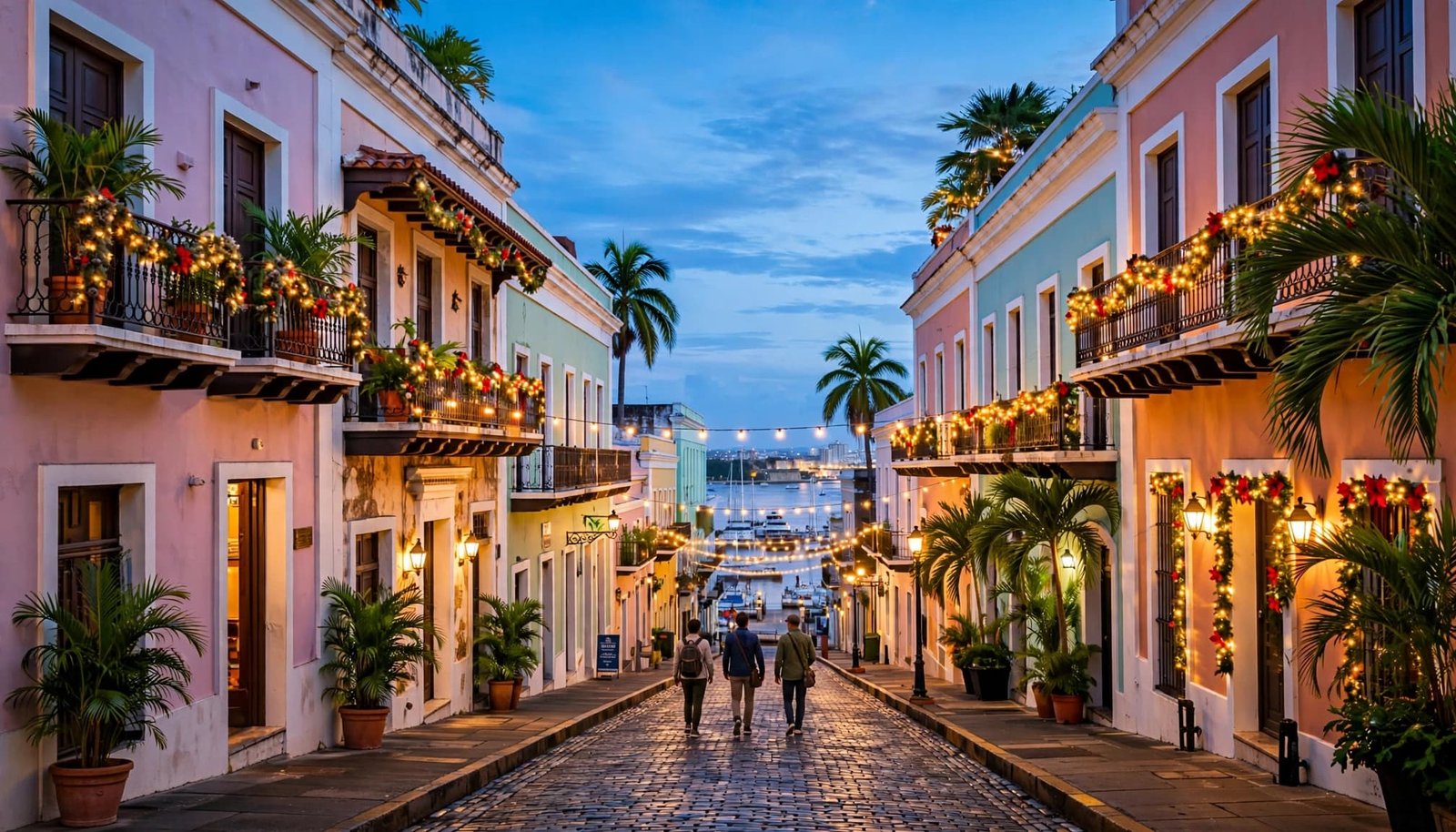
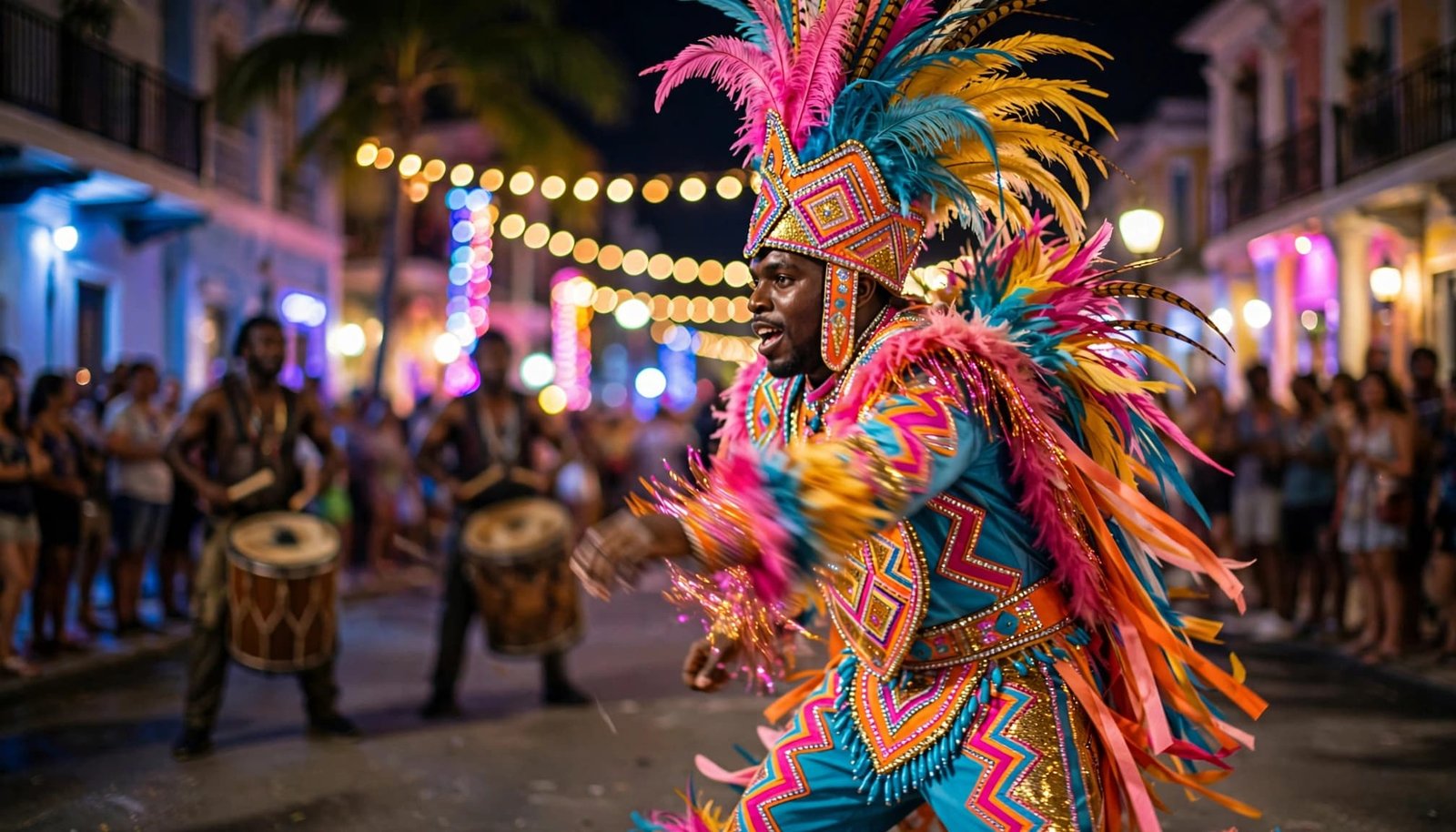
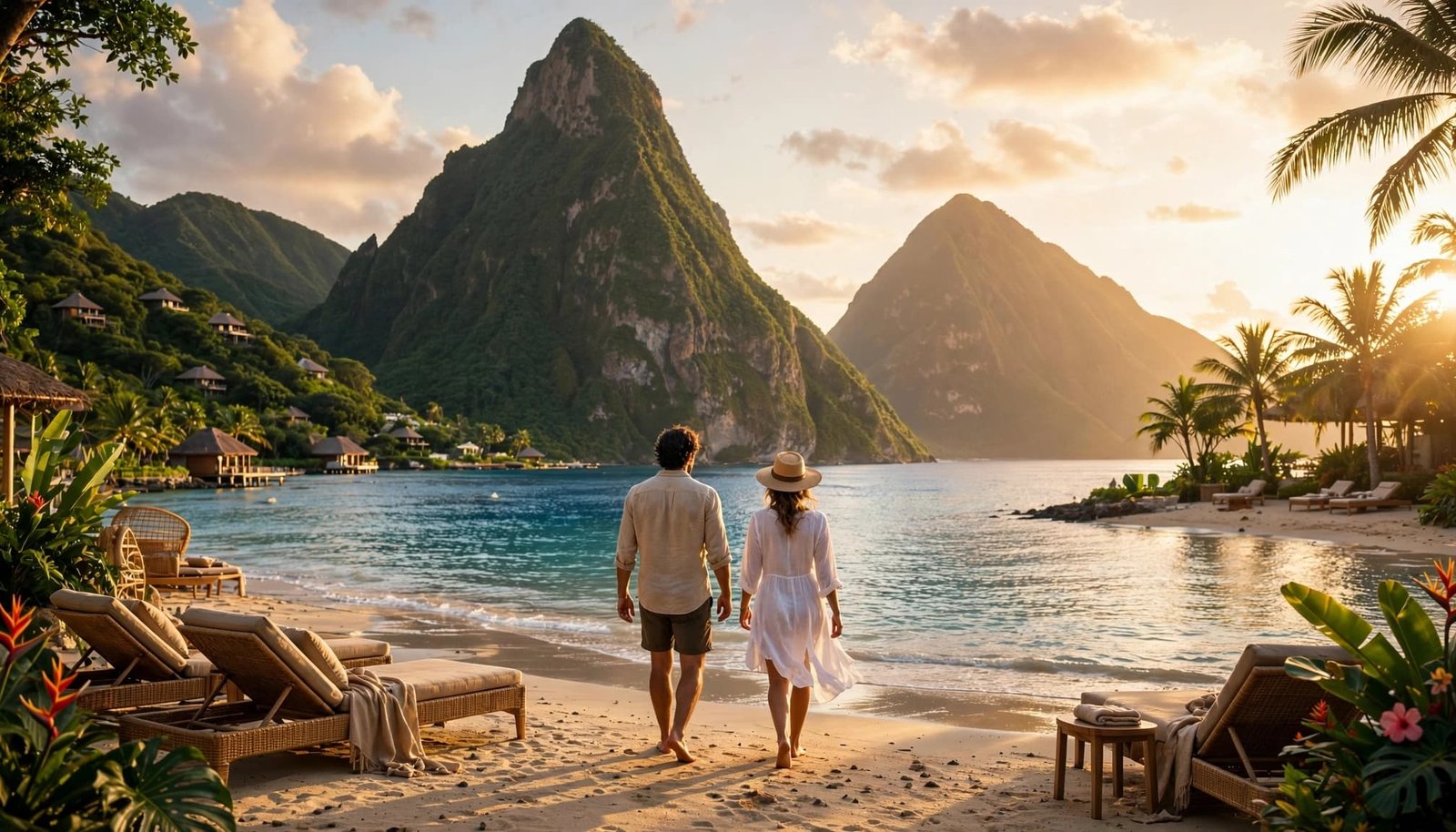
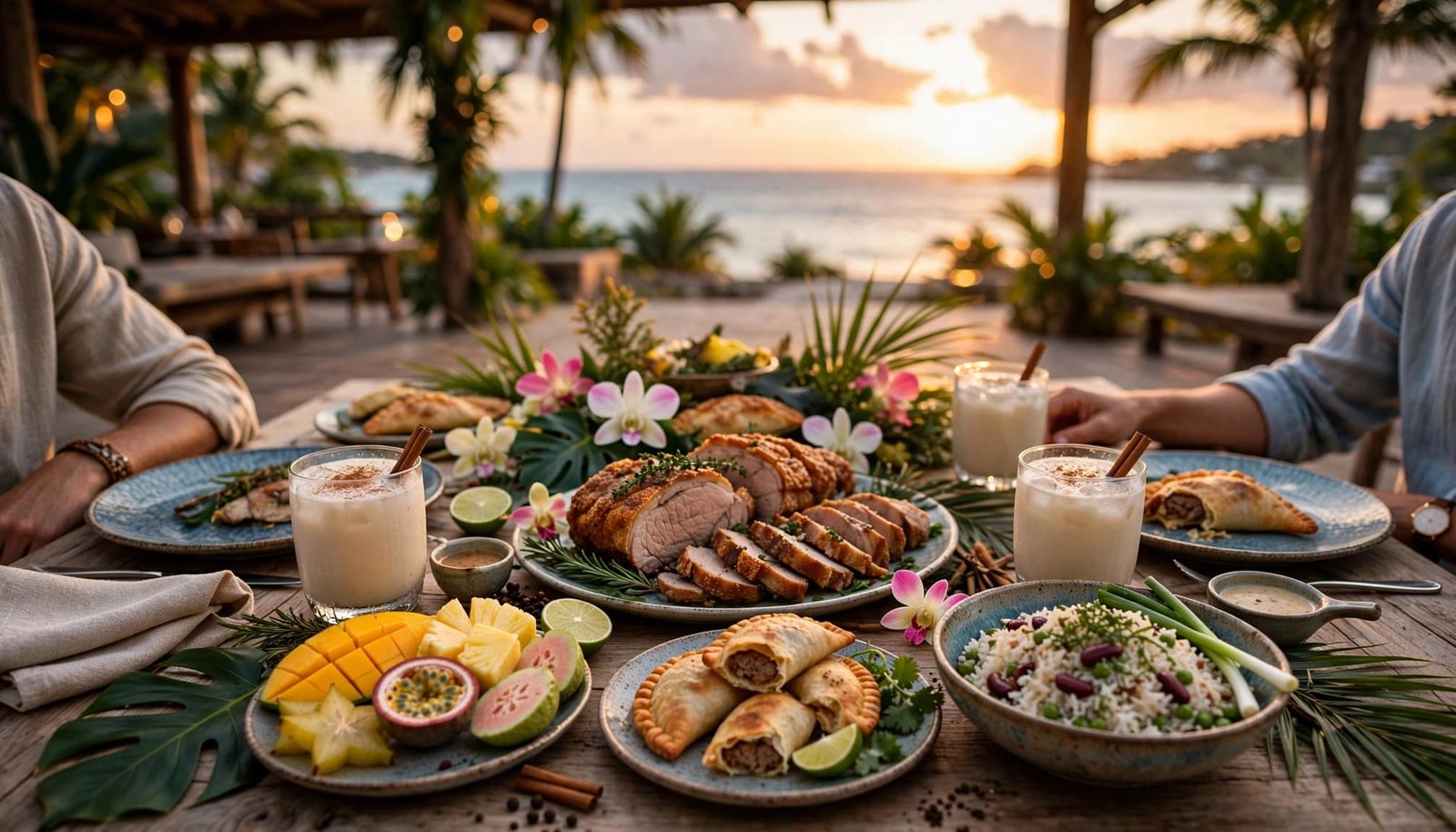
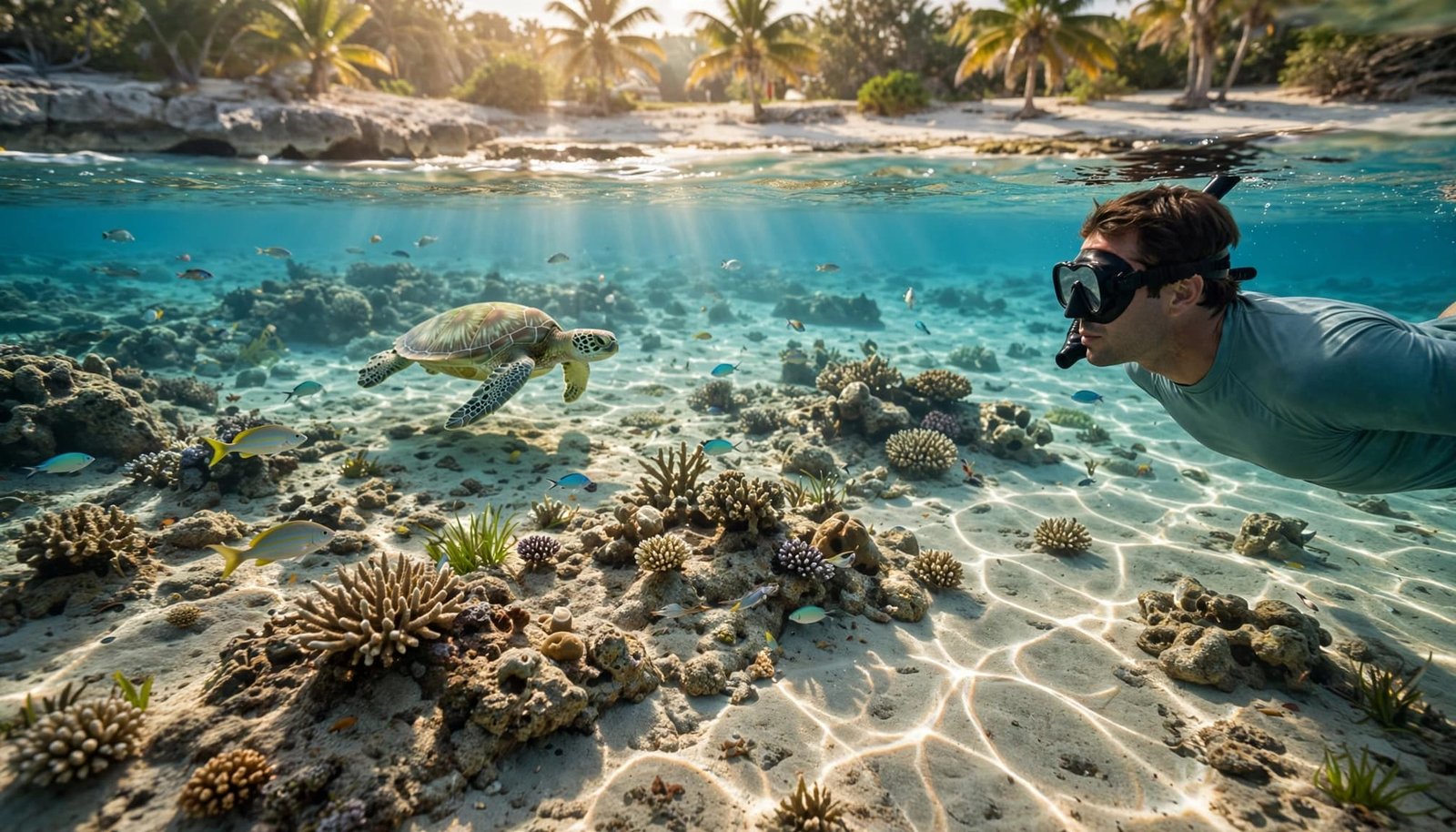

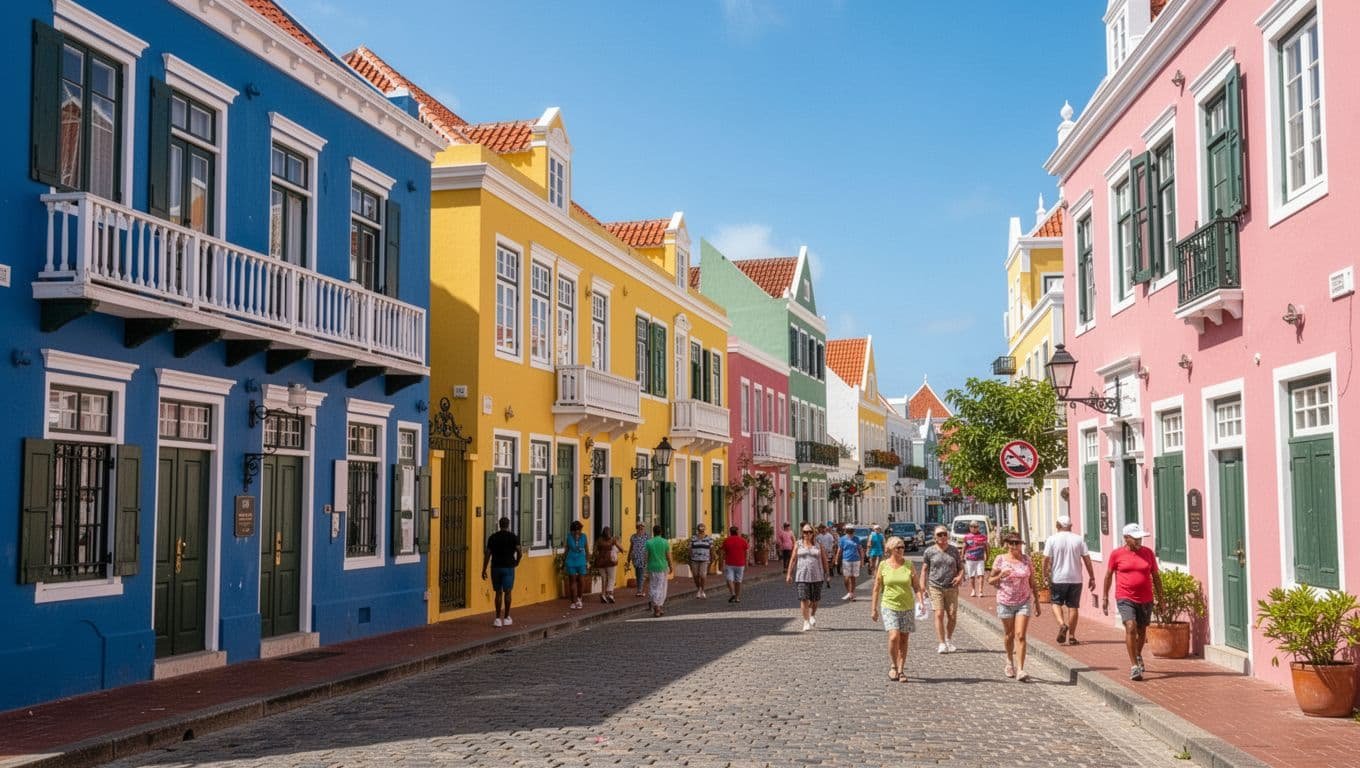
 Photo by
  Photo by