
...

IneedMyVacation.com


12 Best Things to Do in Taipei Taiwan for 2026: Night Market Feasts, Temple Treks & Hot Spring Soaks

The oil spits, the grill hisses, someone yells “hao chi!” and a wave of garlic, oyster, and grilled beef hits me in the face. I am wedged in a Shilin Night Market alley, one hand wrapped around an XXL fried chicken steak, the other clutching brown-sugar bubble tea while scooters buzz past the end of the lane. This is the heartbeat of best things to do in Taipei Taiwan 2026 for me: neon chaos, cheap eats, and soft steam rising from food stalls into the humid night.

As a Taipei night‑market hunter who has eaten well over 300 xiaolongbao while researching for IneedMyVacation.com, I have turned this city into my real‑life tasting menu. I have watched Taipei 101 light up from the observatory, walked through incense smoke at Longshan Temple, and soaked in Beitou’s milky hot springs on a cold February day until my fingers wrinkled like dried plums.

In 2026, Taipei lines up perfectly with big travel trends. Asian city breaks are hot, street‑food tourism keeps growing, and wellness travelers want hot‑spring escapes that still sit close to a big, exciting city. Taipei nails all three. You can slurp noodles in Shilin, hike Elephant Mountain for skyline views, bow your head in Longshan, then be in a Beitou hot‑spring tub before dinner.

In this guide I share my personal top 12, plus an interactive Google Map with all the spots pinned, a quick comparison table, and a short FAQ with schema so search tools can actually understand what you need. I will also share my best food hacks, from bubble‑tea tricks to MRT shortcuts. If you are already dreaming of where to stay, I suggest checking current Taipei hotel deals on Trip.com and then using this guide on IneedMyVacation.com to decide which neighborhood is your home base.

Affiliate Disclosure: This post contains affiliate links. If you book or buy something through one of these links, I may earn a small commission at no extra cost to you. This helps keep the site running and lets me keep sharing honest, up-to-date travel advice. Thank you for your support!

Why Taipei Is Asia’s Must-Visit City in 2026
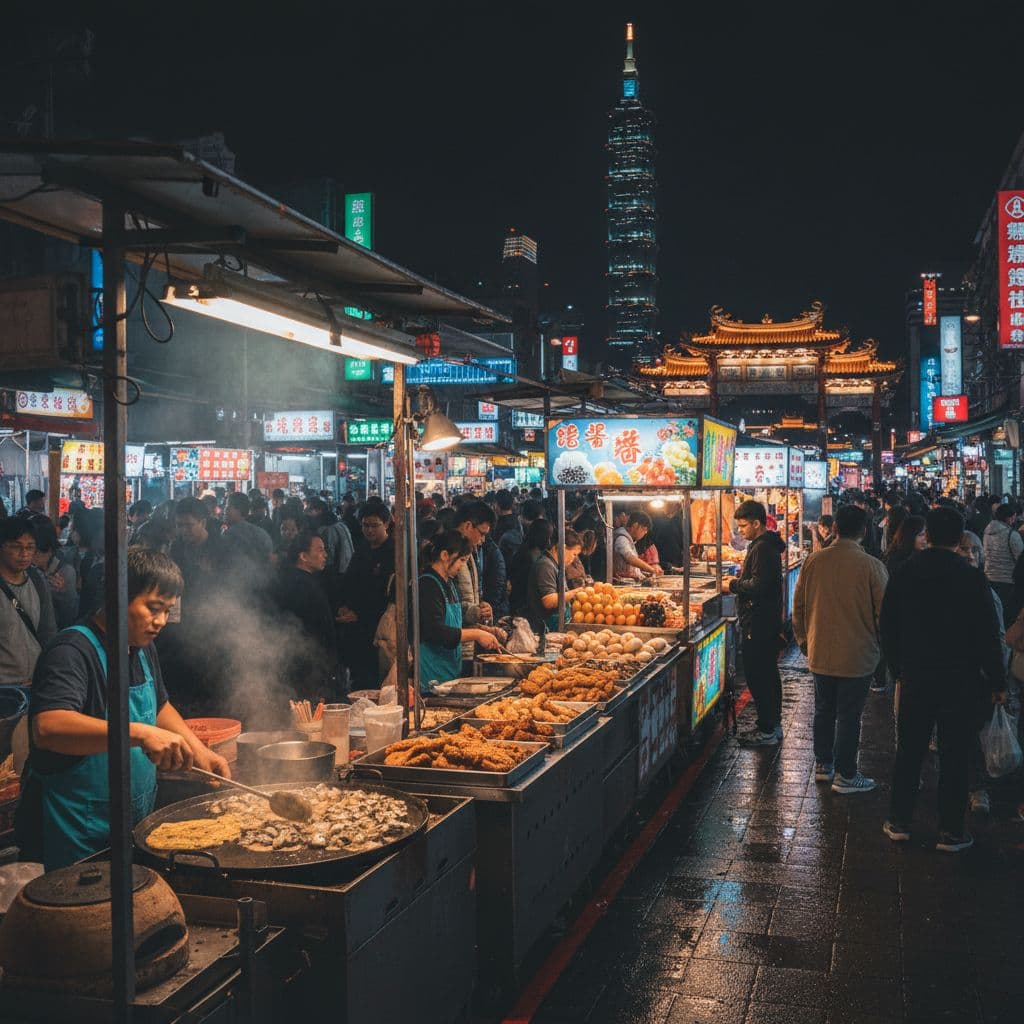
Crowded Taipei night market with neon signs and food stalls at night
Shilin Night Market in full swing, with steam, neon, and hungry crowds. Image created with AI.

When friends ask where to start in Asia, I send them to Taipei. It is busy but kind, fast but rarely stressful. The metro is clean and simple, signs are in English, and even many street stalls have photo menus so first‑timers do not freeze when it is time to order.

Travel trends for 2026 put a huge spotlight on food‑driven city breaks, soft adventure, and hot‑spring wellness. Taipei feels built for that mix. You can brunch in a hip cafe, ride a gondola into tea hills in the afternoon, then dive into the Taipei night markets 2026 scene at night. Articles like this long‑time local guide to city highlights from TaiwanObsessed, 20 Things to Do in Taipei that I’m Obsessed With, echo what I see on the ground every season.

Taipei 101 still pulls most first‑time visitors, and it deserves that pull. It is an eco‑minded skyscraper with high‑speed elevators that make your ears pop, and the observatory views stretch from the river to hills like Elephant Mountain. Just outside the city core, Yangmingshan National Park adds volcanic steam, flower fields, and cooler air that feels far away but sits close enough for a half‑day escape.

Early 2026 will be extra lively. Lunar New Year falls in February, with Dihua Street packed as locals stock up snacks and gifts, then the Lantern Festival lights the city in late February and early March. Flower shows, like the spring tulip displays in Shilin, keep the city bright even when the air is cool and damp.

The secret sauce is price. Compared to Tokyo or Seoul, Taipei is kind to your wallet. Metro rides are cheap, night‑market dinners can cost less than a coffee in Europe, and even big‑name sights are reasonable. If you are ready to join the crowd, start by comparing flights to TPE on Expedia.com and lock in your dates before peak holiday prices rise.

Interactive Map of Taipei’s Top 12 Spots

For this guide I built a live Google Map that pins all 12 of my favorite places in Taipei. Each pin shows the name, a short note, and directions so you can move from dumplings to mountains without thinking too hard.

The map covers Shilin, Taipei 101, Longshan Temple, Elephant Mountain, Beitou hot springs, Chiang Kai‑shek Memorial Hall, Raohe Street Night Market, Maokong Gondola, National Palace Museum, Ximending, Yangmingshan, and Dihua Street. Save the map to your phone, then compare hotel locations on Trip.com so you can stay close to the areas that match your style and grab some of the best‑value Taipei hotel deals.

The 12 Best Things to Do in Taipei Taiwan 2026

Here is my field‑tested checklist of the best things to do in Taipei Taiwan 2026, built from years of repeat visits and hungry nights.

1. Shilin Night Market: Late-Night Feast of Fried Chicken, Noodles, and Games

Shilin is Taipei’s classic mega night market, a maze of frying oil, game stalls, and bright signs that feels like a festival every night. I move from XXL fried chicken to pepper buns, oyster omelets, and chewy bubble tea, then wander the basement food court for noodle soups.

  • Best tips: Go on weekday evenings, keep it budget‑friendly for dinner.
  • Getting there: Short walk from Jiantan MRT, then follow the crowds.

If you want another voice obsessed with street food, this monster list of things to eat and do from Taiwanderers, 65 Top Taipei Things To Do, backs up how central Shilin is to any visit.

Open Shilin Night Market in Google Maps

2. Taipei 101 Observatory: Skyscraper Views and 2026 City Lights
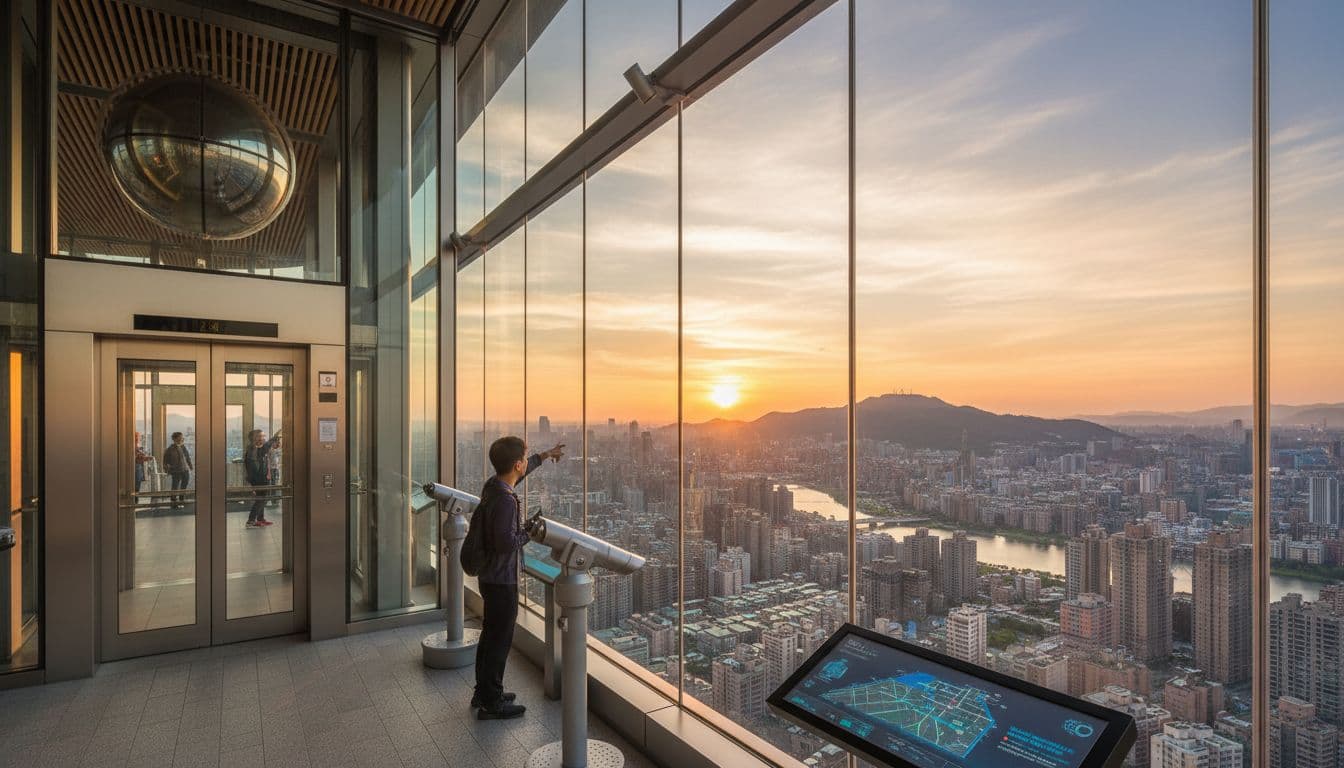
Taipei 101 observatory deck at sunset with panoramic skyline
Golden hour from Taipei 101, with the city spreading out below. Image created with AI.

Riding Taipei 101’s elevator feels like a magic trick, with a smooth whoosh and a soft beep at the top. The glass walls frame Elephant Mountain, the river, and a sea of low‑rise homes wrapped around newer towers. Downstairs, the mall and Din Tai Fung branch are life savers on hot or rainy days.

  • Best tips: Aim for late afternoon into sunset, book tickets online to skip lines.
  • Price and access: Mid‑range ticket price, easy ride on the red MRT line.

Open Taipei 101 Observatory in Google Maps

3. Longshan Temple and Old Taipei: Incense Smoke and Fortune Tellers

Longshan Temple in Wanhua glows under lanterns, with coils of incense rising as worshippers bow and offer fruit. I like to stand back and follow the flow, then slip into the nearby fortune‑telling arcades where you can get a simple reading with a few yes or no answers.

  • Best tips: Wear modest clothes, speak softly, follow how locals move.
  • Price and access: Free entry, short walk from Longshan Temple MRT.

Open Longshan Temple in Google Maps

4. Elephant Mountain Sunset Hike: Easy Stairs, Epic Skyline
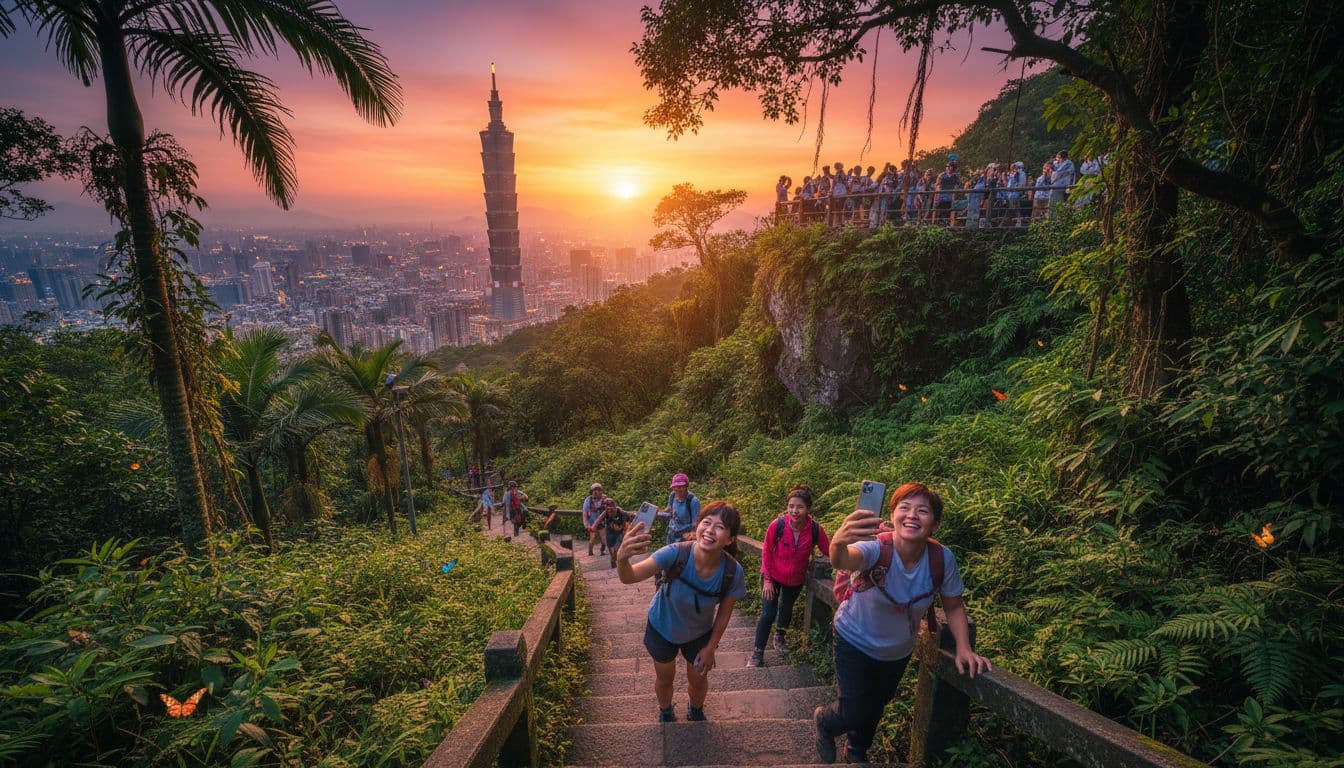
Elephant Mountain trail overlooking Taipei 101 at sunset
Climbing Elephant Mountain for postcard views of Taipei 101. Image created with AI.

Elephant Mountain (Xiangshan) is just a steep staircase through trees, but the payoff is wild. In about 20 to 30 minutes most people reach the classic boulder viewpoint, where Taipei 101 lines up right against the sky as the city lights switch on.

  • Best tips: Arrive before sunset, pack water and a lightweight rain jacket.
  • Price and access: Free trail, a few minutes from Xiangshan MRT.

Open Elephant Mountain in Google Maps

5. Beitou Hot Springs: Steaming Pools and Easy Metro Escape
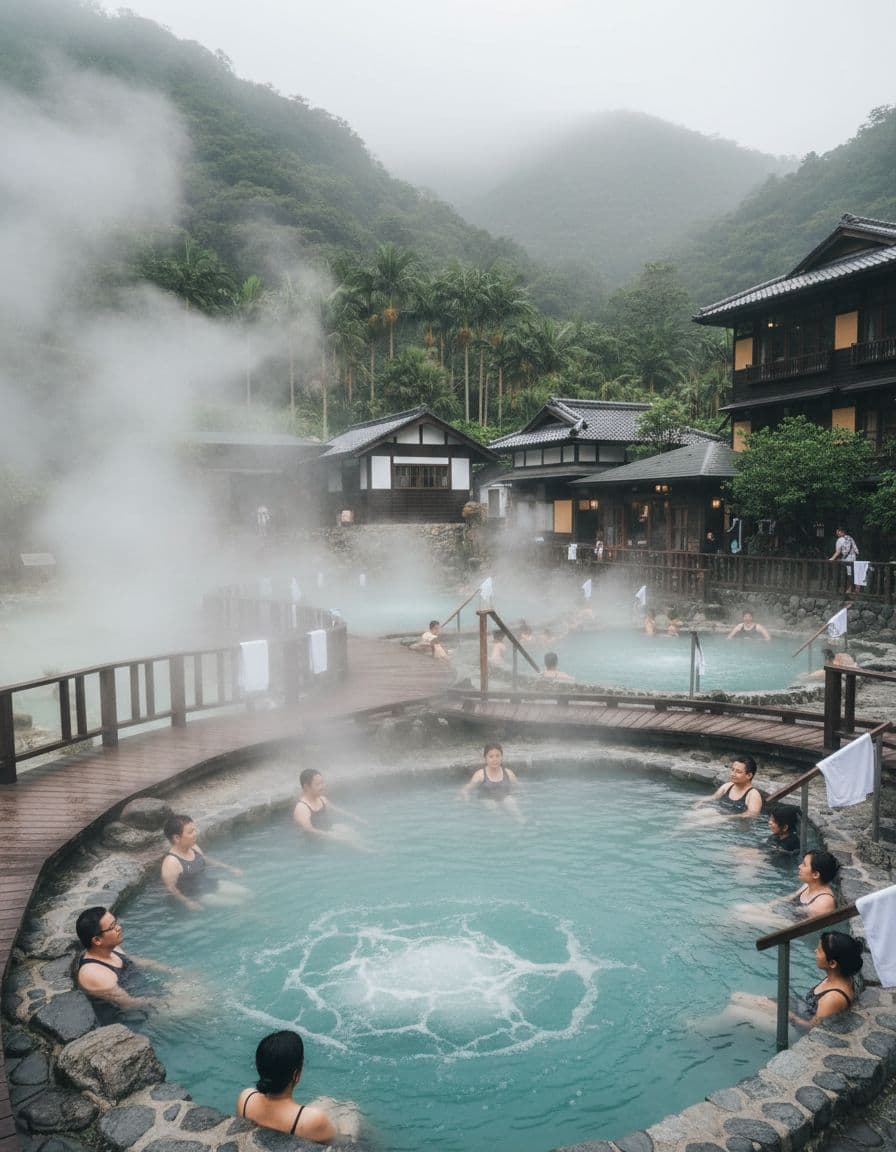
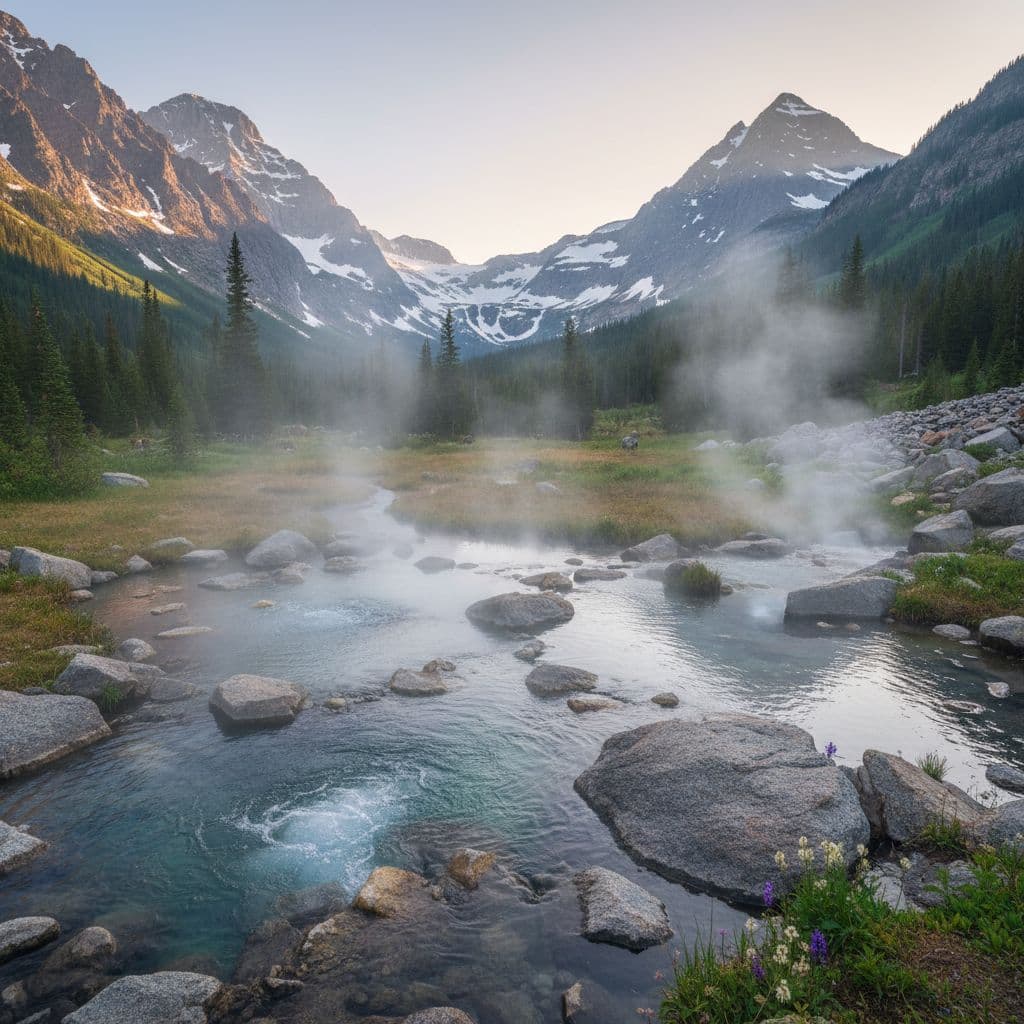
Beitou hot springs and green Thermal Valley steaming in mist
Beitou’s hot-spring valley, where steam curls above turquoise water. Image created with AI.

Beitou feels like a small resort town parked beside the city, with hot water steaming from the ground and wooden paths around green Thermal Valley. I like to visit the small museum, peek at the glowing pool, then pick a public bath or a private tub in a simple hotel.

  • Best tips: Check swimsuit rules on signs, visit on cool or rainy days.
  • Price and access: Budget‑friendly public baths or mid‑range private rooms, easy ride on the red MRT line, then transfer to Xinbeitou.

Open Beitou Hot Springs in Google Maps

6. Chiang Kai-shek Memorial Hall: Blue Roofs and Guard Change Ceremony

The huge white steps and blue‑tiled roof of Chiang Kai‑shek Memorial Hall feel grand but not stiff, especially when kids race across the plaza. Inside, the hourly changing of the guard is crisp and quiet, with boots clicking on the floor while the crowd barely whispers.

  • Best tips: Time your visit to catch the guard change, then explore the galleries.
  • Price and access: Free, right on two MRT lines with a big open plaza.

Open Chiang Kai-shek Memorial Hall in Google Maps

7. Raohe Street Night Market: Pepper Buns and Riverfront Strolls

Raohe Street Night Market is tighter and easier to handle than Shilin, a straight path packed with food from the famous pepper‑bun oven to grilled squid and sweet cakes. The Ciyou Temple at the entrance glows in gold and red, and the riverside walk nearby is perfect after a heavy meal.

  • Best tips: Start at the temple gate, eat your way slowly to the end.
  • Price and access: Very budget‑friendly, quick walk from Songshan MRT.

Open Raohe Street Night Market in Google Maps

8. Maokong Gondola and Tea Hills: Sky Cabins and Mountain Oolong

From Taipei Zoo MRT, the Maokong Gondola floats you up into breezy tea hills, with some cabins offering glass floors that thrill kids and anyone who is not scared of heights. At the top, I sit in tea houses with city views, sipping local oolong and snacking on tea‑flavored eggs or tofu.

  • Best tips: Go on clear days, stay into early evening for city lights.
  • Price and access: Budget gondola ticket, paid with EasyCard, on the outskirts but still on the MRT.

Open Maokong Gondola in Google Maps

9. National Palace Museum: Ancient Jade and Story-Filled Galleries

The National Palace Museum holds one of the richest collections of Chinese art in the world, from carved jade to calligraphy and bronzes. It can feel huge on a first visit, so I like to follow the “star items” route and then pick one extra floor to wander.

  • Best tips: Arrive close to opening, consider a short guided tour or audio guide.
  • Price and access: Mid‑range ticket, short bus or taxi ride from Shilin area.

If you want to compare with others’ favorite pieces, the long Taiwan overview at 60+ Unmissable Things to Do in Taiwan includes many repeat visits to the museum.

Open National Palace Museum in Google Maps

10. Ximending: Youth Culture, Street Performers, and Late-Night Snacks

Ximending is Taipei’s youth magnet, with K‑pop tunes bouncing between big screens, fashion shops, and street‑performance corners. I snack on spicy fried chicken pieces, ice cream, and gua bao while people‑watching and checking out themed cafes and quirky arcades.

  • Best tips: Go after dark for street shows and full neon, stay for snacks.
  • Price and access: Flexible budget, good mid‑range hotel zone, right on several MRT exits.

Open Ximending in Google Maps

11. Yangmingshan National Park: Volcanic Trails and Flower Seasons

Yangmingshan is Taipei’s wild side, a national park of steaming vents, cool air, and rolling green hills. In late winter and early spring 2026, cherry blossoms, calla lilies, and festival fields draw big local crowds, so I go early in the day with a charged phone and light rain layer.

  • Best tips: Watch mountain weather, pack a portable power bank for photos.
  • Price and access: Budget‑friendly buses from the city, with small entry fees in some areas.

Open Yangmingshan National Park in Google Maps

12. Dihua Street: Old Shops, Tea Tins, and Dried Goods for Souvenirs

Dihua Street feels like a live history lesson, with old shophouses full of tea, herbs, and dried snacks. Before Lunar New Year 2026, it turns into a packed pre‑holiday market where locals buy sweets, nuts, and gifts, which makes it perfect for souvenir hunting.

  • Best tips: Buy vacuum‑packed dried fruit, tea, and cute tins to take home.
  • Price and access: Budget to mid‑range shopping, easy to reach by bus or a longer walk from Beimen MRT.

Open Dihua Street in Google Maps

Quick Comparison Table: Match Taipei’s Top 12 to Your Travel Style

To help you plan fast, this guide also includes a mobile‑friendly table that lines up all 12 spots in one place. Columns show the attraction name, neighborhood, main vibe (food, culture, nature, shopping, or a mix), best time to visit, typical time needed, and a simple “Map” cell that matches each pin on the interactive Google Map.

On a phone, you can scroll the table sideways, so it still feels clean. If you are a short‑trip traveler, you can scan it to build a two‑day loop. If you are staying a week, it helps you space out temples, hikes, and food nights without burning out. Once your wish list feels right, it is smart to look at flights to Taipei on Expedia and book early for peak times like Lunar New Year or major flower festivals.

To avoid missing your dates, compare flight prices to TPE on Expedia.com and lock in the times that fit your plan.

Taipei Insider Tips and Food Hacks for 2026

Taipei looks busy, but daily life here runs on small tricks. I always load an EasyCard as soon as I land so I can tap on the MRT, buses, and even at some shops without hunting for coins. At night markets, I follow the longest lines, then check how fast they move. Fast line plus older auntie in charge usually means great food.

When I cannot read the menu, I point, smile, and say the name of the main dish in English or Mandarin. Many vendors know basic English, and if they do not, they still understand fingers, numbers, and a friendly face. I also check guides from other Taipei‑obsessed travelers, like this detailed list of favorite spots on Top 13 Fun Things to Do in Taipei, to cross‑check what is new.

Gear helps the city feel smooth. I like carrying a small Taipei food guide in case my phone battery drops, a reusable bubble tea kit for less plastic, and a compact travel chopsticks set for street snacks. I also keep a packable lightweight rain jacket and a reliable portable power bank near the top of my day bag. Taipei weather flips fast, and I hate losing sunset photos to a dead phone.

If you are watching your budget, my deeper budget Taipei tips for 2026 cover cheap neighborhoods, night‑market strategies, and when to splurge. When you are ready to package everything in one shot, Taipei flight‑plus‑hotel bundles on Trip.com can be an easy way to keep your 2026 plans in a single booking.

Best Time to Visit Taipei in 2026

Winter in Taipei is cool and damp, which pairs perfectly with hot springs and rich food. In February 2026, Lunar New Year fills temples and family tables, while Dihua Street turns into a pre‑holiday shopping rush. Lantern Festival events run into early March, so evenings glow with light displays and performances. For more seasonal ideas, I like cross‑checking with pieces like the Michelin Guide’s Summer in Taipei: 10 Things To See and Do.

Spring is softer, with flowers in full show around February and March. You can balance Yangmingshan hikes, city temples, and night markets without melting in the heat. A one‑week spring trip might look like this: two nights in Ximending, one day out in Yangmingshan, one half day in Beitou, and nights split between Shilin and Raohe markets.

Summer is hot, wet, and full of life, with long nights and more festivals but also some typhoon risk. Fall is my favorite, with clearer skies and kinder temperatures for Elephant Mountain, Maokong, and city walks.

For a fall one‑week visit, I like three city days for Taipei 101, Longshan, Ximending, and Dihua, then four slower days with Yangmingshan, Beitou, and Maokong spread between. To see which month fits your budget, compare flight prices to TPE on Expedia.com and book early for festivals and long weekends.

Taipei 2026 FAQ

How many days should I spend in Taipei in 2026?
If it is your first time, I suggest at least four full days. That gives you time for Taipei 101, a couple of night markets, Longshan Temple, and one or two side trips like Beitou or Maokong. With a week, you can add Yangmingshan, the National Palace Museum, and slower neighborhood walks.

Are night markets safe in Taipei at night?
I find Taipei’s markets very safe, even late, and families visit with kids all the time. Pickpocketing is rare but I still keep my wallet zipped and my phone in a front pocket when the lanes get tight. The main “danger” is eating too much fried chicken and stinky tofu in one go.

How much cash do I need, and can I use cards?
Big shops, hotels, and many restaurants take cards or mobile payments, but smaller food stalls still prefer cash. I usually carry the equivalent of 30 to 60 US dollars in Taiwan dollars for a day of street food and small buys. ATMs in convenience stores are easy to find if I need more.

Can I drink the tap water in Taipei?
Locals often boil tap water at home, and many visitors prefer bottled water. I usually drink filtered water, either from hotel dispensers or refill stations in some cafes and museums. Carry a refillable bottle and top it up when you see a safe source.

What should I wear for hot springs in Beitou and beyond?
Rules change between pools. Some public baths require swimsuits and a swim cap, others are gender‑separated with no clothing. Signs at the entrance explain the rules, and staff are used to helping visitors. Bring a small towel and wear easy‑to‑dry clothes for the trip back.

Conclusion

By the time I finish a week in Taipei, my clothes smell like grilled squid, incense, and hot‑spring minerals, and that mix sums up the city in the best way. These 12 spots cover the core of best things to do in Taipei Taiwan 2026, from Shilin’s frying pans to Longshan’s soft chanting, from Elephant Mountain’s skyline to Beitou’s steaming pools.

You can squeeze a few of them into a fast weekend or stretch them across a full week, lining up temples, hikes, and food nights in whatever order fits your mood. When you are ready, let Trip.com show you current Taipei hotel deals and lock in a base for your own round of night‑market feasts, temple treks, and hot‑spring soaks in 2026.

© 2026 IneedMyVacation.com. All rights reserved.

10 Best Things to Do in Albania for 2026: Riviera Beaches, Mountain Treks & Ancient Bunkers

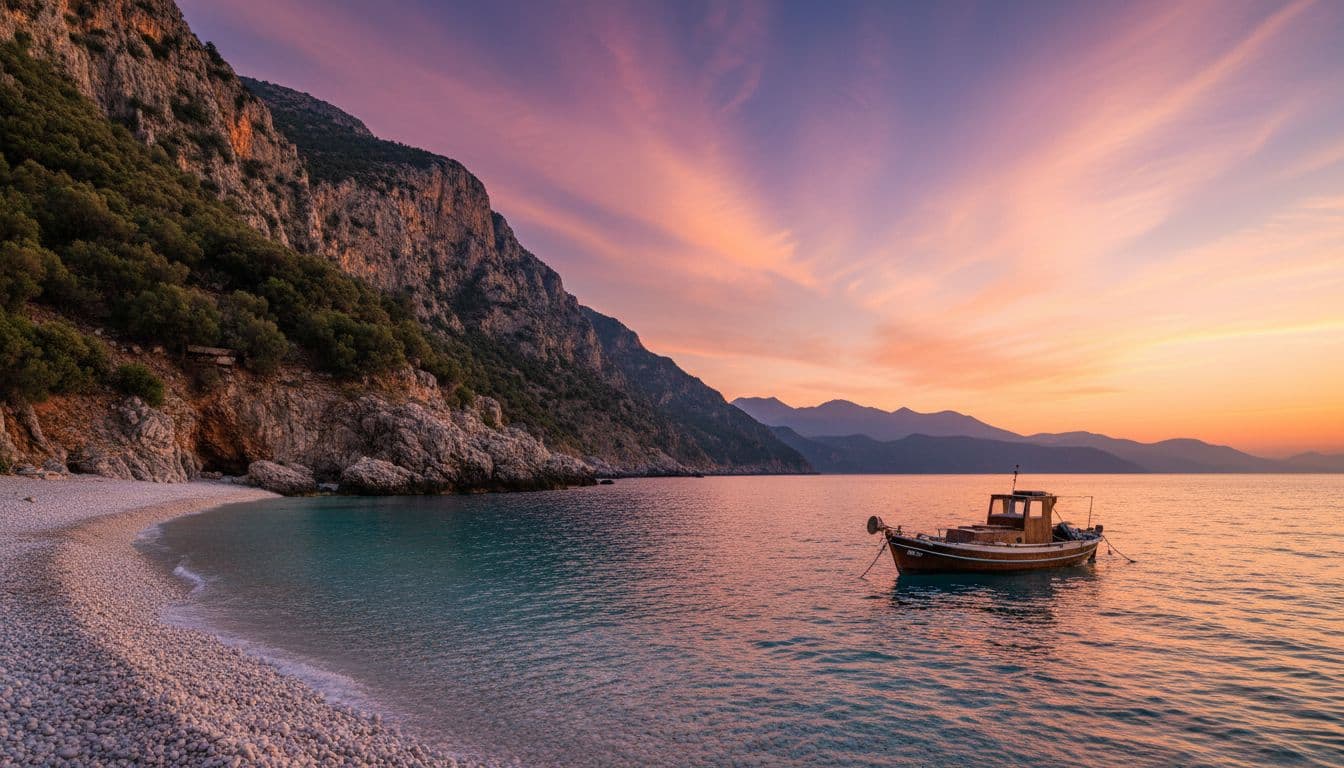
Golden hour on the Albanian Riviera near Himarë
Albanian Riviera sunset near Himarë, with crystal water and cliff-backed bays. Image generated by AI.

Sunrise over the Ionian Sea is my favorite alarm clock. On the Albanian Riviera, the sky turns soft pink, the cliffs glow gold, and the water is so clear it looks unreal. As I sat on a pebble beach near Himarë, I remember thinking that the best things to do in Albania 2026 still feel like a secret list that most of Europe has not read yet.

Albania hits this strange sweet spot. Riviera beaches that rival Greece, mountain treks that feel like the Swiss Alps, and Cold War bunkers that look like a movie set, all packed into a country you can cross in half a day. No other place I know mixes turquoise bays, stone villages, and ex-dictator bunkers quite like this.

As an Albania-obsessed road-tripper who has driven the full Riviera, hiked the Theth–Valbona Pass, and wandered through concrete bunkers turned art spaces, I built this guide to the 10 best things to do in Albania for 2026 for people like me. Travelers who want wild nature, deep history, and honest prices. It is shaped for adventure lovers, budget backpackers, and curious first-timers.

Right now, Albania is lining up with 2026 travel trends: emerging Europe destinations, digital-nomad bases in mountain villages with better Wi‑Fi, and a clear push for sustainable tourism along the Riviera and in the Alps. Recent reports on Albania’s tourism plans talk about authenticity, community stays, and eco projects that protect rivers and national parks, not just new resorts. You feel that when you sip homemade raki in a guesthouse or hike paths that cross old border bunkers instead of big hotels.

I share all my favorite spots, misses, and money tips on IneedMyVacation.com, but this guide pulls everything into one place for your next trip. Below you will find the best beaches, treks, bunkers, and ruins for 2026, plus a live-map overview, a simple comparison table, budget hacks, and timing advice so you can build a smart route and not blow your budget.

If you want to start scouting bases while you read, you can compare Albania hotel deals on Trip.com and see how far your money goes across the Riviera, the Alps, and the cities.

Affiliate Disclosure: This post contains affiliate links. If you book or buy something through one of these links, I may earn a small commission at no extra cost to you. This helps keep the site running and lets me keep sharing honest, up-to-date travel advice. Thank you for your support!


Why Albania Is the Breakout Destination for 2026

When friends ask me why I am so hooked on Albania, I usually start with value and end with silence. Silence on trails, on beaches, in little stone lanes. The mix of low prices and low crowds makes the best things to do in Albania 2026 feel almost unfair.

1. Serious value for money

Albania still undercuts Croatia, Greece, and Italy by a long shot. In 2025 and 2026 I have paid:

  • 3 to 5 euros for a huge byrek lunch
  • 25 to 40 euros for a clean double room with breakfast
  • 5 to 10 euros for most bus trips across big chunks of the country

You can sit on beaches that look like Mykonos, pay half the price, and eat grilled fish that rivals anything on the Amalfi Coast. Guides like The Broke Backpacker’s Albania list keep calling it one of Europe’s cheapest gems, and they are not wrong.

2. Uncrowded nature and real villages

In 2026, Albania is pushing sustainable tourism hard. Travel trend reports talk about community-based guesthouses in the Alps, eco circuits in the Western Balkans, and protected areas that now cover more than a fifth of the country, including the wild Vjosa River national park.

You feel that on the ground. Villages like Theth and Valbonë still have more cows than cars. Ionian coves near Gjipe and Jale are quiet if you go early. Even on “busy” days, the crowds are nothing compared with popular spots in neighboring countries. Articles like Condé Nast Traveler’s guide to Albania keep calling it a hidden gem, and it still feels that way once you get off the main drag.

3. Better infrastructure for 2026

Each year the roads along the Albania Riviera improve a bit more. There are more boutique stays in Ksamil, Dhermi, and Himarë, and Tirana keeps adding cool cafes, rooftop bars, and mid-range hotels. First-time overviews like Lonely Planet’s Albania guide now talk about stylish stays next to simple guesthouses.

Buses and shared minibuses (furgons) are still common, but there are more rental cars and better signed roads than a few years ago. That makes a mixed trip of beaches, mountains, and old towns far easier in 2026.

4. Wild mix of experiences in a tiny country

Within a 3-hour drive you can go from Riviera beaches to the Accursed Mountains. From bunkers in Tirana to Ottoman houses in Berat and Gjirokastër. From ferry “fjords” on Lake Komani to ancient ruins at Butrint.

In short, Albania stands out among emerging European spots in 2026 because you can:

  1. Swim in uncrowded bays that still feel local.
  2. Hike real alpine trails right from tiny stone villages.
  3. Walk through Cold War bunkers turned into museums and art.
  4. Sleep in UNESCO towns with centuries of history, without a luxury price tag.

Check current flight prices to Tirana on Expedia


Interactive Map of the 10 Best Things to Do in Albania 2026

Click any pin or use the direct Google Maps buttons below each attraction.


The 10 Best Things to Do in Albania for 2026 (Riviera, Peaks, and Bunkers)

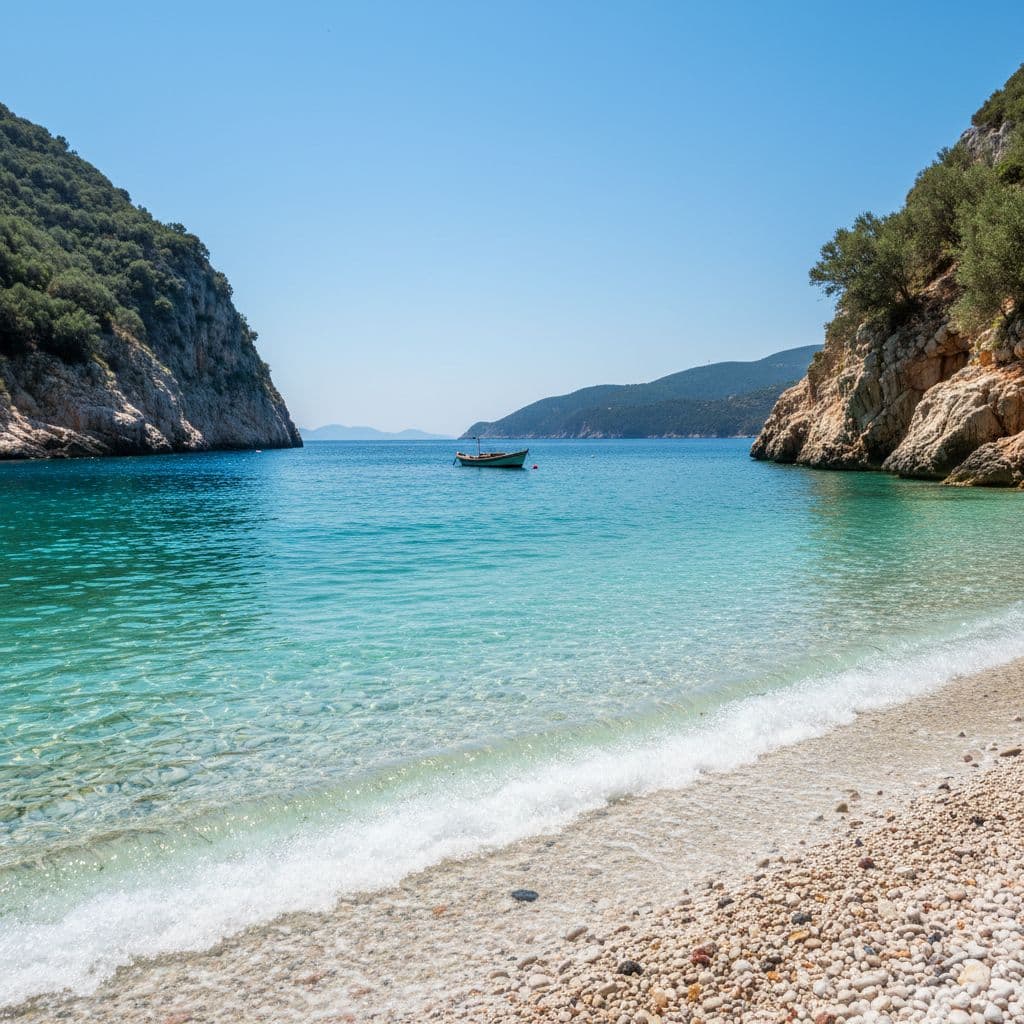
Quiet cove on the Albanian Riviera
Quiet cove on the Albanian Riviera. Image generated by AI.

1. Albanian Riviera road trip (Ksamil, Gjipe, Himarë)

The coastal road rolls above deep blue water, with switchbacks that suddenly drop to tiny beaches. In 2026, Albania Riviera beaches still feel wild once you step away from the loudest bars. I like to start in Sarandë, dip into Ksamil’s bright lagoons, hike down to Gjipe, then land in Himarë for lazy evenings.

For a first trip, give the Riviera 3 to 5 days. Renting a car is more flexible than buses and still fairly cheap if you book early. Fuel and tolls cost less than in Italy, and parking is often free outside the busiest pockets.

Quick stops to plan:

  • Ksamil: Shallow water, island views, easier if you like sunbeds and bars.
  • Gjipe Beach: Short hike into a hidden cove framed by cliffs.
  • Himarë: Chill base with a long beach, promenade, and sunset tavernas.

A small dry bag for Riviera boat days is handy when you jump off small boats or walk through shallow water to reach secret spots.

Open Albanian Riviera in Google Maps

2. Theth National Park and Valbona Pass trek

The Albanian Alps feel mythic in the morning. Stone houses, clear rivers, and sharp peaks that cut the sky. When I hiked the Valbona Pass, I started in Theth, slept under wooden beams, and crossed over a rocky saddle with views that look like a painting.

Most travelers do a Theth–Valbonë loop over 3 to 4 days, with 1 to 2 nights in each village and a full day for the Valbona Pass. In 2026, trails are better marked, but conditions still change fast. You need proper shoes, lightweight hiking poles for the Valbona Pass, and a power bank for long bus rides and full hiking days.

Prep tips:

  1. Start early to avoid afternoon heat or storms.
  2. Check weather and local trail reports the night before.
  3. Book guesthouses ahead in July and August.
  4. Pack a quick-dry travel towel for rivers and guesthouse showers.

There is a small but growing digital-nomad scene in both valleys, with guesthouses adding strong Wi‑Fi and work corners for slow travelers.

Open Theth Open Valbona

3. Tirana Bunk’Art and communist history

The first time I walked into Bunk’Art 1, the air felt heavy. You move through long tunnels, past rooms frozen in the 1980s, listening to speeches and watching old footage. Bunk’Art 2, closer to the center, mixes more art and stories of daily life under the dictatorship.

Together they turn concrete bunkers into powerful museums. They also show how Albania is choosing to talk openly about its past. After the bunkers, I like to walk around Skanderbeg Square, ride the Dajti cable car, and end in the Blloku district with cafes and street art that feel like a different country.

Plan 3 to 4 hours for one bunker plus downtown, or a full day if you want both sites and Dajti Mountain. Weekdays are calmer.

Open Bunk’Art 1 Open Bunk’Art 2

4. Berat, UNESCO “city of a thousand windows”

Berat looks unreal from across the river, with stacked white Ottoman houses and rows of windows climbing the hillside. Inside the castle walls, people still live in old stone homes, hanging laundry on lines that frame views of the valley.

In 2026, Berat remains one of the best things to do in Albania 2026 if you love slow history. One full day is the bare minimum. I like 1 to 2 nights so I can watch the city glow at sunset and dawn.

Do not miss:

  • Sunset from Berat Castle.
  • A walk through Mangalem and Gorica quarters with coffee stops.
  • Local food like stuffed peppers and gliko (candied fruit).

Open Berat

5. Gjirokastër stone city and castle

Gjirokastër is Berat’s moodier twin. Steep cobbled streets, slate-roofed houses, and a big stone castle that watches over it all. Inside the fortress you see Cold War touches, including an old US plane and bunkers, that tie into Albania’s recent past.

I like Gjirokastër for its mix of history and food. The old bazaar has shops, cafes, and bakeries that make local specialties you will not find on the coast. Spend at least one night, two if you want time for side trips.

Open Gjirokastër

6. Blue Eye (Syri i Kaltër) spring

The Blue Eye sits in a green pocket of forest, a deep natural spring that looks like someone poured ink into the water. Shades of blue and green swirl around a dark center that divers still have not fully measured.

In 2026, access paths are better, and new rules help protect the area. Swim zones are limited, and you are not allowed to jump in where the spring is most fragile. Go early in the morning to miss the buses and to see the water before the light gets harsh.

Open Blue Eye

7. Dhermi and Jale beach hopping

Dhermi and Jale are my “grown-up” beach bases on the Albania Riviera. They have more style than chaos, with beach bars, music, and a line of new-but-not-crazy resorts and apartments.

Give this area 2 to 3 days if you like slow mornings and lazy swims. Jale feels more compact and social, Dhermi stretches out and gives you more quiet corners.

Open Dhermi Open Jale

8. Lake Komani ferry through fjords

Lake Komani looks like Norway, but with eagles, tiny farms, and old concrete docks. The ferry winds between steep cliffs and wide green slopes, stopping at tiny jetties that feel like the end of the world.

The early boat is the best pick. You get soft light, calmer water, and more time for onward buses. In 2026, there are more organized tickets and set times, but it still feels raw.

Open Lake Komani

9. Kruja castle and bazaar

Kruja sits on a hillside above the plains, with views all the way to the Adriatic on a clear day. The castle holds museums about national hero Skanderbeg and Ottoman history, while the old bazaar below still sells carpets, copper, and handcrafts.

It is a perfect half-day or full-day trip from Tirana.

Open Kruja

10. Apollonia and Butrint ancient ruins

If you like old stones and quiet paths, Apollonia and Butrint are your fix. Apollonia sits inland, scattered columns and monastery buildings set over rolling hills. Butrint lies near the Greek border, a full ancient city with walls, a theater, and marsh views.

Both sites are easier to enjoy in 2026 as Albania improves paths and signs.

Open Apollonia Open Butrint

Quick comparison of the 10 experiences

# Experience Type Best months Ideal length
1 Albanian Riviera road trip Beach / drive May–June, Sept 3–5 days
2 Theth & Valbona Pass Hike / village June–Sept 3–4 days
3 Tirana Bunk’Art History / city Year-round 1 day
4 Berat History / city April–Oct 1–2 days
5 Gjirokastër History / city April–Oct 1–2 days
6 Blue Eye spring Nature stop April–Oct Half day
7 Dhermi & Jale Beach June–Sept 2–3 days
8 Lake Komani ferry Nature / boat May–Sept 1 day
9 Kruja castle & bazaar History / day March–Nov Half–1 day
10 Apollonia & Butrint ruins History / coast April–Oct 1–2 days total

Insider Tips and Budget Hacks for Albania in 2026

Daily costs in Albania still shock people in the best way. In 2026 you can:

  • Eat well for 10 to 20 euros per day.
  • Sleep in guesthouses for 15 to 30 euros per person with breakfast.
  • Take buses and furgons for 3 to 10 euros per ride.

Use ATMs in banks instead of kiosk exchange spots, and keep some cash for mountain villages where cards still do not work. In Tirana, Sarandë, and other big stops, cards are fine in many places.

Getting around is simple. Rental cars are best for flexible trips across Albania Riviera beaches 2026 and remote ruins. Furgons cover most common routes. In towns you walk, and in a few cases you grab cheap taxis.

A few quick do and skip tips:

  • Do learn “faleminderit” (thank you) and “mirëdita” (good day).
  • Do dress modestly in small villages and when visiting mosques or churches.
  • Skip leaving trash on trails and beaches; carry a small bag.
  • Skip loud drones over villages or mountain guesthouses.

Sustainable tourism is a real focus. Many new projects support local food, farm-to-table dinners, and eco stays in parks and along the old Green Belt border zone.


Best Time to Visit Albania in 2026

For most people, May–June and September–October are the sweet spots. Seas are warm, trails are open, and the big crowds have not yet packed into the Riviera.

  • May–June: Ideal for Riviera road trips, early Theth and Valbona hikes, Apollonia, Butrint, and city time in Berat, Gjirokastër, and Tirana.
  • July–August: Hot and busier on the coast, but still cheaper than Italy and Greece. Mountains are perfect and Lake Komani ferries run more often.
  • September–October: My favorite time. Sea still warm, vineyards and farms in harvest mode, fewer people everywhere.
  • Late autumn to winter: Good for culture trips in Tirana, Kruja, Berat, and Gjirokastër. Expect snow in the Alps and reduced services in some coastal towns.

Albania 2026 FAQ

Is Albania safe to visit in 2026?
Yes. I feel safer in Albania than in many bigger European countries. Normal city awareness is enough. In villages and mountains, locals look out for guests, and petty crime is rare.

How many days do I need to see the Riviera and the Alps?
If you want both, plan at least 10 days. Five to six days lets you sample the Riviera, and four to five days covers Theth, Valbonë, and Lake Komani.

Do I need a car for the Albanian Riviera?
No, but it helps. Buses and furgons run along the main road, yet a rental car makes it far easier to reach small coves, time sunsets, and link the best beaches in one flexible loop.

Is Albania still cheap compared with Greece and Croatia?
Yes. Food, rooms, and buses are all lower, often by half. You can splurge a little and still spend less than a tight budget in nearby countries.

Can I work remotely from Albania in 2026?
In Tirana, Shkodër, Sarandë, and some mountain villages, Wi‑Fi is strong enough for most remote work. Many guesthouses now offer work corners for digital nomads, especially in the Alps and on the coast.

What should I pack for both beaches and mountain treks?
Think layers: a light jacket, hiking shoes, sandals, and swimwear. Add a quick-dry travel towel, a power bank, and basic first aid so you stay ready for both long hikes and long bus days.


Conclusion

Albania in 2026 is still Europe’s big open secret. You get Riviera beaches, sharp mountain passes, Cold War bunkers, and UNESCO stone towns in one compact, budget-friendly country. In this guide I walked you through the best things to do in Albania 2026, from Ksamil coves to Theth trails and from Bunk’Art tunnels to Butrint’s old stones.

I speak about this place with so much confidence because I have driven the roads, sweated on the hikes, and sat with families in guesthouses, and I keep sharing new finds and deals from those trips on IneedMyVacation.com. If you are on the fence, this is the moment to go, before Albania’s secret starts to fade and the crowds catch up.

To start turning ideas into dates, Start checking Albania hotel deals on Trip.com and lock in your base.

© 2026 IneedMyVacation.com. All rights reserved.


13 Best Things to Do in Sardinia Italy for 2026: Hidden Beaches, Ancient Nuraghe & Coastal Hikes

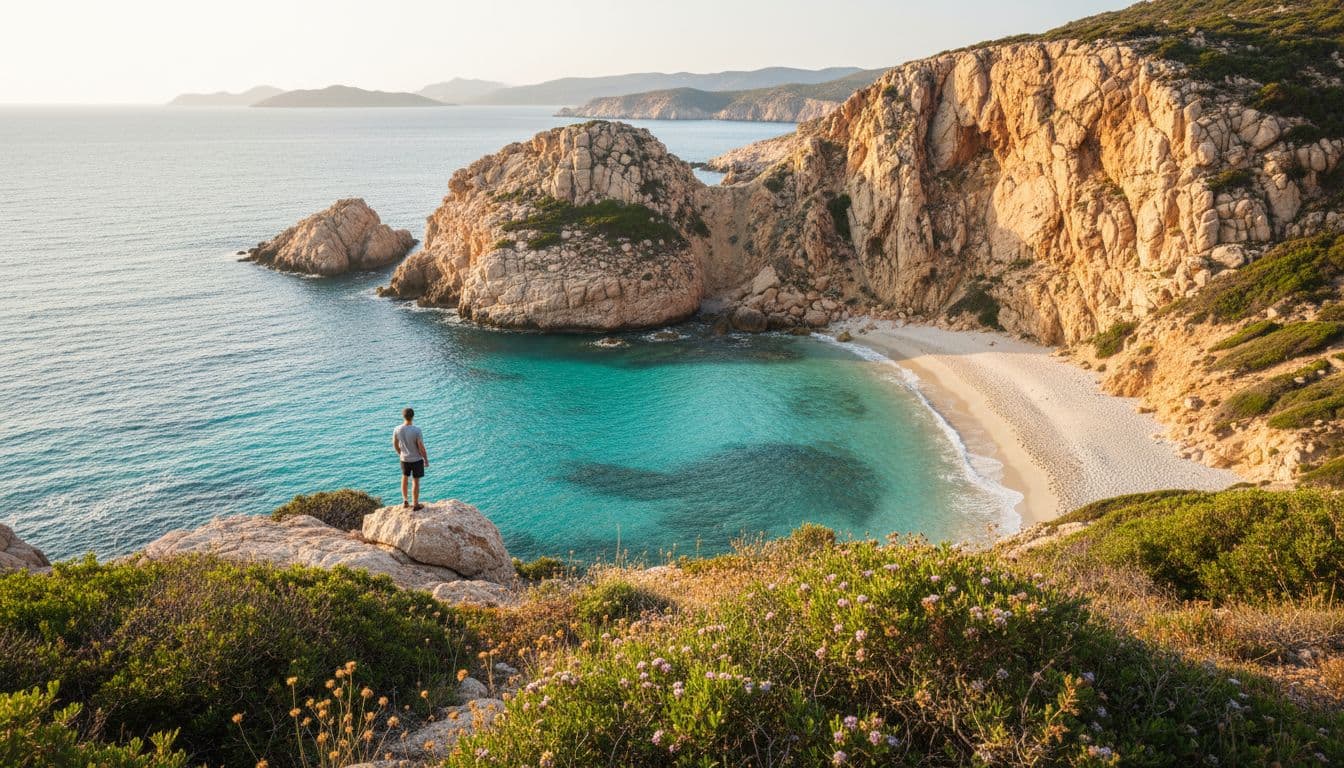
The first time I stood above a secret Sardinian cove in late spring, the air smelled of wild thyme and sea salt. The water below was a sheet of liquid emerald, curled between pale cliffs. The only sounds were waves against rock and bees in the maquis. Moments like that are why I keep coming back to this island as a Sardinia cove‑hunter and nuraghe explorer writing for IneedMyVacation.com.

In 2026, the best things to do in Sardinia Italy 2026 line up perfectly with what many travelers crave now: slow Mediterranean escapes, eco-friendly trips that respect fragile coasts, quiet beaches you actually share with gulls, not crowds, and ancient stone towers that outdate Rome by more than a thousand years. New direct routes, including a headline New York to Olbia flight, make the island easier to reach, yet much of Sardinia still feels wild and local.

On one side there are Sardinia hidden beaches, from Costa Smeralda coves with water that looks edited, to UNESCO-protected bays you reach after a steady hike. On the other side, there are Bronze Age nuraghe, ghostlike mountain villages, deep canyons, and soft evenings in towns painted every shade of sunset. Across these 13 experiences you will find hidden coves, coastal hikes, caves, colorful villages, flamingos, and those strange stone towers scattered across the hills.

Every activity here sits in the same friendly price band, roughly 0 to 120 dollars. You can hike gorges and explore medieval streets for free, then splurge on one boat day or a guided archaeological walk without blowing your budget. For a bigger picture that ties routes and regions together, I keep an updated overview at my full Sardinia 2026 guide, blending my own trips with trusted sources like Lonely Planet’s Sardinia guide and official Italian tourism updates.

Book your 2026 Sardinia escape on Trip.com! Start now

Some links in this guide may earn a small commission at no extra cost to you. I only point to services I would use myself.


Why Sardinia Is 2026’s Hottest Mediterranean Secret

Hidden Sardinian cove with turquoise water under golden light
Hidden cove on the Sardinian coast in late spring, water glowing turquoise under soft light. Image created with AI.


When I look at travel trends for 2026, Sardinia keeps shining brighter. Searches are climbing, yet the island still feels calmer than many famous Mediterranean spots. That balance of rising access and low-key atmosphere is rare.

Slow travel fits Sardinia like a glove. Roads curl between cork forests and sheep fields, not mega-resorts. Many coastal towns are still small fishing places at heart. You can spend your morning at a turquoise bay, then eat ravioli filled with potato and mint in a village that shuts for a quiet siesta. Articles like this spring Sardinia guide keep pointing to the same thing: wildflowers, local festivals, and gentle walks beat nightclub noise for most visitors now.

When people ask me about the best things to do in Sardinia Italy 2026, I picture a map full of contrasts. There are the famous strips of Costa Smeralda, but step away and you find tiny coves where only goat bells break the silence. There are deep green valleys and cliffs over the sea, then a sudden Bronze Age stone tower like Su Nuraxi rising from the plain. Sardinia suits hikers, food lovers, families, and couples all at once.

Eco-tourism is picking up too. Travel writers and local hotels talk about hidden bays and quiet coastlines that reward patience, such as the lesser-known spots listed in this guide to Sardinia’s secret beaches. Terms like Sardinia hidden beaches 2026 are not just keywords. They describe a real shift, where visitors spread out across the island and choose shoulder season for space and softer light.

For hikers, the island is a playground of coastal trails, gorges like Gorropu, and mountain paths to ancient sites such as Tiscali Village. Many of these walks cost nothing more than a parking fee. History lovers can build whole days around nuraghe routes, helped by resources like this overview of nuraghi itineraries. Families and couples can enjoy easy beach days, kid-friendly snorkeling, and gentle town walks that end in gelato and sunset views.

Budget also stays realistic. A lot of top experiences, from hiking to wandering medieval streets, sit at 0 to 20 dollars per person. Even guided days, boat trips, and canyon hikes usually stay under 120 dollars if you share costs.

For readers who want exact numbers, I break this down in more detail in how to visit Sardinia on a 2026 budget.

For trip planning I still like to carry a physical guide, especially for mapped walks and small-town tips. A solid choice is a detailed Sardinia travel guidebook, which I use to sketch loop routes and find small, family-run places.

If you are ready to lock in your flights, you can find flights to Sardinia for 2026 and start piecing together your own island circuit.


Interactive Map of Sardinia’s Top 13 Places to Visit in 2026

Before we dive into each spot, I like to see the island at a glance. In my Sardinia 2026 map, I pin all 13 highlights from this guide, spread between the north, center, and south. You will spot Costa Smeralda coves, Cala Goloritzé on the east coast, Su Nuraxi di Barumini in the middle, and Alghero’s walled old town in the northwest.

The idea is simple. Zoom in, then group nearby pins for a smooth, eco-friendly road trip instead of zig-zagging the island. For example, you can cluster La Maddalena and Costa Smeralda in one base, then Dorgali, Cala Goloritzé, and Gorropu in another.

For popular tours and caves that often sell out in peak 2026 weeks, you can browse Sardinia tickets for 2026 and keep your main days locked in.


Best Hidden Beaches and Coastal Hikes in Sardinia for 2026

Hiker on a rugged coastal trail above turquoise water in Sardinia
Hiker following a rocky coastal trail that curves toward a hidden Sardinian beach. Image created with AI.


The coast is the pulse of any Sardinia trip for me. In 2026 I focus less on crowded beach clubs and more on quiet coves, where the loudest thing is cicadas in the scrub. Most of the places below are free to visit, with only small fees for parking or park access.

For these spots, I always pack light gear: reef-safe sunscreen, a compact towel, and more water than I think I need. A bottle with a simple portable water filter helps on hot hikes where fountains are rare.

Costa Smeralda’s Secret Coves and Emerald Water

On Costa Smeralda, I skip the headline beaches and slip down side paths instead. Spots like Spiaggia del Principe or tiny unnamed inlets near Romazzino feel like private pools at the right hour. In 2026 you can expect crystal water, pale sand, and some higher prices for parking and beach bars near the main roads, yet many small coves still feel raw if you go in May, June, September, or October.

The coves themselves are free. What you may pay for are boat shuttles or private parking, usually still under 20 dollars per day. I like to arrive before 10 a.m. or after 4 p.m. to skip crowds, and I swap bulky beach gear for a light quick-dry towel that barely takes space in my daypack.

Cala Goloritzé: Iconic Hike to a UNESCO-Protected Beach

Cala Goloritzé shows up on almost every list of the best things to do in Sardinia Italy 2026, and for good reason. The hike drops from the Golgo plateau through scrub and stone to a tiny cove under a sharp rock pinnacle, with water that looks unreal in midday light.

Access numbers stay controlled to protect the bay, and there is usually a small entry or park fee under 20 dollars. The path is rocky but clear; you need sturdy shoes, not flip flops. I start early to avoid full heat, move slowly on the way back uphill, and carry a bottle with a basic portable water filter for peace of mind on very hot days.

Open in Google Maps

Capo Testa’s Boulder Beaches and Lighthouse Views

Capo Testa, near Santa Teresa Gallura, feels like a natural playground of granite. Huge wind-shaped boulders lie scattered along the coast, form tiny sandy pockets and clear pools between them. I wander the informal paths, hop across smooth rocks, then head toward the lighthouse for a sunset that turns the whole headland gold.

Exploring Capo Testa is free and works well as a half-day walk. The terrain can be rough, so I treat it like a short hike and wear steady shoes. Strong sun bounces off the pale rock, so I keep a mineral-based reef-safe sunscreen in my pack to protect both my skin and the small coves where fish dart just a few meters from shore.

Open in Google Maps

Villasimius Marine Reserve Snorkeling and Easy Beach Days

Villasimius, on the south coast, is where I go when I want an easy beach day that still feels special. Shallow bays like Simius and Punta Molentis sit inside a protected marine reserve, with clear water, soft sand, and gentle entry that suits kids and tired legs.

Access is usually free, apart from parking fees or limited entry at Punta Molentis in peak season. Simple snorkel tours or boat trips stay under about 100 dollars per person in 2026. I like to visit in May, June, September, or early October, when the sea is warm but the sand is not packed. A basic mask-and-snorkel kit and that same quick-dry towel let me jump between beaches without filling the trunk.

Open in Google Maps


Ancient Nuraghe and Mysterious Mountain Villages

Ancient Nuraghe tower at dusk surrounded by ruins and wildflowers
Nuraghe stone tower in the Sardinian countryside at golden hour, with village ruins and wildflowers. Image created with AI.


Sardinia is not only about the coast. Long before Roman roads and medieval towers, the island was full of nuraghe, Bronze Age stone towers and villages built from huge blocks of rock. They rise from fields and ridges like giant beehives, some still partly buried, others carefully restored.

Walking into a nuraghe near sunset feels like stepping sideways in time. Light drops through narrow passages, stones hold old heat, and suddenly those shapes on the hillside become homes, storage rooms, and watchtowers in your mind. For 2026 travelers who want culture with their coastline, these are essential stops.

Most sites cost under 20 dollars, often including a short guided tour. Many sit close to small towns, making them easy day trips by rental car and ideal to mix with local lunches.

Two places stand out if you are short on days.

Su Nuraxi di Barumini: Sardinia’s UNESCO Stone Fortress

Su Nuraxi, a UNESCO site near Barumini, is the star of Sardinia’s nuragic story. From the outside it looks like a stone hill, but once you pass inside, a central tower and a ring of smaller towers appear, tied together with thick walls and passages.

On my last visit, a guided tour (included in a ticket under 20 dollars) lasted about an hour. We walked through tiny doorways, climbed safe internal stairs, and stood inside dim rooms while the guide explained daily life here 3,000 years ago. Kids loved the tunnels more than the theory. Nearby farm stays and small inns turn this into a perfect pause on a cross-island road trip, with local cheese and honey to taste once you leave the stones.

Open in Google Maps

Tiscali Village: Hidden Ruins Inside a Mountain Crater

Tiscali Village hides inside a huge limestone sinkhole in the Supramonte, reachable only by a moderate hike. The path crosses rocky slopes and holm oak woods, with views over canyons and distant peaks. When I stepped through the gap in the cliff for the first time, the world suddenly dropped away into a hollow chamber, with old stone hut walls clinging under a high rock arch.

This is not a flip-flop walk. Reasonable fitness, strong shoes, and steady steps are needed, especially for the last rocky sections. Entry fees and guided hikes stay under about 80 dollars per person. I found a light pair of hiking poles helpful on loose gravel, both uphill and downhill.

Open in Google Maps


Coastal Adventures, Caves, and Gorges You Will Never Forget

Sardinia’s wild side really shows when you trade the towel for a day pack and a sense of curiosity. This is where deep blue channels, secret caves, and silent gorges enter the picture. It is also where I recommend building in a few guided days, both for safety and for the stories you get from local skippers and mountain guides.

Most of these adventures sit in the 40 to 120 dollar range per person in 2026, depending on season and group size. Some, like Gorropu Gorge, can be free or low cost if you walk in on your own. Others, like Neptune’s Grotto in strong wind or the Maddalena islands in high summer, depend on sea conditions and need flexible timing. I always tell readers to double-check opening details and sea forecasts before setting plans.

La Maddalena Archipelago Boat Days and Island Hikes

A day out in the La Maddalena Archipelago feels like hopping through an open-air pool. Boats weave between low islands, the sea shifts from turquoise to milk-glass blue, and small beaches appear where rock meets sand.

My ideal day includes three parts: swimming stops in quiet coves, lunch on board or at a small port, and a short afternoon hike on La Maddalena or Caprera. Simple tours start around 50 dollars per person in 2026, rising to about 120 dollars for smaller groups or more special food and routes. Once you step onto the islands, the trails themselves are free, with views back toward the Sardinian mainland that look painted.

Open in Google Maps

Neptune’s Grotto: Dramatic Sea Cave Near Alghero

Neptune’s Grotto, near Alghero, is part cave tour, part dramatic viewpoint. I have visited both ways. By boat, you glide along the cliffs and slip into a sea-level opening, then follow a guided route through chambers filled with stalactites. On foot, you start at Capo Caccia and take a long staircase carved into the cliff, with dizzying sea views and many, many steps.

In both cases, there is a cave ticket cost that usually stays under 30 dollars. I always check sea forecasts and updated times before going, since waves can close the boat route. Pairing Neptune’s Grotto with an evening in Alghero old town turns it into a full and satisfying day.

Open in Google Maps

Gorropu Gorge: One of Europe’s Deepest Canyons

Gorropu (sometimes confused online as “Gorgonzola” gorge) is a great cleft in the Supramonte that swallows you between high white limestone walls. Once you drop from the trailhead into the canyon, noise falls away. Underfoot you find a dry riverbed of rounded stones, small pools after rain, and boulders that feel made for quiet picnics.

There are easier and harder ways in. In 2026 more guided options exist for different levels, often under 100 dollars with transport from nearby towns like Dorgali. Self-guided walkers usually pay a small access fee at the canyon entrance. This is a full-day outing. You need sturdy shoes, plenty of water, and patience on the climb back. I like to carry that same portable water filter so I can refill where safe and keep weight lower.

Open in Google Maps

Hiker enjoying a rocky Sardinian beach at sunset
A hiker resting on a rocky Sardinian beach at sunset after a day of walking the coast. Photo by Laura Mor


Colorful Towns, Sunsets, and Flamingos: Sardinia’s Softer Side

Colorful hilltop village with medieval castle and sea view
Pastel houses climbing to a medieval castle in a Sardinian hilltop town at sunset. Image created with AI.


After long days on trails and in coves, I love Sardinia’s slower evenings even more. This is when towns light up, locals stroll, and sea walls fill with people looking toward the horizon. Glasses of Malvasia glow on tables, and kids play in narrow alleys while older neighbors talk on doorsteps.

Most of these town-based experiences are either free or low cost. You might pay a few euros for a castle entry, a small museum ticket, or a wine tasting under 40 dollars. Everything else, from watching street life to the sky changing color over the sea, costs nothing.

Alghero Old Town and Golden-Hour Sea Walls

Evenings in Alghero feel like a movie I never get tired of. I start in the old town, drifting between Catalan-style facades and small boutiques, then reward myself with gelato in a shady square. As the sun drops, I walk the sea walls, where fishermen lean on rails and couples sit on the stone, faces turned to the west.

The best parts of Alghero cost nothing: the light, the breeze, and the steady roll of waves against the walls. Extras, like a short harbor cruise or a drink at a rooftop bar, add a bit of sparkle without pushing the day over budget. Neptune’s Grotto fits perfectly as the daytime half of this same chapter.

Open in Google Maps

Castelsardo’s Hilltop Castle and Sea Views

Driving toward Castelsardo on the north coast, I always look for the moment when the hilltop appears. Houses in soft colors climb up toward a fortress, with the sea stretched out behind. Inside the village, lanes twist uphill past small churches and craft shops that sell woven baskets and ceramics.

A visit here can be as easy or as detailed as you like. Castle entry is low cost and comes with views across the sea and toward Asinara island on clear days. Browsing the shops and leaning on the walls is free. This is one of my favorite “rest days” between long hikes, because it still feels rich without working your legs too hard.

Open in Google Maps

Bosa’s Rainbow Houses and Malvasia Wine Tasting

Bosa sits on the Temo River, with pastel houses stacked against the hill and a castle watching from above. I like to wander the riverside first, then climb toward the castle for wide views over roofs and vineyards. On the way down, narrow lanes reveal doorways painted bright blue or pink, with tiny balconies spilling geraniums.

Malvasia wine is part of Bosa’s character. It tastes gently sweet, with notes of honey and dried fruit that pair well with local desserts or simple cheese plates. Several small producers offer short tastings at fair prices, often under 20 dollars. Bosa works either as a day trip from the west coast or as an overnight pause on a longer coastal drive.

Open in Google Maps

Cagliari’s Historic Streets and Pink Flamingos

Cagliari feels like a natural first or last stop on many Sardinia trips. The Castello quarter climbs above the harbor, packed with churches, lanes, and viewpoints. In the early evening, locals join the passeggiata, drifting between bars and squares while the heat lifts.

What I love most is how easy it is to add nature to a city day. The Molentargius salt ponds sit just outside town, with paths and lookouts where pink flamingos often feed, especially in spring and fall. City walks are free, and a simple tram ticket or bike rental to the flamingo reserve stays low cost. I often spend my final Sardinia day here, letting the rhythm of the city ease me out of island time.

Open in Google Maps


Insider Sardinia Tips to Make 2026 Travel Easier

Planning Sardinia for 2026 can feel smoother if you think like a slow traveler from the start. The island is large, with winding roads and plenty of choices, so I like to keep both my packing and my route simple.

A few ideas save money and stress:

  • Travel in May, June, September, or early October for lower prices and lighter crowds.
  • Mix free or low-cost hikes with one or two paid boat days or guided tours.
  • Stay 3 to 4 nights in each base instead of changing hotels every day. This supports small guesthouses and cuts driving time.
  • Prebook only the things that really sell out, such as special caves or key nuraghe tours.

For deals and packages that bundle stays without locking you into rigid tours, I keep a short list at my favorite Trip.com hotel and package deals for Sardinia 2026, which I update as new offers appear.

Smart Packing List for Sardinia 2026

I try to travel with one checked bag at most, sometimes just a carry-on. For Sardinia, these items earn their place every time:

  • Light layers: T-shirts, a linen shirt, and a thin sweater for windy evenings.
  • Comfortable shoes: One pair for hikes, one for towns.
  • Reef-safe sunscreen: I like a mineral option such as this reef-safe sunscreen.
  • Compact towel: A small quick-dry towel that works for both beaches and gorges.
  • Portable filter bottle: A simple portable water filter keeps plastic waste down on long hikes.

Getting Around Without Losing Time

Driving opens the island in a way buses cannot match, especially in shoulder season. Still, you can mix modes.

Simple tips:

  • Fly into Olbia or Cagliari, then pick one or two bases north and south.
  • Use local buses and trains for big town hops, like Cagliari to Oristano.
  • Rent a car for 3 to 7 days in the middle of your trip for hidden beaches, nuraghe, and hikes.
  • Avoid packing your schedule with too many hotel changes; this eats days fast.

For key archaeological entries that you know you want, it is wise to reserve Su Nuraxi tickets early, especially on weekends or in school holiday periods.


When to Visit Sardinia in 2026 and Seasonal Highlights

Choosing when to visit Sardinia shifts the whole feel of your trip. The island has clear seasons, each with its own rhythm. For most travelers focused on the best things to do in Sardinia Italy 2026, shoulder periods offer the sweetest balance of weather, price, and calm.

Late April to June brings wildflowers, cooler hiking temperatures, and early swims. Paths to Cala Goloritzé or Tiscali feel fresh and green, and inland nuraghe sit under bright yet gentle light. Some smaller seaside services may not be in full swing in April, but by late May most cafes and beach bars are open.

July and August are hot, busy, and more expensive. These months suit visitors who want lively nights in places like San Teodoro or Villasimius, and long beach days with plenty of buzz. Hidden coves are still possible if you start early, but parking fills fast and some famous spots now cap entries. Many locals and repeat travelers avoid long mountain hikes at midday in this period.

September and October might be my favorite stretch. The sea is warm, grape harvests and small festivals dot the countryside, and crowds thin out. Parking at quiet bays gets easier, and conversations with locals feel less rushed. This is also a great time for longer loops that mix coast and inland, since temperatures drop just enough for comfortable walking.

Winter has its own charm for slow travelers and digital workers. Many coastal services reduce hours, yet towns and cities keep their everyday life. Flights and stays can drop in price, though you trade beach days for local food, museums, and moody coastal walks.

If you can be flexible with dates, play with a few options to compare Sardinia hotel deals by season. Shifting arrival or departure by a few days often makes a real difference.

For most first-time visitors planning the best things to do in Sardinia Italy 2026, I suggest May, June, September, or early October. Those weeks give soft light, good sea temperatures, friendlier prices, and more room at the hidden spots that make the island special.


Sardinia 2026 FAQ

How many days do I need in Sardinia for a first trip in 2026?

For a first trip, I like 5 to 7 days as a minimum. That gives you time for two main areas, such as a few nights near Olbia for Costa Smeralda and La Maddalena, then a block in Alghero or Cagliari. With 10 to 14 days, you can slow down, add nuraghe sites like Su Nuraxi, and fit in mountain hikes to Gorropu or Tiscali. A simple structure is two or three bases with day trips around each.

Do I need a car to see Sardinia’s hidden beaches and nuraghe?

A car helps a lot if you want secret coves, Gorropu, Su Nuraxi, and Tiscali. Buses cover some routes, but schedules can be thin outside peak season, especially for rural stops and mountain trailheads. Some travelers use public transport for big town hops, then rent a car for a shorter window focused on remote beaches and archaeological sites.

Is Sardinia expensive in 2026?

Sardinia can feel pricey in July and August, when hotel prices jump and some boat tours rise with demand. In May, June, September, and October, costs drop and many of the best experiences, like hikes, village walks, and sea-wall sunsets, are free. Most activities in this guide sit between 0 and 120 dollars per person. Booking flights and key stays early, then mixing free days with one or two “big” experiences, keeps budgets comfortable.

What is the best base to explore Sardinia’s top sights?

I usually suggest two or three bases. For the north and Costa Smeralda hidden beaches, Olbia or nearby towns work well. For hikes and Cala Goloritzé, Dorgali or Cala Gonone make sense. Alghero is a great base for Neptune’s Grotto and west coast drives to Bosa or Castelsardo. In the south, Cagliari or Villasimius cover both city life and the marine reserve. Keeping each base for at least three nights cuts travel stress.

Is Sardinia safe for solo or family travel?

Sardinia feels generally safe, both for solo travelers and families. Violent crime is rare, and most issues are small things like sunburn, heat, or the odd pickpocket in busy markets. I use common sense: watch valuables in crowds, keep an eye on the car in beach parking lots, carry enough water and a hat on hikes, and follow local signs about currents or jellyfish at beaches. With those basics, trips run smoothly.


Conclusion

I still think about that first hidden cove, the herb-scented air, and the way the sea below looked painted. Even after many trips, Sardinia keeps surprising me with new corners: a quiet Costa Smeralda inlet at sunrise, a nuraghe I had not seen before, a village festival where everyone seems to know each other.

In this guide I pulled together 13 of the best things to do in Sardinia Italy 2026, grouped into four moods: hidden beaches and coastal hikes, nuraghe and mountain villages, boat and cave adventures, and soft evenings in colorful towns with good wine and easy walks. Think of this list as a flexible toolkit, not a strict checklist. You can pick the pieces that fit your pace and build your own slow Mediterranean escape.

To start planning, book your 2026 Sardinia escape on Trip.com and let the hidden coves, nuraghe, and flamingos wait for you. plan your Sardinia 2026 package


© 2026 IneedMyVacation.com. All rights reserved.


14 Best Things to Do in Okinawa Japan for 2026: Snorkel Bays, Island Hop & Hidden Ryukyu Ruins

The first time I slid off a boat into Kerama Blue, I remember the exact feeling. Mask fogging slightly, breath echoing in my ears, and a whole garden of coral opening below me in turquoise water so clear it felt like flying. If you are looking for the best things to do in Okinawa Japan 2026, that is the moment I want you to remember when you land.

As an Okinawa reef chaser and Ryukyu castle hunter for IneedMyVacation.com, I have spent years island hopping this southern chain. I keep coming back for the same mix that keeps travelers hooked in 2026: bright coral bays, sleepy islands, and weathered stone walls from the old Ryukyu Kingdom that once traded with China and Southeast Asia. Here, Japan feels tropical and relaxed, with palm trees, taco rice, and sanshin music instead of neon and subway rush.

Okinawa sits far south of Tokyo, closer to Taiwan than to Hokkaido. The vibe is softer and slower. People linger at family restaurants. Kids play on coral sand beaches. In 2026, the island chain is extra special. The rebuilt Shurijo Castle is rising after the 2019 fire, marine protection is tightening around places like the Kerama and Yaeyama Islands, and more travelers are choosing remote island escapes and wellness focused trips instead of crowded city breaks.

In this guide I am sharing 14 hand picked experiences that I actually do, over and over. Every one fits in the 0 to 150 dollar range, from zero cost sunsets to snorkel tours and glass bottom boats. I will point you to a simple custom map, budget friendly ideas, and easy planning tips so you can mix reefs, ruins, good food, and quiet moments that let Okinawa’s Ryukyu soul sink in.

Book your 2026 Okinawa escape on Trip.com!

Start now

This post contains affiliate links. If you make a purchase through these links, we may earn a commission at no extra cost to you.


Okinawa’s Turquoise Reefs & Ryukyu Soul in 2026

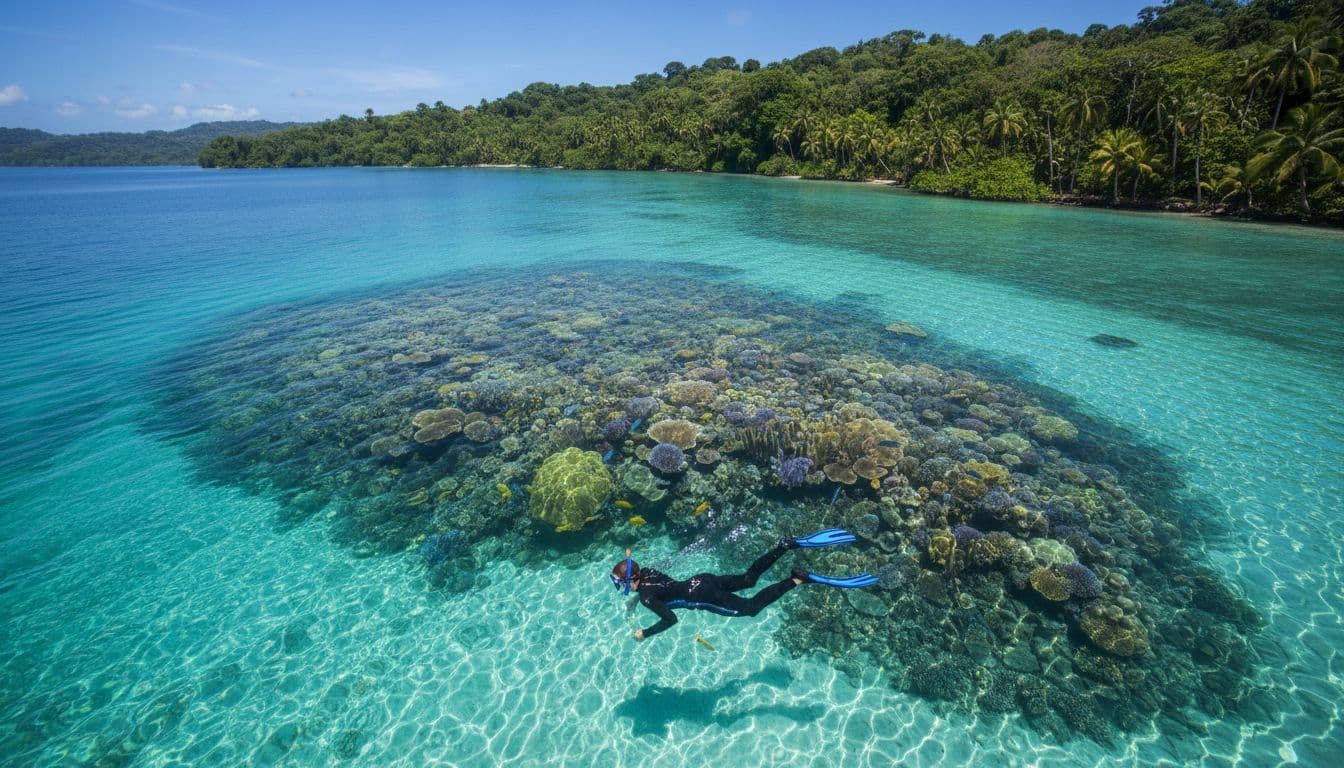
Snorkeler in turquoise Kerama waters with sea turtles
Snorkeling over “Kerama Blue” reefs in Okinawa’s outer islands. Image created with AI.

Okinawa feels like Japan’s tropical secret. Palm trees line the streets, hibiscus flowers lean over low stone walls, and the water glows in layers of blue and green. If you have only seen Tokyo or Osaka, arriving in Naha can feel like crossing into a calmer, saltier version of the country.

Life moves slower here. Locals catch up over bowls of Okinawa soba. Kids jump from small harbor piers. At night, someone almost always has a sanshin (three stringed lute) in a bar on Kokusai Dori, singing in a mix of Japanese and old Ryukyu words.

2026 is a turning point year. Shurijo Castle, once the proud red palace of the Ryukyu kings, is returning after the fire in 2019. New sections open as work continues, so you see both bright new lacquer and old stone. In the water, protected zones around the Kerama Islands and the far flung Yaeyama Islands are getting more attention, with guides focusing more on reef safety and respectful encounters with sea turtles and big fish.

Travelers are catching on. More people are adding Okinawa to multi city Japan routes, mixing Tokyo food crawls with three to seven days of island time. Official travel pages like Travel Japan’s Okinawa guide highlight the chain as a subtropical break with its own history, music, and food. Tour companies are also seeing rising demand for Okinawa add ons in 2025 and 2026, with routes that include both city stops and days by the sea, as shown in packages on sites like All Japan Tours.

A few reasons I like Okinawa for 2026:

  • Warm water much of the year, with good snorkeling from around April into November.
  • Frequent domestic flights from Tokyo, Osaka, Fukuoka, and beyond.
  • Plenty of free or low cost sights: beaches, viewpoints, ruins, and coastal walks.
  • A broad mix of moods, from bustling Naha to quiet capes and far off islands.

I also love how easy it is to keep things gentle on the reefs. I always pack reef safe sunscreen, a rash guard, and a simple mask and snorkel. I never stand on coral, and if a turtle swims close, I let it pass without reaching out. Many local guides now talk about coral health and ask guests to float calmly above the reef.

If you want more structured days, land tours around Okinawa’s main island and outer isles are easy to find. Operators like those featured on Okinawa land tours pages mix history, food, and coastal scenery in one day, which works well if you are short on time.

For flights, I like keeping it simple. Find Okinawa flights on Expedia.com

here

In the next sections I will share a custom map, then go straight into the 14 best things to do in Okinawa Japan 2026 so you can blend reefs, ruins, and rest in a way that fits your style.

Why Okinawa Feels Different From Mainland Japan

Okinawa once formed the Ryukyu Kingdom, a separate state that traded with Japan, China, and Southeast Asia. That past still shapes daily life. You hear different words, see different roof tiles, and taste completely different dishes.

The local food is hearty and homey. I always look for:

  • Goya champuru, a stir fry with bitter melon, tofu, and pork or spam.
  • Taco rice, a post war comfort dish with seasoned ground meat, lettuce, tomato, and cheese over rice.
  • Awamori, Okinawa’s strong spirit, often sipped with water and ice.

The climate is subtropical. Winters are mild, more like cool spring days in Tokyo. In summer, humidity wraps around you as soon as you step outside. It feels a bit like a smaller, Japanese flavored Hawaii, with beaches never far from daily life.

Compared with cities like Tokyo or Osaka, where trains hum and lights flash late into the night, Okinawa’s pace is softer. You can wake up, have an easy breakfast, float in the sea, then visit a castle ruin and still have time for an early dinner. That mix of culture and beach time in one trip is what makes Okinawa so strong for 2026.

2026 Travel Trends: Reefs, Remote Islands, and Wellness

By 2026, many travelers are done with crowded city trips. More people want space, nature, salt water, and simple food. Okinawa fits this shift in a few key ways.

  • Sustainable coral tourism: Guided snorkel tours now focus on not touching coral, keeping fins up, and using eco friendly sunscreen.
  • Remote island escapes: Islands like Zamami, Tokashiki, Miyako, and Ishigaki offer digital detox energy, with patchy signal in some spots and long, quiet beaches.
  • Wellness centered travel: It is very easy to build days around sunrise swims, slow drives to capes, hot baths, and early nights.

I like to think of Okinawa as a reset button. After a few days of early swims, simple meals, and soft sunsets, most people feel lighter. That is exactly the mood many travelers are chasing in 2026.

Practical Reasons to Add Okinawa to Your Japan Trip

Here are simple, skimmable reasons Okinawa fits into a broader Japan plan:

  • Frequent domestic flights from major cities.
  • No extra visa step if you already enter Japan normally.
  • Many beaches, viewpoints, and ruins are free or very cheap.
  • Mild winters, good for hikes and views even if you skip swimming.
  • Family friendly picks like Okinawa Churaumi Aquarium and shallow beaches.

If you like to read ahead, I often toss a small guidebook into my bag. One I like is this Okinawa travel guide:

Buy on Amazon


Your Custom Okinawa Island Map

In the full guide, I include a custom Google My Map with 14 pins, one for each experience I share below. I group them into simple clusters so planning routes is easier: southern main island (Naha, Shurijo, Sefa Utaki, Peace Memorial Park), central (Yomitan, Nakagusuku), northern (Cape Manzamo, Churaumi, Cape Hedo), and outer islands (Kerama Islands, Zamami, Ishigaki, Kabira Bay, Miyako).

Save the map on your phone and download it offline if you can. Then you can build a 3, 5, or 7 day route by drawing little loops around the pins, fitting two or three close by sights into one easy day.

Book Okinawa hotels on Trip.com

here


Top 14 Okinawa Experiences for 2026: Reefs, Islands, and Ryukyu Ruins

Rebuilt Shurijo Castle overlooking Naha city
Reborn Shurijo Castle glowing above Naha in 2026. Image created with AI.

Here is my personal list of the 14 best things to do in Okinawa Japan 2026, all tested over years of reef swims and castle walks. Every item includes a quick feel, rough cost, and best timing.

1. Snorkel Kerama Blue in the Kerama Islands

Snorkeling the Kerama Islands is pure Okinawa snorkeling 2026 magic. You ride a ferry or speedboat from Naha to islands like Zamami or Tokashiki, then drop into clear, bright water. Coral heads rise like underwater bouquets, and sea turtles glide through beams of sunlight.

  • Rough cost: 60 to 120 dollars for a day tour with gear.
  • Best time: Around April to October, with calmer seas in late spring and early autumn.

Always use reef safe sunscreen, follow your guide, and keep your fins off the coral. Beginners can join guided tours, wear life vests, and simply float across the reef.

Open in Google Maps

2. Visit Reborn Shurijo Castle and Its Ryukyu Past

Shurijo Castle is the red heart of the old Ryukyu Kingdom. After the 2019 fire, seeing it in 2026 feels emotional. You walk through gates, pass stone guardian lions, and look out across Naha from a high hill. Some parts are freshly rebuilt, others are still under careful work, so you sense both loss and renewal.

Plan time to explore the courtyards, small museums, and stone walls. Stand at the top and picture the days when this was a busy hub between Japan, China, and Southeast Asia.

Open in Google Maps

3. Drift With Giants at Okinawa Churaumi Aquarium

Okinawa Churaumi Aquarium is a must for ocean lovers and families. The Kuroshio Sea tank is huge, with whale sharks and manta rays looping in deep blue water. You can watch them from a wide viewing window and from a café space that feels like a quiet theater.

  • Rough cost: around 20 to 25 dollars per adult.
  • Best time: year round, but mornings or late afternoons are calmer than midday bus hours.

Pair your visit with nearby beaches or a stop at Cape Manzamo. Outside, open air pools and tanks let you see dolphins and sea turtles, and the displays connect back to the wider Okinawa reef system.

Open in Google Maps

4. Catch a Golden Cape Manzamo Sunset

Cape Manzamo is one of those simple stops that sticks with you. A short coastal path takes you to viewpoints over steep cliffs and the famous rock that looks like an elephant trunk. At sunset the light drops into the East China Sea and paints the water gold.

This stop is cheap, easy, and works for almost any traveler. Come a little early to find a good photo spot, then watch the sky change. Earlier in the day, you can swim at nearby beaches or visit Churaumi Aquarium.

Open in Google Maps

5. Island Hop Around Ishigaki and the Yaeyama Islands

Ishigaki is my favorite base for exploring the Yaeyama Islands. Ferries fan out from the main port to spots like Taketomi, with its sandy lanes and water buffalo carts, and Iriomote, with dense jungle and mangrove rivers.

In 2026, more travelers are choosing longer stays here so they can slow down. I suggest at least two full days: one for island hopping, another for snorkeling or a short hike. Bays are calm, the water glows turquoise, and cafés keep you fueled between ferry runs.

Open in Google Maps

6. Glide Over Kabira Bay on a Glass Bottom Boat

Glass bottom boat gliding over turquoise bay
Boat passing above a sunken wreck in clear Okinawa water. Photo by 沖縄ダイビングスクール ワールドダイビング

Kabira Bay on Ishigaki is famous for its layered shades of blue and green. You cannot swim here, which surprises some people, but you can still enjoy the underwater life from a glass bottom boat.

Tours are short and simple, usually under an hour, and cost stays well under 50 dollars. Midday sun lights up the sand and coral below, so the view through the glass feels like watching a live reef movie. This is perfect if you are not ready to snorkel, or if you travel with small kids or older parents.

Open in Google Maps

7. Climb Through Nakagusuku Castle Ruins

Nakagusuku Castle is one of my top Ryukyu ruins for quiet walks. Curved stone walls hug a hillside, and you can look out over the sea and cities below. Compared with Shurijo, this site feels calm, with far fewer crowds.

There is a small entrance fee, and you will either drive or take a bus then walk. Late afternoon is lovely, when the sun softens and shadows slide across the walls. Bring water, good shoes, and time to just sit on the stone and breathe.

Open in Google Maps

8. Shop, Snack, and Sip Awamori on Kokusai Dori

Kokusai Dori, or International Street, is Naha’s lively spine at night. Neon signs flash, awamori bottles line bar shelves, and you can find everything from simple snack stalls to live music venues.

I like to wander, grab small plates like sata andagi (Okinawan donuts) or taco rice, then stop in a bar with live sanshin. Awamori tastings are common, but keep an eye on your budget by sharing drinks and dishes with friends. If you rent a car, never drink and drive, use taxis or walk instead.

Open in Google Maps

9. Join a Whale or Big Fish Snorkel Trip From Zamami Island

Zamami Island offers some of the boldest boat trips within my 0 to 150 dollar range. In winter months, tours focus on whale watching, while in warmer seasons they may target big fish snorkel spots around offshore reefs. Rules change over time, so always check current guidelines and pick licensed operators.

Sea conditions can get choppy, so bring motion sickness pills if you are prone to it. Listen closely to your guides about how close you can get to animals and how to move in the water. Respect keeps both you and the wildlife safe.

Open in Google Maps

10. Explore Yomitan’s Pottery Village and Coastal Cliffs

Yomitan balances art and sea views in one easy half day. The pottery village holds small studios where you can browse plates, mugs, and bowls, many in soft ocean inspired glazes. Some places offer short workshops if you want to try the wheel.

Afterward, I like to drive out to the nearby coast, where cliffs drop into blue water and small beaches hide between headlands. It is a gentle shift from reef days, and you go home with something useful instead of a plastic keychain.

Open in Google Maps

11. Feel the Sacred Calm at Sefa Utaki

Sefa Utaki is one of the most sacred sites in the Ryukyu tradition. Paths wind through leafy forest and rock formations, and certain points look out over the sea in a way that feels like standing inside a natural chapel.

Dress modestly, speak softly, and follow signs. This is still a place of deep meaning for many locals. The walk is not long, but the air feels thick and still, a strong balance to the more touristy side of Okinawa.

Open in Google Maps

12. Swim and Relax on Miyako Island’s White Sand Beaches

Miyako Island holds some of the most photogenic beaches in all of Japan. Yonaha Maehama stretches in a long sweep of white sand, while Sunayama has a rock arch that frames the sea like a painting.

Days here slide into a gentle rhythm: morning swims, café lunches, sunset drives to bridges and viewpoints. The water is usually calm, but always watch for currents and wear reef friendly footwear if you walk near rocks. Late spring to late autumn is best for clear water, with winter still mild but cooler for swimming.

Open in Google Maps

13. Stand at Japan’s Edge at Cape Hedo

Driving north through Yanbaru forest to Cape Hedo feels like crossing into wild country. The road twists through deep green hills, then ends at rugged cliffs where the East China Sea and Pacific Ocean meet.

The viewpoint has railings and clear paths, but the wind can be strong, so bring a light layer and secure your hat. Photographers love this stop, and you can pair it with small hikes or café breaks in Yanbaru on the way back.

Open in Google Maps

14. Reflect at Okinawa Peace Memorial Park

Okinawa Peace Memorial Park sits on a bluff above the sea, full of stone walls, quiet paths, and engraved names of those who died in the Battle of Okinawa. The museum explains the brutal fighting and the long impact on local life.

I always walk here slowly, read some plaques, and sit for a while facing the water. It is heavy, but I think it is important to pair beach days with one visit that connects you to Okinawa’s war history and the strong wish for peace that runs through local culture now.

Open in Google Maps

Use a Quick Comparison Table to Plan Your 14 Experiences

Okinawa sunset coastline paradise

To help you match your budget and travel month to the right mix of activities, here is a simple comparison table. On a phone, you can scroll it sideways. Use it to pick a couple of reef days, a ruin day, and some softer scenic stops that all fit your time and budget.

Rank Activity Cost (approx.) Best Time Map
1 Snorkel Kerama Blue $60–$120 Apr–Oct Open
2 Shurijo Castle $5–$10 Year round Open
3 Okinawa Churaumi Aquarium $20–$25 Year round Open
4 Cape Manzamo Sunset $0–$5 Year round Open
5 Ishigaki & Yaeyama Island Hopping $40–$120 Apr–Nov Open
6 Kabira Bay Glass Bottom Boat $15–$30 Apr–Nov Open
7 Nakagusuku Castle Ruins $3–$6 Year round Open
8 Kokusai Dori Night Walk $0–$40 Year round Open
9 Zamami Whale / Big Fish Trip $80–$150 Dec–Mar (whales), Apr–Oct (snorkel) Open
10 Yomitan Pottery & Coast $0–$50 Year round Open
11 Sefa Utaki $3–$6 Year round Open
12 Miyako Island Beaches $0–$20 Apr–Nov Open
13 Cape Hedo $0–$5 Year round Open
14 Okinawa Peace Memorial Park $0–$10 Year round Open

For gear, I like packing my own sun friendly basics, including reef safe sunscreen:

Buy on Amazon


Insider Tips to Explore Okinawa Like a Local in 2026

Okinawa rewards slow, simple planning. Here are the habits I use to keep costs down, crowds low, and reef time high.

1. Plan Your Okinawa Seasons Around Reefs and Typhoons

Seasons shape your days a lot.

  • Late spring (around May) and early autumn (late September to early November) give warm water, clear air, and fewer typhoons.
  • Peak summer is hot and humid, with stronger sun but also more local festivals and school holidays.
  • Winter is mild, fine for capes and ruins rather than long swims, though whale watching shines from around December to March.

If your dates are fixed, do not stress. You can still find good water windows on most trips by watching local forecasts and staying flexible.

2. Rent a Car and Use Ferries for Island Freedom

On the main island, renting a car makes your life much easier. Buses exist, but they can be slow for beach hopping and remote ruins. In Okinawa you drive on the left side, and roads are usually forgiving once you get out of central Naha.

Ferries connect you to side trips: Tokashiki or Zamami for Kerama Blue, Ishigaki for Yaeyama, Miyako for quiet beach days. In busy months or holidays, book boats in advance. I always pick one or two clusters instead of trying to see every island in one short visit.

To keep my phone safe on boats and beaches, I like using a waterproof phone case:

Buy on Amazon

3. Pack Light but Smart for Snorkel and Island Days

Okinawa feels better when you are not dragging heavy bags. For water days I always pack:

  • Rash guard or long sleeve swim top for sun protection.
  • Reef safe sunscreen and lip balm.
  • Quick dry towel.
  • Water shoes or simple reef safe sandals.
  • Mask and snorkel if you like your own fit.

A compact snorkel set pays off fast if you swim often:

Buy on Amazon

4. Respect Local Culture, Nature, and Sacred Sites

Okinawa’s charm depends on both coral health and cultural respect. Simple habits help:

  • Stay on marked paths at ruins and sacred sites.
  • Keep voices low at Sefa Utaki and in smaller village temples.
  • Do not touch coral, sea turtles, or other wildlife, even if they swim close.
  • Take your trash with you, especially from beaches and capes.
  • Support small local places when you buy snacks, crafts, and drinks.

These small choices add up and keep Okinawa feeling special for future travelers.

5. Balance Your Days: Mix Reefs, Ruins, and Rest

It is easy to over plan in Okinawa. I like a soft rhythm.

Pair a heavy snorkel day with a calmer one visiting a castle ruin and a café. After an island hopping run, schedule a slow morning or a picnic at a quiet beach. Leave at least one flexible block in your trip for weather, since wind or storms can shift boat schedules.

A light travel towel also helps when you move from reef to ruin:

Buy on Amazon

Smart pacing lets you enjoy more of the best things to do in Okinawa Japan 2026 without feeling like you are racing the clock.


FAQs About Visiting Okinawa Japan in 2026

Quick Answers to Your Top Okinawa 2026 Questions

What are the best months for snorkeling and calm seas in Okinawa?
The sweetest windows are late spring and early autumn, roughly May and late September to early November. Water is warm, visibility is good, and typhoon risk is a bit lower than peak summer. From April to November you can usually find decent snorkeling somewhere, as long as you watch local forecasts.

How long should I stay to enjoy several of the 14 activities?
If you want a good sample, aim for at least four to five full days. That gives you time for one Kerama Blue snorkel, one Ishigaki or Miyako side trip, a castle or ruin, and a sunset cape. With a full week, you can add more islands and still keep days relaxed.

Do I need to speak Japanese to travel around Okinawa?
You can visit with basic English and a translation app. In tourist areas, many signs appear in English and staff know simple phrases. Learning a few greetings and thank you in Japanese is always kind and opens more smiles.

Is Okinawa family friendly?
Yes, very. Shallow beaches, Okinawa Churaumi Aquarium, glass bottom boats, and easy food all help families travel smoothly. Just watch sun and heat for young kids, and plan some indoor options for midday in summer.

What daily budget should I plan for food and basic transport?
For simple meals and local transport, many travelers do fine on 40 to 70 dollars per day, not counting hotels or long ferries. You can eat cheaper with convenience store lunches and casual diners, or spend more in resort areas and izakaya streets.

Can I visit Okinawa without renting a car?
Yes, especially if you stay in Naha or central resort zones and book tours with pickup. Buses connect main towns and some sights, and taxis fill gaps. For more remote capes and hidden beaches, a rental car still makes life easier.

How safe is Okinawa for solo travelers?
Okinawa feels safe for most solo travelers, including women. Normal city common sense still applies, like watching drinks and staying aware in busy nightlife areas. Outside the city, beaches, islands, and small towns feel calm and friendly.


Okinawa’s Magic in 2026: Reefs, Culture, and Quiet Space

Okinawa Yaeyama Islands sunset beach

Okinawa in 2026 feels like a rare mix of color and calm. Coral gardens shine beneath the surface, Shurijo Castle rises again over Naha, and capes like Manzamo and Hedo give wide open views that stretch your lungs and your mind.

Conservation work is still a work in progress, yet you can see real care in protected zones and tour briefings. Year round, water hovers around pleasant swimming temperatures, with many days near or above 24 degrees Celsius, especially from late spring into autumn. Outside peak holidays, beaches and islands still feel spacious compared with many tropical rivals.

Perks I keep coming back for:

  • Warm water much of the year and soft winter air.
  • A living Ryukyu culture, from music and food to sacred sites.
  • Enough space to actually hear the waves on many days.

For flights into and within Japan, it stays simple for me to find Okinawa flights on Expedia.com again when dates change.

Fly into OKA on Expedia.com here


Conclusion: Build Your Own Okinawa Story for 2026

When I think about the best things to do in Okinawa Japan 2026, these 14 experiences always rise to the top. Snorkeling Kerama Blue, drifting past coral that looks like stained glass. Island hopping around Ishigaki and Miyako, where each ferry ride feels like a reset. Standing by the new red halls of Shurijo Castle and the old walls of Nakagusuku, watching the light shift across centuries.

I always remember sunsets at Cape Manzamo, wind at Cape Hedo, and the deep quiet at Sefa Utaki and Okinawa Peace Memorial Park. Those moments mix into one story, a place where reefs, ruins, and everyday life still sit close together.

Use the map, the comparison table, and these insider tips to sketch your own route, whether you add three soft days to a busy Japan trip or spend a full week weaving across islands. Start with what you love most, then leave space for at least one surprise bay or side road.

If you are ready to turn turquoise daydreams into a real 2026 trip, book on Trip.com. Your mask, your towel, and your Ryukyu story will be waiting.

© 2026 IneedMyVacation.com. All rights reserved.
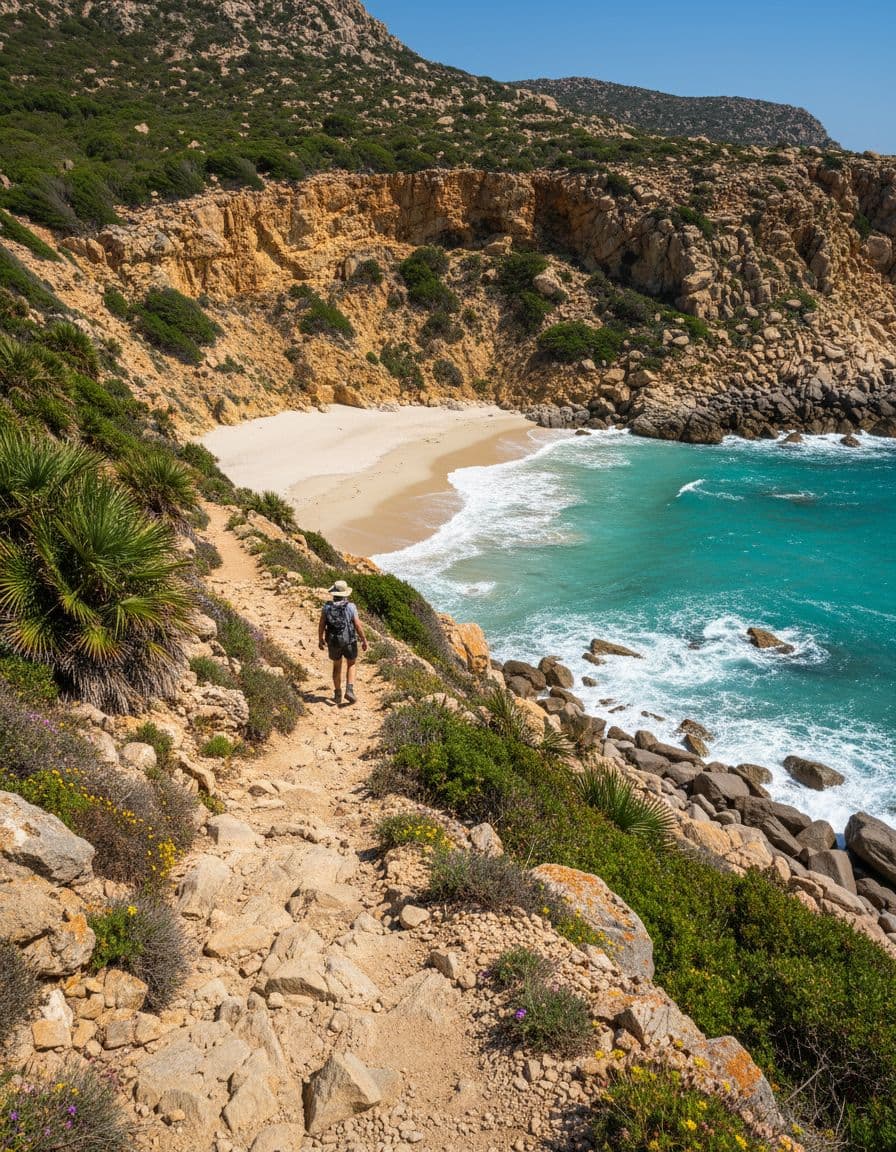


12 Best Things to Do in Kochi Kerala for 2026: Fort Cochin Walks, Backwater Cruises & Spice Souks

Best things to do in Kochi Kerala 2026 are easiest to feel at sunrise, when the sky turns soft pink above the Chinese fishing nets and the air smells of cardamom, the sea, and wood smoke. By sunset, the same nets stand in silhouette, kids lick ice cream along the promenade, and the backwaters glow like warm glass. As a Kochi heritage wanderer chasing monsoon sunsets for IneedMyVacation.com, I go back year after year because this coastal city never loses its slow, soulful rhythm.

Kochi sits on the Arabian Sea in central Kerala, a short hop from the lush hills and famous backwaters that many first hear about when they plan a South India trip. For 2026 travelers who want slow travel, culture, and value, Kochi is the perfect starting point. You can walk centuries of history in Fort Cochin, drift through palm-framed canals on backwater cruises, and breathe in the spice souks that once drew traders from across the world.

Most of the best things to do in Kochi Kerala 2026 cost between 0 and 80 dollars, so couples, friends, and families can enjoy rich experiences without blowing their budget. In this guide, I focus on Fort Cochin walks, backwater cruises, and spice souks, then add nine more handpicked ideas that I personally love. You will get a clear sense of costs, best times to go, local tips, and how to fit everything into a 2 to 4 day stay.

Travel sites already call Kochi one of the must-visit cities for 2026, and recent features highlight its mix of heritage, art, and backwaters, from Kochi’s global “must-visit” lists to traveler-favorite guides such as Expedia’s top Kochi attractions. Here, you will also find a ranked list of 12 experiences, an interactive map with all locations, and simple planning tips for 2026.

Having savored Kochi’s fish curries and sea breezes for years, I built this guide so you can move slowly, spend wisely, and still feel the full flavor of the city.

Book your 2026 Kochi adventure on Trip.com! Start now:
Book Kochi trips on Trip.com

This post contains affiliate links. If you make a purchase through these links, we may earn a commission at no extra cost to you.


Kochi’s Colonial Charm and Backwater Bliss in 2026

Best things to do in Kochi Kerala 2026 with Chinese fishing nets at sunset
Chinese fishing nets at sunset in Fort Kochi, a classic view for the best things to do in Kochi Kerala 2026. Image created with AI.


Kochi is Kerala’s cultural gateway, a small coastal city where history still sits in plain sight. You feel the mix of Portuguese, Dutch, British, Arab, and Jewish stories in the tiled churches, crumbling spice godowns, and blue-and-white synagogue tucked into a quiet lane. This layering is what makes the best things to do in Kochi Kerala 2026 feel rich without feeling rushed.

In Fort Cochin, everything happens at walking speed. The streets are shaded by big old trees, cafés and homestays fill historic houses, and the sea sits only a few steps away. For 2026, many travelers want Fort Cochin walks 2026 that combine history, food, and sea breeze in one easy loop. You can walk from St. Francis Church to Vasco da Gama Square, past colorful murals and tiny shops, then end by the Chinese fishing nets.

Here are a few clear reasons Kochi belongs on your 2026 list:

  • Walkable charm: Most classic sights in Fort Cochin sit within a few compact streets. You can explore churches, palaces, art spaces, and cafés on foot, with plenty of places to rest in the shade.
  • Friendly daily budget: Street snacks, simple veg thali, and fresh fish meals cost less than a fast-food combo in many cities. Many of the top sights are free or under 2 dollars.
  • Strong food culture: Think fish curry, appam, puttu, fresh prawns, and Kerala-style beef fry in local joints. Guides like Along Dusty Roads’ Kochi food tips show how deep this food story runs.
  • Backwaters within reach: Alleppey (Alappuzha) is only about one and a half hours away, so famous backwater cruises sit well within a day trip from Kochi.

Travel trends for 2026 show more people choosing slow travel, sustainable stays, and local culture over quick, rushed checklists. Kochi fits this shift in a very natural way. Many houseboats in the region now promote eco-friendly practices, such as cleaner fuel and better waste handling, and some focus on supporting village life along the canals. In Fort Cochin, plastic reduction efforts and support for local artisans are growing, from fair-price spice shops to small galleries that host Kerala artists.

If you like to read while you travel, a small guidebook helps you connect stories with what you see. A simple option is this Kerala Travel Guide:
Kerala Travel Guide Buy on Amazon

Find Kochi flights on Expedia.com here:
Search flights to Kochi on Expedia

Why Kochi Belongs on Your 2026 Kerala Itinerary

Kochi works very well as both a base and a short break. You can spend three or four days here and still feel you left plenty for next time. Or you can start in Kochi, then move on to Munnar’s tea hills, Thekkady’s wildlife, or longer backwater stays.

In a long weekend, you can mix Fort Cochin walks, spice souks, and backwater cruises into a relaxed rhythm:

  • Day 1: Fort Cochin heritage walk, churches, Chinese fishing nets.
  • Day 2: Mattancherry spice market, Jew Town, synagogue, palace murals.
  • Day 3: Day trip to Alleppey for a houseboat or canoe through the backwaters.

Kochi has a wide range of stays, from budget guesthouses to small boutique hotels in old heritage homes. Transport links are simple: the airport sits about an hour from Fort Cochin, there are regular trains to other Kerala hubs, and ferries link the islands across the harbor.

Most of the 12 activities in this guide are free or under 10 dollars. The big “splurge” is the houseboat cruise, which usually runs 60 to 80 dollars for a shared or simple private day trip. This is why Kochi feels friendly for solo travelers, students, and families who watch their spending but still want rich days.

Best Time to Visit Kochi in 2026 for Culture and Comfort

Kochi has three main travel moods across the year.

  • Peak season (December to March): Dry, sunny, and pleasant, with cooler evenings. This is perfect for Fort Cochin walks, outdoor cafés, and harbor sunsets, but hotels cost more.
  • Shoulder months (October, November, April): Warm and slightly humid, with fewer crowds. Great for backwater cruises and spice souks if you plan walks in the morning or late afternoon.
  • Monsoon (June to September): Heavy rain, lush scenery, and lower prices. Streets can flood for short periods, but museums, cafés, and heritage stays feel extra cozy.

The famous Kochi-Muziris Biennale runs in multi-month cycles and is expected around the 2026 season too, which brings more art lovers and can push up hotel rates near Fort Cochin. Guides like Kerala Tourism’s Biennale updates help you track exact dates.


Interactive Kochi Map for the 12 Best Experiences

Peaceful Kerala backwaters sunrise for best things to do in Kochi Kerala 2026
Peaceful backwaters near Kochi at sunrise, perfect for houseboat and canoe trips. Image created with AI.


You will find all 12 of the best things to do in Kochi Kerala 2026 pinned on the interactive map below. It includes Fort Cochin lanes, Alleppey backwaters, spice markets, beaches, malls, and green spaces. Use it to plan walking loops, sunset spots, and easy day trips from your stay.

Pins cover heritage sites, museums, churches, beaches, and shopping areas. Save this map to your phone before you travel so you can open it offline when signal drops.

Book Kochi hotels on Trip.com here:
Find Kochi hotels on Trip.com


Top 12 Kochi Experiences for 2026: From Fort Cochin Walks to Spice Souks

Traditional Chinese fishing nets over calm Kerala backwaters near Kochi
Traditional Chinese fishing nets over calm Kerala backwaters near Kochi, a classic view for the best things to do in Kochi Kerala 2026.
Photo by Soumith Soman


The best things to do in Kochi Kerala 2026 cover sea views, sacred spaces, slow canals, and modern comforts. Here is a ranked, easy-to-scan list with real costs and local tips.

1. Fort Cochin Heritage Walk and Chinese Fishing Nets

This is the heart of Fort Cochin walks 2026 and my personal favorite. Start at St. Francis Church, follow the road to Vasco da Gama Square, then drift along the promenade toward the Chinese fishing nets. Side streets hold murals, small cafés, and heritage homes.

The walk itself is free, and you will only pay for snacks or museum stops. Go at sunrise or golden hour for soft light and cooler air. The fishing nets came with traders from China centuries ago, and local families still work them by hand.

Open in Google Maps

2. Alleppey Backwater Houseboat Cruise from Kochi

Alleppey, also called Alappuzha, sits about one and a half hours from Kochi by road. This is the classic spot for backwater cruises Kochi 2026, where you can spend a day or night on a slow-moving houseboat. You glide past palm trees, tiny village jetties, and green paddy fields while bird calls echo across the water.

A shared day cruise usually costs around 60 dollars, while private or overnight boats cost more. Start late morning so you can enjoy lunch on board and sunset on the canals. Look for operators who talk about waste handling and local staff jobs, since those choices support sustainable tourism.

Open in Google Maps

3. Mattancherry Spice Market and Jew Town Antiques

Mattancherry is Kochi’s classic entry to spice souks Kerala 2026, and the smell hits you long before you see the signs. Narrow lanes are lined with sacks of cardamom, pepper, cloves, and cinnamon, while nearby Jew Town holds antique shops and quirky art spaces.

Walking and browsing are free, and you only pay for what you buy. Visit in the morning or late afternoon to skip the harsh midday sun. Check spice freshness by smell and color, and bargain with a smile and a calm tone. This stop pairs well with synagogue and palace visits.

Open in Google Maps

4. Jewish Synagogue and Mattancherry Palace Murals

The Paradesi Synagogue in Jew Town is one of the oldest active synagogues in the region. Inside, blue-and-white Chinese tiles cover the floor, and glass lanterns hang from the ceiling. A small entry fee in rupees applies, and modest clothing is expected.

Nearby Mattancherry Palace, also called Dutch Palace, holds detailed murals of Hindu myths and scenes from royal life. Entry costs are modest, and both sites can fit into a calm half-day. Keep your voice low and follow any photography rules posted at the entrance.

Open in Google Maps

5. Kerala Kathakali Center Evening Performance

Kathakali is a classical dance drama famous for bold makeup, costumes, and intense eye movements. At the Kerala Kathakali Center in Fort Kochi, you can watch the makeup process, then see a performance that brings stories from old epics to life.

Tickets usually cost 300 to 500 rupees. Shows start in the evening, so arrive early to get a middle seat with a clear view of the stage. This is a great way to add depth to Fort Cochin walks 2026, since you see culture and history move in front of you.

Open in Google Maps

6. Cherai Beach Sunset and Surf

Cherai Beach lies on Vypin Island, north of Kochi city. It stretches for several kilometers, with gentle waves, local fishing boats, and simple snack stalls selling chai and fried snacks. The view at sunset can be stunning, with the sky turning orange and pink over the water.

There is no entry fee, so this experience can be fully free. Go in late afternoon and stay until the sun drops below the horizon. Swim only in safe zones, watch the lifeguard flags, and keep an eye on kids near the water.

Open in Google Maps

7. Marine Drive Promenade and Harbor Views

Marine Drive is a wide waterfront walkway in central Kochi, popular with locals every evening. You can stroll, eat street snacks, watch the lights on the water, or join a short boat ride on the lake or harbor.

Walking is free, and boat trips are usually cheap, with a range of simple sightseeing routes. Go at sunset or just after, when the air is cooler and the city glows a little. Families, couples, and solo travelers all mix here, and it feels relaxed and safe.

Open in Google Maps

8. Hill Palace Museum and Royal Kerala History

Hill Palace in Tripunithura was once a royal residence, now turned into a large museum. Rooms display royal furniture, weapons, paintings, and other artifacts, and the grounds have green lawns and large trees that give you shade and quiet.

Entry fees are modest, with daytime opening hours. Plan one and a half to two hours to wander through the complex and take a short rest on the lawns. Some rooms do not allow photography, so check signs inside.

Open in Google Maps

9. Santa Cruz Basilica and Fort Cochin Churches

Santa Cruz Basilica is one of the most famous churches in Fort Cochin, with bright stained glass and colorful ceilings. It sits close to St. Francis Church and other heritage spots, so you can add it to your Fort Cochin walks 2026 loop.

Entry is free, but visitors should dress modestly and keep voices low, especially during services. Visit in the morning for softer light and smaller crowds, and take a moment to sit quietly in a pew before you move on.

Open in Google Maps

10. Mangalavanam Bird Sanctuary Green Escape

Mangalavanam Bird Sanctuary sits near the city center and is often called Kochi’s green lung. It is a small mangrove forest with a central lake, simple walking paths, and a watchtower.

Entry is usually free or very low cost. Go early in the morning or before sunset for better bird sightings, such as herons, egrets, and other waterbirds. Keep your voice low, do not play loud music, and give wildlife plenty of space.

Open in Google Maps

11. Kerala Folklore Museum’s Arts and Antiques

The Kerala Folklore Museum is a three-story building filled with traditional art, masks, wooden carvings, costumes, and older household objects. The structure itself is built in a classic Kerala style, with intricate woodwork and a cozy feel.

Entry costs around 200 rupees, and you can spend one to two hours exploring the floors. This makes a great rainy day activity, and photography fans will enjoy the textures and warm light. Buying a small souvenir here helps support local craftspeople.

Open in Google Maps

12. LuLu Mall Kochi for Shopping, Food, and AC Comfort

LuLu Mall is one of India’s largest shopping centers and offers a full modern contrast to Fort Cochin’s old streets. Inside, you will find Indian and global brands, a big food court, cinema screens, and indoor fun zones for kids.

Entry is free, so you only pay for food, shopping, or activities. This is the perfect spot to cool off in strong heat or heavy rain, and to pick up last-minute gifts or travel gear before your next stop.

Open in Google Maps

Quick Comparison Table: Kochi’s Top 12 Experiences

Rank Activity Approx. Cost Best Time Map
1 Fort Cochin Heritage Walk Free Sunrise / Sunset Open
2 Alleppey Backwater Houseboat ~$60 day cruise Late Morning to Sunset Open
3 Mattancherry Spice Market Free entry Morning / Late Afternoon Open
4 Jewish Synagogue & Dutch Palace ₹5–₹50 Morning Open
5 Kathakali Center Show ₹300–₹500 Evening Open
6 Cherai Beach Free Late Afternoon / Sunset Open
7 Marine Drive Promenade Free Sunset / Evening Open
8 Hill Palace Museum ~₹50 Morning Open
9 Santa Cruz Basilica Free Morning Open
10 Mangalavanam Bird Sanctuary Free / Low fee Early Morning / Evening Open
11 Kerala Folklore Museum ~₹200 Anytime (Day) Open
12 LuLu Mall Kochi Free entry Afternoon / Evening Open

Spice lovers often enjoy bringing flavors home too. A compact Spice Box Set keeps the taste of Kochi in your kitchen:
Spice Box Set Buy on Amazon

Book your Kochi flights on Expedia.com here:
Book flights to Kochi on Expedia


Insider Tips to Enjoy Kochi Like a Local in 2026

Kochi rewards those who move slowly and pay attention to small details. These tips will help you enjoy the best things to do in Kochi Kerala 2026 with less stress and more flavor.

  1. Use local ferries often
    Short ferries across the harbor are cheap and give you great water views. They also help you avoid traffic between Fort Cochin and the mainland.
  2. Start early, rest at midday
    Plan Fort Cochin walks 2026 in the early morning or late afternoon. Use the hottest hours for a nap, a café break, or indoor visits like Hill Palace or the Folklore Museum.
  3. Dress light, carry shade
    Wear light cotton clothes and sandals that you can slip off at religious sites. A compact travel umbrella helps during both monsoon showers and bright sun.
    Travel Umbrella Buy on Amazon
  4. Trust prepaid taxis and ride apps
    At the airport and main junctions, prepaid taxis and ride-hailing apps keep pricing clear. For short hops within Fort Cochin, autos are fun and cheap.
  5. Eat where families eat
    Look for small, busy, family-run eateries with simple menus and quick turnover. These often serve fresh, tasty meals at very fair prices.
  6. Carry small cash for markets
    Many spice shops and street vendors still prefer cash for small amounts. Keep a mix of small notes so you can pay easily at the spice souks and juice stalls.
  7. Respect sacred spaces
    At churches, mosques, and the synagogue, keep your voice low, ask before taking photos, and follow dress rules. Your respect helps keep these doors open to visitors.
  8. Stay hydrated and protect from bugs
    Kochi’s climate can be humid, so sip clean water often and refill at trusted spots. Near backwaters and gardens, use mosquito repellent, especially around sunset.
    Mosquito Repellent Buy on Amazon
  9. Try a gentle Ayurvedic touch
    If you are curious about wellness, look for licensed centers with clear information and simple treatments like head or foot massage.
    Ayurvedic Oil Buy on Amazon
Panoramic view of Chinese fishing nets in Kochi at golden hour

Why Kochi Stays Magical for Travelers in 2026

Kochi has a way of sitting between past and present that feels very human. You can watch a Kathakali performer paint his face in a tiny theater, then walk to a seaside café where teens scroll on their phones under fairy lights. This mix is what keeps the best things to do in Kochi Kerala 2026 feeling fresh, even as the city grows.

Together, the 12 experiences in this guide touch almost every side of travel joy. Fort Cochin walks 2026 show you colonial facades, old churches, and quiet side streets. Backwater cruises bring still water, rice fields, and kingfishers to your window. Spice markets and markets like Mattancherry echo with global trade stories, while places like LuLu Mall show how locals shop and relax today.

Kochi is also leaning into slow and sustainable travel in many small ways. Backwater operators talk more about clean canals and village jobs. Heritage homestays highlight local food and crafts. Cultural spots such as the Biennale and small galleries give space to Kerala artists.

At some point during your visit, sit by the sea at Fort Cochin, let the humid breeze touch your skin, and listen to the soft creak of the Chinese fishing nets as they rise and fall. That quiet, in-between moment is where Kochi’s magic really lives.


FAQs About Kochi, Kerala in 2026

Q1. What is the best month to visit Kochi in 2026?
The most comfortable months run from December to March, when the weather is dry and pleasant. October and November are also good for Fort Cochin walks and backwater day trips with fewer crowds.

Q2. How many days do I need for the 12 best things to do in Kochi Kerala 2026?
Plan at least three full days if you want to cover most of the list at a relaxed pace. Four days give you more time for cafés, extra sunsets, and a slower Alleppey backwater cruise.

Q3. What is a typical daily budget in Kochi?
A budget traveler can manage on 25 to 35 dollars a day, including simple stays and local meals. Mid-range travelers may spend 50 to 80 dollars for boutique rooms and more paid activities.

Q4. Is Kochi safe for solo travelers and families?
Kochi is generally considered safe, especially in busy areas like Fort Cochin and Marine Drive. Use normal city common sense at night and keep valuables secure in crowded, crowded markets and buses.

Q5. What should I wear at temples, churches, and the synagogue?
Wear clothes that cover shoulders and knees, and choose light fabrics for comfort in the heat. Carry a light scarf or shawl in case you need extra coverage inside.

Q6. How can I fit in backwater cruises Kochi 2026 if I have only 2–3 days?
Use one full day for Fort Cochin walks and nearby sights. Dedicate another full day for an Alleppey houseboat or canoe tour, then keep your last half day for Marine Drive or LuLu Mall.

Q7. Do I need a car to get around Kochi?
No, you can get around using ferries, autos, taxis, and ride apps. Walking works very well inside Fort Cochin and parts of Mattancherry.

Q8. Where can I learn more about what to do in Kochi?
Travel guides, blogs, and sites like Trip.com’s Kochi page share fresh reviews and ideas that match current seasons and prices.


Conclusion: Let Kochi’s Sea Breeze and Spice Trails Shape Your 2026 Trip

As a repeat visitor, I still find new corners of Kochi every year. These 12 best things to do in Kochi Kerala 2026 wrap together the city’s strongest sides: heritage streets, Chinese fishing nets, Alleppey houseboats, spice markets, churches, synagogues, beaches, green sanctuaries, museums, and a huge modern mall for comfort days.

Use the interactive map and ranked list to shape a stay of two to four days, then let your mood guide the order. Maybe you begin with Fort Cochin walks and a Kathakali show, then add backwater cruises and spice souks later. Or you keep your days very light, with only one main plan and plenty of free time for chai and sea breeze.

Pack light, stay curious, and let the mix of salt air, soft light, and cardamom scent lead you home each evening.

Savor 12 Kochi gems in 2026 on Trip.com! Book now.

© 2026 IneedMyVacation.com. All rights reserved.
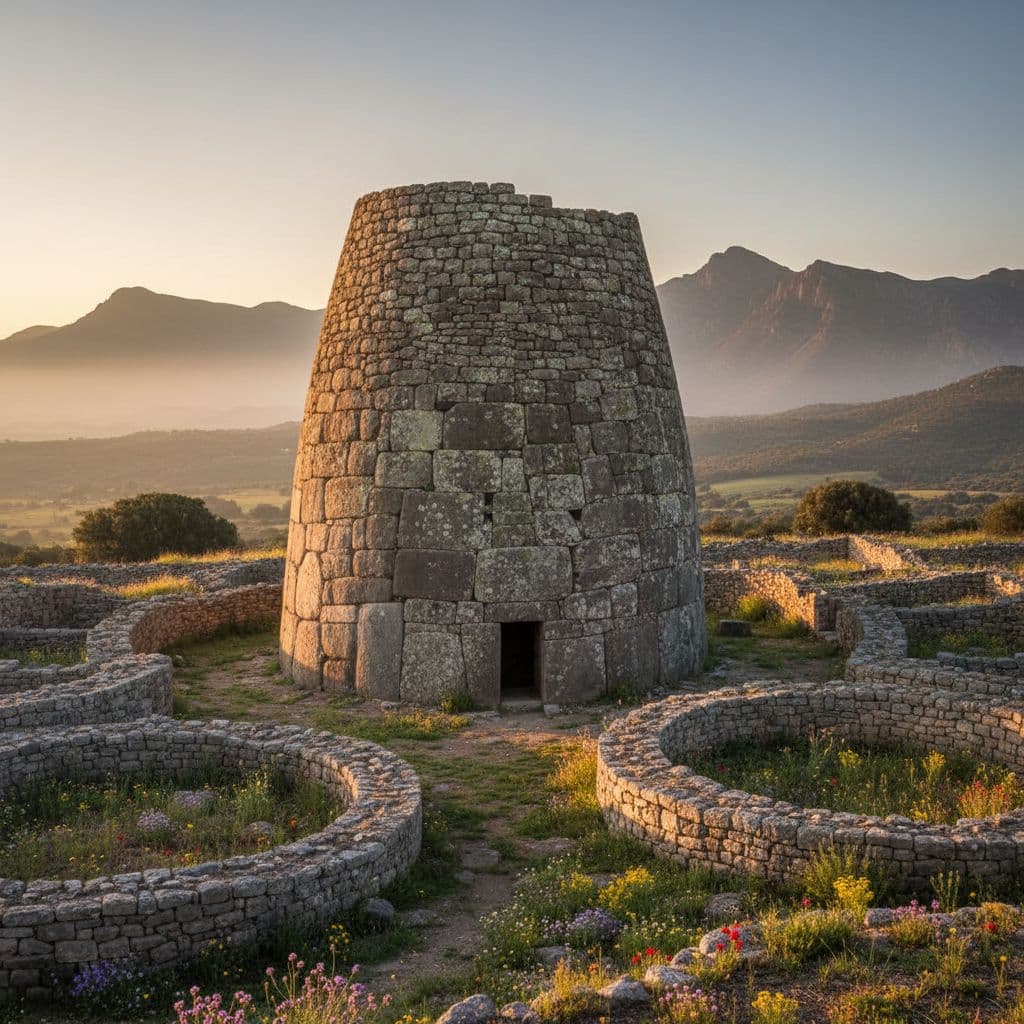


15 Epic Things to Do in Big Sky Montana for 2026: Ski Slopes, Hidden Hot Springs & Wildlife Safaris


As a Big Sky backcountry chaser exploring off-piste gems for IneedMyVacation.com, I can say this straight: the best things to do in Big Sky Montana 2026 hit different. The snow stacks deep on Lone Peak, hot springs steam under the stars, and elk bugle in quiet drainages while most people are still asleep.

Big Sky is exploding in 2026. Expedia reports a huge jump in search interest for the area, and a recent trend report called it one of the top travel hotspots for the year. Visit Big Sky even highlighted how the town is now a top trending travel destination for 2026 with world-class skiing, mellow hikes, and fast access to Yellowstone. You can see that for yourself in their feature on Big Sky as a top trending travel destination.

What I love is that Big Sky soaks up people like powder in the trees. The terrain is massive, so even on a “busy” Saturday it still feels quiet compared to other big-name resorts. In 2026, new upgrades like accessible lifts and better summit access keep growing the resort, while the town leans into sustainable tourism, smarter trail care, and wildlife protection.

In this guide, I am walking through 15 epic things to do in Big Sky Montana 2026, split into three big buckets:

  • Ski slopes and snow adventures
  • Big Sky hidden hot springs 2026 and steamy soaks
  • Wildlife safaris Montana and stargazing nights

I will share clear cost ranges (usually 10 to 150 dollars), the best seasons, simple gear tips, and a handy “Open in Google Maps” link for every activity. I will also point you to an interactive map with all 15 pins, a mobile-friendly comparison table, and a down-to-earth gear section so you can pack for ski slopes, Big Sky hidden hot springs 2026, and wildlife safaris Montana in one carry-on.

This guide is built for both first-timers and returning riders who already know where the best tree stashes hide. If you love steep bowls, quiet forests, and the idea of soaking under cold stars after skiing, you are in the right place.

Book your 2026 Big Sky adventure on Trip.com! Start now

This post contains affiliate links. If you make a purchase through these links, we may earn a commission at no extra cost to you.


Epic things to do Big Sky Montana 2026 ski lift view
High winter chairlift rising into Lone Peak terrain, perfect for epic things to do Big Sky Montana 2026. Image created with AI.

Big Sky’s Year-Round Epic Terrain for 2026

Ski lift ascending snow-covered mountains in Big Sky, Montana
A ski lift glides over deep snow in Big Sky, Montana, capturing the heart of epic things to do Big Sky Montana 2026. Photo by Alex Moliski


Big Sky is not just a winter playground. It is a full-year mountain hub where ski slopes, rivers, and wildlife share the same wide valley. That is why epic things to do in Big Sky Montana 2026 run from January powder laps to October larch hikes.

Winter: Ski Slopes Big Sky 2026

In winter, Big Sky Resort is the anchor. With nearly 6,000 skiable acres and huge vertical, it ranks as one of the largest ski areas in the United States. The Lone Peak Tram takes you up to over 11,000 feet, where you can look across the Madison and Gallatin ranges, all the way toward Yellowstone. Newer lift projects and accessibility upgrades make it easier for more people to reach high alpine views without needing expert skills.

The best part for me is how spread out it feels. Even with the 2026 surge in visitors, the snowfield is so big that lines stay short and you can still find quiet pockets. Compared to many famous resorts, Big Sky is the place I recommend when someone wants big terrain with less chaos. Sites like Expedia’s Big Sky activities list also echo this mix of scale and calm.

Big Sky Resort ski slopes at dawn

Summer: Trails, Basins, and Waterfalls

When the snow melts, the resort transforms into a hiking and biking launch pad. Trails like Beehive Basin and Ousel Falls are two of the epic things to do Big Sky Montana 2026 for summer visitors. Beehive Basin gives you open meadows, wildflowers from June through mid-July, and a glacial basin ringed by peaks. Ousel Falls is more mellow, with smooth trail and a powerful waterfall that feels icy and refreshing on hot days.

Down in the canyon, the Gallatin River turns into a playground. You can raft whitewater, float gentler sections, or just sit on the bank and watch the water slide past. This mix of high alpine and river time is why Big Sky has become a bucket-list stop on many western road trips. Guides like the team behind this Big Sky bucket list keep pointing out how many four-season activities fit in one valley.

Shoulder Seasons and Quiet Trailheads

Spring and fall can be pure gold. You get fewer people, cheaper stays, and more wildlife sightings. Late September brings golden aspens and crisp air. Some snow sits high, but low trails stay clear and empty. Many of the epic things to do in Big Sky Montana 2026 cost nothing more than gas and snacks during these quieter windows.

Here are a few big reasons Big Sky stands out in 2026:

  • Huge terrain: Massive ski slopes, bowls, and tree runs with room to roam.
  • Sustainable tourism efforts: Local groups support trail work and wildlife projects.
  • Easy access: Bozeman airport to Big Sky in about an hour of stunning canyon driving.
  • Strong wildlife viewing: Elk, moose, and sometimes bears near town, plus Yellowstone next door.

If you want to dig deeper into local hikes, a Montana Adventure Guide is handy to have in your pack: Buy on Amazon.

Find Big Sky flights on Expedia.com here.


Why Big Sky Is a 2026 Powder Magnet

When I stand on top of Lone Peak on a stormy day, it feels like the whole world is white and wide open. This is the core of the best things to do in Big Sky Montana 2026 for snow lovers.

Big Sky Resort pulls in deep snow from November through April. The ski slopes Big Sky 2026 lineup includes mellow groomers for families, natural gullies for playful riders, and steep faces for those who want to push harder. The Lone Peak Tram is the crown. At the summit, you can see ridges rolling off in every direction, with the Yellowstone Plateau on the horizon.

New and updated lifts for the 2025 to 2026 season are focused on smoother access and better flow. That means less time in line and more time in powder. The resort’s massive layout spreads people across many pods, so you can ski bell to bell and still find quiet chairs.

If you are building your own list of epic things to do in Big Sky Montana 2026, start with:

  • A tram ride to the summit of Lone Peak on a clear day
  • A lap on a favorite groomer from top to bottom
  • A soft tree run late in the afternoon when the light goes pink

Many visitors begin with the popular highlights you see in articles like this guide to Big Sky’s best activities and restaurants, then layer in backcountry or guided days once they get a feel for the snow.


Summer Trails, Rivers, and Hidden Corners

Summer is where Big Sky shows its softer side. The epic things to do Big Sky Montana 2026 from June to September focus on open views, wildflowers, and river spray.

  • Beehive Basin: A classic high-alpine hike with a basin, wildflowers, and open views. Early to mid-summer is prime for color, while late season often brings a dusting of new snow on the ridges.
  • Ousel Falls: A perfect warm-up hike. Smooth trail, big waterfall, and benches along the way. Families love it and the parking is usually simple if you go earlier in the day.
  • Gallatin River rafting: By July, many rafting companies run full days and half days on the Gallatin. You get splashy waves, pine forests, and good chances to see osprey or eagles overhead.

On early morning hikes, I often spot elk grazing or hear them moving in the timber. These casual sightings are an easy form of wildlife safaris Montana style adventure without even booking a tour.


Big Sky’s Sustainable Adventure Scene in 2026

In 2026, Big Sky is paying closer attention to how it grows. The community is working on smart visitor numbers, better trail care, and wildlife safety. Big new projects, like luxury lodges and lifts, come with more talk about how to keep the place wild.

That is why some of the best things to do in Big Sky Montana 2026 now include:

  • Booking guided wildlife safaris with local naturalists
  • Joining trail cleanup days or donating to trail groups
  • Riding shuttles where possible instead of stacking rental cars in small lots

Simple ways to travel lighter here:

  • Carry a refillable bottle and skip single-use plastic.
  • Stay on marked trails to protect plants and avoid disturbing wildlife.
  • Choose outfitters who give back to local conservation or education projects.
  • Travel off-peak when you can, like midweek or shoulder seasons.

All of this adds to the sense that you are part of Big Sky’s future, not just a visitor passing through.

Spanish Peaks alpine landscape near Big Sky, Montana

Your Custom Big Sky Epic Map for 2026

To make this guide easy to use on the road, I built an interactive Google Map that pins all 15 epic things to do in Big Sky Montana 2026. You can zoom in on trailheads, parking lots, ski lifts, hot springs, and wildlife spots from your phone or laptop.

Tap each pin to see quick notes and drop your own driving directions.

Book Big Sky tours on Expedia.com here.


Top 15 Big Sky Adventures for 2026: Ski Slopes, Hot Springs, and Wildlife

Before we unpack the 15 activities by theme, here is the full epic things to do in Big Sky Montana 2026 list with costs, seasons, and a simple Google Maps link for each. All prices are rough 2026 ranges in USD.

High-Alpine Ski and Snow Adventures

  1. Big Sky Resort Skiing & Riding
    • I spend most of my winter days here. Huge terrain, fast lifts, and pockets of powder days after a storm.
    • Cost: About 130 dollars for a full-day lift ticket.
    • Best time: January to early March for deep snow and colder temps.
    • Gear tip: Bring quality goggles or grab Ski Goggles Buy on Amazon for flat light days.
    • Open in Google Maps: Big Sky Resort
  2. Lone Peak Tram Summit Laps
    • Riding the tram is one of the purest epic things to do in Big Sky Montana 2026. From the top, the whole region feels like a frozen ocean of peaks.
    • Cost: Around 50 dollars for a tram access ticket or add-on.
    • Best time: Clear winter days, and select summer days for sightseeing.
    • Gear tip: Pack a warm mid-layer, the summit is much colder and windy.
    • Open in Google Maps: Lone Peak
  3. Moonlight Basin Backcountry Tour (Guided)
    • With a local guide, the Moonlight Basin side becomes a snow playground of glades and bowls. Safety first, big smiles second.
    • Cost: Roughly 100 dollars for a group half-day tour.
    • Best time: Mid-winter when snowpack is deeper and more stable.
    • Gear tip: Avalanche gear and training are key if you go outside the ropes.
    • Open in Google Maps: Moonlight Basin
  4. Andesite Mountain Snowshoe Loops
    • When I want quiet, I grab snowshoes and cruise the tree-lined trails on Andesite. You still see ski slopes Big Sky 2026 from different angles, but with soft silence.
    • Cost: About 45 dollars if you rent snowshoes and poles.
    • Best time: December to March on calm, cold days.
    • Gear tip: Light touring Snowshoes Buy on Amazon make it more fun than heavy rentals.
    • Open in Google Maps: Andesite Mountain
  5. Gallatin River Winter Walks
    • Even in winter, the Gallatin River canyon feels alive. I like short walks along plowed pullouts, with steam rising from open water and snow on the cliffs.
    • Cost: Free, aside from gas and snacks.
    • Best time: Sunny winter afternoons when temps climb a bit.
    • Gear tip: Wear microspikes for icy spots near the river.
    • Open in Google Maps: Gallatin River

Hidden Hot Springs and Steamy Soaks near Big Sky

  1. Bozeman Hot Springs
    • After a storm day, soaking here feels like a reward. Pools of different temps, some outdoors, steam lifting into the night sky. This is one of the classic Big Sky hidden hot springs stops on the drive to town.
    • Cost: Around 15 dollars for a soak.
    • Best time: Winter nights or shoulder seasons when air temps are cool.
    • Gear tip: Bring a compact Insulated Flask Buy on Amazon for hot tea or water.
    • Open in Google Maps: Bozeman Hot Springs
  2. Chico Hot Springs
    • Chico sits closer to Yellowstone and feels like stepping back in time, with big outdoor pools and a cozy lodge vibe. It pairs perfectly with wildlife safaris Montana style days in the park.
    • Cost: Around 12 dollars for a day soak.
    • Best time: Fall and winter for crisp air and fewer people.
    • Gear tip: Pack sandals so you are not walking barefoot on cold concrete.
    • Open in Google Maps: Chico Hot Springs
  3. Guided “Big Sky Hidden Hot Springs 2026” Mission
    • Some smaller springs and pools sit on private land or in sensitive areas, so I always go with local guidance. A good guide keeps you on legal, safe ground.
    • Cost: Often 60 to 100 dollars per person for a small group outing.
    • Best time: Winter and early spring when snowbanks frame the pools.
    • Gear tip: Keep voices low and pack out everything, including glass or trash.
    • Open in Google Maps: Big Sky, Montana

Wildlife Safaris and Big Sky Stargazing Nights

  1. Yellowstone Safari Tour (Grizzlies & Wolves)
    • A guided day in Yellowstone is one of my favorite wildlife safaris Montana 2026 options. Local guides know where to look for wolves, bison, and sometimes grizzlies.
    • Cost: Around 120 dollars per person.
    • Best time: Late spring and fall, or winter for dramatic snow scenes.
    • Gear tip: Bring binoculars and stay in the vehicle near big animals.
    • Open in Google Maps: Yellowstone National Park
  2. Grizzly & Wolf Discovery Center, West Yellowstone
    • This center lets you see bears and wolves up close in a safe, educational setting. It is great for families or storm days.
    • Cost: Around 15 dollars per ticket.
    • Best time: Year-round, especially on bad-weather days when outdoor time is harder.
    • Gear tip: Plan 2 to 3 hours and bring a light jacket even in summer.
    • Open in Google Maps: Grizzly & Wolf Discovery Center
  3. Porcupine Game Trail (Elk & Deer Viewing)
    • This mellow trail near Big Sky can be a quiet elk corridor early or late in the day. It is one of those free epic things to do Big Sky Montana 2026 when you want wildlife without long drives.
    • Cost: Free.
    • Best time: Dawn and dusk, especially in fall.
    • Gear tip: Carry Bear Spray Buy on Amazon and give animals plenty of space.
    • Open in Google Maps: Porcupine Creek Trailhead
  4. Big Sky Stargazing Tour
    • Big Sky got its name for a reason. On clear nights, the Milky Way drapes over the valley. Guided stargazing trips add stories, telescopes, and warm drinks.
    • Cost: About 75 dollars per person.
    • Best time: Clear, dark nights in summer or cold winter evenings.
    • Gear tip: Wear more layers than you think you need, you will be standing still.
    • Open in Google Maps: Big Sky Town Center

Trail Days: Hikes, Waterfalls, and River Runs

  1. Beehive Basin Hike
    • If I could pick one summer hike to show a friend, this would be it. Alpine basin, small lake, wildflowers, and Lone Peak towering above.
    • Cost: Free.
    • Best time: June to September, with peak flowers in early to mid-summer.
    • Gear tip: Pack a light shell and snack for weather swings up high.
    • Open in Google Maps: Beehive Basin Trailhead
  2. Ousel Falls Trail
    • Short, sweet, and perfect for rest days. Bridges, forest, and a roaring waterfall make this a must on any list of best things to do in Big Sky Montana 2026.
    • Cost: Free.
    • Best time: May to October, watch for some snow or ice in shoulder seasons.
    • Gear tip: Wear light hiking shoes, the trail is well built but can be damp.
    • Open in Google Maps: Ousel Falls Trailhead
  3. Gallatin River Rafting, Madison River Fishing & Hyalite Ice Climbing
    • This final slot is a triple play of river and ice: Gallatin rafting (around 80 dollars), Madison River fly fishing (about 150 dollars with a guide), and Hyalite Canyon ice climbing (close to 120 dollars for an intro day). They fill out any adventure week.
    • Cost: 80 to 150 dollars depending on the activity.
    • Best time:
      • Rafting: June to August
      • Fishing: Late spring through fall
      • Ice climbing: Mid-winter into early spring
    • Gear tip: Guides provide technical gear, but warm layers and gloves matter.
    • Open in Google Maps: Hyalite Canyon

To compare these 15 adventures side by side, use the table below. On mobile, you can swipe sideways to see all columns.

Rank Activity Cost Season Map
1 Big Sky Resort Skiing & Riding $130 Winter Open
2 Lone Peak Tram $50 Winter/Summer Open
3 Moonlight Basin Backcountry Tour $100 Winter Open
4 Andesite Mountain Snowshoe $45 Winter Open
5 Gallatin River Winter Walks Free Winter Open
6 Bozeman Hot Springs $15 Year-Round Open
7 Chico Hot Springs $12 Year-Round Open
8 Guided Hidden Hot Springs Trip $60–$100 Winter/Spring Open
9 Yellowstone Safari Tour $120 Year-Round Open
10 Grizzly & Wolf Discovery Center $15 Year-Round Open
11 Porcupine Game Trail Free Year-Round Open
12 Big Sky Stargazing Tour $75 Year-Round Open
13 Beehive Basin Hike Free Summer/Fall Open
14 Ousel Falls Trail Free Spring–Fall Open
15 Gallatin Rafting / Madison Fishing / Hyalite Ice $80–$150 Seasonal Open

Book Big Sky hotels on Trip.com here.


Gear Up for Big Sky Epic: Simple Tips for 2026

Big Sky is friendly, but it is still big country. Having the right gear makes a huge difference when you chase the epic things to do in Big Sky Montana 2026 across seasons.

Here is how I keep it simple and light.

  1. Layer like a localThe weather swings fast. I always pack a base layer, mid-layer, and shell. That way I can ski in a storm, then sit in a hot springs parking lot as the sky clears without freezing.
  2. Rent heavy gear in townInstead of flying with skis, boards, or giant boots, I rent in Big Sky or Bozeman. Local shops stock gear tuned for local snow, and it keeps airport stress low.
  3. Pick the right pass or ticketFor three or more ski days, I often compare day tickets against multi-day or partner passes. Free days add real value.
  4. Plan for altitude and sunBig Sky sits high. I drink lots of water, go easy on day one, and use sunscreen even in winter. A wide-brim hat for summer hikes helps too.
  5. Pack for all three modes: ski slopes, Big Sky hidden hot springs 2026, and wildlife safaris MontanaOne kit can cover all three. Swimsuit, warm hat, gloves, light hiking shoes, and a solid puffy jacket. That combo works in lift lines, hot pools, and early morning safari vans.
  6. Carry safety basicsBear country rules apply even near town. I carry Bear Spray Buy on Amazon on hikes, check avalanche advisories for off-piste ideas, and give wildlife space.
  7. Use one small “adventure kit” bagI keep headlamp, small first-aid kit, map, and snacks in one small bag that moves from ski pack to hiking pack. Less thinking, more moving.

Book your Big Sky flights on Expedia.com here.


Packing Lite for Ski Slopes, Hot Springs, and Safaris

To hit ski slopes Big Sky 2026, Big Sky hidden hot springs 2026, and wildlife safaris Montana in one trip, I build a tight kit.

  • Mid-layer that does it all: A warm fleece or light puffy works under a shell on the tram, under a casual jacket in town, and over a base layer during cold stargazing.
  • One pair of hybrid shoes: I pick shoes that can hike Beehive Basin, wander town in the evening, and step into hot springs decks without slipping.
  • Compact Insulated Flask: I like an Insulated Flask Buy on Amazon for hot tea at trailheads and in safari vans.
  • Swimsuit and quick-dry towel: These weigh almost nothing and unlock half the Big Sky hidden hot springs fun.
  • Soft stuff sack: I use one sack for gloves, hat, neck tube, and socks, so nothing gets lost under car seats.

Staying Safe in Big Sky’s Big Country

Big Sky feels welcoming, but it is still wild. I keep my safety plan simple and steady, so I can enjoy the best things to do in Big Sky Montana 2026 with a clear head.

  • Watch winter storms: Before skiing or driving the canyon, I check forecast and road reports. If winds crank on Lone Peak, I stay on lower terrain.
  • Respect avalanche terrain: For backcountry or sidecountry, I either go with a guide or bring full gear and training. If I do not know, I do not go.
  • Carry bear spray and know how to use it: Bear Spray Buy on Amazon stays on my hip, not buried in a pack.
  • Keep wildlife wild: On wildlife safaris Montana style trips, I stay in vehicles when guides say to, and never feed animals.
  • Use local guides and outfitters: They read the snowpack, know the rivers, and understand where elk, bears, and wolves move. This makes trips safer and more interesting.

With those basics, I feel calm and ready, even when the peaks look huge and the nights go dark and starry.


Why Big Sky Rules in 2026 for Wild, Quiet Adventure

Big Sky hits a rare balance. It offers giant ski slopes, access to Big Sky hidden hot springs 2026, routes into Yellowstone for wildlife safaris Montana, and a town that still feels relaxed.

Expedia data shows a big jump in interest for places like this, where people can step into open air instead of crowded cities. Big Sky fits that trend perfectly. It has luxury options and simple motels, refined dining and pizza joints, and a strong local community that watches how growth unfolds.

Some of my favorite perks of Big Sky in 2026:

  • Fewer crowds than many big western resorts, thanks to huge terrain.
  • Big sky views in every direction, from Lone Peak to the Spanish Peaks.
  • True dark skies that make stargazing tours worth every minute.
  • Strong local pride that shows up in events, trail days, and small businesses.

If you like stretching your dollar, many of the epic things to do in Big Sky Montana 2026 are free or low cost. Hikes, river walks, winter viewpoints, and casual wildlife sightings do not require a ticket. For more statewide context, a simple Montana Adventure Guide Buy on Amazon pairs nicely with this local-focused list.

Travelers who pick midweek dates or shoulder seasons help take pressure off the busiest weekends, and often get better prices too.

For those who want to blend hot springs, safaris, and other tours around Big Sky and Yellowstone, Add safaris on Expedia.com here.

Big Sky Montana hot springs at sunset

Solitude, Sustainability, and the Big Sky Vibe

New lodging, updated lifts, and community planning all aim at the same goal: enjoy the mountains without losing what makes them special. When I ride a tram car packed with excited skiers, then step into quiet woods ten minutes later, I can feel how Big Sky still guards its calm.

Travelers fit into that story by picking eco-minded outfitters, using shuttles when possible, and staying on mapped routes. Joining guided wildlife safaris Montana style trips that support education or habitat work is another easy win.

For me, the epic things to do in Big Sky Montana 2026 are not just about steeps or hot pools. They are about the feeling of space, the soft sound of snow in the trees, and the sense that both locals and visitors want the place to stay wild.


Stretching Your Big Sky Budget Without Killing the Fun

You do not have to spend like a luxury guest to enjoy Big Sky. Some of the biggest moments are free.

Here is how I keep costs under control:

  • Ride weekdays when possible: Lift tickets can be cheaper and lines shorter.
  • Stack free or low-cost days: Ousel Falls, Porcupine Game Trail, and Gallatin River viewpoints cost nothing.
  • Use shuttles instead of renting a car the whole time, especially if you stay in or near Town Center.
  • Look for simple stays: Basic condos or motels free up cash for a Lone Peak Tram ticket or guided day.
  • Check package deals: Many travelers use hotel bundles and even package deals through partners like Trip.com, or grab flight savings through providers such as Expedia. That leaves more budget for guided ice climbing or safaris.

Remember, some of the most epic things to do Big Sky Montana 2026 are just you, a friend, and a trailhead at sunrise.


FAQs About Big Sky Montana 2026

Q1: What is the best month for powder days in Big Sky in 2026?
A: In most years, January through early March bring the most consistent cold and deep snow. That window lines up best with the best things to do in Big Sky Montana 2026 on the ski slopes, including Lone Peak Tram laps and tree skiing.

Q2: When is the best time to see wildlife around Big Sky and Yellowstone?
A: Spring and fall are top picks for wildlife safaris Montana style trips, with animals more active and often closer to lower valleys. Winter is also strong for spotting wolves and bison in Yellowstone against snowy backdrops.

Q3: How many days should I plan for Big Sky in 2026?
A: I like 5 to 7 days. That gives you time for 3 or 4 ski or snow days, one hot springs night, and at least one Yellowstone or wildlife day, plus a buffer for weather.

Q4: Is Big Sky good for families in 2026?
A: Yes. Ski school, mellow groomers, Ousel Falls Trail, the Grizzly & Wolf Discovery Center, and simple hot springs soaks all work well for families. Many families also build in one guided day like a Yellowstone safari.

Q5: How do I get from Bozeman airport to Big Sky?
A: Most people either book a shuttle or rent a car, then follow Highway 191 through the Gallatin Canyon. The drive takes about an hour to ninety minutes depending on weather.

Q6: Can I combine ski slopes, Big Sky hidden hot springs 2026, and wildlife safaris in one trip?
A: Yes, and that is my favorite way to plan a week. I usually ski or ride for two days, then take a hot springs night, then a safari or Yellowstone day, then repeat. The interactive map in this guide helps lay that out.

Q7: What kind of daily budget should I expect?
A: It varies a lot, but a mid-range traveler might plan 150 to 300 dollars per day, including lodging, food, and one activity. Many people trim that by cooking some meals and focusing on free hikes and viewpoints. Some travelers book hotels through providers like Trip.com or compare flight prices with sites such as Expedia to keep totals down.

Q8: Are these epic things to do in Big Sky Montana 2026 still okay for beginners?
A: Many are. Ousel Falls, Beehive Basin (with enough time), hot springs, winter river walks, and the Grizzly & Wolf Discovery Center all work for new visitors. For skiing or snowboarding, lessons at Big Sky Resort help beginners feel safe on the slopes.


Conclusion

Standing on Lone Peak at sunrise, soaking in steaming hot springs under cold stars, and watching wolves move across a snowy hillside in Yellowstone, all of these moments fit together into one simple story. The best things to do in Big Sky Montana 2026 connect ski slopes, Big Sky hidden hot springs 2026, and wildlife safaris Montana into a single, smooth trip.

You can use the interactive map, the comparison table, and the gear tips here as a planning toolkit. When it is time to book, keep this page open, pull up your calendar, and sketch out which of the 15 epic days you want first.

In the end, Big Sky rewards people who love open space and calm, whether they are dropping big lines or wandering quiet trails. Pick a week, pack your layers, and let this guide lead you from summit snow to starry hot springs.

Chase 15 Big Sky epics in 2026 on Trip.com! Book your trip now

© 2026 IneedMyVacation.com. All rights reserved.
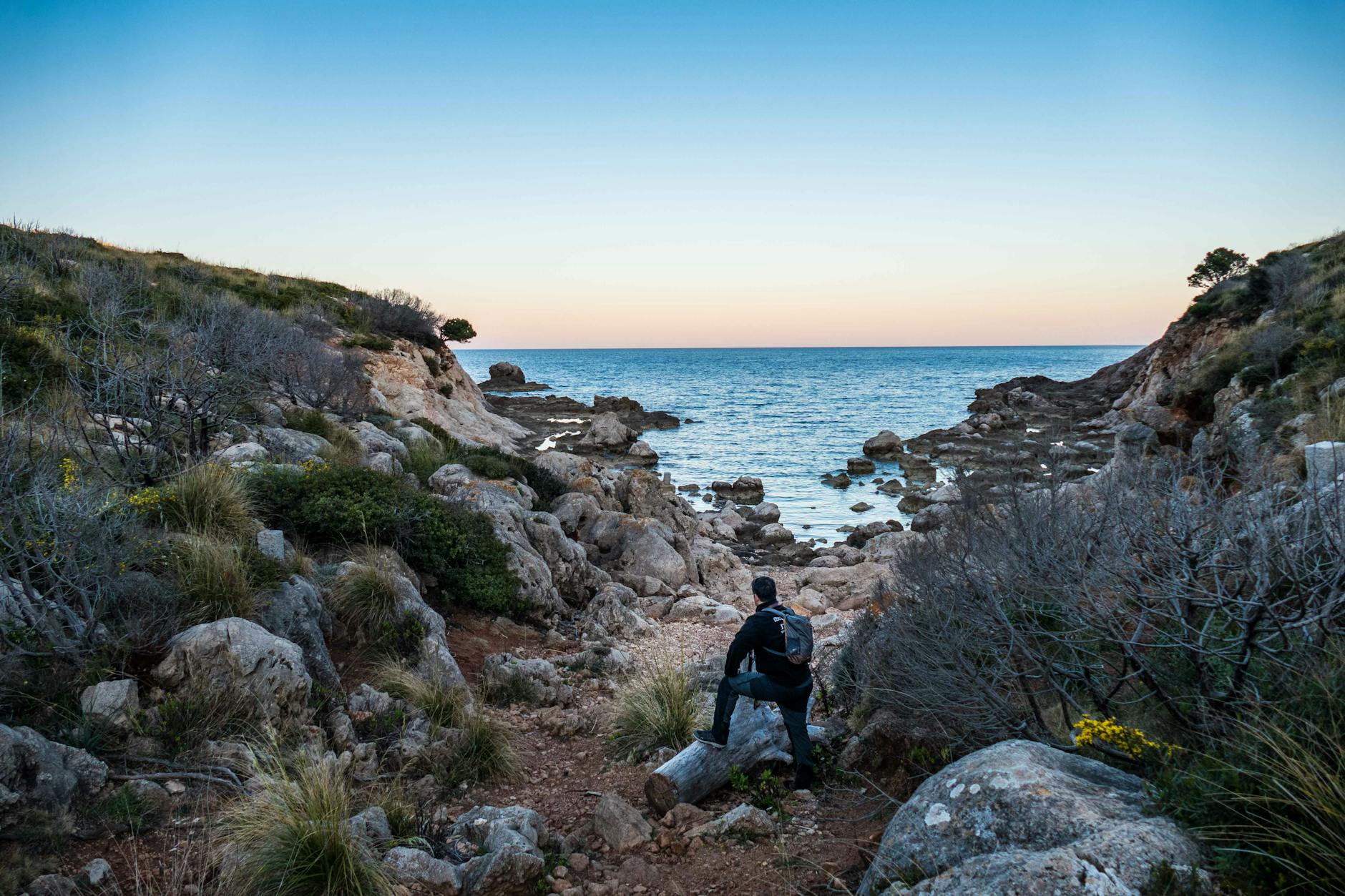


12 Best Things to Do in Limón Costa Rica for 2026: Rainforest Hikes, Beach Bliss & Hidden Tortoise Trails


Warm Caribbean water on your ankles, deep green rainforest at your back, and the soft scrape of turtles covering their nests at night. When I think about the best things to do in Limón Costa Rica 2026, that is the soundscape that comes to mind. Limón is the corner of Costa Rica that still feels wild, and in 2026 it is finally getting the attention it deserves.

As a rainforest explorer and Limón regular who scouts trips for IneedMyVacation.com, I spend my days walking quiet trails, checking turtle nesting beaches, and testing low impact tours. I focus on eco adventures, turtle safe activities, and trips that stay kind to local communities and the coast. Limón is perfect for that mix, with Afro Caribbean towns, long palm beaches, and forests alive with monkeys, sloths, and macaws.

Best things to do Limón Costa Rica 2026 Cahuita reef
AI image of Cahuita reef, a top spot for the best things to do in Limón Costa Rica 2026. Image created with AI.


For 2026, I see three big themes that shape every trip here:

  • Rainforest hikes along easy coastal paths and deeper jungle routes.
  • Beach bliss around Puerto Viejo, where bikes, surfboards, and hammocks rule the day.
  • Hidden tortoise and turtle style trails in Tortuguero, Cahuita, and other nesting beaches, what I call the Limón hidden tortoise trails 2026 trend.

Travel data already shows Limón climbing fast as a favorite eco destination, and more visitors now look for regenerative tourism and carbon light adventures. Reports have it listed among Costa Rica’s most exciting regions for nature in 2026, with highlights like Cahuita, Tortuguero, and Sloth Sanctuary showing up again and again in guides and cruise blogs from sources like Royal Caribbean and TripAdvisor.

In this guide I share 12 clear ideas that fit roughly a 5 to 50 dollar range for entry or tours. I also point out simple wildlife safety habits, like no flash on turtle beaches and staying off coral. Most of these ideas line up with low impact, small group travel, and many can plug right into budget friendly plans you can sketch using my future focused Limón Costa Rica 2026 guide.

This post is part inspiration, part practical guide to help you plan flights, stays, and tours through IneedMyVacation.com for the year ahead.

Book your 2026 Limón eco-trip on Trip.com! Start now

This post contains affiliate links. If you make a purchase through these links, we may earn a commission at no extra cost to you.

Limón’s Untouched Caribbean Soul in 2026

Relaxing tropical beach scene in Limón Costa Rica
A relaxing tropical beach scene in Limón, Costa Rica, perfect for 2026 eco trips. Photo by Koen Swiers


When people ask me about the best things to do in Limón Costa Rica 2026, I always start with the region’s soul. Limón is slower, softer, and more rooted in local rhythms than many of the classic Costa Rica hotspots. While places like Manuel Antonio and La Fortuna feel busy in peak season, Limón often gives you an empty stretch of sand or a trail where the loudest noise is a howler monkey in the canopy.

The character here is shaped by Afro Caribbean culture in Limón city and Puerto Viejo, BriBri Indigenous communities inland, and small fishing villages lined up along the coast. You can eat rice and beans cooked in coconut milk, hear calypso and reggae at night, then wake up to the sound of toucans and macaws flying over the trees.

Limón is also a biodiversity powerhouse. On a single trip I have seen:

  • White faced and howler monkeys swinging through beachside forest.
  • Sloths curling into tight balls in cecropia trees.
  • Scarlet and green macaws screeching across the sky.
  • Poison dart frogs hiding under wet leaves.
  • Sea turtles nesting on dark Caribbean beaches.
  • Coral reefs with bright parrotfish, rays, and soft corals just off Cahuita.

Protected areas like Cahuita National Park and Tortuguero National Park are leaders in turtle protection and reef care in Costa Rica, with strict rules about guides, boat routes, and visitor numbers. Cruise and travel guides highlight these parks as top Limón experiences, alongside Veragua Rainforest and Sloth Sanctuary, which confirms what I see in the field.

Here is what makes Limón shine for eco focused 2026 travel:

  • Turtle nesting seasons: Green turtles and leatherbacks nest mainly from March to October in Tortuguero and nearby beaches, with some variation by species.
  • Warm Caribbean water: Great for snorkeling and swimming nearly all year, especially in calm spells around September and October.
  • Year round rainforest hikes: Easy coastal paths in Cahuita, plus more guided routes in Veragua and Gandoca Manzanillo.
  • Culture, food, and music: Limón city, Puerto Viejo, and small villages keep Afro Caribbean food and sound at the heart of daily life.

Travel news already flags Limón as a top trending place for 2026, pointing to jungle trails, turtle hatchings, and slow beach life as key reasons to visit. That matches a wider shift toward regenerative tourism, small group trips, and carbon aware planning that I build into every trip idea in my Limón Costa Rica 2026 guide.

If you want to start sketching dates, find Limón flights on Expedia.com here.

For deeper planning, I like carrying a pocket Costa Rica eco guide that fits in my daypack: Buy on Amazon.

Why Limón Belongs on Your Costa Rica Shortlist

Compared with the rest of Costa Rica, Limón feels like the quiet back road that locals keep for themselves. You still get everything people love about the country, but in a softer key.

In one compact region you can:

  • Walk rainforest hikes Limón 2026 style in Cahuita or Veragua.
  • Float through canals in Tortuguero and watch monkeys, sloths, and caimans.
  • Spend lazy days in beach bliss Puerto Viejo 2026 mode, moving between Playa Cocles, Playa Chiquita, and Punta Uva on a beach cruiser.
  • Join turtle friendly night walks on the Limón hidden tortoise trails 2026 routes that trace nesting beaches.

Day trips between Limón city, Cahuita, and Puerto Viejo are short and simple, which keeps transport costs low. That fits the IneedMyVacation.com audience that looks for budget travel and last minute getaways more than luxury packages. Accommodation ranges from small guesthouses and hostels to mid range eco lodges, so you can line up stays that match your budget.

Best Time to Visit Limón for Turtles, Rainforest and Beach Bliss

You can visit Limón any month, but some windows match certain goals better.

  • Turtles: March to June is prime for nesting in Tortuguero and nearby coasts, with some activity into October in parts of the region.
  • Limón Carnival: July brings Carnival in Limón city, with music, dance, and food that shows off Afro Caribbean roots.
  • Beach and hiking: Warm water and walkable trails are available most of the year, with a slightly calmer Caribbean sea around September and October.

A few sample 2026 trips that match the 12 activities in this guide:

  • 5 day wildlife focus: Limón city arrival, Tortuguero canals and turtle night tour, then Cahuita hike and reef snorkeling.
  • 1 week mix: Limón city market, two nights in Tortuguero, then four nights near Puerto Viejo for beach bliss Puerto Viejo 2026 style days, plus Gandoca Manzanillo and a BriBri cacao visit.

When you plan turtle nights, think of Limón hidden tortoise trails 2026 as a mindset. Choose guided walks with trained local teams, stay quiet, and follow all light rules on the sand. Combine this timing advice with the budget and eco tips later in the article and you will be set.

Your Custom Limón Adventure Map for 2026

Before I share the full list of the best things to do in Limón Costa Rica 2026, here is how I help readers see the region at a glance. I keep an interactive Google My Map with all 12 top spots marked, from Cahuita National Park and Tortuguero to Puerto Viejo, Gandoca Manzanillo, Veragua Rainforest, and Limón City Market.

With this map you can check driving distances, plan beach hopping days around Puerto Viejo, and group rainforest hikes and turtle tours by area so you spend less time in transit. Each of the activities below includes a direct Open in Google Maps link that matches those pins.

Book Limón tours on Expedia.com here.

Top 12 Limón Activities for 2026: Rainforest Hikes, Beach Bliss and Tortoise Trails

The best things to do in Limón Costa Rica 2026 are simple, eco friendly, and mostly sit in that sweet 5 to 50 dollar range. Below are my 12 favorites, all tested on the ground, all with clear wildlife tips.

Puerto Viejo beach bliss sunset
AI image of Puerto Viejo beach at sunset, perfect for beach bliss Puerto Viejo 2026 vibes. Image created with AI.
  1. Cahuita National Park: Reef Snorkeling & Easy Jungle Trails
    Cahuita is one of the safest, most rewarding places for rainforest hikes Limón 2026 trips. The main trail hugs the coast, with white sand at Playa Blanca on one side and rainforest on the other. Entry is by small fee or donation, often around 5 dollars, and guided snorkeling on the coral reef costs extra but is worth it. Respect turtle seasons from March to June, stay on marked paths, use reef safe sunscreen, and never touch coral.
    Open in Google Maps
  2. Tortuguero Canals & Turtle Beaches
    Tortuguero is a water based village you reach by boat, and it feels like a floating rainforest world. Sunrise and sunset canal tours glide past monkeys, sloths, caimans, and bright birds, with local naturalist guides leading most trips for around 30 dollars per person. From March to October, this is one of the core Limón hidden tortoise trails 2026 zones, where green and leatherback turtles nest in high numbers. Join only guided night walks, skip flash photography, and keep a healthy distance from nesting turtles at all times.
    Open in Google Maps
  3. Gandoca Manzanillo Wildlife Refuge
    At the southern tip of the coast, Gandoca Manzanillo feels wild and raw. Entry is free, trails are more rugged than Cahuita, and you walk through thick forest that opens onto small coves with soft sand. Offshore, manatees sometimes graze in the seagrass, while macaws and toucans pass overhead. Wear good shoes, ask local guides about trail conditions, and always check currents before swimming, since this is a more off grid stretch.
    Open in Google Maps
  4. Puerto Viejo & Playa Cocles: Beach Bliss & Surf Vibes
    Puerto Viejo is the social heart of beach bliss Puerto Viejo 2026. The town center has reggae and calypso at night, Caribbean food stalls, and plenty of bike rentals. Playa Cocles just outside town offers gentle to strong waves depending on the day, plus a relaxed surf scene that runs on lesson fees, board rentals, and snacks rather than entry tickets. Bike friendly roads connect Puerto Viejo with Cocles, Playa Chiquita, and Punta Uva, which keeps transport cheap for IneedMyVacation.com readers who love budget Caribbean trips.
    Open in Google Maps
  5. Jaguar Rescue Center & Sloth Sanctuary: Ethical Wildlife Encounters
    The Jaguar Rescue Center near Puerto Viejo cares for injured animals, including sloths, monkeys, and birds, and offers guided visits with a suggested donation around 25 dollars. The Sloth Sanctuary of Costa Rica, closer to Limón, adds tours that explain sloth biology and rescue work, often around 30 dollars. Both sites give close views you should never try to copy in the wild, without touching, posing, or selfies that stress animals. I like to carry small waterproof binoculars for these visits so I can study behavior from a distance: Buy on Amazon.
    Open in Google Maps
  6. Veragua Rainforest & Puma Waterfall
    Veragua Rainforest is a research and adventure park inland from Limón city. Day passes, often around 40 dollars, cover guided rainforest hikes, an aerial tram through the canopy, butterfly and reptile exhibits, and a hike down to Puma Waterfall. It suits families and first time rainforest visitors who want clear paths and naturalist guides. Stay on marked routes, carry out your trash, and pick tours that employ local staff to keep your trip aligned with regenerative travel.
    Open in Google Maps
  7. BriBri Indigenous Chocolate & Culture Tour
    Visiting a BriBri community for a cacao tour is one of my favorite best things to do Limón Costa Rica 2026 experiences. You learn how cacao grows, how traditional chocolate is made, and how local families use plants as medicine. Tours usually run 20 to 40 dollars, include tastings, and often support small co ops. Pay fair prices, ask before taking photos, dress modestly, and listen with care; these visits keep culture strong and support regenerative tourism.
    Open in Google Maps
  8. Punta Uva, Playa Blanca & Other Calm Snorkel Coves
    On calm days, Punta Uva near Puerto Viejo and Playa Blanca in Cahuita are ideal for easy snorkeling. Clear water, reef patches close to shore, and palm shaded sand make these coves some of the simplest joys among the best things to do in Limón Costa Rica 2026. Most costs come from mask and fin rentals and snacks, not tickets. Only snorkel when seas are calm, ask locals about currents, and never stand on coral or chase fish.
    Open in Google Maps
  9. Ara Project Macaw Release Site
    The Ara Project works to restore green and scarlet macaw populations across Costa Rica. Near Limón, you can sometimes visit small release or feeding sites in tiny groups, with donations around 25 dollars that go straight into long term bird conservation. Watching red and blue macaws cross the sky at sunrise or late afternoon feels like fireworks made of feathers. Noise and flash are not allowed, and this peaceful watching ties into the same wildlife corridor thinking that shapes Limón hidden tortoise trails 2026 along the coast.
    Open in Google Maps
  10. Limón City Market & Afro Caribbean Food Trail
    The city market in Limón is the social heart of the port. You find fruit stalls, spice stands, and small food stalls serving coconut rice and beans, patí pastries, and jerk style dishes. Walking the market is free, and I usually spend 5 to 15 dollars for a big plate and a juice. Pair the visit with a wander along the waterfront and a look at historic buildings for a full half day city micro adventure.
    Open in Google Maps
  11. Playa Cocles Surf Sessions
    While I already grouped Cocles with Puerto Viejo, it deserves its own spotlight for surfers and wave watchers. The beach itself is free, and you pay for board rentals, surf lessons, and snacks. Lifeguards monitor some sections, but you still need to listen to flags and local advice. Keep glass off the sand, pack out all waste, and use reef safe sunscreen to protect the nearshore environment: Buy on Amazon.
    Open in Google Maps
  12. Hidden Night Walks on Turtle Friendly Beaches
    Across Tortuguero, Cahuita, and some smaller refuges, trained guides lead quiet night walks that follow turtle and tortoise style paths along the sand. These are the living Limón hidden tortoise trails 2026, shaped by generations of nesting animals. Tours usually cost 25 to 40 dollars, and strict rules control group size, light, and distance. Only book with certified local groups and never enter nesting zones on your own at night.
    Open in Google Maps

Quick Comparison of the 12 Limón Activities

Rank Activity Cost (approx) Best Time Google Maps Link
1 Cahuita National Park 5 dollar donation Snorkeling in calm seas, turtles Mar–Jun View
2 Tortuguero Canals & Turtle Beaches 30 dollar tours Wildlife all year, turtles Mar–Oct View
3 Gandoca Manzanillo Wildlife Refuge Free Dry, clear days for hiking View
4 Puerto Viejo & Playa Cocles Free access All year, drier months for surf View
5 Jaguar Rescue Center & Sloth Sanctuary 25–30 dollars All year View
6 Veragua Rainforest & Puma Waterfall ~40 dollars day pass All year View
7 BriBri Indigenous Chocolate & Culture Tour 20–40 dollars All year View
8 Punta Uva & Playa Blanca Snorkel Coves Mostly free Calm sea days View
9 Ara Project Macaw Release Site ~25 dollar donation Sunrise or late afternoon View
10 Limón City Market & Food Trail 5–15 dollars All year View
11 Playa Cocles Surf Sessions Surf gear costs Swell periods View
12 Hidden Night Walks on Turtle Friendly Beaches 25–40 dollars tour Main nesting months Mar–Oct View

For more price comparisons on stays across Limón, I gather regular deal lists here:

Trip.com Limón Deals 2026.

Book Limón hotels on Trip.com here.

Sustainable Adventure in Limón: Eco Travel Tips for 2026

Limón’s turtles, reefs, and forests are generous, but they are also fragile. Every choice we make in 2026, from sunscreen to group size, shapes how long these best things to do in Limón Costa Rica 2026 stay magical. I treat each visit like I am a guest in someone’s home, because I am.

Here are my core eco tips for Limón and the wider Limón hidden tortoise trails 2026 routes:

  1. Travel in small groups and pick local guides
    Small groups create less pressure on narrow trails and nesting beaches, and local guides know the subtle signs that animals are stressed. When I book Tortuguero canals or Cahuita snorkeling, I always ask how many people share the boat or tour.
  2. Use reef safe sunscreen and natural insect repellent
    Regular sunscreen can hurt coral and reef fish, and harsh sprays harm insects and amphibians. I switch to mineral based, reef safe options and plant based repellents. My go to combo is a solid bar for the reef and a spray for the forest:
    Buy on Amazon.
  3. Stay on marked trails and follow turtle rules
    In Cahuita, Veragua, Gandoca Manzanillo, and along turtle beaches, I keep my feet on official paths. On turtle nights I walk only with trained guides, keep white light off the sand, and step back if rangers ask. This mindset is at the heart of Limón hidden tortoise trails 2026 ethics.
  4. Support regenerative tourism and community projects
    Booking BriBri chocolate tours, community hosted walks, and local homestays helps money stay in the region. These visits also protect language, stories, and plant knowledge.
  5. Cut plastic with a reusable bottle and bag
    Most Limón towns now have refill options in cafes and hotels. I use a metal bottle, a folding tote, and sometimes my own cutlery for street food days to avoid single use plastic.
  6. Pick hotels that recycle and save water
    Many small lodges around Puerto Viejo, Cahuita, and Tortuguero already have compost, solar water, and rain catch systems. I look for these details before I book, and I share my favorite finds in IneedMyVacation.com hotel roundups.
  7. Keep quiet near wildlife at night
    Noise, bright light, and music close to nesting zones or roost trees can throw off natural behavior. When I stay near turtle beaches or Ara Project release routes, I treat the area as a quiet zone after dark.

Smart eco habits pair well with wise gear choices. A small dry bag keeps electronics safe during Tortuguero canal tours or surprise rain: Buy on Amazon.

If you are ready to lock dates for this style of trip, book your Limón flights on Expedia.com here.

Packing Smart for Rainforest Hikes and Beach Bliss

Packing well means you spend more time enjoying rainforest hikes Limón 2026 style and less time drying clothes on balcony rails. I keep my list light and simple:

  • Quick dry shirts and shorts.
  • A light rain jacket or poncho.
  • Closed shoes with grip for jungle trails.
  • Sandals or flip flops for the beach.
  • Hat and sunglasses.
  • Reef safe sunscreen and insect repellent.
  • Small travel towel and a compact daypack.

I also like carrying a dry bag, travel cutlery, and a book about Costa Rica’s ecosystems so I can match what I see in the field to solid info. Smart packing cuts plastic, reduces laundry, and keeps you comfortable when weather shifts from sun to rain in a single afternoon.

Respecting Wildlife on Limón’s Hidden Tortoise and Turtle Trails

On the ground, good wildlife behavior matters as much as park rules. I follow the same simple code for turtles, tortoises, sloths, monkeys, and birds:

  • Do not touch or feed wild animals.
  • Keep snacks sealed so monkeys do not raid your bag.
  • Stay quiet and move slowly, especially at dawn and dusk.
  • Use red light or guided lights on turtle beaches at night.
  • Turn off flash on cameras and phones.

Real tortoise style trails in Limón are mostly sea turtle nesting routes and quiet forest paths used by many species. The phrase Limón hidden tortoise trails 2026 is a reminder that these paths belong first to animals, then to us as respectful visitors.

I apply this code in Tortuguero, along Cahuita’s coastal trail, in Gandoca Manzanillo’s deeper forest, and at Ara Project viewing spots. Over time, these habits keep wildlife relaxed and make sightings richer for everyone.

Why Limón Is Costa Rica’s Hidden Gem for 2026

Tortuguero canal wildlife tour
AI image of a Tortuguero canal boat tour, a classic Limón wildlife experience. Image created with AI.


When I step off the bus in Limón, the pace shifts. There is more space between sounds, more time between plans. That slower rhythm, mixed with strong Afro Caribbean and Indigenous roots, is what makes the best things to do in Limón Costa Rica 2026 feel different from resort areas on other coasts.

Here you are not sealed inside big hotels. You buy fruit at roadside stands, chat with boat captains about canal levels, and pay homestay hosts directly. The line between “trip” and “life” blurs in a good way, and you feel part of a living ecosystem instead of a guest watching from a balcony.

Some of my favorite perks of a Limón focused 2026 plan:

  • Turtle safe beaches in Tortuguero and Cahuita, with strong local leadership on nesting rules and Cahuita turtle nesting protection.
  • Quiet coves like Punta Uva and Playa Blanca that turn beach bliss Puerto Viejo days into long, lazy afternoons.
  • Regenerative tours with BriBri communities that support land, language, and local cacao.
  • Wildlife rescue and release projects for sloths, monkeys, and macaws that give injured animals a second chance.

Underneath all of this sits the idea of Limón hidden tortoise trails 2026, not just as turtle paths, but as a symbol for gentle travel. We follow the slow routes, we tread lightly, and we leave space for wildlife to keep leading the way.

How Limón Fits Budget Travel, Weekend Getaways and City Breaks

Limón fits the IneedMyVacation.com sweet spot, because it works for many trip types, not just long holidays.

  • Budget trips: Public buses run from San José to Limón city, then down the coast. Simple guesthouses and hostels keep nightly rates low, and many of the best things to do Limón Costa Rica 2026 are free or cheap, like beaches, markets, and self guided hikes.
  • Long weekend getaways: You can spend a weekend pairing Limón city with one beach town, such as an arrival night near the market and two nights in Puerto Viejo.
  • City focused stays: Limón city works as a base for day trips to Veragua, Sloth Sanctuary, and nearby beaches, which suits travelers who like an urban anchor.

When I track deals, I cross check them with my Trip.com Limón Deals 2026 overview:

Trip.com Limón Deals 2026.

The message is simple: Limón is not only for high end eco lodges. With planning, it is one of Costa Rica’s most flexible regions for budget travel and weekend escapes.

Planning a Regenerative Limón Itinerary for 2026

To, to tie everything together, here is a simple 7 day plan that covers the best things to do in Limón Costa Rica 2026, with space for rest and reflection.

  • Day 1: Arrive in Limón city, stroll the market, eat Caribbean food on the waterfront.
  • Day 2: Travel to Tortuguero by boat, check in, sunset canal tour.
  • Day 3: Early canal tour, then turtle night walk in season along Limón hidden tortoise trails 2026 style beaches.
  • Day 4: Boat and bus to Puerto Viejo, evening walk on Playa Cocles.
  • Day 5: Morning in Cahuita National Park for coastal hiking and guided reef snorkeling.
  • Day 6: BriBri chocolate and culture tour, with time for a calm river swim if conditions allow.
  • Day 7: Optional Gandoca Manzanillo hike or a Veragua Rainforest day trip on your way back toward the central valley.

You can compress this into a long weekend by dropping one region, or stretch it into ten days by adding more beach time and extra hikes.

FAQs About the Best Things to Do in Limón Costa Rica 2026

I answer a lot of repeat questions when I help readers plan Limón trips for 2026. Here are the ones that come up most, along with short, clear answers.

FAQ: Practical Questions Travelers Ask About Limón in 2026

  1. When is the best time to see turtles in Limón in 2026?
  2. How many days do I need for the best things to do in Limón Costa Rica 2026?
  3. Is Limón safe for solo travelers and families?
  4. What should I pack for rainforest hikes and beach days in Limón?
  5. How much should I budget per day in Limón in 2026?
  6. Where should I stay to be close to beaches and rainforest?
  7. Do I need a guide for Limón hidden tortoise trails 2026 and turtle tours?

Below are the brief answers that will match the FAQ schema.

1. When is the best time to see turtles in Limón in 2026?
Main nesting season in Limón runs from around March to October, with peaks that vary by beach and species. Tortuguero and nearby coasts see strong green and leatherback activity in these months, especially on guided night walks.

2. How many days do I need for the best things to do in Limón Costa Rica 2026?
With three full days, you can sample Limón city, Cahuita, and Puerto Viejo. With five to seven days, you can add Tortuguero canals and a BriBri chocolate visit and really cover the best things to do in Limón Costa Rica 2026. More time simply lets you slow down and enjoy quiet mornings and long swims.

3. Is Limón safe for solo travelers and families?
Yes, with normal care. I treat Limón like any small coastal region: I keep valuables locked, use licensed guides, and ask locals which areas to avoid at night. Families often enjoy Cahuita, Puerto Viejo, and Tortuguero, since these places mix easy walks with safe, shallow sections of beach. If you want hotel style stays, you can cross check options with Expedia.com Limón hotels info while you plan, even if you book later somewhere else.

4. What should I pack for rainforest hikes and beach days in Limón?
Think light and quick drying. I pack breathable clothes, a light rain jacket, closed shoes for forest walks, sandals for sand, a hat, sunscreen, and insect repellent. A small dry bag and reusable bottle help in both rainforest hikes Limón 2026 outings and beach days.

5. How much should I budget per day in Limón in 2026?
If you stay in guesthouses and eat where locals eat, 40 to 70 dollars per day can work for solo travelers, plus extra for tours. Families or couples often plan more, especially if they add guided activities and private rooms.

6. Where should I stay to be close to beaches and rainforest?
For a mix of beach and forest, I like basing near Puerto Viejo or Playa Cocles, then adding nights in Tortuguero or near Cahuita. This pattern keeps you close to both beach bliss Puerto Viejo 2026 days and early morning wildlife routes. For hotel and package ideas, I often scan Trip.com Limón Hotels listings while building sample itineraries.

7. Do I need a guide for Limón hidden tortoise trails 2026 and turtle tours?
Yes, for turtle and tortoise style beach routes you should always book a certified guide or community group. They know the nesting sites, speak with park staff, and protect both you and the animals. The phrase Limón hidden tortoise trails 2026 is a reminder that these paths are sensitive wildlife corridors, not casual night walk routes.

Conclusion

When I look back over the best things to do in Limón Costa Rica 2026, a clear picture appears. There are rainforest hikes in Cahuita and Veragua, beach bliss days around Puerto Viejo and Playa Cocles, turtle and tortoise style nesting paths in Tortuguero and Cahuita, cultural stops with BriBri hosts, and the hum of daily life at the Limón city market. Everything ties together around simple, nature first adventure.

Limón stays gentle on the wallet and rich in wildlife, music, and food, which fits the IneedMyVacation.com focus on smart, affordable trips. If you travel with care, follow the quiet rules on Limón hidden tortoise trails 2026 beaches, and support local guides, you help keep this region wild for the next wave of travelers.

Save the interactive map, bookmark the 12 activity list, and start sketching your own 2026 itinerary while you check deals and dates.

Explore 12 Limón adventures in 2026 on Trip.com! Book your trip now

© 2026 IneedMyVacation.com. All rights reserved.



Minimalist Solo-Female Packing List 2025: Travel Light, Confident, and Free

Picture yourself boarding a flight to Paris with just a carry-on, confidently packed for a solo female travel adventure. The feeling is light and exhilarating—no heavy bags to slow you down, just pure freedom to pack light and explore. As a solo traveler curating packing tips for IneedMyVacation.com, I know how much it matters to travel smarter, lighter, and with more confidence than ever. Minimalist travel for female travelers isn’t just a trend in 2025. It’s a movement built around empowerment, safety, and the joy of traveling unburdened.

Having crossed borders in more than 20 countries, I’ve seen how packing less transforms solo travel. Minimalism isn’t about sacrifice—it’s about gaining mobility, reducing stress, and saving on airline fees, all while staying stylish and safe. Research from Skift shows nearly 70% of female travelers today are women, and more women than ever are choosing eco-friendly, minimalist travel options that fit changing global norms.

This article contains affiliate links, which may earn us a commission at no extra cost to you.

A minimalist solo female packing list is essential for modern travelers who want to move freely and sustainably, without sacrificing security or comfort. This packing list for women is carefully crafted to help you travel light, cut costs, and keep your footprint small. Expect practical packing tips you can trust, all tested on the road—plus affordable travel gear suggestions (most under $100–$300) and key safety must-haves that work from Paris and Tokyo to remote beaches in Southeast Asia.

Ready to reclaim your independence, save money, and glide effortlessly through busy airports? Plan your solo travel adventure with IneedMyVacation.com!

AI Generated

The Power of Packing Light in 2025

Learning to pack light in 2025 is more than just a strategy to save time at the airport—it transforms how you travel, stay secure, and connect with your destination. Adopting a minimalist packing list brings freedom and peace of mind, especially for solo female travel. Whether you’re exploring the cobblestone streets of Lisbon, hopping on a tuk-tuk in Vietnam, or breezing through a busy airport, minimalist travel is one of the best decisions you can make for a stress-free adventure.

Packing light ensures you keep travel essentials close and your hands free. From my experience, the smaller your bag, the more energy you have to enjoy each moment. Carrying only what you truly need means moving with purpose while always feeling prepared. If you prioritize sustainable travel in 2025, traveling light also helps reduce your environmental footprint and aligns with eco-friendly values.

AI Generated
Solo female traveler walking light in a European city, ready for adventure. Image created with AI.

Why Packing Light Is a Superpower for Solo Female Travelers

The benefits of minimalist travel in 2025 are undeniable. For female travelers venturing solo, packing light means control, flexibility, and confidence. Here are some compelling reasons why packing light feels like a superpower:

  • Skip baggage fees and save money by traveling carry-on only. Airlines often charge $50–$100 per trip for checked bags. Sticking to a minimalist packing list 2025 helps you avoid these extra costs.
  • Move effortlessly through airports and transport hubs without the hassle of dragging heavy luggage, making those rushed connections smoother.
  • Feel more secure and less vulnerable. Carrying less reduces your risk of theft, and you can always keep your belongings in sight.
  • Adapt quickly to changing environments, from bustling European cities to remote Southeast Asian villages, with ease.
  • Travel sustainably. Lighter bags result in fewer carbon emissions, supporting eco-conscious travel in 2025.
  • Experience greater freedom and confidence. Letting go of unnecessary items allows you to focus fully on the journey.

The Minimalist Traveler’s Mindset

Packing light goes beyond just reducing the number of items; it involves embracing a new mindset. Instead of stressing over “what if” scenarios, you trust your instincts and experience. The idea of a capsule wardrobe for long-term travel helps simplify choices, letting you mix and match versatile pieces. By selecting gear that serves multiple purposes—like a scarf that doubles as a wrap or beach cover-up—you cut clutter and increase flexibility.

Travel blogs such as The Blonde Abroad have inspired many to embrace minimalist travel. Experts at Nomadic Matt emphasize how minimalist packing tips not only save money but also enhance safety, especially when traveling solo.

Real-World Advantages: Savings, Safety, and Sustainability

When you pack light, the benefits become clear quickly:

  • Lower travel expenses: Ultra-light travel means no checked baggage fees and often cheaper transport options since you can walk or use public transit more easily.
  • Less anxiety: With your belongings always at hand, there’s no fear of lost luggage.
  • Better choices: Carrying less encourages mindful purchases. For example, using a reusable water bottle helps keep you hydrated while reducing plastic waste.
  • Increased peace of mind: Compact safety items—like door stop alarms or personal safety apps—fit into your daypack, giving you confidence wherever you rest.

Recent trends show more female travelers choosing this minimalist approach. According to Skift, about 70% of solo travelers are now women, many adopting eco-friendly habits that reflect their values. Packing light has evolved into a form of self-care and empowerment, rather than a mere sacrifice.

For those planning a solo trip, a Minimalist Travel Guidebook offers practical advice on how to streamline your packing list and travel smarter in today’s world.

Packing Light for Every Destination

The right minimalist gear is versatile enough for nearly any environment. A minimalist backpack fits just as well in a chic Parisian hotel as in a rustic Balinese homestay. Choose items that cover all your travel needs—urban or rural, warm or cool.

If you’re crafting your own packing list 2025, be sure to explore community resources like REI’s travel tips and guidance on sustainable travel gear to stay agile and safe.

Ready to pack light and travel farther? Explore our solo travel guide for more minimalist packing tips and resources designed specifically for you.

Your Essential Minimalist Solo Female Packing List for 2025

Solo female traveler at an airport terminal with small carry-on and packing cubes, ready for minimalist adventures. Alt text: Minimalist solo-female packing list 2025.Image created with AI: Solo female traveler ready to take on the world with a single carry-on and smart packing.

Creating your minimalist solo female packing list for 2025 is not just about what to pack—it’s the key to simple, safe, and confident travel. Every piece of travel gear is selected for versatility, durability, and sustainability. Whether you’re planning a summer in the Caribbean or a temple tour through India, packing light means packing smart. Here’s how your carry-on luggage transforms from “just enough” to “absolutely right.”

Travel Clothing: Versatile and Lightweight Essentials

Capsule wardrobe laid out on a bed, including tops, bottoms, a dress, scarf, and travel backpack. Alt text: Capsule wardrobe for minimalist solo-female packing list 2025.Image created with AI: Capsule wardrobe for stress-free, sustainable travel.

A capsule wardrobe is the backbone of any minimalist solo female packing list, providing the perfect foundation for seamless mixing and layering. These women’s packing essentials help you adapt to various climates and occasions. Start with these travel clothing basics for week-to-month-long trips:

  • 5–7 mix-and-match tops: Opt for neutral tones with 1–2 pops of color. Prioritize wrinkle-resistant, quick-dry fabrics like merino, bamboo, or synthetic blends.
  • 2–3 bottoms: Include comfy pants or jeans, a lightweight skirt, and breathable shorts or leggings.
  • 1–2 versatile dresses/skirts: Dress up for city dinners or down for beach strolls.
  • Sleepwear: Choose one soft, lightweight set, or use athletic shorts and a tee doubling as sleepwear and daywear.
  • 7–8 pairs of underwear and 2–3 bras: Choose moisture-wicking styles for easy sink-washing and quick drying.
  • 1–2 pairs of shoes: Pack a pair of stylish yet walkable sneakers or flats and a compact sandal or flip-flop. Shoes should support long walks—no compromises.
  • Layering pieces: Include a packable jacket, cardigan, or hoodie for cool airports and evenings. A scarf can double as a wrap or impromptu blanket.
  • Swimsuit: Essential if your itinerary includes pools, beaches, or spas.

Your layers do the heavy lifting as the climate changes. For colder spots, add a packable synthetic jacket or thermal base layer. In tropical climates, swap heavier pants for an extra breezy dress.

Packing Tips:

  • Roll, don’t fold: Rolling minimizes wrinkles and maximizes space in your carry-on luggage.
  • Use packing cubes: These keep outfits organized and compress your clothes, perfect for compact packing.
  • Choose eco-conscious materials: Sustainable brands offering recycled or organic fabrics benefit both the planet and your conscience.

For more on mastering your capsule wardrobe and minimal packing techniques, see our guide to minimalist travel tips for solo explorers.

Toiletries and Personal Care: Compact and Sustainable

Eco-friendly toiletries: reusable bottles, solid shampoo bar, clear quart-sized liquids bag, and compact kit. Alt text: Minimalist travel toiletries for solo travel in 2025.Image created with AI: Eco-friendly toiletries for plastic-free, minimalist packing.

When it comes to toiletries, minimizing bulk and waste while smoothing airport security checks is key. Prioritize solid and powder-based products—they save space, are spill-proof, and TSA-friendly:

  • Shampoo and conditioner bars: Long-lasting, plastic-free, and efficient.
  • Solid or stick sunscreen: Easy to apply and leak-proof.
  • Solid deodorant and bar soap: Travel-tested and compact.
  • Refillable mini containers: Perfect for moisturizer or face serum.
  • Toothbrush, toothpaste, dental floss: Bamboo or zero-waste options like toothpaste tablets are ideal.
  • Reusable razor: Lightweight safety or cartridge razors work best.
  • Menstrual cup or reusable pads: Sustainable choices for convenience and environmental care.
  • Compact first aid kit: A palm-sized pack with bandages, pain relievers, blister pads, and tweezers.
  • Airport security tip: Keep wet and dry toiletries separate in clear zipper bags.
  • 100ml/3.4oz liquid limit: Follow TSA rules to avoid delays.

Pack only daily essentials. Consider a mini brush, travel-size makeup with only a few key items, and any prescription medicine spares.

Sustainable solo travel means choosing plastic-free, refillable, or biodegradable products. Carry less and waste less to respect local environments.

Explore more sustainable travel ideas here.

Safety and Tech Essentials: Must-Have Travel Accessories

Safety and tech essentials for solo travel: door stop alarm, anti-theft bag, RFID wallet, portable charger, reusable water bottle, headphones, and daypack. Alt text: Safety essentials for minimalist solo-female packing list 2025.Image created with AI: Must-have safety and tech gear for peace of mind on solo adventures.

No minimalist solo female packing list is complete without essential travel gear focused on safety and convenience. Female travelers especially benefit from lightweight, practical travel accessories that reduce stress and boost confidence. Experts from Nomadic Matt, The Blonde Abroad, and Travel + Leisure recommend the following core travel essentials:

  • Personal safety alarm: A Door Stop Alarm ($20–$30) offers hotel and hostel security in a compact device.
  • Anti-theft crossbody bag: Features slash-proof lining, locking zippers, and RFID protection for peace of mind sightseeing.
  • RFID-blocking wallet: Shields your cards and passports from digital theft.
  • Luggage lock: Secures belongings on trains, shared dorms, or buses.
  • Universal adapter/charger: Keeps all devices powered anywhere in the world.
  • Portable power bank: Affordable options ($20–$50) to keep your phone, Kindle, or camera charged on long days.
  • Noise-canceling headphones: Ideal for restful sleep and calm in noisy environments.
  • Reusable water bottle: Recommended ($20–$40) for hydration and eco-conscious travel.
  • Supportive daypack: Lightweight, snug, and spacious enough for snacks, a scarf, and valuables.

Many female travelers prefer minimal tech—just a smartphone, charger, power bank, and a small digital notebook or phone app for journaling. This pared-down approach lightens your load and reduces risks during transit. Skip bulky laptops unless absolutely necessary.

Why each item matters:

  • Door stop alarms and RFID wallets enhance your security in any accommodation.
  • Power banks and universal adapters eliminate the stress of dead batteries abroad.
  • Reusable bottles save money, reduce plastic waste, and keep you refreshed everywhere.

This curated list ensures you carry smart, practical travel gear and safety devices designed for solo female travelers.

For more travel essentials and destination-specific packing advice, check out the Best Caribbean destinations for solo travelers in summer 2025.


This capsule approach to your minimalist solo female packing list keeps you agile, safe, and organized. Ready for your next adventure? Keep reading for more pro packing tips to lighten your carry-on luggage without sacrificing comfort or style.

© 2025 IneedMyVacation.com. All rights reserved.
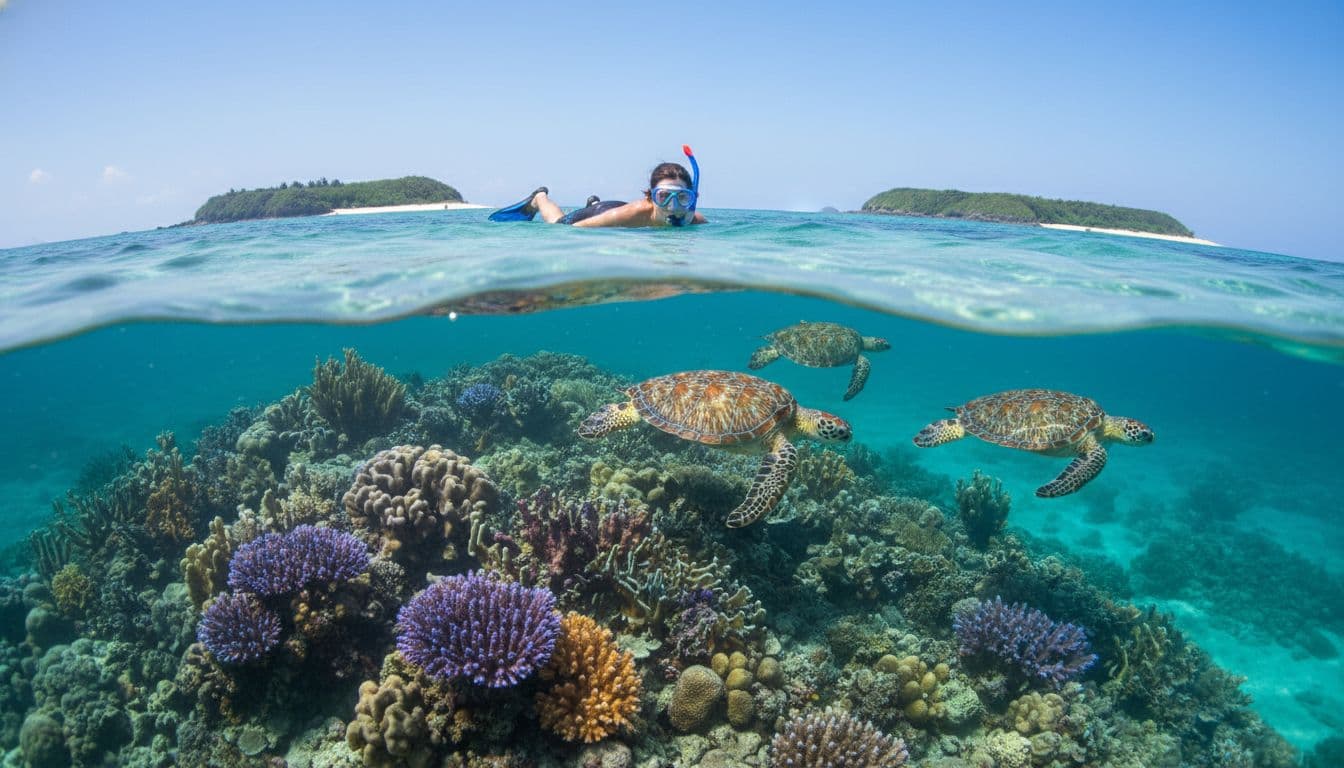
Minimalist Packing Tips for Solo Female Travelers

Packing light is essential for solo female travel, allowing you the freedom to move confidently, adapt on the fly, and keep your essentials close. In 2025, adopting a minimalist solo female packing list is more than just a trend—it’s a smart lifestyle choice embraced by growing numbers of adventurous women, as shown by Skift’s solo travel research. By prioritizing the right items, using clever strategies, and thinking like a minimalist, you can transform every solo trip into a smoother, safer journey.

Confident solo female traveler walking with a compact backpack through a sunlit European city. Image created with AI.Mastering a minimalist solo female packing list for 2025 means less stress, lower costs, and total flexibility—the ultimate formula for solo trip success. Having traveled alone across continents myself, I can attest that being intentional with your packing makes every part of your adventure lighter and more empowering. Here’s how you can pack light and smart, too.

Step 1: Start with Your Versatile Capsule Wardrobe

Forget packing “just in case” items and instead focus on a capsule wardrobe filled with travel clothing that works in multiple ways. Opt for mix-and-match pieces, neutral colors, and layers that suit everything from city strolls to plane rides and evenings out.

  • Choose wrinkle-resistant, quick-dry fabrics to simplify washing and re-wearing on the go.
  • Bring 5–7 tops and 2–3 bottoms you love and feel comfortable in.
  • Limit your shoes to two pairs—one versatile pair and one for downtime or dressier occasions.
  • Accessorize smartly: a scarf or sarong can double as a cover-up, blanket, or even an improvised bag.

Lay your outfits out before packing, then remove duplicates. If a piece won’t work in at least three different scenarios, it’s best to leave it behind.

Capsule wardrobe laid out: tops, bottoms, scarf, and carry-on backpack—your minimalist solo-female packing list 2025 foundation. Image created with AI.### Step 2: Go Minimal with Toiletries

Streamline your toiletries to reduce weight and avoid spills. Solid toiletries are your best allies—think shampoo bars, solid soap, and refillable mini containers rather than bulky bottles.

  • Use a clear, compact toiletry bag that meets airport TSA requirements.
  • Choose multi-use items, like a tinted sunscreen that serves as both moisturizer and sun protection.
  • Try a menstrual cup or reusable pads for an eco-friendly, lightweight option.

For more eco-friendly toiletries advice, visit the solo travel guides at REI.

Eco-friendly toiletries: solid shampoo bar, reusable bottle, and minimalist kit—perfect for packing light in 2025. Image created with AI.### Step 3: Choose the Right Bag and Packing Tools

Your bag size sets your packing limits—opt for a 40L carry-on backpack which strikes a perfect balance between roominess and being carry-on only compliant.

  • Packing cubes are key to organizing outfits neatly while compressing clothing to save space.
  • Stuff smaller items like socks and underwear into shoes or corners to maximize every inch.
  • Limit tech to essentials: phone, charger, and maybe an e-reader for light entertainment.

A quality carry-on backpack serves as both your packing tool and on-the-go closet. Find top travel gear options and accessories on Amazon here.

A packed carry-on backpack with organized packing cubes and minimalist essentials—ideal for solo female travel 2025. Image created with AI.### Step 4: Prioritize Lightweight Safety and Tech Accessories

Your peace of mind is paramount. Avoid overpacking gadgets—instead, select high-impact, lightweight travel accessories that support both your safety and convenience.

  • Door stop alarm for hostel or hotel room security (available on Amazon here).
  • Reusable water bottle to save money and reduce environmental impact (buy on Amazon).
  • Portable charger providing a full phone boost without bulk (recommended portable charger).

Travel + Leisure’s solo adventure guides emphasize keeping tech simple and focusing on tools that keep you safe and connected. For more smart ideas, check out the latest solo trip packing guide.

Lightweight safety and tech essentials: door stop alarm, RFID wallet, headphones, portable charger, reusable bottle—must-haves for solo travel. Image created with AI.### Step 5: Use Packing Strategies from the Pros

Packing like a minimalist pro means being intentional and resourceful. Here are expert techniques to fine-tune your approach:

  1. Lay everything out and halve it. You rarely miss what you leave behind.
  2. Pack by outfit, not item. Ensure every piece complements multiple looks.
  3. Embrace the “laundry rule.” Plan to re-wear and wash clothes, bringing only a week’s worth max.
  4. Weigh your bag. Keep it under 20 lbs for comfort and mobility.
  5. Invest in quality. Durable gear lasts trip after trip—explore trusted advice like Nomadic Matt’s female travel packing guide.

Keep Your Packing List Sustainable and Budget-Friendly

Minimalist travel packing in 2025 benefits both your budget and the planet. Use eco-friendly toiletries, a reusable bottle, and versatile travel clothing to reduce waste and save money.

With these travel-tested minimalist packing tips, your solo female packing list for 2025 won’t just fit into a carry-on backpack—it will power your next adventure with freedom and confidence.

Why Minimalism Enhances Your Solo Travel Experience

Letting go of extra baggage is one of the greatest gifts you can give yourself on a solo adventure. Embracing minimalist travel means packing so light that you barely notice your luggage, gaining mobility, confidence, and the freedom to tailor your trip exactly as you wish. This approach isn’t about missing out—it’s about waking each morning ready to say “yes” to whatever inspires you next. That’s the true magic behind a carefully chosen packing list: real experiences, not just neatly folded shirts.

Confident solo female traveler with a small carry-on backpack walking through a sunlit European city street at golden hour, looking free and empowered.Image created with AI: Confident solo female traveler in Europe with only the essentials for minimalist solo-female packing list 2025.

True Freedom to Roam

Packing the essentials frees you to explore without restriction—key to any rewarding solo female travel experience. When your belongings fit in a carry-on, moving through airports, bustling city streets, or quiet rural backroads becomes effortless. Choosing to pack light doesn’t just reduce your physical load; it instills a mindset that enhances every moment. Whether detouring for a sunrise by the lake or squeezing into a crowded train, your experiences become richer when you’re not tethered to excess baggage.

Safety also improves with less to manage. A single bag stays close, lowering the risk of loss or theft compared to juggling multiple suitcases. Travel experts consistently observe that female travelers who pack light feel more confident and adaptable on the road (The Blonde Abroad).

Less Stress, More Living

A thoughtfully pared-down packing list does more than lighten your load. It cuts the stress of overpacking:

  • No more fretting over lost luggage or long waits at baggage claims.
  • Fewer wardrobe decisions each morning thanks to a versatile capsule wardrobe.
  • Less clutter in your accommodations for quicker, more comfortable settling-in.
  • Room in your bag for that unique market find rather than unnecessary “just in case” items.

This ease creates space for savoring moments—whether sipping coffee at a Parisian café, meandering forest trails, or chatting with fellow travelers. When you’re not guarding belongings, you’re fully present.

Savings that Add Up

Traveling with less means spending less, an especially important factor for long-term travel. Airlines in the US commonly charge $50–$100 for checked bags on round-trip flights, but sticking to carry-on only keeps you within limits and avoids these fees. You also save on extra cab fares and porter tips since your bag stays with you, light on your shoulder or back.

Choosing lightweight, multi-purpose items reduces the need to buy essentials on the road. That scarf pulls double duty as a wrap and pillow. A sturdy pair of walking shoes handles both urban exploration and day hikes. Avoiding last-minute toiletries or clothing purchases means your budget stretches further, letting you invest in memorable experiences instead.

Explore more budget-friendly ideas for big trips in our unique summer travel experiences for 2025.

Sustainable Solo Travel Made Simple

Traveling light is a subtle way to care for the places you visit. Less baggage means a smaller carbon footprint—lighter bags require less fuel during transport. Choosing reusable bottles, solid toiletries, and eco-conscious gear further reduces waste. These small choices add up, especially as more female travelers champion sustainability in 2025 (Skift).

A streamlined bag also frees you to support local businesses spontaneously, exploring markets and off-the-beaten-path adventures without being weighed down.

You Say Yes to More

Minimalist solo travel clears your personal runway for adventure. You can say yes to an extra city, an unusual route, or that cozy café tucked away on a quiet lane. When you pack light, your trip pivots effortlessly: hop a ferry, book a last-minute tour, or wander beyond tourist paths without hesitation. This approach is about expanding possibilities, not imposing limitations.

Key benefits at a glance:

  • Everything fits in a single carry-on only bag
  • Save $50–$100 per trip by avoiding checked bag fees
  • Increased safety and flexibility with fewer valuables to track
  • Hassle-free packing and repacking—never dread your next move
  • Sustainable travel made easy with less waste and lighter baggage

If you’re ready to make minimalist travel your superpower, plan your minimalist solo trip with us and discover a lighter, brighter world on your own terms! For more packing wisdom, check out this helpful minimalist travel packing list and learn how to perfect your essentials for every solo journey.

FAQs About Minimalist Solo-Female Packing in 2025

Packing light sparks plenty of curiosity, especially for solo female travel enthusiasts embracing minimalism. In 2025, questions range from what size travel backpack to choose to how to fit in must-have safety gear, sustainable products, and travel essentials. It’s no wonder—packing smart means you set yourself up for freedom, comfort, and peace of mind wherever you roam. Here are the most common (and important) questions women ask about building their minimalist packing list.

Woman sitting on bed packing suitcase with clothes and travel essentials.
Photo by Timur Weber

What’s the ideal backpack size for minimalist solo-female travel and packing list 2025? What should a packing list for women include?

Most experts, including those at The Blonde Abroad, recommend a 40L travel backpack as ideal. This size fits 5–7 mix-and-match outfits, shoes, toiletries, tech, and a few extras—yet stays within strict airline limits for carry-on luggage. It’s a reliable choice blending comfort, structure, and security, often found in the $80–$150 range. For a specific minimalist-friendly travel backpack, check out the Carry-On Backpack.

Can I bring everything I need for a month in one bag? What to pack to travel light?

Absolutely. The minimalist travel approach and packing list 2025 are designed for versatility. You’ll layer clothing, rewash essentials, and rely on multi-use products. Lists from Nomadic Matt and Travel + Leisure agree: quality, not quantity, matters. Using packing cubes can help you organize efficiently. You’ll save money, stress, and space, especially if you plan to do laundry on the road or pick up small extras locally.

What are the smartest safety tools and travel essentials for solo women packing light?

Focus on compact, lightweight items that protect you and your valuables:

  • Door stop alarm ($20–$30, see this model) for hostels or hotels.
  • RFID-blocking wallet to guard against electronic pickpocketing.
  • Portable charger (this one is great and $20–$50) so your phone is always powered for maps, rideshares, translations, and emergencies.

Travel guides from Nomadic Matt emphasize that peace of mind comes from simple safety gear, not heavy luggage.

What are the best strategies for packing toiletries and skincare as a minimalist? What women’s packing essentials should I bring?

Choose solid, bar, or stick versions of your favorites—bar shampoo, soap, and solid sunscreen save space and are TSA-friendly. Use refillable mini bottles for creams or serums. Limit items to what you use daily; sample packs and compact kits go far. Minimizing toiletries like this means lower waste and a lighter load, supporting sustainable solo travel in 2025. Brands highlighted by REI offer eco-friendly toiletry sets worth considering.

How do I keep my clothing versatile enough for all climates? What does a women’s packing list look like?

Build your travel clothing wardrobe around layers. A women’s packing list for minimalist solo-female travel typically includes:

  • 5–7 quick-dry tops in neutral and accent colors
  • 2–3 bottoms that pair with all tops
  • 1–2 dresses or one-piece outfits
  • A packable light jacket or cardigan
  • A scarf that doubles as a wrap, blanket, or head covering

Capsule wardrobes are covered in-depth by Travel Off Script, demonstrating that layering keeps you ready for sun, rain, or a surprise chill.

Can I still look stylish and feel confident with so few items?

Definitely. Minimalist packing means every piece is a favorite—no “just in case” clothes you never wear. Industry experts at The Blonde Abroad encourage focusing on colors and accessories you love. Scarves, jewelry, and a bold lipstick transform repeated basics into fresh looks.

How do I pack for tech without my bag getting heavy? Any minimalist packing tips for digital nomads?

Stick to essentials: smartphone, a lightweight charger, and an e-reader if you read a lot. Leave heavy laptops unless essential. According to VegOutMag, digital nomads thrive with carefully chosen tech items and cable organizers that help reduce clutter and weight.

Is it really possible to avoid checked bag fees every time? How can carry-on only travel work?

With smart packing and the tips above, yes. US airlines are strict, but a well-packed 40L carry-on bag typically fits overhead bins and meets weight limits. Most travelers in 2025 save $50–$100 per flight by going carry-on only, as explained in Nomadic Matt’s recommendations. Using packing cubes and an efficient packing system makes all the difference.

Conclusion

Choosing the minimalist solo female packing list in 2025 means more than just saving space in your bag. It’s your ticket to empowered travel, lower costs, and eco-friendly adventures. You keep stress at bay, move with ease, and stay prepared for every twist your journey brings.

Packing light gives you the chance to focus on what matters: authentic experiences and peace of mind, wherever you explore. Trust your travel essentials, and enjoy the freedom that comes with every step.

Ready for a minimalist solo adventure? Plan with IneedMyVacation.com! Every resource you need for solo female travel, packing tips, and packing lists is waiting for you.

AI Generated© 2025 IneedMyVacation.com. All rights reserved.
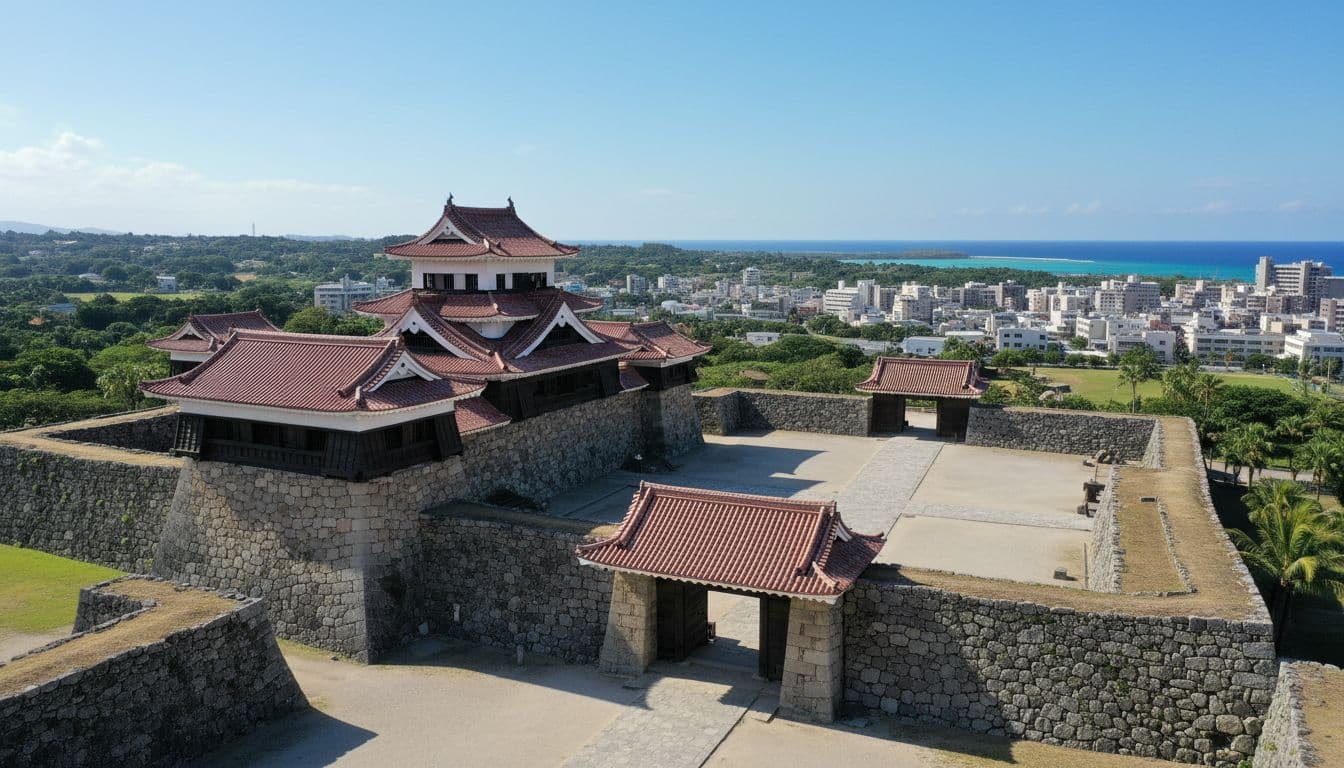
Sleep tourism 2025 is rewriting what vacations look and feel like. Consequently, we’re seeing a surge in people looking for deep rest, real relaxation, and science-backed sleep experiences. It’s no longer just about luxury mattresses or blackout curtains, either. Additionally, modern travelers want full-body wellness, stress relief, and places to truly reset—every detail, from technology to aromatherapy, is fine-tuned with rest in mind.

I’ve noticed more destinations building their entire experience around sleep. For instance, think guided meditation after sunset, suites with smart beds and circadian lighting, and endless views designed to quiet the mind. As everyday stress and digital fatigue reach new highs, we’re all searching for trips that make rest a priority instead of an afterthought. In this article, I’ll break down what makes sleep tourism 2025 special and guide you through the best restful escapes and practical travel tips for a healthier vacation. If you crave quality sleep and want to know how travel can help, you’re right where you need to be. This post contains affiliate links. As an Amazon Associate, we earn from qualifying purchases at no extra cost to you.

Ready to discover why sleep tourism is set to be the defining wellness trend of 2025? Let’s get started.

What Is Sleep Tourism? The Rise of Restful Travel in 2025

It’s no secret that sleep has quickly become the centerpiece of wellness travel, and in 2025, sleep tourism has fully come into its own. Therefore, instead of squeezing rest into a busy itinerary, travelers are planning entire vacations around deep relaxation, mindful sleep, and true rejuvenation. Sleep tourism 2025 is so much more than sinking into a luxury mattress. Moreover, it’s a movement, with science and nature blending to help people reset and wake up to the best version of themselves.

Stunning tropical resort with luxurious poolside, palm trees, and vibrant architecture for ultimate relaxation.Photo by Nikolaj Erema

Defining Sleep Tourism in 2025

Sleep tourism means choosing destinations, hotels, and experiences specifically to improve the quality of your rest. For example, think places built for slumber, where calming lighting, white noise, and even menu options support your body’s natural rhythms. These are not just sleep-friendly hotels—they’re immersive retreats, forest cabins, seaside hideaways, and wellness resorts.

The trend has exploded thanks to more studies proving that good sleep isn’t just nice to have, it’s essential for mind and body health. Furthermore, high-end resorts and even smaller wellness lodges are investing in sleep sanctuaries. Whether it’s blackout blinds, pillow menus, circadian lighting, or rooms scented with lavender, every detail is designed to help guests sleep deeper and wake up refreshed.

You might hear about “wellness travel for sleep 2025” at yoga retreats in Bali or read about “sleep tourism destinations for relaxation 2025” in the latest travel journals. Nevertheless, the focus is always the same: making rest the main reason for your trip.

Why Sleep Tourism Is Trending in 2025

Modern life has made true rest harder to find. Consequently, many of us are glued to screens, working odd hours, or living in noisy cities. This has awakened a global search for restful travel spots in 2025—places that offer the kind of quiet, darkness, and peace we don’t always get at home.

People are choosing sleep tourism because it offers:

  • Deeper Relaxation: Destinations use aromatherapy, wellness amenities, and custom sleep programs to help visitors unwind.
  • Science-Backed Sleep: Hotels collaborate with sleep scientists so guests get real benefits, not gimmicks.
  • Healing from Burnout: These trips are designed for overworked, stressed travelers needing an escape that restores both body and mind.

According to recent trends, some of the best sleep destinations in 2025 include places with quiet natural beauty, clean air, gentle night routines, and specialized sleep packages.

Wellness Travel Meets Sleep: A New Vacation Mindset

Classic vacations might mean late-night parties or sightseeing until you drop, but sleep tourism flips that script. For instance, imagine checking into a forest cabin in Oregon, choosing a pillow to match your sleep style, or practicing evening yoga under the stars in Bali. From luxury sleep pods to guided meditation, these experiences focus on holistic wellness: mind, body, and sleep working together.

The goal is simple—return home feeling healthier, sharper, and truly rested. Therefore, for anyone researching “how to plan a sleep vacation 2025,” it’s not just about a good bed. It’s about every moment designed to help you slow down, stay present, and sleep better than ever before.

Ready to see where this sleep-first trend is headed? Stay tuned as I cover the best restful travel spots for 2025 and how to make the most of your sleep vacation.

Top Sleep Tourism Destinations for 2025

If you’re craving a true reset, your travel plans matter as much as your bedtime routine. Consequently, sleep tourism 2025 has destinations turning silence, comfort, and scenery into genuine sleep sanctuaries. Discover where to surrender to rest and how each spot unlocks a different kind of wellness. This guide features sleep-rich escapes and practical advice for deeper rest, no matter where the year takes you.

Finnish Lapland, Finland: Sleep Under the Northern Lights

Imagine the hush of snowy forests, crisp night air, and a reverent silence broken only by the rustle of birch trees. Finnish Lapland is a sleep tourism 2025 dream—especially for anyone searching for dark skies and the surreal magic of the Northern Lights. The region’s silence retreats champion total quiet, while guided meditation and forest bathing melt away stress. Many eco-lodges are far from any city, allowing pure circadian rhythms to unfold naturally.

  • Nature immersion: Stay in glass igloos or remote cabins, designed for viewing the aurora right from your bed.
  • Meditation routines: Wake to guided mindfulness sessions, or stroll snow-covered woods in the quiet dawn.
  • Packing tip: The nights here are darker than you may be used to. Bring a top-rated sleep mask for gentle darkness and better rest (as an Amazon Associate, I earn from qualifying purchases).
  • Best experience: Visit November to March for the peak Northern Lights season. Dress in layers and always allow extra time for silent reflection to capitalize on the region’s peaceful energy.
  • For more on the popularity of Lapland and similar escapes, see these sleep tourism trends.

Tuscany, Italy: Rural Villas and Organic Sleep Sanctuaries

Rolling hills and olive groves set the tone in Tuscany—one of 2025’s best sleep destinations. Rustic villas are now doubling down on wellness, offering organic mattresses, hypoallergenic bedding, and farm-fresh air with views for miles. Nights are wrapped in stillness, interrupted only by crickets or distant church bells.

  • Sleep-inducing amenities: Many villas supply lavender sachets, blackout drapes, and herbal teas for a soothing bedtime.
  • Noise defense: While countryside nights are peaceful, Mediterranean summers sometimes bring festival music. I recommend noise-canceling headphones for afternoons or travel naps.
  • When to travel: Late spring (May–June) and early fall (September–October) offer quiet, mild weather—perfect for outdoor stargazing and long naps.
  • Booking tip: Choose properties that advertise sleep or wellness packages for extras like in-room massages or meditation gardens.
  • For booking insights and more about rural Italian wellness escapes, check out this guide to trending sleep retreats.

Bali, Indonesia: Wellness Resorts and Deep Rest Rituals

Bali’s serene landscapes and spiritual energy make it a favorite on sleep tourism 2025 lists. Leading wellness resorts here combine gentle yoga, breathwork, and ancient healing techniques to invite real slumber. Think moonlit sound healing, herbal baths, and nature walks that shift your mind from wired to tranquil.

  • Sleep rituals: Most resorts include personalized sleep consultations, from blue-light avoidance tips to guided sleep meditations.
  • Packing essential: Flights here are long, and rest matters. A compact travel pillow can transform how you arrive (as an Amazon Associate, I earn from qualifying purchases).
  • Where to stay: Look for properties like Fivelements Retreat or Como Shambhala that are known for sleep-focused experiences and evening wind-down classes.
  • Tip: Book wellness packages directly and request a riverside or jungle-facing room for extra calm.
  • Discover top wellness resorts in Bali taking sleep to new depths with this updated wellness trend report.

Oregon, USA: Forest Cabins and Hot Springs Retreats

Nothing grounds you like a stay in Oregon’s towering forests, where mossy trees and hidden hot springs recharge mind and body. 2025’s best restful travel spots include secluded eco-cabins and boutique resorts offering nature-immersed sleep programs.

  • Natural sleep aids: Nightly soaks in mineral springs set the stage for restorative sleep. Many retreats host “digital detox” hours so you can disconnect and truly relax.
  • Bring along: An essential oil diffuser adds aromatherapy benefits to your cabin, making every breath a little more restorative (as an Amazon Associate, I earn from qualifying purchases).
  • Where to book: Consider Breitenbush Hot Springs or FivePine Lodge for their renowned sleep wellness offerings.
  • Tip: Visit in September or early October for fewer crowds and peak forest serenity.

Swiss Alps, Switzerland: Alpine Lodges and Crisp Mountain Air

Switzerland’s snow-dusted peaks are home to sleep lodges that put fresh air and tranquility at the center. Alpine hotels cater to sleep tourists by syncing schedules with the sun and offering light-blocking rooms, guided evening walks, and circadian-friendly lighting.

  • Optimal sleep climate: You’ll find some of the world’s cleanest, most invigorating air—ideal for hitting the reset button.
  • Sleep sound hack: The quiet can be surprising if you’re used to city life. Bring a white noise machine for soothing consistency (as an Amazon Associate, I earn from qualifying purchases).
  • Booking tips: Ask for a room facing away from village streets and check for sleep-focused amenities like blackout curtains or special herbal teas.
  • For more on the appeal of Alpine sleep retreats, explore the latest European sleep travel trends.

Maldives: Overwater Rest and Ocean Calm

Turquoise water, gentle waves lapping at your private deck, and a horizon with no interruptions—the Maldives offers the quiet luxury of overwater villas that seem built for sleep tourism 2025. The sound of the ocean becomes the perfect lullaby.

  • Why it’s ideal: Many resorts include sleep butlers, in-villa aromatherapy, and sunrise yoga for slow, mindful wake-ups.
  • Best timing: Plan for November through April for calm seas and minimal rain.
  • Booking for sleep: Search for “deep rest packages,” which bundle massage, meals, sleep rituals, and wellness check-ins over several days.
  • See what makes the Maldives a globally recognized restful travel spot in 2025.

Quebec, Canada: Cozy Chalet Escapes in Winter

If you long for fireside comfort and snowy stillness, Quebec’s chalets call. Sleep retreats offer heated floors, rustic fireplaces, and evening routines tailored to banish stress. With the world outside muffled by snow, sleep comes easily.

  • Sleep routines: Participate in bedtime tea ceremonies, guided journaling, or yoga nidra by the fire.
  • Stay warm: Layer well with merino wool and fleece. Wool socks and a soft beanie can make all the difference for uninterrupted warmth at night.
  • Travel tip: Book midweek in January or February for the quietest stays when crowds thin and snow blankets the forests, creating the perfect sleep-inducing backdrop.
  • Quebec’s sleep tourism scene was highlighted as one of the most surprising destinations in this travel feature on sleepcations.

Costa Rica: Jungle Lodges for Deep Connection and Sleep

Costa Rica’s sleeping jungles are alive with natural sound baths. Eco-lodges here use nature as their main sleep aid, celebrating wildlife lullabies and soft rain tapping on tin roofs. Sleep tourism 2025 has never felt so alive, or so quiet.

  • Eco-amenities: Fall asleep to tree frogs and morning birdcalls. Choose spots that highlight low-impact energy use for less electrical hum.
  • Best months for sleep: Avoid the rainy season (May–November). December to April offers the calmest weather and most comfortable sleep conditions.
  • Where to go: Check out wellness lodges in the Osa Peninsula or Arenal region, known for tailored rest rituals and immersive sound healing.

Sleep tourism 2025 is about more than a good night’s sleep—it’s an invitation to pause, restore, and choose destinations where your well-being leads the way.

Pro Tips for a Restful Sleep Vacation in 2025

Planning the perfect sleep vacation isn’t just about picking the right destination. Consequently, the little details can make or break your rest, whether you’re hoping to reset your body clock in the Swiss Alps or sink into stillness in rural Tuscany. With sleep tourism 2025 leading the way for wellness travelers, it pays to treat your sleep like the main event. I’ve gathered the most practical, science-backed strategies to help you make every night count while traveling for rest and relaxation.

A woman in a swimsuit sleeping peacefully on a sandy beach with seashells on her back.Photo by cottonbro studio

Start Adjusting Your Sleep Before You Leave

Shifting your internal clock gradually sets you up for deeper rest from day one. About three days before your trip, begin moving your bedtime 30 to 60 minutes closer to the time zone of your destination. Let your mealtimes and morning routines follow suit, so your circadian rhythm isn’t shocked at arrival.

  • Prep tip: This method, called “pre-travel strategic sleep,” can soften the blow of jet lag, especially with long eastward journeys where time jumps feel more severe. More expert advice on this can be found in these sleep tips for holiday travel.

Pack Smart: Bring Familiar Sleep Aids

I never underestimate the power of comfort from home. For example, small, familiar items can turn even the most unfamiliar hotel room or cabin into a personal sleep haven.

  • Eye masks or blackout curtains (many sleep-focused resorts offer these, but it’s never a bad idea to bring your own)
  • Travel pillow or favorite pillowcase
  • Earplugs or a portable white noise machine for unpredictable environments
  • Calming scent (try a small essential oil diffuser with lavender oil for instant relaxation)
  • Sleepwear and socks you’d wear at home

If you want a few more ideas to create your own bedtime comfort kit, check out these 2025 vacation sleep tips.

Prioritize the Sleep Environment

Even the most restful destination can’t make up for a poor sleep setup. When you check in, take five minutes to makeover your room for optimal sleep.

Key moves for a restful environment:

  • Lower the room temperature to between 60–67°F (16–19°C) if possible—it’s the ideal range for sleep.
  • Block stray light with shades, sleep masks, or even a rolled towel at the door.
  • Muffle outside noise with white noise devices, calming playlists, or a travel fan.
  • Check the bedding for comfort: request extra pillows or blankets if needed.

Time Your Light Exposure (and Darkness)

Natural light is your best tool to reset your internal clock. Upon arrival, get as much sunlight as you can during local waking hours—especially in the morning. If you find it tough to wake up or fall asleep at the right time, darkness at night (using blackout curtains or eye masks) is just as important. Both cues help your body gently realign to a new rhythm.

Create an Evening Wind-Down Ritual

No matter where I am or how tempting the local entertainment, I build a wind-down window before bed. Furthermore, consistency is the secret to signaling to your body that it’s time for real rest. Try this flow:

  1. Dim the lights an hour before sleep.
  2. Avoid screens or switch to a blue light blocker.
  3. Practice deep breathing or a short meditation—just five minutes can melt away travel stress.
  4. Sip a warm, non-caffeinated drink like herbal tea (chamomile and valerian root are both great for sleep). Learn more about relaxing pre-bed habits from the Sleep Foundation’s travel guides.

Manage Jet Lag Like a Pro

After crossing multiple time zones, symptoms can last days. Strategic naps, plenty of daylight, and in some cases, a melatonin supplement (about 0.5–3 mg a few hours before your new bedtime) can speed up your recovery. Keep your naps short (20–30 minutes) to avoid grogginess and use them as a bridge rather than a replacement for overnight rest. Detailed jet lag recovery tactics are available in this guide to resetting your sleep on vacation.

Stick (Mostly) to a Sleep Routine

Travel means breaking routine, but one routine shouldn’t get lost: your bedtime. Sleep tourism 2025 destinations help with this, but I make a point to keep my waking and sleeping times consistent—plus or minus an hour if possible. It boosts recovery, mood, and lets me enjoy vacation rather than catching up on sleep.

Quick Tips Table: Easy Sleep Wins

Sleep ChallengePro TipNoisy surroundingsEarplugs or white noise deviceJet lag after arrivalNatural sunlight and strategic napsLight in the roomSleep mask or ask for blackout curtainsTrouble relaxingGuided meditation or deep breathingDry hotel airDrink water, consider a portable humidifierUnfamiliar beddingBring a pillowcase or small blanket from home

Don’t Forget Self-Care Basics

Travel can drain more energy than you think. Moreover, I pay close attention to the small habits that make a big difference:

  • Stay hydrated and avoid heavy meals within two hours of sleep.
  • Skip caffeine and alcohol in the evening.
  • Gentle movement during the day (even a short walk) can prime your body for deep rest at night.
  • Allow for quiet time before bed, even if you’re tempted to keep scrolling or review tomorrow’s plans.

Adopting these sleep strategies maximizes the value of your next rest-focused escape. Sleep tourism 2025 isn’t just about where you go—it’s about building habits that deliver the rest your mind and body crave.

FAQs: Sleep Tourism 2025 Explained

Sleep tourism 2025 is generating curiosity everywhere, but the detail can feel overwhelming if you’re just starting to explore rest-first travel. Here, I answer the most common questions people ask about sleep tourism destinations, benefits, and how these experiences reshape what a “restful getaway” truly means. I’ll offer clear practical takeaways so you can decide if this is the reset your body and mind deserve.

What is sleep tourism in 2025?

Sleep tourism in 2025 centers on intentionally choosing destinations or experiences that boost the quality of your rest. Hotels and wellness retreats now offer more than plush mattresses—they create full sensory environments using adjustable temperatures, blackout features, spa therapies, calming aromatherapy, and advanced technology like smart beds and sleep trackers.

This trend puts restful sleep at the core of your trip. Wellness travelers plan entire getaways around sleep programs, using everything from guided sound baths and yoga nidra to AI-enhanced sleep assessments. The goal is to leave truly restored, not just well-traveled. For a deeper dive, see this National Geographic overview on sleep tourism.

How does sleep tourism improve health in 2025?

When you put sleep front and center, every aspect of your health can bounce back. Quality sleep rebuilds the immune system, supports heart health, balances mood, and even sharpens memory—things a rushed sight-seeing tour can’t offer. In 2025, sleep tourism pairs wellness science with personalized care: think hormone-friendly lighting, circadian-based meal plans, and immersive relaxation techniques.

Travelers report less stress, more mental clarity, and faster recovery from burnout after these trips. Furthermore, because modern resorts use real-time sleep tracking and therapy programs, you take home lasting tools for better sleep habits even after the vacation ends. There’s a reason why so many wellness retreats highlight these benefits in their sleep-focused offerings, as seen in this guide to the latest sleep tourism health trends.

Which destinations are best for sleep tourism in 2025?

Some of the best sleep tourism destinations for 2025 include Finnish Lapland (silence retreats beneath the Northern Lights), Tuscany’s rural wellness villas, wellness resorts in Bali, and tranquil Swiss Alps lodges with crisp mountain air. Each spot offers custom-built sleep environments—think blackout curtains in the Alps, aromatherapy in the Maldives, and jungle soundscapes in Costa Rica.

If you prefer exclusive ocean calm, overwater retreats in the Maldives often feature sunrise yoga and sleep butlers. Meanwhile, eco-lodges in Costa Rica use natural rain and forest sounds as lullabies. For a quick look at top-rated sleep spots, explore these trending sleep destinations for 2025.

What should I expect from a sleep-focused getaway?

A sleep tourism experience isn’t just about a soft bed. Expect personalized sleep consultations, science-backed sleep rituals, evening yoga, guided meditations, and soothing therapies like massages or hot baths. Tech-forward rooms may offer adjustable lighting that mimics sunrise and sunset or smart beds that track your rest.

Some luxury hotels have “sleep butlers,” who adjust amenities for you, while many healing retreats offer diet guidance and supplement plans designed for sleep. You may also find digital detox programs to help you ditch the screens and truly unwind. If you want real details on what to expect, this deep dive into the 2025 sleep tourism trend breaks down common packages.

Is sleep tourism just for luxury travelers?

Sleep tourism isn’t only about $1,000-per-night retreats. The growth of sleep tourism in 2025 means you’ll see everything from high-end resorts with genetic sleep assessments to affordable city hotels with sleep pods and airport suites. Many Airbnb hosts now include blackout curtains, aromatherapy kits, and quiet rooms designed for quality sleep.

The focus is shifting from “luxury only” to accessible wellness routines, with more cities and lodges launching sleep-focused experiences for every budget. The best practices—like creating an at-home sleep environment with aromatherapy and blackout drapes—can be adapted to fit any traveler’s style.

Sleep tourism 2025 isn’t just a buzzword—it’s a practical tool for prioritizing well-being wherever you sleep.

Conclusion

Sleep tourism 2025 is transforming how I travel, recharge, and care for my mind and body. Prioritizing quality rest at science-backed destinations means I return home with more clarity, energy, and true joy in each moment. Embracing this trend is more than a break—it’s an upgrade to my health, routines, and overall well-being.

Booking a restorative escape is easy with I Need My Vacation. Find wellness retreats, restful hotels, and dream destinations designed for better sleep—all in one trusted place.

If this guide helped or inspired you, share it on Pinterest, Instagram, or X using #SleepTourism #WellnessTravel #Travel2025. Don’t forget: my recommendations support this site through affiliate links, always at no extra cost to you.

Better sleep is the gift that keeps giving. Thanks for reading and being part of this new kind of travel movement.


The search for quiet escapes and deeper adventures is shaping where we go next. In 2025, more travelers are leaving the crowds behind, skipping Tokyo’s neon rush and Bali’s packed beaches, hoping for places that feel truly different. That’s where the hidden gems Japan & China 2025 trend comes in.

These places promise more than postcard views—they offer rich culture, raw nature, and memories you just can’t buy in popular hubs. If you crave authentic moments and want to go beyond the usual stops, you’re in the right place. This guide highlights underrated, buzzworthy spots across both countries that are set to draw attention in the coming year, plus practical tips for visiting and making every day count. This post contains affiliate links. As an Amazon Associate, we earn from qualifying purchases at no extra cost to you.

Ready to discover what’s next in travel? These are the hidden gems Japan & China 2025 explorers are buzzing about.

Japan’s Unforgettable Hidden Gems Gaining Buzz in 2025

Japan’s rural corners are set to shine in 2025 as more travelers follow the hidden gems Japan & China 2025 trend in search of quiet beauty and lasting memories. While Tokyo’s lights will always dazzle, these lesser-known treasures offer a slower pace, one-of-a-kind sights, and a genuine connection with the land and its people. For those curious to trade crowds for calm, these tucked-away spots feel like Japan’s best-kept secrets.

Shirakawa-go: Storybook Villages and Winter Magic

Photo By Paolo Sanchez

Wandering into Shirakawa-go is like stepping into a snow-globe scene. Tucked deep in Gifu’s mountain valleys, this UNESCO-listed destination catches the eye with its gassho-zukuri farmhouses—wooden structures with steep thatched roofs, built to shrug off heavy snow. Their design looks as if hands are pressed in prayer against the mountain sky.

Best Times to Visit:

  • Winter (January to February): Thick snow transforms the village into a fairy tale. Night illuminations make it even more magical.
  • Spring and Fall: Cherry blossoms and autumn leaves add bursts of color.

For a real taste of local life, try staying in a traditional minshuku (a family-run guesthouse) for a night or two. You’ll sleep on tatami mats and might even warm up around an old irori hearth. The experience feels worlds away from typical hotels.

Packing Tip: Shirakawa-go is rural and best explored on foot; pack light and keep your hands free. I recommend a sturdy travel backpack (affiliate link) so you can stash snacks, a camera, and a warm hat without hassle.

Want to check out more details? Explore the UNESCO listing for Shirakawa-go or read a local’s take on what makes Shirakawa-go special in 2025.

Yakushima: Ancient Forests and Misty Trails

Yakushima isn’t just a forest, it feels like an enchanted world. On this small subtropical island off Kyushu, thousand-year-old cedar trees (yakusugi) tower over mossy paths, often shrouded in a soft mist. Parts of the forest inspired the scenery in the animated film Princess Mononoke, and walking here is like entering a living watercolor painting.

Highlights:

  • Hiking: Trails wind past ancient trees and waterfalls, from the easy Shiratani Unsuikyo Gorge to the challenging climb up Mt. Miyanoura.
  • Wildlife: Watch for the shy Yakushima macaque or deer quietly threading through the undergrowth.

Travelers drawn by the hidden gems Japan & China 2025 trend love Yakushima’s deep stillness. It’s not just about hiking—you’re called to slow down and notice every shade of green, every bead of rain on the moss.

Gear Tip: Rain is common, so a waterproof camera (affiliate link) makes it easier to capture the lush beauty, even in a drizzle.

How To Visit Respectfully:

  • Stay on marked trails to protect fragile roots and moss.
  • Carry out all trash.
  • Travel with a small group or a local guide for the lowest impact.

For more info, check these guides to Yakushima’s mystical hikes and waterfalls or learn about its forest’s ancient roots.

Koyasan: Temple Stays and Spiritual Quiet

Koyasan (Mount Koya) invites you to pause from constant sightseeing and find some quiet. Known as the cradle of Shingon Buddhism, this hilltop town is home to dozens of serene temples, centuries-old forests, and a gentle hush that seeps into your soul.

Why Stay Overnight?

  • Shukubo Lodging: Guests can sleep inside temple lodges on cozy futons, just as monks do.
  • Unique Experiences: Join morning meditation, try calligraphy, and enjoy a simple (yet surprisingly tasty) vegetarian temple meal called shojin ryori.
  • Okunoin Cemetery: Wander among towering cedars, mossy gravestones, and lantern-lit paths; the atmosphere is otherworldly at night.

Respect local customs: Be ready to rise early, walk quietly, and join in with daily rituals if you wish. Even if you don’t speak Japanese, you’ll sense the mood and rhythm of spiritual life here.

Curious about authentic temple stays? The Koyasan Shukubo Association provides all the details needed to book a room and plan ahead.

Tottori Sand Dunes: Japan’s Desert Adventure

Few travelers expect to stumble upon a mini-desert in Japan, but the Tottori Sand Dunes offer just that. Stretching along the Sea of Japan, these rolling dunes create a surreal landscape where you can run barefoot, ride camels, or even try sand-boarding.

Things To Do:

  • Sand-boarding: Glide down golden slopes like you’re on a snowy hill—great fun for thrill-seekers.
  • Camel Rides: Short, sandy treks evoke images of faraway deserts. Not many places in Japan can match this!

Budget Tips:

  • Stay in Tottori city for easy, low-cost access. Local guesthouses and hostels give budget travelers all they need.
  • Buses from Tottori Station reach the dunes in about 20 minutes.

Important Safety Note: The sun and wind on the dunes can be intense—take sunglasses and water, and wear shoes if the sand gets hot.

For more traveler reviews, peek at the Tottori Sand Dunes on Tripadvisor or get trip details from Japan’s official tourism guide.

These spots each tell their own story. From snowy fairy tales in Shirakawa-go to the desert surprise of Tottori, they prove why the hidden gems Japan & China 2025 are poised to catch every curious traveler’s eye.

China’s Rising Stars: Underrated Destinations to Explore in 2025

China’s lesser-known regions are finally getting their spotlight among travelers searching for fresh experiences beyond tourist magnets. The “hidden gems Japan & China 2025” trend is alive here—steep cliffs, lantern-lit alleys, bohemian towns, and magical rivers that promise something new each day. These places prove you don’t need a famous city to find wonder. Pack a little curiosity, a flexible schedule, and get ready for discoveries that could change how you see China.

Zhangjiajie: Dreamlike Pillars and Skywalks

Photographers and movie fans know Zhangjiajie as the real-life inspiration for the floating mountains in “Avatar.” As you step into the park, stone spires shoot up from emerald valleys like the bones of ancient giants, wrapped in shifting clouds. The most famous sight? The glass bridge, hanging hundreds of meters above the canyon—a thrill with every step (but not for the faint-hearted).

Stunning sandstone pillars rise amidst lush greenery in Zhangjiajie, China.Photo by Ahmed Abd Allah

Top Highlights:

  • Sandstone Columns: Hike early for mist dancing between sandstone pillars.
  • Glass Skywalks: Brave the see-through bridge for surreal views and heart-pounding selfies.
  • Photo Spots: The Yuanjiajie and Tianzi Mountain areas offer vistas you simply can’t miss.

Whether you love hiking or just want epic photos, pay attention to the trails you choose. The park is vast, so pick a route that fits your comfort level. Good shoes, snacks, and a travel journal (affiliate link) are musts—there’s something about this landscape that begs to be sketched or described.

Essentials to Pack:

  • Layers (the weather changes by the hour)
  • Light rain jacket
  • Camera and notebook
  • Portable snacks

Getting There & Around: High-speed trains now connect Zhangjiajie to major cities. Shuttle buses link the entrances, while cable cars give legs a rest. Accessible paths and park buses help, but some sections have steep steps, so pace yourself.

Before planning, check out insider trip reviews on the 10 best hidden gems in China and tips from travelers who know these trails.

Dali: Ancient Walls and Mountain Views

Dali feels like an invitation to slow down. Old city gates and crumbling walls hold back the noise of modern life while the snow-dusted Cangshan mountains offer a peaceful background. The bohemian air is everywhere—vintage bikes, relaxed jazz bars, and street artists who sell handmade leather books on the sidewalks.

Lakeside walks circle Erhai Lake, where paddle boats and fishermen drift past. You’ll want to wander the backstreets just to stumble upon hidden craft shops, incense-scented temples, and cheerful coffee stands.

How I Find the Best of Dali:

  • Duck into small eateries (skip the ones with big neon menus) for bowls of crossing-the-bridge noodles.
  • Guesthouses near Renmin Road or along the lake edge offer sunrise views and friendly chats.
  • Need to stay connected in this tech-friendly city? A portable charger (affiliate link) helps you map, share, and translate with ease as you roam.

Dali Essentials:

  • Sunscreen and a water bottle for lakeside rambles
  • Small bills for local markets
  • Basic Mandarin apps help, though pointing and smiling go far

Curious about more off-the-beaten-path places like Dali? Dive into these underrated cities in China that locals treasure.

Yangshuo: River Bends and Towering Karsts

The air in Yangshuo glows at sunrise. Mist curls over the Li River as limestone peaks roll endlessly into the distance. Travelers slip past water buffalo on rented bikes, stopping at every turn because the view never looks the same twice. The sense of freedom here sets it apart.

If you’re watching your wallet, Yangshuo is a gift. Riverside hostels, cheap dumpling shops, and self-guided bike tours put adventure within reach for anyone.

Favorite Ways to Experience Yangshuo:

  • Bicycle Loops: Rent a bike from West Street and cycle through rice fields alongside the Yulong River.
  • River Cruises: Short bamboo raft trips offer a peaceful way to spot cormorant fishermen and dreamy backdrops.
  • Photography: Xianggong Hill at sunrise is the spot—climb early for a view that feels like floating.

For Budget Travelers:

  • Stay in local inns off main streets for deals and local hospitality.
  • Group tours organize hikes into the karsts at sensible rates.
  • Eat street food: Guilin rice noodles, taro cakes, and grilled river fish.

Curious where else you might find value-packed adventures? Try this post about why China is the best bang for buck travel place in 2025.

Jiufen: Lanterns, Teahouses, and Mountain Passes

Tucked on a lush mountainside, Jiufen looks like a page from a fantasy. Red lanterns flicker down winding alleyways, leading to steep stairways bordered by craft shops and cozy teahouses. Drift through the fog and you’ll spot old gold mine relics and locals brewing oolong with mountain water.

Budget travelers thrive here. Seek out smaller homestays for a taste of family-cooked meals after sundown. Hidden stairways up the hill reveal quiet viewpoints over the sea—perfect for a solo traveler to soak in the calm without the crowds.

Tips for Enjoying Jiufen:

  • Explore early or late evening to sidestep tourist swells.
  • Try tea at the A-Mei Teahouse, but also find a quieter nook for less.
  • Wear sturdy shoes; the steps can be slippery and steep.
  • Guard your pockets in crowds and keep emergency contacts handy.

If you want to know which Chinese destinations are truly underrated beyond Jiufen, skim this list of hidden gem attractions in China for inspiration, or check travel safety tips from fellow explorers.

These China destinations show what the “hidden gems Japan & China 2025” trend really means: new sights, gentle hospitality, and stories worth telling.

Essential Traveler’s Checklist: Gear, Tips, and Affiliate Picks for 2025

When exploring the hidden gems Japan & China 2025 explorers are buzzing about, preparation goes far beyond just picking a new destination. The right gear, smart tips, and a pinch of planning make all the difference between a trip you remember for smiles—or for hassles. In this section, I’m sharing my tried-and-true packing advice, the unexpected travel items that save the day, and some affiliate favorites that other adventure-seekers swear by for 2025.

Flat lay of adventure essentials with map, watch, and Huckberry magazine, perfect for travel enthusiasts.Photo by Andrew Neel

Ultimate Packing List for Off-the-Beaten-Path Adventures

Packing light means packing smart—especially when venturing deep into Japan’s rustic villages or China’s wild landscapes. Here’s what I consider non-negotiable on any hidden gems Japan & China 2025 journey:

  • Quality Daypack or Carry-On: Compact and organized, a travel backpack (affiliate link) keeps your gear close without weighing you down.
  • Multi-purpose layers: Think lightweight jacket for chilly morning hikes or temple stays.
  • Sturdy, packable shoes: A pair of comfortable hiking shoes (affiliate link) is a game-changer for both city streets and backcountry trails.
  • Rain protection: An ultralight poncho or shell ensures you’re never caught mid-downpour—crucial for misty forests or unpredictable mountains.
  • Universal adapter: Saves headaches in train stations, guesthouses, and rural minshuku alike.
  • Reusable water bottle: Hydration is key, whether you’re wandering temple stairs or ancient alleyways.

Pro tip: Stick with neutral clothes and just enough change to get by. Laundry services are easy to find, especially in guesthouse-rich towns.

Insider Travel Tips for Hidden Gem Destinations

Hidden gems often mean new challenges—no big tourist desk, rare English menus, just life as locals live it. Here’s how I keep things smooth:

  • Download offline maps before you go. Cell service can drop out fast in mountain valleys or forest islands.
  • Pack snacks from home. Those first hours after a long ride or hike can leave you far from the nearest café.
  • **Learn a handful of local phrases—**even a simple “hello” or “thank you” breaks the ice and often leads to small kindnesses.
  • Split your cash and cards. Not every ATM works for foreign cards in remote towns.
  • Carry copies of travel docs. A printed (or digital) backup of IDs and bookings can save hours if things go sideways.

Affiliate Picks: What I Actually Use (and Recommend)

For hidden gems Japan & China 2025, not all travel gear works the same. Here’s what I wish I’d packed sooner and now won’t travel without:

Essential Travel Gear

Gear Why It’s Essential Recommended For
Travel backpack Lightweight, roomy, lots of pockets Rural Japan, day hikes, city exploring
Waterproof camera Rain storms, waterfalls, hot springs Yakushima, coastal China, any trip with wild weather
Travel journal Track routes, sketch scenery, jot down local phrases Keepsake of the journey
Portable charger All-day navigation, language apps, photos Mountains, old towns, trains
Hiking shoes Grips varied terrain, packs down small Forests, sand dunes, temple stairs

As an Amazon Associate, I earn from qualifying purchases. These links cost you nothing extra and help keep my recommendations honest and up-to-date with 2025’s best finds.

Gear Trends and Where to Find the Best Picks

It’s not just about old standbys. Travel gear brands are releasing more eco-friendly, multifunction items, and compact designs that suit adventure-focused trips. If you love staying on top of gear trends, browse the best travel accessories and luggage for 2025 or check out Reddit’s 2025 yearly gear update for real user feedback before your trip.

Every trip has surprises, but with this checklist and a little curiosity, you’ll feel ready for anything these off-the-beaten-path Japan & China 2025 destinations might throw your way.

FAQ: Hidden Gems Japan China 2025

The buzz for hidden gems in Japan & China 2025 is real. These rising spots capture the hearts of travelers tired of crowds and in search of true adventure. I see a growing curiosity about how to access these places, what to expect, and how to stay safe. Let me answer the most common questions I hear, so your travel planning feels smoother and a lot more exciting.

What are the best hidden gems in Japan and China for 2025?

The list keeps growing, but a few names always stand out. In Japan, you’ll want to look at Shirakawa-go—a storybook village wrapped in snow, Yakushima for misty ancient forests, and Koyasan’s peaceful temples for a real spiritual reset. For China, rising favorites like Zhangjiajie, with its wild Avatar-style cliffs, Dali’s boho alleys, and the misty karst mountains of Yangshuo make the “must-see” roster. For more destination inspiration and current traveler highlights, sites like News.com.au’s analysis on 2025 hidden gems break down exactly where the hype is building.

How do I find off-the-beaten-path destinations in 2025?

Research pays off, but some tips help you dig deeper, faster:

  • Read recent travel forums and subreddits for trip reports.
  • Avoid only looking at big travel platforms—try local blogs or community recommendations.
  • Use search engines with exact keywords like “hidden gems Japan China 2025.”
  • Check guides that focus on regional travel, like the Chugoku hidden gems TripAdvisor guide.

Pair that with chatting up guesthouse owners or baristas once you arrive. Locals know about surprises the internet hasn’t caught yet.

Are hidden gems in China safe to visit in 2025?

Yes, with the right prep. Most new hot spots in China are seeing more tourism infrastructure as they gain buzz. Here’s how I stay smart:

  • Use only official transportation and licensed guides for remote trips.
  • Bring copies of your documents and keep emergency contacts handy.
  • Watch your step on trails, especially in places with steep or slippery paths—Zhangjiajie’s walks can get intense!
  • For current conditions and best times to visit, check advice like China Highlights’ destination guide.

Local police stations often offer help to foreign travelers if you need support.

When is the best time to visit hidden gems in Japan and China?

Timing makes a real difference. For Japan, late winter (January–March) brings snowy magic to places like Shirakawa-go, while Yakushima’s forests come alive with color in spring. Koyasan shines all year, but autumn brings a certain peacefulness to temple stays.

In China, spring and fall usually mean cooler weather and fewer crowds—perfect for mountain hikes and river cruises. Autumn shows off Dali’s best colors and Yangshuo’s harvest beauty. For festivals and local events, it’s worth following regional updates to catch something special during your visit.

What’s the most affordable way to see hidden gems in Japan & China 2025?

Trains and buses remain the backbone of affordable travel. I rely on Japan’s regional rail passes and China’s growing high-speed network to jump between spots without breaking the bank. Hostels and guesthouses in lesser-known towns offer both savings and authentic connections.

  • Book in advance for peak times, especially in scenic areas.
  • Use digital maps and local transit apps where available.
  • Keep a flexible schedule for last-minute deals and tips from fellow travelers.

For more practical guides to stretching your travel budget in Asia, explore tips from the Japan travel subreddit or browse destination-focused deal trackers.

These answers should clear up the first questions popping into your mind as you plan the ultimate off-the-beaten-path Japan & China 2025 trip. Soak up the knowledge, pack with confidence, and get ready for memories far from the crowds.

Conclusion

Travel in 2025 is all about authentic moments and wide-open spaces. Hidden gems in Japan and China promise a fresh kind of adventure—rich with quiet beauty, deep culture, and real human connection. These places give a break from tourist crowds and let the spirit of discovery come alive for every traveler who is curious enough to look.

If you want your memories to stand out, skip the usual stops and find your own story in these off-the-beaten-path corners. Authentic travel isn’t just a trend; it’s how the best journeys start. Thank you for joining me on this glimpse into what awaits away from the well-worn trail.

Ready to explore Japan and China’s hidden gems in 2025? Book your flights, hotels, and tours at unbeatable prices with I Need My Vacation. Start your adventure today and save big!


Pin It on Pinterest

Seraphinite AcceleratorOptimized by Seraphinite Accelerator
Turns on site high speed to be attractive for people and search engines.